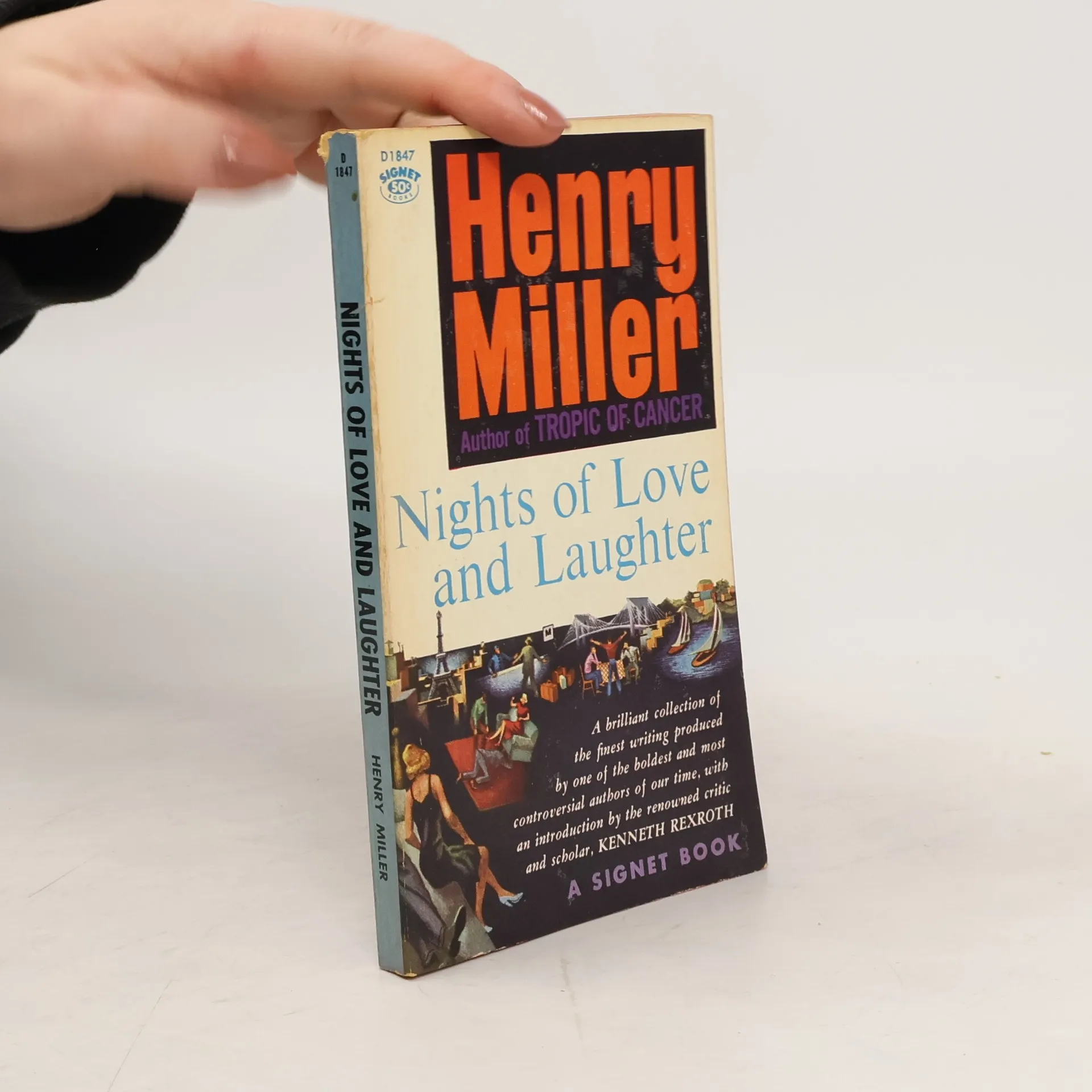
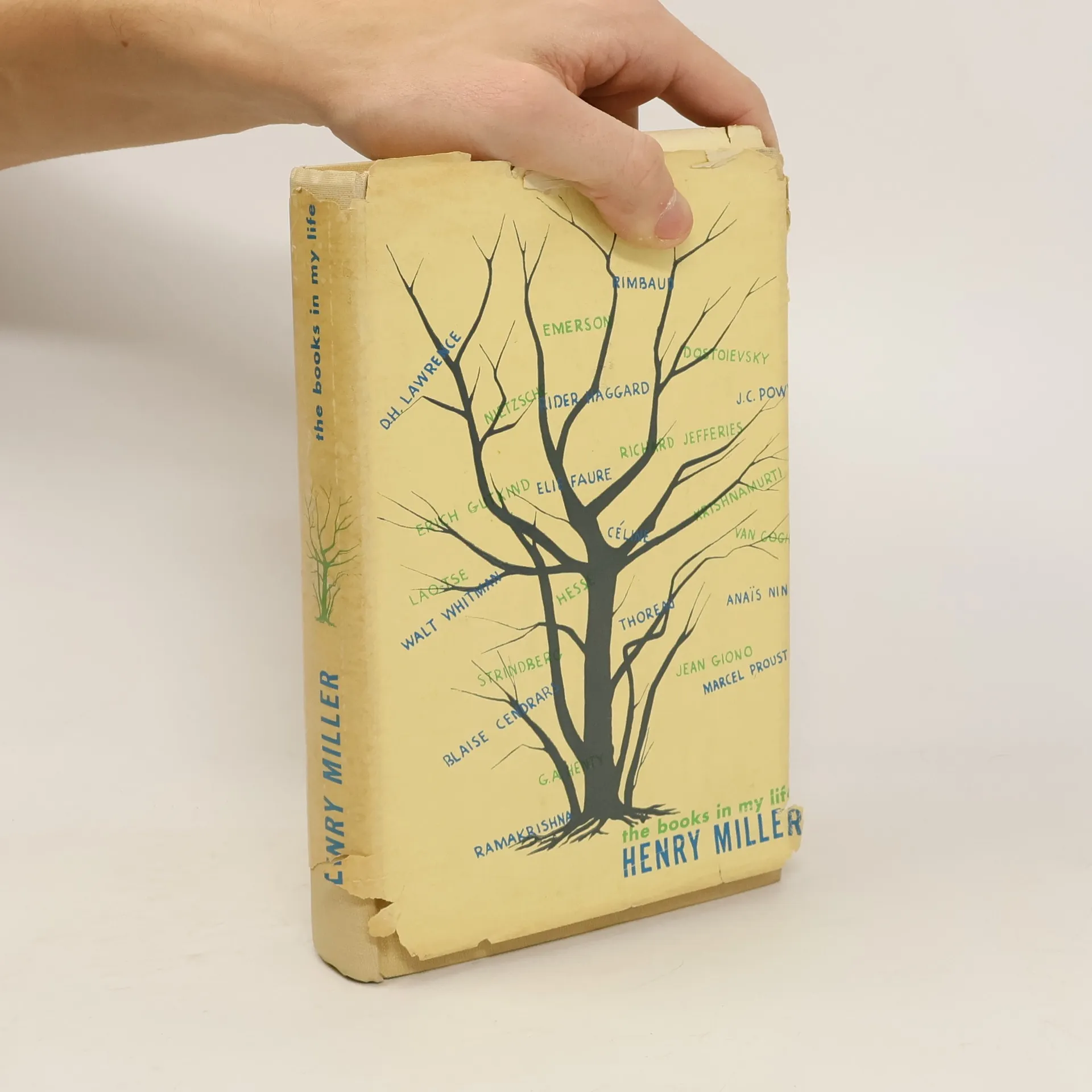
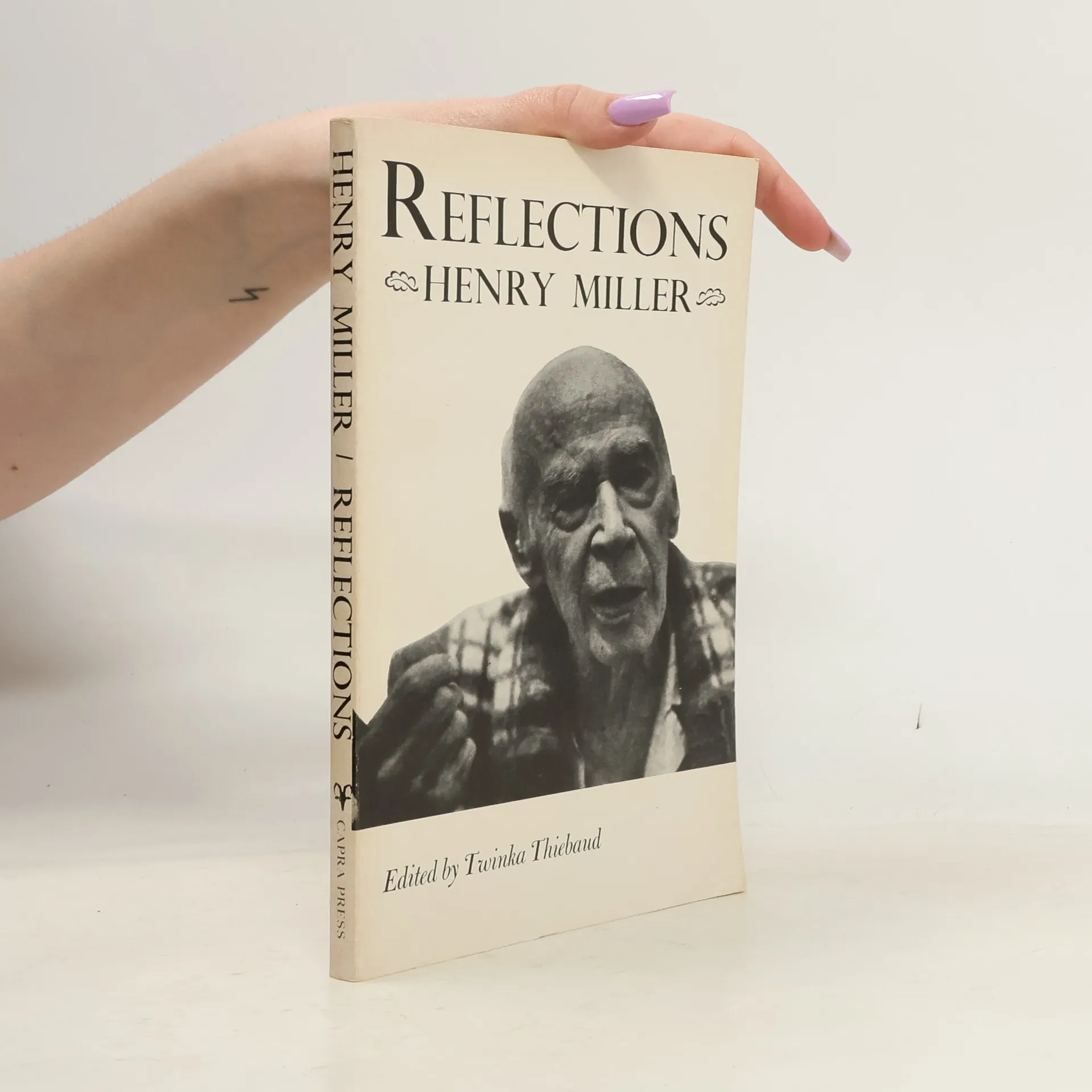
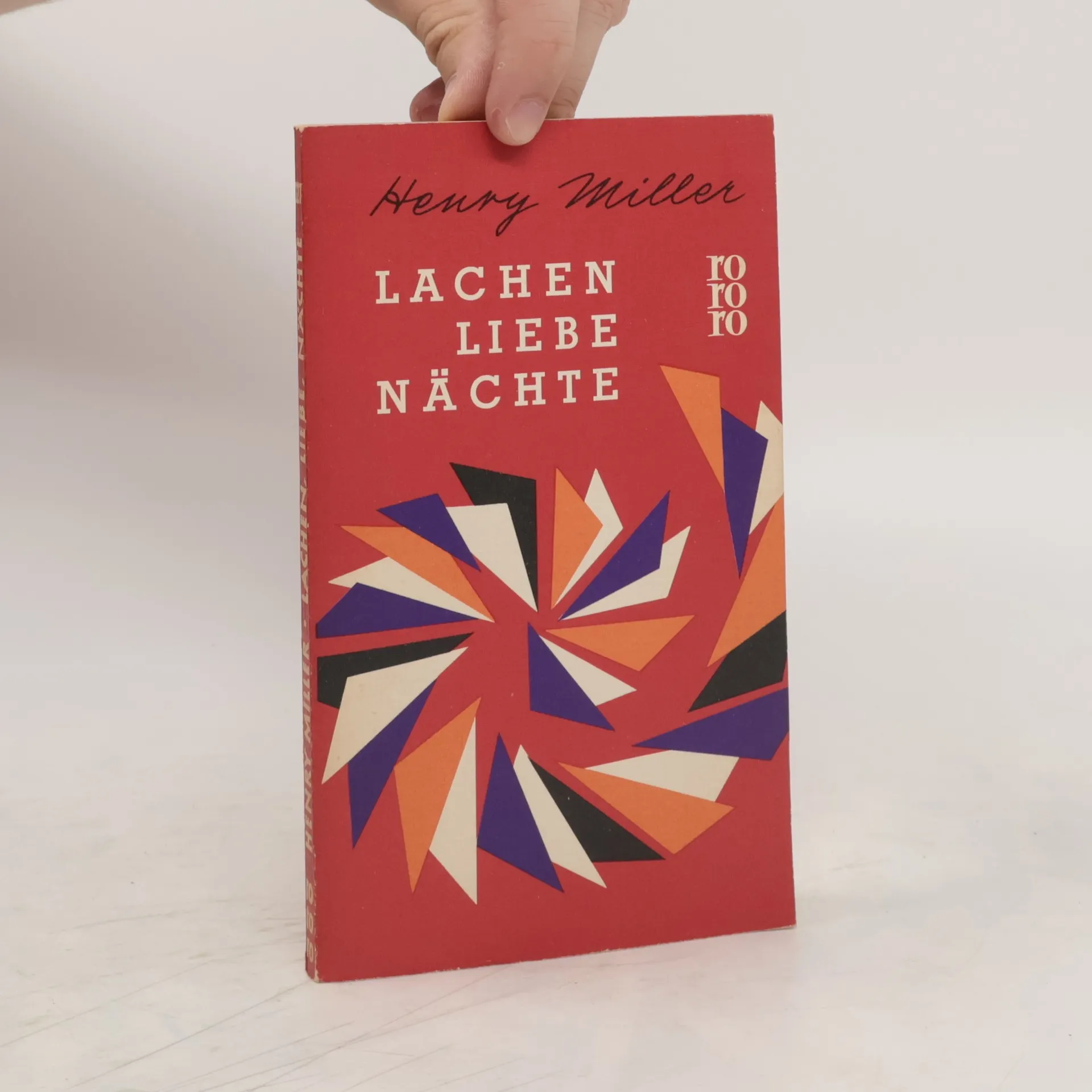
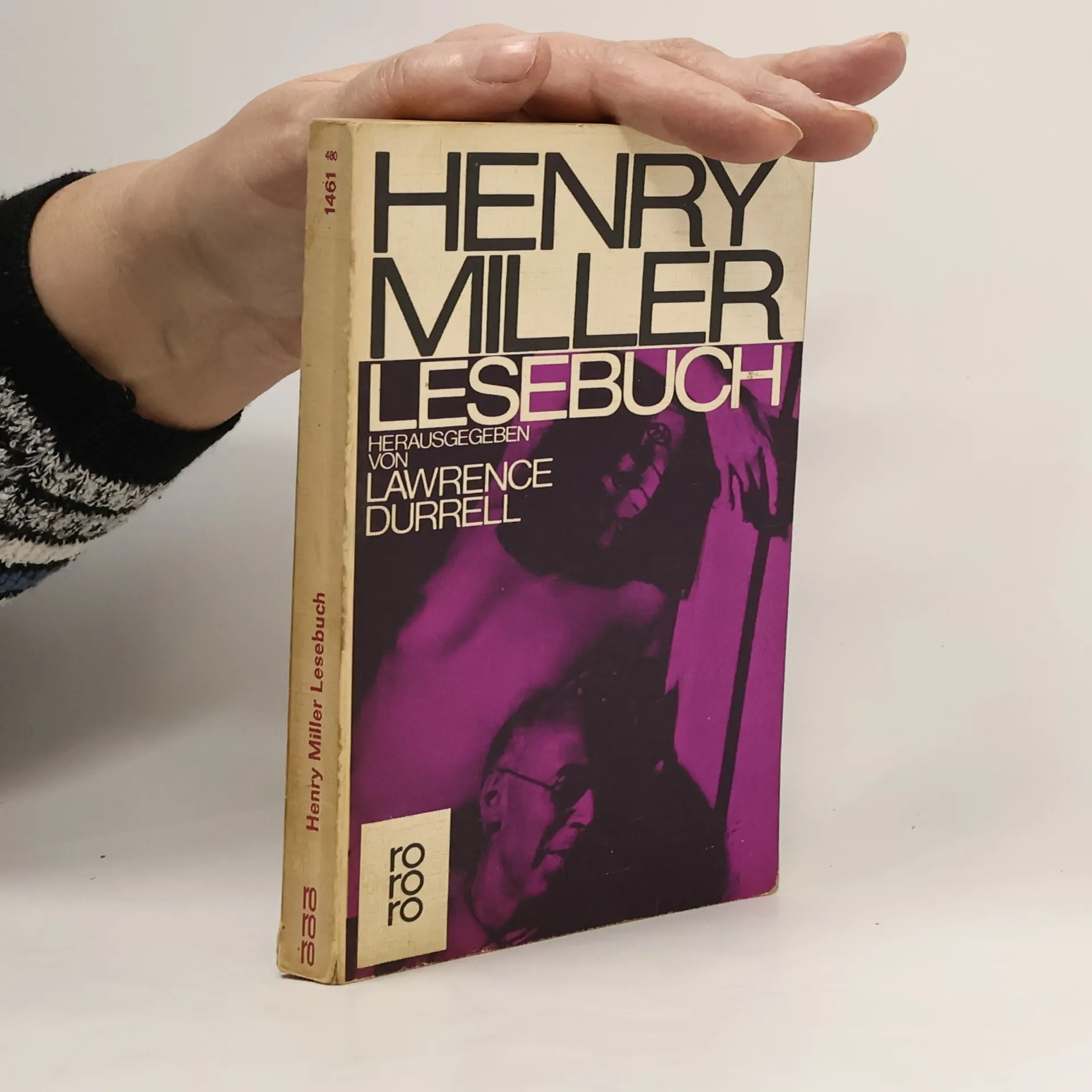
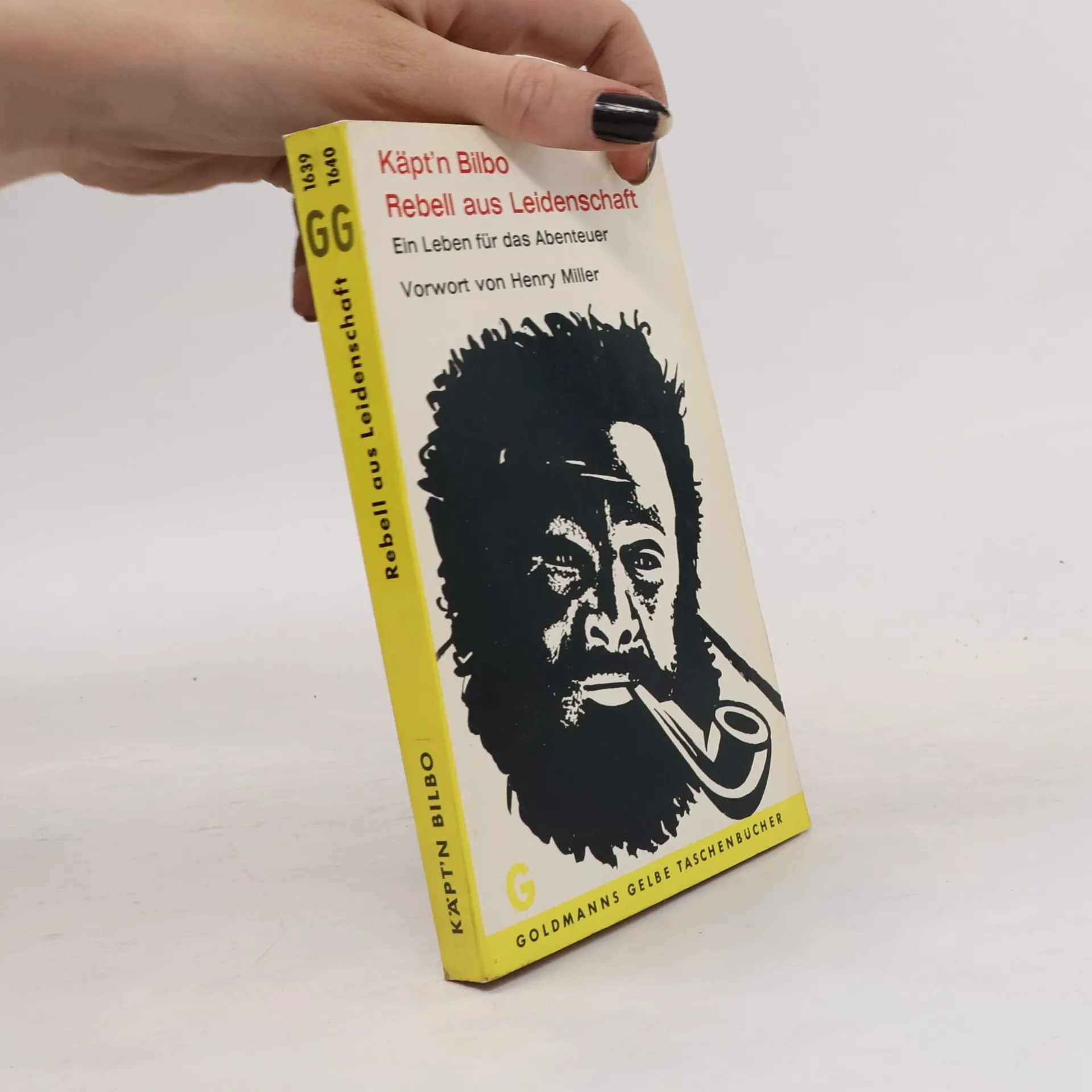
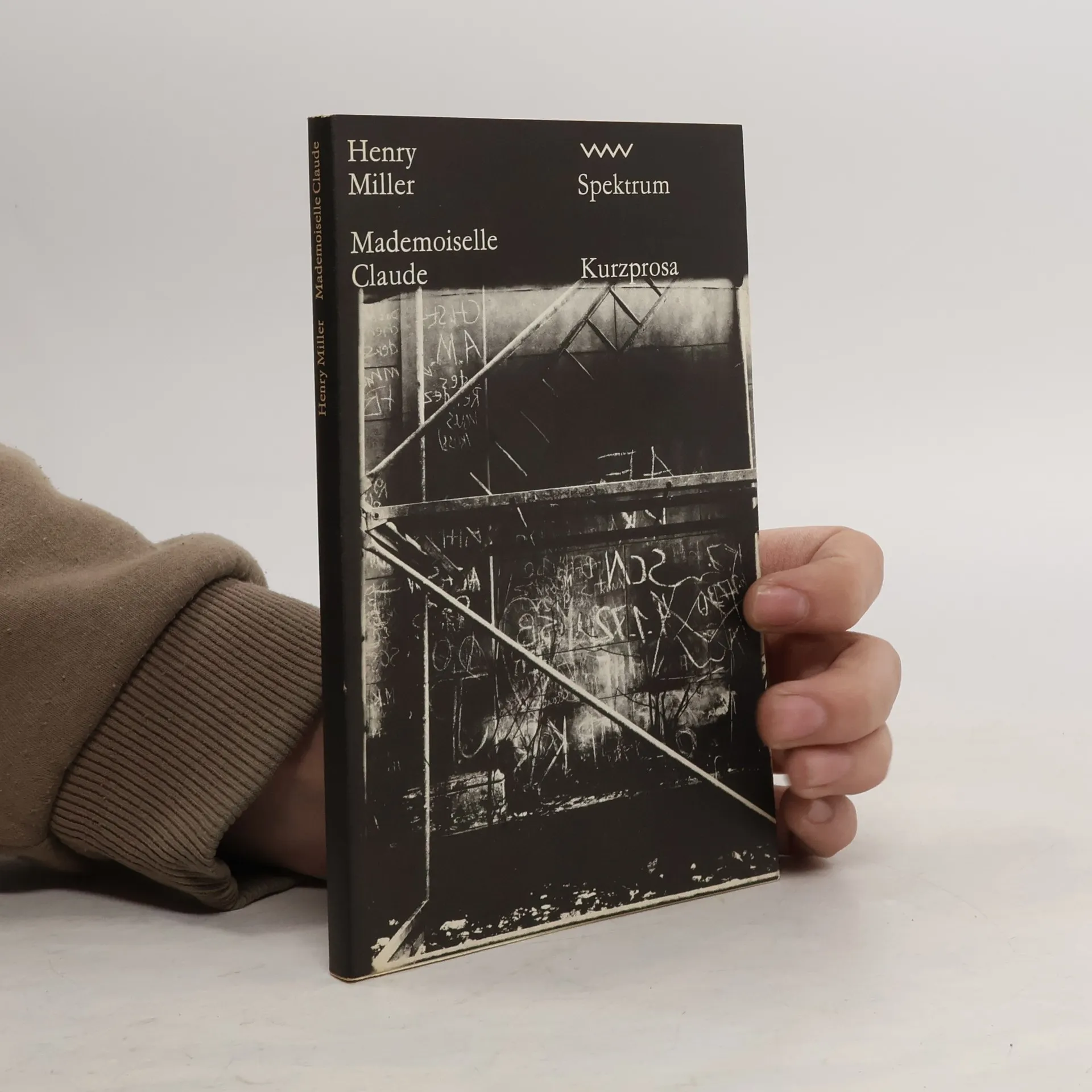
Henry Miller usiloval o obnovení svobody žít bez obvyklých civilizačních omezení. Jeho knihy jsou směsicí sexuálních popisů, kvazi-filozofických úvah, reflexí literatury a společnosti, surrealistických představ a autobiografických příhod. Jeho díla, často považovaná za obscénní, byla ve Spojených státech publikována až v 60. letech 20. století. Sám Miller je autorem cestopisů i rozsáhlých románových cyklů, které zkoumají hranice lidské zkušenosti a svobody.
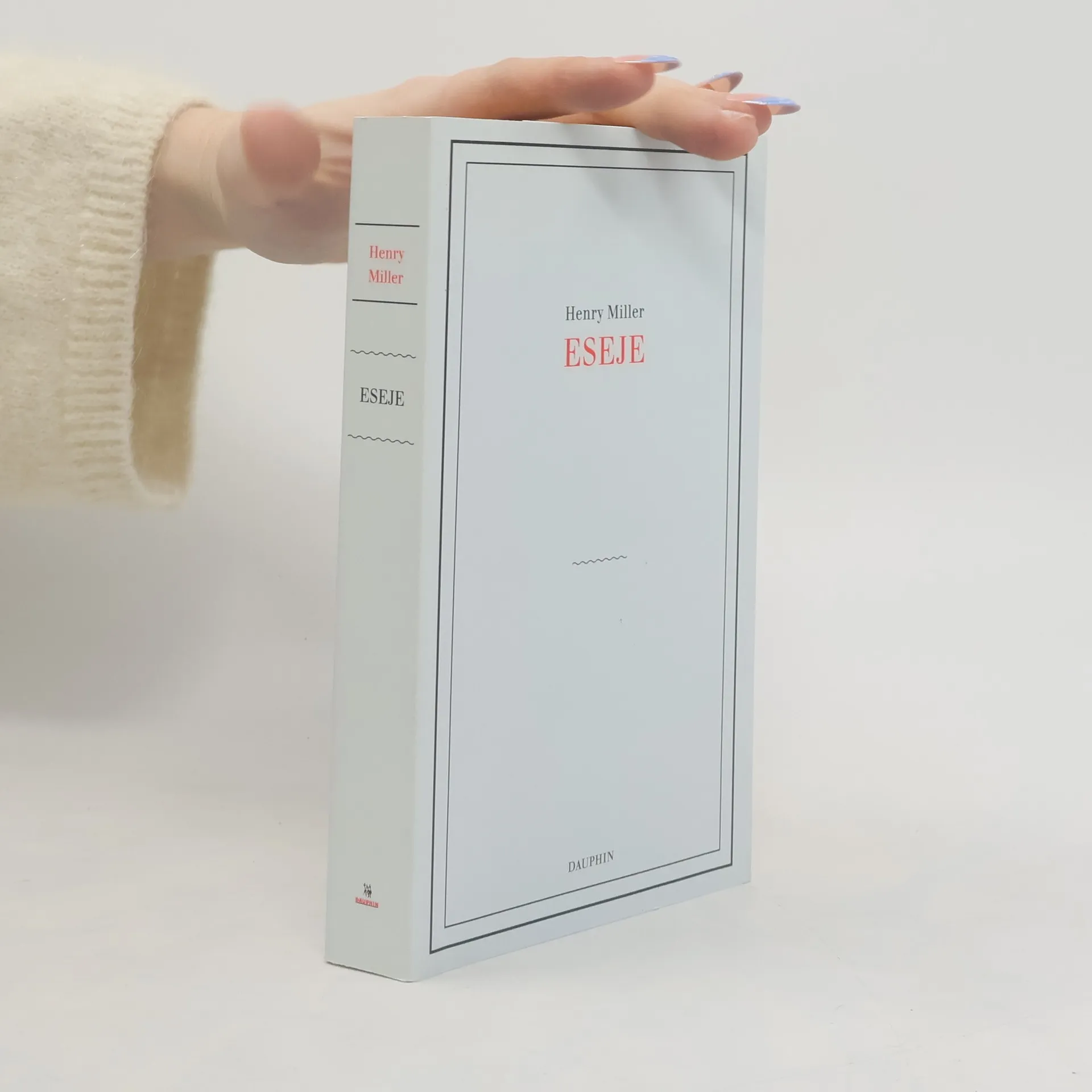
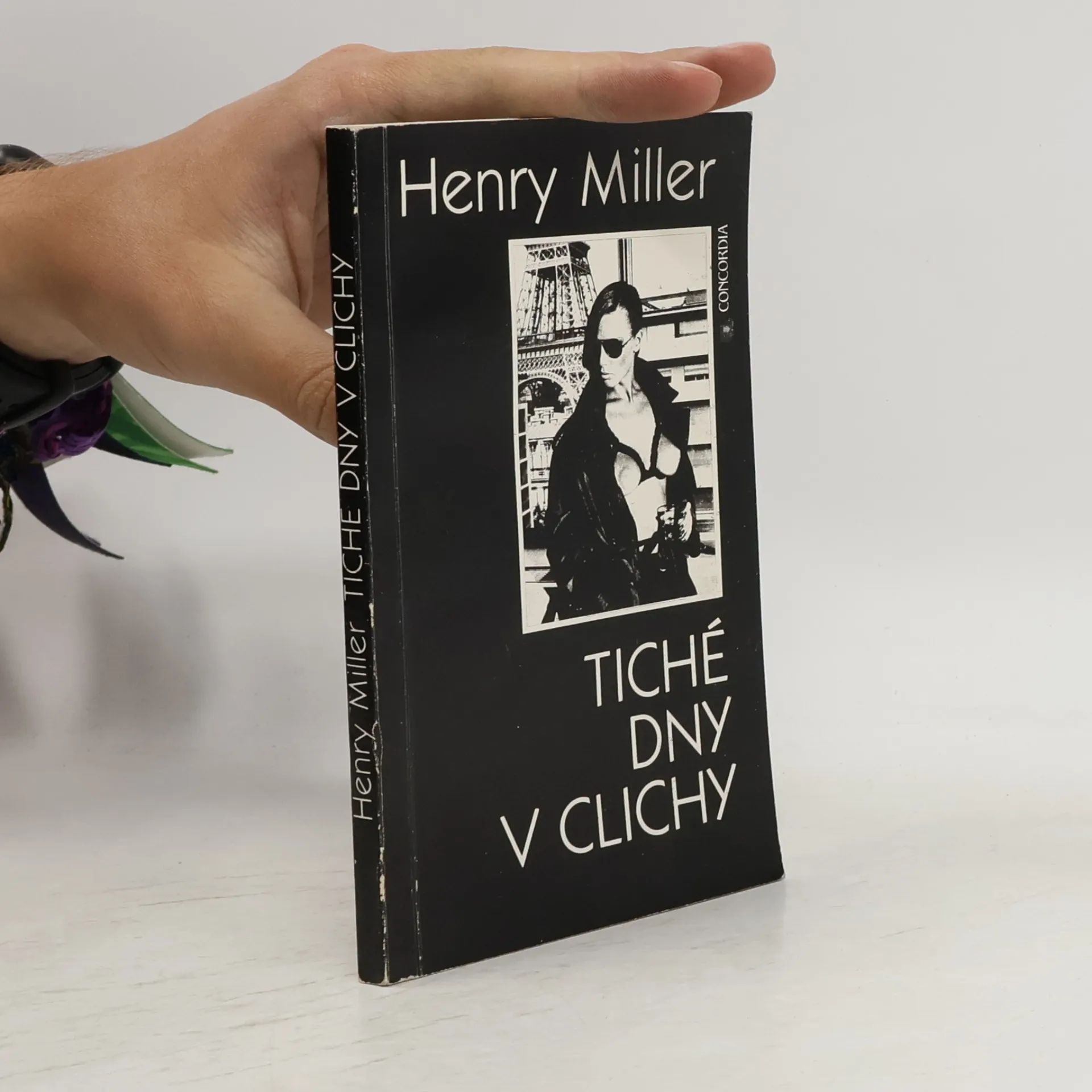
Kniha obsahuje část z velkého množství autorových kratších próz, které lze, i přes jejich pestrost, označit souborně jako „eseje“. Jde o úvahy, dopisy i humorné historky. Většina textů v knize byla do češtiny přeložena poprvé.
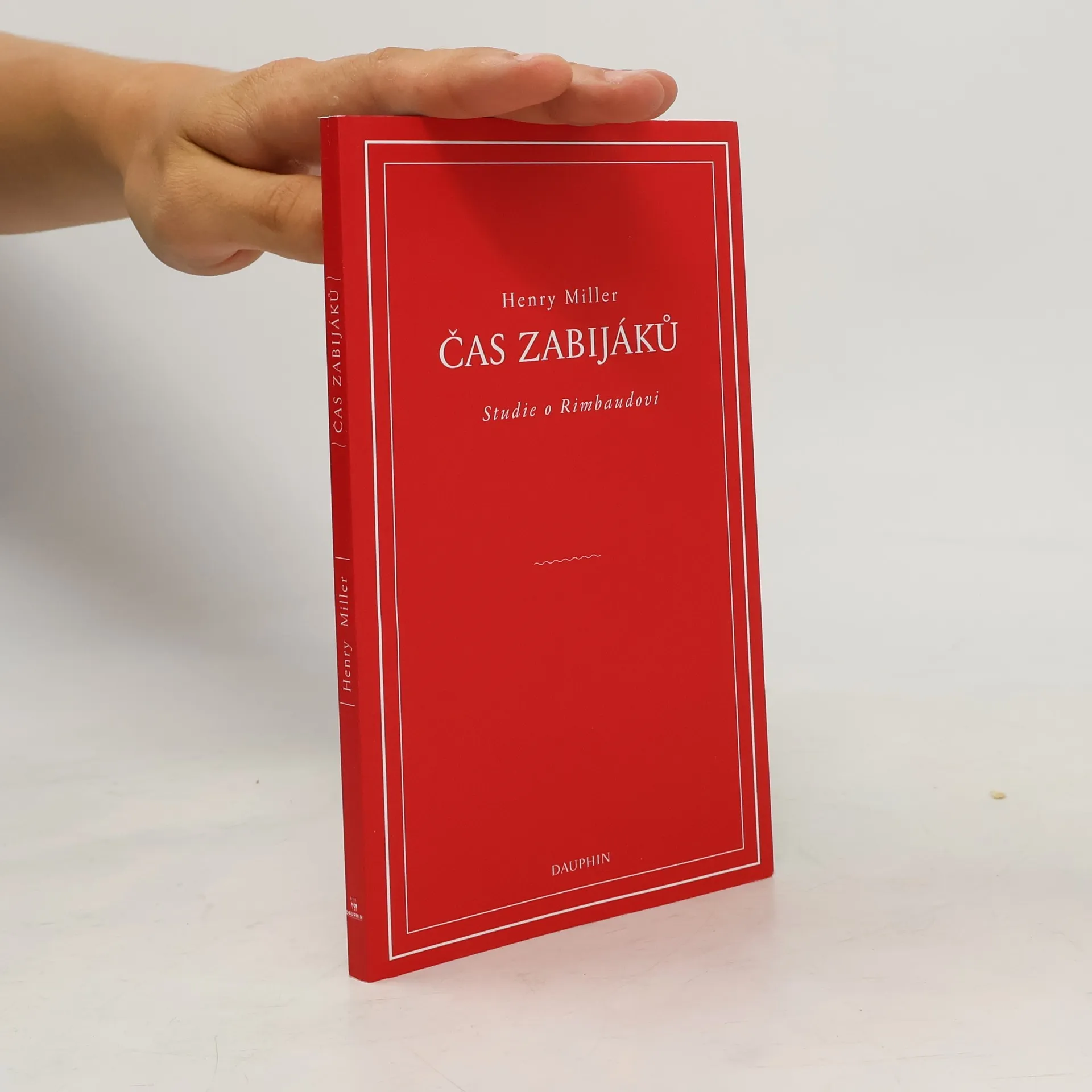
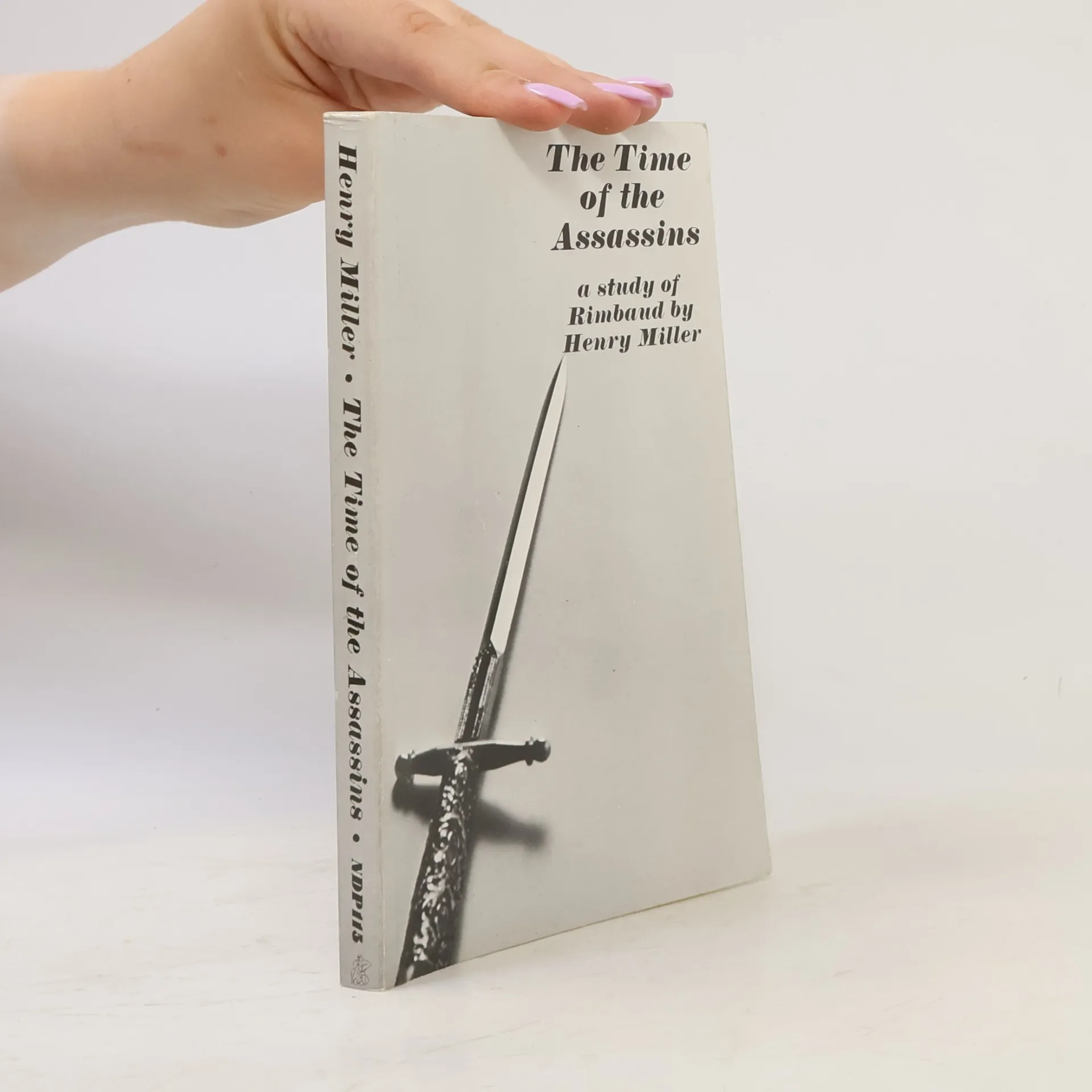
Henryho Millera známe především jako autora autobiografických románů, avšak nemalou část jeho díla lze označit za esejistickou. Tak tomu je i u Času zabijáků (Studie o Rimbaudovi), dvojité „eseje“, kterou napsal v polovině čtyřicátých let poté, co jej uchvátilo dílo Arthura Rimbauda. Ačkoli má však kniha v podtitulu slovo „studie“, nejde o literární kritiku v pravém slova smyslu, jakou Miller nikdy ani nepsal, ale spíše o srovnání sebe samého s francouzským básníkem. Miller se v knize sice pokouší o osobitý výklad Rimbaudovy poezie, avšak ten rozhodně není jeho hlavním cílem. Rimbaud mu primárně slouží jen jako prostředek k dalšímu sebehledání, jako zvětšovací sklo při odhalování vlastní identity. Čas zabijáků můžeme vnímat coby oslavnou píseň na Rimbauda, na mládí a nevinnost, jako konfrontaci jednoho umělce s druhým, jako temnou vizi budoucnosti i jako kritiku umění dvacátého století.
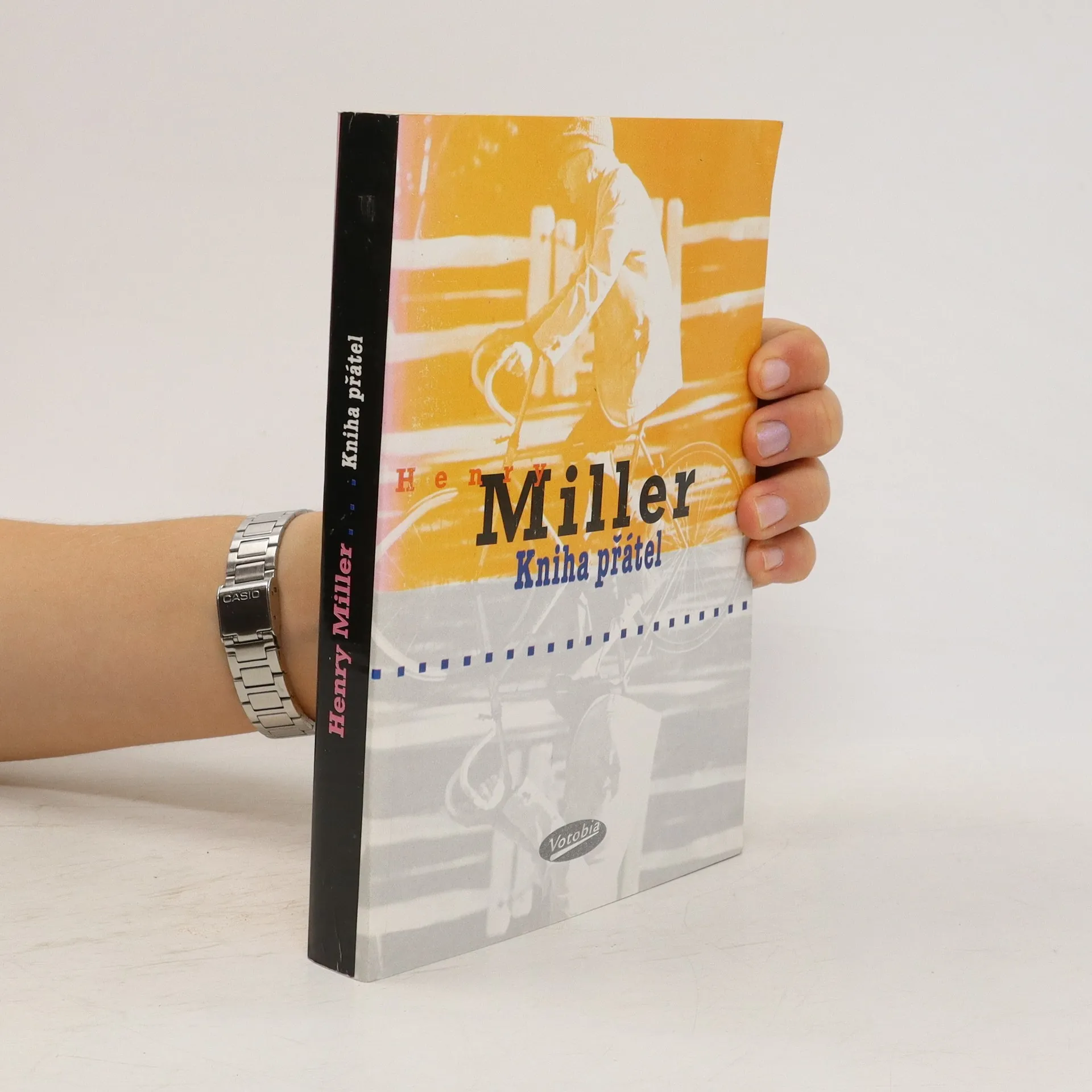
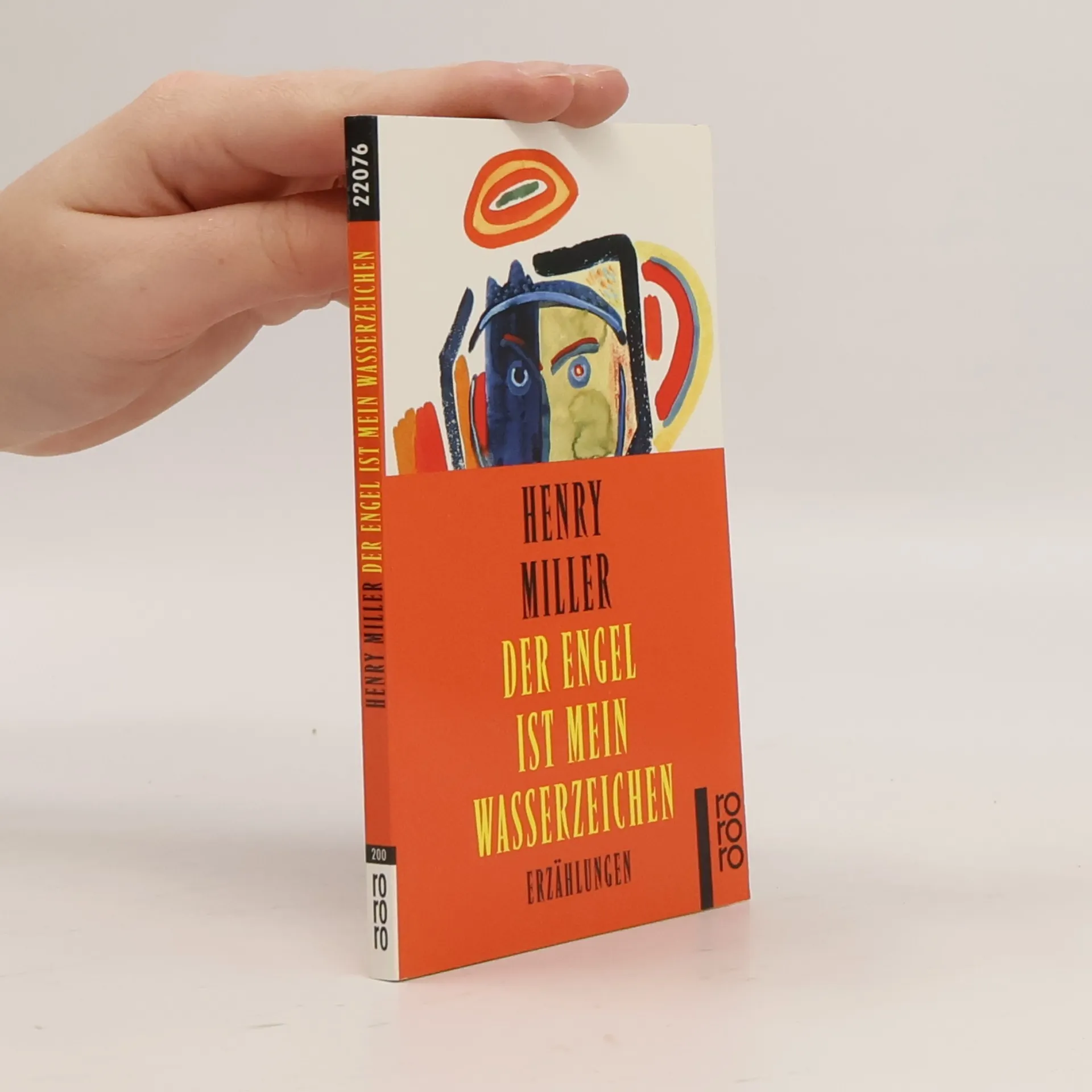
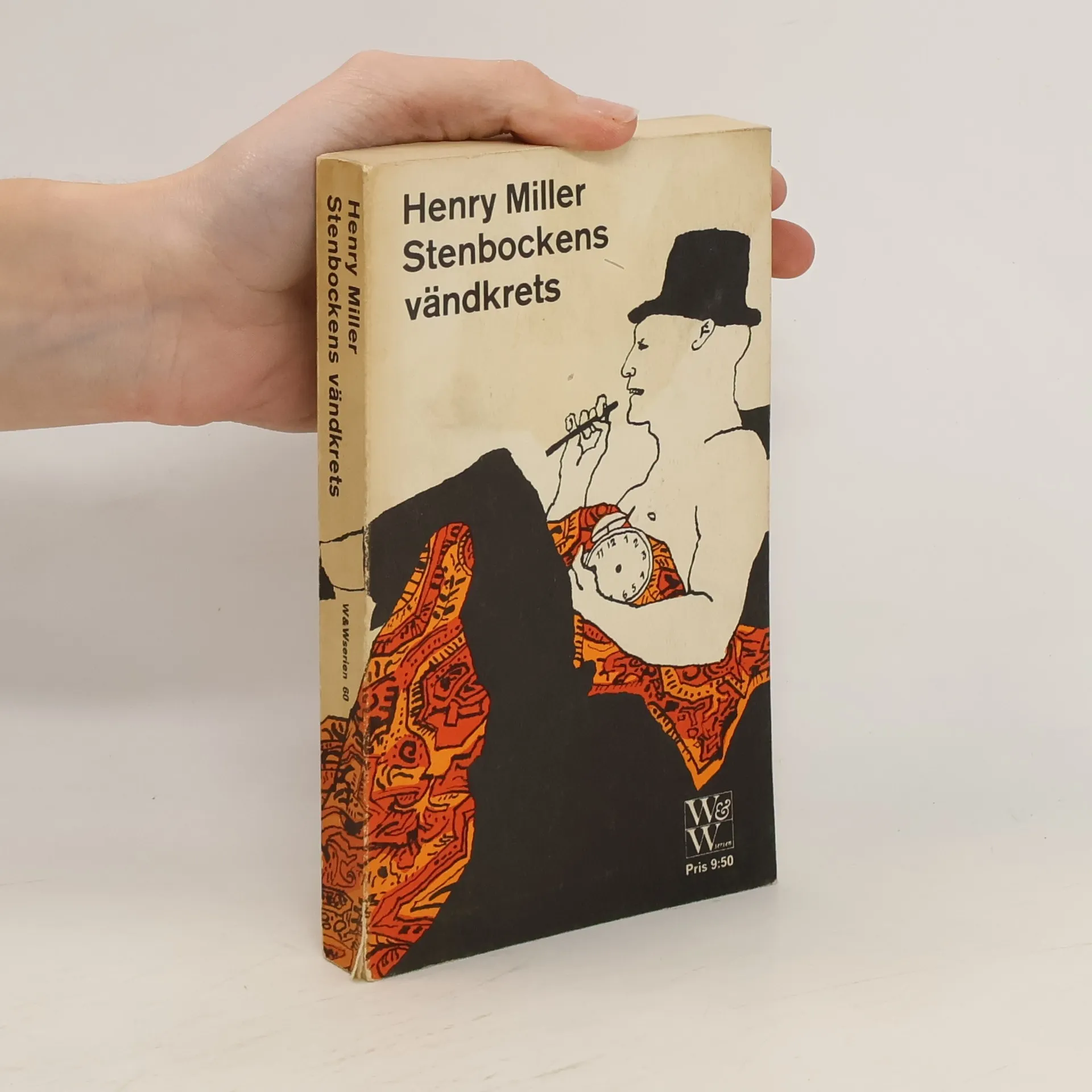
Jednomu mladému malíři napsal Henry krátce před svou smrtí: „V nejzazších končinách bytí existuje jen jeden opravdový sňatek: každý člověk je sezdán sám se sebou.“ Podobně jako Byron, Puškin, Sandová a Colette, byl i Miller něčím víc než jenom spisovatelem. Stal se vedoucí osobností a prorokem nového svědomí. Jeho dílo a život se navzájem propletly a vytvořily rozsáhlý mýtus, jenž je ztělesněním lidské touhy po svobodě. Millerovo dílo je plné nedokonalostí, bombastu, tlachání. Pro jeho nedbalost není lehké je hájit. Čistota osobního příkladu i otevřenost srdce však Millera činí jedinečným zjevem mezi spisovateli.
Autorčiny básně jsou vlastně jakýmisi lyrickými deníky, v nichž je neomylně zakotveno vědomí sounálažitosti se zemí, kterou musela nedobrovolně opustit, na druhé straně však i vnímání zprvu trpké, později umírněné exilové přítomnosti. „V poezii Bronislavy Volkové je cosi hedvábného, něco jako vlákna pavučiny napjatá ve volném prostoru. V každé básni jde o pokus udržet slova ve stavu beztíže nad tušenou krušnou vahou světa. Ještě před několika lety byla tato poezie v českém kontextu spíše výjimkou. Dnes se v nové tvorbě dostává přímo do hlavního proudu, což je zajímavým dokladem toho, že národní poezie se děje vpodstatě stejně v Praze jako v Bloomingtonu. Tento soubor Bronislavy Volkové ukazuje s velkou zřetelností bytostný lyrismus a stylovou něžnost, jíž se v zahraničních portrétech literatury dosud mnoho pozornosti nedostalo.“ – Miroslav Holub, Praha Doslov Vladimír Novotný....
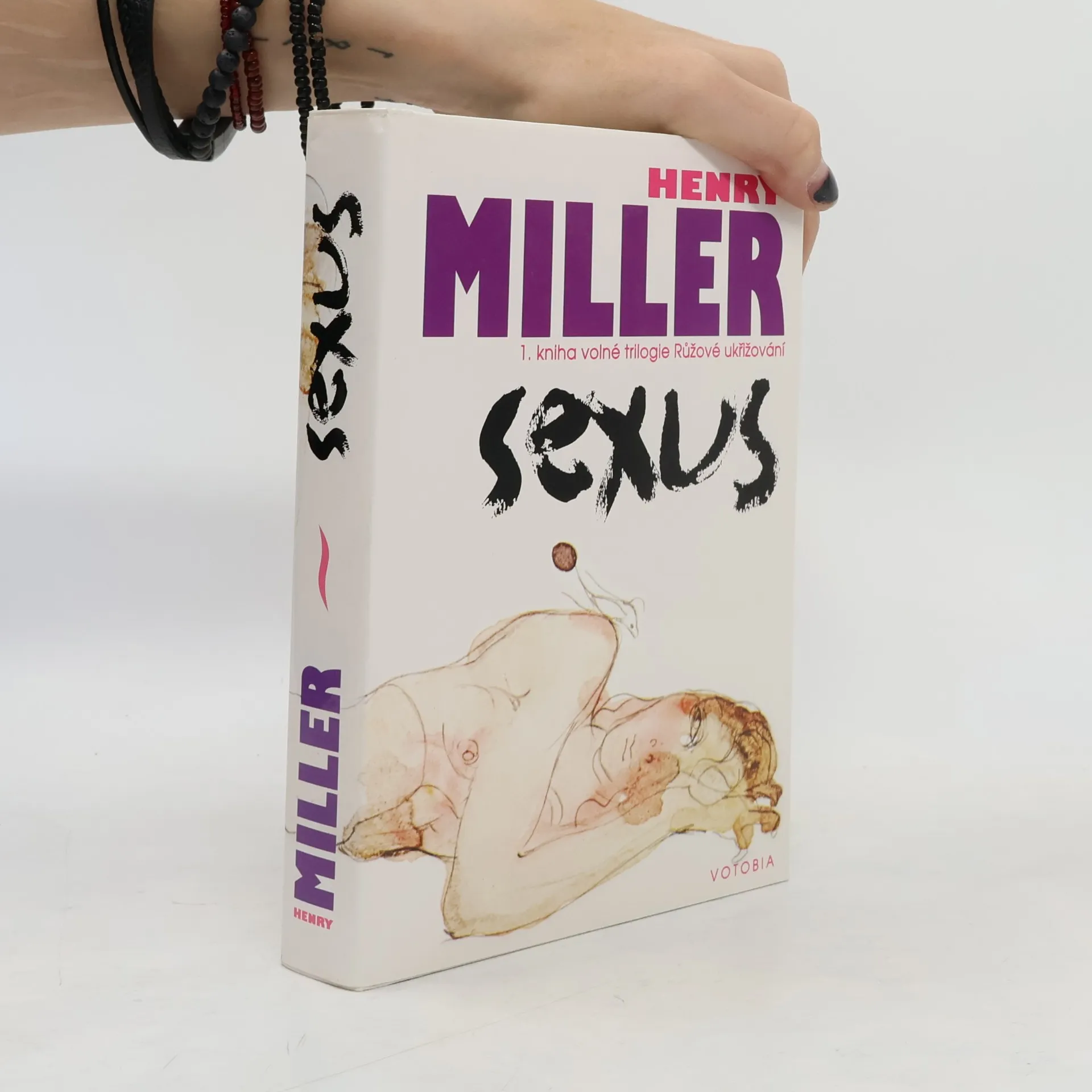
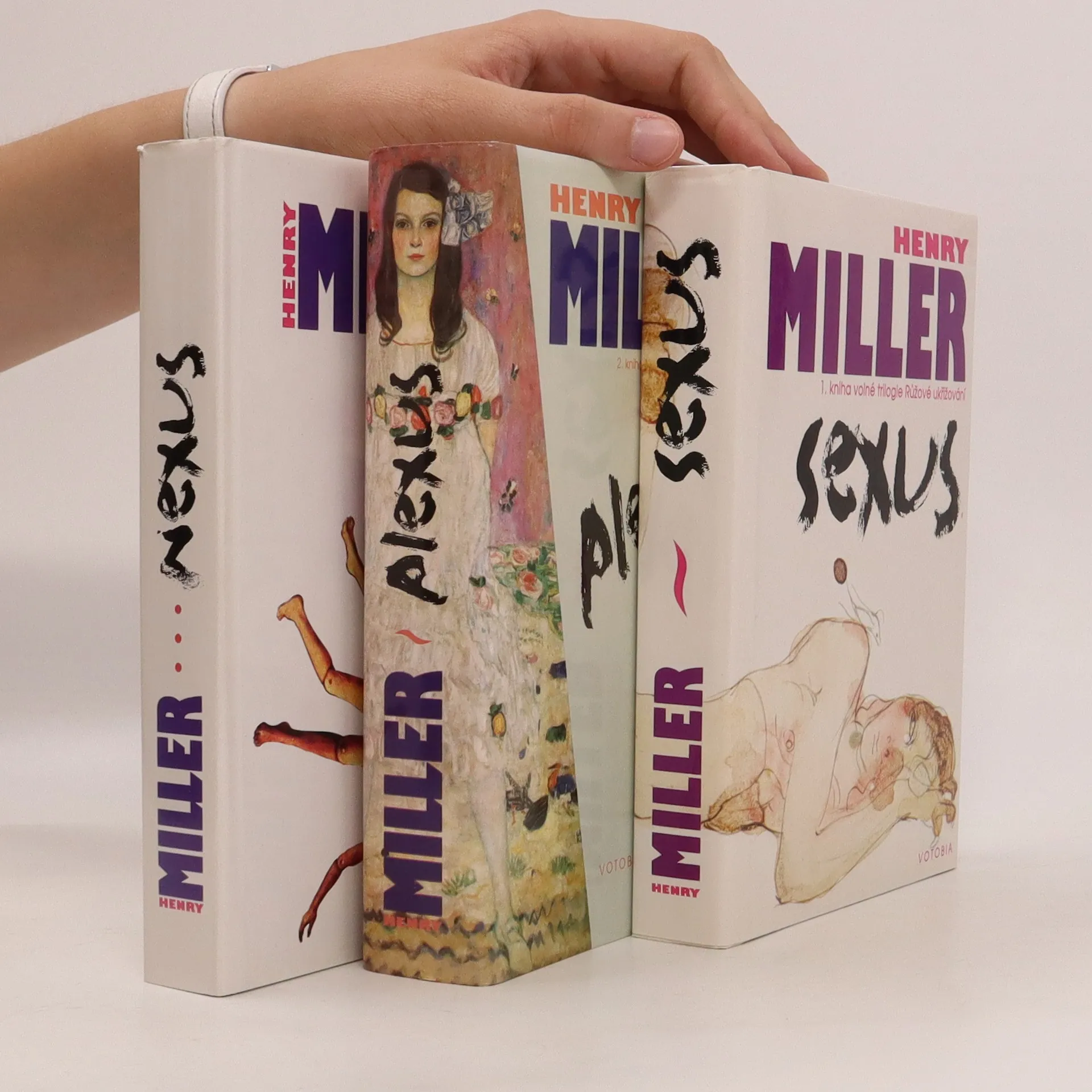
1. kniha volné trilogie Růžové ukřižování (2. kniha: Plexus, 3. kniha: Nexus) Autobiografické vyprávění o životě autora po návratu do Spojených států, kde se mu konečně podařilo prosadit se. Kniha popisuje jeho život zcela otevřeně. Žije v nevydařeném manželství a udržuje nesčetné vztahy s dalšími ženami.
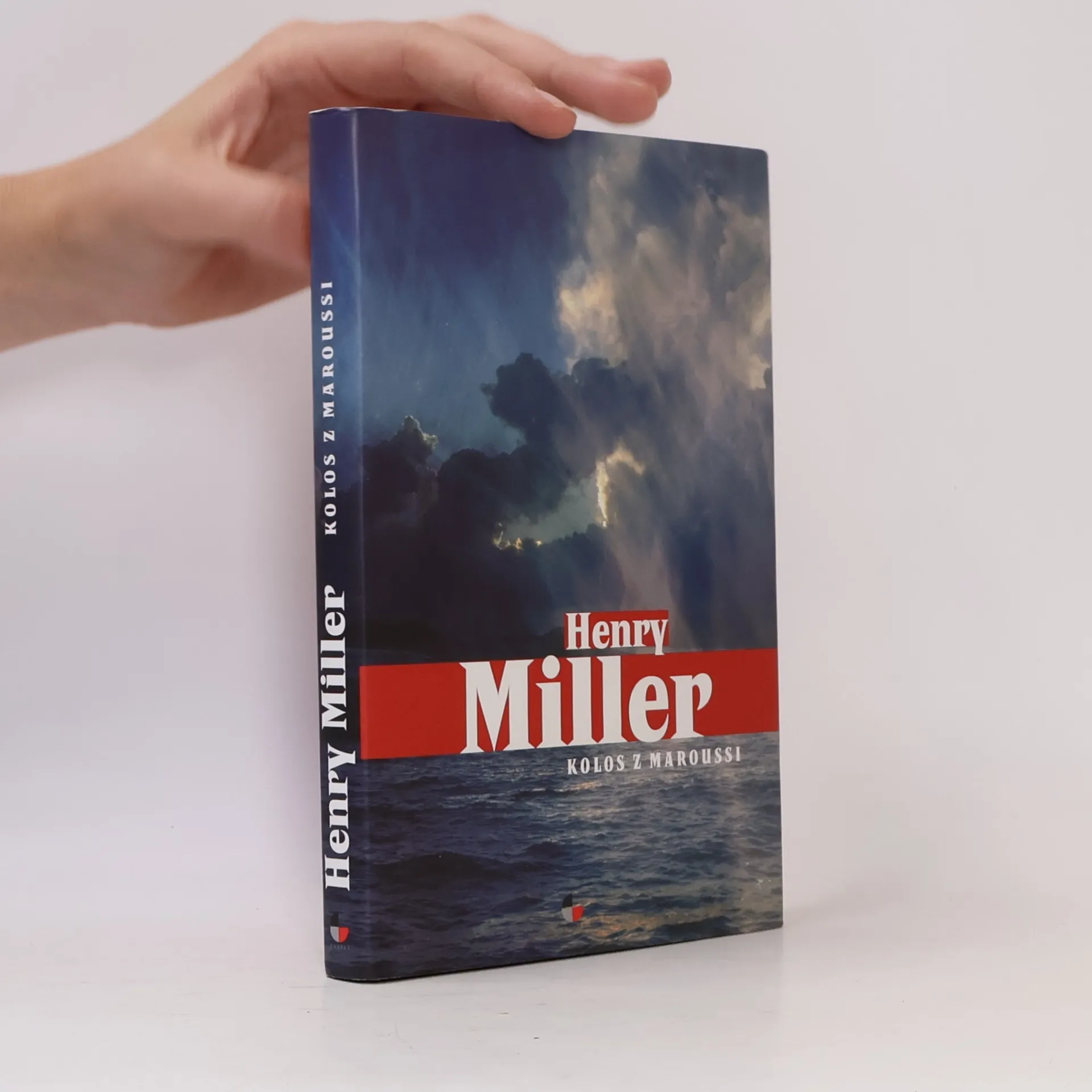
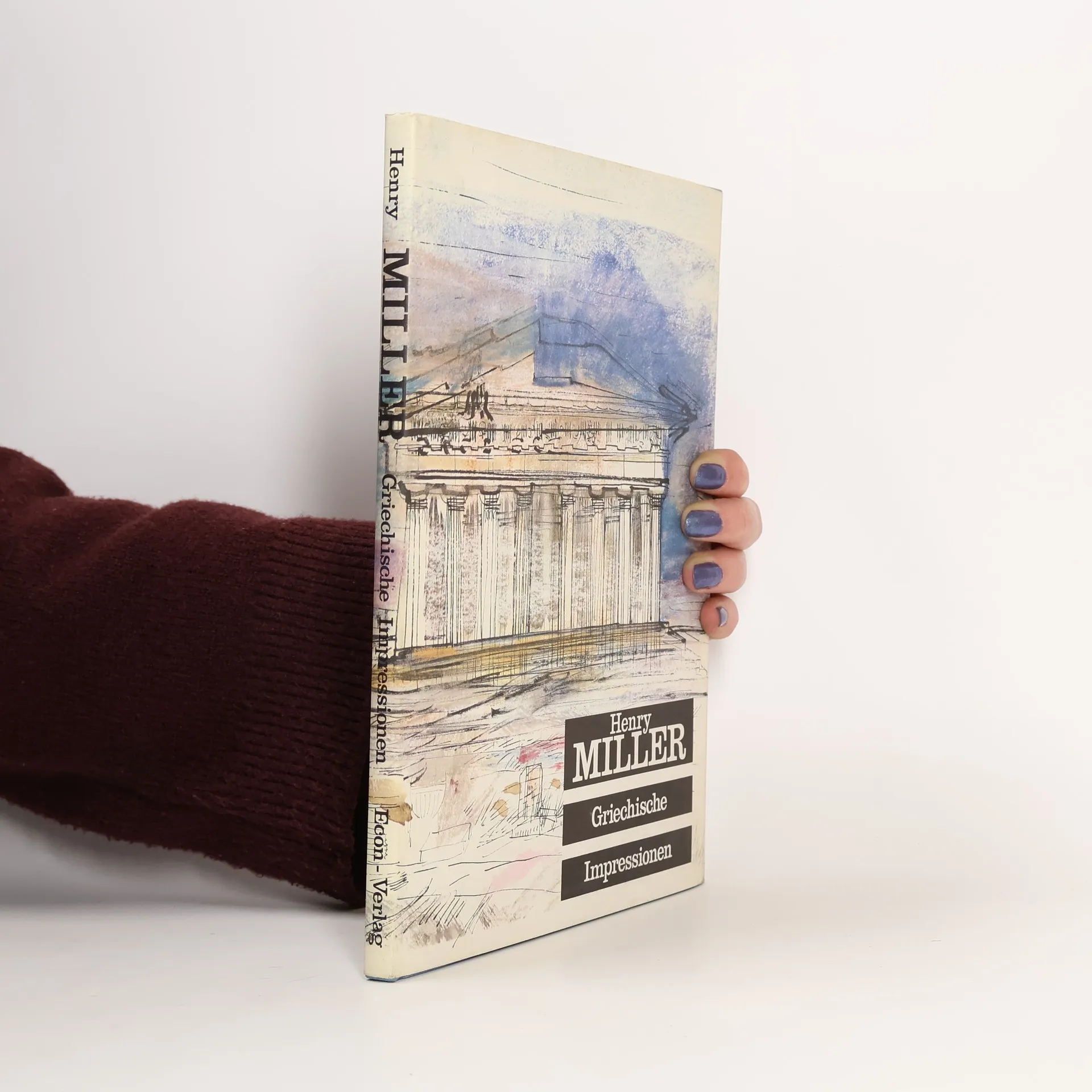
Svérázně pojatý cestopis, koláž z pasáží autenticky cestopisných, portrétů, anekdot, reminiscencí, názorů a kritik, zachycující život v plné míře jeho vnitřní bohatosti a plnosti. V Řecku autor nalezl protějšek k honbě za majetkem, chladné erotice a prázdnotě života v Paříži a New Yorku. Doslov Iveta Kmochová.
Autobiografická zpověď o profesních, milostných, uměleckých a erotických peripetiích autorova života před odchodem do pařížského exilu, zasazená do živě vykresleného prostředí New Yorku dvacátých let, navazuje na předchozí Obratník Raka radikálností své výpovědi i erotickou otevřeností, jež z knihy učinily jeden z bestsellerů počátku šedesátých let a významně ovlivnily poezii i prózu nastupující beatnické generace. Millerova zpráva o newyorských letech dospívání působí, „jako by na ní spolupracovali Harpo Marx s Hieronymem Boschem,“ napsal o Obratníku Kozoroha po jeho oficiálním americkém vydání týdeník Time.
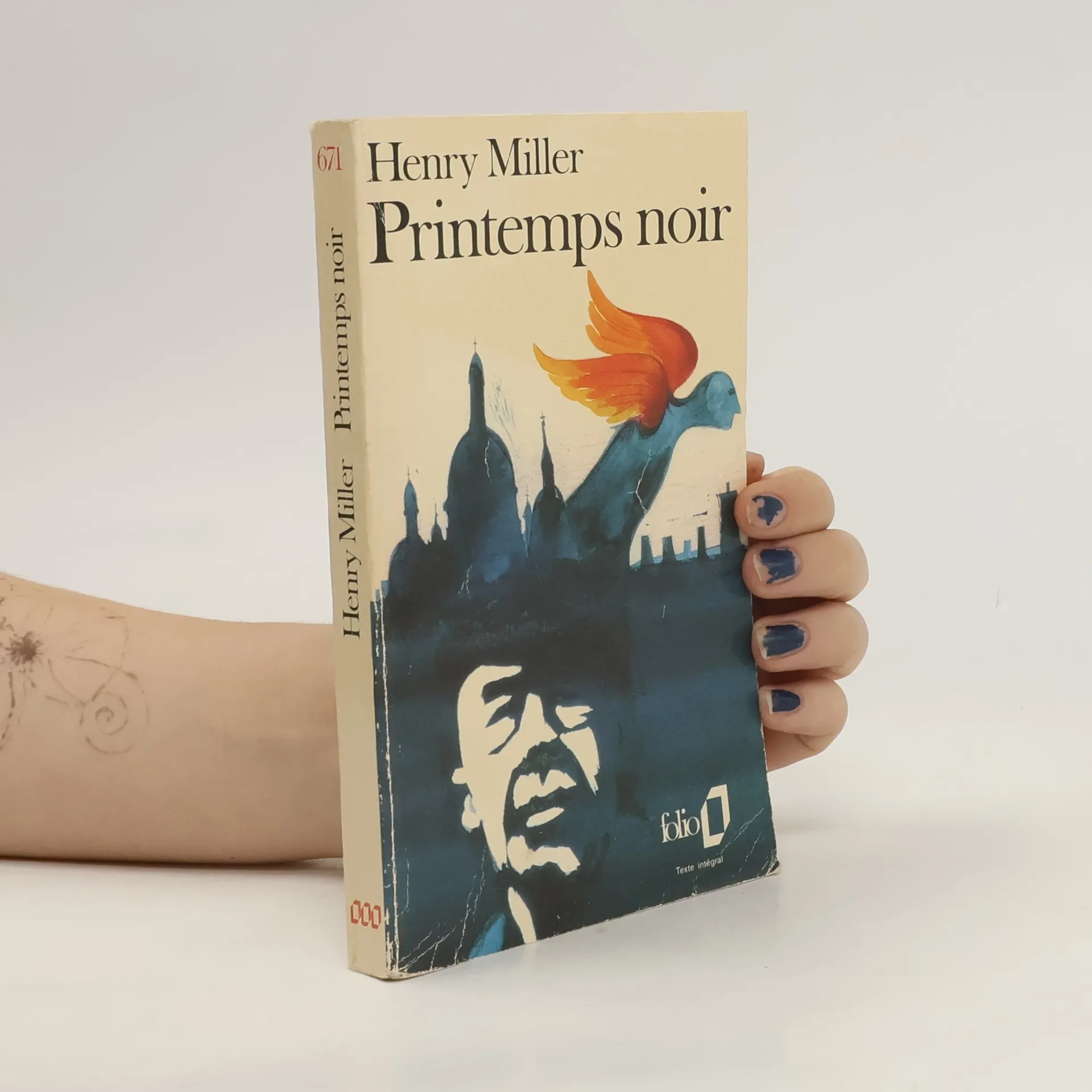
Kniha vyšla poprvé mezi Obratníkem Raka a Obratníkem Kozoroha. Obsahuje několik navzájem propojených příběhů, které popisují rozhodující léta autorova života. Podle mínění mnoha kritiků je Černé jaro stylisticky nejvybroušenější a nejzajímavější Millerovou knihou. Toto silně autobiografické dílo stvrzuje, že Miller byl vskutku člověkem tohoto světa, který hledal zázraky v každodenním rytmu života, a ne ve „skvělé izolaci“ slonovinové věže.
Popis 40 000 kilometrů dlouhé cesty, který Henry Miller podnikl s přítelem Abe Rattnerem v roce 1939, poté, kdy po deseti letech zatoužil spatřit svou vlast. Nachází velký byznys a malé lidi, duchovní a estetické vakuuum, a jeho kniha odráží jeho rozhořčení - ale je i oslavou jedinců (slavných i neznámých), kteří stojí proti zmechanizování života.
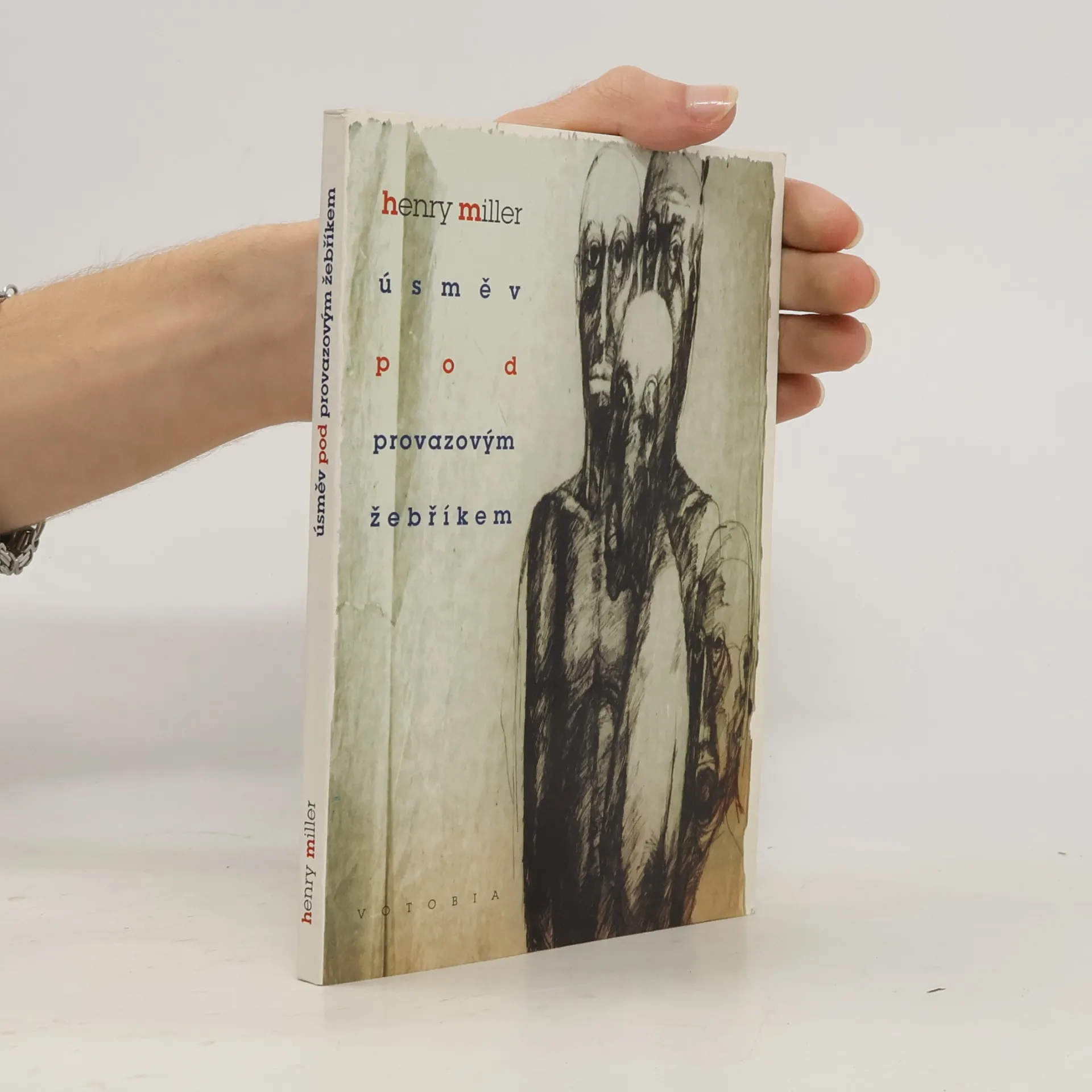
Knižní vydání dvou novel Henryho Millera, Nejšťastnější člověk na světě a Úsměv pod provazovým žebříkem, které vyšly ve Světové literatuře roč. 8, č. 2 i s původní studií Jana Válka a Jiřího Němce.
Klasický román moderní americké literatury vypovídá otevřeně o lidské sexualitě a je zároveň pokusem o syntetický obraz světa nahlíženého bez příkras a přesto poeticky. Město je v tomto případě chápáno jako katalyzátor lidské individuality a autorův životní styl určuje postaveníčlověka, jemuž cíl stát se spisovatelem brání přijmout stálou práci. Často se ocitá na pokraji bídy, ale život ze dne na den nepovažuje za neštěstí, vychutnává naopak zajímavá setkání, prvek dobrodružství a nevázané lásky. Tento život reflektuje proudem spontánní výpovědi bez pevné osnovy, v krátkých úsecích nechává probíhat sled jevů, historek, portrétů, úvah a básnických vizí. Otevřená výpověď o lidské sexualitě, bezprostřední líčení vlastního intimního života a syrový slovník odsunuly knihu na řadu let do oblasti pornografie.
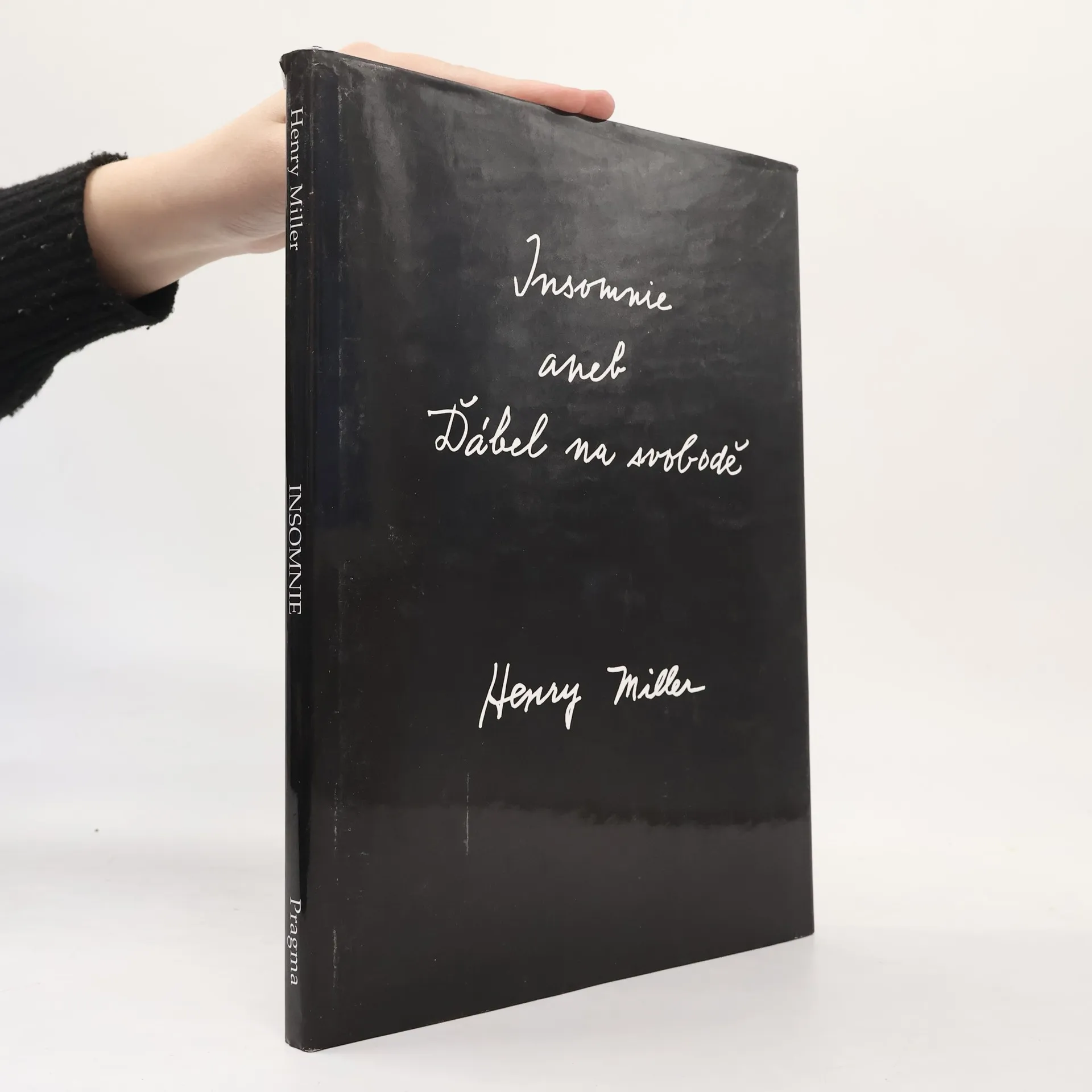
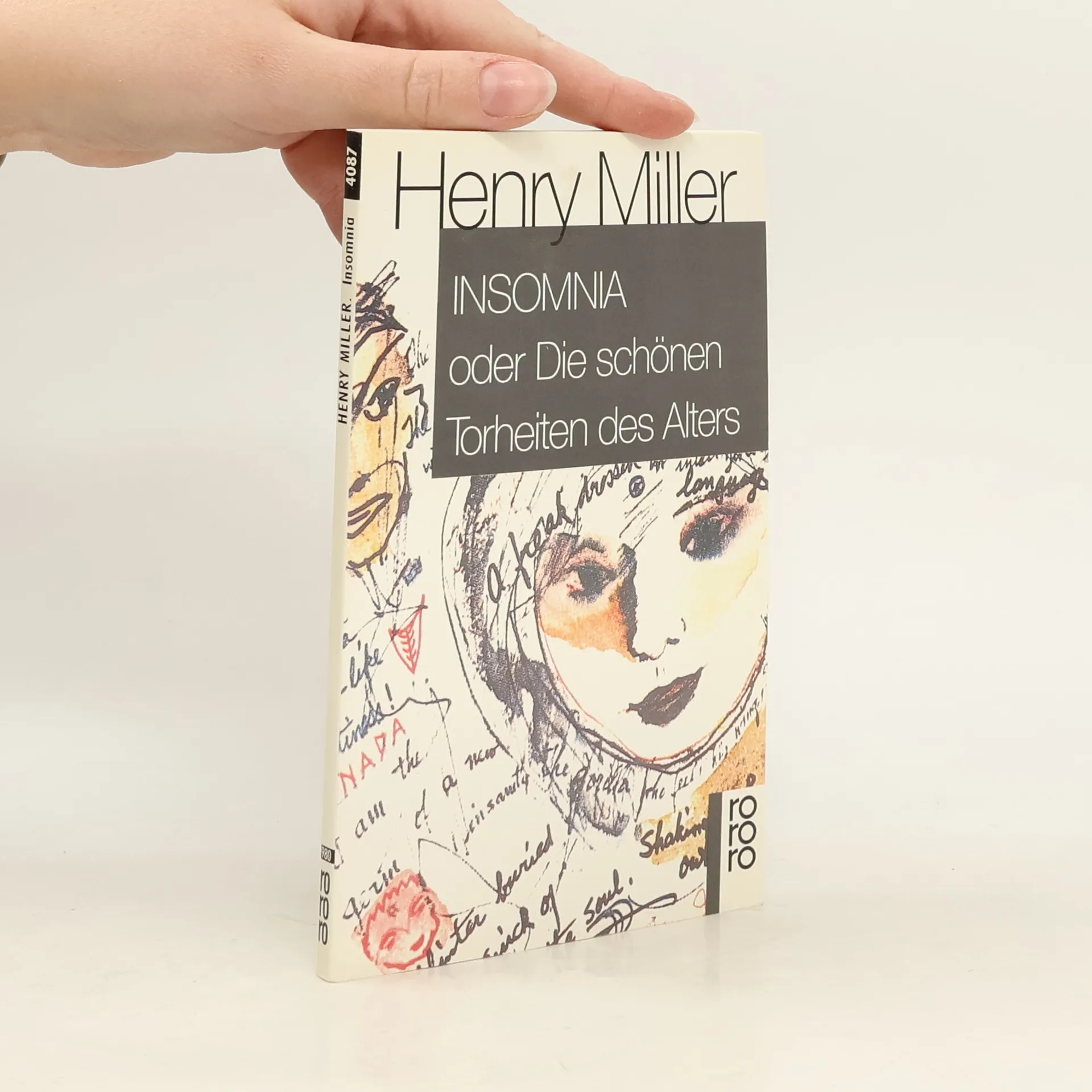
Každá nová kniha Henry Millera je vzácná a významná literární událost. Insomnie se od všech jeho předchozích děl liší. Je to totiž milostný příběh. Henry Miller, který byl vždy v hloubi duše romantik, i když se často stylizoval do cynického chlapáka, se v pětasedmdesáti vášnivě, cele, ale nikoli beznadějně zamiloval. Svěřil svůj milostný příběh peru - a proměnil část bezesných nocí ve dvanáct akvarelů, jež můžete vidět v tomto jedinečném svazku ve skutečných barvách. Text byl věrně reprodukován v Millerově rukopisu - je to přesné faksimile.
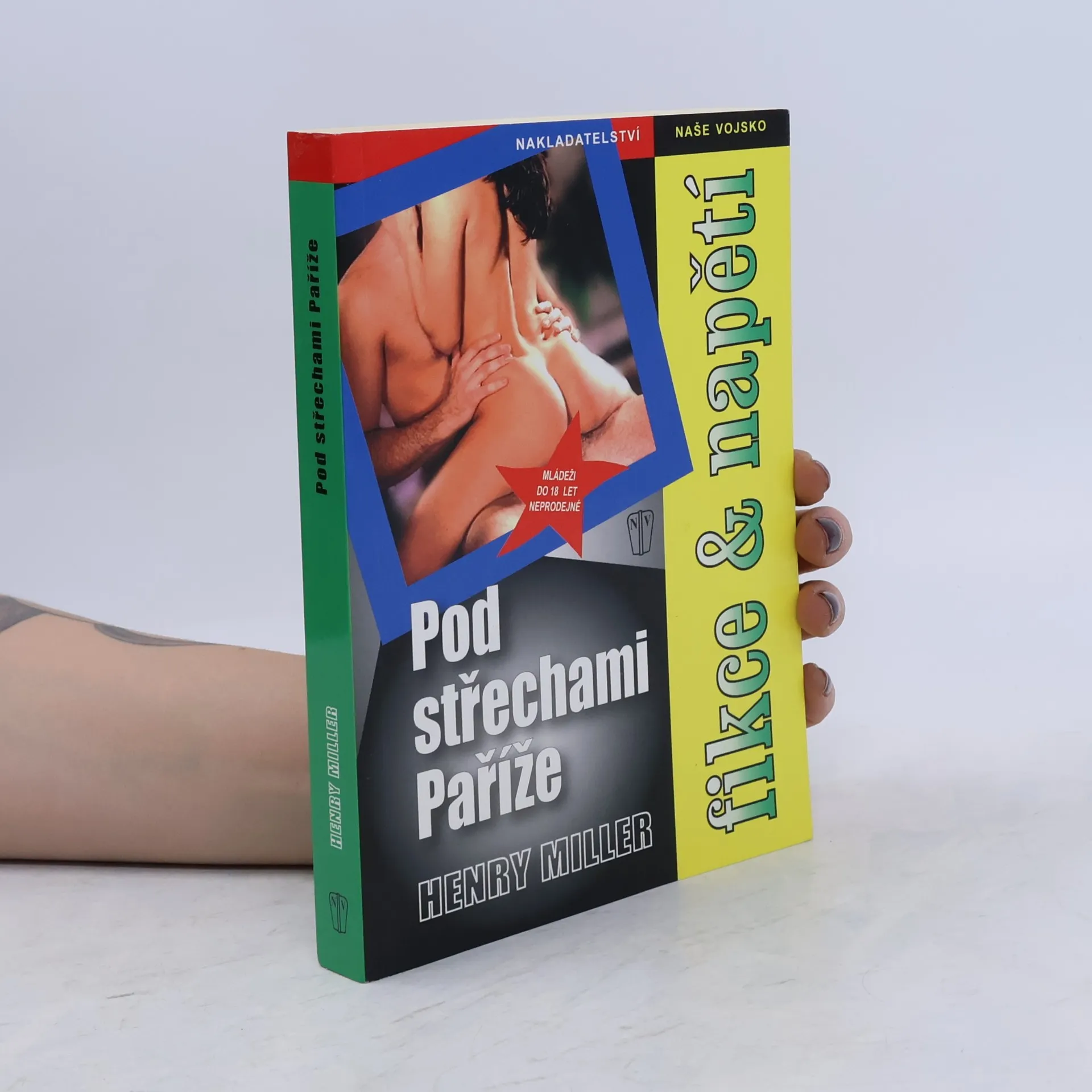
Pod střechami Paříže - extrémní, neslýchané a nevídané dílo, způsob, s jakým se autor vyrovnává s tématem sexu a erotiky, překračuje veškeré konvence. Perverze, zhmotnělé sny, nevyslovitelné představy, neuvěřitelné se stává skutečností...
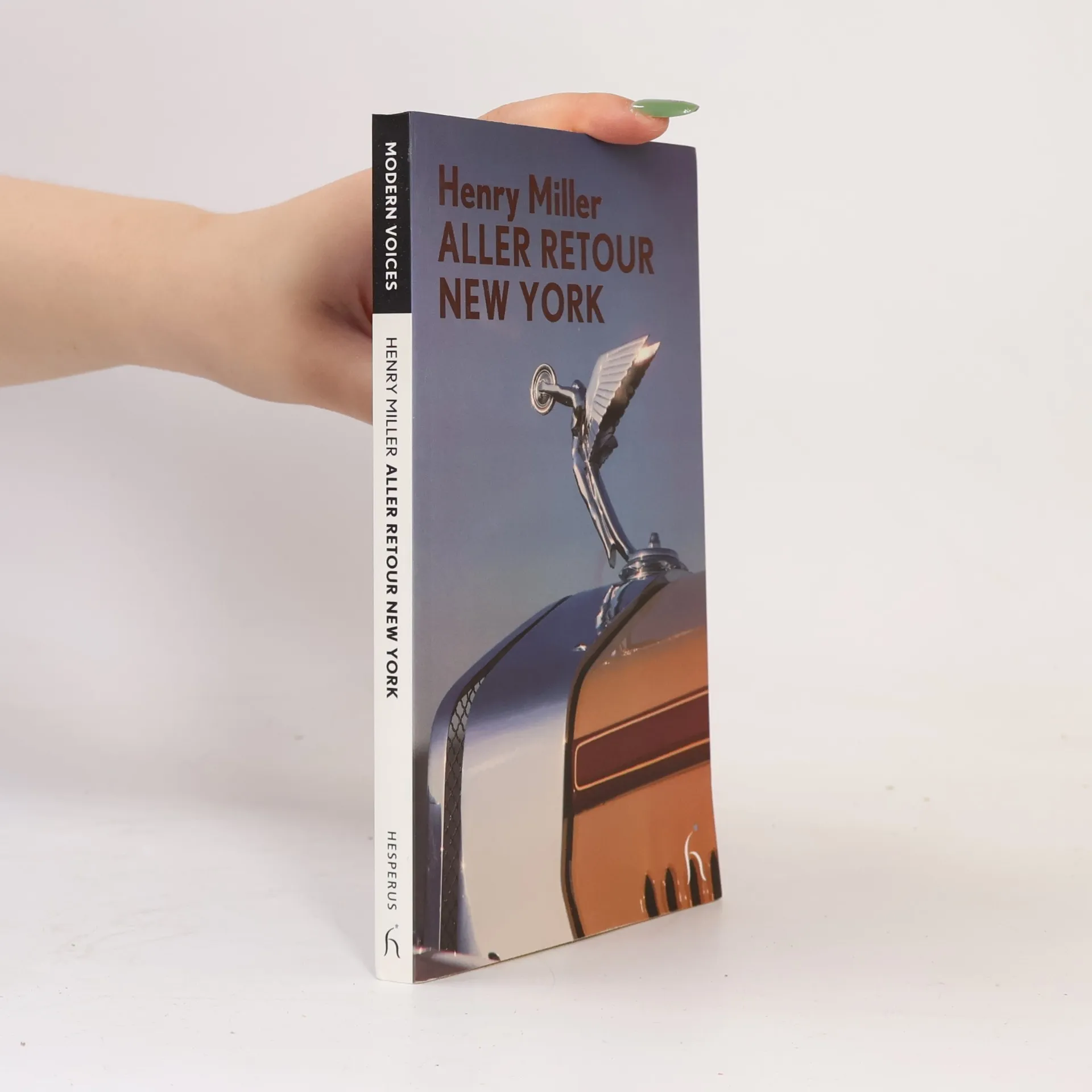
This collection of stories and essays takes its title from a long prose reverie in which Henry Miller, after his return to the United States, thinks back to the happy years of middle life which he spent in France. The qualities that make the French unique have seldom been so movingly expressed. The America he had rediscovered does not come off very well by contrast—particularly the Hollywood state of mind, which gets a thoroughly Milleresque going over in the burlesque "Astrological Fricassee." What Miller likes on the American scene are the individuals who have broken through the pattern of conformity, the rare and often isolated creative personalities who are resisting the dehumanization of our so-called “civilization.” He gives us vivid portraits of the painters Abe Rattner, Jean Varda and Beauford Delaney; the sculptor Bufano; and Jasper Deeter, director of the hedgerow Theatre. Two of Henry Miller’s greatest essays are also in this volume: "Murder the Murderer" (on war), a declaration which ranks with Randolph Bourne’s War and the Intellectuals, and, with particular relevance to the censorship codes which kept his Tropics of Cancer and Capricorn out of this country for so long, "Obscenity and the Law of Reflection."
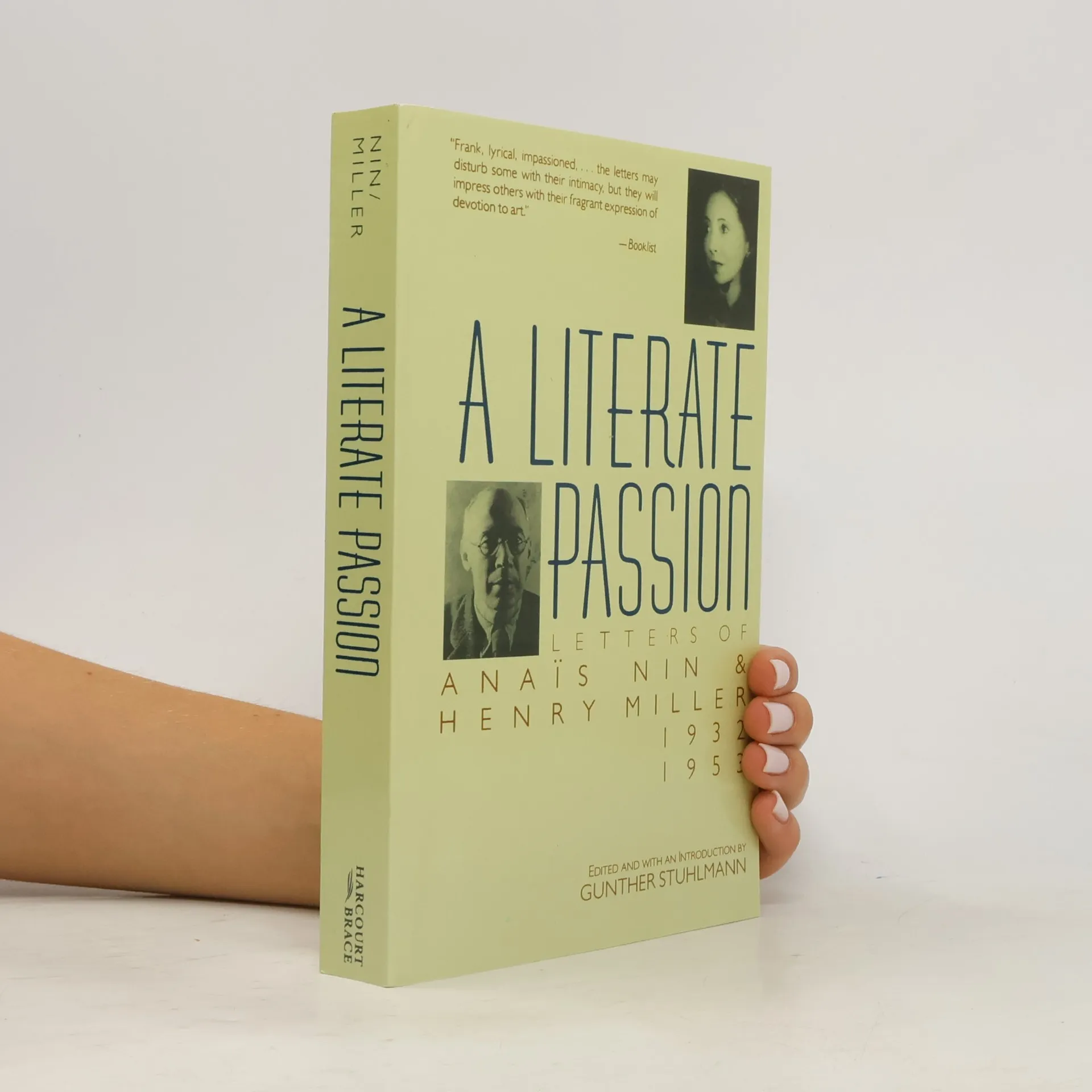
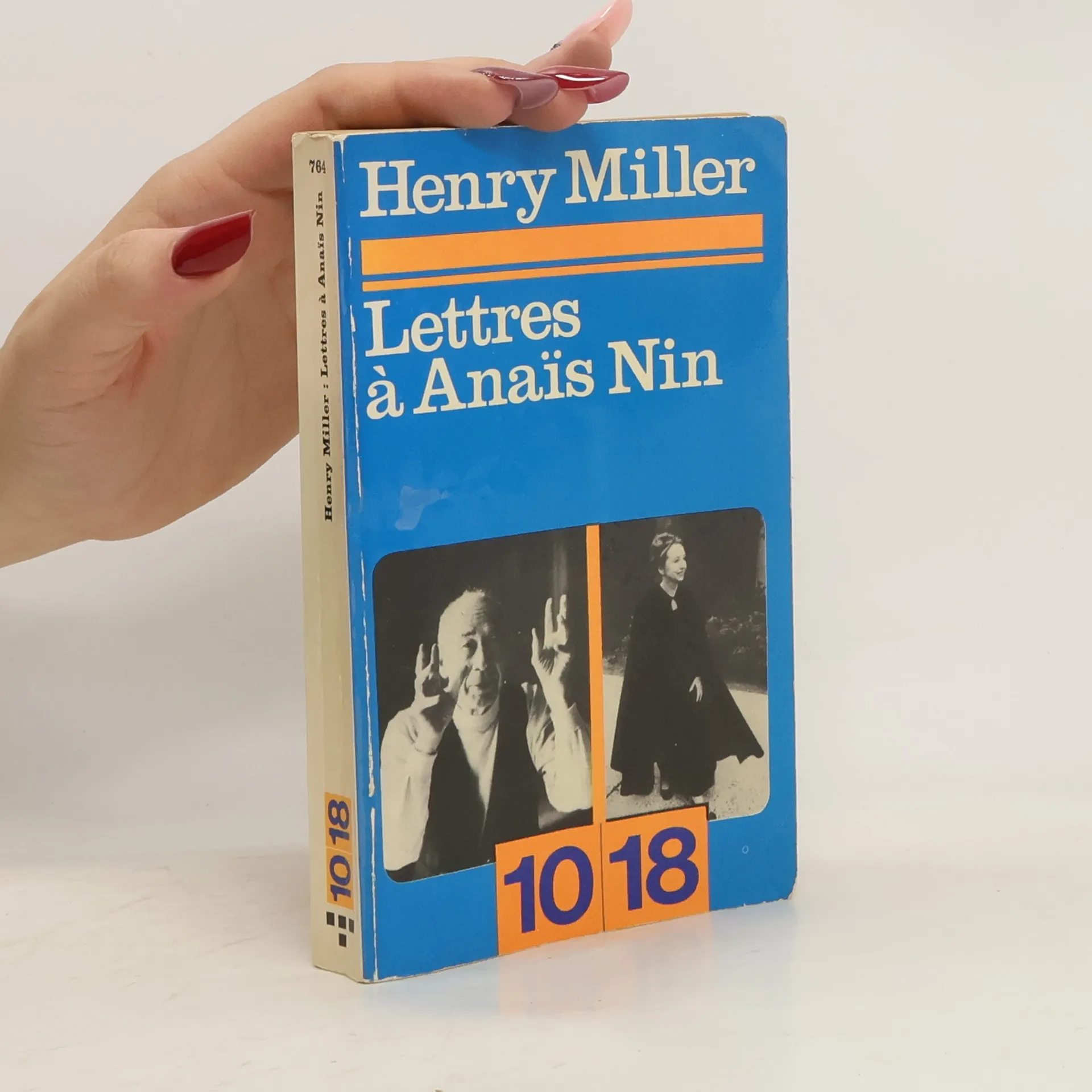
The intimacy between Nin and Miller, first disclosed in Henry and June, is documented further in this impassioned exchange of letters between the two controversial writers. Edited and with an Introduction by Gunther Stuhlmann; Index.
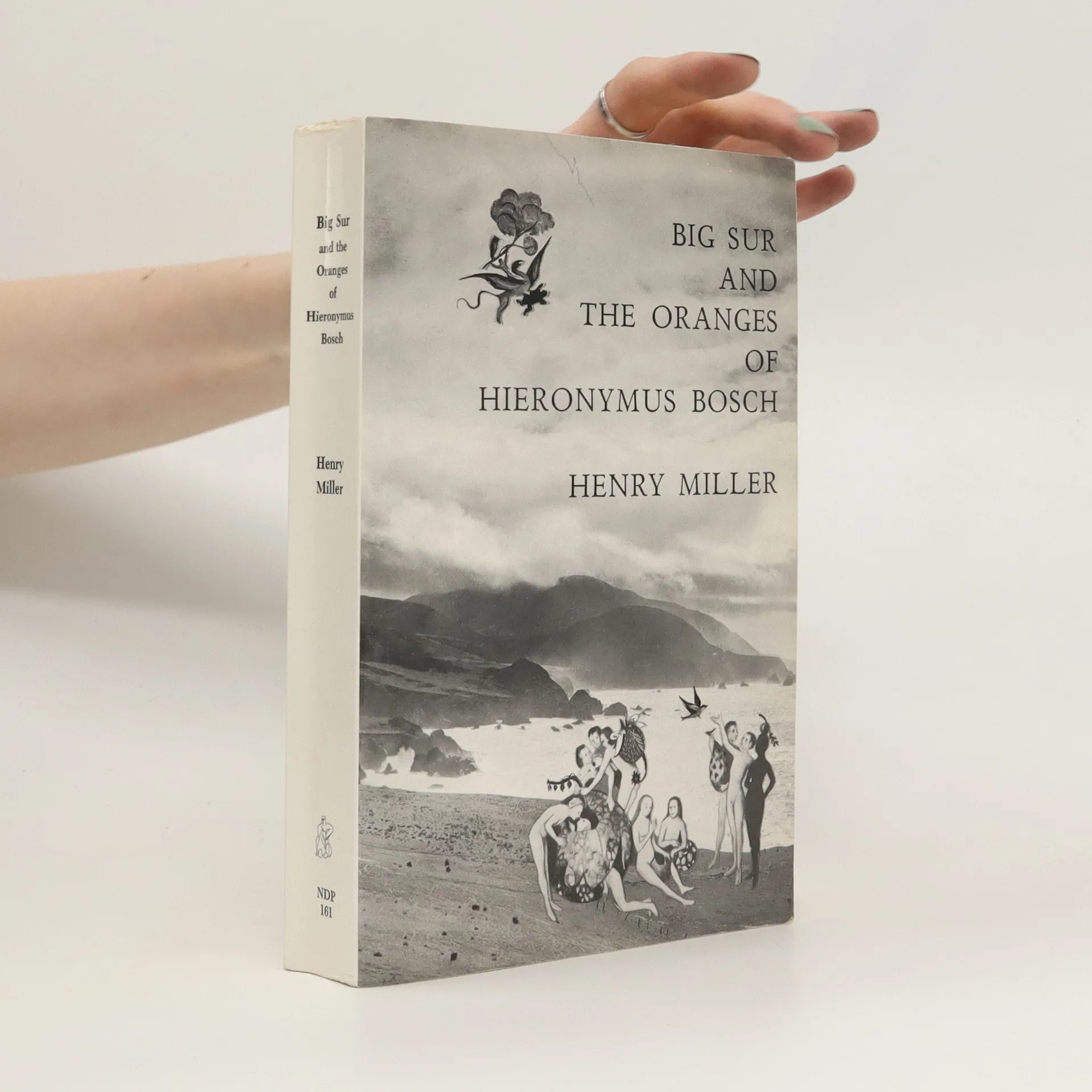
Big Sur is the portrait of a place--one of the most colorful in the U.S.--and of the extraordinary people Miller knew there: writers (& writers who didn't write), mystics seeking truth in meditation (& the not-so-saintly looking for sex-cults or celebrity), sophisticated children & adult innocents; geniuses, cranks & the unclassifiable. Henry Miller writes with a buoyancy & brimming energy that are infectious. He has a fine touch for comedy. But this is also a serious book--the testament of a free spirit who has broken through the restraints & cliches of modern life to find within himself his own kind of paradise.
The social function of the creative personality is a recurrent theme with Henry Miller, and this book is perhaps his most poignant and concentrated analysis of the artist's dilemma.
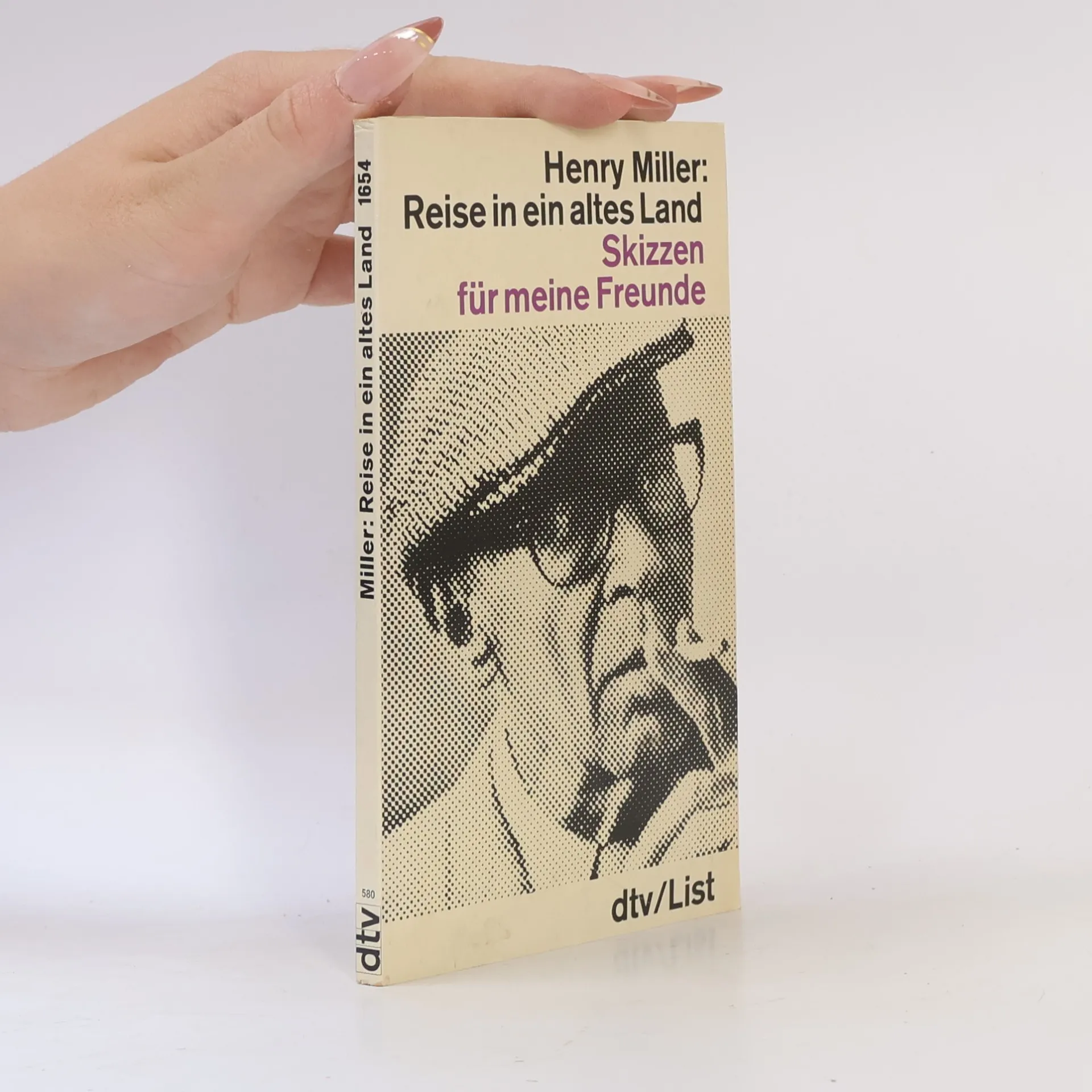
In 1935, Henry Miller set off from his adopted residence, Paris, to visit his home country, America. Filled with vivid impressions and scandalous reflections, and including an entertaining sketch of his journey, via steamer, back to France, this is a comic and exuberant portrait of both the author and his birthplace.
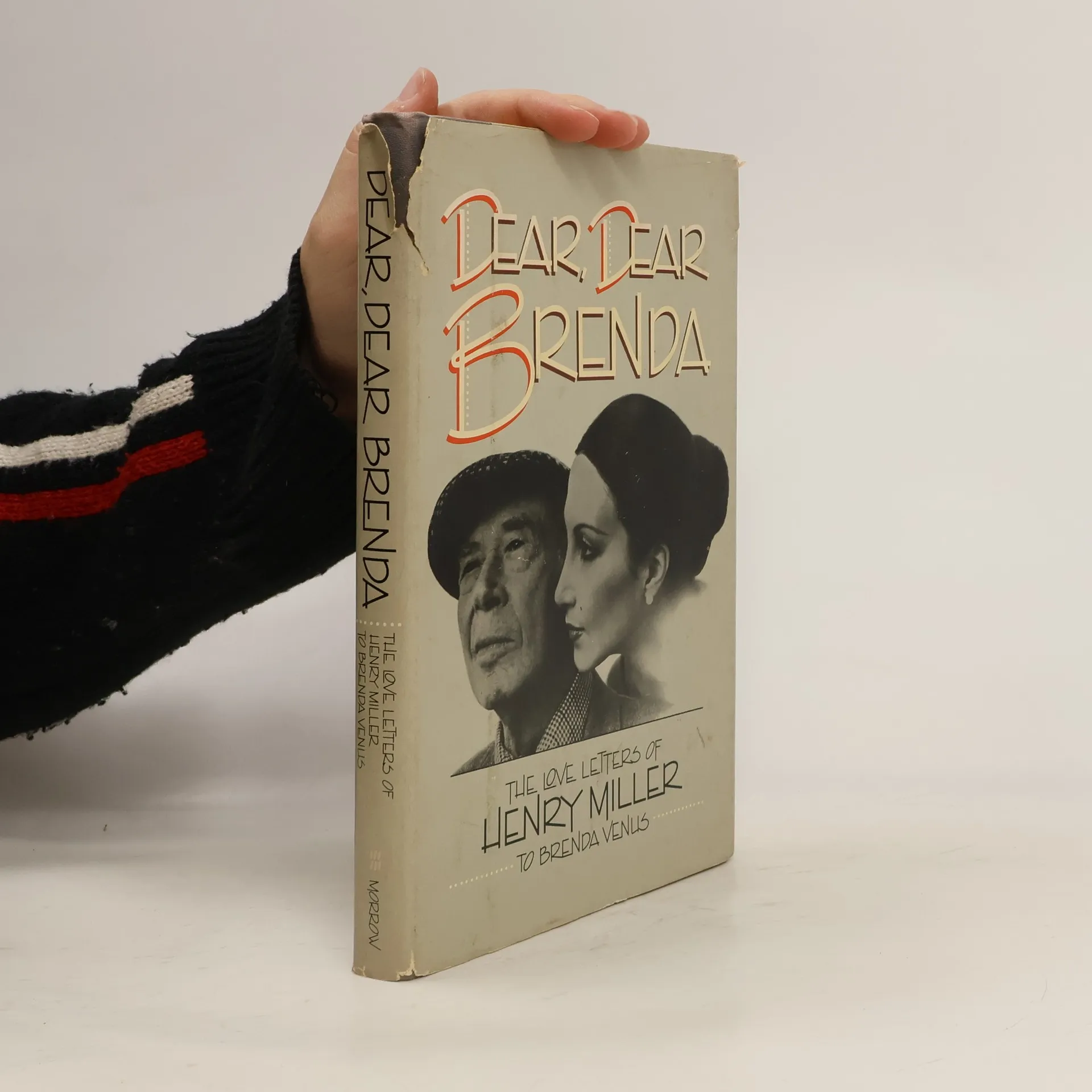
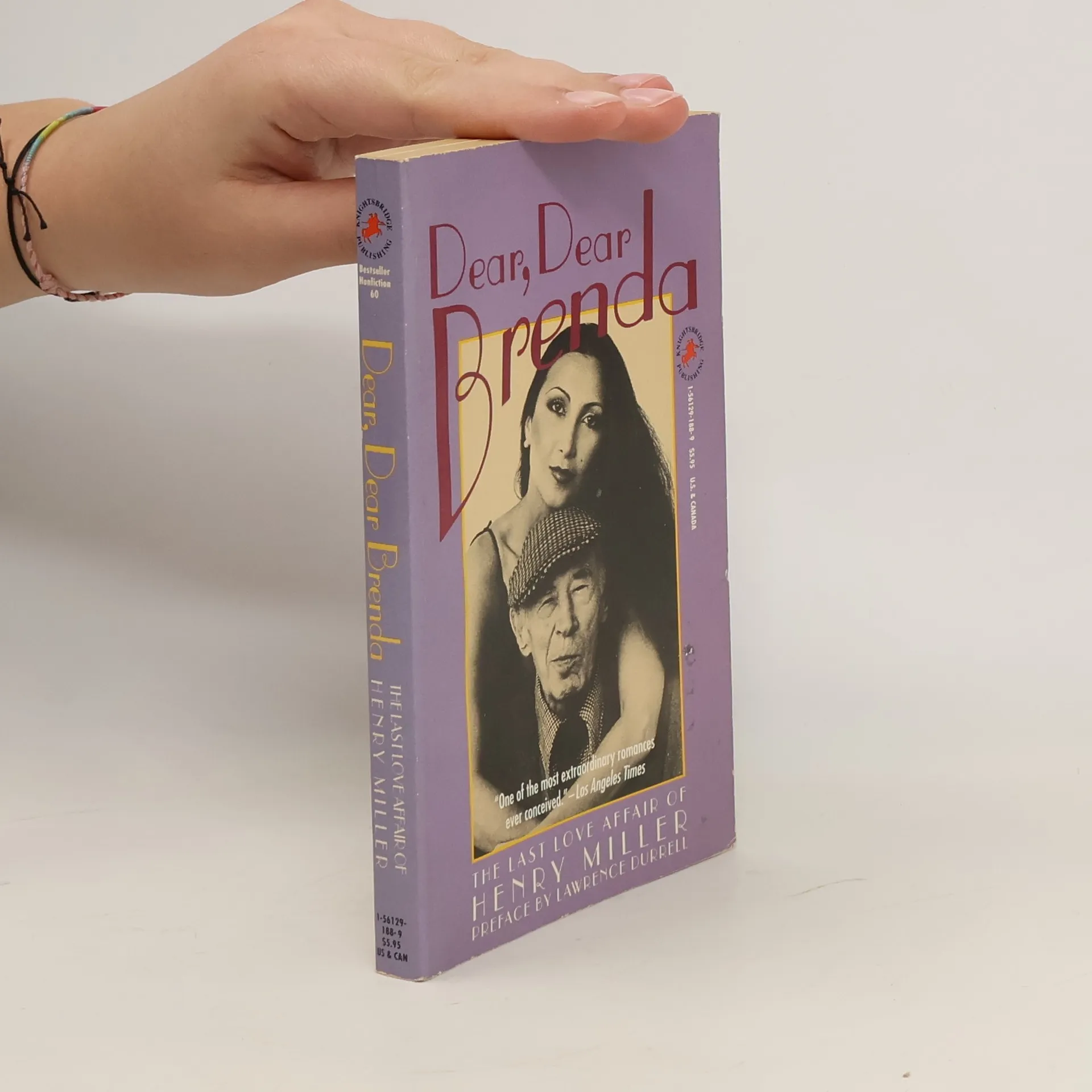
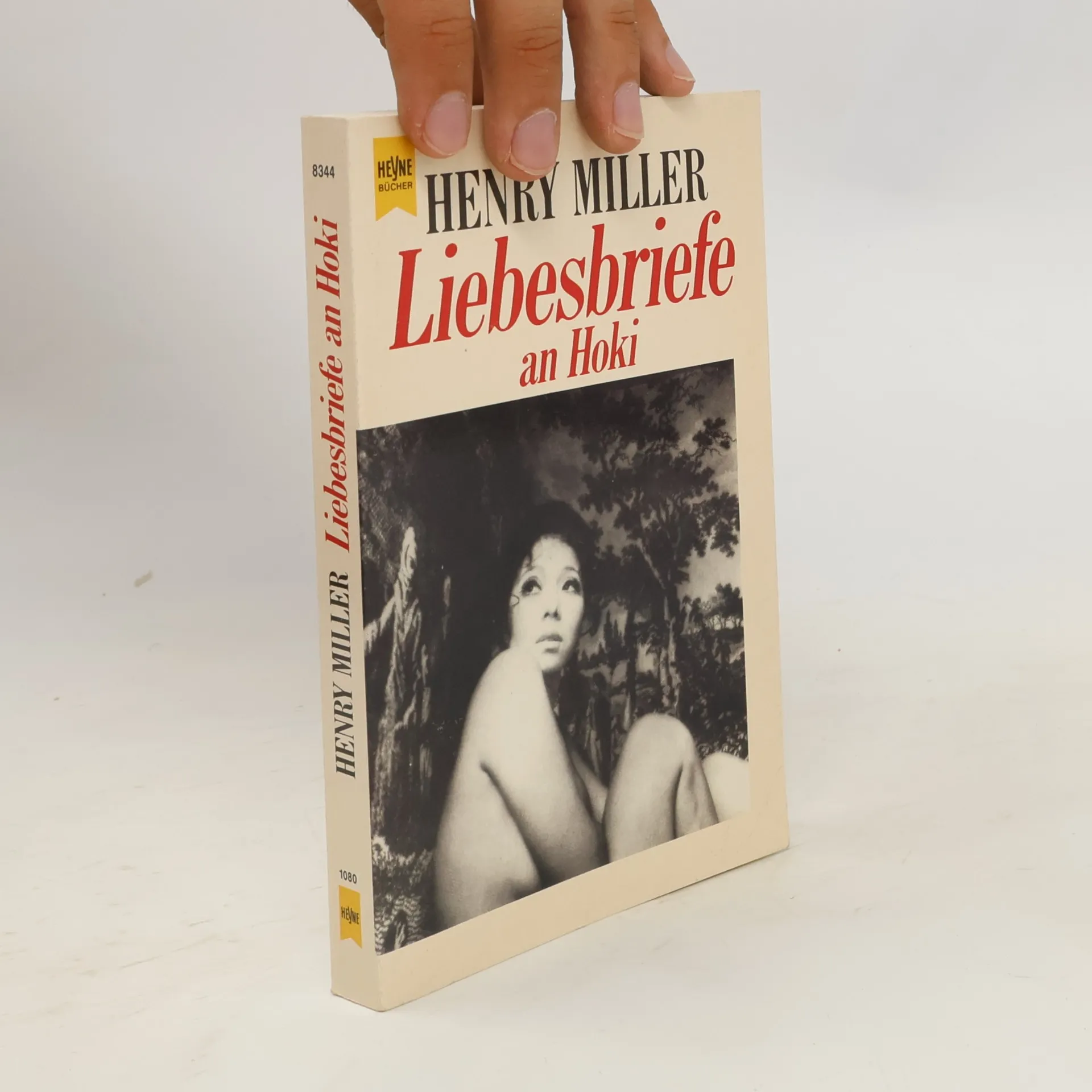
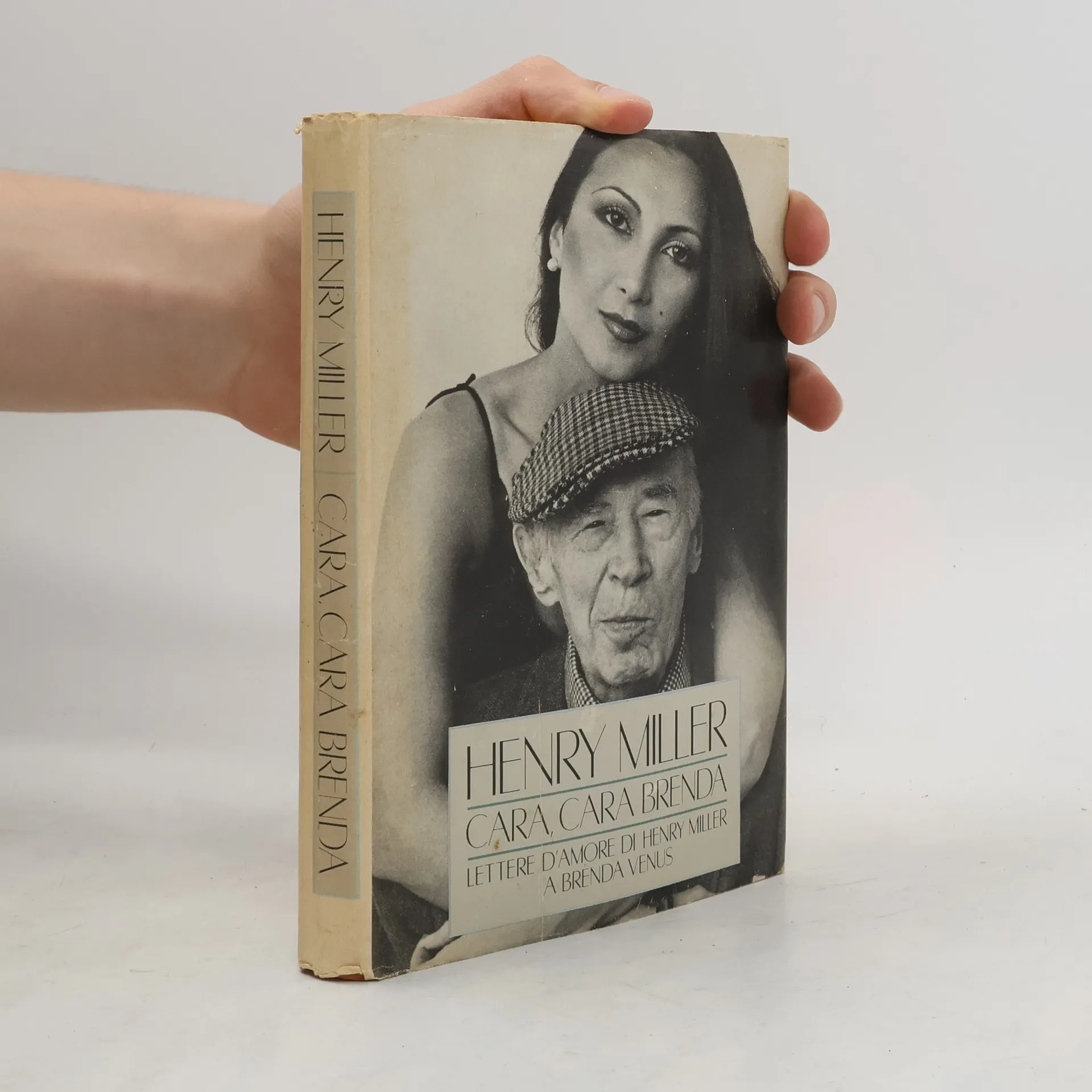
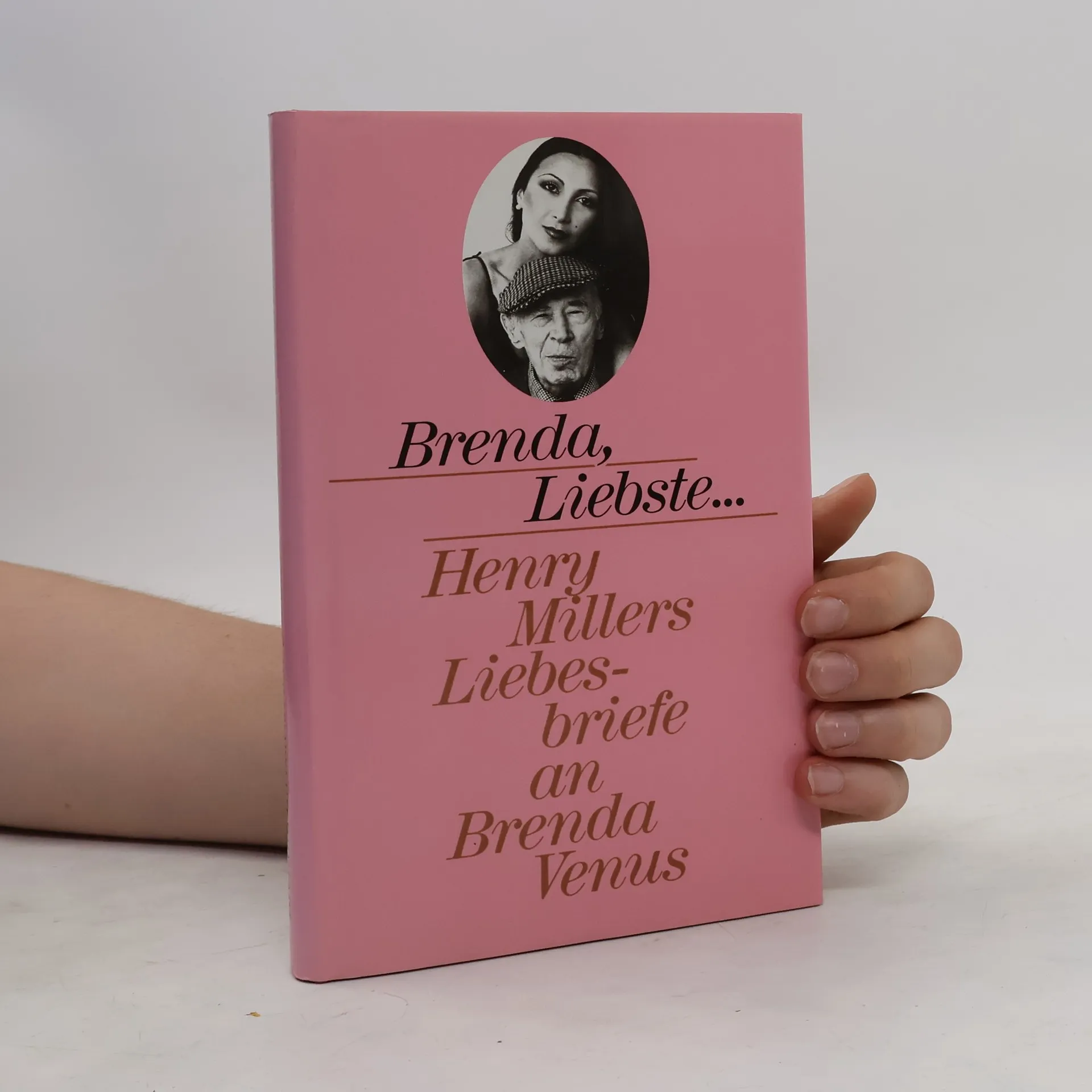
This selection of letters written by Miller, then in his eighties, to his neighbor, a young dancer/actress named Brenda Venus, is interwoven with a text by Venus recounting the course of their relationship.
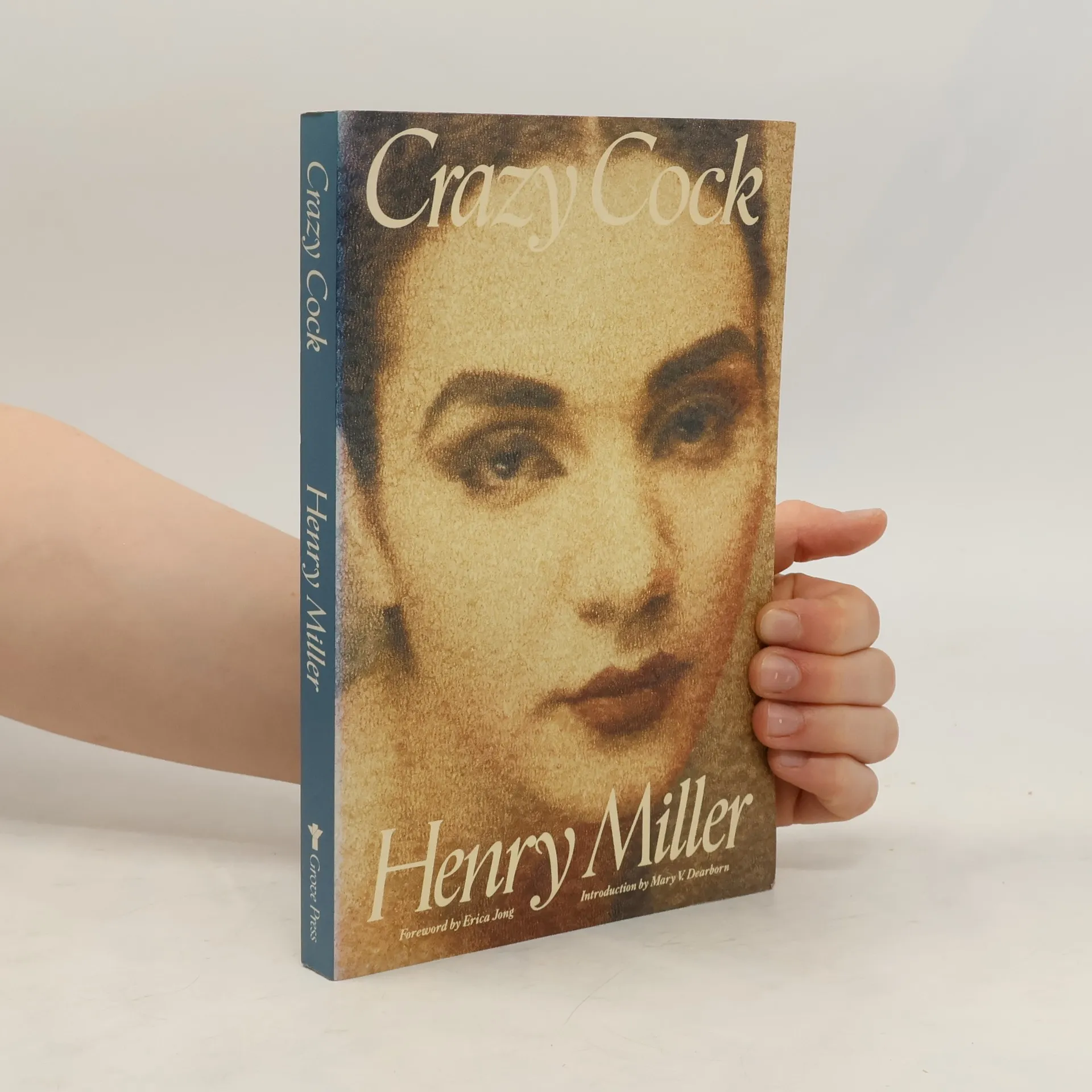
Struggling as a writer amid the bohemianism of 1920s Greenwich Village, well-born Tony Bring must suddenly deal with the knowledge that his beloved wife Hildred has taken her female friend, Vanya, as a lover
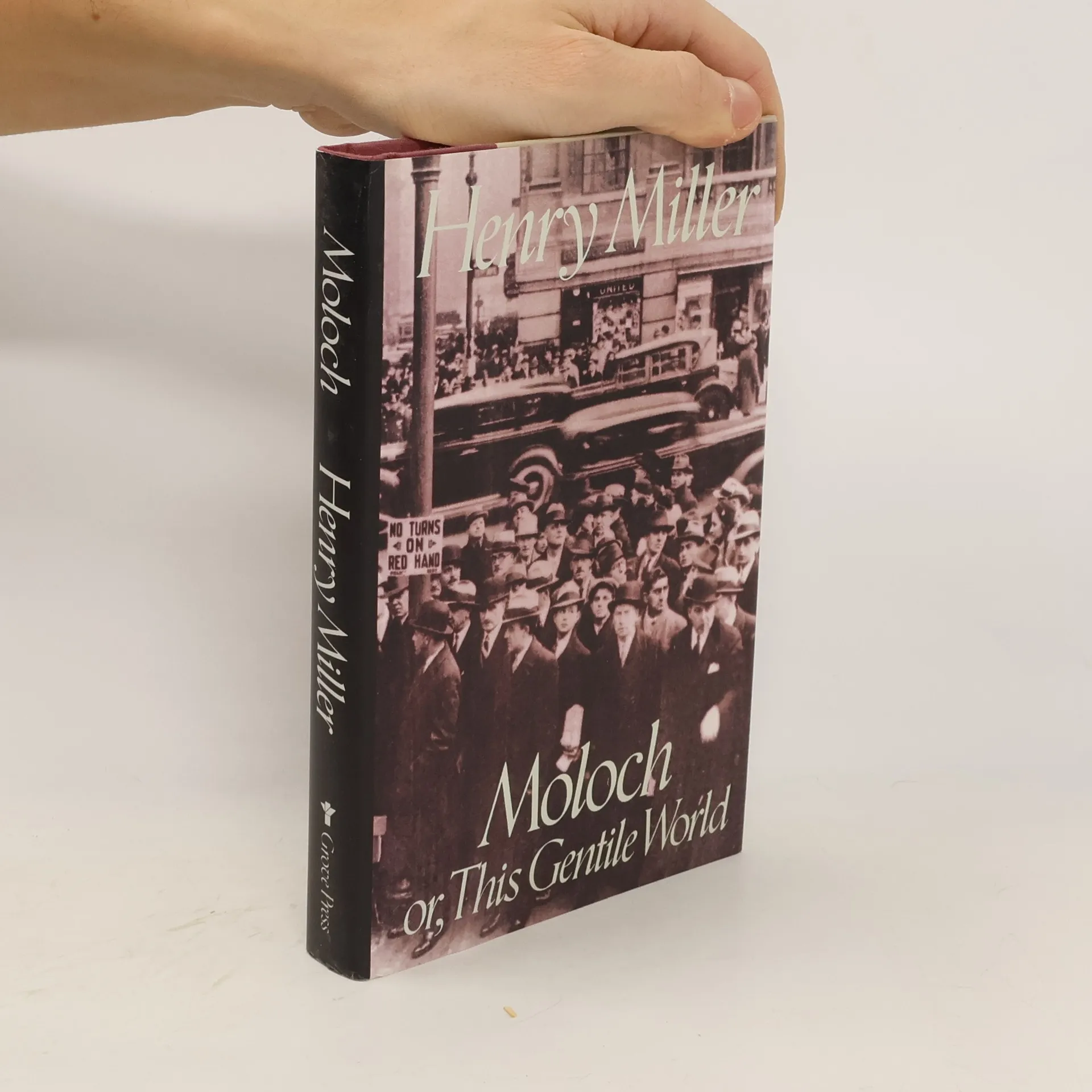
"In this, his first extant novel, Henry Miller made his earliest full-fledged attempt at autobiographical fiction, a literary form he was later to perfect in Paris." "Uncovered along with Crazy Cock in 1988 by Miller biographer Mary V. Dearborn, Moloch is based on Miller's years at Western Union and his first marriage. Set in the rapidly changing New York City of the early 1920s, the novel has as its hero the rough-and-tumble Dion Moloch, a man filled with anger and despair. Stuck in a demeaning job and an acrimonious homelife, Moloch escapes to the streets, only to be assaulted by a land that he despises - the transforming Brooklyn and its ever-increasing ethnic sights, sounds, and smells. Moloch strikes out at everything that he hates, battling against a world that threatens to overwhelm and then destroy him." "Brutal and shocking, sometimes awkward and rambling, Moloch displays Miller's first steps toward the motif that he was to make his hallmark: the scathingly direct hero striving for an unflinchingly honest view of himself in a world created out of the writer's life."--BOOK JACKET
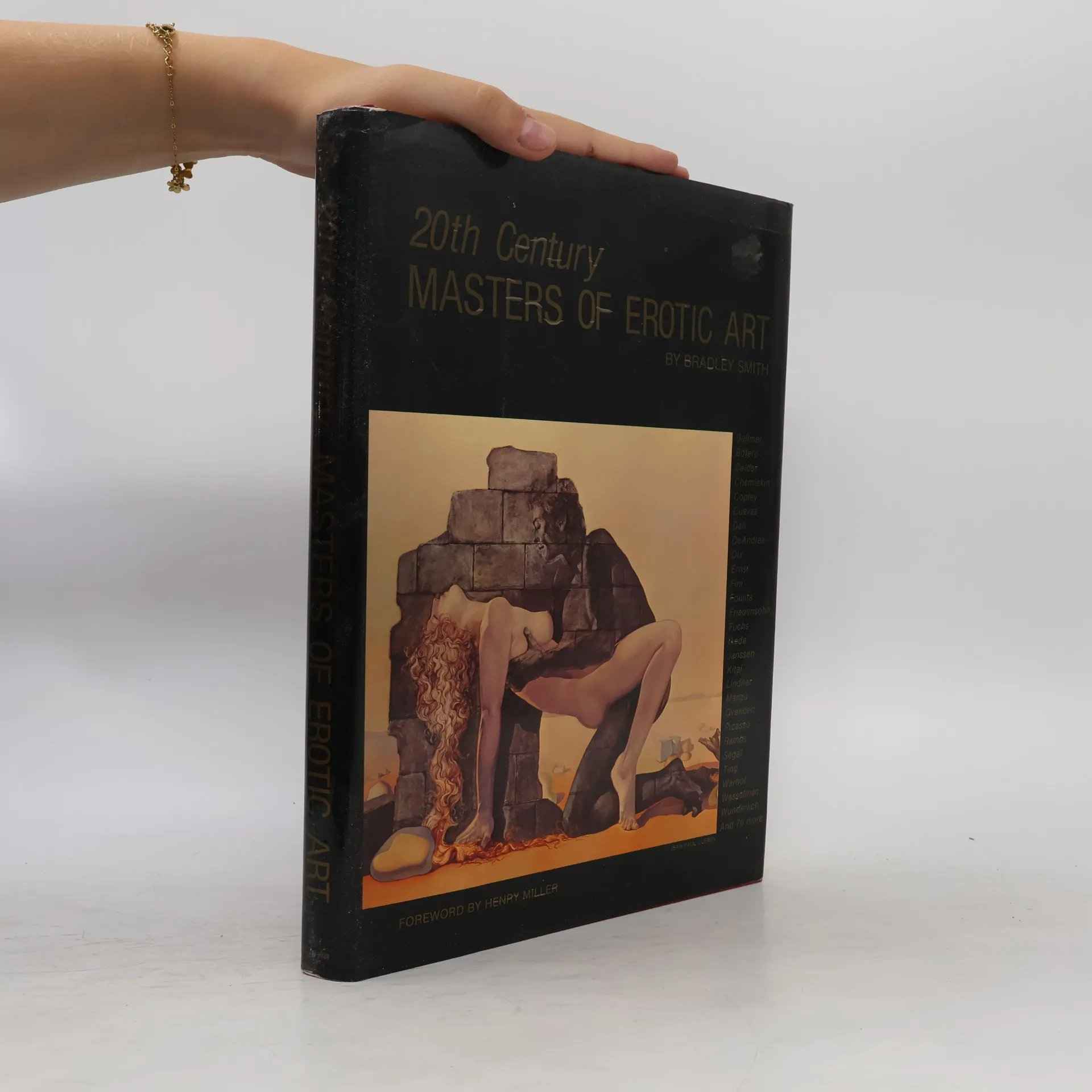
A gallery of some of the most important erotic paintings of the 18th, 19th and 20th centuries, featuring work by Manet, Ingres, Daumier, Watteau, Rowlandson, Fragonard, Courbet, Degas, Toulouse-Lautrec, Renoir, Picasso, Magritte, Schiele, Wesselman, and more.
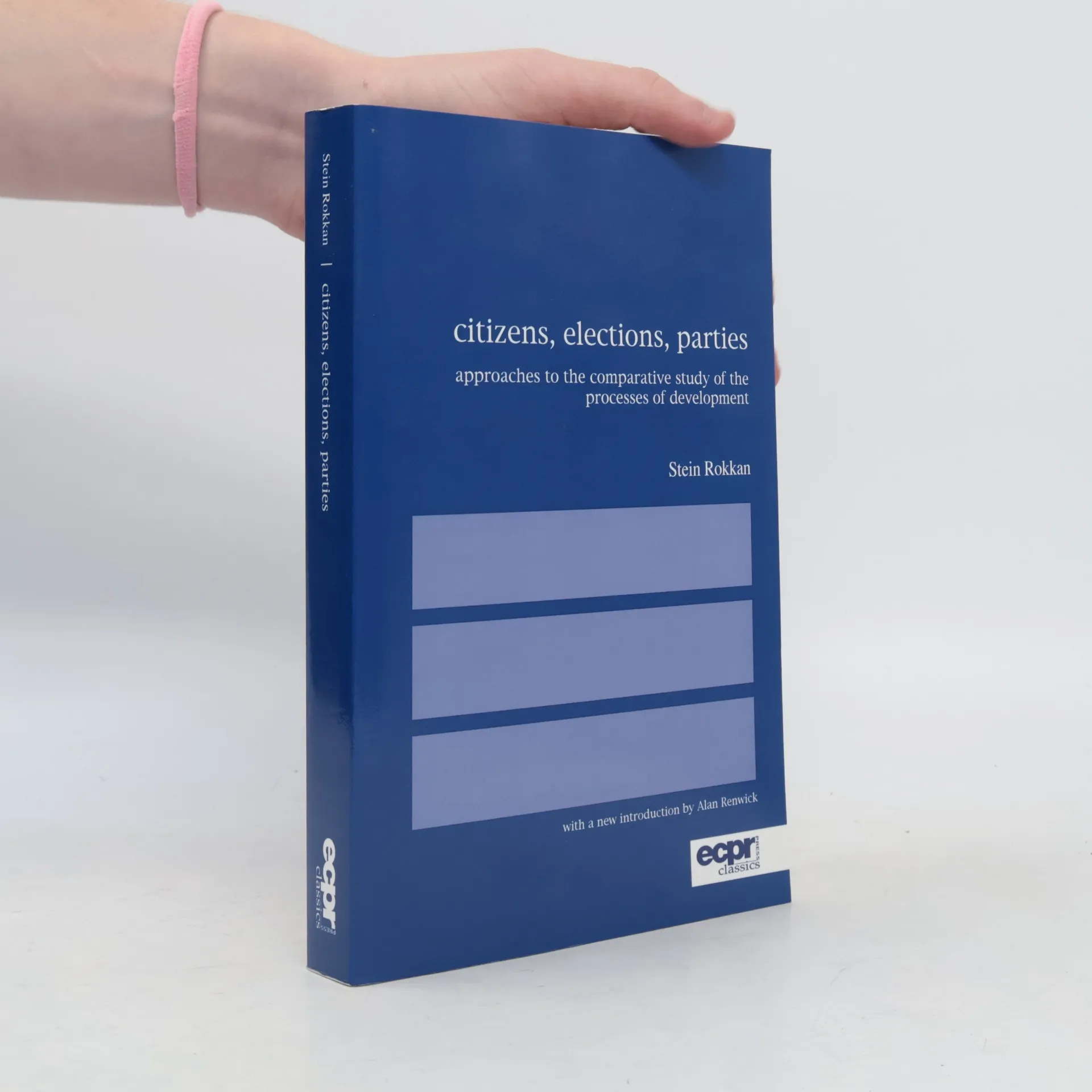
Approaches to the Comparative Study of the Processes of Development - With a New Introduction by Alan Renwick
492 stránek
18 hodin čtení
Focusing on the political behavior of citizens, this work compiles fourteen studies that explore the dynamics of citizenship, electoral participation, and party formation in both industrializing and industrialized societies. It examines the extension of citizenship to marginalized groups, the mobilization of new voters, and their responses to political alternatives. Stein Rokkan's innovative analyses of these themes have left a lasting impact on political sociology, prompting ongoing inquiries into citizen engagement and political structures. A new introduction by Alan Renwick enhances this edition.
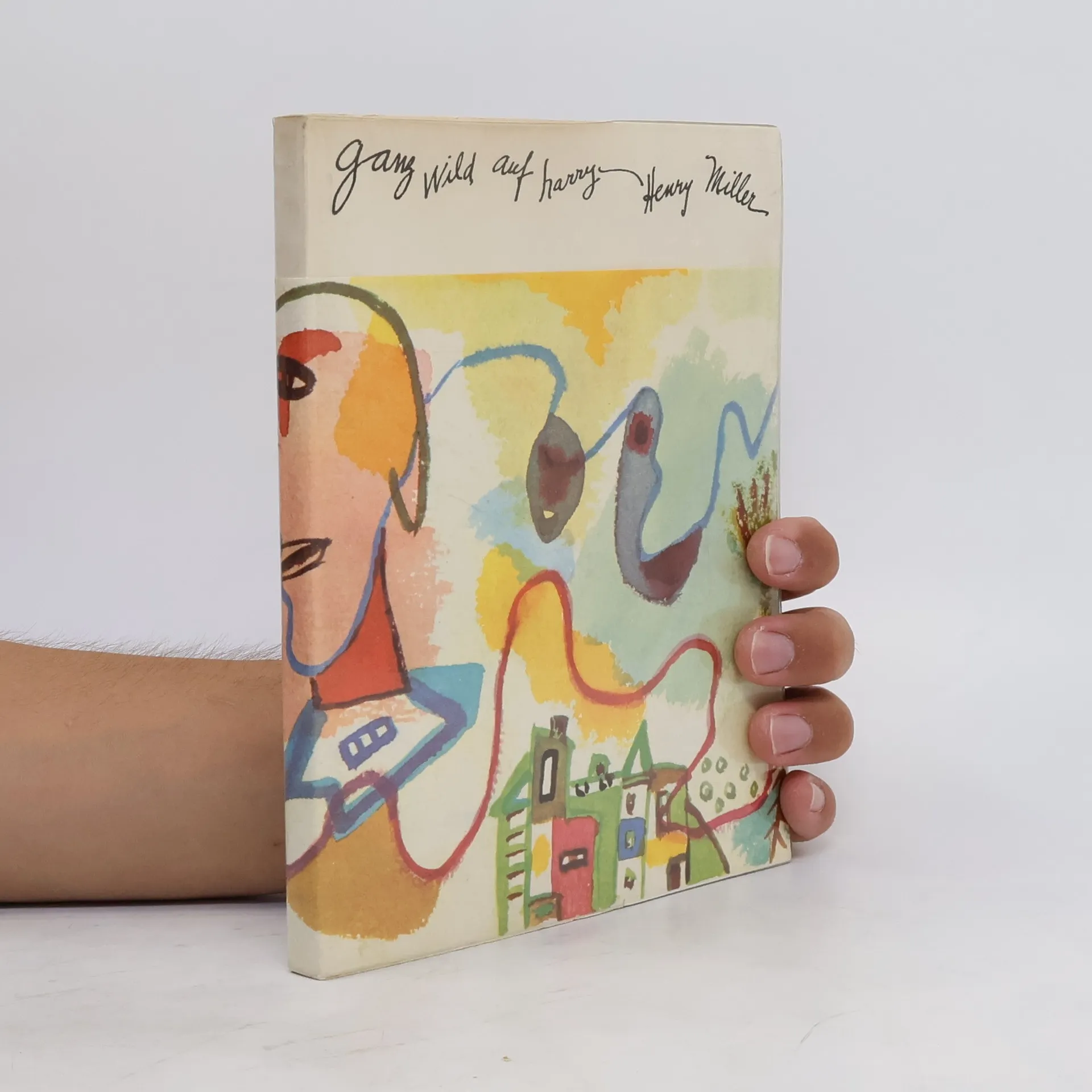
A “melo-melo in seven scenes,” Just Wild About Harry is Henry Miller’s only excursion into playwriting. Harry is pure Miller, welling up from the same abundant love of life and freedom from convention that made its author the dean of writers dedicated to human liberation. Admittedly inspired by lonesco and the Theatre of the Absurd, Miller’s tragicomic slapstick is nevertheless as American as the Marx Brothers and the blues––the simple story of a heartless Harry (the one the ladies are wild about) who learns a bittersweet lesson about life, death, and love. Begun in Europe in 1960, Just Wild About Harry was first published by New Directions in 1963.
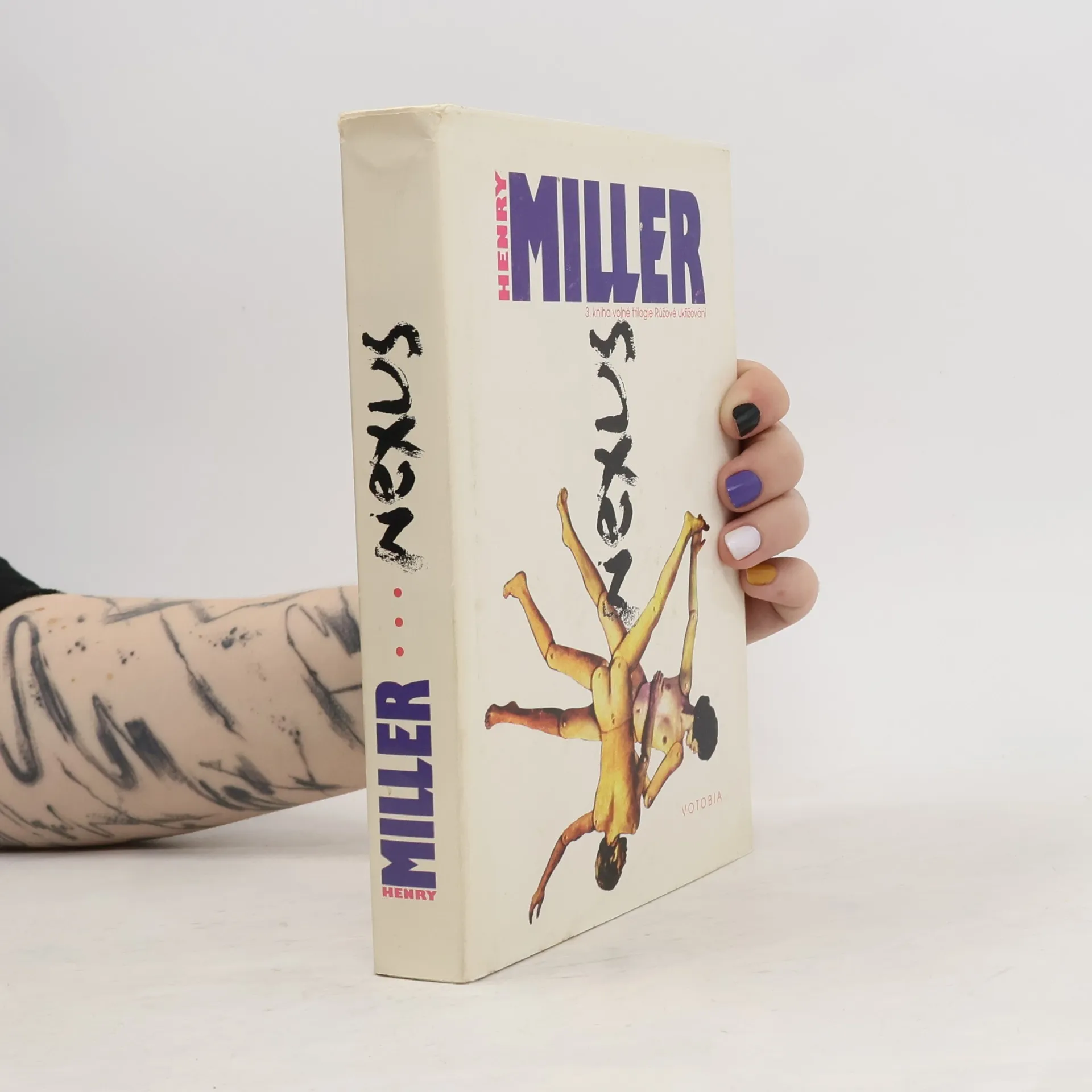
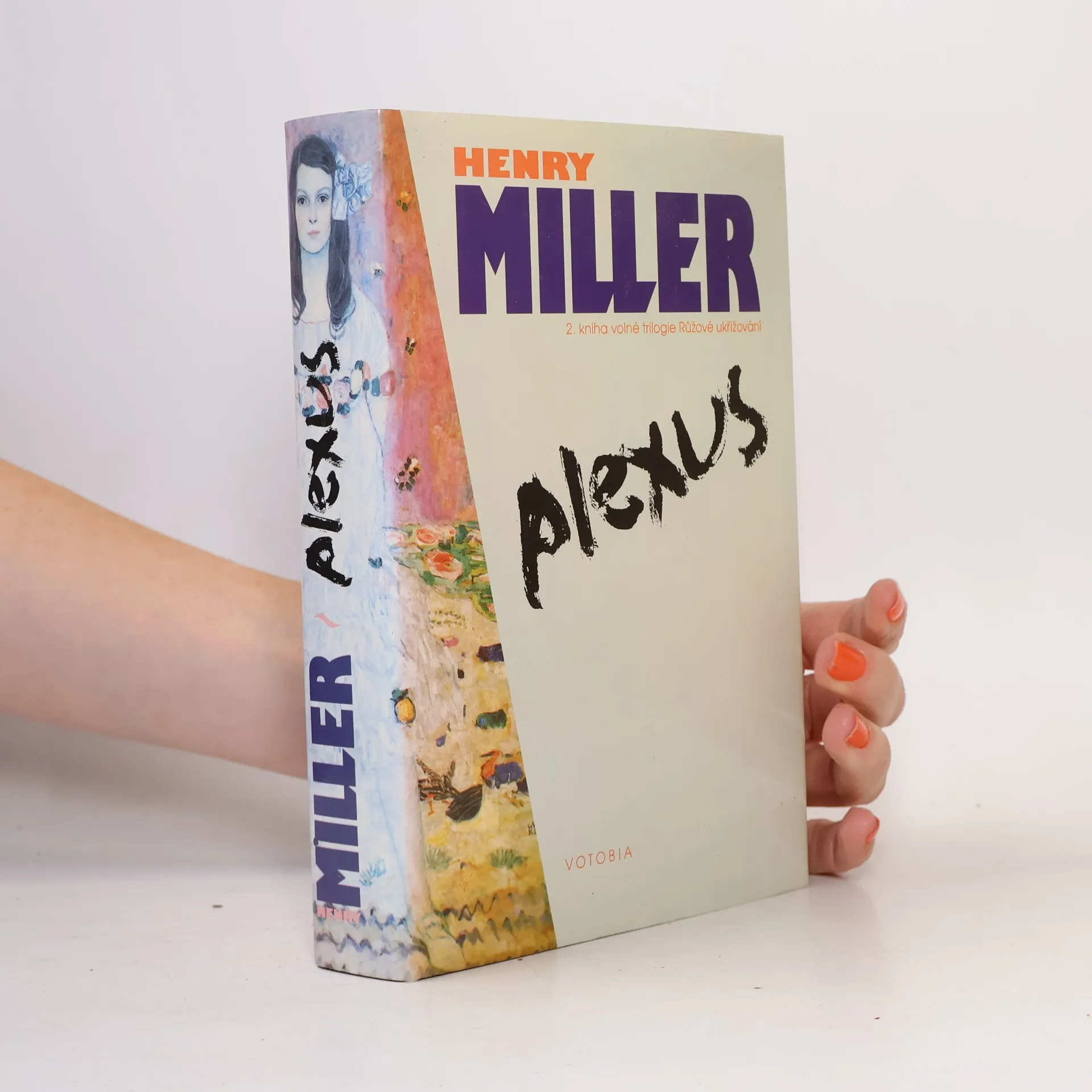
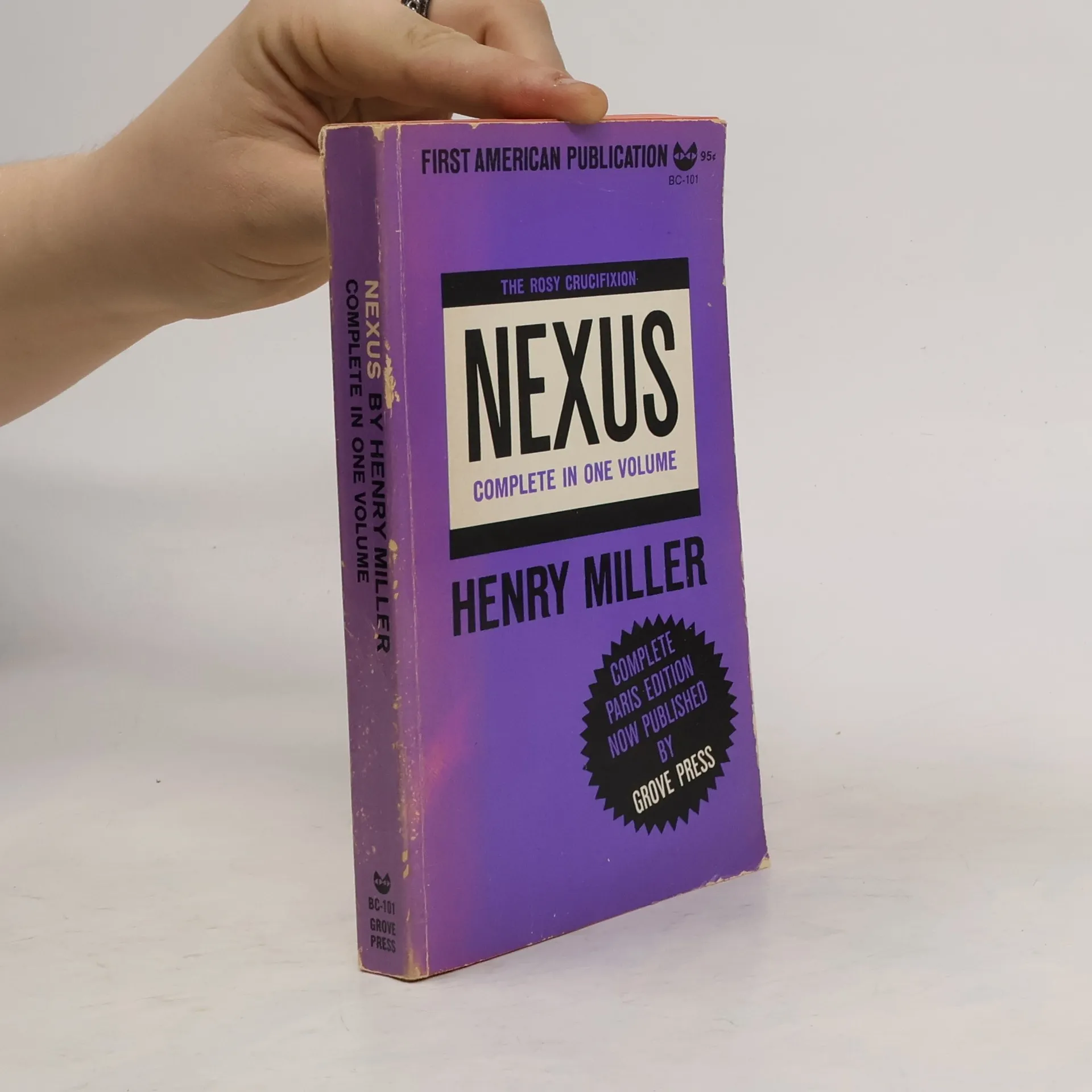
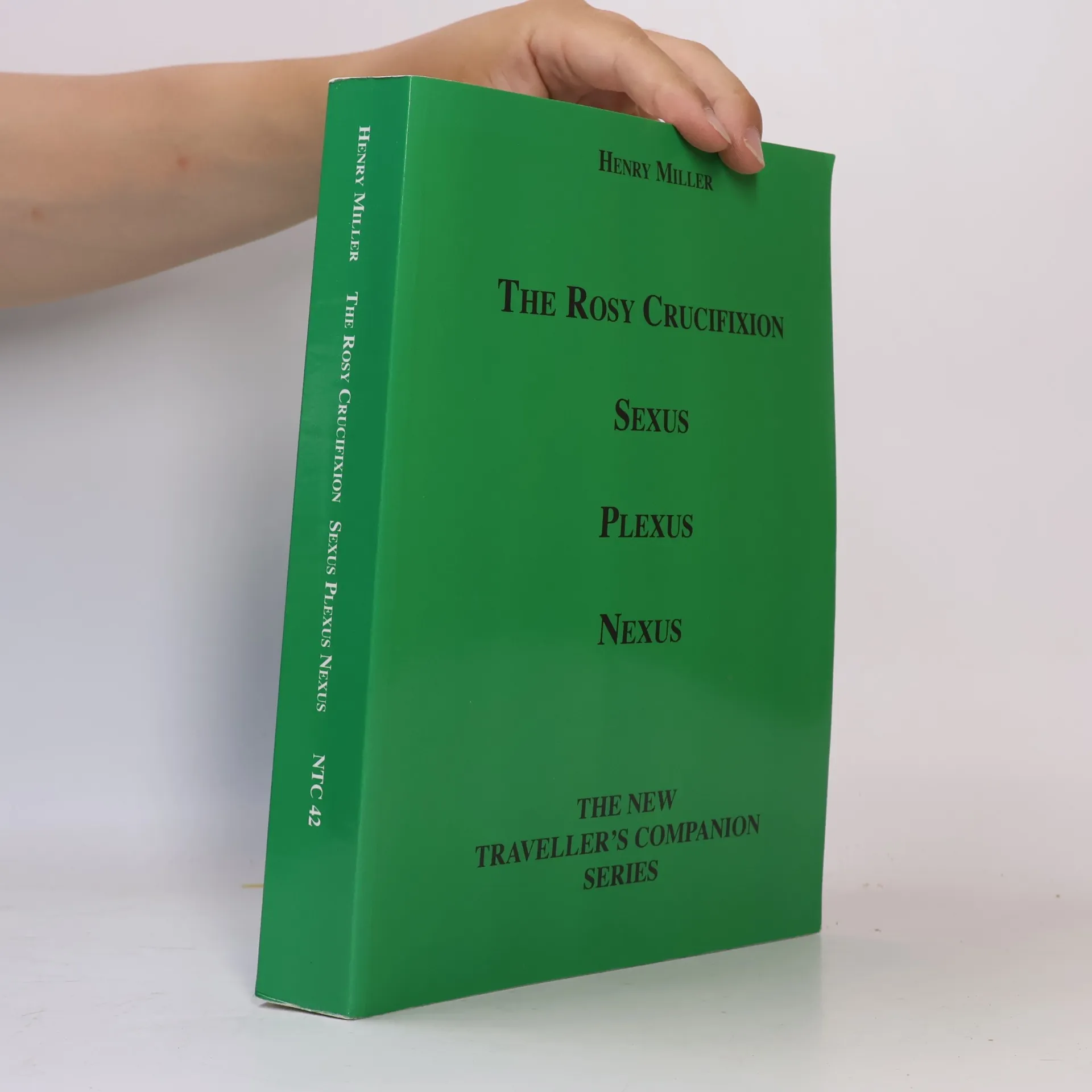
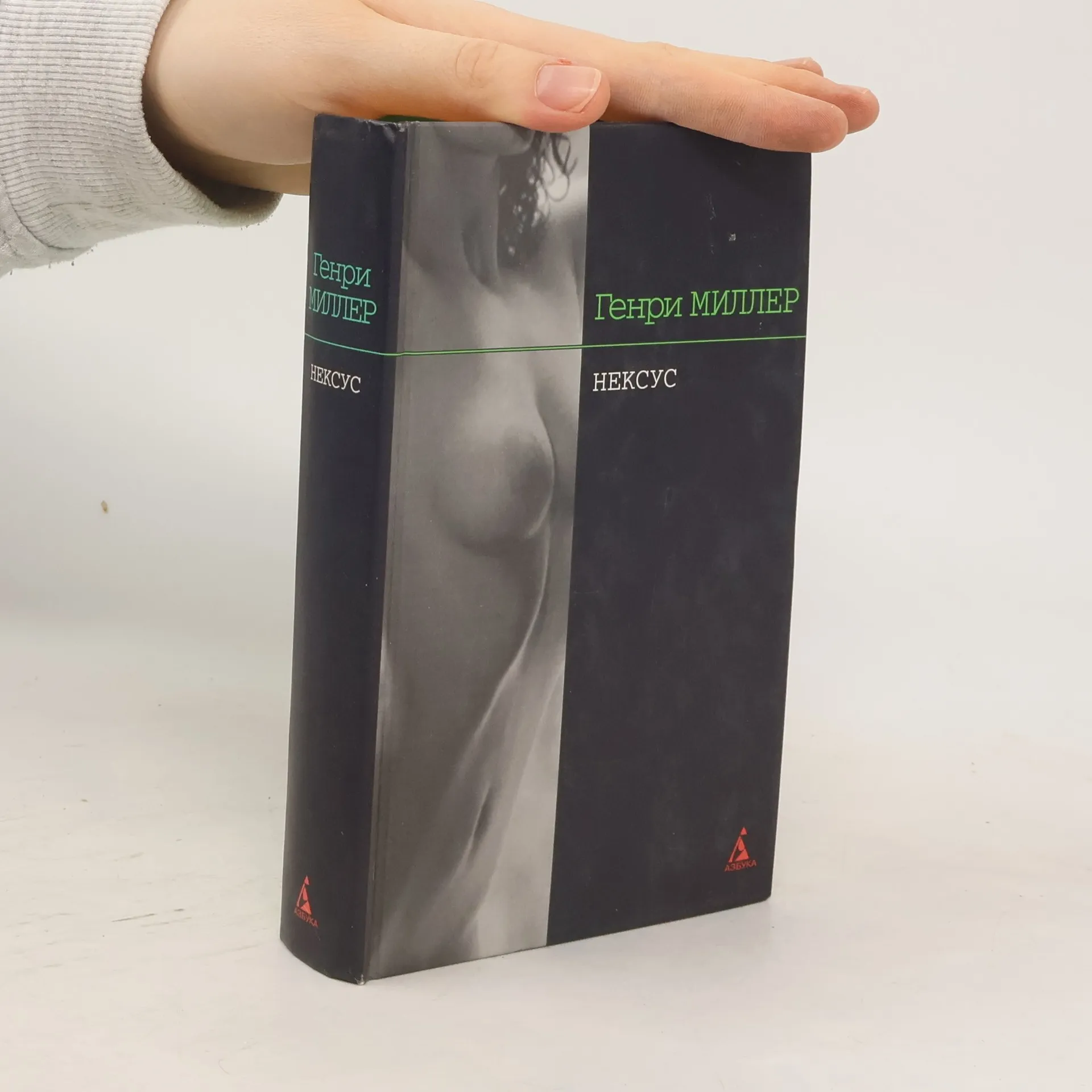
Henry Miller's Rosy Crucifixion, his second major trilogy, took more than 10 years for the author to complete. Beginning in 1949 with Sexus, a work so controversial all of Paris was abuzz with L'Affaire Miller, (and publisher Maurice Girodias saw himself threatened with jail), following in 1952 with Plexus, and finally concluding with 1959's Nexus, the three works are a dazzling array of scenes, sexual encounters and ideas, covering Miller's final days in NY, his relationship with June Miller and her lover, his take on the arts, his favorite writers, his thoughts, his insights, his days and his nights, finally ending with a glorious farewell to the life he'd known and an anticipation of the life he would lead.
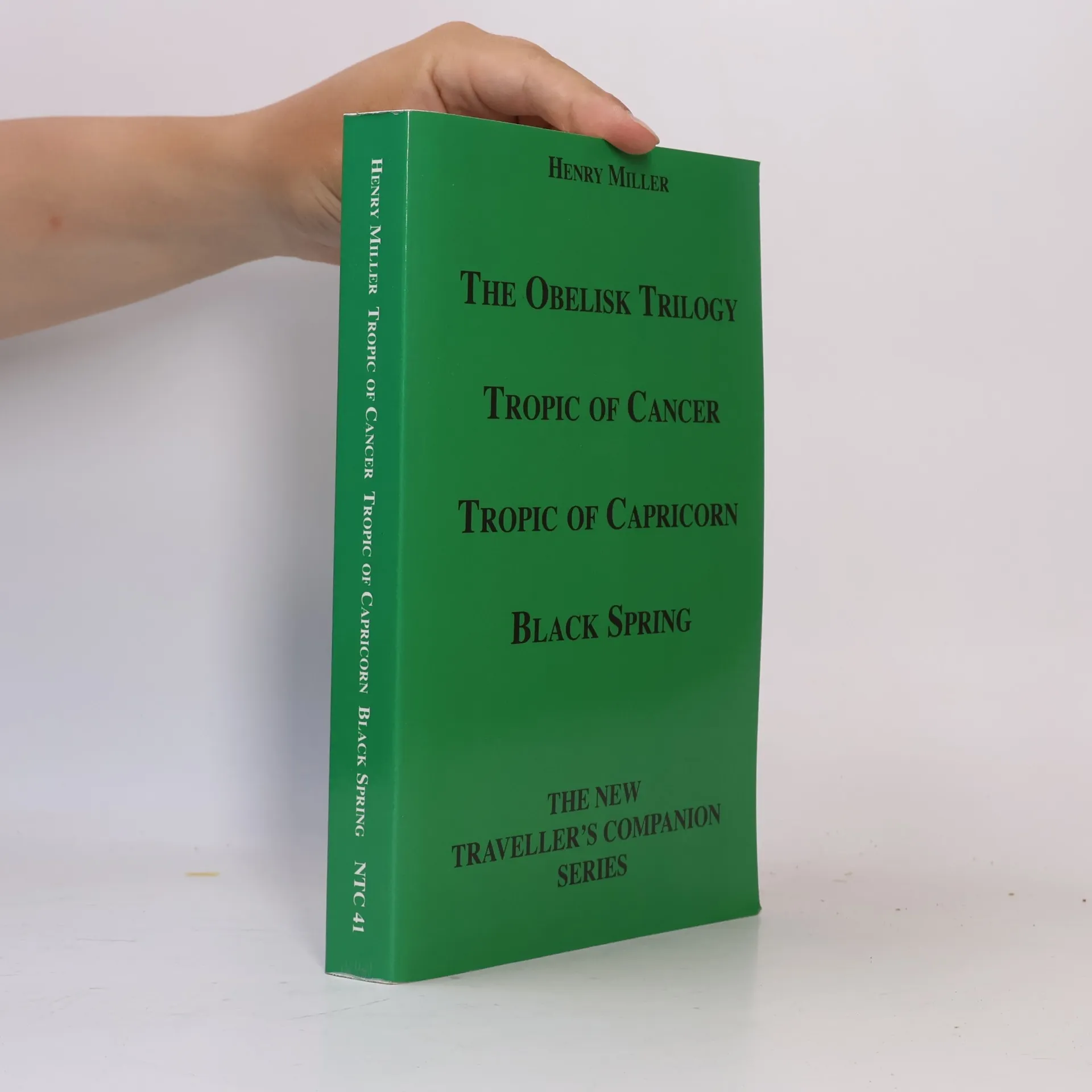
Tropic of Cancer, Tropic of Capricorn, Black Spring
427 stránek
15 hodin čtení
Henry Miller's collaboration with the Obelisk press in the 1930s produced three phenomenal works still much-loved to this day. The groundbreaking Tropic of Cancer published by Jack Kahane in 1934 after Anais Nin helped cover costs, its followup Tropic of Capricorn, finally printed in 1939, and Black Spring, a collection of vignettes and tales from 1936. These three works, later republished by the Olympia Press in Paris announced the arrival of a bold, pugilistic, voice on the literary scene, one whose artistic roar echos to this day.
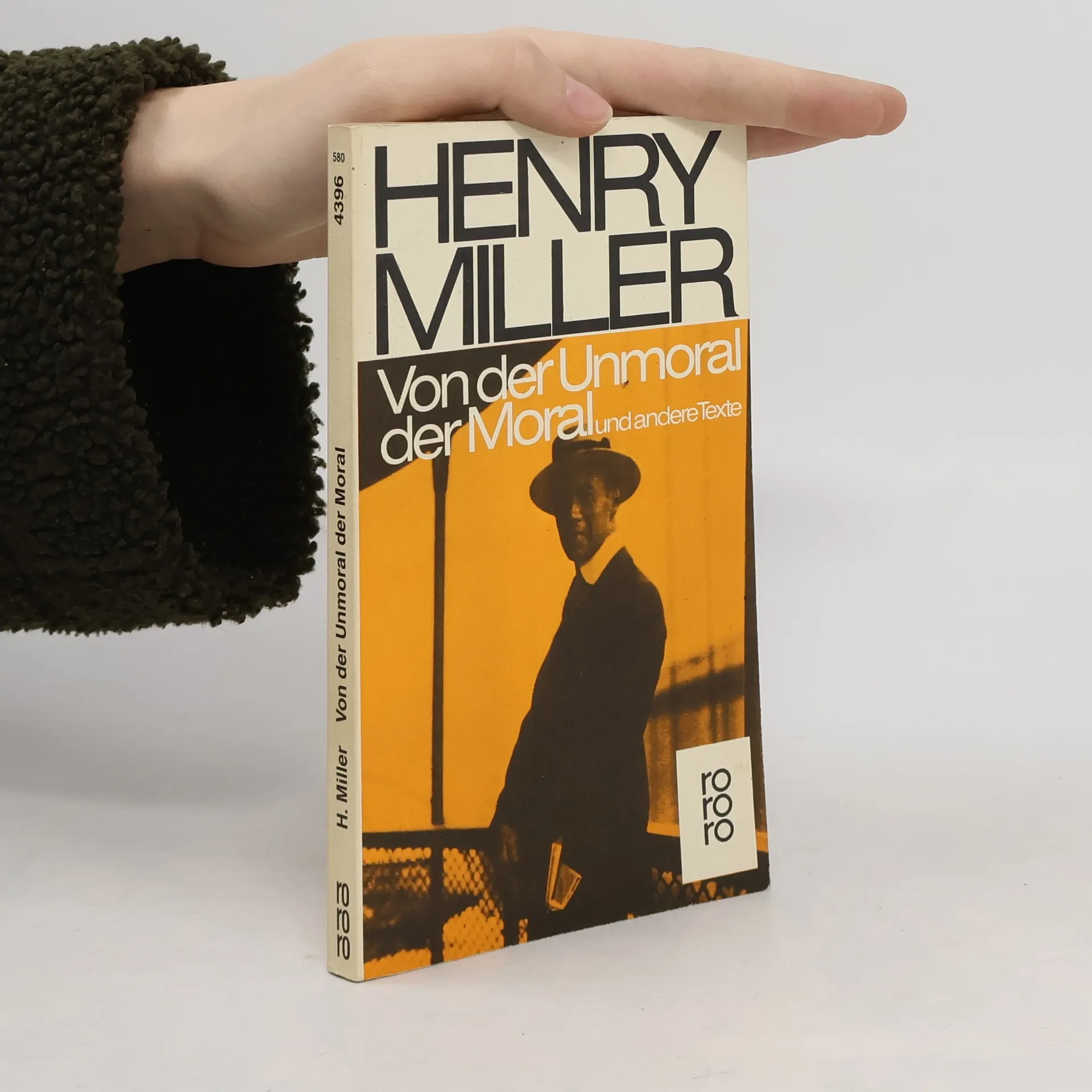
Der Einzelne und die Gesellschaft, kreative Freiheit und Konformismus, American way of life und Europa - das sind die großen Themen der Texte, die hier erstmals gesammelt vorgelegt werden: streitbare Aufsätze aus zweieinhalb Jahrzehnten zu Fragen der Zeit, der Gesellschaft, der Literatur, engagiert, leidenschaftlich und beklemmend aktuell.
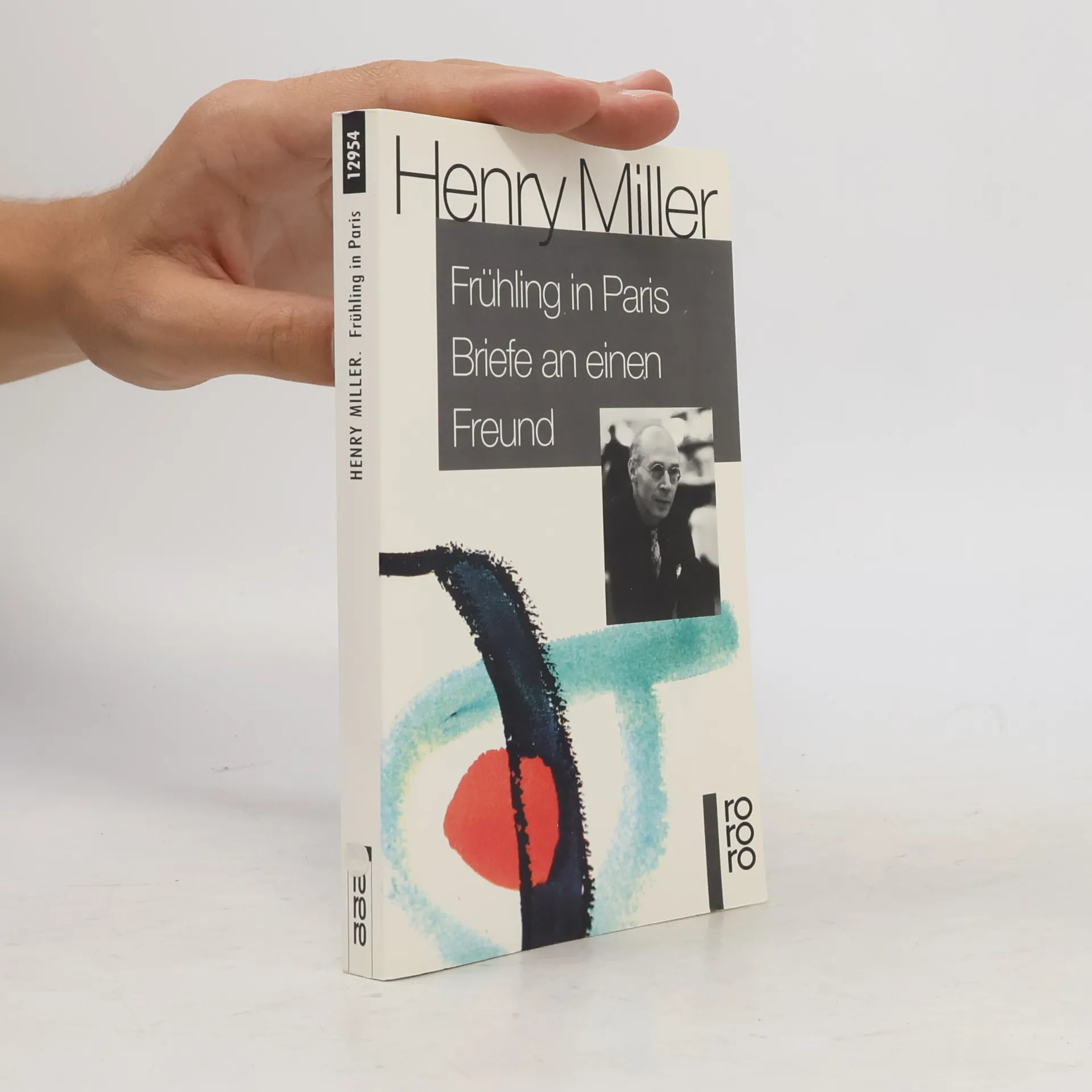
Wer war Henry Miller wirklich? Im Gespräch mit seinem langjährigen Freund und Übersetzer Georges Belmont äußerte der große Romancier und Außenseiter der amerikanischen Literatur sehr persönliche Gedanken über sich, seine Bücher, das Leben und die Frauen. Ein literarisches Selbstporträt, das zum Verständnis seines berühmt-berüchtigten Werkes unerlässlich ist.
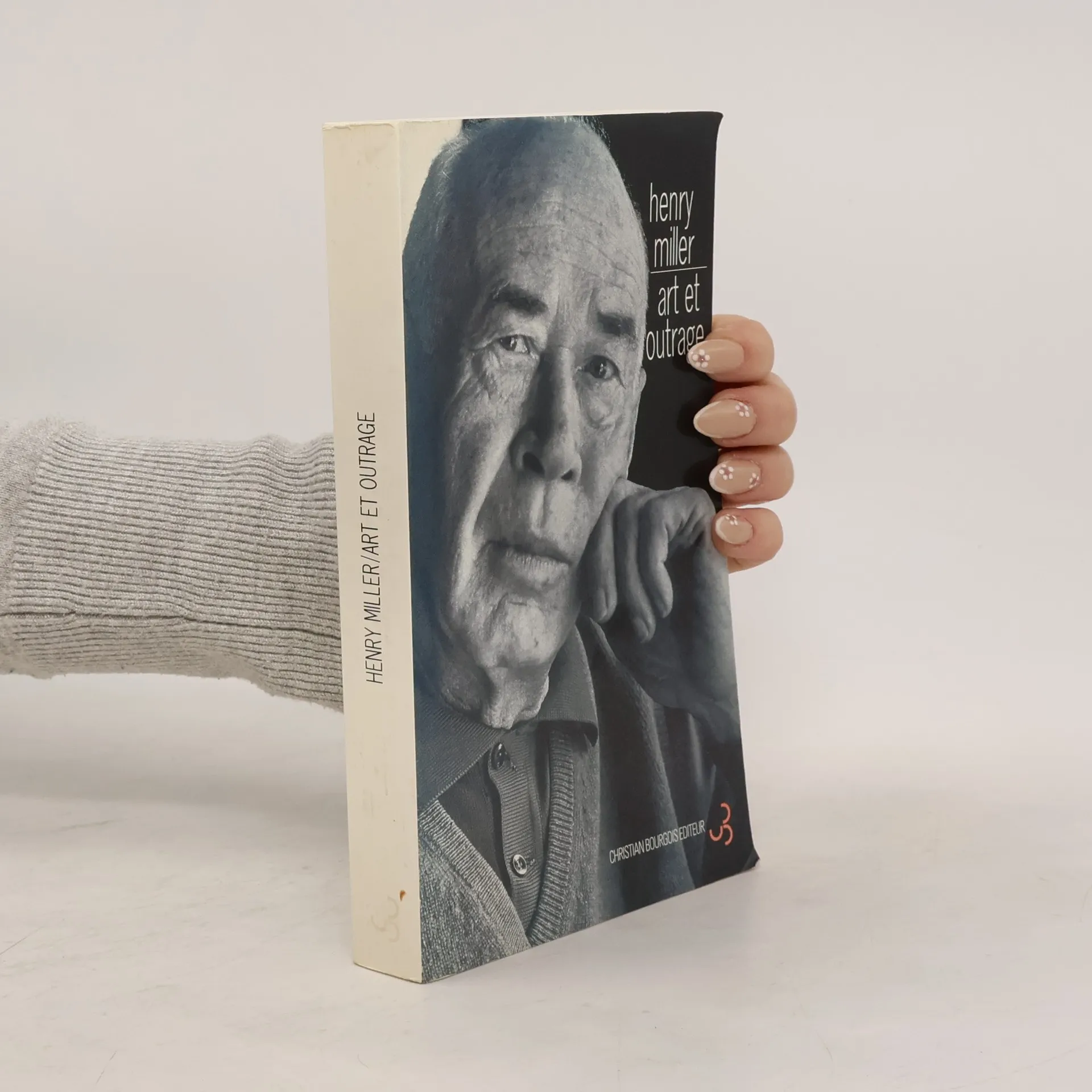
Les nombreux textes courts que Henry Miller écrivit sous les formes les plus variées nous rapprochent de l'artiste dans ce foisonnement fait de contradictions, d'engouements, de révolte, mais avant tout, comme un ciment invisible, de morale philosophique.
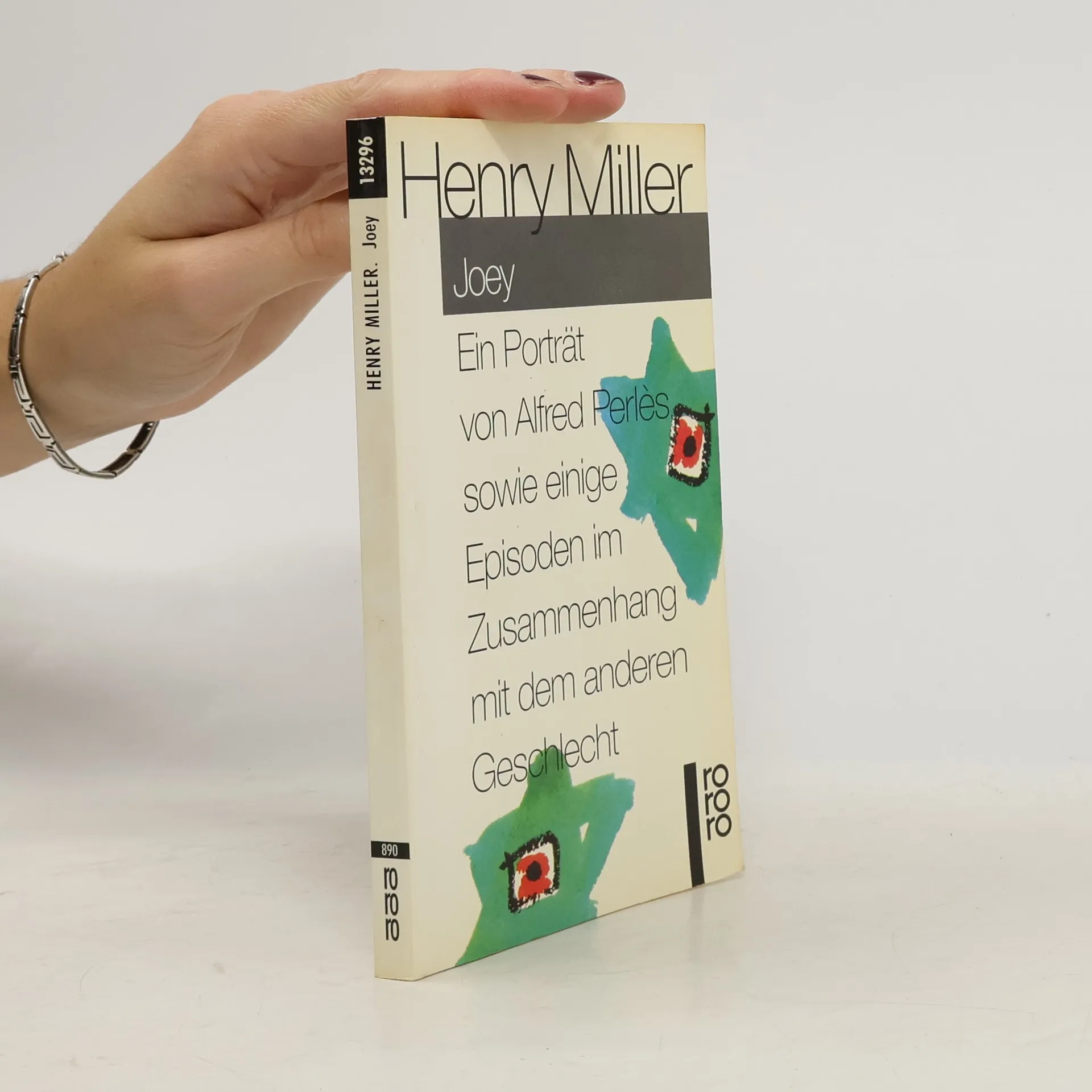
Ein Porträt von Alfred Perles sowie einige Episoden im Zusammenhang mit dem anderen Geschlecht
124 stránek
5 hodin čtení
Joey - so nannte Henry Miller seinen Freund Alfred Perlès, dem er mit diesem Buch ein liebevolles Denkmal setzte. Er erzählt von den Jahren in Paris, als er den immer strahlenden, vergnügten „Windhund“ kennenlernte, und von der gemeinsamen wilden Zeit in der Villa Seurat. Es kommt nicht von ungefähr, daß ihn diese Erinnerungen inspirierten, darüber hinaus über einige Erlebnisse mit dem anderen Geschlecht nachzusinnen.
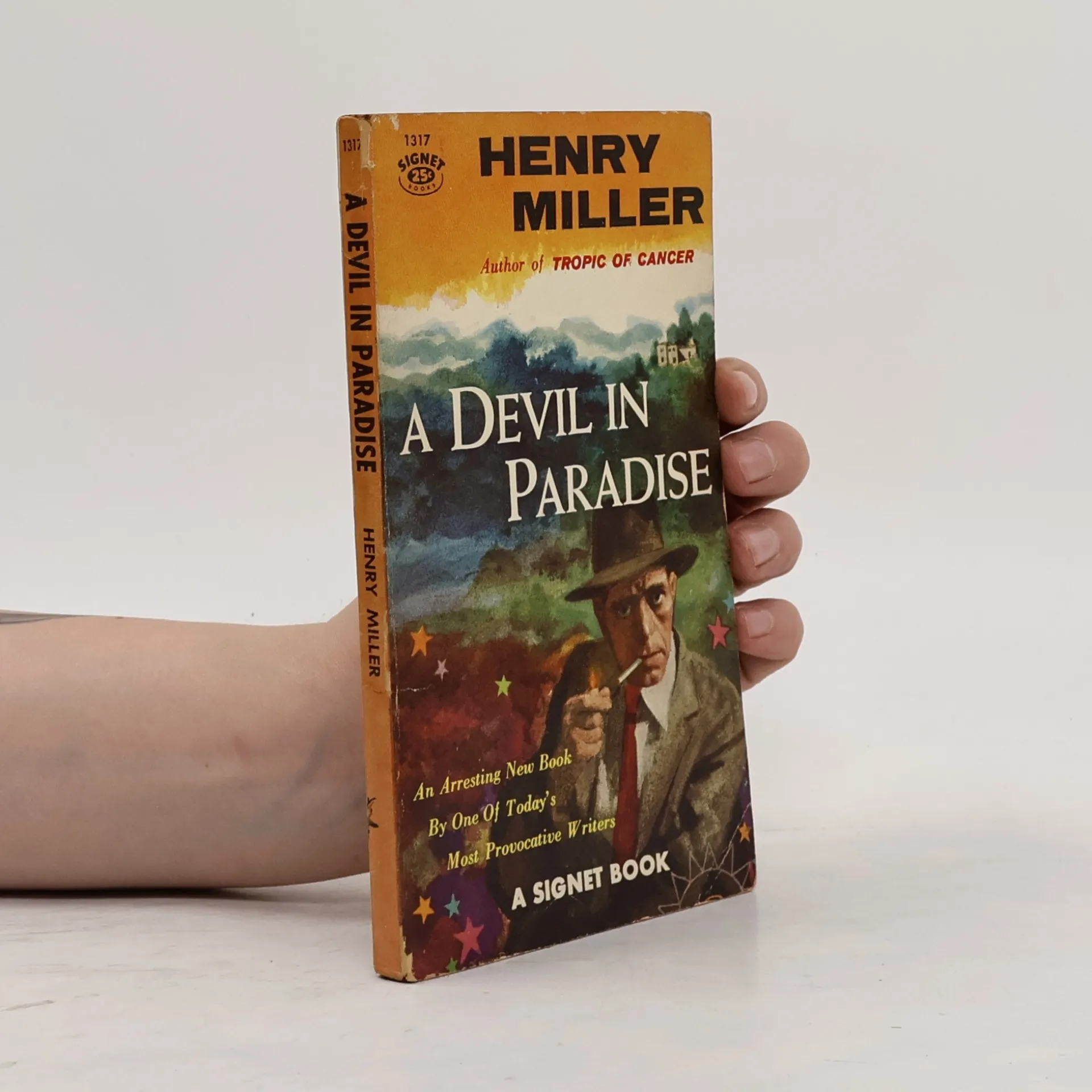
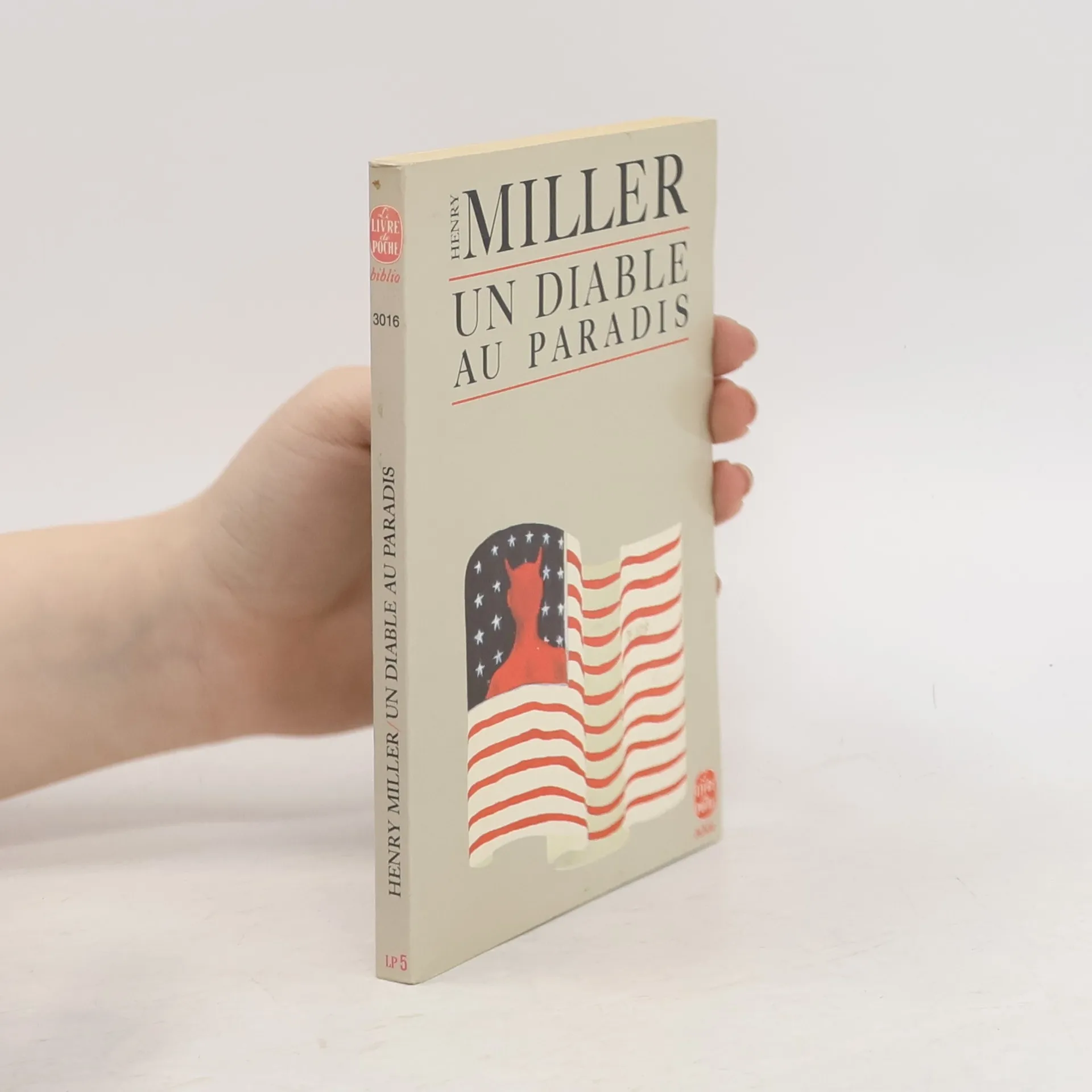
The devil in Henry Miller's Big Sur paradise is Conrad Moricand: A friend of his Paris days, who, having been financed and brought over from Europe as an act of mercy by Mr. Miller, turns out as exacting, sponging, evil, cunning and ungrateful a guest as can be found in contemporary literature.
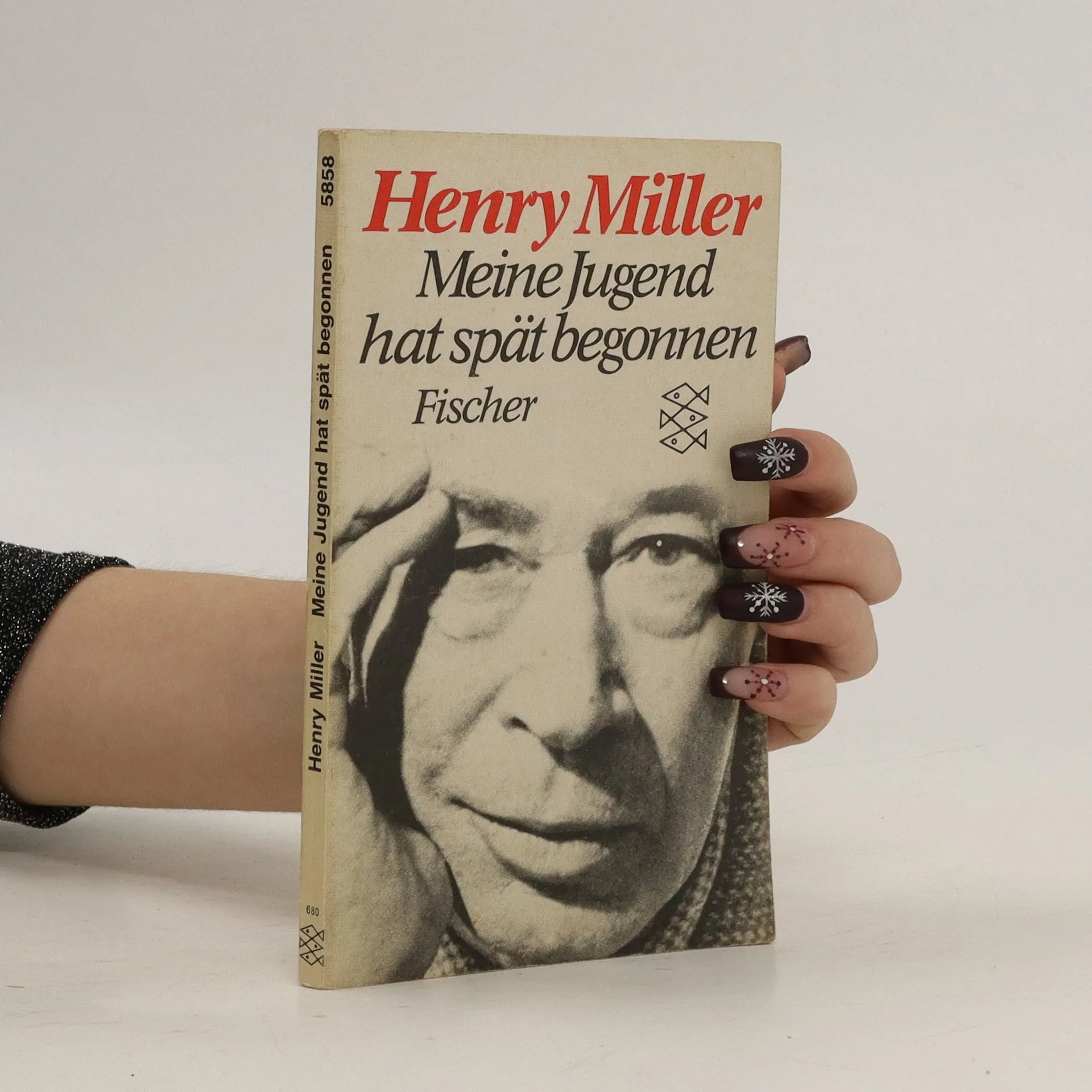
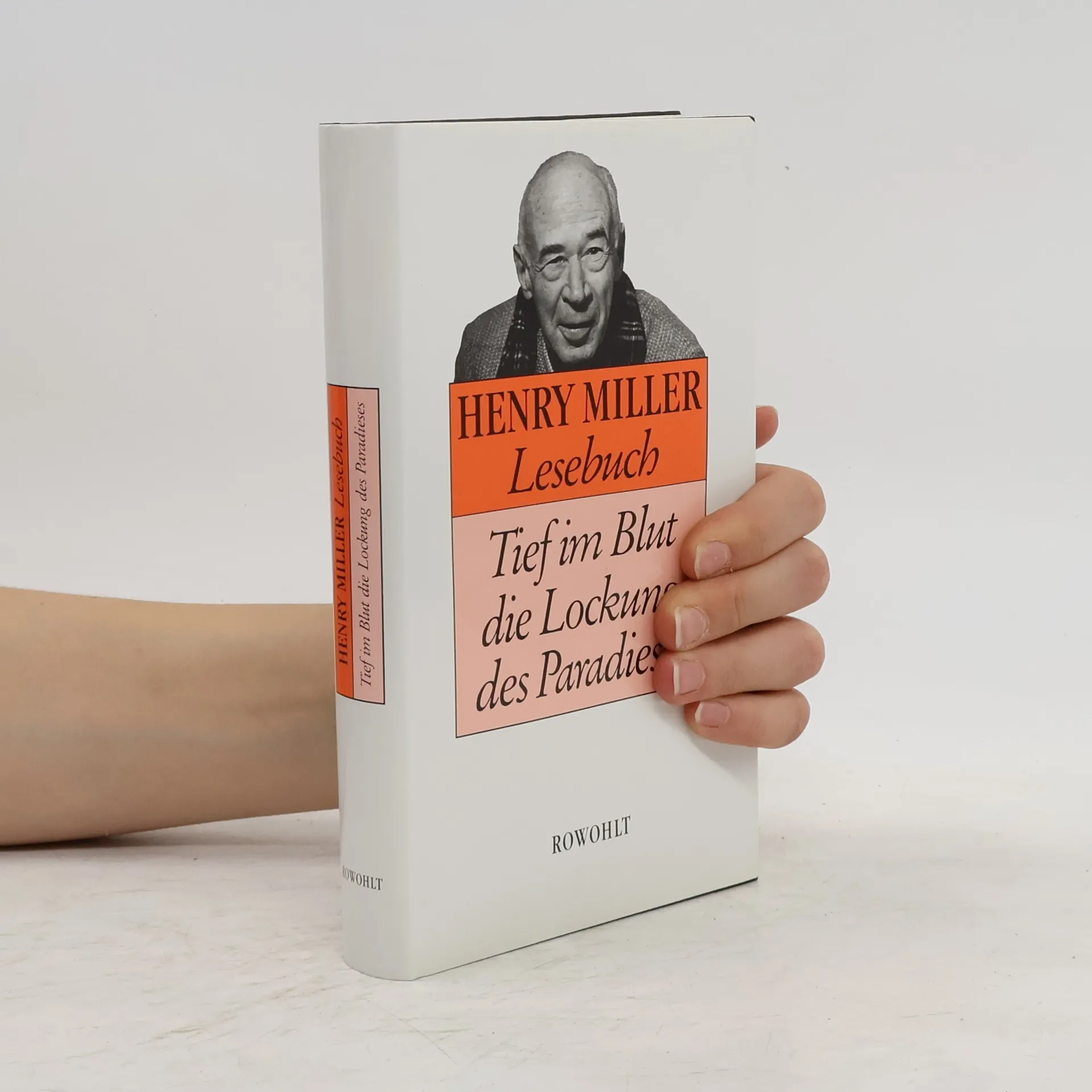
Henry Miller, der Lebenskünstler und Prophet der sexuellen Revolution unserer Zeit, schreibt auch in diesem Rückblick auf sein unkonventionelles Leben wie seine Anhänger erwarten: offen, furchtlos und mit verständnisvollem Blick für die menschliche Komödie. Ein faszinierender Geschichtenerzähler, ob es wahre Anekdoten über sich selbst, prominente Freunde oder schockierende Kindheitserinnerungen sind.
James Wrexham, a thoughtful and solitary thirty-nine-year-old, works in a gloomy law firm when he accepts an offer that could change his life: to become the secretary of Mr. Jonathan Scrivener. Hired without ever meeting his employer, Wrexham finds himself alone in Scrivener's apartment, receiving vague instructions through a lawyer, and gradually begins to suspect he is the subject of a sinister experiment. The bizarre series of guests with free access to the house—a young woman of ethereal beauty, a playboy, a cynical alcoholic, a widow who may have killed her husband—certainly does not clarify matters for him. All these restless spirits have stories to tell about Jonathan Scrivener, but their accounts do not align, and the absent host appears at different times as a degenerate, a charming adventurer, a misanthrope, a failed actor, or a genius artist. Who is the man behind this multifaceted personality? What does he truly want from his increasingly perplexed secretary? Published in 1930, this psychological thriller with metaphysical shades retains the eccentric brilliance of its dialogues and the elegance of its original narrative mosaic, compelling the reader to question the elusive nature of human identity.
Werner Schmitz ist seit 1981 als Übersetzer tätig, u. a. von Malcolm Lowry, John le Carré, Ernest Hemingway, Philip Roth und Paul Auster. 2011 erhielt er den Heinrich Maria Ledig-Rowohlt-Preis. Er lebt in der Lüneburger Heide. Henry Miller, der am 26. Dezember 1891 in New York geborene deutschstämmige Außenseiter der modernen amerikanischen Literatur, wuchs in Brooklyn auf. Die Dreißiger Jahre verbrachte Miller im Kreis der «American Exiles» in Paris. Sein erstes größeres Werk, das vielumstrittene «Wendekreis des Krebses», wurde – dank des Wagemuts eines Pariser Verlegers – erstmals 1934 in englischer Sprache herausgegeben. In den USA zog die Veröffentlichung eine Reihe von Prozessen nach sich; erst viel später wurde das Buch in den literarischen Kanon aufgenommen. Henry Miller starb am 7. Juni 1980 in Pacific Palisades, Kalifornien.
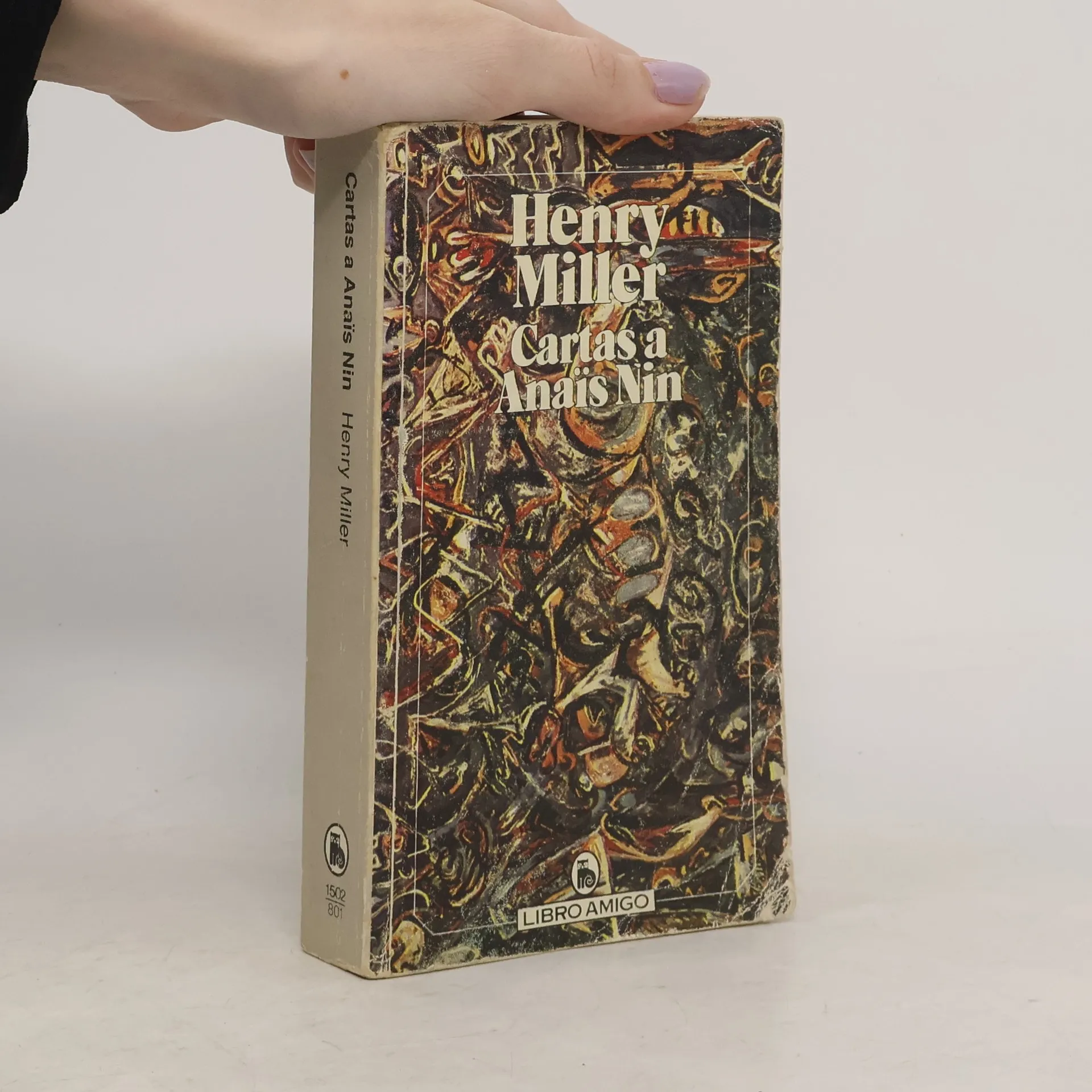
Las cartas de Henry Miller a Anaïs Nin recopiladas aquí abarcan un período de 15 años, desde 1931 hasta 1946. Estas cartas son quizás lo más cercano que podemos tener a un retrato "autobiográfico" sin adornos y consciente de Henry Miller durante estos años decisivos.
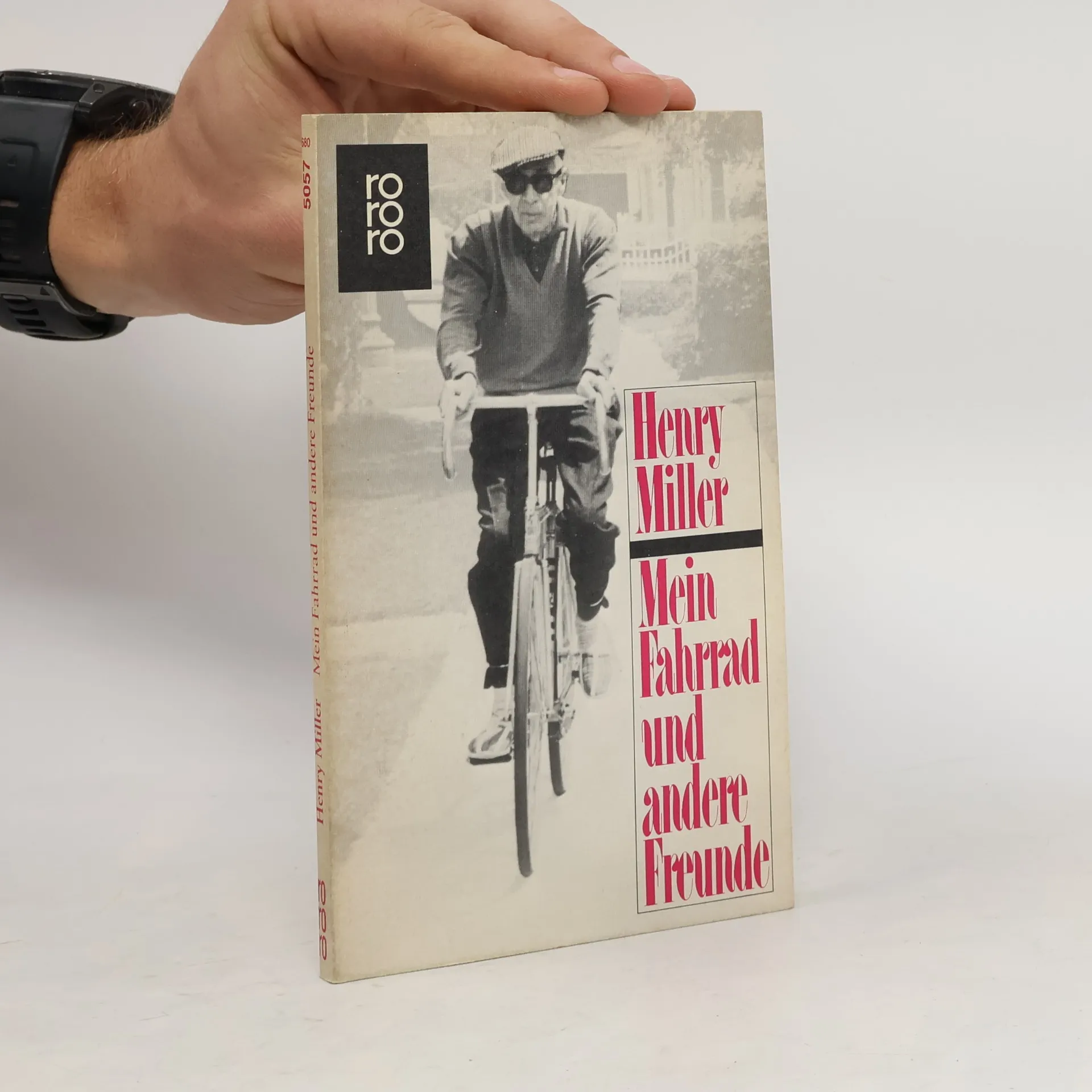
Acht Porträts, die aus dem Rahmen fallen. Sieben der liebevoll-spitzfindigen Betrachtungen Henry Millers gelten Weggefährten aus Fleisch und Blut - die achte und zugleich letzte richtete er an sein Fahrrad, das er einem deutschen Sechstagerennfahrer im Madison Square Garden abkaufte.
"Das Lächeln am Fuße der Leiter" ist eine Auftragsarbeit Millers, die einzige uns bekannte aus seiner Feder überhaupt. Sie ist 1948 entstanden und sollte zunächst einen Text zu Bildern von Fernand Leger abgeben, aber Erinnerungen an Rouault, Chagall und vor allem Miró verschmolzen sich mit diesen. Miller hat schließlich nicht nur die Geschichte des Clowns August geschrieben, sondern in einem Anhang auch deren Entstehung geschildert und sie damit erst an ihr Ende gebracht.
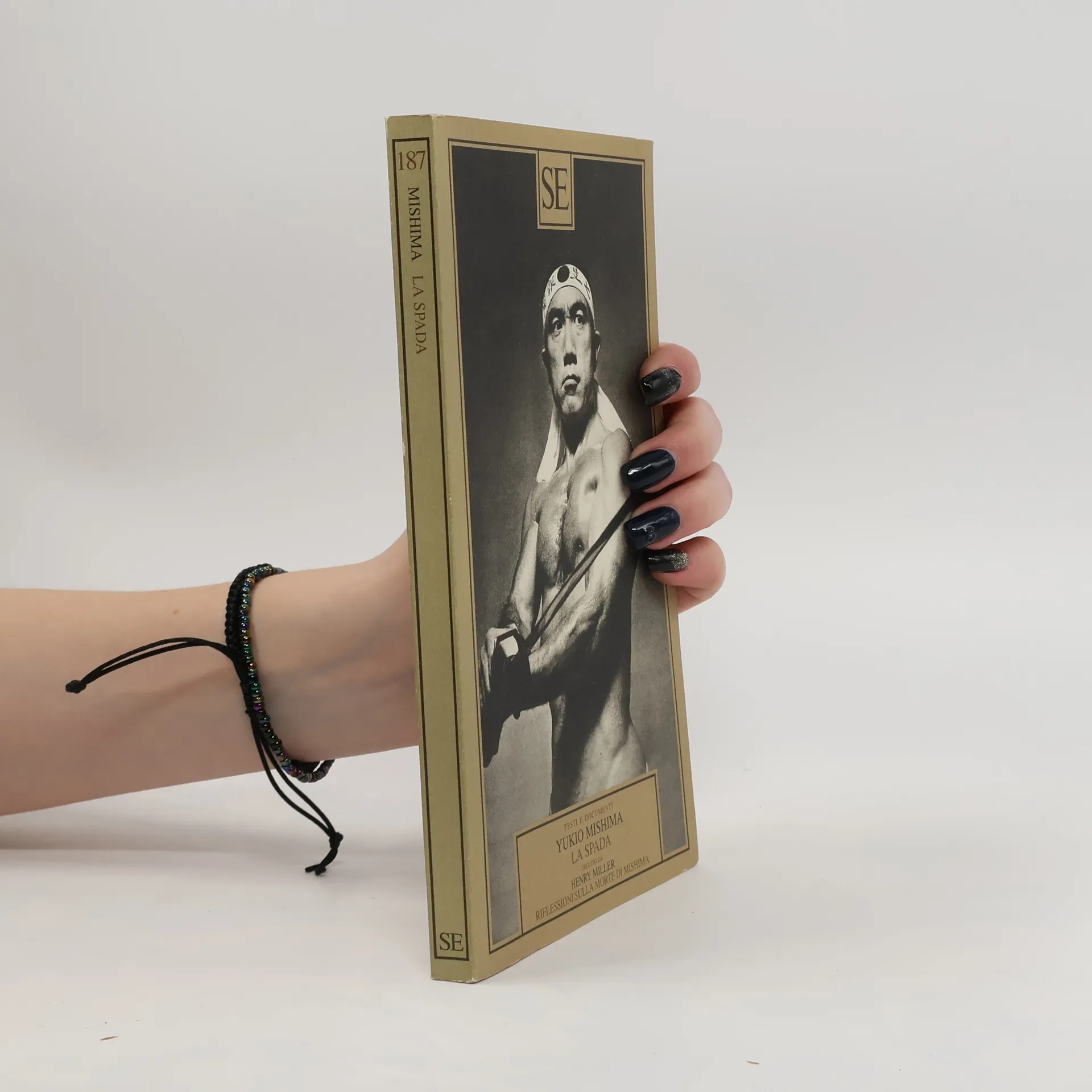
- La spada, di Yukio Mishima - Riflessioni sulla morte di Mishima, di Henry Miller - Proclama, di Yukio Mishima - L'ideologia della morte folle, di Hashikawa Bunzô - Dietro tanta vivacità un senso di vuoto, di Donald Keene - Mishima, di Marguerite Yourcenar 24 foto in appendice.
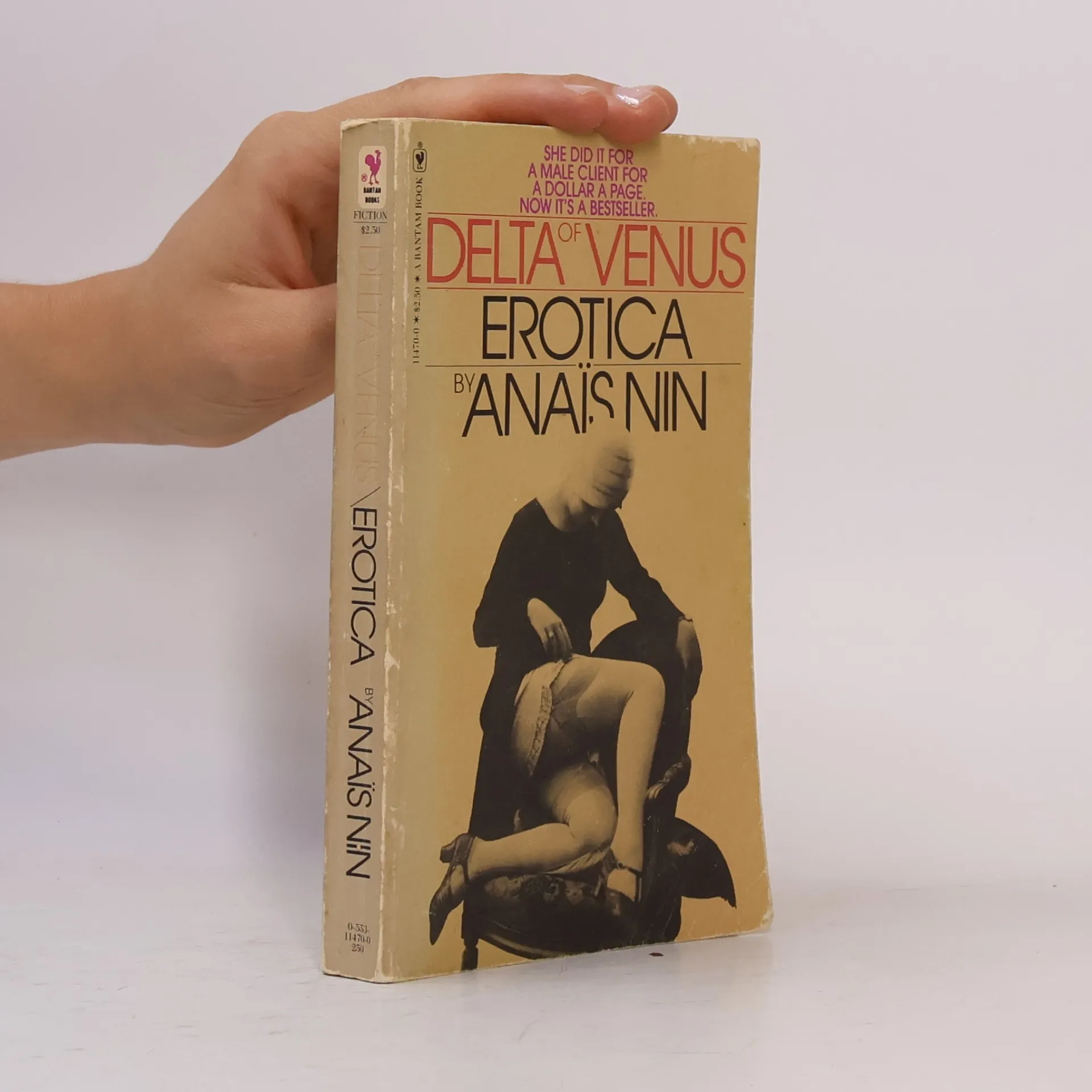
In Delta of Venus Anaïs Nin penned a lush, magical world where the characters of her imagination possess the most universal of desires and exceptional of talents. Among these provocative stories, a Hungarian adventurer seduces wealthy women then vanishes with their money; a veiled woman selects strangers from a chic restaurant for private trysts; and a Parisian hatmaker named Mathilde leaves her husband for the opium dens of Peru. Delta of Venus is an extraordinarily rich and exotic collection from the master of erotic writing.
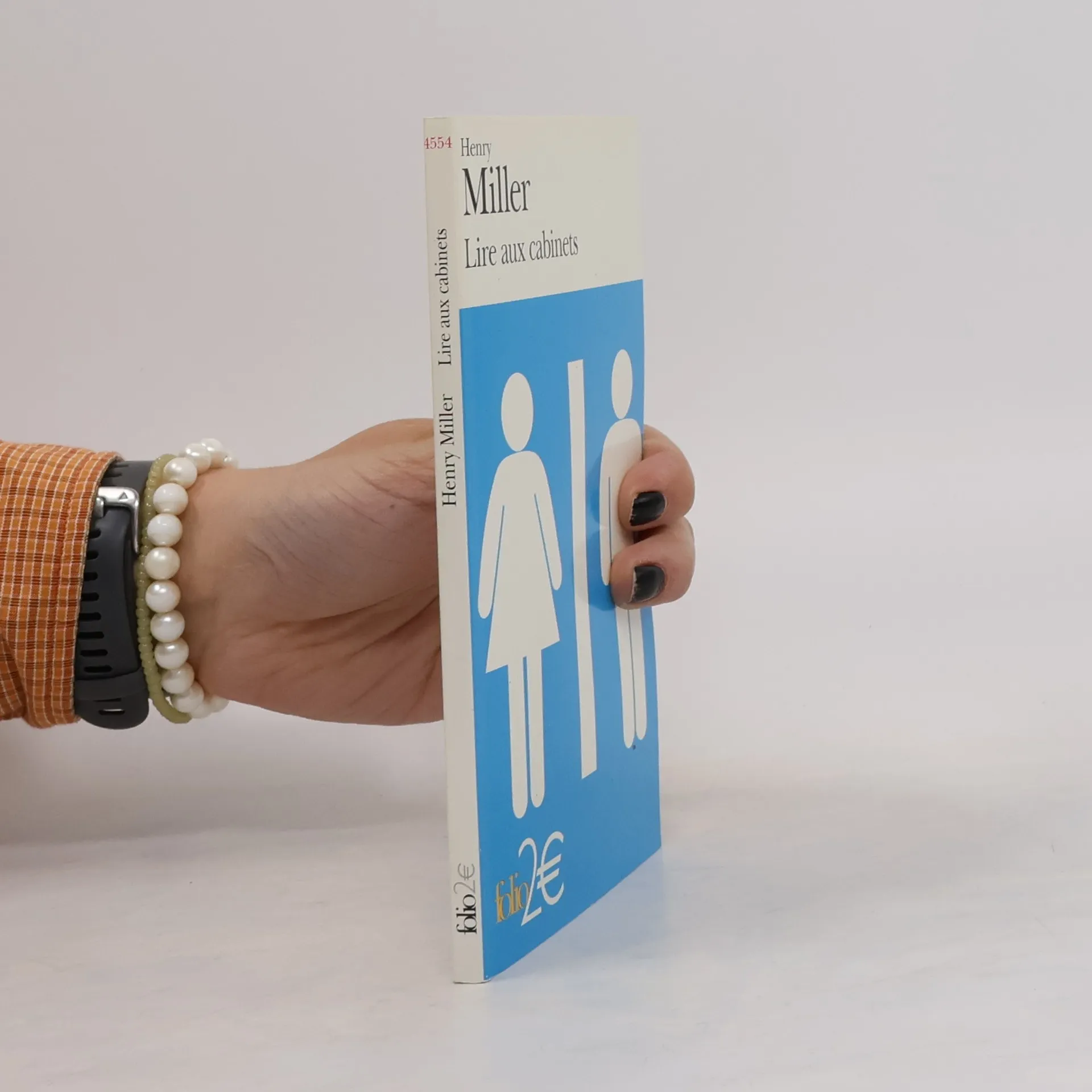
À tous ceux qui se plaignent de ne pas avoir le temps de lire, Henry Miller fait quelques suggestions pleines de bon sens : lisez dans les transports en commun ou, mieux encore, aux cabinets! N'est-ce pas là un endroit calme où personne ne vous dérangera? Après tout, puisque nous sommes obligés d'y aller, pourquoi ne pas profiter au mieux du temps que nous y passons? Pourtant, à bien y réfléchir, ce n'est peut-être pas une si bonne idée… Miller s'invite dans notre intimité et se livre à quelques réflexions désopilantes en mêlant souvenirs et anecdotes sur les cabinets… de lecture.
Im Alter von 75 Jahren verliebt sich Henry Miller in eine fünfundzwanzigjährige Barsängerin. Voller Lust und Schmerz, aber auch mit heiterer Selbstironie beschrieb und aquarellierte der große Erotiker der modernen Weltliteratur seine Empfindungen.