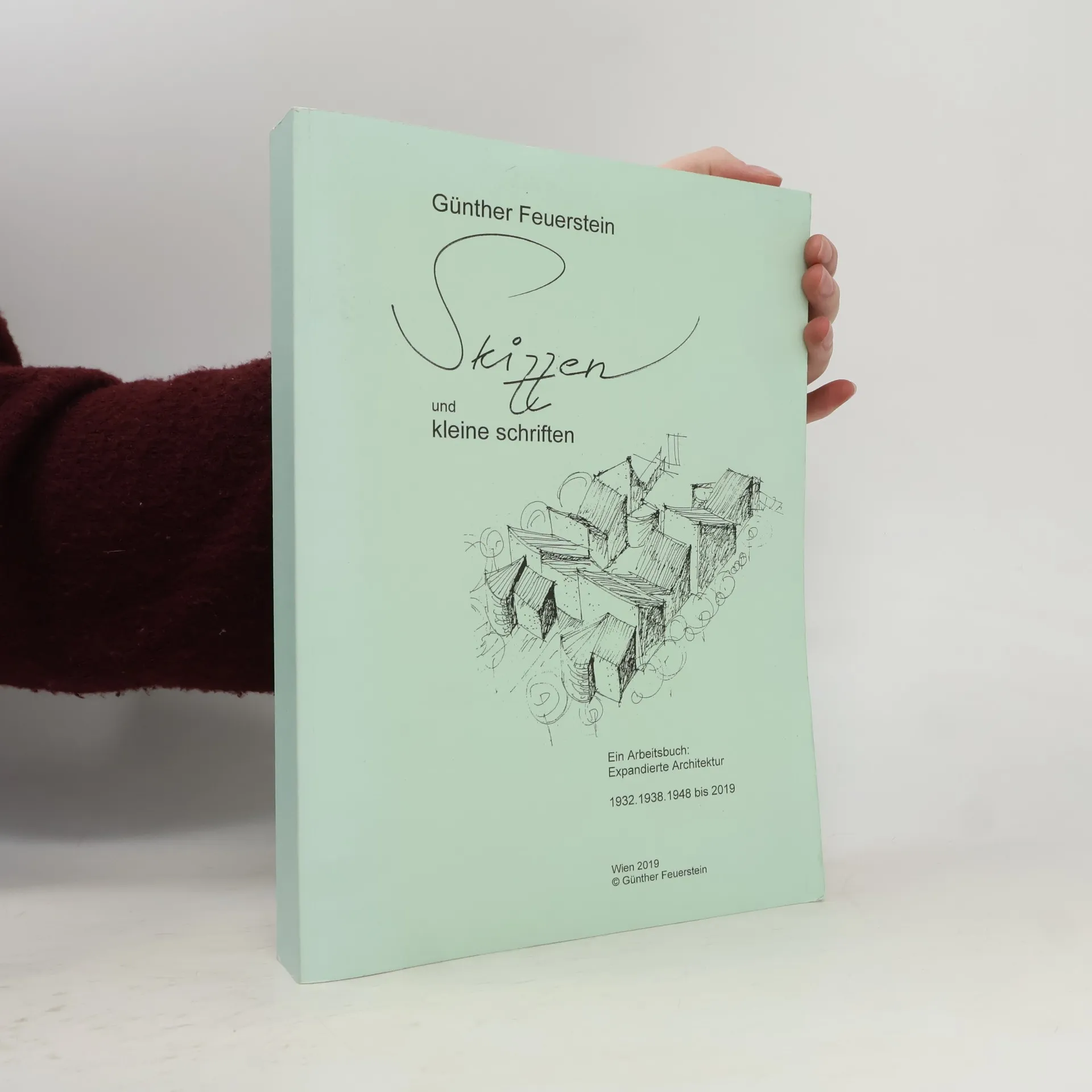
Skizzen und kleine schriften
Ein Arbeitsbuch: Expandierte Architektur 1932. 1938. 1948 bis 2019


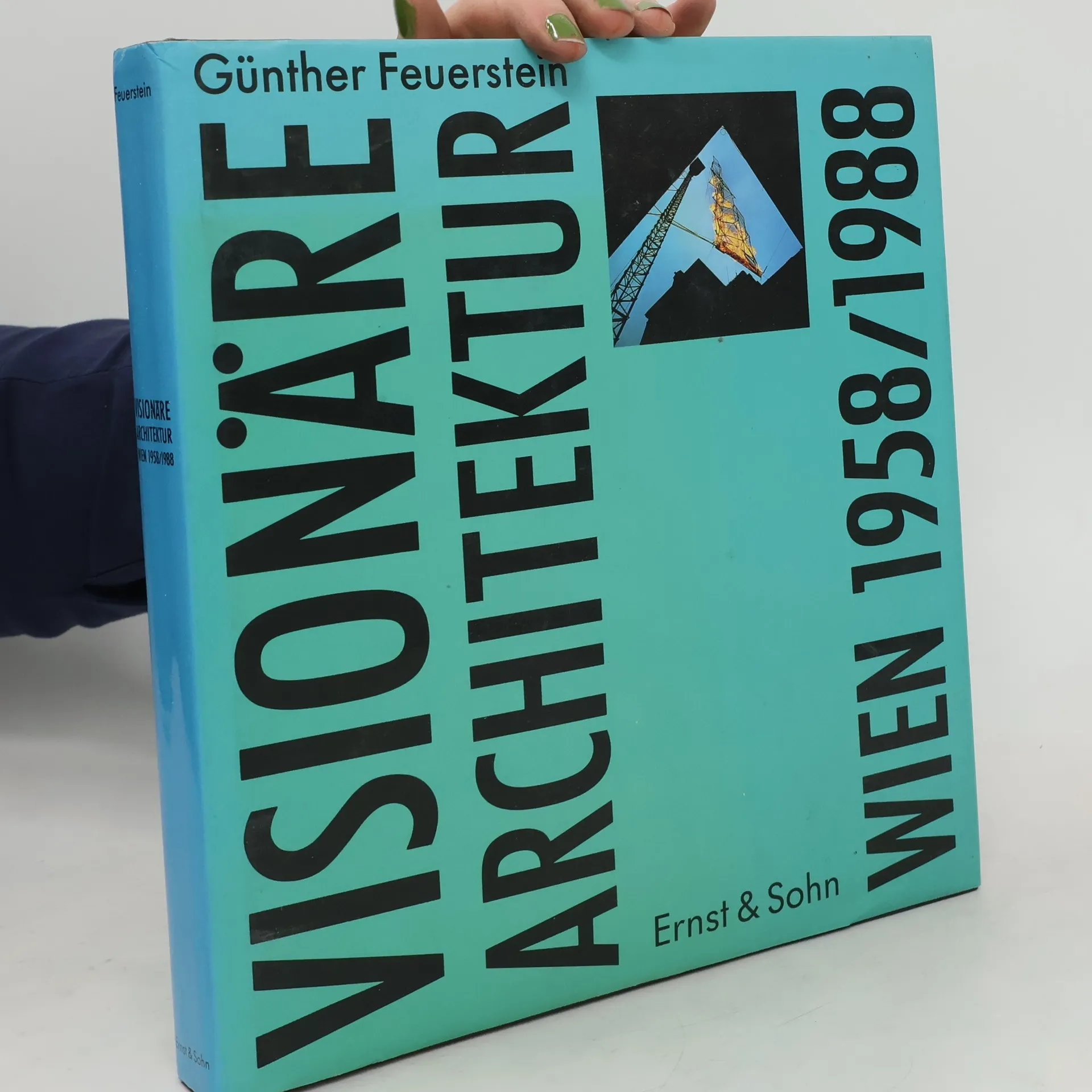
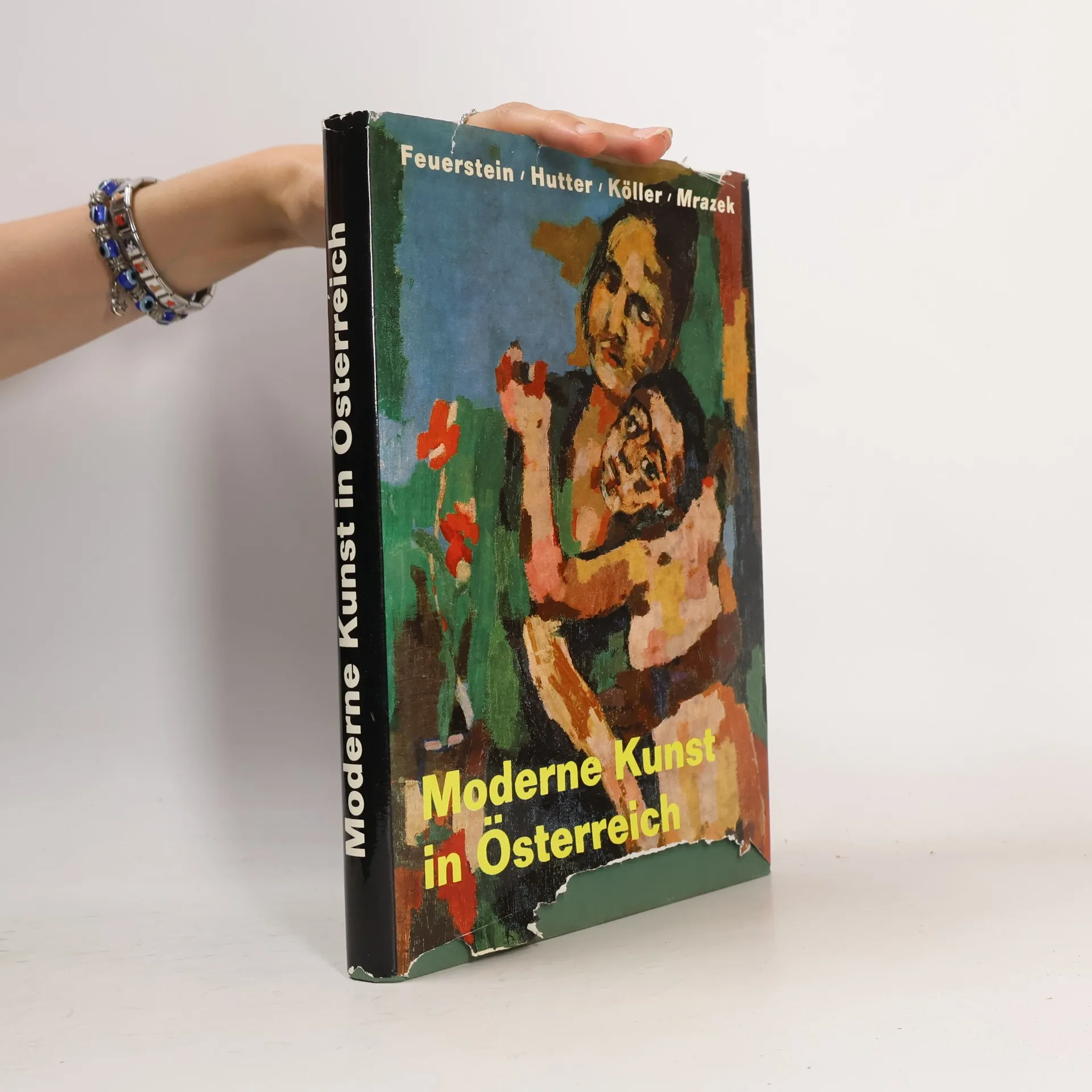
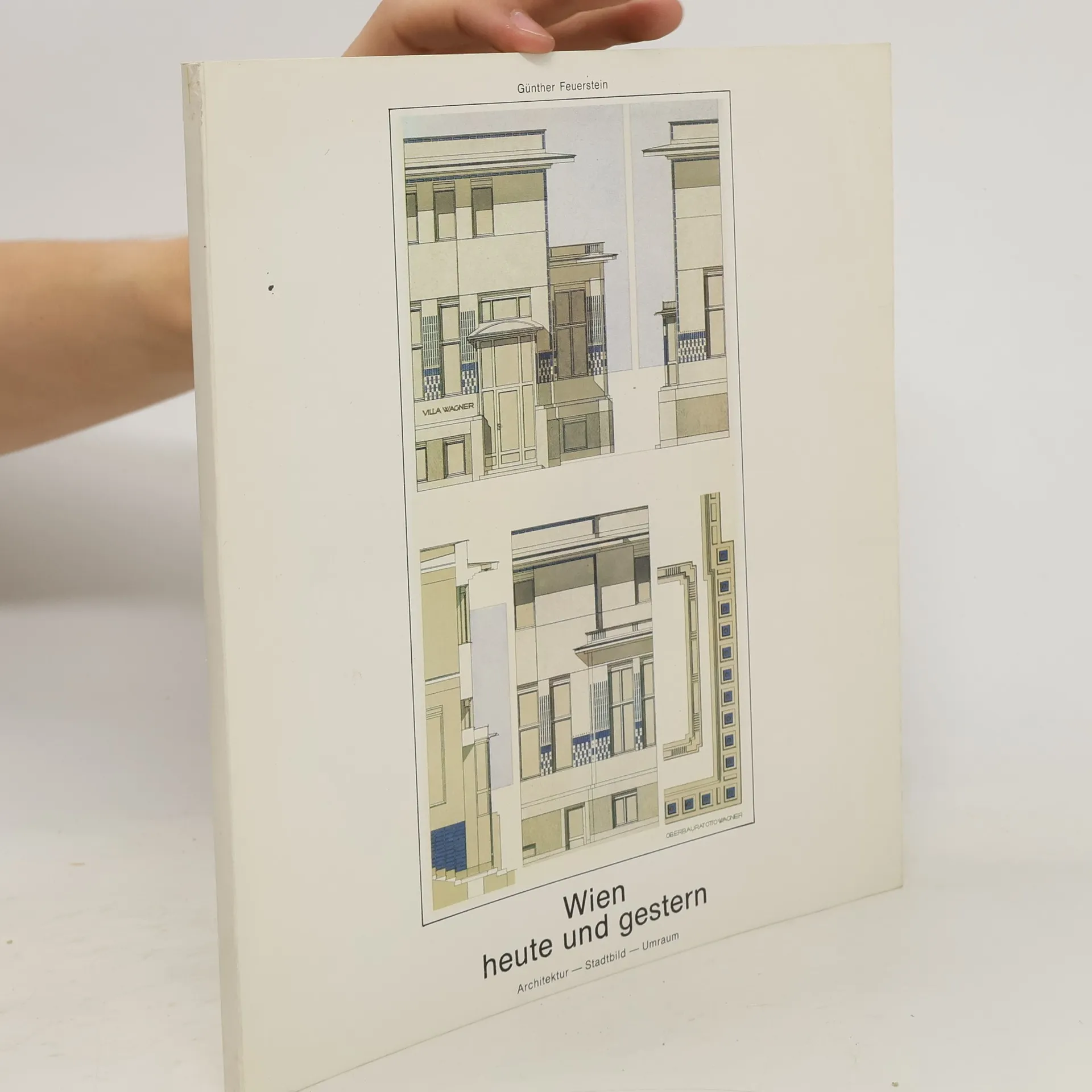
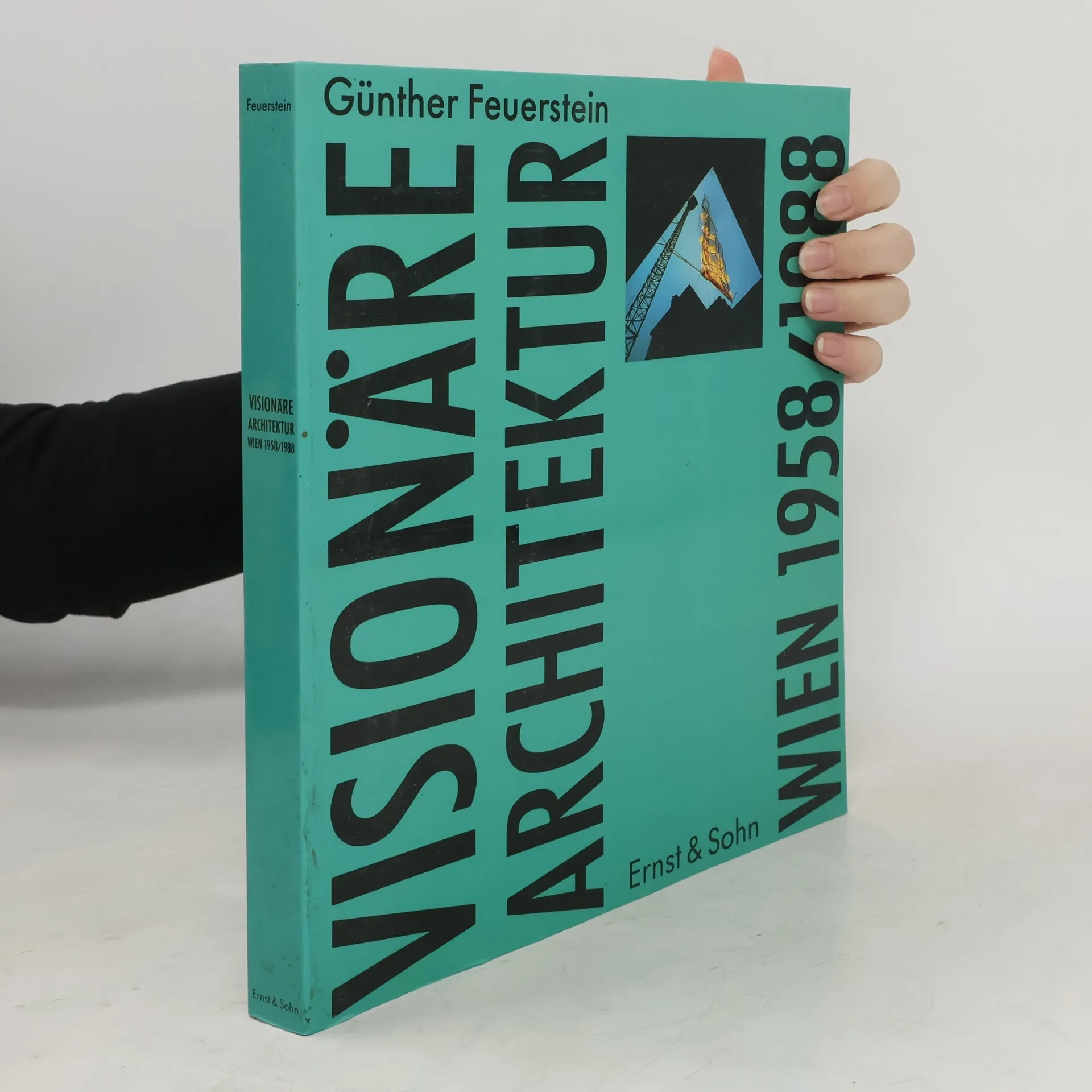
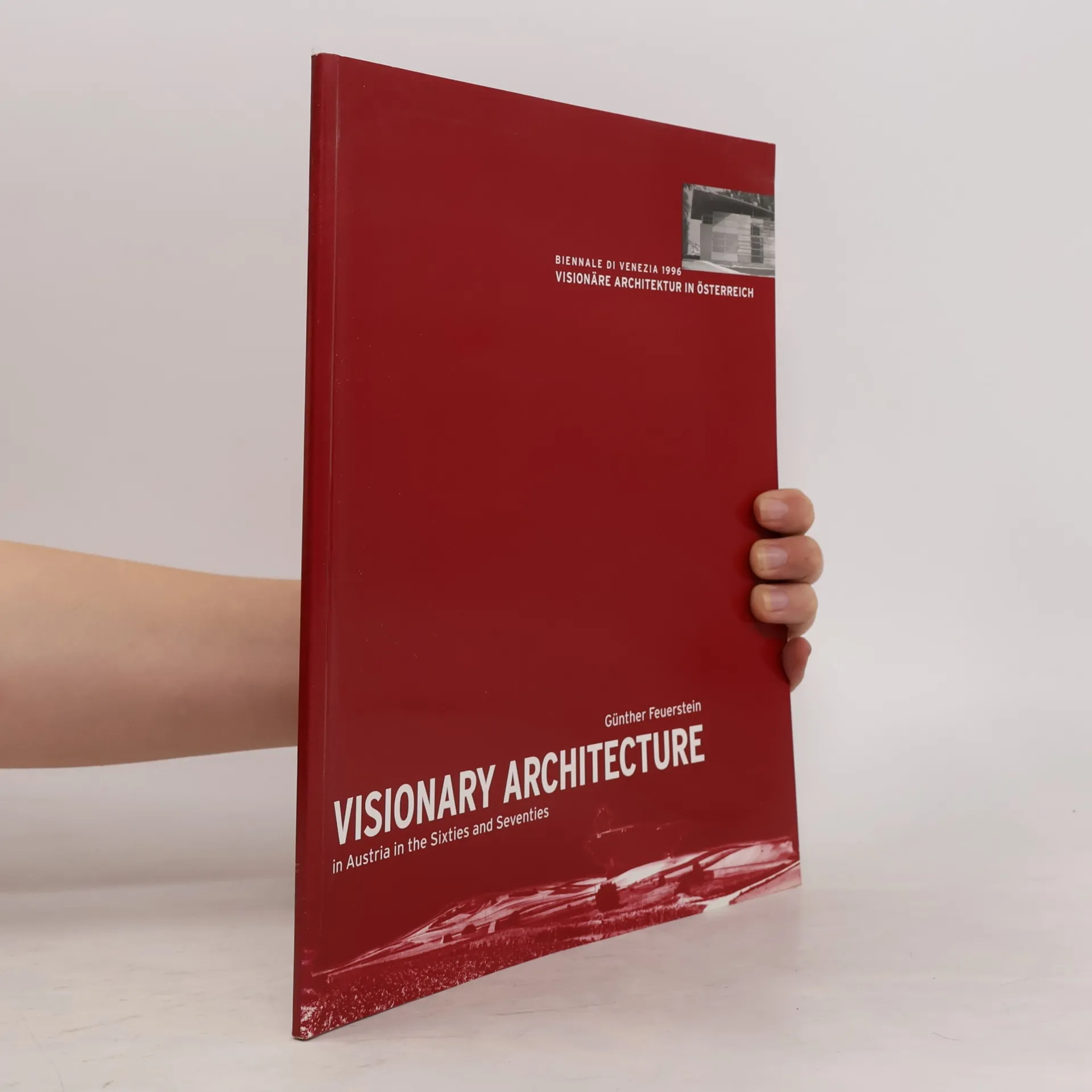
Ein Arbeitsbuch: Expandierte Architektur 1932. 1938. 1948 bis 2019
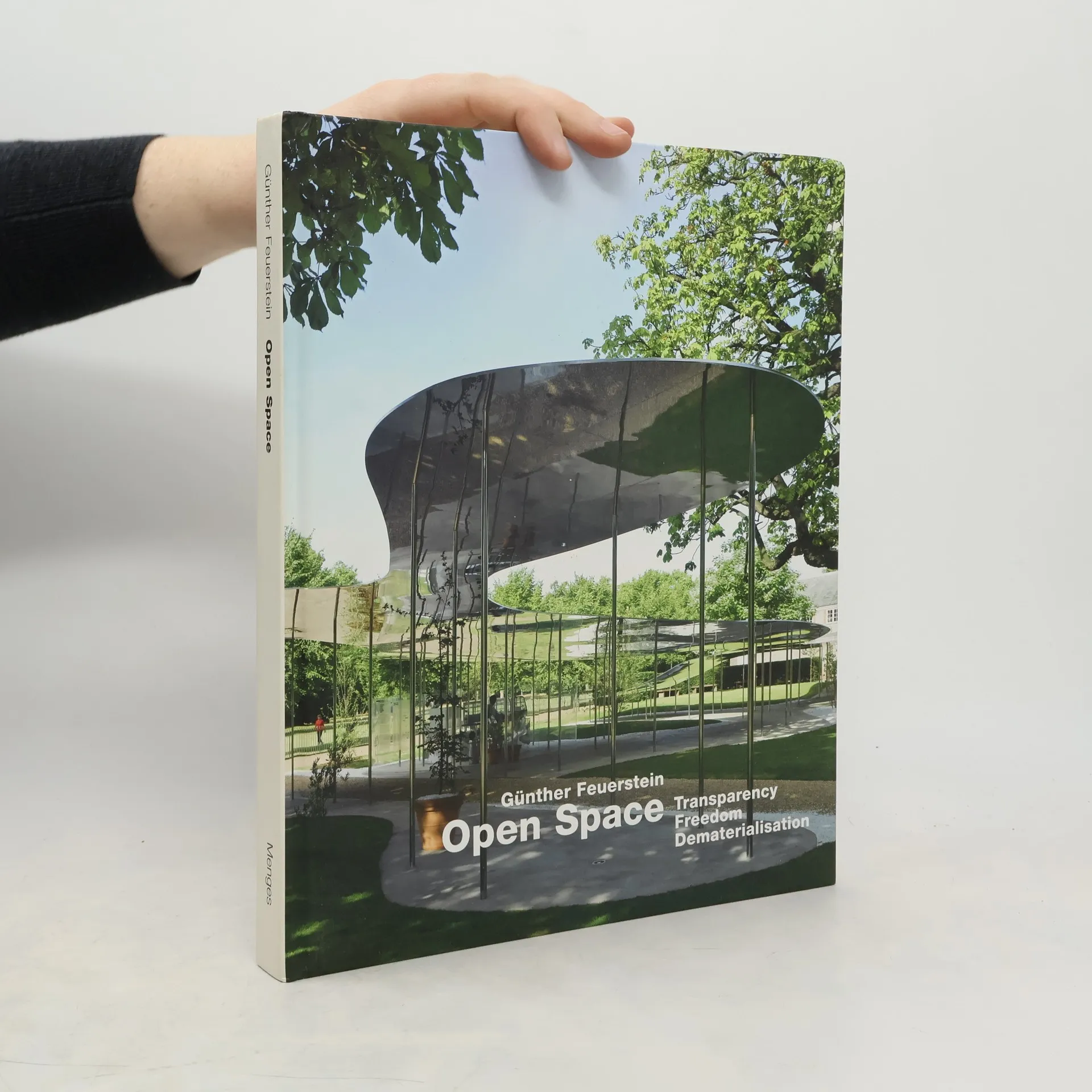
This study analyzes a significant architectural trend from the 19th and 20th centuries: the transition from the closed, hermetic spaces of early cultures and the Middle Ages to the open, transparent designs of modern architecture. It examines historical examples such as the diaphanous spaces of Gothic cathedrals, the late-Baroque dome's openness, and the glass structures of the 19th and early 20th centuries. The advancements in steel-and-glass technology have enabled unprecedented levels of transparency and dematerialization. Notably, modern glass buildings are often likened to 'crystals,' symbolizing purity, transparency, and order, reflecting humanity's psychological, aesthetic, and artistic desires. This evolution in architecture not only serves functional purposes but also embodies deeper aspirations to transcend gravity and blur the lines between indoor and outdoor spaces. The study aims to spark discussions on architecture's boundaries and advocates for maintaining openness, freedom, lightness, and transparency in future designs. Günther Feuerstein, a key figure in the post-war Viennese architectural scene, merges art history and sociology with architecture, critiquing functionalism and advocating for an 'expanded architecture.'