Božská příroda : duchovní pohled na krizi životního prostředí
- 128 stránek
- 5 hodin čtení
Problém ekologie a zbytečného zabíjení zvířat s výzvou k nejedení masa z pohledu hnutí ISKCON (Haré Kršna) včetně východisek


William McDonough je vizionářský designér a poradce, který zásadně mění světový design. Je spoluzakladatelem konceptu „Cradle to Cradle“ a autorem řady vlivných publikací. Jeho práce se zaměřuje na vytváření udržitelných a regenerativních systémů. Dlouhodobě se věnuje principům, které vedou k pozitivnímu dopadu na planetu.

Problém ekologie a zbytečného zabíjení zvířat s výzvou k nejedení masa z pohledu hnutí ISKCON (Haré Kršna) včetně východisek
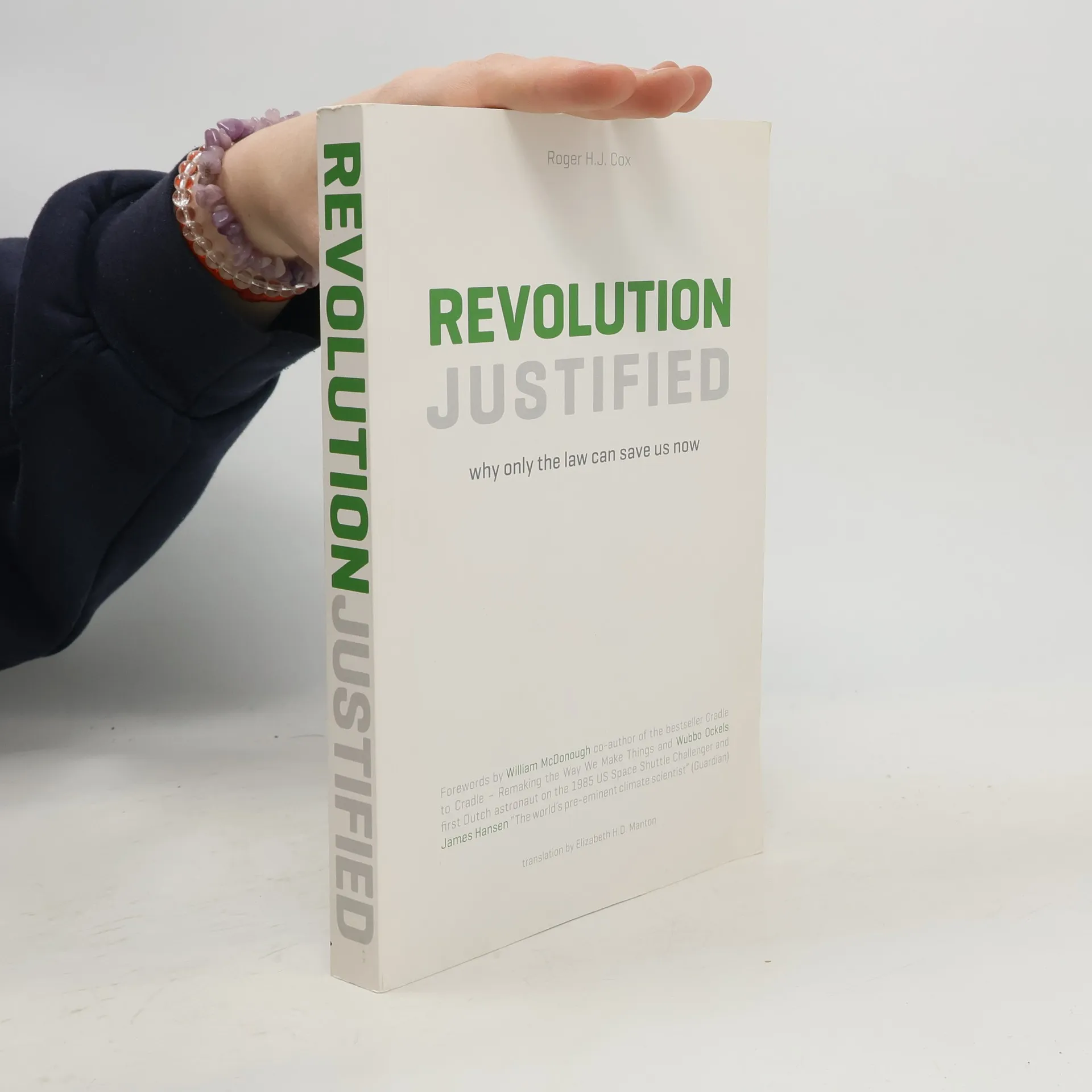
Military reports indicate that looming energy crises threaten Western society, potentially undermining democracy and the rule of law while escalating aggressive geopolitics and damaging essential ecosystem services. The dual challenges of climate change and oil decline pose significant risks, as explored in this insightful work by attorney Roger Cox. He argues that current market mechanisms and political models are inadequate to catalyze an energy revolution necessary to address these crises. This impasse could lead to severe domestic human rights violations reminiscent of post-World War II concerns. Cox suggests that the judiciary must intervene to guide Western governments out of this perilous situation. By examining cases from the US, UK, Netherlands, and the EU, he illustrates that existing legal frameworks can facilitate a more effective energy transition. He advocates for judicial action to combat climate change, asserting that government inaction on greenhouse gas regulation endangers societal well-being. Cox's landmark case against the Dutch government, resulting in a court order to reduce CO2 emissions by 25% by 2020, exemplifies this approach. He is also instrumental in establishing a network for climate litigation globally and leads initiatives in sustainable development through his law practice and the Planet Prosperity Foundation, earning recognition as a key figure in sustainable real estate.
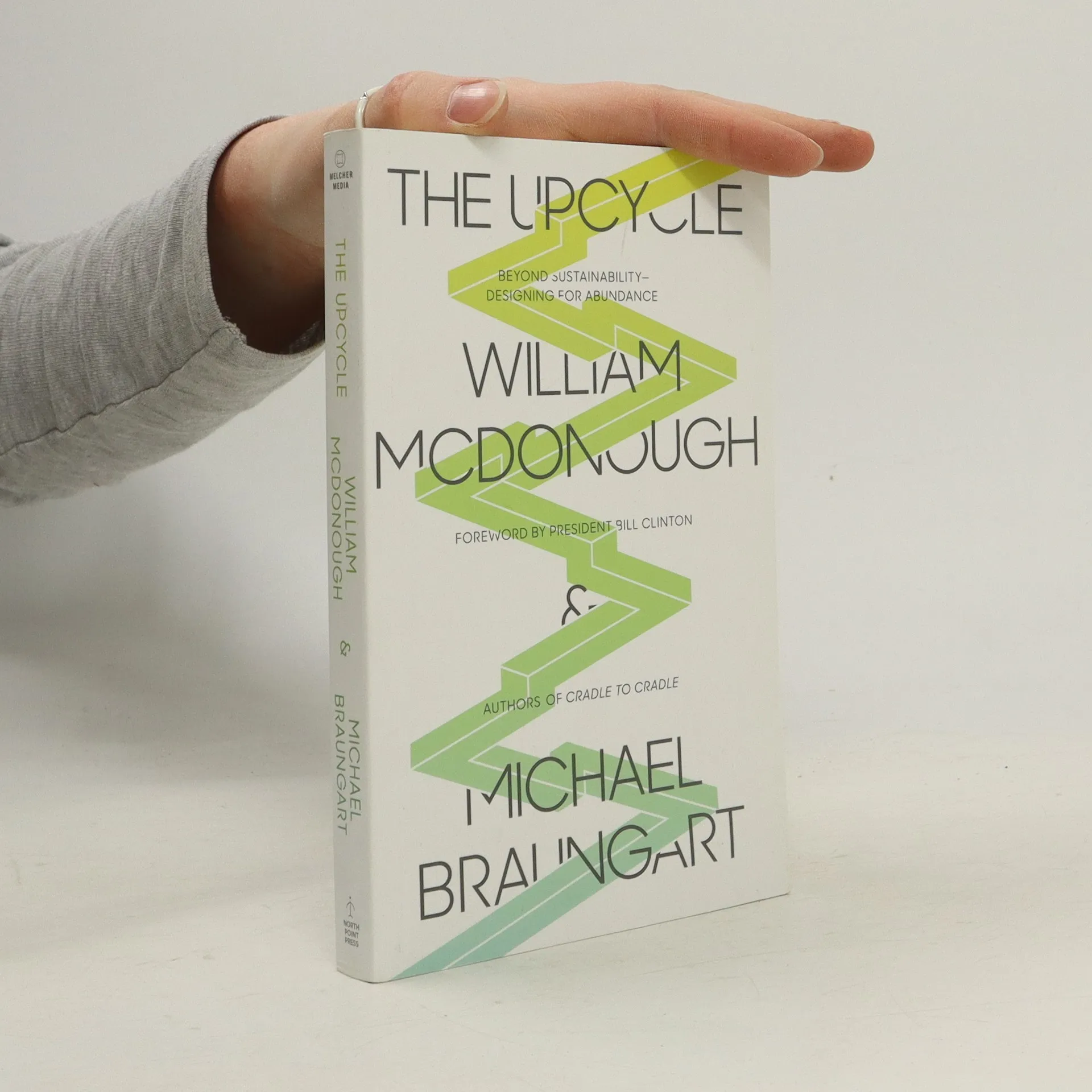
From the authors "Cradle to Cradle," the next step, in how society must change the way it uses resources. Drawing on the lessons gained from 10 years of using the cradle-to-cradle concept, McDonough and Braungart envision the next step in the solution to our ecological crisis.
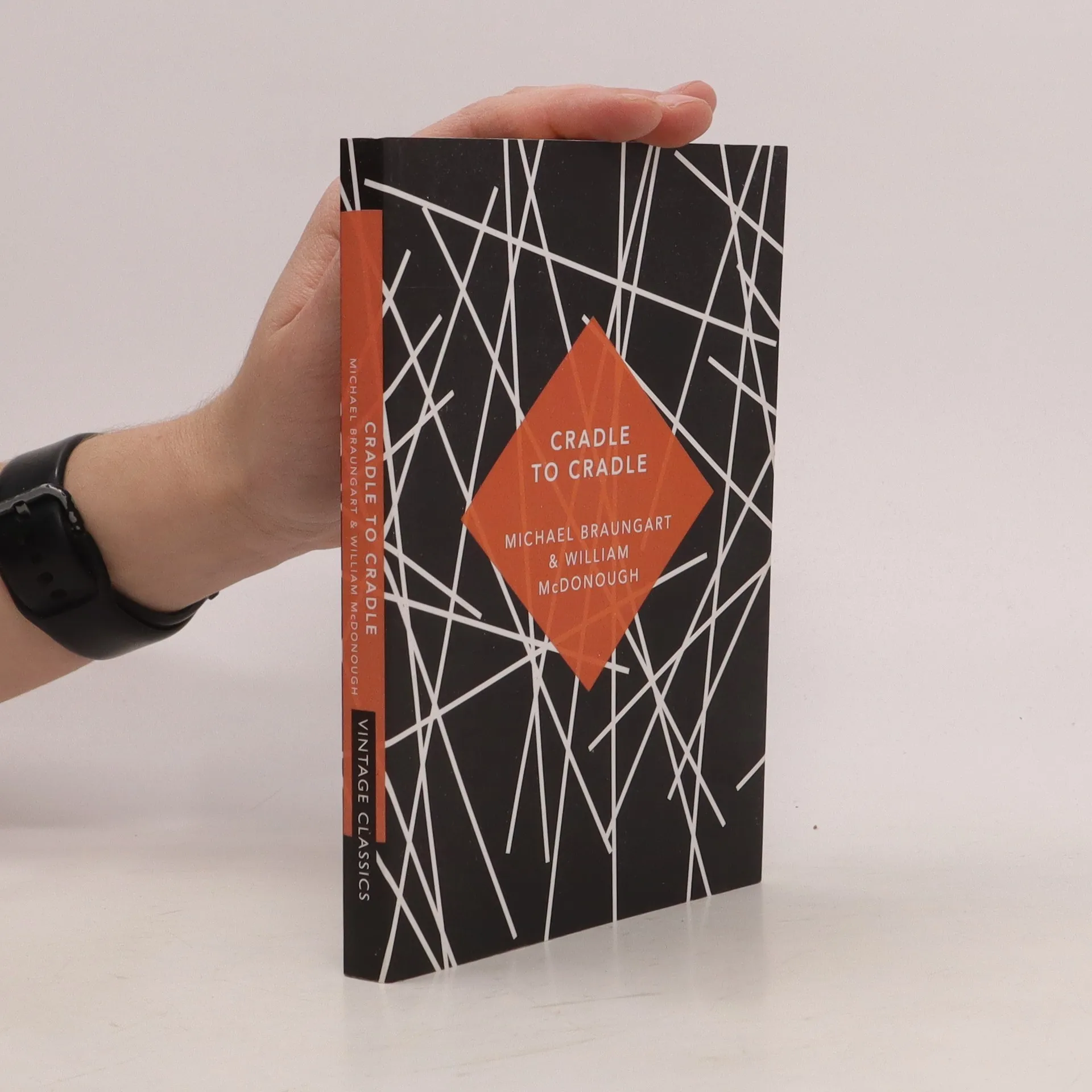
Michael Braungart and William McDonough propose a plan for our planet in this stunning new edition of their radical ecological manifesto. This book proposes a new vision for modern industry. Instead of our current wasteful and polluting methods of manufacturing, we could be taking nature as a model for making things. With the right redesign, objects that have come to the end of their useful lives should provide the basis for something new. In designing and producing products we need to stop worrying about being 'less bad' and start finding ways of actually being good. PATTERNS OF LIFE: SPECIAL EDITIONS OF GROUNDBREAKING SCIENCE BOOKS
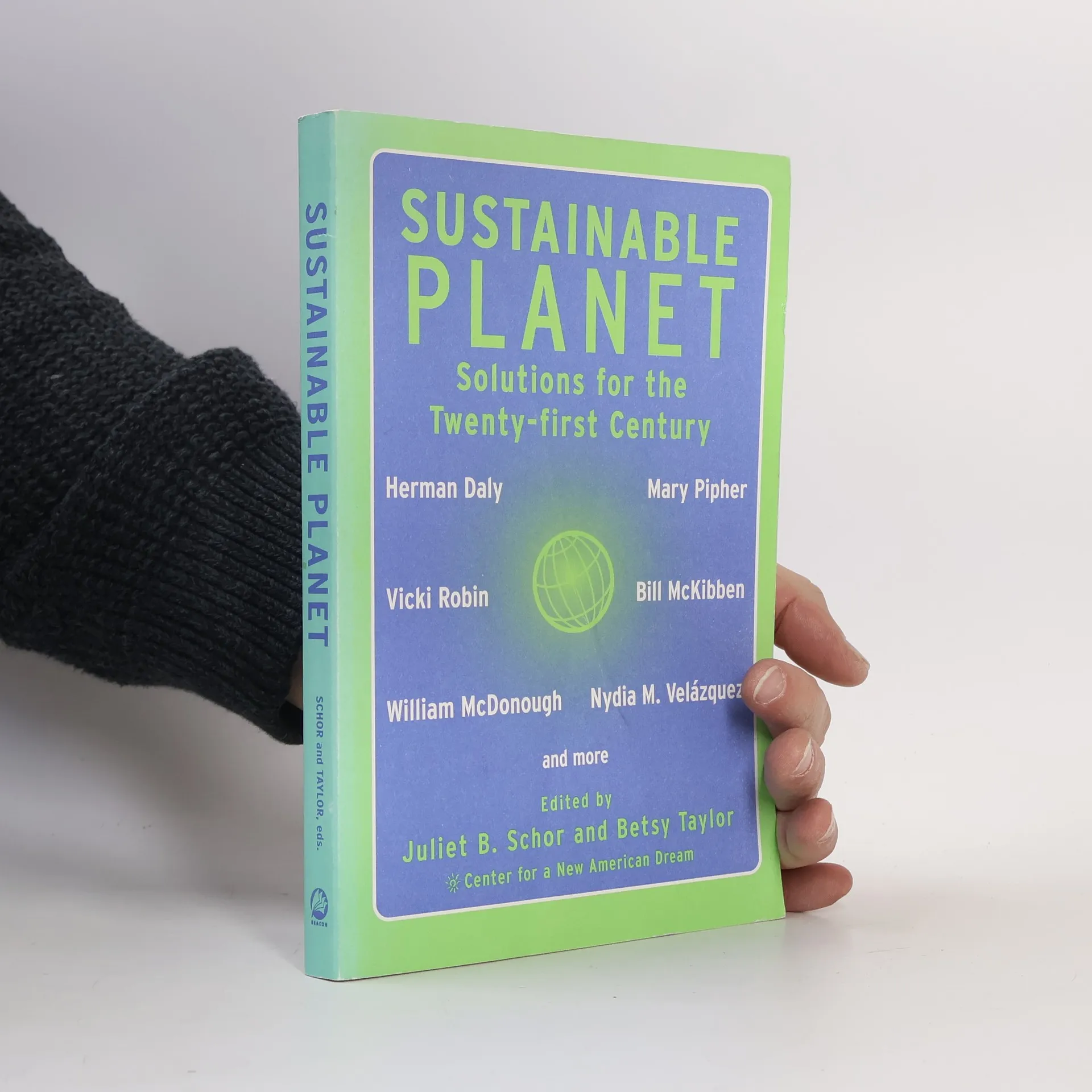
Can we find ways of living that are sustainable and deeply satisfying, that ensure economic and political democracy, and are passionate about beauty, elegant design, and the wildness of nature? The contributors to Sustainable Planet say we can, and offer 16 remarkable visions of how to get from here to there, * Specific proposals from citizen and labor coalitions that articulate a positive alternative to the free-trade model of globalization* The emergence of local food systems that allow us to eat fresher, better tasting food while protecting family farms and conserving the environment* New thinking about industrial design and engineering that is leading to production systems which generate no waste* How we might create a fashion industry that weds aesthetic pleasure with social justice* Five economic policy recommendations that could move us toward a sustainable economy* What you can do to create a real sense of community where you live* A road map for building the political will to change the system before it's too late.This anthology grew out of the work of the Center for a New American Dream (CNAD), a nonprofit organization dedicated to helping Americans change the way they consume to improve quality of life, protect the environment, and promote social justice.