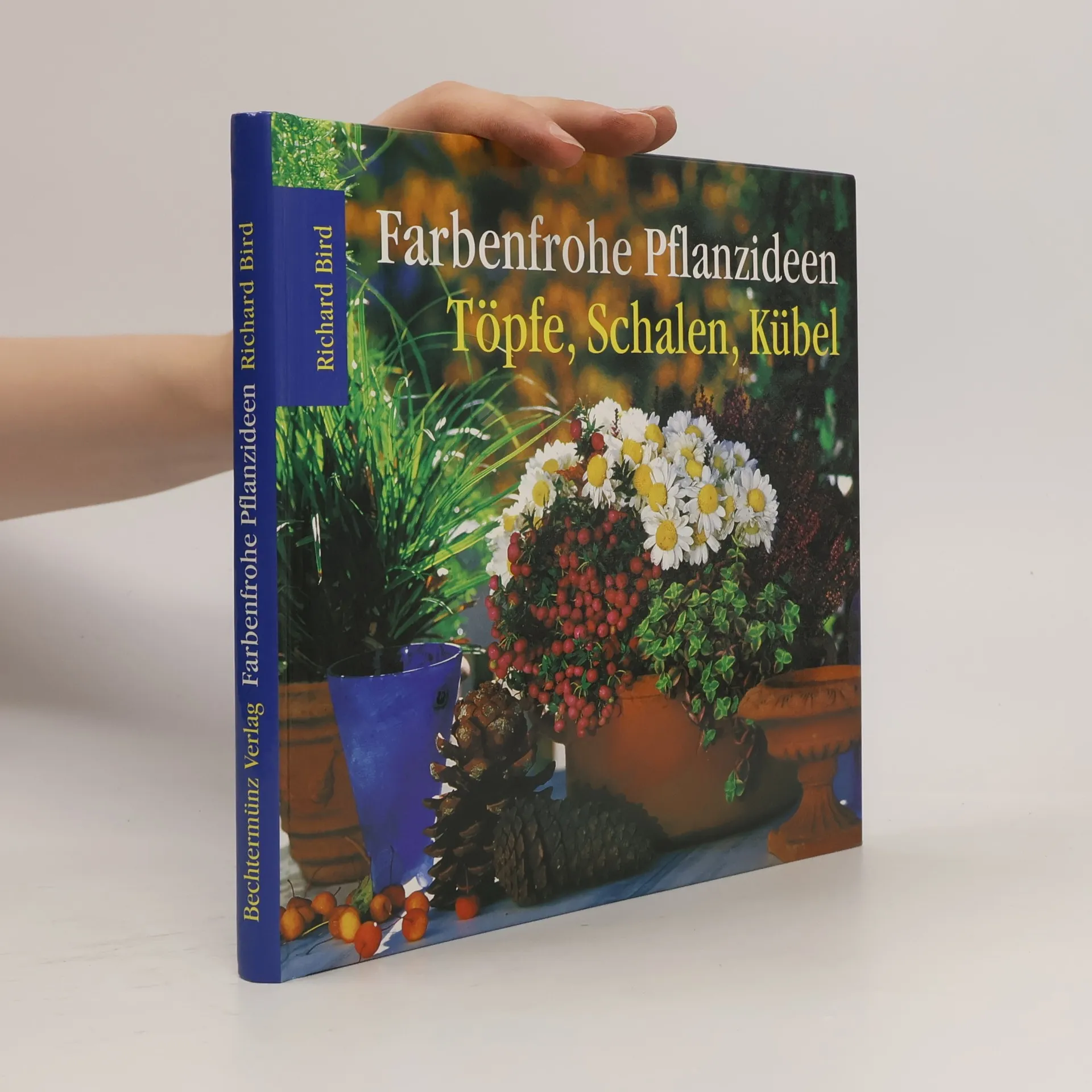
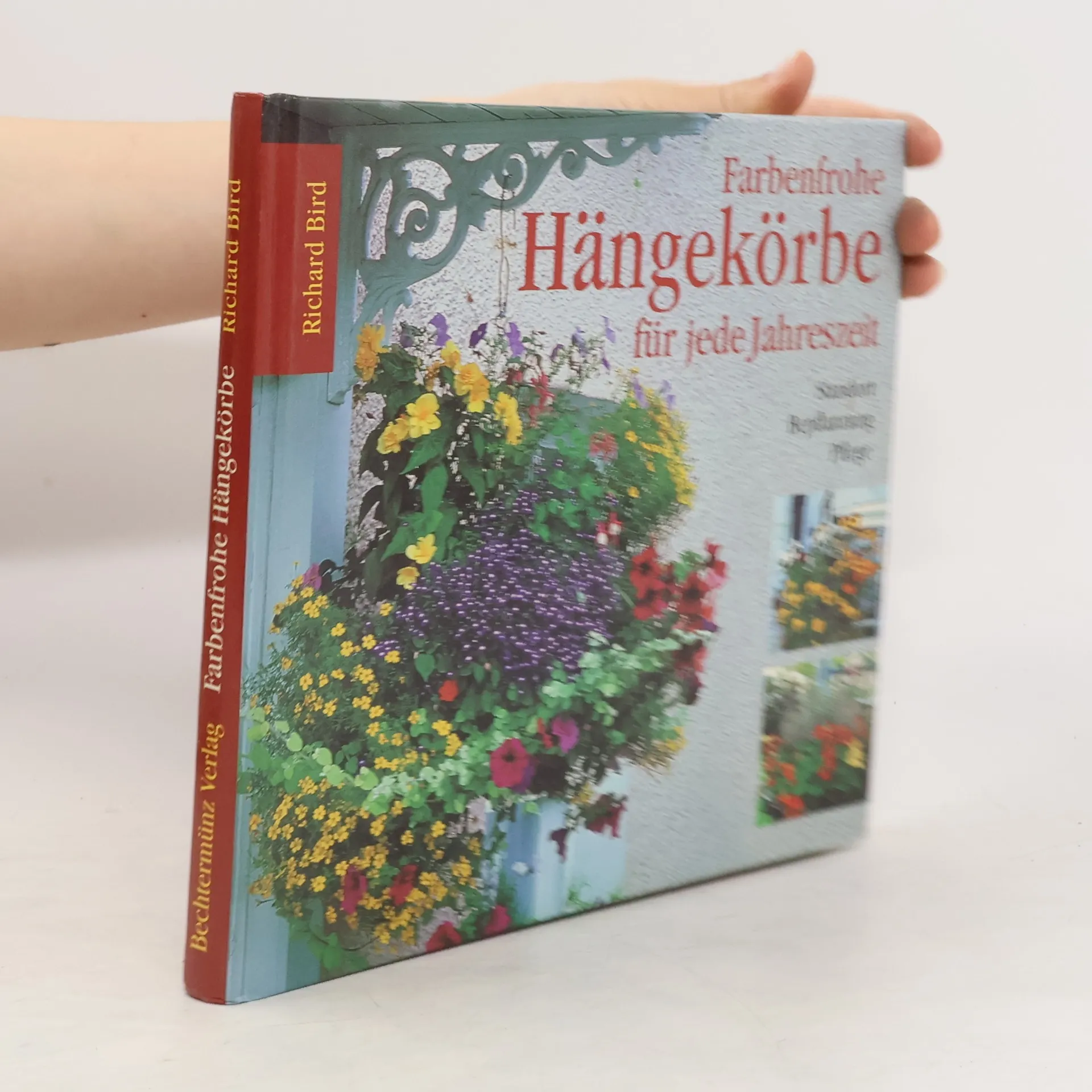
Richard Bird je odborníkem na zahradnictví a autorem knih o zahradničení. Jeho práce se zaměřuje na praktické aspekty péče o rostliny a design zahrad. Bird sdílí své rozsáhlé znalosti s nadšením pro pěstování krásných a zdravých zahrad. Jeho publikace jsou cenným zdrojem pro zahradníky všech úrovní.
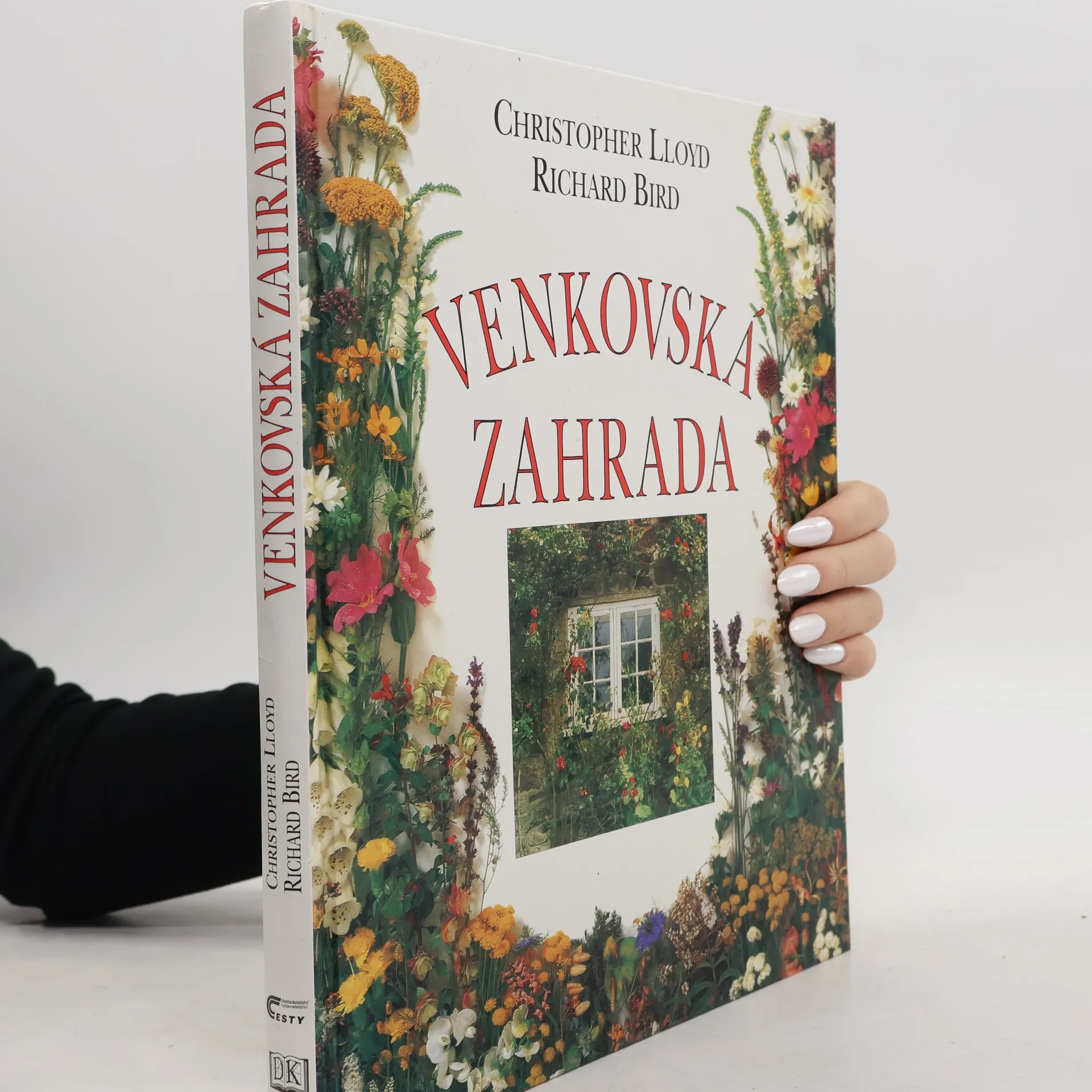
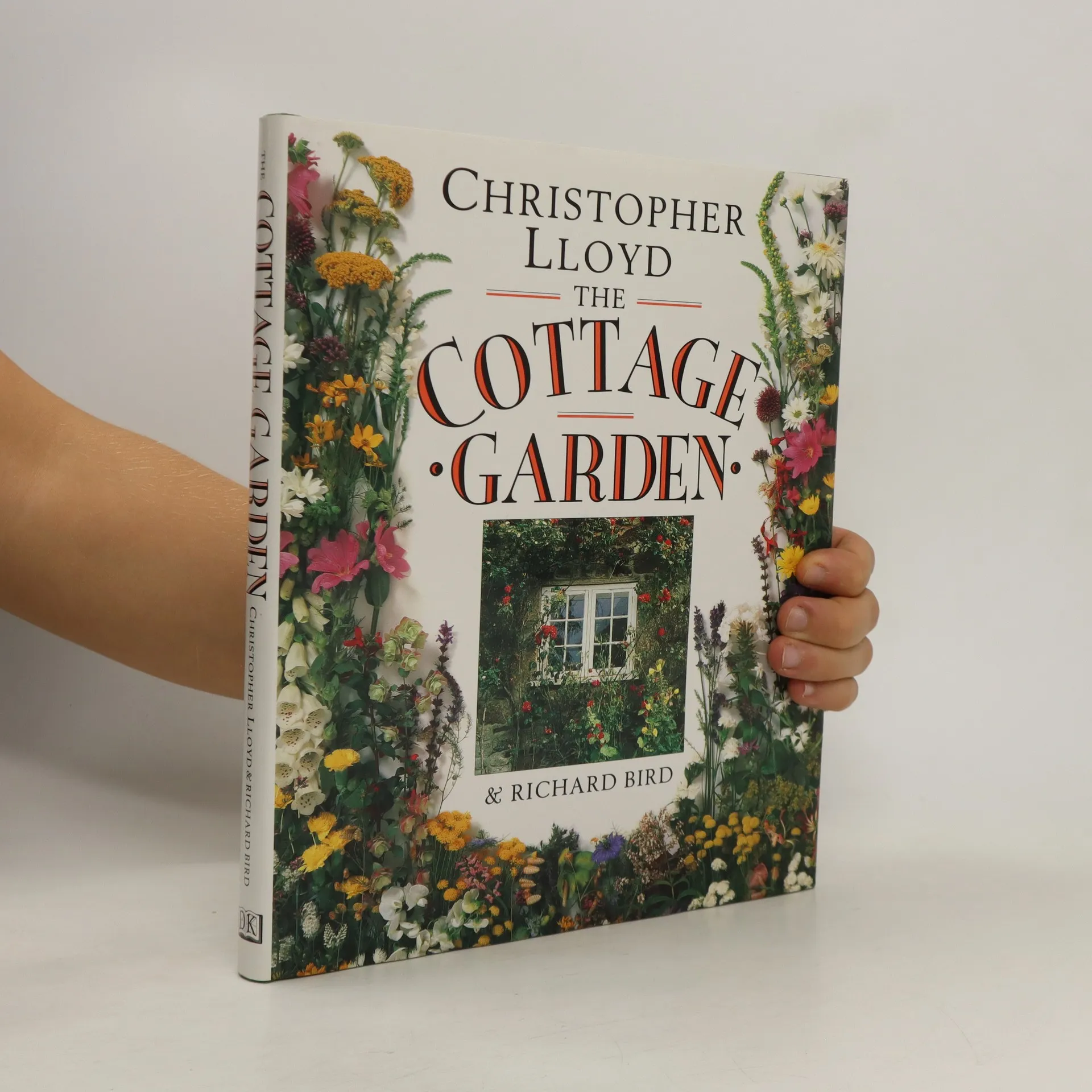
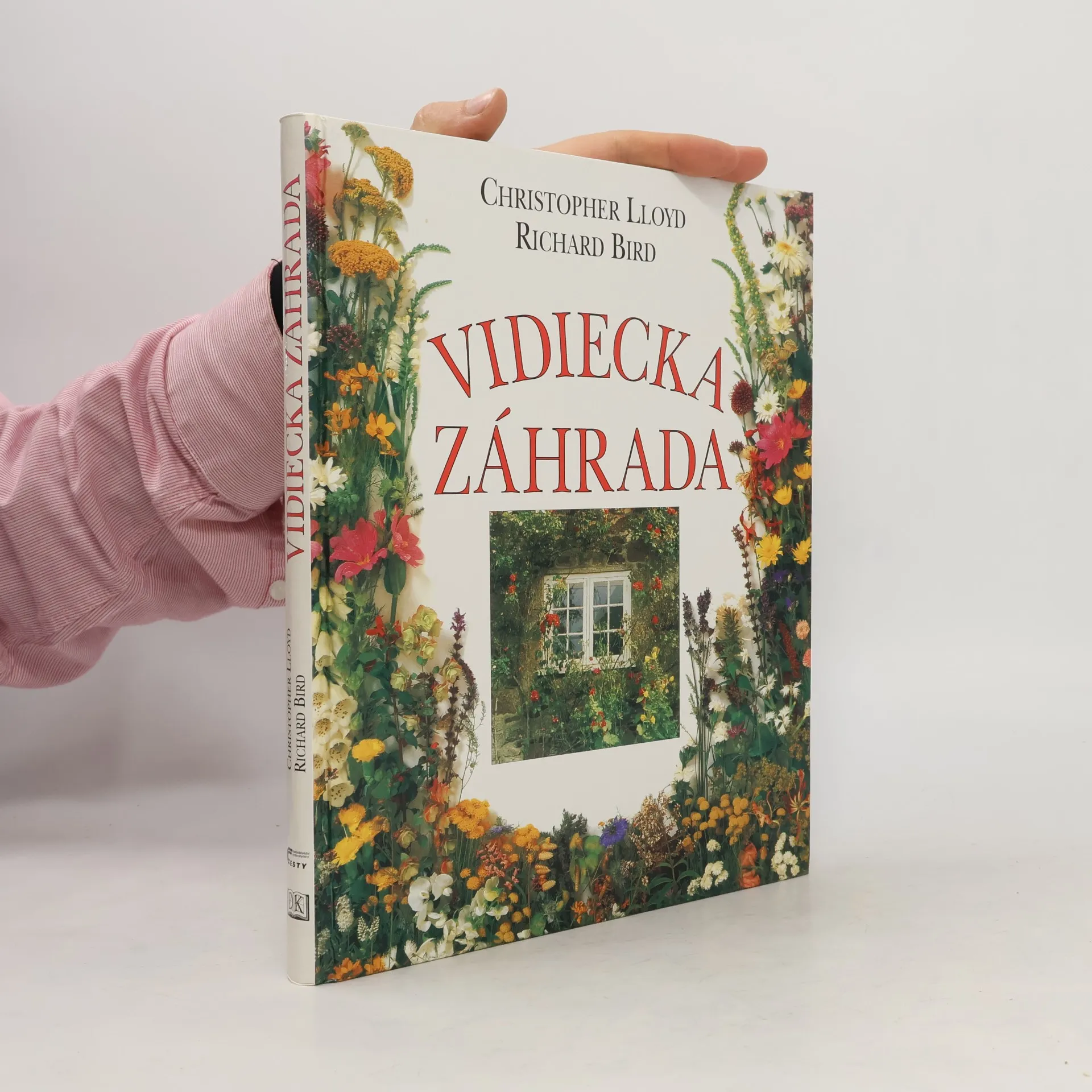
Velmi hezky a profesionálně udělaná kniha v šesti kapitolách seznamuje čtenáře s venkovskými zahradami, jejich historií a tradicemi, rostlinami, včetně ovoce a zeleniny, jednotlivými prvky venkovské zahrady, jejím naplánováním, vytvořením a udržováním a zpracováním úrody, zakončená latisko-českým rejstříkem.
Bohatý výtvarný doprovod s barevnými fotografiemi Jacqui Hursta.
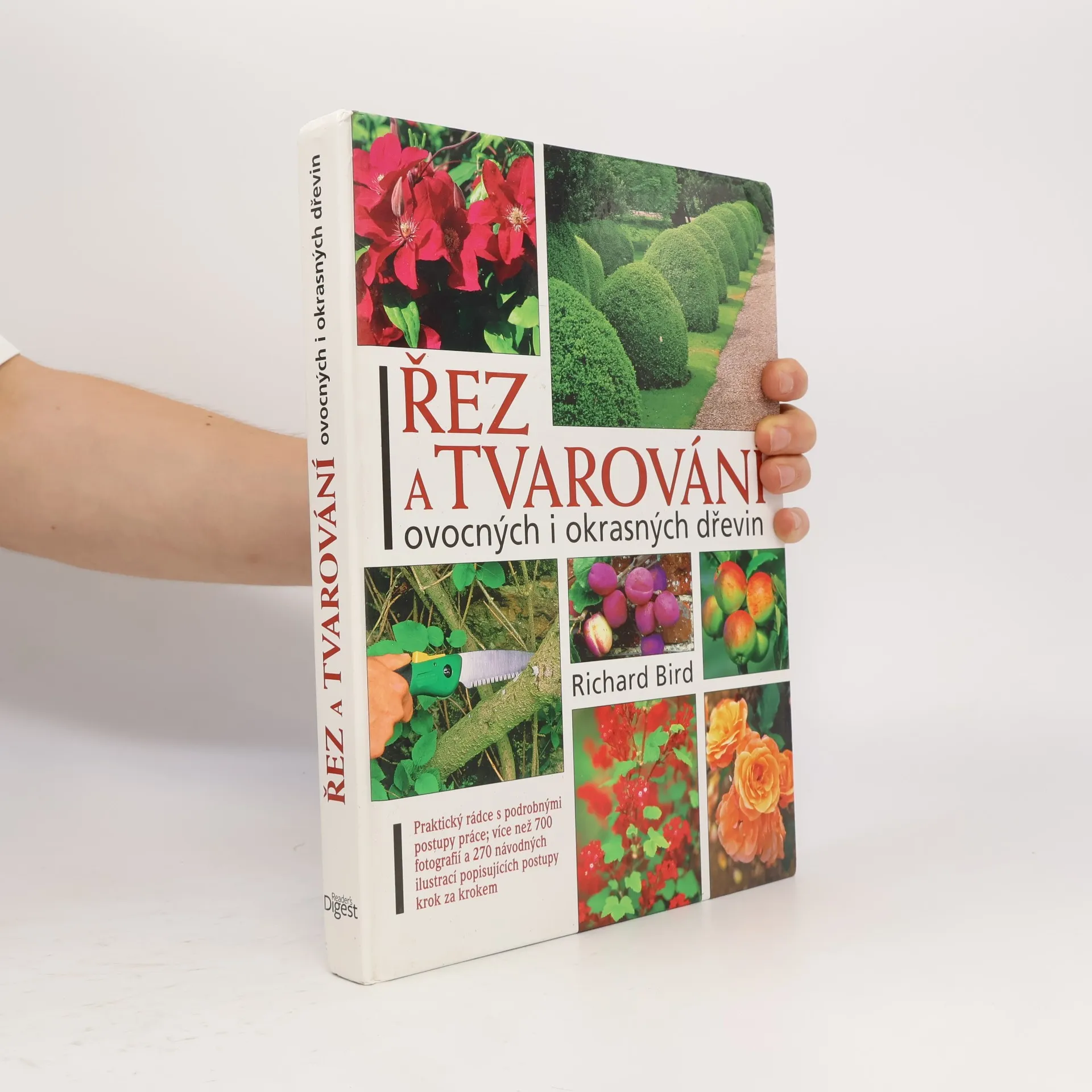
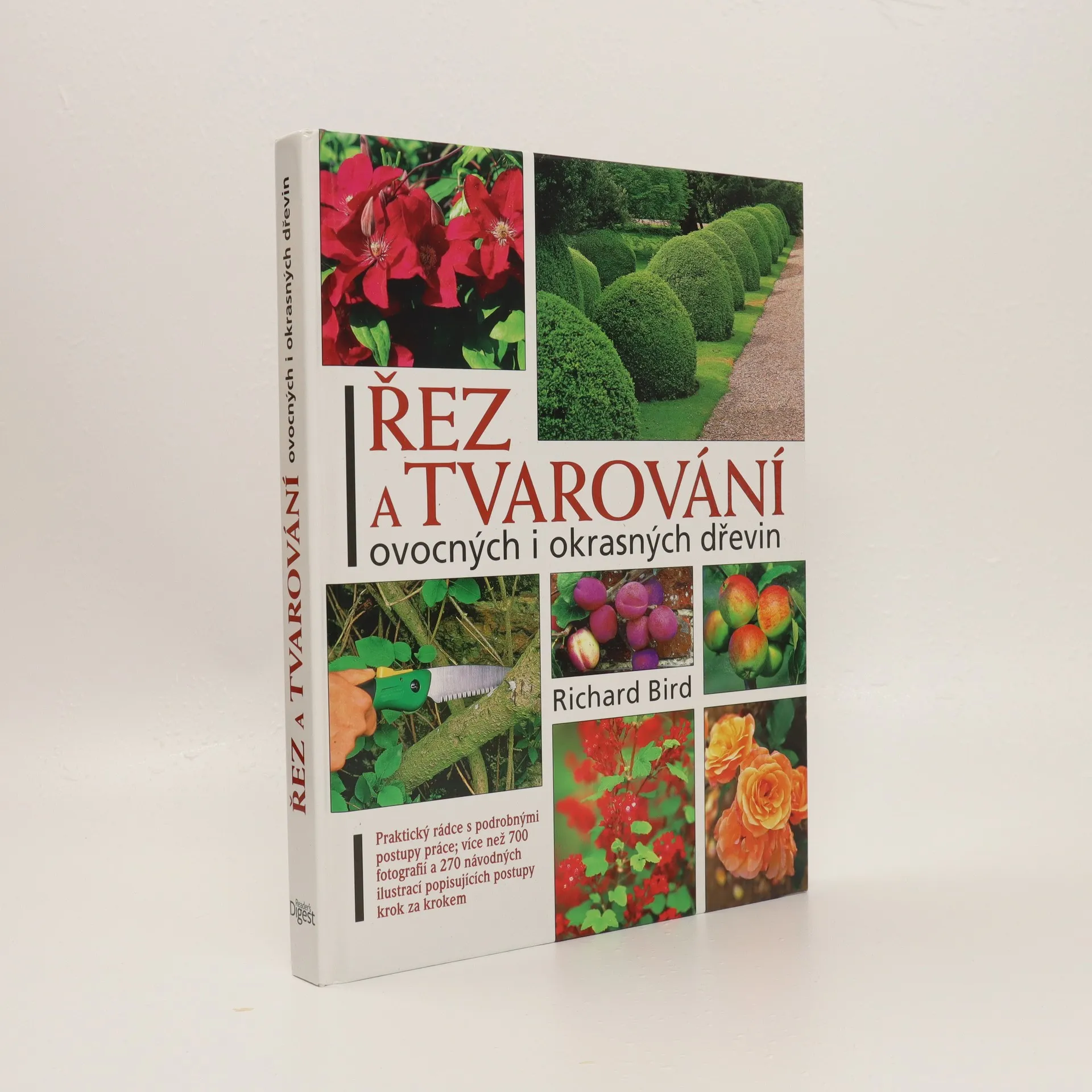
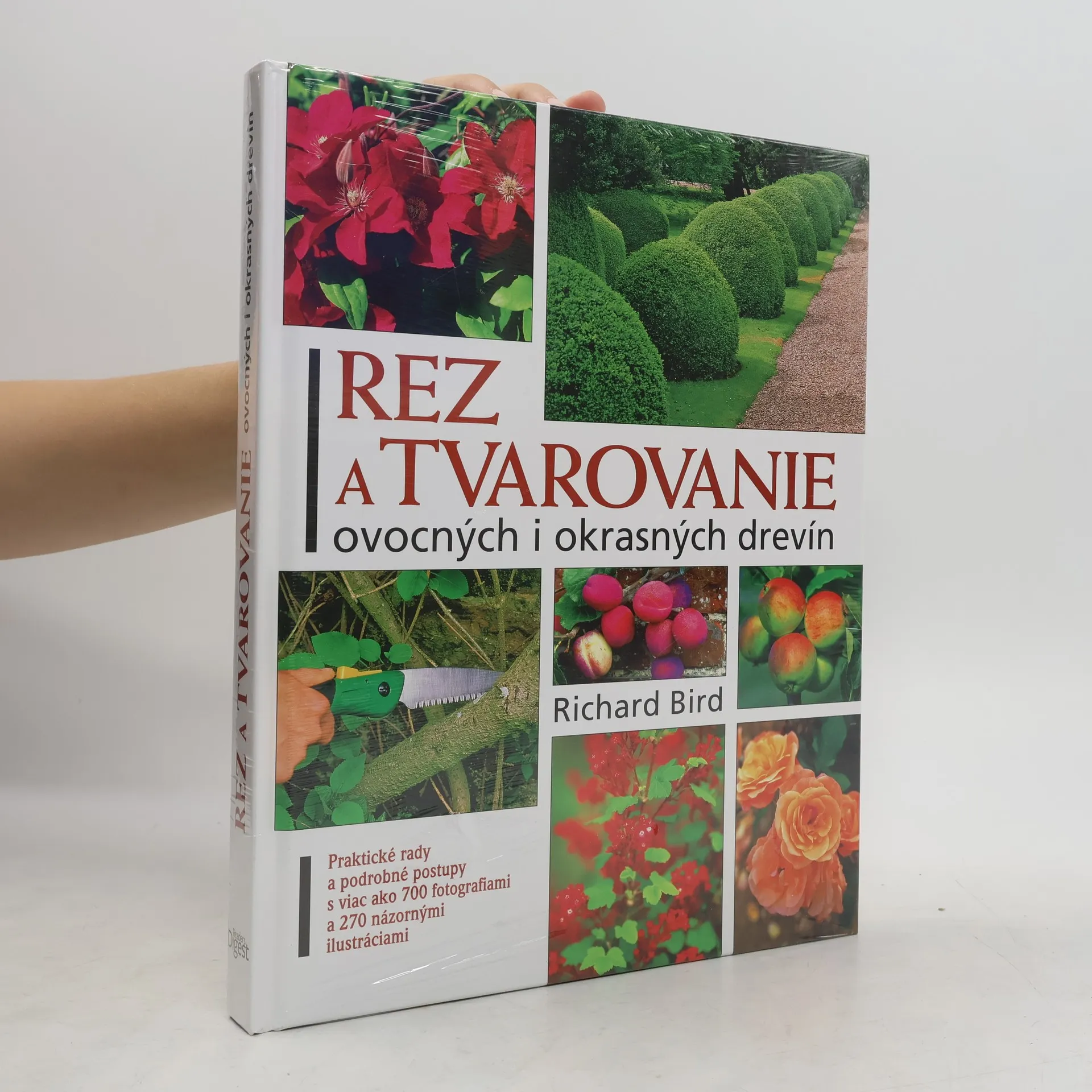
Máte zahradu se stromy, keři nebo živým plotem? Pak se pro vás kniha Řez a tvarování ovocných i okrasných dřevin stane každodenním poradcem. Texty doplňují ilustrace a fotografie. Kniha přináší rady, jak správně prořezávat jednotlivé druhy dřevin (i trvalek). Dozvíte se i to, jak vytvořit zelené sochy a vysadit živý plot. Ovocné dřeviny tak nabudou hezčí vzhled, budou zdravější, přinesou více ovoce - a vám i více radosti. Důležitou částí knihy je kapitola Přehled okrasných rostlin, kde najdete nejdůležitější pěstitelské rady a doporučení pro úpravu řezem. S knihou Řez a tvarování dřevin se z vaší zahrady stane nádherné místo plné klidu a pohody.
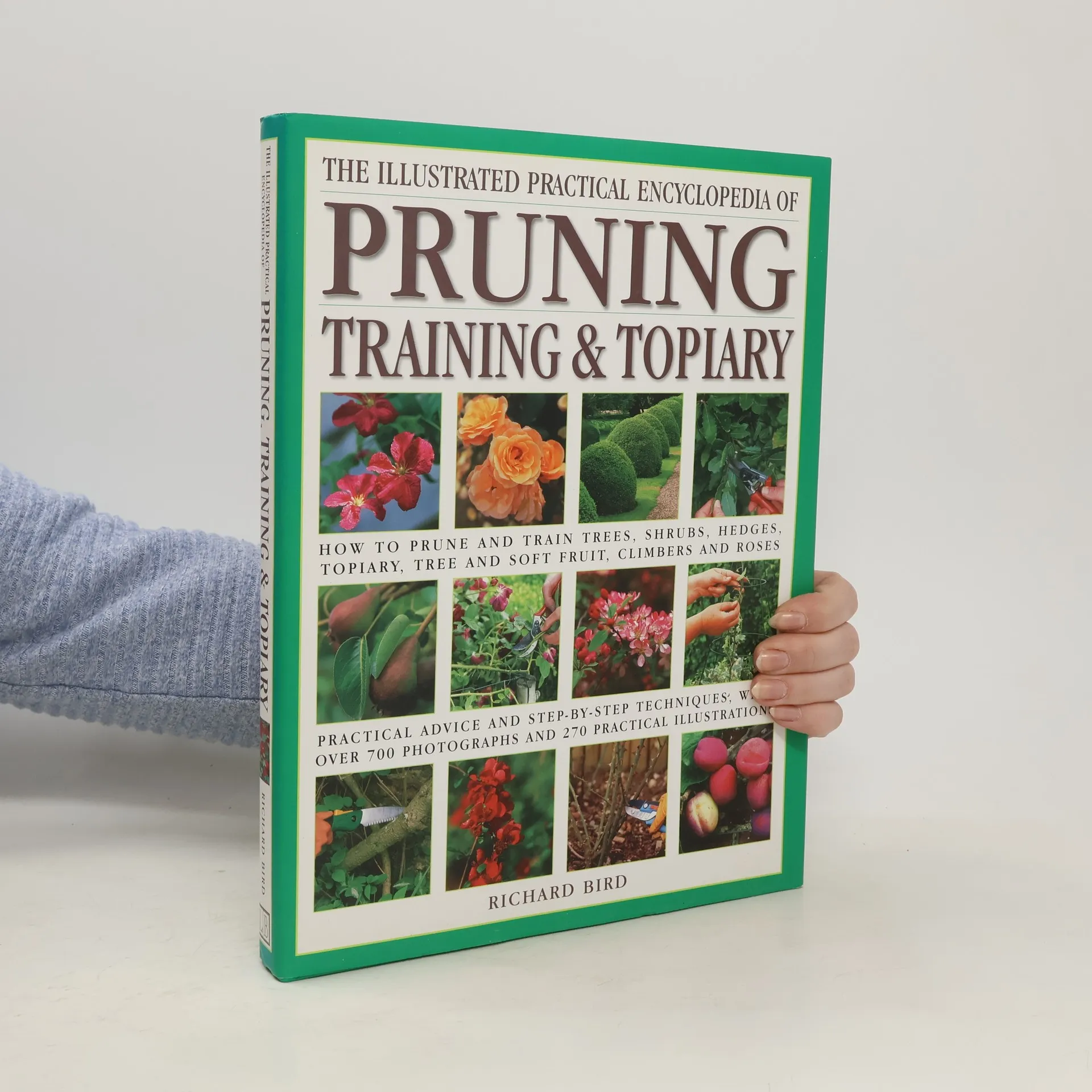
This volume presents a practical guide to pruning and training decorative and fruiting plants. It provides advice on pruning and training methods for many different types of ornamental plants and contains instructions about how to train and prune fruit trees, climbing fruit and soft fruit. All techniques and projects are shown in close-up step-by-step photography and diagrams and this reference provides a plant directory, describing the timing, frequency and method of pruning for a range of ornamental plants. This work opens with an introduction that looks at basic principles and techniques. The chapters are arranged by plant type, covering ornamental trees, shrubs, topiary, hedges, climbers and wall shrubs, and roses. Each section includes practical advice, illustrated with step-by-step photographic sequences and artworks, on the initial training of the plant; how to prune the plant once it is established; and how to undertake renovation pruning.
The book features a whimsical exploration of playful and imaginative language, inviting readers into a world filled with quirky words and sounds. Each term, like "Chulippitee" and "Buckadoodle," sparks creativity and encourages children to engage with language in a fun and entertaining way. This delightful journey promotes linguistic curiosity and the joy of expression through unique, invented vocabulary. Perfect for young readers, it fosters a love for words and storytelling.
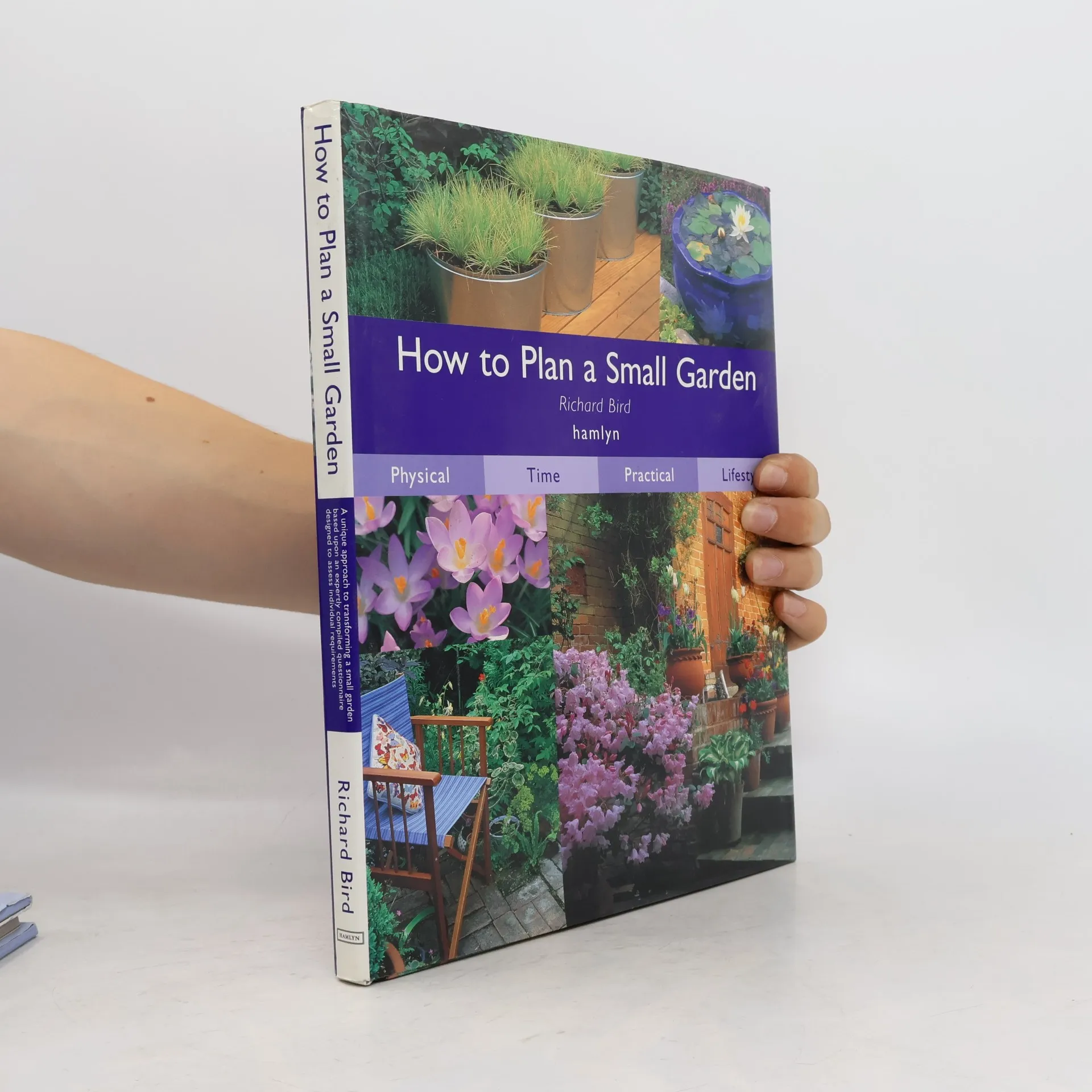
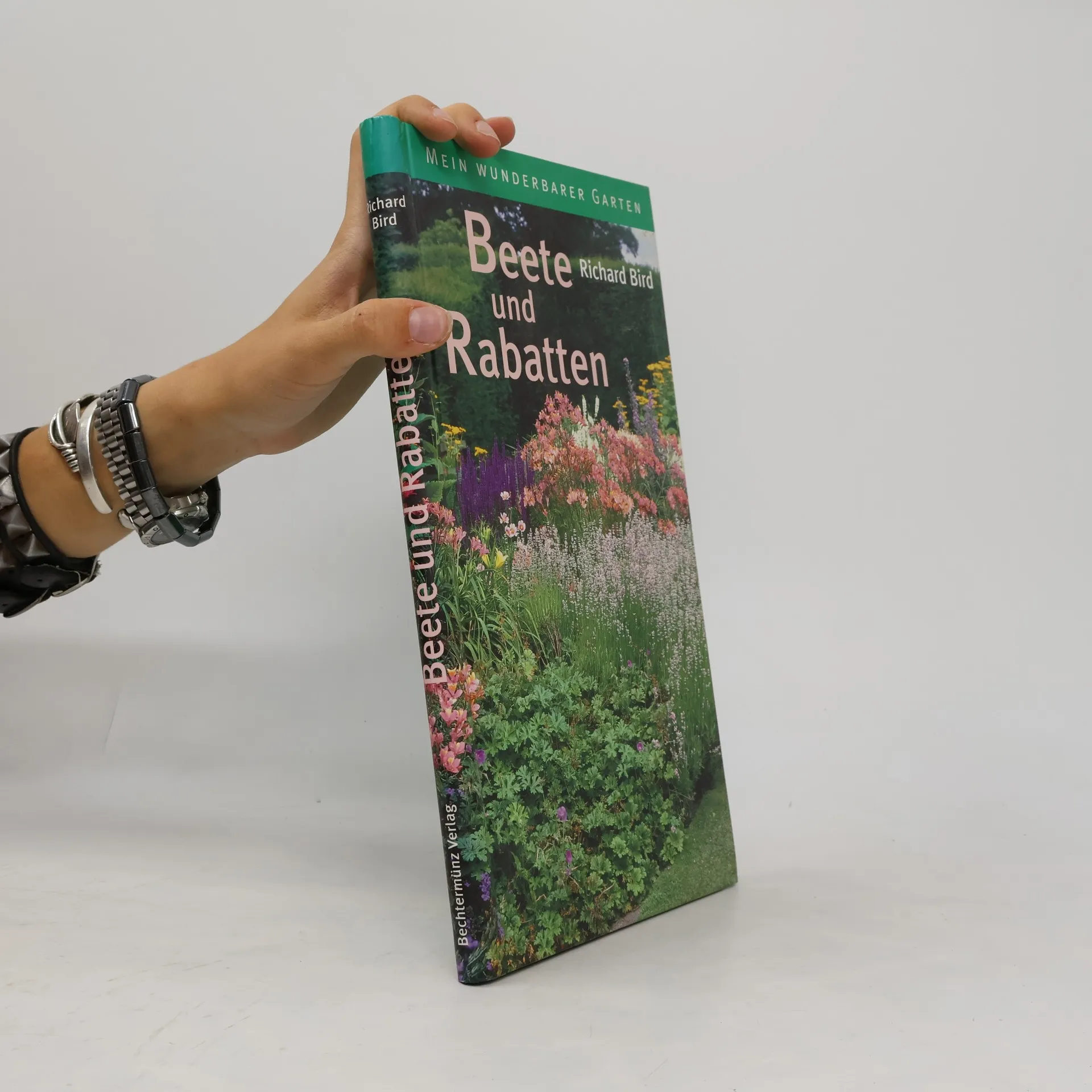
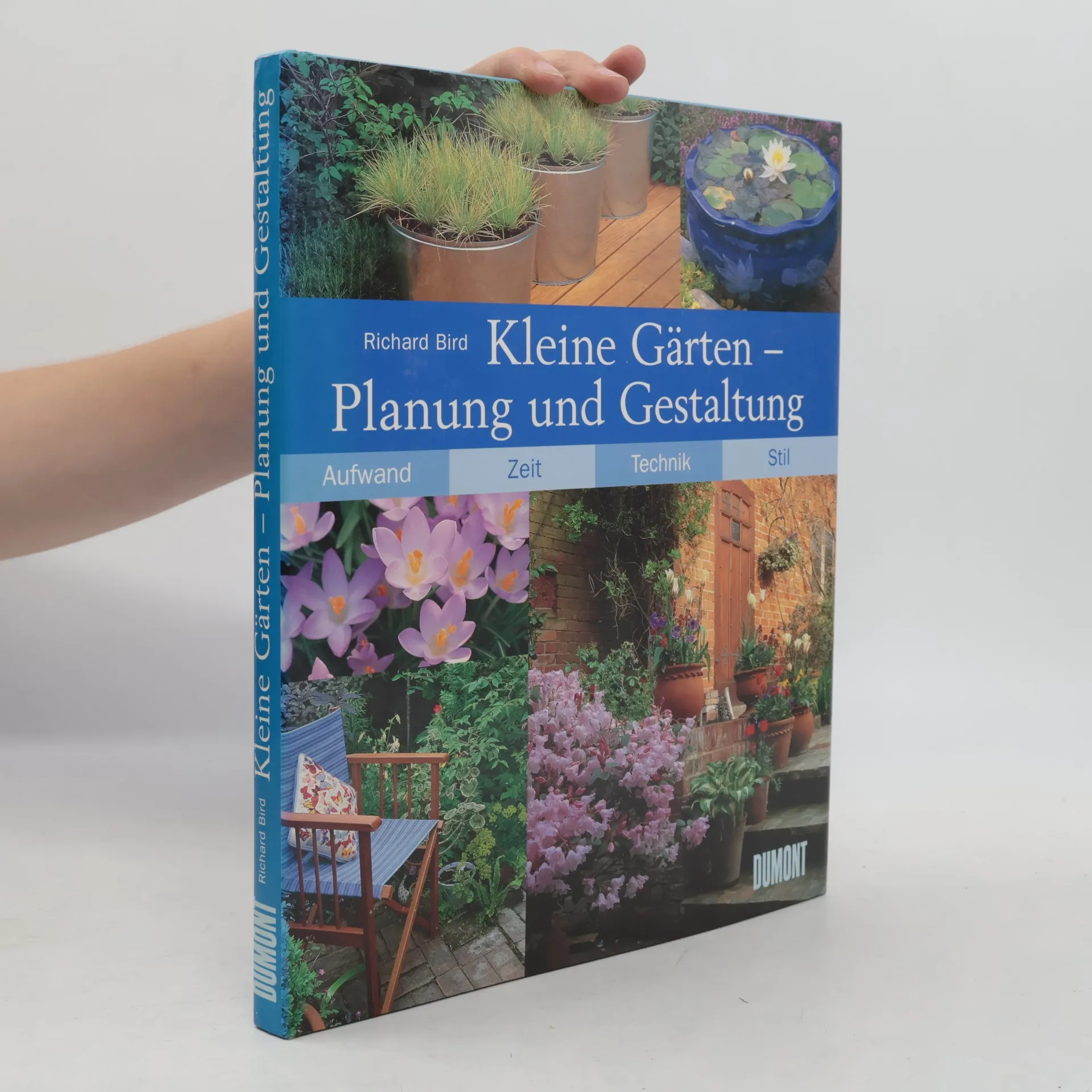
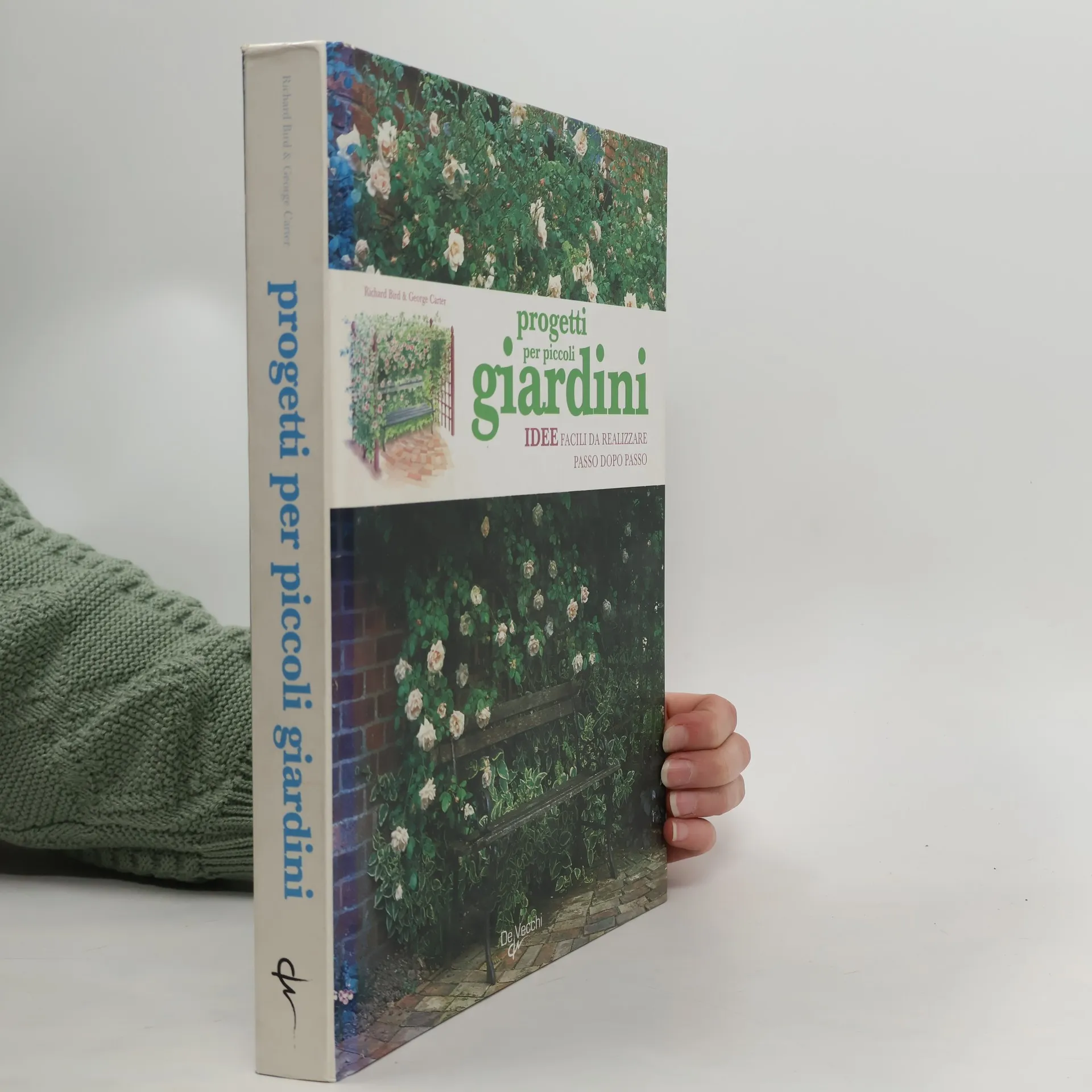
Design suggestions for gardens of all sizes: garden boundaries, landscaping ideas, decorations, container gardening, outdoor living, and more; richly illustrated.
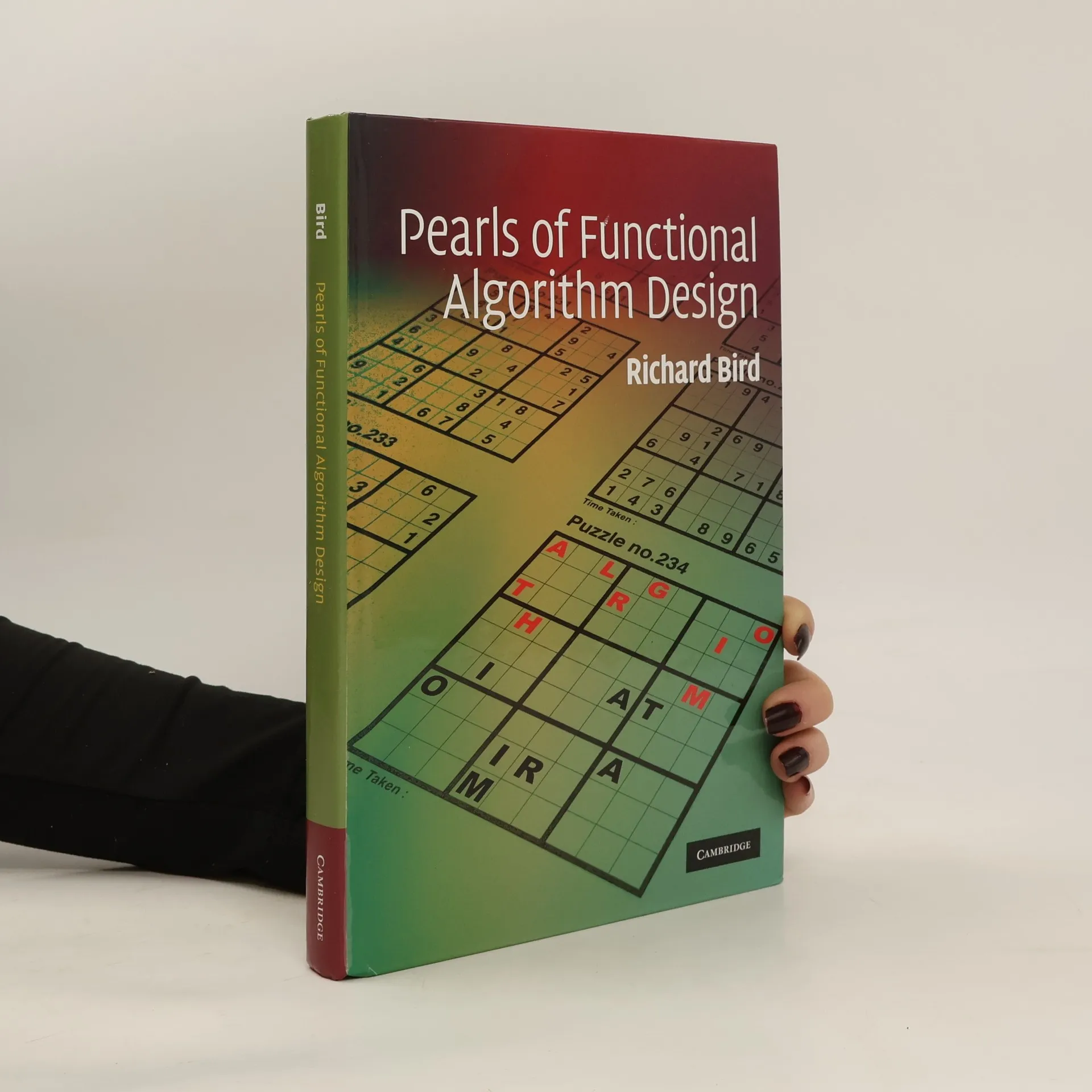
Richard Bird takes a radically new approach to algorithm design, namely, design by calculation. These 30 short chapters each deal with a particular programming problem drawn from sources as diverse as games and puzzles, intriguing combinatorial tasks, and more familiar areas such as data compression and string matching. Each pearl starts with the statement of the problem expressed using the functional programming language Haskell, a powerful yet succinct language for capturing algorithmic ideas clearly and simply. The novel aspect of the book is that each solution is calculated from an initial formulation of the problem in Haskell by appealing to the laws of functional programming. Pearls of Functional Algorithm Design will appeal to the aspiring functional programmer, students and teachers interested in the principles of algorithm design, and anyone seeking to master the techniques of reasoning about programs in an equational style.
This book is devoted to five main principles of algorithm divide and conquer, greedy algorithms, thinning, dynamic programming, and exhaustive search. These principles are presented using Haskell, a purely functional language, leading to simpler explanations and shorter programs than would be obtained with imperative languages. Carefully selected examples, both new and standard, reveal the commonalities and highlight the differences between algorithms. The algorithm developments use equational reasoning where applicable, clarifying the applicability conditions and correctness arguments. Every chapter concludes with exercises (nearly 300 in total), each with complete answers, allowing the reader to consolidate their understanding and apply the techniques to a range of problems. The book serves students (both undergraduate and postgraduate), researchers, teachers, and professionals who want to know more about what goes into a good algorithm and how such algorithms can be expressed in purely functional terms.
Whatever the size and situation of your yard, you can learn how to create and cultivate an idyllic cottage garden, one of the best-loved and most enduring gardening styles. Tracing the development of the cottage garden from the humble vegetable patch to the lush flower garden, Christopher Lloyd and Richard Bird analyze what defines a cottage garden - a working garden that is as productive as it is charming. Full-color plans show how to utilize and organize the space available, whether creating a decorative flower garden with pinks and delphiniums, or a full working garden with fruits, rotation crops, and livestock. Easy-to-follow advice explains how structural features such as paths, fences, arbors and ponds are best combined with flowers, vegetables, hedges and trees.
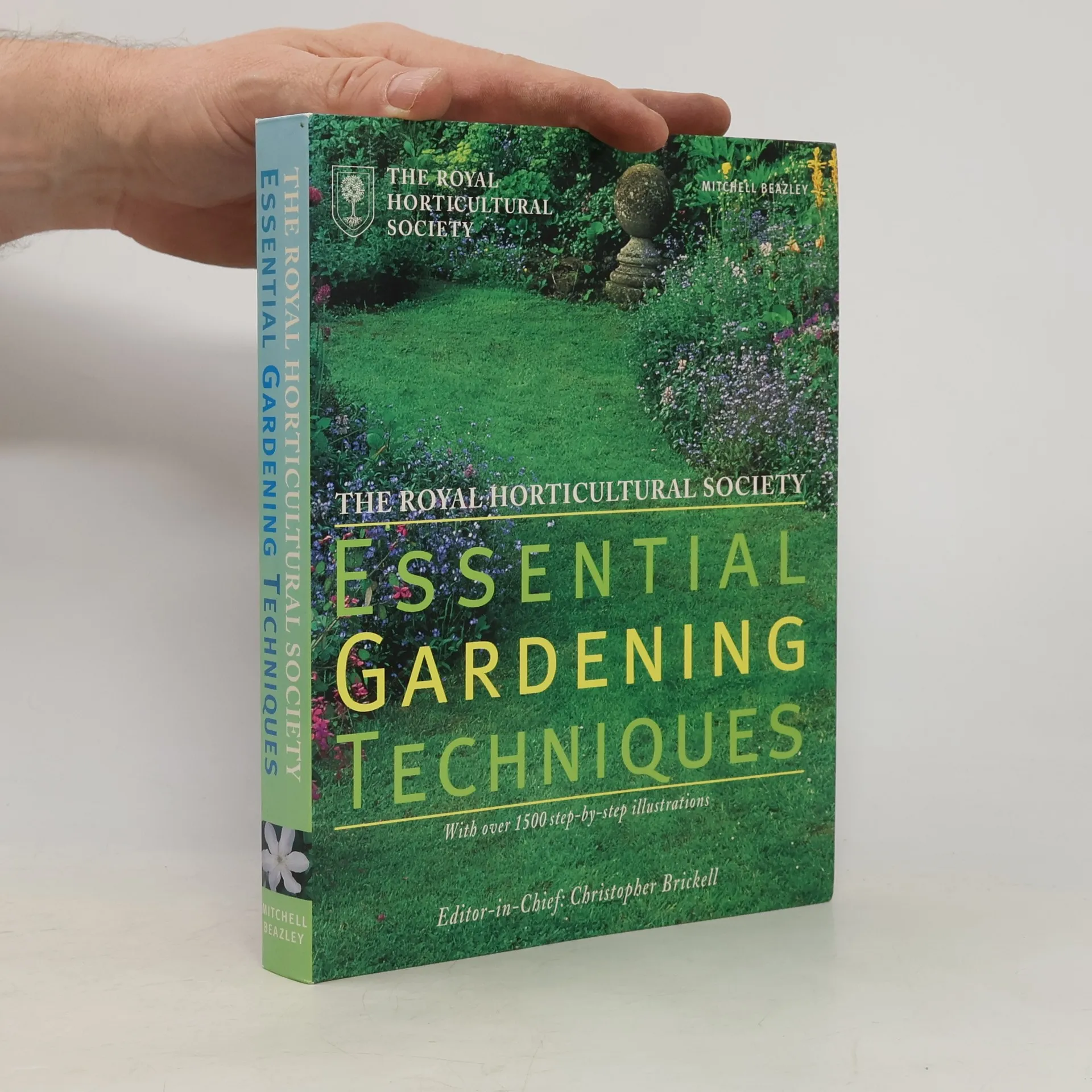
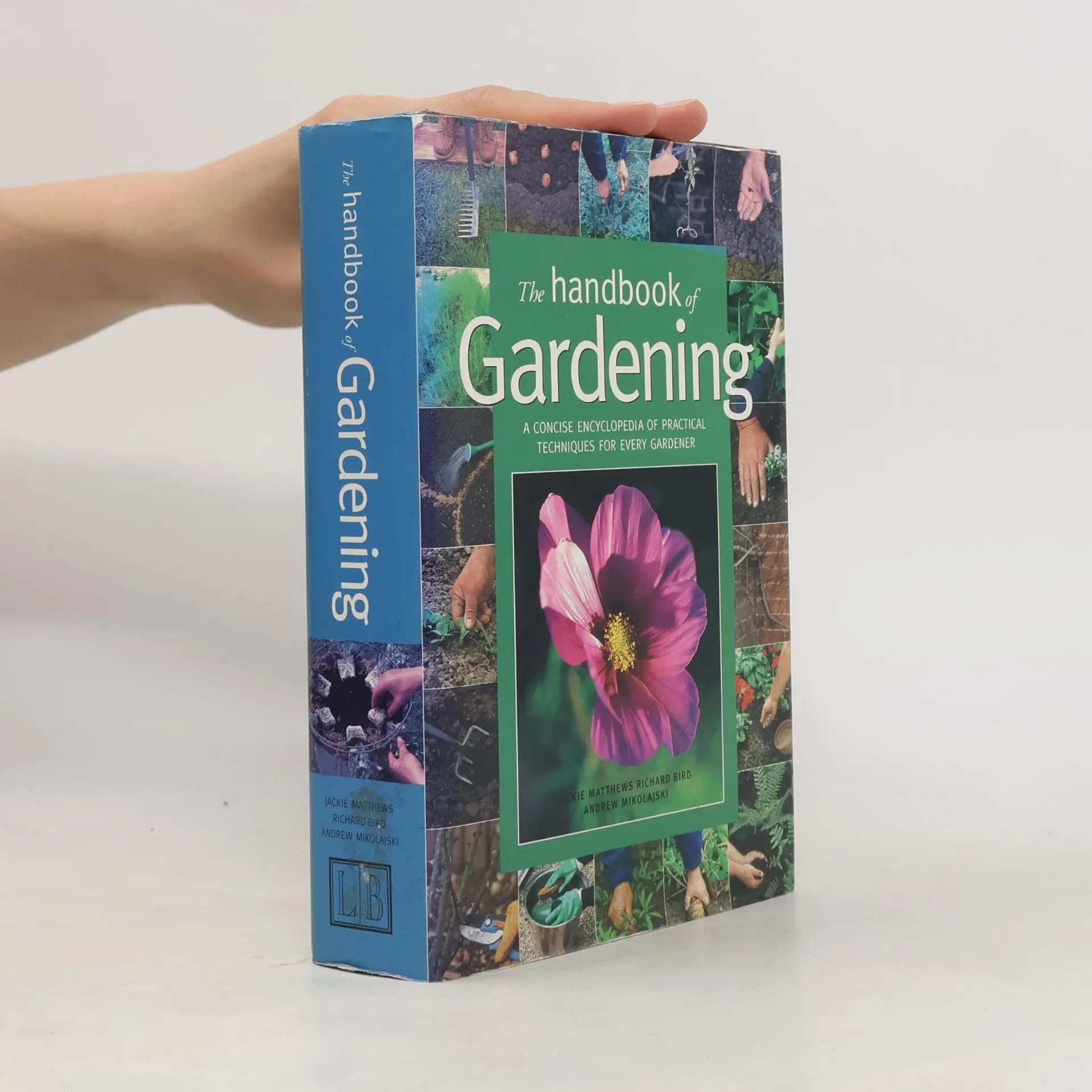
It's the definitive guide to practical gardening, written by a team of distinguished experts and endorsed by the internationally renowned Royal Horticultural Society. More than 1,500 illustrations and detailed information encompass every aspect of gardening: tools and equipment; pruning (with special techniques for roses, shrubs, and hedges); soil management; and growing flowers, herbs, ornamental trees, and climbers. Here are all the fundamentals of plant propagation, from tip-layering to stem-cutting. Do everyday maintenance the right way, confident in knowing the essentials of good plant care. An entire section devoted to all forms of container gardening will especially delight those with only a balcony or patio. There's advice on producing the very best fruits and vegetables and tables that outline every kind of pest and disease control. With these design fundamentals, you'll see how to shape open spaces, build rock gardens and pools, make pergolas, lay paths, and much more. An incomparable manual for all gardeners
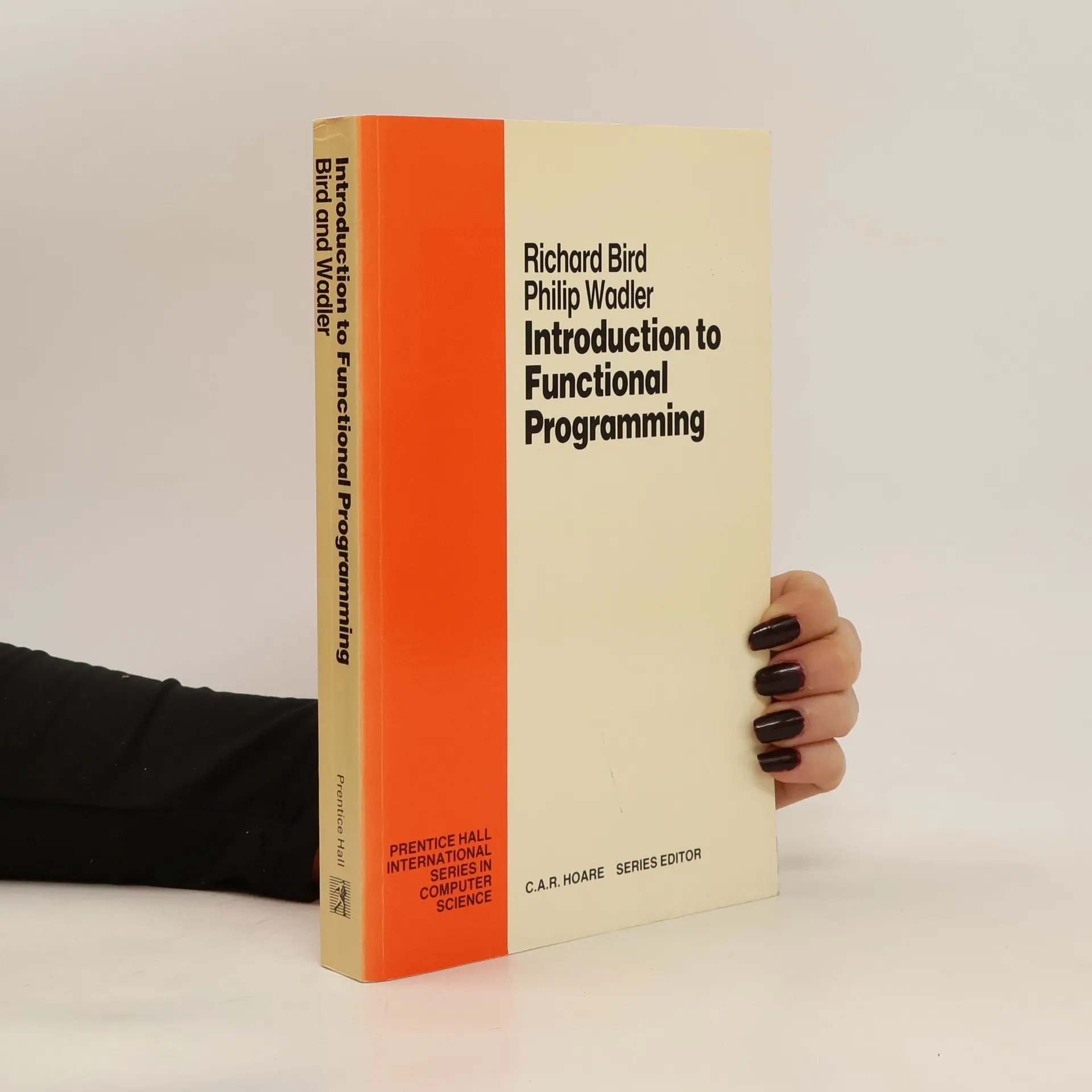
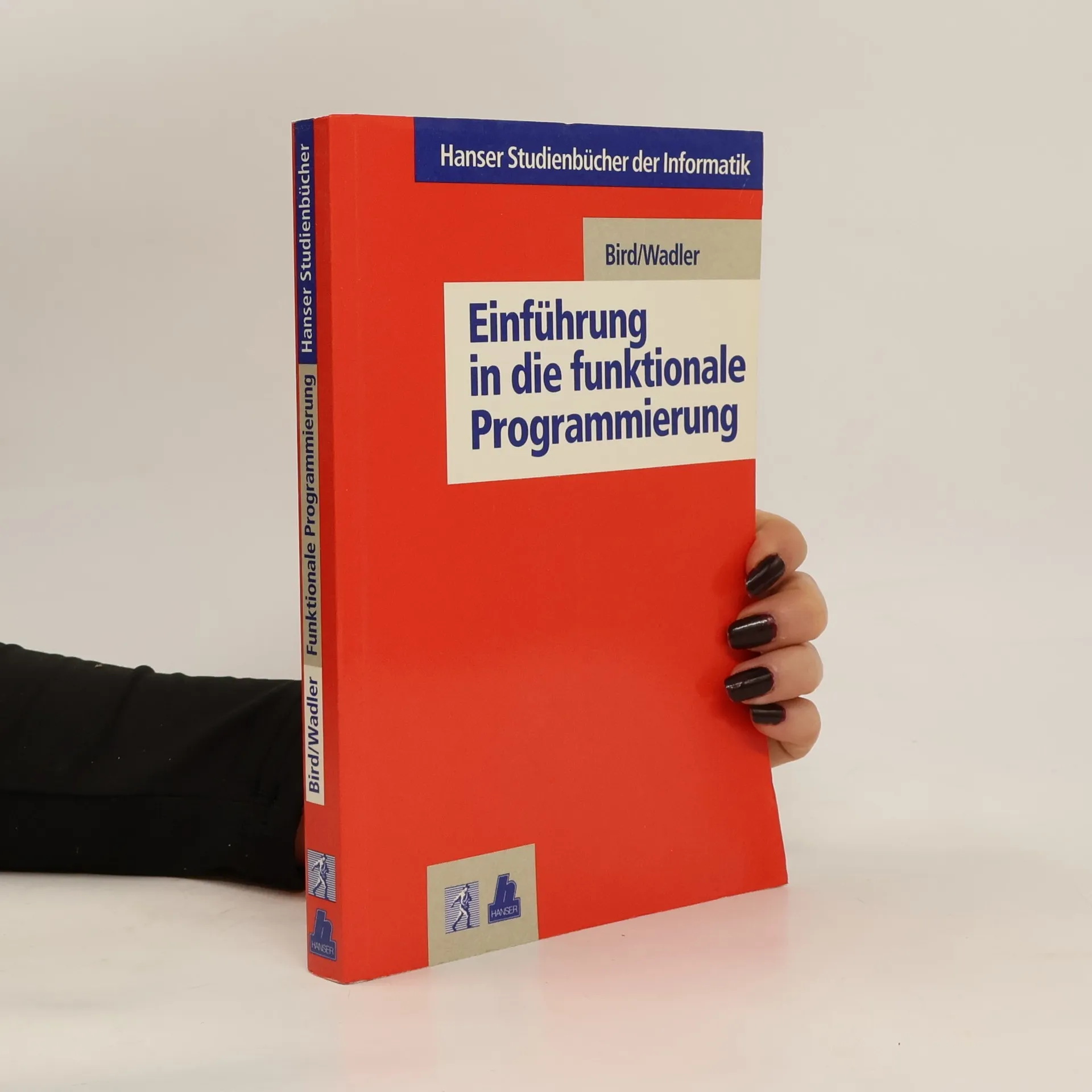
Richard Bird is famed for the clarity and rigour of his writing. His new textbook, which introduces functional programming to students, emphasises fundamental techniques for reasoning mathematically about functional programs. By studying the underlying equational laws, the book enables students to apply calculational reasoning to their programs, both to understand their properties and to make them more efficient. The book has been designed to fit a first- or second-year undergraduate course and is a thorough overhaul and replacement of his earlier textbooks. It features case studies in Sudoku and pretty-printing, and over 100 carefully selected exercises with solutions. This engaging text will be welcomed by students and teachers alike.
After the success of the first edition, Introduction to Functional Programming using Haskell has been thoroughly updated and revised to provide a complete grounding in the principles and techniques of programming with functions. The second edition uses the popular language Haskell to express functional programs. There are new chapters on program optimisation, abstract datatypes in a functional setting, and programming in a monadic style. There are complete new case studies, and many new exercises. As in the first edition, there is an emphasis on the fundamental techniques for reasoning about functional programs, and for deriving them systematically from their specifications. The book is self-contained, assuming no prior knowledge of programming and is suitable as an introductory undergraduate text for first- or second-year students.
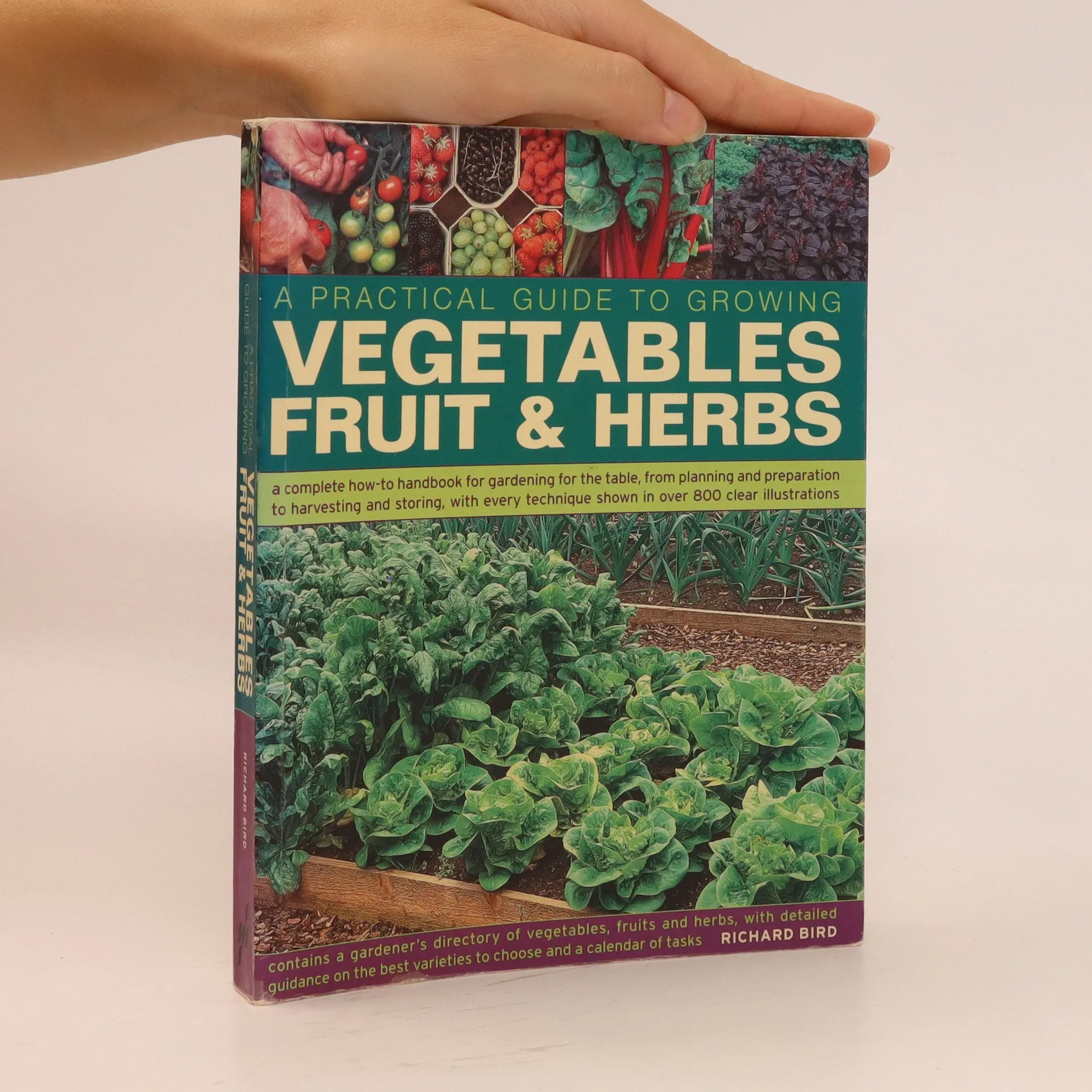
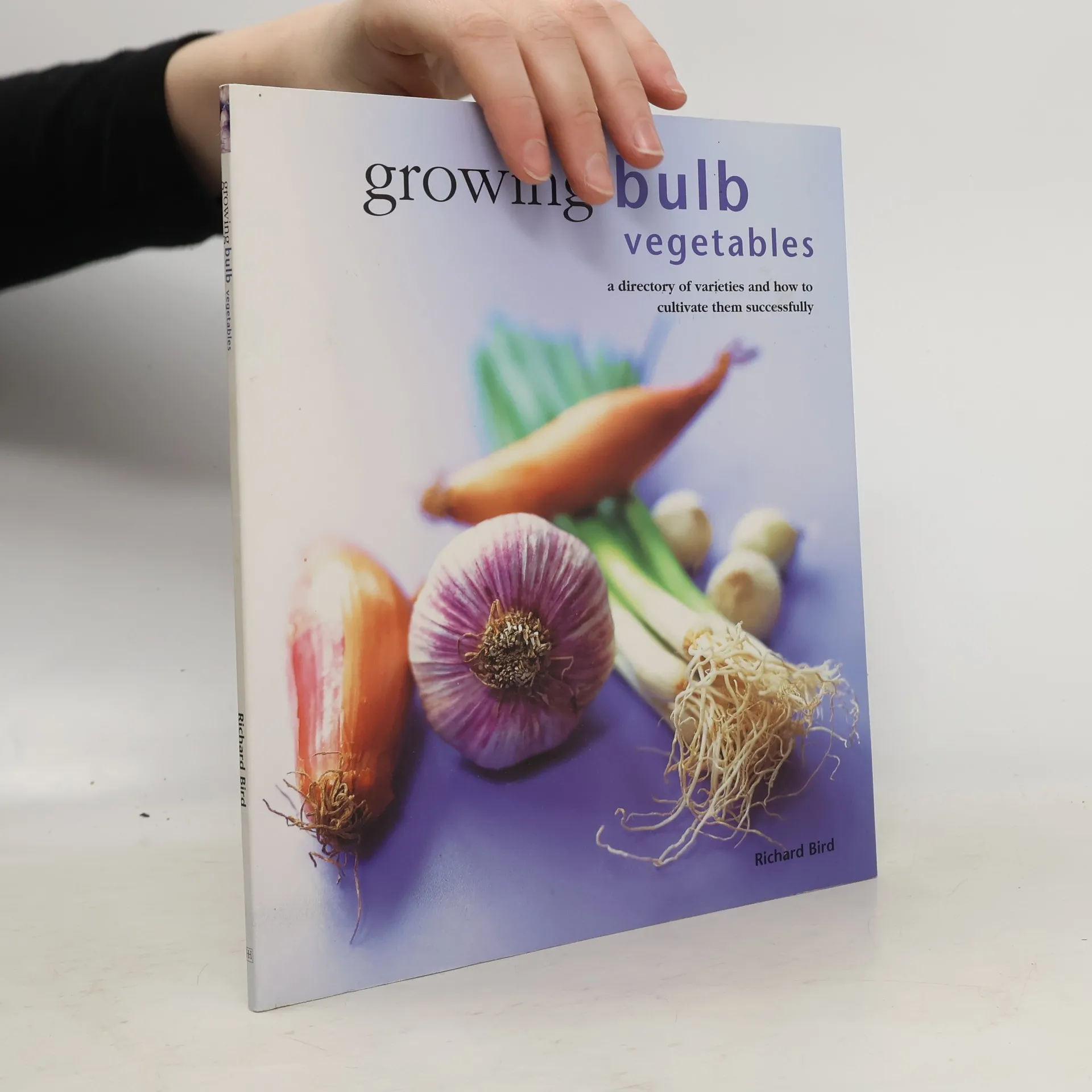
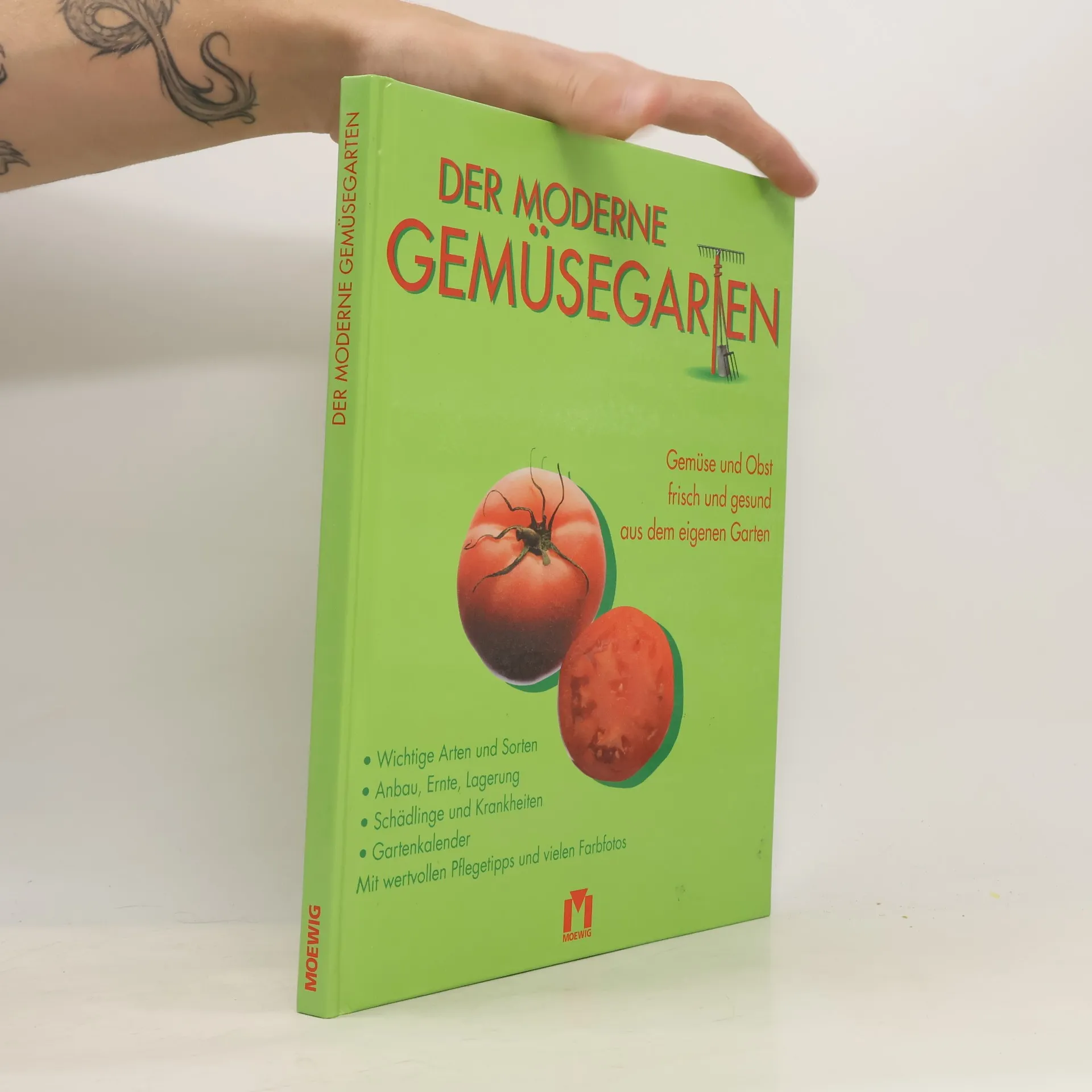
There is nothing quite like growing your own vegetables, herbs and fruit, and this classic kitchen garden book will give you the know-how, skills and techniques to grow your own crops, whether you want a large vegetable plot or a small herb garden. Desig
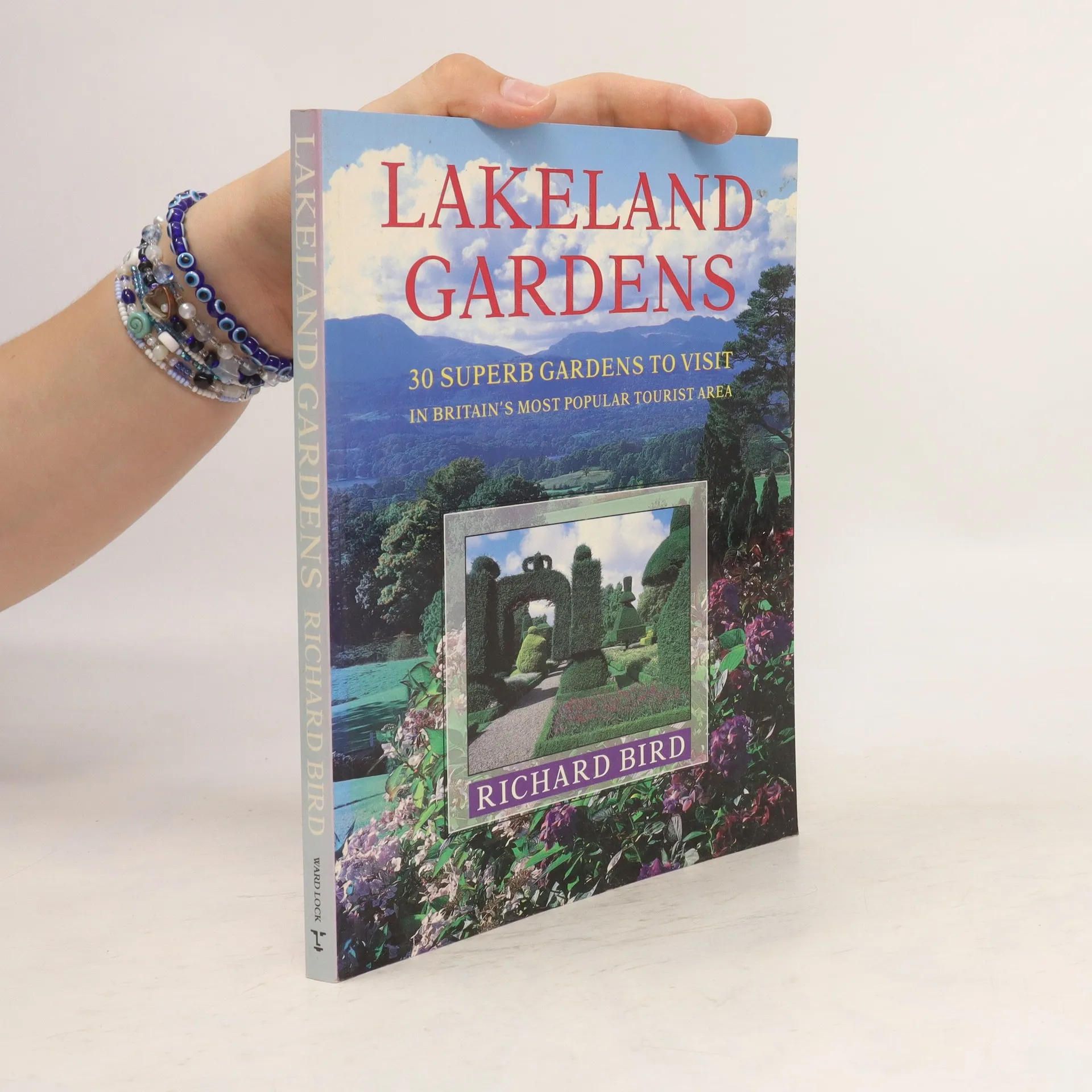
An illustrated guide to 30 Lake District gardens open to the public, which discusses the design and planting of each garden, in addition to such useful information as garden opening times, directions, the availability of refreshments and plants for sale.
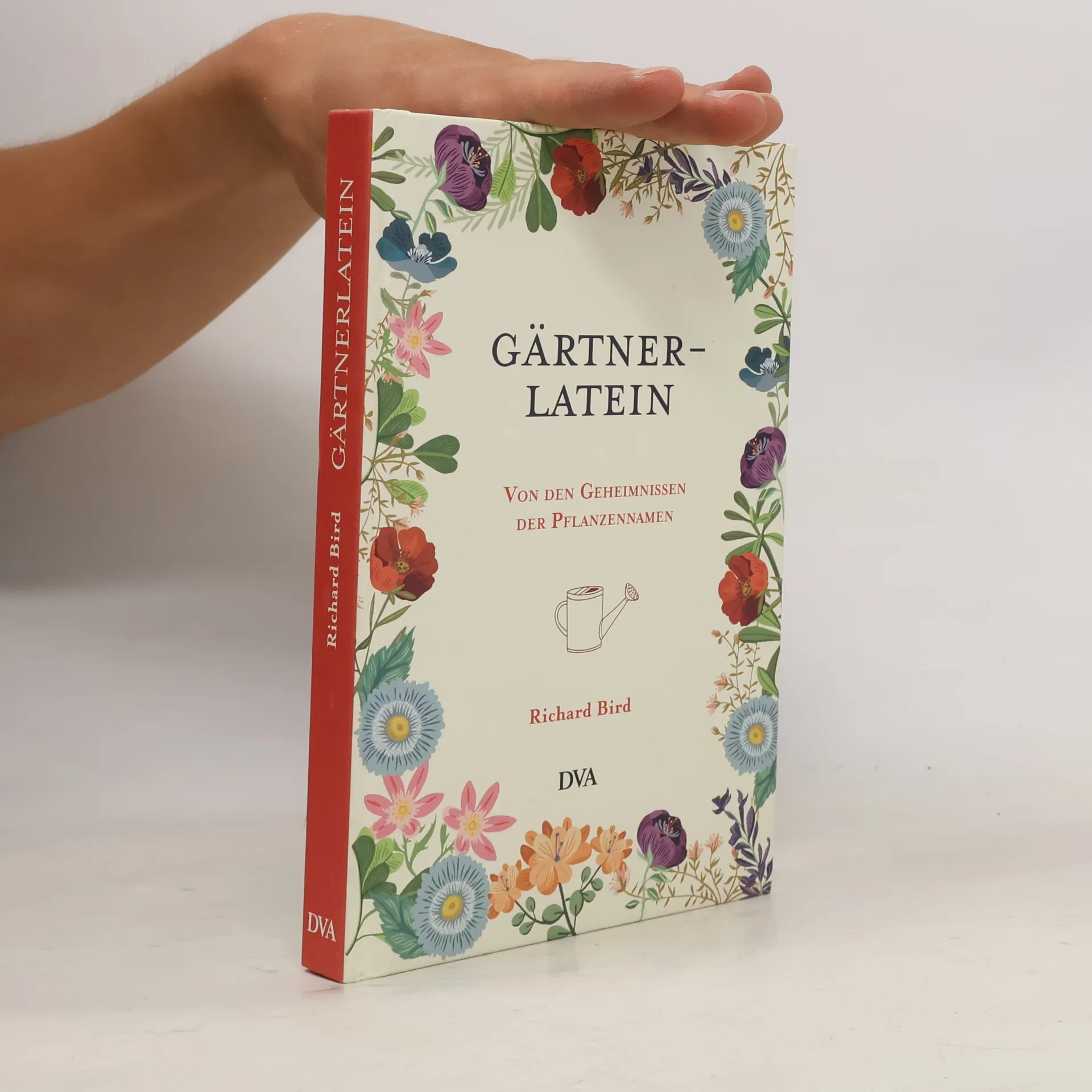
Viele, auch mitunter ambitionierte Gärtner, haben häufig Schwierigkeiten, wenn sie lateinischen Pflanzennamen begegnen. Sie halten sich lieber an die volkstümlichen Bezeichnungen, die man sich besser merken kann. Doch selbst wenn diese Namen hübsch klingen, sagen sie uns meistens nichts über den Ursprung oder über andere wichtige Eigenschaften wie Form, Farbe oder Größe der Pflanze - alles Informationen, die über den lateinischen Namen vermittelt werden. Hier Abhilfe zu schaffen und den interessierten Gärtner auf vergnügliche Art kundig zu machen, ist das Ziel von Richard Bird, der für den National Trust ein Gärtner-Latein zusammengestellt hat. Anhand inhaltlicher Kriterien wie Farbe, Form, Textur, Duft und Geschmack, Herkunftsorten und -ländern oder Assoziationen mit Mensch und Tier erfährt der Leser Grundlegendes, das ihm einen Zugang zu den Geheimnissen der lateinischen Namensgebung eröffnet. Ein Buch für lauschige Abende oder kühle Tage, das auf unterhaltsame Art Wissen vermittelt.
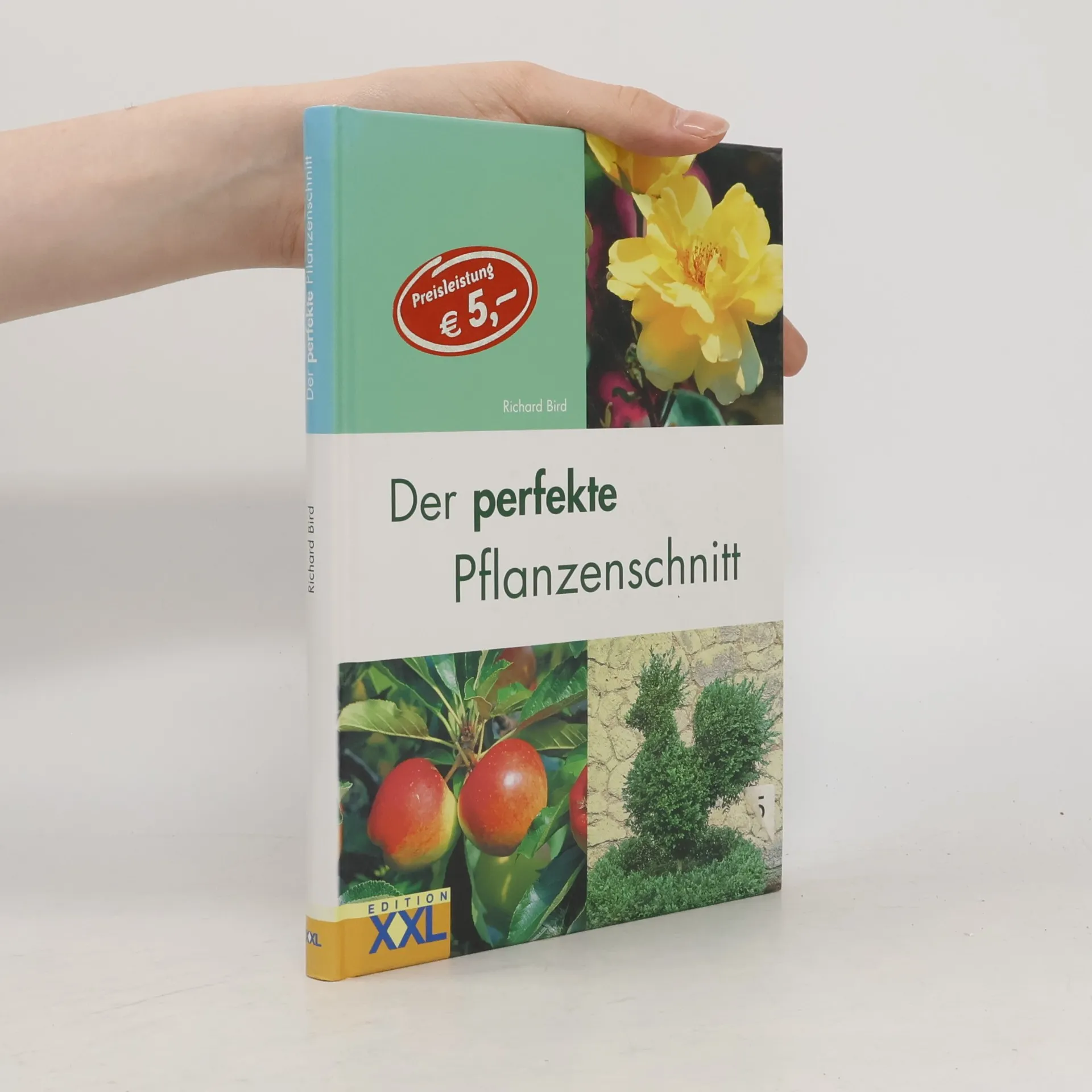
Eine gute Schnitttechnik ist das A und O des Pflanzenwachstums. Mit den klaren Anweisungen in diesem praxisorientierten Buch schaffen es selbst Einsteiger, ihren Garten auf Vordermann zu bringen. Doch auch der Profi findet aufgrund der zahlreichen Pflanzenporträts nützliche Tipps und Ratschläge. In über 200 Fragen bzw. Antworten wird die ganze Bandbreite des Pflanzenschnitts behandelt. 200 Zeichnungen und Illustrationen verdeutlichen zusätzlich die Schnitttechiken.
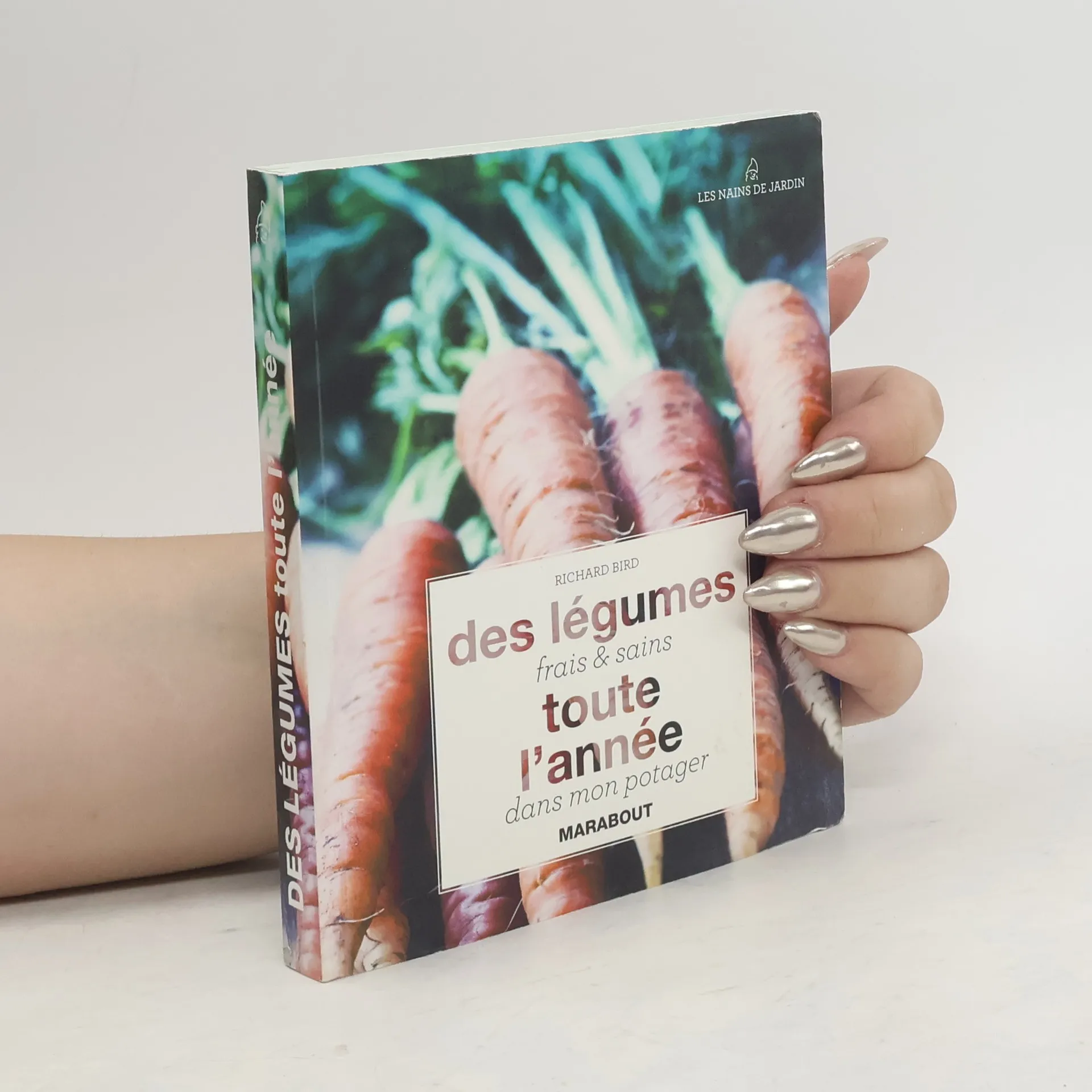
Cultiver ses propres légumes est une activité agréable, économique et respectueuse de l'environnement à la portée de tous. Que vous ayez un jardin avant, un jardin arrière ou simplement une modeste jardinière, toute personne ayant la main verte peut planter, entretenir et produire ses propres légumes. C'est non seulement un moyen idéal de garantir que vous et votre famille consommiez des aliments frais et nutritifs, mais c'est aussi un excellent moyen de réduire votre empreinte carbone. Que vous soyez débutant ou jardinier expérimenté, ce guide essentiel vous dit tout ce que vous devez savoir pour cultiver vos propres légumes, avec des conseils d'experts et des astuces pratiques pour garantir des résultats parfaits.
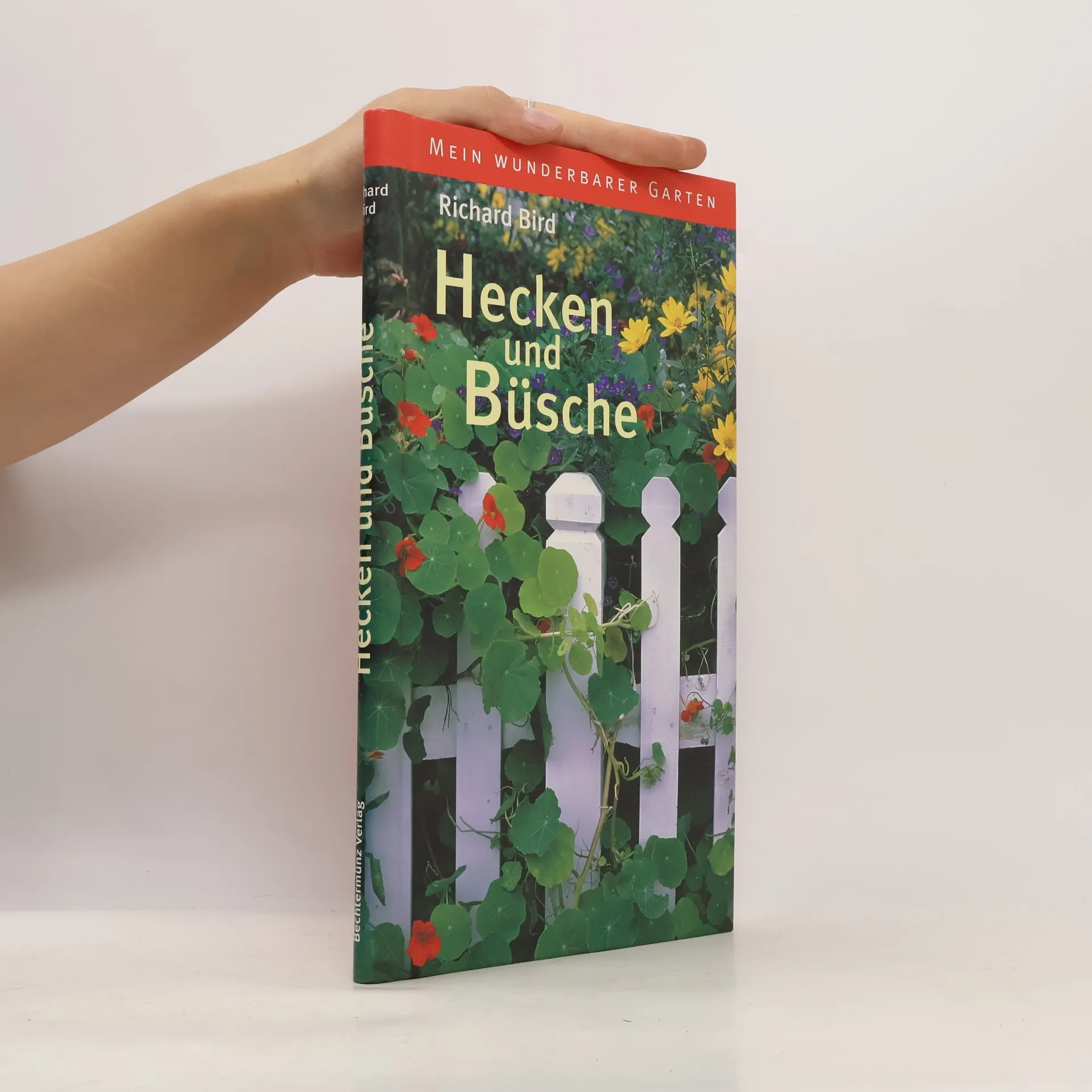
Zäune, Hecken, Mauern, Spaliere und Sichtschutz bilden die Struktur, um die jeder Garten gestaltet ist. Der geschickte Gärtner kann diese Elemente effektiv nutzen, um bestimmte Gartenmerkmale kreativ hervorzuheben und andere zu verbergen, Schatten und Privatsphäre zu schaffen, auffällige visuelle Effekte zu erzielen und verschiedene Bereiche des Gartens aus ästhetischen oder praktischen Gründen zu definieren. Richard Bird bietet dem Leser viele Ideen für Projekte, darunter eine Obstwand, formelle und informelle Hecken, einen Lattenzaun, ein rustikales Spalier, einen Rosenbogen und mehr als 20 Projekte, die der begeisterte Gärtner nachbauen oder anpassen kann.
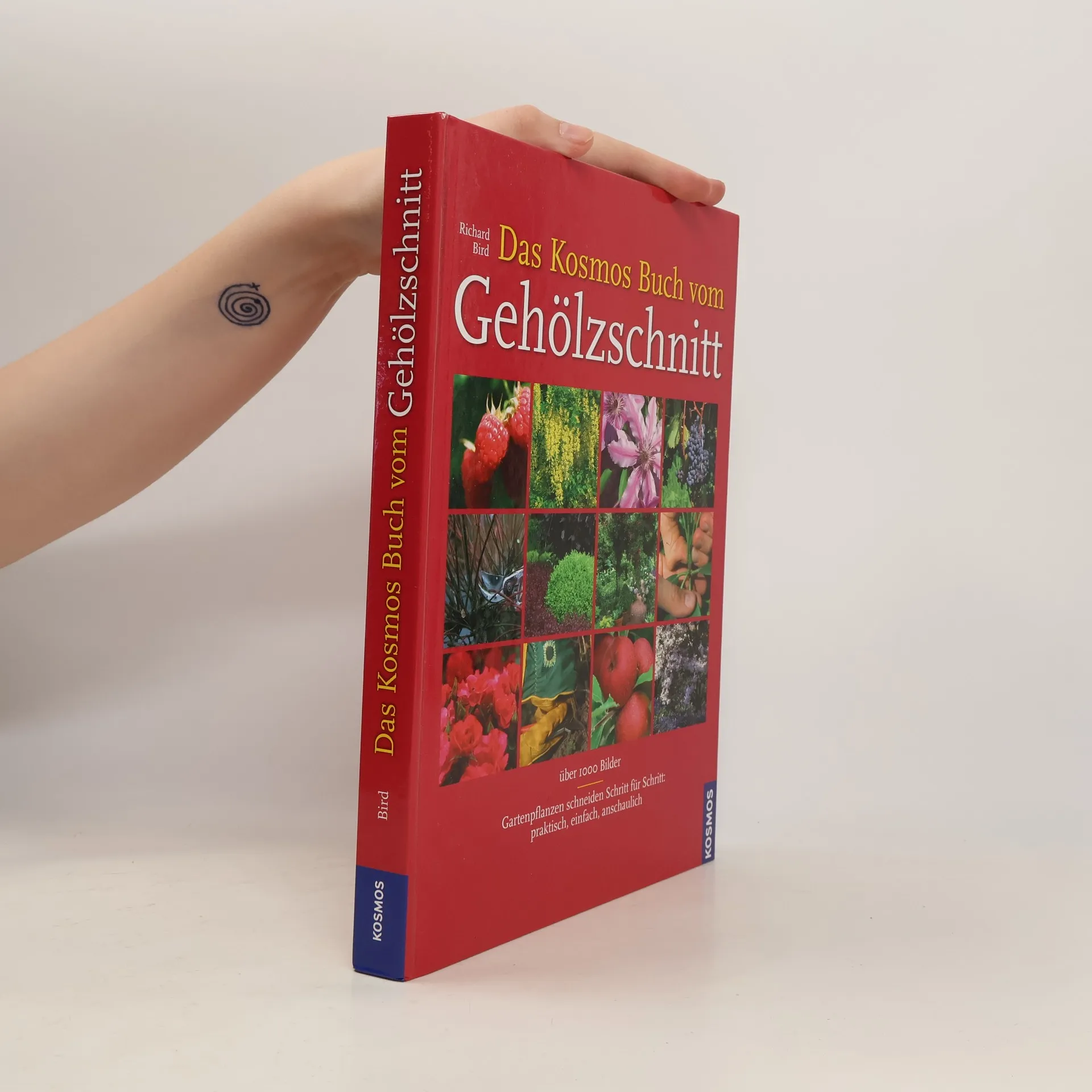
Das große Handbuch zum Schneiden von Obst- und Ziergehölzen im Garten: Schnitt- und Erziehungstechniken für alle Zierpflanzen. Ausführliche Erklärungen der Schnitttechnik für Kern- und Steinobst sowie Beerensträucher. Alle Schnitt- und Erziehungstechniken werden in detaillierten und leicht nachvollziehbaren Schritt-für-Schritt-Fotos und –Zeichnungen dargestellt. Mit einem ausführlichen Verzeichnis, das für jede Pflanzenart alle Schnittmaßnahmen genau erklärt. Über 1000 Fotos und Zeichnungen.
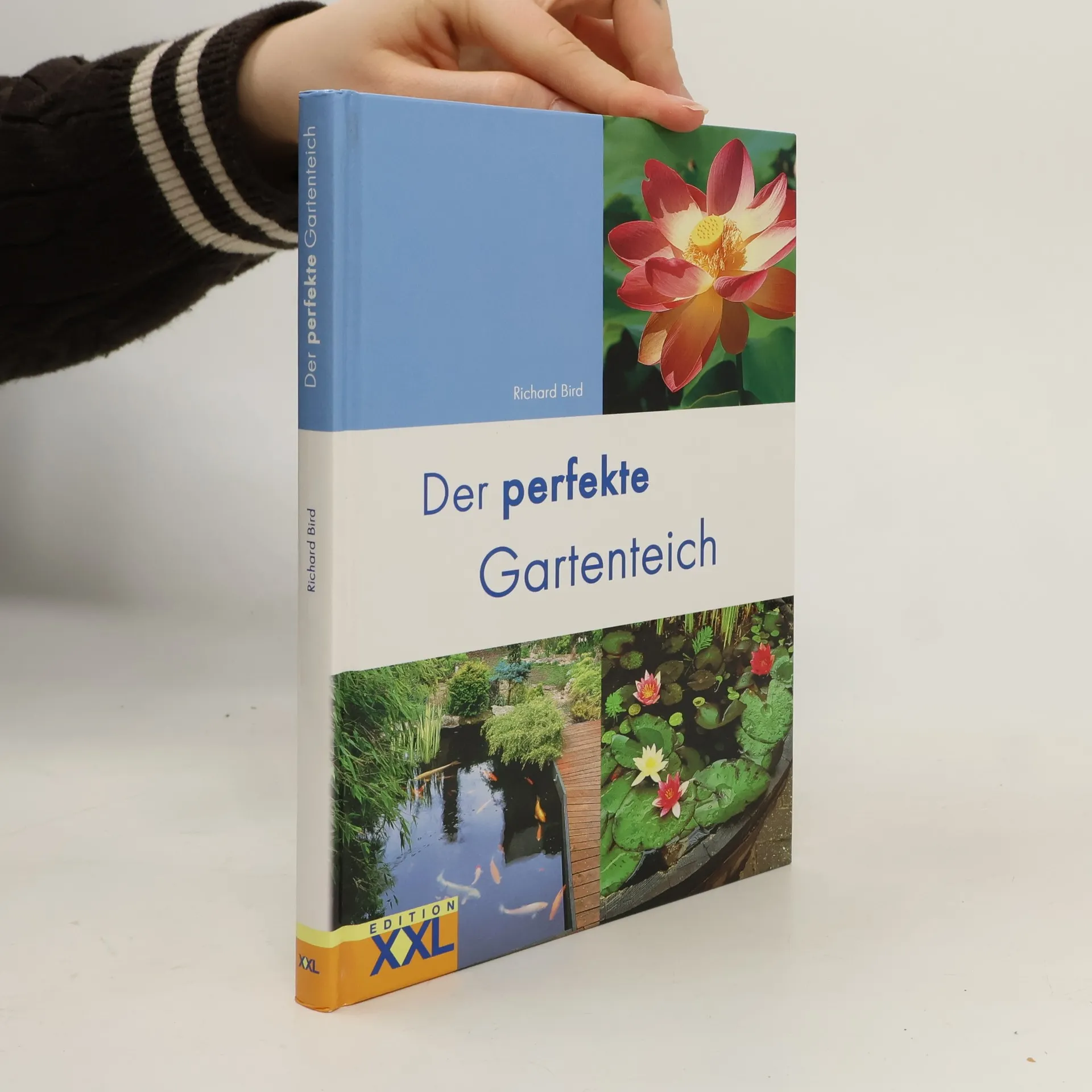
Dieses unentbehrliche Buch ist nach dem Prinzip Frage-Antwort aufgebaut und enthält außerdem zahlreiche Tipps, Hinweise und über 150 Abbildungen, mit deren Hilfe die Teichgestaltung ganz sicher ein Erfolg wird.
Eine programmiersprachenunabhängige Einführung in die Programmierung im allgemeinen und die funktionale Programmierung im besonderen. Das Buch setzt keine Computer- oder Programmierkenntnisse voraus und kann deshalb gut als Lehrbuch für einen Programmierkurs für Erstsemester verwendet werden.
La guida pratica e completa all'arte dell'orto domestico e delle erbe aromatiche, a partire da cosa e come piantare, fino alla conservazione del raccolto. Come pianificare l'orto più adatto ai propri spazi, con tante idee per un'ampia gamma di orti di ogni forma e dimensione, orti ornamentali, giardini di erbe aromatiche. Include tutti i principali frutti, ortaggi ed erbe aromatiche, con consigli sulla coltivazione, la rotazione delle colture e le migliori varietà da scegliere. Utili informazioni sull'uso di serre, serre a cassetta, campane e altri strumenti e attrezzi. Un preziosissimo e pratico calendario dei lavori fondamentali da fare nell'orto durante l'anno. Una guida chiara e precisa su come programmare le tue colture, che include metodi come la coltivazione su filari o il metodo dei blocchi e delle aiuole profonde, e insegna a cadenzare le colture per produrre tutto l'anno. Consigli pratici, passo dopo passo, sui migliori strumenti da usare, come preparare il terreno, seminare, trapiantare, affrontare i problemi più comuni (erbe infestanti, parassiti e malattie) e infine procedere al raccolto e alla conservazione.
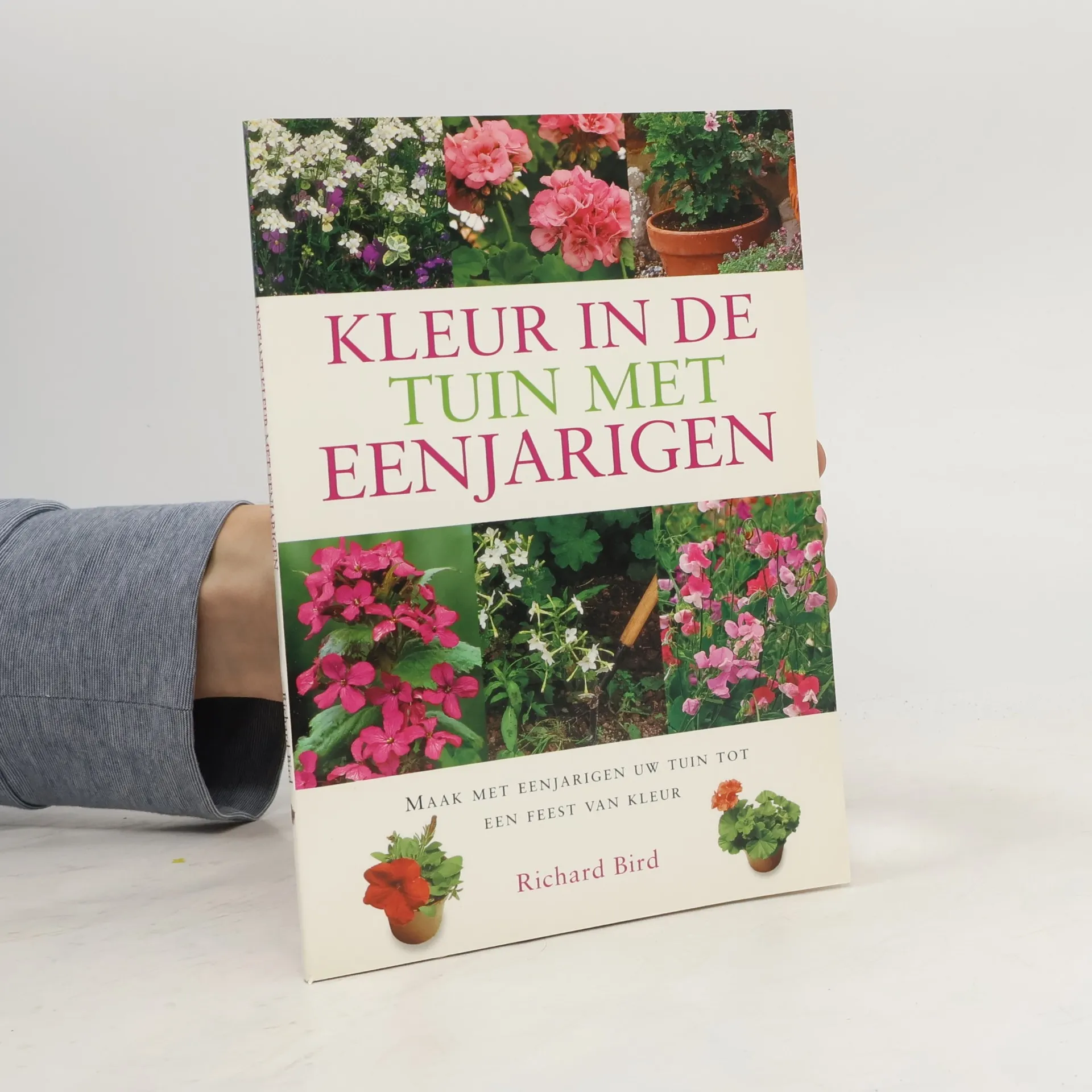
Maak met eenjarigen uw tuin tot een feest van kleur
Ontdek de veelzijdigheid en verscheidenheid van eenjarige planten voor elk hoekje van uw tuin Benut in elk seizoen de kleur van bloemen en bladeren Geniet van schitterende, gezonde planten dankzij adviezen over de beste keuze, planten en onderhoud Met beschrijvingen met kleurencode en een handige tabel boordevol nuttige informatie
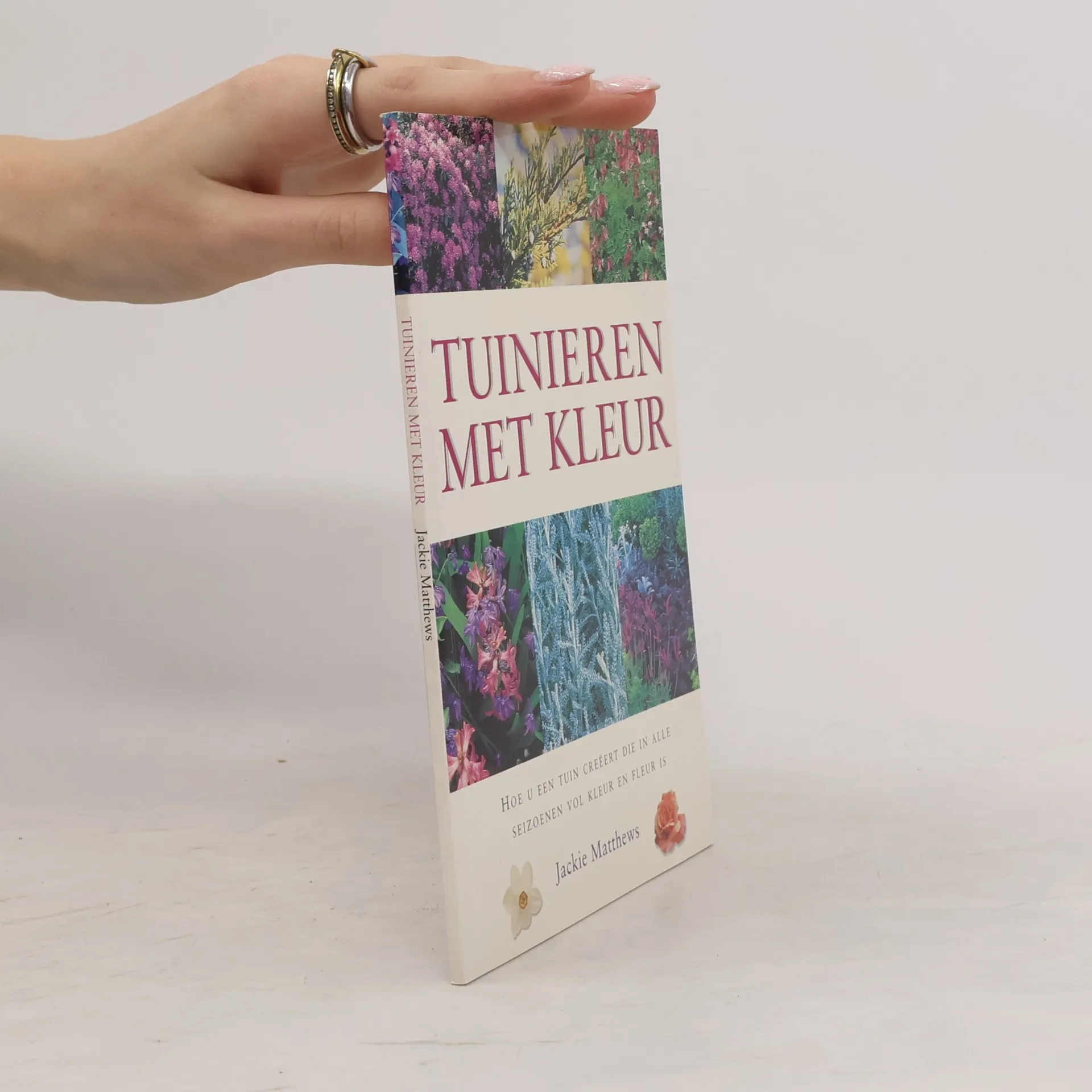
Hoe u een tuin creëert die in alle seizoenen vol kleur en fleur is
Met wat eenvoudige planning kunt u elke dag van het jaar genieten van bloemen in uw tuin. Praktische adviezen en ideeën voor geweldige kleurcombinaties. Makkelijk te volgen instructies voor de seizoensklusjes in de tuin, en weetjes om het beste uit de planten te halen. Hoe u met altijdgroene planten, heidesoorten, grassen en coniferen het hele jaar door, met weinig onderhoud, een kleurige tuin kunt creëren. Met simpele schema's van plant- en bloeitijden.
Viele, auch mitunter ambitionierte Gärtner, haben häufig Schwierigkeiten, wenn sie lateinischen Pflanzennamen begegnen. Sie halten sich lieber an die volkstümlichen Bezeichnungen, die man sich besser merken kann. Doch selbst wenn diese Namen hübsch klingen, sagen sie uns meistens nichts über den Ursprung oder über andere wichtige Eigenschaften wie Form, Farbe oder Größe der Pfl anze – alles Informationen, die über den lateinischen Namen vermittelt werden. Hier Abhilfe zu schaffen und den interessierten Gärtner auf vergnügliche Art kundig zu machen, ist das Ziel von Richard Bird, der für den National Trust ein »Gärtner-Latein« zusammengestellt hat. Anhand inhaltlicher Kriterien wie Farbe, Form, Textur, Duft und Geschmack, Herkunftsorten und -ländern oder Assoziationen mit Mensch und Tier erfährt der Leser Grundlegendes, das ihm einen Zugang zu den Geheimnissen der lateinischen Namensgebung eröffnet. Ein Buch für lauschige Abende oder kühle Tage, das auf unterhaltsame Art Wissen vermittelt. Ausstattung: Mit zahlreichen Illustrationen