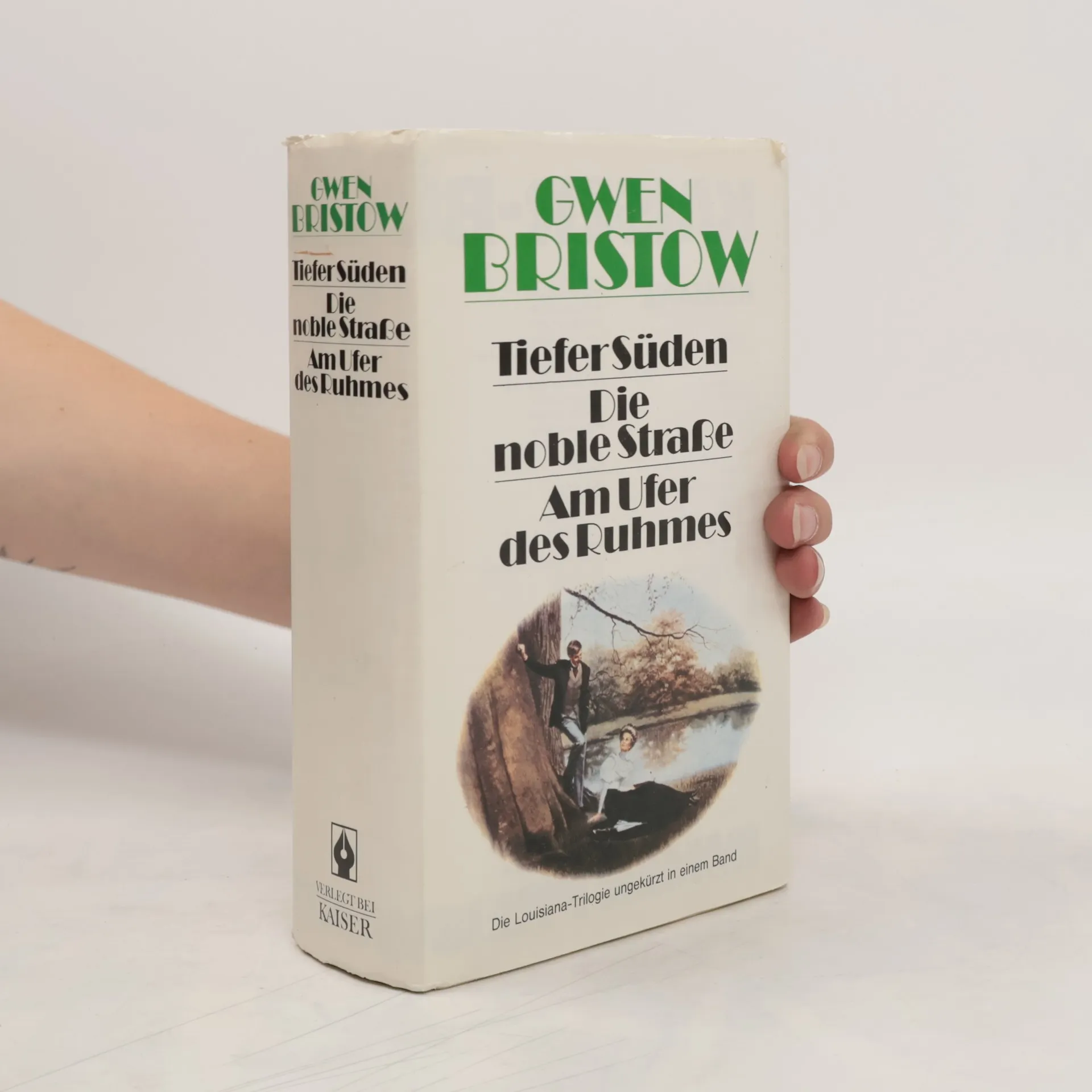
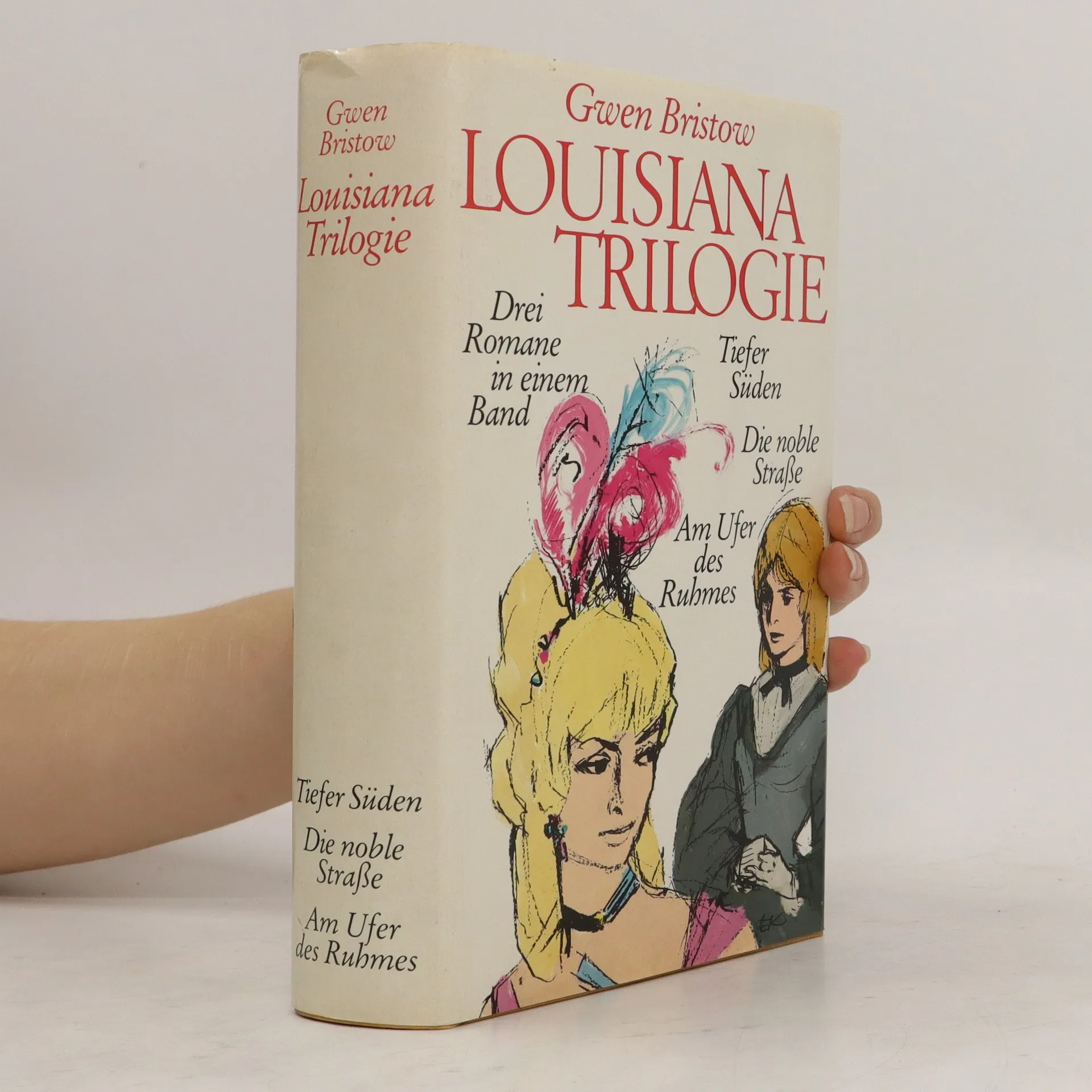
Žhavý Jih je oslavou plantážní práce nikoliv z pohledu Severu, ale z pohledu Jihu a s ostrým uvědoměním rasovým. Je to dílo čistě vyprávěčské naplněné potěšením z činorodého a silně prožitého života, krásného přes všechny tragické zvraty.
Gwen Bristow Knihy
16. září 1903 – 17. srpen 1980
Tato americká autorka proslula svými romantickými westerny, které se často stávaly bestsellery. Její styl byl ovlivněn žurnalistickou kariérou, což se projevilo v plynulém vyprávění a silném smyslu pro detail. Zabývala se rozsáhlejšími formami psaní, jako jsou romány a povídky, přičemž její díla často zkoumala témata lásky a dobrodružství v prostředí amerického západu.



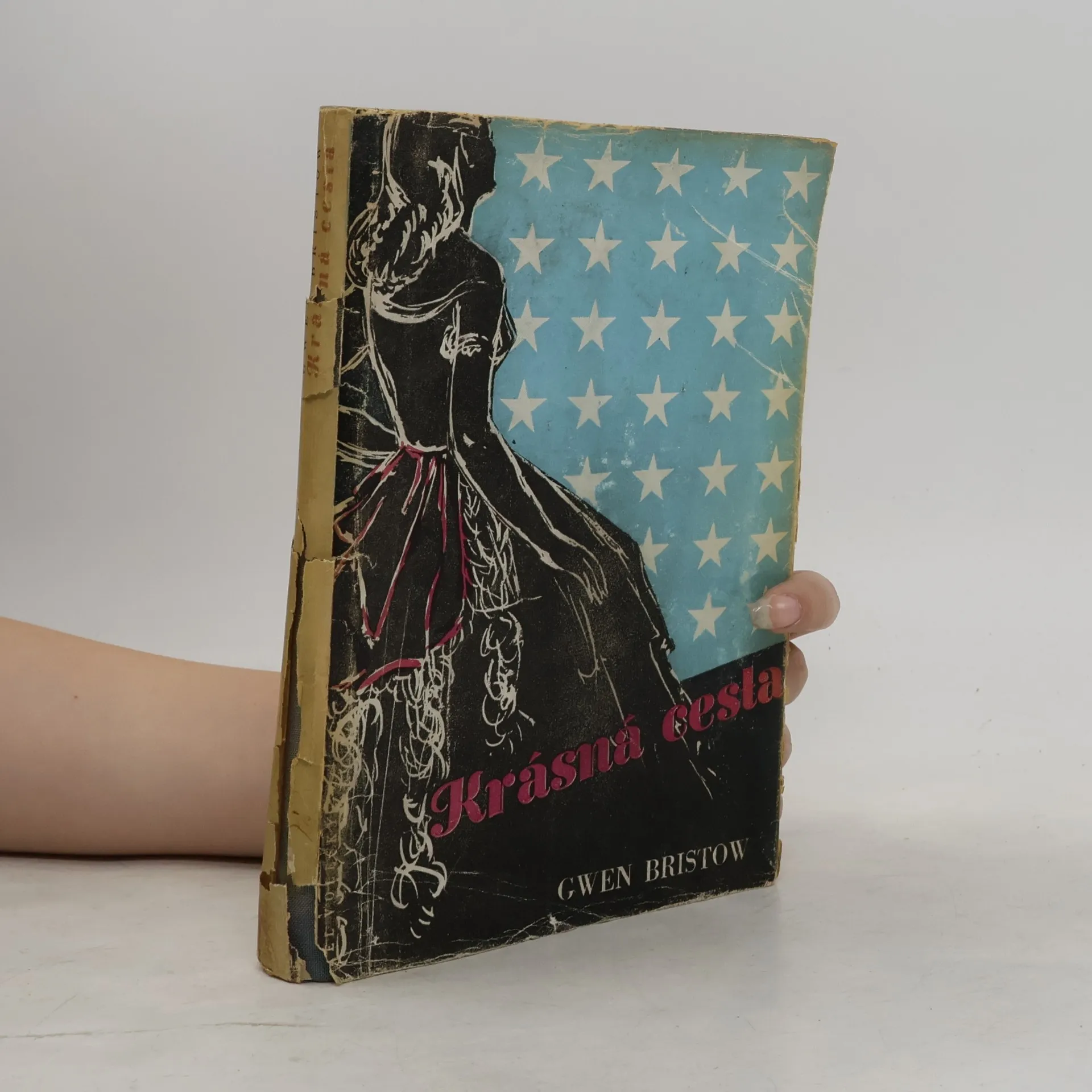

Autorka v románě s obdivuhodnou znalostí nabízí obraz americké krajiny, plantáží i měst, ještě v době před vypuknutím války Severu proti Jihu. V popředí děje jsou dvě ženské postavy - chudá a energická Corrie May, ktorá bystým a kritickým zrakem pozoruje své okolí a přímočaře se bouří proti všem křivdám; druhou je Ann Sheramyová, vychována v prostředí zámožných statkářů. Válka přinese nejen veliký sociální a dějinný přelom, ale autorka ličí, jak změní osudy obou ženských hrdinek.
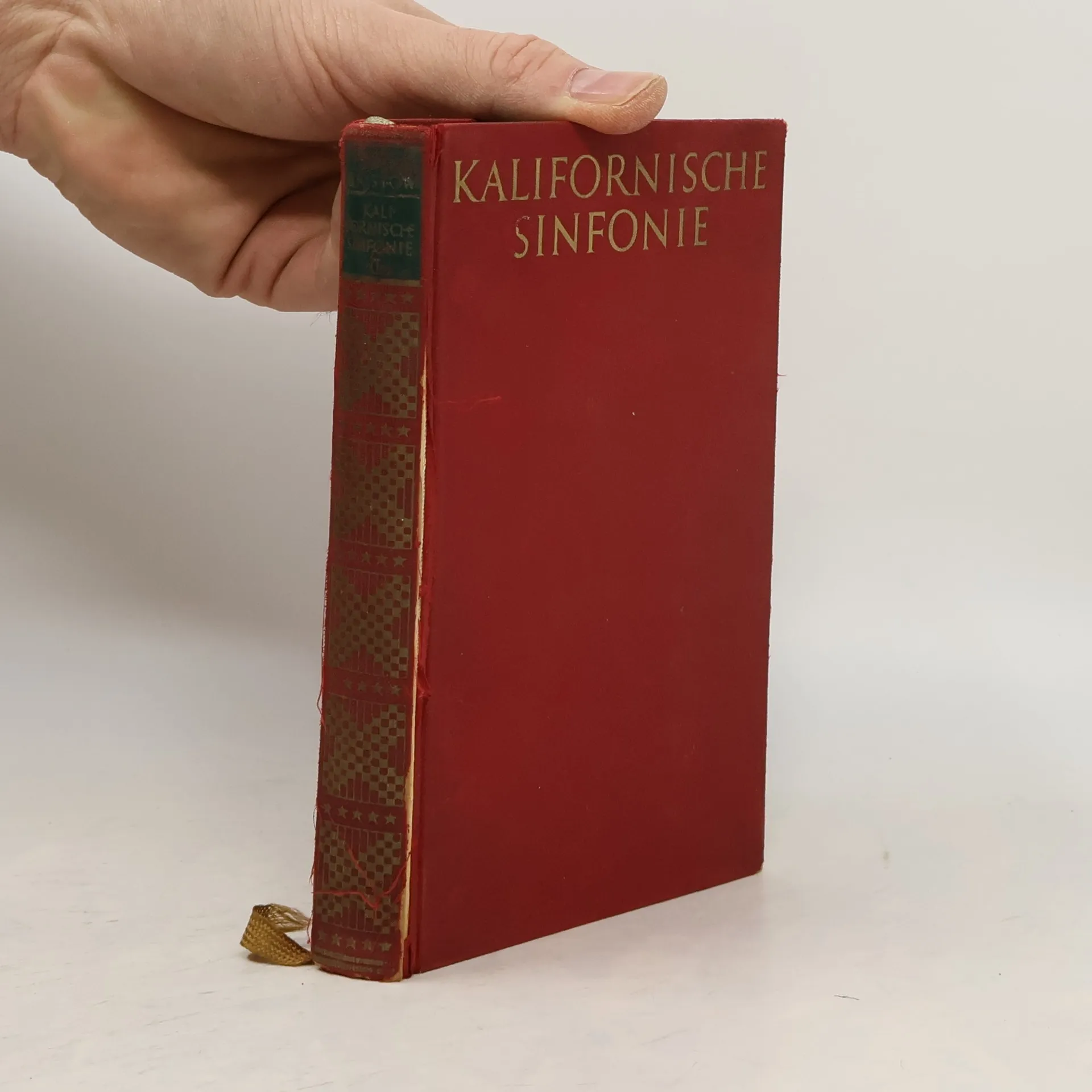
Kalifornische Sinfonie
- 639 stránek
- 23 hodin čtení
The history of California in the mid-19th century comes alive in this captivating historical novel. Garnet Cameron, a fashionable young lady of New York, is leading a neat, proper life, full of elegant parties and polite young men, yet the prospect of actually marrying any of them appalls her. Yearning for adventure, she instead marries Oliver Hale, a wild trader who is about to cross the mountains and deserts to an unheard-of land called California. During Garnet and Oliver's honeymoon in New Orleans, she meets a dance-hall performer on the lam who calls herself Florinda Grove and is also traveling to California. Along the Jubilee Trail, Garnet and Florinda meet kinds of men never known to them before, and together they make their painstaking way over the harsh trail to Los Angeles, learning how to live without compromise and discover both true friendship and true love.
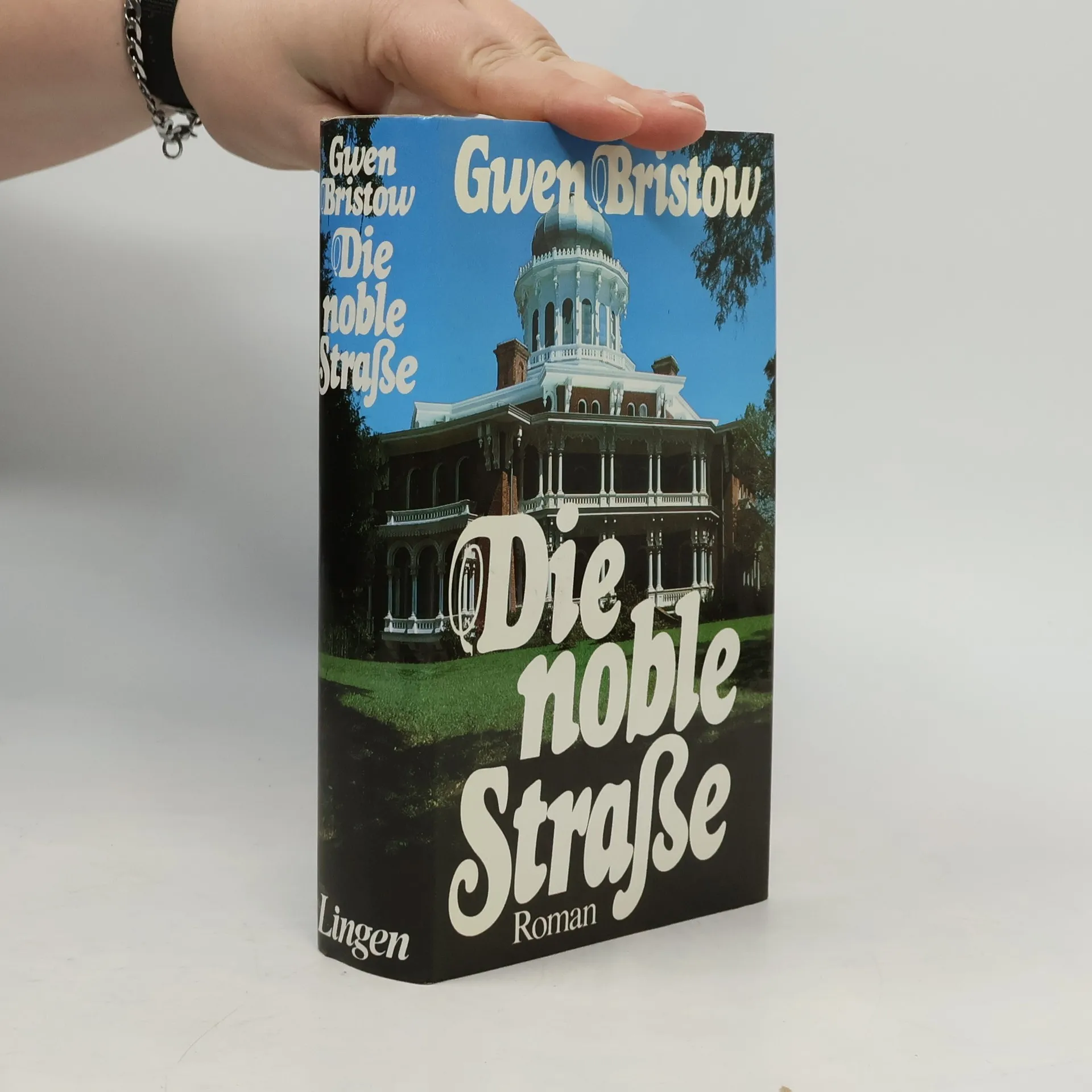
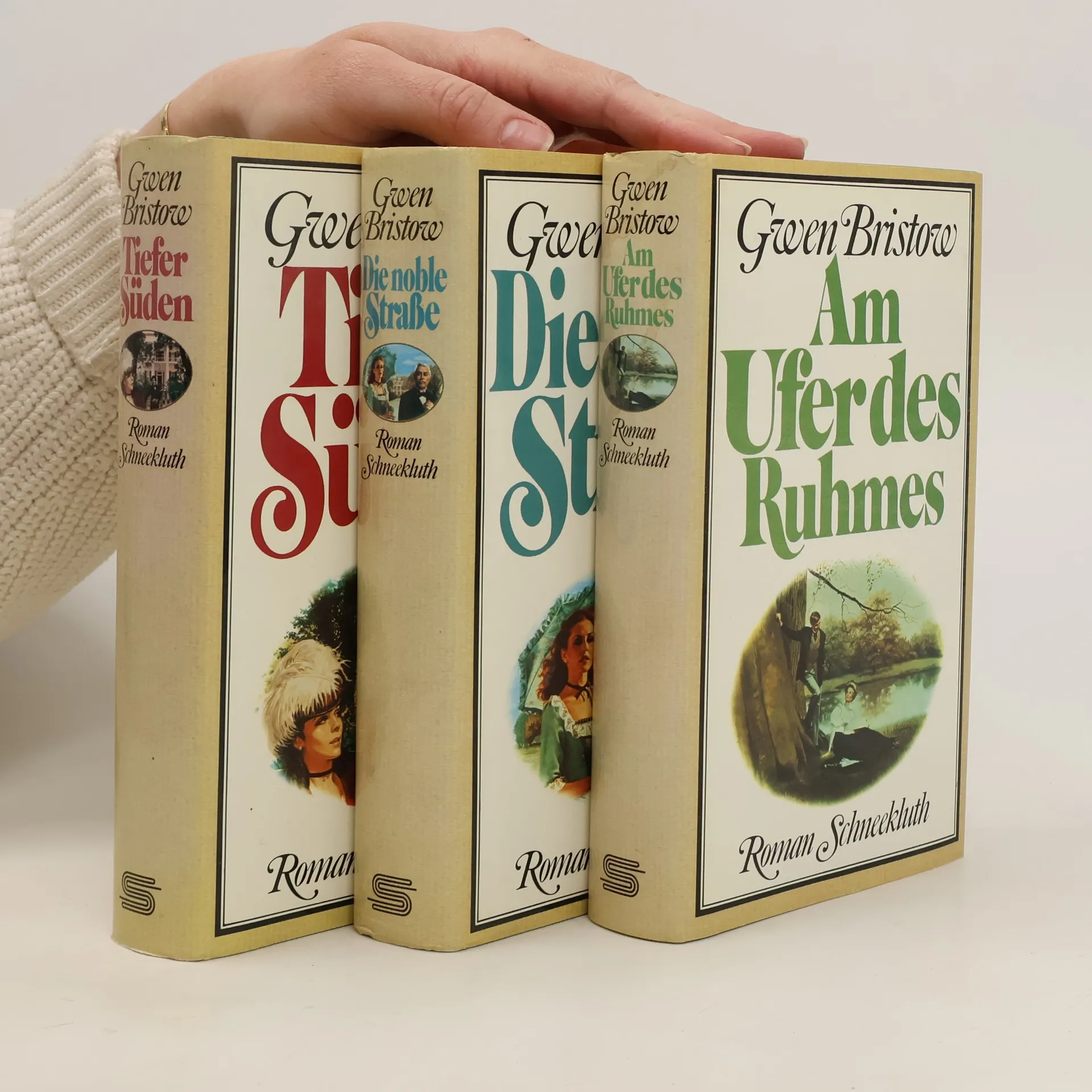
The Handsome Road
- 424 stránek
- 15 hodin čtení
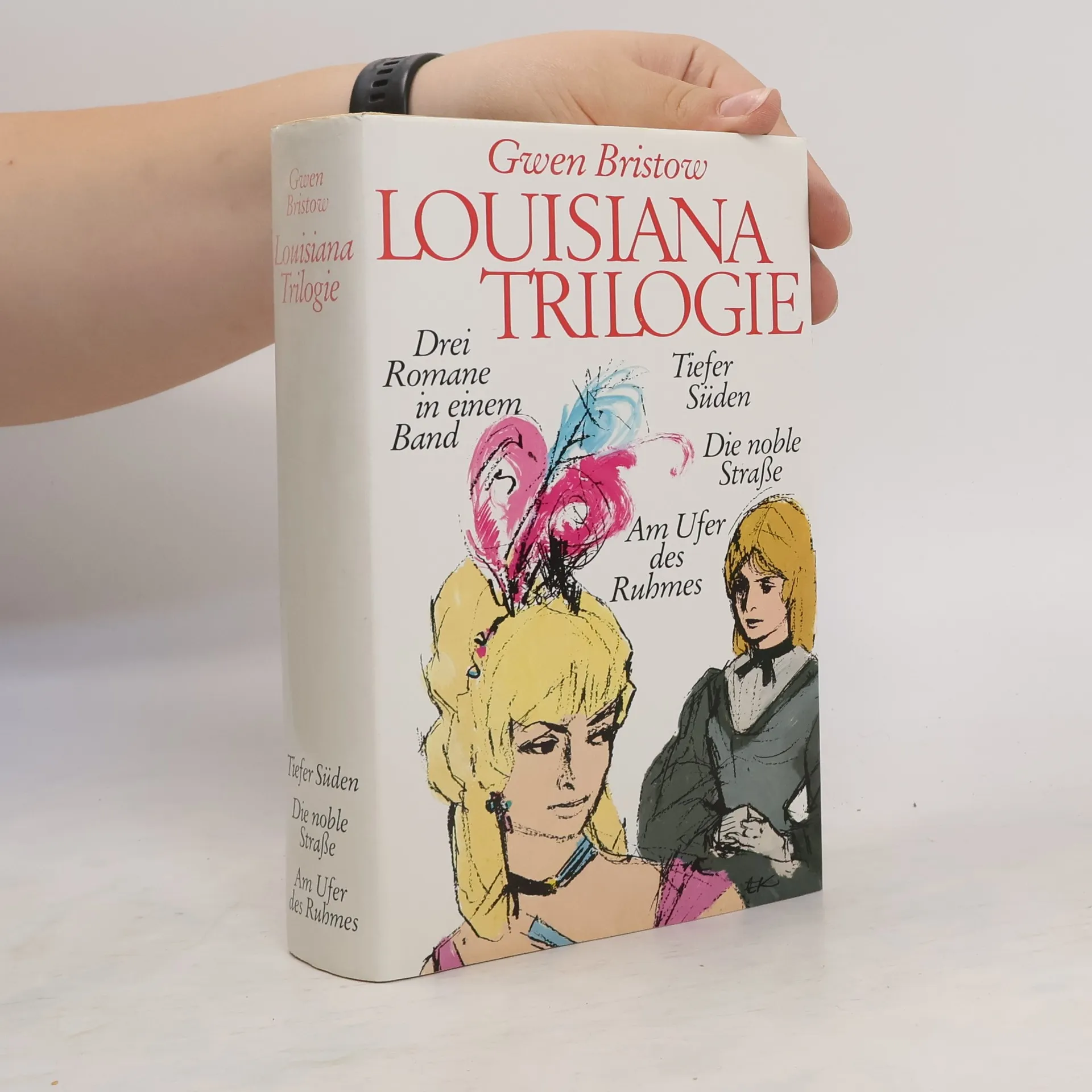
HISTORICAL FICTION. "New York Times"--Bestselling author Gwen Bristow brings to life Civil War-era Louisiana in the impassioned, poignant story of a plantation mistress and a poor seamstress--and the men they love--whose lives are irrevocably changed as the Old South fallsCorrie May Upjohn stands on the levee, watching men unload the riverboats and wishing she could travel far away. A poor preacher's daughter, she is only fourteen, and her life is already laid out for her: marriage in a year or two, and then decades of drudgery. At nearby Ardeith Plantation, Ann Sheramy Larne lives in luxury, but feels just as imprisoned as Corrie May. Their lives could not be more different, but when the horrors of war and Reconstruction come to Louisiana, these two women will band together to survive. This is the second novel in Gwen Bristow's Plantation Trilogy, which also includes "Deep Summer" and "This Side of Glory."
In 1847, 19-year-old Kendra Logan, who grew up in boarding schools, travels with her mother aboard the sailing ship Cynthia around Cape Horn to California, where her stepfather serves as an officer in the North American Army. It is the time when the gold rush sweeps through California, and fortune seekers, adventurers, traders, and rogues populate the streets of San Francisco.
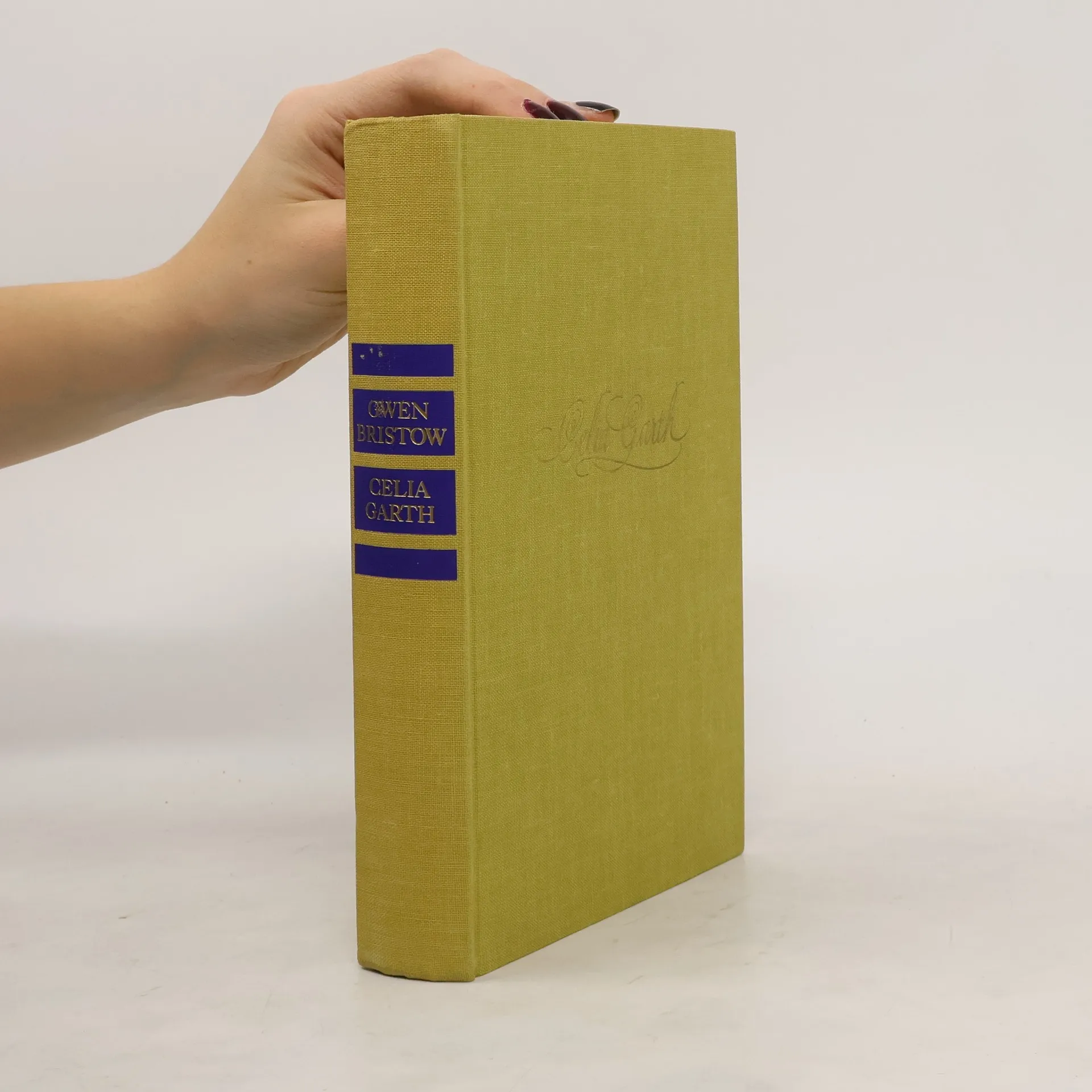
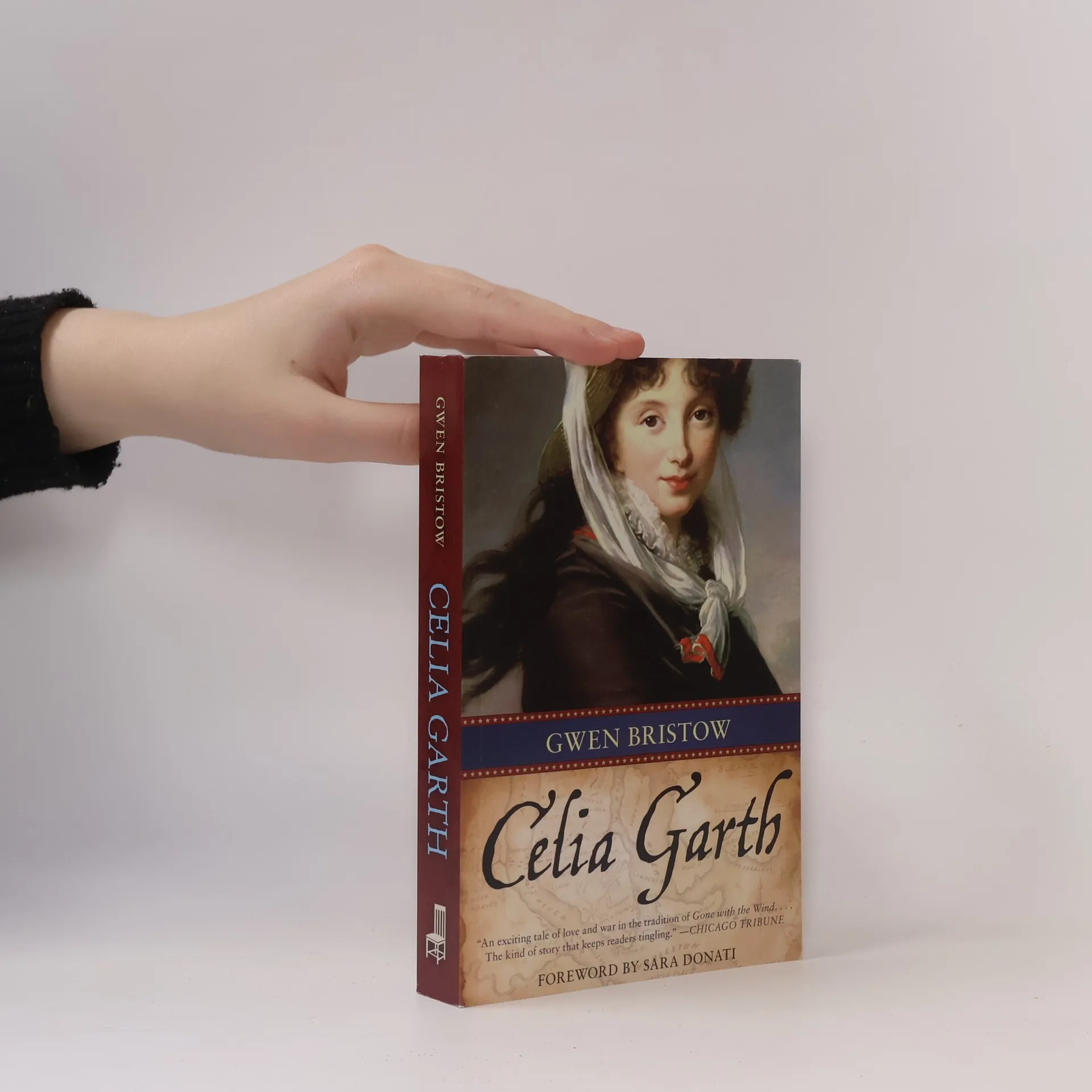
Bringing to life the heady days of the American Revolution through the eyes of a heroine who played a brave and dramatic part in the conflict, this novel follows Celia Garth, a Charleston native, as she transforms from a fashionable dressmaker to a patriot spy. When the king's army captures Charleston and sweeps through the Carolina countryside in a wave of blood, fire, and debauchery, the rebel cause seems all but lost. But when Francis Marion, a lieutenant colonel in the Continental Army known as "The Swamp Fox," recruits Celia as a spy, the tides of war begin to shift. This classic historical novel captures the fervor of 18th-century Charleston, the American Revolution, and a woman who risked her life for the patriot cause.
In New Orleans, 1930, eight guests arrive at a luxurious penthouse for a party hosted by a mysterious figure who communicates via radio. The chilling announcement reveals that one guest will die every hour. As the night progresses, the host's grim prophecy begins to unfold in bizarre ways, heightening the tension among the guests. Confessions reveal dark secrets, leading them to suspect that the host may be among them. The atmosphere thickens with paranoia as they grapple with the question of survival. This narrative established a classic format in mystery fiction, influencing later works, including Agatha Christie's renowned novel. The innovative storytelling and suspenseful elements make it a standout from the golden age of crime fiction, and it has been adapted into both a play and a Hollywood film. Readers will find themselves captivated by the unfolding drama and the intricate web of intrigue that defines this unique mystery.
Golden Dreams
- 238 stránek
- 9 hodin čtení
The great California gold rush of 1849 is recreated by focusing on the experiences of individual Americans who headed westward, filled with dreams of overnight wealth in the form of gold.
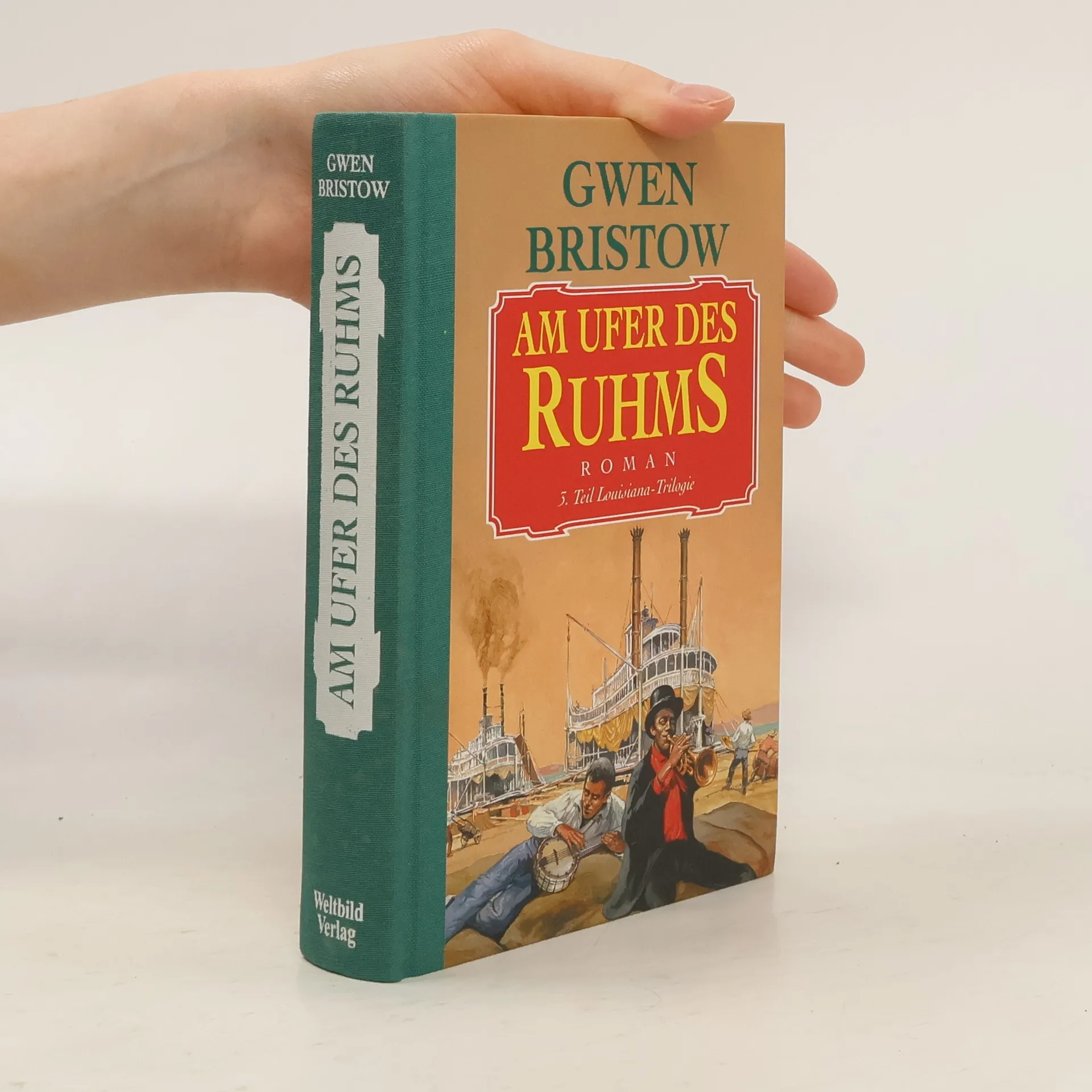
Der 3. Band des breit angelegten Familienromans spielt im ersten Viertel des 20. Jahrhunderts und spiegelt die Strömungen, Spannungen und Traditionen der gesellschaftlichen Sphäre in Louisiana wider
Das Beste
- 319 stránek
- 12 hodin čtení
Die Entdeckung des Goldes, das Tausende von Menschen nach Westen lockte, ist der Hintergrund für diesen farbenprächtigen Roman. Die Köchin Jenny Wimmers, die durch Zufall das Gold entdeckte; die mutigen Männer, die von New York aus auf eine gefährlichen Seefahrt gingen, um ein neues Leben in einem neuen Land zu beginnen; die tapferen Frauen, die unerschütterlich ihren Männern beistanden, die später den 31. Bundesstaat der USA gründen sollten - ihnen allen setzt die Autorin in diesem großen Roman ein Denkmal ihrer Liebe zu Kalifornien..
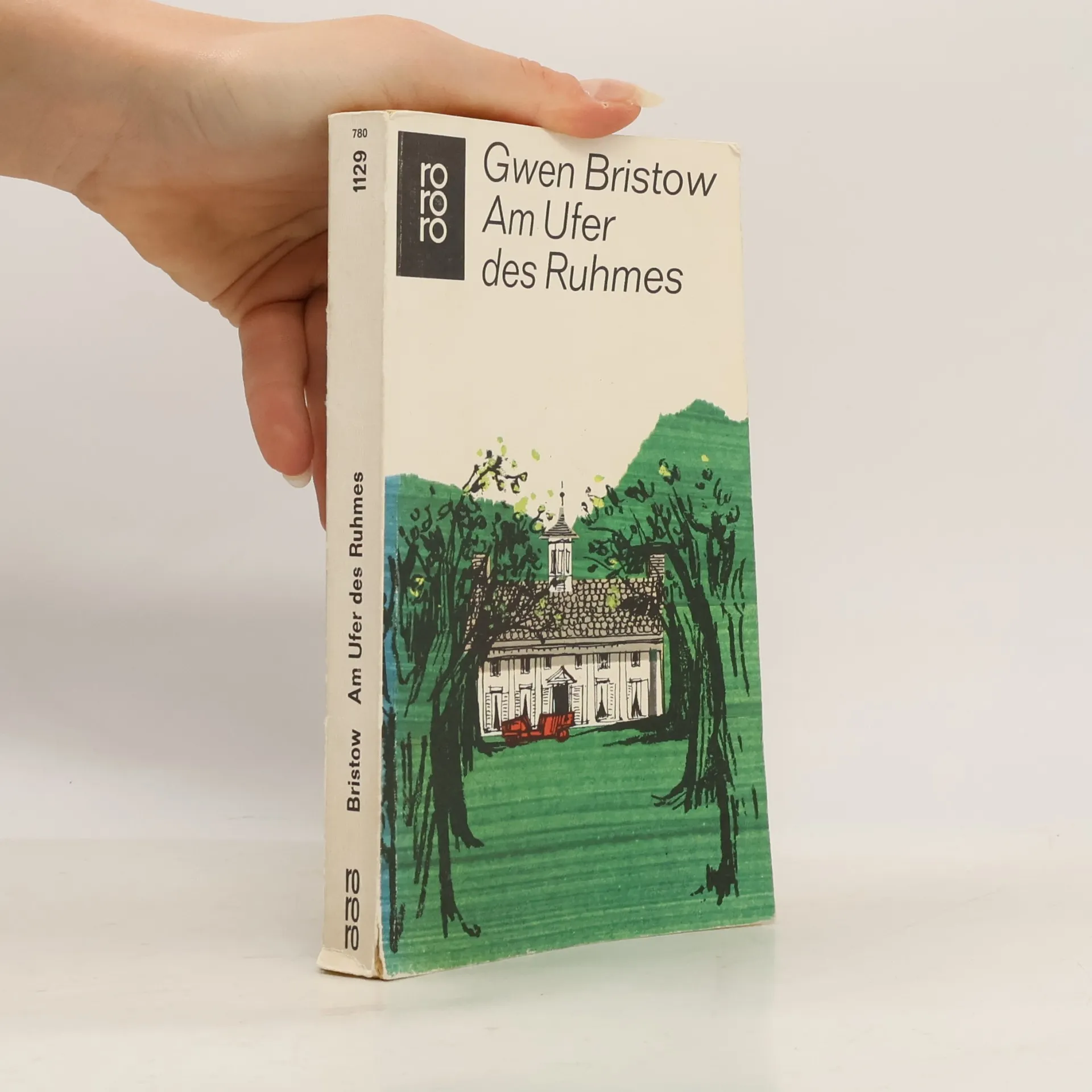
Der zweite Teil der Louisiana-Trilogie schildert das weitere Schicksal der Familien Sheramy und Larne. Denis Larne, Besitzer des Ardeith-Gutes, heiratet die leichtlebige Ann Sheramy, Tochter der Besitzer des Silberwald-Gutes. Eines Tages beginnt Corrie May Upjohn ihre Arbeit als Bedienstete auf dem Gut. Im Gegensatz zu den vermögenden Larnes gehört Corrie zu der armen, weißen Unterschicht. Die Gegensätze zwischen ihr und Ann Sheramy könnten nicht größer sein und Corrie verbittert zusehends angesichts des Reichtums der Larnes. Aber im ganzen Land vertieft sich die Kluft zwischen arm und reich, schwarz und weiß: Der Sezessionskrieg bricht aus ...
571 S.
Als de katoen rijpt...II.
Blanke Slaven
Kalifornische Sinfonie
Band II
Kalifornische Sinfonie
Band 1