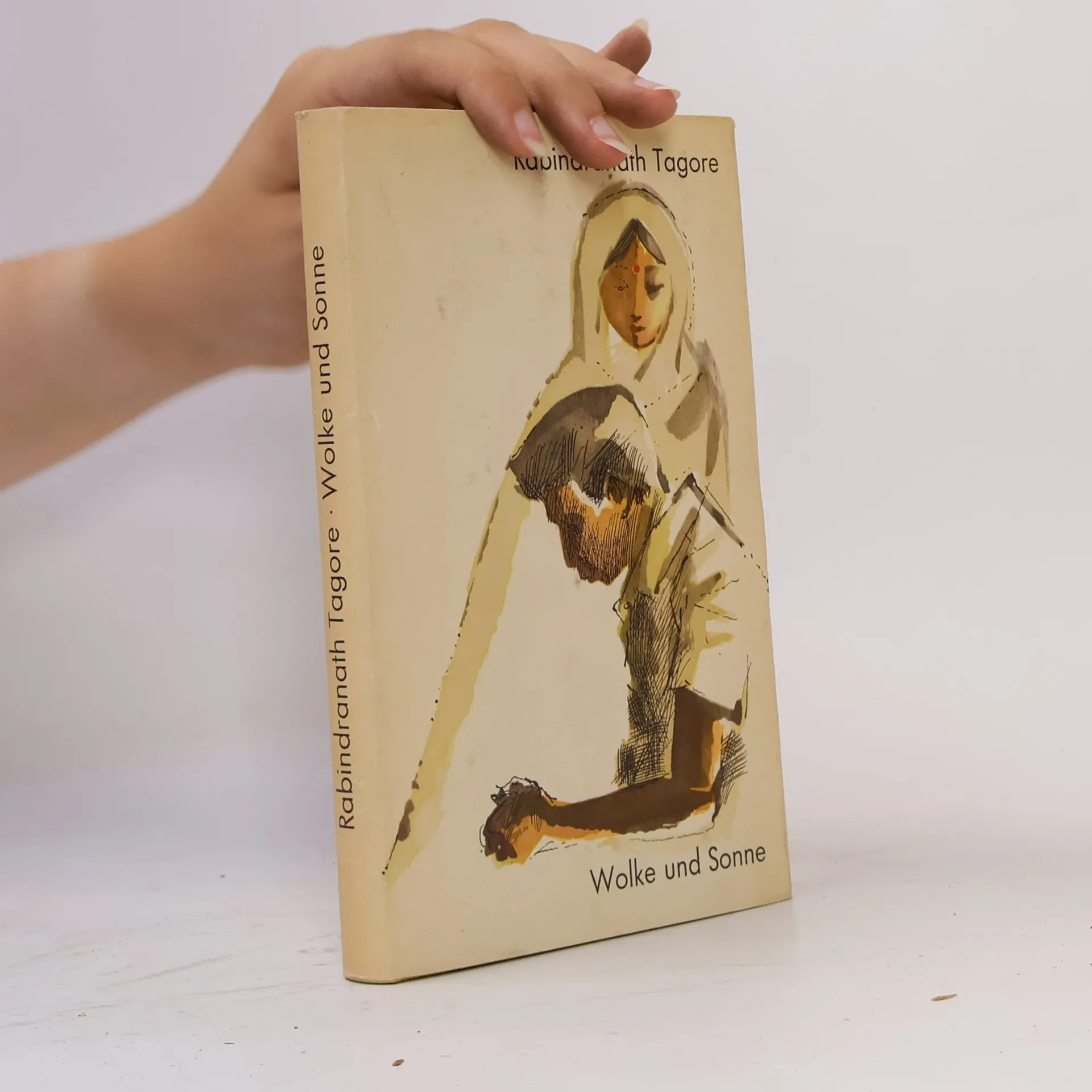
Rabindranath Tagore Knihy
Tento nositel Nobelovy ceny za literaturu z roku 1913 je oslavován pro svůj hluboce citlivý, svěží a krásný verš, který s mistrovskou zručností vtiskl do západní literatury. Tagore modernizoval bengálské umění tím, že opustil rigidní klasické formy a bránil se jazykovým omezením. Jeho díla, ať už romány, povídky, písně, taneční dramata nebo eseje, se dotýkají témat politických i osobních. Jeho poezie, povídky a romány byly oceňovány i kritizovány pro svou lyričnost, hovorový jazyk, naturalismus i nadpřirozené úvahy. Jeho skladby byly vybrány dvěma národy jako státní hymny.
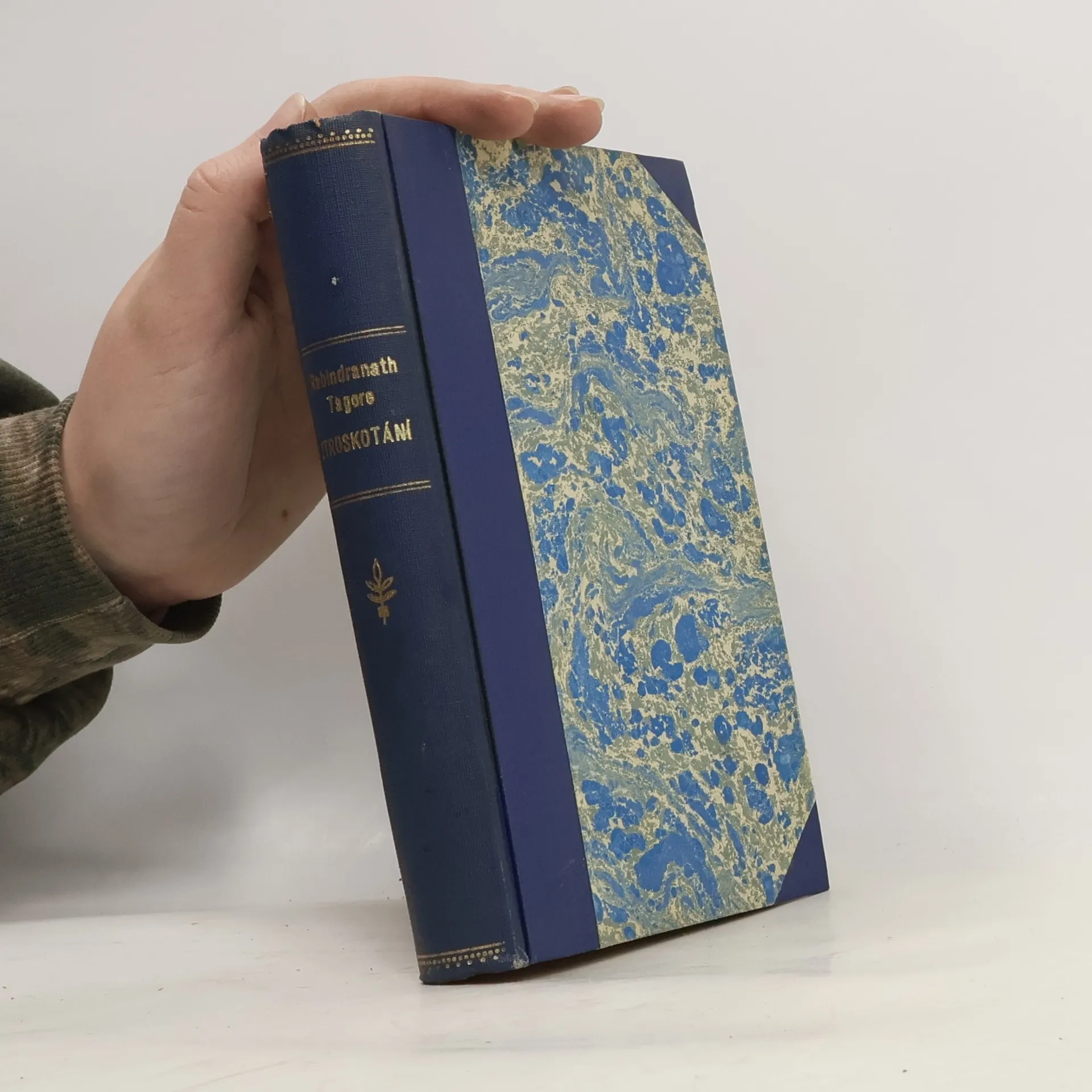



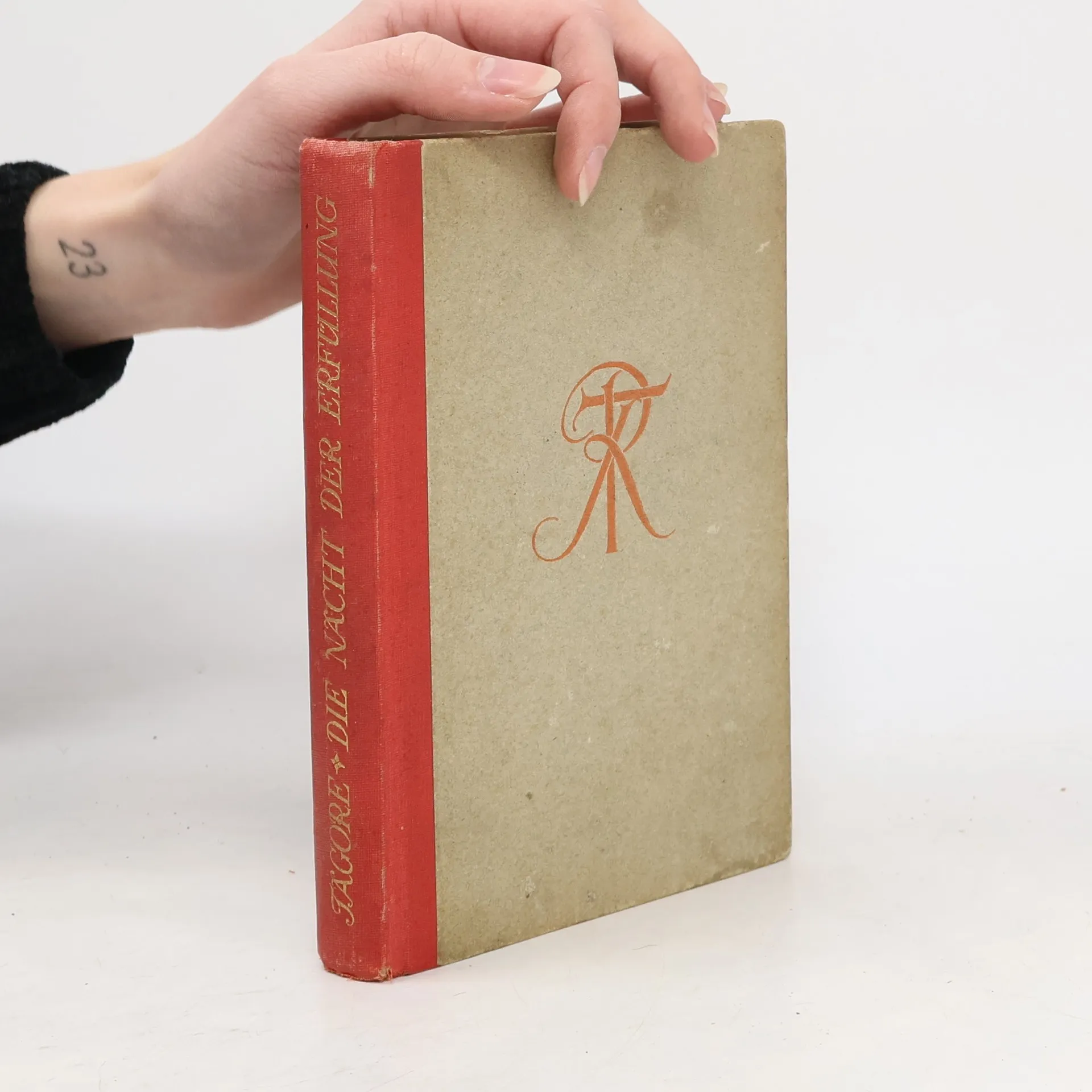
Výbor z bengálské duchovní lyriky, původně autorem přeložený do angličtiny a r. 1913 poctěný Nobelovou cenou. Nový český překlad se proti prvnímu překladu F. Baleje přidržuje po formální stránce Thákurova anglického převodu, v němž bengálský básník, povídkář, romanopisec a dramatik nahradil písňovou, rýmovanou a rytmicky sevřenou formu originálu prózou, ale obsahově se obrací k původním bengálským předlohám ze sbírek Gítáňdžali, Naibedja,Gítimálja, Khejá, Sišu, Čaitáli a Kalpaná. pozn.: Pevná, kožená vazba s kartonovým přebalem.
Excerpt from Glimpses of Bengal: Selected From the Letters of Sir Rabindranath Tagore, 1885 to 1895:It so happened that selected extracts from a large number of such letters found their way back to me years after they had been written. It had been rightly conjectured that they would delight me by bringing to mind the memory of days when, under the shelter of obscurity, I enjoyed the greatest freedom my life has ever known.
Poet, novelist, painter and musician, Rabindranath Tagore (1861-1941) is the grand master of Bengali culture. Written during the 1890s, the stories in this collection recreate vivid images of Bengali life and landscapes in their depiction of peasantry and gentry, casteism, corrupt officaldom and dehumanizing poverty.
Four Chapters
- 128 stránek
- 5 hodin čtení
Passion and politics intertwine in Char Adhyay (1934), Rabindranath Tagore's last and perhaps most controversial novel, set in the context of the freedom struggle in pre-Independent India. Ela, a young working woman, comes under the spell of Indranath, a charismatic political activist who advocates the path of terror. She joins his band of underground rebels, vowing never to marry, and to devote her life to the nation's cause. But through her relationship with Atindra, a poet and romantic who grows disenchanted after joining the group, Ela realizes the hollowness of Indranath's machinations. The lovers now face a terrible choice. This new translation of Char Adhyay brings Tagore's text to life in contemporary idiom, while evoking the charged atmosphere of the story's historical setting.
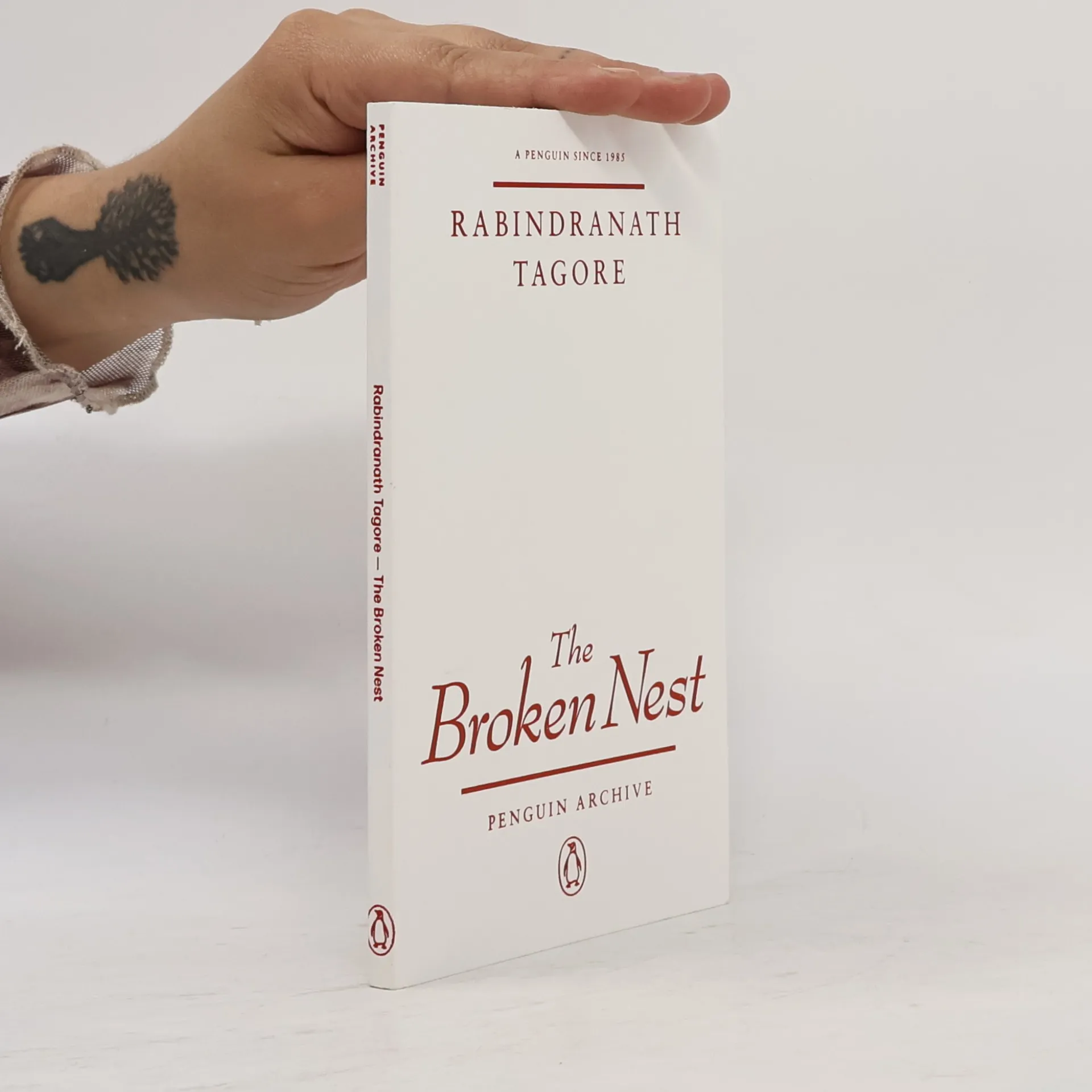
Penguin Archive: The Broken Nest
- 128 stránek
- 5 hodin čtení
90 classic titles celebrating 90 years of Penguin Books Rabindranath Tagore was one of the greatest authors of his generation. In these two short stories - 'The Broken Nest' and 'Dead or Alive' - he is at his devastating best, charting the slow, then fast, implosion of two perfect Bengali households. No-one understands each other; everything is misconstrued; all is lost.
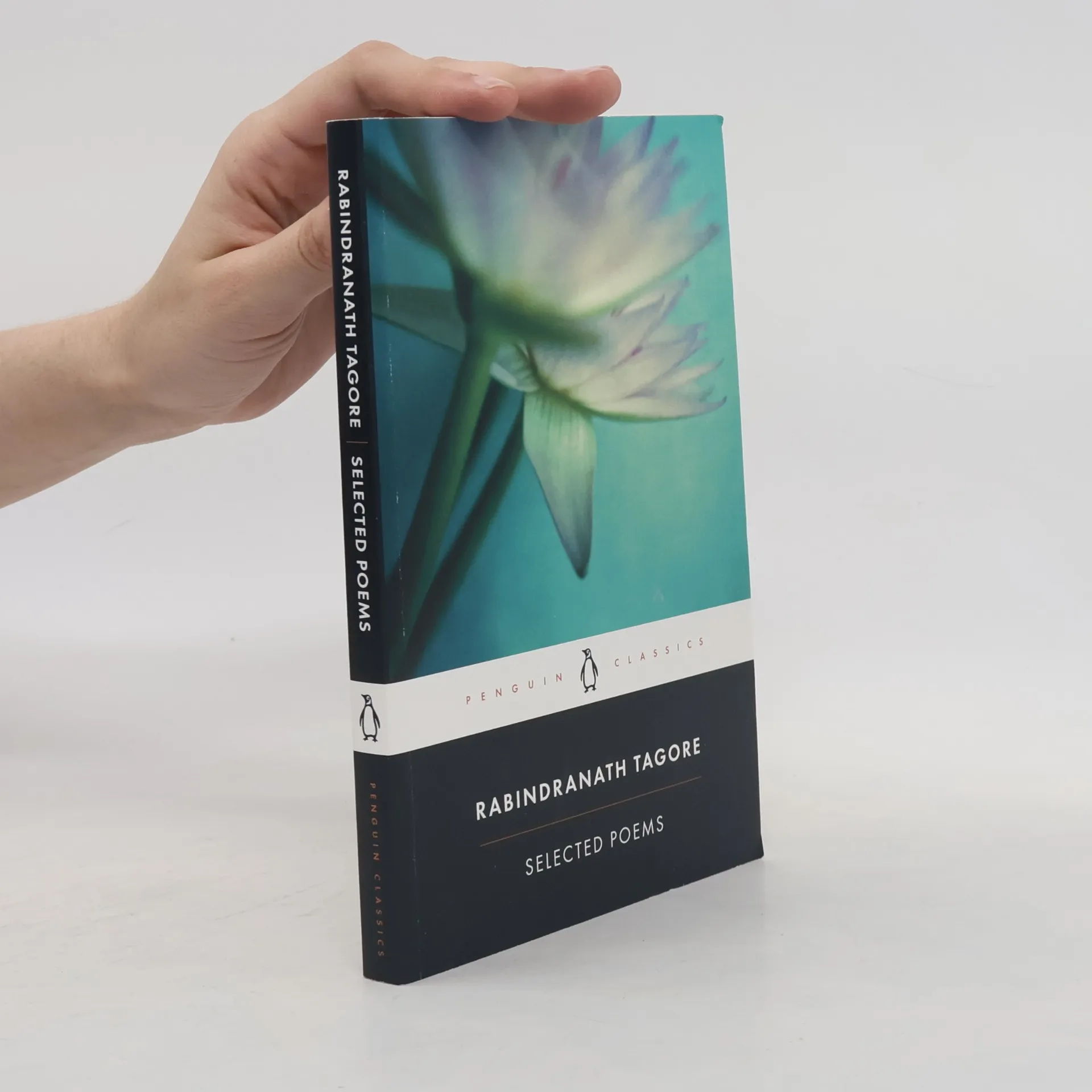
Penguin Classics: Selected Poems
- 208 stránek
- 8 hodin čtení
The poems of Rabindranath Tagore (1861-1941) are among the most haunting and tender in Indian and in world literature, expressing a profound and passionate human yearning. This title includes his poems such as Earth, In the Eyes of a Peacock, Recovery - 14, New Rain, and Grandfather's Holiday.
Situováno do prostředí bengálské městské střední třídy devatenáctého století, tento román zkoumá složité vzájemné vztahy sociálních, kulturních, náboženských a politických témat. Odráží Tagorovu osobní evoluci od hinduistického revivalismu k širší vizi univerzální bratrství a internacionalismu, čelí rigidnímu bráhmanskému a hinduistickému myšlení. Uznáváno jako milník v bengálské literatuře, zachycuje transformační období v Tagorově životě a myšlení.
The Home and the World
- 230 stránek
- 9 hodin čtení
Exploring the lives of Bimala, her husband Nikhil, and the political activist Sandip, the narrative delves into the complexities of personal relationships against the backdrop of political upheaval. Through their intertwined perspectives, the story reflects on themes of nationalism and identity, foreshadowing the eventual separation of India and Pakistan in 1947. Tagore's work intricately weaves individual struggles with broader societal changes, highlighting the emotional and ideological conflicts of the time.
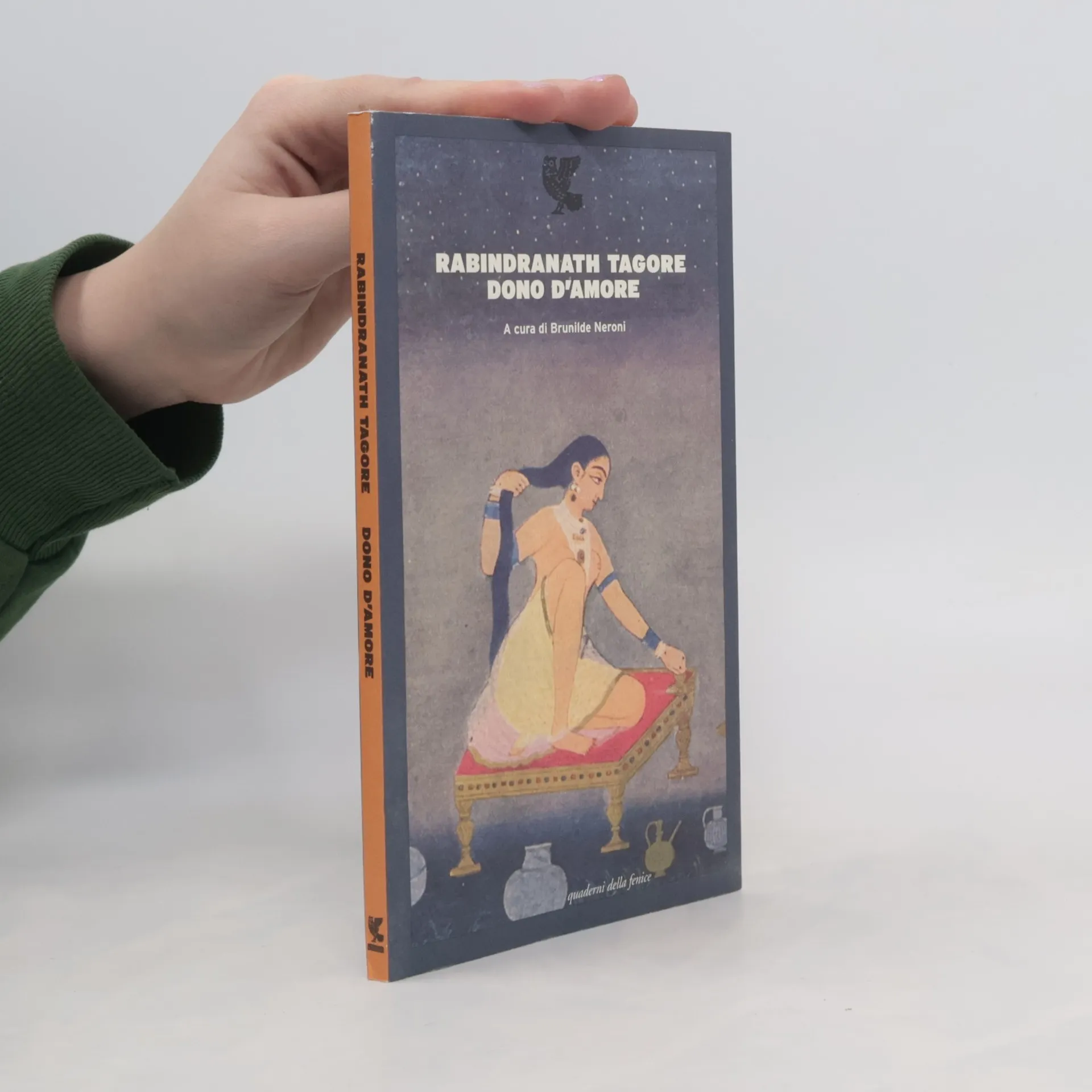
"Pubblicato nel 1917, Dono d’amore (Palataka) è una raccolta di sessanta poesie che completa il percorso iniziato da Rabindranath Tagore con Petali sulle ceneri (Pushpanjali). Scritte e continuamente rimaneggiate in un lungo periodo tra il 1885 e il 1915, in ricordo dei grandi affetti perduti ma che sopravvivono nella vita del poeta, queste liriche contengono, accanto ai temi ricorrenti di tutta la sua opera – l’amore, il dolore, la solitudine, la natura, l’incontro con Dio, il significato della vita e della morte –, un messaggio che oltrepassa il tempo: ogni aspetto della vita è dono, bisognerebbe goderne finché lo si riceve, senza mai perdere di vista la sua gratuità e la gioia che se ne ricava. Proprio perché gratuito e impetuoso, questo «dono d’amore » arriva come una visita notturna, conosce l’impazienza, i segreti, lo scrosciare del monsone, il desiderio e l’emozione del ritrovarsi. Si alternano, nei vari componimenti, indimenticabili paesaggi sul Gange, spiagge sabbiose su cui le tartarughe prendono il sole, rive alberate e ombrose per i boschetti di bambù, stanchi pomeriggi afosi in cui, alla ricerca dell’amata, si arriva alla convinzione che sia fuggita via «nel silenzio e nelle parole», irrimediabilmente perduta." Brunilde Neroni
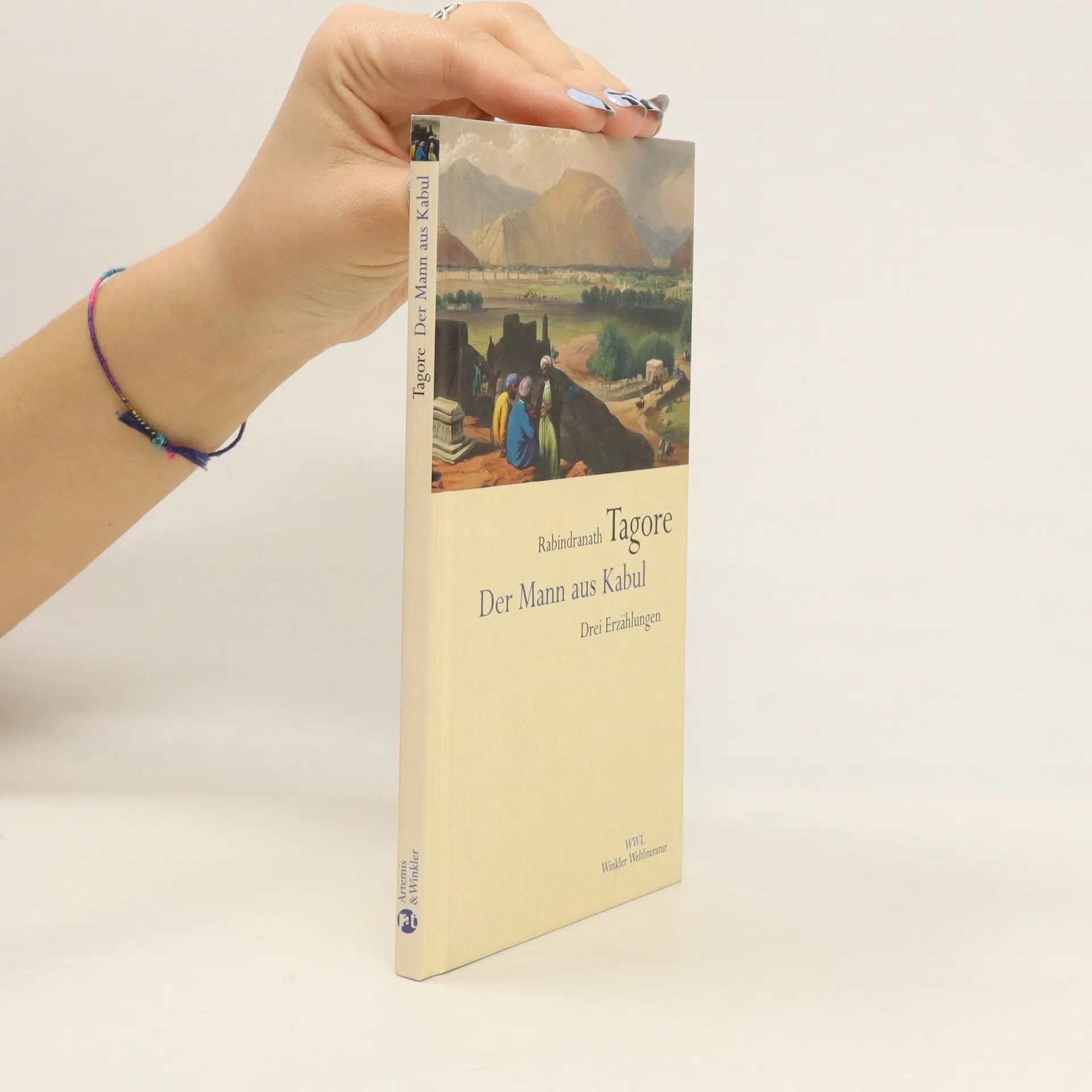
Der Mann aus Kabul
- 63 stránek
- 3 hodiny čtení
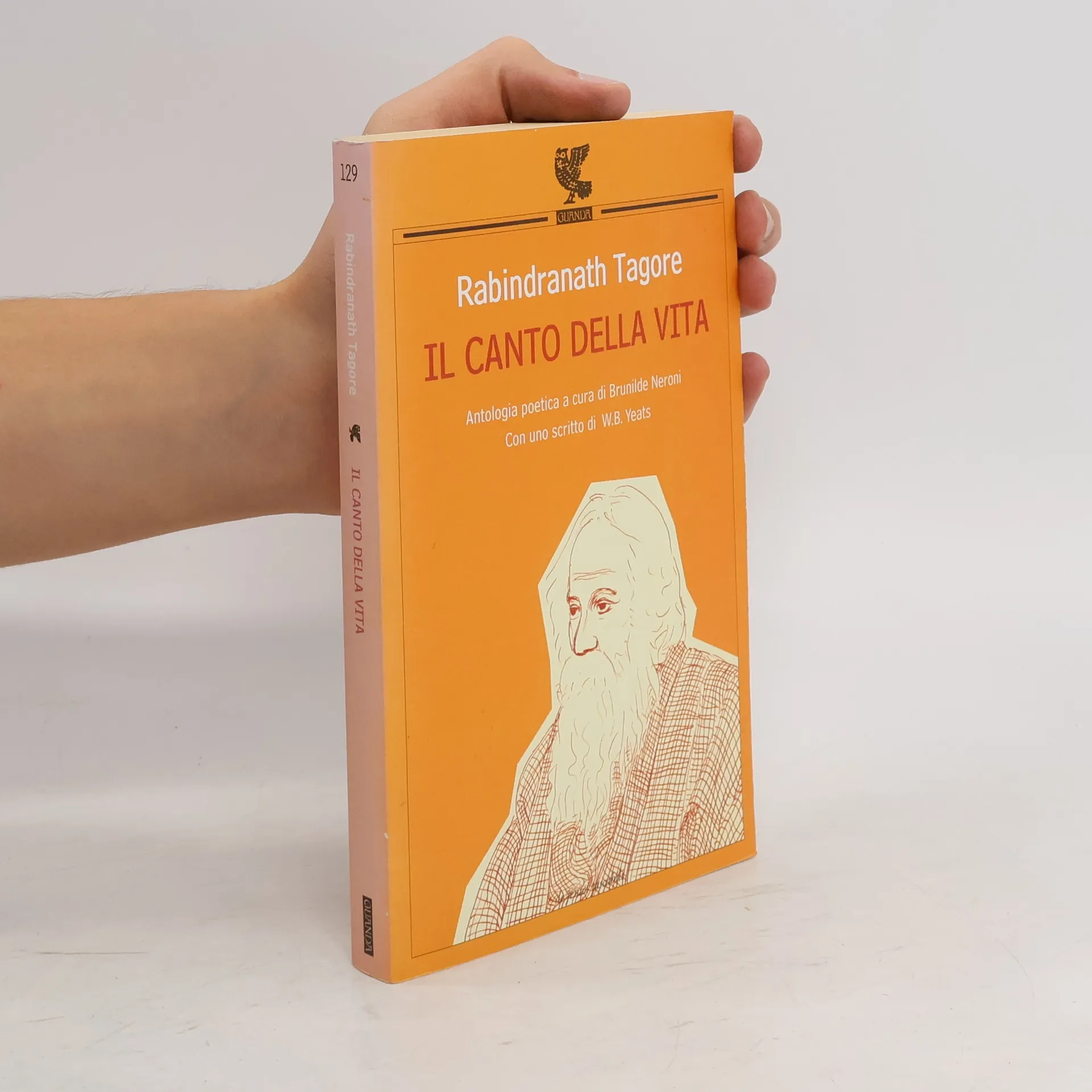
"Il canto della vita" è un'antologia che raccoglie i versi più significativi di Tagore composti sui temi a lui più cari: la vita, la morte, Dio, il dolore, la gioia. Il poeta celebra soprattutto l'amore, con sensibilità tutta orientale: una sintesi di amante e amato, vicina a Dio o identificabile con Dio stesso, un sentimento tormentoso e insieme vitale, che muove energie che investono la realtà intera e il cosmo. Come ha scritto W.B. Yeats, Tagore, al pari della civiltà indiana, ha realizzato la sua pienezza nello scoprire l'anima e nell'abbandonarsi alla sua spontaneità.
Renowned for reshaping Bengali literature and music, this influential figure was a poet, writer, composer, philosopher, and painter. His work, particularly the acclaimed Gitanjali, features deeply sensitive and beautiful verse, earning him the Nobel Prize in Literature in 1913 as the first non-European laureate. While his poetic songs are celebrated for their spiritual depth, his elegant prose and magical poetry remain lesser-known beyond Bengal. Often called "the Bard of Bengal," he played a pivotal role in the emergence of Contextual Modernism in Indian art.
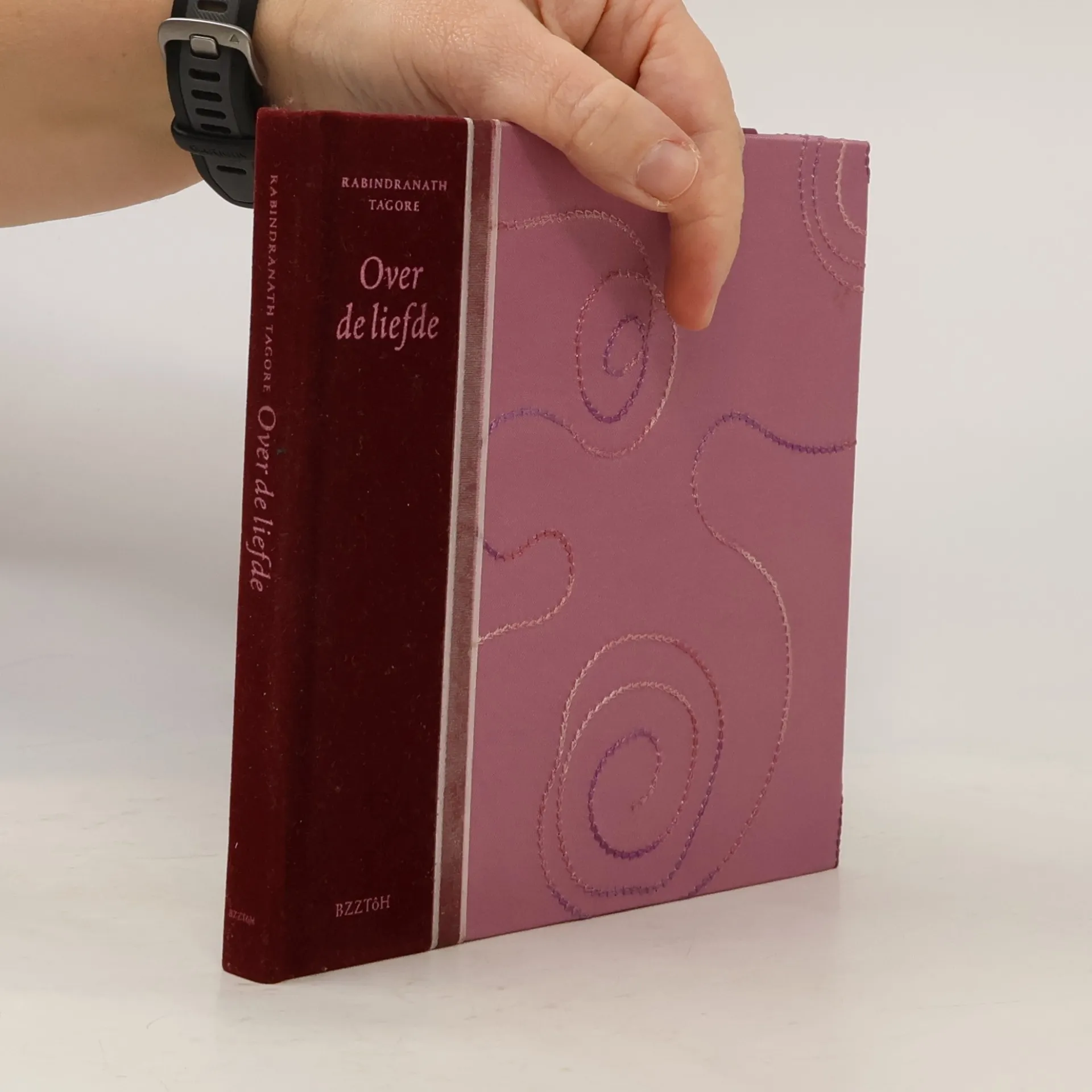
In de bundel Over de liefde belicht Rabindranath Tagore in zestig teksten de verschillende aspecten van de liefde: van het verliefd worden en het verliezen van een geliefde tot de onbereikbaarheid en spiritualiteit van liefde. Zijn gedichten kenmerken zich door een filosofische stijl waarin de natuur een belangrijke rol speelt.
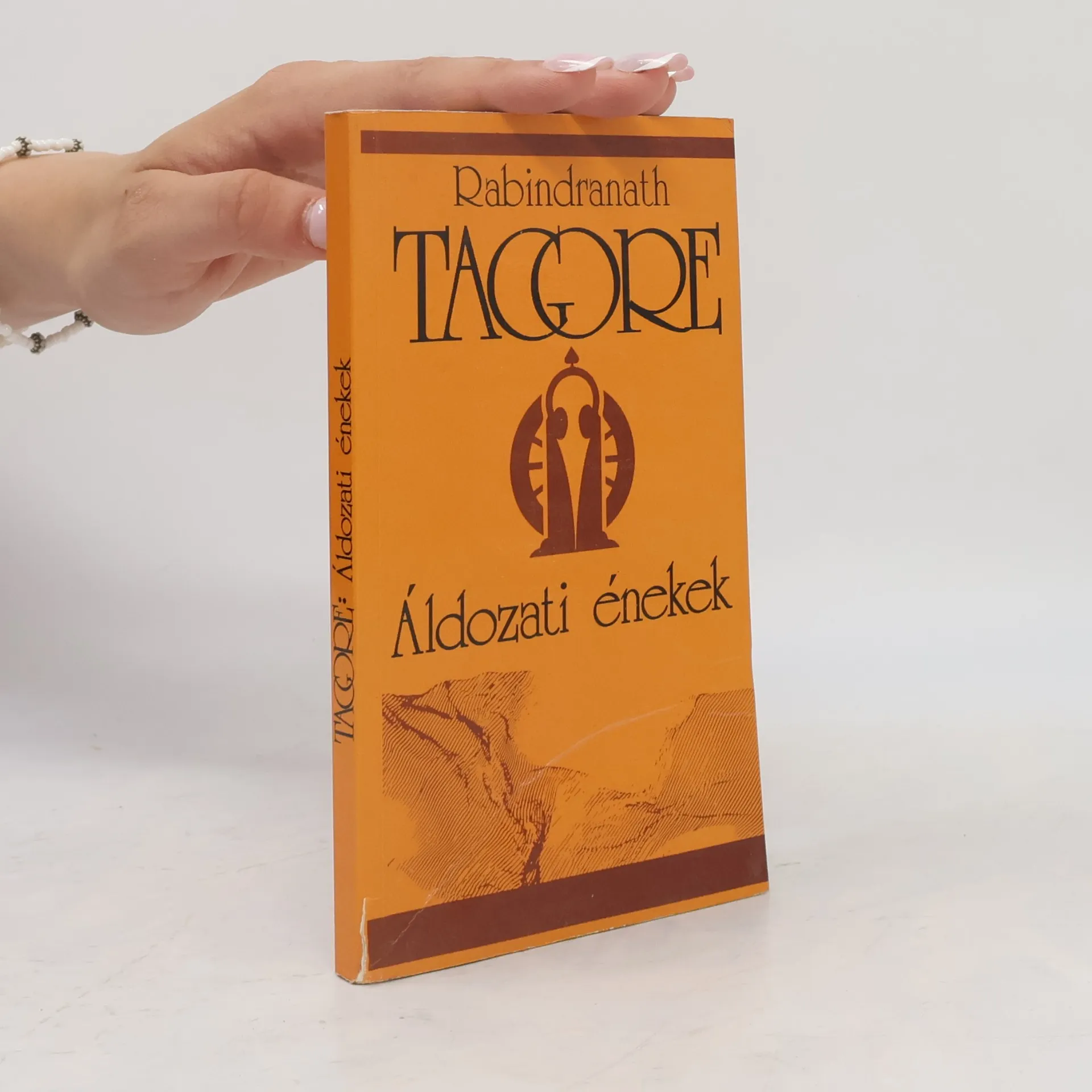
Áldozati énekek
- 150 stránek
- 6 hodin čtení
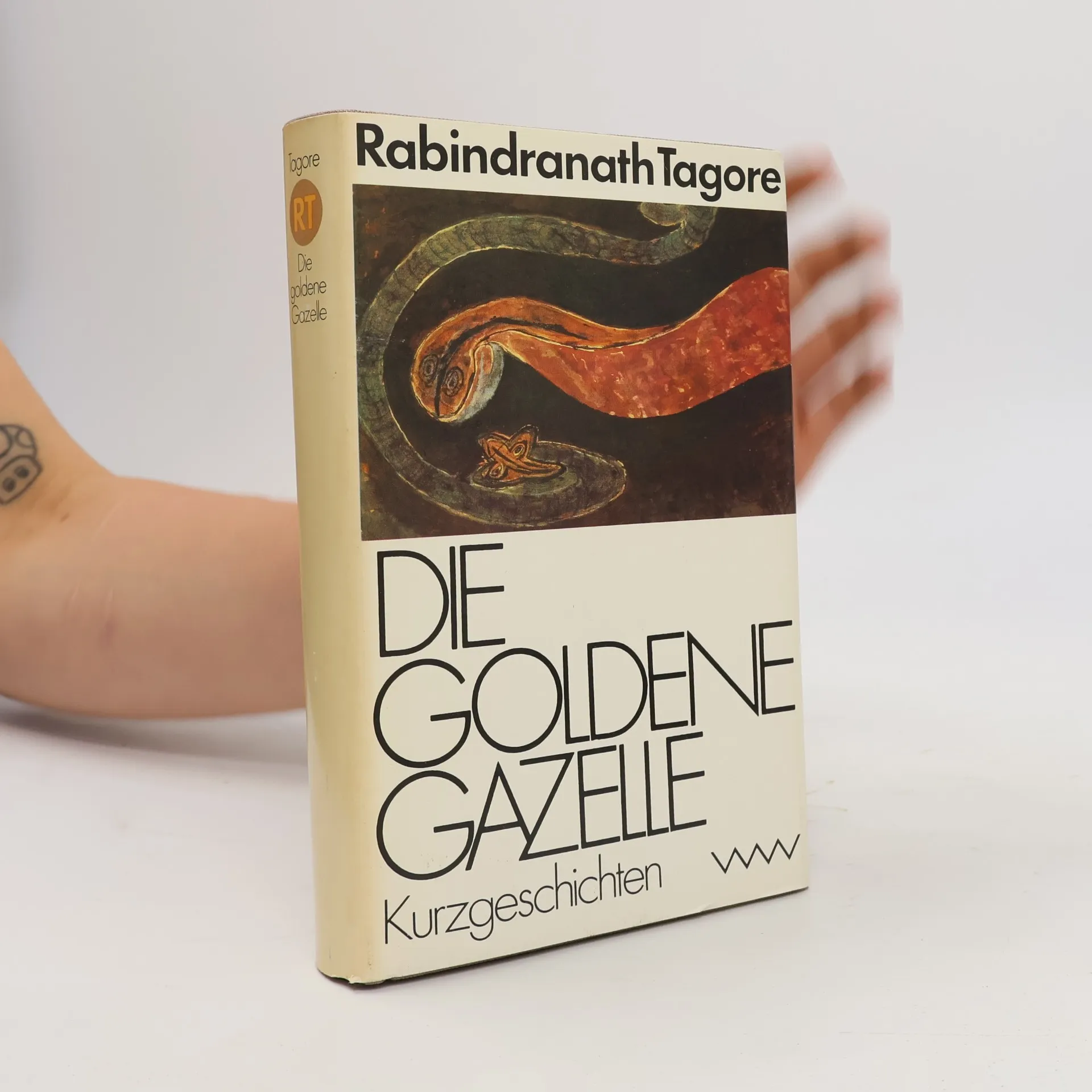
Die goldene Gazelle. Kurzgeschichten
- 530 stránek
- 19 hodin čtení
Literatur/Allgemein - Oktav. Leinen. 530 Seiten
Gesammelte Werke 2. Lyrik
Fruchtlese. Der zunehmende Mond. Gabe des Liebenden
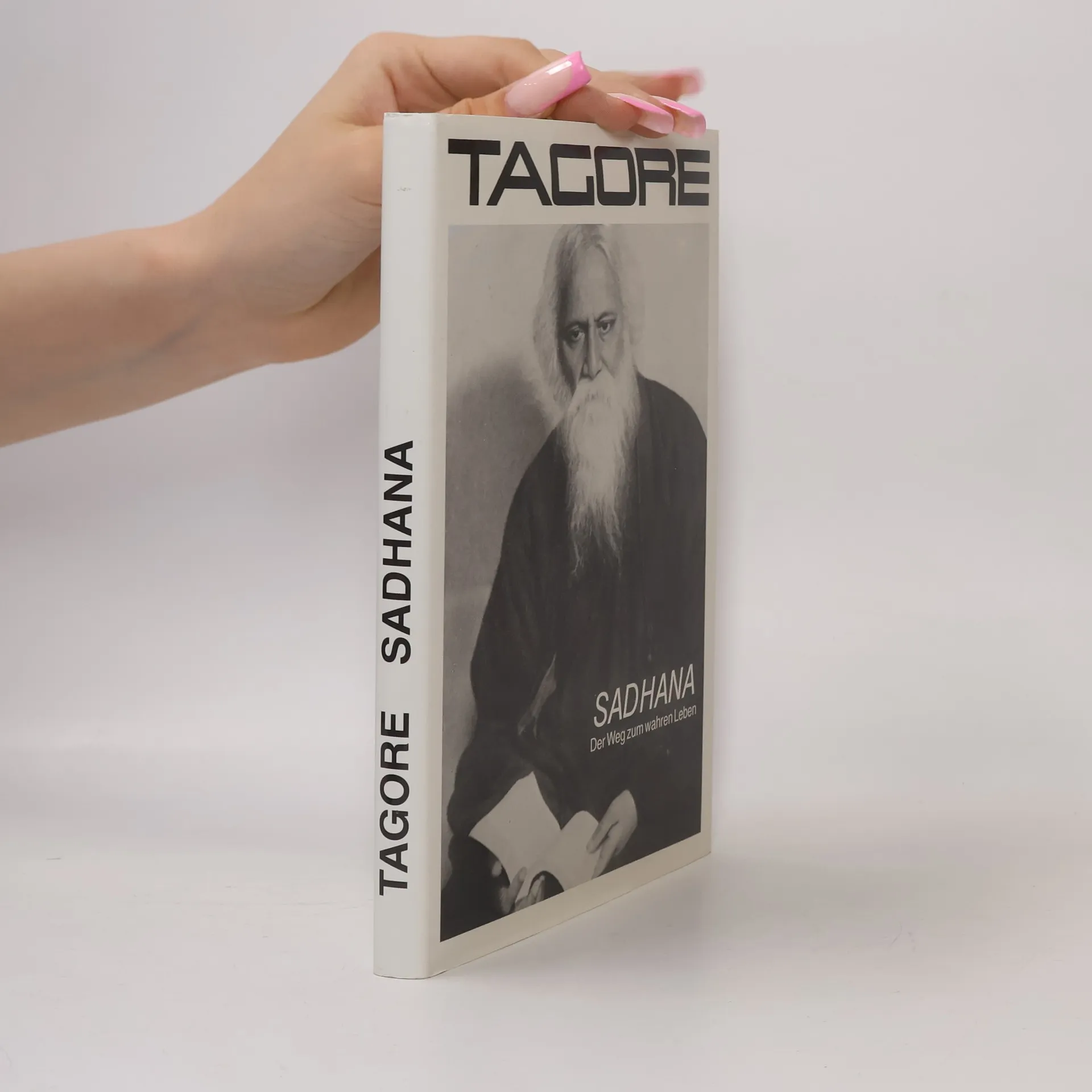
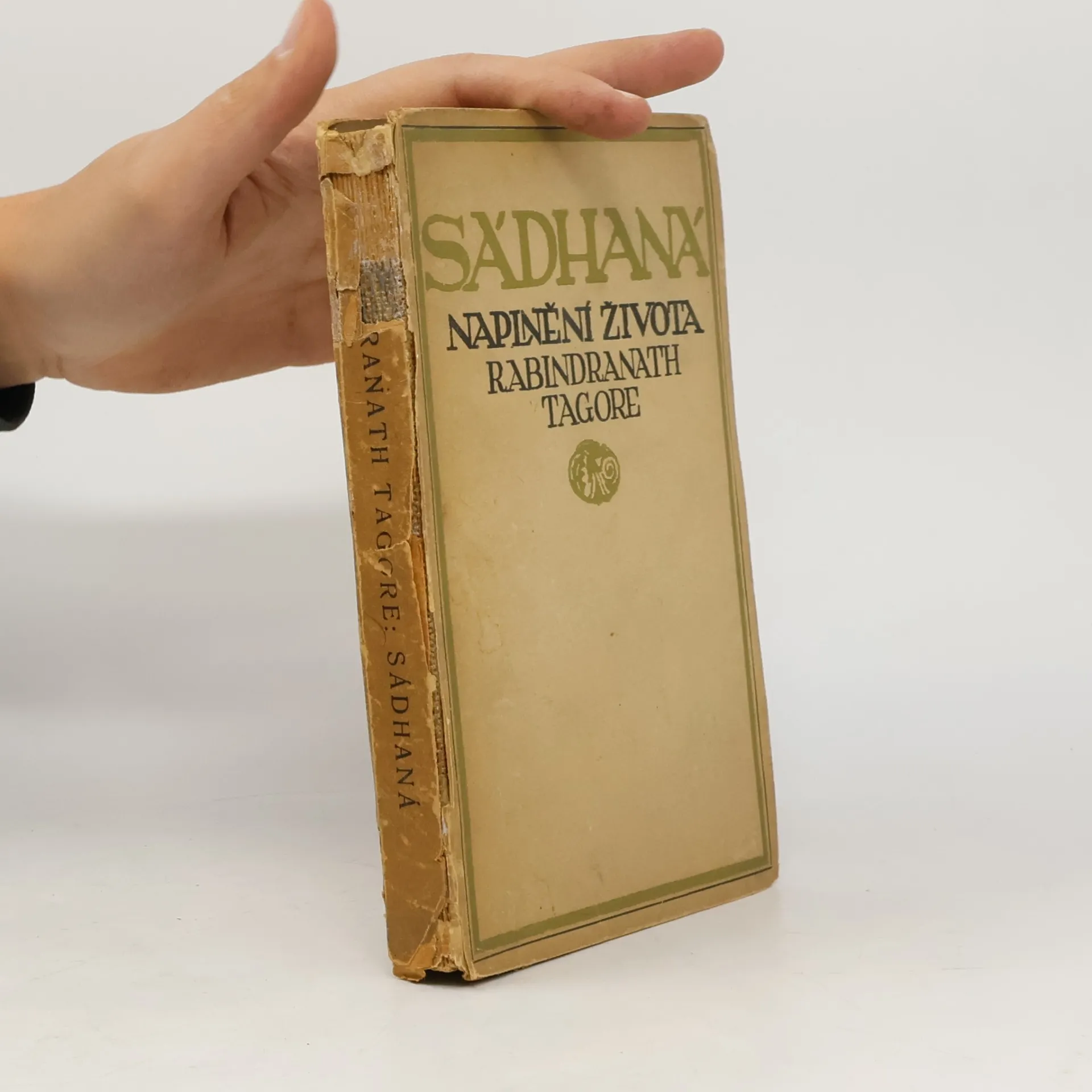
Sadhana
Der Weg zum wahren Leben
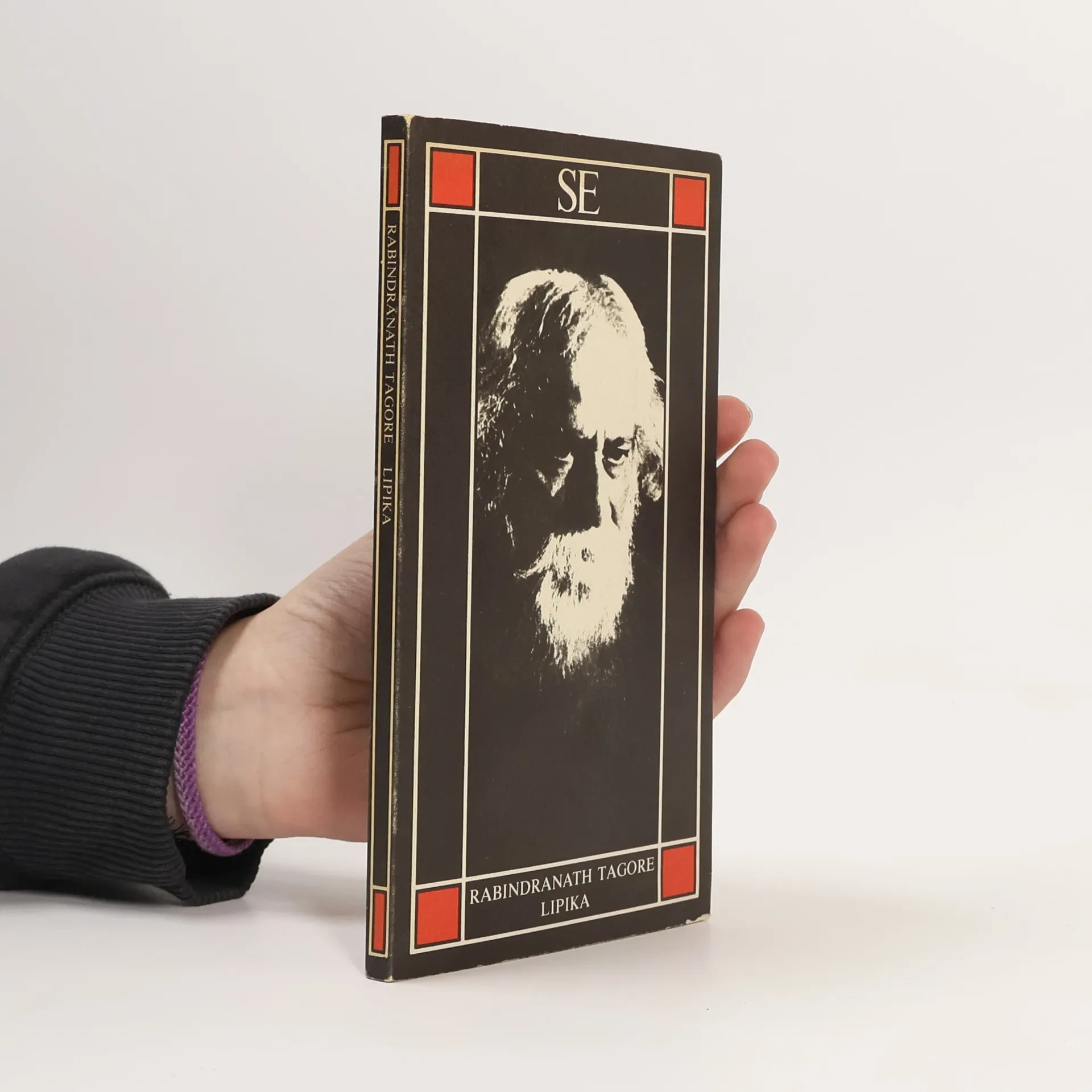
Lipika
- 96 stránek
- 4 hodiny čtení
Gitanjali
Sangesopfer