
Knihobot

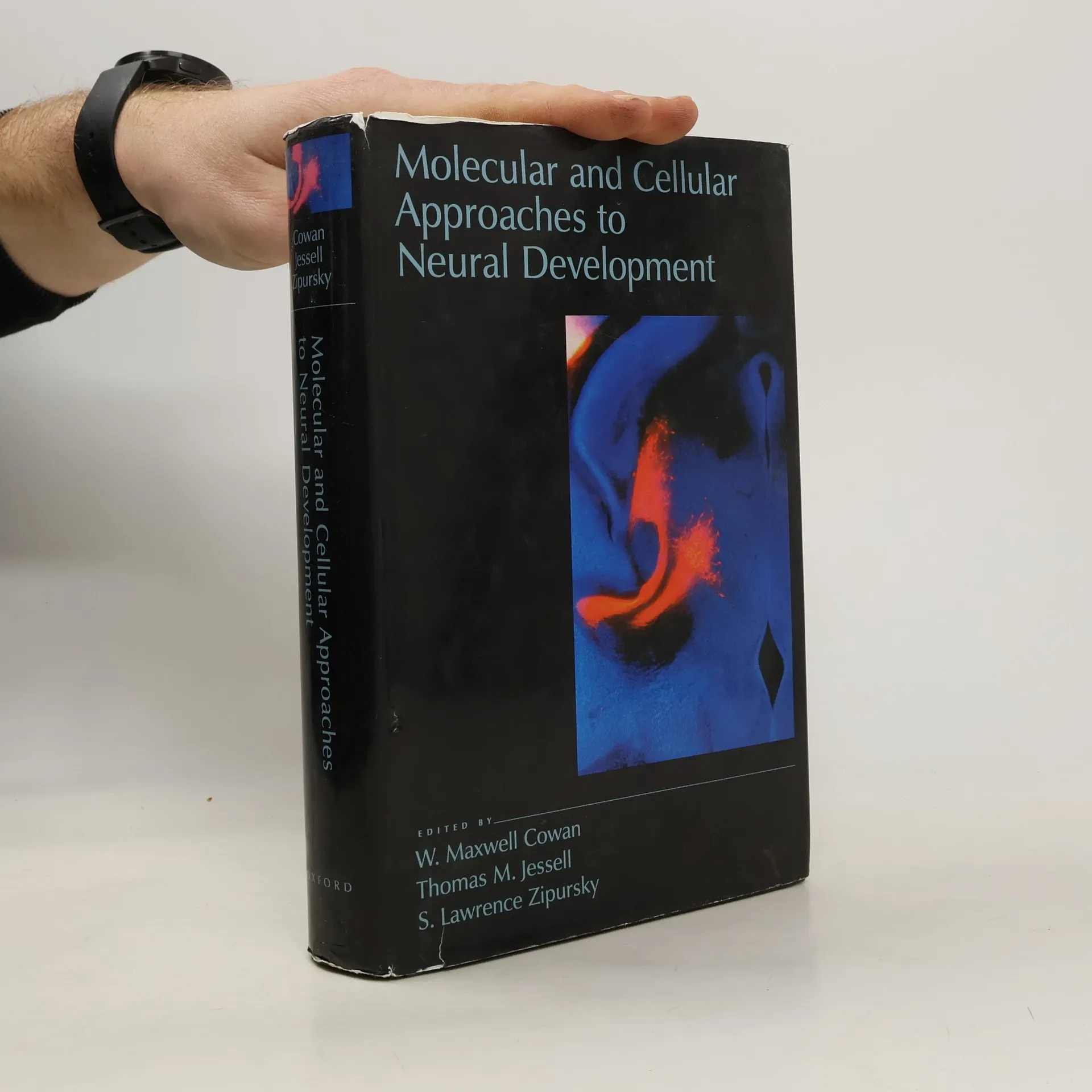
Thomas M. Jessell

    Molecular and Cellular Approaches to Neural Development
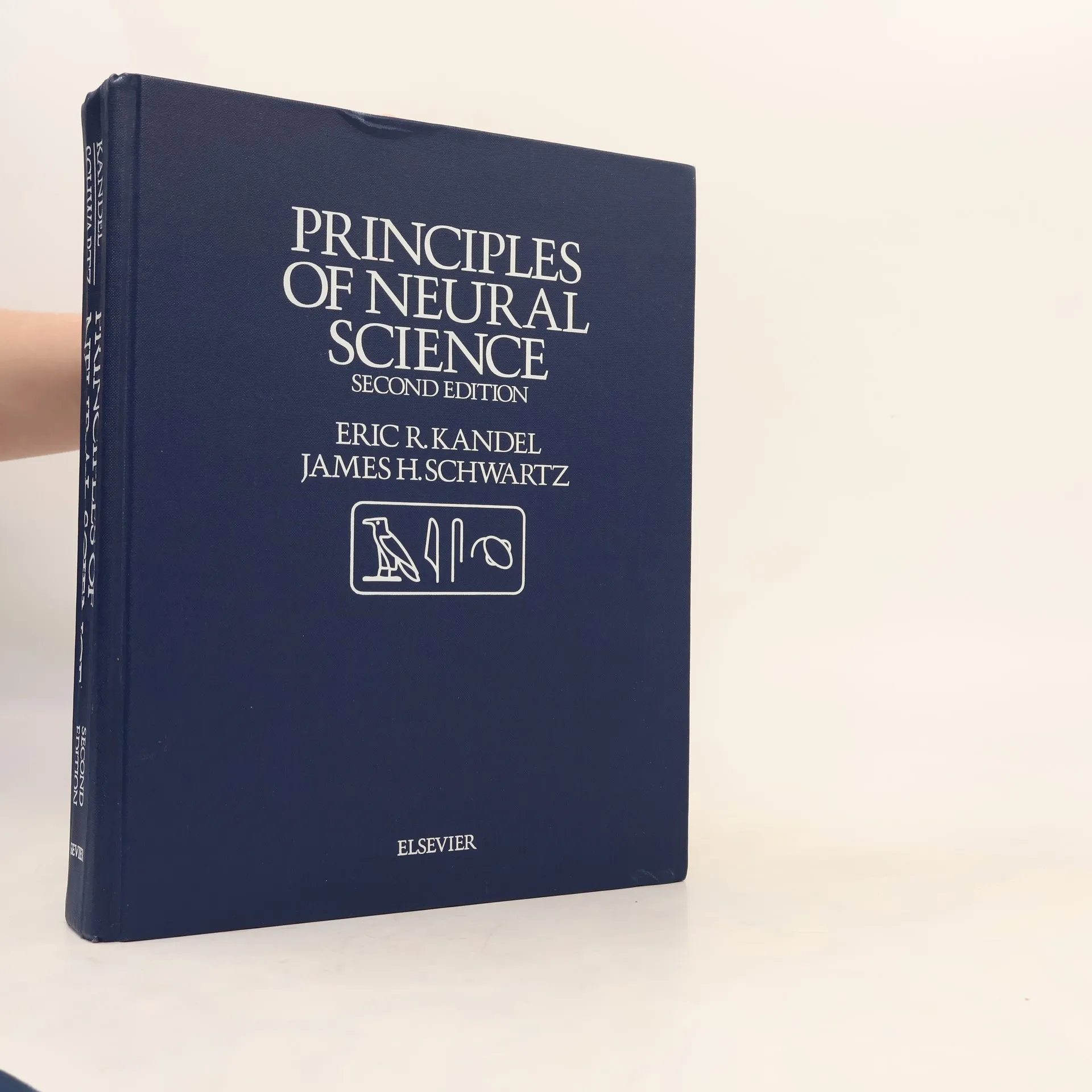
    Principles of neural science
    • Principles of neural science

      • 979 stránek
      • 35 hodin čtení

      Since the first edition of Principles of Neural Science, four significant advances have prompted an earlier revision. First, recombinant DNA and monoclonal antibody techniques have opened new avenues for solving neurobiological problems. Second, patch clamping has enabled researchers to investigate conformational changes in single ion channels within intact membranes. The third advance involves revolutionary nerve cell labeling and tracing methods, which have clarified previously obscure relationships between brain structure and behavior. Lastly, new noninvasive imaging techniques allow for the study of anatomical structures in the living human brain, facilitating an integrated approach to teaching neuroanatomy alongside other areas of neural science. This second edition serves as an introductory text for students in biology, behavior, and medicine, featuring a more comprehensive treatment of neuroanatomy. The growth of functional neuroanatomy allows for a detailed description of the principles underlying the anatomical structure of brain systems, linking physiology with their roles in behavior and disease. The textbook aims to convey the excitement surrounding cell- and molecular-biological techniques in studying the nervous system, brain development, and behavior control, while also addressing neurological and behavioral disorders that are scientifically instructive and clinically significant.

      Principles of neural science
      4,5
    • This comprehensive and authoritative volume explores recent advances in understanding early neural development at molecular and cellular levels. The authors detail applications of molecular genetic methods in studying neural induction, neuronal phenotypes, and specific connection patterns. They analyze new information from modern techniques for identifying, cloning, deleting, and introducing specific genes, as well as for labeling neuronal or glial precursors and imaging individual neurons or parts of neurons. Chapters highlight the use of various model organisms, including fruit flies, nematode worms, zebrafish, Xenopus frogs, chicks, and mice. The improved conservation of DNA and protein sequences, along with accessible gene and protein databases, allows for rapid identification of gene homologues across species separated by significant evolutionary distances. Several chapters feature collaborations between researchers specializing in vertebrates and invertebrates, illustrating that despite differences in nervous system structure, many molecular players and cellular processes are conserved. This volume is of great practical interest to researchers, graduate students, and post-doctoral fellows in developmental, cell and molecular biology, genetics, and neuroscience.

      Molecular and Cellular Approaches to Neural Development
      5,0