Mein Jahr, ungefiltert.: 52 Wochen voller Erinnerungen, Gedanken und kleiner Veränderungen
- 340 stránek
- 12 hodin čtení




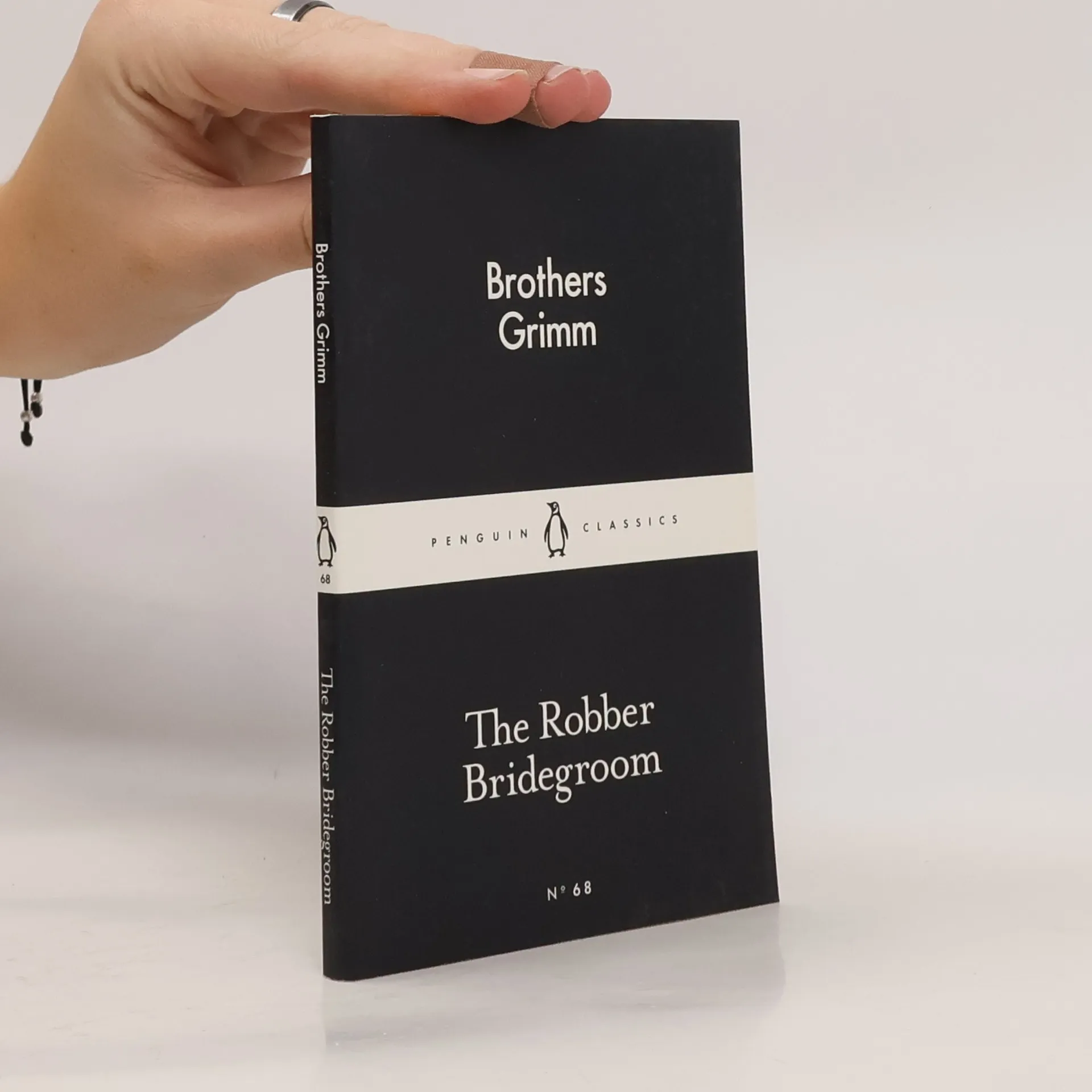
Drawn from German folklore, dark, fantastical fairy tales of wicked deeds, gruesome punishment and just rewards.
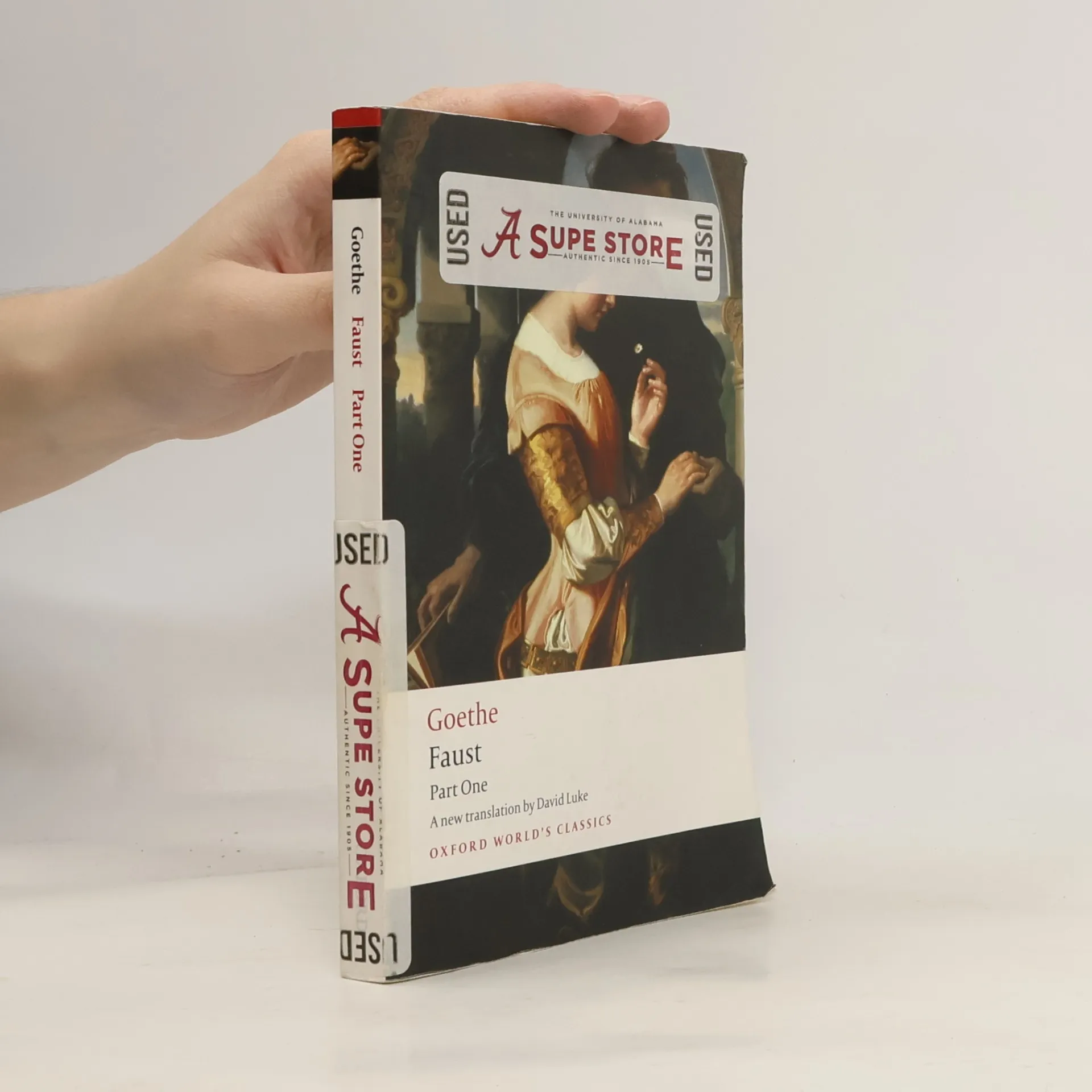
Na podzim roku 1787 podnikl Mozart se svou ženou cestu do Prahy, aby zde uvedl Don Giovanni. Mörike, který začíná jako by s chladným reportážním tónem, rozvíjí literární hru s Mozartovou operou, kterou velmi obdivoval. Překračuje konvenční žánrové hranice novely a vytváří kontrafakturu, tedy přepracování textu s zachováním původní melodie. Autor motivicky využívá tušení předčasné smrti velkého skladatele a vytváří tak atmosférickou tíhu, která se vznáší nad všemi událostmi, jež jsou vyprávěny s lehkostí. Formální jedinečnost tohoto díla, vydaného v roce 1855, povyšuje Mörikovu mistrovskou prózu nad romantickou novelistiku a historizující uměleckou biografii 19. století.
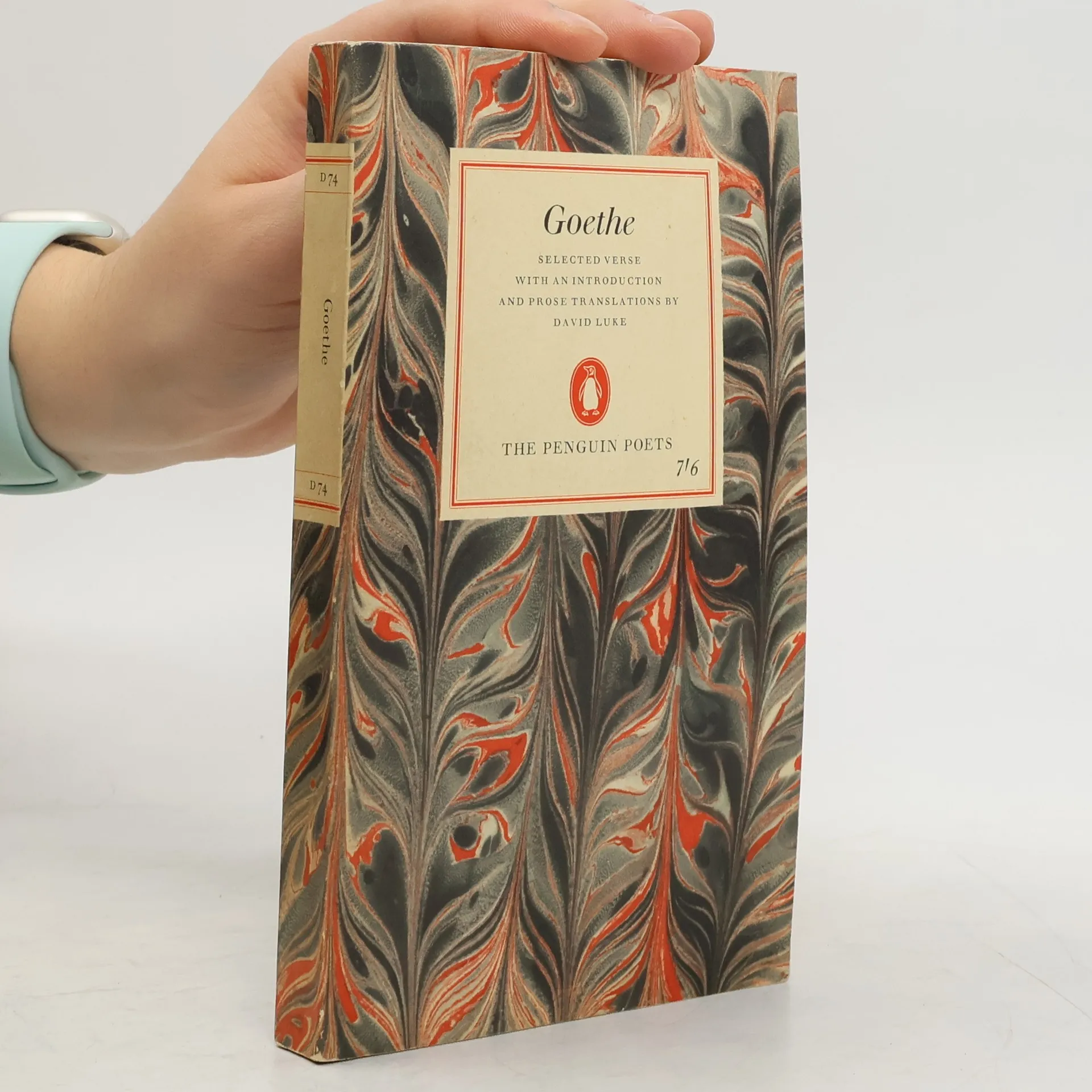
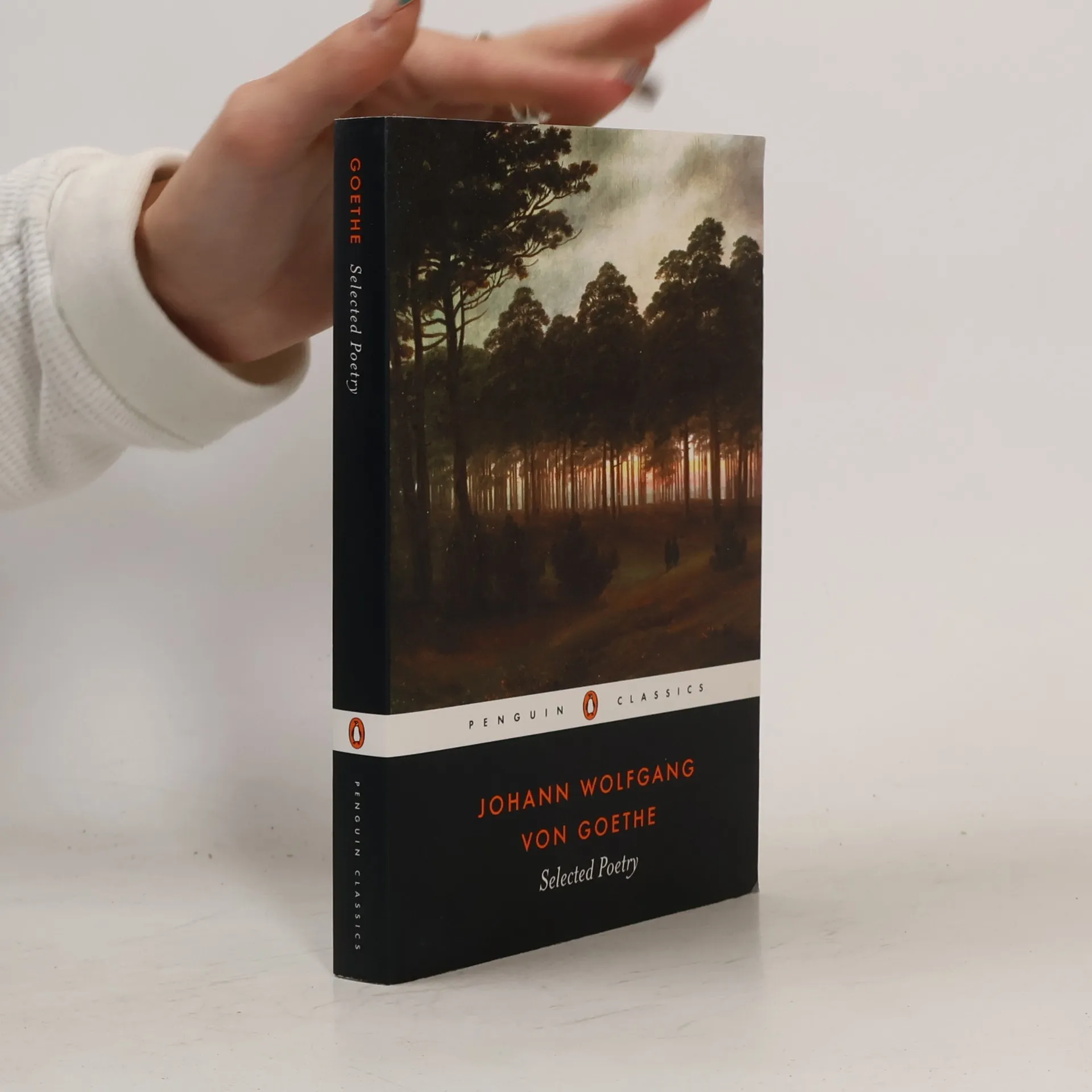
'Shall I embrace you, must I let you go? Again you haunt me: come then, hold me fast!' Goethe viewed the writing of poetry as essentially autobiographical and the works selected in this volume represent over sixty years in the life of the poet. In early poems such as 'Prometheus' he rails against religion in an almost ecstatic fervour, while 'To the Moon' is an enigmatic meditation on the end of a love affair. The Roman Elegies show Goethe's use of Classical metres in homage to abcient Rome and its poets, and 'The Diary' , supressed for more than a century, is a narrative poem whose eroticism is unusually combined with its morality. Arranged chronologically, David Luke's verse translations are set alonjgside the German orginals to give a picture of Goethe's poetic development. This edition also includes an introduction and notes placing the poems in the context of the poet's life and times.
This bilingual edition of Goethe's erotic poems contains the Roman Elegies (1789), The Diary (1810), and a selection from the Venetian Epigrams of 1790. Editorial censorship has long obscured the true form and content of the Elegies , which were inspired by Goethe's sexual liberation in Italy and his love for the woman he took as his unofficial wife on his return to Germany. They are here presented as Goethe boldly conceived them together with the long-surpressed narrative poem known as The Diary . Superficially the story of a failed sexual adventure by a man of 60, at another level this is a profound study of the psychology of desire and the nature of fidelity, as well as being one of the most beautiful and good-humoured poems in the German language. Completing the edition is a selection from Goethe's more light-hearted and much censored cycle of erotica, the Venetian Epigrams . David Luke's translations do full justice to Goethe's aim of liberating German poetry and restoring sexual love to its central position in human life. Hans Vaget's fine introduction provides the background to these poems, as well as showing some of the profound and little-known connections between them.
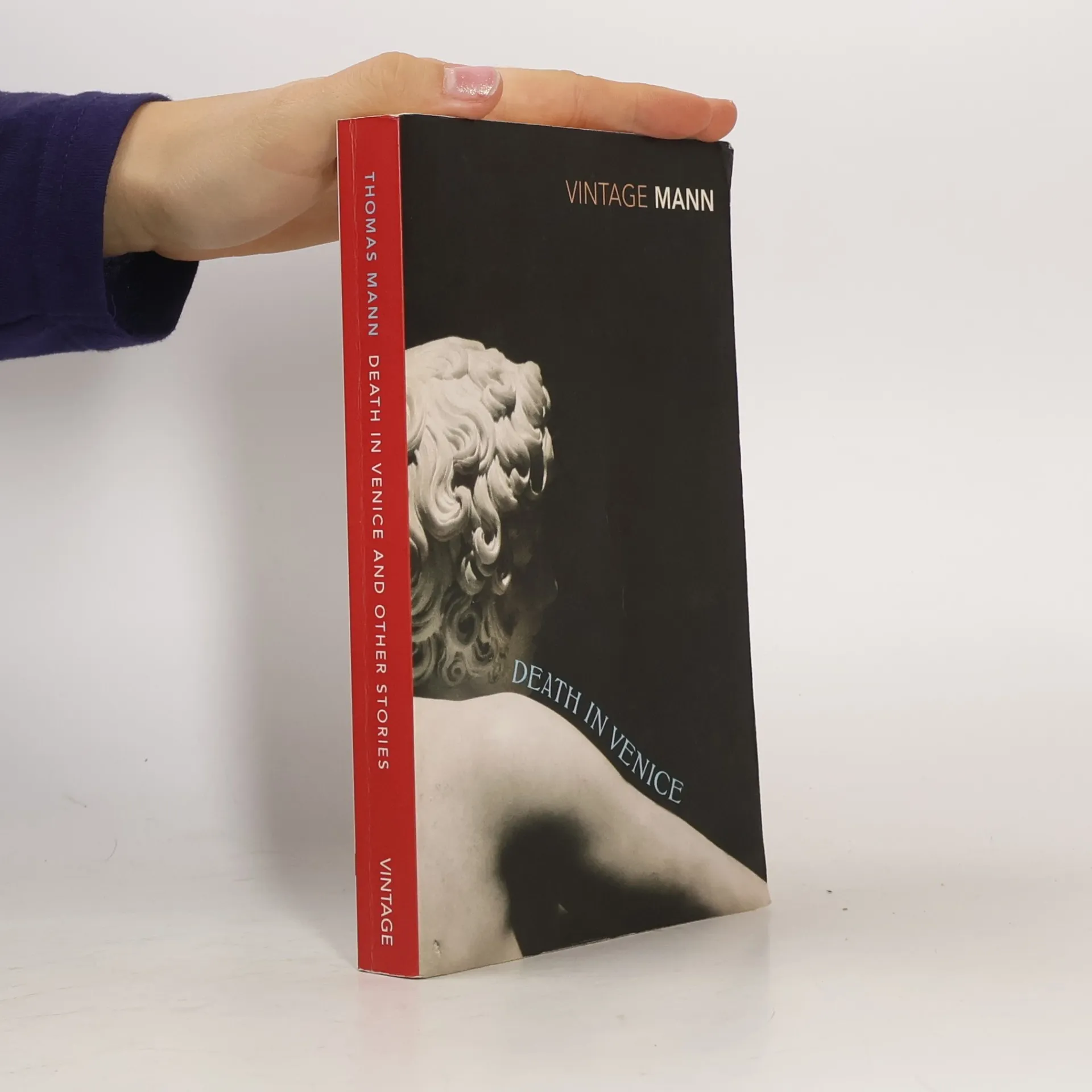
Death in Venice is a story of obsession. Gustave von Aschenbach is a successful but aging writer who travels to Venice for a holiday. One day, at dinner, Aschenbach notices an exceptionally beautiful young boy who is staying with his family in the same hotel. Soon his days begin to revolve around seeing this boy and he is too distracted to pay attention to the ominous rumors that have begun to circulate about disease spreading through the city. Available exclusively from Vintage Classics.
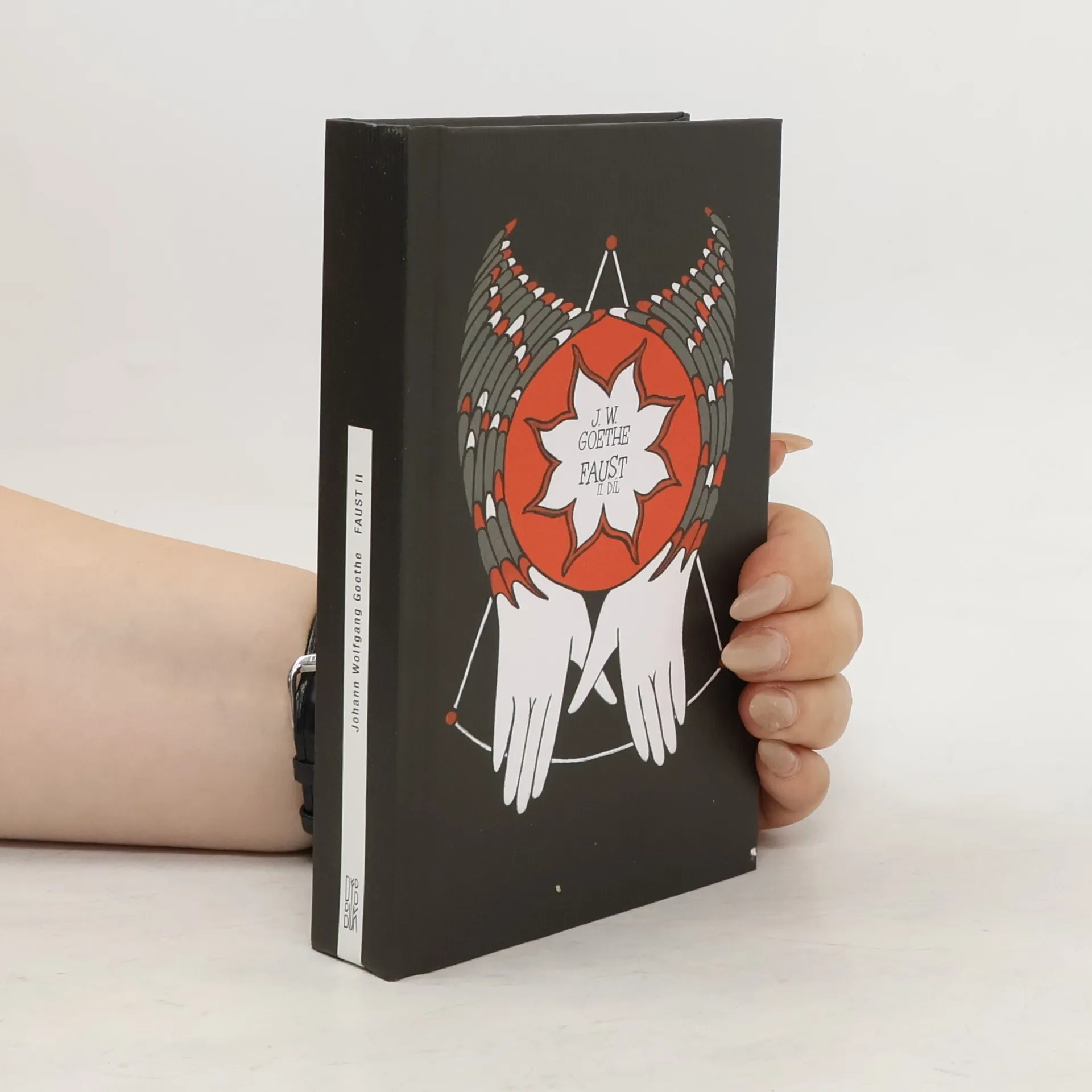
Druhý díl tragédie Faust byl dlouhou dobu považován za nesrozumitelný, avšak ve dvacátém století byl jeho význam, a tedy i význam díla jako celku, doceněn. Goethe v něm opouští individuální osudy, shrnuje sumu svého, potažmo lidského poznání. Faust dále testuje jeho hranice, zakládá rodinu, podniká, aby nakonec ve svém snažení vize v podstatě politické selhal - přesto, že umírá v iluzi opaku. Sluha a pokušitel Mefisto selhává rovněž, neboť se vyjeví, že Faustova duše mu - v rozporu s očekáváním - nemůže náležet. Goethe mistrně propojuje filozofické i politické myšlenky s poetickým vyjádřením, čímž vytváří dílo, které oslovuje nejen intelekt, ale také emoce.
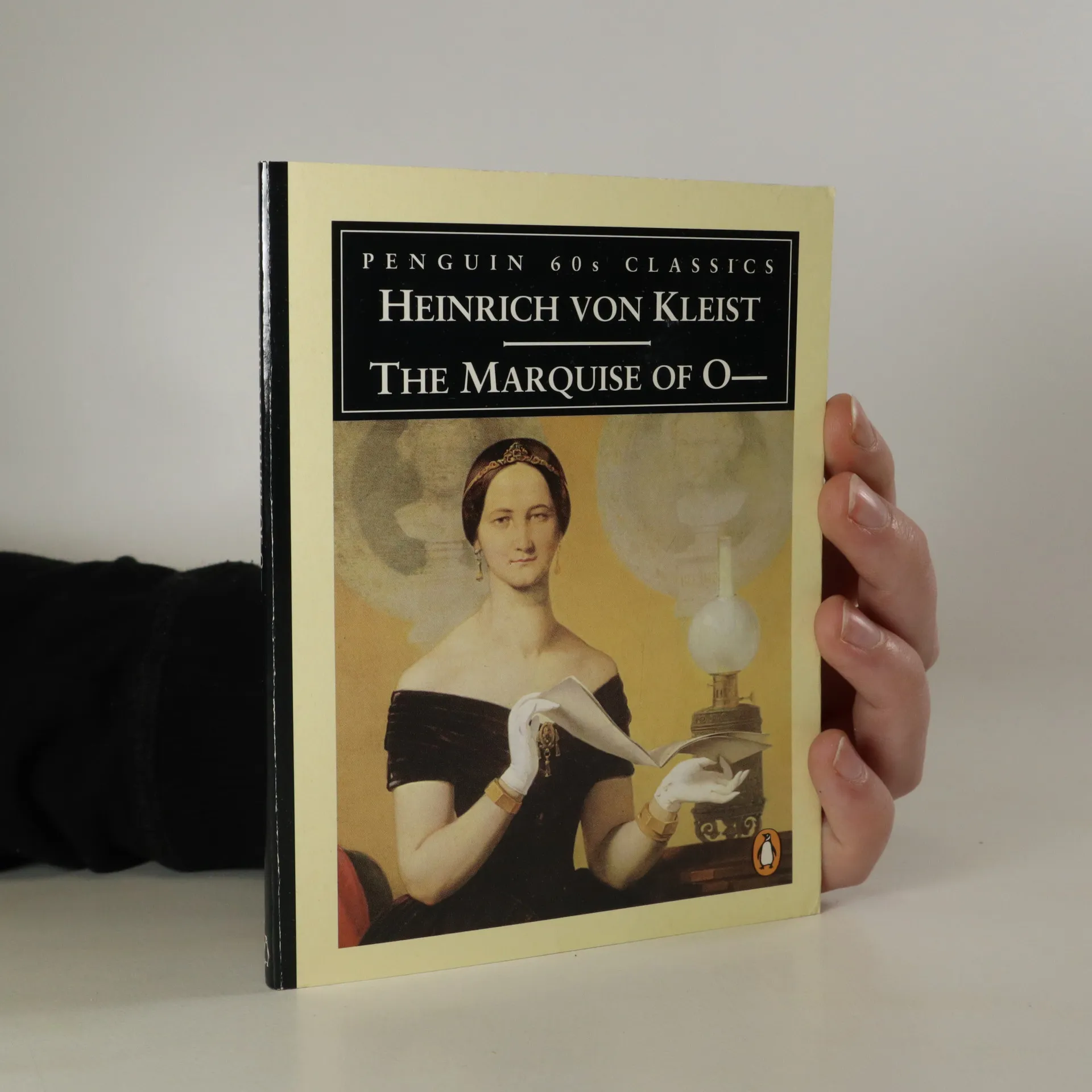
One of 60 low-priced classic texts published to celebrate Penguin's 60th anniversary. All the titles are extracts from "Penguin Classics" titles.
Brings together eight short stories by the intense 19th-century German author.