Napoleon byl zavražděn
- 268 stránek
- 10 hodin čtení
Po 150 letech moderní soudní lékařství odhaluje pravdu o jednom z největších zločinů v historii .


Tento autor zkoumá fascinujícího spojení mezi tělesnou kulturou a napoleonskou historií. Jeho práce často poukazuje na sílu, disciplínu a strategické myšlení, které se projevují v obou těchto zdánlivě odlišných oblastech. Jeho jedinečný pohled nabízí čtenářům nový způsob, jak přemýšlet o lidském potenciálu a historických ambicích. Prostřednictvím svého psaní sdílí hluboké porozumění jak pro fyzickou zdatnost, tak pro komplexnost historických událostí.
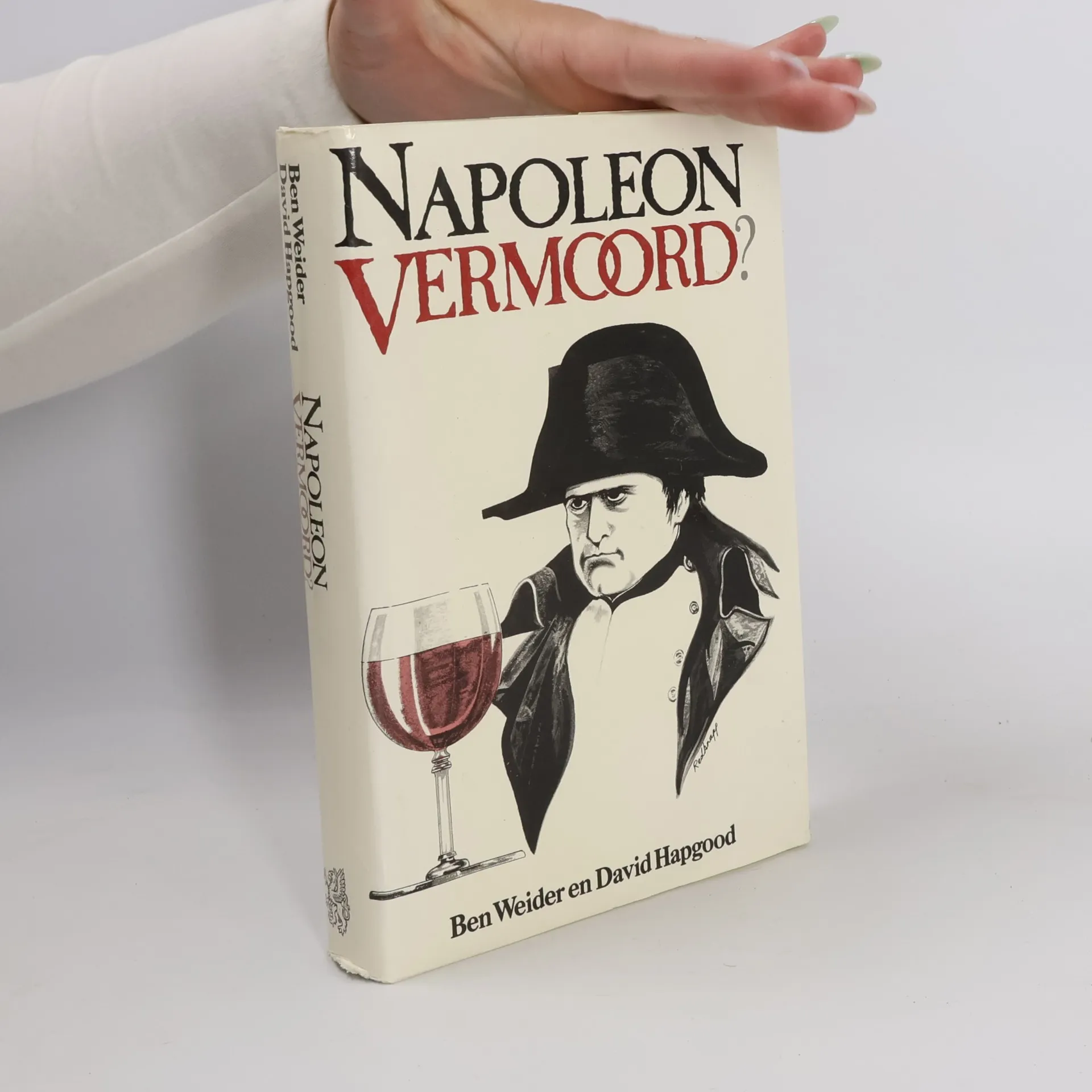
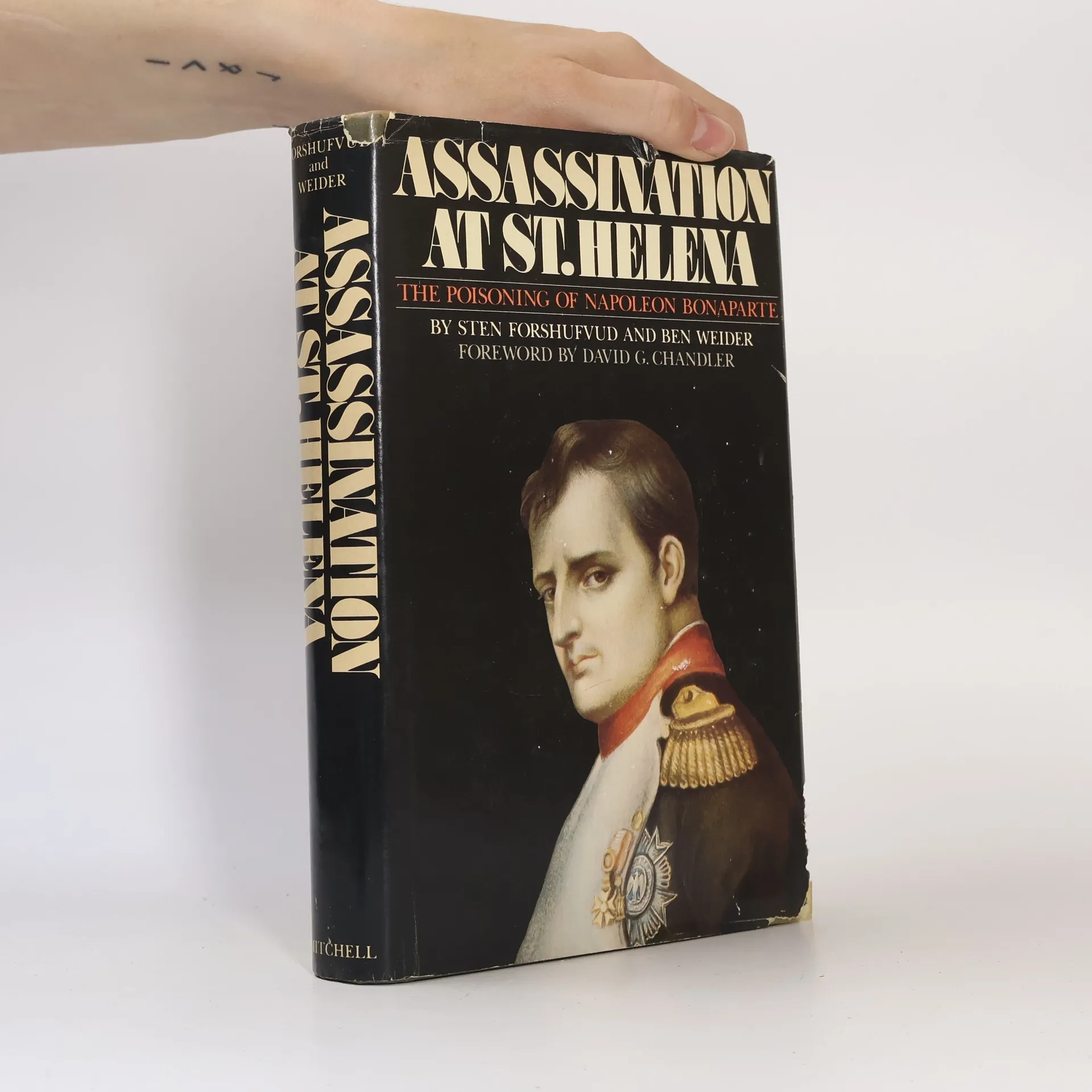
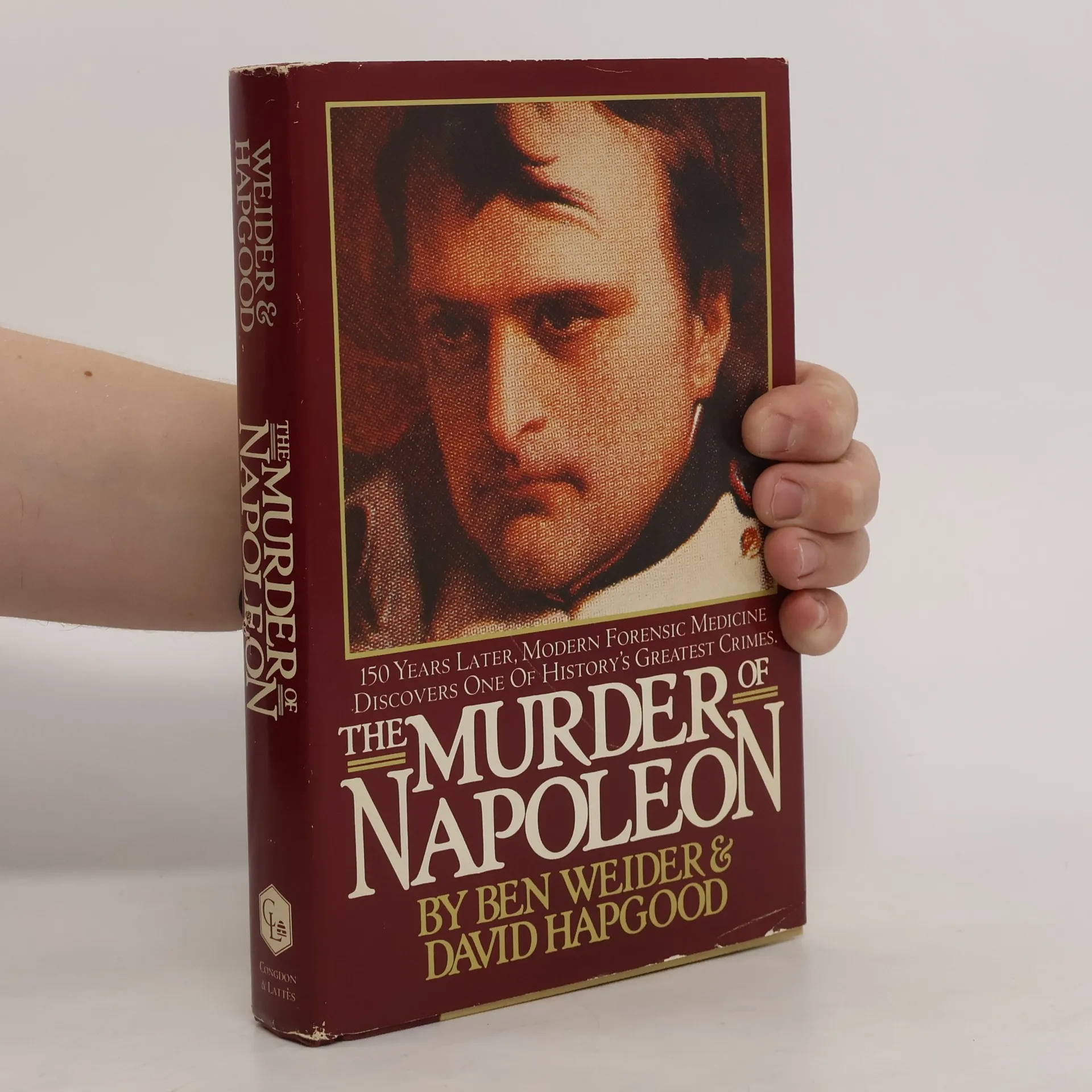
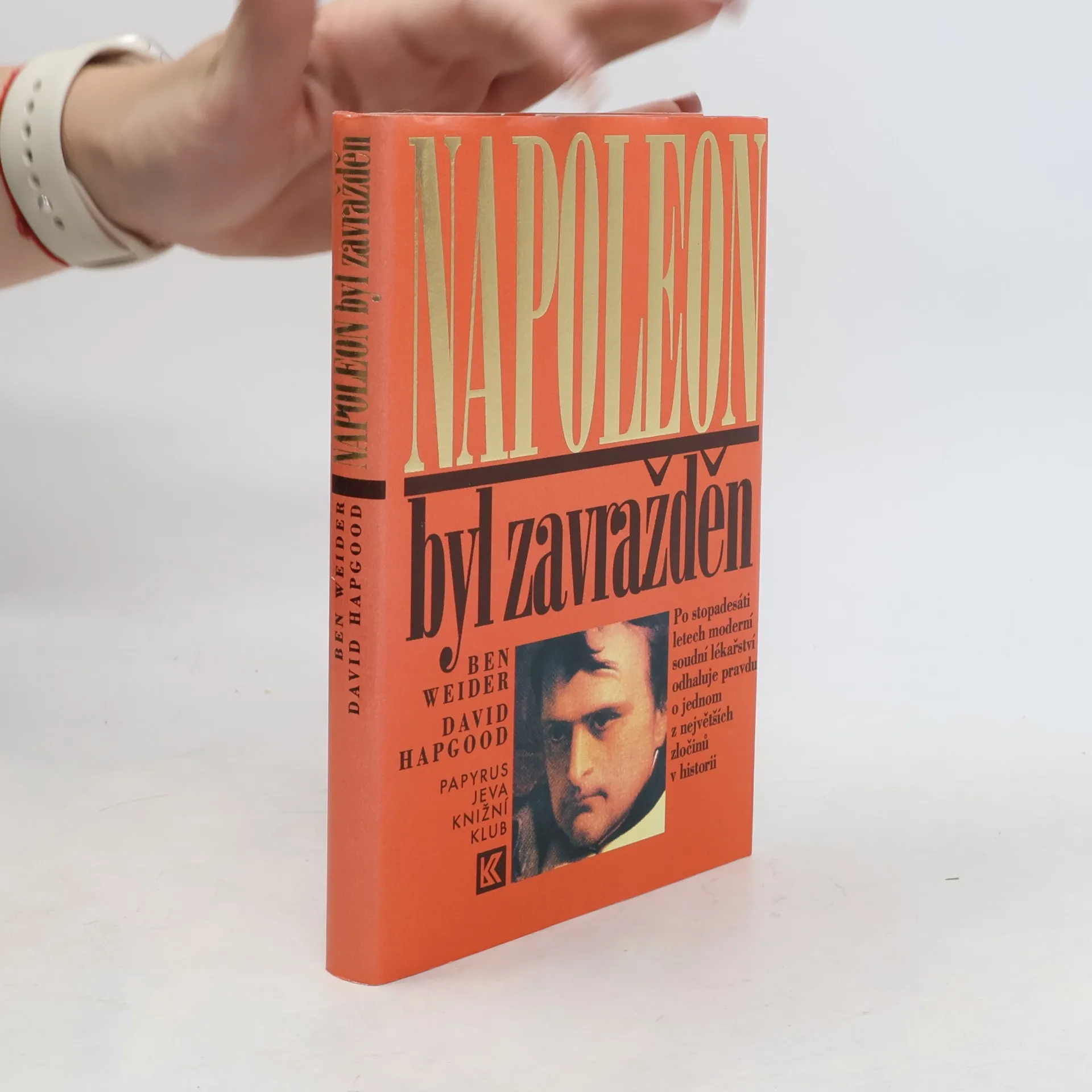
Po 150 letech moderní soudní lékařství odhaluje pravdu o jednom z největších zločinů v historii .
The book reveals a historical crime that has remained hidden for 160 years. Napoleon did not die of stomach cancer; he was poisoned with arsenic. This sensational work is based on the research of Swedish dentist and toxicologist Sten Forshufvud, who, while reading the memoirs of Napoleon's valet Louis Marchand, recognized that the exiled emperor's symptoms pointed to arsenic poisoning rather than stomach cancer. Forshufvud noted that some passages in the memoirs read like a textbook on toxic symptoms. The authors describe how and where Forshufvud ultimately found his evidence, how analyses confirmed his theory, and how he, with investigative acumen, even identified the murderer. The book reads more like a gripping detective novel than a dry history text, while also providing previously unknown insights into Napoleon's life on Saint Helena. Readers are drawn into the nearly impossible resolution of a mysterious case where the possibilities of modern forensic science triumph.
Historische beschrijving van de dagen van Napoleon op St. Helena, die voor een Zweedse wetenschapper aanleiding waren op zoek te gaan naar de omstandigheden rond Napoleons dood.