

Knihobot

Robert Wilson

    1. leden 1980

    Tento autor zkoumá hlubiny matematických konceptů a prezentuje je světu s jasností a elegancí. Jeho práce se často noří do složitých geometrických myšlenek, čímž zpřístupňuje zdánlivě nepřístupná témata širšímu publiku. Prostřednictvím svého psaní nabízí jedinečný pohled na svět čísel a forem, který je zároveň intelektuálně podnětný i poetický.

    Blood Is Dirt
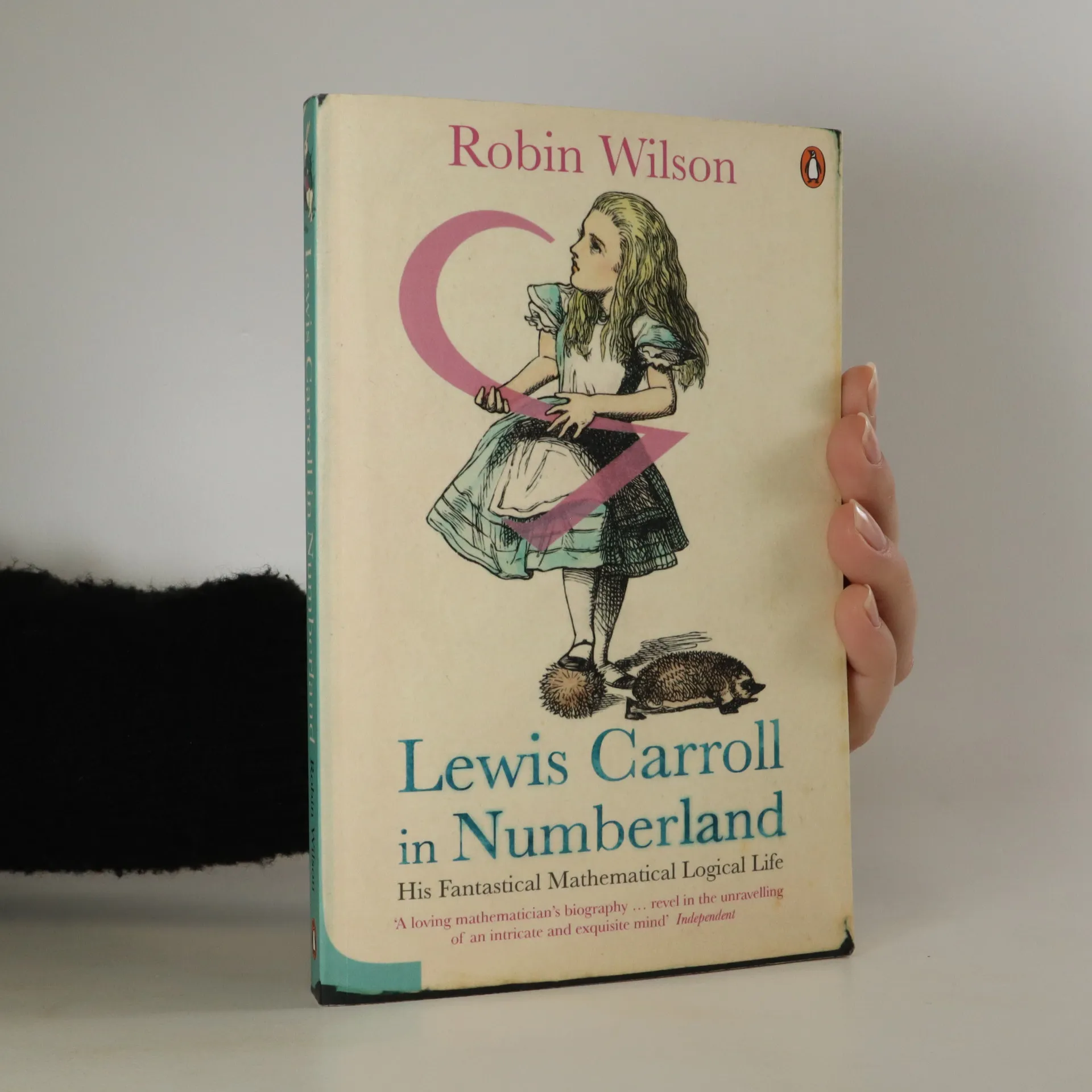
    Graph Theory in America
    Josef Svoboda - Robert Wilson : Světlo. Light up the Lights
    Skrytí vrazi
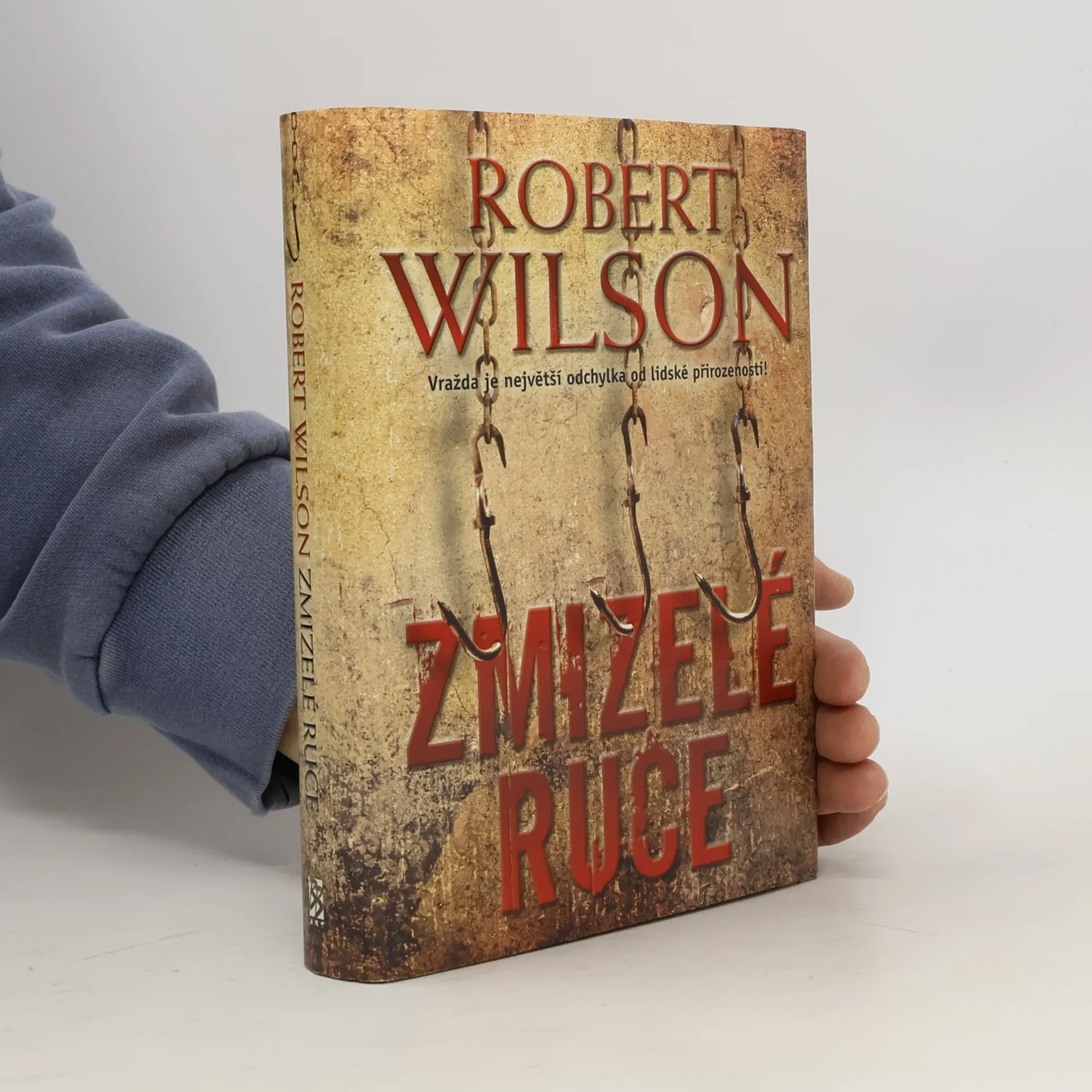
    Zmizelé ruce
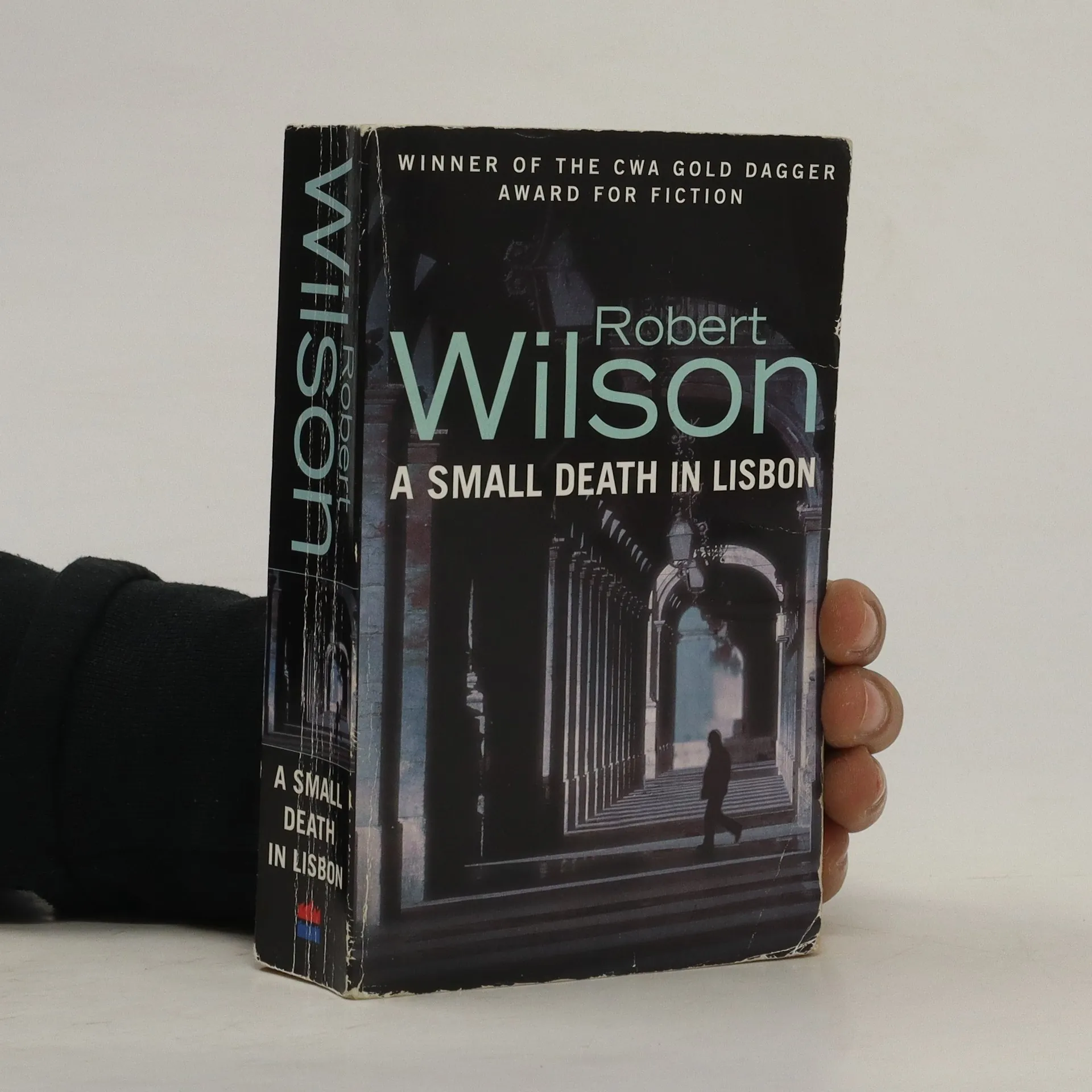
    Slepý muž v Seville
    • Slepý muž v Seville

      • 422 stránek
      • 15 hodin čtení

      V Seville probíhá velikonoční týden, Semana Santa, ale právě v tomto čase pašijí a proslavených náboženských procesí je povolán vrchní inspektor oddělení vražd Javier Falcón do luxusního nájemního domu, v němž byl nalezen mrtvý muž, bohatý majitel několika známých sevillských restaurací. Už při prvním pohledu na jeho tvář si Falcón uvědomí, že jde o čin, který se svou hrůzností vymyká všem jeho dosavadním zkušenostem. Děsivě zírající oči mrtvého zbavené víček, ale i další okolnosti svědčí o tom, že sadistický trýznitel vystavil svou oběť před smrtí krutým mukám tím, že ji nutil dívat se na jakýsi záhadný videozáznam. Tak začíná složitý psychologický příběh, který je spíš studií osobnosti vyšetřovatele, vrchního inspektora Javiera Falcóna, než detektivkou líčící postup vyšetřování hrůzného zločinu. Celým příběhem románu Slepý muž v Seville se jako červená nit táhne téma očí a vidění a myšlenka iluze a reality, jak už naznačuje prolog. Čtenář se v knize s žádným „slepcem“ nesetká, zato mu autor dává nahlédnout do složité problematiky vnímání viděného. Hrůzy, kterým jsou vystaveny postavy Wilsonova románu – ať už ty, jimiž vrah mučí své oběti, nebo nejasné a o to mučivější pochybnosti Javiera Falcóna o své identitě, se odehrávají především v jejich myslích.

      Slepý muž v Seville
      4,0
    • Zmizelé ruce

      • 350 stránek
      • 13 hodin čtení

      V létě roku 2002, více než čtrnáct měsíců po dramatických událostech, které ovlivnily Falcónův život, se komisař vrací do služby s obnovenou sebedůvěrou, avšak stále se zraněnou duší po rozchodu se ženou. Jeho vyšetřování začíná tragickou smrtí majitele stavební společnosti, který spáchal sebevraždu po zardousení své mladé ženy. Falcón se snaží pochopit motivy tohoto činu a brzy se objevují další otázky. Může mít tragédie Vegovy rodiny souvislost s jeho ukrajinským zahradníkem nebo s ruskou mafií, jež operuje v Seville a využívá Vegovu firmu k praní špinavých peněz? Záhadný vzkaz, který Vega držel v ruce při smrti, obsahuje datum 11. září, což vyvolává další spekulace o jeho významu. Falcón začíná pochybovat o tom, zda lze smrt považovat za sebevraždu. Během vyšetřování odhaluje podivnou minulost amerického manželského páru, sousedů Vegy, a problémy známého herce, dalšího souseda. Následně dojde k dalším sebevraždám a lesnímu požáru v okolí Sevilly, které se zdají být nesouvisející. Falcón však nachází náznaky, že všechny tyto události mají společného jmenovatele a že Vega skrýval hluboké tajemství.

      Zmizelé ruce
      4,0
    • Skrytí vrazi

      • 431 stránek
      • 16 hodin čtení

      Úkladný atentátník. Na skládce je nalezena znetvořená mrtvola muže se skalpovaným obličejem a useknutýma rukama. Avšak dřív, než stačí inspektor oddělení vražd Javier Falcón zločin vyšetřit, otřese Sevillou výbuch, který zničí blok činžovních domů a dětskou školku. Záchranáři nacházejí v troskách desítky mrtvých, a když objeví v suterénu zříceného domu tajnou mešitu, zachvátí město panika živená vzpomínkou na bombový atentát v Madridu v březnu roku 2004. Je výbuch v Seville dílem islámských teroristů? Ale proč by islamisté vyhazovali do vzduchu mešitu?

      Skrytí vrazi
      3,7
    • Graph Theory in America

      • 320 stránek
      • 12 hodin čtení

      This book explores the evolution of graph theory in North America from 1876 to 1976. It begins with James Joseph Sylvester, a prominent mathematician who became the first professor of mathematics at Johns Hopkins University and introduced the modern concept of "graph" in his inaugural lecture, linking it to algebra and chemistry. A century later, in 1976, Kenneth Appel and Wolfgang Haken solved the long-standing four color problem, marking a significant milestone in the field. The narrative traces graph theory's development, highlighting both well-known and lesser-known figures. While many mathematicians dedicated their careers to graph theory, some, like Hassler Whitney, transitioned to other areas, and others, including C. S. Peirce and George Birkhoff, made contributions while focusing on different fields. Interspersed throughout are contextual interludes detailing the growth of the American university system and the parallel advancements in Europe. Additionally, the book summarizes key publications that shaped the discipline. Overall, it chronicles how graph theory emerged, took root, and thrived in America.

      Graph Theory in America
      5,0
    • Blood Is Dirt

      • 304 stránek
      • 11 hodin čtení

      Set in West Africa, this third novel in the author's Bruce Medway series finds the protagonist caught up in a savage world where a power-hungry Nigerian presidential candidate, a rich blow-loving American and a mafia capo are fighting a silent war in which pawns are badly needed.

      Blood Is Dirt
      4,7
    • The Theater of Images

      • 158 stránek
      • 6 hodin čtení

      At first encounter with any of Robert Wilson's main stage works can be literally overwhelming. The sheer beauty of his theatrical visions, the dreamy rightness of the action, the hypnotic blend of non-linear disjunction and deeper coherence... all of these seize one's attention and, if one is particularly susceptible to Wilson's power, compel one into thinking that nothing like this can ever have happened on a stage before. To characterize Robert Wilson's work as a summation of his activities as a teacher, writer, sculptor, painter, designer, architect and theater director would be to emphasize the diversity of his talents and overlook the coherence which underlies his work. This exhibition of Wilson's work was designed to expand our perception as we continue to view and review the impact of many arts upon the visual world.

      The Theater of Images
      5,0
    • Robert Wilson: Chairs

      • 120 stránek
      • 5 hodin čtení

      Exploring the intersection of theater and design, this book highlights Robert Wilson's innovative approach to chair design within his artistic oeuvre. Since the 1960s, Wilson has integrated uniquely crafted chairs into his productions, treating them as integral components of his performances. Featuring works from 1969 to 2011, the publication showcases a diverse range of materials and styles, including the Parzival Sofa and the Clementine Hunter Rocker. It also reveals Wilson's dual role as a designer and collector, presenting several previously unexhibited pieces.

      Robert Wilson: Chairs
      5,0
    • What was the original purpose of the Gospel of Matthew? For whom was it written? In this two-volume commentary, Walter Wilson interprets Matthew as a catechetical work reflecting the ideological and institutional concerns of disaffected Jewish followers of Jesus in the late first century CE. Wilson’s thesis frames Matthew’s Gospel as a continuation of the biblical narrative and a didactic text aimed at shaping the identity of a dissident minority. It clarifies Jesus’s Jewish character as the “Son of David,” while contrasting him with prominent religious leaders, particularly the Pharisees, and showing his openness to non-Jews. Through meticulous engagement with the Greek text and relevant literature, Wilson provides insights into the first book of the New Testament. After an introduction that covers the text's background, genre, literary features, and theological orientation, he offers thorough commentary on each passage, addressing topics like morality, liturgy, mission, group discipline, and eschatology. Scholars, students, pastors, and readers interested in the unique aspects of Matthew among the Synoptics will benefit from Wilson’s deep contextualization, informed by his extensive study of the New Testament and Christian origins.

      Matthew 14-28
      4,0
    • What was the original purpose of the Gospel of Matthew? For whom was it written? In this two-volume commentary, Walter Wilson interprets Matthew as a catechetical work reflecting the ideological and institutional concerns of disaffected Jewish followers of Jesus in the late first century CE. Wilson argues that Matthew's Gospel serves as both a continuation of the biblical narrative and a didactic text aimed at shaping the identity of a beleaguered minority. The text emphasizes Jesus's Jewish identity as the "Son of David," while contrasting him with contemporary religious leaders, particularly the Pharisees, and illustrating his openness to non-Jews. Through careful analysis of the Greek text and relevant sources, Wilson provides valuable insights into the first book of the New Testament. The introduction covers the text's background, genre, literary features, and theological orientation. Wilson then offers detailed commentary on each passage, addressing the intended messages to first-century readers regarding morality, liturgy, mission, group discipline, and eschatology. Scholars, students, pastors, and readers interested in the distinctiveness of Matthew among the Synoptics will find Wilson's contextualization of the text both enlightening and beneficial, drawing from his extensive study of the New Testament and Christian origins.

      The Gospel of Matthew, Vol 1
      4,0