Knihobot

Werner Herzog

    5. září 1942

    Werner Herzog je režisér, jehož filmy se často noří do říše neuvěřitelných snů a podivuhodných talentů. Jeho díla jsou spojována s Novou vlnou německého filmu a vyznačují se jedinečným pohledem na lidskou povahu. Herzog zkoumá hranice ambicí a posedlosti, často v kontextu nehostinných prostředí. Jeho filmy provokují diváka k zamyšlení nad smyslem úsilí tváří v tvář nepřízni osudu.

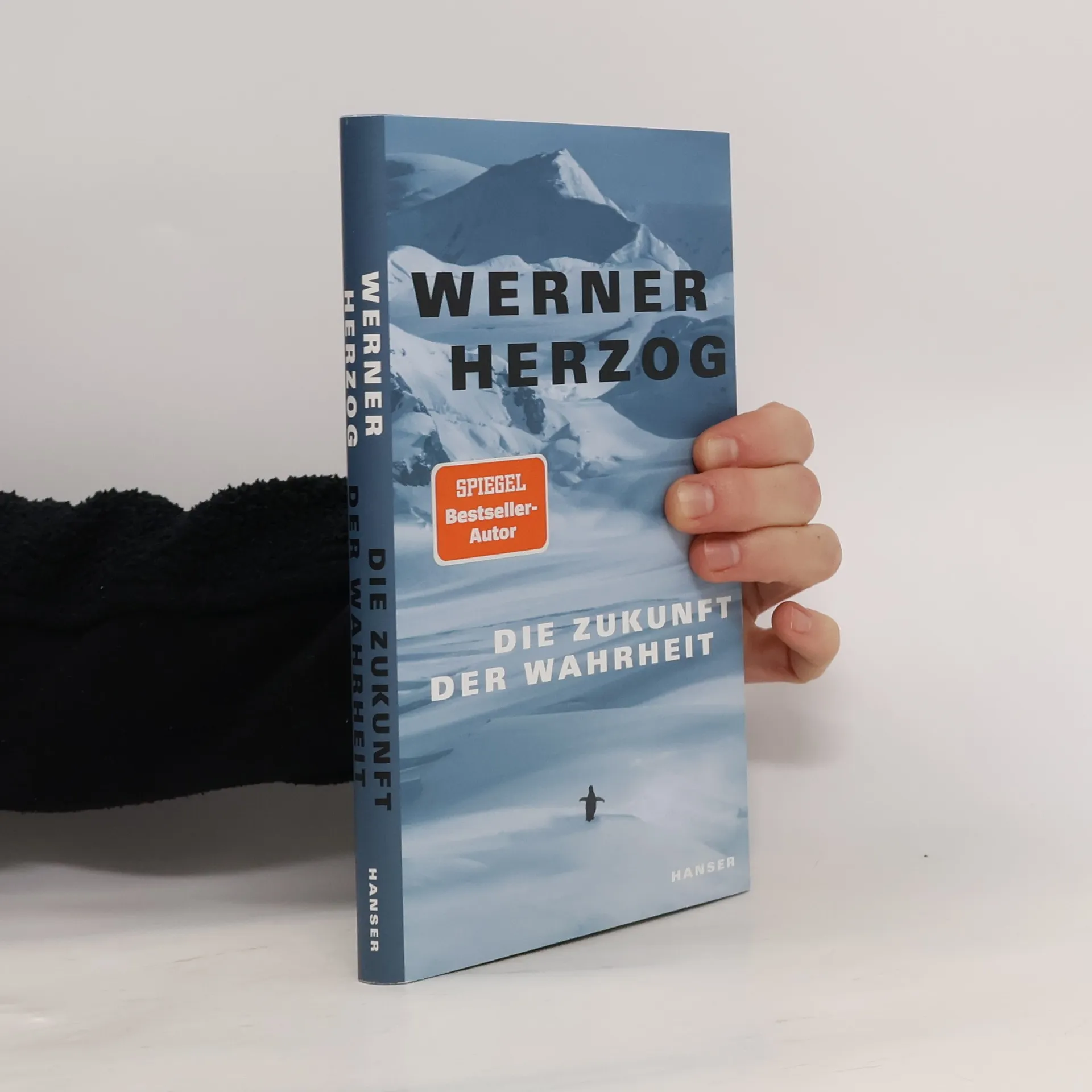
    Werner Herzog
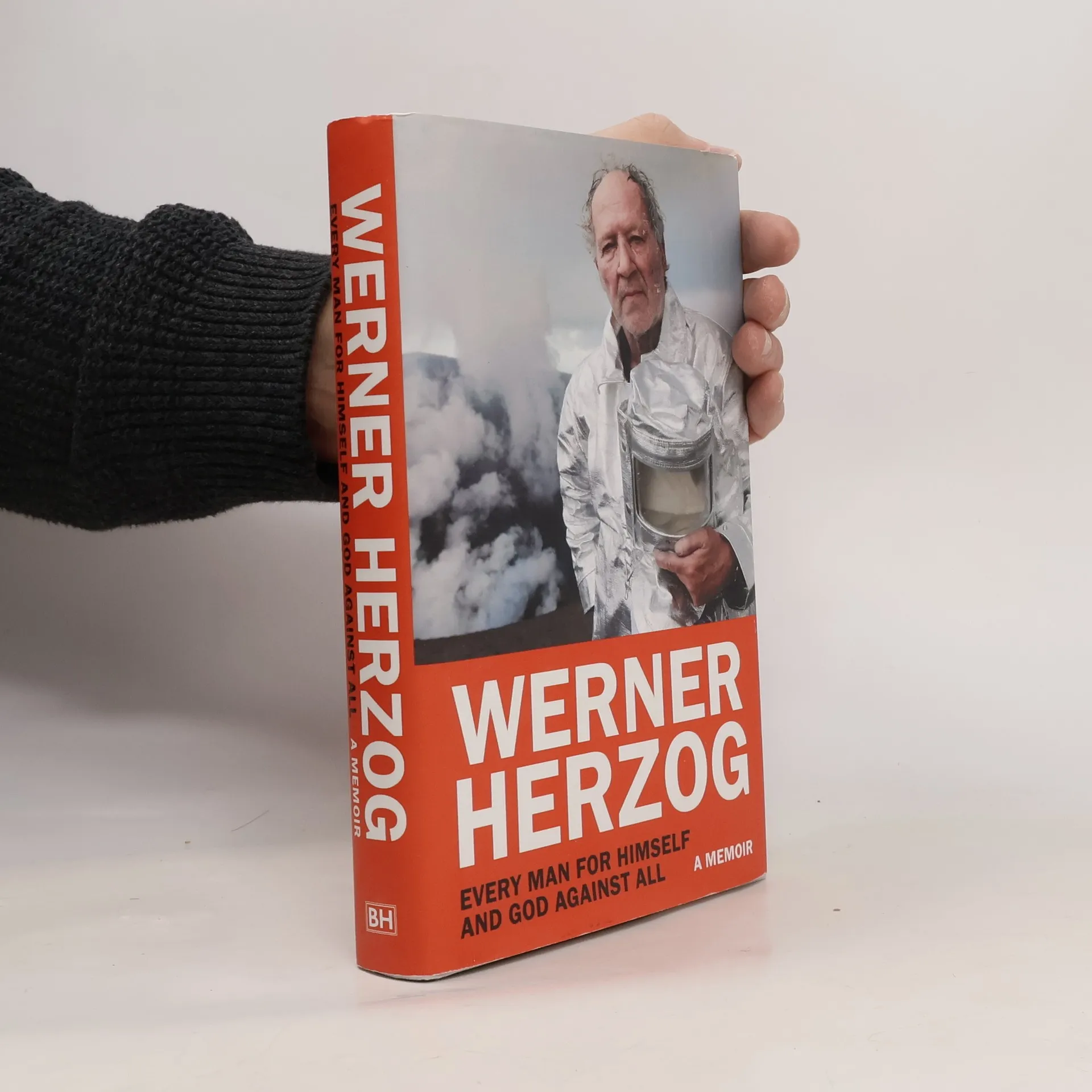
    Every Man for Himself and God Against All
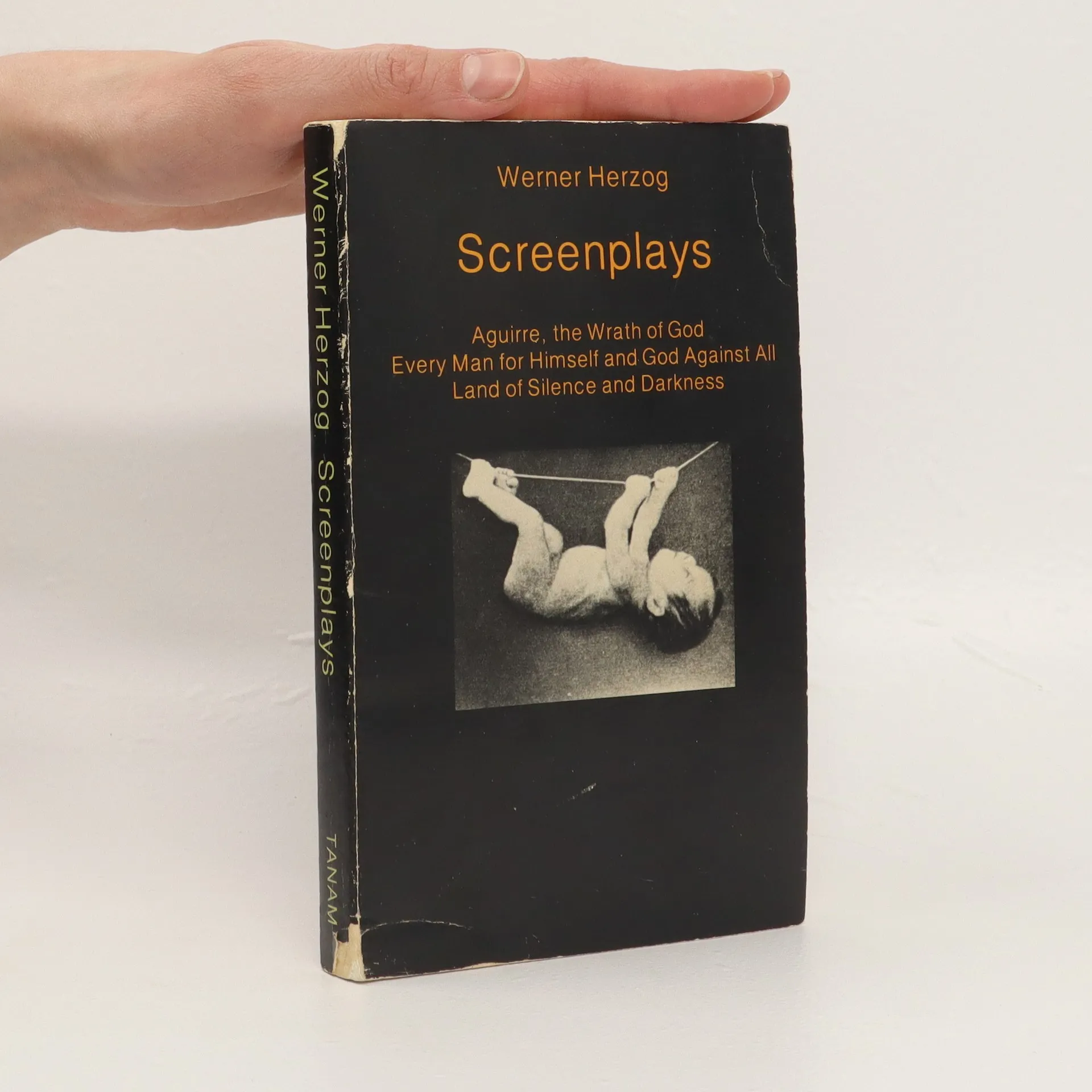
    Screenplays
    A Guide for the Perplexed
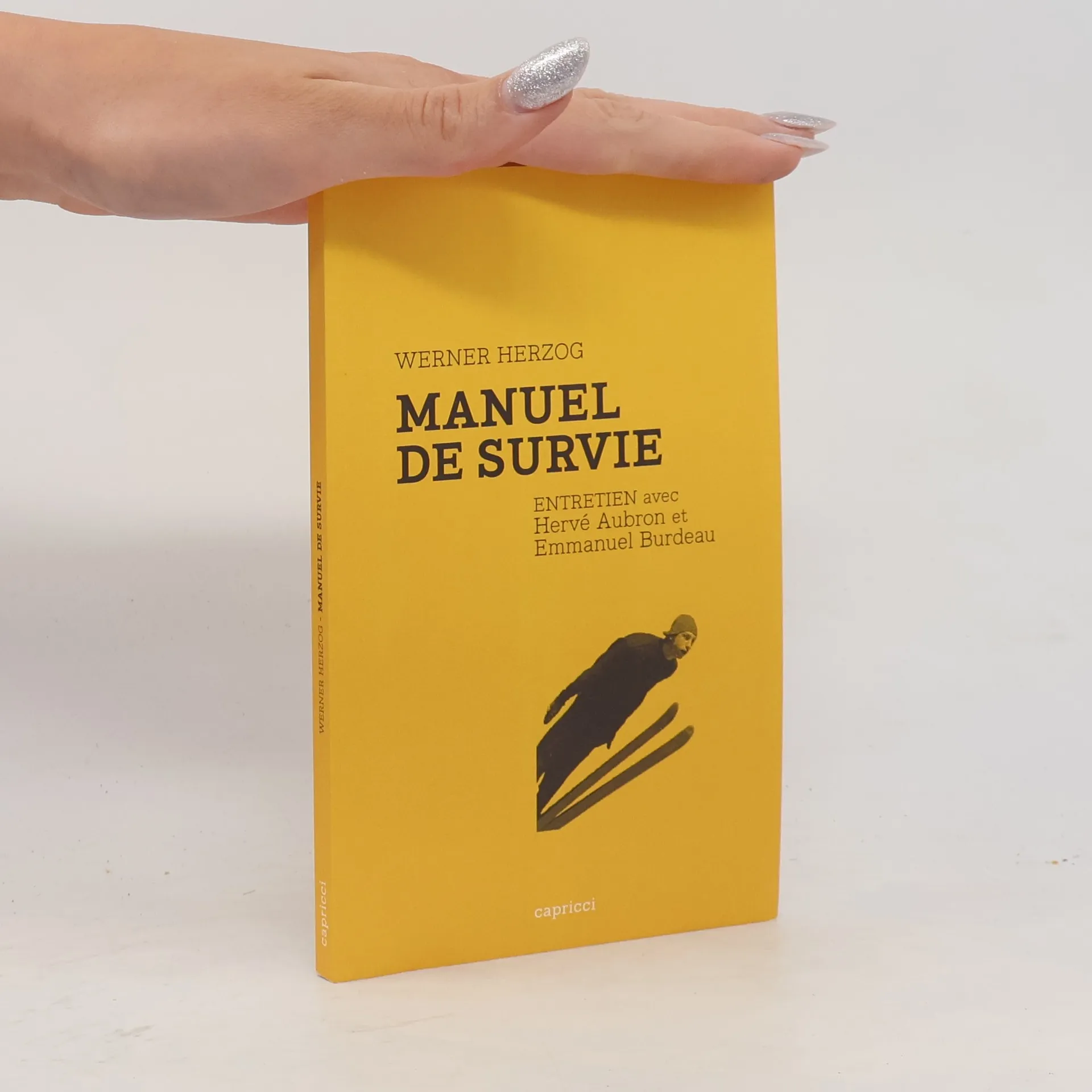
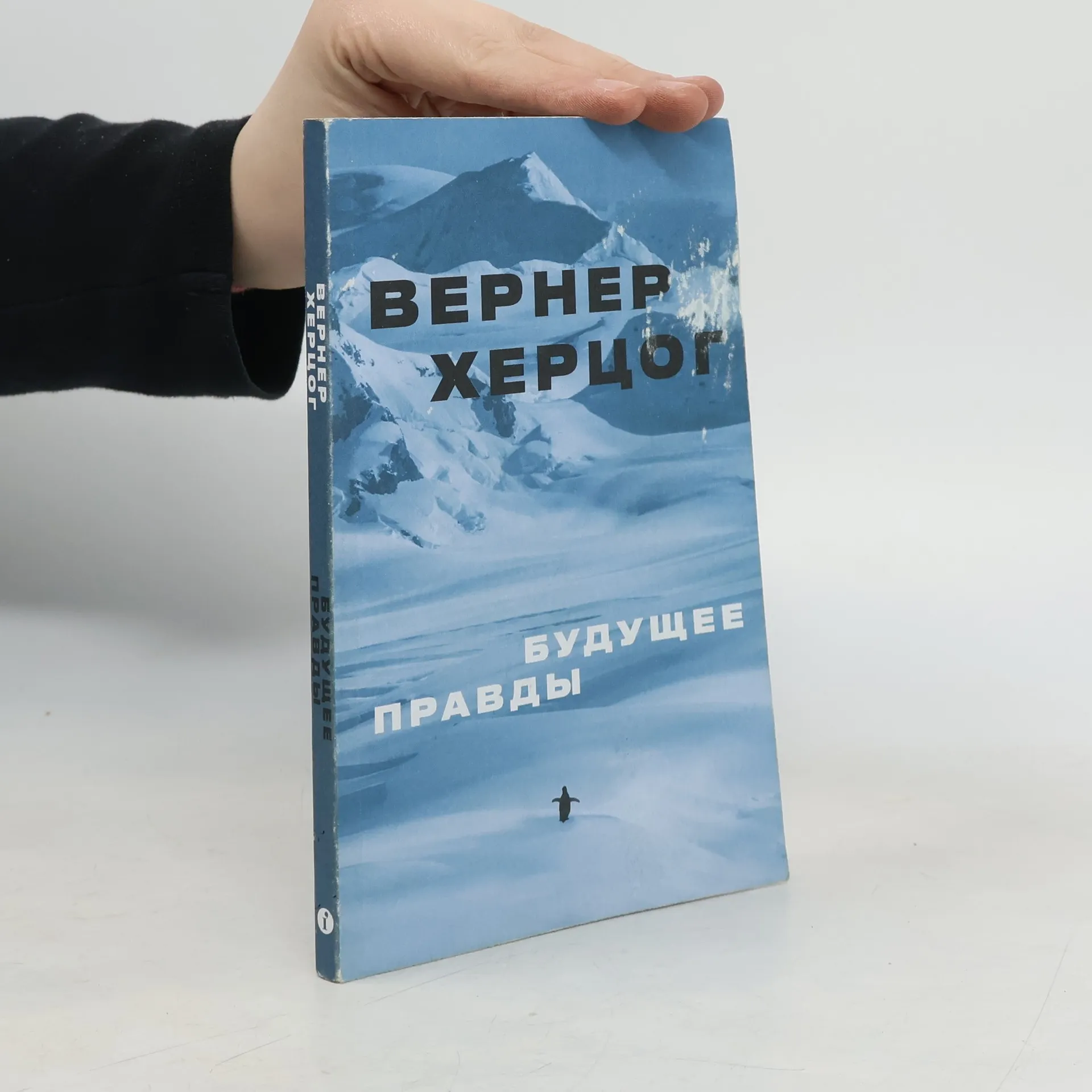
    O chůzi v ledu
    Dobývání marnosti
    Každý za sebe a Bůh proti všem
    • Každý za sebe a Bůh proti všem

      • 308 stránek
      • 11 hodin čtení
      4,7(6)Ohodnotit

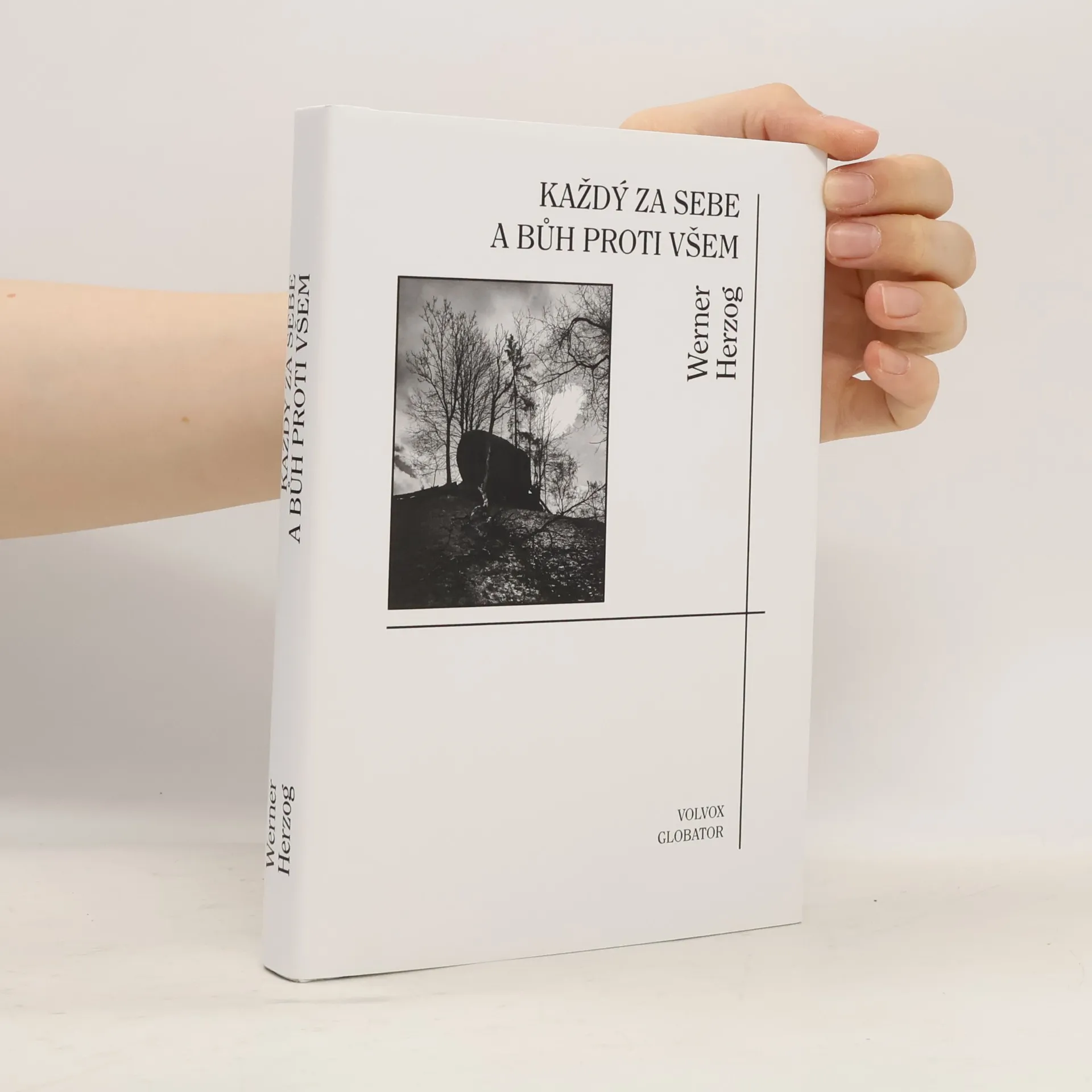
      Paměti Wernera Herzoga líčí v 36 krátkých pasážích scény a obrazy z neuvěřitelně bohatého autorova života, doplněné jeho krátkými úvahami. Zachycují život v rozpětí jednoho století, který by se nevešel ani do jednoho z jeho slavných filmů. Mladý, věčně hladový Herzog, s nímž matka uprchla z rozbombardovaného Mnichova do chudičké vsi v Alpách, vyroste v mladíka toulajícího se osaměle světem, na něhož záhy číhá v nejzazších končinách Egypta v horečkách smrt. Je to nadšenec a ctižádostí poháněný individualista, který uprostřed džungle tiše rozmlouvá s rozběsněným Klausem Kinským a rozpláče se u smrtelného lože přítele Bruce Chatwina. Ať už mluví o situacích během natáčení, jež občas ohrožují i životy ostatních, nebo o svém vztahu s Kinským, vždy jsou ve hře riziko a silné emoce. Tato kniha plná nespoutané touhy po životě a údivu nad naším nádherným světem je skutečnou literární událostí.
      Každý za sebe a Bůh proti všem
    • Dobývání marnosti

      • 292 stránek
      • 11 hodin čtení
      4,0(2346)Ohodnotit

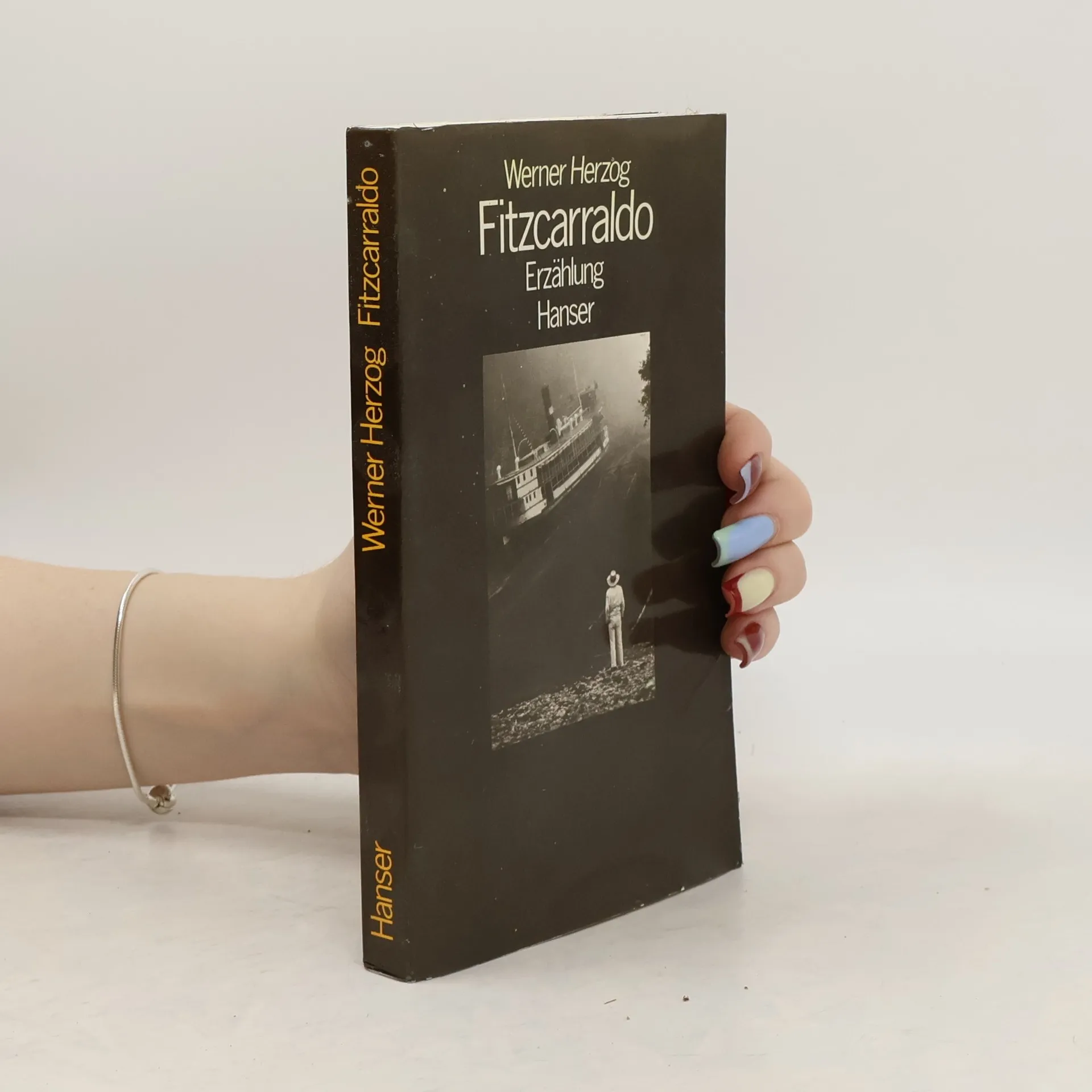
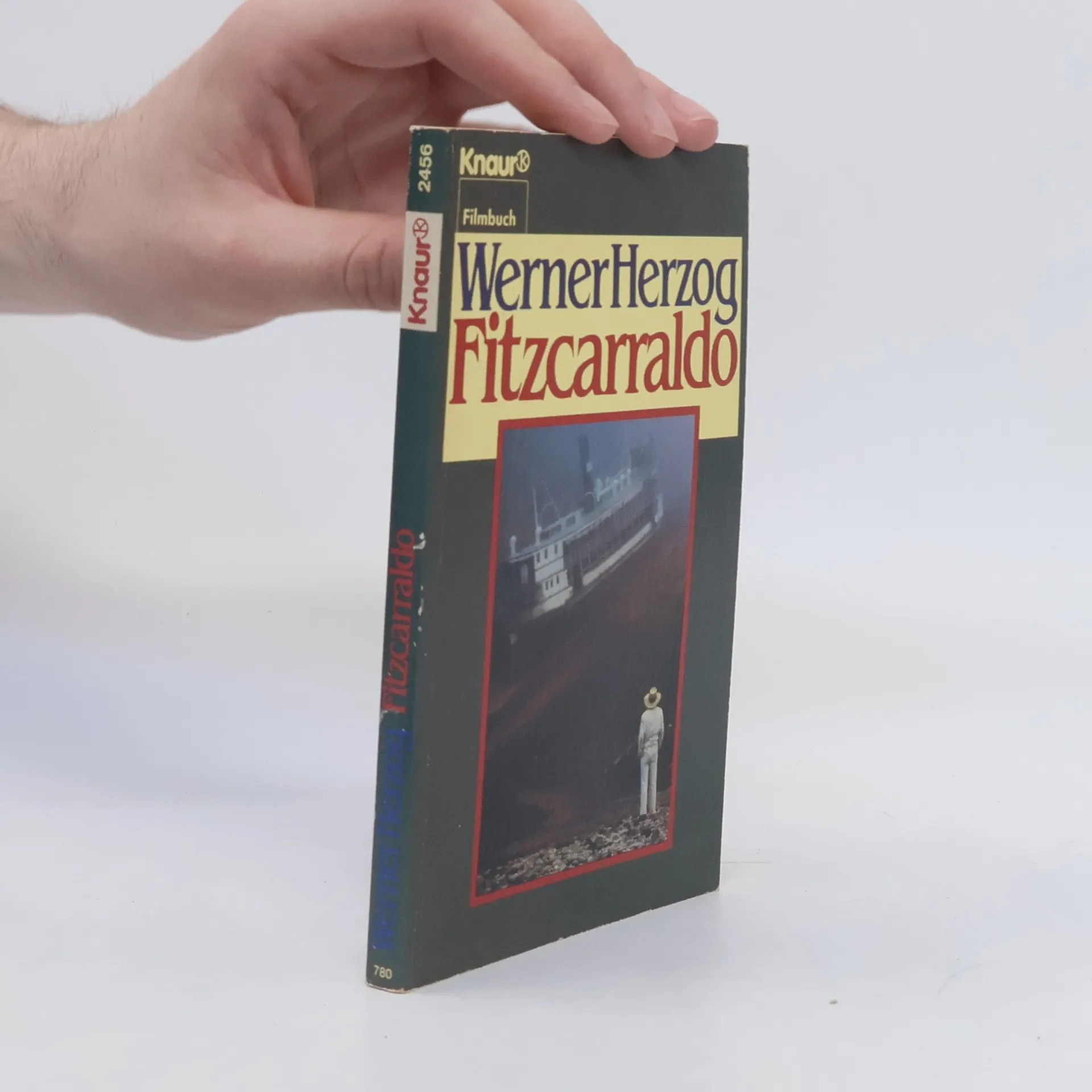
      Červen 1979: Werner Herzog se vydává do jihoamerické džungle natočit film Fitzcarraldo, příběh muže, sen a jeho realizaci. Natáčení se mění v dobrodružství: Deník Wernera Herzoga Dobývání marnosti je záznamem existenciálního zážitku a pokračujícího konfliktu s představitelem hlavní role Klausem Kinským, který se stále hlouběji dostává do své role Fitzcarralda. Werner Herzog (*5. září 1942), vlastním jménem Werner H. Stipetić, se narodil chorvatským rodičům v Mnichově, ale vyrůstal v malé bavorské vesničce nedotčené moderními technologiemi. Ve dvanácti letech poprvé viděl promítat film a ve čtrnácti začal pěšky poznávat Německo. Studoval literaturu a historii v Mnichově, později absolvoval filmový seminář v Pittsburghu na Duquesne University. Studia však nedokončil a namísto toho cestoval a živil různými pracemi včetně jezdce na rodeu. V roce 1963 založil produkční společnost Werner Herzog Film Production, aby si udržel nezávislost. Za svou filmovou kariéru natočil více než padesát filmů. Působil však také jako spisovatel, herec, scénarista a operní režisér. Spolupracoval mimo jiné s divadlem v Bayreuthu a milánské La Scale. V jeho hraných i dokumentárních filmech a knihách se odrážejí Herzogovy sympatie k zvláštnímu a ojedinělému způsobu života často na odlehlých místech naší planety nebo mimo normy moderní západní společnosti.

      Dobývání marnosti
    • O chůzi v ledu

      • 96 stránek
      • 4 hodiny čtení
      3,8(228)Ohodnotit

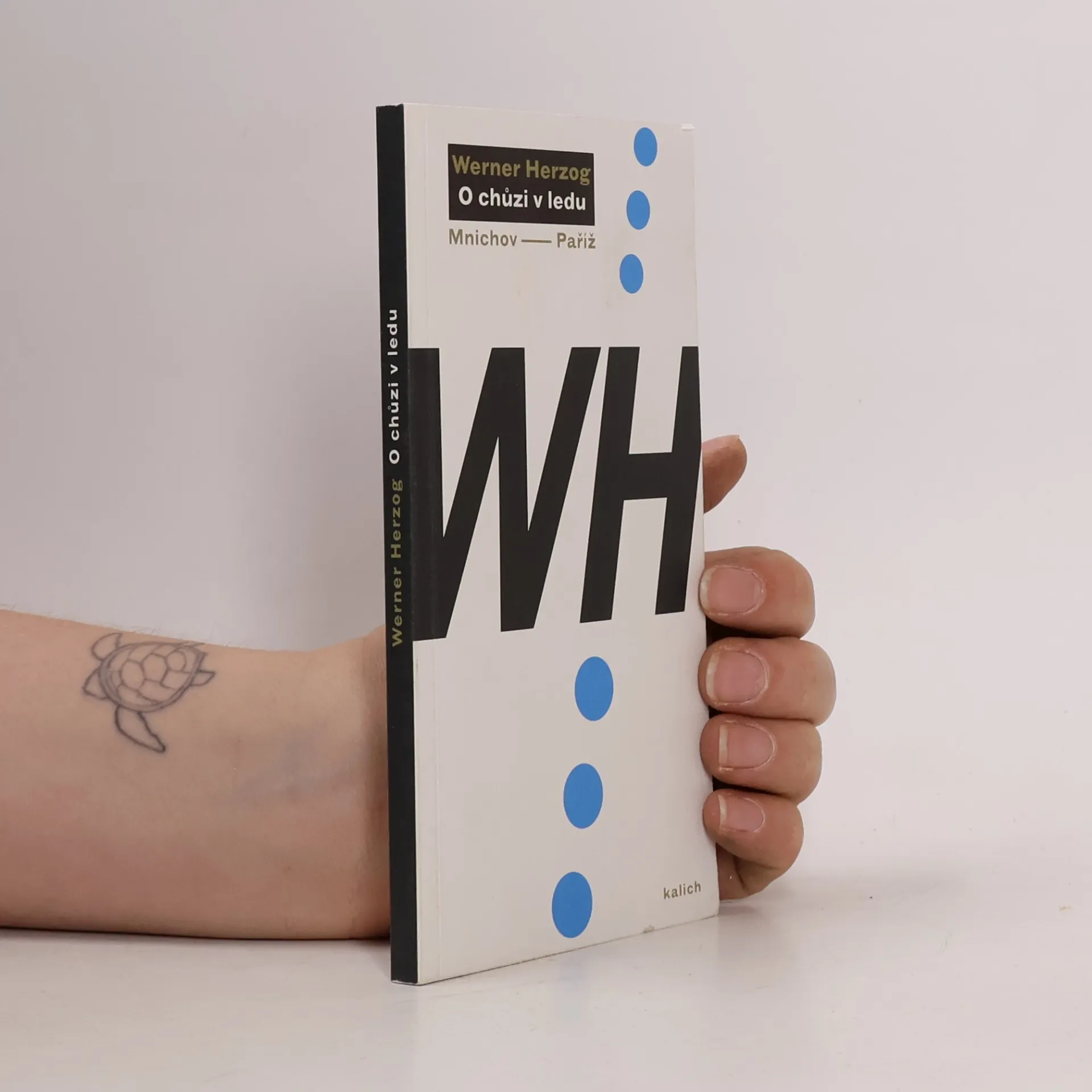
      V listopadu roku 1974 vyráží filmový režisér Werner Herzog (1942) na pochod z Mnichova do Paříže, kde se rozstonala filmová historička Lotte Eisnerová – když dojde do Paříže pěšky, bude její život zachráněn. Chůze se pro něj stává existenciální zkušeností, v níž vnější a vnitřní krajiny splývají. Kniha O chůzi v ledu je velký hypnotický text o světě posledních zkušeností.

      O chůzi v ledu
    • A Guide for the Perplexed

      • 592 stránek
      • 21 hodin čtení
      4,7(27)Ohodnotit

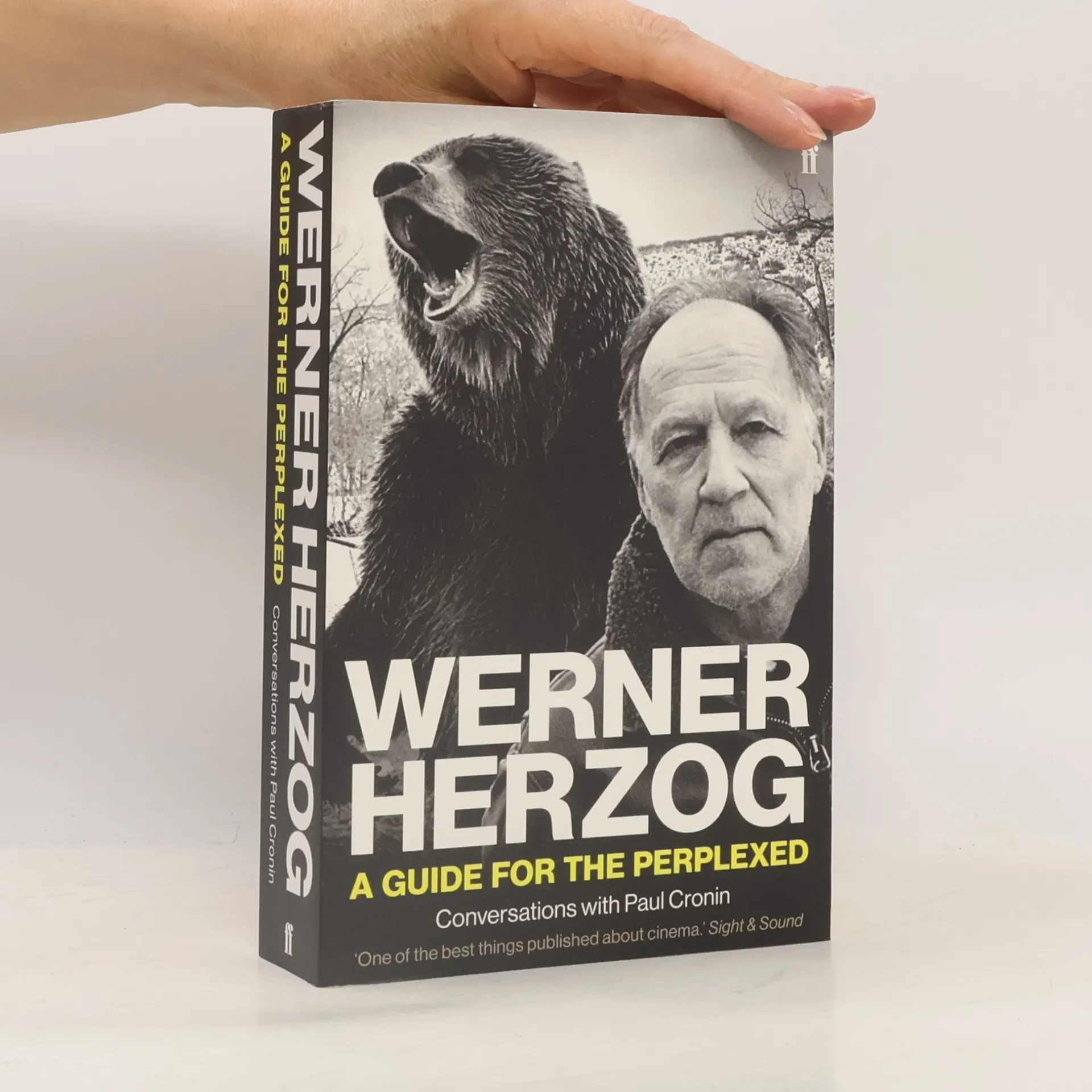
      'One of the best things published about cinema.' Sight & Sound Herzog was once hailed by Francois Truffaut as the most important director alive. Famous for his frequent collaborations with mercurial actor Klaus Kinski - including the epics Aguirre, the Wrath of God and Fitzcarraldo, and the terrifying Nosferatu - and more recently with documentaries such as Grizzly Man, Cave of Forgotten Dreams and Into the Abyss, Herzog has built a body of work that is one of the most vital in post-war German cinema. Here, he reflects on his legendary and inspiring career.

      A Guide for the Perplexed
    • Werner Herzog is the undisputed master of extreme cinema: building an opera house in the middle of the jungle; walking from Munich to Paris in the dead of winter; descending into an active volcano; living in the wilderness among grizzly bears - he has always been intrigued by the extremes of human experience. From his early movies to his later documentaries, he has made a career out of exploring the boundaries of human endurance: what we are capable of in exceptional circumstances and what these situations reveal about who we really are. But these are not just great cinematic themes. During the making of his films, Herzog pushed himself and others to the limits, often putting himself in life-threatening situations. As a child in rural Bavaria, a single loaf of bread had to last his family all week. The hunger and deprivation he experienced during his early years perhaps explain his fascination with the limits of physical endurance.All his life, Herzog would embrace risk and danger, constantly looking for challenges and adventures. Filled to the brim with memorable stories and poignant observations, Every Man for Himself and God against All unveils the influences and ideas that drive his creativity and have shaped his unique view of the world. This book tells, for the first time, the story of his extraordinary and fascinating life.

      Every Man for Himself and God Against All
    • Werner Herzog

      • 208 stránek
      • 8 hodin čtení
      4,0(4)Ohodnotit

      Interviews with the director of Signs of Life; Aguirre, the Wrath of God to Grizzly Man; and Cave of Forgotten Dreams

      Werner Herzog
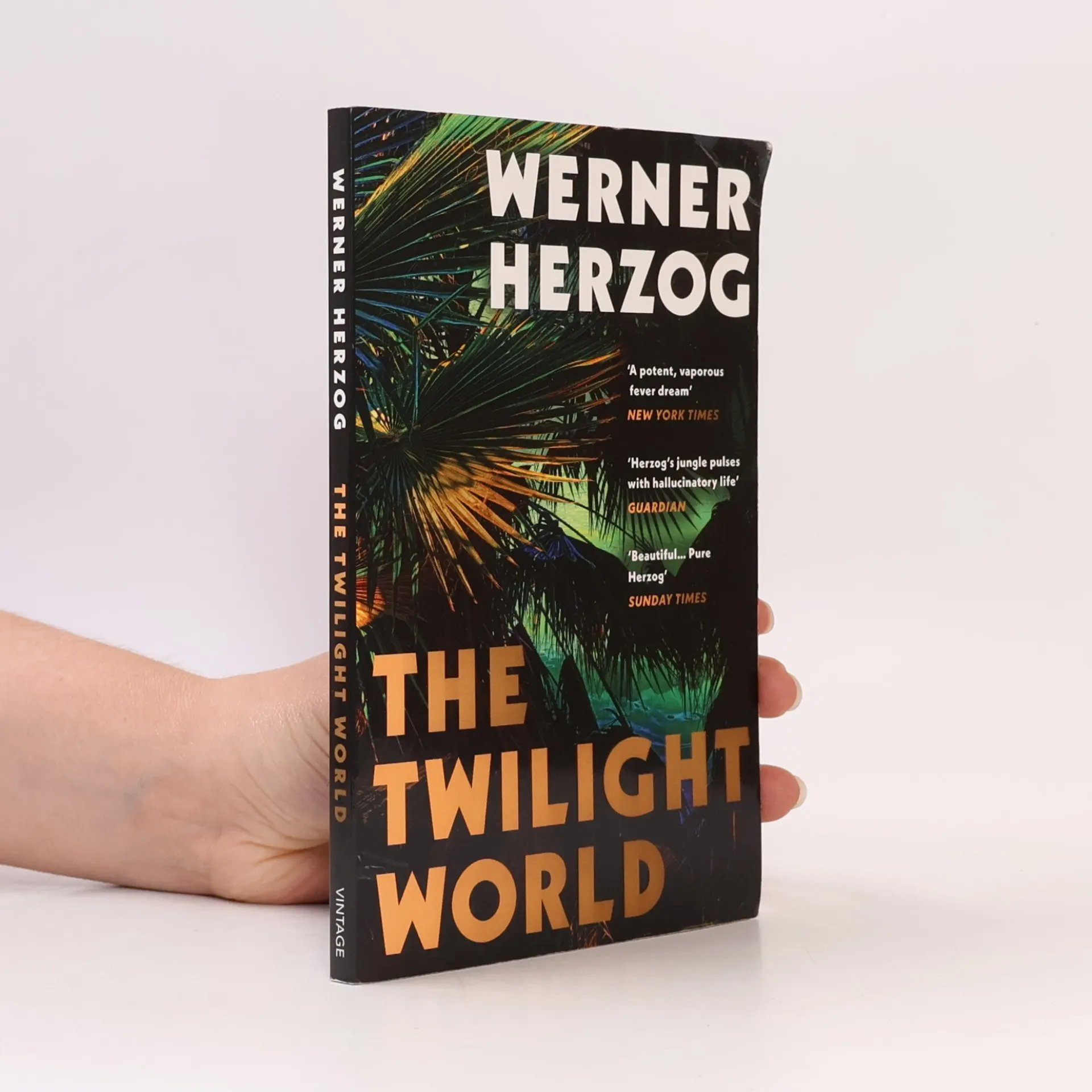
    • "Werner Herzog, one of the most revered filmmakers of all time, in his first book in many years, tells the story of Hiroo Onoda, a Japanese soldier who continued to defend a small island in the Philippines for twenty-nine years after the end of World War Two. In 1997, Werner Herzog was in Tokyo to direct an opera. His hosts there asked, whom would you like to meet? He replied instantly: Hiroo Onoda. Onoda was a former solider famous for having quixotically defended an island in the Philippines for decades after World War II, unaware the war was over. At their meeting, Herzog and Onoda spoke for hours, and together began to unravel Onoda's incredible story. At the end of 1944, on Lubang Island in the Philippines, with Japanese troops about to withdraw, Lieutenant Hiroo Onoda was given orders by his superior officer: Hold the island until the Imperial army's return. Defend the territory with guerilla tactics at all costs. There is only one rule: you are forbidden to die by your own hand. In the event of capture, give the enemy all the misleading information you can. Onoda dutifully retreated into the jungle, and so began his long campaign. Soon weeks turned into months, months into years, and years into decades. And all the while Onoda continued to follow his orders, surviving by any means necessary, at first with other soldiers, and then, finally, all alone in the jungle, like a phantom, becoming one with the natural world. Until eventually time itself seemed to melt away. In The Twilight World, Herzog immortalizes Onoda's years of absurd yet epic struggle, recounting his lonely mission in an inimitable, hypnotic style-part documentary, part poem, and part dream-that will be instantly recognizable to fans of his films. The result is something like a modern-day Robinson Crusoe: nothing less than a glowing, dancing meditation on the purpose and meaning we give our lives"-- Provided by publisher

      The Twilight World
    • Nosferatu

      The Vampyre

      • 172 stránek
      • 7 hodin čtení
      3,7(106)Ohodnotit

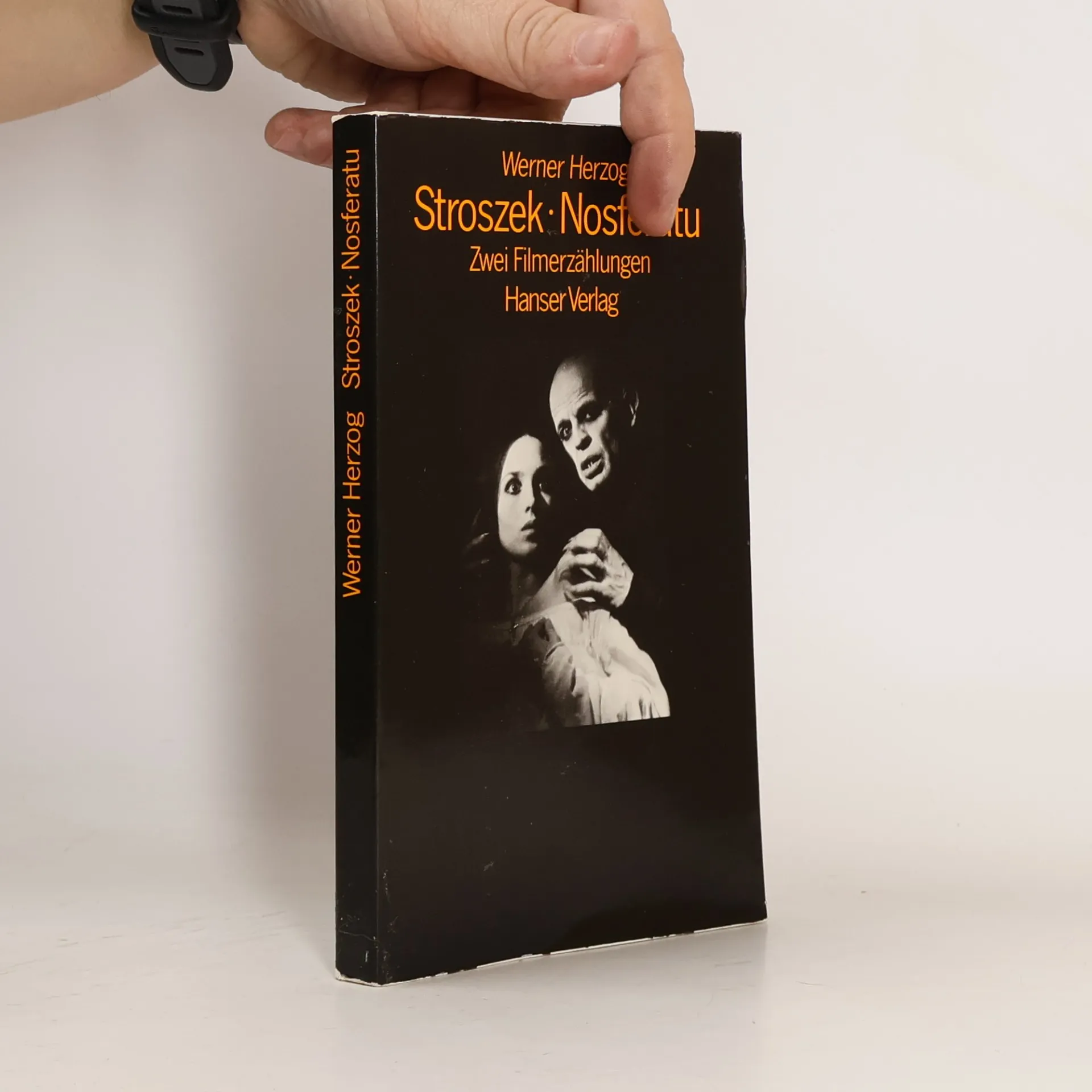
      Retelling of Bram Stoker's Dracula based on the screenplay of the 1979 German film Nosferatu.

      Nosferatu
    • Mexico

      The Aztec Account of the Conquest [SCREENPLAY]

      • 156 stránek
      • 6 hodin čtení

      The screenplay presents an epic dramatization of Hernán Cortes' conquest of the Aztec empire in 1521, showcasing Werner Herzog's unique storytelling style. Although it has remained unfilmed for over thirty years, readers can now explore this ambitious narrative that delves into themes of power, culture, and the clash of civilizations. Herzog's vision offers a captivating glimpse into a pivotal moment in history, bringing to life the complexities of conquest and its lasting impact.

      Mexico