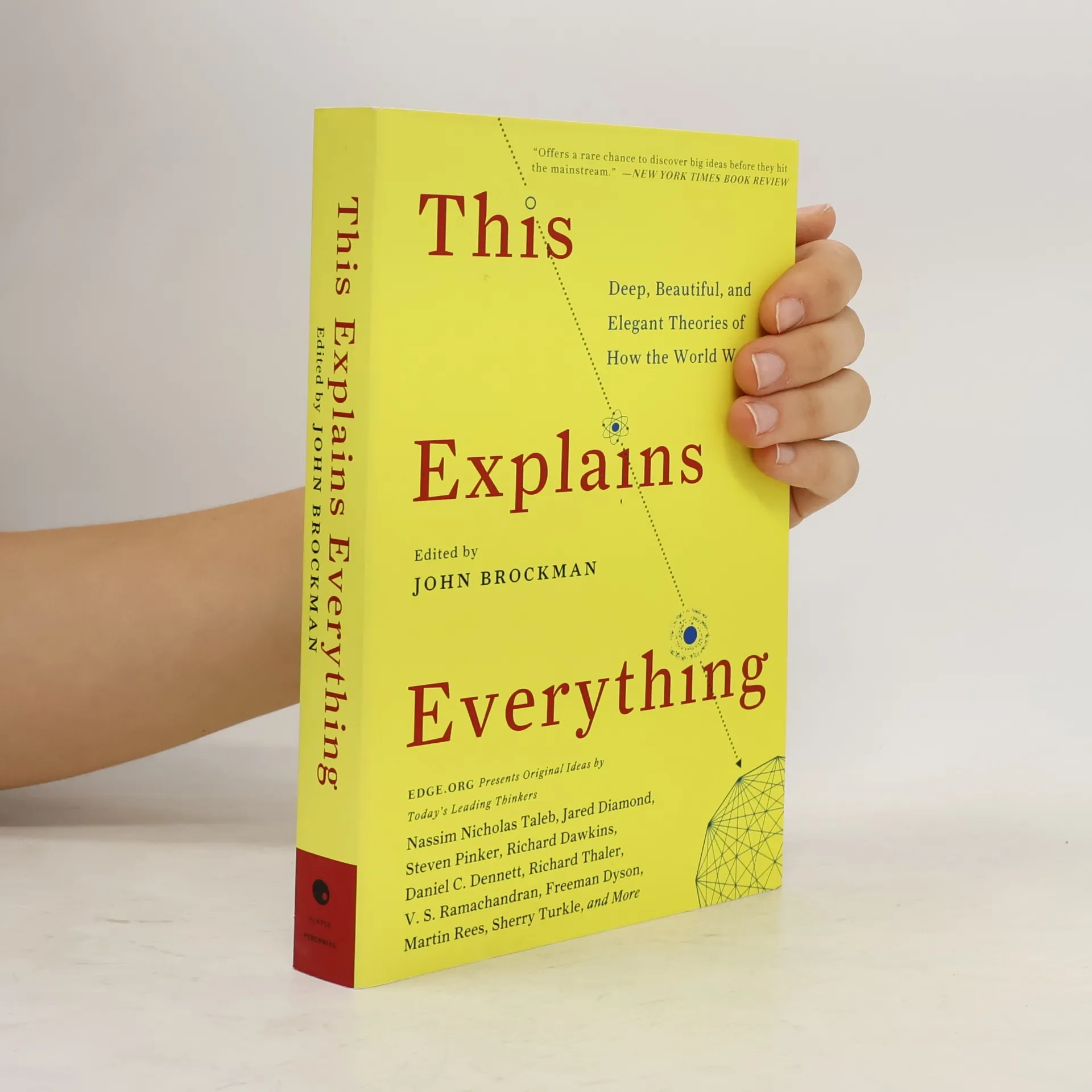
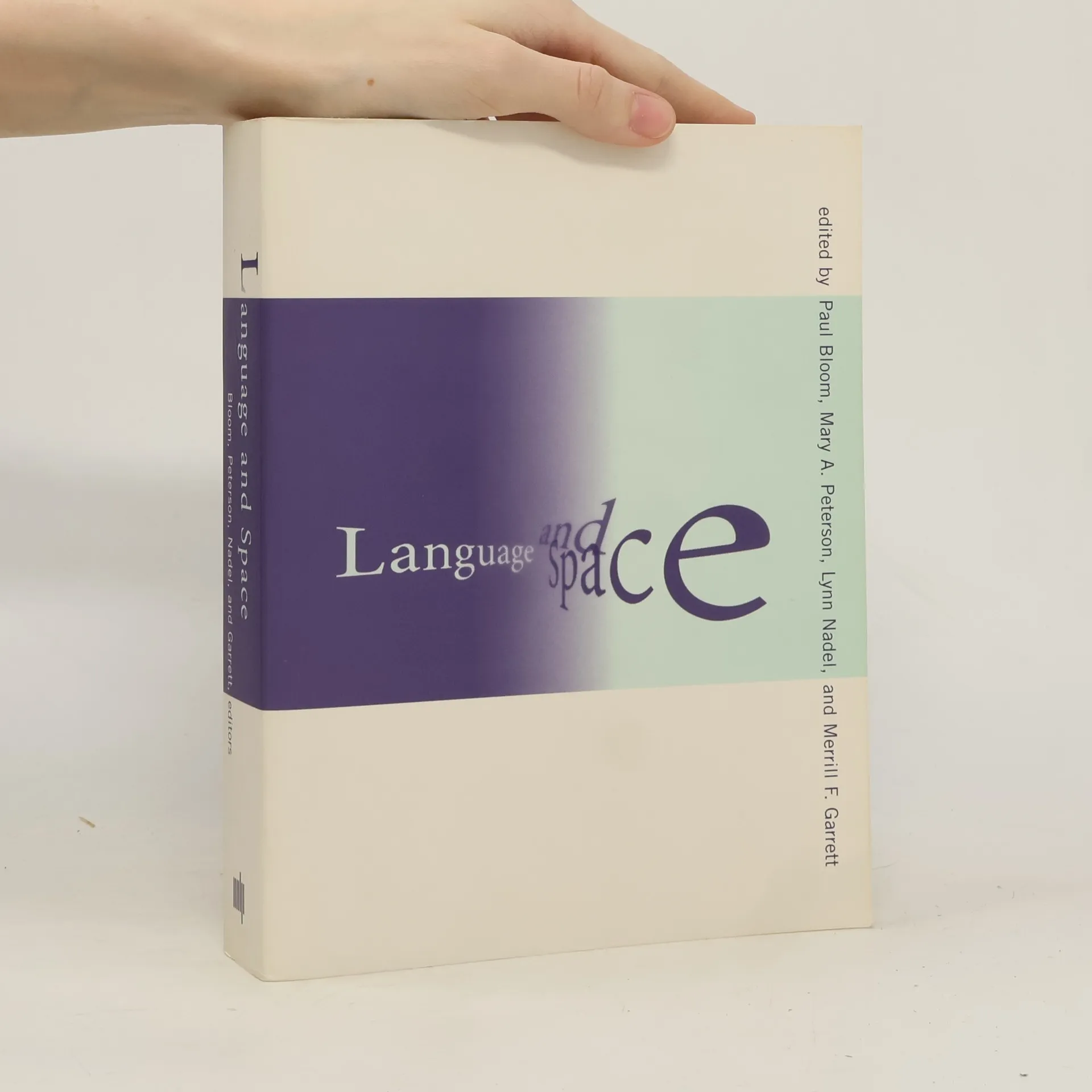
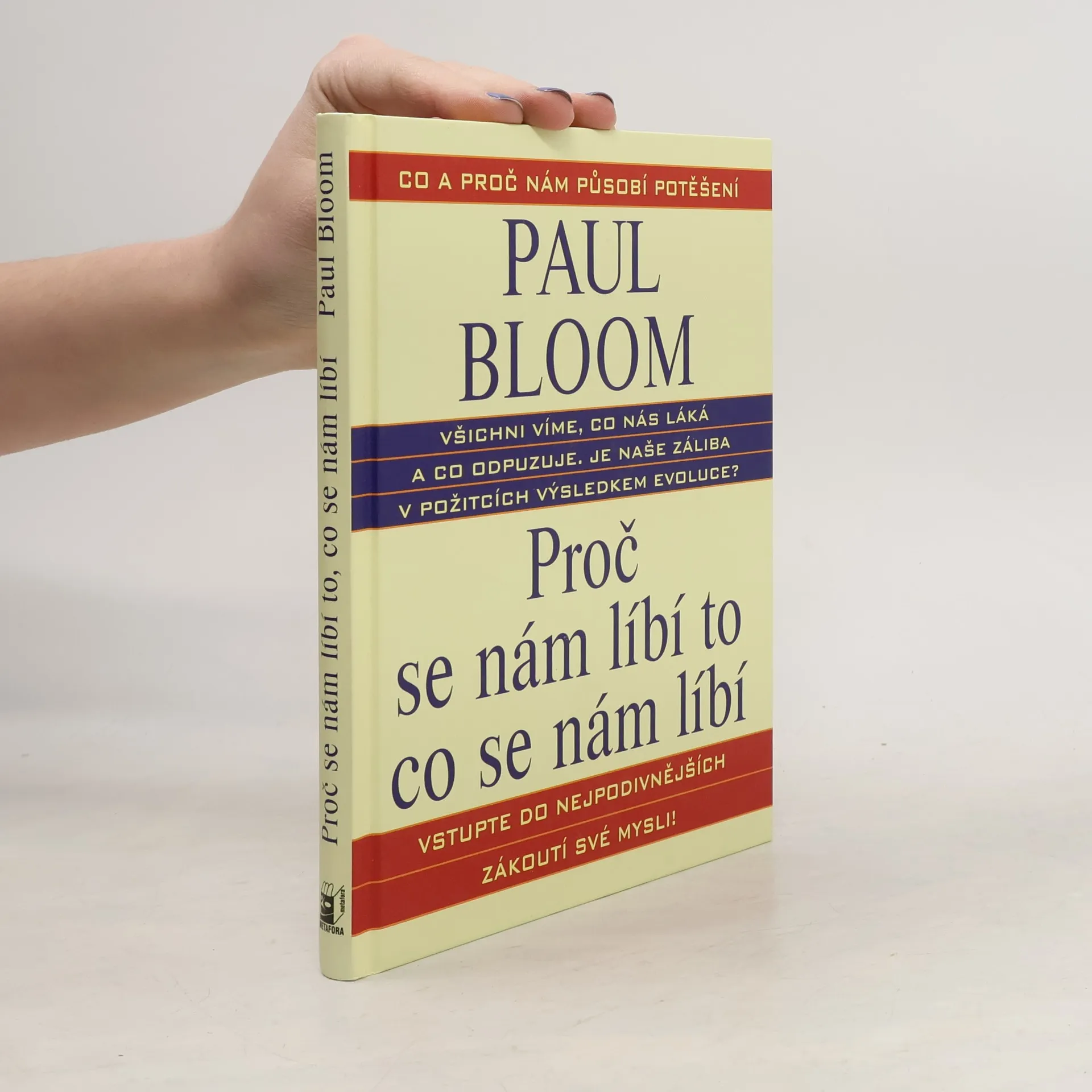
Co všechno nám lidem přináší potěšení? Obdivuhodná sonda do hlubin lidské mysli… Přemýšleli jste někdy o tom, proč se z některých jedinců stávají kanibalové? Proč nám (většinou) připadá nechutné a zvrhlé mít sex s vlastním sourozencem nebo rodičem? Proč se někdo dobrovolně nechá týrat a ponižovat, a ještě mu to působí rozkoš? Proč nám originály uměleckých děl připadají nekonečně cennější než padělky? Autor téhle knihy se pouští pořádně hluboko do téhle neprobádané říše a vysvětluje, jak se tímhle vším výrazně odlišujeme od ostatních živých tvorů a jak nás právě tyhle věci činí „lidskými“. Dokonce už od plenek dokážeme my lidé rozpoznat realitu od fikce. A přestože spřádání snů, fantazie, okouzlení hudbou či příběhy nám v našem evolučním vývoji nepřinášejí nic nezbytného pro přežití, necháváme se tím vším znovu a znovu okouzlovat. Proč? To už na stránkách téhle nanejvýš zajímavé knihy zjistíte sami.
Paul Bloom Knihy
Paul Bloom se zabývá psychologií a kognitivní vědou. Jeho výzkum se soustředí na to, jak lidé chápou fyzický a sociální svět, zejména morálku, náboženství, fikci a umění. Své poznatky publikuje v předních vědeckých časopisech i populárních médiích. Jeho práce zkoumá základy lidského poznání a morálky.


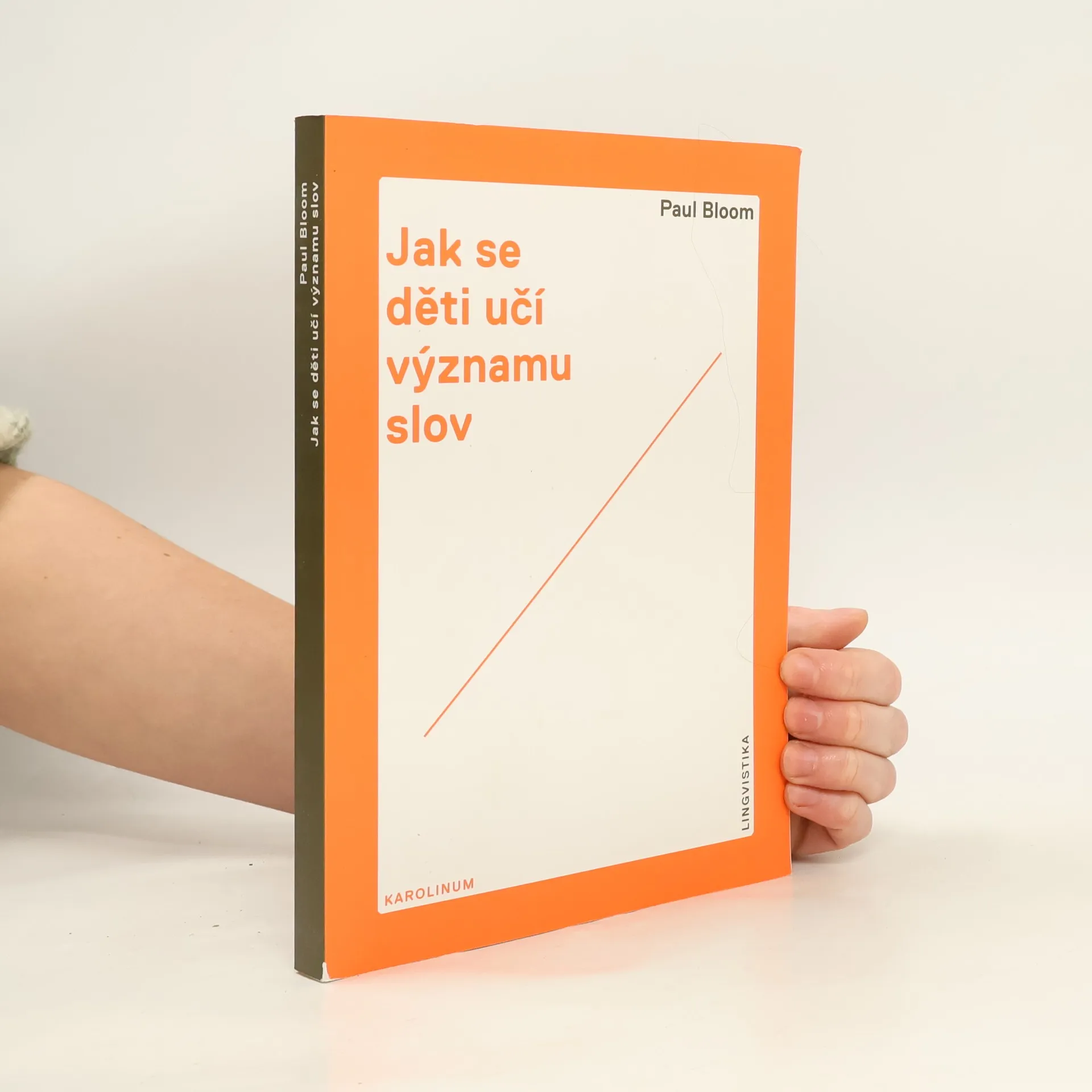
Jak se děti učí významu slov
- 296 stránek
- 11 hodin čtení
Jak děti zjistí, že slovo „pes“ označuje psa a ne třeba kočku, auto anebo člověka? Jak poznají, co znamenají slovesa „myslet“ nebo „věřit“, přídavná jména „dobrý“ či „bílý“, anebo třeba slova označující abstraktní jevy, jako jsou „hypotéka“ nebo „příběh“? Děti si slova osvojují poměrně rychle, obvykle bez toho, aby je to někdo explicitně učil. Porozumění významům slov je jedním ze základních problémů současného zkoumání lidského myšlení. Paul Bloom zastává přístup, že učení se významům slov je výsledkem interakce rozličných kognitivních a jazykových schopností, mezi něž patří schopnost porozumět záměrům druhých lidí, schopnost osvojit si abstraktní pojmy, schopnost porozumět syntaktické struktuře a určité obecnější schopnosti týkající se paměti a učení. Ačkoli ostatní vědci dosud spojovali učení se slovům s některou z těchto dovedností, Bloom je první, kdo ukazuje, že k úplnému porozumění slovům je potřeba všech těchto lidských schopností. Na to, aby si děti – ale i dospělí – osvojili i ta nejjednodušší slova, potřebují bohaté pojmové, sociální a jazykové dovednosti, které se vzájemně doplňují.

Psych
- 464 stránek
- 17 hodin čtení
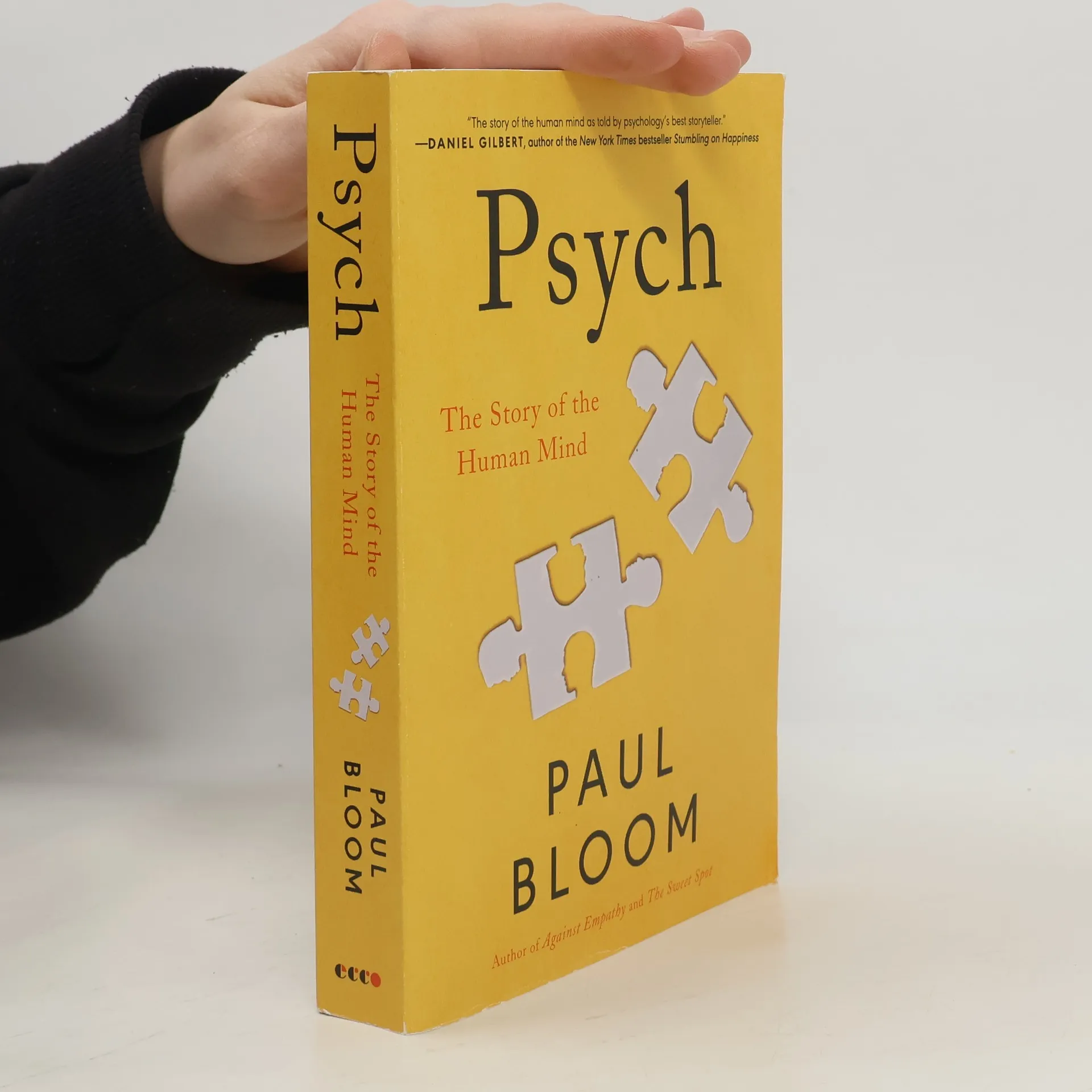
A Next Big Idea Club Must-Read A compelling and accessible new perspective on the modern science of psychology, based on one of Yale's most popular courses of all time How does the brain--a three-pound wrinkly mass--give rise to intelligence and conscious experience? Was Freud right that we are all plagued by forbidden sexual desires? What is the function of emotions such as disgust, gratitude, and shame? Renowned psychologist Paul Bloom answers these questions and many more in Psych, his riveting new book about the science of the mind. Psych is an expert and passionate guide to the most intimate aspects of our nature, serving up the equivalent of a serious university course while being funny, engaging, and full of memorable anecdotes. But Psych is much more than a comprehensive overview of the field of psychology. Bloom reveals what psychology can tell us about the most pressing moral and political issues of our time--including belief in conspiracy theories, the role of genes in explaining human differences, and the nature of prejudice and hatred. Bloom also shows how psychology can give us practical insights into important issues--from the treatment of mental illnesses such as depression and anxiety to the best way to lead happy and fulfilling lives. Psych is an engrossing guide to the most important topic there is: it is the story of us.
"Are you a human? Do you have a mind? Then this book is for you. Nothing is more familiar and yet less understood than the human mind. It defines the experience of being human, and yet its workings contain some of the deepest mysteries ever encountered. Written by one of the world's greatest teachers of psychology, The Human Mind provides a masterful and riveting guide to all that we have learned since modern science began probing those mysteries. It shines new light on all that you take most for granted, everything you think and feel, everything you say and do, everything that makes you you"--Publisher's description.
The Story Advantage
- 168 stránek
- 6 hodin čtení
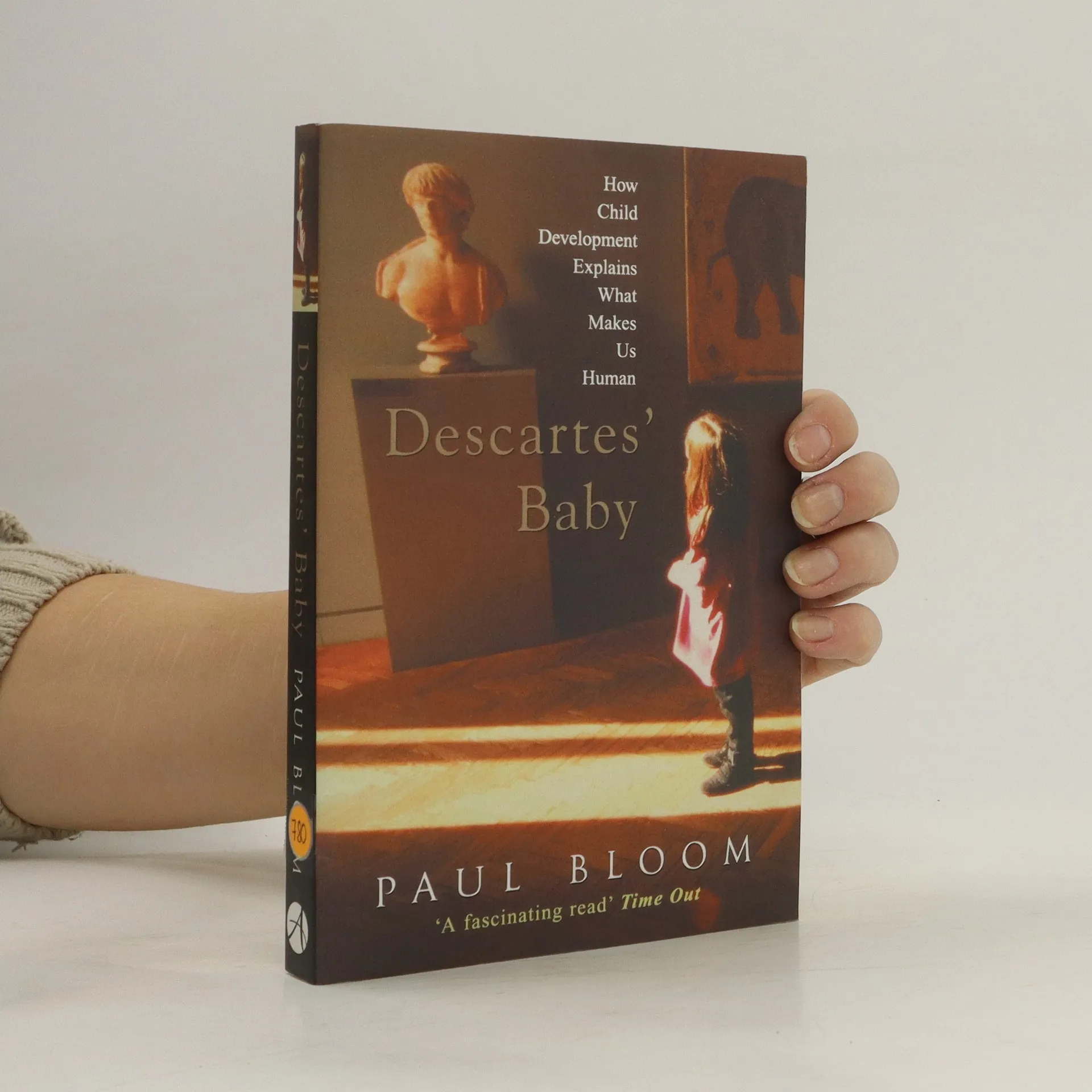
Descartes' baby. How the science of child development explains what makes us human
- 288 stránek
- 11 hodin čtení
Why is a forgery worth so much less than an original work of art?What s so funny about someone slipping on a banana peel? Why, as Freud once asked, is a man willing to kiss a woman passionately, but not use her toothbrush? And how many times should you ba
"Can your marriage survive if you're both sleeping with other people? After more than 20 years of marriage, Fay and Steve are happy, but their lives lack excitement. Fay believes an open relationship could reignite that spark. But can sex ever just be sex? Steve eventually agrees to the idea, but first they must set some ground rules; no sleeping with friends, no telling the kids, and a limit on how many times they can see the same person. Can their marriage survive this arrangement - even if they have permission?"--Provided by publisher
Exploring the innate sense of morality, a leading cognitive scientist presents the idea that our understanding of good and evil is fundamentally ingrained in human nature. The book delves into the psychological and evolutionary underpinnings of moral instincts, suggesting that these concepts are not merely social constructs but are deeply rooted in our biology. Through compelling arguments and research, it challenges readers to reconsider the origins of their moral beliefs and the implications for society.
Ridley Road
- 336 stránek
- 12 hodin čtení
A beautifully written love story set in 1960s Soho amid the revival of fascism'Vivid, cinematic and exciting' Red
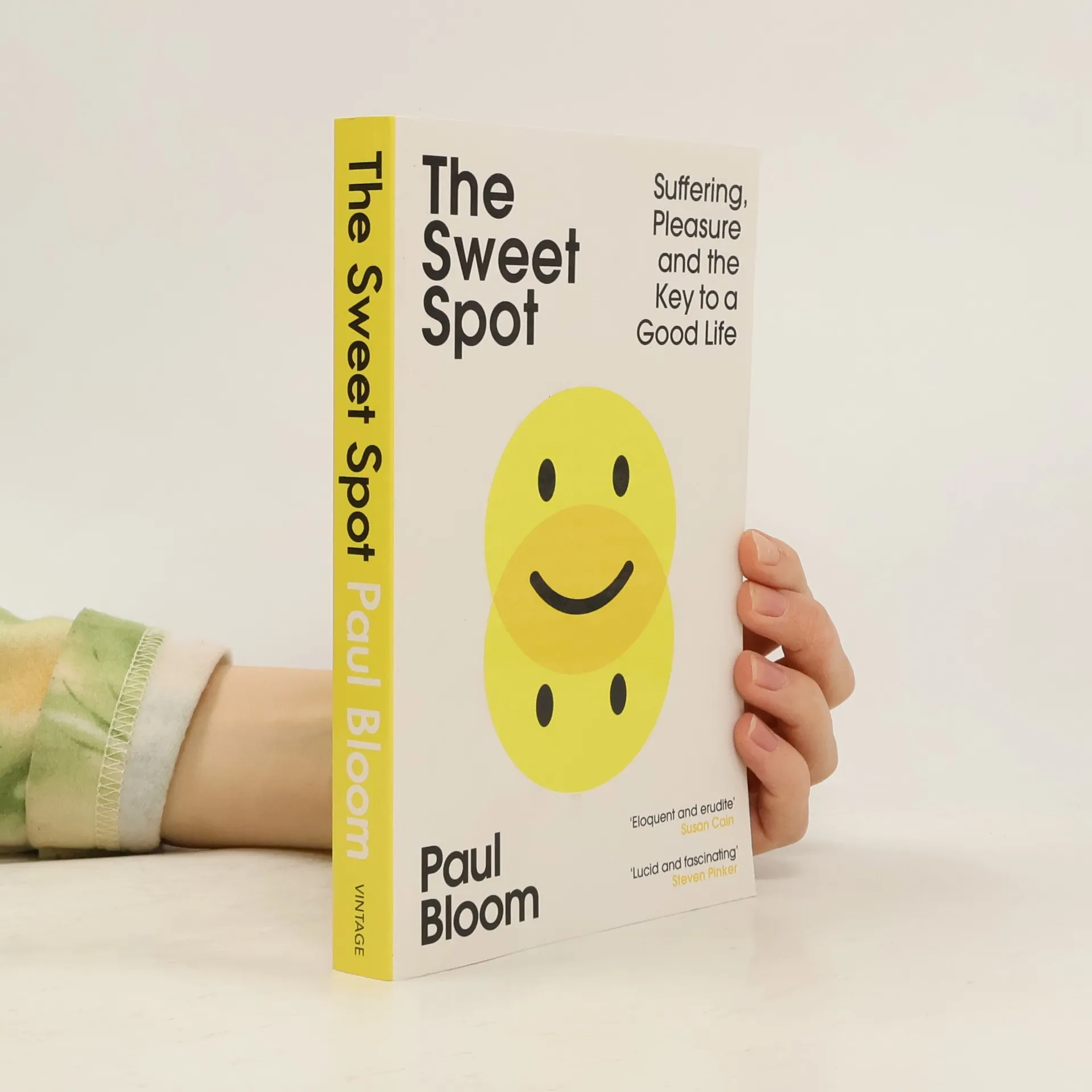
"Why do we so often seek out physical pain and emotional turmoil? We go to movies that make us cry, or scream, or gag. We poke at sores, eat spicy foods, immerse ourselves in hot baths, run marathons. Some of us even seek out pain and humiliation in sexual role-play. Where do these seemingly perverse appetites come from? Drawing on groundbreaking findings from psychology and brain science, The Sweet Spot shows how the right kind of suffering sets the stage for enhanced pleasure. Pain can distract us from our anxieties and help us transcend the self. Choosing to suffer can serve social goals; it can display how tough we are or, conversely, can function as a cry for help. Feelings of fear and sadness are part of the pleasure of immersing ourselves in play and fantasy and can provide certain moral satisfactions. And effort, struggle, and difficulty can, in the right contexts, lead to the joys of mastery and flow. But suffering plays a deeper role as well. We are not natural hedonists--a good life involves more than pleasure. People seek lives of meaning and significance; we aspire to rich relationships and satisfying pursuits, and this requires some amount of struggle, anxiety, and loss. Brilliantly argued, witty, and humane, Paul Bloom shows how a life without chosen suffering would be empty--and worse than that, boring"--Publisher's description