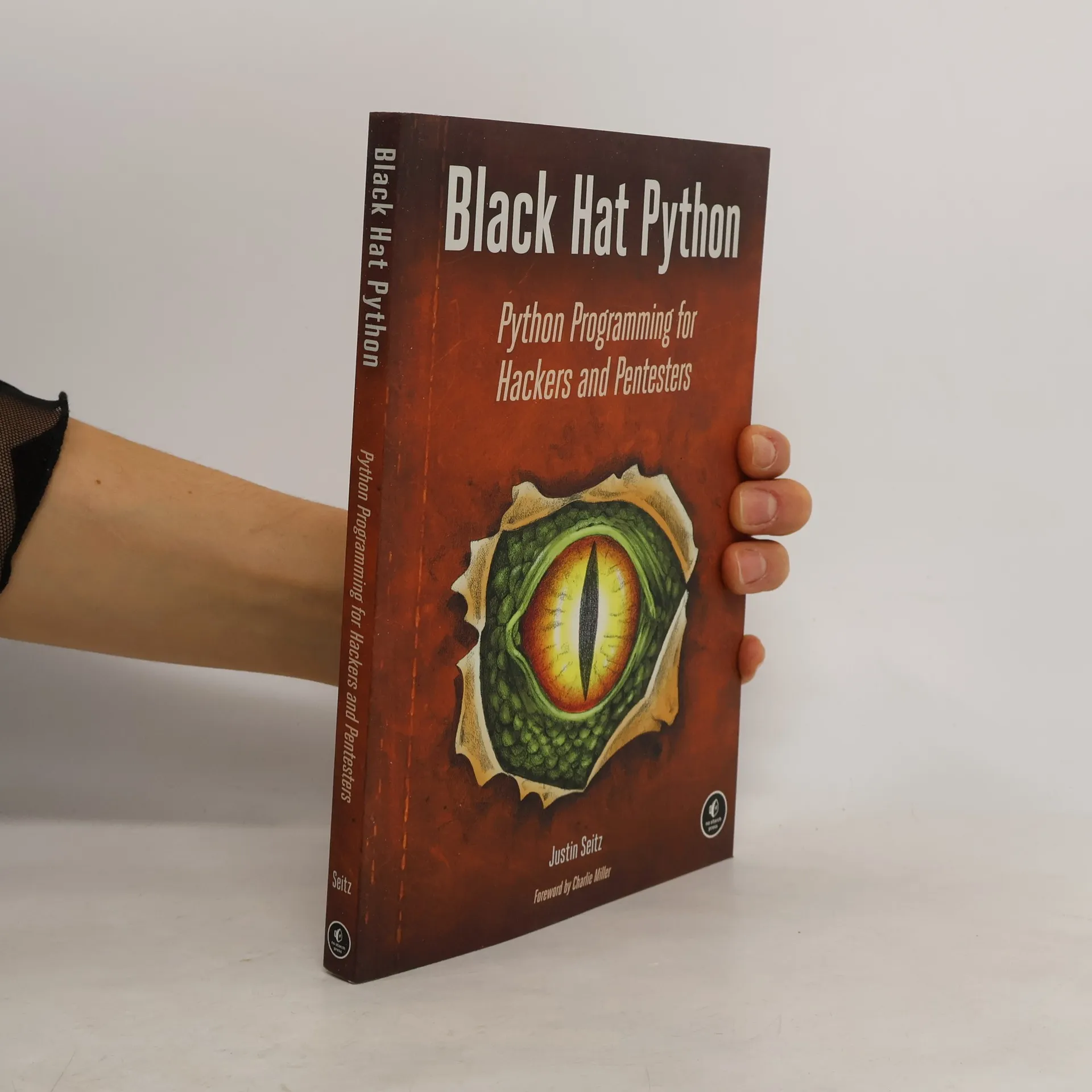
Programovací jazyk Python je nejlepší volbou pro hackery, testery softwaru a reverzní inženýrství, protože se v něm rychle a snadno napíše potřebný kód, nehledě na nízkoúrovňovou podporu a knihovny, což jsou všechno věci, které dokážou hackeři ocenit. Tato kniha je koncipována tak, abyste zvládli i trochu teoretické vědomosti, na jejichž základě byla vybudována většina hackerských nástrojů a technik, jako jsou debuggery, zadní vrátka, fuzzery, emulátory a injektáže kódu.
When it comes to creating powerful and effective hacking tools, Python is the language of choice for most security analysts. But just how does the magic happen? In Black Hat Python, the latest from Justin Seitz (author of the best-selling Gray Hat Python), you’ll explore the darker side of Python’s capabilities—writing network sniffers, manipulating packets, infecting virtual machines, creating stealthy trojans, and more. You’ll learn how to: –Create a trojan command-and-control using GitHub –Detect sandboxing and automate common malware tasks, like keylogging and screenshotting –Escalate Windows privileges with creative process control –Use offensive memory forensics tricks to retrieve password hashes and inject shellcode into a virtual machine –Extend the popular Burp Suite web-hacking tool –Abuse Windows COM automation to perform a man-in-the-browser attack –Exfiltrate data from a network most sneakily Insider techniques and creative challenges throughout show you how to extend the hacks and how to write your own exploits. When it comes to offensive security, your ability to create powerful tools on the fly is indispensable. Learn how in Black Hat Python. Uses Python 2