

This book presents the fundamentals of Linguistics and the historical survey of Languages. It focuses mainly on the study and use of language and Languages of the world, the phonetic structure and change, syntax, Morphology, written records, Dialect Geography, Fluctuation in the Frequency of Forms, Dialect, Applications and Outlook, etc.
Leonard Bloomfield Knihy


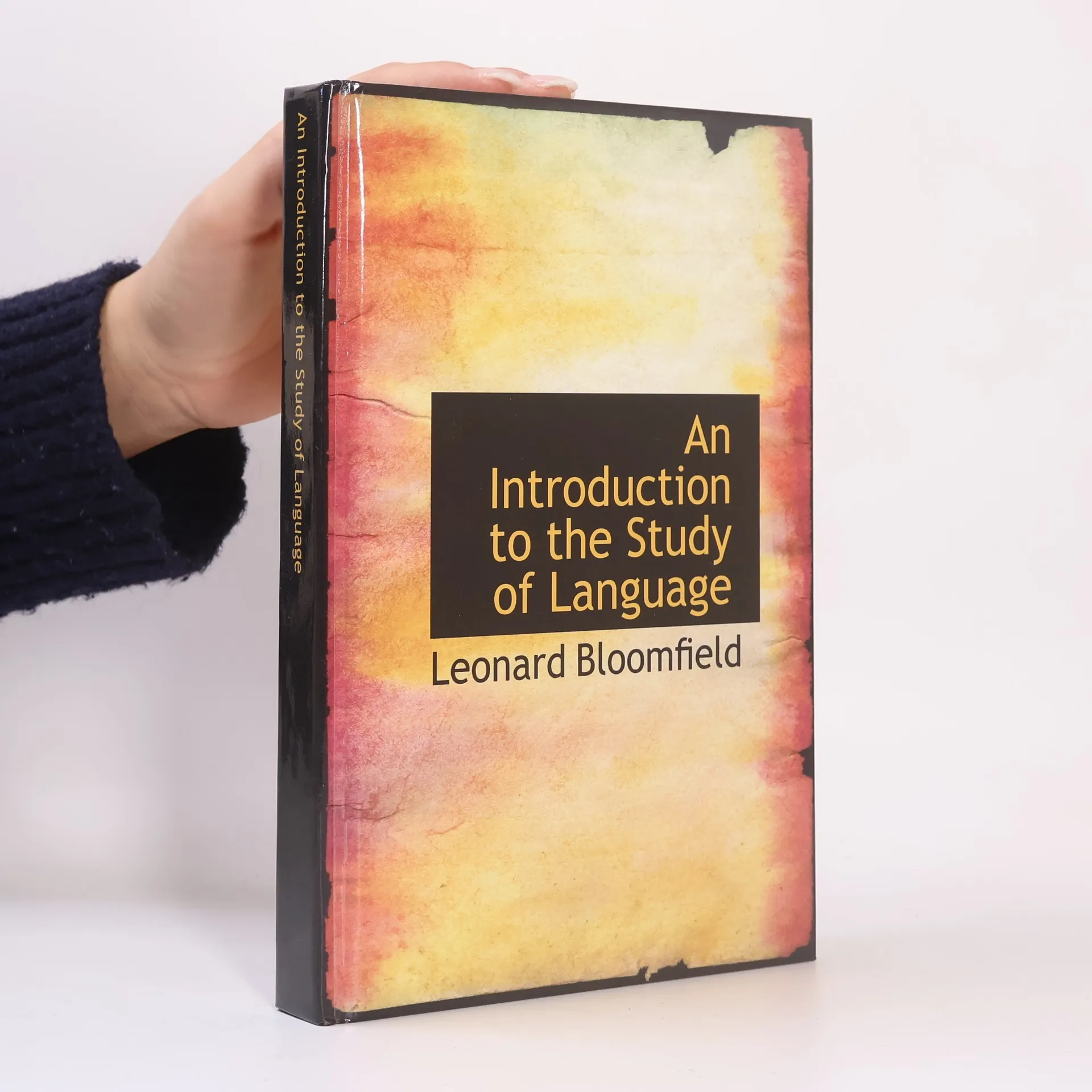
An Introduction to the Study of Language
- 334 stránek
- 12 hodin čtení
In accordance with my twofold aim, I have focused on presenting the accepted doctrine, utilizing well-known examples. While I occasionally reference views that are more speculative, I do so to indicate the current direction of our study. The content presented here is not solely my own but belongs to the broader community of language scholars. For a more comprehensive exploration, including bibliographic references, readers can consult the works mentioned in Chapter Ten, which I consider my primary sources. Notably, my understanding of psychology, both general and linguistic, is heavily influenced by Wundt, and I strive to accurately represent his doctrine. The era when students of mental sciences could rely on personal intuition or "popular psychology" for their insights has passed. This work is a reproduction of a significant historical text, published by Forgotten Books, which aims to digitally reconstruct and preserve the original format while addressing imperfections in the aged copy. Although some flaws may remain, they are intentionally retained to maintain the integrity of historical works.
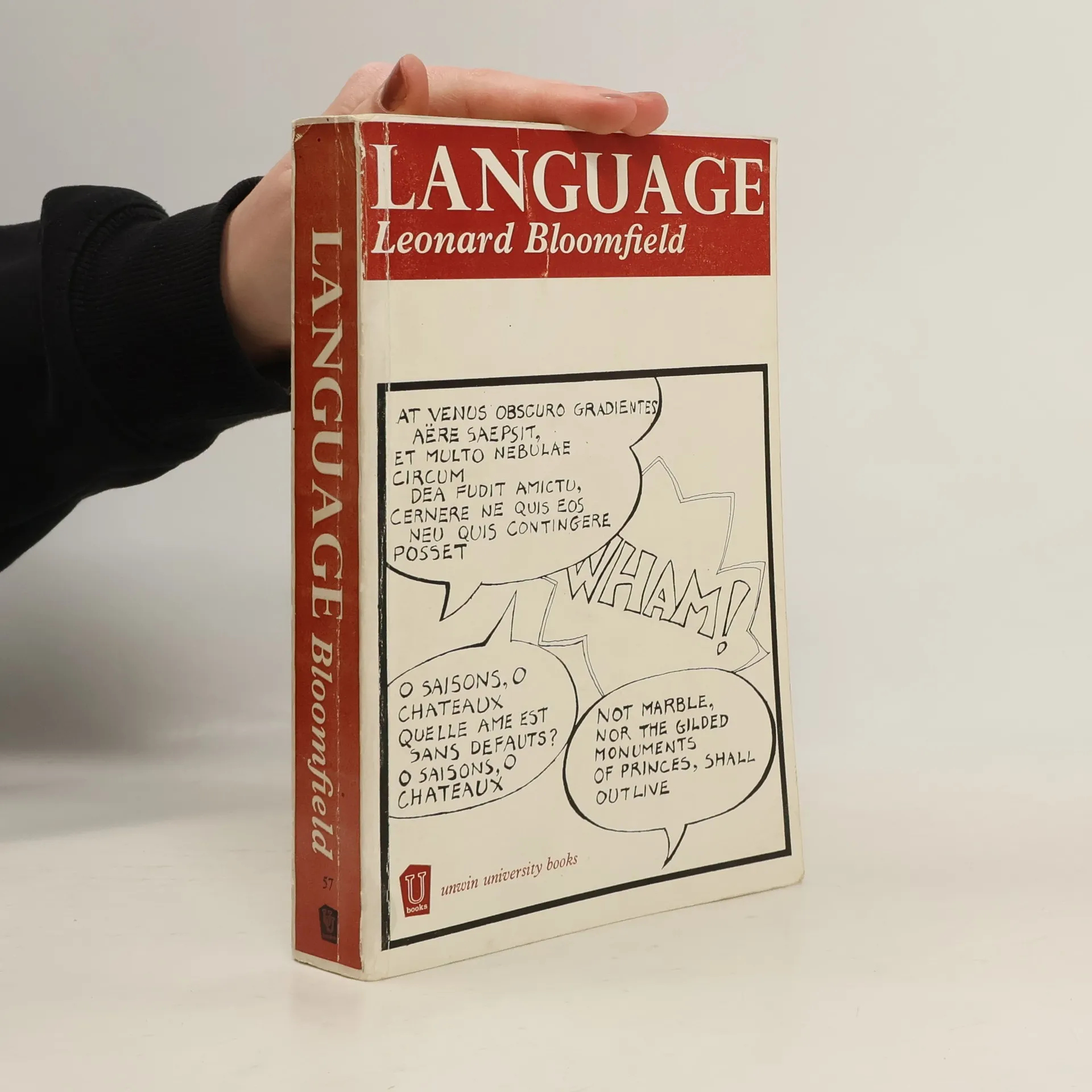
Leonard Bloomfield's "Language" (1933) is a seminal work in linguistics, remaining relevant even after 67 years. Remarkably, it has never been translated into German, despite Bloomfield's fluency in the language and his Austrian heritage, which influenced his focus on Germanic linguistics. This new edition aims to address this gap by providing a comprehensive commentary that reflects Bloomfield's ideas in the context of modern linguistics. It is not just a translation but a scholarly publication that examines the evolution of linguistic research over the past 66 years. By doing so, it enhances the original work's significance and accessibility for German-speaking audiences, while also contributing to ongoing discussions in the field. This edition serves as both a tribute to Bloomfield's legacy and a valuable resource for contemporary linguists.