
Tento uznávaný ekonom a analytik veřejné politiky je předním světovým expertem na ekonomický rozvoj a boj proti chudobě. Jeho práce se soustředí na udržitelnost a řešení globálních problémů, jako je extrémní chudoba a hlad. Jeho vize se zaměřují na dosažení mezinárodních cílů pro udržitelný rozvoj. Jeho analýzy nabízejí cenné pohledy na složité ekonomické a sociální výzvy.
Zeitenwende in den USA - ist Frieden möglich? Mit einem Gespräch zur politischen Lage mit Oskar Lafontaine
160 stránek
6 hodin čtení
Jeffrey Sachs analysiert die geopolitische Krise und die Rolle der NATO-Osterweiterung sowie gebrochene Versprechen der USA, die zu aktuellen Konflikten geführt haben. Er warnt vor der Gefahr einer atomaren Eskalation, sieht jedoch auch Ansätze für eine diplomatische Lösung. Sachs betont, dass die Lehren aus der Ära des Kalten Krieges nach wie vor relevant sind, um das Schlimmste zu verhindern. Das Buch wird durch ein aktuelles Gespräch mit Oskar Lafontaine ergänzt, in dem die Möglichkeiten eines Dialogs zwischen den Supermächten nach den US-Wahlen erörtert werden.
The Sustainable Development Report 2021 features the SDG Index and Dashboards,
the first and widely used tool to assess country performance on the UN Agenda
2030 and the Sustainable Development Goals. It contains insights on
sustainable development and the impact of COVID-19 on the SDGs. This title is
available as Open Access on Cambridge Core.
The American Century began in 1941 and ended on January 20, 2017. While the United States remains a military giant and is still an economic powerhouse, it no longer dominates the world economy or geopolitics as it once did. The current turn toward nationalism and “America first” unilateralism in foreign policy will not make America great. Instead, it represents the abdication of our responsibilities in the face of severe environmental threats, political upheaval, mass migration, and other global challenges.In this incisive and forceful book, Jeffrey D. Sachs provides the blueprint for a new foreign policy that embraces global cooperation, international law, and aspirations for worldwide prosperity―not nationalism and gauzy dreams of past glory. He argues that America’s approach to the world must shift from military might and wars of choice to a commitment to shared objectives of sustainable development. Our pursuit of primacy has embroiled us in unwise and unwinnable wars, and it is time to shift from making war to making peace and time to embrace the opportunities that international cooperation offers. A New Foreign Policy explores both the danger of the “America first” mindset and the possibilities for a new way forward, proposing timely and achievable plans to foster global economic growth, reconfigure the United Nations for the twenty-first century, and build a multipolar world that is prosperous, peaceful, fair, and resilient.
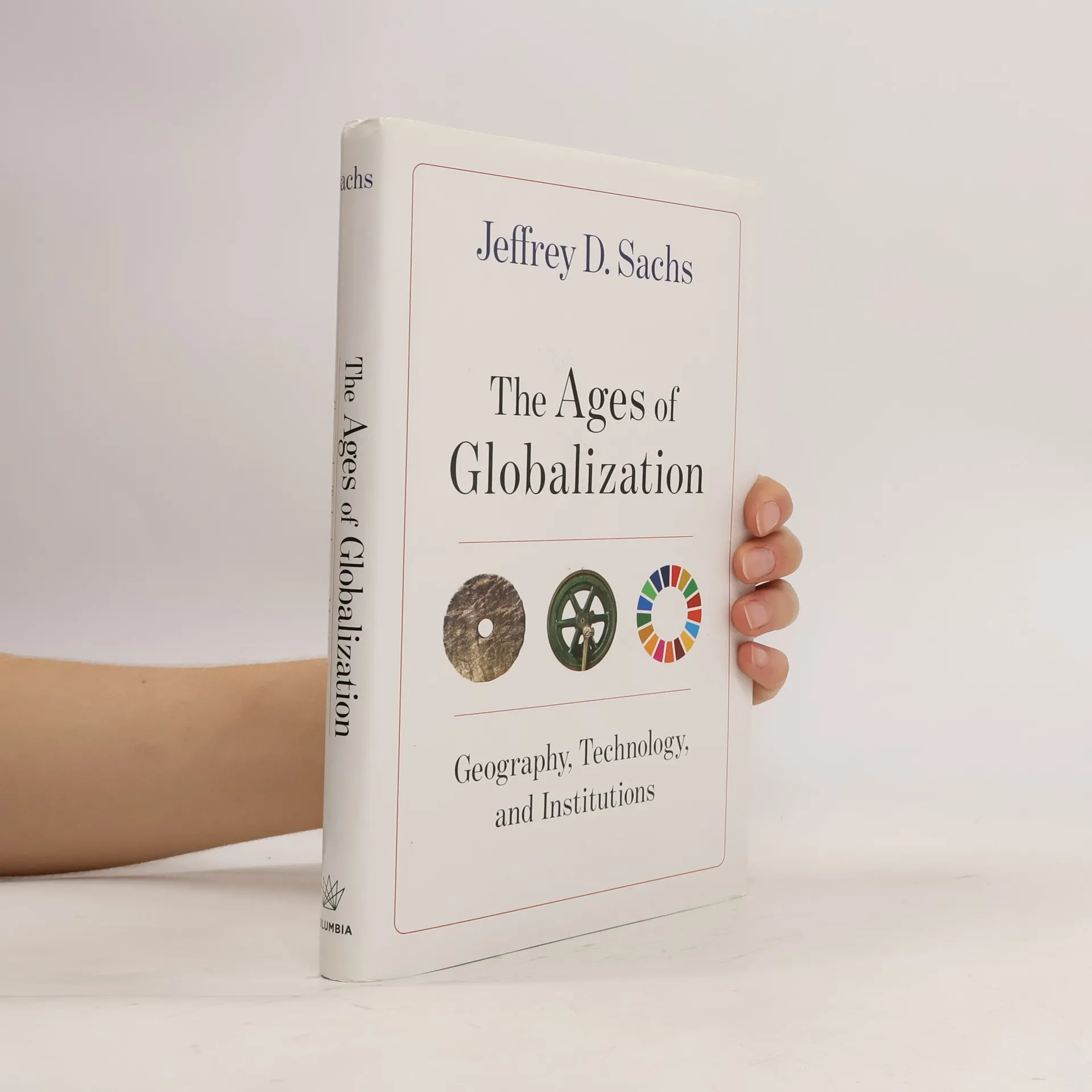
Jeffrey D. Sachs turns to world history to shed light on how we can meet the challenges and opportunities of the twenty-first century. He takes readers through a series of six distinct waves of technological and ideological change, starting with the very beginnings of our species and ending with reflections on present-day globalization.
The American Century began in 1941 and ended on January 20, 2017. While the
United States remains a military giant and is still an economic powerhouse, it
no longer dominates the world economy or geopolitics as it once did. The
current turn toward nationalism and America first isolationism in foreign
policy will not make America great. Instead, it represents the abdication of
our responsibilities in the face of severe environmental threats, political
upheaval, emerging diseases, mass migration, and other global challenges. A
New Foreign Policy explores both the danger of the America first mindset and
the possibilities for a new way forward, proposing concrete steps the United
States must take to build a multipolar world that is prosperous, peaceful,
fair, and resilient.
My father famously declared that GDP measures neither our wit nor our courage,
neither our wisdom nor our learning, neither our compassion nor our devotion
to our country; it measures everything in short, except that which makes life
worthwhile. Jeffrey Sachs presents an economic vision beyond GDP, one that is
based on compassion and sustainability, and that aligns with the globally
agreed Sustainable Development Goals. This is a roadmap for America's future
economic strategy. Kerry Kennedy, president of the Robert F. Kennedy Center
for Justice and Human Rights
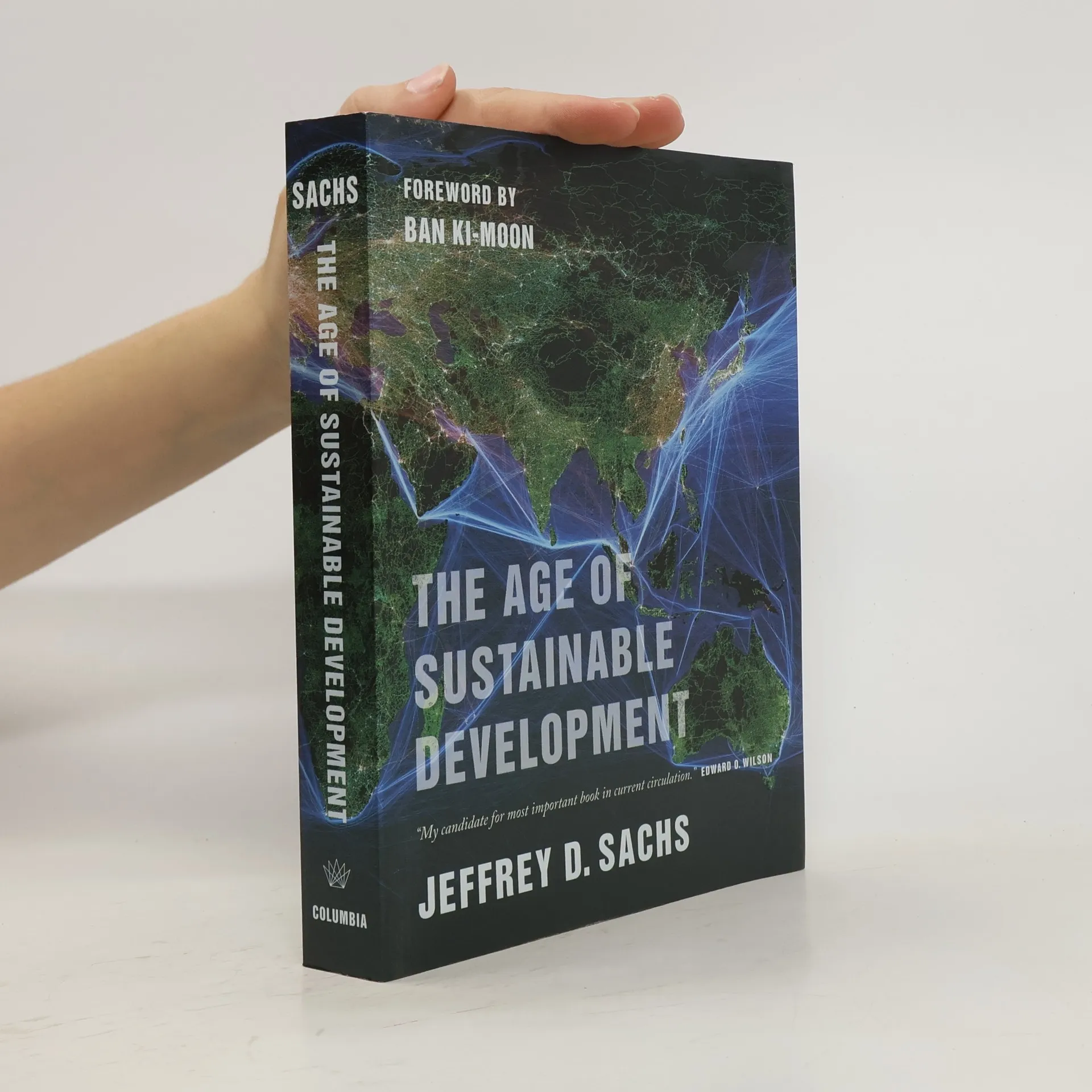
Nuestro futuro está en juego. Los 7.200 millones de personas que habitamos este planeta competimos por hacernos un hueco en la economía mundial, cada vez más conectada gracias a la tecnología, el comercio y las migraciones, y bajo la creciente amenaza de desastre ambiental. Para asegurar nuestra supervivencia, es urgente que tomemos plena conciencia de esta situación y emprendamos las reformas necesarias. En La era del desarrollo sostenible, el reconocido economista Jeffrey Sachs defiende que el desarrollo sostenible debe convertirse en el marco de la política de cualquier Estado. Dentro de poco tiempo, los 193 estados miembros de la ONU adoptarán los Objetivos de Desarrollo Sostenible (ODS) para ayudar a guiar al mundo en la próxima generación. Sachs ofrece el primer enfoque integral para esta nueva era y para los nuevos ODS, el examen de las complejas interacciones de la economía, la sociedad y el medio ambiente, y explica cómo una estrategia integral puede ayudar a las sociedades a conseguir la combinación de prosperidad económica, inclusión social y la sostenibilidad ambiental
Jeffrey D. Sachs has shown himself to be one of the worldÕs most perceptive and original analysts of global development in his groundbreaking books, including The End of Poverty and Common Wealth: Economics for a Crowded Planet. Now, in this major new work he presents a compelling and practical framework for how global citizens can address the seemingly intractable worldwide problems of persistent extreme poverty, environmental degradation, and political-economic injustice. Sachs outlines the holistic way forward: sustainable development. This provocative work offers readers, students, activists, environmentalists, and policy makers the tools, metrics, and practical pathways they need to achieve Sustainable Development Goals. Far more than a rhetorical exercise, this book is designed to inform, inspire, and spur action. Based on SachsÕs twelve years as director of the Earth Institute at Columbia University, his thirteen years advising the United Nations secretary-general on the Millennium Development Goals, and his recent presentation of these ideas in a popular online course, The Age of Sustainable Development is a landmark publication and a clarion call for all who care about our planet and global justice.
The New York Times bestselling author of The Price of Civilization, Common
Wealth and The End of Poverty offers up an inspiring look at an
underappreciated and still-relevant piece of JFK's legacy--his campaign in his
final months in office for world peace.
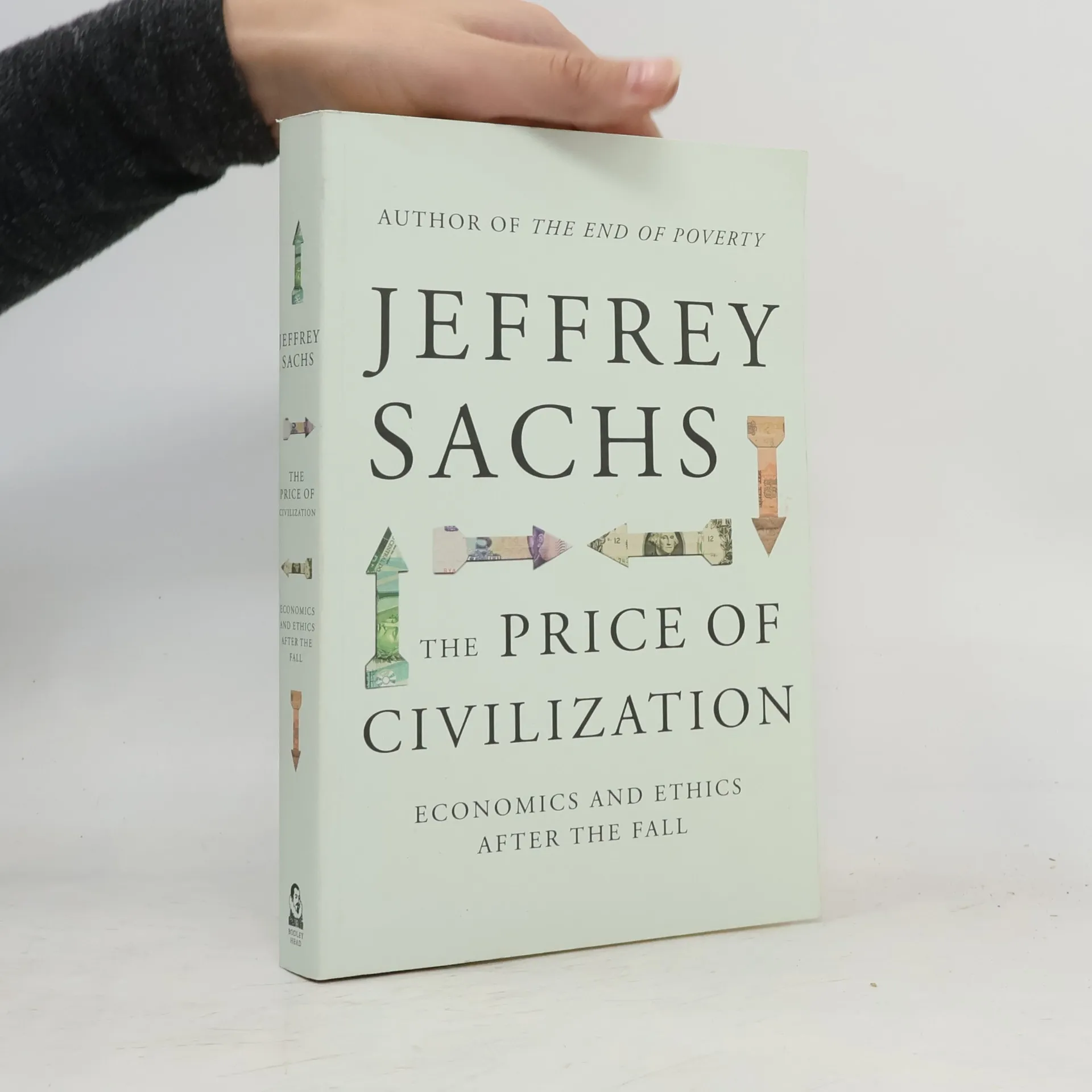
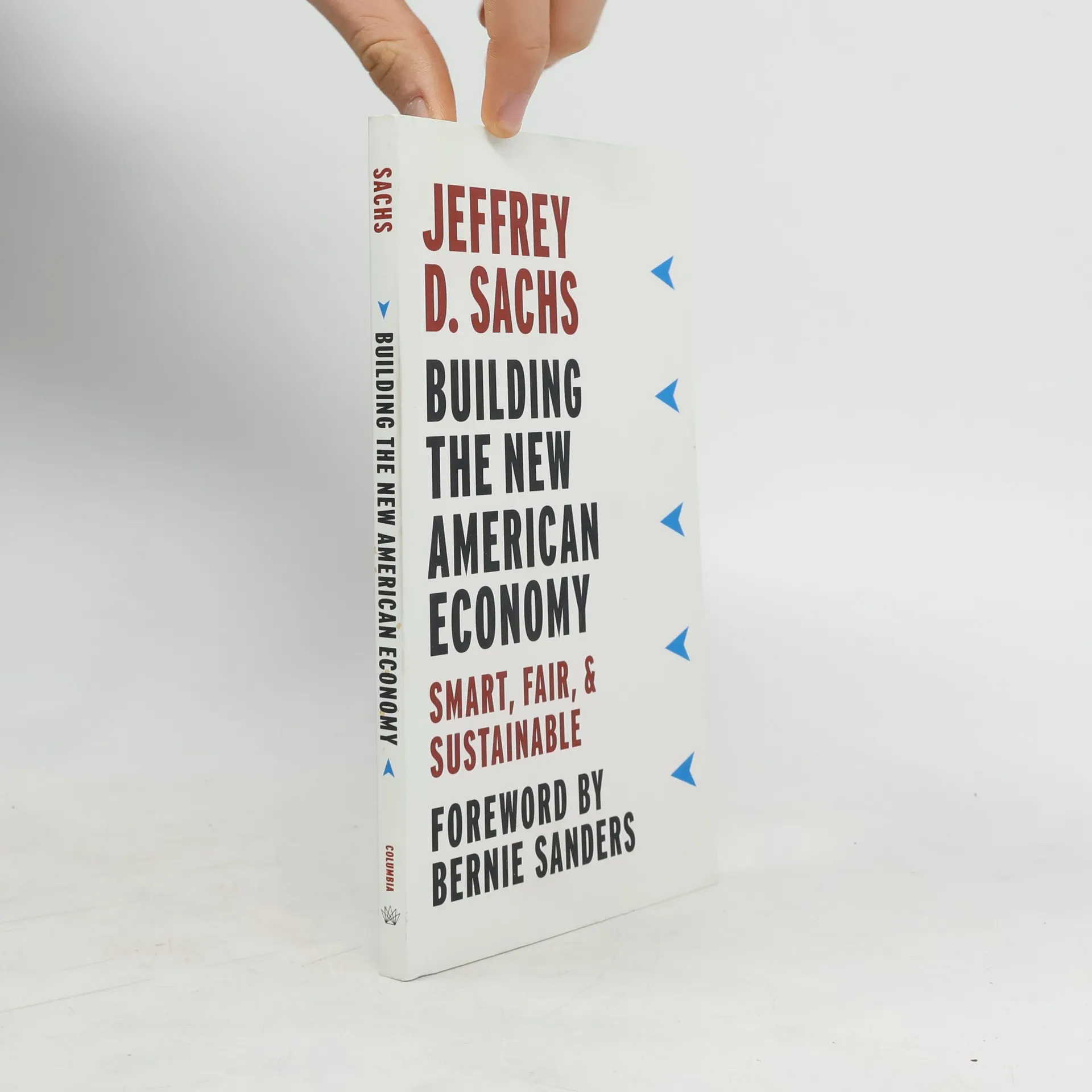
Offers a diagnosis of the country's economic ills and argues that Americans can restore the virtues of fairness, honesty, and foresight as the foundations of national prosperity.