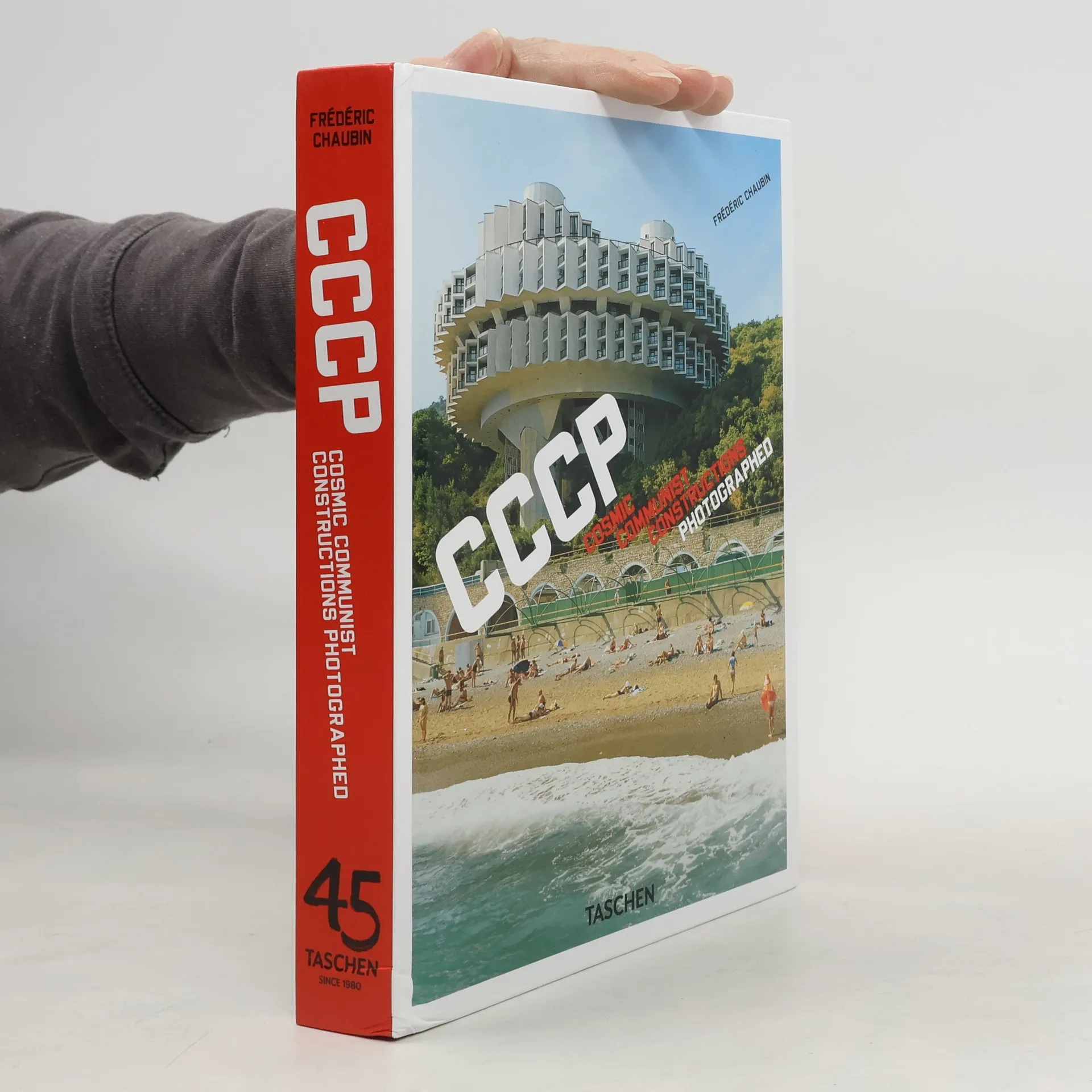
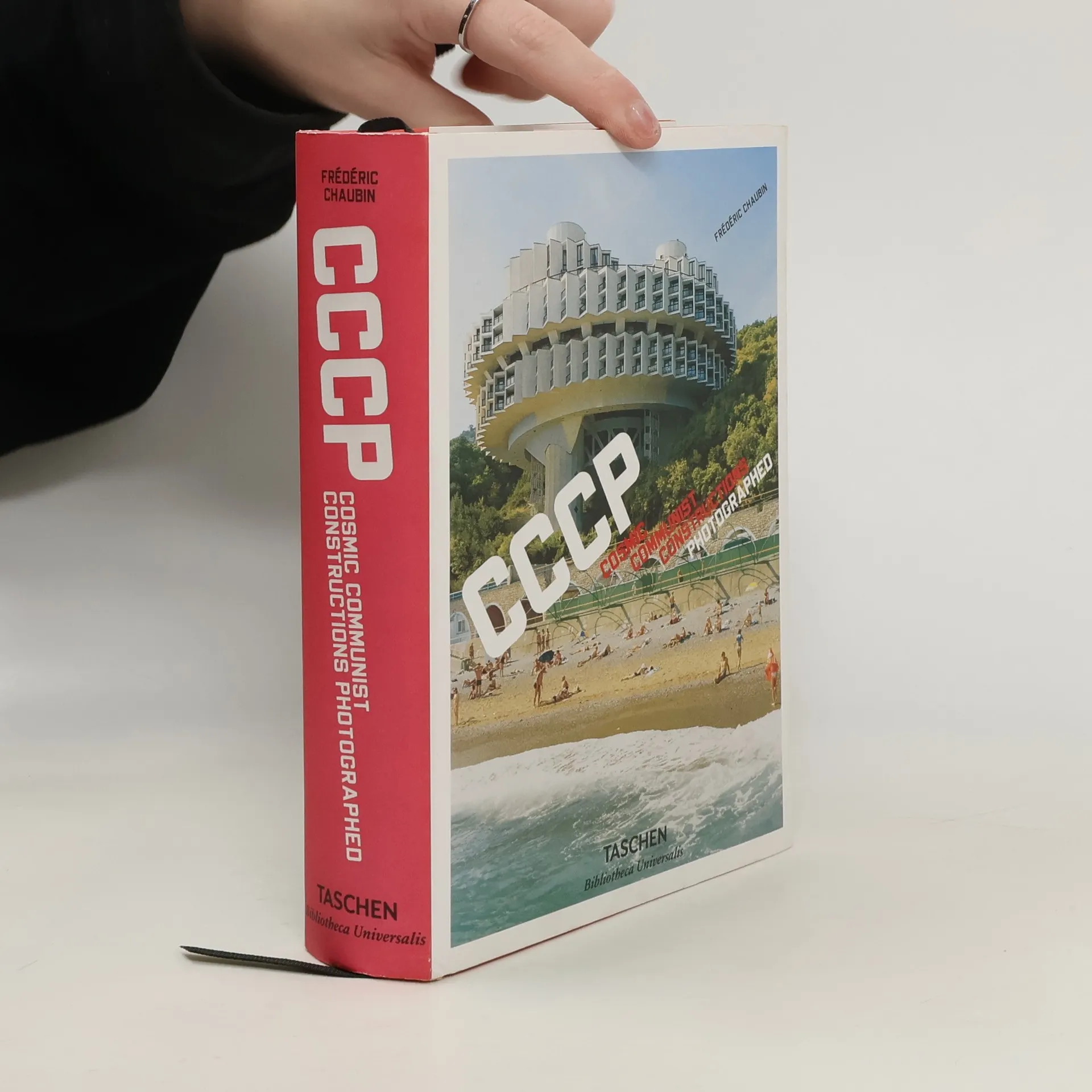
Brutalistische Architektur, lange Zeit unterschätzt, wurde von einer jungen Generation von Architektur-Enthusiasten neu entdeckt und zeigt ihre eindrucksvollsten Ausprägungen im ehemaligen Ostblock. Der französische Publizist Frédéric Chaubin entdeckte auf Reisen durch Osteuropa architektonische Kolosse in peripheren Regionen des ehemaligen Sowjetimperiums, die an Kulissen aus Science-Fiction-Filmen erinnern. Diese Bauwerke, die über die standardisierte sowjetische Moderne hinausgehen, spiegeln Nonkonformismus, stilistische Vielfalt und regionale Extravaganz wider und scheinen das Auseinanderbrechen der UdSSR vorwegzunehmen. Die Architekten nutzten die Freiräume, die durch das Bröckeln der Staatsstruktur entstanden, und schufen Projekte, die weit über den Modernismus hinausgingen. Wagemutige Entwürfe wie das Druschba Sanatorium in Jalta und der Hochzeitspalast in Tiflis zeigen eine fantasievolle, expressionistische Herangehensweise. Ein Sommercamp, inspiriert von Mondbasis-Modellen, offenbart suprematistische Einflüsse. Chaubin entdeckte auch sprechende Architektur, wie ein Krematorium in Kiew mit Betonflammen und ein Forschungsinstitut mit einer fliegenden Untertasse auf dem Dach. Der eklektische Stilmix reflektiert die ideologischen Träume der Zeit, von Weltraumbesessenheit bis zur Suche nach Identität, und verdeutlicht die Vielfalt der UdSSR sowie die exotischen Entwicklungen, die zum Ende des Landes führten.
Frédéric Chaubin Knihy


Photographer Frédéric Chaubin reveals 90 buildings sited in 14 former Soviet Republics which express what could be considered as the fourth age of Soviet architecture. They reveal an unexpected rebirth of imagination, an unknown burgeoning that took place from 1970 until 1990.
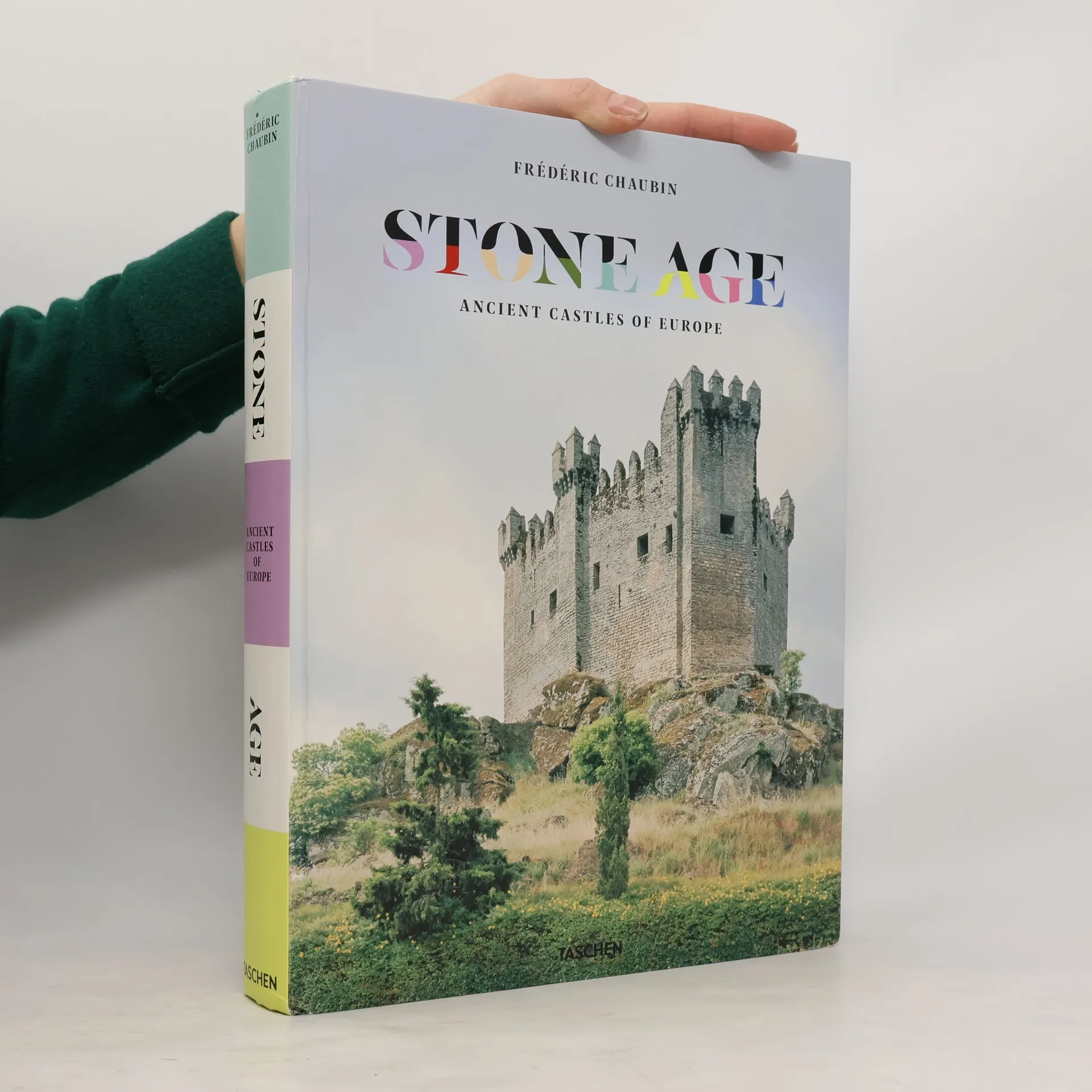
Stone Age. Ancient Castles of Europe
- 416 stránek
- 15 hodin čtení
Follow photographer Frédéric Chaubin as he embarks on a unique, century-spanning journey through Europe. Featuring images of more than 200 buildings in 21 countries, Stone Age presents the history and architecture of the most magical medieval castles of the continent in an unprecedented collection. Building on the success of his foray into Soviet design with CCCP, Chaubin once again documents the afterlife of highly rational structures that seem out of place in a modern-day world. Precursors of Brutalism, these castles value function over form and epitomize the raw materials and shapes that would go on to define so much of architectural history. Shot on film with a Linhof view camera, the collection is the outcome of five years of travel and investigation. Complete with a practical map and explanatory essay, its castles tell the story of 400 years, unfolding through the feudal Middle Ages into the 15th century. A photographic study of decay as much as endurance, Stone Age traces the history of some of these singular structures that continue to enchant their audiences today and that occupy a distinct, mystical place in our collective imagination.