Fermata
- 238 stránek
- 9 hodin čtení
Příběh člověka, který umí zastavit čas, a nejen to.


Nicholson Baker je známý svým pronikavým pozorováním všedního života a schopností proměnit zdánlivě obyčejné okamžiky v hluboce rezonující zážitky. Jeho styl se vyznačuje precizním jazykem a neúprosným zaměřením na detaily, které odhalují skrytou složitost našeho světa. Baker zkoumá témata jako paměť, čas a povahu reality, často s jemným humorem a ironií. Jeho díla zvou čtenáře k zamyšlení nad neustálým proudem existence a podivuhodnou krásou každodenních věcí.

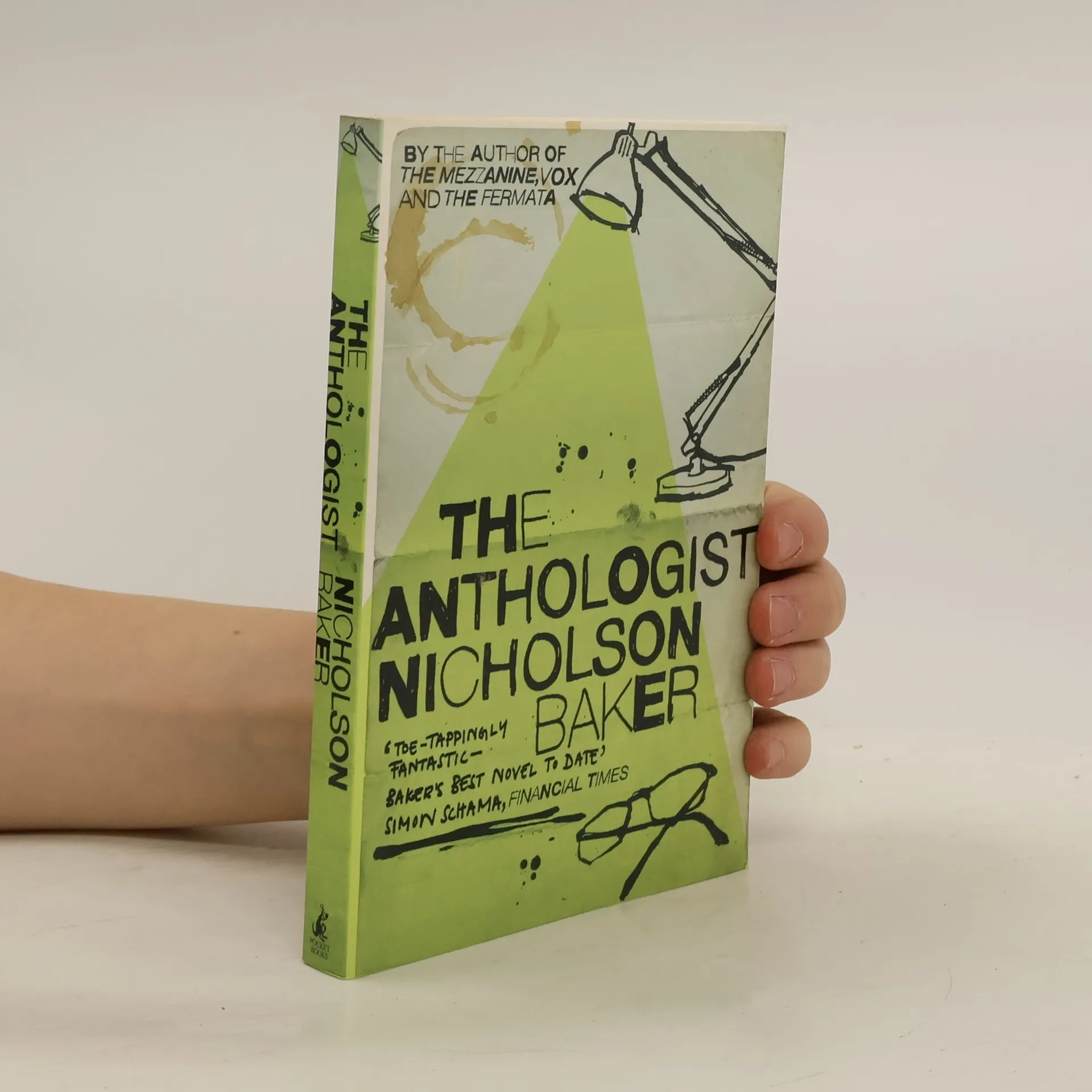
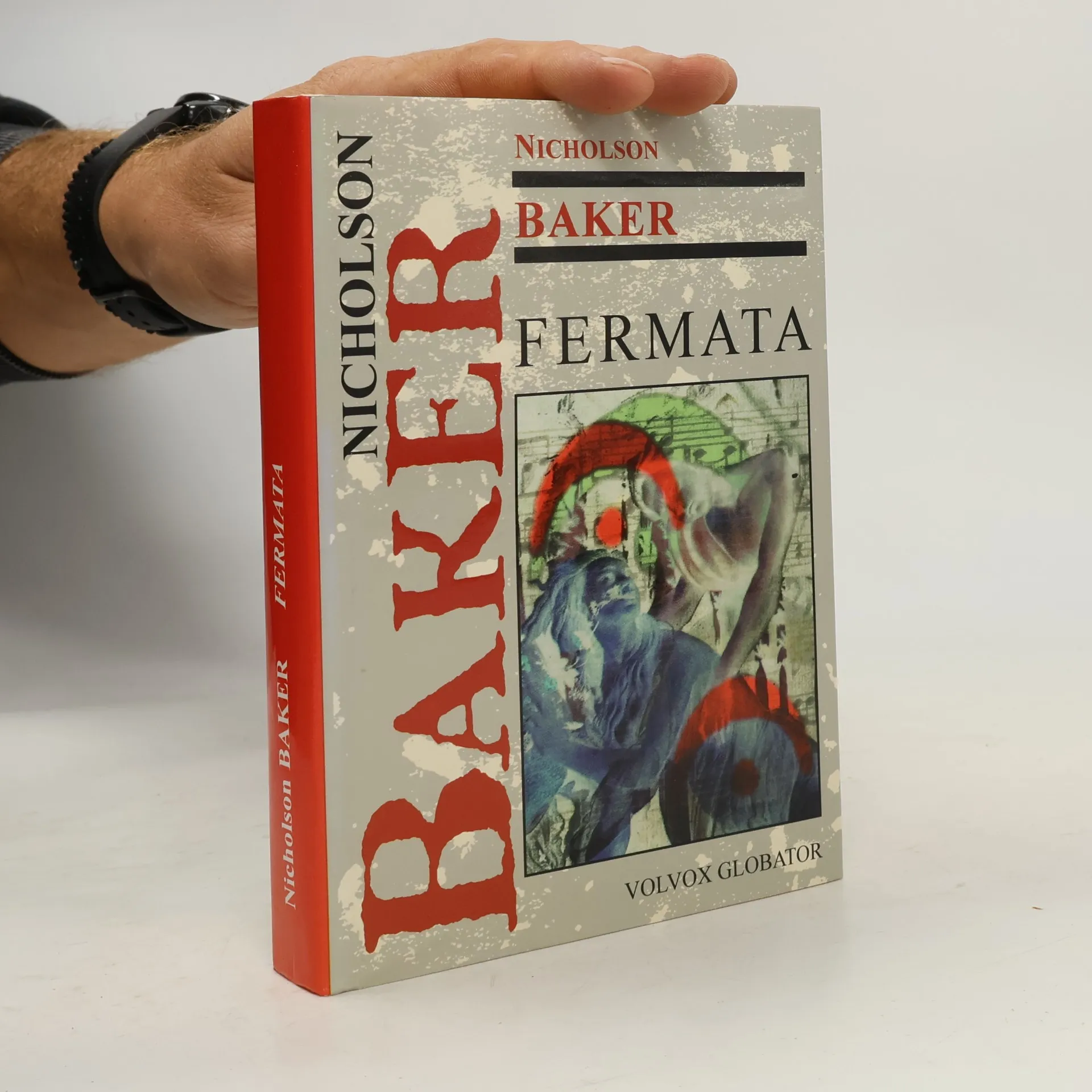
Příběh člověka, který umí zastavit čas, a nejen to.
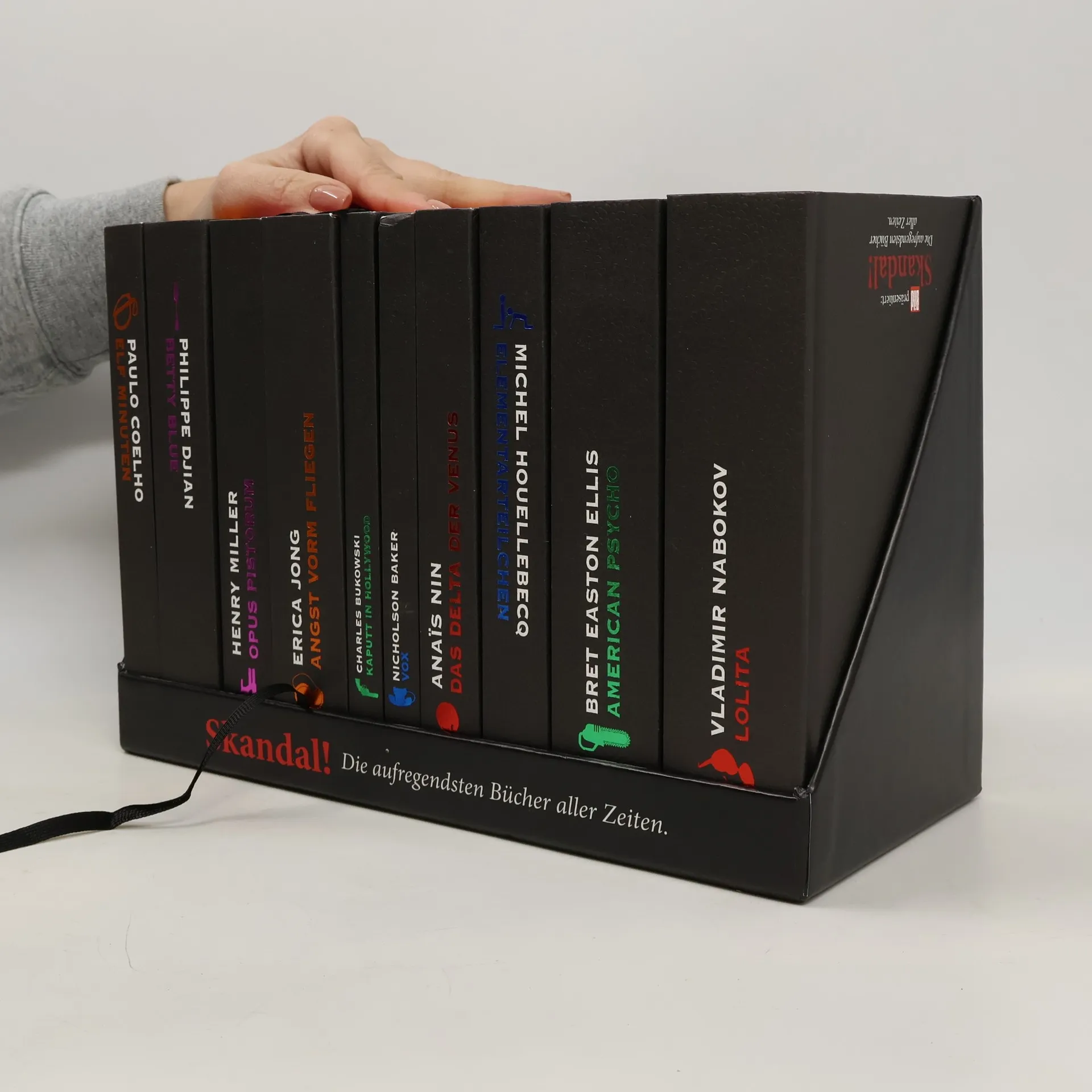
Nebezpečná kniha o bezpečném sexu. Kniha, jejíž obsah tvoří dialog muže a ženy - dialog po telefonu. Jde o intimní rozhovor dvou neznámých lidí, kteří vytočí číslo pro sex po telefonu, které jako inzerát najdou v porno časopise.
Tato erotická groteska se odehrává v prapodivném fantazijním světě zvaném Libidárium, kde je možné splnit si jakoukoli touhu, byť za nemalou cenu: kupříkladu větší, tlustší úd je k mání za pravou ruku. Díky výměně pohlavních orgánů můžou pánové konečně poznat, jaké to je být přeříznut vlastním penisem, zatímco ženy kopulují s roztouženými stromy, holdují romantickým projížďkám na masturbárkách či klitorisurfují po jezeře, v jehož hlubinách se ukrývá chujochneská příšera. Nejedná se o typicky maskulinní pornoromán, neboť ženy nejsou v Libidáriu pouhými sexuálními objekty, nýbrž náruživými klientkami, jež se zde bezostyšně oddávají svým nejtajnějším erotickým fantaziím.
From the author of the acclaimed Human Smoke comes a brilliantly funny and skillfully crafted new novel.
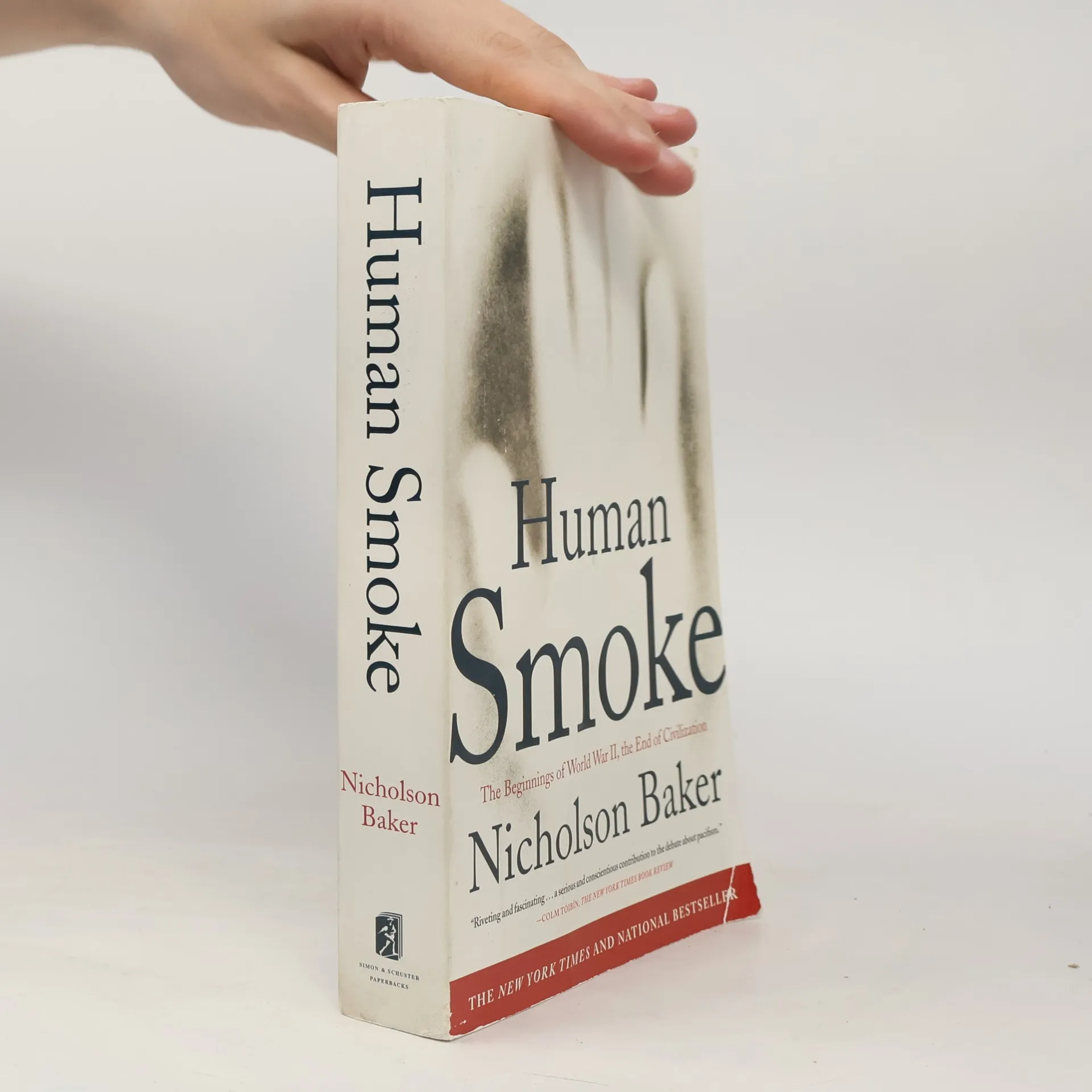
A study of the decades leading up to World War II profiles the world leaders, politicians, business people, and others whose personal politics and ideologies provided an inevitable barrier to the peace process and whose actions led to the outbreak of war.
Our supreme fabulist of the ordinary now turns his attention on a 9-year-old American girl and produces a novel as enchantingly idiosyncratic as any he has written. Nory Winslow wants to be a dentist or a designer of pop-up books. She likes telling stories and inventing dolls. She has nightmares about teeth, which may explain her career choice. She is going to school in England, where she is mocked for her accent and her friendship with an unpopular girl, and she has made it through the year without crying.Nicholson Baker follows Nory as she interacts with her parents and peers, thinks about God and death-watch beetles, and dreams of cows with pointed teeth. In this precocious child he gives us a heroine as canny and as whimsical as Lewis Carroll's Alice and evokes childhood in all its luminous weirdness.
Delving into the often-overlooked realms of punctuation and the lexicography of adult content, the author combines sharp wit with a rich, elaborate writing style. This exploration serves as both a provocative and humorous tribute to the intricacies of language, highlighting how these neglected elements shape our communication and experiences. The book promises a unique perspective that intertwines curiosity with a celebration of linguistic quirks.
Turns an ordinary ride up an office escalator into a meditation on our relations with familiar objects--shoelaces, straws, and more. Baker's debut novel, and a favorite amongst many of us here.
Paul Chowder is a poet, but he's fallen out of love with writing poems. He hasn't fallen out of love with his ex-girlfriend Roz, though. In fact he misses her desperately. As he struggles to come to terms with Roz's new relationship with a doctor, Paul turns to his acoustic guitar for comfort and inspiration, and fills his days writing protest songs, going to Quaker meetings, struggling through Planet Fitness workouts, wondering if he could become a techno DJ, and experimenting with becoming a cigar smoker.
A True Story
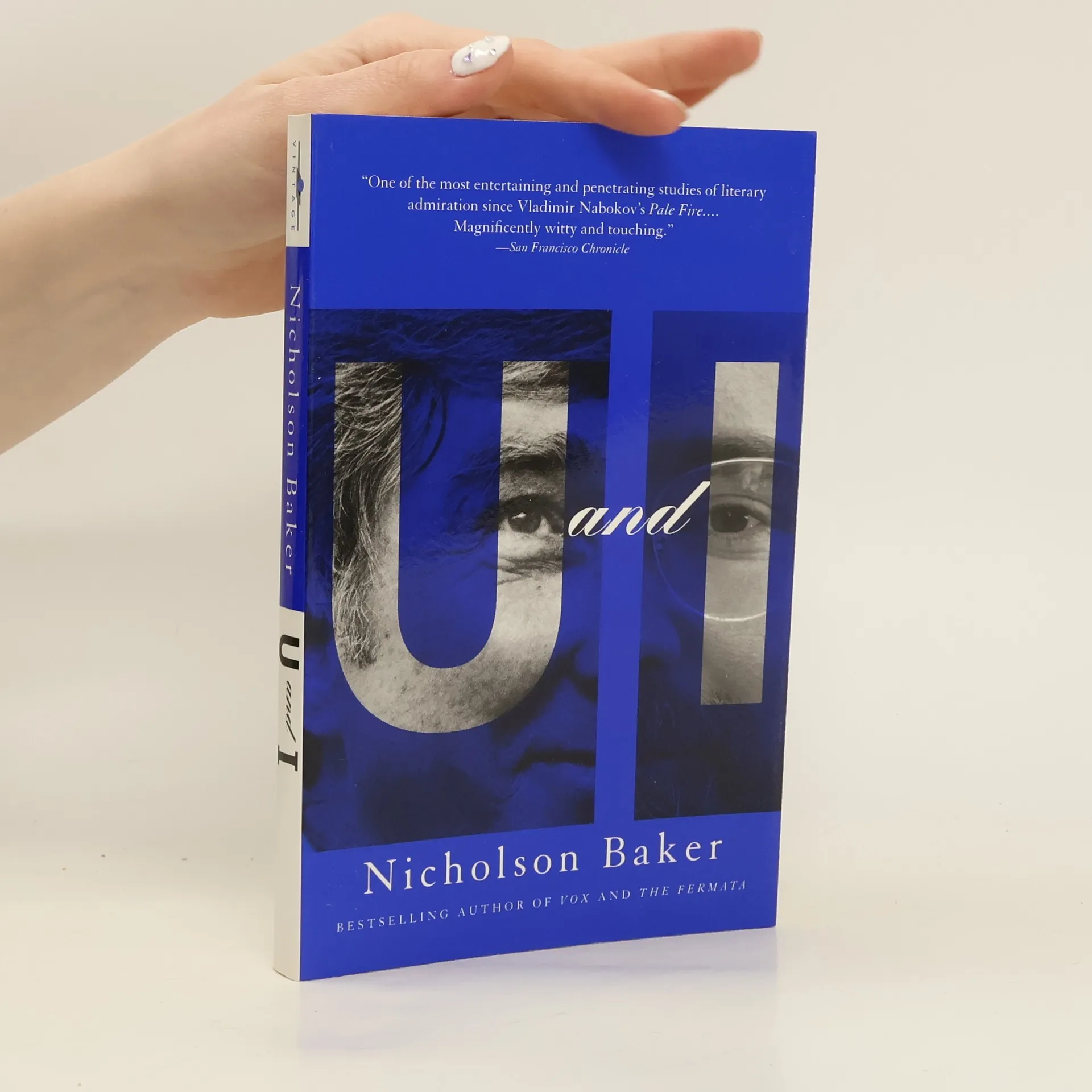
Nicholson Baker's novels, The Mezzanine and Room Temperature, have been highly praised for their sparkling originality, deadpan humor, and eccentric style. Now, with U and I, Baker has written the most idiosyncratic and deftly illuminating essay on literary influence in recent memory, as he reveals his preoccupation with the work of John Updike.
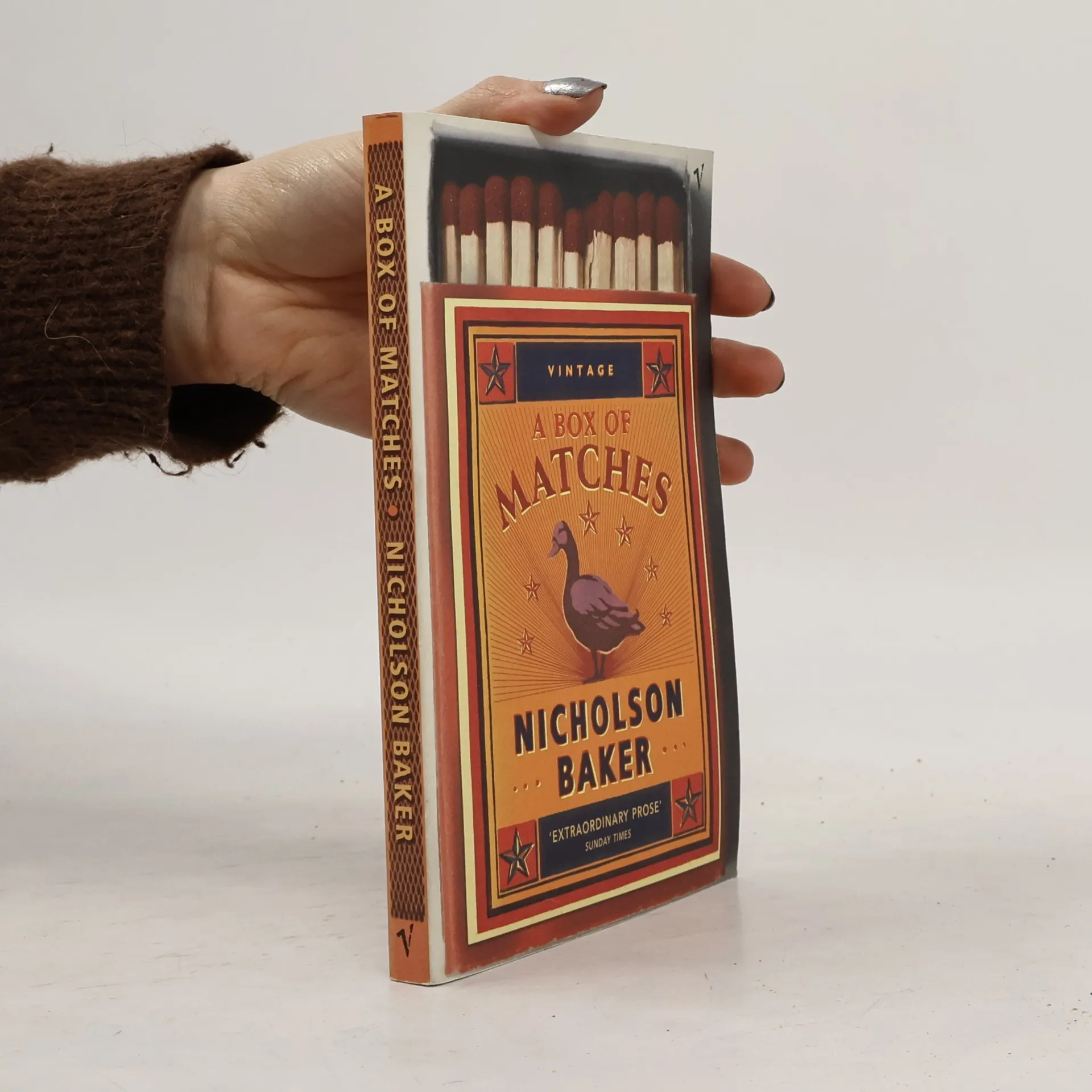
Emmett wants to know what life is about. Every day he gets up before dawn, makes a cup of coffee, lights a fire with one wooden match, and thinks. What Emmett thinks about is the subject of this wise and closely observed novel, which covers vast distances while moving no farther than Emmett's hearth and home.
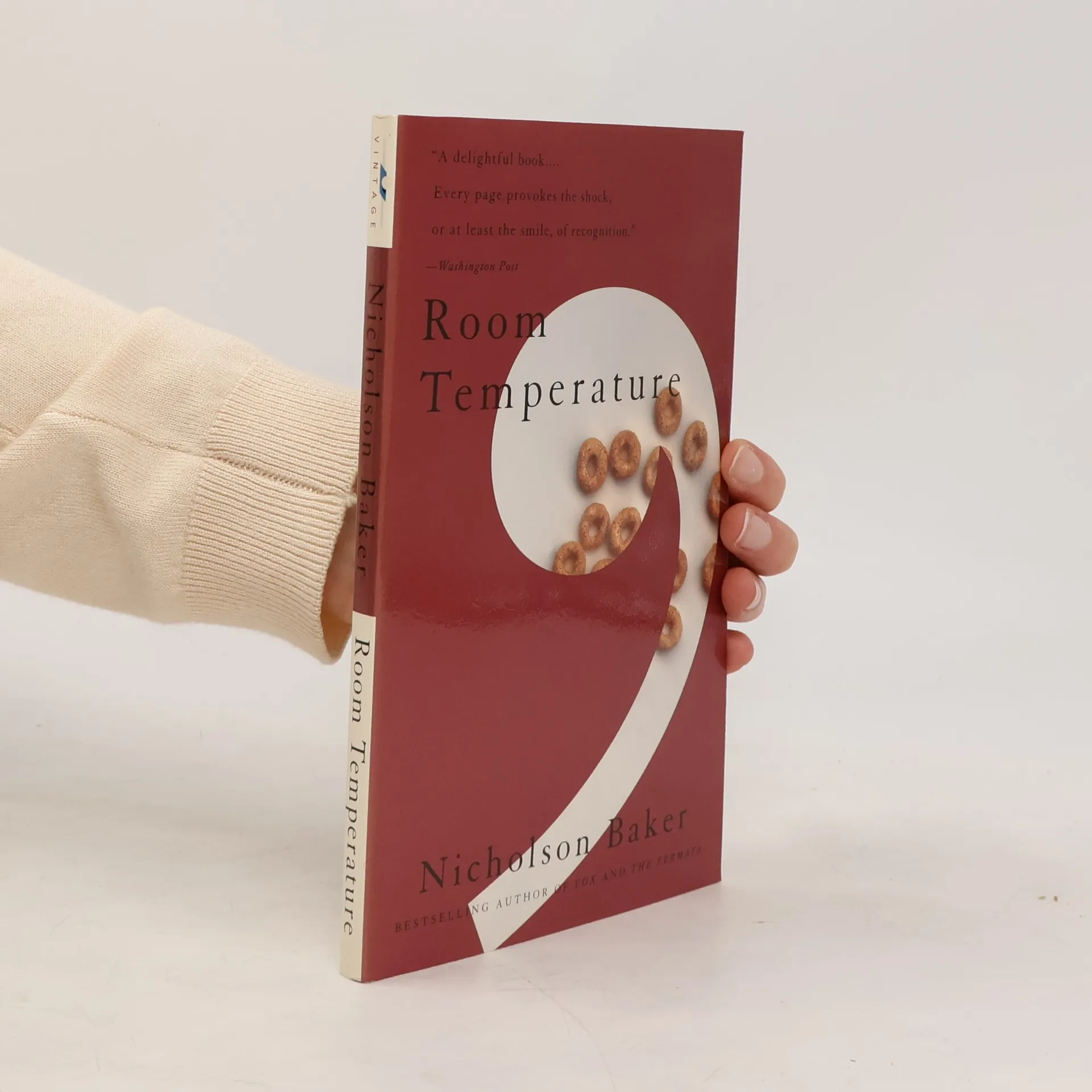
In his second novel, Baker turns a young father's feeding-time reverie into a catalog of the minutiae of domestic love.
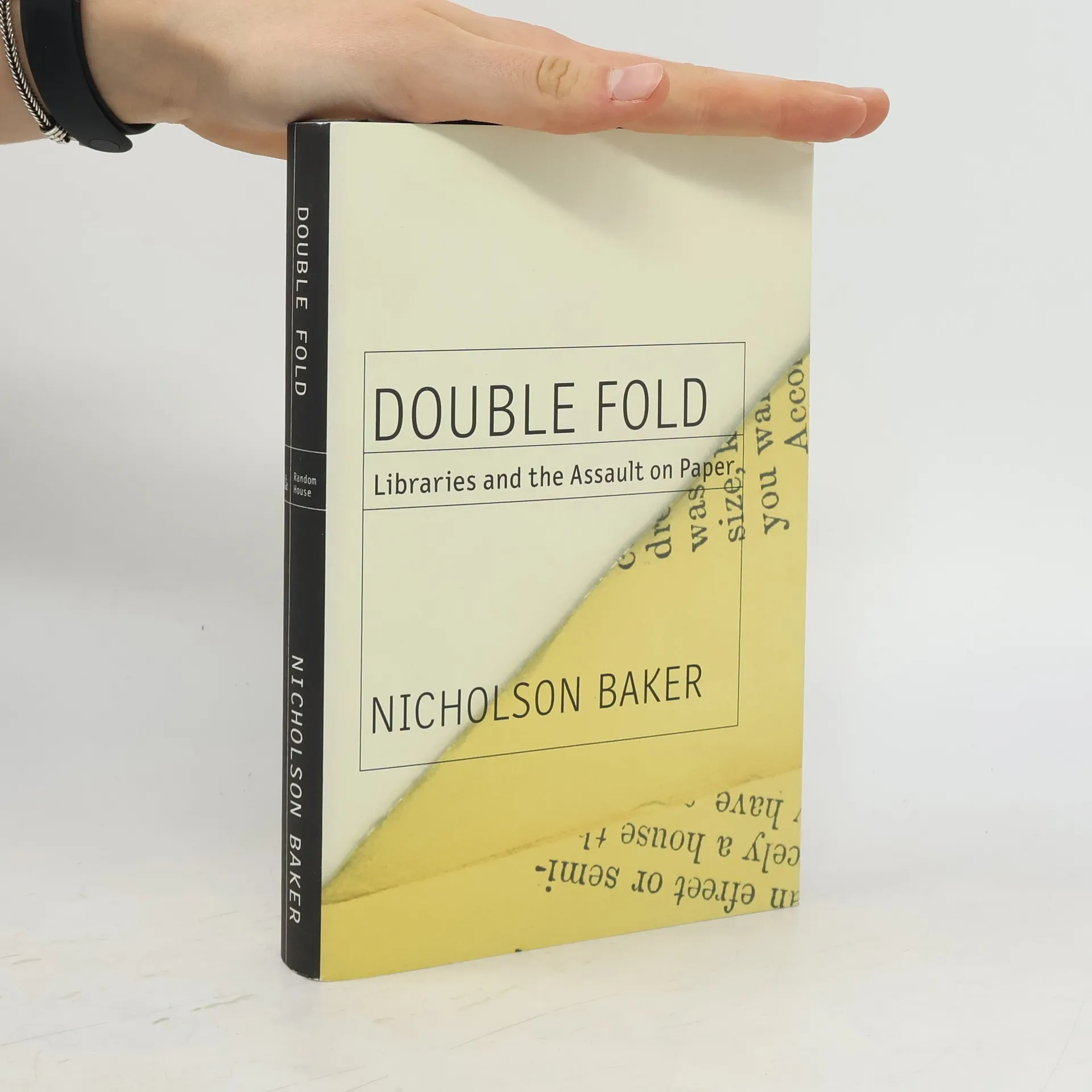
libraries and the assault on paper
"Since the 1950s, our country's libraries have followed a policy of "destroying to preserve": They have methodically dismantled their collections of original bound newspapers, cut up hundreds of thousands of so-called brittle books, and replaced them with microfilmed copies - copies that are difficult to read, lack all the color and quality of the original paper and illustrations, and deteriorate with age. Half a century on, the results on this policy are jarringly apparent: There are no longer any complete editions remaining of most of America's great newspapers. The loss to historians and future generations in inestimable." "In this book, writer Nicholson Baker explains the marketing of the brittle-paper crisis and the real motives behind it. Pleading the case for saving our newspapers and books so that they can continue to be read in their original forms, he tells how and why our greatest research libraries betrayed the public's trust by selling off or pulping irreplaceable collections. The players include the Library of Congress, the CIA, NASA, microfilm lobbyists, newspaper dealers, and a colorful array of librarians and digital futurists, as well as Baker himself, who discovers that the only way to save one important newspaper archive is to cash in his retirement savings and buy it - all twenty tons of it."--Jacket
From Nicholson Baker, best-selling author of Vox and the most original writer of his generation, his most controversial novel yet.
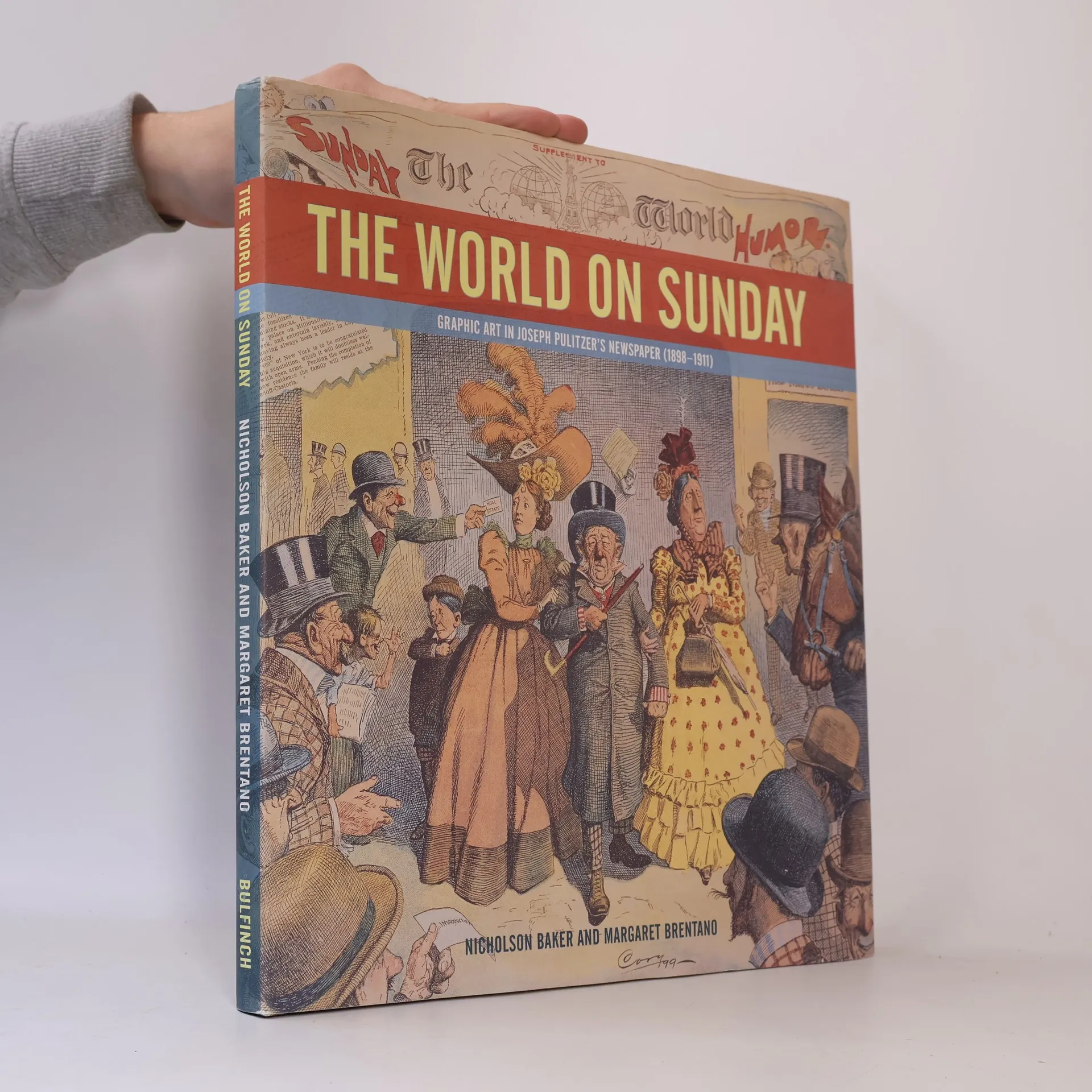
Joseph Pulitzer's New York World flourished at the turn of the twentieth century, and out of it grew what we think of as the modern daily paper. The World was famous for muckraking and sensationalism, but to a contemporary eye what is most striking about the paper (and in particular its Sunday edition) is that it was filled with colorful art -- caricatures, full-page cartoons, disaster drawings, fiction illustrations, hand-lettered typography, weird science, halftone photographs, maps, and more. Author Nicholson Baker, dubbed the "Erin Brockovich of the library world" by the New York Times Book Review for his dedication to saving early American newspaper collections, started buying up archives from public libraries around the country and around the world, forming the American Newspaper Repository. Baker's research was published as Double Fold: Libraries and the Assault on Paper, which won the National Book Critics' Circle award for non-fiction in 2002. Now Baker and co-author Margaret Brentano have selected 85 of the finest examples of period reporting, bold and playful graphic design, long-lost comic strips, and society pieces from the heyday of the New York World for reproduction in this delightful, oversized volume. Baker's introductory essay argues the significance and beauty of Pulitzer's paper, and Brentano's detailed captions and notes accompany the colorful reproductions throughout.
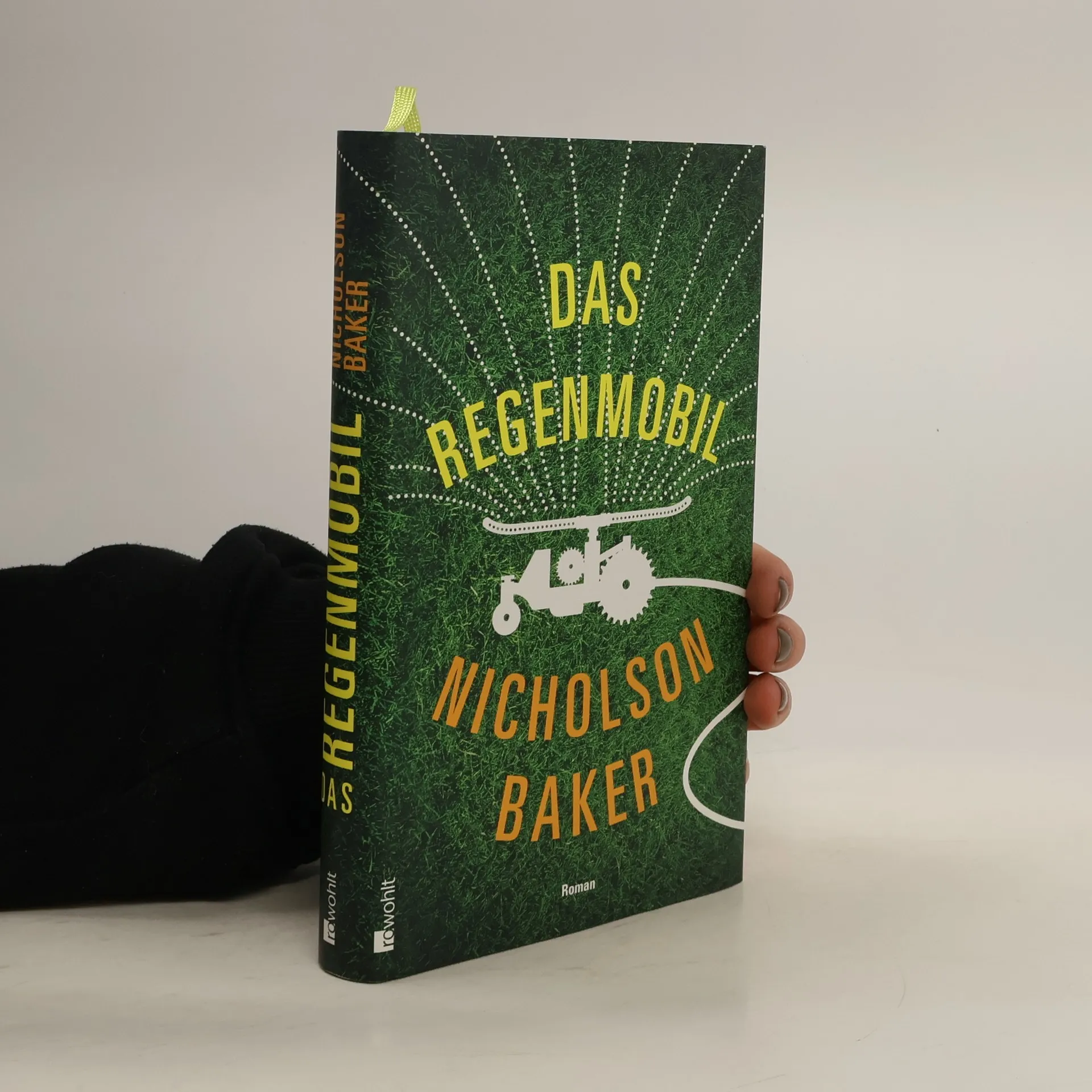
Fünfzehn Jahre nach seinem Essayband «U & I – Wie groß sind die Gedanken?» wendet sich Nicholson Baker ein weiteres Mal diversen Problemen der Welterklärung zu und erzeugt bei ihrer Lösung eine funkensprühende, lachmuskelstrapazierende und zugleich stark informationshaltige Kunst. Die hier versammelten Perlen seiner Essayistik beschäftigen sich unter anderem mit der spezifischen Plattheit von Murmeltierschwänzen, der richtigen Technik des Abschreibens, dem Drachensteigenlassen, dem Gondelverkehr in Venedig, mit «Sex and the City» um 1840, mit dem kometenhaften Aufstieg der Lesegeräte sowie dem Rasenmähen. Klug, unterhaltsam und voller überraschender Entdeckungen.
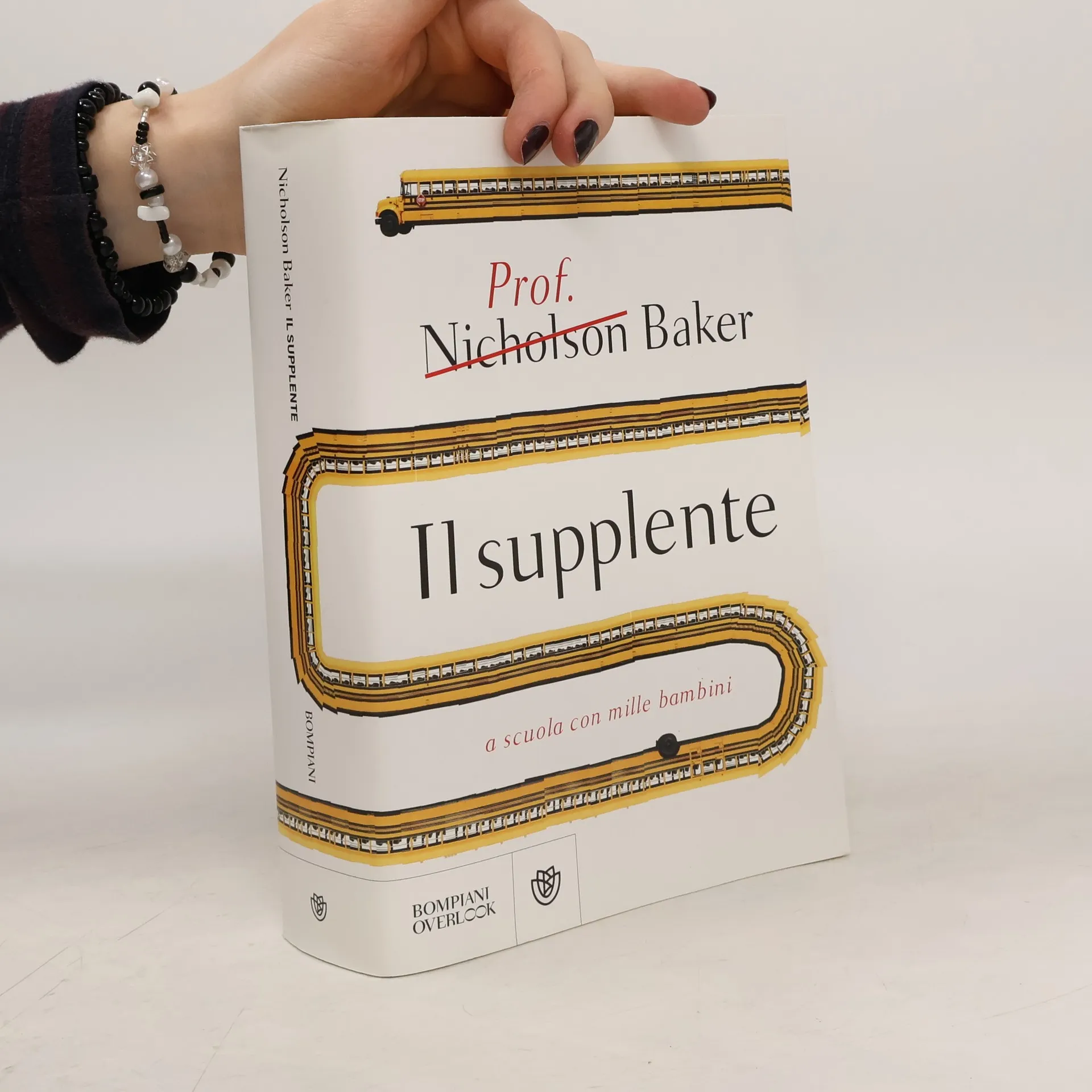
I supplenti hanno vita difficile. L'ha sperimentato anche Nicholson Baker, saggista e romanziere americano che nel 2014 diventa supplente a chiamata in un distretto scolastico del Maine. Lo aspettano ventotto giorni di insegnamento e quasi mille bambini e ragazzi di tutte le età, dall'asilo alla scuola superiore. Baker sceglie di raccontare la sua esperienza non nella forma di un libro di teoria pedagogica né di cupa diagnosi sullo stato di salute del sistema scolastico, ma con un resoconto dettagliato della vita reale delle classi e di chi le popola. Baker restituisce così il senso vissuto di quanto possa essere indaffarato, complicato, strano e lungo un giorno di scuola, di quanti alti e bassi ci siano e di quanto la scuola possa essere estenuante - e talvolta divertente - tanto per gli insegnanti quanto per gli studenti.
Unabh. Forts. v. "Der Anthologist". - Der Protagonist, der amerikanische Lyriker Paul, erzielt einen beruflichen Achtungserfolg, träumt von Musik und Tabaksorten, jagt seiner Ex-Freundin hinterher und liebt das Leben mit allen Kompromissen
Der Band enthält zehn herausragende Kurzgeschichten des 'King of the Hard-Mouth-Poet', darunter 'Die große Zen-Hochzeit' und 'Hundekuchen in der Suppe'.