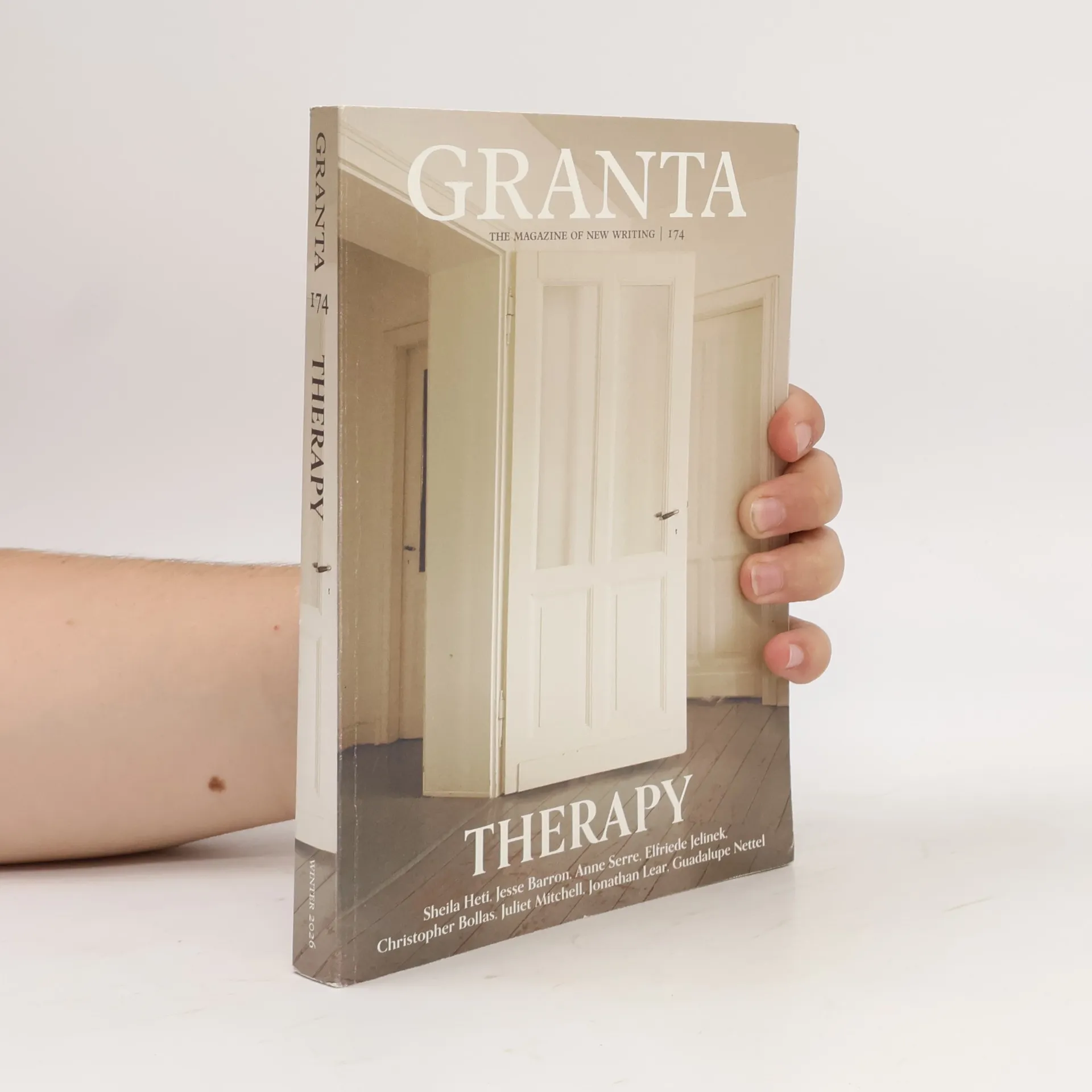
Therapy 174
The Magazine of New Writing


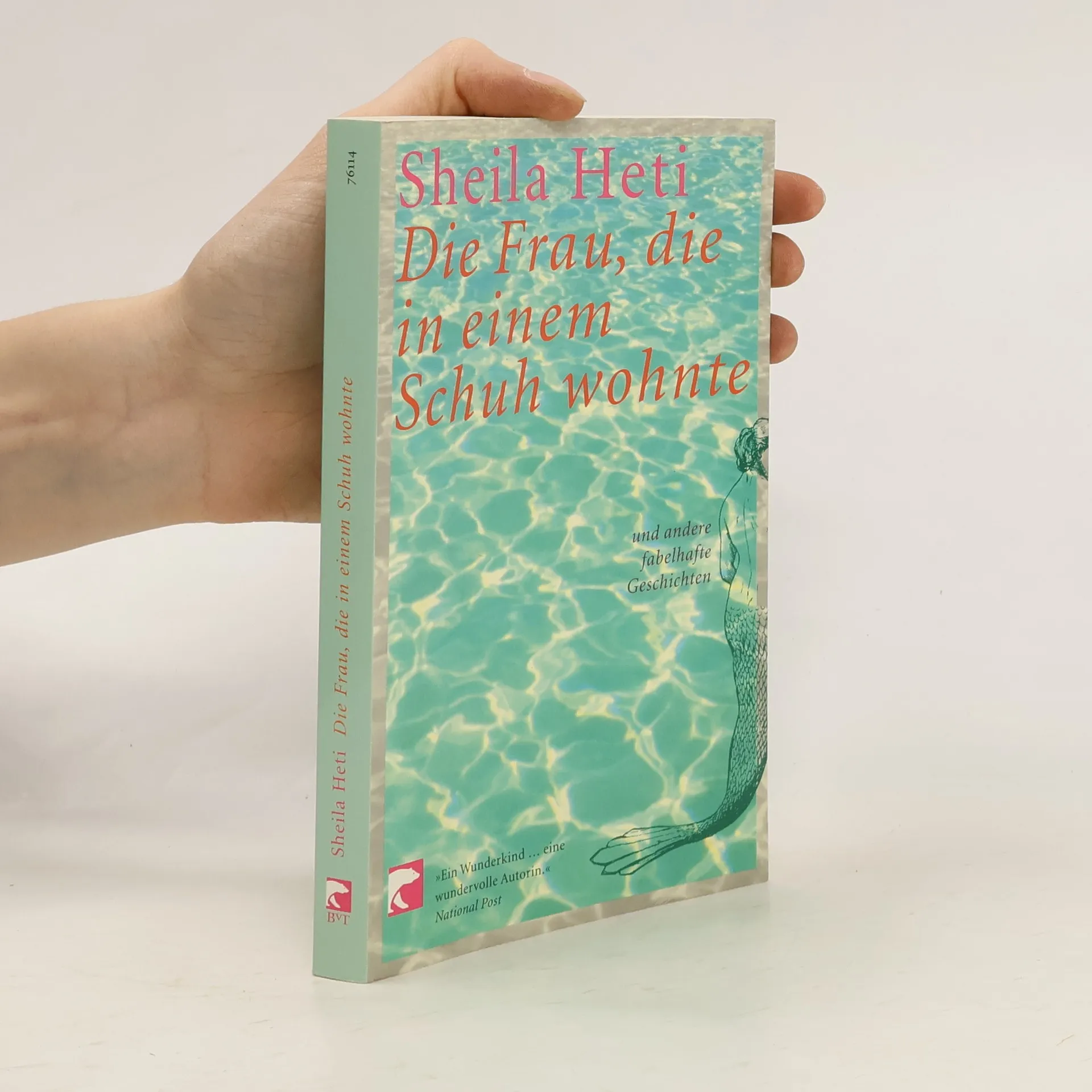
Sheila Heti je známá svým jedinečným přístupem k psaní, který často zkoumá složitosti lidských vztahů a existenciální otázky. Její díla se vyznačují introspektivním a filozofickým tónem, který čtenáře vtáhne do hlubokých úvah o životě. Jako editorka rozhovorů se Heti proslavila svými dlouhými, pronikavými rozhovory, které odhalují podstatu jejích respondentů. Její psaní je ceněno pro svou originalitu a schopnost vyvolat silné emoce a myšlenky.

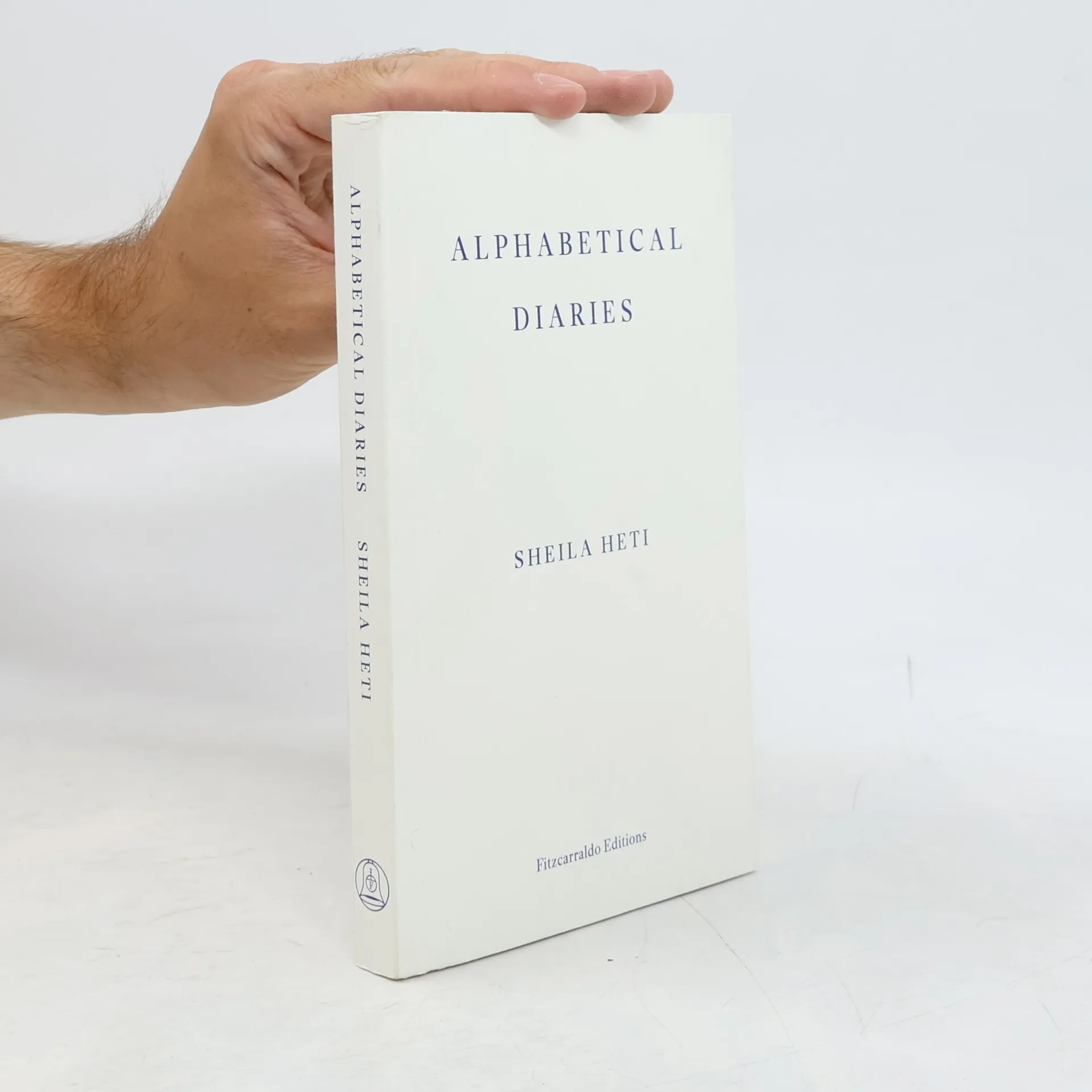
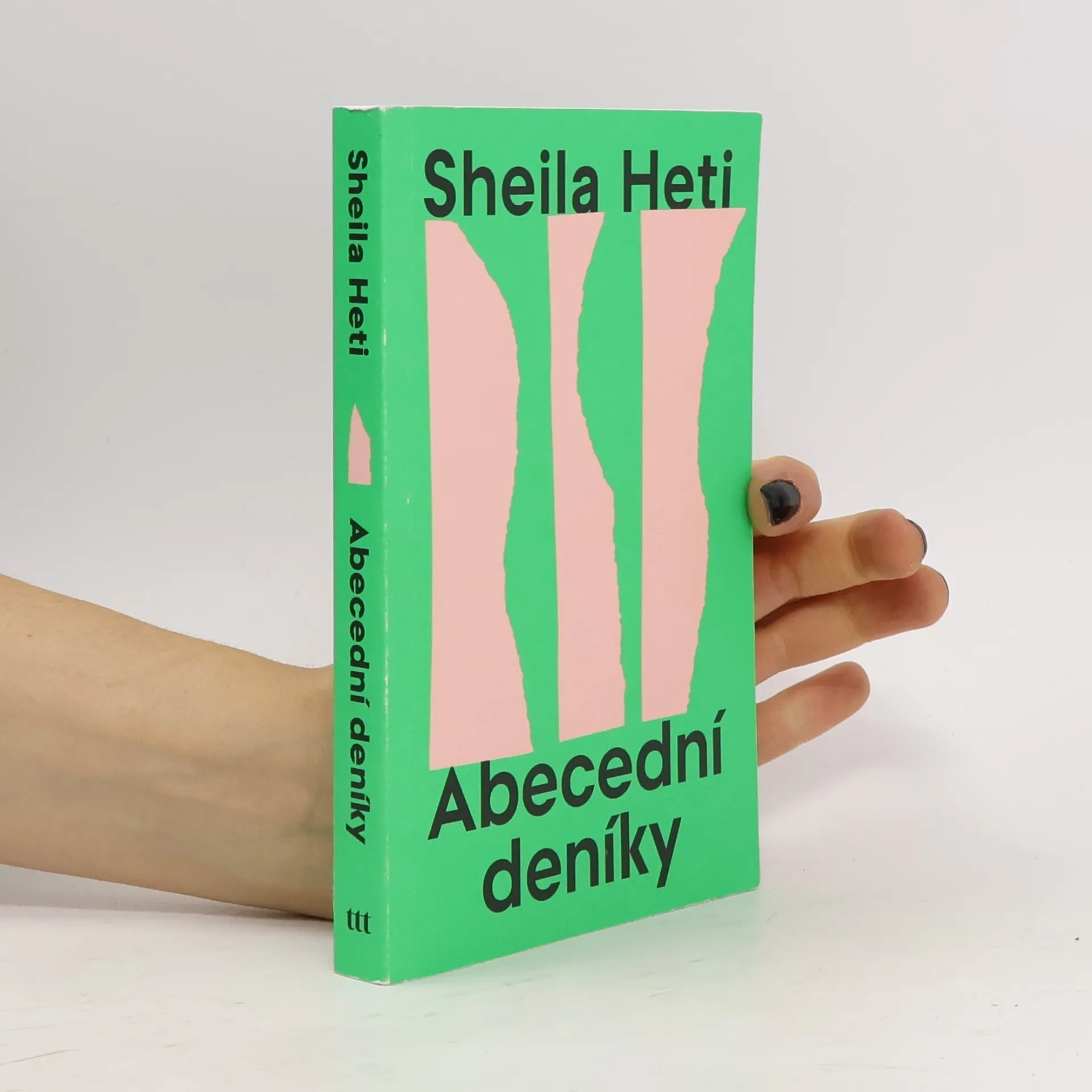
The Magazine of New Writing
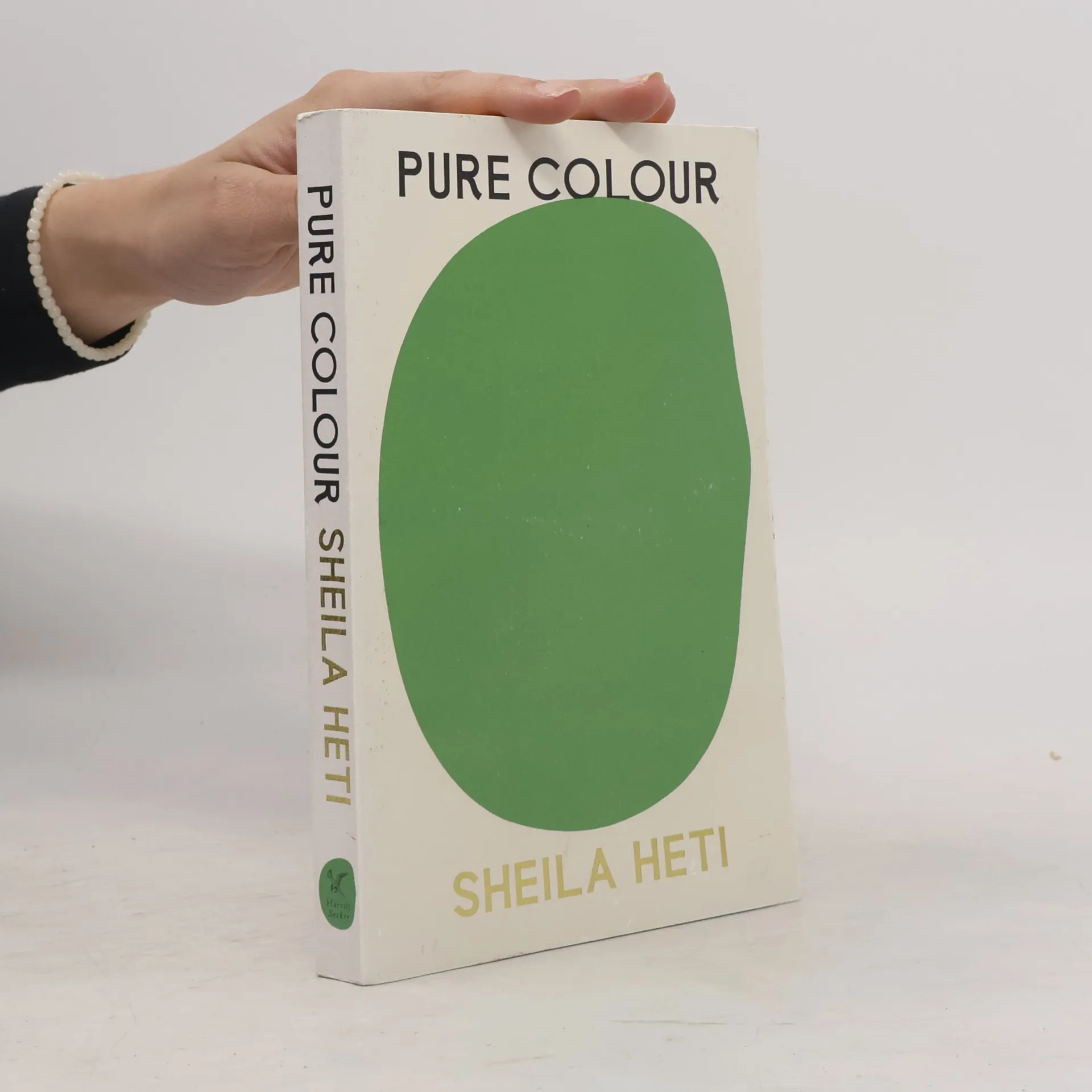
A thrilling confessional from the award-winning author of Pure Colour, in the vein of Joe Brainard and Edouard Levé.
Heartbreaking, exciting, profound- a short epic that reimagines what the novel can do After God created the heavens and the earth, he stood back to contemplate creation, like a painter standing back from the canvas. This is the moment we are living in - the moment of God standing back. In this first draft of existence, a woman named Mira leaves home to study. There, she meets Annie, whose tremendous power opens Mira's chest like a portal - to what, she doesn't know. When Mira is older, her beloved father dies, and she enters that strange and dizzying dimension that true loss opens up. This is a book about the shape of a life, from beginning to end. It's about art, critics, and ageing. It's about the surrounding world - sky, trees, lakes, stars - and 'the world beyond this world', which can be glimpsed in rare moments when something shattering occurs. Pure Colour is a galaxy of a novel- explosive, celestially bright, huge, and streaked with beauty. It's a contemporary bible, an atlas of feeling, and its shape-shifting, mystical form allows us to take in the whole world in one glance. Sheila Heti is a philosopher of modern experience, and she has reimagined what a book can hold.
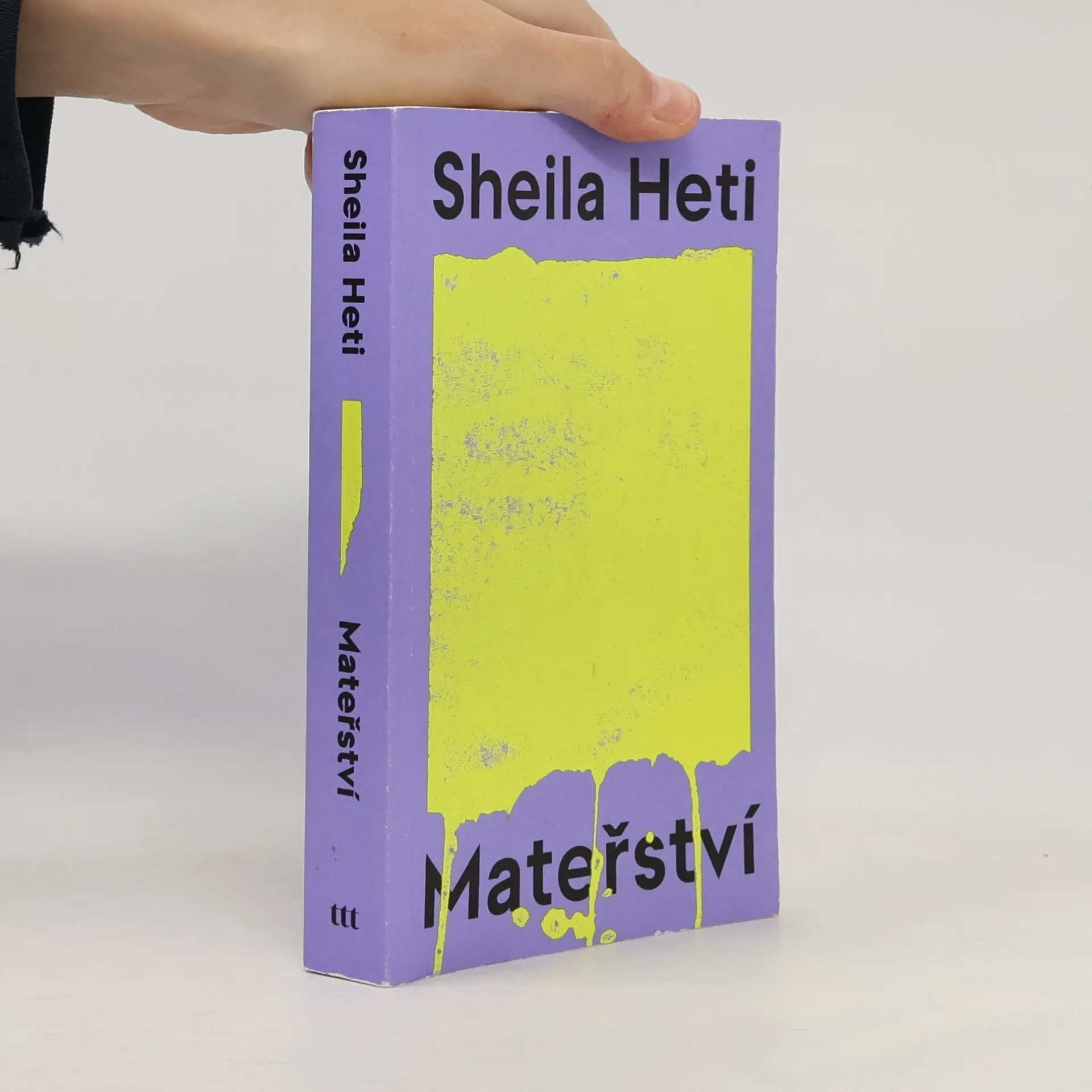
Kolik otázek si žena položí v souvislosti s mateřstvím? První: Být, či nebýt matkou? Druhá: Kdy být matkou? Třetí: Stanu-li se matkou, budu nadále také ženou? Svobodnou ženou? Sheila Heti psala knihu několik let před čtyřicítkou, závěr dokončila už po překročení magické věkové hranice. Popisuje, jak je žena s postupujícím věkem odsouvána do kouta mateřství a jak je nahlížena jako bezdětná. Dotýká se otázky věčné rivality mezi ženami, zkoumá bezdětný partnerský vztah, obhlíží terén mateřství u jiných a zatíná hluboko do čtenáře prosté pravdy o společnosti věčně soudící a příliš jednoduše odsuzující.
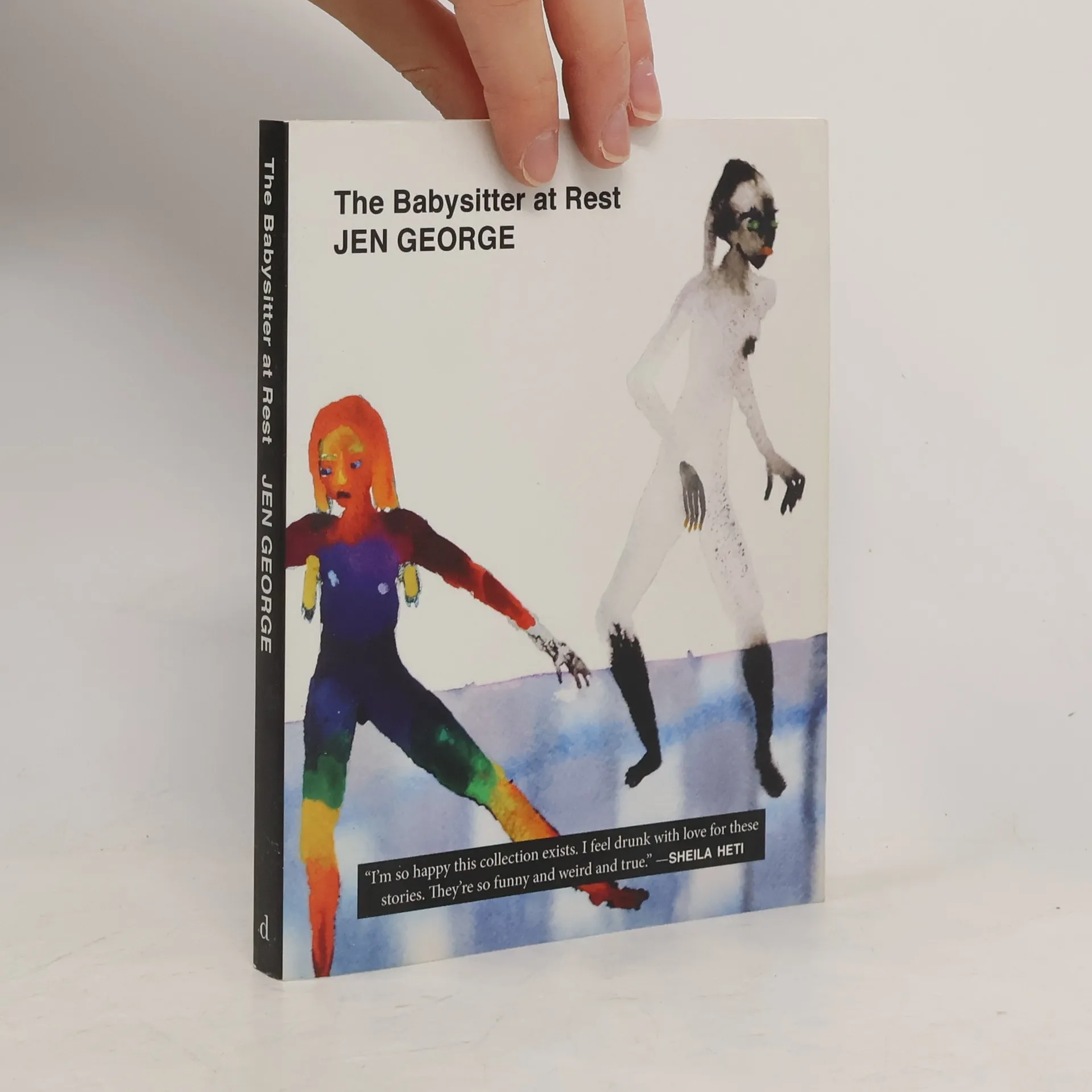
“I had to judge a story contest of 600+ anonymous stories and I read each one and without hesitation Jen George’s story was my favourite. I’m so happy this collection exists. I feel drunk with love for these stories. They’re so funny and weird and true.”—Sheila Heti“With a weird, beautiful energy, George explores the challenges of woman-being: singlehood, self-doubt, motherhood, the dismaying fact of aging, the (dis)ability to love. A modern-day Jane Bowles, George engages these mysteries in prose that is funny, charming, dark, and insightful.” —Deb Olin UnferthFive stories—several as long as novellas—introduce the world to Jen George, a writer whose furiously imaginative new voice calls to mind Donald Barthelme and Leonora Carrington no less than Kathy Acker and Chris Kraus. In “Guidance/The Party,” an ethereal alcoholic “Guide” in robes and flowing hair appears to help a thirty-three-year-old woman prepare a party for her belated adulthood; “Take Care of Me Forever” tragically lambasts the medical profession as a ship of fools afloat in loneliness and narcissism; “Instruction” chronicles a season in an unconventional art school called The Warehouse, where students divide their time between orgies, art critiques, and burying dead racehorses. Combining slapstick, surrealism, erotica, and social criticism, Jen George’s sprawling creative energy belies the secret precision and unexpected tenderness of everything she writes.
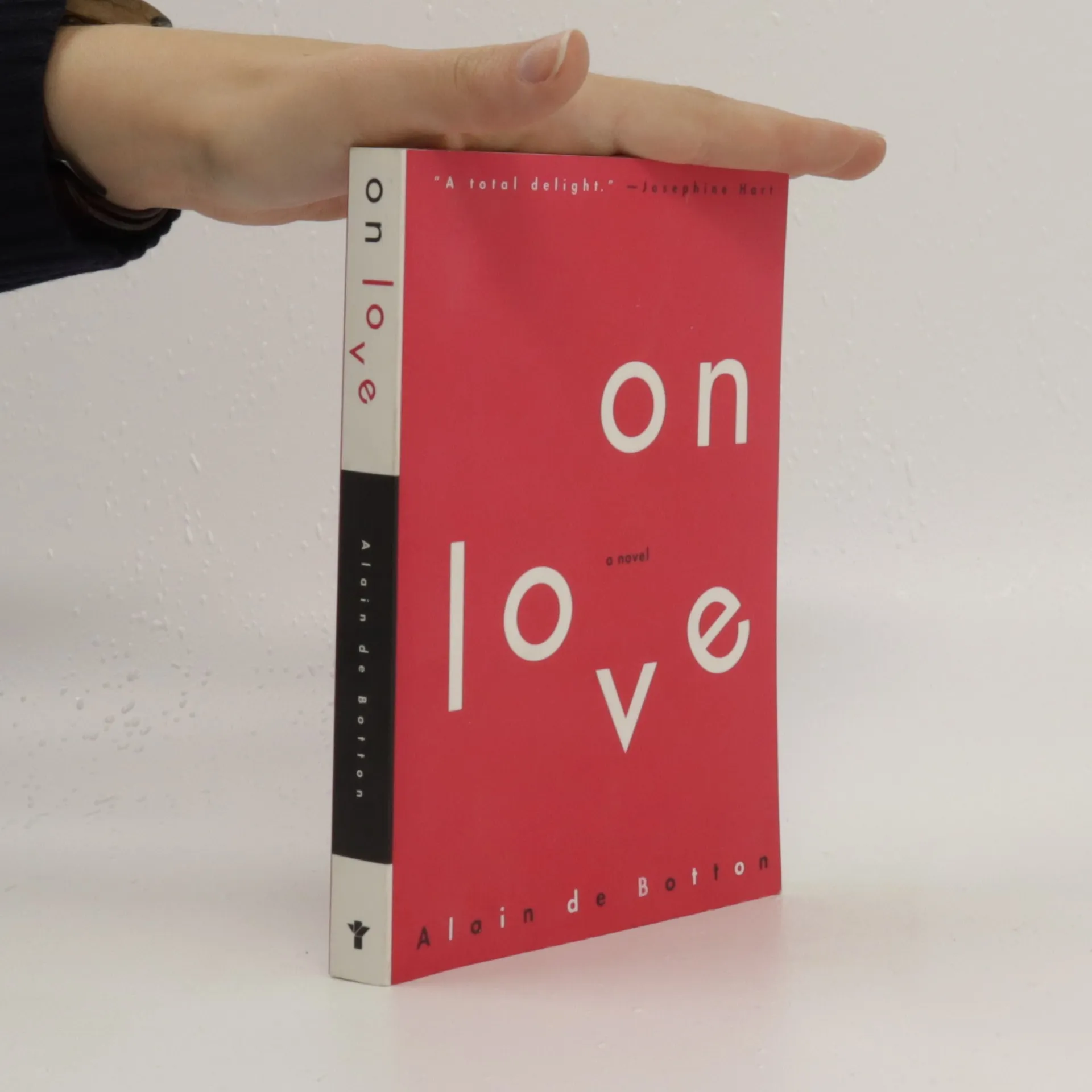
In this dazzlingly original first novel, Alain de Botton tells of a young man smitten by a woman on a Paris-London flight. On Love plots the course of their affair from the initial delirium of infatuation to the depths of suicidal despair, as the beloved, inexplicably, begins to drift away. "A tour de force pleasure of a first novel".Kirkus Reviews.
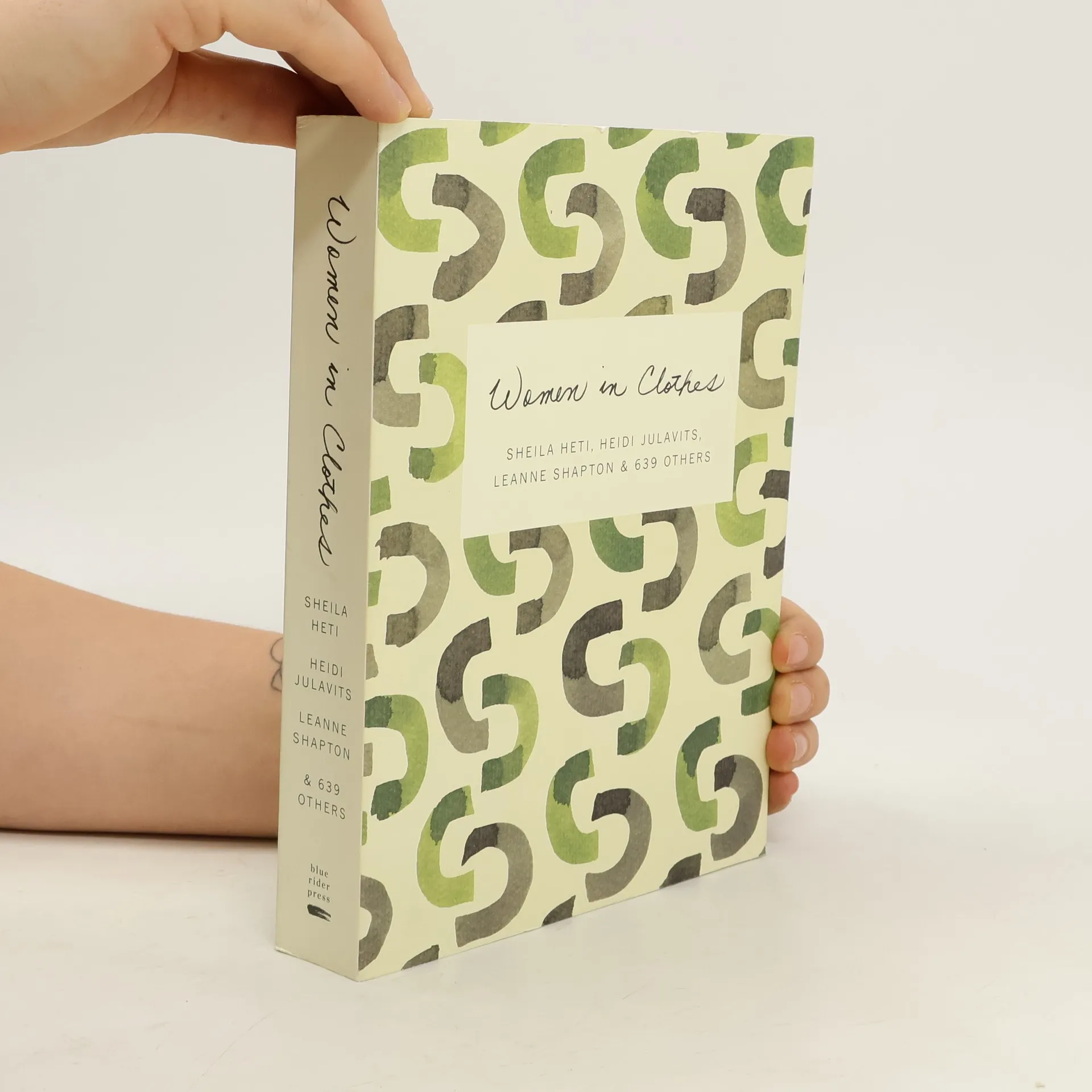
"An exploration of the questions we ask ourselves while getting dressed every day, and the answers from more than six hundred women"--From back cover.
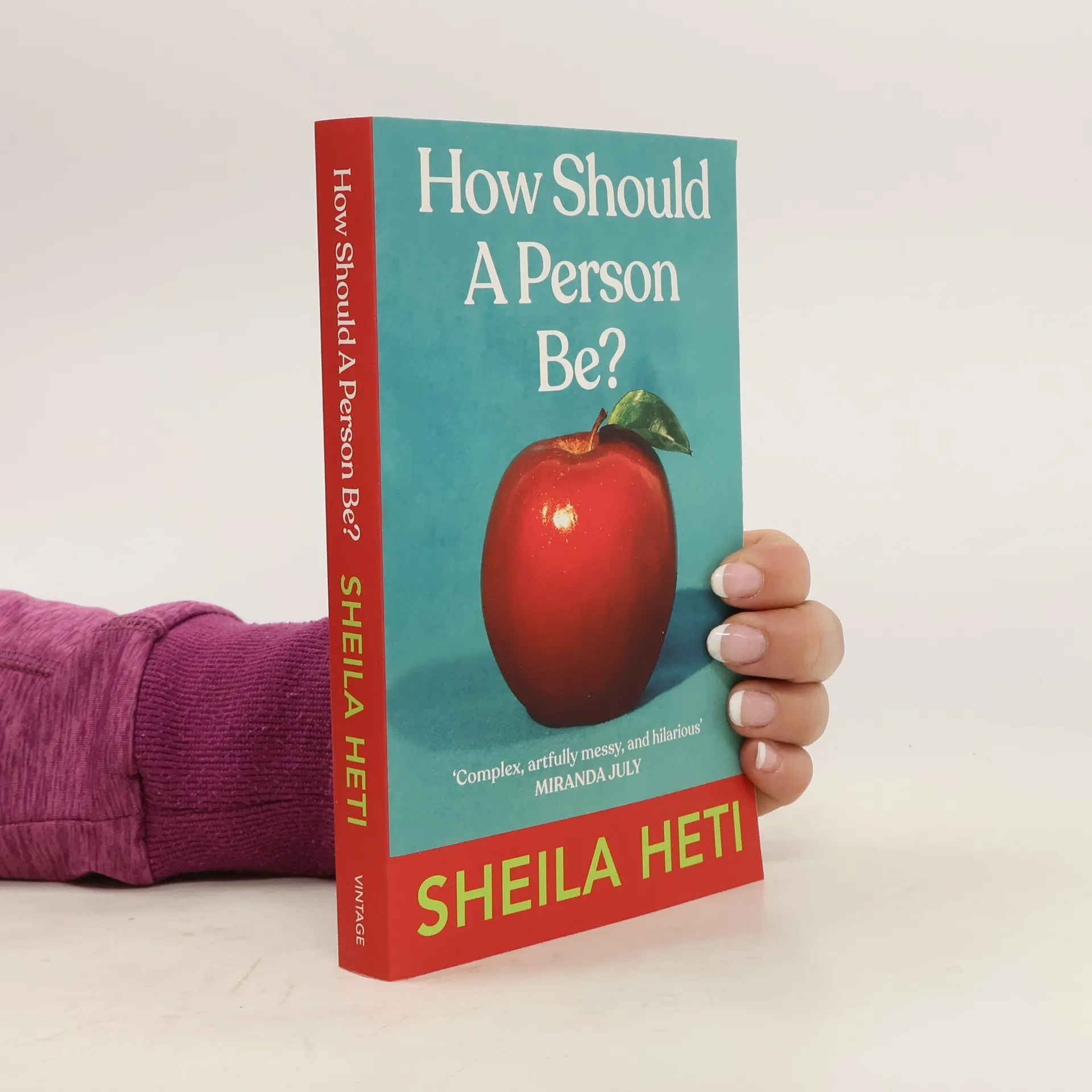
Longlisted for the Women's Prize for Fiction 2013 Sheila's twenties were going to plan. She got married. She hosted parties. A theatre asked her to write a play. Then she realised that she didn't know how to write a play. That her favourite part of the party was cleaning up after the party. And that her marriage made her feel like she was banging into a brick wall. So Sheila abandons her marriage and her play, befriends Margaux, a free and untortured painter, and begins sleeping with the dominating Israel, who's a genius at sex but not at art. She throws herself into recording them and everyone around her, investigating how they live, desperate to know, as she wanders, How Should a Person Be? Using transcripts, real emails, plus heavy doses of fiction, Heti crafts an exciting, courageous, and mordantly funny tour through one woman's heart and mind.
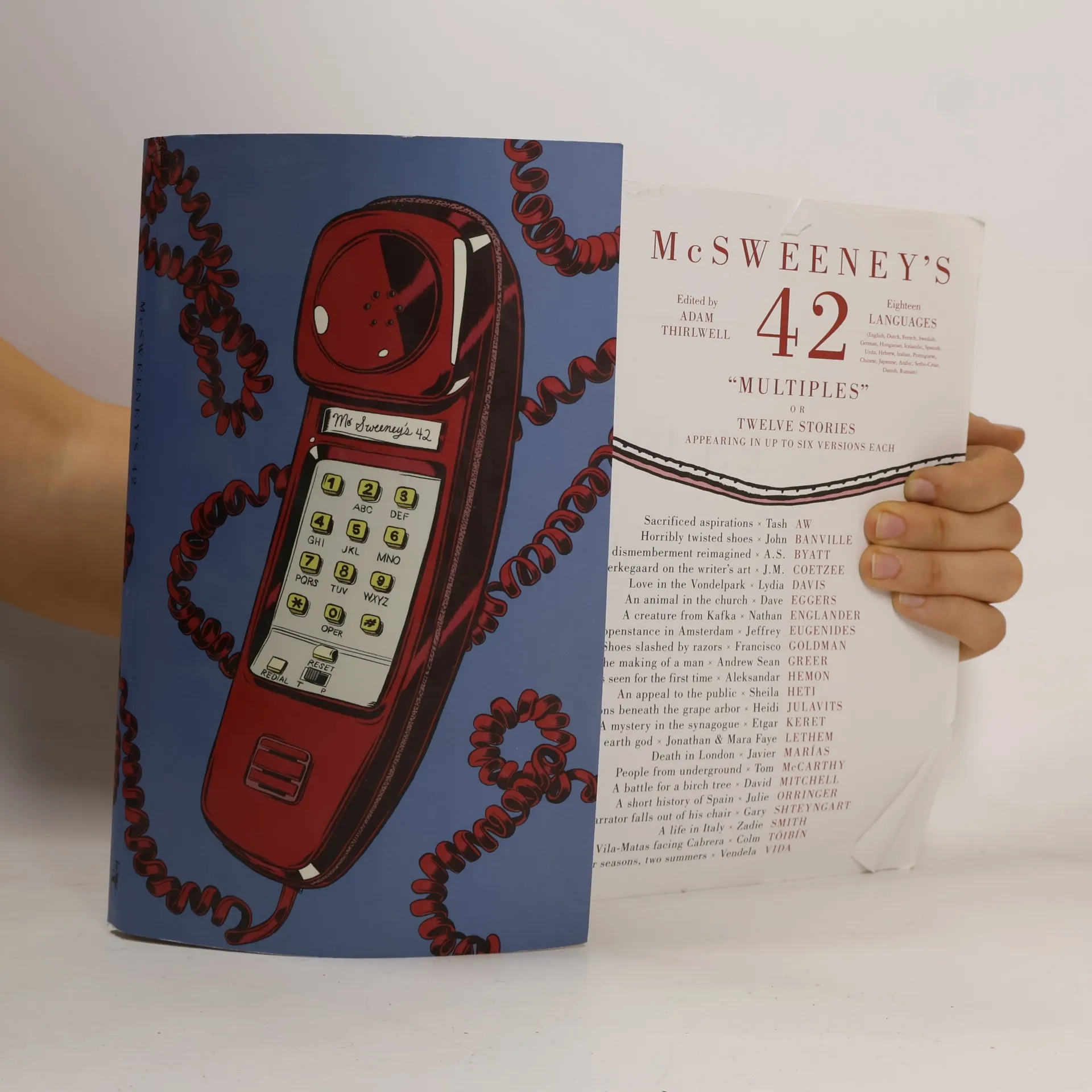
Or Twelve Stories Appearing in Up to Six Versions Each - Eighteen Languages: English, French, Czech, Dutch, German, Hungarian, Icelandic, Italian, Korean, Latin, Polish, Portuguese, Russian, Spanish, Swedish, Turkish
With the help of guest editor Adam Thirlwell (author of Kapow!, Visual Editions), Issue 42 is a monumental experiment in translated literature—twelve stories taken through six translators apiece, weaving into English and then back out again, gaining new twists and textures each time, just as you'd expect a Kierkegaard story brought into English by Clancy Martin and then sent into Dutch by Cees Nooteboom before being made into English again by J. M. Coetzee to do. With original texts by Kafka and Kharms and Kenji Miyazawa, and translations by Lydia Davis and David Mitchell and Zadie Smith (along with others by John Banville and Tom McCarthy and Javier Marías, and even more by Shteyngart and Eugenides and A. S. Byatt), this will be an issue unlike anything you've seen before—altered, echoing narratives in the hands of the finest writers of our time, brought to you in a book that looks like nothing else we’ve ever done.
Should neighborhoods change? Is wearing a suit a good way to quit smoking? Why do people think that if you do one thing, you're against something else? Is monogamy a trick? Why isn't making the city more fun for you and your friends a super-noble political goal? Why does a computer last only three years? How often should you see your parents? How should we behave at parties? Is marriage getting easier? What can spam tell us about the world? Misha Glouberman's friend and collaborator, Sheila Heti, wanted her next book to be a compilation of everything Misha knew. Together, they made a list of subjects. As Misha talked, Sheila typed. He talked about games, relationships, cities, negotiation, improvisation, Casablanca , conferences, and making friends. His subjects ranged from the sublime to the ridiculous. But sometimes what had seemed trivial began to seem important—and what had seemed important began to seem less so. The Chairs Are Where the People Go is refreshing, appealing, and kind of profound. It's a self-help book for people who don't feel they need help, and a how-to book that urges you to do things you don't really need to do.
The story follows George Ticknor, an aging bachelor burdened by guilt and insecurity, as he reluctantly heads to a dinner party hosted by his successful childhood friend, Prescott. With a pie in hand, Ticknor grapples with his feelings of resentment and the complexities of their one-sided friendship. Drawing inspiration from the real-life relationship between historian William Hickling Prescott and his biographer, the narrative offers a witty and fantastical exploration of the dynamics between the two men.