Knihobot

Giorgio Agamben

    22. duben 1942

    Giorgio Agamben je přední postavou současné kontinentální filozofie. Jeho práce se hluboce zabývá průsečíky práva, života a státní moci, přičemž zkoumá, jak jsou tyto koncepty vzájemně propojeny a jak ovlivňují lidskou existenci. Agambenův styl se vyznačuje pronikavou analýzou a reinterpretací filozofických a politických tradic. Jeho myšlení má významný dopad na současnou vědu a literární kritiku.

    Giorgio Agamben
    Pinocchio - The Adventures of a Puppet, Doubly Commented Upon and Triply Illustrated
    The Use of Bodies
    STASIS
    Self-Portrait in the Studio
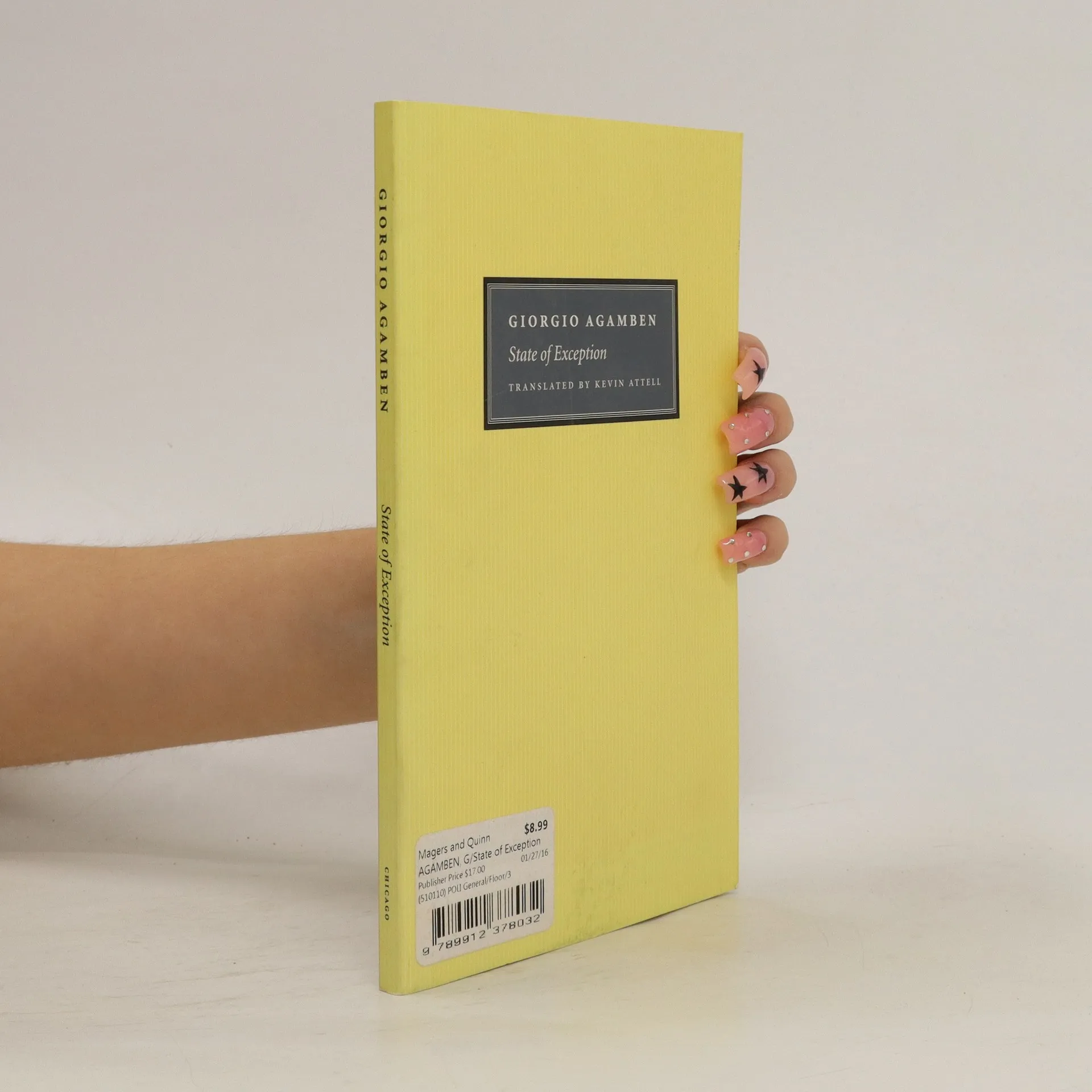
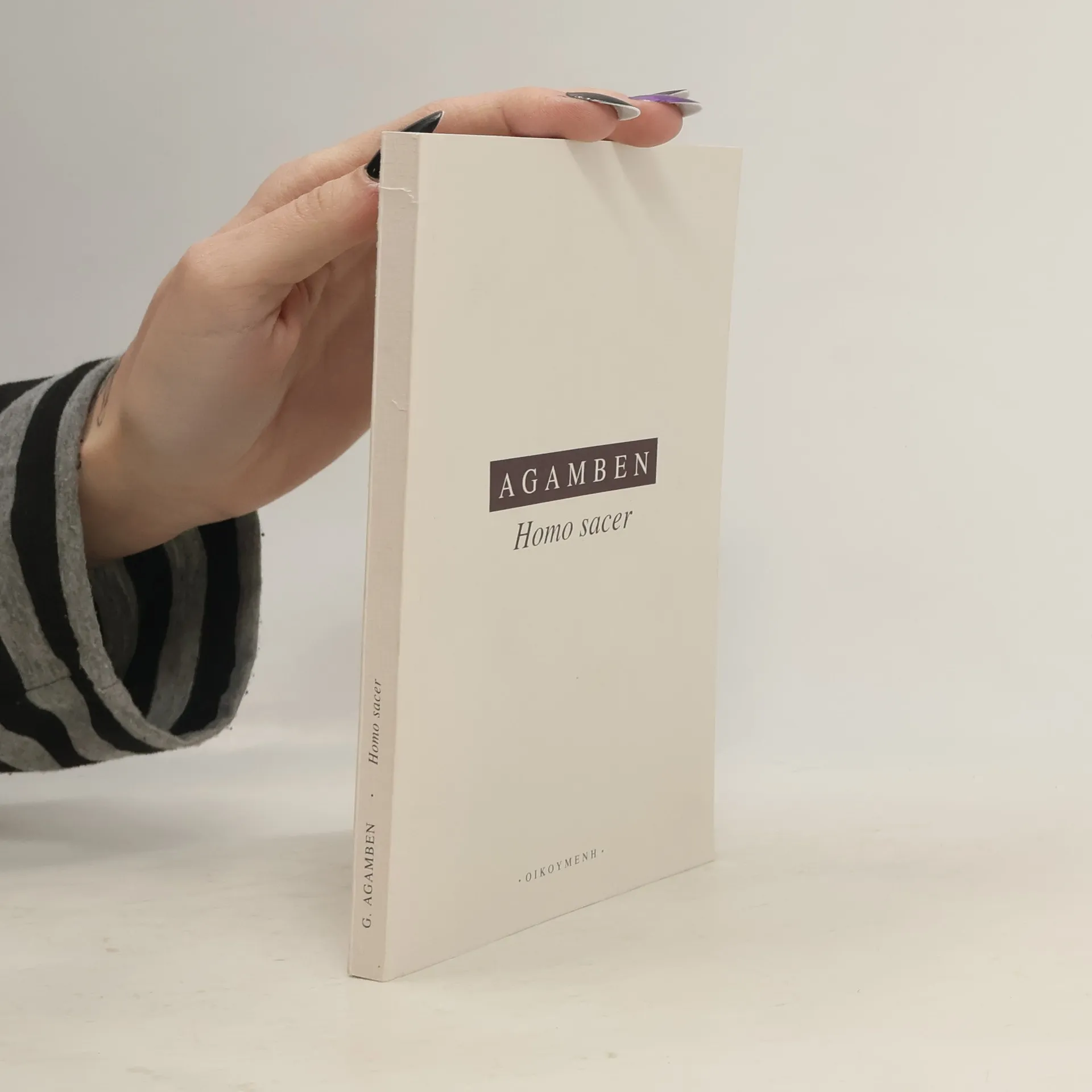
    Homo sacer
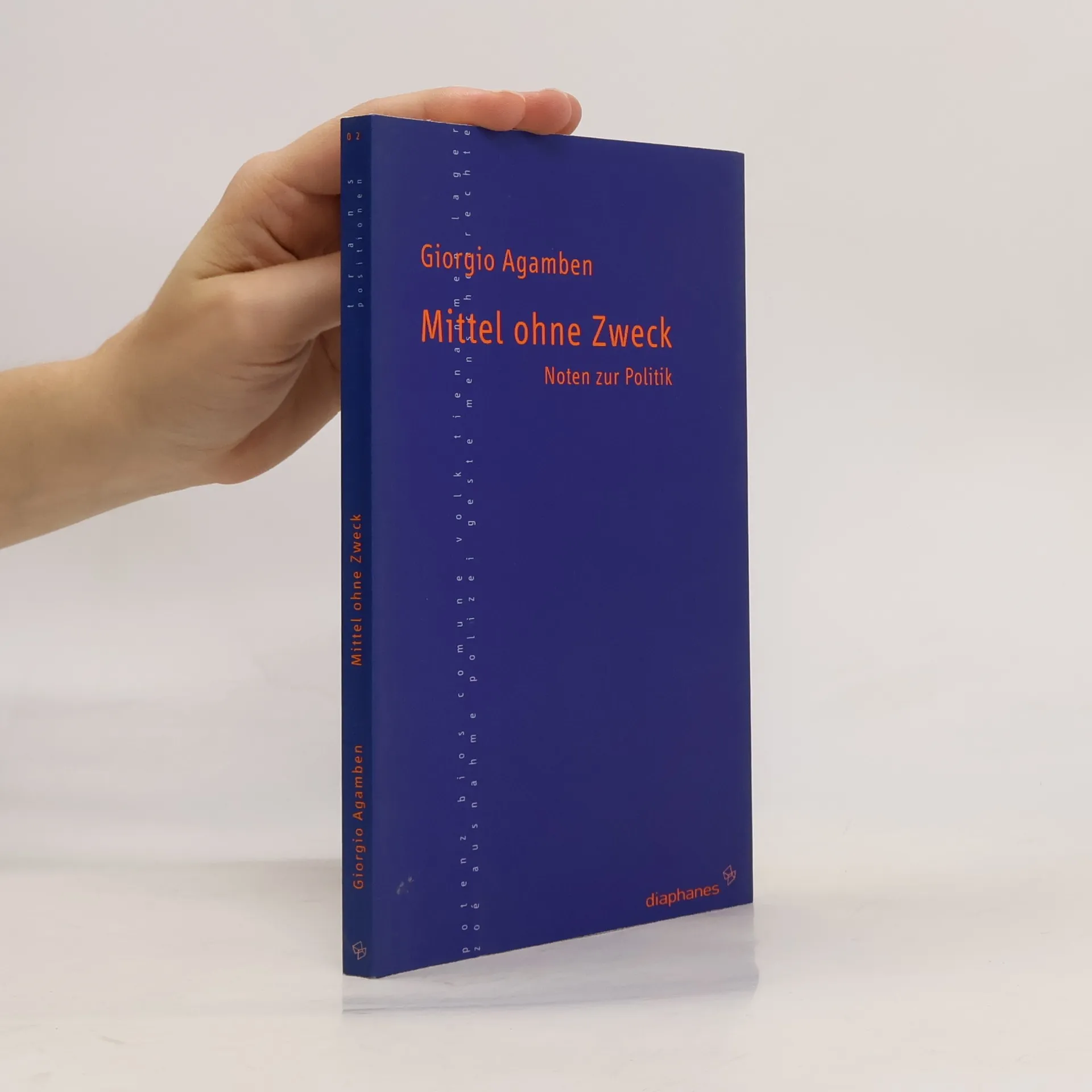
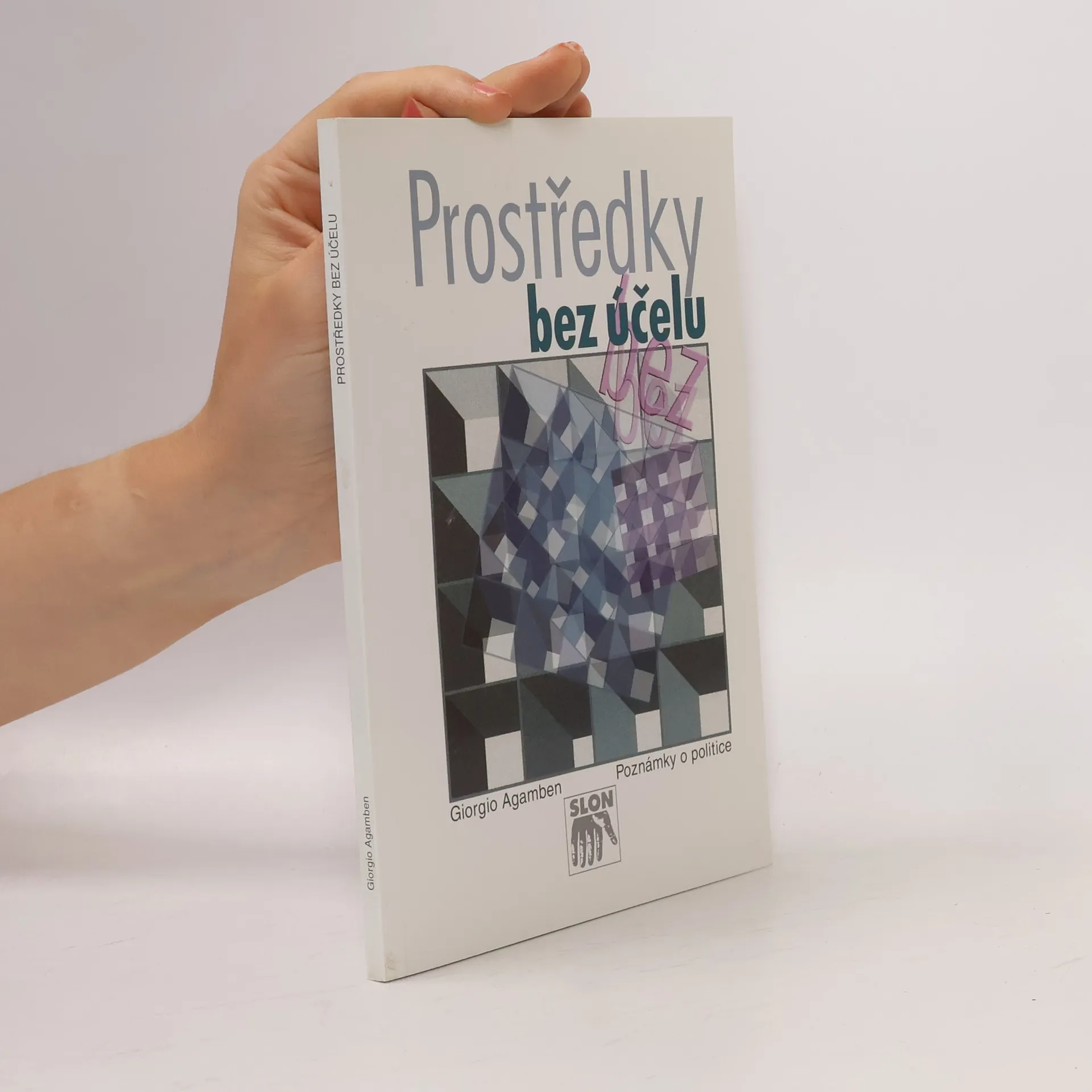
    Prostředky bez účelu
    • Prostředky bez účelu

      • 112 stránek
      • 4 hodiny čtení
      3,7(3)Ohodnotit

      Kniha významného italského filosofa je souborem několika esejí originálním způsobem se zamýšlejících nad stavem současného politického života a radikální kritikou vyprázdněných kategorií současné politiky. Autor ve svém úvodním Upozornění zdůvodňuje, proč se politika dostává do podřízeného postavení vůči náboženství, ekonomice a právu tím, že když si přestávala být vědoma svého ontologického zařazení, přestala se vyrovnávat se změnami, které postupně vyprázdnily její kategorie a pojmy. Na stránkách esejí jsou původně politická paradigmata sledována v rámci zkušeností a jevů, které obvykle nejsou pokládány za politické...
      Prostředky bez účelu
    • V návaznosti na Foucaultův pojem „biopolitiky“ se Agamben snaží předvést, že svrchovaná politická moc je v západní myšlenkové tradici již od Aristotela chápána jako „moc nad životem“. S využitím analýz C. Schmitta a výsledků antropologického bádání Agamben definuje svatého člověka jako bytost, již lze zabít, ale nikoli obětovat. Tento paradox podle Agambena vymezuje postavení moderního jedince v systému, který ovládá kolektivní „holý život“ všech.

      Homo sacer
    • Self-Portrait in the Studio

      • 220 stránek
      • 8 hodin čtení
      4,8(9)Ohodnotit

      Through a unique approach, the book offers an autobiographical insight into the life of philosopher Giorgio Agamben, revealing his identity through the influences of notable figures like Martin Heidegger and Walter Benjamin. Instead of a traditional narrative, it intertwines images, photographs, and objects from his creative spaces, creating a self-portrait that reflects his encounters and passions. This blend of visual and textual elements forms a distinctive auto-heterography, showcasing how others have shaped his thought and writing.

      Self-Portrait in the Studio
    • STASIS

      • 64 stránek
      • 3 hodiny čtení
      4,7(3)Ohodnotit

      Offers Agamben's genealogy of power in terms of political, philosophical and legal thought. This book investigates the genealogy of the strife between the Polis and its population with particular regard to the Greek concept of stasis and the strife with the commonwealth of Hobbes' Leviathan.

      STASIS
    • The Use of Bodies

      • 320 stránek
      • 12 hodin čtení
      4,4(96)Ohodnotit

      The final volume in Homo Sacer, Giorgio Agamben's wide-ranging investigation of the foundations of Western politics and culture.

      The Use of Bodies
    • A richly illustrated analysis from one of Europe's greatest living philosophers. In Pinocchio, Giorgio Agamben turns his keen philosopher's eye on the famous nineteenth-century novel by Carlo Collodi. To Agamben, Pinocchio's adventures are a kind of initiation into life itself. Like us, the mischievous puppet is caught between two worlds. He is faced with the alternatives of submitting to authority or of carrying on, stubbornly indulging his way of being. From Agamben's virtuoso interpretation of this classic story, we learn that we can harbor the mystery of existence only if we are not aware of it, only if we manage to cohabit with an area of non-knowledge, immemorial and very near. Richly illustrated with images from three early editions of Collodi's novel, this new volume will delight enthusiasts of both literature and philosophy.

      Pinocchio - The Adventures of a Puppet, Doubly Commented Upon and Triply Illustrated
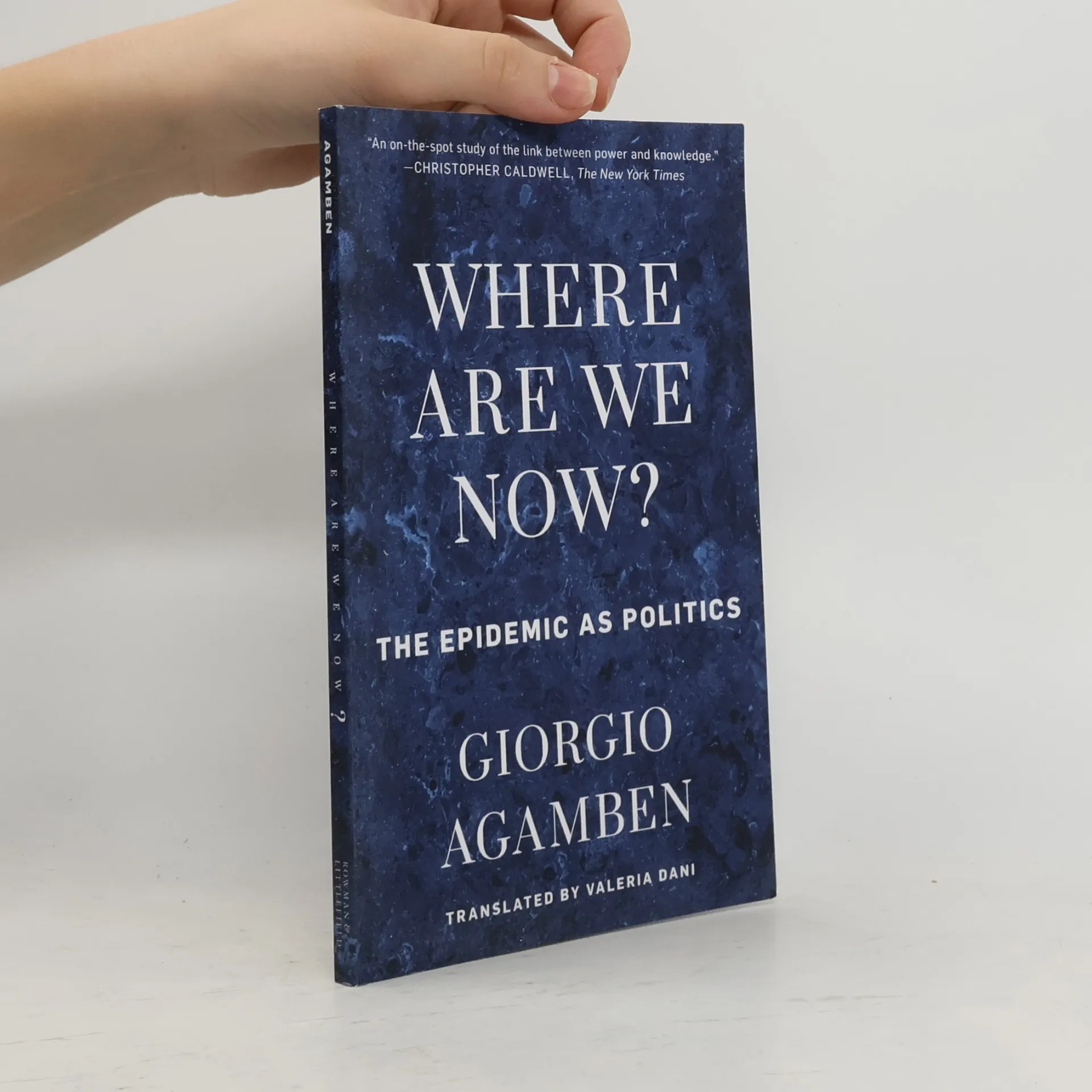
    • Where Are We Now?

      The Epidemic as Politics

      • 104 stránek
      • 4 hodiny čtení
      4,0(2)Ohodnotit

      The book features Giorgio Agamben's intense and personal reflections on the 2020 health emergency, examining its impact in Italy and globally. Through his philosophical lens, he critiques the societal and governmental responses to the crisis, offering profound insights into themes of freedom, authority, and human experience during unprecedented times.

      Where Are We Now?
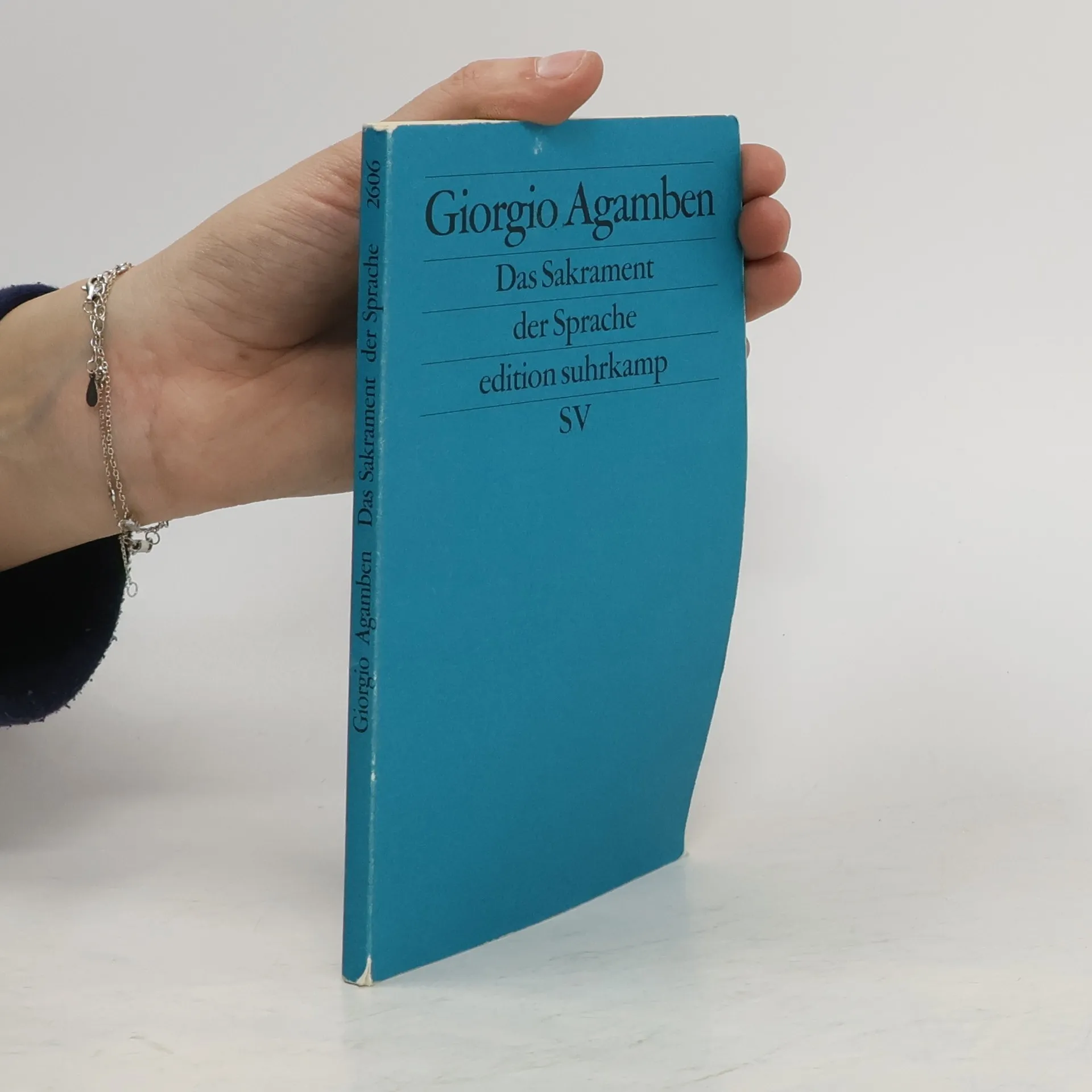
    • The Sacrament of Language

      • 128 stránek
      • 5 hodin čtení
      4,0(4)Ohodnotit

      Exploring the oath's pivotal role in political and religious history, this book delves into its strategic significance at the crossroads of law, religion, and politics. Agamben conducts an archaeological analysis of Greek and Roman texts, revealing the oath as a foundational event in human development. He argues that the oath serves as both a 'sacrament of power' and a 'sacrament of language,' highlighting how humanity's ability to speak intertwines with the commitments made through oaths, shaping individual and collective identity.

      The Sacrament of Language
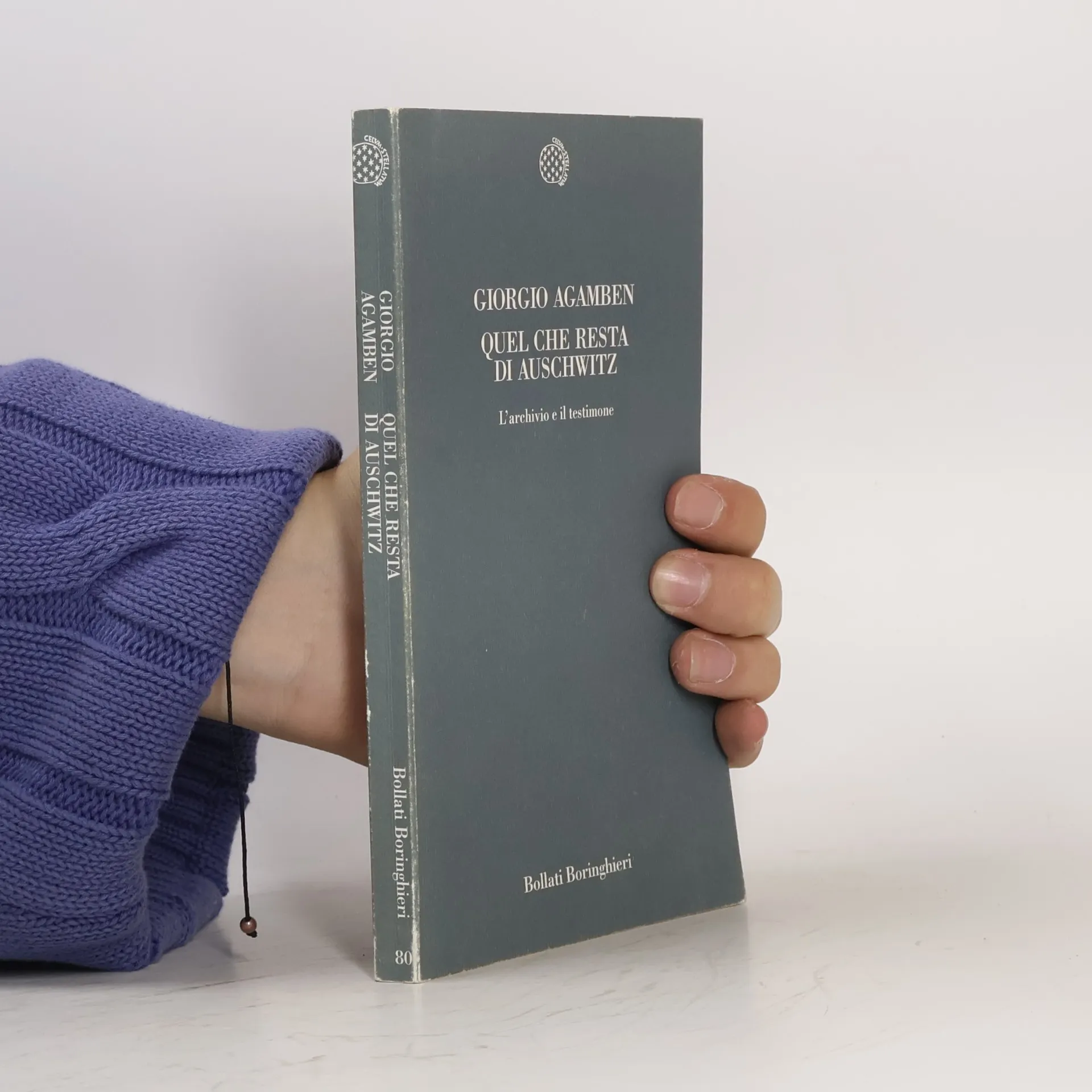
    • Remnants of Auschwitz

      • 176 stránek
      • 7 hodin čtení
      4,2(751)Ohodnotit

      In this book the Italian philosopher Giorgio Agamben looks closely at the literature of the survivors of Auschwitz, probing the philosophical and ethical questions raised by their testimony

      Remnants of Auschwitz
    • Giorgio Agamben tackles our crisis-ridden world in a series of powerful philosophical essays. "Which house is burning?" asks Giorgio Agamben. "The country where you live, or Europe, or the whole world? Perhaps the houses, the cities have already burnt down--who knows how long ago?--in a single immense blaze that we pretended not to see." In this collection of four luminous, lyrical essays, Agamben brings his characteristic combination of philosophical acuity and poetic intensity to bear on a world in crisis. Whether surveying the burning house of our culture in the title essay, the architecture of pure exteriority in "Door and Threshold," the language of prophecy in "Lessons in the Darkness," or the word of the witness in "Testimony and Truth," Agamben's insights throw a revealing light on questions both timeless and topical. Written in dark times over the past year, and rich with the urgency of our moment, the essays in this volume also seek to show how what appears to be an impasse can, with care and attention, become the door leading to a way out.

      When the House Burns Down - From the Dialect of Thought