Popírání smrti
- 344 stránek
- 13 hodin čtení


Ernest Becker byl uznávaný kulturní antropolog a vědecký myslitel, který se zabýval interdisciplinárními tématy. Jeho práce se hluboce ponořila do psychologických a filozofických aspektů lidské existence, zejména do způsobu, jakým se jedinci vyrovnávají s vědomím vlastní smrtelnosti. Becker tvrdil, že naše charakterové rysy a dokonce i civilizace jsou do značné míry formovány mechanismy popírání smrti, které nám umožňují fungovat ve světě. Tato snaha o popření smrti však podle něj nevyhnutelně vede ke zlu, protože nás odcizuje od skutečného sebepoznání a způsobuje konflikty. Jeho myšlenky, které čerpaly z Kierkegaarda, Freuda a Otty Ranka, přinesly revoluční pohled na lidskou psychiku a společnost.
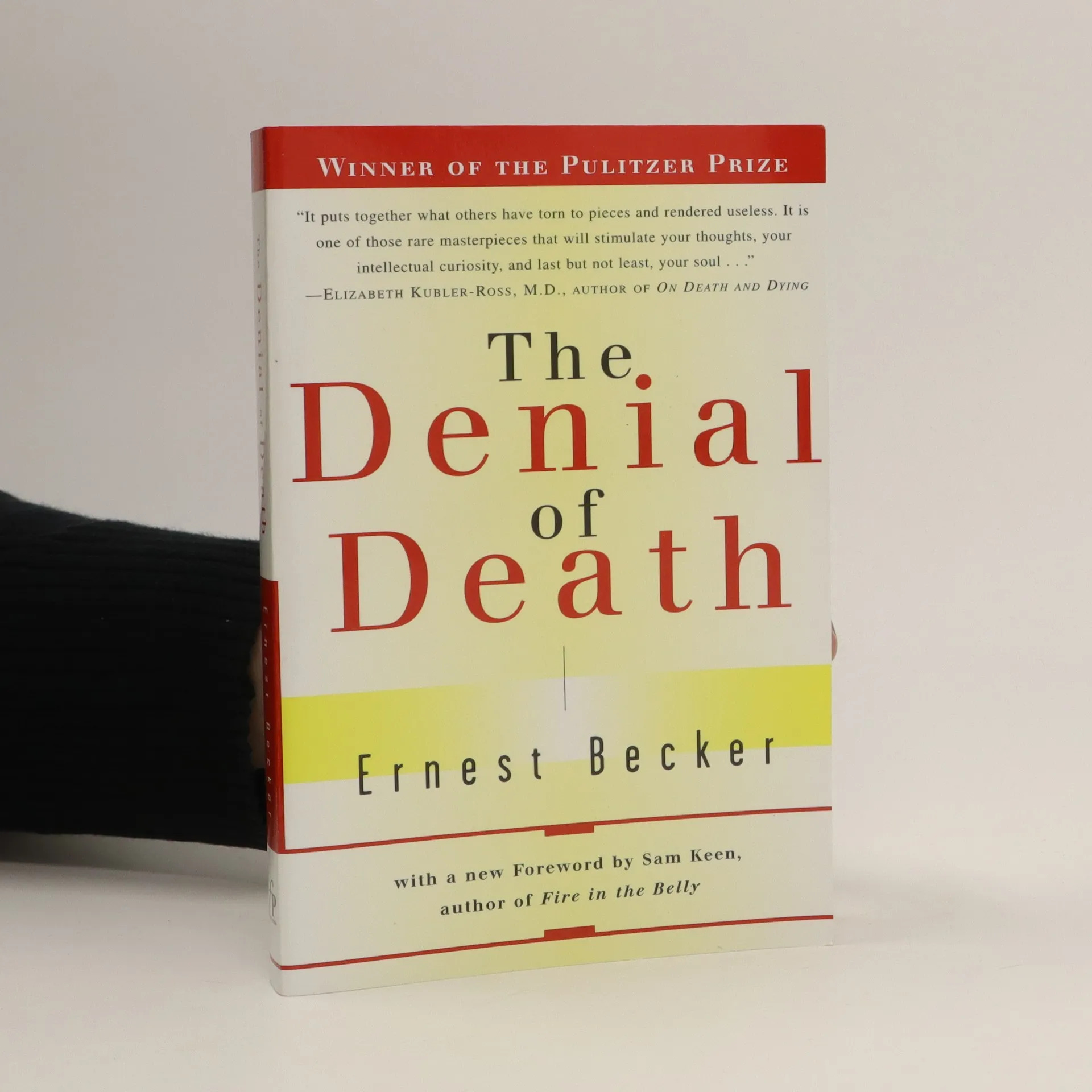
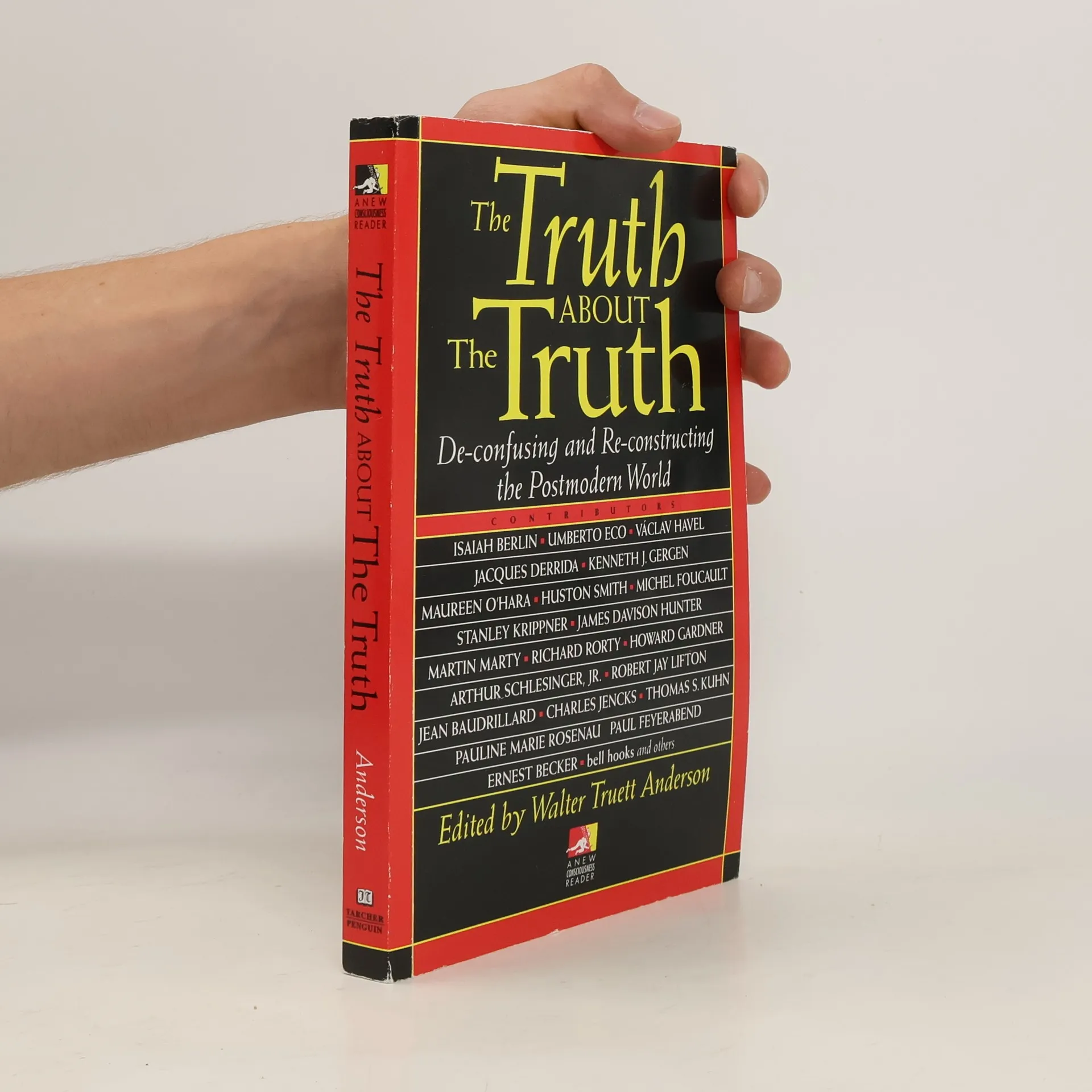

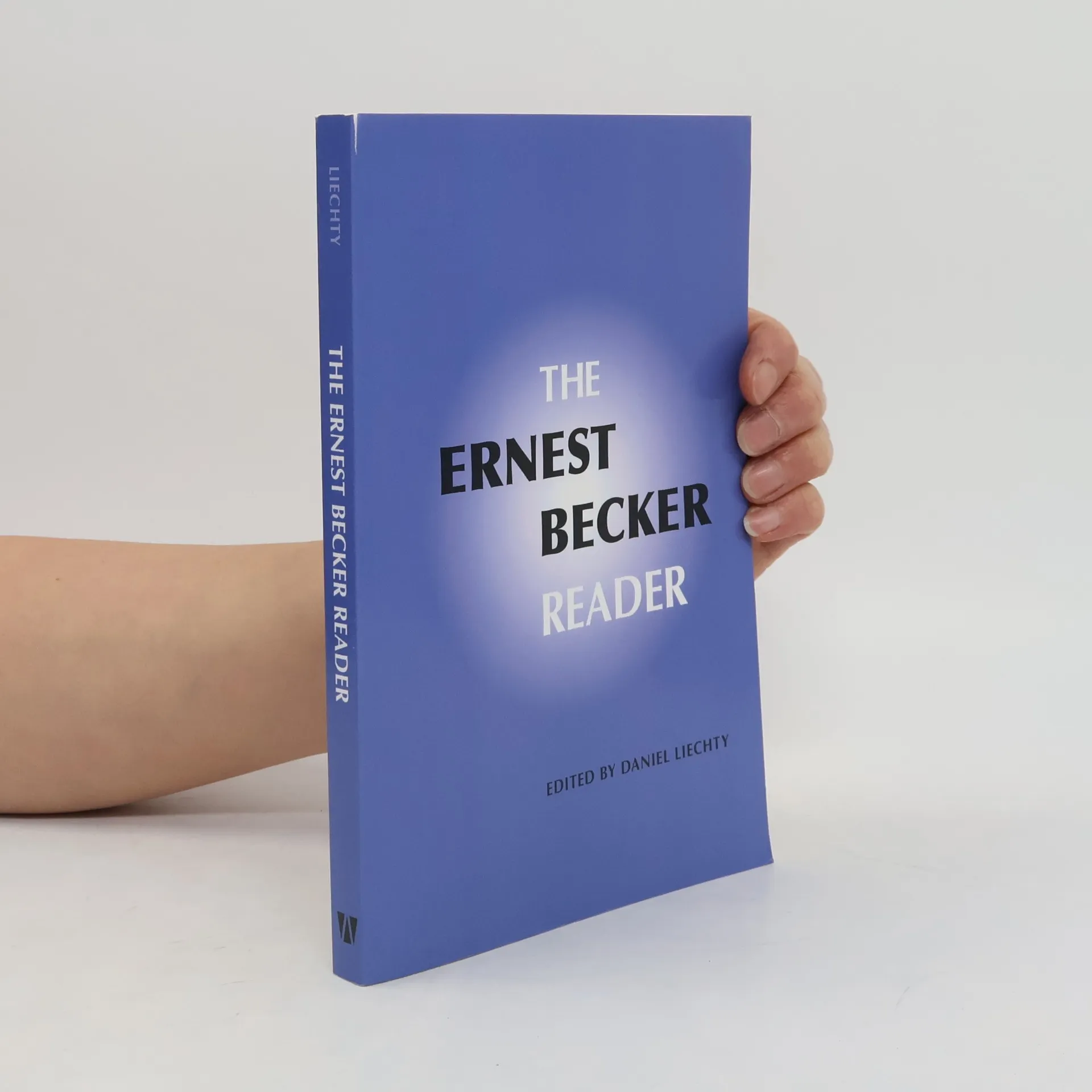
Ernest Becker (1924-1974) was a keen observer of society and human behavior during America's tumultuous 1960s and 1970s. With a background in social anthropology, he was driven by a deep curiosity about human motivations, persistently asking, "What makes people act the way they do?" Frustrated by the fragmented approaches of contemporary social sciences, Becker sought a comprehensive, empirical understanding of humanity. He developed an interdisciplinary vision where each discipline is rooted in a fundamental truth about the human condition, creating a broad perspective on human motivations that spans biological, psychological, and social sciences, as well as the humanities and various studies. Best known for his later works, including the Pulitzer Prize-winning "The Denial of Death" (1974) and "Escape from Evil" (1975), Becker's influential ideas were built upon a distinguished foundation of earlier writings. His early works, rich in insight, provide context for his later contributions and illuminate the evolution of his thoughts. Despite his life being cut short, Becker’s writings remain in print, engaging new generations of readers. The Ernest Becker Reader compiles much of his early work, placing his later achievements in context and significantly contributing to the enduring interest in his ideas.
From the Pulitzer Prize-winning author of The Denial of Death, a penetrating and insightful perspective on the source of evil in our world."A profound, nourishing book…absolutely essential to the understanding of our troubled times." —Anais Nin"An urgent essay that bears all the marks of a final philosophical raging against the dying of the light." —Newsweek
De-confusing and Re-constructing the Postmodern World
Includes essays and excerpts from the works of prominent modern thinkers such as Umberto Eco, Jacques Derrida, and Isaiah Berlin among others.
Addresses the issue of mortality discussing how humans universally share a fear of death and examines the theories of leading thinkers on this subject including Freud, Rank, and Kierkegaard