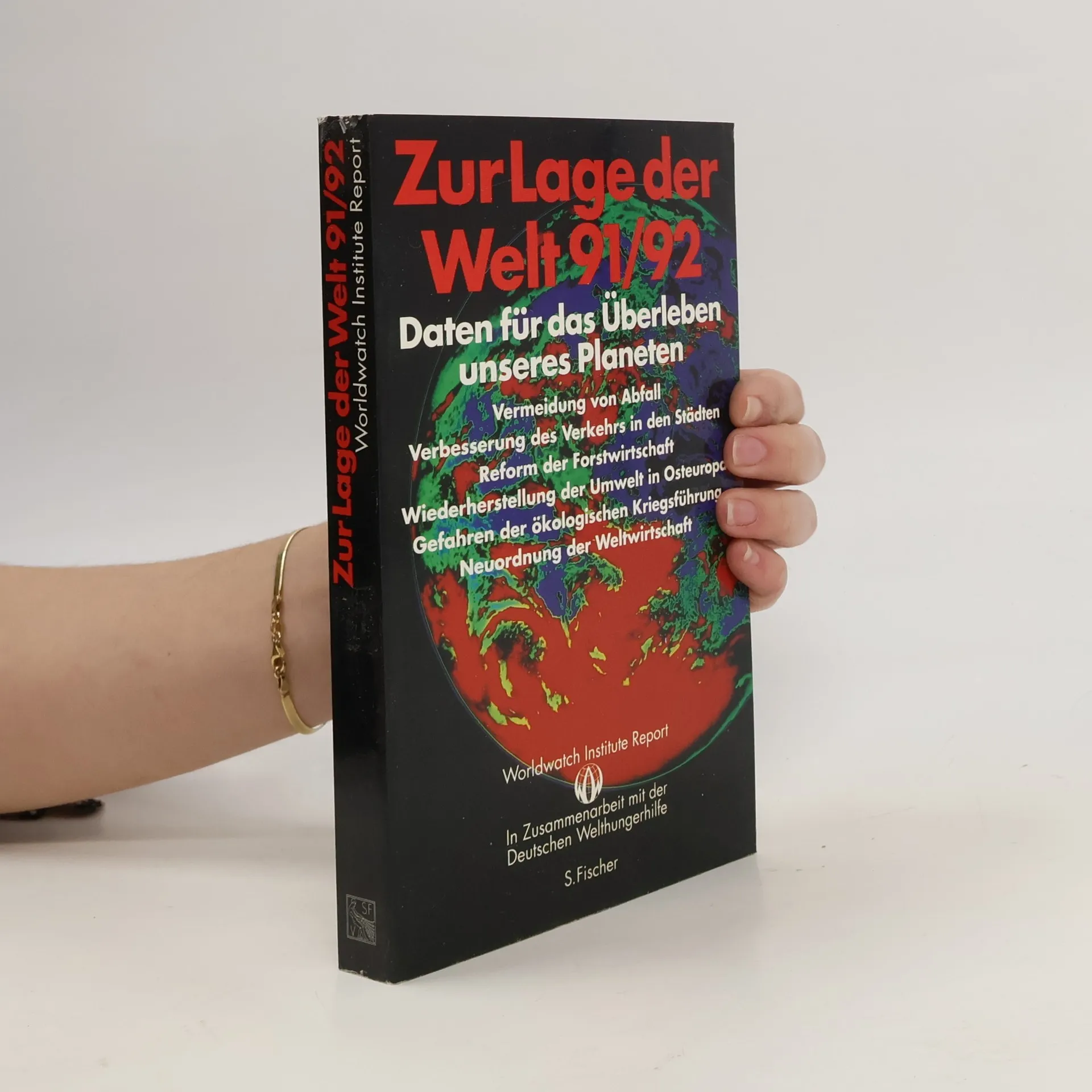
Stav světa 1992
- 271 stránek
- 10 hodin čtení


Tento autor je známý svou průkopnickou prací v oblasti udržitelného rozvoje. Již v 70. letech 20. století varoval před nebezpečími vyplývajícími z našeho nešetrného zacházení s přírodou, jako je nadměrný rybolov, odlesňování a dezertifikace půdy. Jeho spisy měly zásadní vliv na uvažování o problémech světové populace a zdrojů. Práce tohoto autora vyzývá k hlubokému zamyšlení nad naším vztahem k životnímu prostředí a k přijetí odpovědnosti za ochranu planety pro budoucí generace.


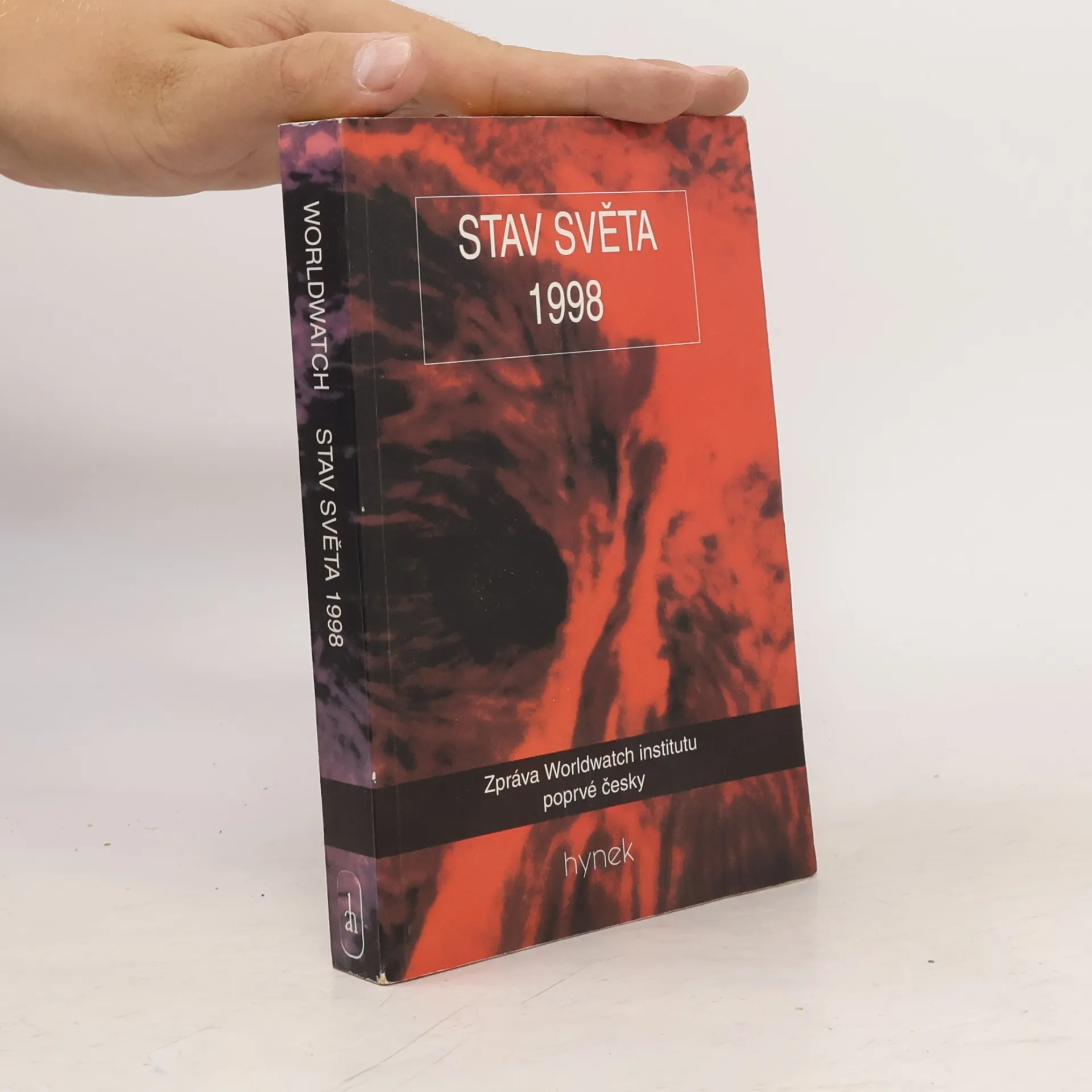

V roce 1998 uplynulo 15 let od doby, kdy spatřila světlo světa první zpráva Worldwatch institutu, dokumentující stav životního prostředí na naší planetě. Dnes je tato ročenka nejdůležitější knihou mapující každoroční prohry a vítězství v boji o záchranu životního prostředí.
Ročenka Worldwatch institutu, nazývána příznačně Stav světa, je vůbec tou nejdůležitější knihou mapující každoroční prohry i vítězství v boji o záchranu životního prostředí. Je soustavně překládána do více než 30 jazyků.
Report assessing society's ability to sustain itself without hurting the next generation
First Published in 2011. Routledge is an imprint of Taylor & Francis, an informa company.
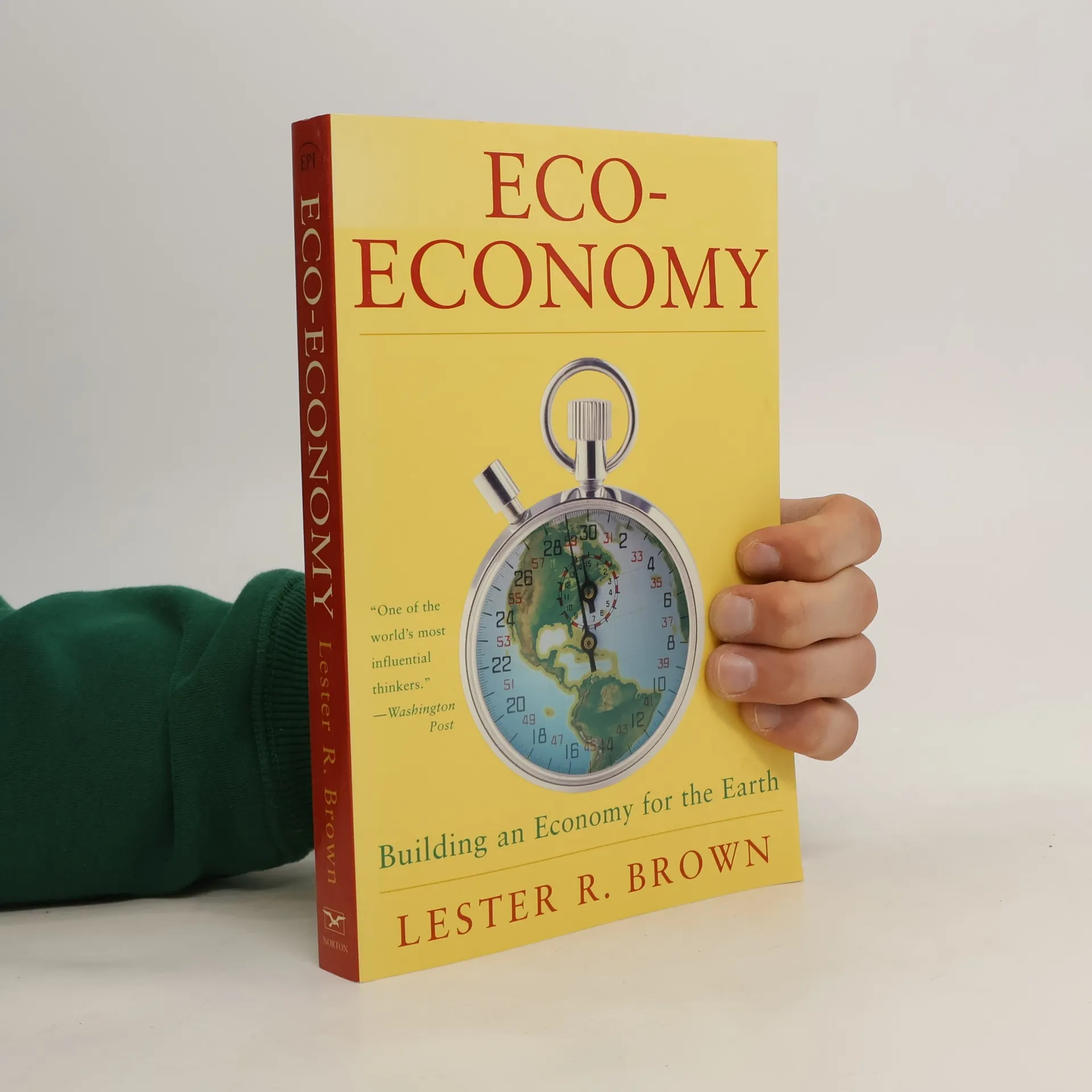
Award-winning environmental analyst Lester R. Brown and his colleagues chart progress in building the eco-economy, an economy that is compatible with the earth's ecosystem. Brown explains, for example, why wind-generated electricity with its abundance and falling cost is emerging as the foundation of the new post-fossil fuel energy economy: now cheaper than electricity from coal, oil, or natural gas, it can be used to electrolyze water and produce hydrogen, the fuel of choice for the new fuel cell engines that every major automobile manufacturer is working on. And since an eco-economy relies heavily on recycling materials already in the system, such as steel and aluminum, we learn how, in this new economy, recycling industries will largely replace mining industries. Bringing together in one volume the essential Eco-Economy Updates that are distributed worldwide over the Internet and published in the world's leading newspapers, The Earth Policy Reader monitors the shift from the old economy to the new.
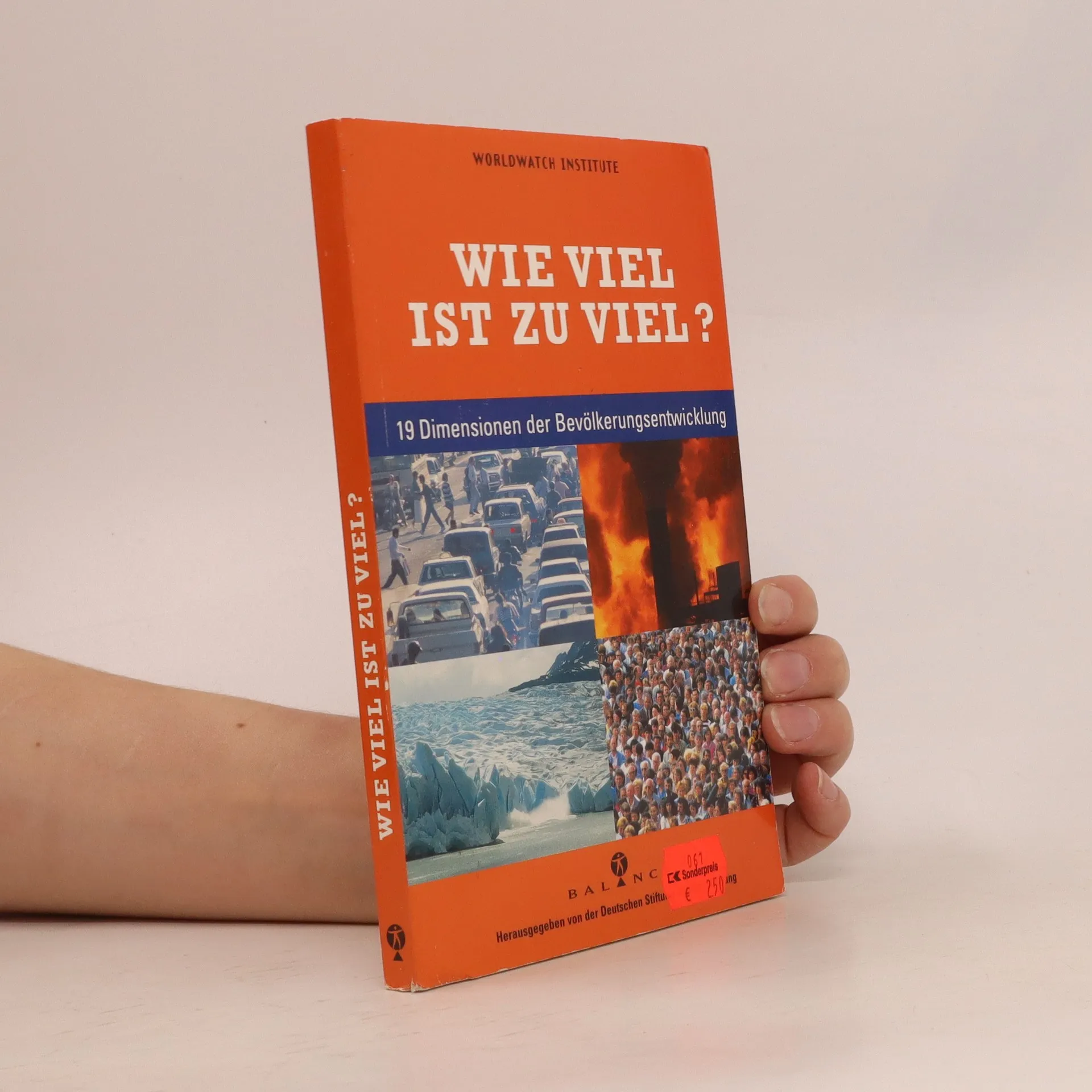
Provides alternative solutions to such global problems as population control, emerging water shortages, eroding soil, and global warming, outlining a detailed survival strategy for the civilization of the future.
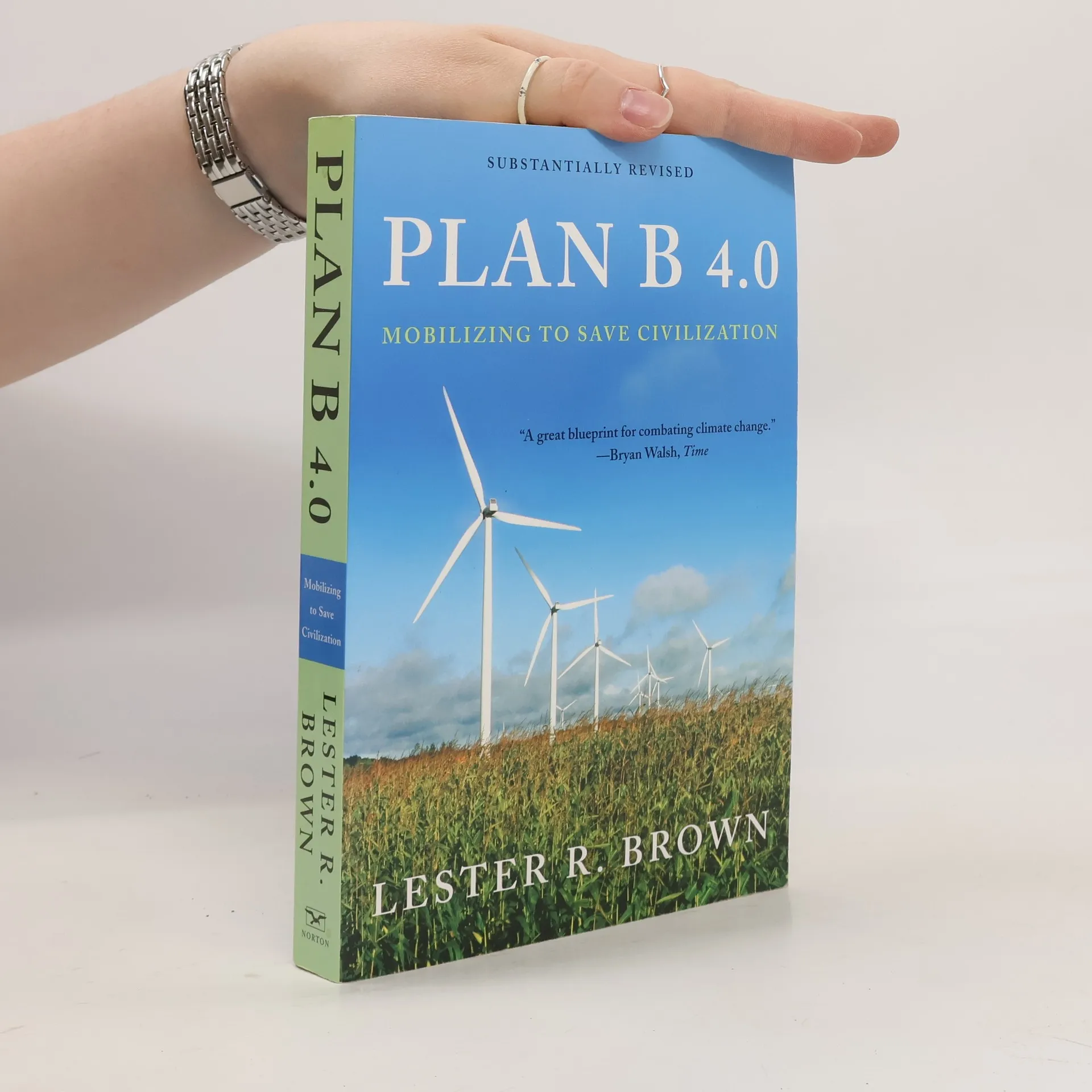
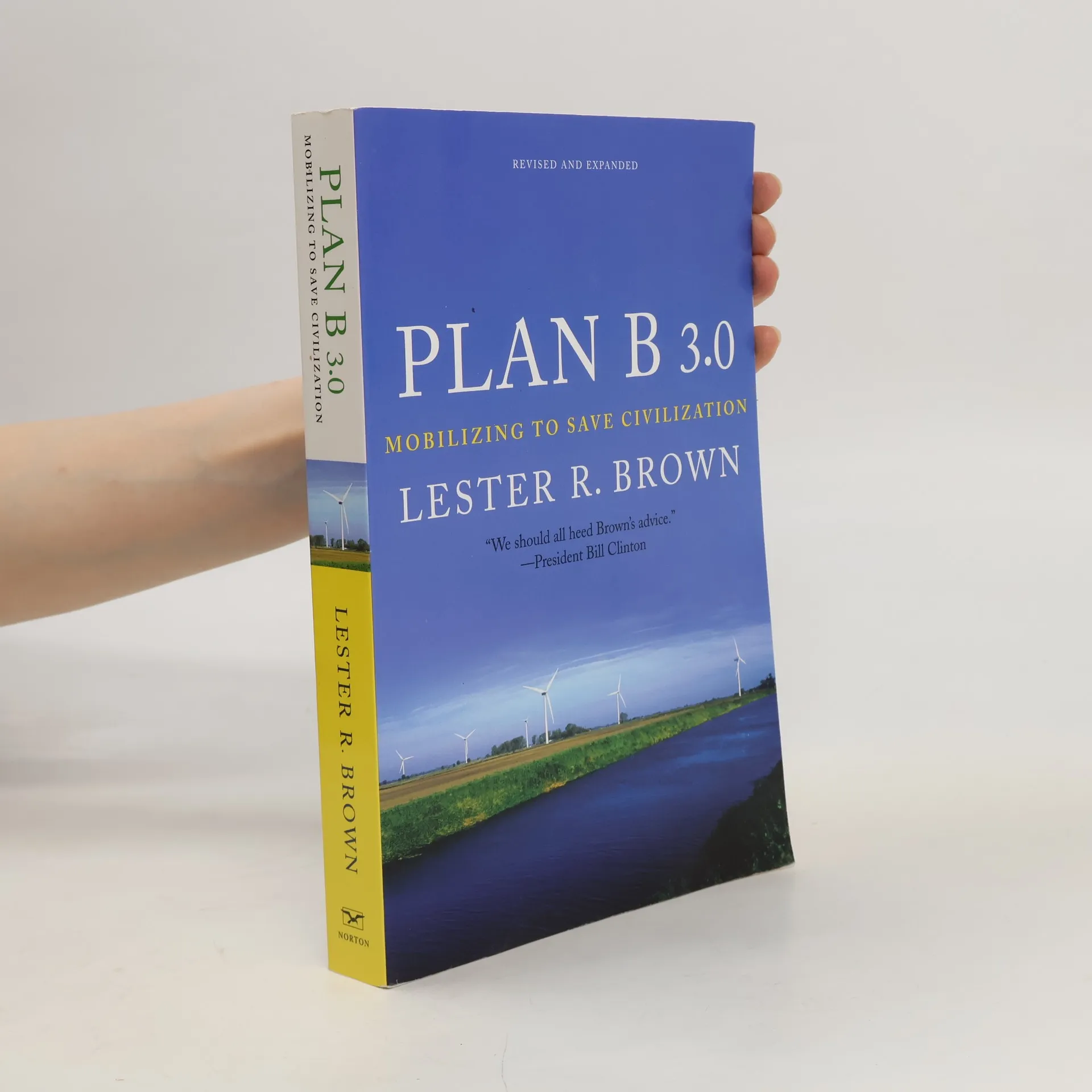
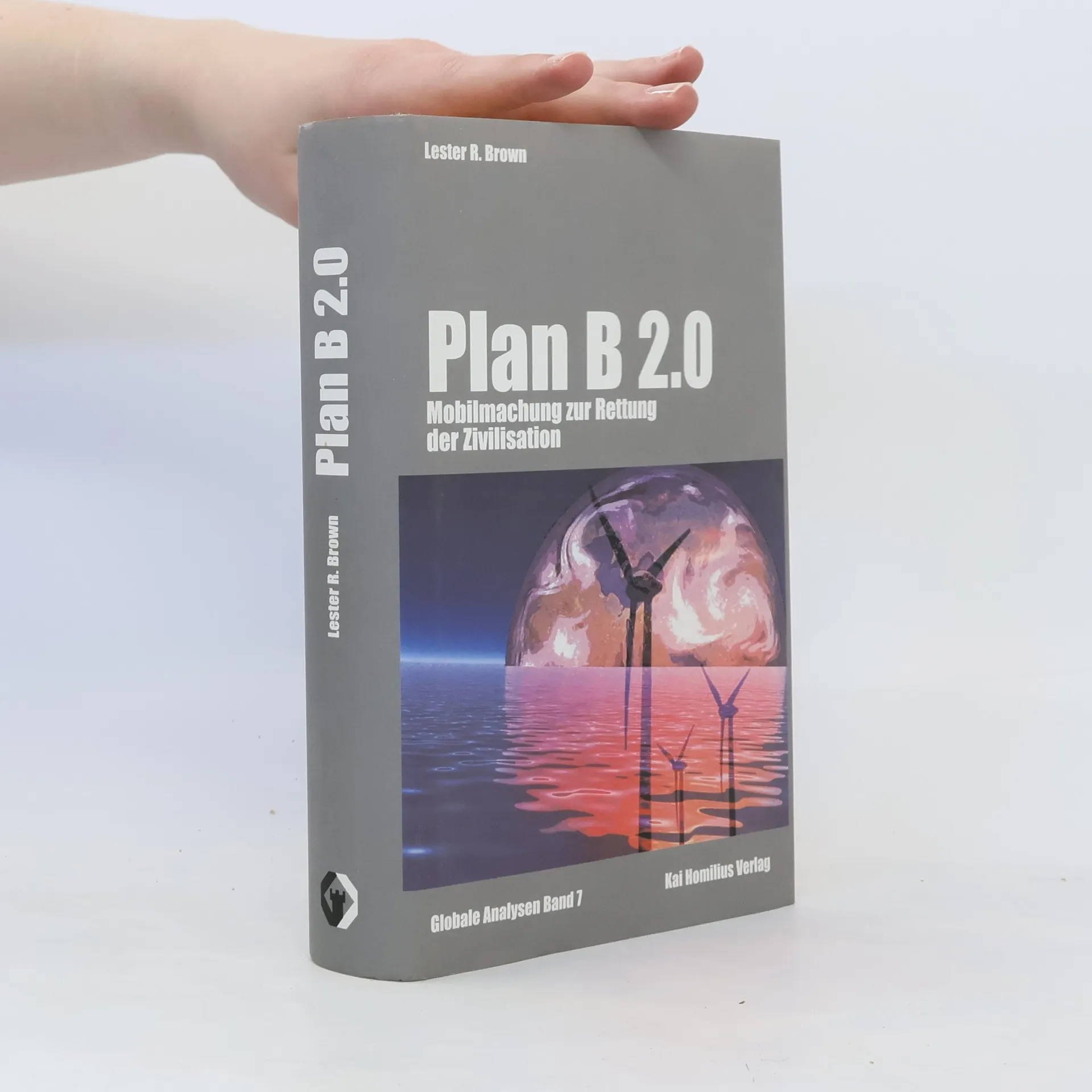
Mobilizing to Save Civilization
"How to build a more just world and save the planet....We should all heed Brown's advice."―Bill ClintonIn this updated edition of the landmark Plan B, Lester Brown outlines a survival strategy for our early twenty-first-century civilization. The world faces many environmental trends of disruption and decline, including rising temperatures and spreading water shortage. In addition to these looming threats, we face the peaking of oil, annual population growth of 70 million, a widening global economic divide, and a growing list of failing states. The scale and complexity of issues facing our fast-forward world have no precedentWith Plan A, business as usual, we have neglected these issues overly long. In Plan B 3.0 , Lester R. Brown warns that the only effective response now is a World War II-type mobilization like that in the United States after the attack on Pearl Harbor.
Argues that, like Sumerian and Mayan civilization, the world economy is fast destroying its environmental support, threatening future generations. Outlines the author's vision of a new environmentally sustainable economy .
Wake-up Call for a Small Planet
In an integrated world economy, China's rising food prices will become the world's rising food prices. China's land scarcity will become everyone's land scarcity. And water scarcity in China will affect the entire world. China's dependence on massive imports, like the collapse of the world's fisheries, will be a wake-up call that we are colliding with the earth's capacity to feed us. It could well lead us to redefine national security away from military preparedness and toward maintaining adequate food supplies.
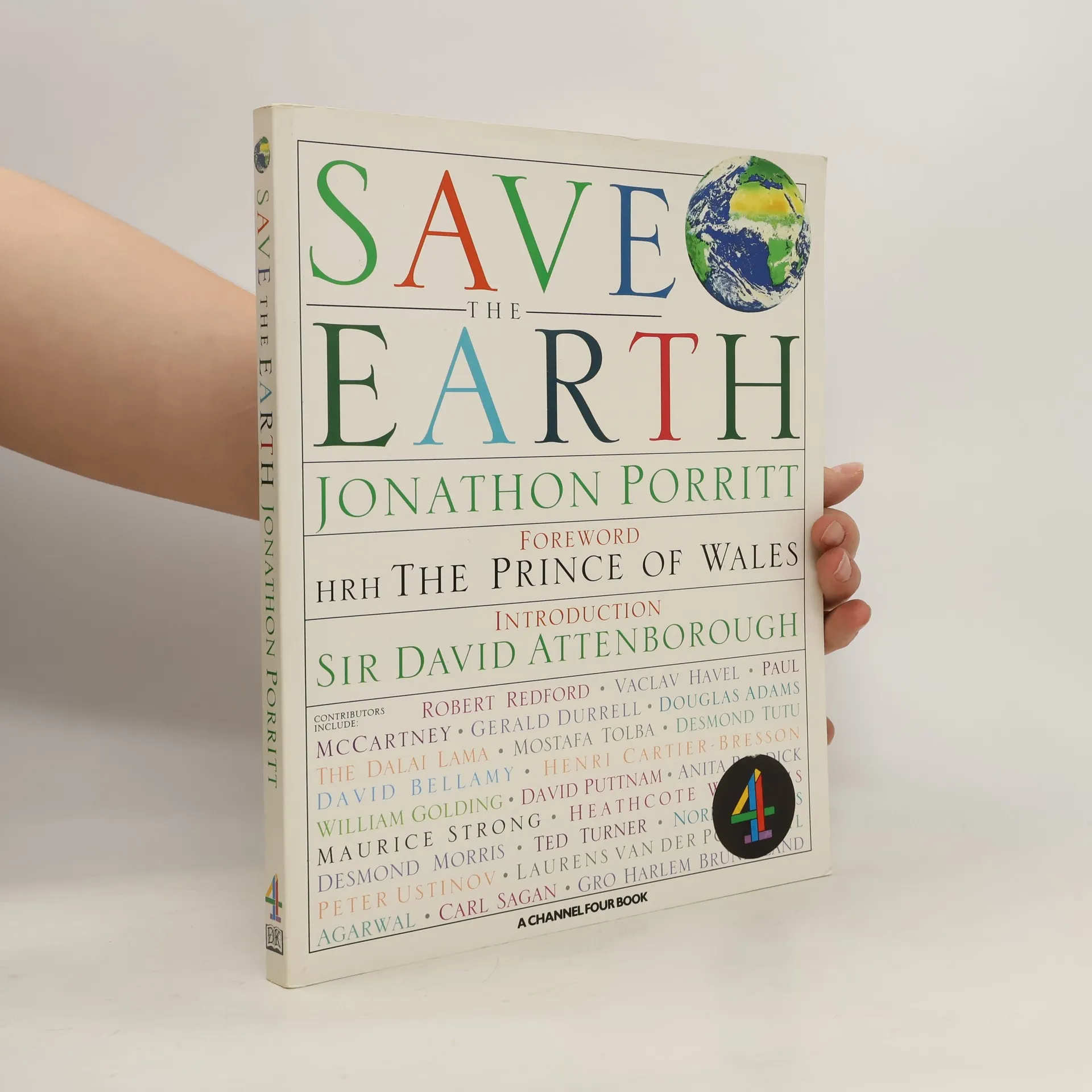
A book that records the majesty of life on Earth and offers an achievable global strategy for its preservation.
A Worldwatch Institute on Progress Toward a Sustainable Society
Worldwatch Institute's seventh annual assessment of the earth's health focuses on major policy initiatives needed to stabilize the climate, improve air quality, and reduce poverty. Suggests a wholesale reordering of government priorities.
First Published in 1975. Routledge is an imprint of Taylor & Francis, an informa company.
Die Autoren der hochgelobten Reihe "State of the World" entwickeln ihre Vision einer globalen Wirtschaft, die ihre eigenen natürlichen Unterstützungssysteme nicht zerstört. Autoritativ und dennoch äußerst lesbar behandelt dieses Buch die Kontrolle von Energieressourcen, Bevölkerung, Armut, Verkehr, Steuern und andere Themen, die notwendig sind, um eine umweltfreundliche globale Wirtschaft zu schaffen.
Den Plan B braucht es um die globalen Probleme zu lösen und zwar weltweit. Hunger, Vertreibung, Zerstörung der Umwelt. Der Autor ist in allen Teilen der Welt ein angesehener Gast und als Experte stets willkommen.
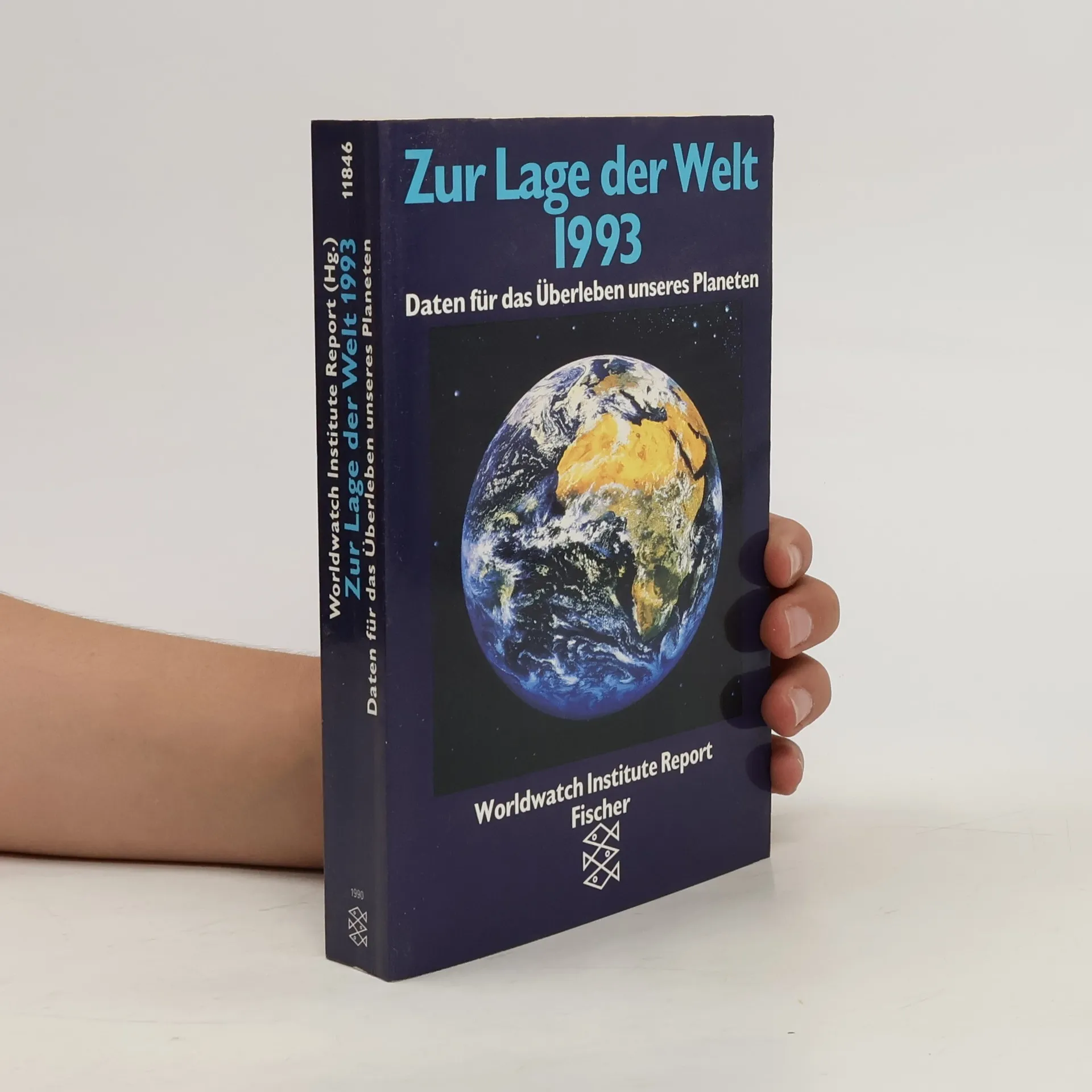
Daten für das Überleben unseres Planeten