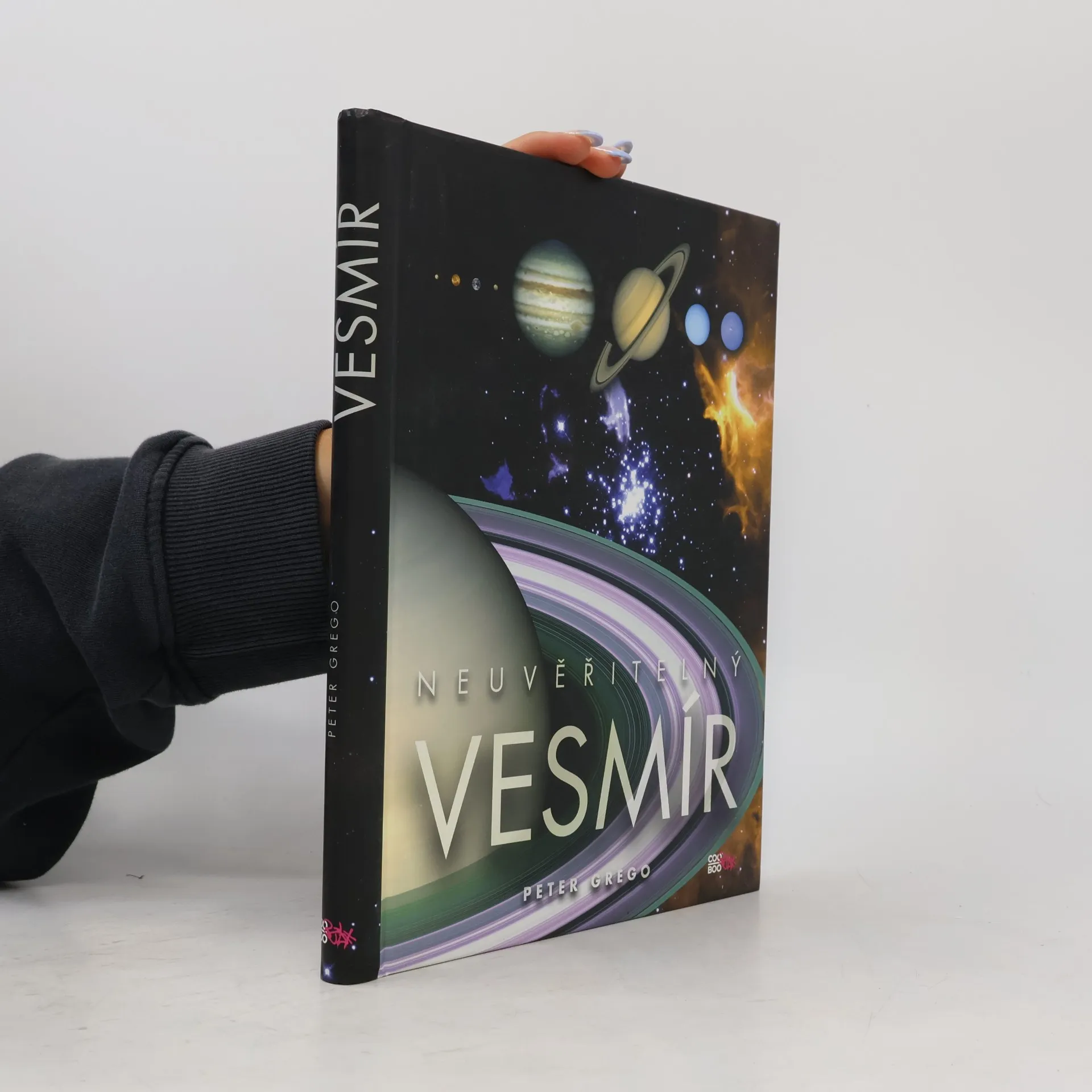
Víš, jak vznikl vesmír? Jak dlouho trvá astronautům let na Měsíc? Jak vypadá Země z vesmíru? Vydej se s tímto úžasným průvodcem na prohlídku vesmírem. Úžasné fotografie a neuvěřitelná fakta! Odhalíš vše od galaxií a hvězdokup až po měsíce a meteority. Tak na co čekáš? Připrav se na odlet!
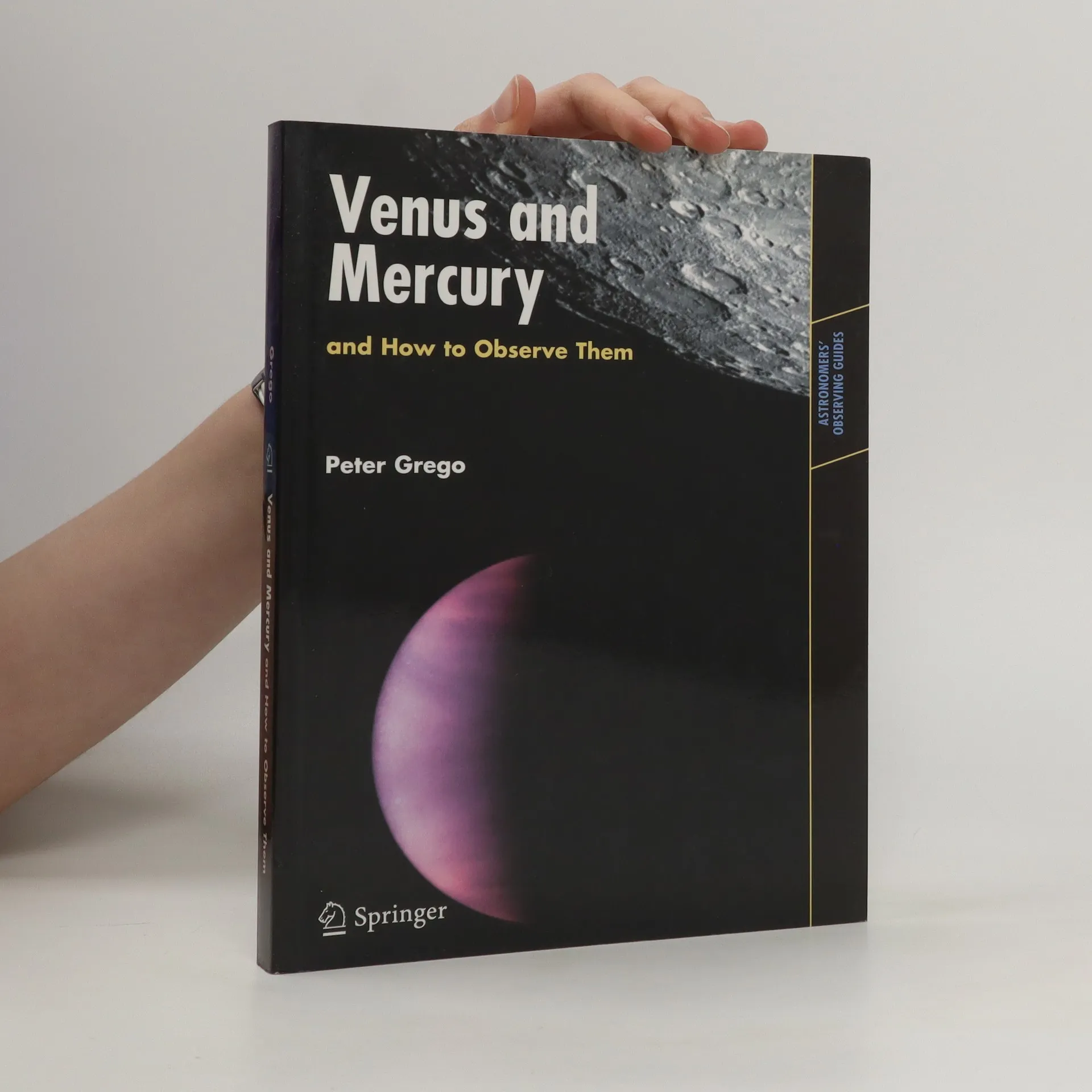
Venus and Mercury have long been regarded as difficult targets for amateur observers, but advances in commercially-made telescopes have brought them within the skills of observers of only moderate experience. Peter Grego’s fascinating book presents an up-to-date, detailed description of the history and geology of the so-called inferior planets, and provides the latest, most useful advice on observing and recording them with commercially-available telescopes and cameras. The book also offers a wealth of detailed practical information on every aspect of observing, from safely targeting the two planets, through visual observing, to sketching and electronic imaging.
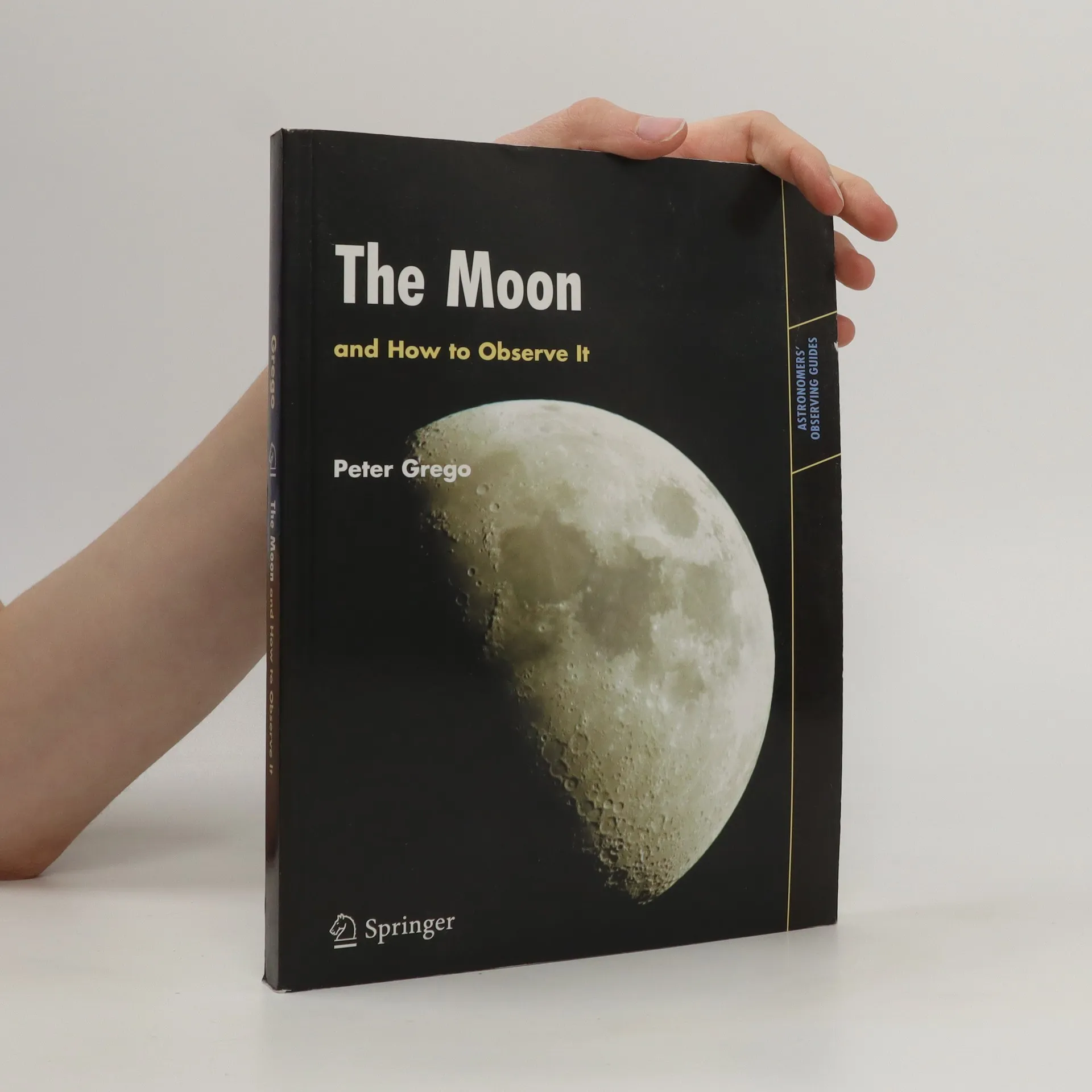
This revolutionary new book is written for practical amateur astronomers who not only want to observe, but want to know the details of exactly what they are looking at. The Moon is the most commonly observed of all astronomical objects. This is the first book to deal equally with the Moon itself - its formation, geology, and history - as well as the practical aspects of observation. The concept of the book - and of the series - is to present an up-to-date detailed description of the Moon, including its origins, history, and geology (part one); and then (part two) to consider how best to observe and record it successfully using commercially-available equipment. The Moon and How to Observe It is a mine of information for all levels of amateur observers, from the beginner to the experienced