


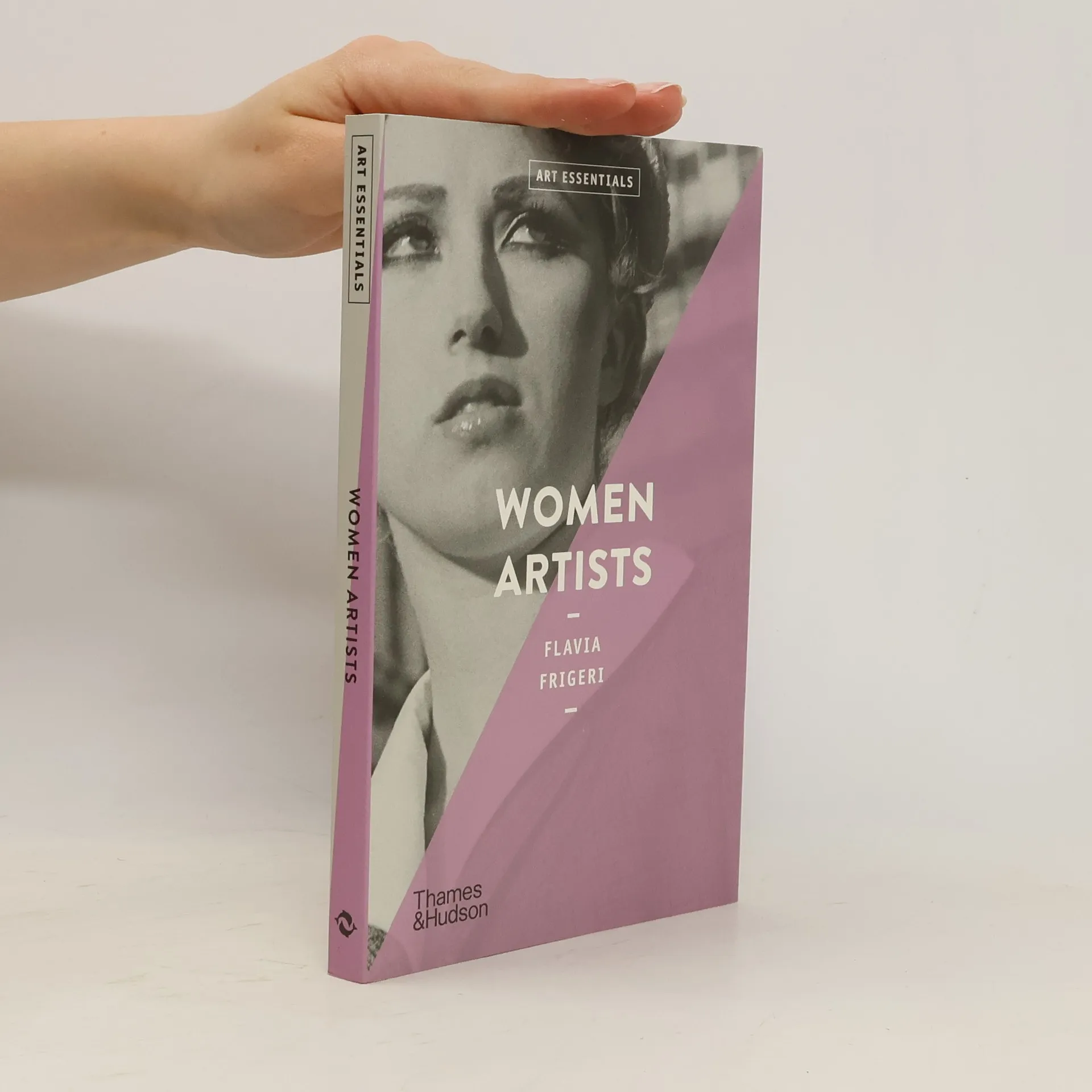

Women Artists
- 176 stránek
- 7 hodin čtení
A chronological introduction to women artists throughout history, this book provides a rich understanding of key female artists from the Baroque to the present day. In 1971, in an essay that has now become one of the touchstones of feminist art history, Linda Nochlin raised the question heard round the “Why have there been no great women artists?” Since the 1970s, as a result of this kind of consciousness-raising, the feminist discourse around art has expanded, addressing forms of activism, the idea of a feminist aesthetic, the female body, sexuality, and representation more largely. The reframing of female contributions to the history of art is still ongoing, and this new addition to the Art Essentials series draws attention to some of its key dimensions. Focusing on fifty diverse women artists from Artemisia Gentileschi through Judy Chicago, Ana Mendieta, and the Guerrilla Girls to Barbara Kruger, Cindy Sherman, and Mona Hatoum, this book equips readers with an understanding of feminist art, as well as an appreciation of its most important figures. This latest addition to the Art Essentials series documents women artists in context to offer readers a rich understanding of key female artists from the Baroque to the present day. 85 color illustrations