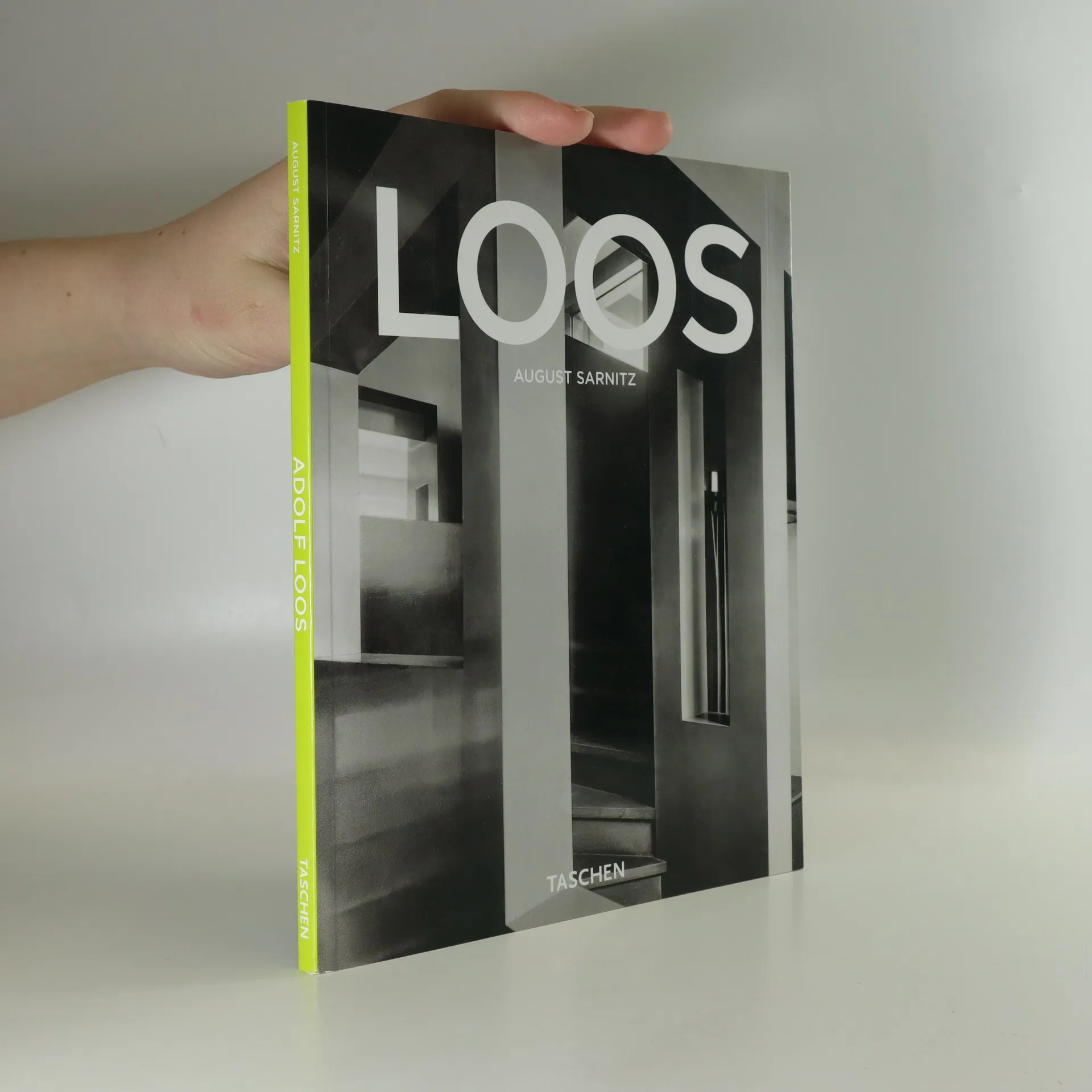
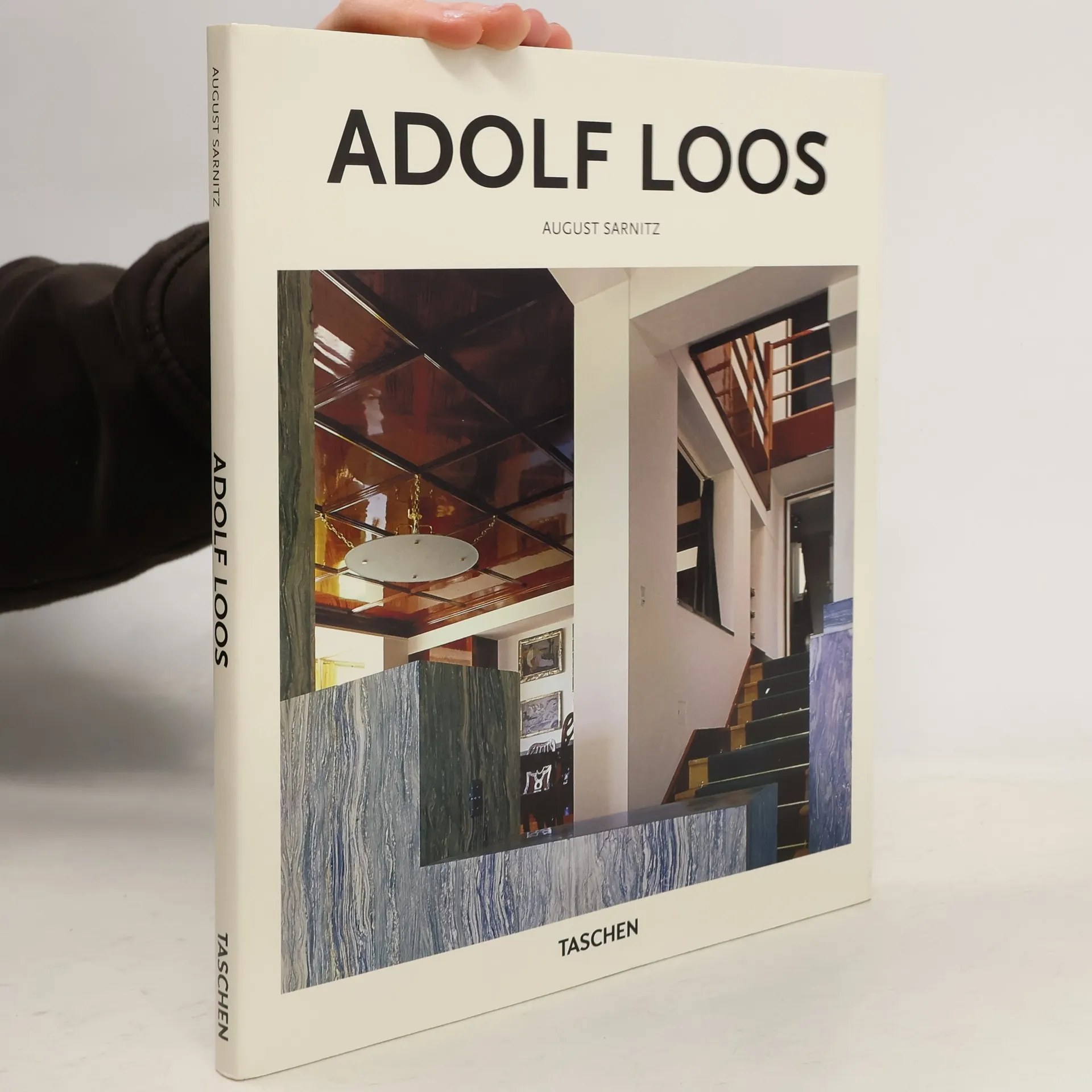
Adolf Loos, který na přelomu století svou kritikou současné kultury „literárně“ zboural zastaralé stavby historismu, by dnes asi dostal titul guru lifestylu. Jeho životní styl byl svobodný a přijímající podněty z celého. Pro tehdy jen malý okruh přátel a umělců byl hvězdným architektem.
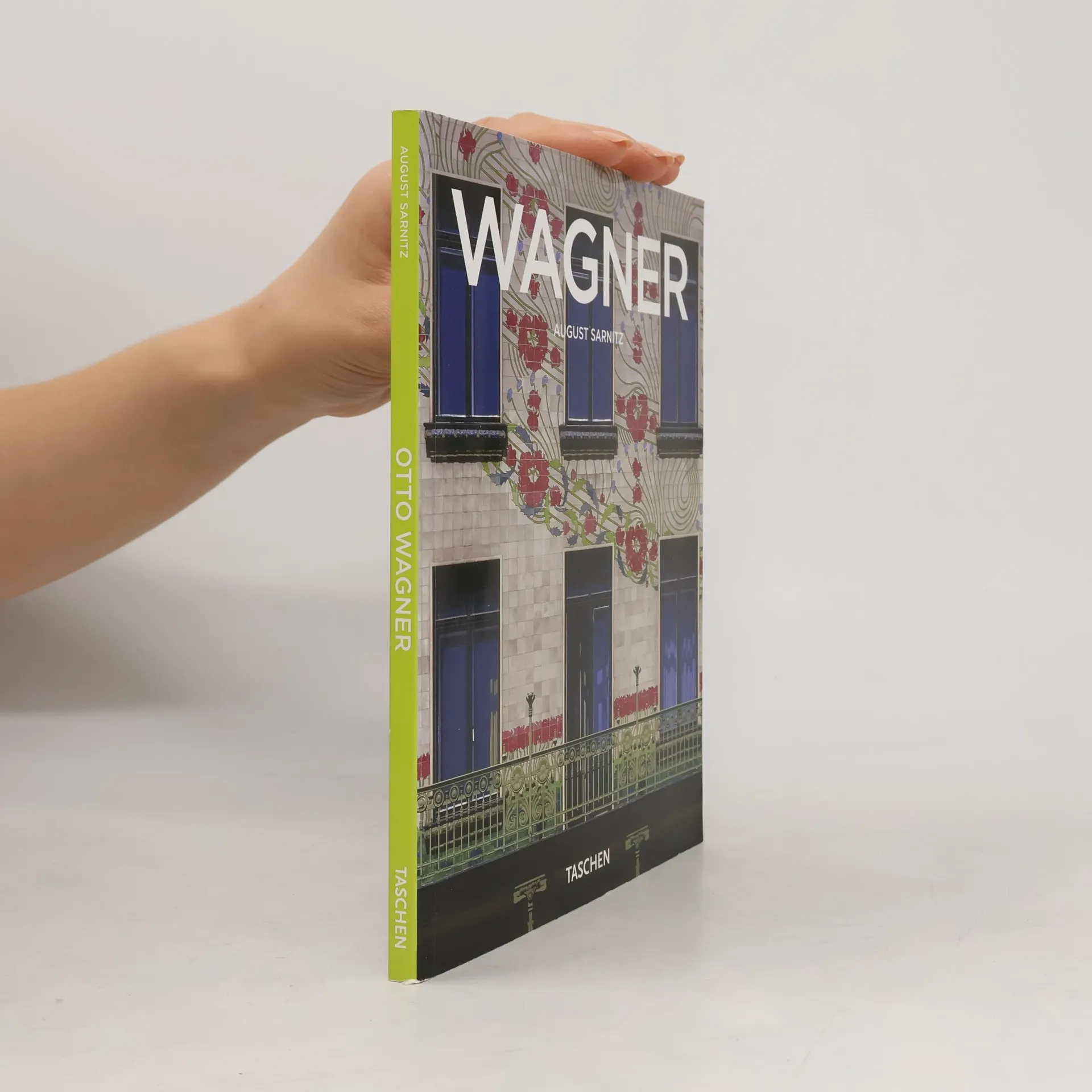
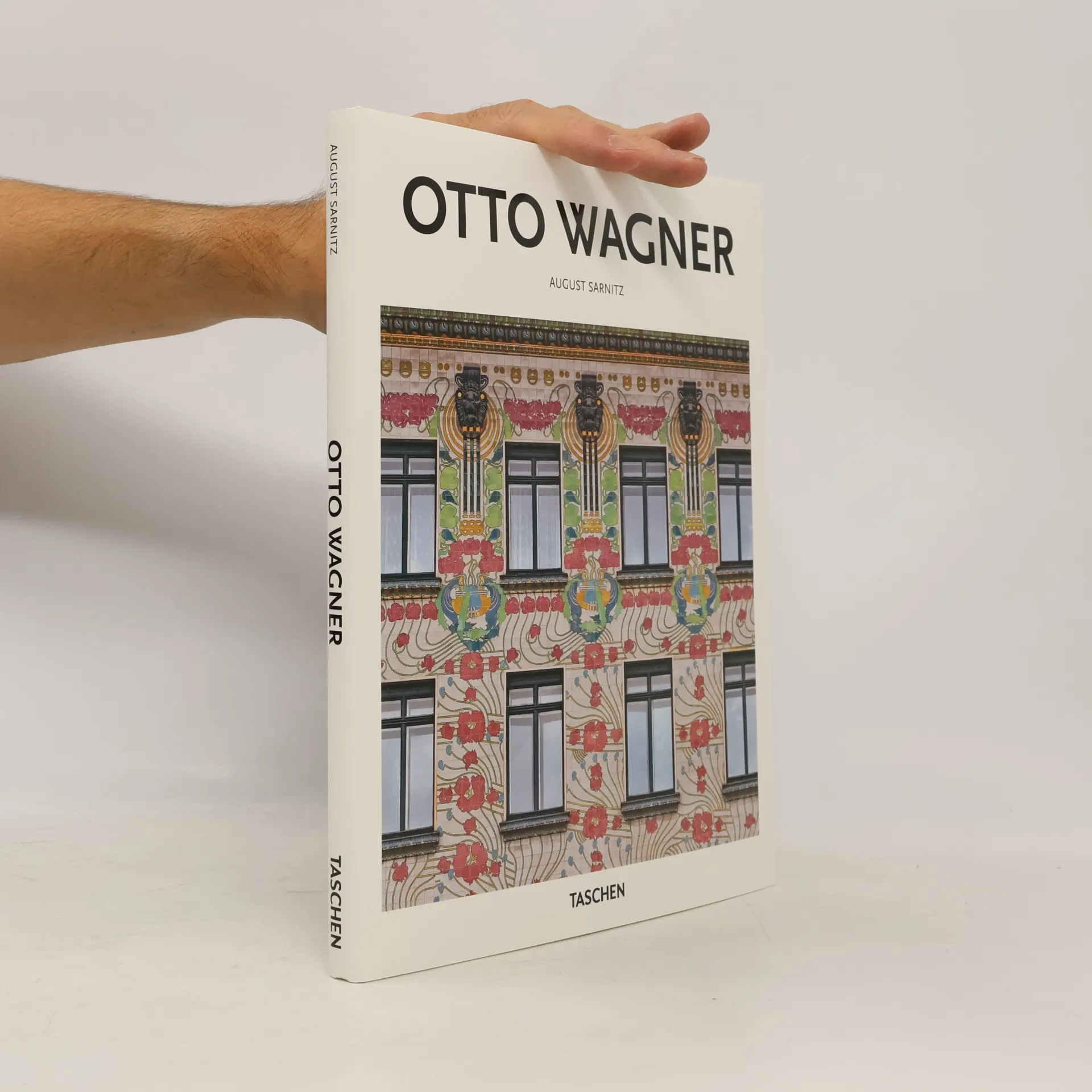
Objevte bohatství Wagnerových projektů, od impozantní budovy vídeňské Poštovní spořitelny až po brilantní kostel sv. Leopolda ve Steinhofu, jednu z nejdůležitějších církevních staveb ve stylu art nouveau na světě, na pozadí politických, ekonomických a společenských událostí jeho doby. Tento pronikavý přehled obsahuje i mapu s nejslavnějšími projekty architekta a nové, aktuální snímky od mistrů fotografie, jako je například Keiiči Tahara.
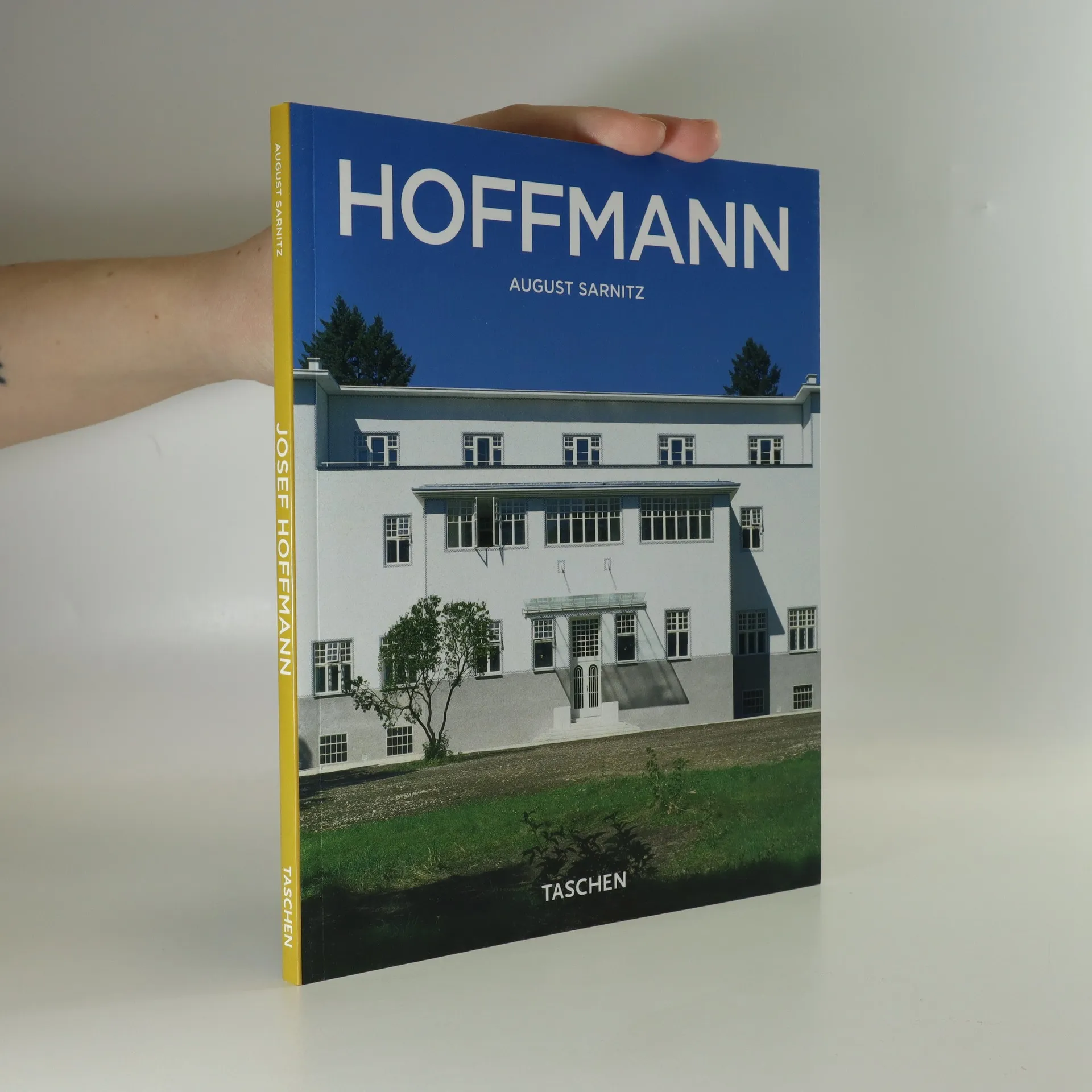
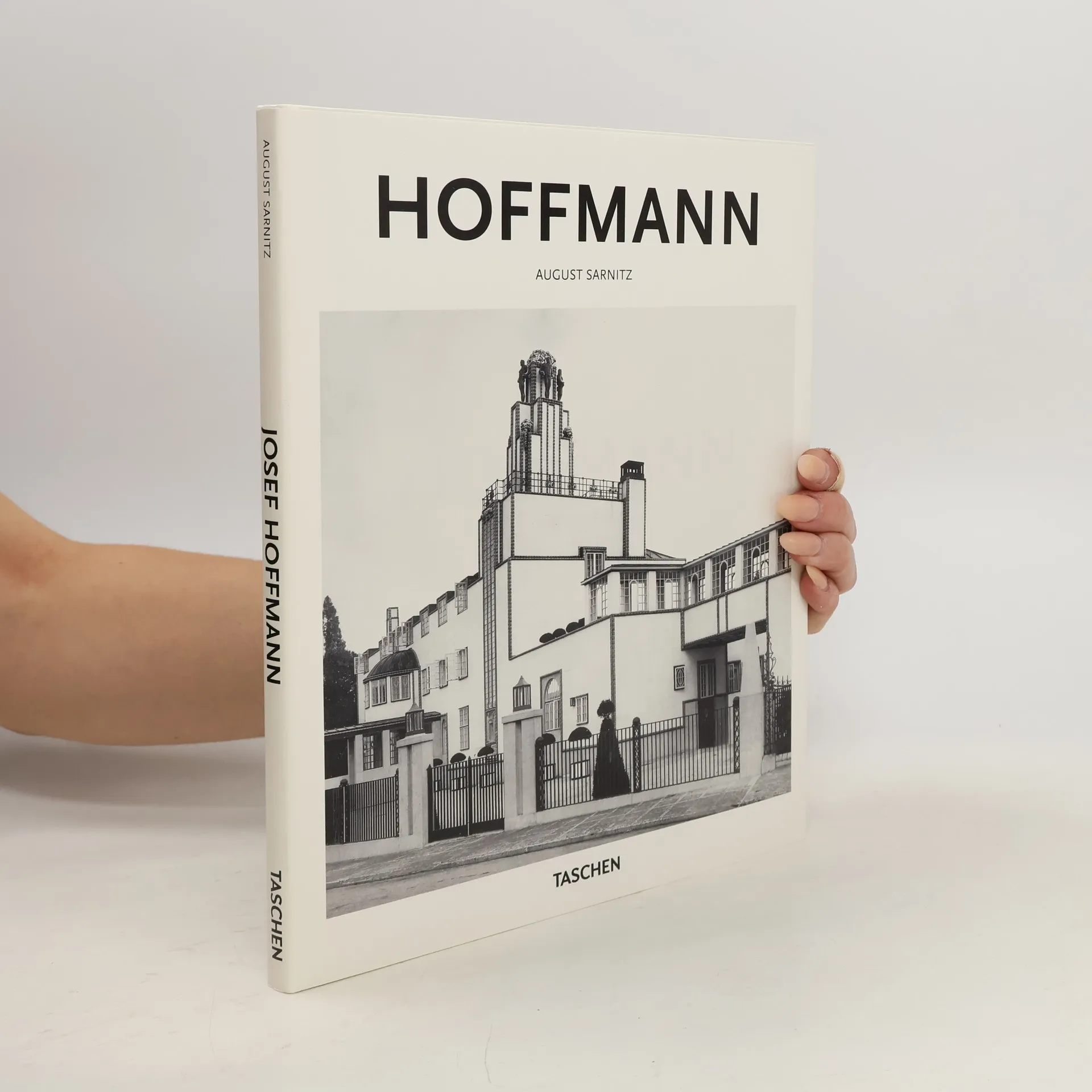
Rakouský architekt a designér Josef Hoffmann (1870-1956) dalekosáhle ovlivnil svou dobu: celých 60 let vedl tvůrčí dialog se secesí a stylem art deco. Předtím, než ho v osmdesátých letech znovu objevili postmodernisté, upadlo jeho dílo téměř do zapomnění; nyní je jeho význam nepochybný. Jako designér byl jednou z klíčových osobností Wiener Werkstätte a udržoval úzké styky s hnutím Umění a řemesla. Jako architekt dal Evropě některé z jejích prvních moderních budov, například sanatorium v Purkersdorfu (1904) nebo Palais Stoclet (1905-1911). Ve svém díle kráčel napříč různými styly a školami, ale zachovával neúchylný formalismus. S funkcionalismem se rozešel ještě dříve, než tento styl vyšel z módy. Z pohledu dějin byl Hoffmann dvakrát avantgardní: při vzestupu modernismu i při jeho pádu.
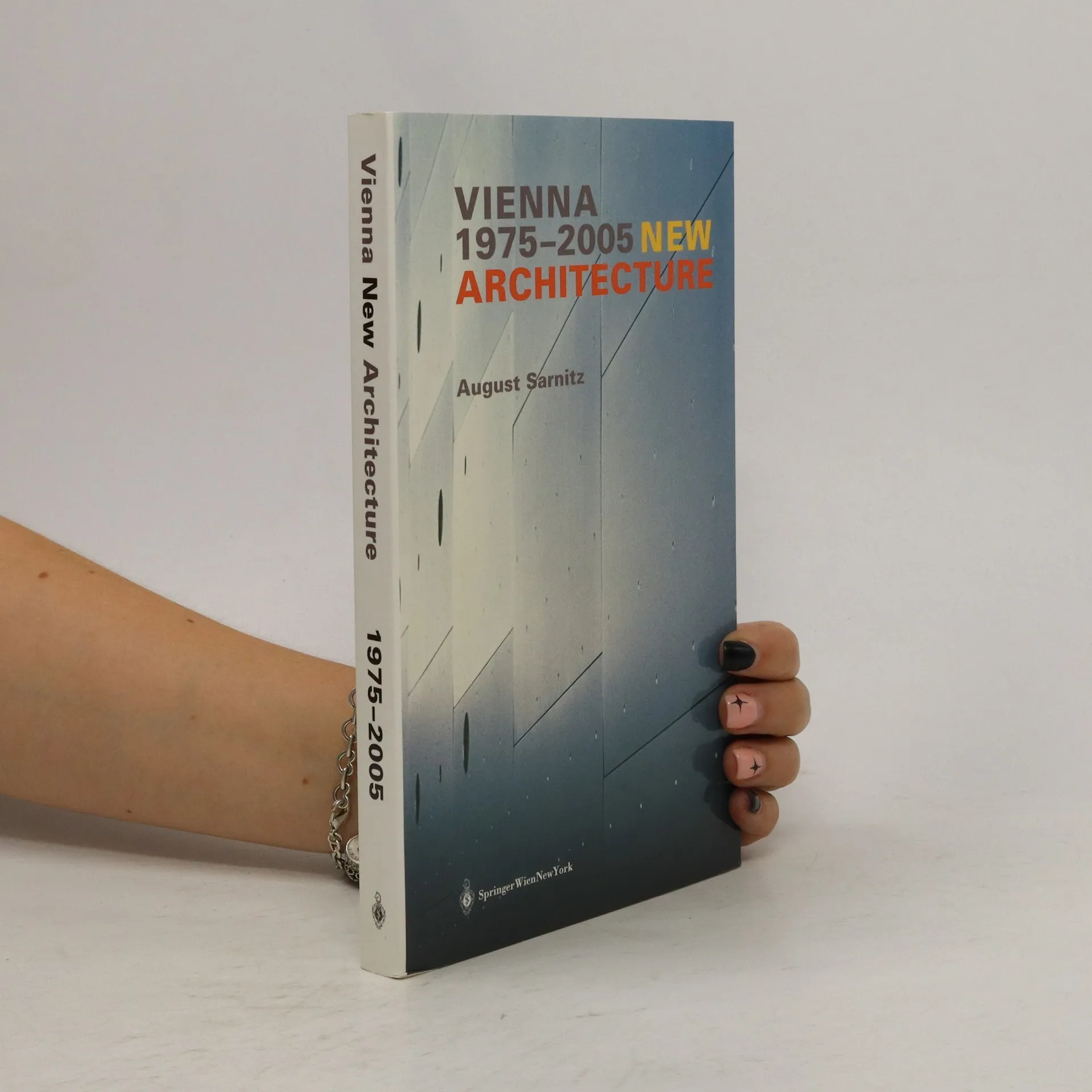
Intense urban development and consistent modernisation have marked the last three decades in Vienna. This new architectural guide with its essays on urban culture, urban renewal and urban spaces is a reflection of this process. Approximately 300 objects are presented in the book's main part by means of texts, photos and plans, each building localized and easy to find on the accompanying maps. This new guide will prove itself ideal both as a handy accompaniment on city strolls and as a reference work on new Viennese Architecture, and in that it offers an insight into the city's Architectural Institutions and selected restaurants, cafés and bars. TOC: From the contents: Three essays by August Sarnitz, Matthias Boeckl and Reinhard Seiß / selected architectural tours / 300 buildings and their construction / Vienna's Architectural Institutions / architect-designed restaurants, cafés and bars / index of the buildings presented
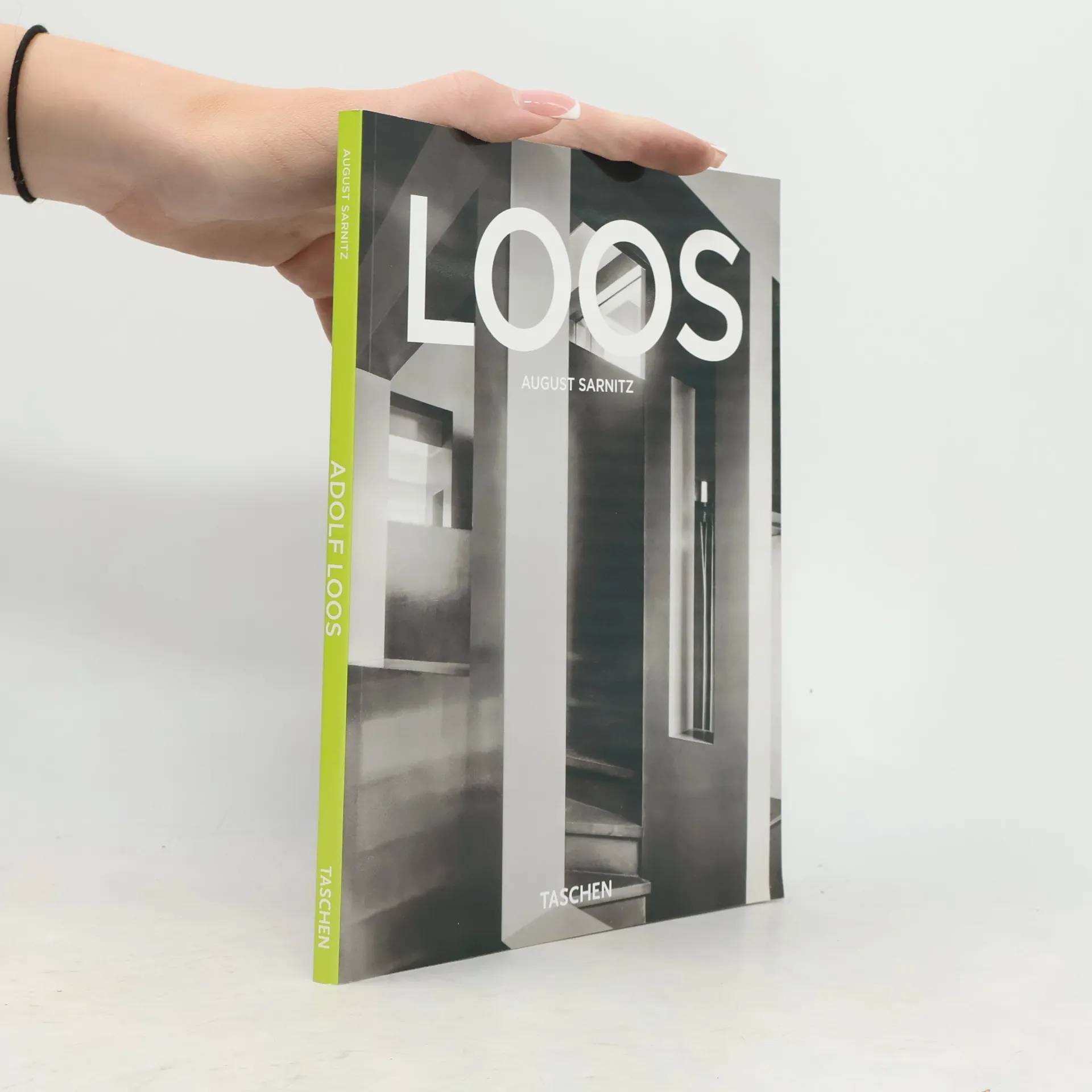
With his passion for smooth surfaces, fine lines, and spatial plans, Adolf Loos was a prophet of 20th-century architecture. This essential introduction explores his rejection of ornamental forms and his radical pursuit of stark, bold, and beautiful design.
Meet modernist trailblazer Josef Hoffmann, a pivotal character in European
aesthetics who pioneered the Viennese Secession and the Wiener Werkstatte. The
Austrian mastermind introduced a brave, new minimalism that continues to
inspire architecture and design to this day, from monochrome interior schemes
to the cutlery on our table.
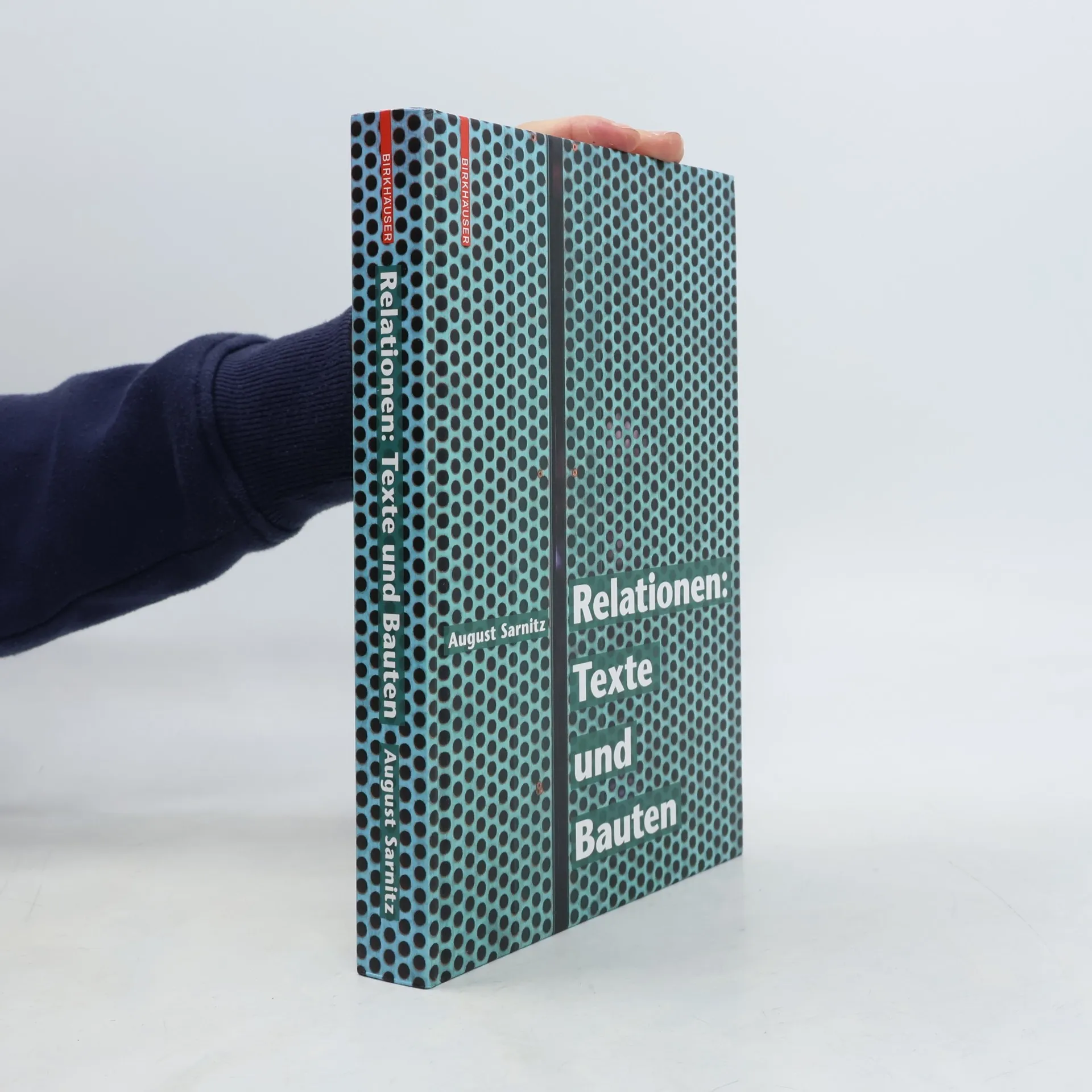
The title of the book sets the two fields of activity pursued by the architect, architectural historian and theorist August Sarnitz – building and writing – in a reciprocal relation: the context to what has been built emerges in the process of writing, just as the context to what has been written emerges in the process of building. The structure of the book follows precisely this reciprocity: an essay about architectural history and Big Data is followed by three on the topics of urban development, social housing, and the fiction of space. A number of influential Viennese architects appear as well: Frank, Kiesler, Hollein and Prix. The topics of housing, design and furniture are all illustrated with Sarnitz’s own projects; the end of the book is dedicated to architectural photography, which is especially important to Sarnitz in his capacity as publicist. The richly illustrated book is the first to document Sarnitz’s work as author, designer, exhibition designer, architect and photographer.
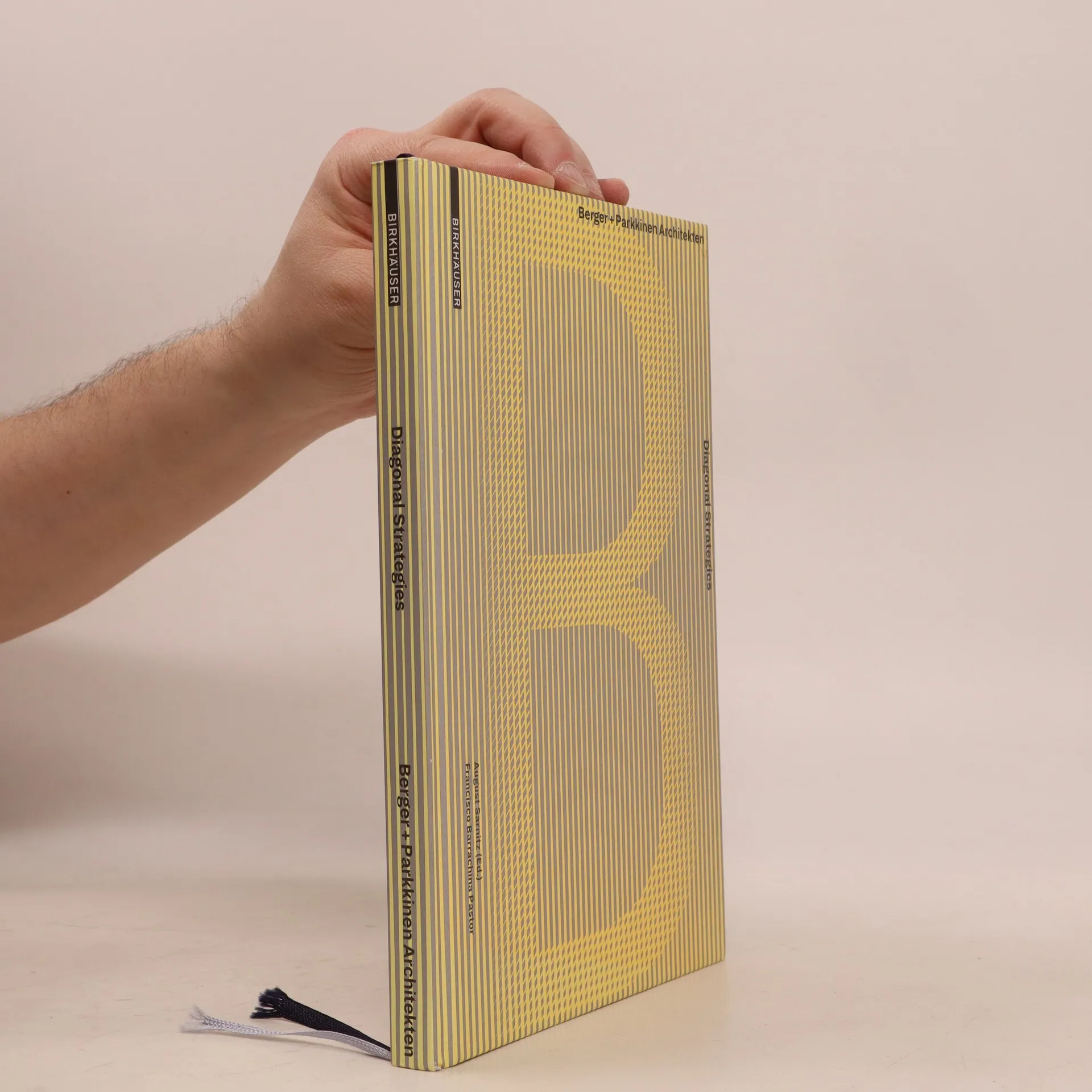
The internationally acclaimed architecture office Berger+Parkkinen Architects was founded by Alfred Berger and Tiina Parkkinen in 1995 with offices in Vienna and Helsinki. It has realized a broad typological spectrum of buildings and projects, which is distinguished by a clear, elegant urbanity and an innovative approach to materials. The award-winning Embassies of the Nordic Countries in Berlin (1995–1999) counts among their most publicized works. This first monograph about the office includes an essay by Francisco Barrachina Pastor, which explores the careers and design method of the architects through selected projects, an in-depth interview, and a comprehensive index of works.
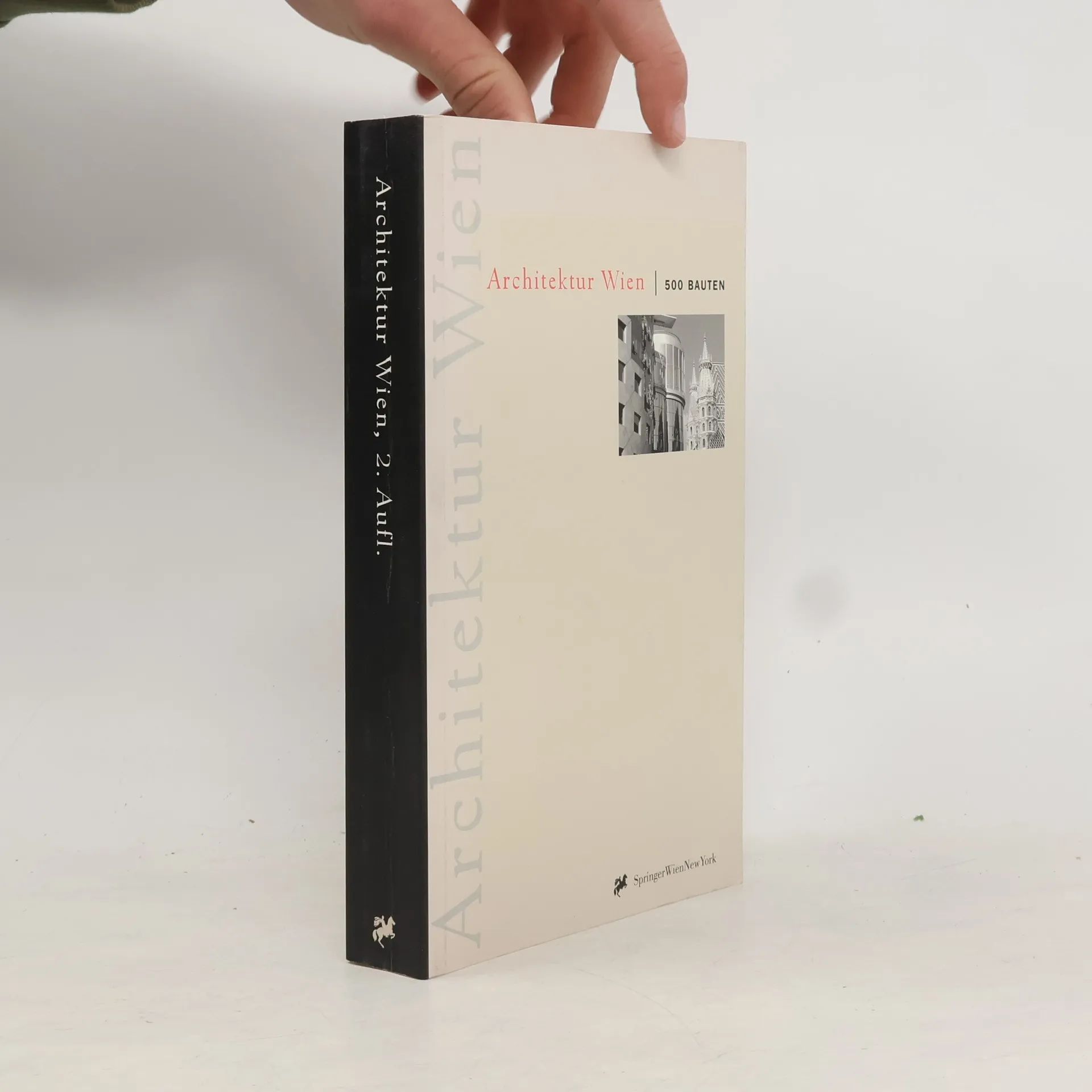
Die zweite Auflage dieses Architekturführers präsentiert eine erweiterte und korrigierte Ausgabe, die sowohl als Architektur-Guide als auch als Lexikon dient. Ein renommiertes wissenschaftliches Team, bestehend aus Friedrich Achleitner, Otto Kapfinger, August Sarnitz und Dietmar Steiner, hat 500 Bauwerke in Wien ausgewählt, die von der Gotik bis zur zeitgenössischen Architektur reichen. Die Auswahl wird durch Texte zur Stadtgeschichte, zum Wohnbau und zur Wiener Architekturgeschichte des 20. Jahrhunderts ergänzt. Über 650 Fotos und mehr als 200 Zeichnungen bieten Einblicke in das „physical fabric“ der Wiener Architektur. Besondere Architekturrouten und persönliche Tipps von bekannten Wiener Architekten machen die Ikonen der Wiener Bautradition lebendig. Beiträge stammen von Renate Banik-Schweitzer, Siegfried Mattl, Otto Kapfinger, Dietmar Steiner und August Sarnitz. Die Fotografien wurden von Margherita Spiluttini, Mischa Erben, Georg Riha, Robert Kiermayer und Gerald Zugmann erstellt. Der Inhalt umfasst eine Einleitung, Hinweise zum Gebrauch, sowie 14 ausklappbare Pläne mit Architekturrouten und Empfehlungen für alle 23 Wiener Bezirke, und behandelt auch die Umgebung Wiens, einschließlich Purkersdorf, Klosterneuburg, Schwechat und Perchtoldsdorf.
„Dreamland – Zwischen den Dingen“ ist ein Kunstbuch, das Texte und Fotos kombiniert, um mögliche Identitäten zu erkunden, während es die Geschichte kritisch reflektiert und Kultur sowie Architektur sensibel betrachtet. Die Texte und Fotos ergänzen sich teilweise referenziell, ohne sich vollständig zu erklären. Viele Elemente bewahren ein Geheimnis und eine Aura des Rätselhaften. Die Fotografien in der Publikation bieten eine kritische Reflexion über Architektur und öffentlichen Raum, während die Texte kulturelle, historische, ökonomische und soziologische Aspekte der Gesellschaft thematisieren. Die Architekturen und der künstlerische Diskurs verknüpfen Schriften und Arbeiten von Persönlichkeiten wie Adolf Loos, Frank Lloyd Wright, Konstantin Melnikow, Carlo Scarpa, Mies van der Rohe, Aldo Rossi, Moholy Nagy, Christo, Jeff Wall, Steven Shore und Julius Shulman. Verschiedene Schriftsteller finden eine Stimme durch Hinweise, Andeutungen oder Zitate. Die Gesellschaft weist uns Plätze zu und fällt Urteile über uns, ganz im Sinne von Pierre Bourdieu. Der Diskurs reflektiert bewusst unterschiedliche Themen mit einer zeitübergreifenden Perspektive, die Aspekte des Alltags, der Gesellschaft und der Kultur umfasst. Texte und Fotos kritisieren existierende Kontexte und zeigen ökonomische, politische und kulturelle Ordnungssysteme. Das Buch ist eine Suche nach multiplen Identitäten.
Der Titel des Buches setzt die beiden Tätigkeitsfelder, das Bauen und das Schreiben, des Architekten, Architekturhistorikers und Theoretikers August Sarnitz in eine wechselseitige Beziehung: im Schreiben entsteht der Kontext zum Gebauten – so wie das Bauen im Kontext des Geschriebenen steht. Eben diesem Wechselspiel folgt auch der Aufbau des Buches: einem Essay über Architekturgeschichte und Big Data folgen drei Aufsätze zu den Themen Städtebau, sozialem Wohnbau und der Fiktion des Raums. Auch einige prägende Wiener Architekten treten auf: Frank, Kiesler, Hollein und Prix. Die Themen Wohnen, Design und Möbel werden mit eigenen Projekten von Sarnitz illustriert; am Ende widmet sich das Buch der Architekturfotografie, die für Sarnitz als Publizisten große Bedeutung hat.
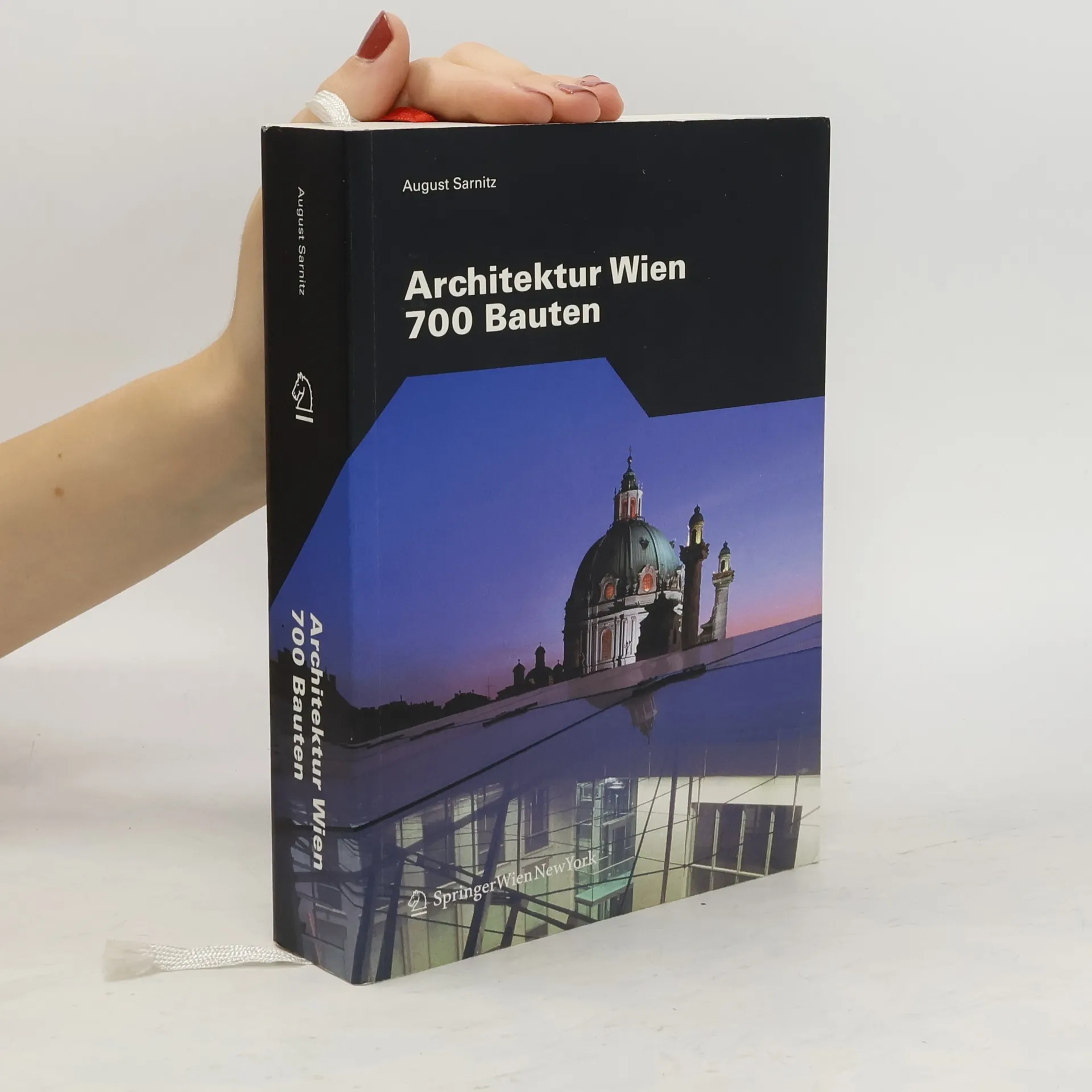
August Sarnitz begleitet mit seinen bei Springer erschienenen Architekturführern die Architektur Wiens seit über einem Jahrzehnt. Der Guide fasst exemplarisch 700 Bauten, die in Wien zu besichtigen sind, aus allen Epochen und Baustilen zusammen.
Einen Schwerpunkt setzen dabei – nicht zuletzt auch aus Erhaltungsgründen – die Bauten und die Stadtplanung der jüngeren Vergangenheit, die Wien ein modernes Gesicht verpassen.
Der Baugeschichte sowie der durchaus kontrovers debattierten Stadterneuerung wird mit Essays namhafter Spezialisten und Kritiker Rechnung getragen, welche dem Leser einen differenzierten Blick auf die exemplarische Bautensammlung des Guides ermöglichen und planerische Zusammenhänge sichtbar machen.
Die lexikalische Qualität der Indices zu Chronologie und Architekten, die Essays zu Baustilen, Geschichte und Stadtplanung sowie das Kartenmaterial machen den Wien-Guide zu einem unverzichtbaren Vademecum sowohl für Touristen als auch für alle an Architektur Interessierte.
La nouvelle "EuropAisierung" que l'architecture autrichienne a connue à la fin du 20e siècle est le thème central de ce livre. Au début du siècle, le mouvement vers l'"internationalité" était limité à quelques architectes, mais depuis les années 80, une efficacité plus large à l'échelle internationale est perceptible. Fondée sur la qualité et l'indépendance, l'architecture autrichienne a su se faire un nom en Europe. Le contenu de cette documentation se concentre sur la présentation de projets autrichiens en Europe des trente dernières années, tout en incluant le contexte depuis 1945 et en offrant un bref aperçu historique depuis 1900. Sont présentés des bâtiments autrichiens de plus de quarante architectes, parmi lesquels Hans Hollein, Coop Himmelb(l)au, Gustav Peichl, Boris Podrecca, Wilhelm Holzbauer, Adolf Krischanitz, Rüdiger Lainer ainsi que Carlo Baumschlager et Dietmar Eberle.
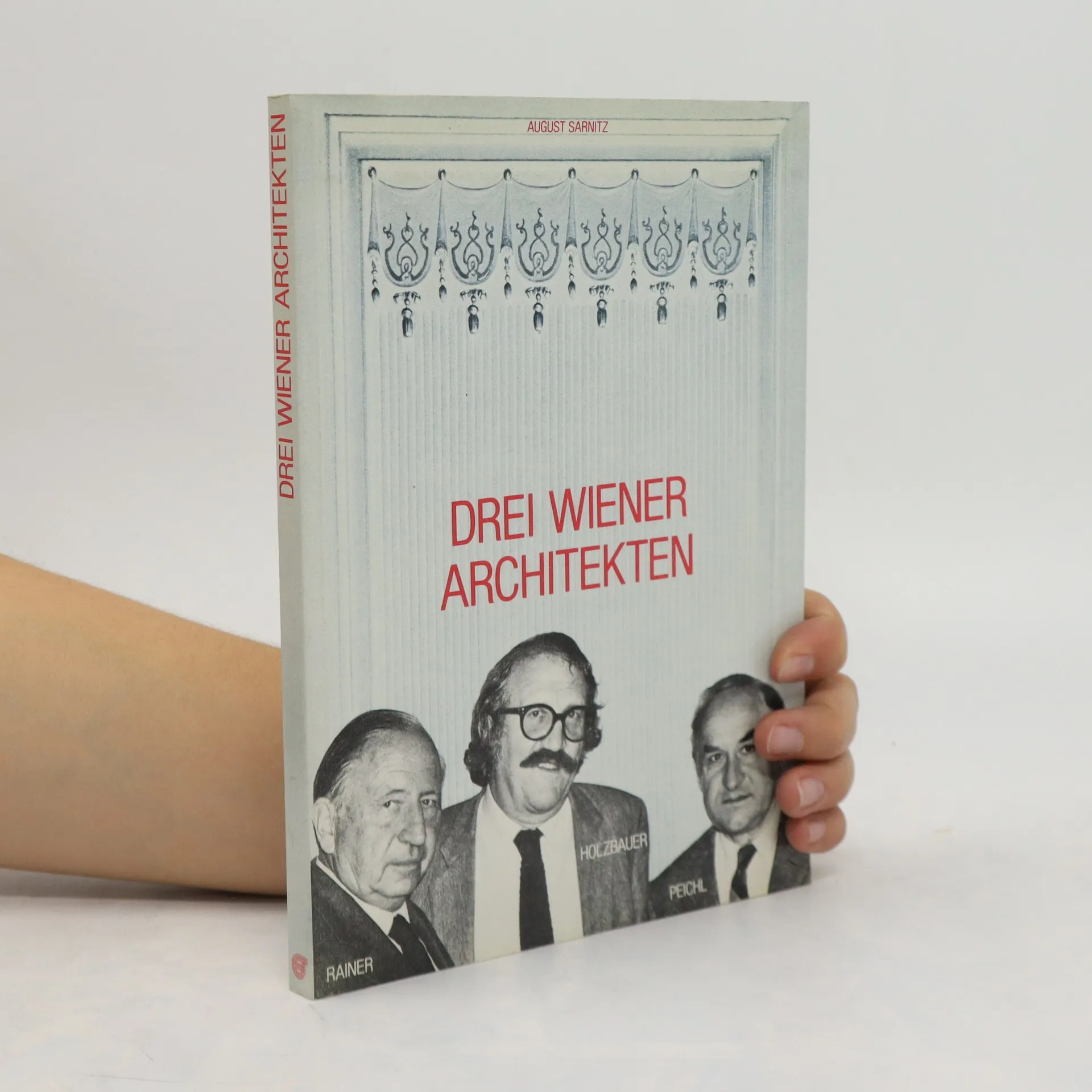
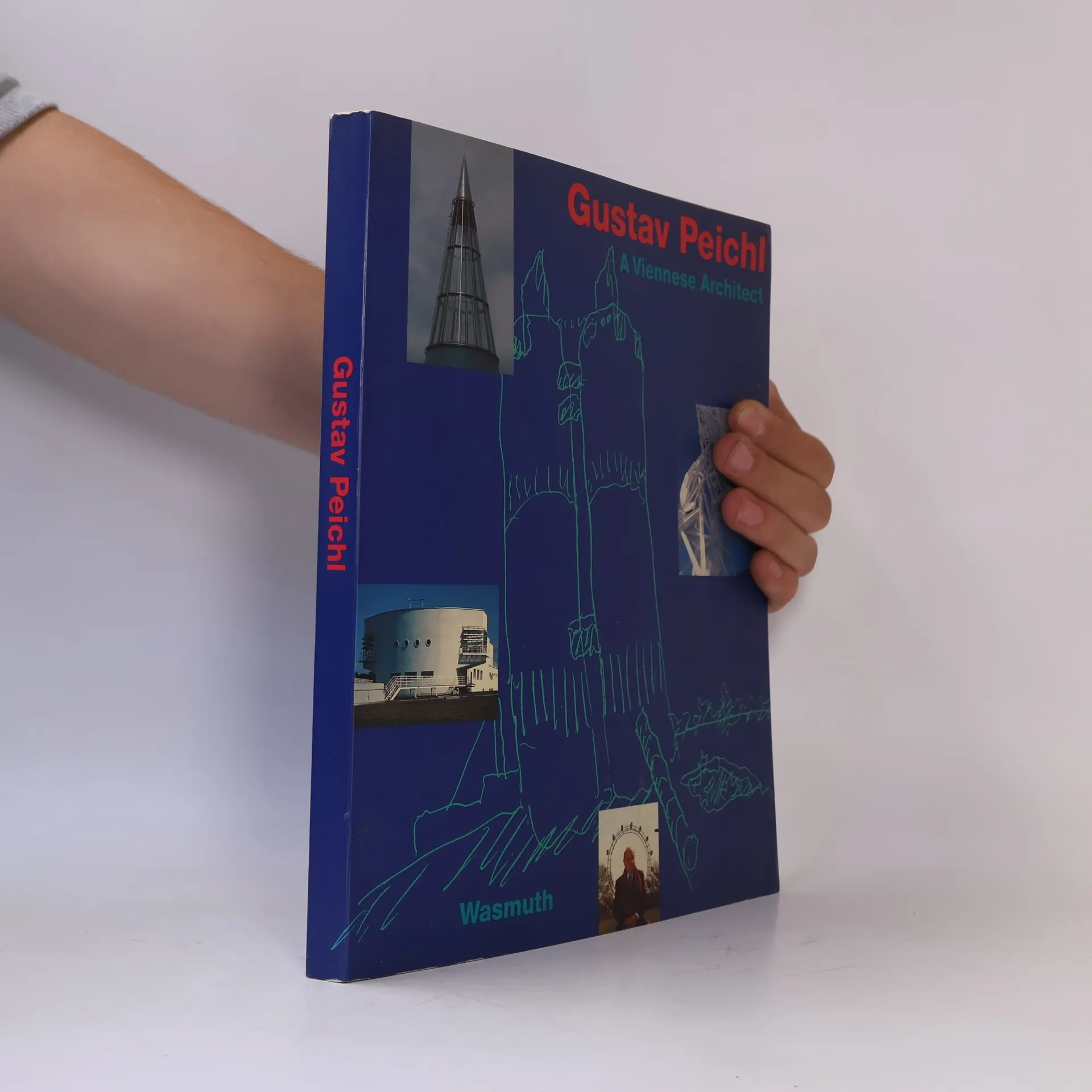
Das Werk des österreichischen Architekten Gustav Peichl umfasst zahlreiche Wohngebäude und -anlagen, Schulen, Stadtplanungskonzepte, Gebäude für die Österreichische Rundfunkgesellschaft und Museen (z. B. das Bundeskunsthaus in Bonn) und vieles mehr. Die Fotos und Zeichnungen in diesem Band bieten eine faszinierende Tour durch Peichls formal nüchterne, aber sinnliche Gebäude und zeigen, warum sie zu den einflussreichsten der letzten Jahrzehnte gehören.
***Angaben zur beteiligten Person Sarnitz: August Sarnitz ist Architekt und Professor am Institut für Architektur und Kunst an der Akademie der bildenden Künste Wien. Nach seinen Studien an der TU Wien, der Akademie der bildenden Künste Wien und dem Massachusetts Institute of Technology in Cambridge, USA, habilitierte sich August Sarnitz im Bereich Architektur und Architekturgeschichte. Schwerpunkte seiner Publikationen bilden die Bereiche Urbanismus und die Geschichte der Architektur der Emigration. Publikationen unter anderem: Ernst Plischke, 2003, Prestel Verlag, und Die Architektur Wittgensteins, 2011, Böhlau Verlag
Wien wurde in den letzten drei Jahrzehnten architektonisch intensiv entwickelt und konsequent modernisiert. Der neue Architektur Guide trägt dem durch Essays zu Stadtkultur, Stadterneuerung und Stadträumen Rechnung. Der Hauptteil des Guides besteht aus der Dokumentation von rund 300 Objekten, dargestellt durch Text, Bild und Plan, topographisch verortet und mit den beigefügten Karten leicht zu finden. Der neue Architektur Guide eignet sich sowohl als handlicher Stadtbegleiter als auch als Lexikon zur neuen Wiener Architektur, und bietet darüber hinaus eine Übersicht zu den Wiener Architekturinstitutionen und zu ausgewählten Restaurants, Cafés und Bars.
Avant l'esthète, designer et architecte Josef Hoffmann (1870-1956), l'architecture et le design autrichien étaient dominés par des ornements opulents. Avec une approche radicale, Hoffmann fut l'un des pères fondateurs de la Sécession viennoise et du Wiener Werkstätte, révolutionnant l'esthétique occidentale par son minimalisme audacieux. Tout en cultivant une image de bon vivant, il défiait les conventions et militait pour un design plus pur, tant dans l'immobilier que dans le mobilier, le verre ou le métal. En 1897, il fonda la Sécession viennoise avec Joseph Maria Olbrich, Gustav Klimt et Koloman Moser, et établit le Wiener Werkstätte, lié au mouvement Arts & Crafts. Au cours de sa carrière de soixante ans, il participa à la création de bâtiments modernistes européens majeurs, comme le sanatorium Purkersdorf (1904) et le Palais Stoclet (1905-1911), décoré de fresques de Klimt. De nombreux modèles qu'il a conçus pour la maison sont encore produits aujourd'hui. Cette introduction explore les idées maîtresses de Hoffmann, son architecture et ses créations, révélant l'impact durable de ce moderniste sur l'esthétique européenne, des intérieurs monochromes aux couverts de nos tables.