
Knihobot

Paul Ham

    Paul Ham je historik, který se specializuje na konflikty, války a politiku 20. století. Svou odbornost uplatňuje v akademické sféře, kde vyučuje narativní non-fiction a angličtinu na prestižních francouzských institucích. Jeho díla se zaměřují na klíčové okamžiky moderní historie, zejména na válečné události a jejich širší politické a společenské dopady. Hamův styl se vyznačuje hlubokým historickým výzkumem a schopností podat komplexní témata poutavým způsobem, čímž oslovuje široké publikum.

    Yippee! Rabbit
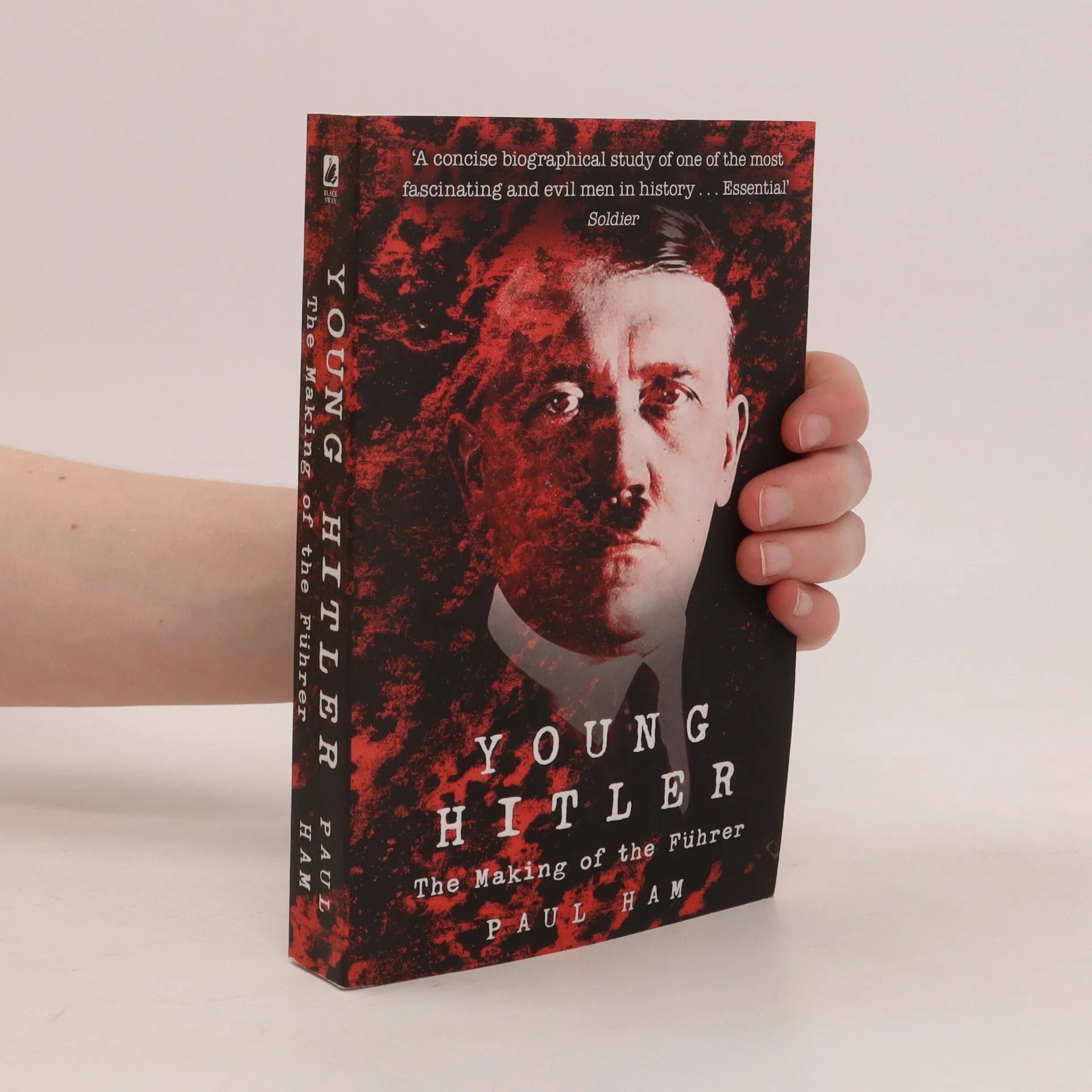
    Young Hitler : the making of the Führer
    Hiroshima Nagasaki
    Sandakan
    Passchendaele
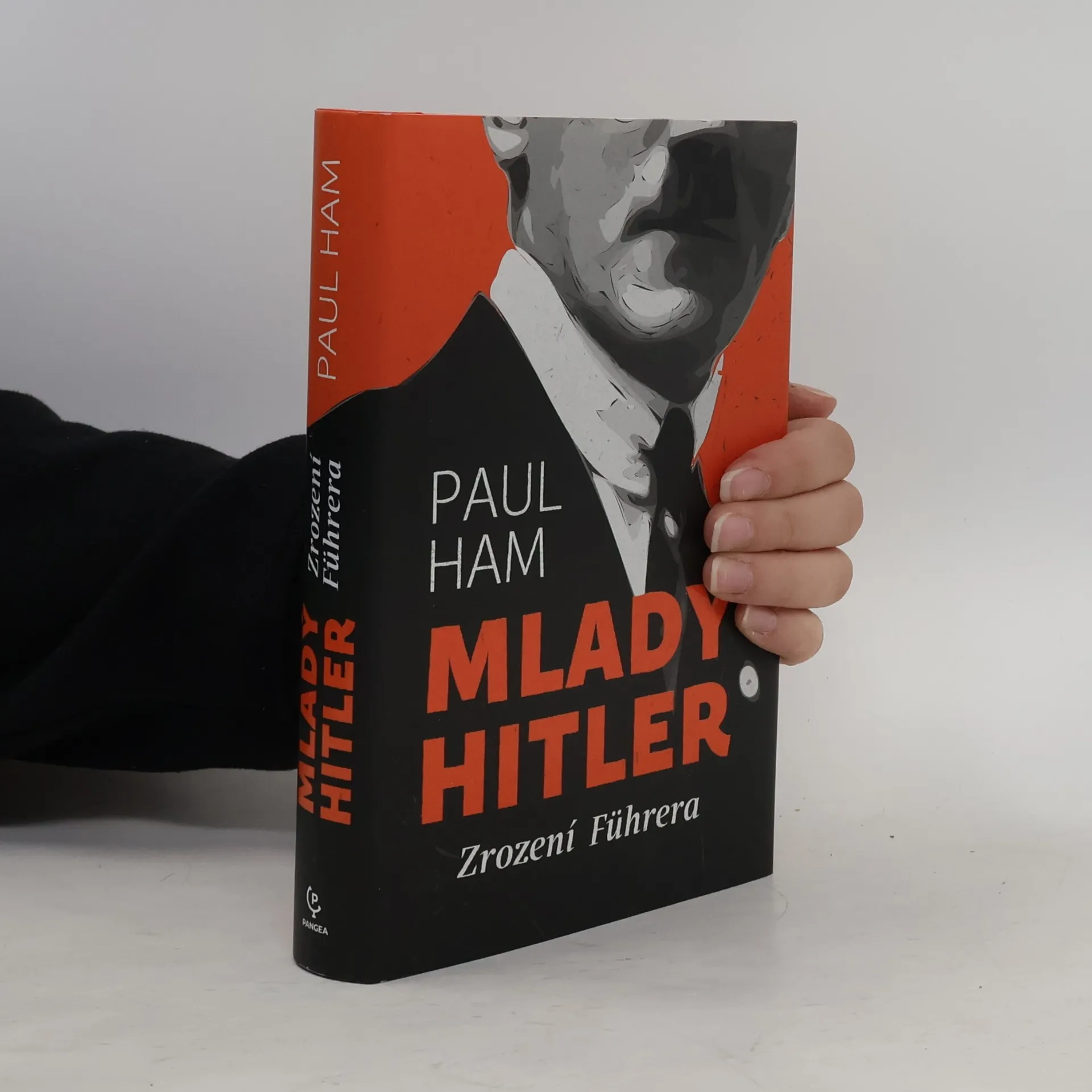
    Mladý Hitler: Zrození Führera
    • Mladý Hitler: Zrození Führera

      • 304 stránek
      • 11 hodin čtení
      3,1(9)Ohodnotit

      Paul Ham se ve své knize snaží odhalit osobnost člověka opředeného mýty. Popisuje Hitlerovo dětství, zážitky z války a počátky jeho politické kariéry a hledá odpověď na otázku, jaký měly všechny tyto události vliv na Hitlerovu cestu k moci. Když šel Adolf Hitler v roce 1914 do války, bylo mu 25 let. Později tyto časy popsal jako „nejúžasnější období svého života“. Když první světová válka skončila, ležel Hitler v nemocnici dočasně oslepený yperitem. Jakmile se mu navrátil zrak, naskytl se mu strašlivý pohled: Německo bylo poraženo, císař uprchl a armáda byla v katastrofálním stavu. Hitler se s těmito skutečnostmi nikdy nesmířil. Přepadla ho obrovská nenávist a neukojitelná touha pomstít se „zločincům“, kteří podepsali příměří. Socialistům, jež vinil z toho, že vrazili armádě nůž do zad. A především Židům, kteří podle něj představovali bezprostřední hrozbu pro nadřazenou rasu a byli hlavní příčinou veškerého utrpení Německa…

      Mladý Hitler: Zrození Führera
    • Passchendaele

      The Bloody Battle That Nearly Lost The Allies The War

      • 592 stránek
      • 21 hodin čtení
      5,0(5)Ohodnotit

      Focusing on the harrowing experiences of soldiers during the Battle of Passchendaele, the narrative explores the profound futility and tragedy of this World War I conflict. It details the staggering casualties suffered by both Allied and German forces, highlighting the relentless suffering endured by ordinary men amidst a catastrophic power struggle between military leaders and government officials. Paul Ham critically examines the decisions that prolonged the battle, challenging conventional views and revealing new evidence of the monumental impact on the war's outcome.

      Passchendaele
    • Sandakan

      • 650 stránek
      • 23 hodin čtení
      5,0(1)Ohodnotit

      The brilliantly told but harrowing story of the Borneo Death Marches of 1944-5. After the fall of Singapore in 1942, the conquering Japanese Army transferred some 2500 British and Australian prisoners to a jungle camp at Sandakan, on the east coast of North Borneo. There they were beaten, broken, worked to death, thrown into bamboo cages on the slightest pretext and subjected to tortures so ingenious and hideous that the victims were driven to the brink of madness. But it was only to be the beginning of the nightmare. In late 1944 when Allied aircraft began bombing the coastal towns of Sandakan and Jesselton, the Japanese resolved to abandon the prison camp and move the prisoners 250 miles inland to Ranau. The journey there became known as the Sandakan Death marches. Of the thousand plus prisoners who set out on the epic marches, only six survived. This is both their story and the story of the fallen.

      Sandakan
    • Hiroshima Nagasaki

      • 720 stránek
      • 26 hodin čtení
      4,2(28)Ohodnotit

      Hiroshima Nagasaki tells the story of the tragedy through the eyes of the survivors, from the twelve-year-olds forced to work in war factories to the wives and children who faced it alone. Through their harrowing personal testimonies, we are reminded that these were ordinary people, given no warning and no chance to escape the horror.--Résumé de l'éditeur.

      Hiroshima Nagasaki
    • When Adolf Hitler went to war in 1914, he was just 25 years old. It was a time he would later call the 'most stupendous experience of my life'. That war ended with Hitler in a hospital bed, temporarily blinded by mustard gas. The world that he opened his newly healed eyes on was new and it was terrible: Germany had been defeated, the Kaiser had fled and the army had been resolutely humbled. Hitler never accepted these facts. Out of his fury rose a white-hot hatred, an unquenchable thirst for revenge against the 'criminals' who had signed the armistice, against the socialists who he accused of stabbing the army in the back and, most violently, against the Jews – a direct threat to the master race of his imagination – on whose shoulders he would pile all of Germany's woes. But this was not all about the war; the seeds of that hatred lay in Hitler’s youth. By peeling back the layers of Hitler's childhood, his war record and his early political career, Paul Ham's Young Hitler: The Making of the Führer seeks the man behind the myth. How did the defining years of Hitler’s life affect his rise to power? More broadly, Paul Ham seeks to answer the question: Was Hitler a freak accident? Or was he an extreme example of a recurring type of demagogue, who will do and say anything to seize power; who thrives on chaos; and who personifies, in his words and in his actions, the darkest prejudices of humankind?

      Young Hitler : the making of the Führer
    • What goes up must come down! Hold your breath as the adventurous but accident-prone Rabbit discovers the Uh-oh! in see-sawing, swimming, skiing and speeding down slides! There's fun to be had in both the highs and the lows in Rabbit's carefree world.

      Uh-oh! Rabbit
    • "Rabbit on... Oops! Rabbit off ... Paint pots, bubble bath and cake... What could possibly go wrong? Thrills, spills and an Oops! or two are guaranteed in Rabbit's next adventure"--Back cover.

      Oops! Rabbit