Knihobot

Frank Kermode

    29. listopad 1919 – 17. srpen 2010

    Sir John Frank Kermode byl uznávaný britský literární kritik, jehož dílo se vyznačovalo hlubokým porozuměním teorii fikce. Jeho práce se často zabývala tím, jak lidé vytvářejí smysl z příběhů a jakým způsobem se tato interpretace vyvíjí v čase. Kermode zkoumal, jak literární formy odrážejí a ovlivňují naše chápání světa a naší vlastní existence. Jeho kritický přístup osvětlil složitost literárního umění a jeho místo v lidské kultuře.

    Frank Kermode
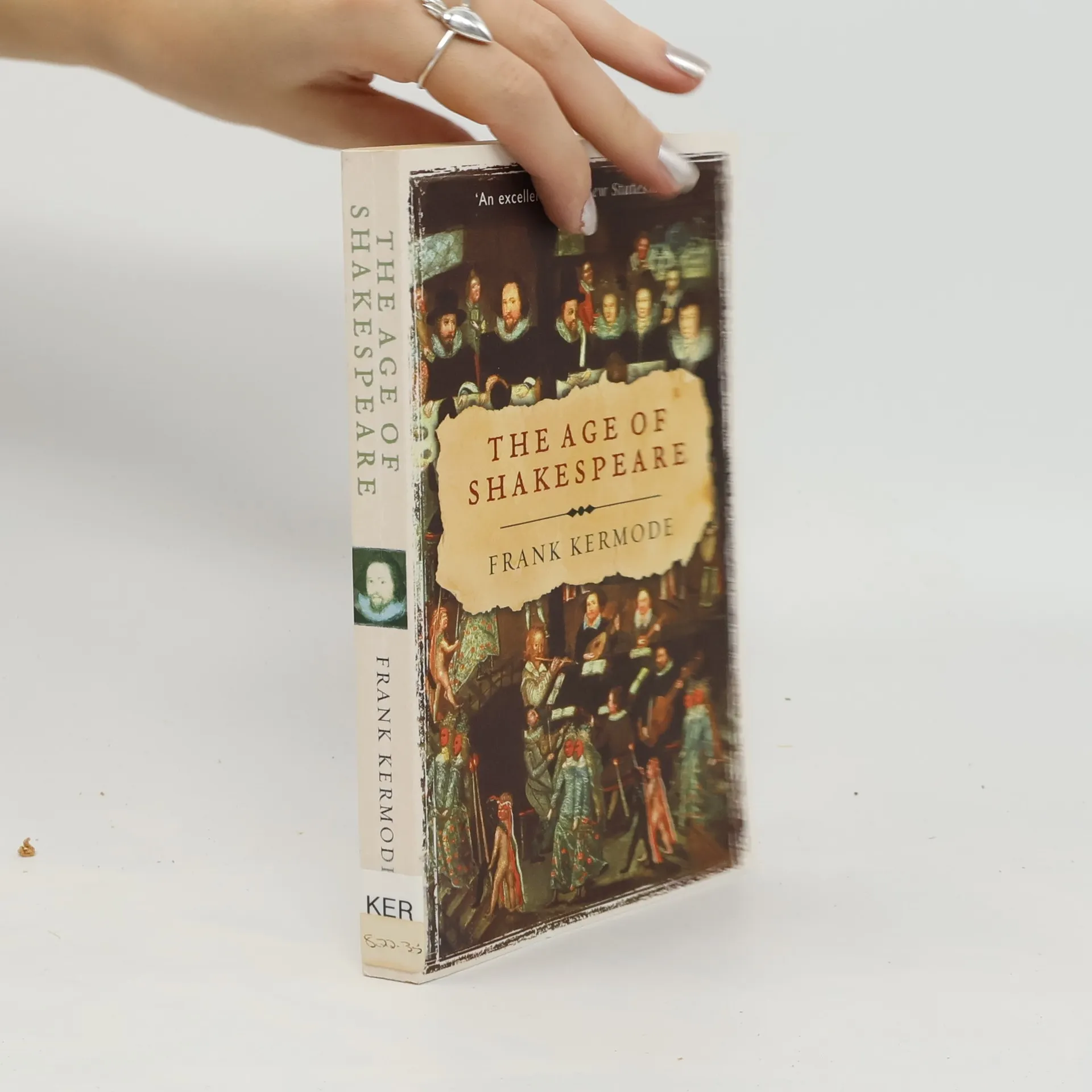
    The Age of Shakespeare
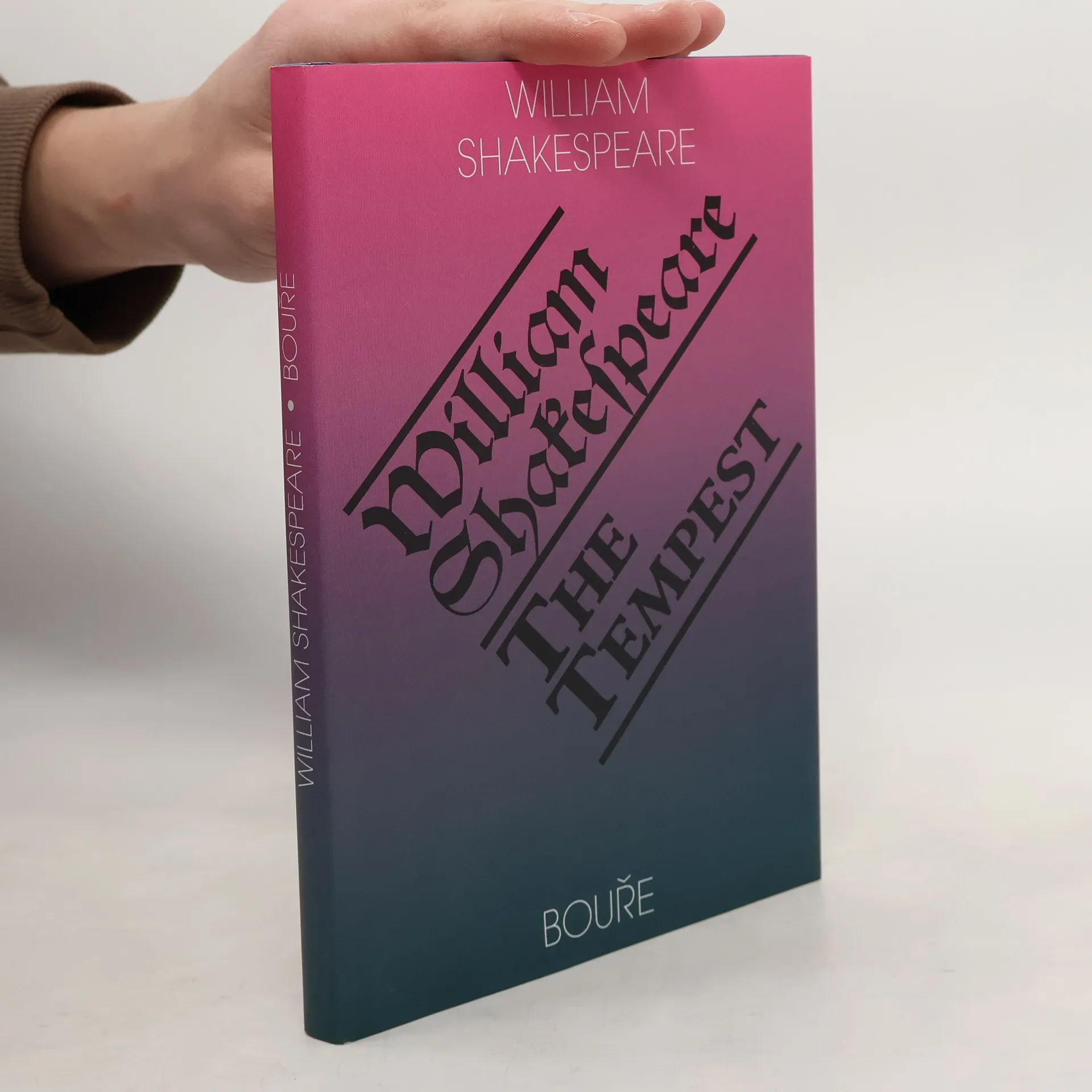
    The Tempest
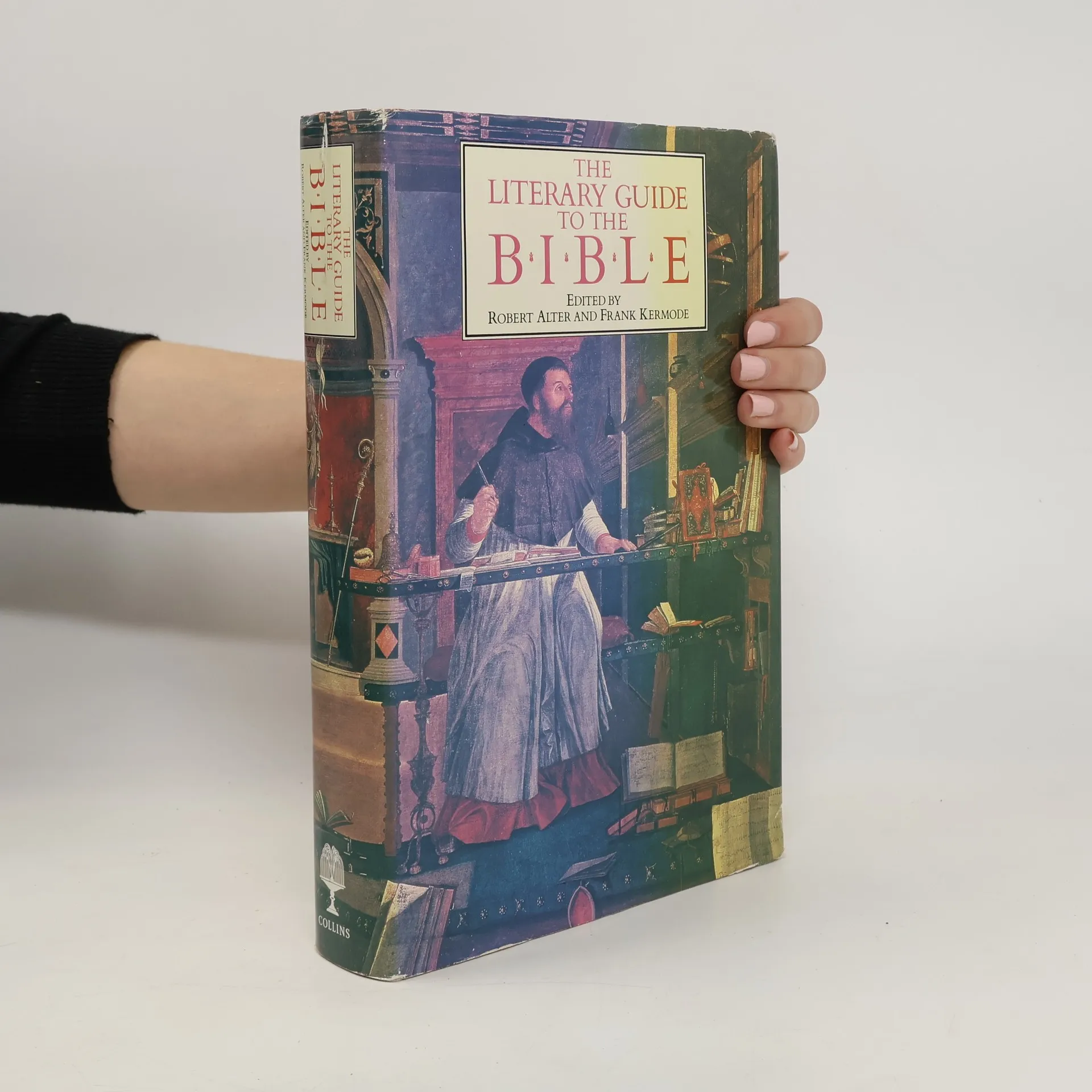
    The Literary Guide to the Bible
    The Literature of Renaissance England
    Writers at Work: Sixth Series, The Paris Review Interviews
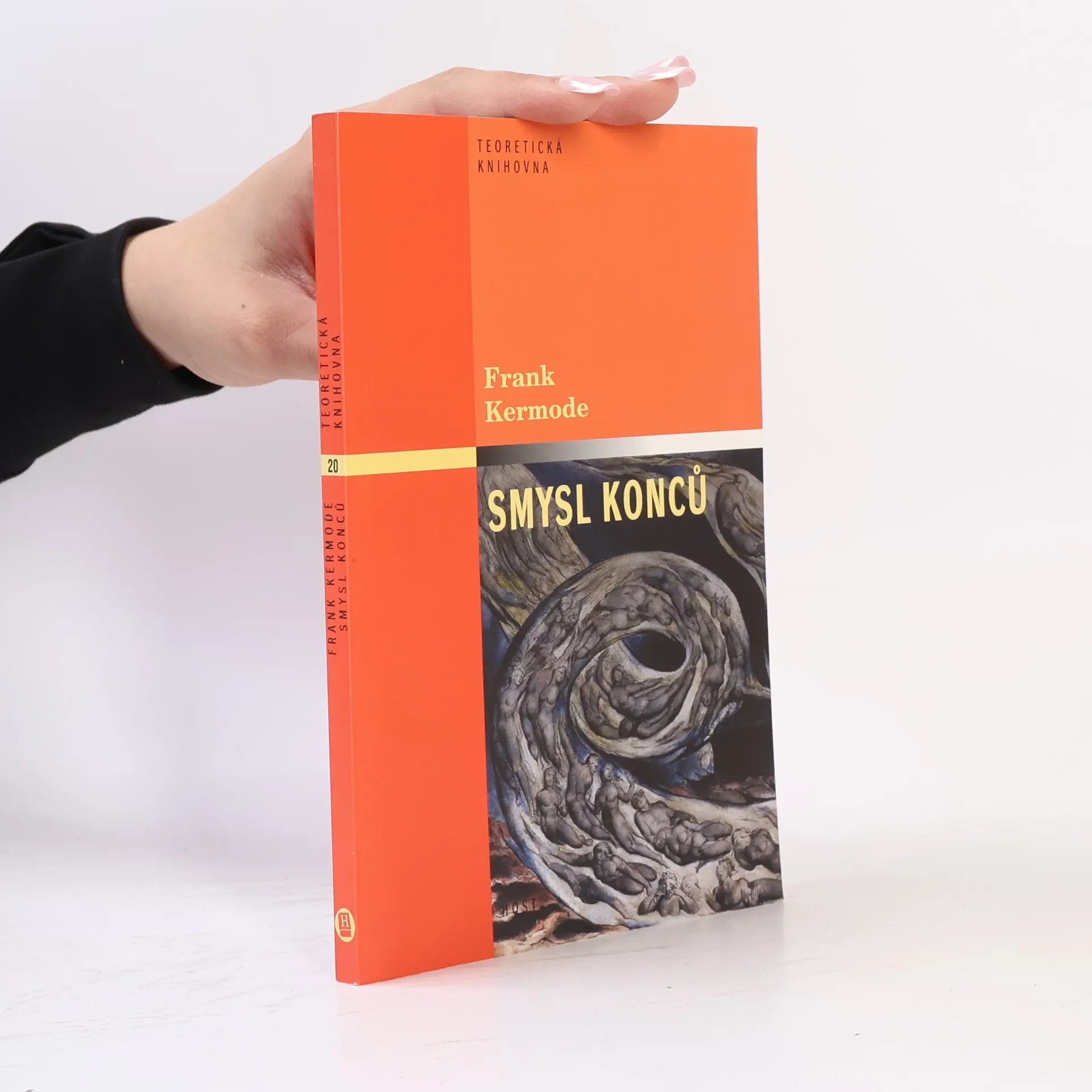
    Smysl konců
    • Smysl konců

      • 188 stránek
      • 7 hodin čtení
      3,4(12)Ohodnotit

      Studie k teorii fikce. Kniha Smysl konců (1967) se zabývá „fikcemi“, jejich fungováním a vznikem, přičemž tento termín je používán velice široce: od textů biblických, přes tragédii, román až po vědecké teorie a politické názory. Autor si všímá především utváření těchto fikcí ve vztahu k lidskému nahlížení konečnosti a času vůbec, tedy ve vztahu k lidské potřebě dávat chaotickému světu tvar. Podle Franka Kermoda je základní „jednotkou“ takové struktury vztah mezi počátkem a koncem. Fikci tedy autor chápe nikoli jako to, co je „jiné“ než naše běžná zkušenost, ale jako to, co pohání a podněcuje naši zvídavost. Kniha je dodnes podnětná mimo jiné v tom, že i bez mohutného teoretického pojmového aparátu přináší zásadní vhled do povahy zkoumaného předmětu, což vynikne zvláště při jejím srovnání s naratologií, která se v době jejího publikování začala mocně rozvíjet především ve Francii.
      Smysl konců
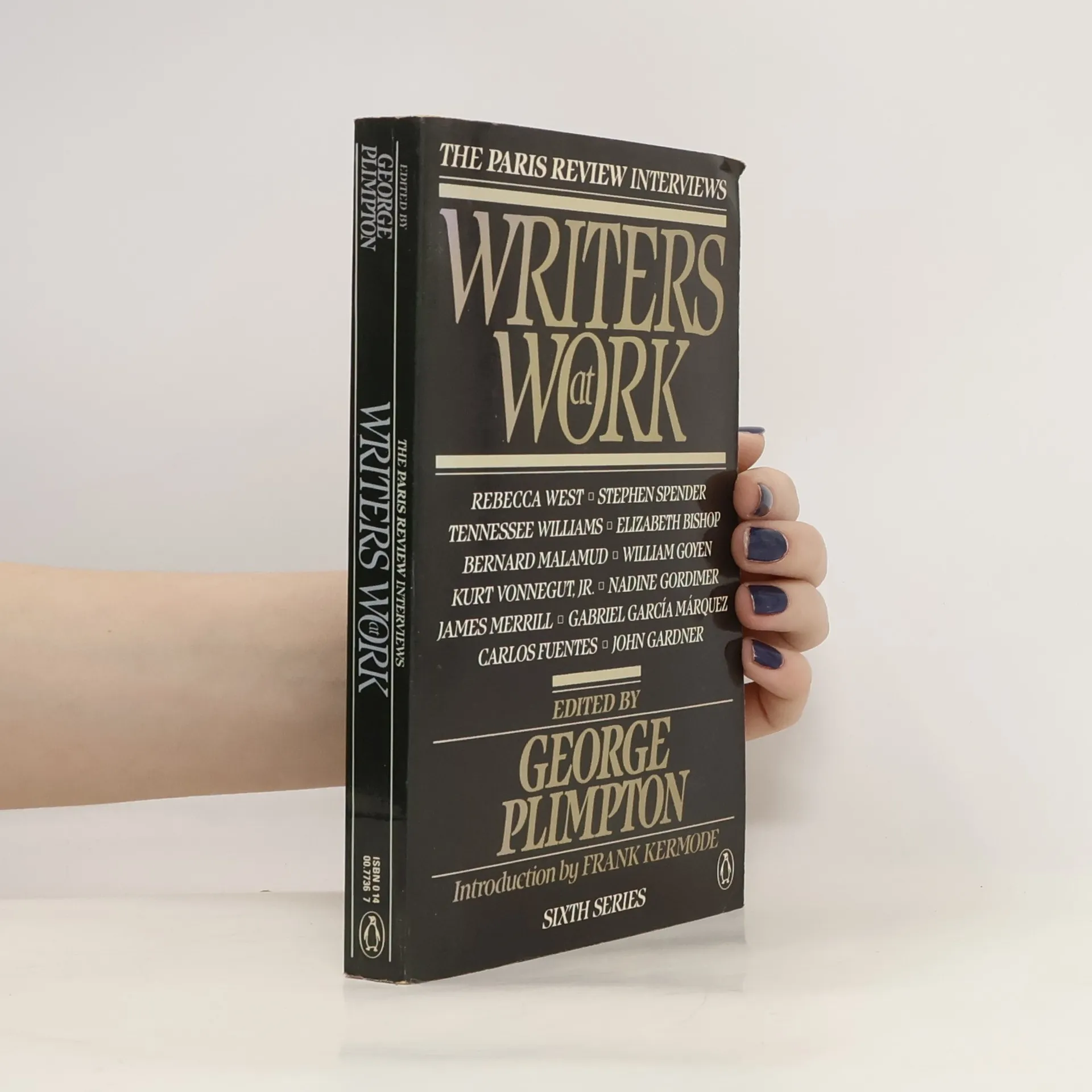
    • Paris Review 6th Series is the sixth of collection literary interviews published by The Paris Review (1985), edited by George Plimpton, and includes an introduction by Frank Kermode.Interviews: Rebecca West; Stephen Spender; Tennessee Williams; Elizabeth Bishop; Bernard Malamud; William Goyen; Kurt Vonnegut, Jr; Nadine Gordimer; James Merrill; Gabriel García Márquez; Carlos Fuentes; John Gardner .

      Writers at Work: Sixth Series, The Paris Review Interviews
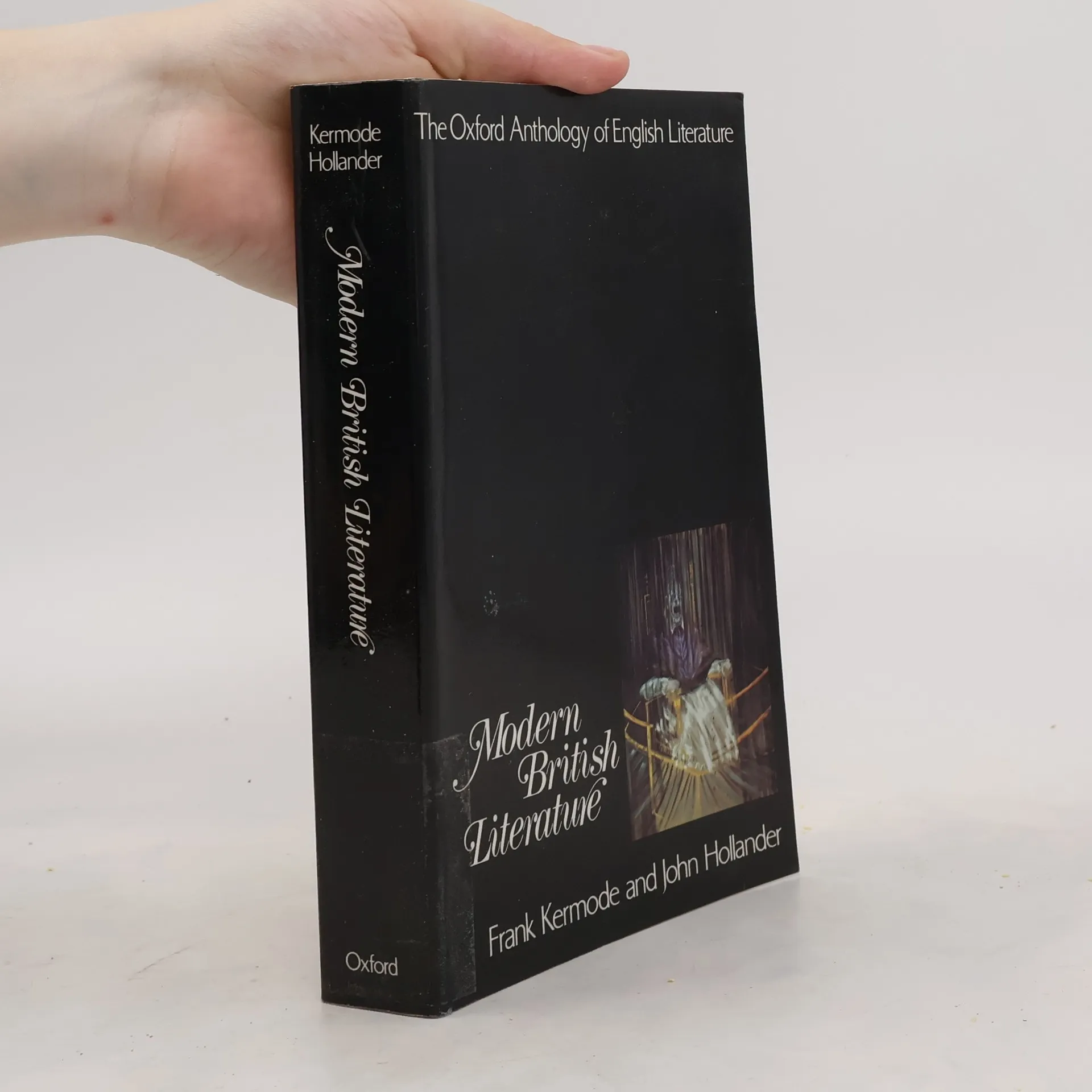
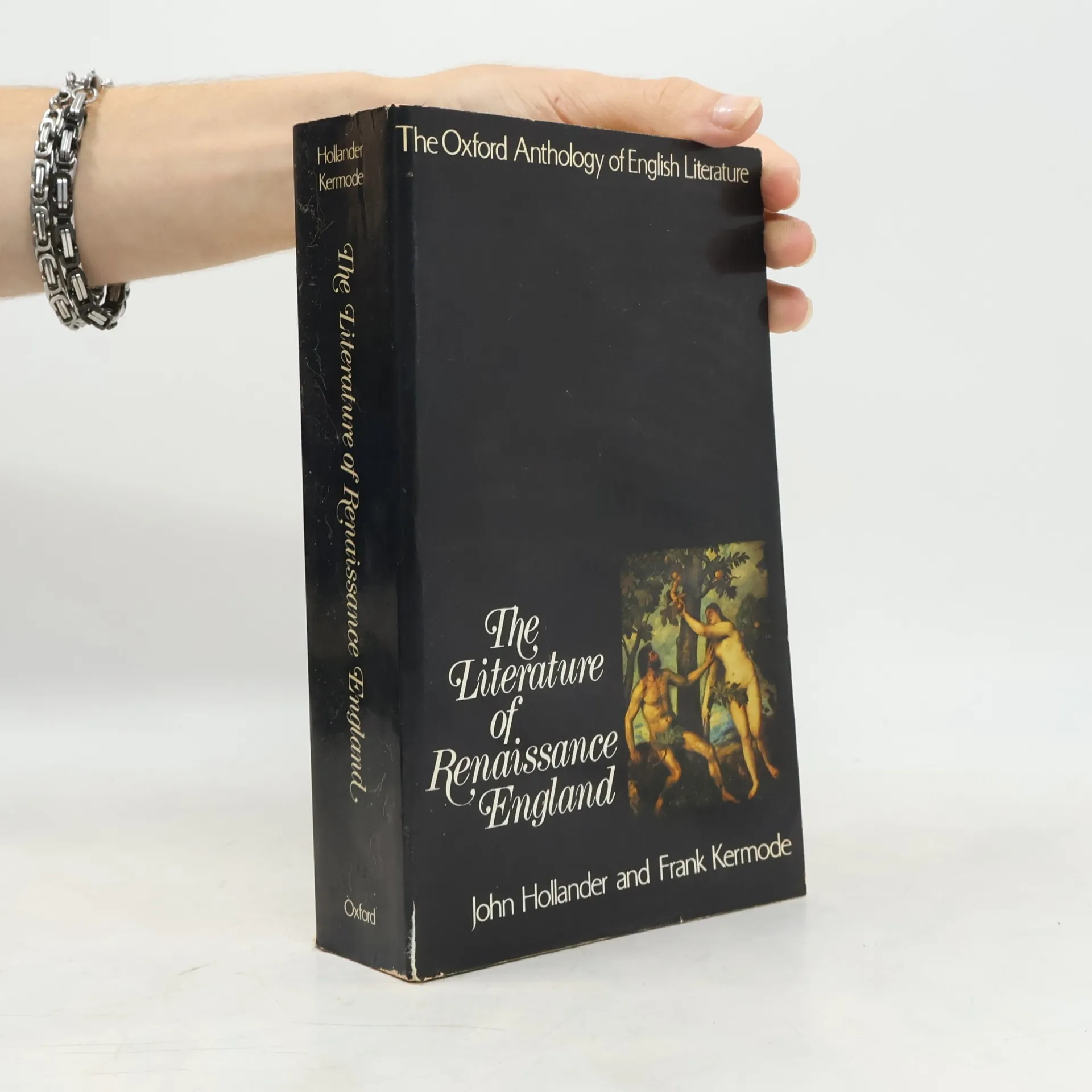
    • This volume includes works by Spenser (excerpts from all books of The Faerie Queene), Shakespeare (including The Tempest), Marlowe (Dr. Faustus, Hero and Leander), Donne, and Milton (Comus, Samson Agonistes, and long excerpts from Paradise Lost).

      The Literature of Renaissance England
    • This is a collection of essays on each book of the Bible, and a number that relate to the Bible as a whole. It brings modern literary and historical analysis to this greatest of all works of literature.

      The Literary Guide to the Bible
    • The Tempest

      • 156 stránek
      • 6 hodin čtení
      4,1(86)Ohodnotit

      Příběh o lásce a nenávisti, o mstě a odpuštění, vypráví o ztroskotancích na pustém ostrově. Žije zde ve vyhnanství vévoda Prospero s dcerou Mirandou, která za celý svůj život viděla z lidí jen svého otce a syna čarodějnice Kalibána, ošklivu, který tam žije také. Prospero magií přivolá bouři, protože se chce pomstít uchvatiteli svého milánského vévodství, což je jeho vlastní bratr Antonio, a neapolskému králi Alonsovi, který Antoniovi pomohl. S pomocí lesních duchů a víl rozežene trosečníky po ostrově, bloudí a cítí se ztraceni. Syn Alonsa Ferdinand se dostane k Mirandě, oba se zamilují. Nakonec se všichni sejdou u Prosperovi chatrče a on ze své msty upustí, usmíří se a dá svou dceru Ferdinandovi za ženu.

      The Tempest
    • The Age of Shakespeare

      • 208 stránek
      • 8 hodin čtení
      3,9(40)Ohodnotit

      'The greatest literary scholar of his generation' (Independent) explains how the history of the Elizabethan era is the backdrop to William Shakespeare and his plays.

      The Age of Shakespeare
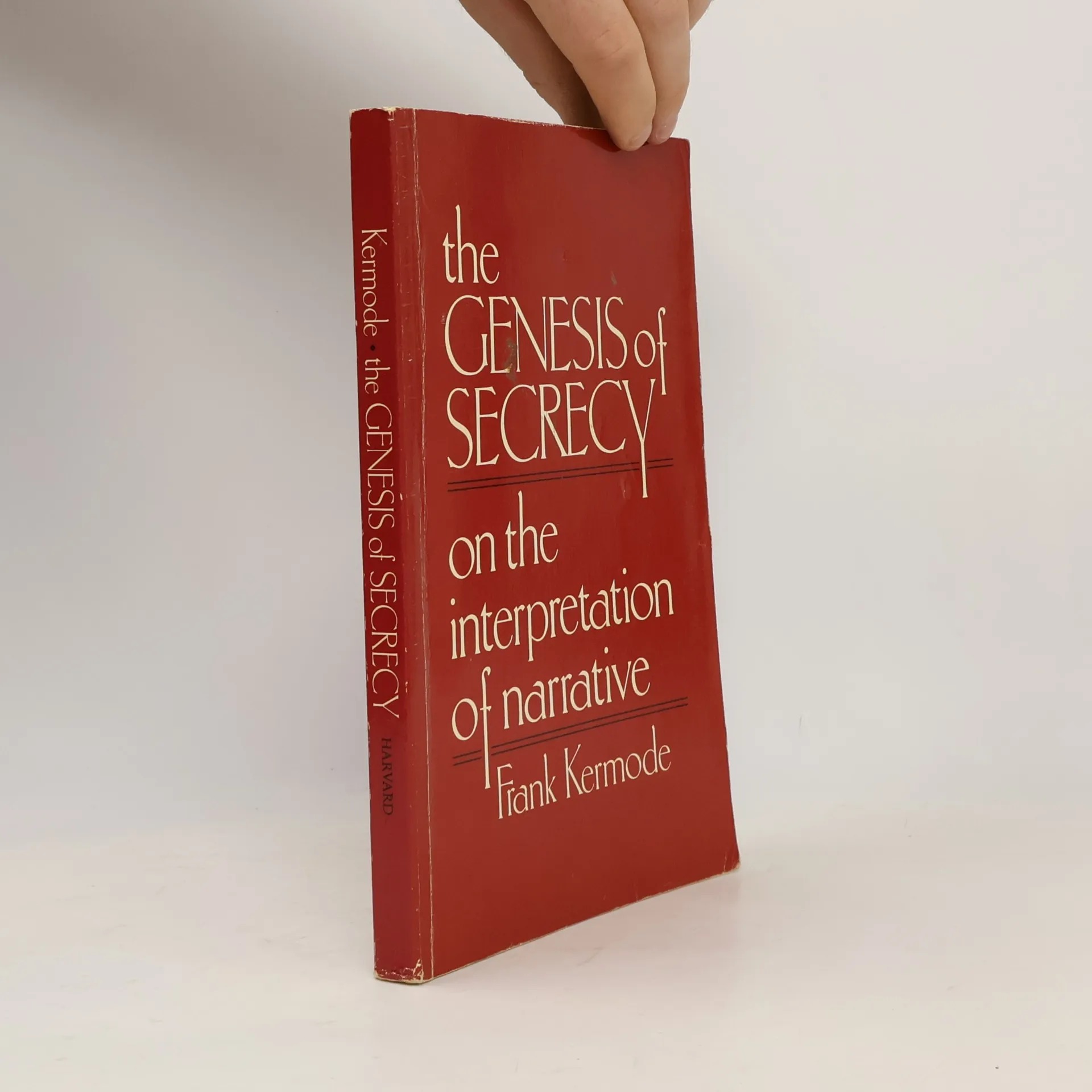
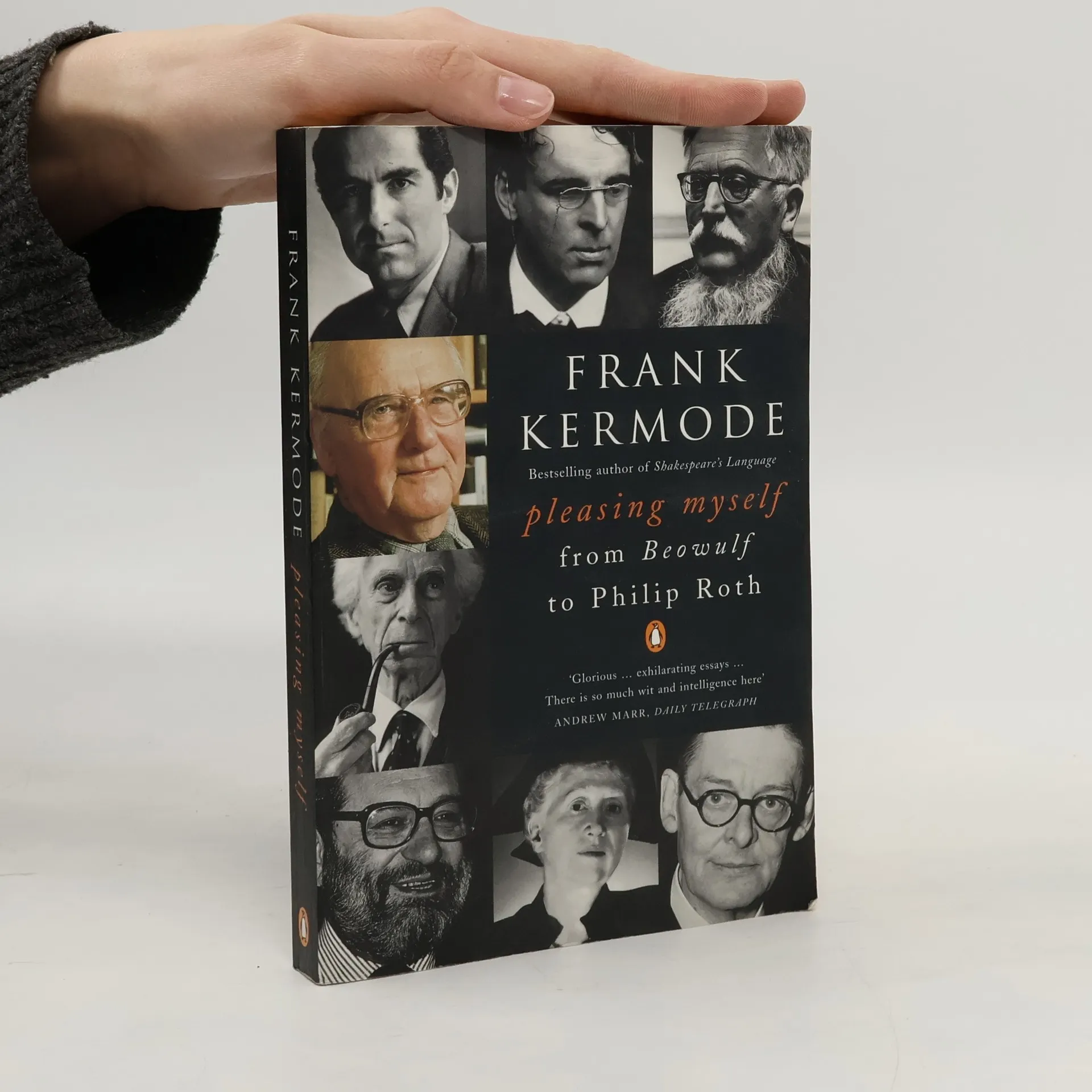
    • s/t: With a New EpilogueFrank Kermode is one of our most distinguished and beloved critics of English literature. Here, he contributes a new epilogue to his collection of classic lectures on the relationship of fiction to age-old concepts of apocalyptic chaos and crisis. Prompted by the approach of the millennium, he revisits the book which brings his highly concentrated insights to bear on some of the most unyielding philosophical and aesthetic enigmas. Examining the works of writers from Plato to William Burrows, Kermode shows how they have persistently imposed their "fictions" upon the face of eternity and how these have reflected the apocalyptic spirit. Kermode then discusses literature at a time when new fictive explanations, as used by Spenser and Shakespeare, were being devised to fit a world of uncertain beginning and end. He goes on to deal perceptively with modern literaturewith "traditionalists" such as Yeats, Eliot, and Joyce, as well as contemporary "schismatics," the French "new novelists," and such seminal figures as Jean-Paul Sartre and Samuel Beckett. Whether weighing the difference between modern and earlier modes of apocalyptic thought, considering the degeneration of fiction into myth, or commenting on the vogue of the Absurd, Kermode is distinctly lucid, persuasive, witty, and prodigal of ideas.

      The sense of an ending : studies in the theory of fiction : with a new epilogue
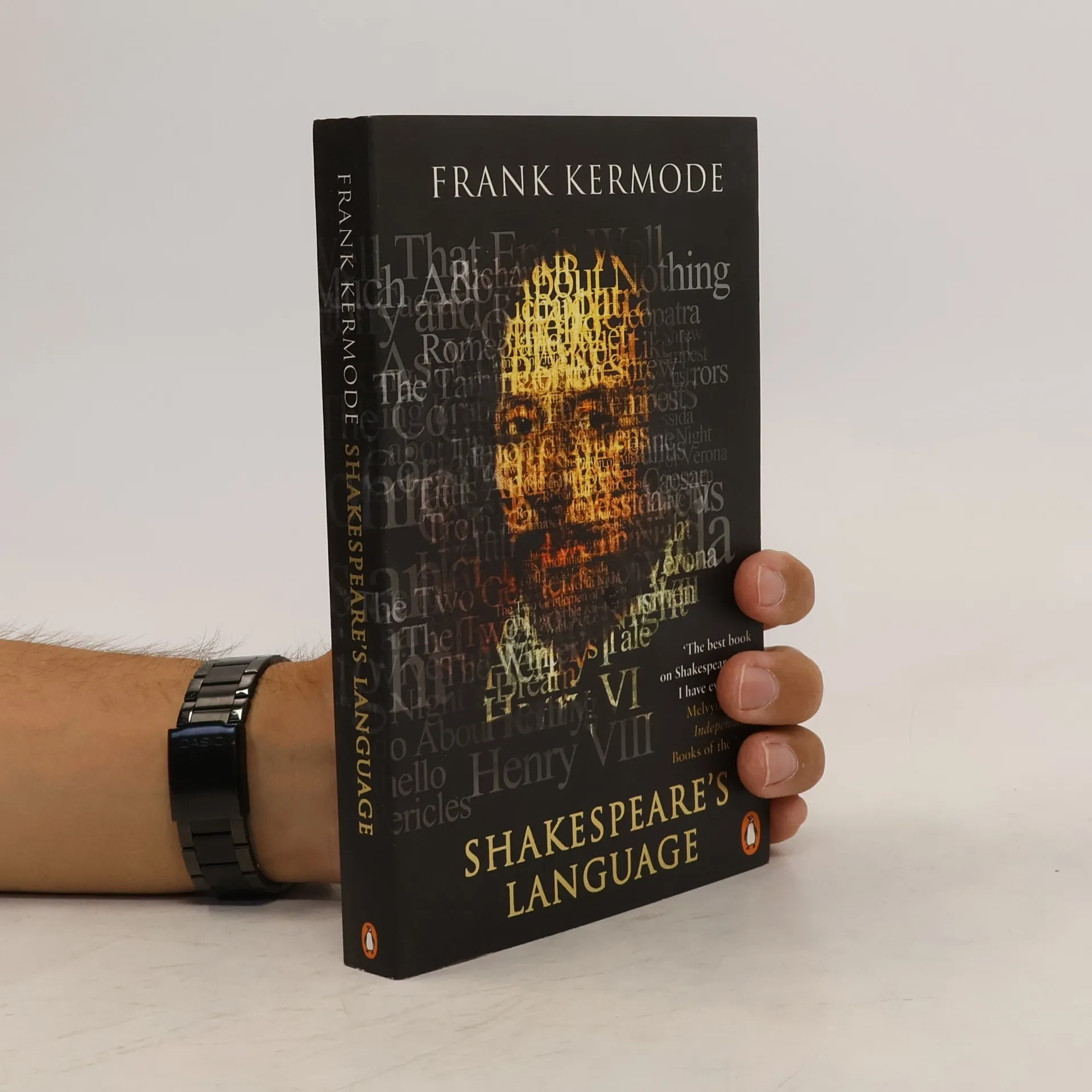
    • Shakespeare's Language

      • 320 stránek
      • 12 hodin čtení
      3,9(96)Ohodnotit

      The true biography of Shakespeare is in the plays. The great English tragedies were all written in the first decade of the seventeenth century. They are often in language that is difficult to us, and must have been hard even for contemporaries. How and why did Shakespeare's language develop as it did? schovat popis

      Shakespeare's Language
    • The question of the canon has been the subject of debate in academic circles for over fifteen years. Pleasure and Change contains two lectures on this important subject by the distinguished literary critic Sir Frank Kermode. In essays that were originally delivered as Tanner Lectures at Berkeley in November of 2001, Kermode reinterprets the question of canon formation in light of two related and central pleasure and change . He asks how aesthetic pleasure informs what we find valuable, and how this perception changes over time. Kermode also explores the role of chance, observing the connections between canon formation and unintentional and sometimes even random circumstance. Geoffrey Hartmann (Yale University), John Guillory (New York University), and Carey Perloff (director of the American Conservatory Theatre) offer incisive comments on these essays, to which Kermode responds in a lively rejoinder. The volume begins with a helpful introduction by Robert Alter. Theresult is a stimulating and accessible discussion of a highly significant cultural debate.

      Pleasure and change: the aesthetics of canon
    • Concerning E. M. Forster

      • 180 stránek
      • 7 hodin čtení

      A major reassessment of the great English novelistThis impressive new the celebrated British critic Frank Kermode examines hitherto neglected aspects of the novelist E. M. Forster€™s life and work. Kermode is interested to see how it was that this apparently shy, reclusive man should have claimed and kept such a central position in the English writing of his time, even though for decades he composed no fiction and he was not close to any of his great contemporaries€”Henry James, Ford Madox Ford, Joseph Conrad, James Joyce.Concerning E. M. Forster has at its core the Clark Lectures that Kermode gave at Cambridge University in 2007 on the subject of Forster, eighty years after Forster himself gave those lectures, which became Aspects of the Novel. Kermode reappraised the influence and meaning of that great work, assessed the significance of Forster€™s profound musicality (Britten thought him the most mu

      Concerning E. M. Forster