Henry Hazlitt byl vlivný myslitel, který propojil filozofii, ekonomii a žurnalistiku. Svým pronikavým psaním o volném trhu zpopularizoval ekonomické myšlenky a stal se klíčovou postavou libertariánského hnutí. Jeho práce se vyznačuje jasným a přístupným výkladem složitých ekonomických principů. Hazlittovy eseje a knihy i nadále inspirují čtenáře i ekonomy k zamyšlení nad svobodnými trhy a individuálními právy.
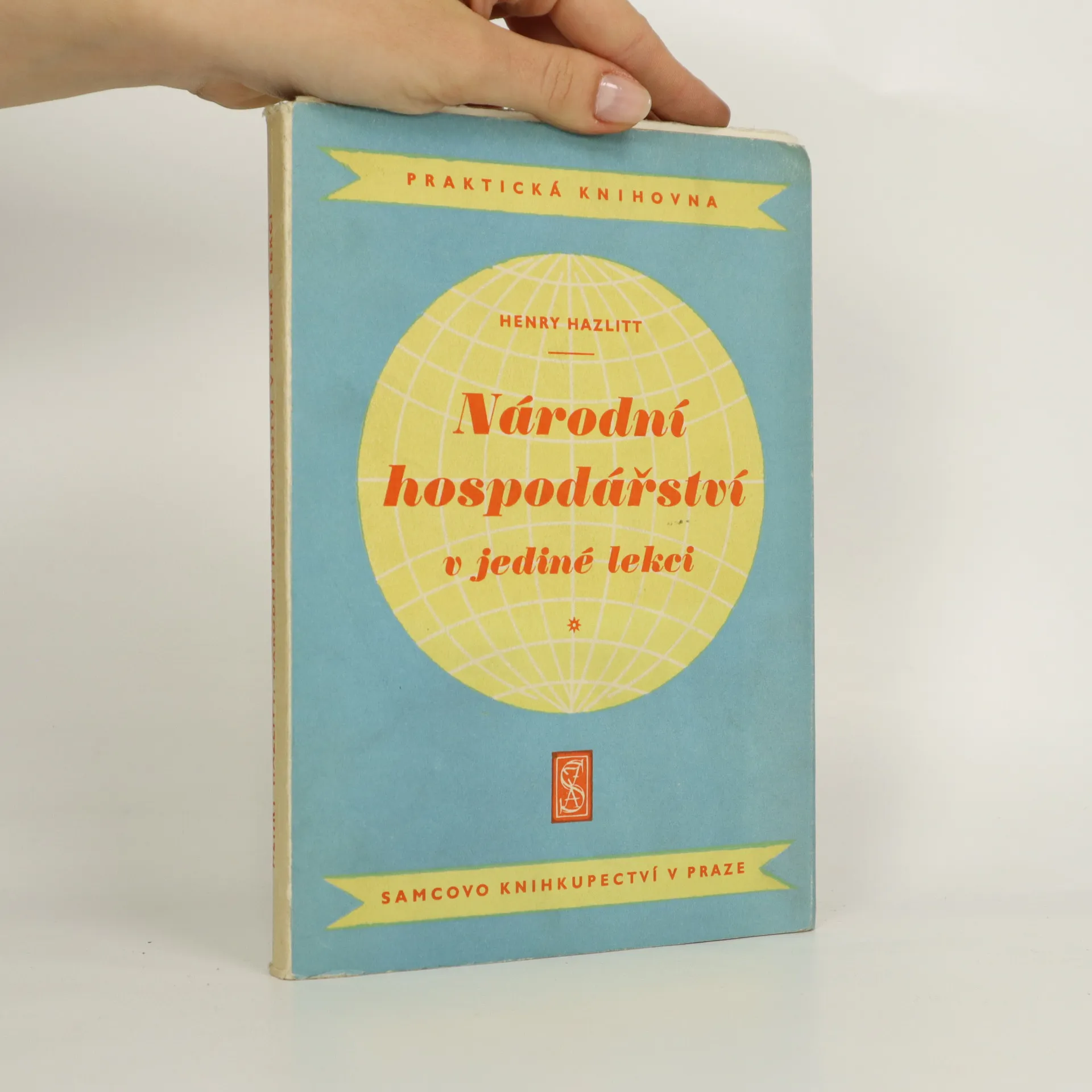
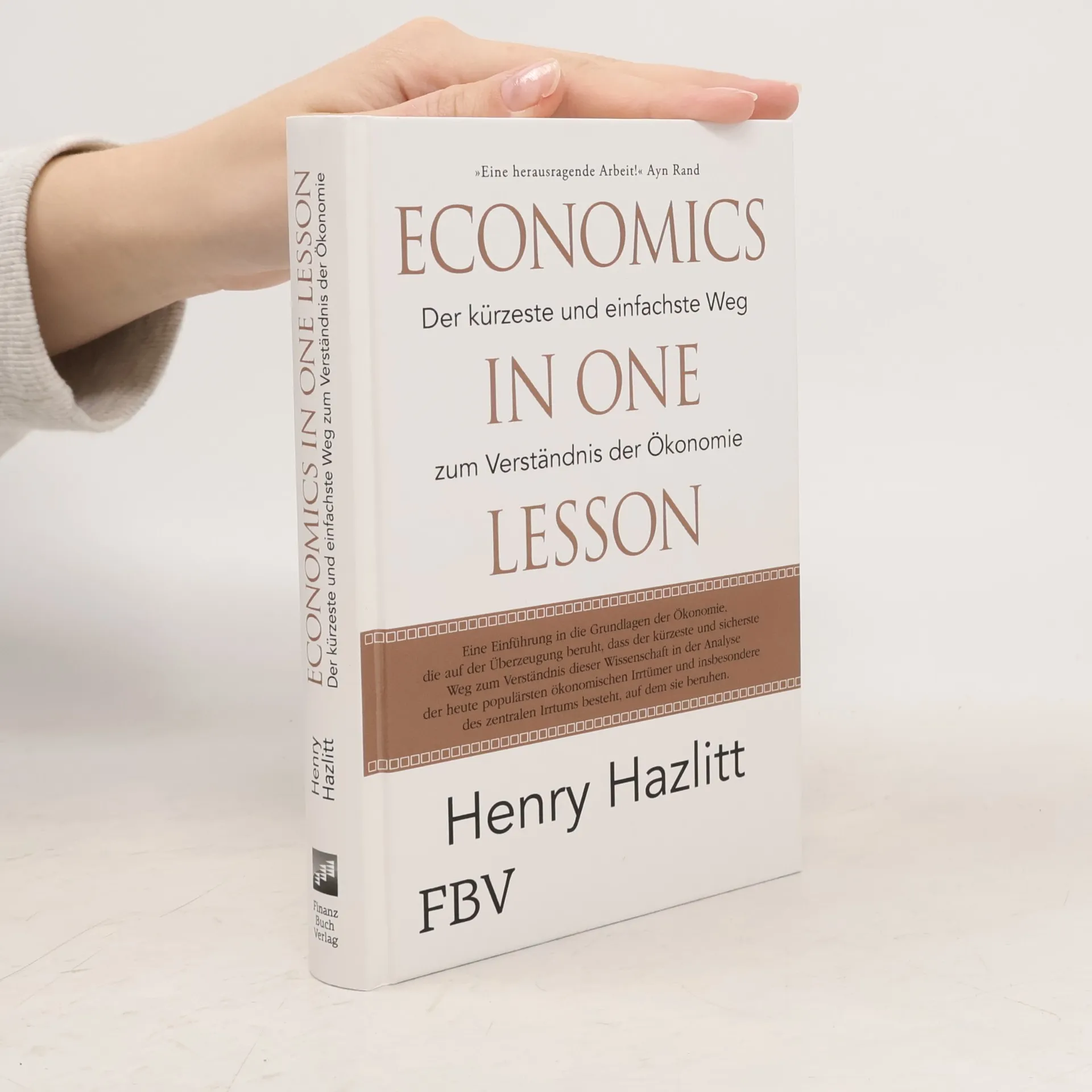
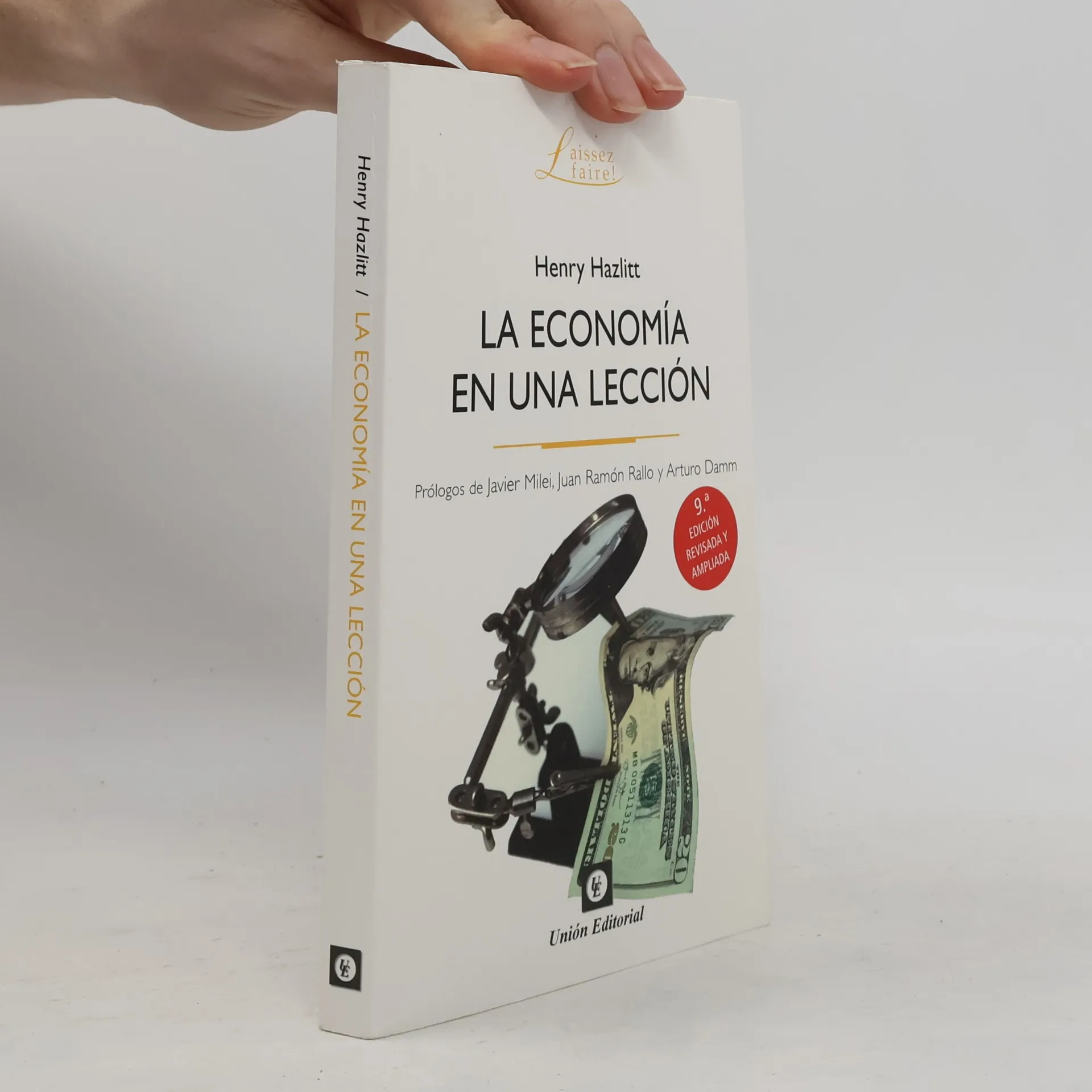
Úspěšná kniha pro každého, kdo chce pochopit základní principy fungování ekonomiky. Zajímavě vysvětluje podstatu hospodářských činností, ekonomických jevů a procesů jako součásti obecnějších společenských problémů. Srozumitelně, logicky a přesvědčivě a při tom bez použití jediné rovnice autor vysvětluje a na konkrétních případech ilustruje základní ekonomické činnosti a vyvrací nejčastější omyly a mýty.
Pokud by kapitalismus neexistoval, bylo by nezbytné ho vynalézt – a tento objev by se právem zařadil mezi největší objevy v dějinách lidstva. To je hlavním poselstvím mé knihy. Ale protože je kapitalismus zkrátka pojmenováním pro svobodu v ekonomické sféře, poselství knihy lze rozšířit: touha po svobodě nemůže být nikdy permanentně vymazána.
Hazlitt worked as a journalist for the New York Sun , The Nation , the New York Times , and Newsweek . He is credited with bringing Austrian economics to an English-speaking audience. Hazlitt was a prolific writer, authoring some 25 books in his lifetime.
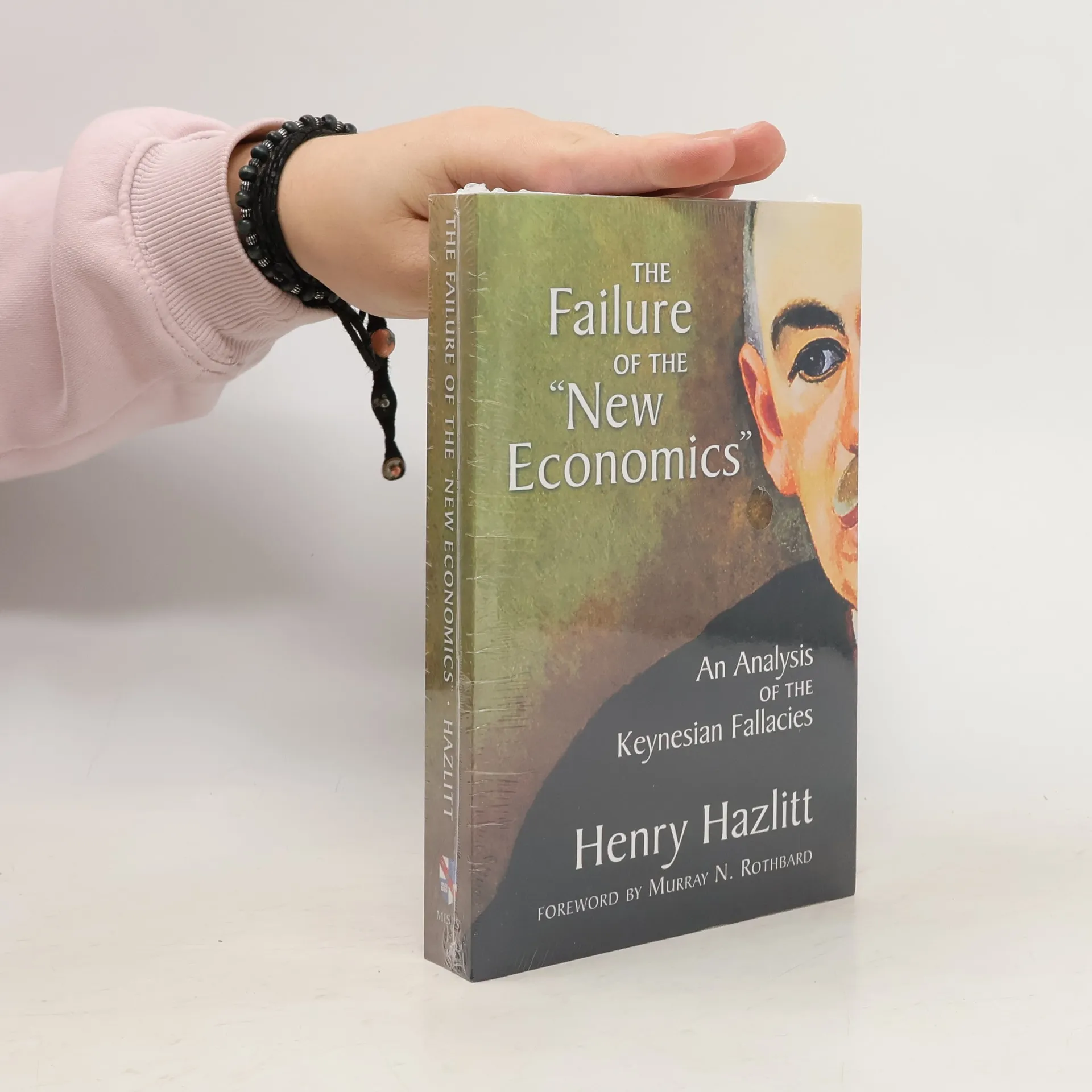
Henry Hazlitt did the seemingly impossible, something that was and is a magnificent service to all people everywhere. He wrote a line-by-line commentary and refutation of one of the most destructive, fallacious, and convoluted books of the century. The target here is John Maynard Keynes's General Theory, the book that appeared in 1936 and swept all before it. In economic science, Keynes changed everything. He supposedly demonstrated that prices don't work, that private investment is unstable, that sound money is intolerable, and that government was needed to shore up the system and save it. It was simply astonishing how economists the world over put up with this, but it happened. He converted a whole generation in the late period of the Great Depression. By the 1950s, almost everyone was Keynesian. But Hazlitt, the nation's economics teacher, would have none of it. And he did the hard work of actually going through the book to evaluate its logic according to Austrian-
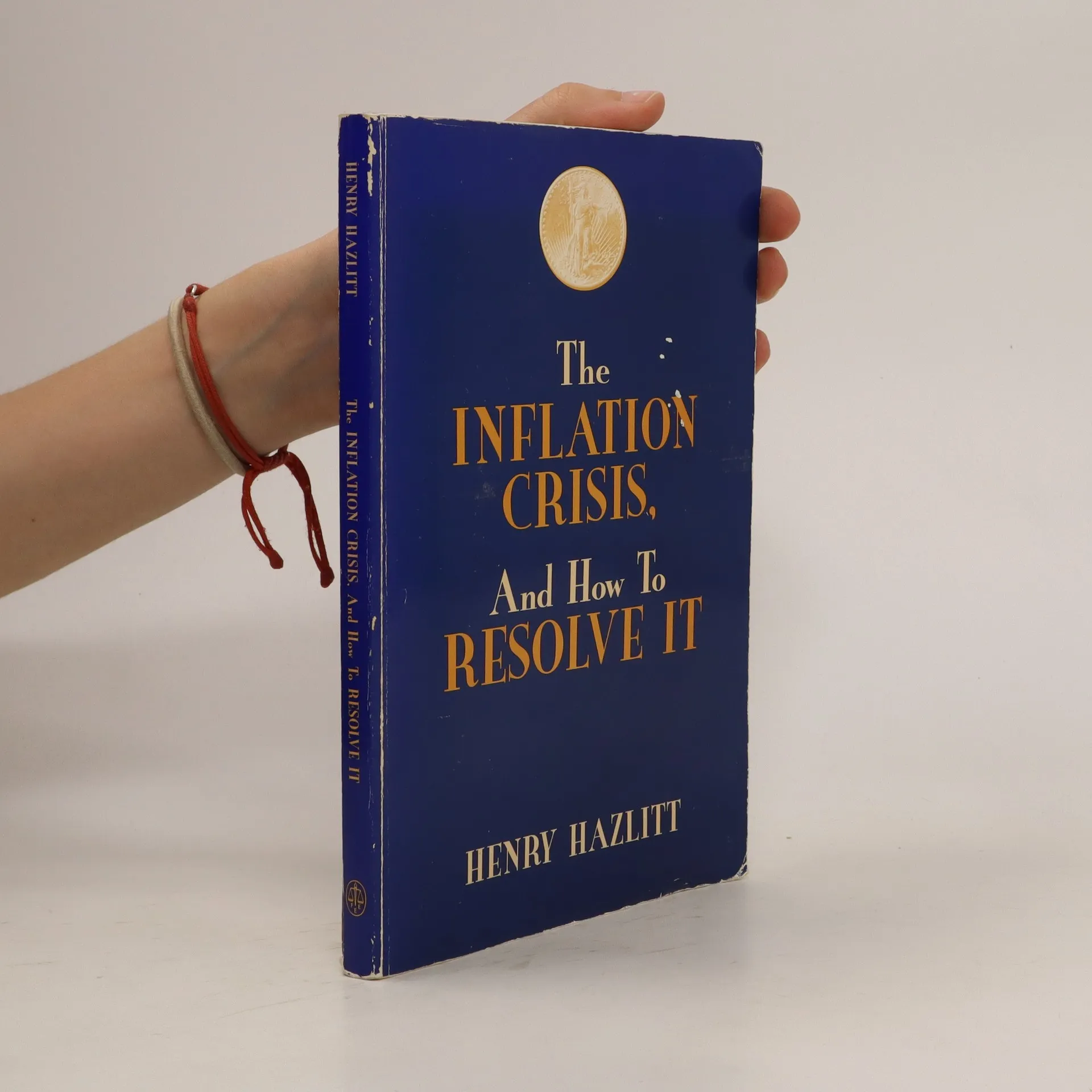
An excellent volume by an eminent journalist and author which presents a history of inflation, an explanation of its causes, an analysis of the misconceptions and fallacies that prevail about it, the outlook for more of it, and advice regarding what the reader can and cannot do to protect himself or herself against it. The author recognizes the strength of the political forces that continue it, and the urgent need of the re-establishment of an international gold standard. A first-rate analysis for everyone seeking protection against the consequences of inflation. Originally published by Arlington House in 1978.
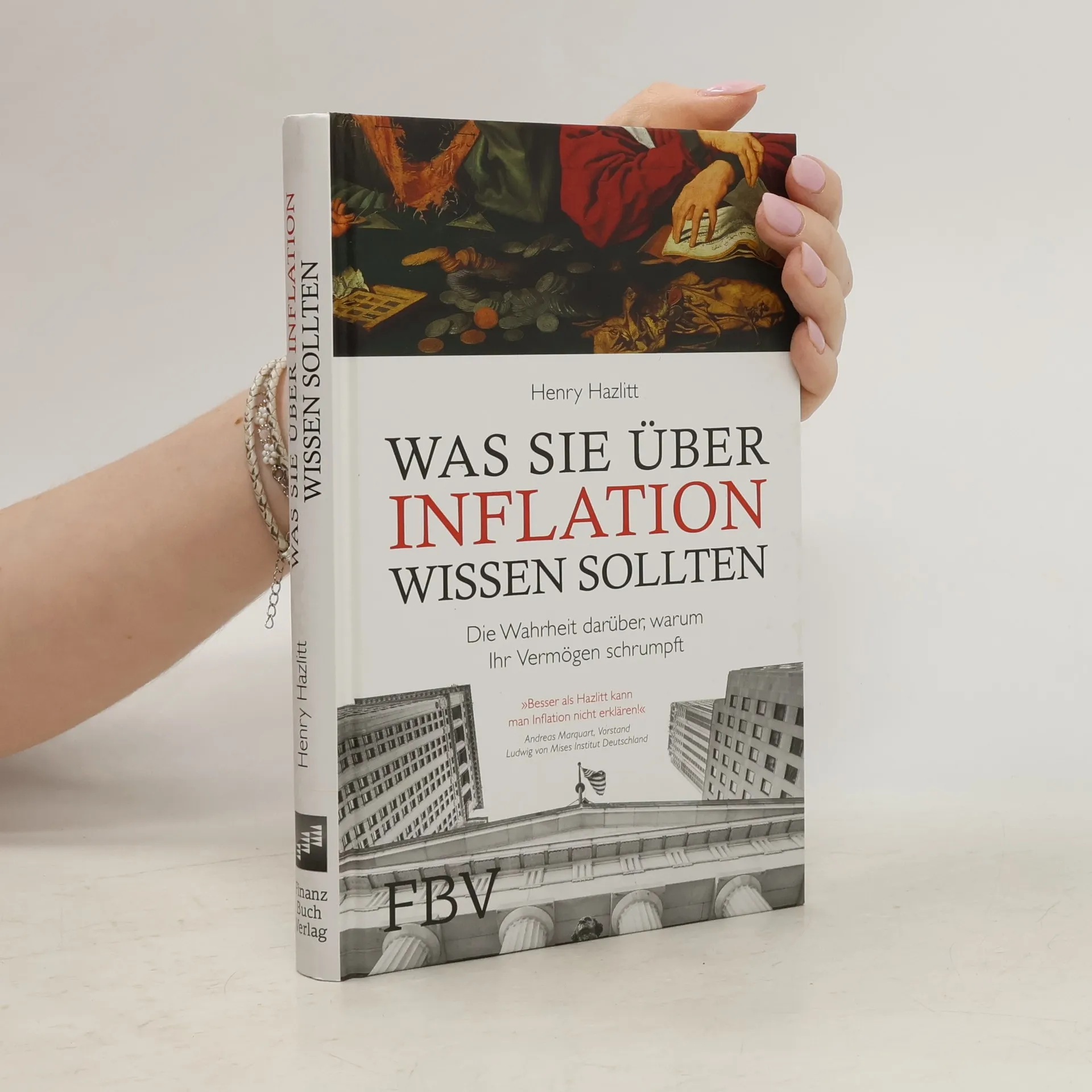
Die Wahrheit darüber, warum Ihr Vermögen schrumpft
150 stránek
6 hodin čtení
Die Inflation hat Deutschland wieder fest im Griff und die EZB denkt gar nicht an einen Ausstieg aus der ultralockeren Geldpolitik. Inflation – fast selbstverständlich hat jeder schon einmal davon gehört. Aber was sie für Sie selbst oder eine ganze Volkswirtschaft wirklich bedeutet und wie Sie sich letztendlich vor ihr und ihren Folgen schützen können, weiß oft niemand so genau. Henry Hazlitt – einer der brillantesten Intellektuellen des 20. Jahrhunderts – erläutert auf für jeden verständliche und anschauliche Art die Bedeutung einer Inflation, aber auch die Möglichkeit, einen Nutzen aus ihr zu ziehen. Vor allem aber geht Hazlitt auf die Rolle des Staates bei der Geldentwertung ein. Inwieweit ist er für die Ursachen verantwortlich, wie wirksam sind seine Gegenstrategien und profitiert er sogar von einer Inflation? Der seit Jahren vergriffene Klassiker von 1968 endlich wieder lieferbar.