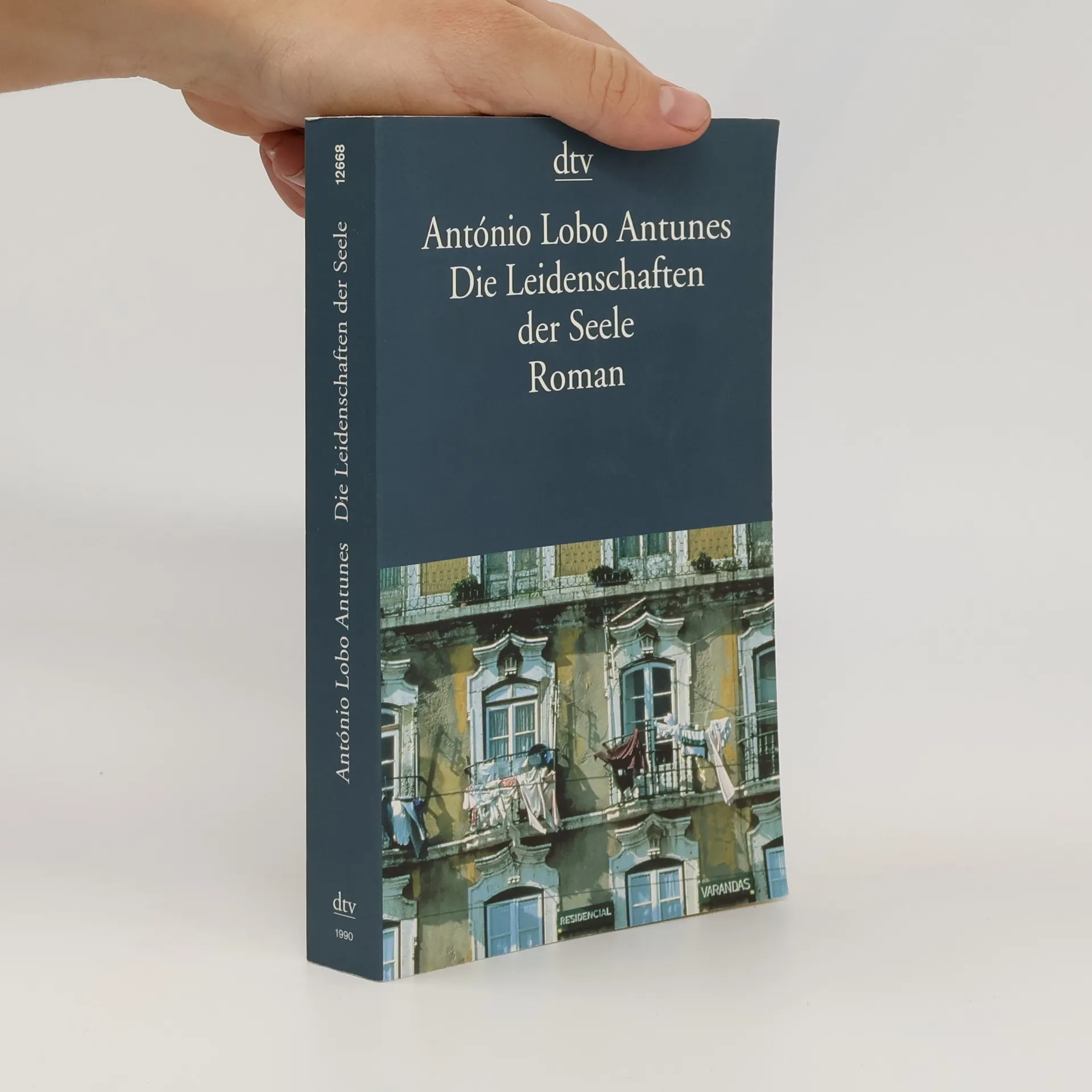
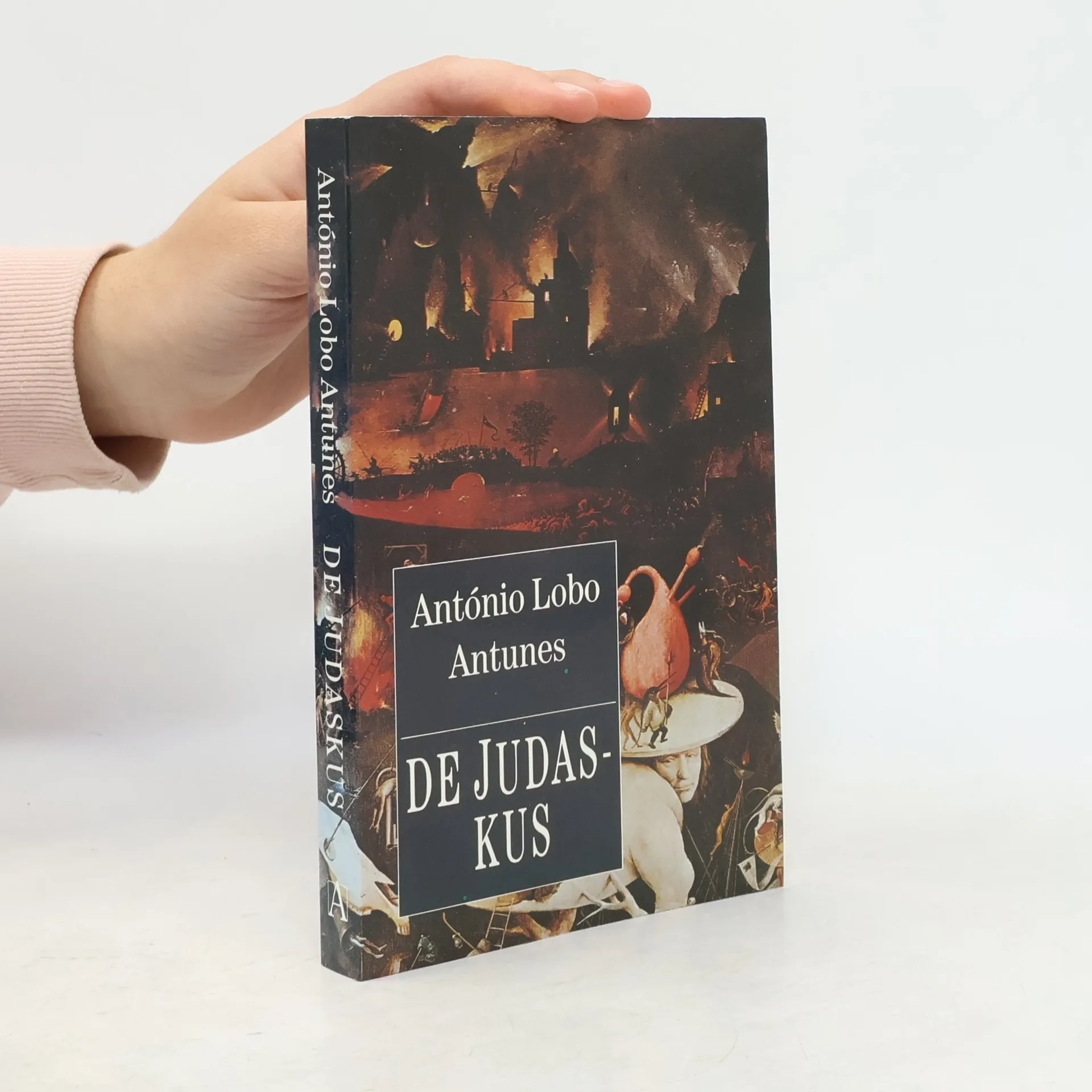
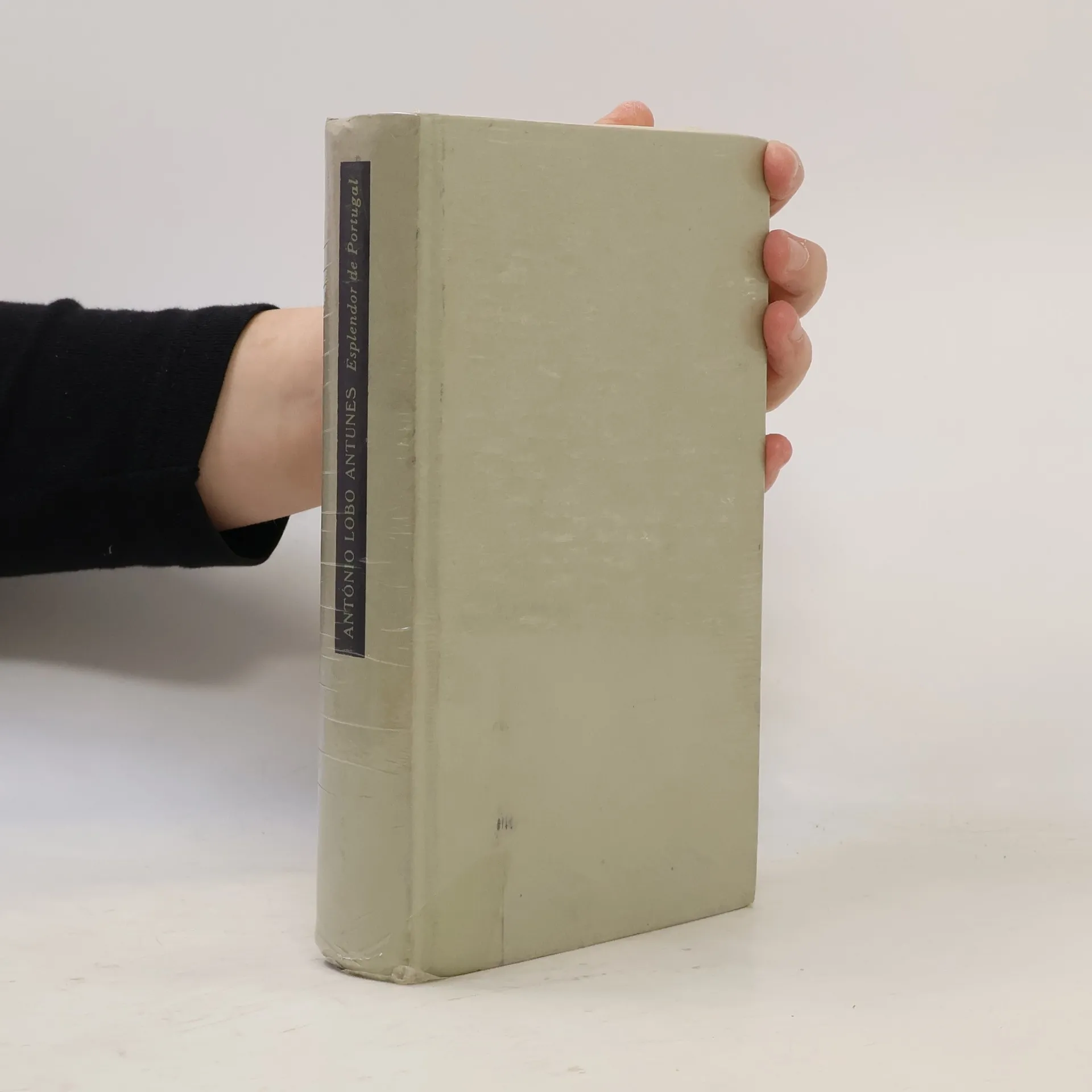
Portugalský lékař líčí všestranně kruté, tragické i tragikomické zážitky z vojenské služby v Angole, která tehdy vedla osvobozenecký boj proti portugalské nadvládě. Hrdina nenávidí salazarovskou portugalskou diktaturu, nenávidí tudíž i vojenskou službu v místě, kde podle svého přesvědčení nemá tento režim co dělat. Nenávidí i místo samo – bídnou díru na východě Angoly, kde se odehrávají krvavé střety. Hrdina, otřesen bezprostředním kontaktem s krutou a nesmyslnou smrtí a bezmocí, vypráví svůj příběh nikoli anonymnímu čtenáři, ale ženě, náhodné známosti z lisabonského baru...
António Lobo Antunes Knihy
1. září 1942
António Lobo Antunes je portugalský spisovatel, jehož dílo je hluboce poznamenáno jeho zkušenostmi z války v Angole a jeho prací psychiatra. Jeho styl je hustý a náročný, silně ovlivněný autory jako William Faulkner a James Joyce. Antunes zkoumá témata smrti, paměti a lidské psychiky s jedinečnou intenzitou. Jeho rozsáhlé literární dílo je přeloženo do mnoha jazyků a uznáváno jako významný příspěvek k současné literatuře.


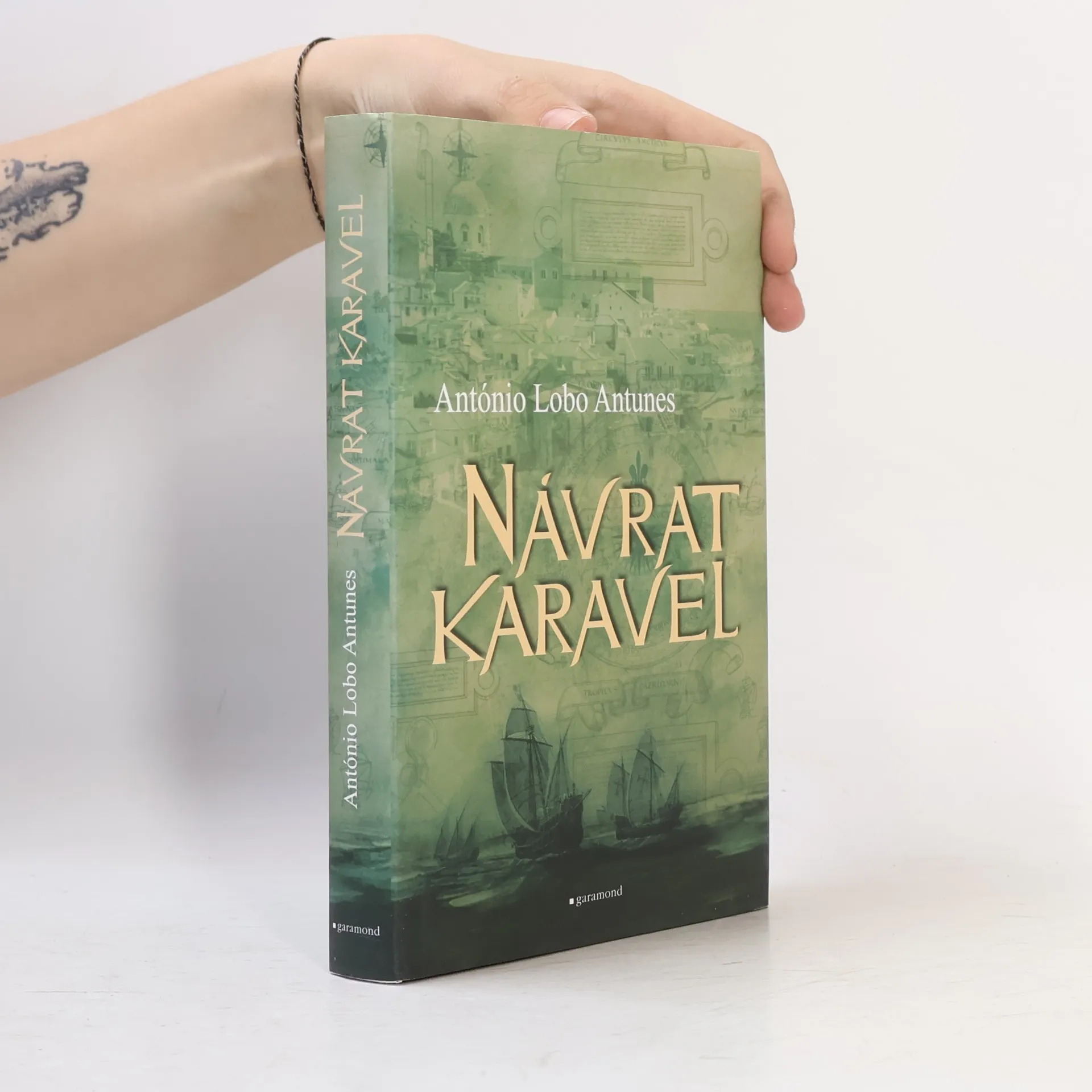
Návrat karavel
- 231 stránek
- 9 hodin čtení
Lisabon, 70. léta dvacátého století: v duchu magického realismu ožívají velké postavy portugalských mořeplavců a kolonistů: Luís de Camões, Vasco da Gama, Pedro Álvares Cabral a ostatní, dnes již zapomenutí hrdinové portugalské historie. Postavy mořeplavců bloudí po proměněném a jim neznámém Lisabonu a očekávají návrat lodí ze zámořských výprav a obnovení slávy kdysi mocného Portugalska. Nostalgická i kritická připomínka kdysi slavné koloniální doby od jednoho z nejznámějších současných portugalských spisovatelů. Za kritické zpodobnění Portugalska jako koloniální mocnosti a nedotknutelných hrdinů-mořeplavců se v době vydání románu snesla na jeho hlavu vlna kritiky.
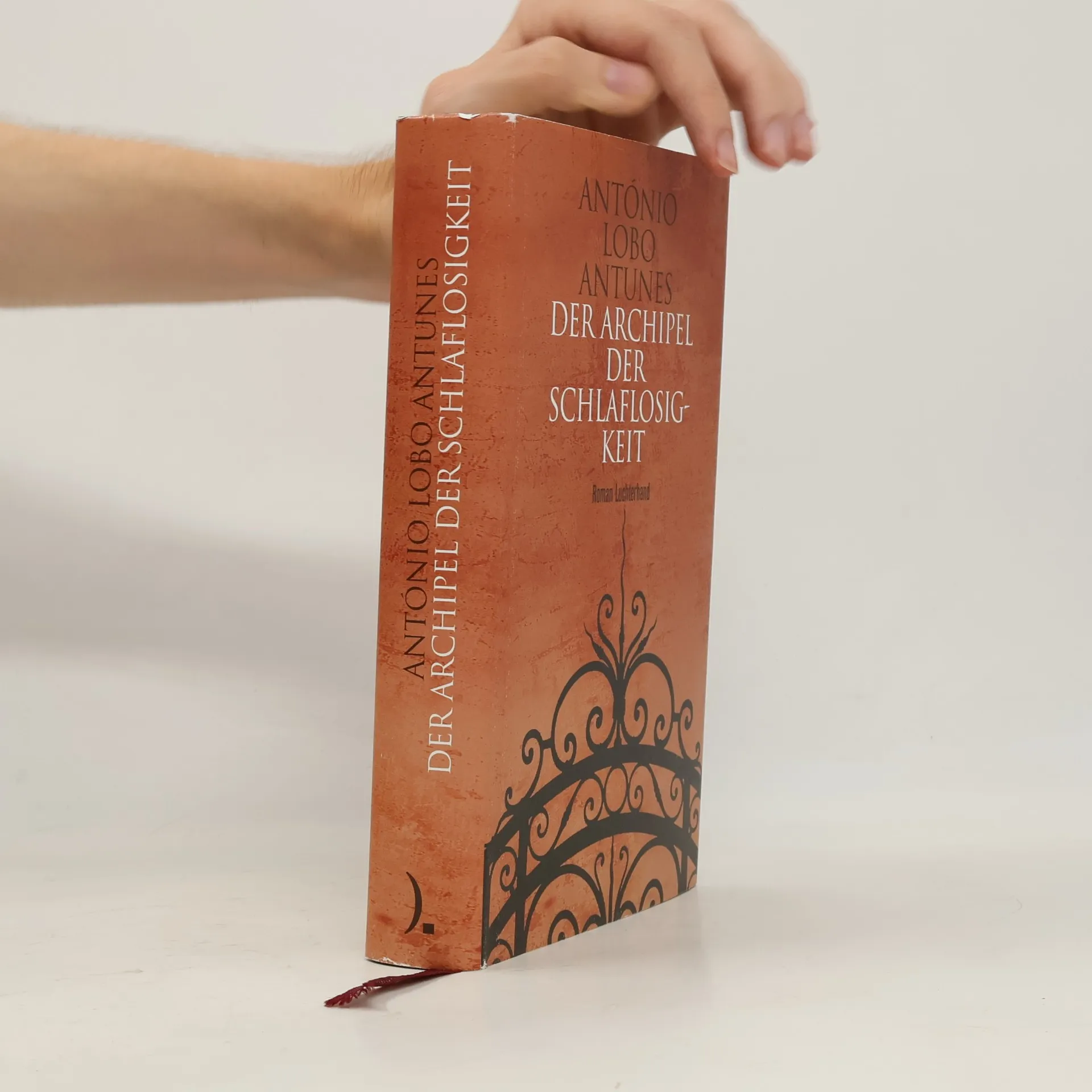
António Lobo Antunes' eleventh novel intricately explores the decline of a family and society under four decades of totalitarianism. The protagonist, Senhor Francisco, a powerful state minister and confidant of Salazar, anticipates becoming prime minister after Salazar's stroke in 1968. However, he is passed over for Marcelo Caetano, prompting him to retreat to his farm in Setúbal, where he plots a coup with other disgruntled ex-ministers and old army officers. Ultimately, it is younger officers who execute the peaceful Revolution of the Flowers in 1974, ending the dictatorship. Paranoid and isolated, Francisco accuses his farm workers of communism and drives them away, left alone to defend his crumbling estate against imagined threats. The narrative begins with Francisco in a nursing home, paralyzed and reflecting on his life. His only true love was his wife Isabel, who left him when their son João was young. Francisco's relationships with various women fail to fill the void left by Isabel. He becomes obsessed with a shop girl, Milá, who resembles her, creating a farcical illusion of a family life. As the regime collapses, the fallout affects all around him, including Milá and her mother, who return to despair, and his children, who face their own struggles. Isabel, too, is left alone, a casualty of love rather than politics. In contrast, Titina, the housekeeper, emerges as a symbol of hope. Unattractive and uneducated, sh
"Originally published in Portuguese by Publicaðcâoes Dom Quixote as Exortaðcäao aos Crocodilos in 1999" -- Title page verso.
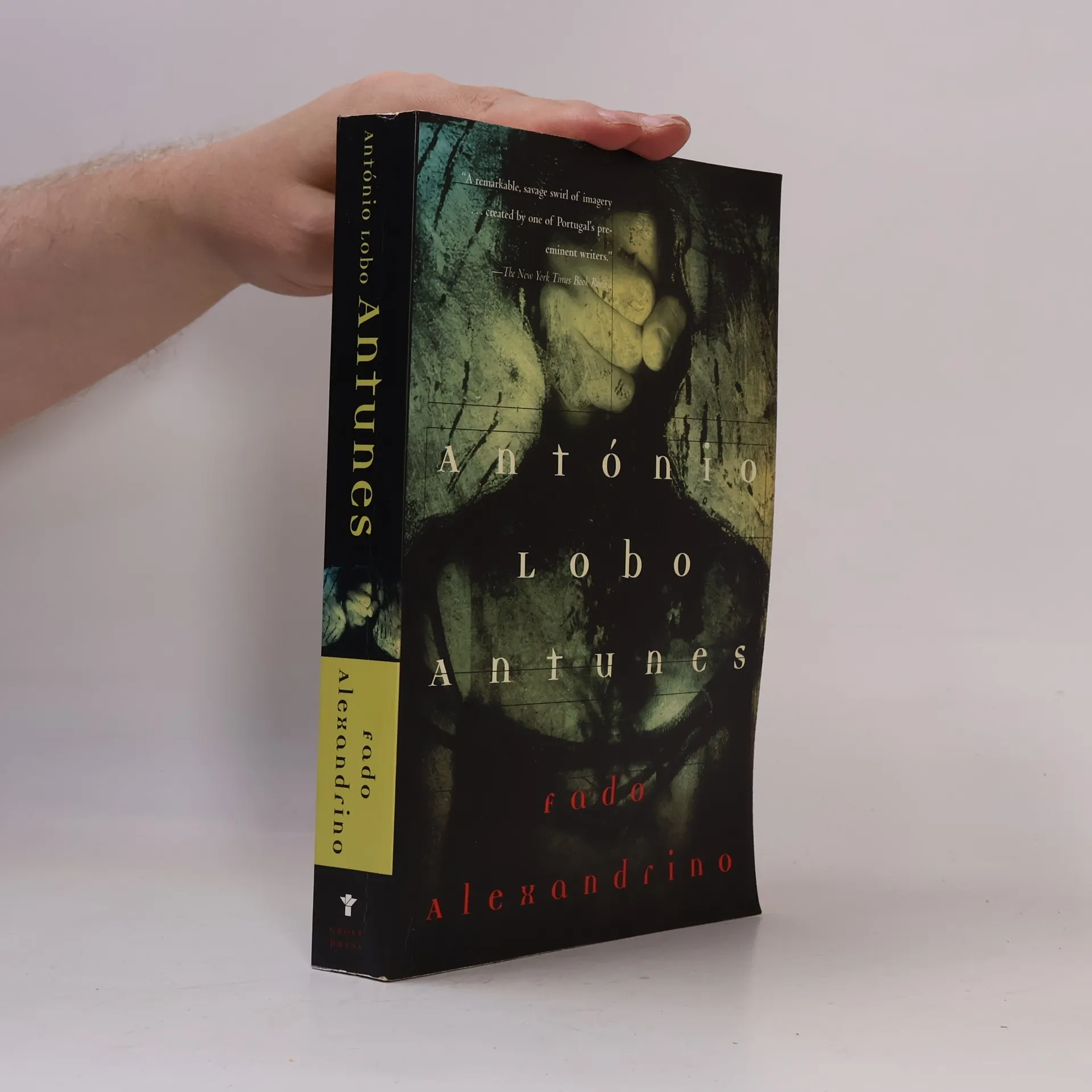
Fado Alexandrino
- 497 stránek
- 18 hodin čtení
'In this new work by the foremost Portuguese novelist, the reunion of five men on the tenth anniversary of their battalion's return from Mozambique, Portugal's Vietnam, ends in a fatal stabbing - which ultimately serves as an act of liberation for the corrupt city of Lisbon.' Newsday
Commission of Tears
- 312 stránek
- 11 hodin čtení
Set against the backdrop of the Angolan Civil War, this novel explores the complexities of post-colonial Angola following its independence in 1975. It delves into the ethnic tensions and international pressures that complicate the nation’s transition, highlighting the power struggles among three main liberation movements. The narrative intricately weaves the historical context of the People's Movement for the Liberation of Angola (MPLA), its roots, and its connections to broader geopolitical influences, reflecting on the socio-economic challenges faced by the country.
A profound and genre-defying work of literature about love, death, and illness from one of Portugal's most celebrated writers
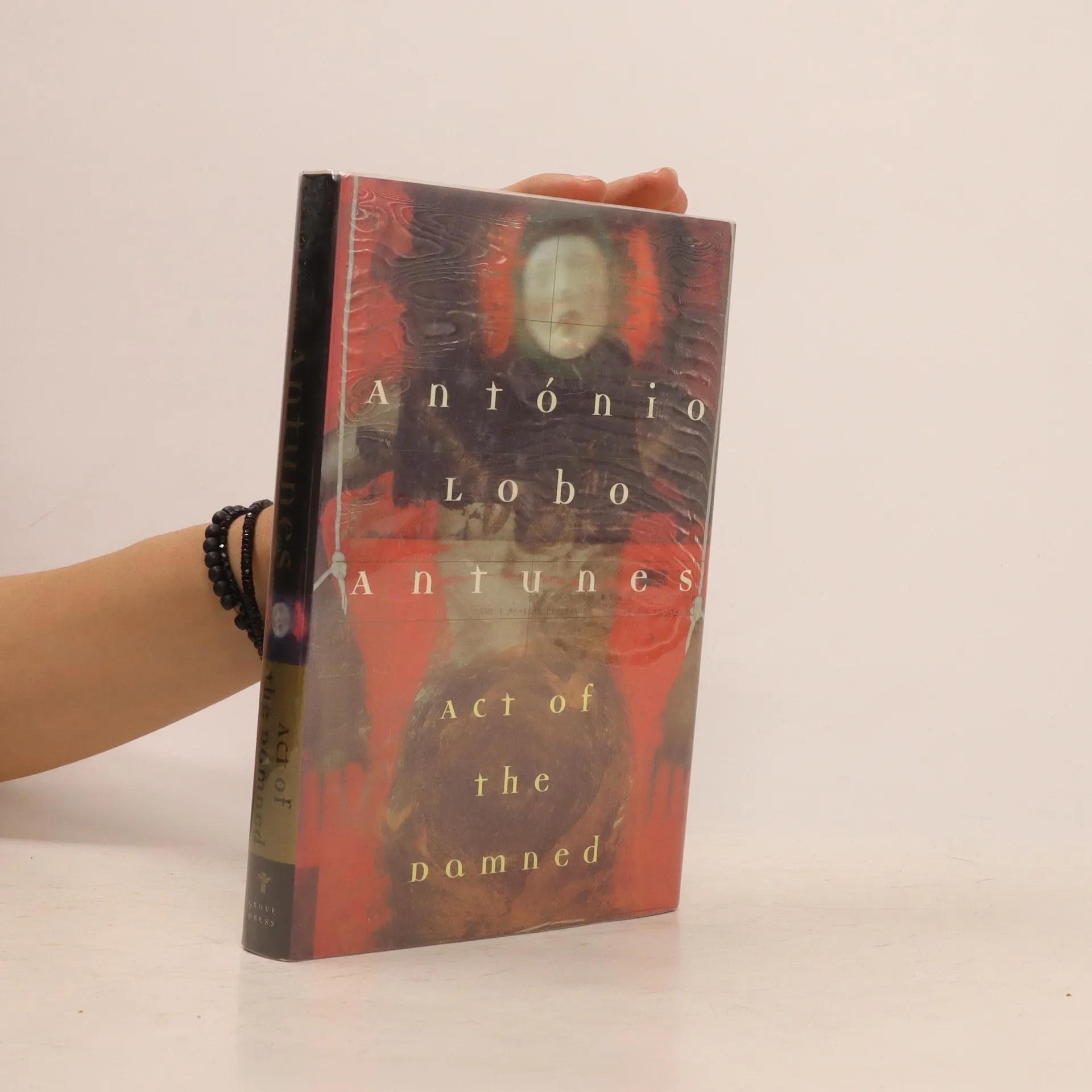
Act of the Damned
- 246 stránek
- 9 hodin čtení
The winner of the Portuguese Writers' Association Grand Prize for Fiction presents a febrile, funny, sometimes shocking story, about the greedy son-in-law of an ailing Portuguese tycoon and his efforts to steal the family fortune.
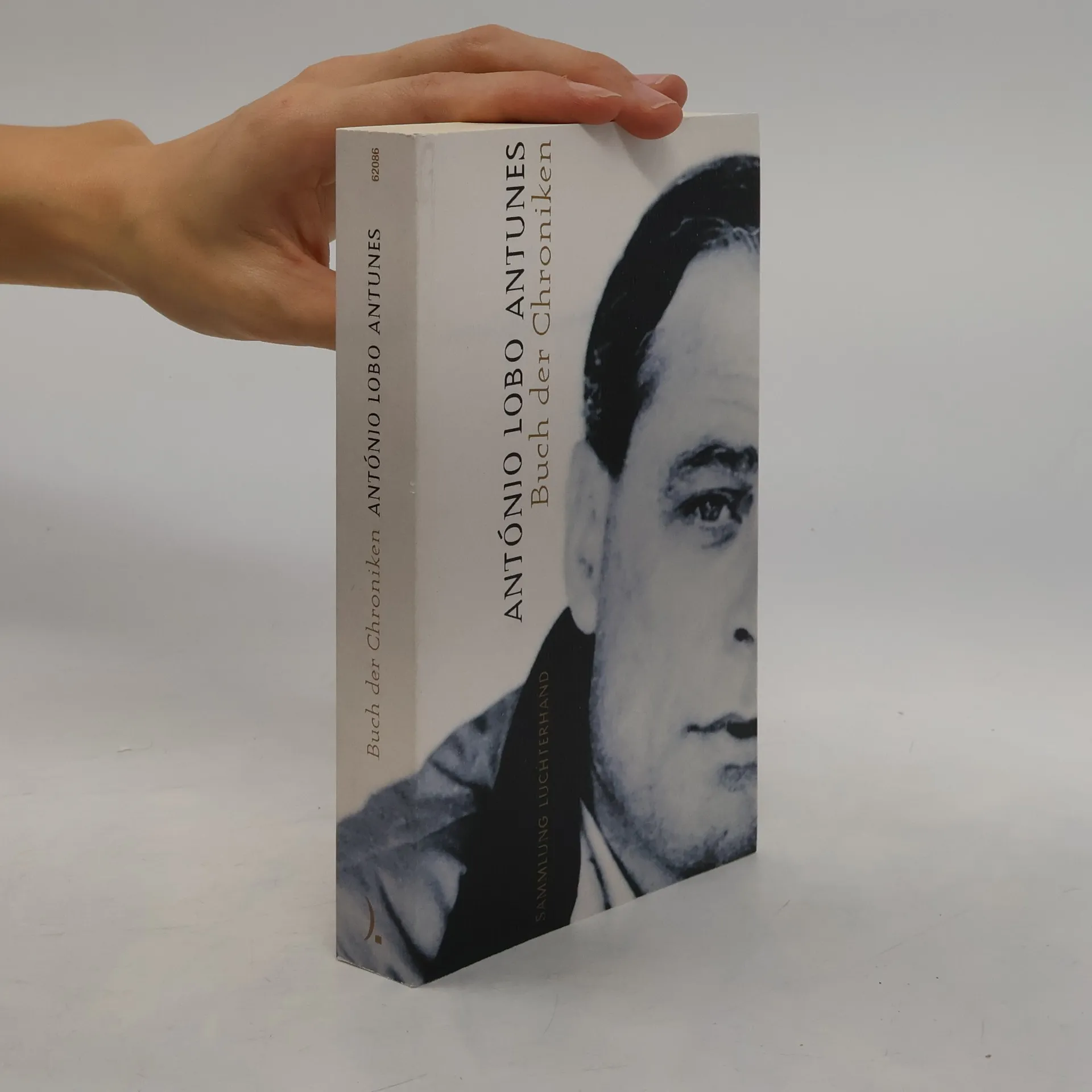
In diesen kurzen, ursprünglich für eine portugiesische Tageszeitung geschriebenen Geschichten zeigt sich Lobo Antunes, der in seinen Romanen die Abgründe der menschlichen Seele erforscht, von seiner sonnigen Seite. Heitere Episoden aus der Kindheit, Spazi
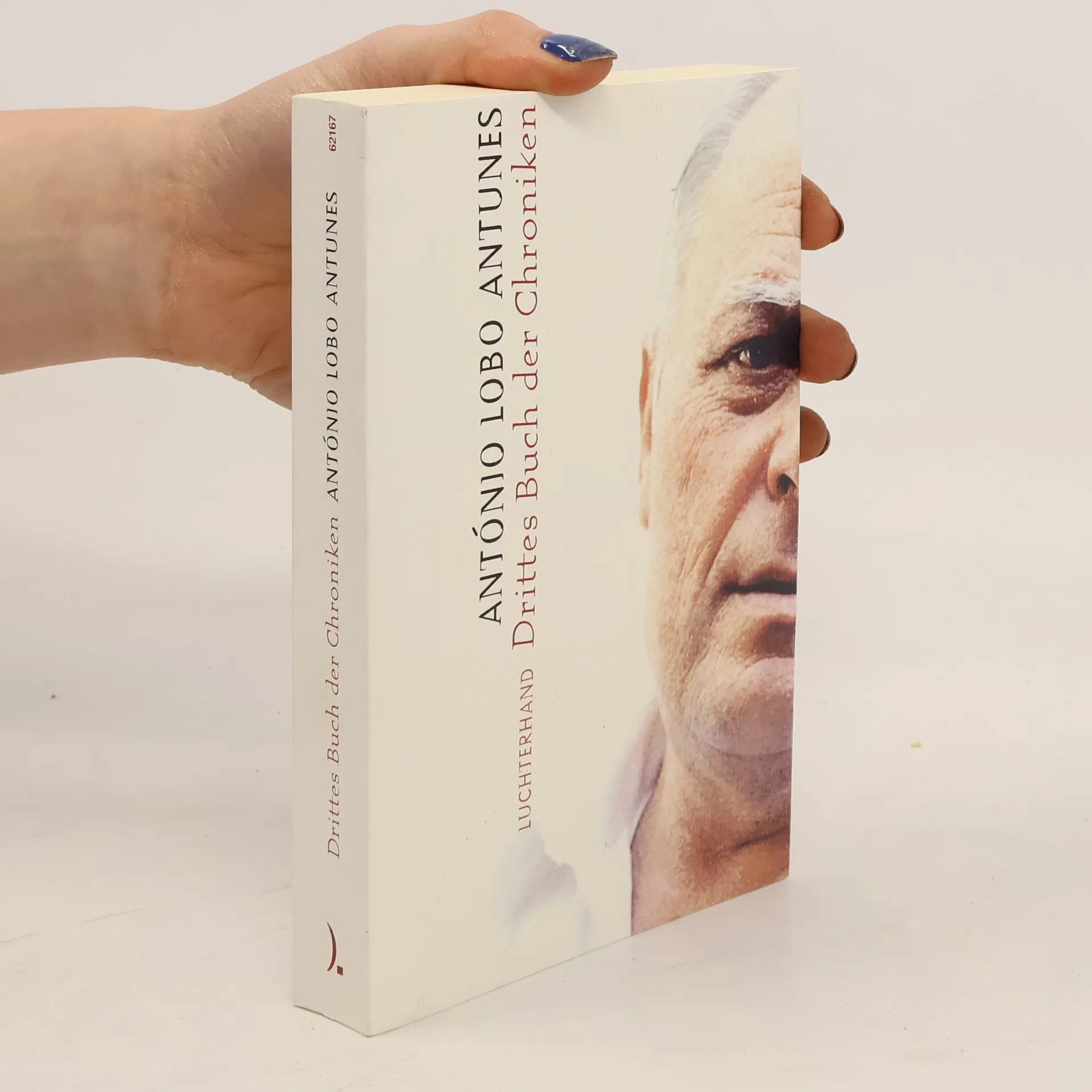
Drittes Buch der Chroniken: Deutsche Erstausgabe
- 316 stránek
- 12 hodin čtení
Weise und leicht, traurig und poetisch, erbarmungslos und ironisch António Lobo Antunes ganz In 69 kleinen Geschichten, Phantasien und Reflexionen spricht der Autor von Kindheits- und Lebenserinnerungen, von Krankheit und Tod, von der Literatur und seiner Sicht auf die Welt. Er denkt über Sherlock Holmes und Virginia Woolf nach, über die Verbindung von Geld und Seele, die Harmonie der Welt, über die portugiesische Landschaft und über die Liebe.
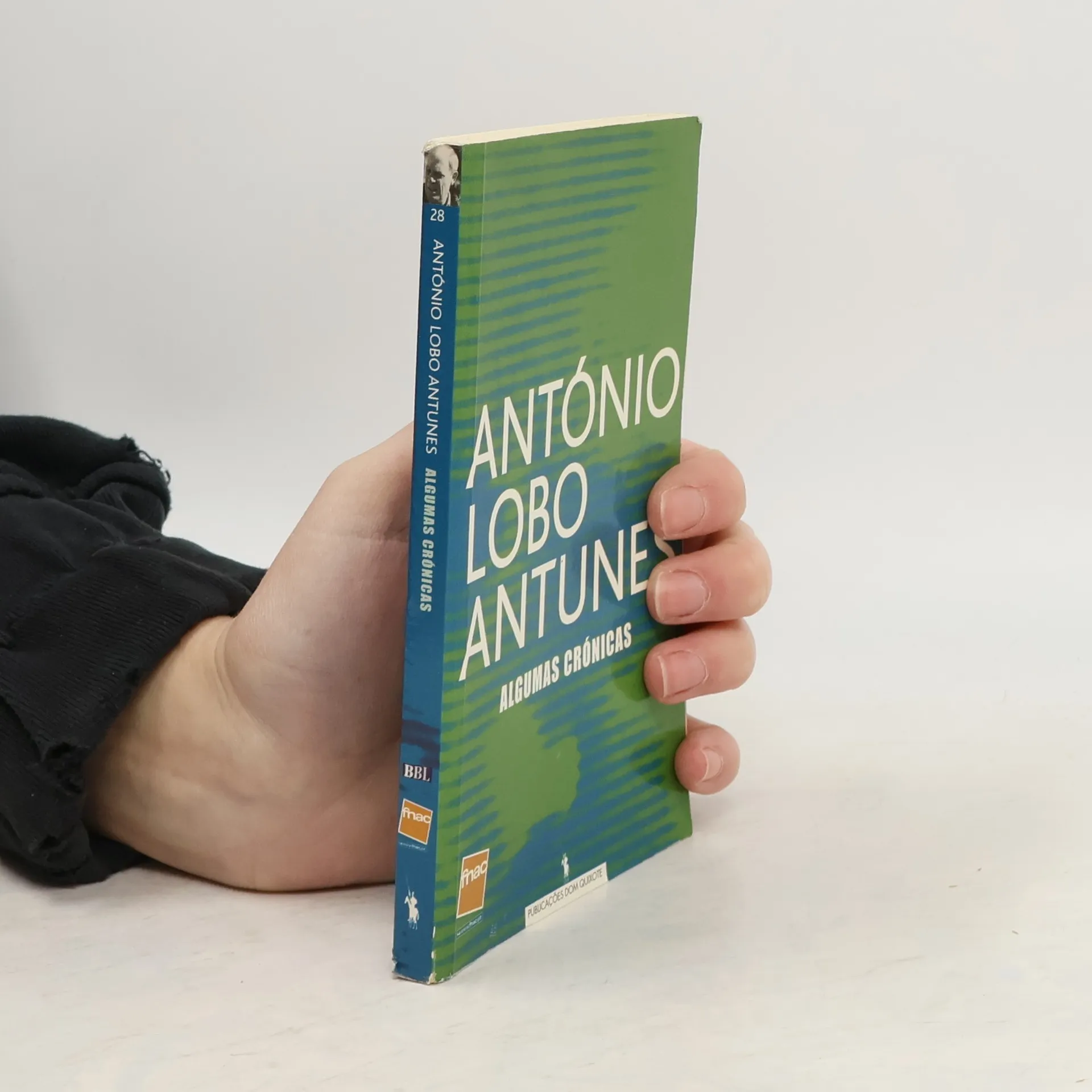
Algumas Crónicas
- 188 stránek
- 7 hodin čtení
A presente seleção resulta do "Livro de Crónicas" de António Lobo Antunes, publicado em 1998. Com ela pretende o editor dar a ler a um público ainda mais vasto algumas das crónicas do autor.
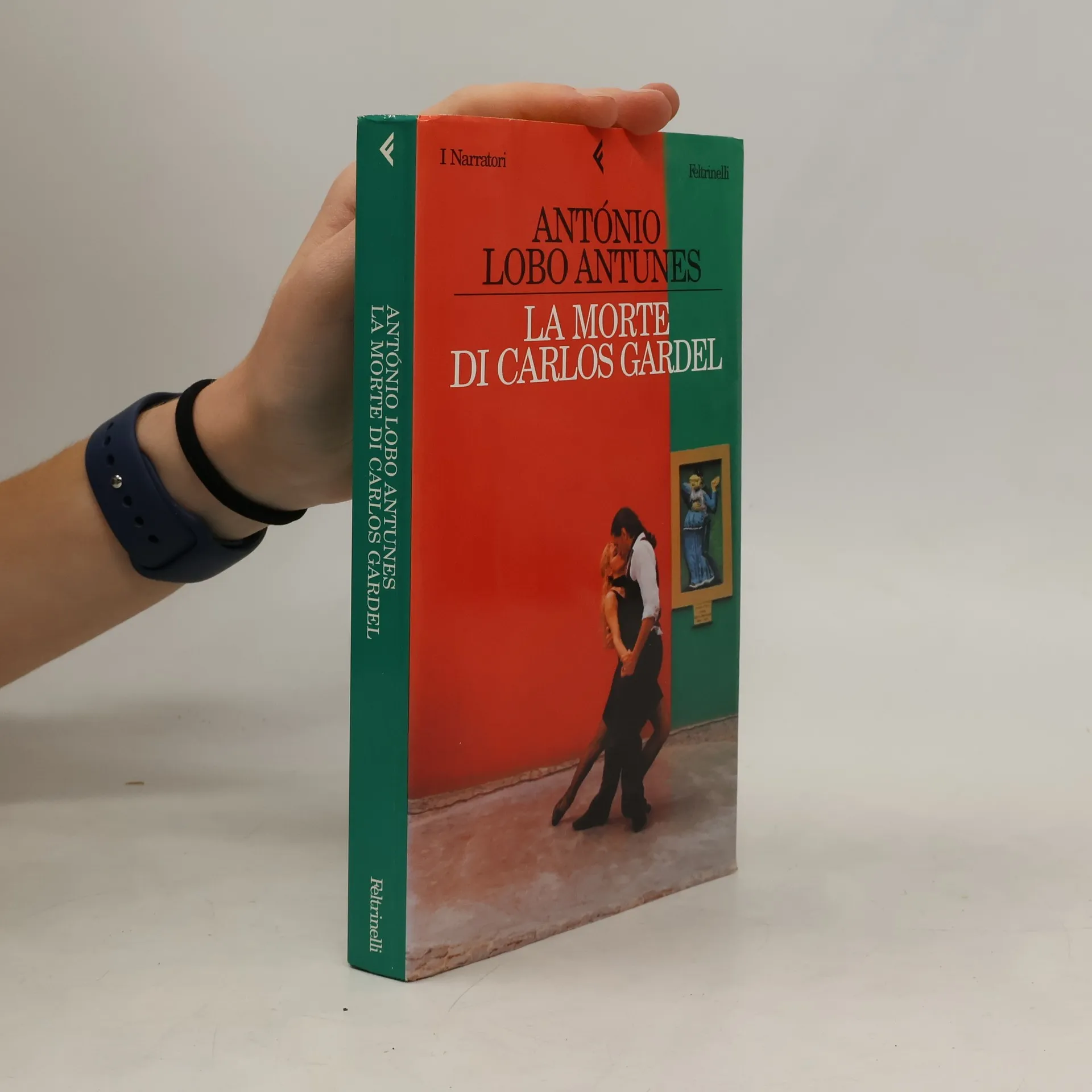
La morte di Carlos Gardel
- 317 stránek
- 12 hodin čtení
Alvaro è un ammiratore ossessivo di Carlos Gardel e vive immerso in un mondo di suoni inaccessibile agli altri. Sua moglie Claudia lo ha da tempo abbandonato, il figlio Nuño va a pernottare ogni tanto da lui quando la madre vuole stare da sola con il nuovo compagno. Il ragazzo non prova un vero affetto per il padre ed è divorato dalla gelosia nei confronti della madre. La sua infelicità lo porta infine all'eroina ed è attorno al suo letto in ospedale che si riunisce la famiglia. Ma la morte di Nuño non cambia niente e per Alvaro, sempre più solo nel suo rifiuto del mondo, Carlos Gardel diventa l'unica presenza viva.
Das Leben in all seinen Formen, die Anekdoten der Kindheit und die Erinnerung an verschwundene Freunde, eine Straße in Lissabon, ein Baum im Familiengarten, eine Reise nach Italien, eine Nacht in einem Hotel in München, die Verleihung eines Literaturpreises, die Inspiration, die Schwierigkeit zu schreiben... Das Leben von António Lobo Antunes in all seinen Aspekten bildet das Universum der Chroniken, die der portugiesische Autor seit Jahren in verschiedenen Publikationen auf der ganzen Welt anbietet. Diese Chroniken und die, die in zukünftigen Bänden veröffentlicht werden, stellen das Nächste dar, was einer Autobiografie eines der entscheidenden Schriftsteller der weltweiten Literaturszene ähnelt.
Até que as pedras se tornem mais leves que a água
- 456 stránek
- 16 hodin čtení
Um livro vertiginoso, violento e por vezes duro, num regresso do autor aos fantasmas da guerra de Angola.
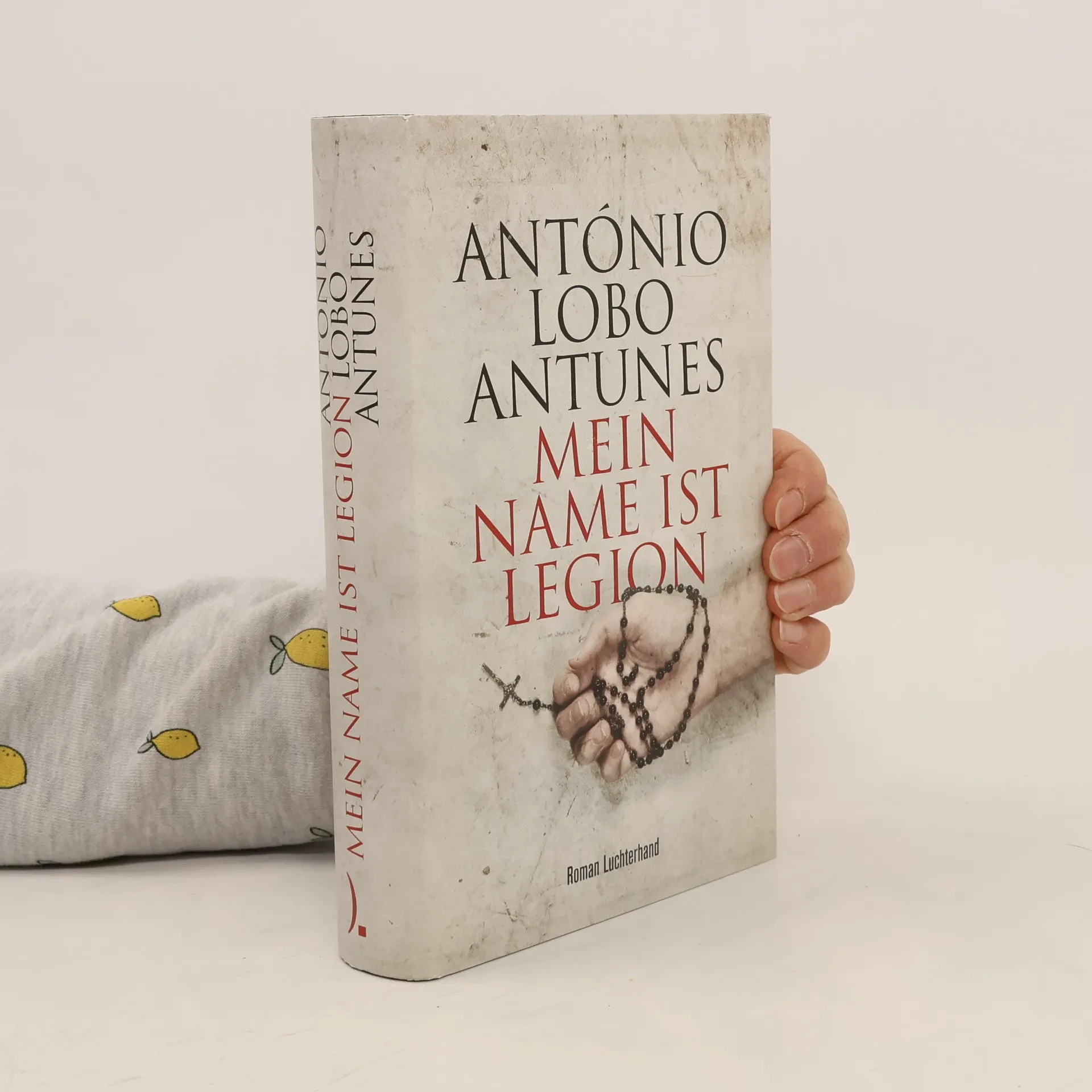
Mein Name ist Legion
- 444 stránek
- 16 hodin čtení
In einem Elendsviertel von Lissabon treffen eine Jugendgang, bestehend aus Schwarzen, Farbigen und Osteuropäern, auf die Polizei, die mit der Situation überfordert ist, sowie auf die leidenden Bewohner. Der Autor fängt die sozialen Verwerfungen der globalisierten Moderne ein und verleiht den Menschen am Rande der Gesellschaft starke Stimmen. Ein kurz vor der Pensionierung stehender Polizist verfasst einen Bericht über die kriminellen Taten der Gang, während er sich an seine eigene Kindheit, seine gescheiterte Ehe und seine entfernt lebende Tochter erinnert. Allmählich kommen auch andere Stimmen aus dem Viertel zu Wort, die unter den polizeilichen Maßnahmen ebenso leiden wie unter den Übergriffen der Gang, die Tankstellen und Supermärkte überfallen und Drogen handeln. Die Mitglieder der Gang selbst äußern sich ebenfalls. Leser erleben hautnah die Wut und Verzweiflung von Menschen, die im Schatten der Gesellschaft leben, deren Leben von Konflikten zwischen Mann und Frau, Reich und Arm, Schwarz und Weiß geprägt ist. Der Autor thematisiert Migration, Entfremdung und den Zusammenprall verschiedener Kulturen und findet eindringliche, poetische Stimmen für die Zukurzgekommenen, die überall durch das Raster fallen, nicht nur in Portugal.
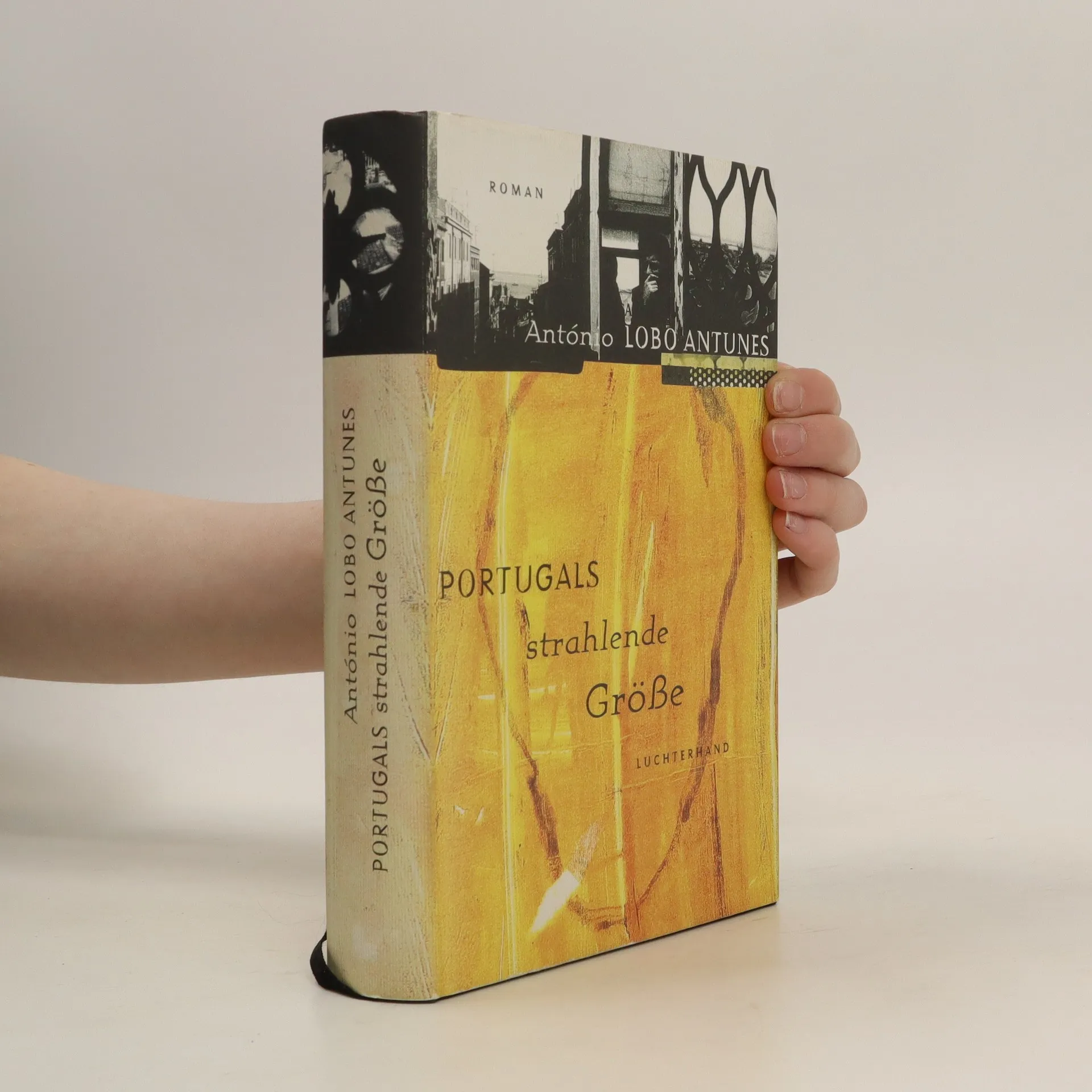
Portugals strahlende Größe
- 448 stránek
- 16 hodin čtení
Es ist Weihnachten, und Carlos hat seine Geschwister und seine Mutter in die winzige Wohnung in einem armen Vorortviertel Lissabons eingeladen, sie haben sich fünfzehn Jahre nicht gesehen. Doch der Sekt wird warm, keiner kommt, sie waren nie eine glückliche Familie. Als Kolonialisten lebten sie schon in Angola mehr schlecht als recht; der Vater Amadeu war ein Säufer, die Mutter Isilda eine Mätresse. Und die Kinder? Carlos ist Mischling, Resultat einer Affäre des Vaters, Rui ist geistig behindert, Clarisse verkauft ihren Körper. Der Bürgerkrieg hat sie aus Afrika verscheucht, aber Schuld, Gewalt und Hass tränken ihre Erinnerungen und treiben sie in den Untergang - auch wenn ihre Nationalhymne stets „Portugals strahlende Größe“ beschwört ...
Was bleibt vom Leben, wenn man alles verloren hat? Eine Frau Anfang fünfzig fährt für ein Wochenende an den Strand. Das Ferienhaus ihrer Familie, an der Atlantikküste nördlich von Lissabon gelegen, ist verkauft worden, und sie möchte Abschied nehmen, ihren Erinnerungen an die Kindheit, an die gemeinsamen Sommer dort nachhängen. Doch die Vergangenheit bricht regelrecht über sie herein, und der Kurzurlaub gerät ihr zur Abrechnung über ihr Leben, zur Rückschau auf das ganze Drama ihrer Existenz. In diesen drei Tagen weichen ihre Erinnerungen an die glücklichen Zeiten der Kindheit einem immer bedrohlicheren Strudel der Verzweiflung …
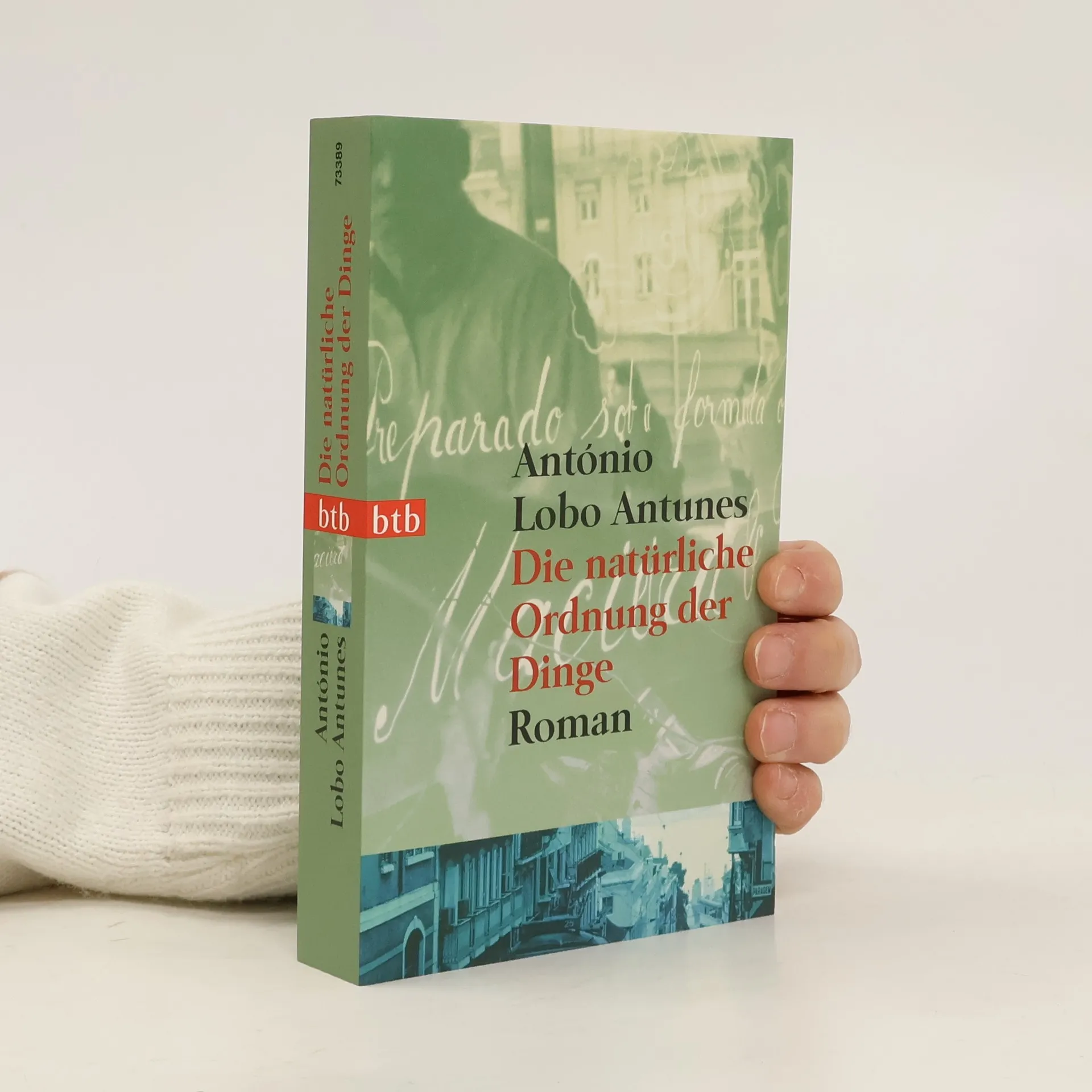
Die natürliche Ordnung der Dinge
- 349 stránek
- 13 hodin čtení
Ein tollkühnes Stück Literatur über ein Land, in dem Fliegenlernen leichter zu sein scheint als Überleben. Ein älterer Mann erzählt seiner jungen Geliebten nachts von seiner Kindheit. Für sie ist er eher lästig und nur »der, der bei mir schläft«. Aus seiner Geschichte, die von anderen Erzählern ergänzt wird, entwickelt sich ein grotesk-surreales Familienepos, das mehrere Generationen umspannt und die gar nicht natürliche Geschichte Portugals seit den Fünfzigern einfängt. Einer der wichtigsten europäischen Autoren der Gegenwart erzählt von einem Leben voll Düsternis und Verzweiflung, aber auch voll Komik und Zärtlichkeit.
Der neue Roman des Weltliteraten aus Portugal ist ein Glanzstück der polyphonen Stimmenführung. Alle Mieter eines ganz normalen Wohnhauses in Lissabon kommen hier zu Wort, erzählen aus ihrem Leben, von ihrer Vergangenheit, ihren Sehnsüchten und Ängsten. Sie kommen aus Portugal, Afrika oder der Ukraine, sie sind jung oder alt, einsam oder krank oder wütend, und sie wissen wenig voneinander. Was sie eint, ist die verzweifelte Suche nach Sinn, nach Wärme, nach Liebe.
Conocimiento del Infierno
- 256 stránek
- 9 hodin čtení
Like his creator, the narrator of this novel is a psychiatrist who loathes psychiatry, a veteran of the despised 1970s colonial war waged by Portugal against Angola, a survivor of a failed marriage, and a man seeking meaning in an uncaring and venal society. The reader joins Antunes on a journey both real and phantasmagorical as he travels by car from a vacation in the Algarve back to his hated work as a psychiatrist at a Lisbon mental institution. In the course of one long day and evening, he carries on an imaginary conversation with his daughter Joanna, observes with surreal vision the bleak countryside of his nation, recalls the horrors of his involuntary role in the suppression of Angolan independence, and curses the charlatanism of contemporary psychiatric "advances" that destroy rather than heal.
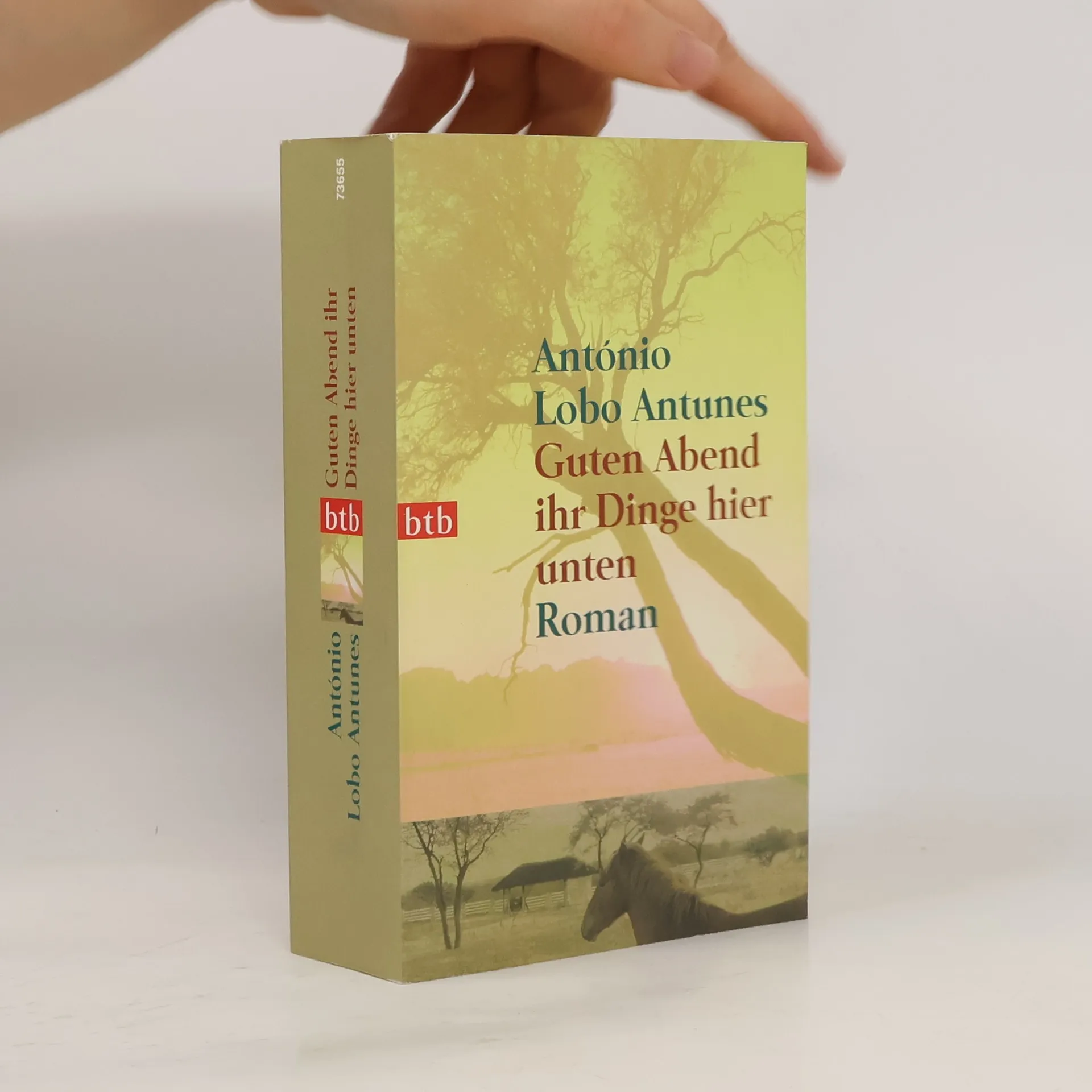
„Guten Abend ihr Dinge hier unten“ ist nichts Geringeres als ein Porträt Angolas in den letzten vierzig Jahren, von der Kolonialzeit unter portugiesischer Herrschaft und ihrem Ende in einem blutigen Bürgerkrieg bis zu Korruption und Gewalt in der Gegenwart. Zu Wort kommen die Schwachen, die Betrogenen, die Verlassenen …
Ein Landgut in Trafaria, südlich von Lissabon, wird über ein halbes Jahrhundert von drei Generationen einer portugiesischen Familie geprägt, die unter der tyrannischen Herrschaft des patriarchalischen Großvaters leidet. Der Roman beginnt mit seiner Beerdigung, einem Mann, der das Gut mit Kälte, Rücksichtslosigkeit und Gewalt zu wirtschaftlichem Erfolg geführt hat. Seine gefühllose Gier, sowohl materiell als auch sexuell, prägt ihn bis ins hohe Alter. Er nimmt sich, was er will, unterdrückt und betrügt seine Frau und verachtet seine Familie, die er als schwach erachtet. Zusammen mit seinem gefürchteten Verwalter und dem Priester herrscht er mit harter Hand über das Gut und seine Bewohner, während der Verfall des Anwesens unaufhaltsam voranschreitet. Der Wendepunkt kommt, als sein jüngster Enkel auf das Erbe verzichtet und versucht, seinen Bruder zu retten, wodurch der Teufelskreis aus Unterdrückung und Angst durchbrochen wird. Die Erzählung thematisiert archaische Gewalt und reflektiert den Aufstieg und Niedergang des Landes sowie die Suche nach Liebe und menschlicher Wärme in einer grausamen Welt, in der selbst Gott den Menschen nicht mehr helfen kann.
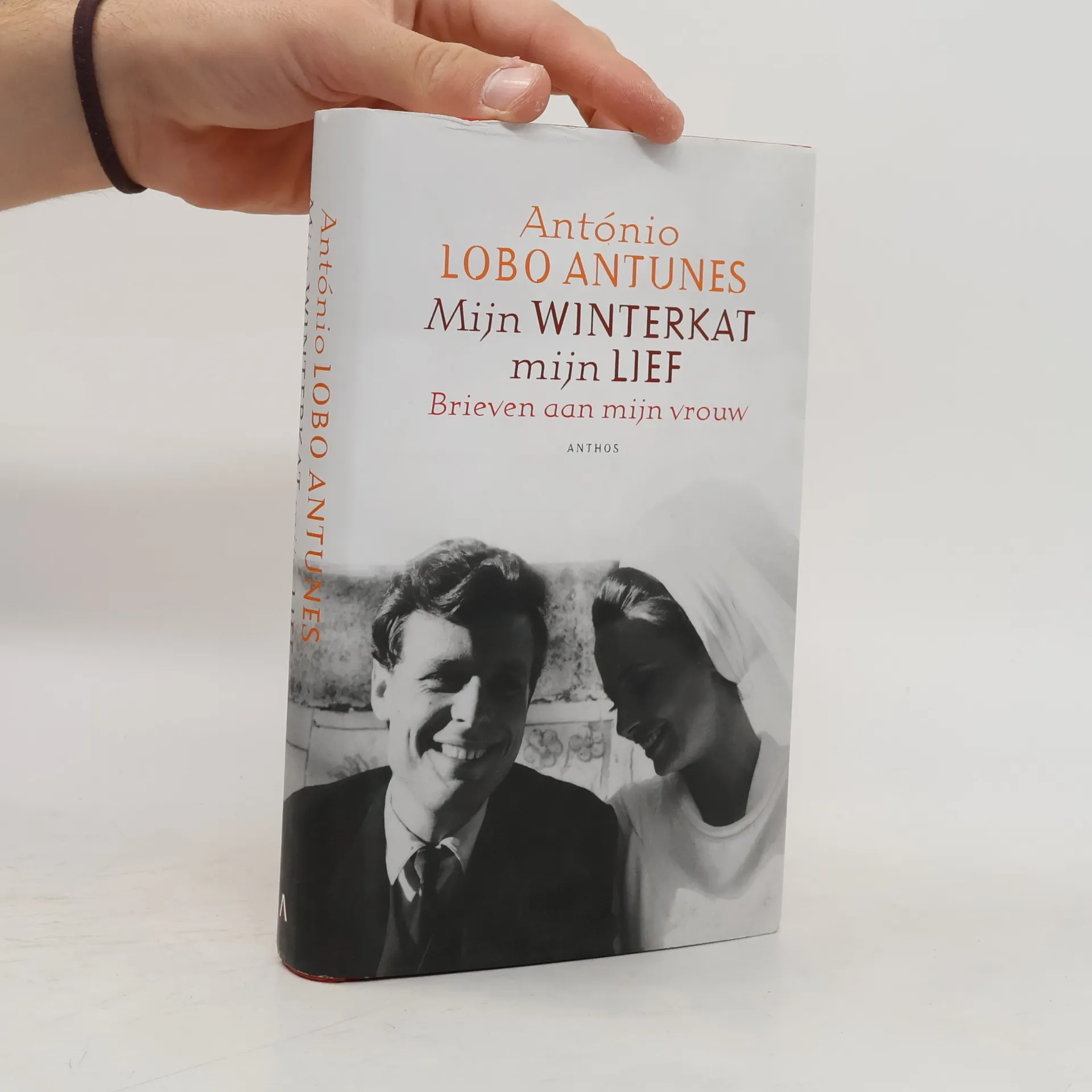
Mijn winterkat mijn lief. Brieven aan mijn vrouw
- 439 stránek
- 16 hodin čtení
Tussen 14 januari 1971 en 30 januari 1973 schreef António Lobo Antunes meer dan driehonderd brieven aan zijn eerste vrouw Maria José. Vanuit Angola, waar hij als arts dienstdeed in de oorlog tegen de bevrijdingsbeweging, vertrouwde hij zijn diepste zielenroerselen aan haar toe. De brieven van de dan 28-jarige arts waren alleen voor haar ogen bestemd, maar kondigden de geboorte van een groot schrijver aan.
Portugal, Ende der achtziger Jahre. Als ein Bombenleger verhaftet wird, setzt man einen Ermittlungsrichter auf ihn an, der den Mann namens Antunes noch aus der Kindheit kennt. Doch das Verhör zwischen Richter und Angeklagtem läuft aus dem Ruder, bald weiß niemand mehr, wer wem die Fragen stellt.
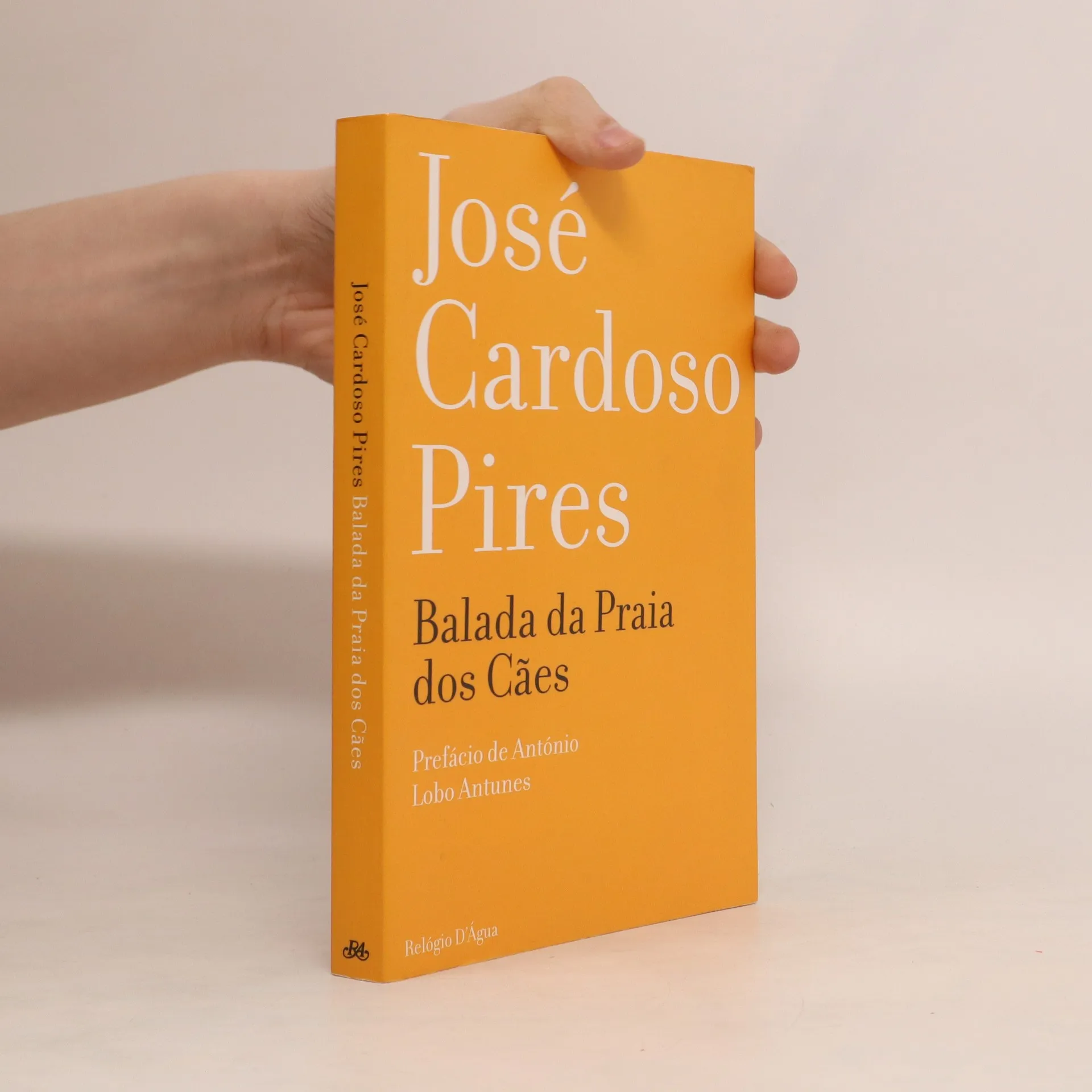
«Na Balada da Praia dos Cães, oferece-nos uma obra-prima mas, como nos seus restantes livros, torna-se necessário um paladar exigente a fim de compreender isso. Para falar do romance precisava de muita conversa, e prefiro que seja o leitor a entendê-lo e a dar-se conta, por si, das subtilezas, alçapões e achados desta prosa com vários níveis de leitura e compreensão. Como tudo o que José Cardoso Pires nos deixou. Por favor, leiam-no: é uma imensa prenda que darão a vós mesmos.» Do Prefácio de António Lobo Antunes
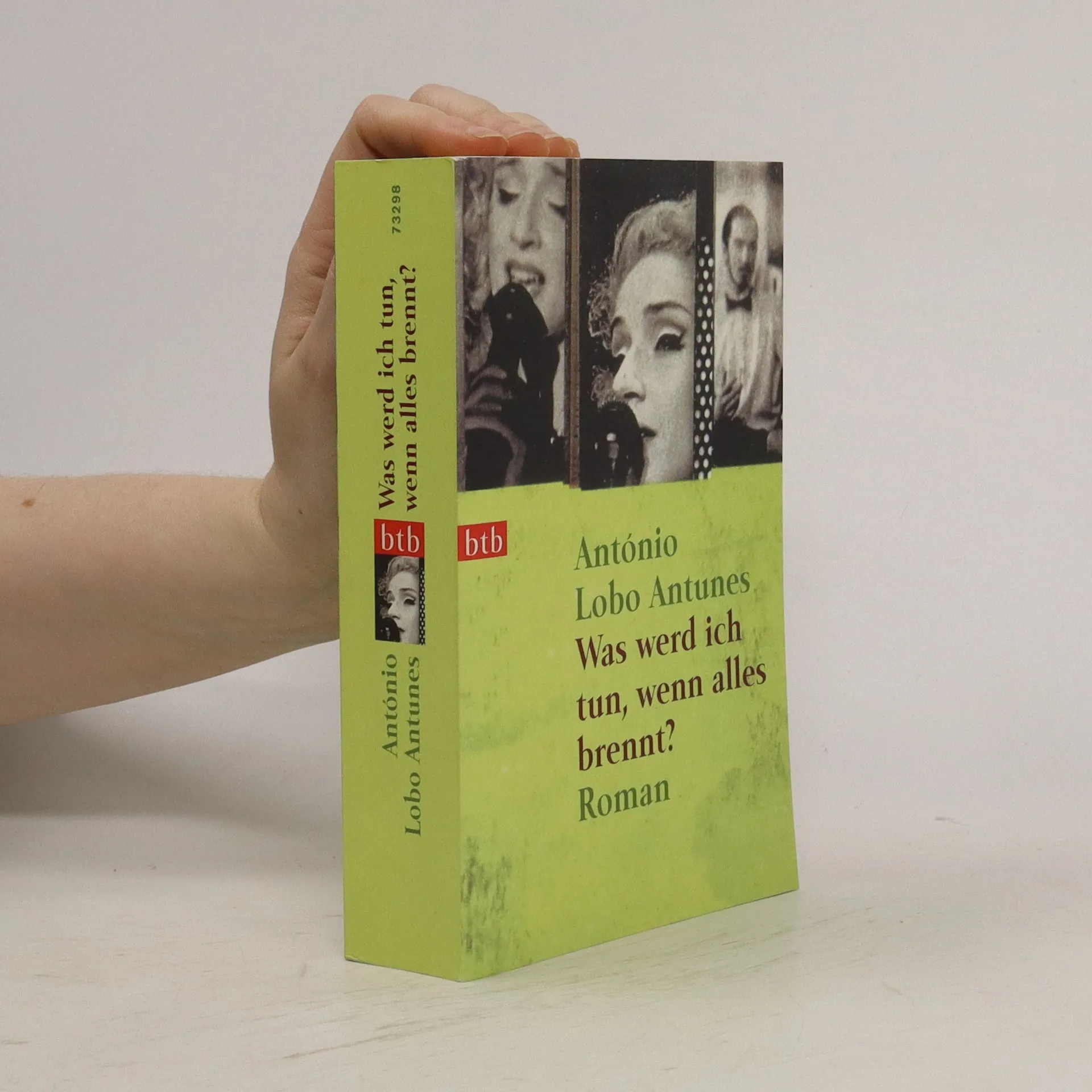
Zu Lebzeiten war Carlos eine tragischschillernde Figur und hat als Drag Queen die Lissabonner Nachtclubszene beherrscht. Zu seinem furiosen, vielgestaltigen neuen Roman ließ sich Lobo Antunes von einer realen Figur inspirieren. Er geht den Selbstzweifeln und Verirrungen eines Mannes nach, mischt dessen Geschichte mit den Stimmen seiner Freunde, seines Sohnes in einem farbenprächtigen Kaleidoskop, das stets neue Bilder eines maßlosen Lebens erstehen lässt. Das Schicksal des berühmtesten Transvestiten Portugals – ein schillernder Roman um den Zusammenhang zwischen Geschlecht und Identität.
Die Rückkehr der Karavellen
- 280 stránek
- 10 hodin čtení
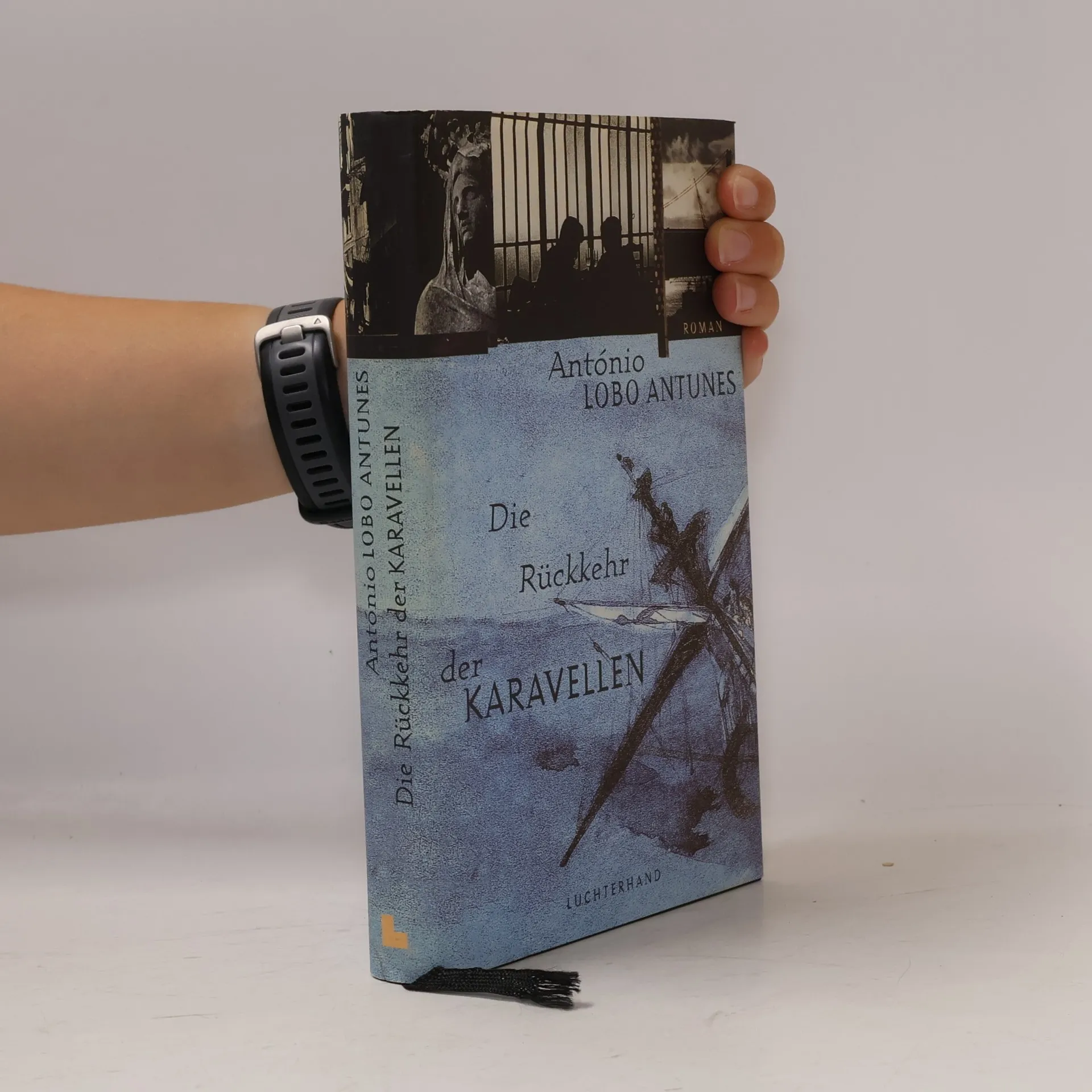
In Lissabon rasen Pferdekarren und Autos aneinander vorbei, während Öltanker und Karavellen vor Anker liegen. Die großen Seefahrer der Frühen Neuzeit mischen sich mit neugierigen Touristen in den engen Gassen der Altstadt. António Lobo Antunes präsentiert in diesem karnevalesken Roman den portugiesischen Nationalmythos neu und etabliert sich international. Die Legende von König Sebastian, der seit 1578 als tot geglaubt wird, wird aufgegriffen. Das fromme portugiesische Volk wartet noch immer auf seine Rückkehr. Antunes lässt bedeutende Entdeckungsreisende wie Pedro Alves Cabral, Vasco da Gama und Luís de Camões erneut den Atlantik überqueren, während sie zwischen modernen Öltankern und Flugzeugträgern nach Lissabon steuern. Cabral landet im Rotlichtviertel, Gama verdient seinen Lebensunterhalt mit kleinen Gaunereien, und Camões beginnt seine Lusiaden auf einem Kellnerschreibtisch. Diese Männer diskutieren mit den Menschen von heute über die Entwicklung der Neuen Welten. Antunes schafft eine Gleichzeitigkeit des Ungleichzeitigen, indem er mal tropisch und barock, mal lapidar und sarkastisch erzählt, während er ironische und komische Akzente setzt.
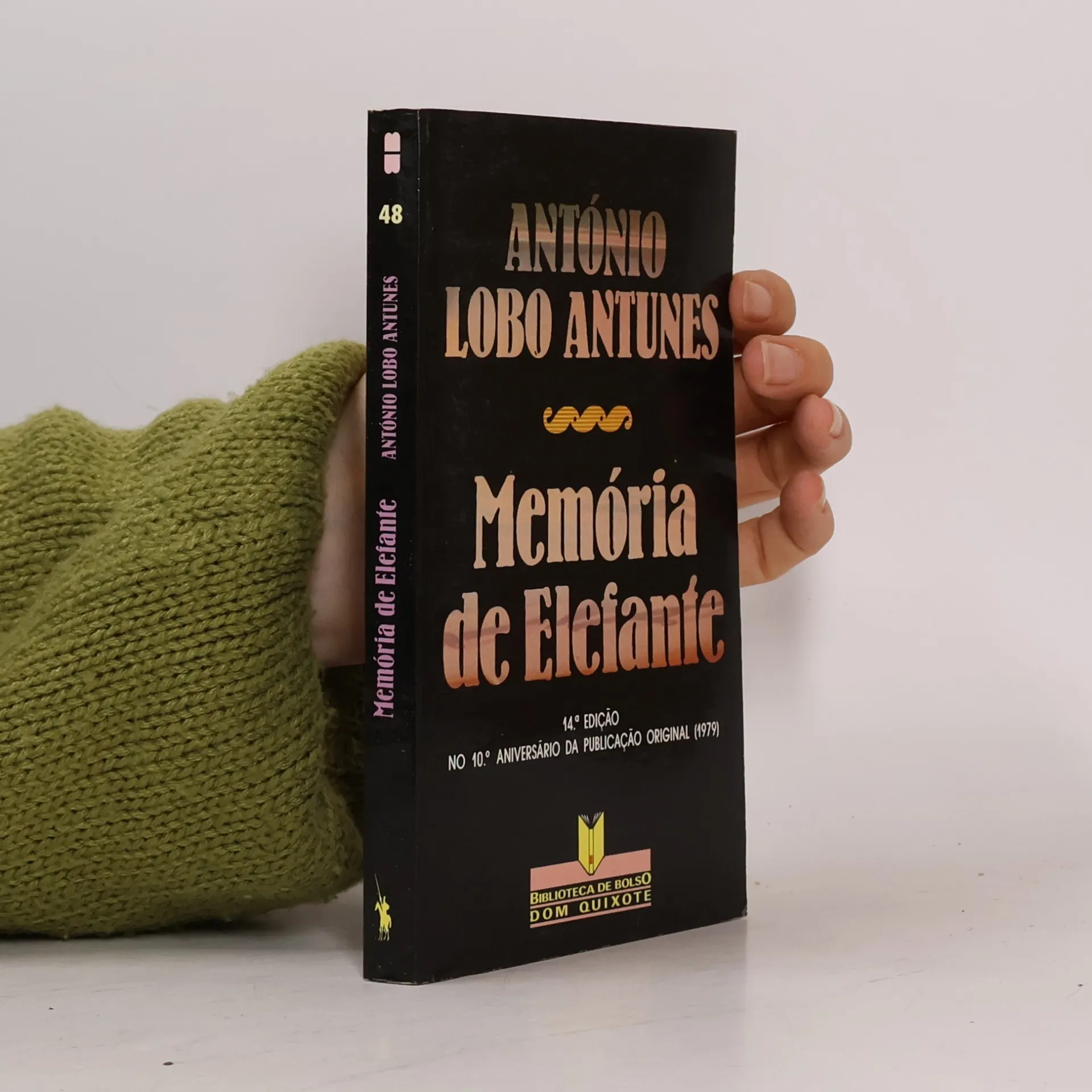
Memória de Elefante
14.ª Edição no 10.º Aniversário da Publicação Original (1979)
- 188 stránek
- 7 hodin čtení
O livro acompanha a crise existencial do narrador, um psiquiatra que mora em Lisboa – alter ego do próprio Lobo Antunes. Regressado de Angola e separado da mulher e das filhas, o protagonista revela ao longo da narrativa – que transcorre em um único dia – sua grande mágoa em relação ao casamento fracassado.
Ein meisterhafter Roman von António Lobo Antunes über Erinnerungen, Rassismus und die Sehnsucht nach einem anderen Leben. Er beleuchtet den portugiesischen Kolonialkrieg in Angola durch die Perspektiven eines Soldaten, eines Bezirksverwalters und der Tochter eines Plantagenbesitzers, die alle mit ihrer Vergangenheit ringen.
Der Weltliterat António Lobo Antunes wird 80 Jahre alt. Sein neuer Roman ist ein geniales Sprachkunstwerk - eine Reise ins Unbewusste von fünf Männern, die durch ein grausames Verbrechen vereint sind. Ein Geschäftsmann wurde ermordet und sein Körper in Schwefelsäure aufgelöst, um jeden Beweis zu eliminieren. Zu ihrer Verteidigung wiederholen die fünf Angeklagten immer wieder: »Keine Leiche, kein Verbrechen.« Der Autor dringt ins intimste Innere der Verdächtigen vor, er öffnet die Türen zu ihren Kindheitserinnerungen und Traumata, schält allmählich ihre Persönlichkeiten heraus und enthüllt, wie und warum das Verbrechen geschah. Inspiriert von einer wahren Begebenheit, entwirft Lobo Antunes mit seiner unvergleichlichen Sprachkunst die Stimmen von fünf menschlichen Monstern.
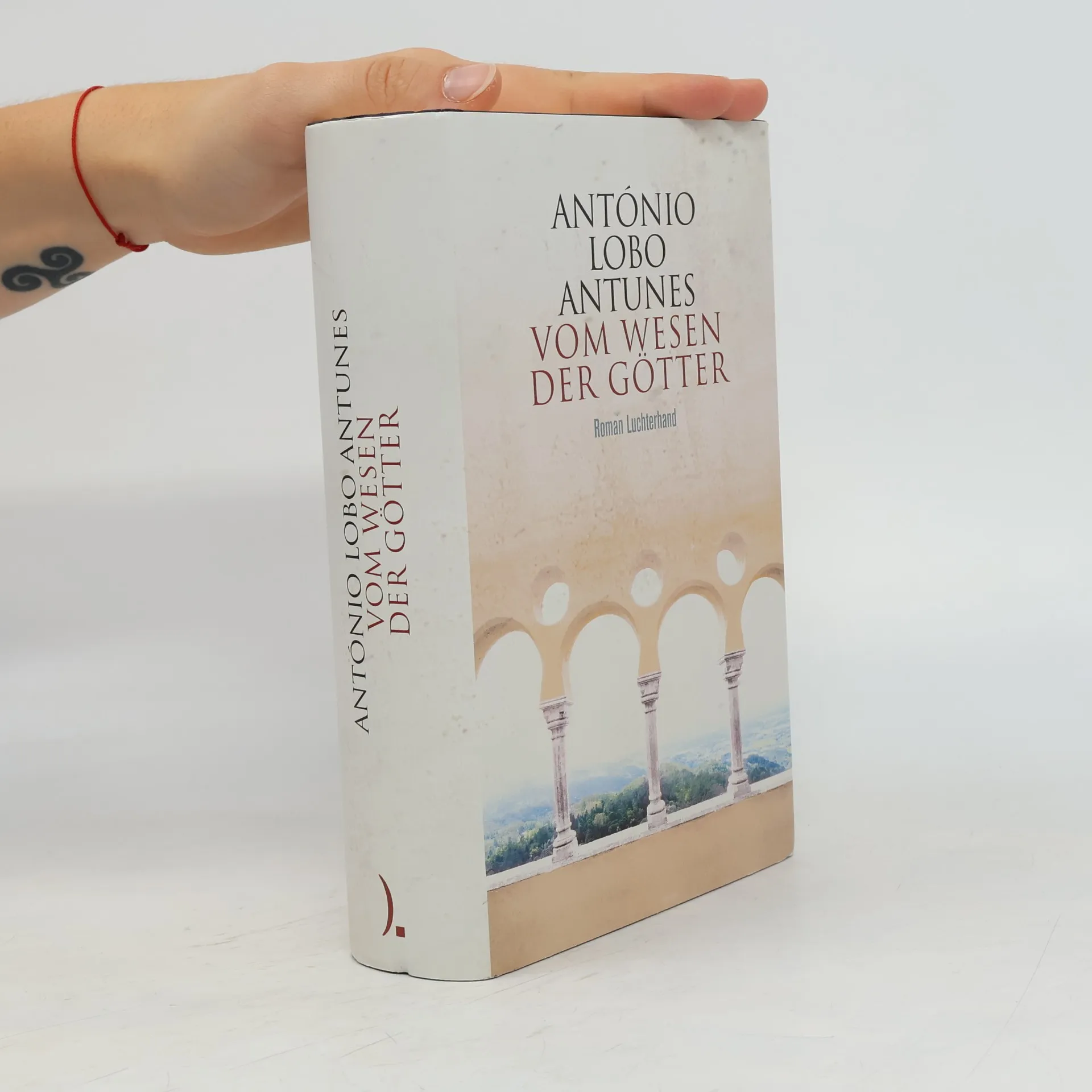
Vom Wesen der Götter
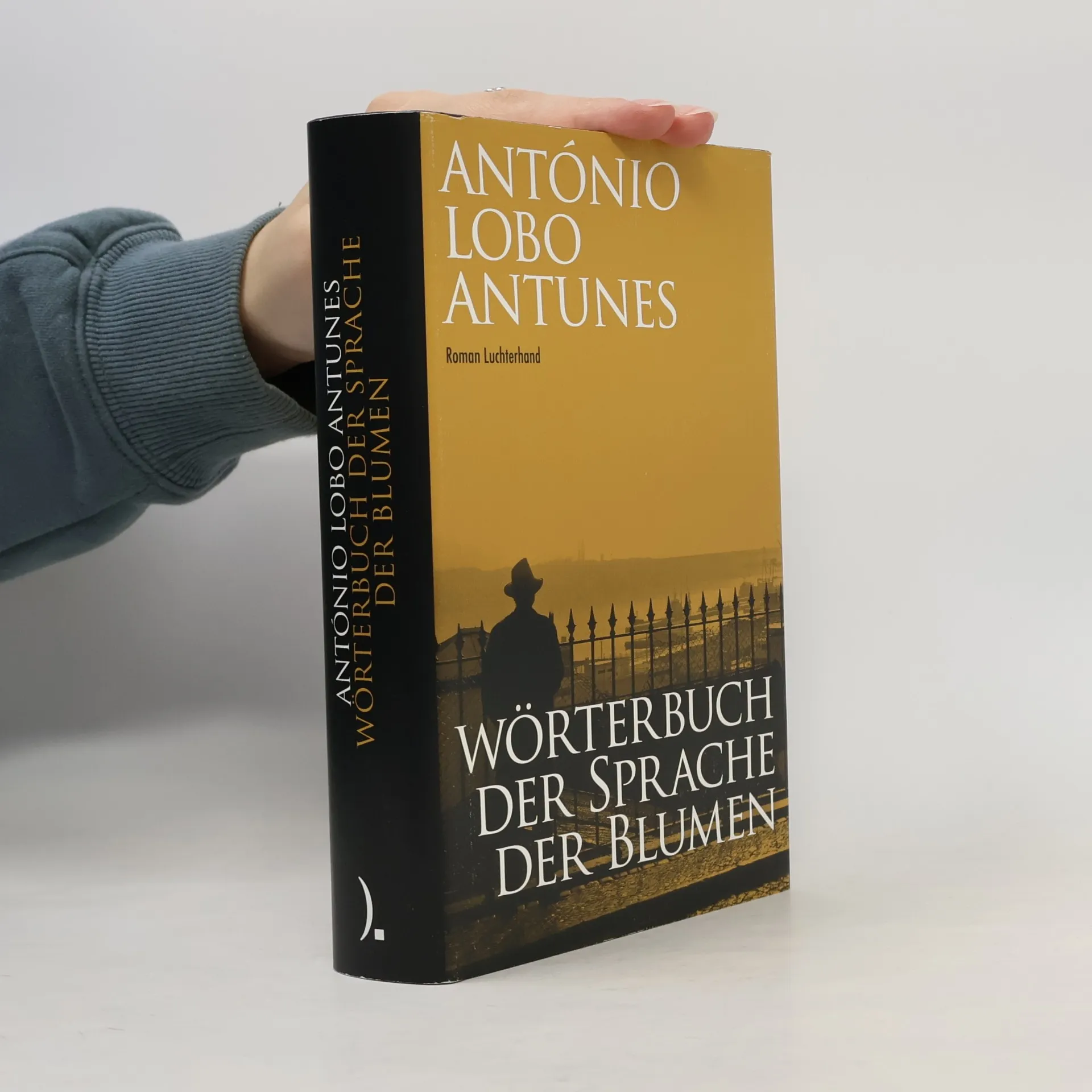
Roman
Ein sprachgewaltiger Roman über die sogenannte feine Gesellschaft Portugals zurzeit des Diktators Salazar: Die besseren Familien Portugals residieren in Cascais, einem westlich von Lissabon gelegenen Badeort, insbesondere in der Quinta da Marinha, wo man den Atlantik rauschen hört und die Dünen hinter den Pinien sieht. Hier spielt sich das gesellschaftliche Leben ab, hier wohnt man in herrschaftlichen Villen. Da gibt es den „Senhor Doutor“, einen reichen Unternehmer und Vertrauten des Diktators Salazar, der sich mit Härte und Lieblosigkeit aus einfachen Verhältnissen nach oben gekämpft hat. Seine Frau lebt zurückgezogen im obersten Stock, die Tochter des Hauses, „Senhora“ genannt, wurde vom Butler gezeugt und verbringt ihre Tage damit, ihr Hündchen zu streicheln und Bücher zu lesen, die ihr eine Buchhändlerin aus dem Ort vorbeibringt. Und dann gibt es noch eine junge Fadosängerin, deren Gefühle nicht erwidert werden …
In diesem Roman taucht António Lobo Antunes in den Alentejo ein, das große Herzstück Portugals zwischen der Algarveküste und dem Tal des Flusses Tejo. Hier singen die Bauern vom Meer, obwohl sie es selbst nie gesehen haben; hier züchtet eine Großgrundbesitzerfamilie seit Generationen Stiere für den Kampf, doch nun droht der Ruin. Meisterlich fängt Lobo Antunes diese untergehende Welt ein, in all ihren so unterschiedlichen, melancholischen oder wütenden Stimmen, in funkelnden Bildern.
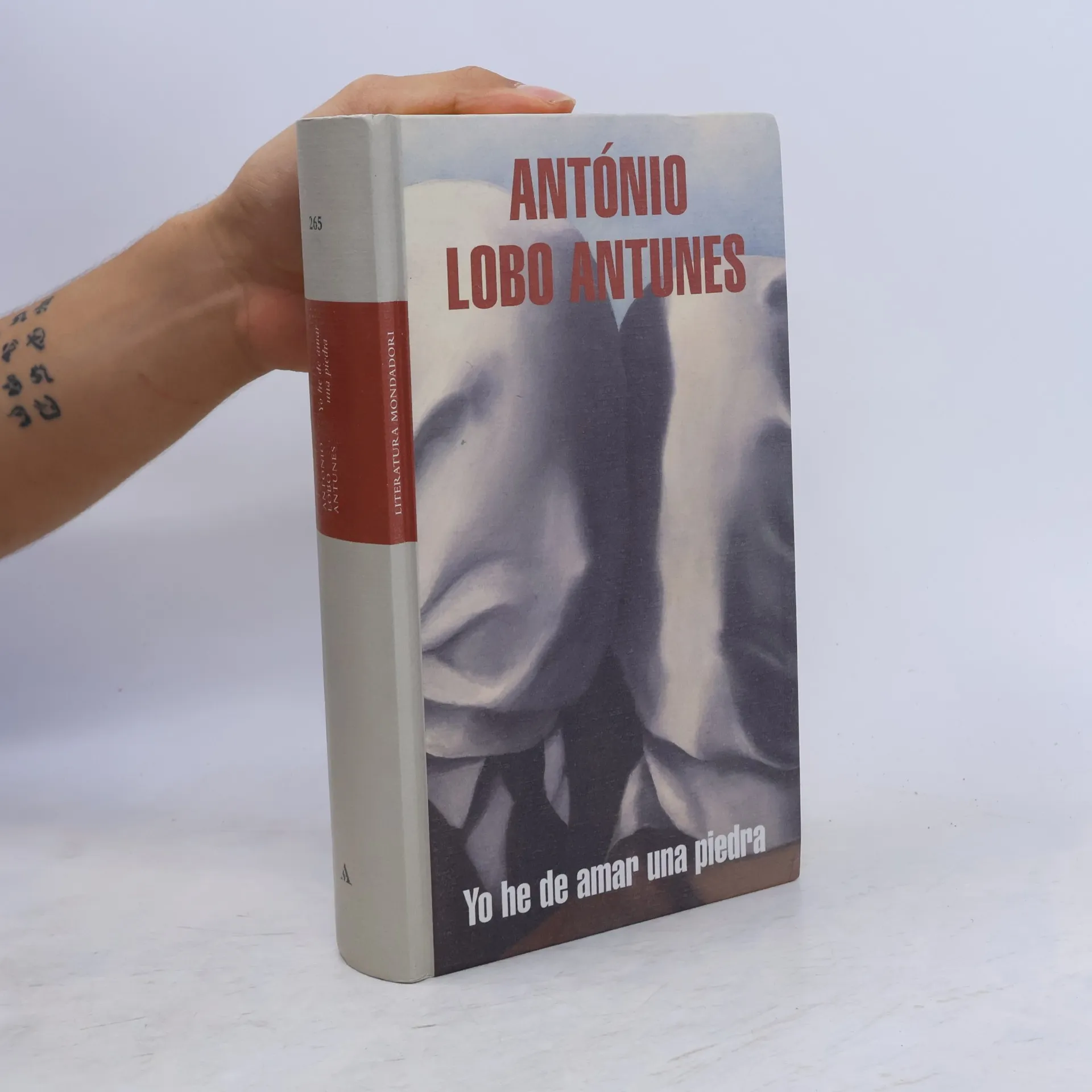
Literatura Mondadori - 265: Yo he de amar una piedra
- 560 stránek
- 20 hodin čtení
Portugal nach fünfzig Jahren Diktatur: Rui S., missratener Sohn einer wohlhabenden Familie, findet keinen Platz für sich in diesem Land, weder bei den Reichen noch bei den Armen, weder bei den Intellektuellen noch bei den Kommunisten. Lobo Antunes’ bissiger und zugleich todtrauriger Roman erzählt mit verschiedenen Stimmen das Leben eines Gescheiterten, die Chronik eines Selbstmörders.
Clara ist sich sicher: Ihr Vater hat sie nie geliebt. Doch als er dann nach einem Herzinfarkt todkrank im Krankenhaus liegt, zieht sie sich heimlich auf den Dachboden zurück und stöbert in seinen alten Sachen, um ihm ein letztes Mal nahe zu kommen. Sie findet eine Truhe, die dem Vater gehört, angefüllt mit Erinnerungsstücken, Fotos, kleinen Zettelchen und kitschigen Figürchen. Langsam nähert sie sich der Familiengeschichte, die ja auch ihre eigene ist.
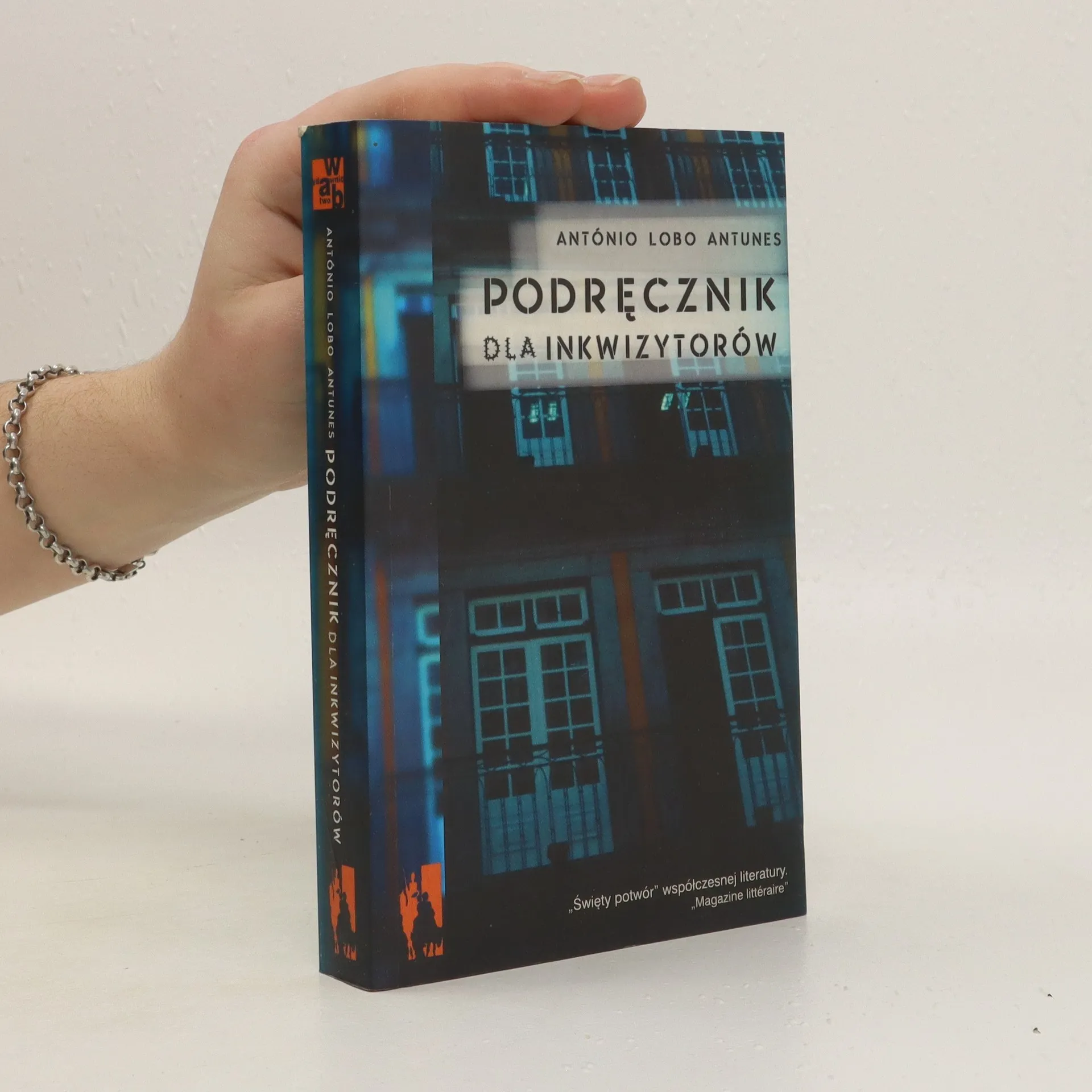
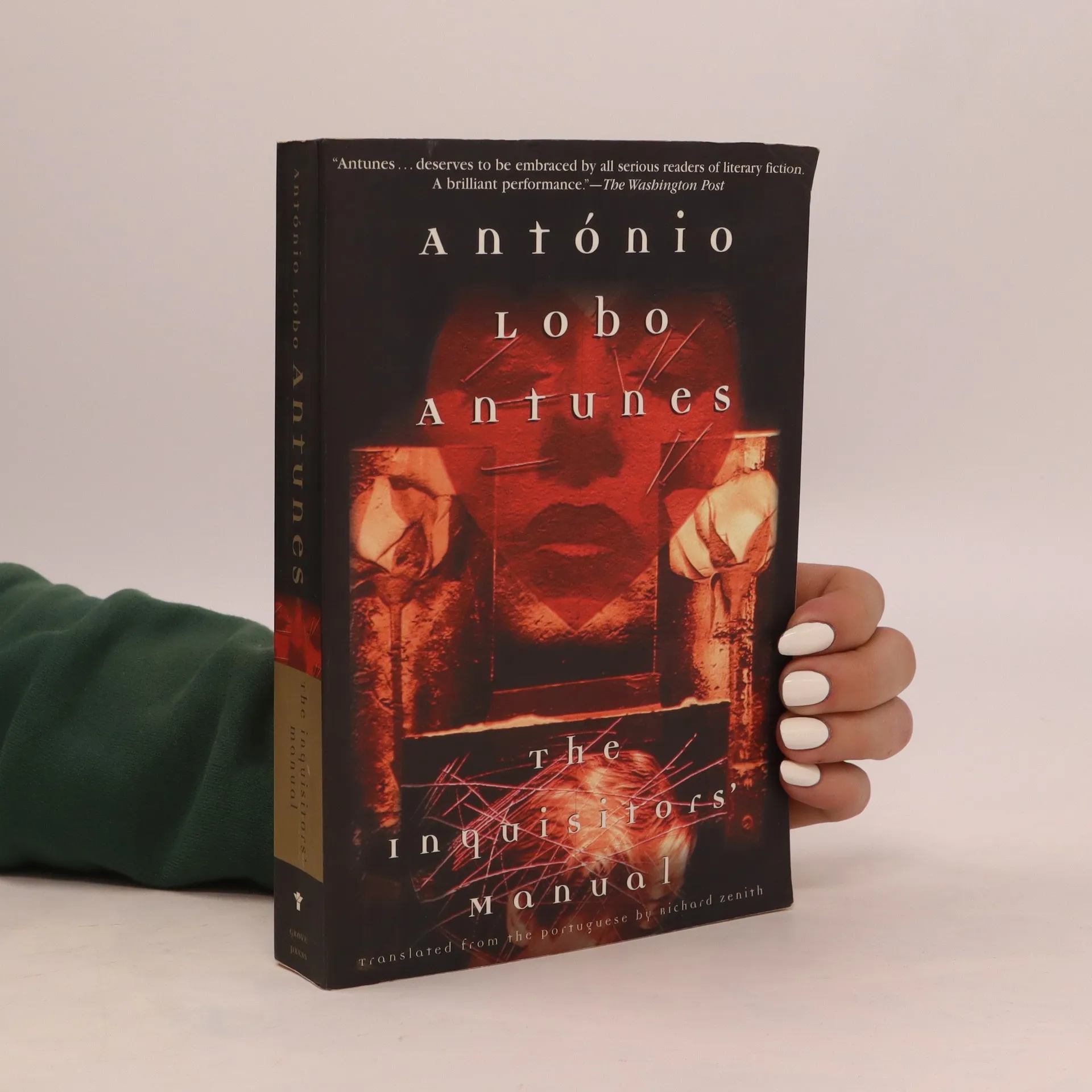
Podręcznik dla inkwizytoróv
- 450 stránek
- 16 hodin čtení
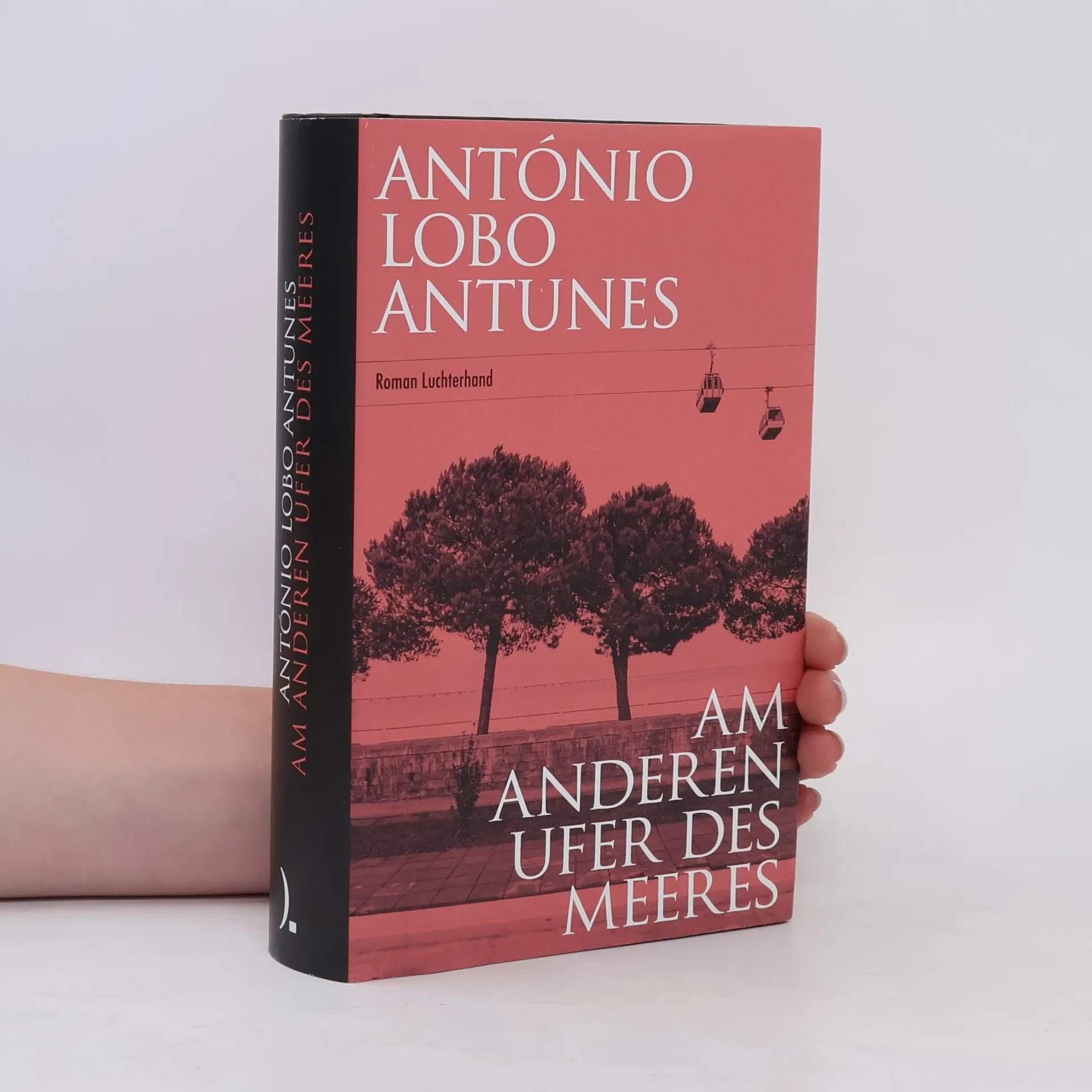
De andere kant van de zee
- 416 stránek
- 15 hodin čtení
In De andere kant van de zee van António Lobo Antunes denkt een legerofficier op leeftijd in Lissabon terug aan zijn tijd in Angola, vooral aan 1961, toen de zwarte bevolking in opstand kwam, wat het startsein was voor een koloniale oorlog die bijna vijftien jaar zou duren. Ook de dochter van een katoenplanter herinnert zich zoveel jaren later aan de kust van Portugal de gewelddadigheden van toen, evenals een ambtenaar, die na de oorlog in Angola is gebleven. Alle drie zijn ze getekend door dat wrede verleden, alle drie zeulen ze hun frustraties en trauma’s met zich mee, die in de loop van de roman steeds wranger en navranter in beeld komen. De andere kant van de zee van António Lobo Antunes is een meesterlijke driestemmige roman over herinneren, van de hand van de belangrijkste hedendaagse Portugese schrijver die zelf als arts in de oorlog in Angola moest dienen en er nooit meer uit weggekomen is.
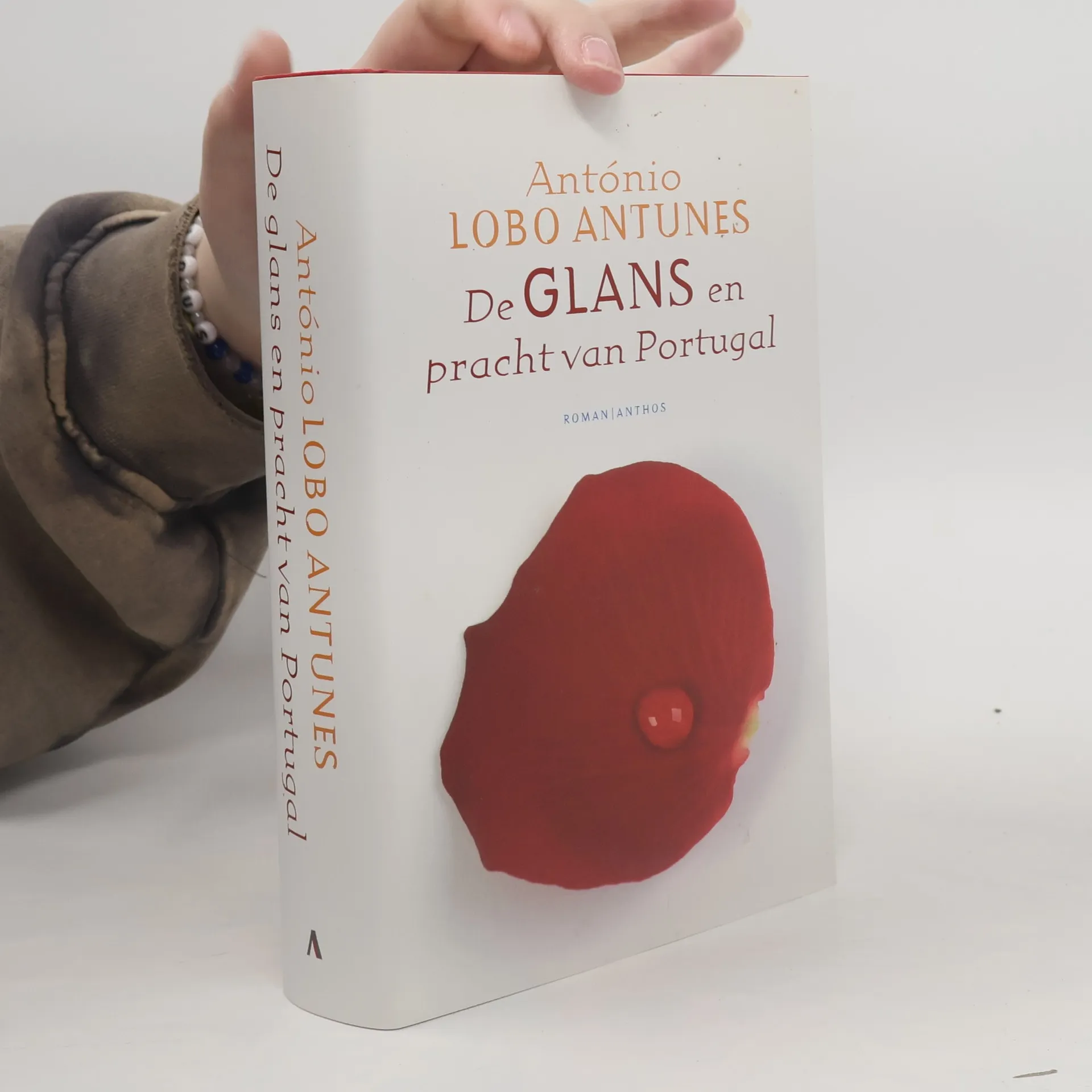
De glans en pracht van Portugal
- 463 stránek
- 17 hodin čtení
Enkele leden van een Portugese plantersfamilie verhalen over hun ervaringen in Angola en Portugal.
Am Ende ihres Lebens sieht sich eine zurückgezogen lebende Theaterschauspielerin mit einer unheilbaren Krankheit konfrontiert, die ihr Gedächtnis beeinträchtigt. Es wird immer schwerer für sie, sich an bestimmte Ereignisse in ihrem Leben zu erinnern, und nicht nur das, manchmal fällt ihr der eigene Name nicht mehr ein. Sie hat die Stimmen so vieler verschiedener Charaktere angenommen, so viel erlebt, und jetzt scheint sich ihre Identität aufzulösen, in ihrem Inneren verschwimmen Vergangenheit und Gegenwart. Wo ist die Grenze zwischen den anderen und ihrer eigenen Stimme, wer ist sie selbst?