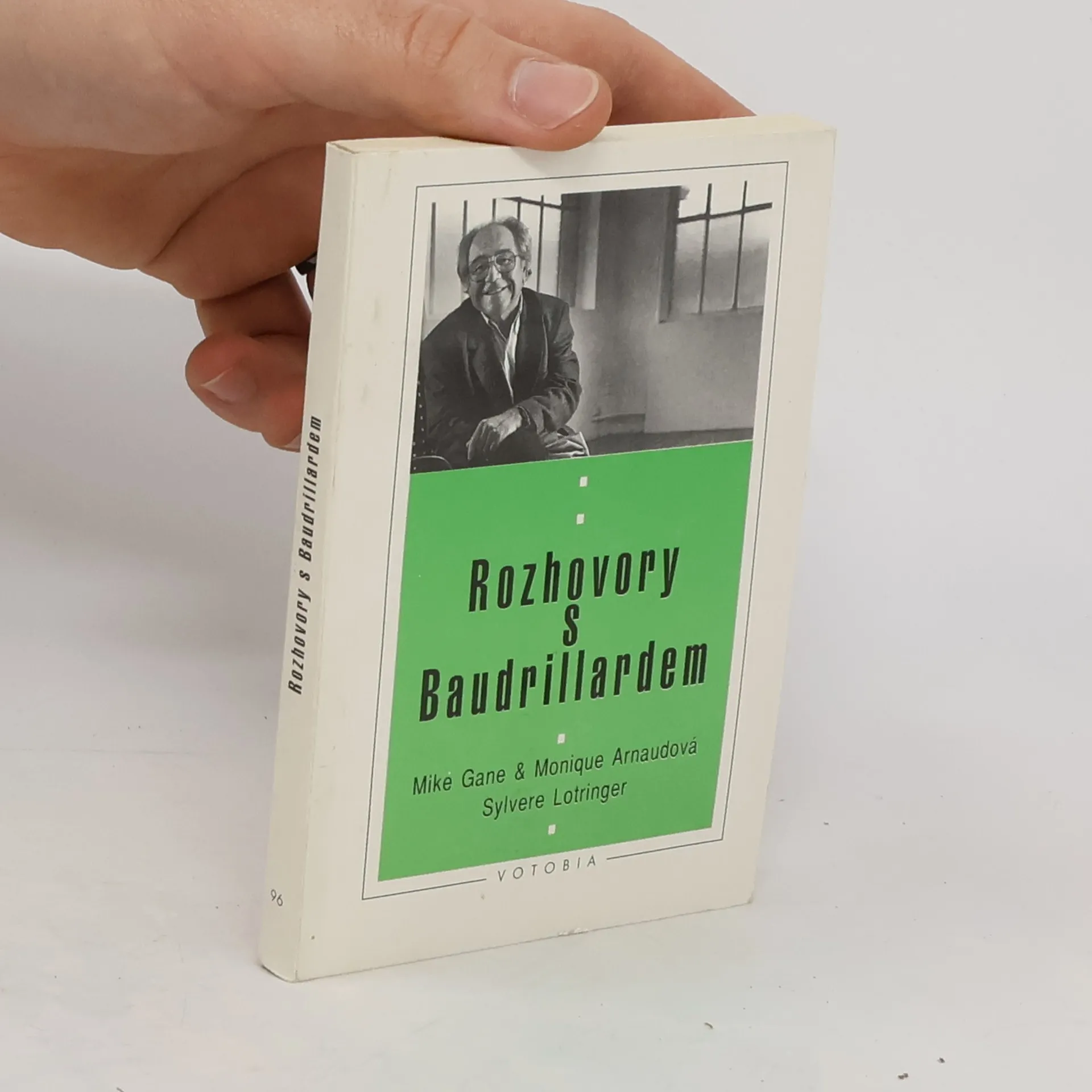
Rozhovory s Baudrillardem
- 179 stránek
- 7 hodin čtení
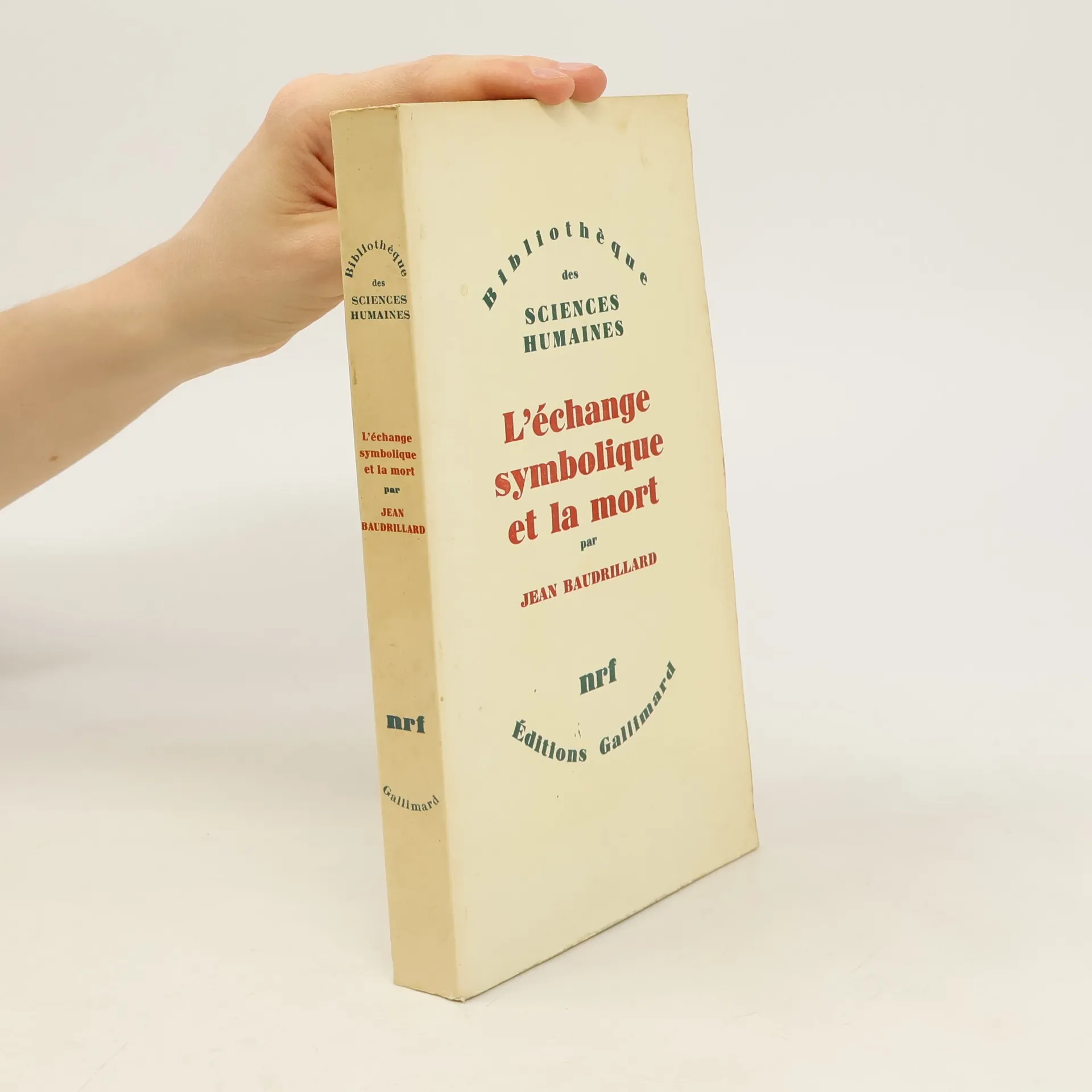
Nepatřím k žádnému klubu ani k žádnému harému. Interview s Jeanem Baudrillardem – Zapomeňte na Baudrillarda. Interview se Sylverem Lotringerem. Doslov Radim Brázda.


Jean Baudrillard byl francouzský sociolog a filozof, jehož dílo se často spojuje s postmodernismem a poststrukturalismem. Jeho filozofie se soustředí na dvojí koncepty 'hyperreality' a 'simulace', které popisují virtuální povahu současné kultury ovládané masovou komunikací a spotřebou. Baudrillard věřil, že žijeme ve světě připravených realit, kde jsme ztratili schopnost vnímat skutečnou realitu. Jeho myšlení zkoumá, jak se v současné době ztrácí rozdíl mezi skutečným a jeho reprodukcí.



Nepatřím k žádnému klubu ani k žádnému harému. Interview s Jeanem Baudrillardem – Zapomeňte na Baudrillarda. Interview se Sylverem Lotringerem. Doslov Radim Brázda.
Kniha vás seznámí s celou historií svádění, kde se mino jiné dozvíte, že většinou bylo svádění považováno za ďáblovu strategii, která byla prováděna prostřednictvím kouzel a lásky.
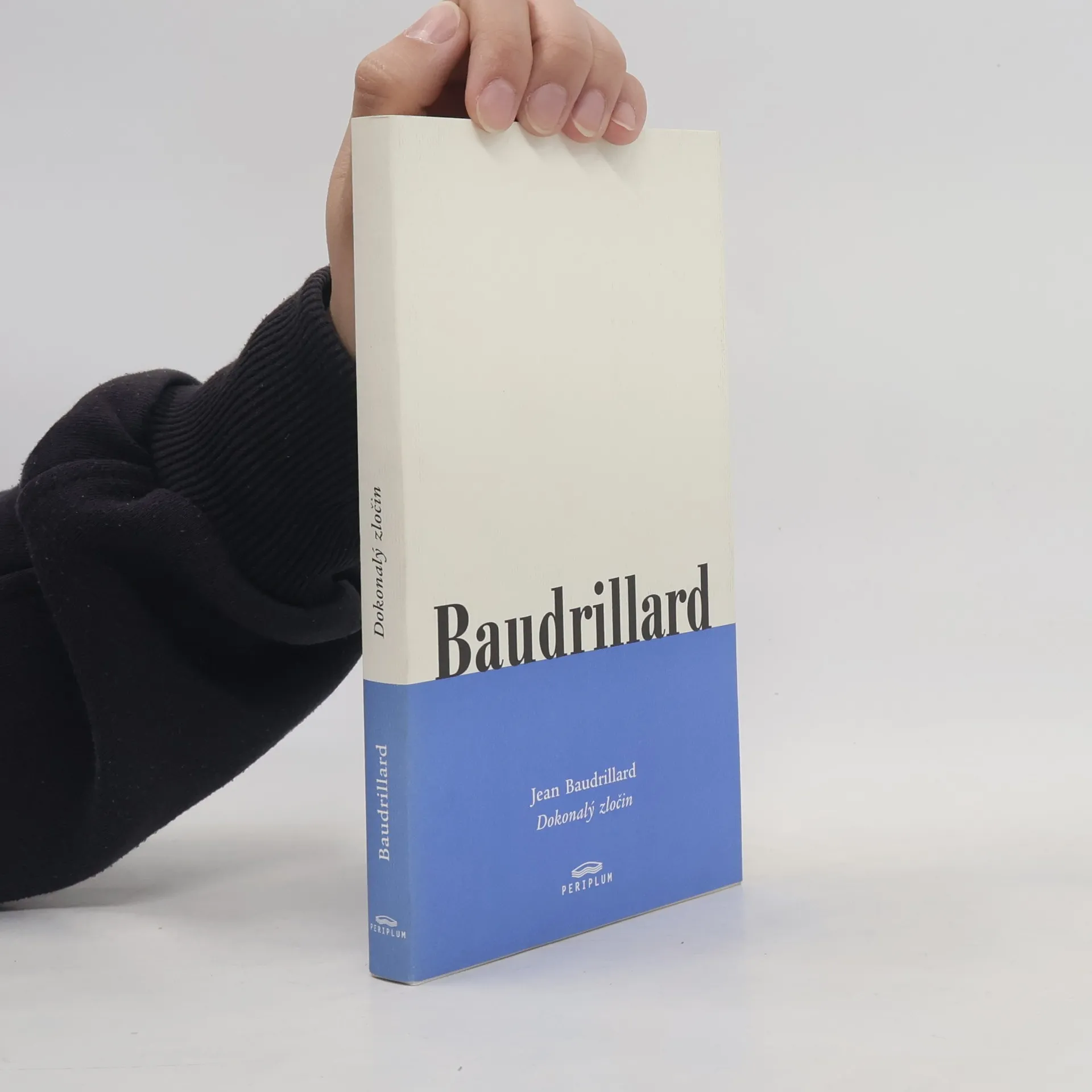
Kniha Dokonalý zločin je dvojeneckou knihou s Transparencí zla, obě byly publikovány v rozmezí let 1990-1995. Zločinem je zavraždění reality, zločinnou zbraní jsou určité ideje, které se podílejí na vyhlazení vitální a radikální iluze světa.
Provokativní esej francouzského postmoderního sociologa o skrytých stránkách civilizace oddělené od Evropy celým Atlantickým oceánem.
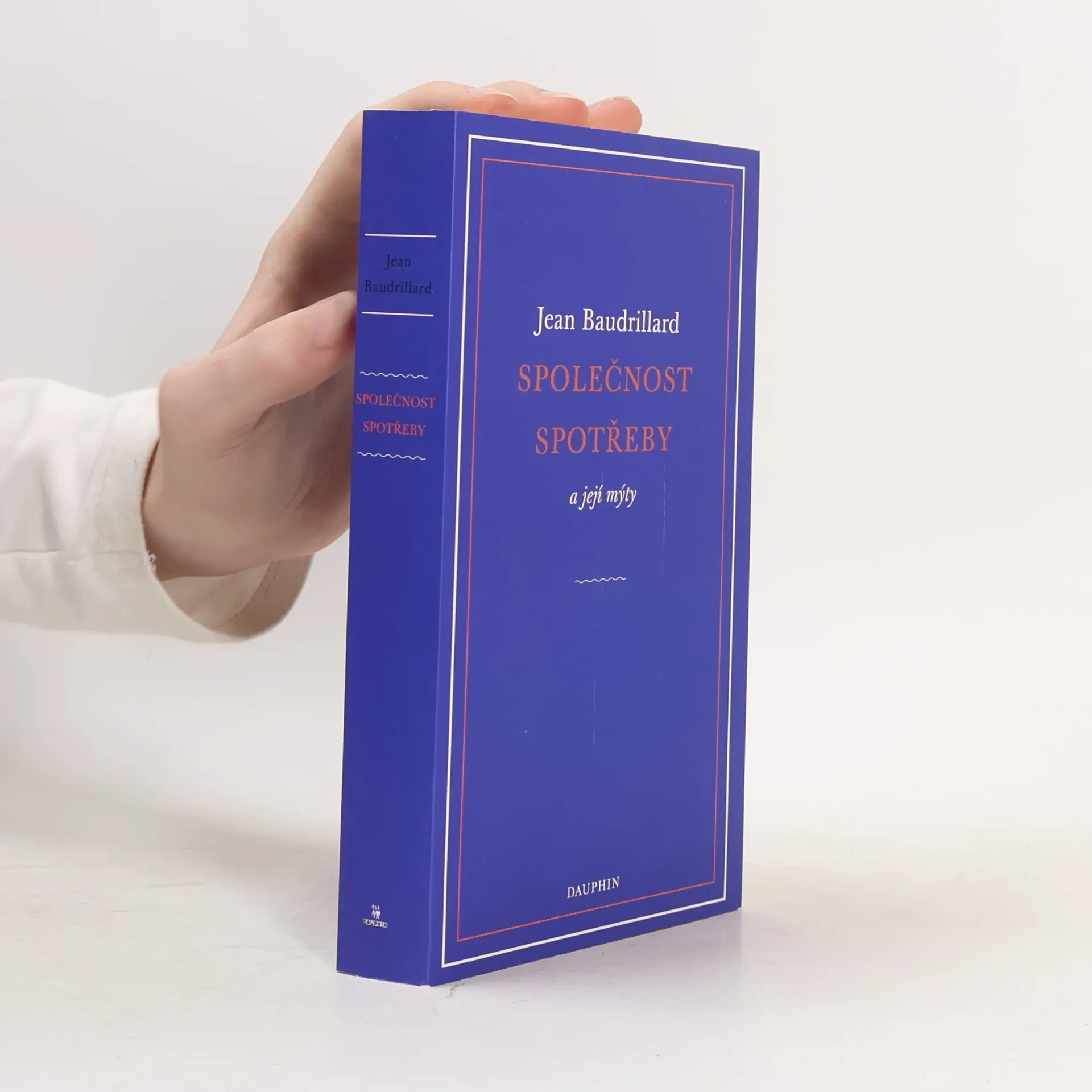
Společnost spotřeby je výstižný popis našeho novodobého otroctví, otroctví bezmezného konzumu, kterému je bezvýhradně podřízen diskurz soudobého západního světa. Společnost spotřeby je jedním ze zásadních děl soudobé sociologie. Svým významem se řadí mezi díla, jako jsou Durkheimova Společenská dělba práce, Veblenova Teorie zahálčivé třídy nebo Osamělý dav Davida Riesmana. Společnost spotřeby s pronikavou jasností ukazuje, jak velké technokratické korporace vyvolávají tužby, jimž nelze odolat, a vytvářejí novou společenskou hierarchii, která nahradila někdejší třídní rozdíly. Ve Společnosti spotřeby Jean Baudrillard předkládá analýzu naší současné západní společnosti. Soustřeďuje na fenomén spotřeby předmětů, jehož se dotkl již v Le Système des objets (Systému předmětů, 1968). Je třeba si hned zkraje ujasnit, že spotřeba je aktivní způsob vztahu (nejen k předmětům, ale i ke společnosti a světu), způsob systematické aktivity a globální odpovědi, o který se opírá systém naší kultury jako celek. Tato kniha vychází za laskavého přispění MK ČR, Státního fondu kultury a NČLF.
The book explores the political and philosophical foundations of human rights through a compilation of original essays by esteemed theorists. It delves into various perspectives and frameworks that shape the understanding of human rights, providing a comprehensive analysis of the concept's significance in contemporary discourse.
aeo Baudrillard is one of the most celebrated and controversial of contemporary social thinkers. aeo Baudrillard is Francea s leading philosopher of postmodernity. aeo This is an idiosyncratic, outrageous and brilliantly original book, which should sell as well as his two previous highly successful books -- America and Cool Memories .
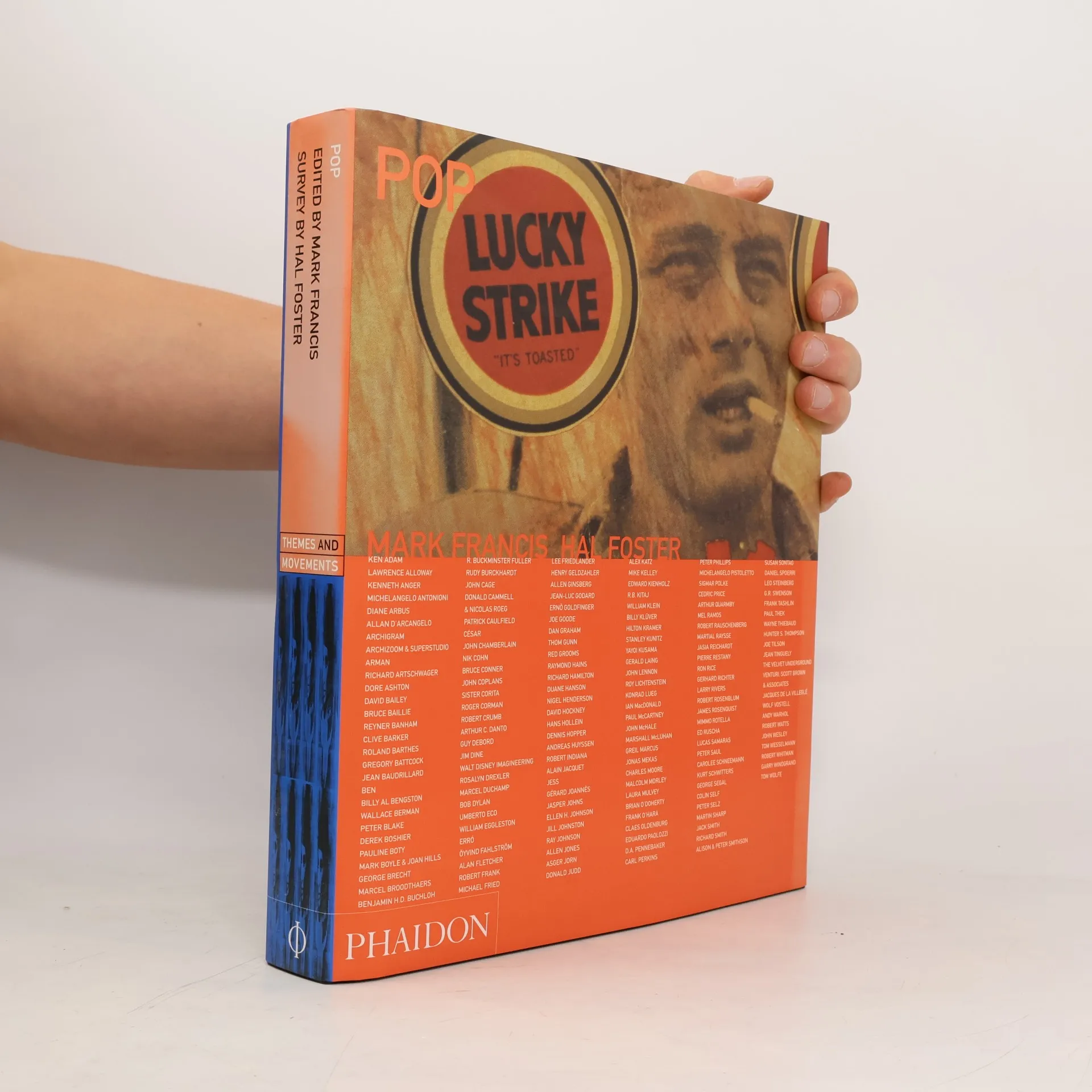
Exploring the evolution of Pop culture from the late 1950s to the late 1960s, this comprehensive survey examines its impact on art, film, photography, and architecture, highlighting the interplay between mass production and mass media. Unlike other works that focus solely on Pop art, it offers a holistic view of the movement's influence across America, Britain, and Europe, showcasing its diverse manifestations and cultural significance during this transformative era.
Baudrillard's "The Ecstasy of Communication" is a pivotal work summarizing two decades of his radical theory, reflecting on contemporary alienation and the shift from meaningful existence to constant communication. This anti-manifesto critiques influences like McLuhan and remains a crucial companion to Baudrillard's oeuvre, offering a dark reflection on modernity.
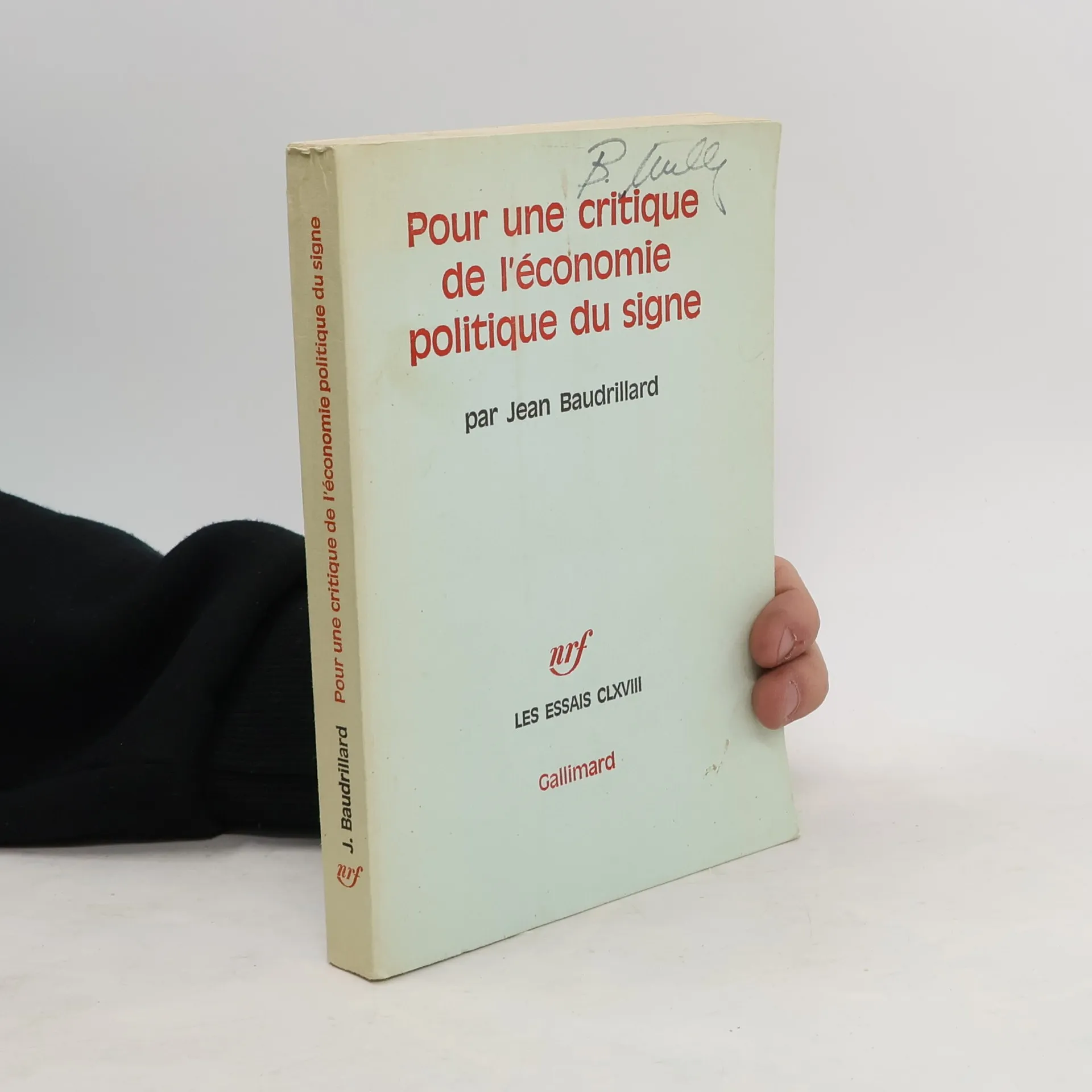
A material analysis of the sign which deepens Marx's critique of political economy for spectacular times.
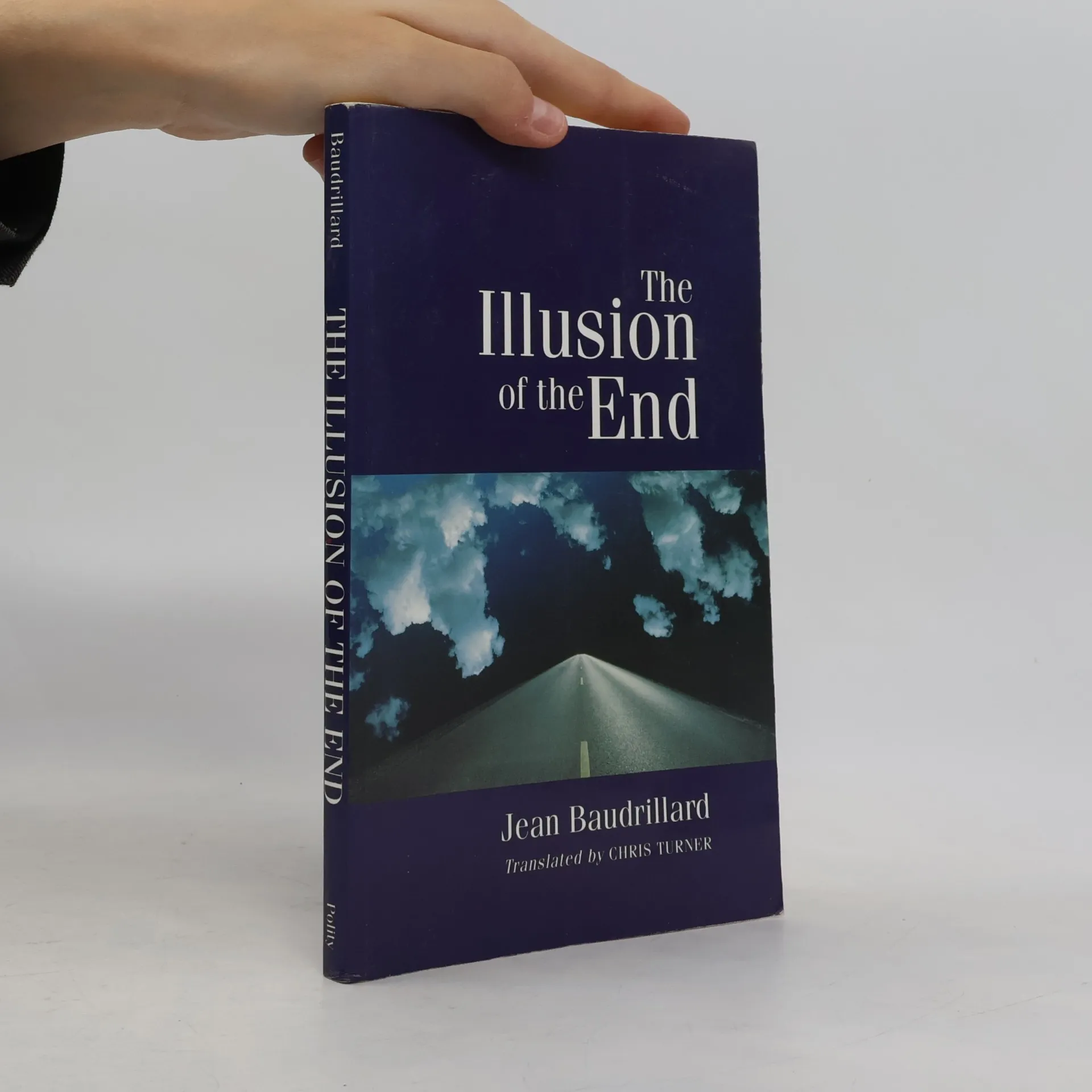
In this book Jean Baudrillard, one of the most celebrated and controversial contemporary social theorists, argues that the notion of the end of history is an illusion, and that we are now engaged in a gigantic process of historical revisionism.
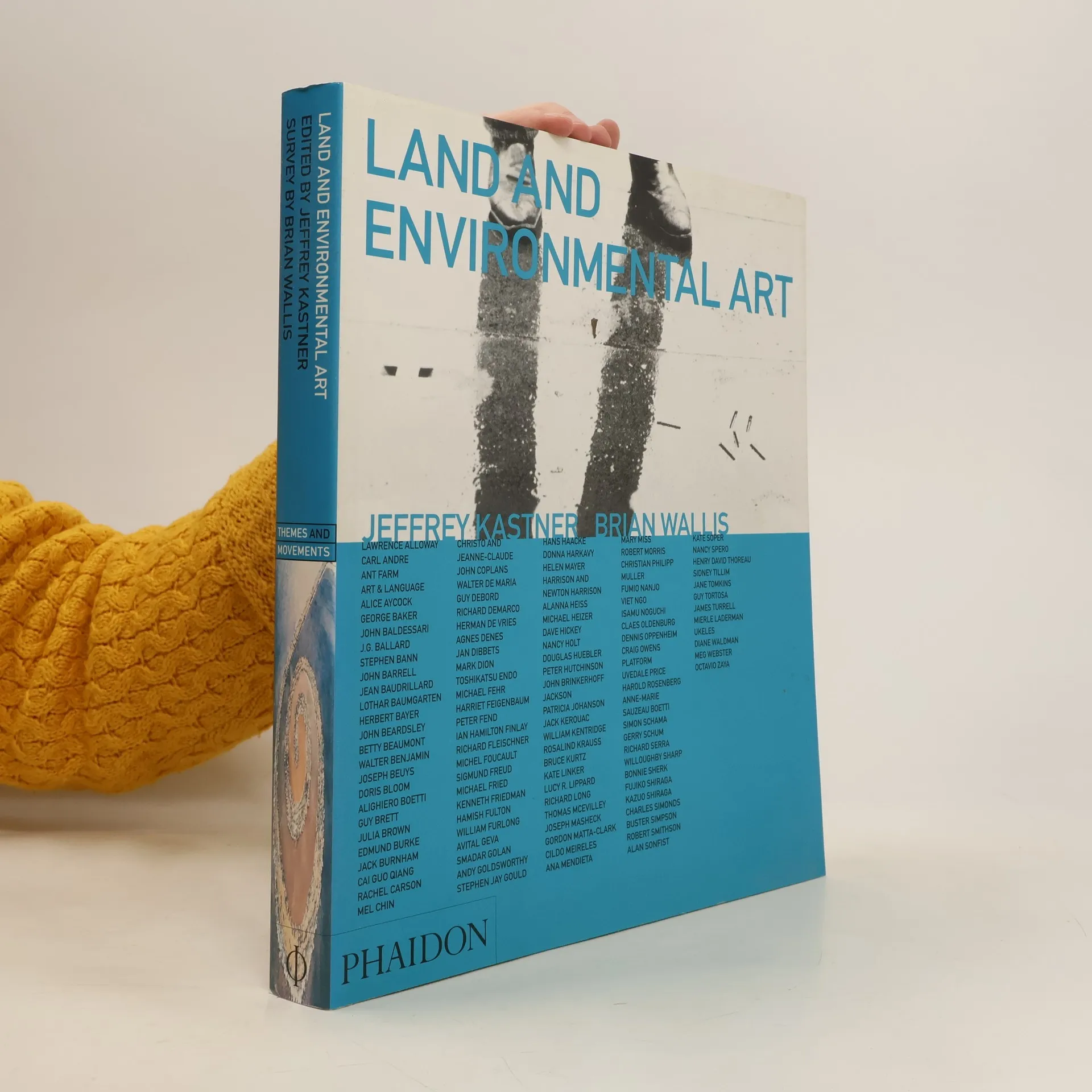
The definitive survey of Land Art and contemporary environmental art, now available in paperback
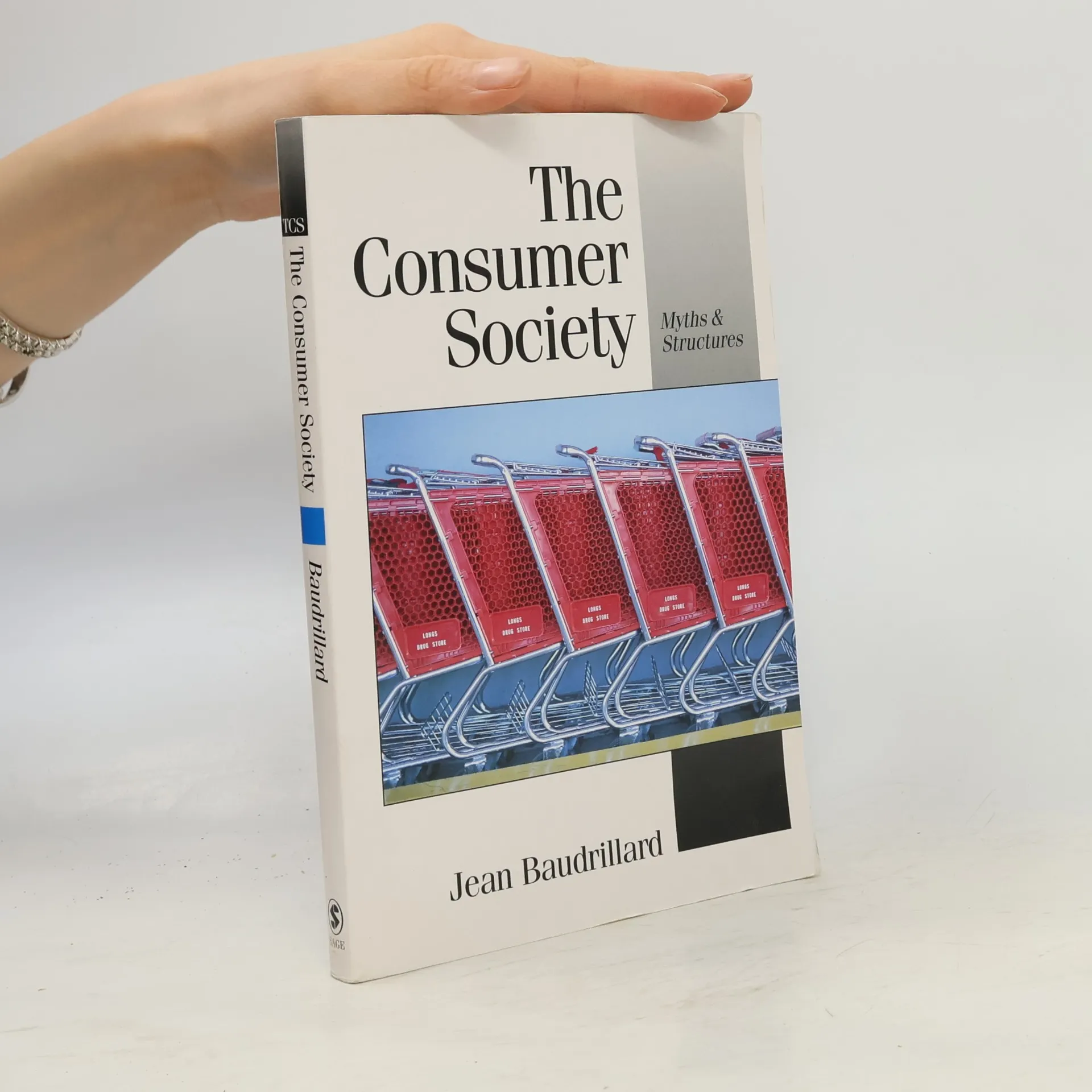
This English-language translation of Jean Baudrillard's seminal work on the sociology of consumption, originally published in 1970, explores the significance of consumption in contemporary culture. While others focused on production, Baudrillard argued that consumption is the central axis of culture, linking it to economic growth and developing a social theory around it. Key themes that would later define his work, particularly simulation and the simulacrum, are introduced here for the first time. At this stage in his career, Baudrillard was distancing himself from Marxism and institutional sociology, resulting in a more systematic approach than in his later writings. He rigorously examines the role of consumption within culture and society, providing an organized discussion on mass media culture, leisure, and anomie in affluent societies. A notable chapter delves into the body, showcasing Baudrillard's foresight in identifying crucial topics in contemporary culture long before they gained widespread attention. Acclaimed as a pivotal figure in sociology, communication, and cultural studies, this work is essential for English-speaking readers and will engage Baudrillard scholars and students alike. The edition includes a comprehensive introductory essay by cultural commentator George Ritzer, enhancing its relevance in the fields of sociology and cultural studies.
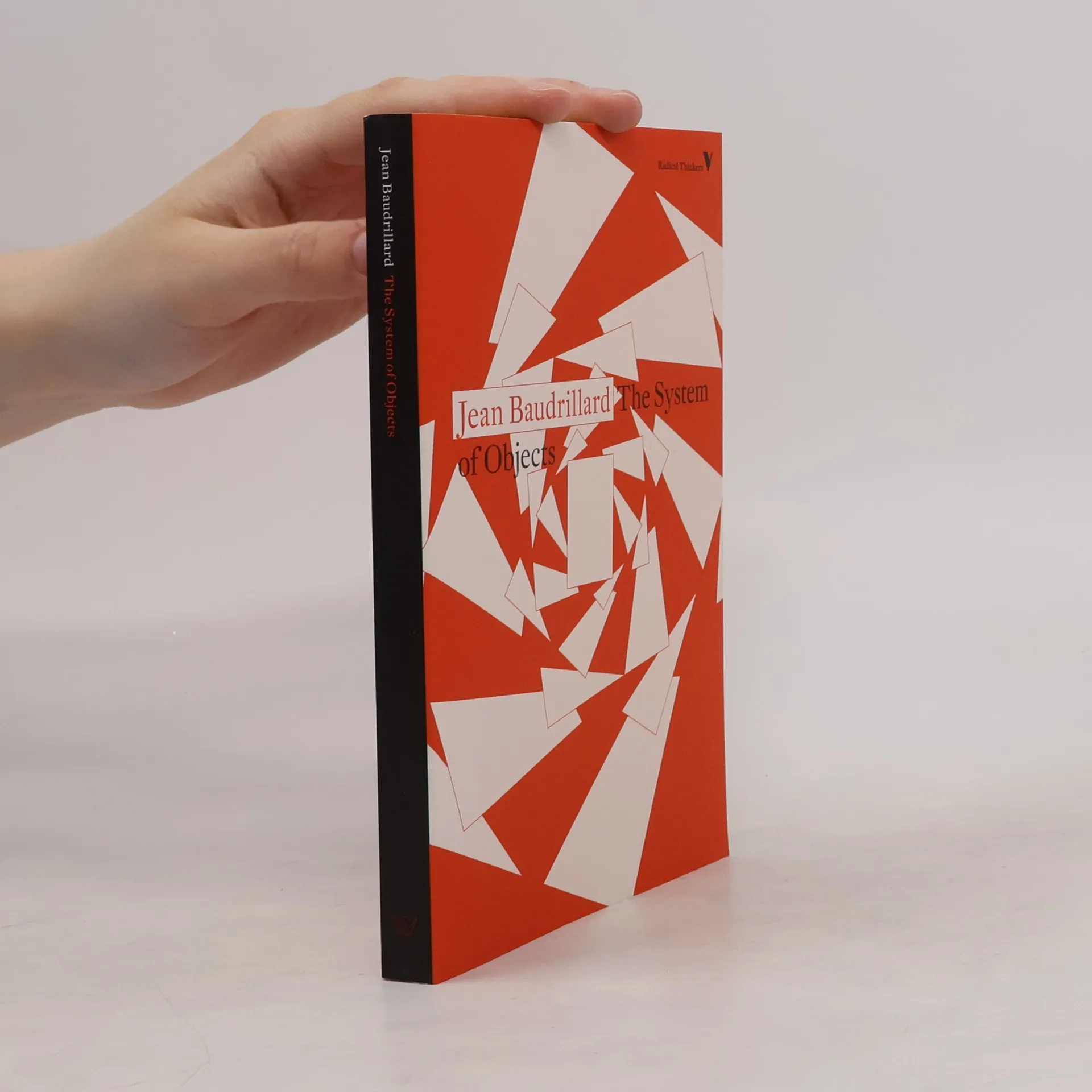
The System of Objects is a theoretical exploration from 1968 that encapsulates the vibrant ideas of its time. Utilizing Freudian and Saussurean frameworks within a Marxist lens, it critiques the role of commodities in consumer society. Baudrillard categorizes everyday objects of the "new technical order" into functional, nonfunctional, and metafunctional types. He distinguishes between "modern" and "traditional" functional items, applying a semiological analysis to home furnishings and interior design. His examination of nonfunctional or "marginal" objects highlights antiques and the psychology of collecting, while the metafunctional category encompasses the useless, aberrant, and "schizofunctional." Additionally, Baudrillard delves into the effects of credit and advertising on the commodification of daily life. This work showcases the early Baudrillard's materialist semiotics and reflects a confluence of contemporary ideas, drawing from thinkers like Bataille, Mauss, Reisman, Ellul, Barthes, Lefebvre, and Debord. The System of Objects stands as a significant intellectual contribution, engaging with the complexities of consumer culture and the social dynamics of objects.
The book provides a critical analysis of François Mitterrand's ascent to power and the allure of political authority for the French Left. It chronicles the political landscape of France from 1977 to 1984, examining the complex relationship between the Socialist Party and the Communist Party. Through a collection of previously published commentaries, it explores Baudrillard's concept of simulacrum in politics, revealing how political narratives can distort reality and influence public perception.
Develops a theory of contemporary culture that relies on displacing economic notions of cultural production with notions of cultural expenditure. This book represents an effort to rethink cultural theory from the perspective of a concept of cultural materialism, one that radically redefines postmodern formulations of the body.
Exploring the interplay between art, politics, economics, and media, Baudrillard offers a provocative analysis of contemporary culture. He critiques the transformation of art into a self-referential entity, devoid of illusion, and celebrates its role in the commodification of society. Central to this discourse is "War Porn," which examines the disturbing imagery from Abu Ghraib as a reflection of broader societal violence and voyeurism. Edited by Sylvère Lotringer, this collection challenges the reader to reconsider the essence of radical thought in a world steeped in spectacle.
Jean Baudrillard, a prominent and controversial figure in social theory, explores the concept of postmodernism in this significant work. It plays a crucial role in reexamining the humanities and social sciences, challenging traditional perspectives and offering new insights into contemporary thought.
De-confusing and Re-constructing the Postmodern World
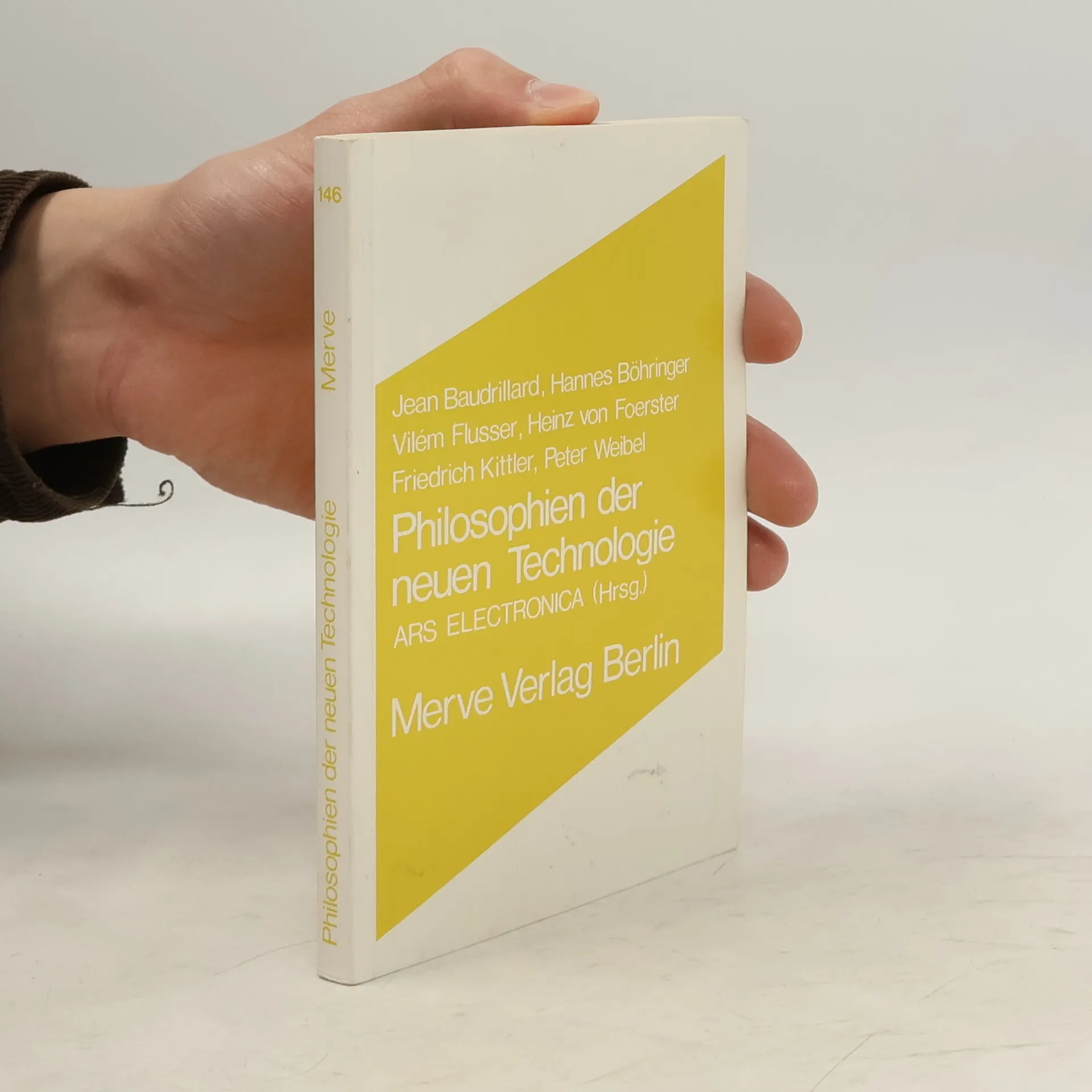
Includes essays and excerpts from the works of prominent modern thinkers such as Umberto Eco, Jacques Derrida, and Isaiah Berlin among others.
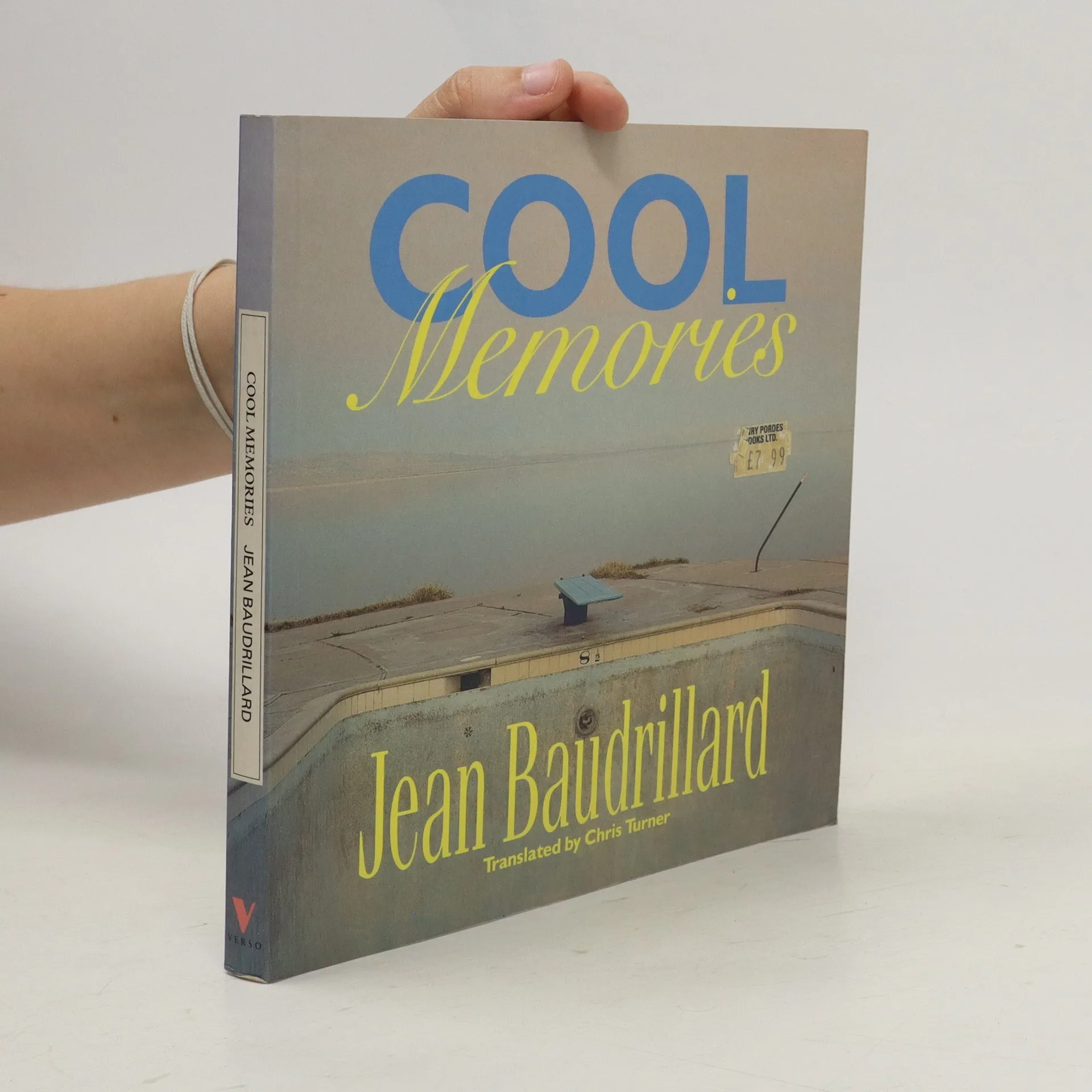
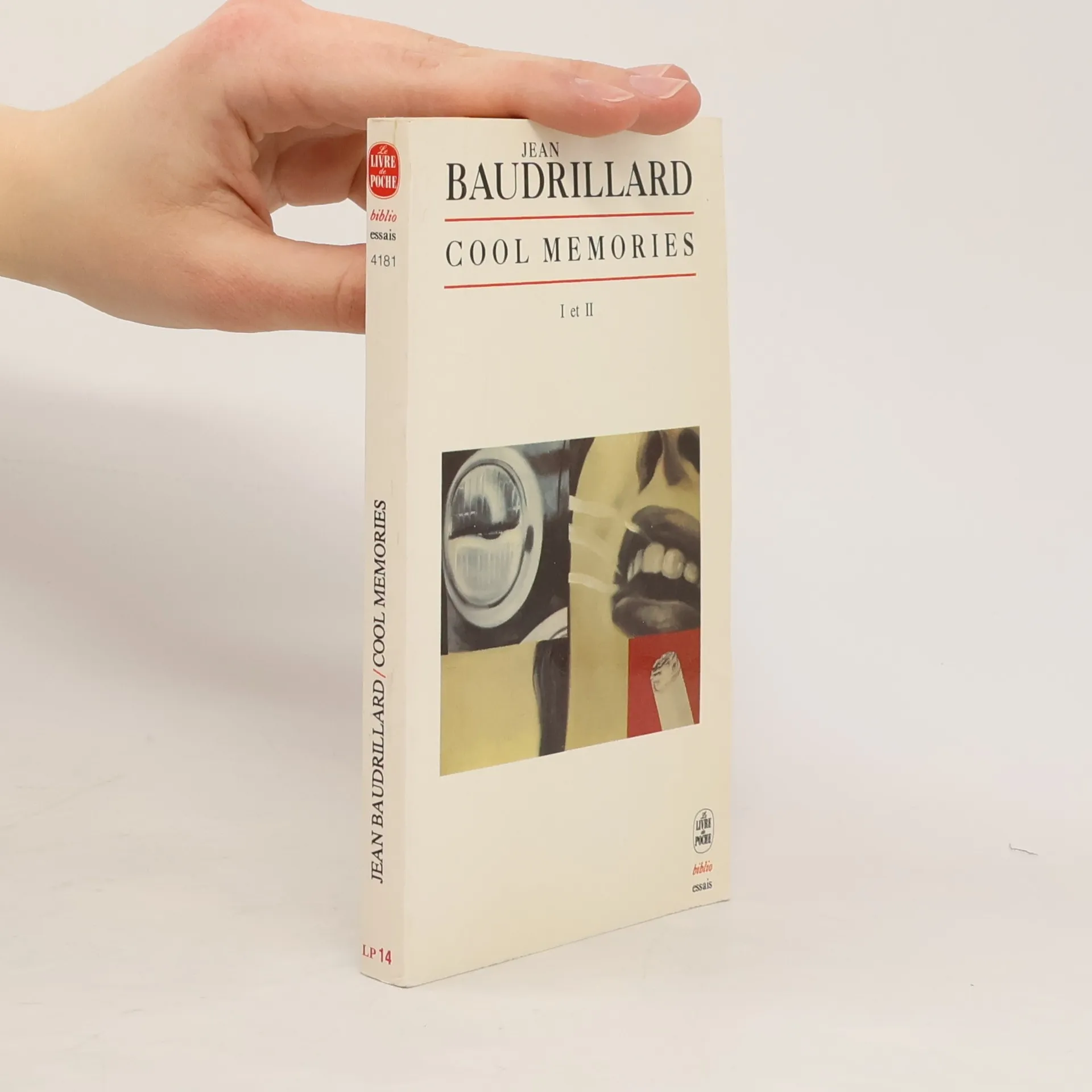
Jean Baudrillard's last book was about America. His new one is about cats, Foucault, Alfa Romeas, leukemia, Catholicism, the Berlin Wall, mattresses, Laurent Fabius, Jean-Paul II, roses, Antarctica, Lech Walesa, mud wrestling, Zinoviev, porn films, snow, feminism, Rio, Jacques Lacan, Stevie Wonder, Palermo, DNA and terrorism. "Cool Memories is the other side of America, the disillusioned side, presented in the form of a diary, though not in the classical sense. I'm trying to grasp a world in all its silences and its brutality. Can you grasp a world when you're no longer tied to it by some kind of ideological enthusiasm, or by traditional passions? Can things "tell" themselves through stories and fragments? These are some of the questions posed in a book which may seem melancholic. But then I think almost every diary is melancholic. Melancholy is in the very state of things."
The Utopie group was born in 1966 at Henri Lefebvre's house in the Pyrenees. The eponymous journal edited by Hubert Tonka brought together sociologists Jean Baudrillard, Rene Lourau, Catherine Cot, architects Jean Aubert, Jean-Paul Jungmann, Antoine Stinco, and landscape architect Isabelle Auricoste. Over the next decade, both in theory and in practice, the group articulated a radical ultra-leftist critique of architecture, urbanism, and everyday life. Utopia Deferred collects all of the essays Jean Baudrillard published in Utopie in their original form as well as a recent interview with the author. These essays, torn from the headlines of the tumultuous decade following May 1968, surpass Marxism itself.
Baudrillard's remarkably prescient meditation on terrorism throws light on post-9/11 delusional fears and political simulations.
Quintessential thinker of the postmodern on the uniqueness of all things
A collection of journalistic essays that addresses subjects ranging from those already established as the author's trademark (virtual reality, Disney, television) to more unusual topics such as the Western intervention in Bosnia, children's rights, Holocaust revisionism, AIDS, the Rushdie fatwa, Formula One racing, and, genetic cloning.
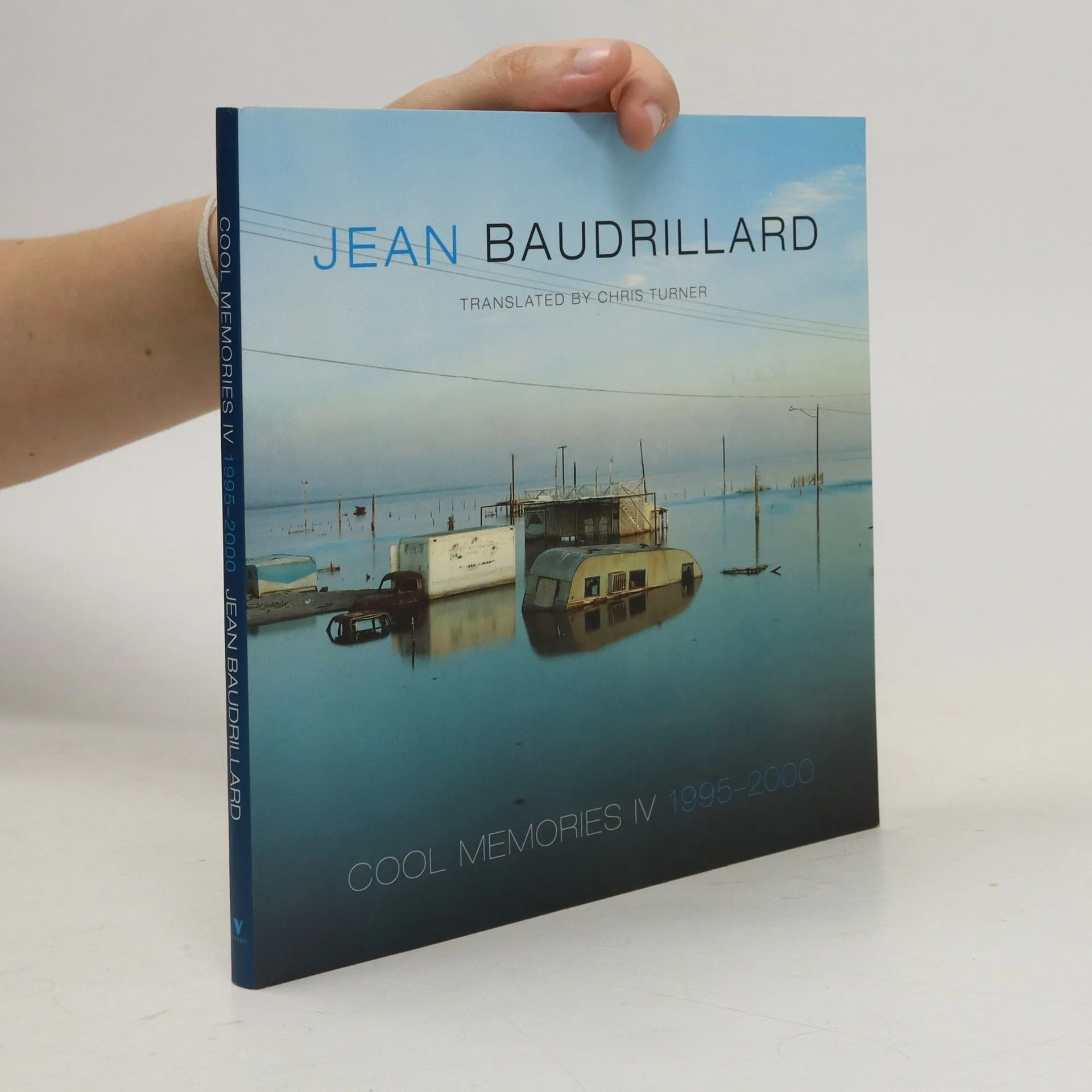
Baudrillard’s work of the last two decades has downplayed the position of the critical subject and gone over to the standpoint of the object. Nowhere is this objective (non-)critique which results so clearly played out as in the Cool Memories series.Here again, in this fourth collection of fragments and sketches, Baudrillard’s stance is less that of the interventionist intellectual analysing the world as critical subject than of the barely participant observer, an object among objects, an ‘internal exile’, watching the world ‘world itself’ with such fierce insistence, yet registering with acuity our general deficit of reality and meaning.
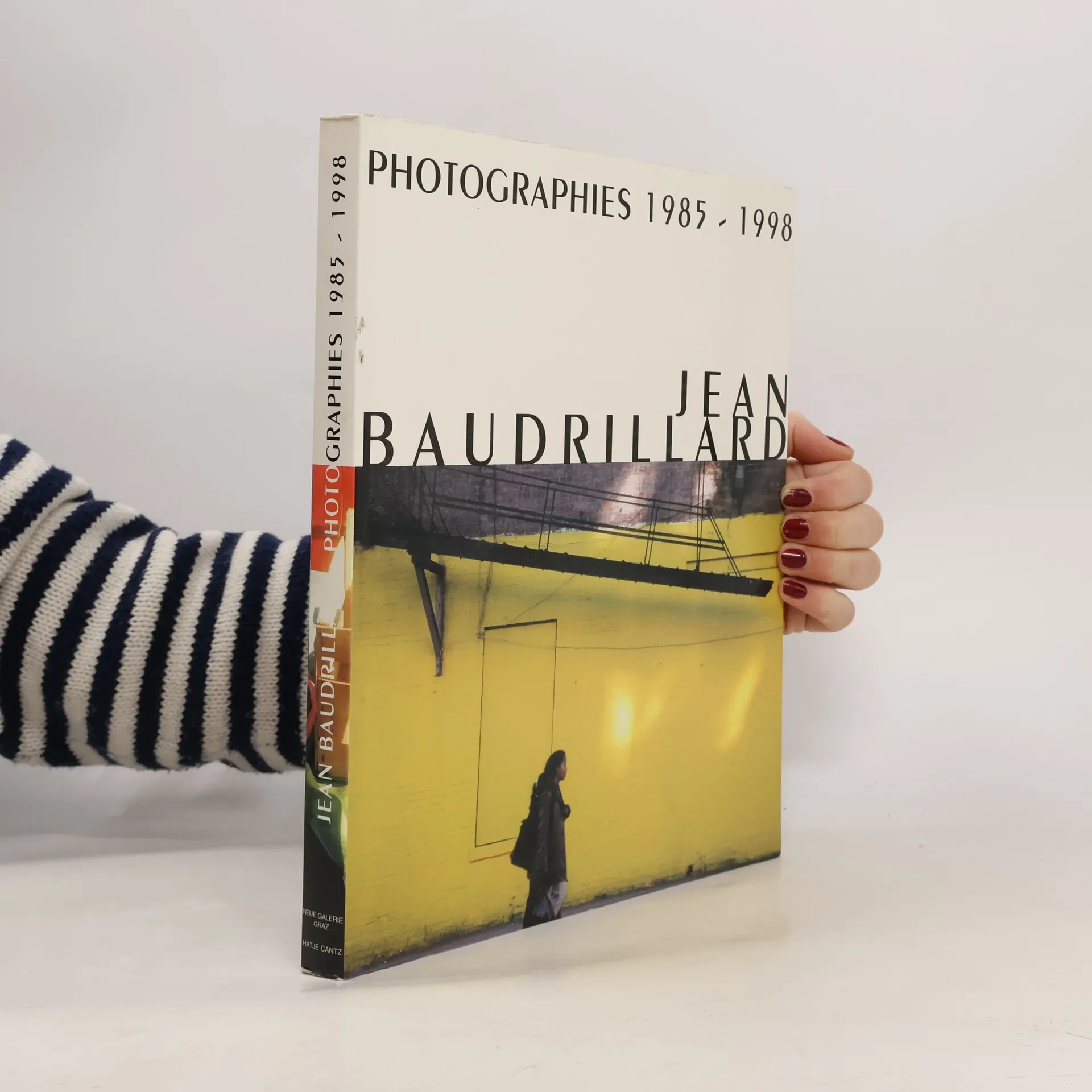
This book uniquely combines Baudrillard's photographs with his collected texts on photography theory. As a prominent French philosopher, Baudrillard significantly impacted contemporary art, particularly during the eighties and early nineties. He began photographing during his travels about twelve years ago and has since focused intensively on this medium. However, there is no direct correlation between his artistic endeavors and philosophical ideas; he captures images of subjects he chooses not to comment on, intentionally excluding them from his written work. In his photography, he explores the world of objects, seeking out the insignificant and arbitrary. According to Peter Weibel, the beauty of these objects lies in their laconic nature, which Baudrillard captures without the emotional weight of history or the artificiality often found in art photography. His lens rests on the surface of these objects, celebrating their visual appeal. Baudrillard was a sociologist, social theorist, philosopher, and media theorist, serving as a lecturer and professor at the University of Paris-Nanterre from 1966 to 1987, with numerous publications translated into over twelve languages. He began writing literary fiction in 1986 and received the Siemens Media Art Prize in 1995.
This third book in the Cool Memories series is culled from Baudrillard’s notebooks in the period when he was composing The Illusion of the End and The Perfect Crime . In it, he resumes his investigation of the meta-metaphysics of objects. Like its predecessors, the book is a work of brief meditations, of poetic in a word, of fragments.
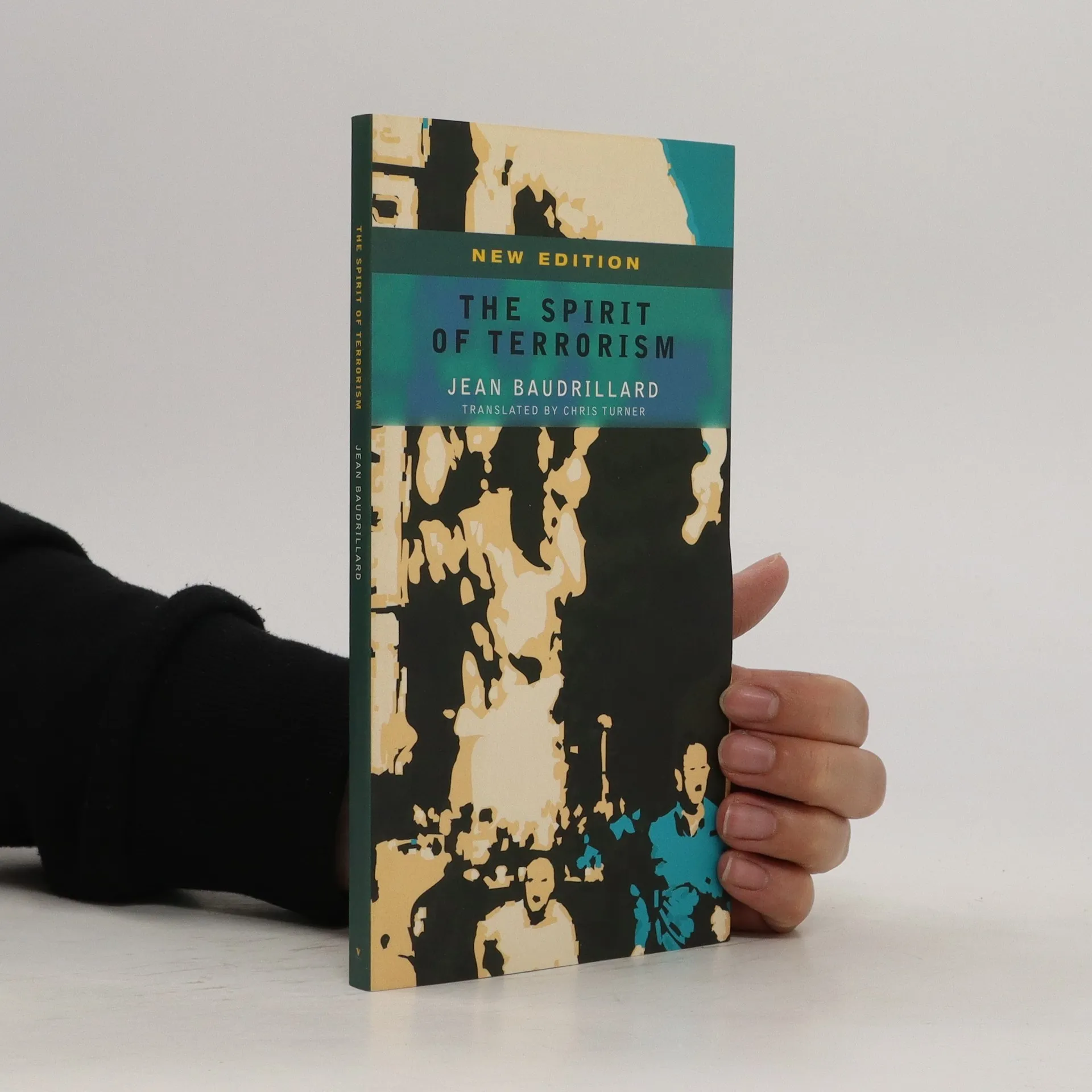
Baudrillard sees the power of the terrorists as lying in the symbolism of slaughter – not merely the reality of death, but in a sacrifice that challenges the whole system. Where previously the old revolutionary sought to conduct a struggle between real forces in the context of ideology and politics, the new terrorist mounts a powerful symbolic challenge which, when combined with high-tech resources, constitutes an unprecedented assault on an over-sophisticated and vulnerable West. This new edition is up-dated with the essays ‘Hypotheses on Terrorism’ and ‘Violence of the Global’.
The art of living today has shifted to a continuous state of the experimental. In one of his last texts, Telemorphosis, renowned thinker and anti-philosopher Jean Baudrillard takes on the task of thinking and reflecting on the coming digital media architectures of the social. While "the social" may have never existed, according to Baudrillard, his analysis at the beginning of the twenty-first century of the coming social media-networked cultures cannot be ignored. One need not look far in order to find oneself snared within some sort of screenification of a techno-social community. "What the most radical critical critique, the most subversive delirious imagination, what no Situationist drift could have done . . . television has done." Collective reality has entered a realm of telemorphosis.
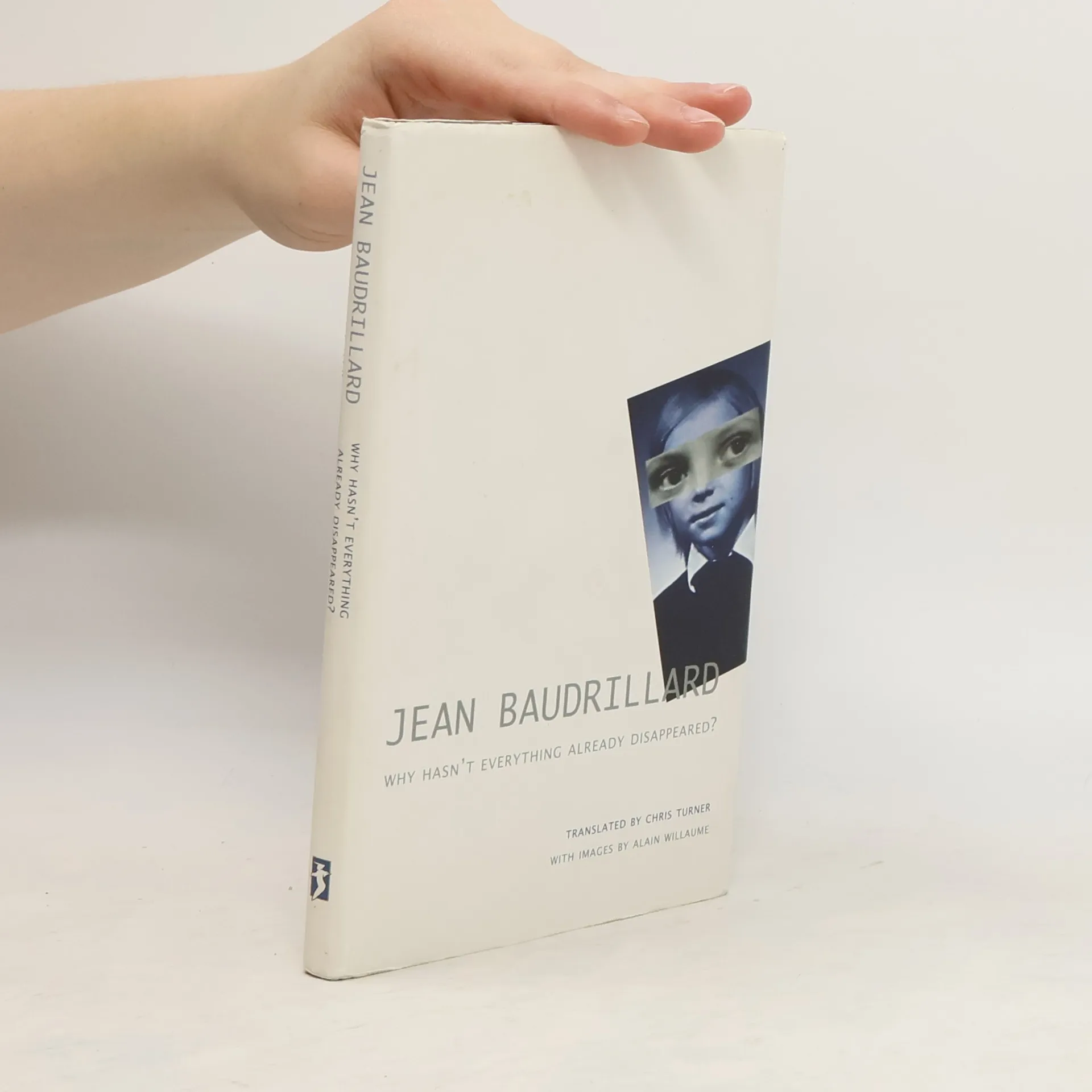
"In this, one of the last texts written before his death in March 2007, Jean Baudrillard meditates poignantly on the question of disappearance. He weaves an intricate set of variations on his theme, ranging from the potential disappearance of humanity as a result of the fulfillment of its project of world mastery to the vanishing of reality through the transmutation of the real into the virtual. On the way, he takes in the more conventional question of the philosophical 'subject', whose disappearance has, in his view, been effected through a 'pulverization of consciousness into all the interstices of reality'." "With disappearance, strange things happen - not least, the return in malign, viral form of some of those things that were eliminated or repressed. Yet it also has a positive aspect, as a 'vital dimension' of the existence of things: 'Behind every image, something has disappeared. And that is the source of its fascination.'" --Book Jacket.
Characterizing it as a mythic discourse, Jean Baudrillard proceeds, in this brilliant essay, to dismantle the powerful, seductive figure of Michel Foucault.
The book explores the concept of self-deterrence among Western powers, suggesting that traditional deterrence strategies have been internalized, leading to an inability to effectively utilize their own power. This internalized deterrence creates a paradox where the very measures intended to prevent conflict hinder the realization of military and political strength, impacting international relations and the dynamics of power.
Offers transcripts of interviews with French intellectual Jean Baudrillard, covering topics such as: Fukuyama; 1989 and the collapse of Communism; Bosnia; the Gulf War; Rwanda; the New World Order; consumer society and social exclusion; liberation; and nihilism.
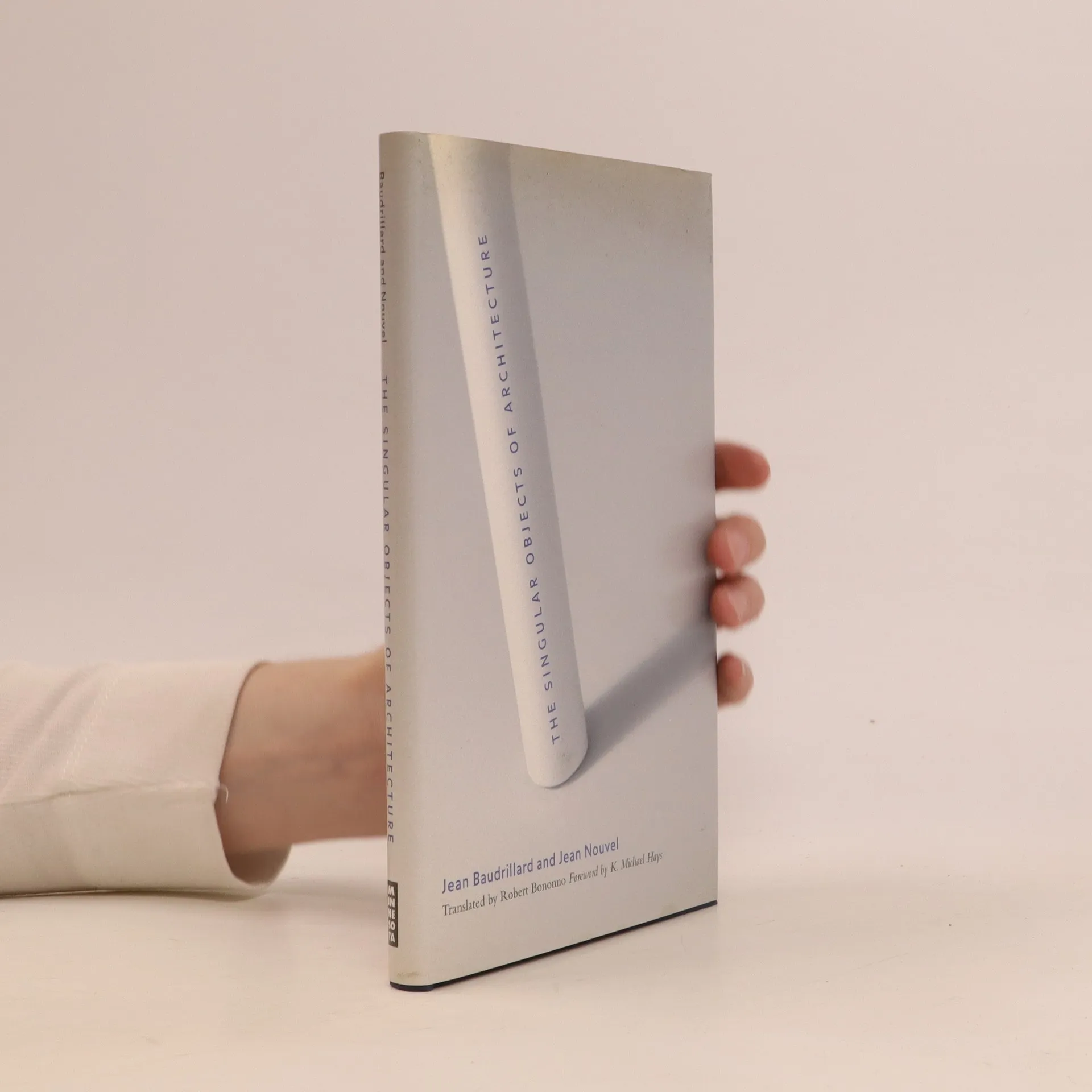
"This wide-ranging conversation bridges architecture and philosophy as Jean Baudrillard and Jean Nouvel discuss such topics as the city of tomorrow and the ideal of transparency, the gentrification of New York City, and Frank Gehry's surprising Guggenheim Museum Bilbao. Nouvel prompts Baudrillard to reflect on his signature concepts (the virtual, transparency, fatal strategies, oblivion, and seduction), and the confrontation between philosophical concerns and the specificity of architecture creates novel and striking formulations - and new ways of understanding the connections between the practitioner and the philosopher, the object and the idea."--BOOK JACKET.
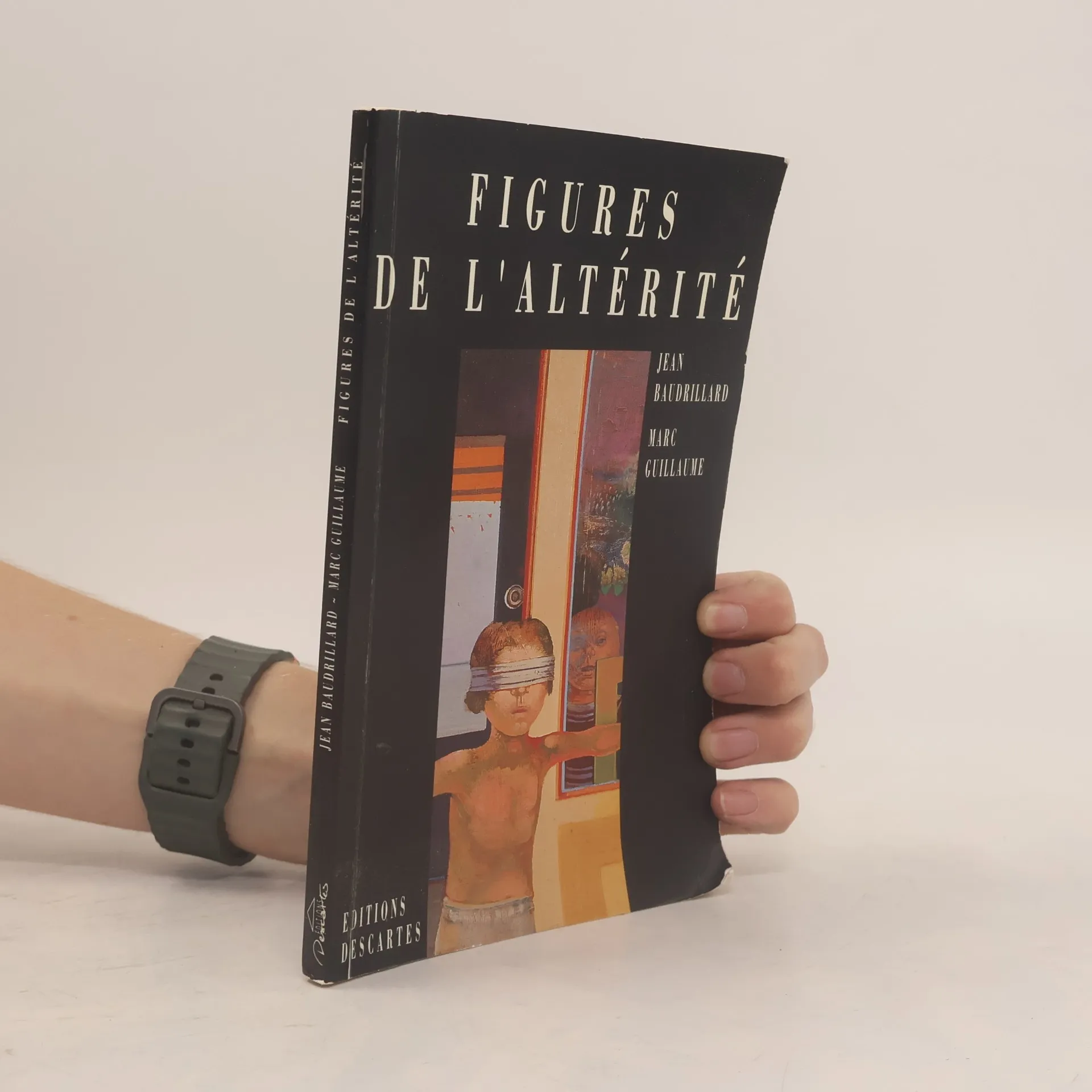
A focused exploration of Baudrillard's understanding and use of alterity and otherness, a crucial theme that appears and reappears throughout his work as a whole.
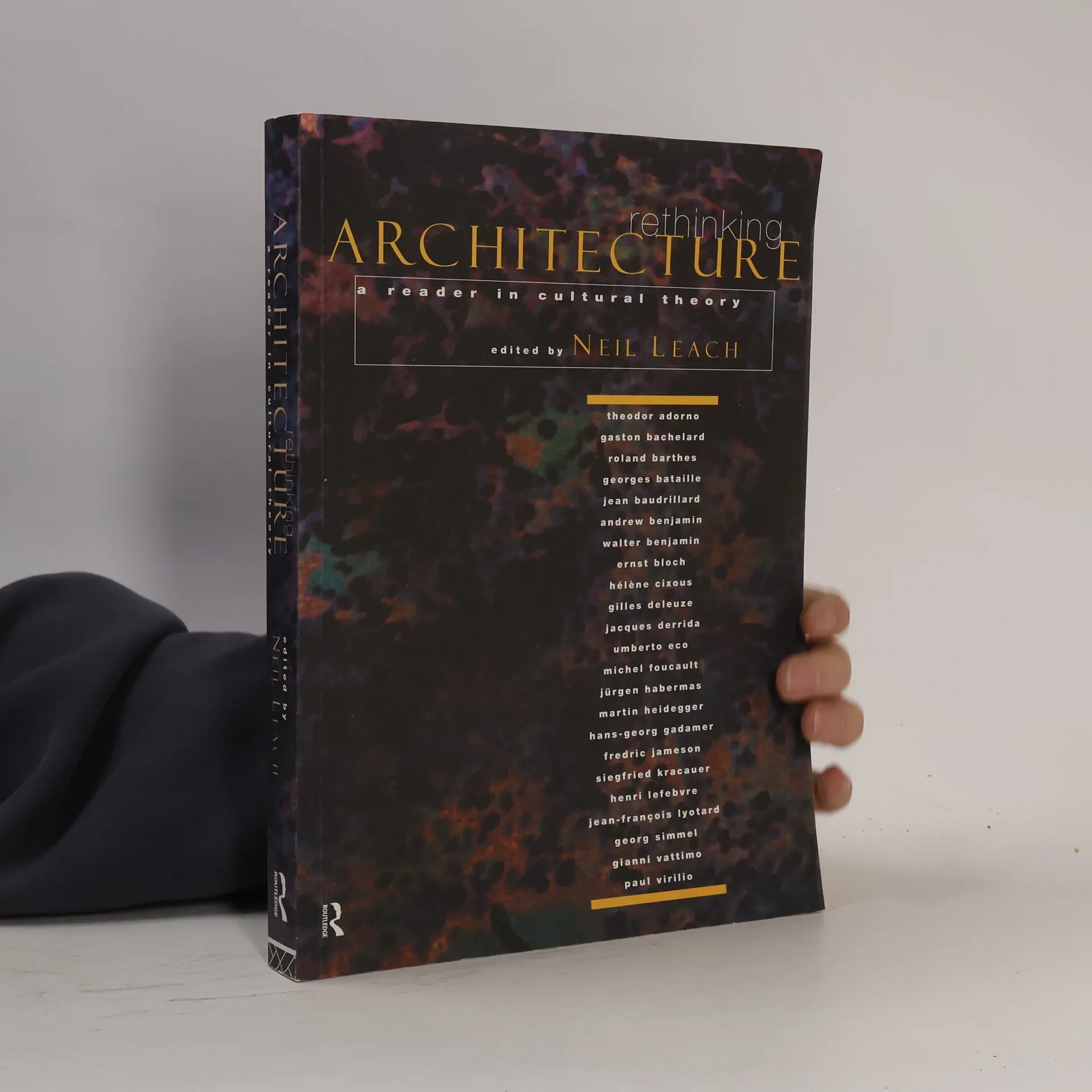
The collection features essential writings from influential philosophers and cultural theorists of the twentieth century, exploring the foundational ideas that have shaped urban environments and architectural experiences. It delves into the theoretical frameworks that underpin contemporary architecture, offering insights into the cultural and philosophical contexts that inform our understanding of space and design. This compilation serves as a critical resource for those interested in the intersection of architecture, philosophy, and urban theory.
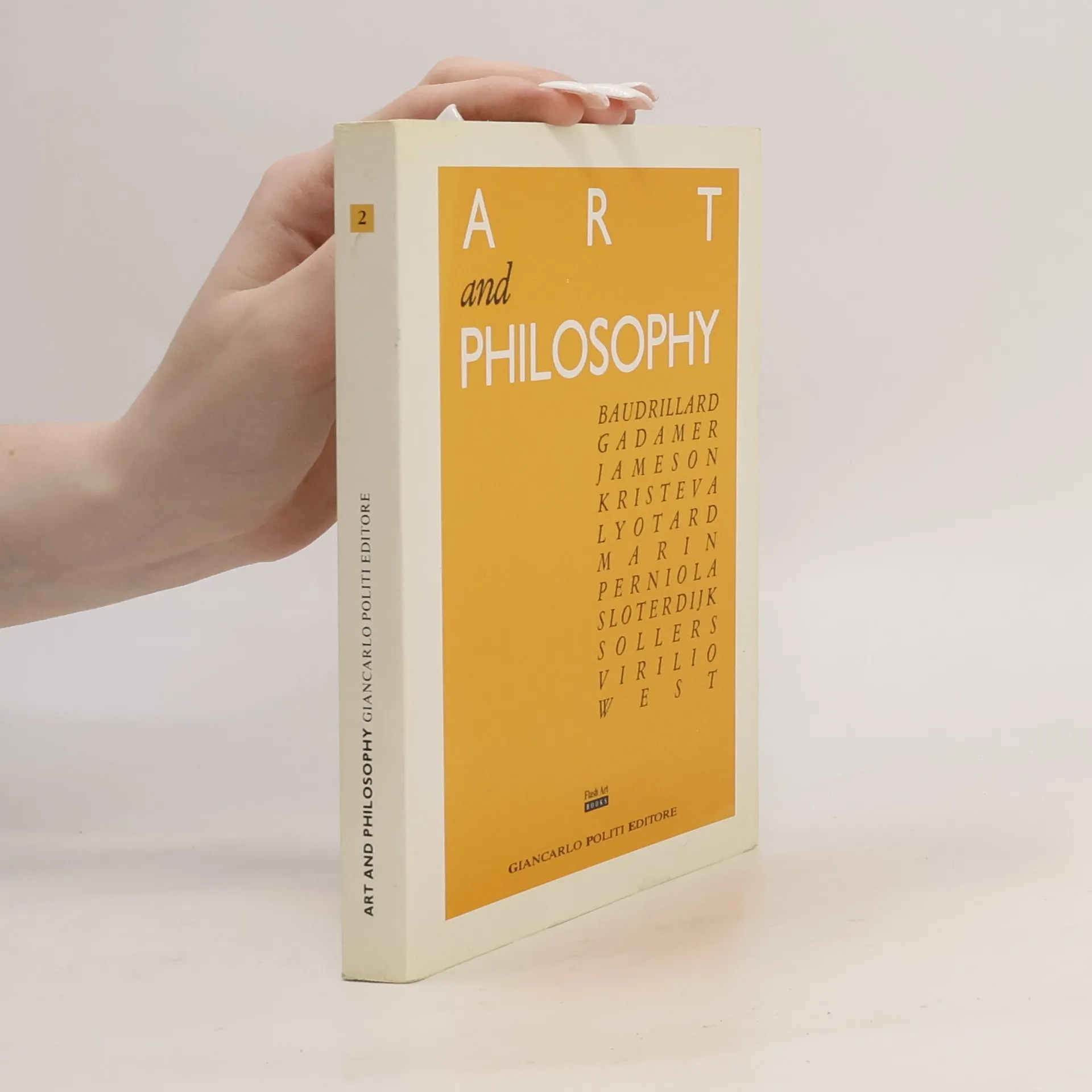
Book by Jean Baudrillard, Hans-Goerg Gadamer, Fredric Jameson, Julia Kristeva, Jean-Francois Lyotard, Louis Marin, Mario Perniola, Cornel West, Philippe Sollers, Paul Virilio
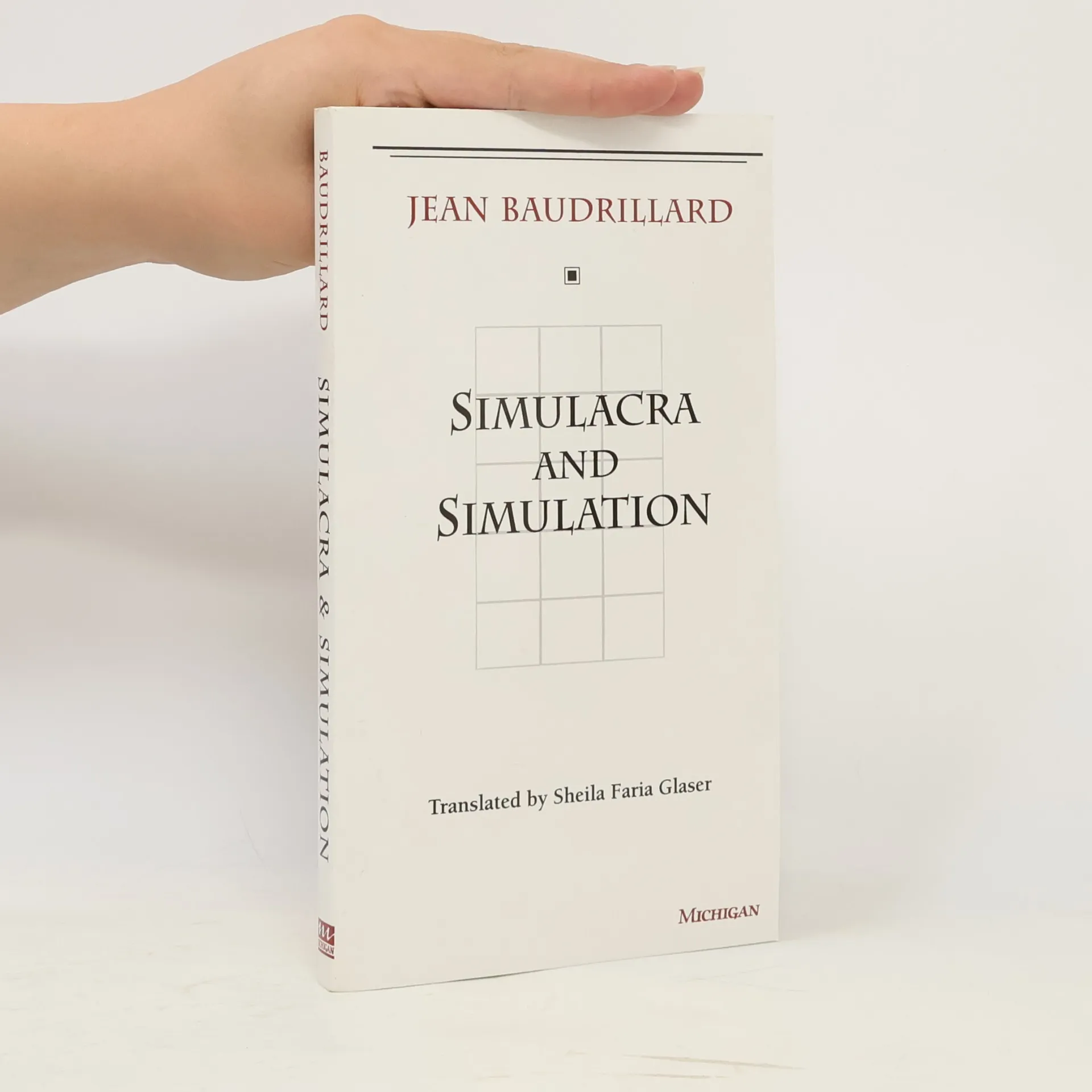
”Симулякры и симуляция” - одна из важнейших работ выдающегося философа-постмодерниста, культуролога и социолога Жана Бодрийяра. Самая полная и доступная для восприятия книга подобной тематики, с которой можно начинать погружение в мир современной философии. Автор дает наиболее развернутые определения таким понятиям как, ”гиперреальность” и ”симулякры”, давно уже вошедших в массовый обиход. Это произведение помогло множеству людей по всему миру взглянуть на нашу реальность с принципиально иной стороны, с позиции признания ее фиктивной, поддельной, ”копией копии”, иллюзорной субстанцией, а также вдохновила кинематографистов на создание культового фильма ”Матрица”.
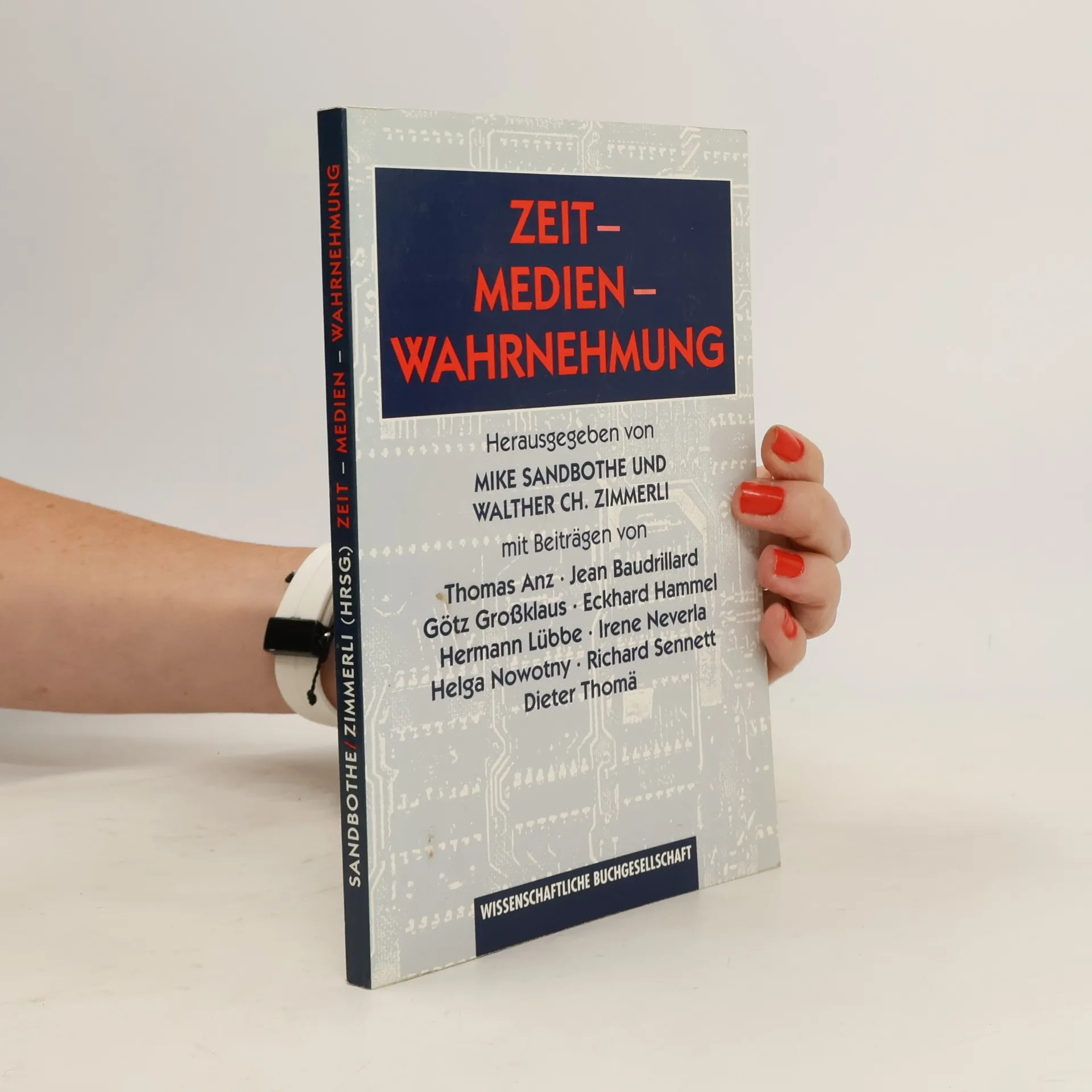
"Alle unsere Maschinen sind Bildschirme, wir selbst sind Bildschirme geworden und das Verhältnis der Menschen zueinander ist das von Bildschirmen geworden.“ (Jean Baudrillard)
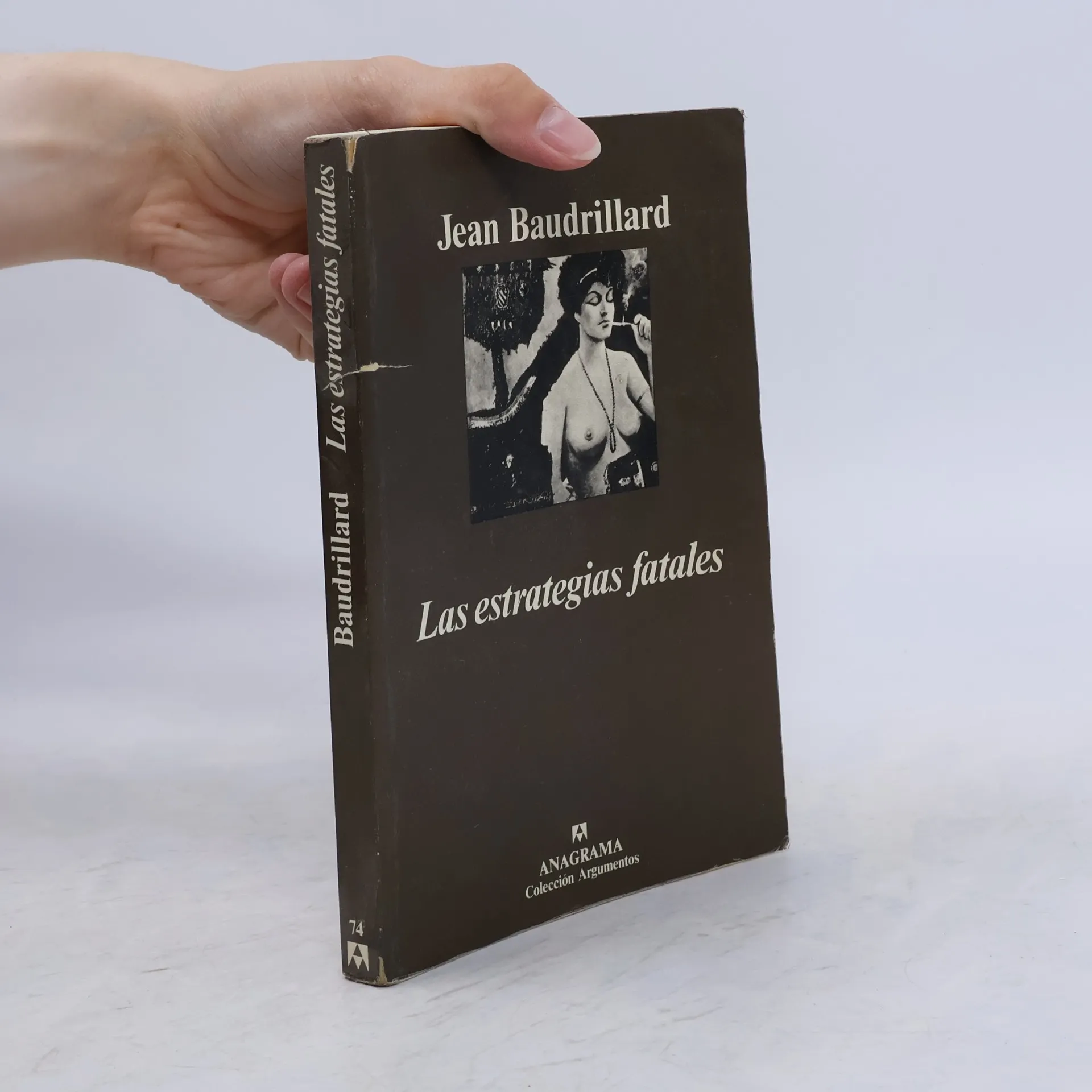
"Las estrategias fatales", que podría subtitularse Confesiones de un intelectual del fin de siglo, es uno de los más sagaces libros de Jean Baudrillard, un autor al que se ha calificado como el sociólogo por antonomasia de la era posmarxista, como un profeta de la posmodernidad. En este libro, Baudrillard retoma, sistematizándolo y llevándolo al límite, su análisis de la sociedad en términos de simulacros: toda la realidad social ha llegado hoy día a su punto de «éxtasis», un vanishing point donde las cosas, privadas de su finalidad y de su referencia, «sobreactúan», por así decir, hasta convertirse en formas vacías, puros objetos fascinantes. Baudrillard nos propone una «apuesta»: puesto que la posición del sujeto productor de sentido es ya imposible de mantener, ¿por qué no aceptar el placer de la seducción muda del objeto, su ironía y su fatalidad? O sea: la apariencia contra la llamada profundidad, el juego y la regla contra la ley, el destino y la fatalidad contra la historia y la necesidad, el Mal, su ironía y su inmoralidad, contra el Bien y el principio de lo real. Frente a las teorías banales, en las que el sujeto se cree más astuto que el objeto, las teorías fatales, en las que el objeto, más astuto, cínico y genial que el sujeto, lo espera irónicamente en un recodo.
„Während so viele Generationen, und besonders die letzte, im Laufschritt der Geschichte gelebt haben, in der euphorischen oder katastrophischen Perspektive einer Revolution - hat man heute den Eindruck, daß die Geschichte sich zurückgezogen hat, einen Nebel der Indifferenz hinter sich zurücklend, durchquert zwar von Strömen, aber all ihrer Bezüge entleert.“
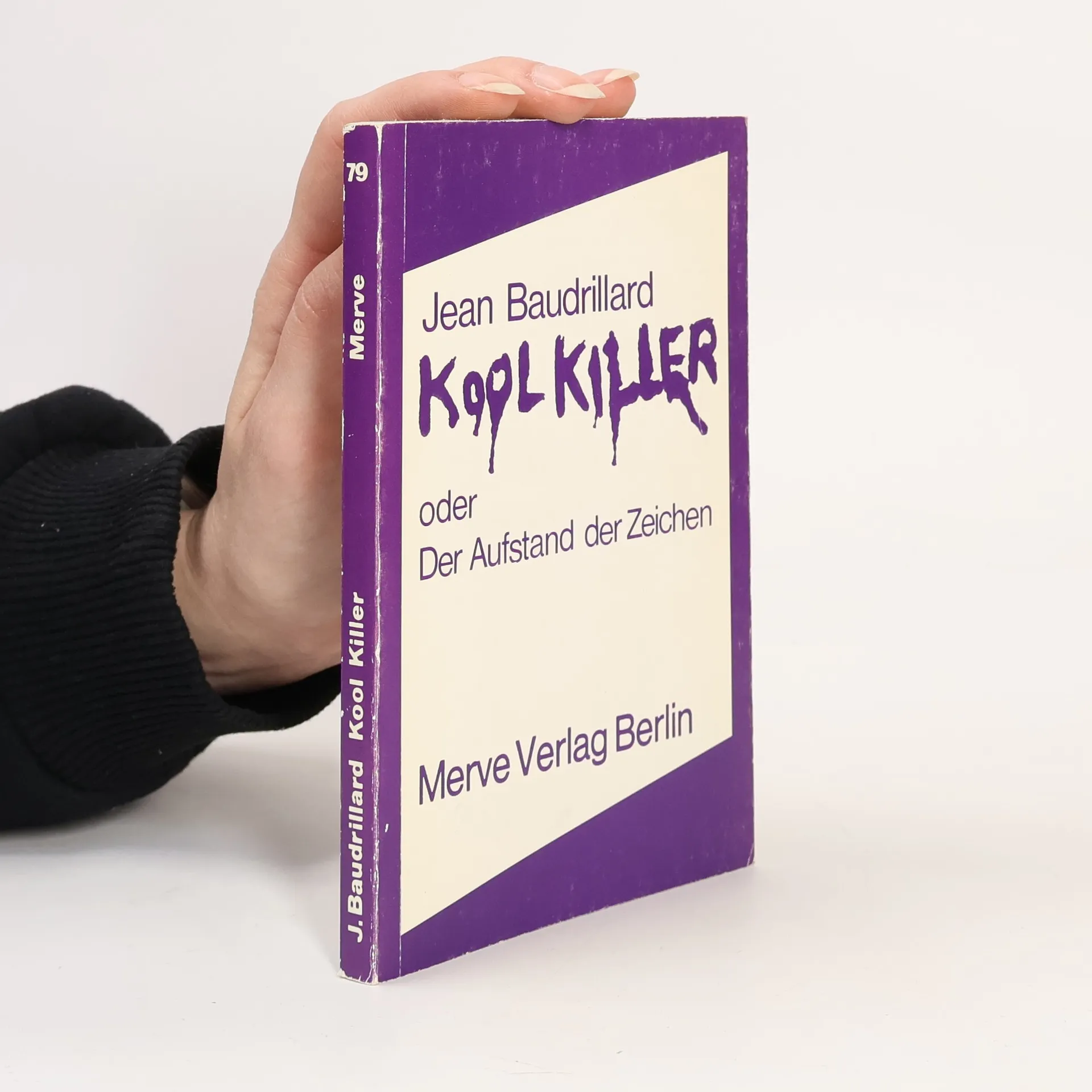
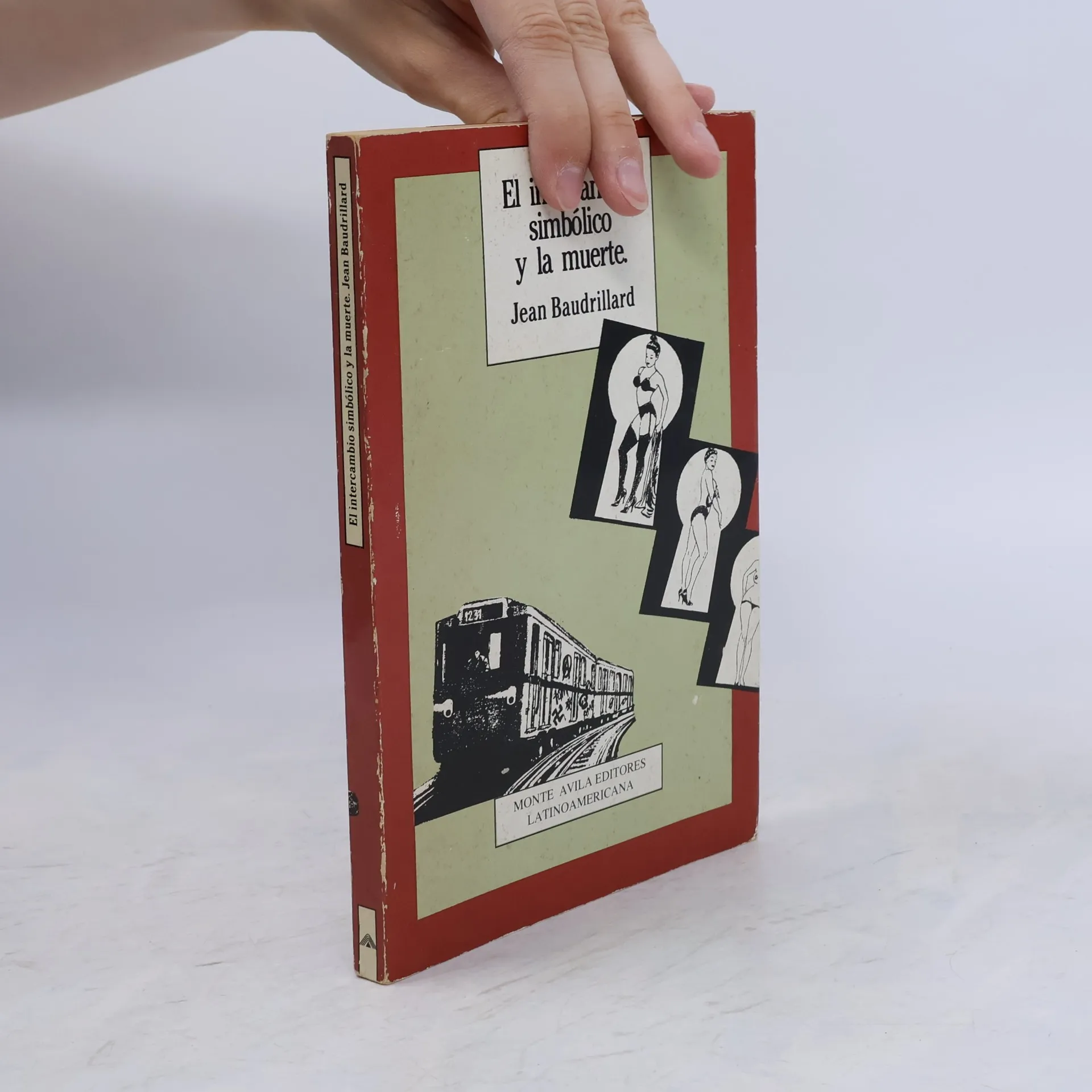
Die Graffiti machen die Flächen und Wände der Stadt oder die U-Bahnen und Busse wieder zu einem Körper. Indem SUPER-SEX und SUPERKOOL ihre leeren Zeichen ins Fleisch der Wände einritzen, sie tätowieren, machen sie Schluß mit der Raum/Zeit der urbanen Transportmittel. Die U-Bahnzüge sausen vorbei wie Projektile, wie eine bis zu den Augen tätowierte Hydra.
Baudrillards Reflexionen zu Politik, Kunst und den neuen Technologien beschreiben die Entwicklung hin zu einer scheinbar kontrollierbaren Realität wie auch die Umkehrung dieser Struktur gegen sich selbst – die Manifestation einer Intelligenz des Bösen. Das Realitätsprinzip ist im Zuge einer Totalisierung der Welt durch die Guten im Verschwinden begriffen. An dessen Stelle tritt eine virtuelle Realität, eine integrale Realität, die scheinbar vollkommen, kontrollierbar und ohne Widerspruch ist. Doch bringt diese fatale Logik des Exzesses zugleich das verdrängte Andere hervor: das Übermaß an Gesundheit den Virus, das Übermaß an Sicherheit neue Bedrohungen und so weiter. Hierin liegt die Intelligenz des Bösen, die bösartige Umkehrung der Struktur gegen sich selbst. Wie schon in Der Geist des Terrorismus gelingt Baudrillard auch mit diesem Buch ein faszinierendes Psychogramm unserer Weltordnung zu Beginn des 21. Jahrhunderts.
Jean Baudrillard begleitet die postmodernen Umwälzungen in Frankreich und anderswo nun schon seit Jahrzehnten mit seinen originellen Interpretationen. In diesem Buch überschaut er sein Werk und geht der Entwicklung seiner Themen und Begriffe anhand seiner früheren Bücher nach. Wer wissen will, wie sich Baudrillard zum Denker der Simulation, zum Philosophen unserer Medienwelt entwickelt hat, findet hier Antworten auf diese Fragen. Mit der zweiten Auflage ist dieser für das Verständnis von Baudrillard wesentliche Text wieder erhältlich.
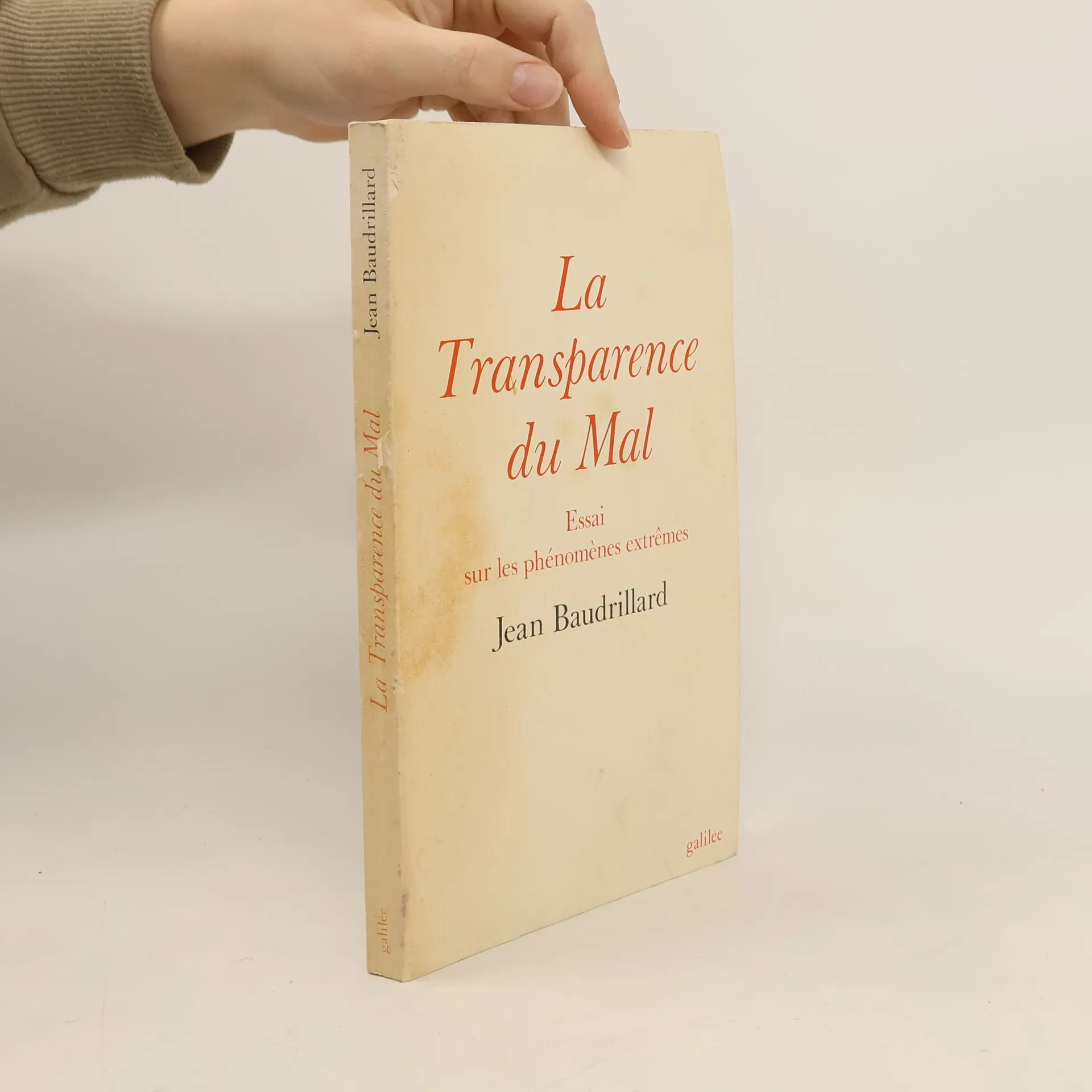
« L’énergie de la part maudite, la violence de la part maudite, c’est celle du principe du mal. Sous la transparence du consensus, l’opacité du mal, sa ténacité, son obsession, son irréductibilité, son énergie inverse partout à l’œuvre dans le dérèglement des choses, dans la viralité, dans l’accélération, dans l’emballement des effets, dans l’outre-passement des causes, dans l’excès et le paradoxe, dans l’étrangeté radicale, dans les attracteurs étranges, dans les enchaînements inarticulés. Le principe du mal n’est pas moral, c’est un principe de déséquilibre et de vertige, un principe de complexité et d’étrangeté, un principe de séduction, un principe d’incompatibilité, d’antagonisme et d’irréductibilité. Ce n’est pas un principe de mort, au contraire, c’est un principe vital de déliaison. Toute tentative de rachat de la part maudite, de rachat du principe du mal, ne peut qu’instaurer de nouveaux paradis artificiels. Les paradis artificiels du consensus qui, eux, sont un véritable principe de mort. Analyser les systèmes contemporains dans leur forme catastrophique, dans leurs échecs, dans leurs apories, mais aussi dans la façon dont ils réussissent trop bien et se perdent dans le délire de leur propre fonctionnement, c’est faire ressurgir partout le théorème et l’équation de la part maudite, c’est vérifier partout sa puissance symbolique indestructible. » J. B.
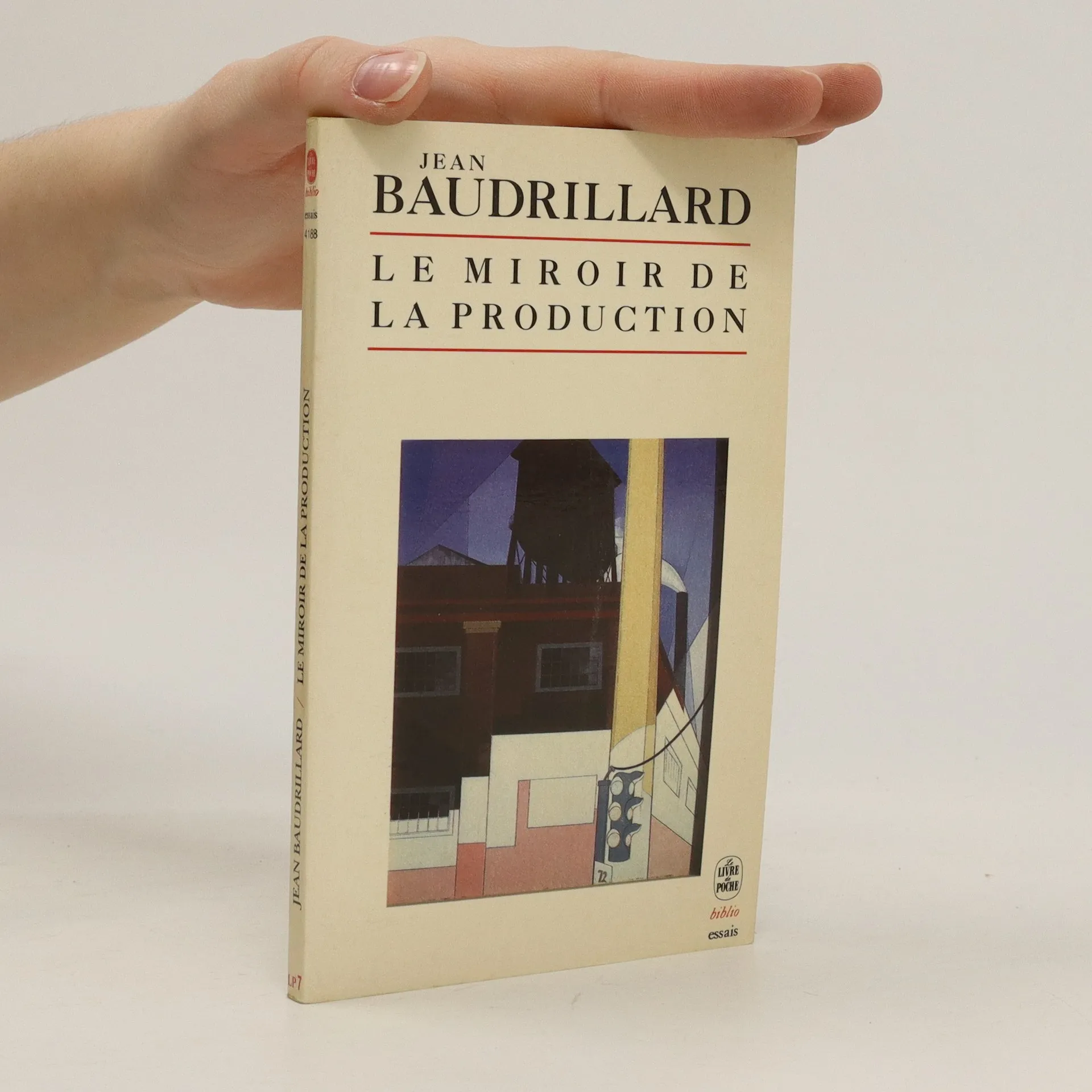
Un spectre hante l'imaginaire révolutionnaire : c'est le phantasme de la production. Il aliment partout un romantisme effréné de la productivité. La pensée critique du mode de production ne touche pas au principe de la production. Touts les concepts qui s'y articulent ne décrivent que la généalogie, dialectique et historique, des contenus de production et laissent intacte la production comme forme [...] En fait, partout l'homme a appris à se réfléchir, à s'assumer, à se mettre en scène [...]. Il y a là quelque chose, au niveau de toute l'économie politique, de ce que décrit Lacan dans le stade du miroir : à travers [...] ce miroir de la production, s'effectue la prise de conscience de l'espèce humaine dans l'imaginaire. Jean Baudrillard. Production d'objets, production de signes : jusqu'ici, la modernité s'est aussi définie comme une gigantesque machine à produire des choses et du sens. Prenant à revers les analyses traditionnelles, dont celle des marxistes, Jean Baudrillard montre que, finalement, le dispositif n'a jamais été appréhendé dans sa réalité profonde. Partant d'un examen raisonné des notions de travail, d'économie politique, de mode de production, etc., il élabore une nouvelle grille d'interprétation des phénomènes, débarrassée cette fois des scories du discours métaphysique.
Mit seinem brillanten und kontroversiellen Essay über den Geist des Terrorismus meldet sich Jean Baudrillard mit neuem Elan auf der internationalen Szene zurück. Die Tagebücher reflektieren neben seinem Schaffen und seiner in dieser Zeit beginnenden Krankheit auch die Stimmung am Beginn des dritten Jahrtausends.
Un bref texte de Jean Baudrillard écrit en 1949 alors qu'il avait vingt ans et faisait partie du Collège de 'Pataphysique.
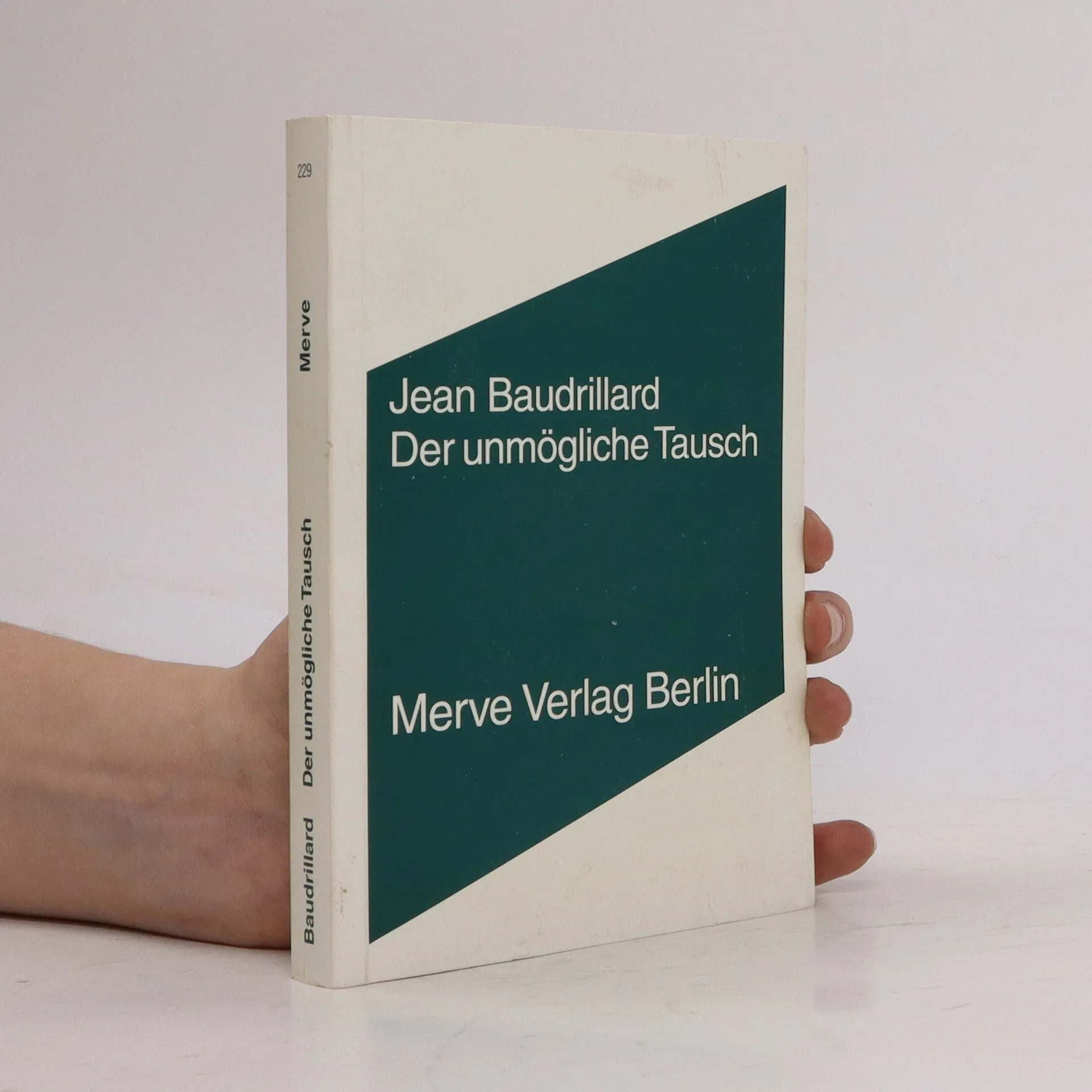
Ausgehend von der Abwesenheit jeglichen Äquivalents (selbst das Denken kann sich weder gegen die Wahrheit noch gegen die Realität austauschen) diagnostiziert Baudrillard die ‚radikale Ungewißheit’ der Welt. Die Notwendigkeit, künstliche Äquivalenzen zu schaffen, führt nur zu Figuren des Hyper, zu Prothesen, etc.
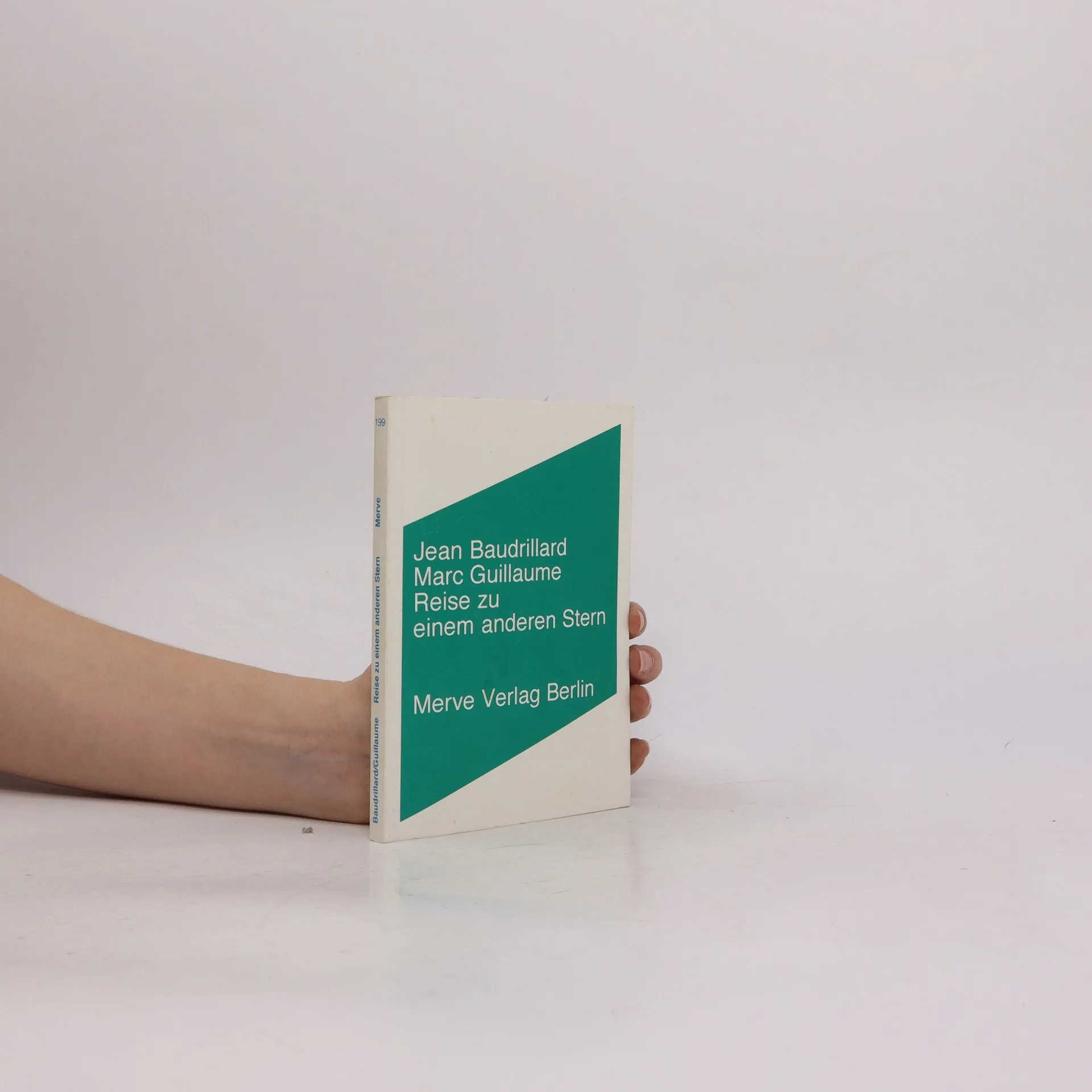
„Unsere eigentliche Reise gilt dem Anderen, den Anderen. Mag dies nun ein Individuum oder eine Kultur sein.“ „Es handelt sich gewissermaßen um eine Umkehrfunktion: je weiter man die Grenzen des Wissens ausdehnt, je weiter man in der Entdeckung der Welt geht, desto mehr implodiert im Grunde genommen die Welt, wird sie orbital.“
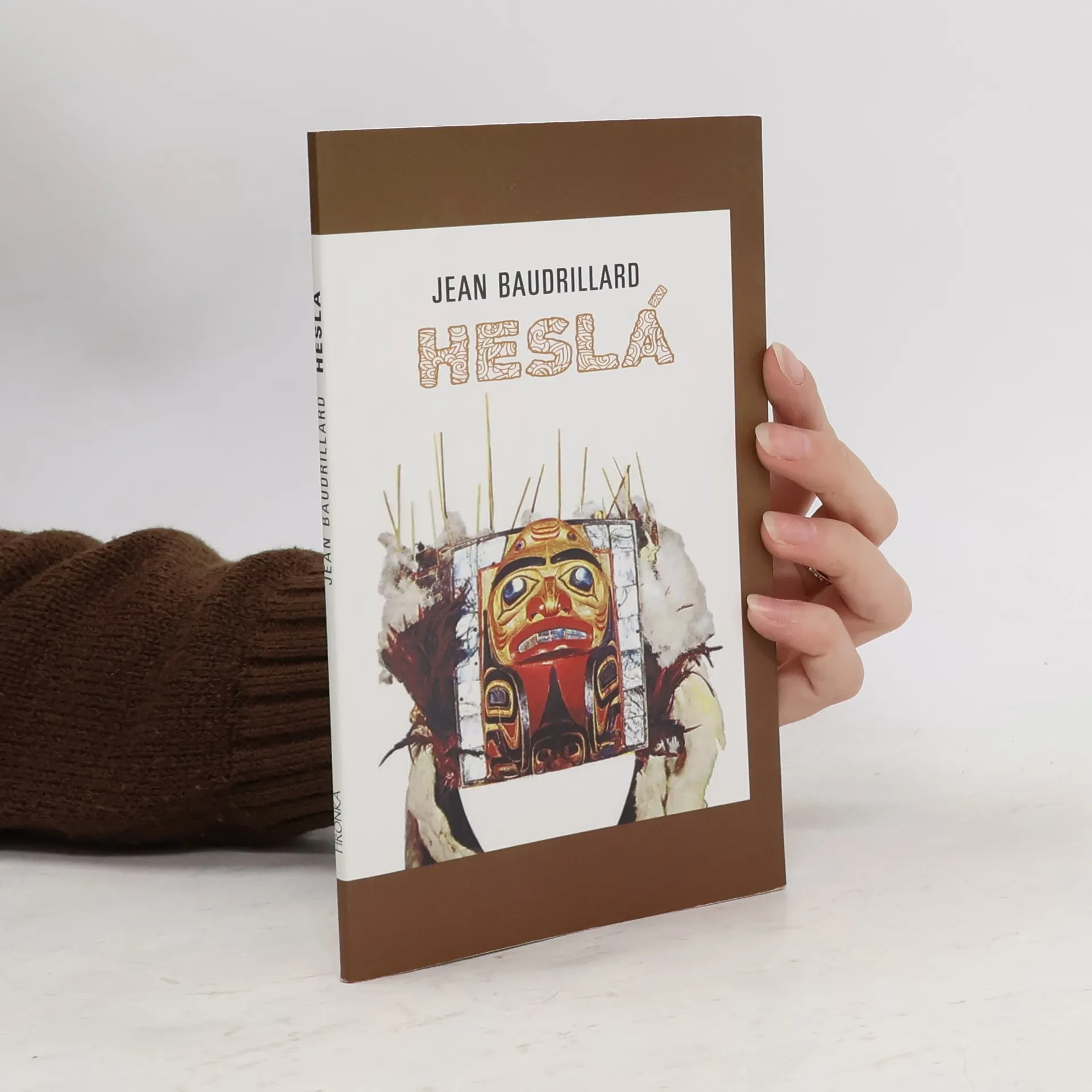
Jean Baudrillard je známy francúzsky postmoderný filozof, sociológ a fotograf. V knihe Heslá spôsobom autokomentára vysvetľuje sám seba, resp. základné pojmy, ktoré vo svojich ostatných knihách (Symbolická výmena a smrť, Priezračnosť zla, Simulakra a simulácia, Amerika, Zabudnúť na Foucaulta, atď.) filozoficky rozpracoval (podobe ako to svojho času urobil G. Deleuze vo svojom Abecedaire). Pojmy, ktoré Baudrillard v knihe slovníkovým spôsobom objasňuje, sú: objekt/predmet, hodnota, symbolická výmena, zvádzanie, aleatorickosť, virtualita, chaos, hranica, dokonalý zločin, osud, myslenie, obscénnosť, virtualita, priezračnosť zla, dualita. Štruktúra knihy je teda daná slovníkovým, abecedným zoradením jednotlivých hesiel za sebou. Všetky uvedené heslá sa priebežne objavujú v rozmanitých variáciách vo viacerých Baudrillardových textoch. Baudrillard zatiaľ do slovenčiny nebol preložený, predkladaná kniha je jeho prvý slovenský preklad.
Es gibt Dinge, über die man nicht mehr oder noch nicht wieder sprechen kann. Ihr Geist hat sich nicht Marxismus. Es gibt Dinge, über die man noch nicht oder schon nicht mehr sprechen kann, weil ihr Geist schon auf den Strassen ist, weil ihr Schatten ihnen Kommunikation, Information. Gleichzeitig schien alles, was zu sagen möglich war, gesagt worden zu sein, und dabei war gar nichts gesagt worden. Wie kann man denn einerseits die idealistischen oder kritischen Schablonen und anderseits die technologischen Phantasien der betreffenden Fachleute vermeiden? (Auszug Anfang).
Im Jahr 1995 deckt der französische Starphilosoph Jean Baudrillard das perfekte Verbrechen auf: die Ermordung der Realität. Er beschreibt die Gegenwart als eine totale Simulation und erklärt: »So ist die Prophezeiung eingetroffen: Wir leben in einer Welt, in der es die wichtigste Aufgabe des Zeichens ist, die Realität verschwinden zu lassen und dieses Verschwinden zugleich zu vertuschen.« Wenn das Zeichen die Realität nicht mehr abbildet, sondern sie ersetzt, stehen wir vor dem ultimativen Rätsel: Wo ist die Welt geblieben, wenn alles nur noch Simulation ist? Baudrillard zeigt, dass die Technik nicht dazu dient, die Welt zu verstehen, sondern sie durch ein lückenloses Netz aus Daten, Bildern und Codes zu ersetzen. Das Verbrechen ist deshalb »perfekt«, weil es keine Spuren hinterlässt – es gibt kein Opfer, das klagt, und keinen Zeugen, der sich erinnert, wie es »vorher« war. Wir bewegen uns durch eine Welt der totalen Sichtbarkeit, in der das Geheimnisvolle und das Reale einer sterilen Perfektion gewichen sind. Es ist eine Provokation an unseren Verstand: Sind wir die Akteure in diesem Spiel oder nur die Datensätze einer Simulation, die längst die Kontrolle übernommen hat?