The Playbook
- 384 stránek
- 14 hodin čtení
From the 'Winner of Winners' of the Baillie Gifford Prize, a timely and dramatic story of a utopian American experiment, and the self-serving politicians that engineered its downfall.


James S. Shapiro je profesorem angličtiny a komparativní literatury na Kolumbijské univerzitě, který se specializuje na Shakespeara a raně novověké období. Shapiro působí na Kolumbijské univerzitě od roku 1985, kde vyučuje Shakespeara a další témata, a rozsáhle publikoval o Shakespearovi a alžbětinské kultuře.



From the 'Winner of Winners' of the Baillie Gifford Prize, a timely and dramatic story of a utopian American experiment, and the self-serving politicians that engineered its downfall.
From the author of 1599, a fresh perspective on the history of the United States - and a timely reminder of Shakespeare's indelible influence.
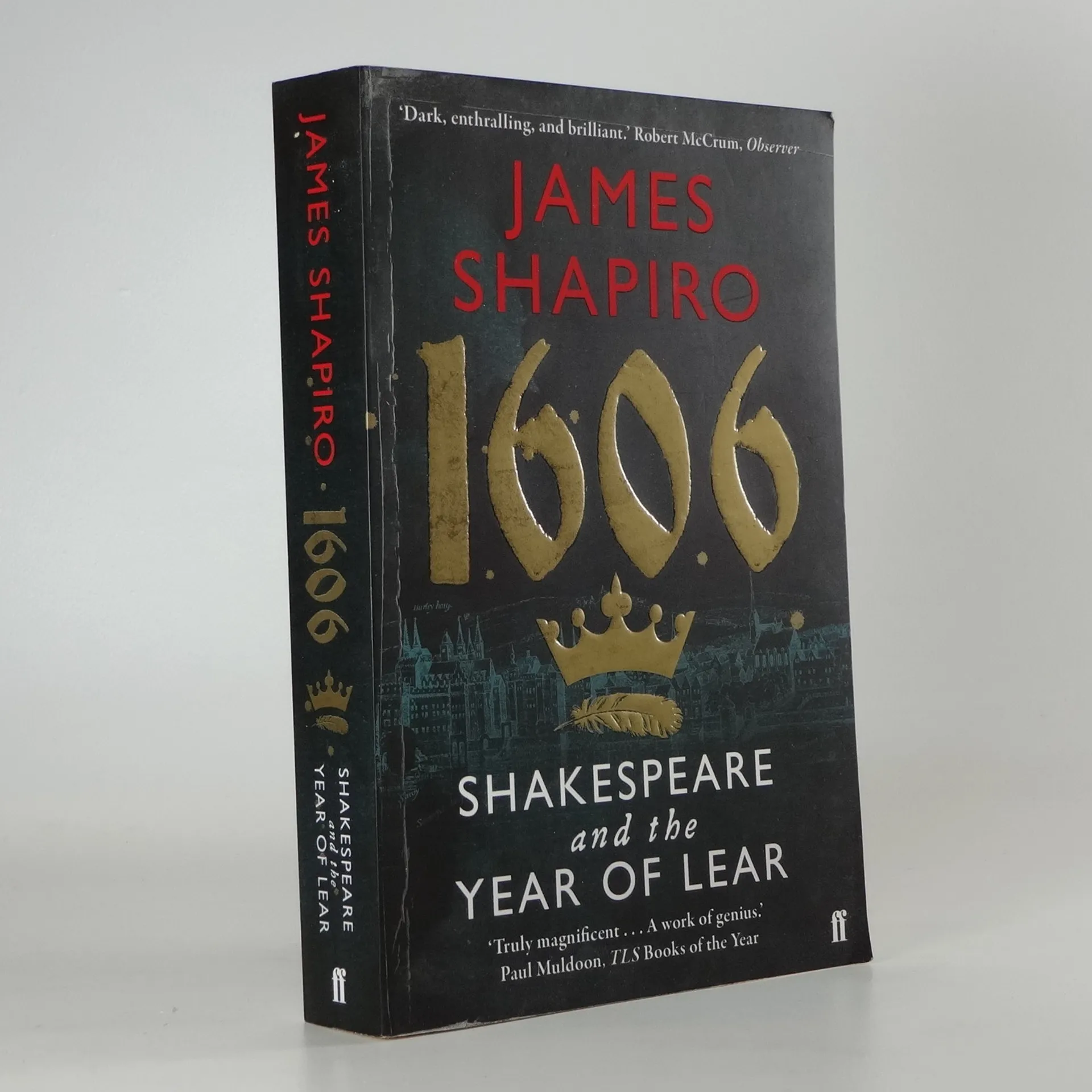
"An intimate portrait of one of Shakespeare's most inspired moments: the year of King Lear, Macbeth and Antony and Cleopatra. 1606, while a very good year for Shakespeare, is a fraught one for England. Plague returns. There is surprising resistance to the new king's desire to turn England and Scotland into a united Britain. And fear and uncertainty sweep the land and expose deep divisions in the aftermath of the failed terrorist attack that came to be known as the Gunpowder Plot. James Shapiro deftly demonstrates how these extraordinary plays responded to the tumultuous events of this year, events that in unexpected ways touched upon Shakespeare's own life ... [and] profoundly changes and enriches our experience of his plays--Publisher's description.
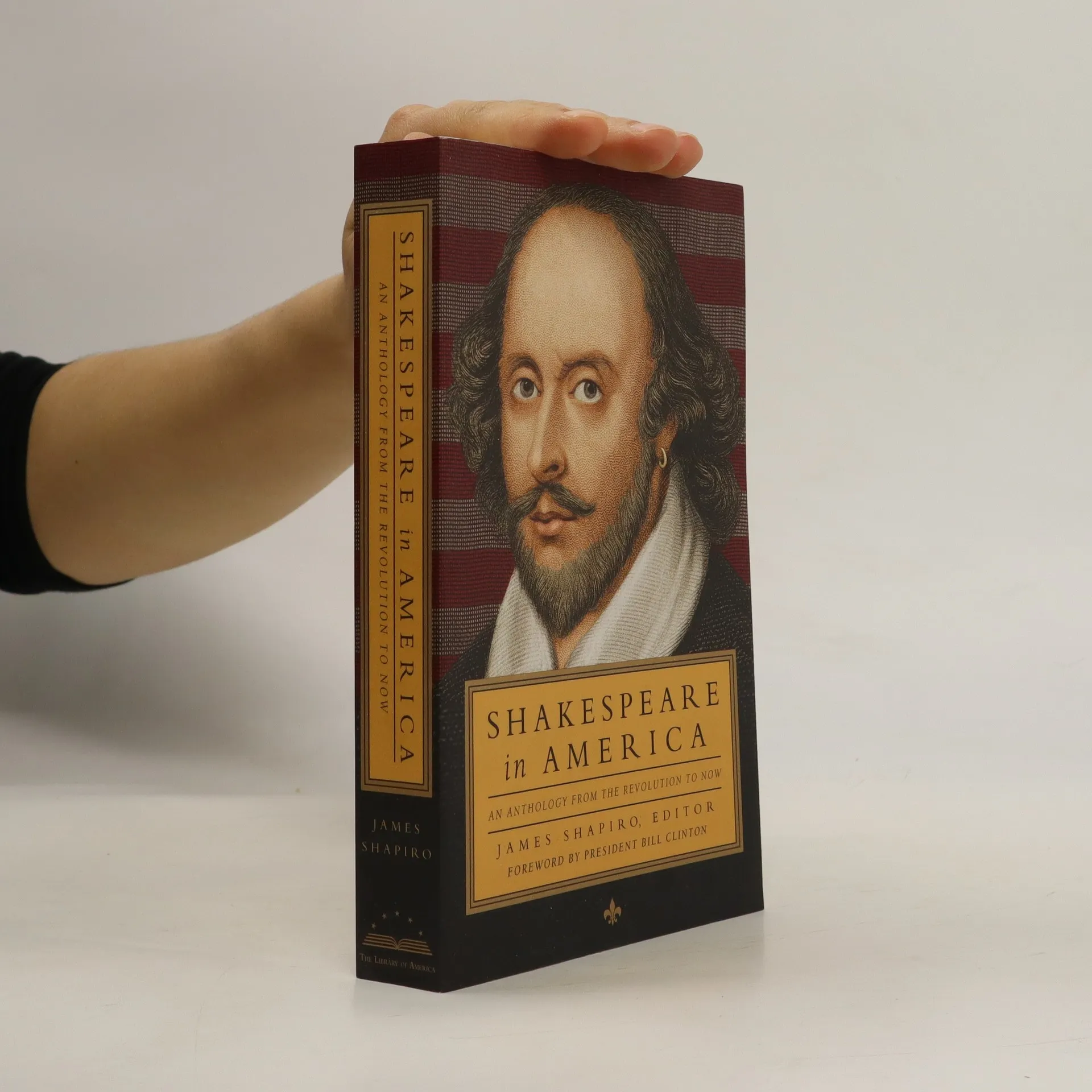
Internationally acclaimed Shakespeare scholar James Shapiro presents a first-of-its-kind anthology tracing the rich and surprising story of how Americans made the Bard their own. Through poetry, fiction, essays, plays, memoirs, songs, speeches, letters, movie reviews and comedy routines, Shakespeare's legacy in the U.S is collected here. Contributions come from a remarkable range of American writers and statesmen, from Emerson, Melville, Lincoln and Twain to John Berryman, Cynthia Ozick and Bill Clinton (who wrote a foreword).
Unravels the mystery of when and why so many people began to question whether Shakespeare wrote the plays (among them such leading writers and artists as Sigmund Freud, Henry James, Mark Twain, Helen Keller, Orson Welles and Sir Derek Jacobi).
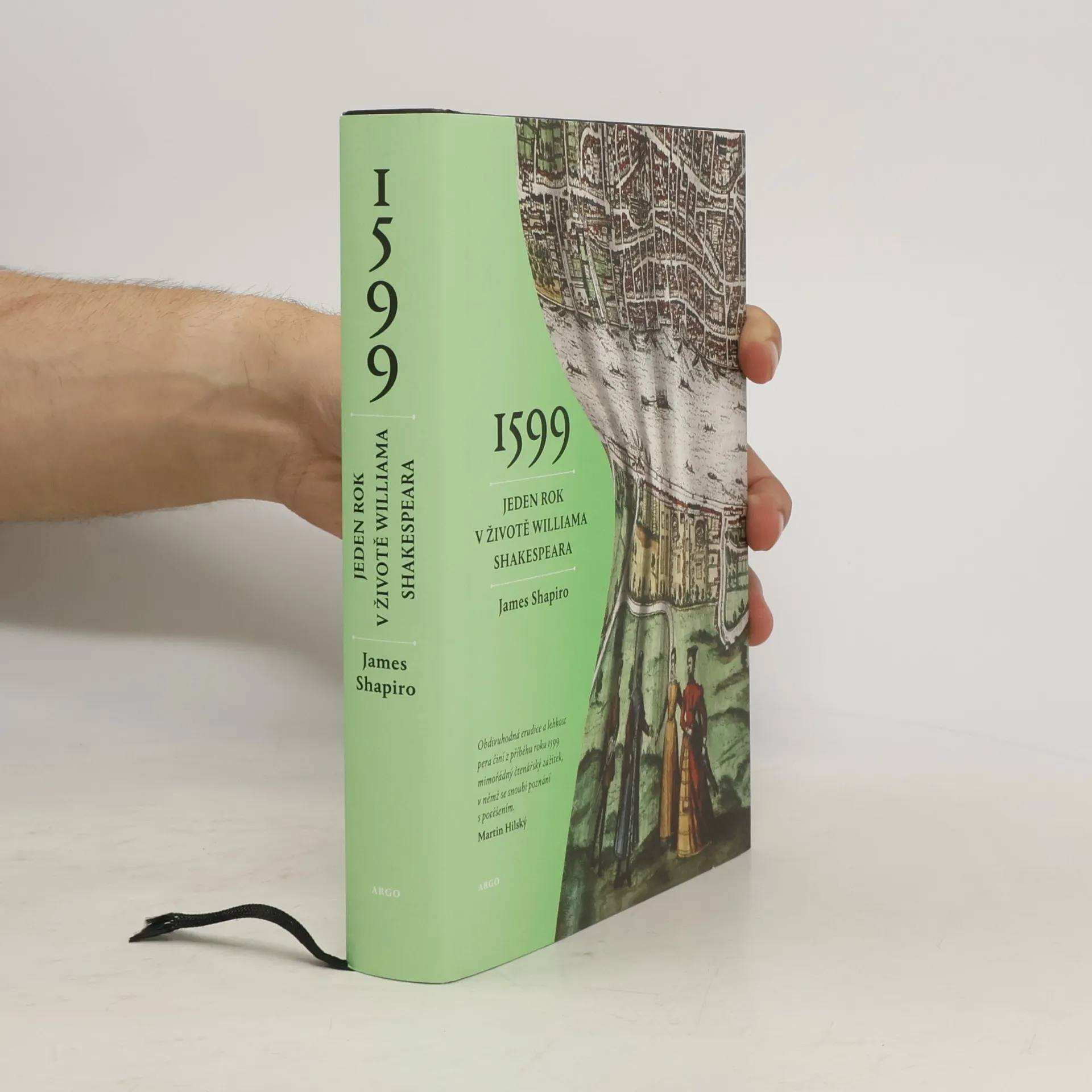
Jak se z talentovaného dramatika a básníka stal jeden z největších autorů v dějinách literatury? V Shapirově nebývale živém líčení můžeme sledovat, co Shakespeare v roce 1599 četl, jaké hry viděl a s kým spolupracoval, stejně tak jako dějinné události, které hýbaly alžbětinskou Anglií. Výsledek už známe: v tomto událostmi nabitém roce Shakespeare investuje do nového divadla Globe a po večerech (!) napíše hned čtyři hry – Jindřicha V., Julia Caesara, Jak se vám líbí a konečně Hamleta – snad nejobdivovanější hru všech dob. S tím, jak se dozvíme, co k jejich vzniku vedlo, se prohloubí i naše porozumění a při příští návštěvě divadla uvidíme své oblíbené postavy zase v jiném světle.
Set against the backdrop of Oberammergau's historic Passion Play, this book explores the village's long tradition of staging Christ's trial and resurrection since 1634. It delves into the complexities of the play, highlighting its controversial interpretations, including Hitler's misuse and a 1970 boycott due to anti-Semitism. As the year 2000 production approached, the author documents the challenges faced by the villagers, offering a nuanced examination of the interplay between art, society, faith, and politics.
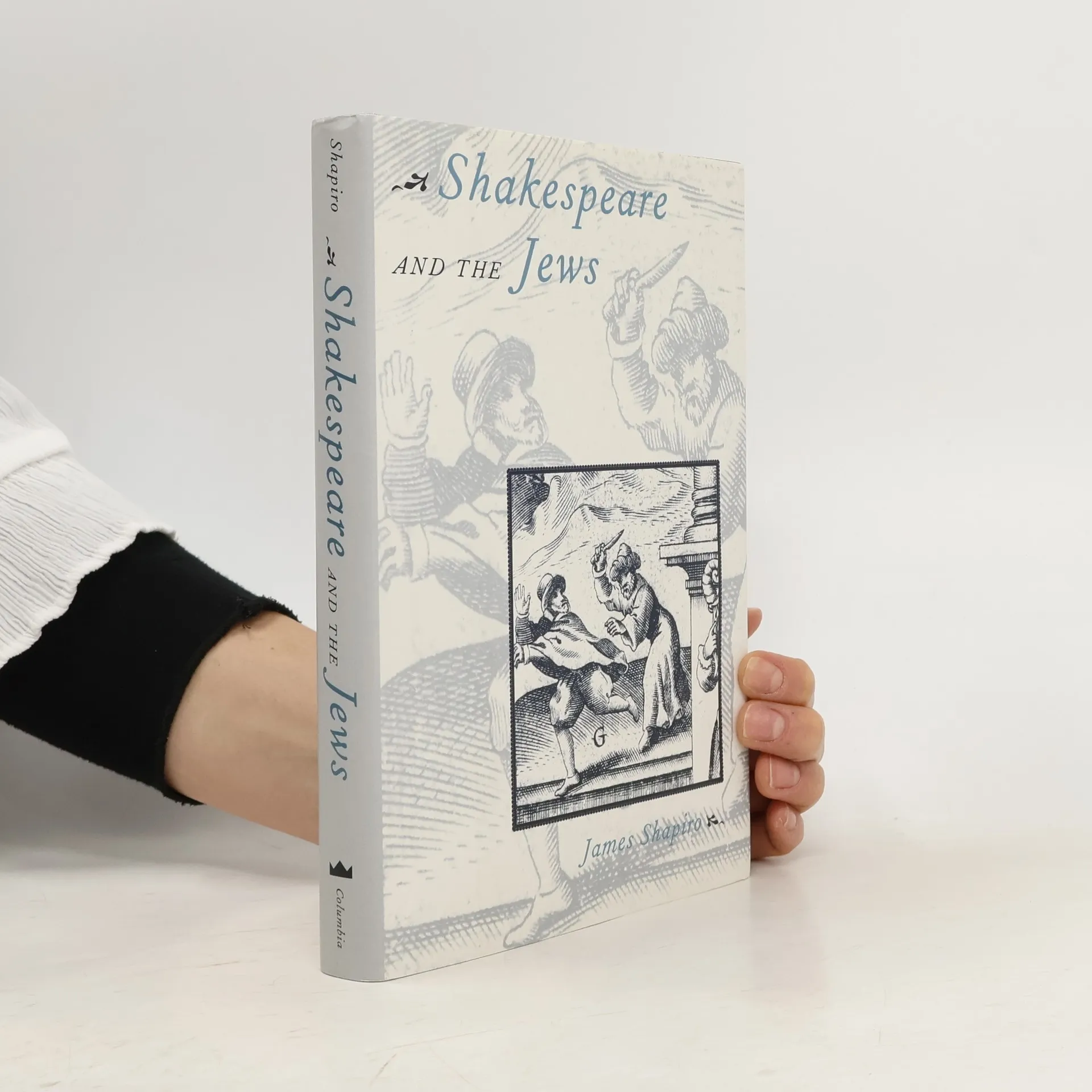
Going against the grain of the dominant scholarship on the period, which generally ignores the impact of Jewish questions in early modern England, James Shapiro shows how Elizabethans imagined Jews to be utterly different from themselves - in religion, race, nationality, and even sexuality. From strange cases of Christians masquerading as Jews to bizarre proposals to settle foreign Jews in Ireland, Shakespeare and the Jews looks into the crisis of cultural identity in that post-Reformation world.Even as Shakespeare has come to embody Englishness itself, The Merchant of Venice, with its exploration of Jewish criminality, conversion, race, alien status, and national identity, now stands at the crossroads of cultural exclusion and cultural longing. In this formidably researched new book, Shapiro sheds fascinating light on the work of Shakespeare and his contemporaries and opens new questions about culture and identity in Elizabethan England.