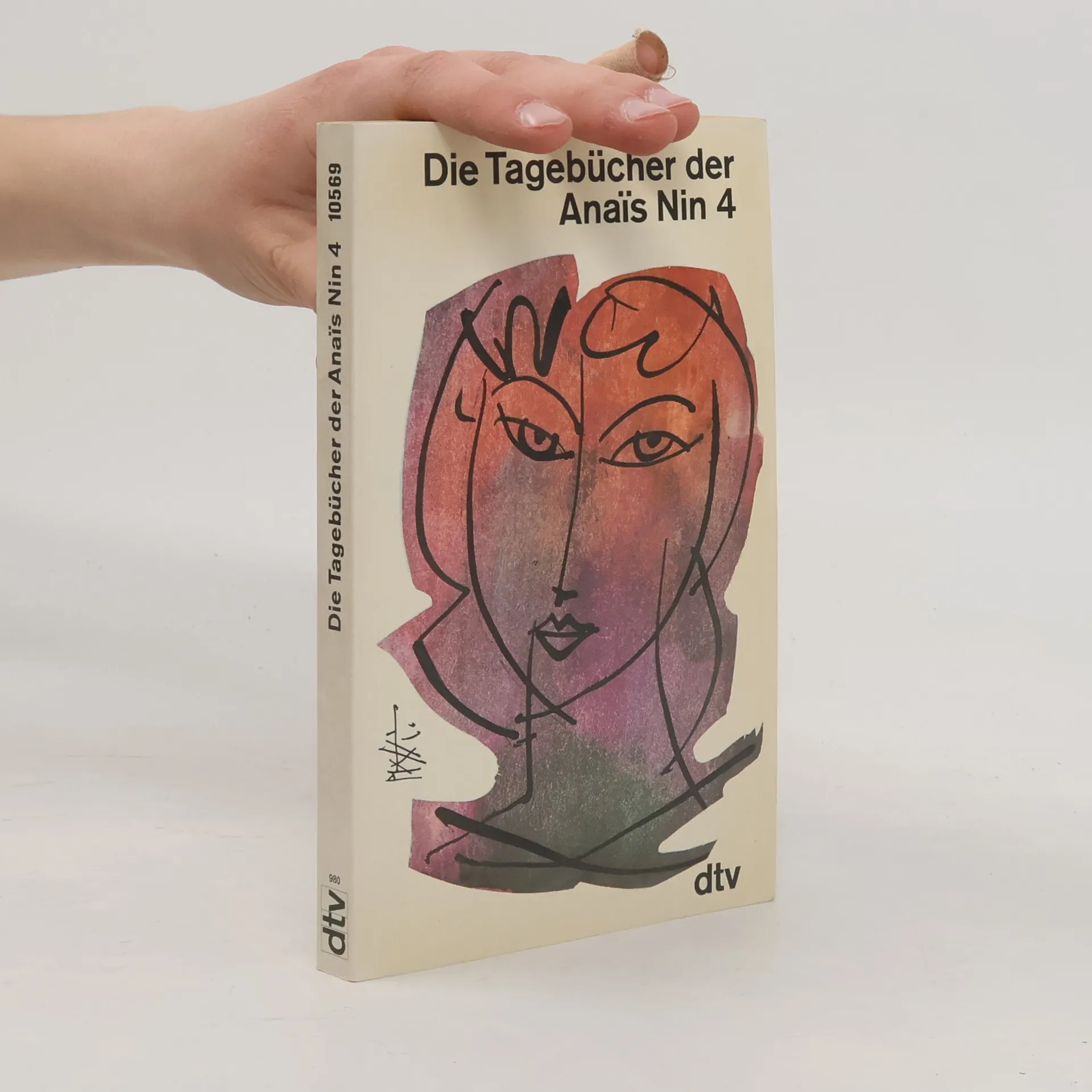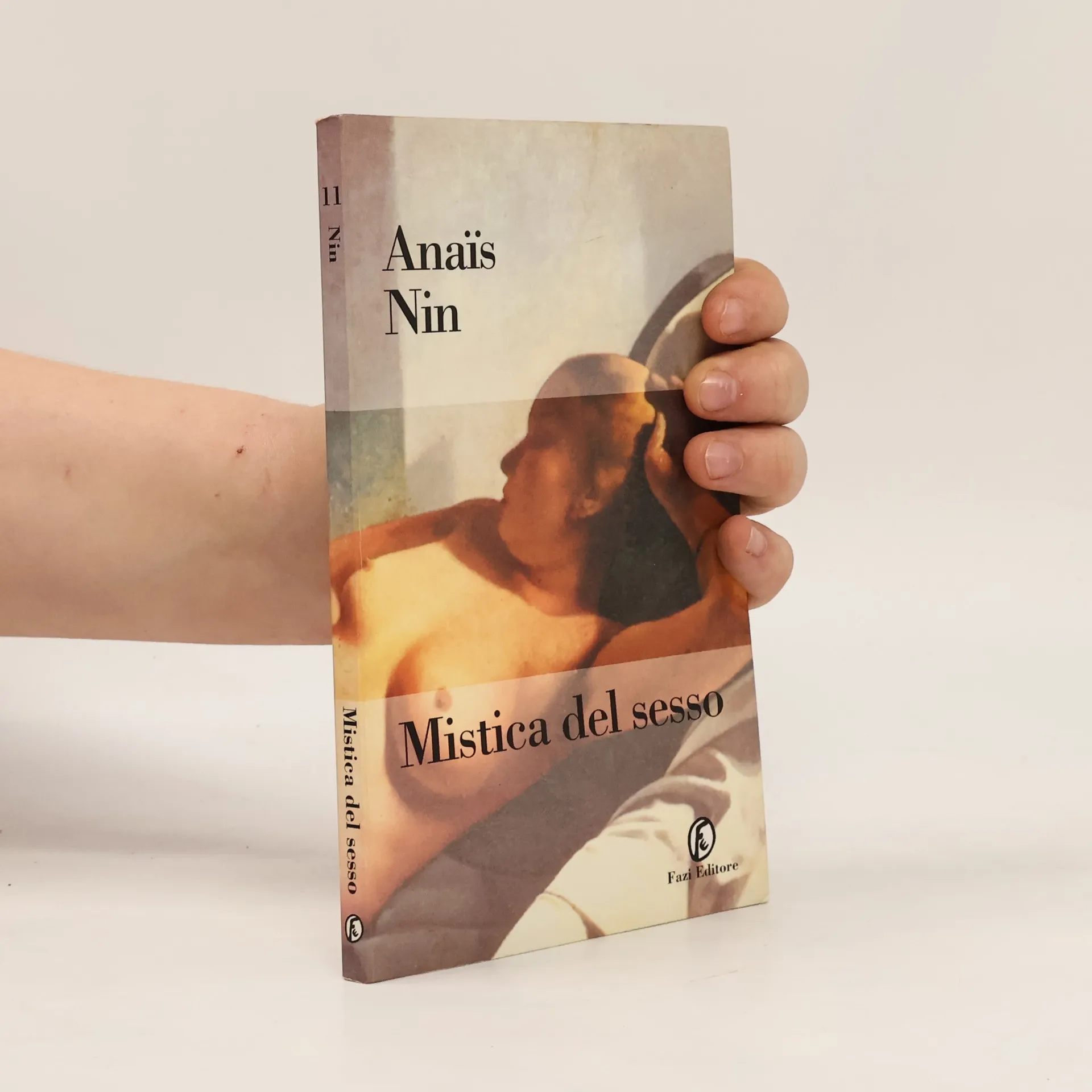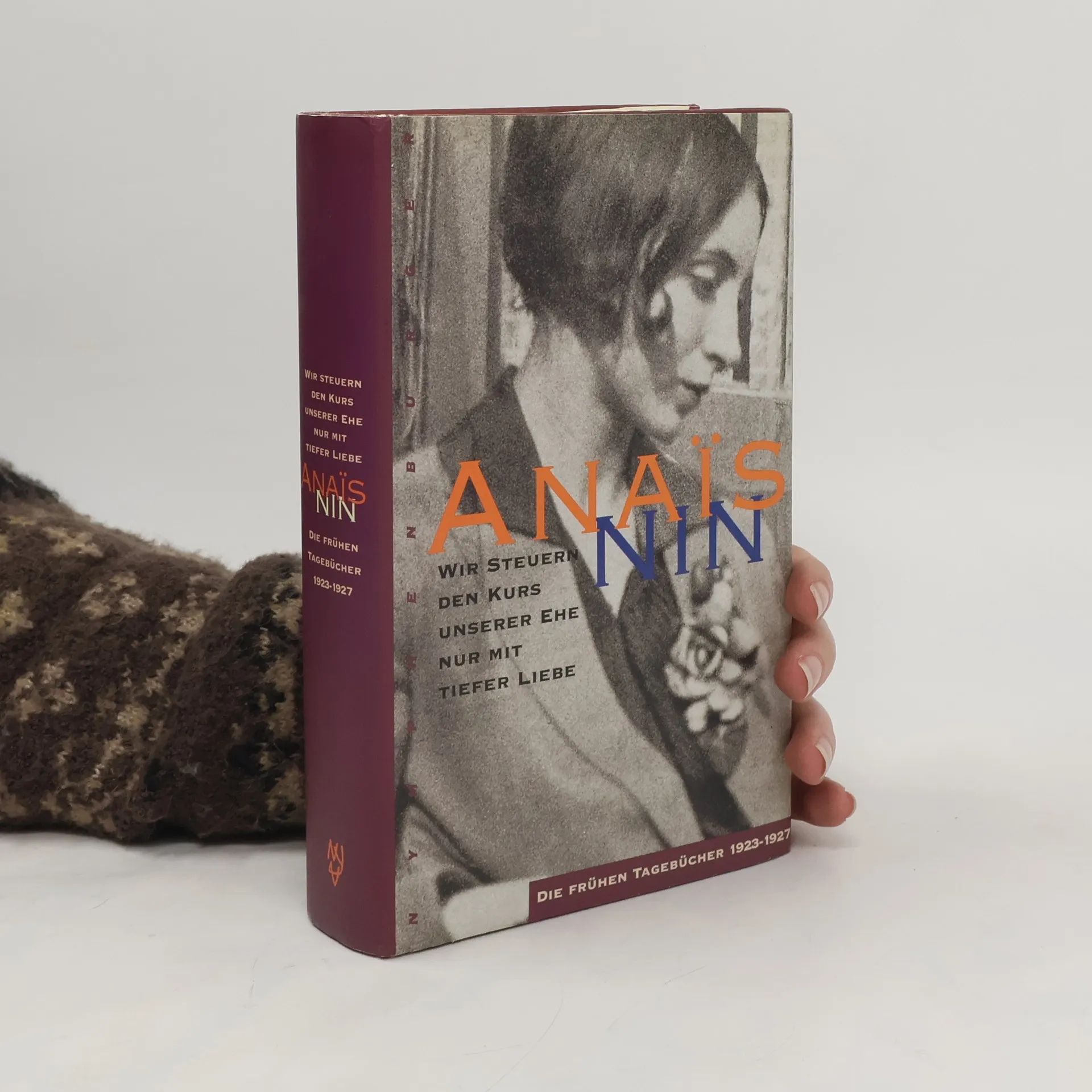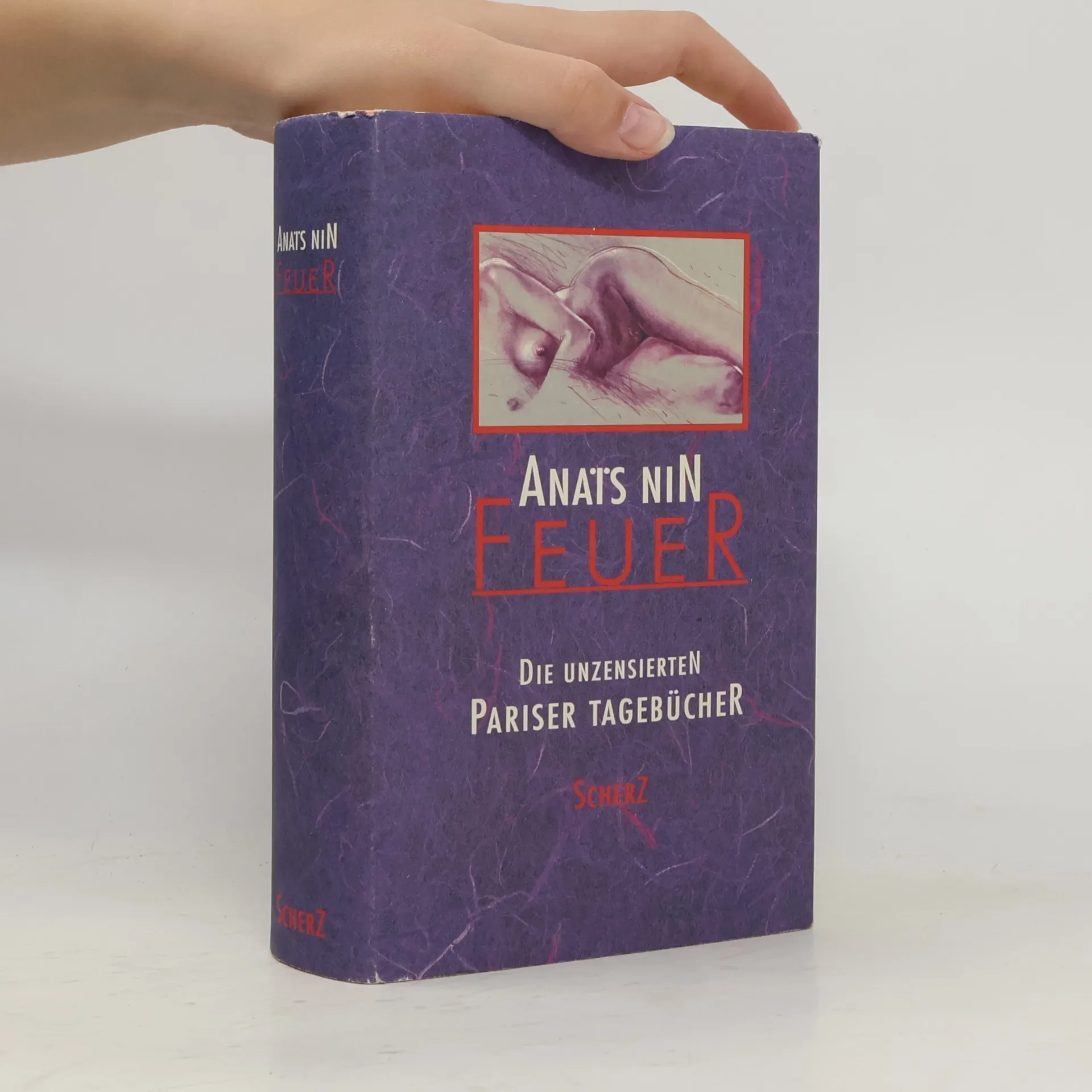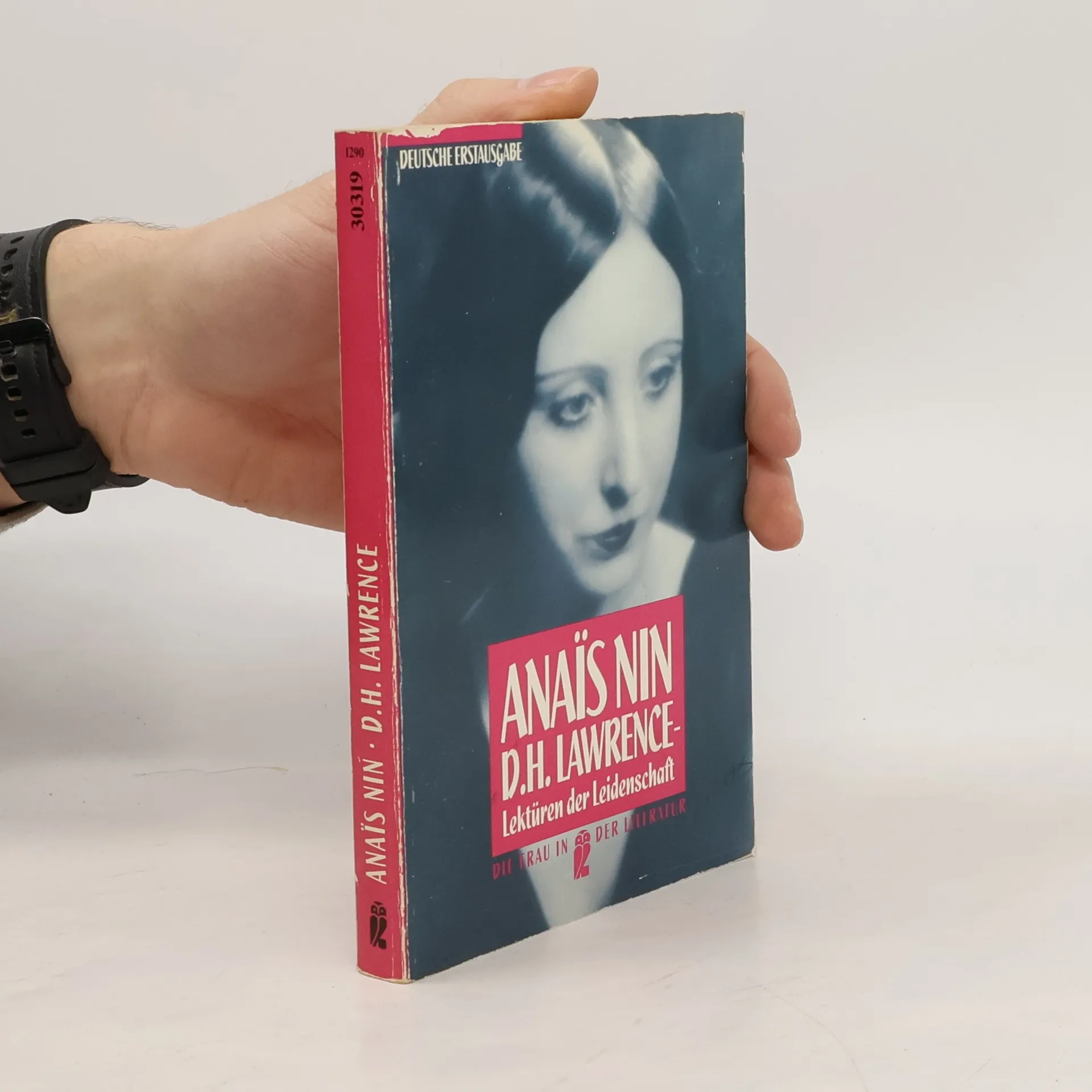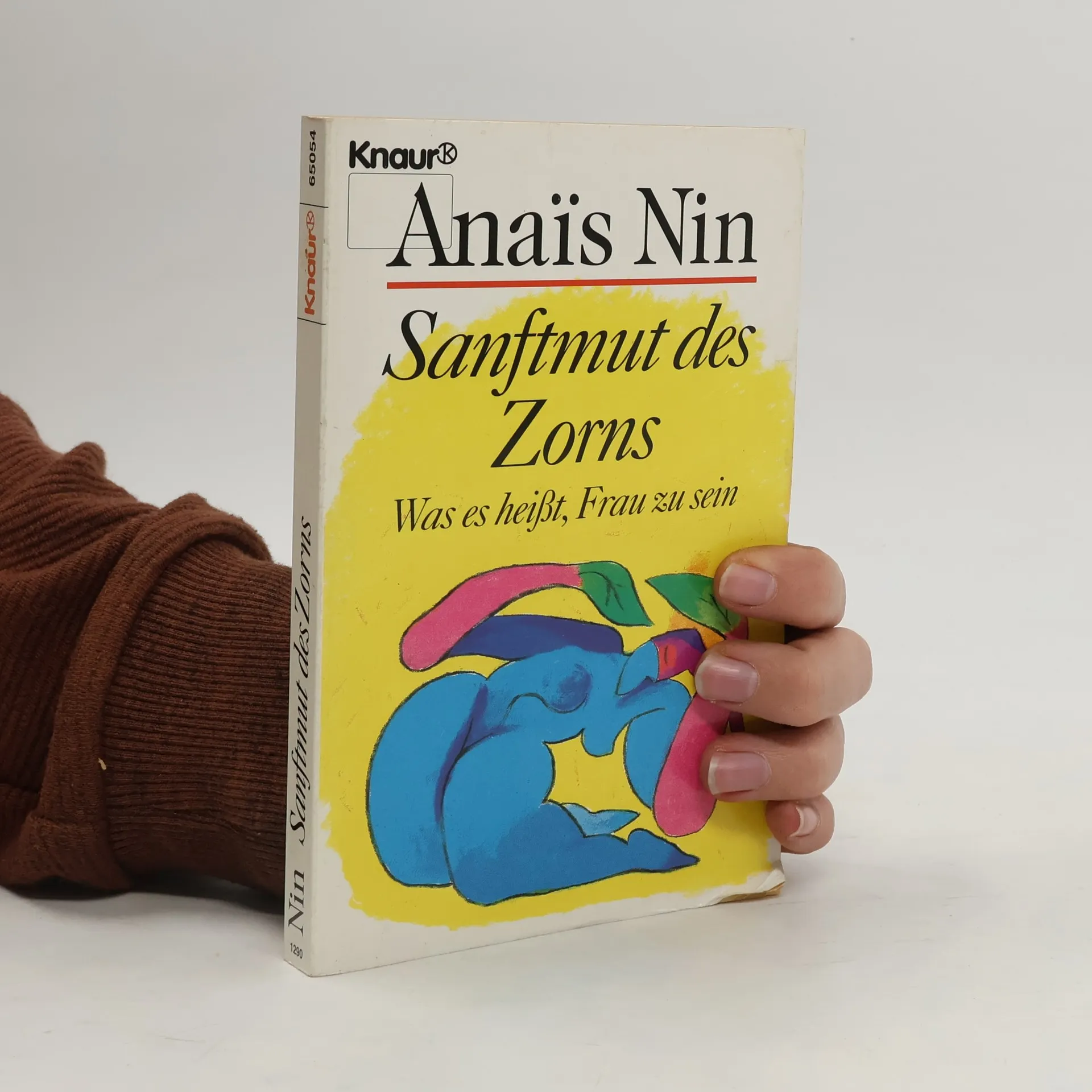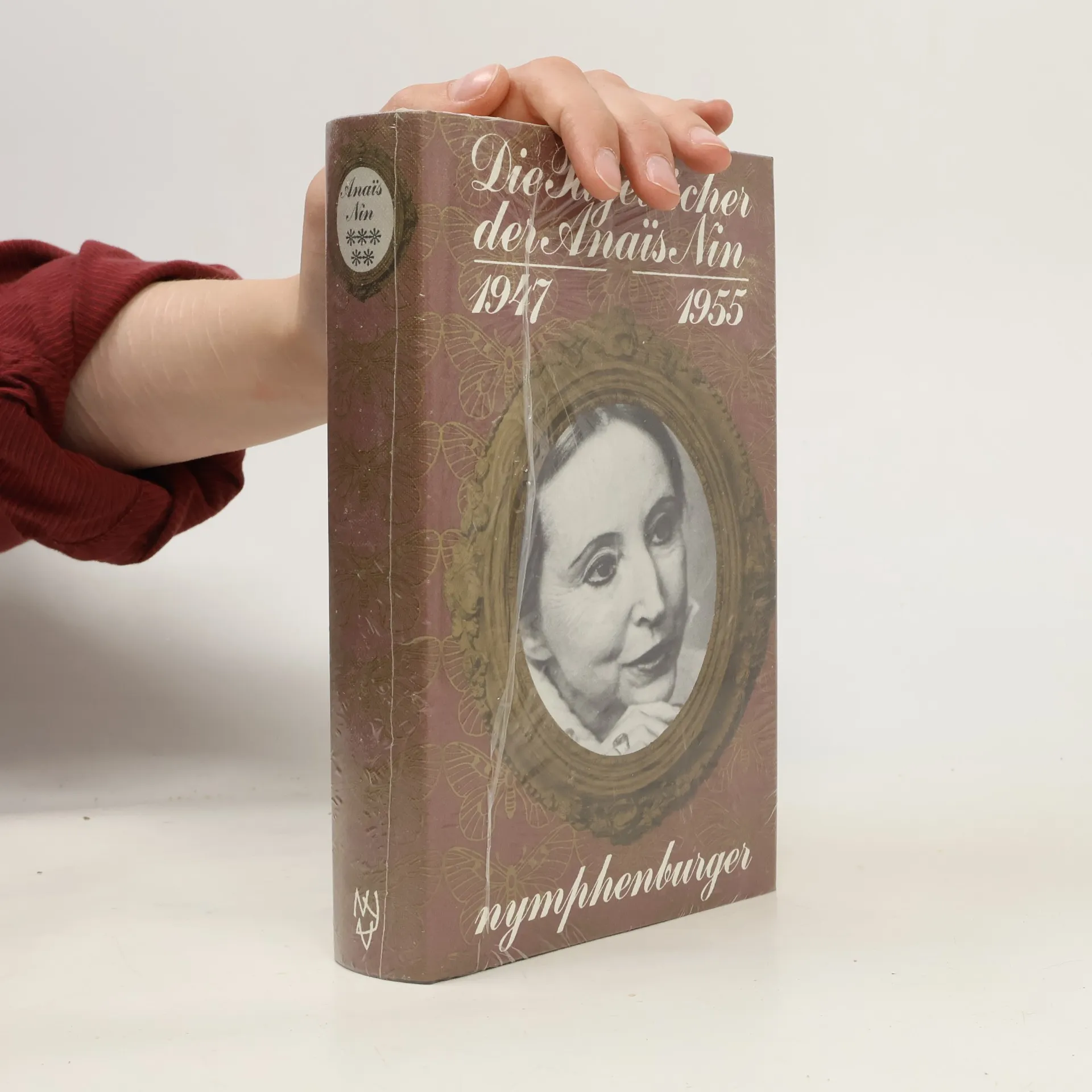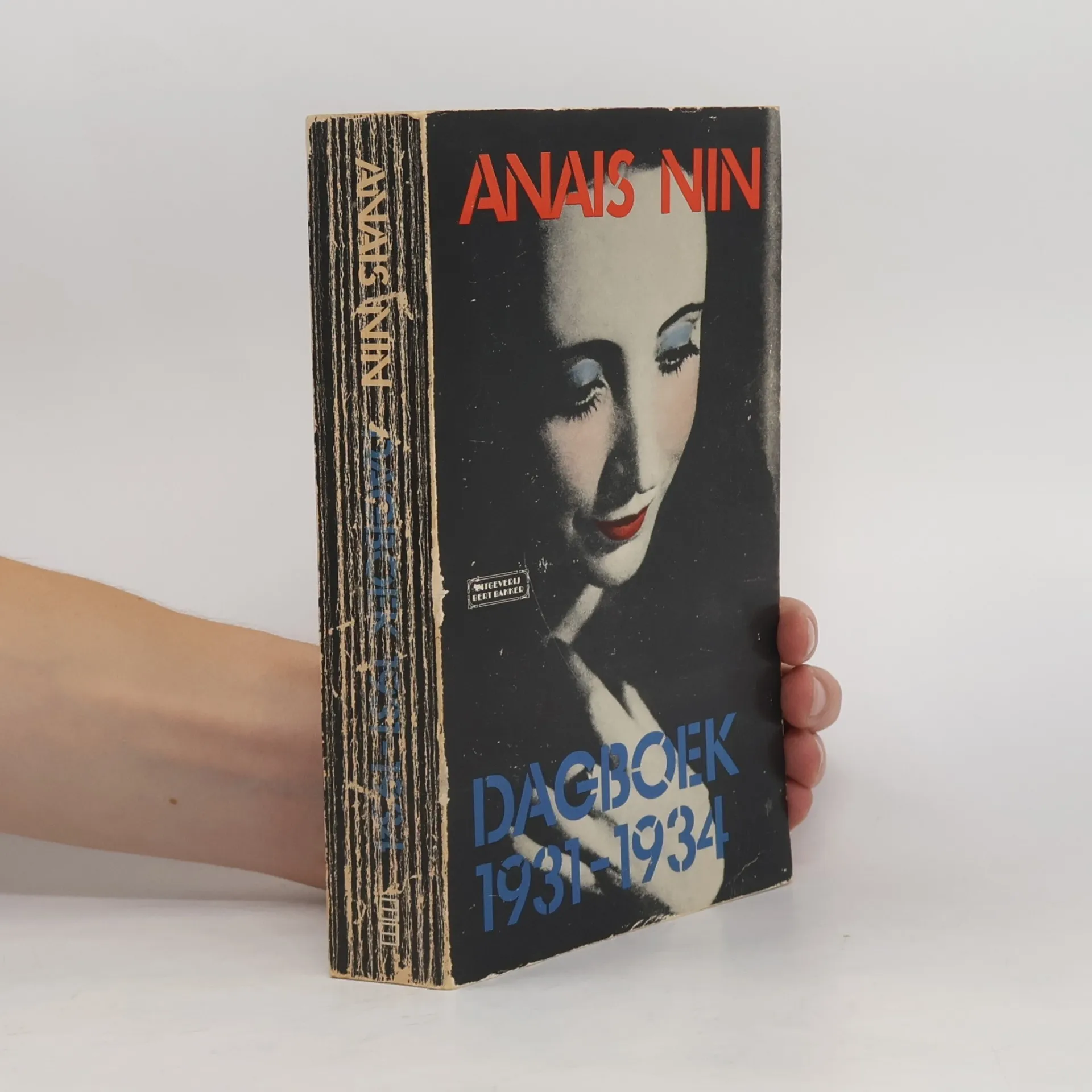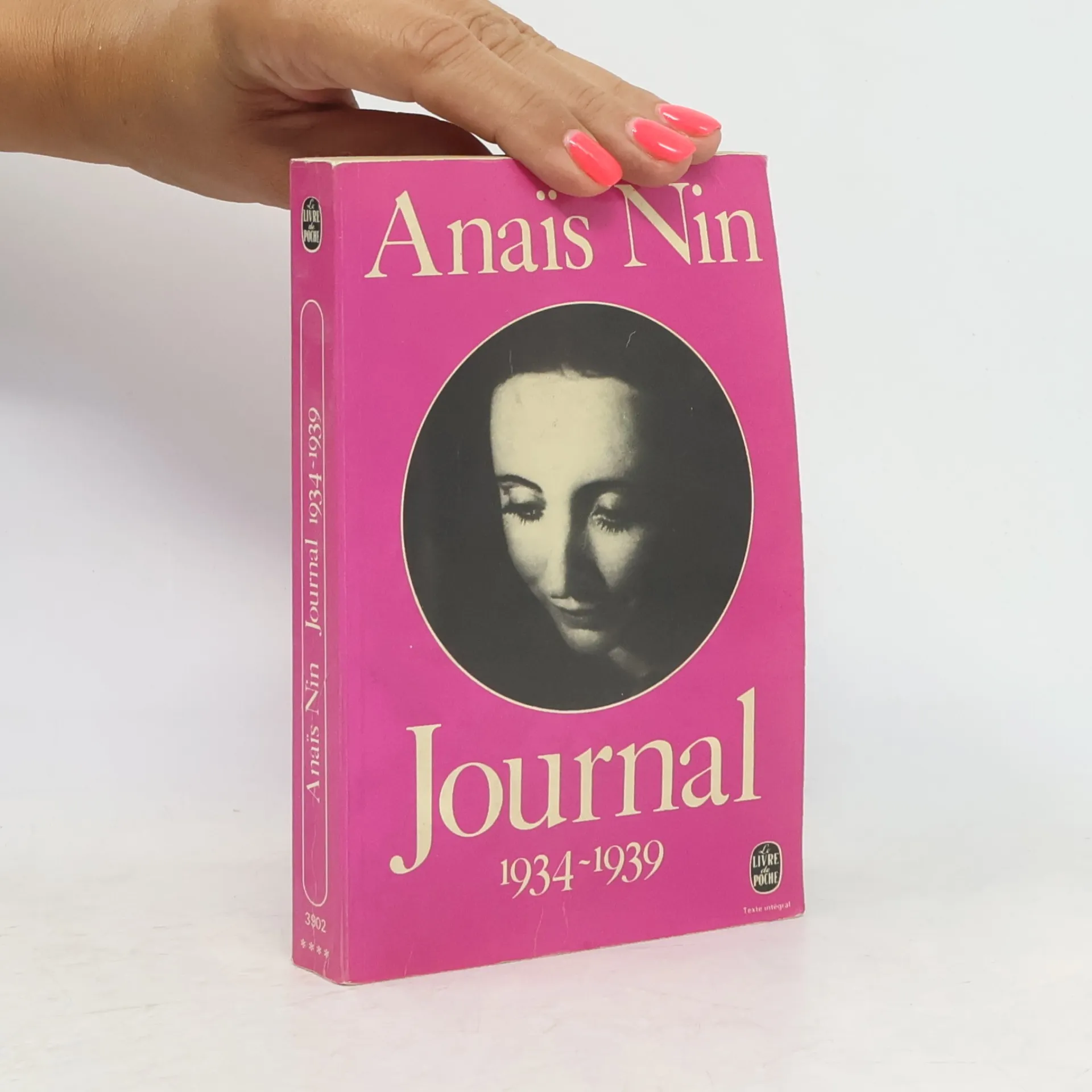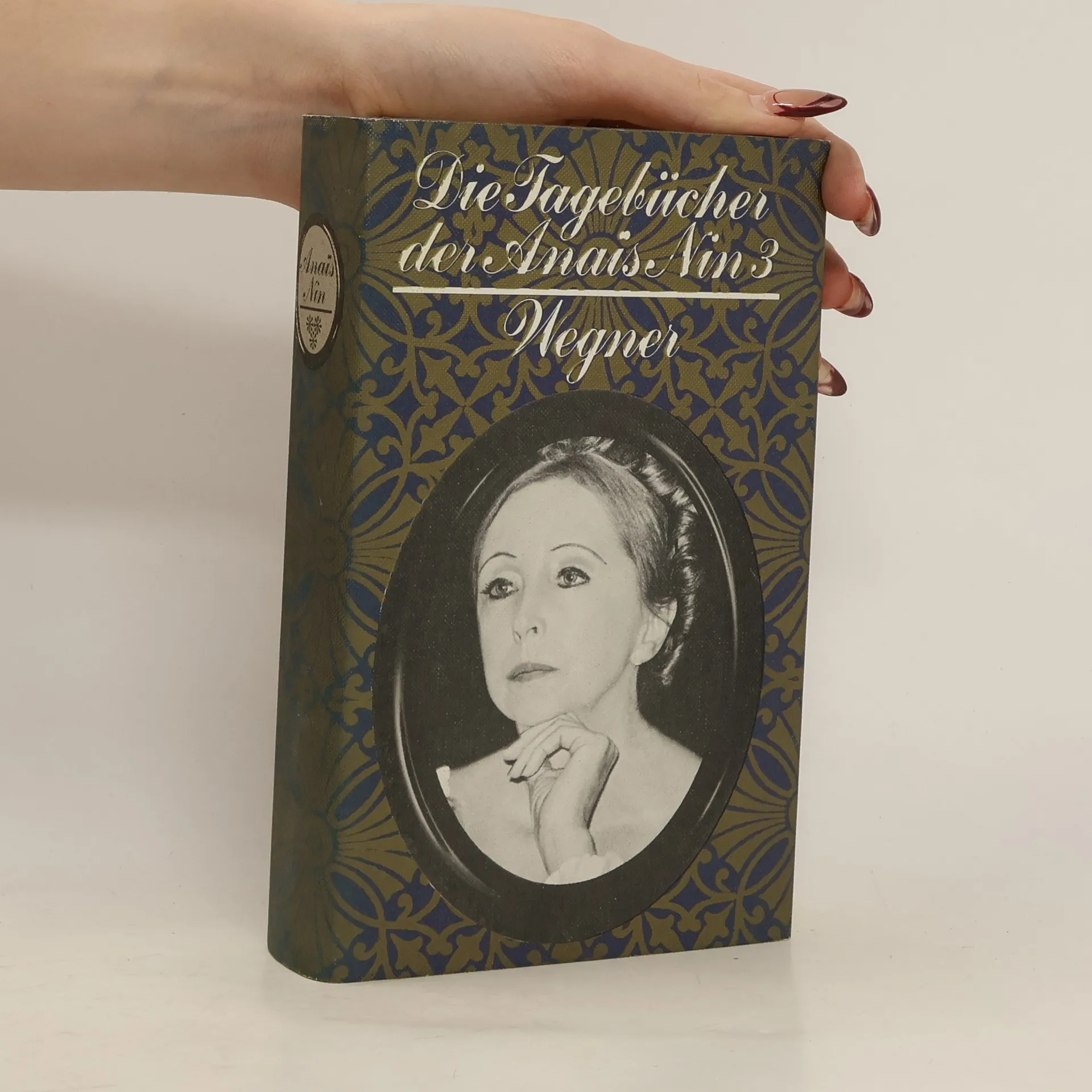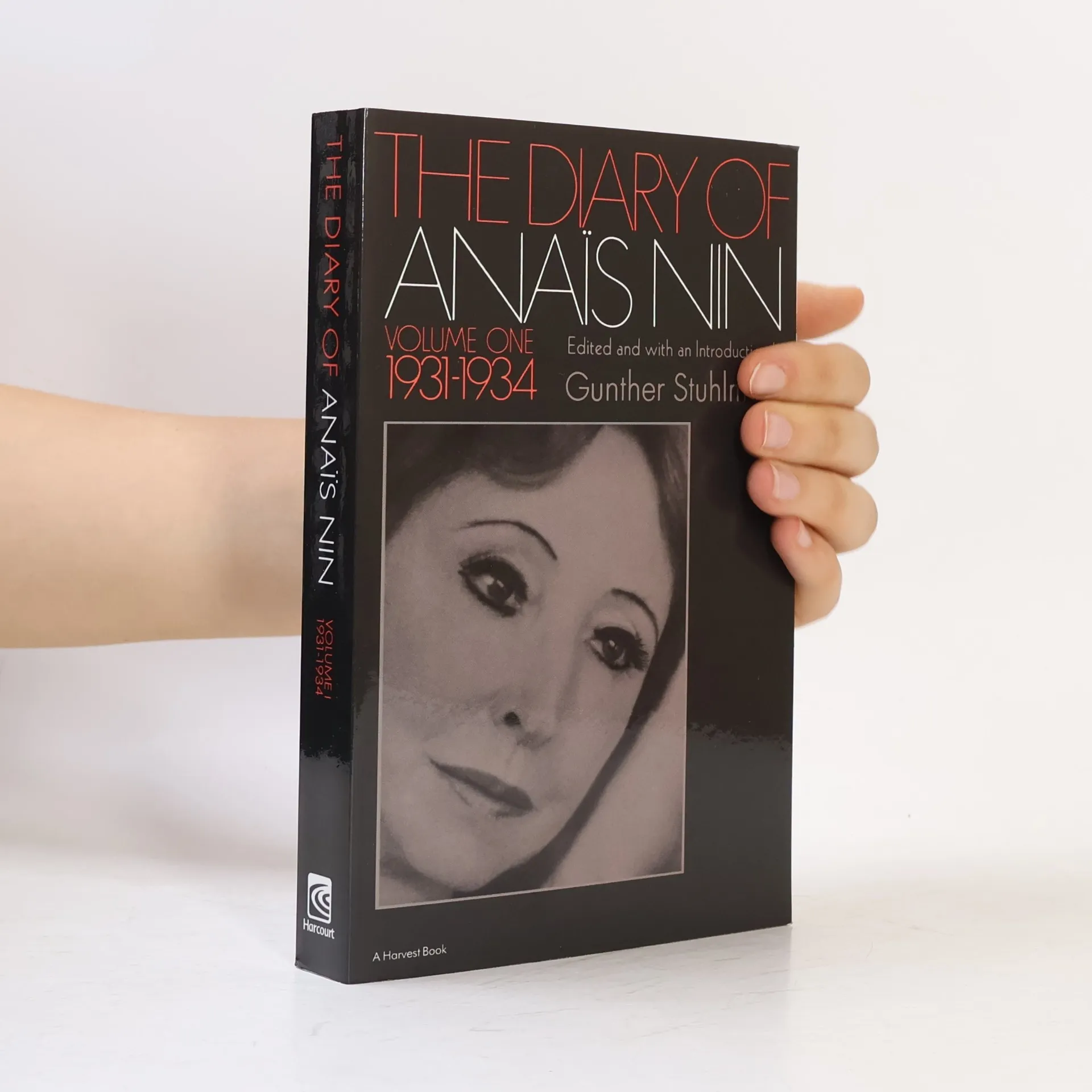
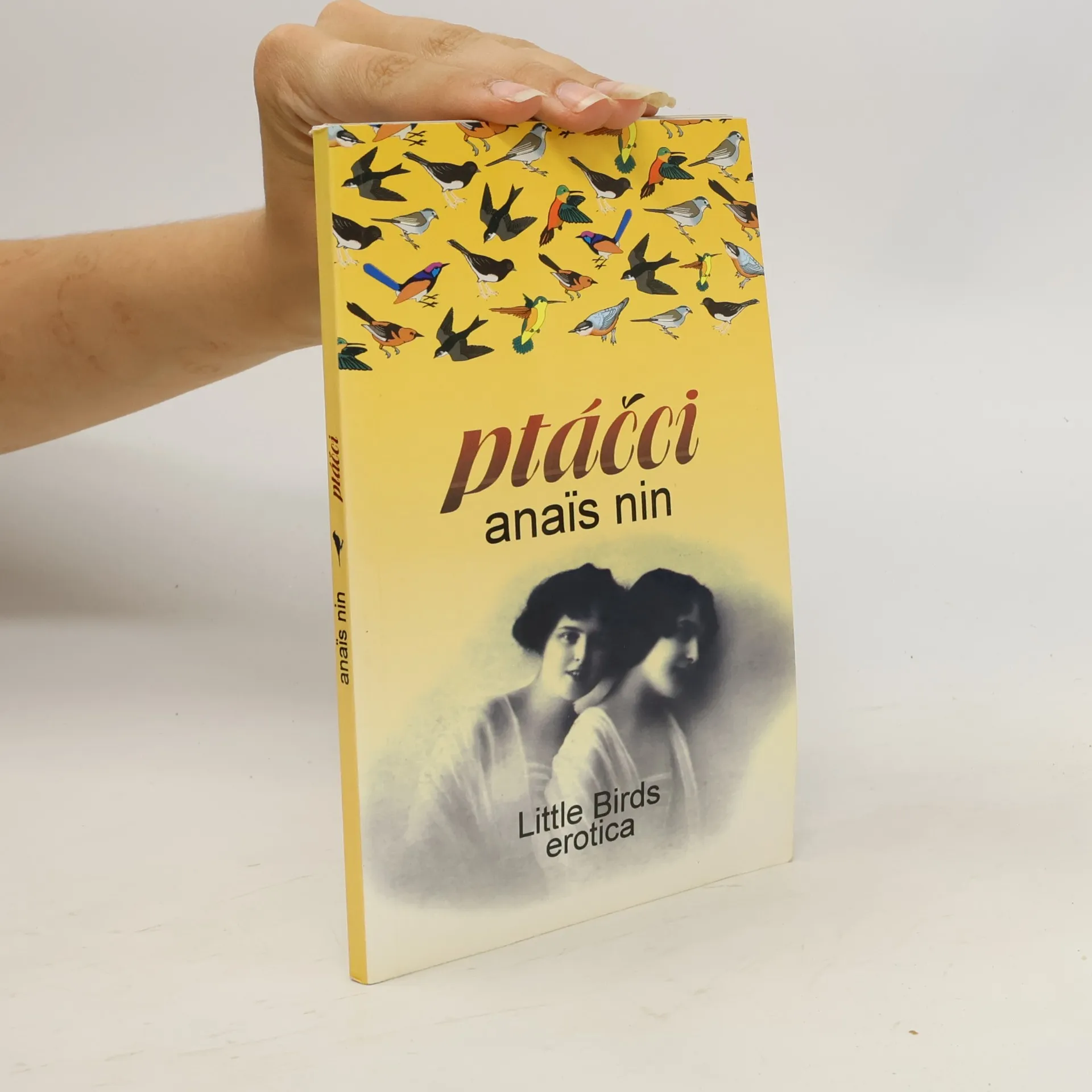
Narodila se ve Francii, proslulá erotička a autorka povídek, která získala mezinárodní věhlas svými deníky. Tyto deníky, pokrývající období od roku 1931 do roku 1974, zachycují cestu jedné ženy k sebepoznání. Anaïs Nin byla až do šedesátých let dvacátého století do značné míry přehlížena. Dnes je považována za jednu z předních spisovatelek 20. století a zdroj inspirace pro ženy, které zpochybňují konvenčně definované genderové role. Její dílo zdůrazňuje právo ženy být především lidskou bytostí.
Volume 2 of The Quotable Anais Nin contains 365 quotations (one for each day of the year) with confirmed citations. The contents are divided into categories of Lust for Life; Love and Sensuality; Consciousness; Women and Men; and Writing and Art. The quotations come from a wide spectrum of Anais Nin's work, some of it as yet unpublished, including her famous diaries, fiction, erotica, critical work, lectures, and interviews. Collected, edited and introduced by Paul Herron.

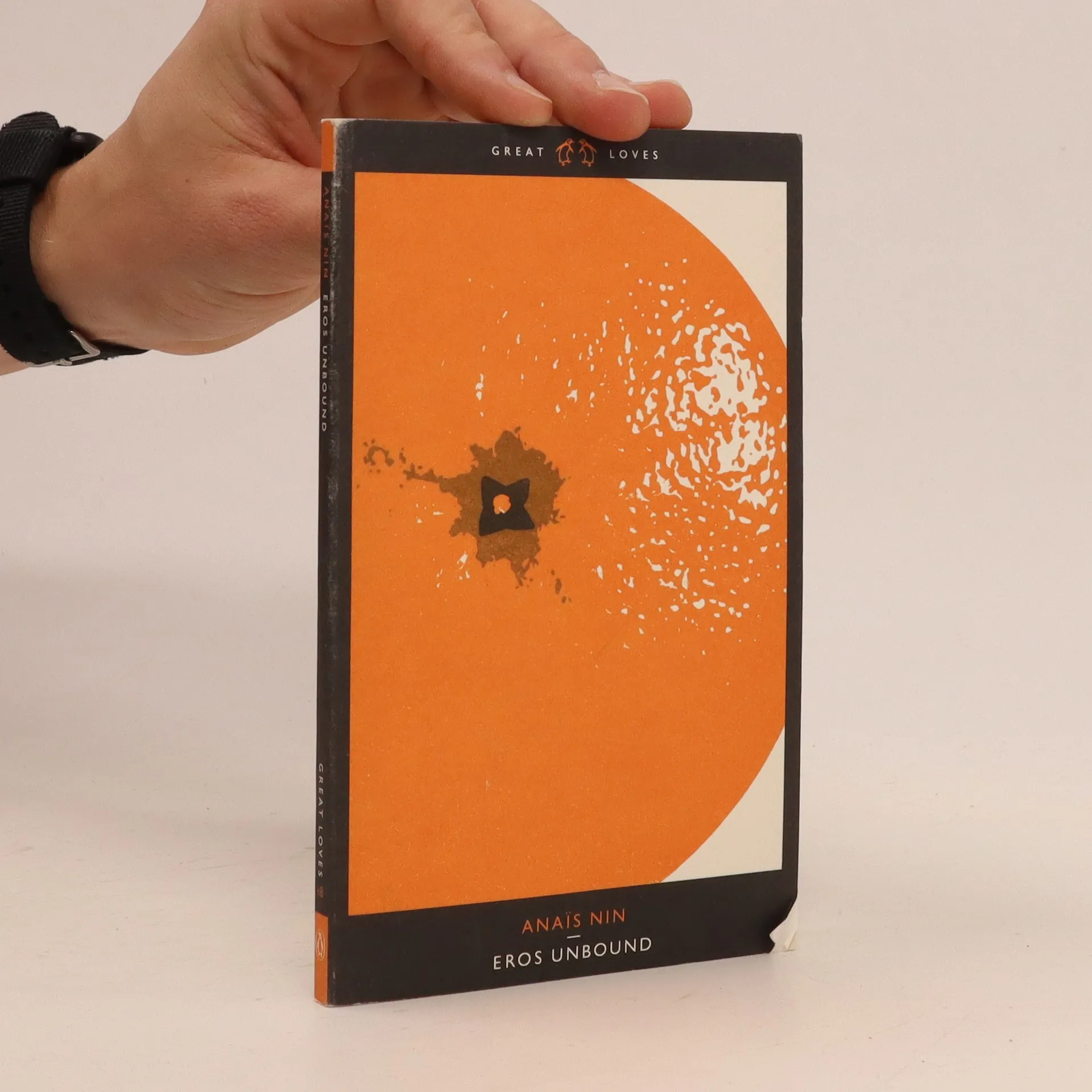
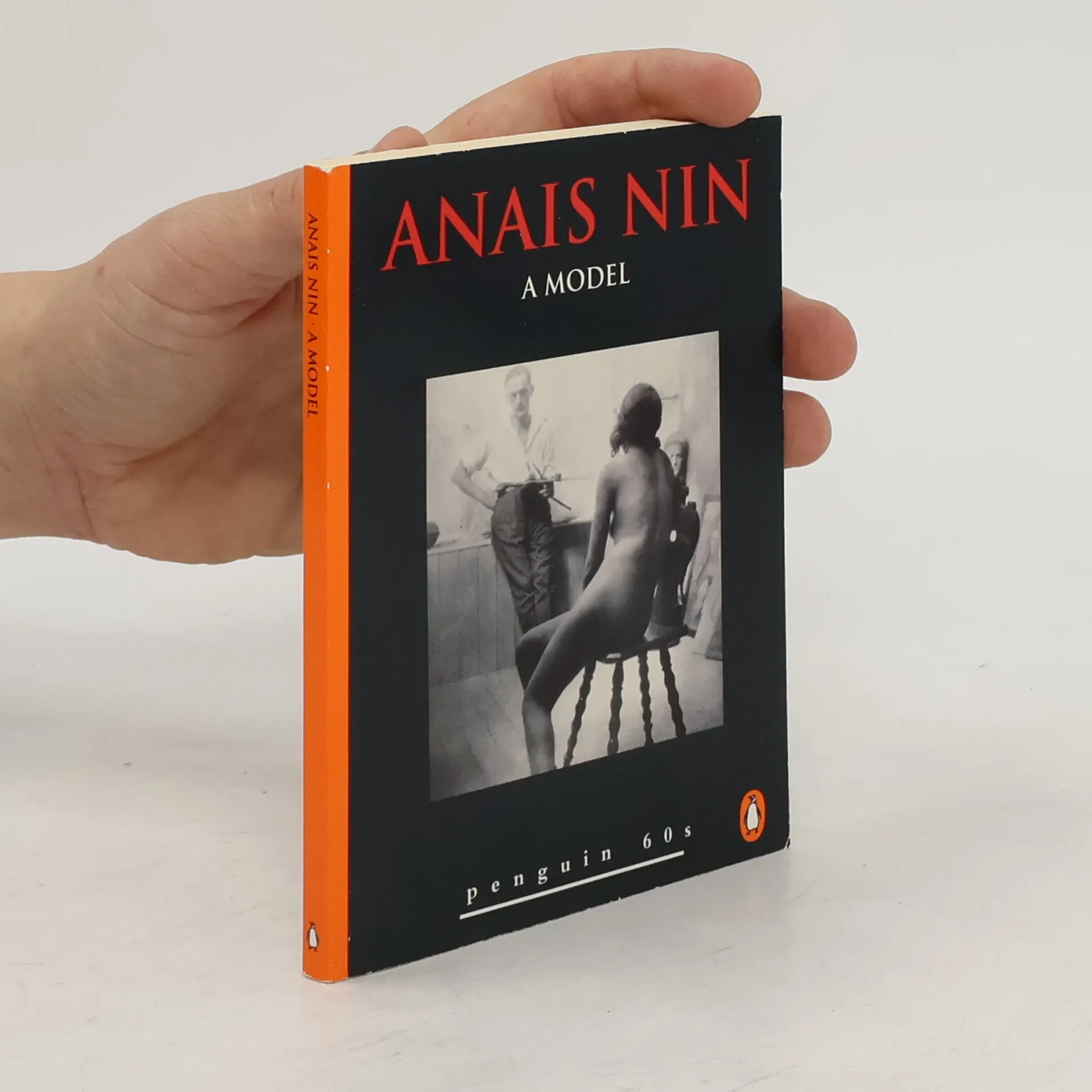
A naive model slowly discovering her sexuality; an erotic moonlight encounter on a beach; a man teaching the art of passion in a gypsy caravan; and a woman in love with a scent from Fez - Anais Nin's stories explore the nature of sex and the awakening of desire.
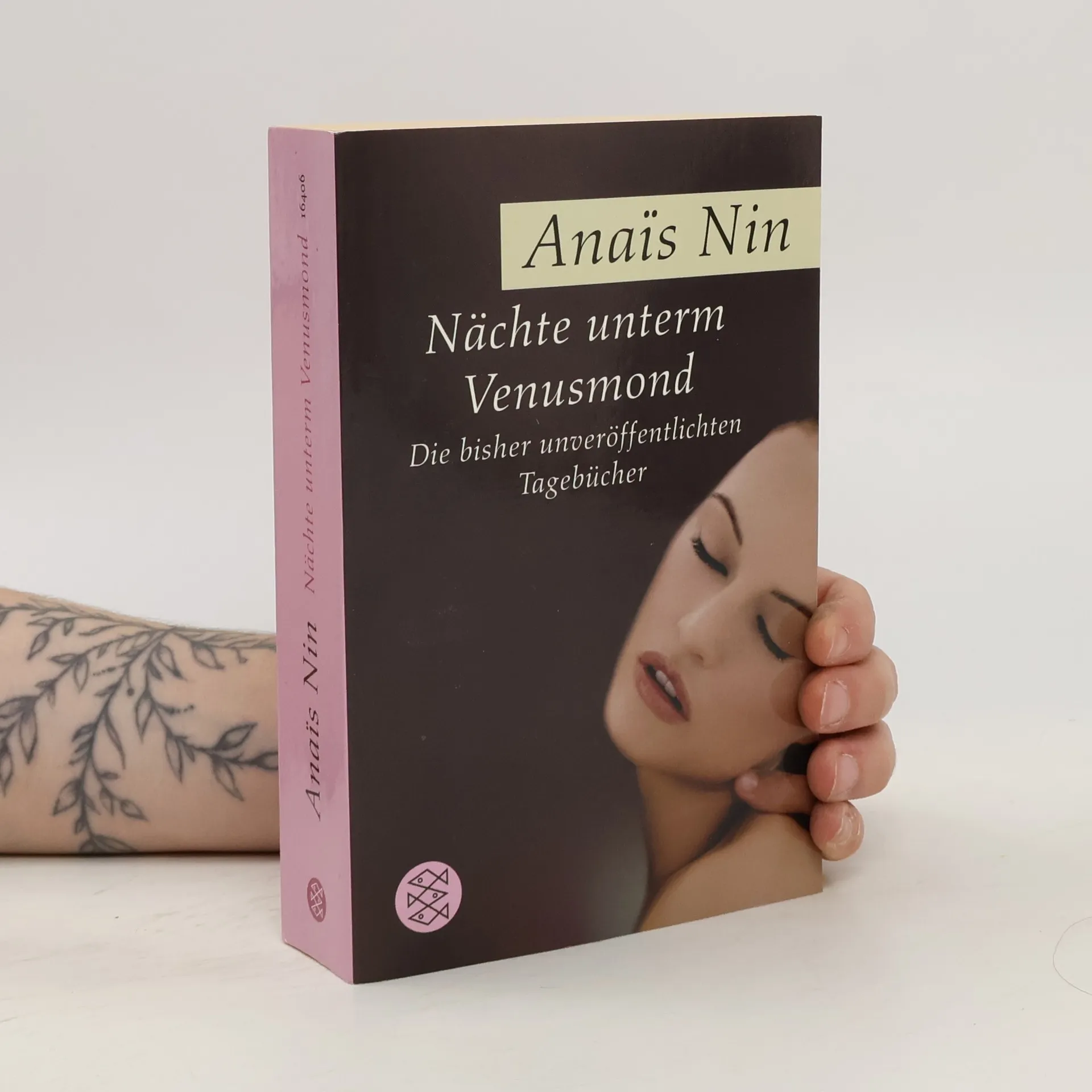
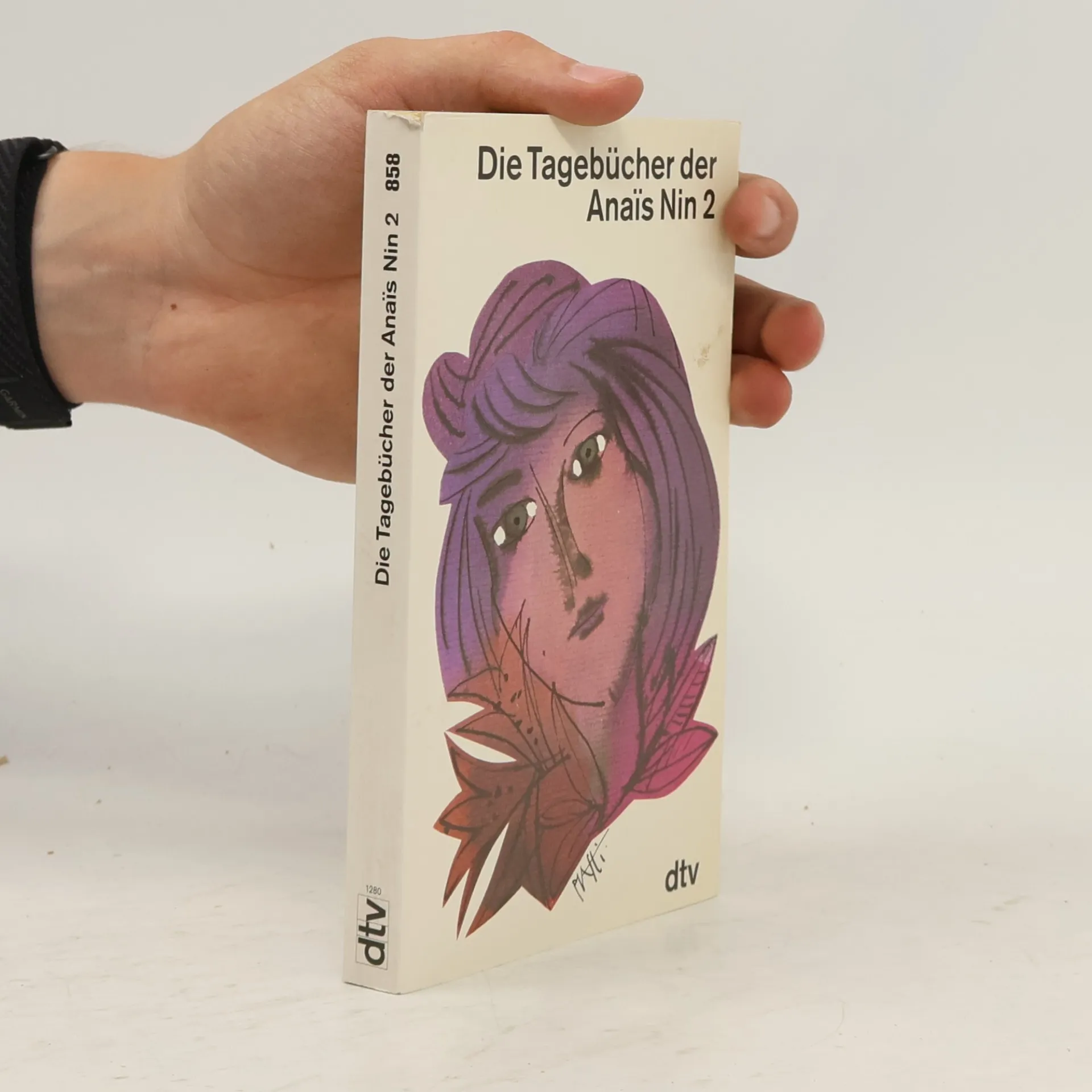
„Erotika schreiben ist für mich wilde Poesie!“ Ihre Tagebücher waren ihre engsten Vertrauten. Ihnen offenbarte Anais Nin ihre Sehnsüchte und Geheimnisse. Der neue Band umfasst die Jahre 1937 bis 1939 und dokumentiert das unruhige, dabei kompromisslose Leben der Nin während dieser Zeit - mit drei Männern an ihrer Seite.
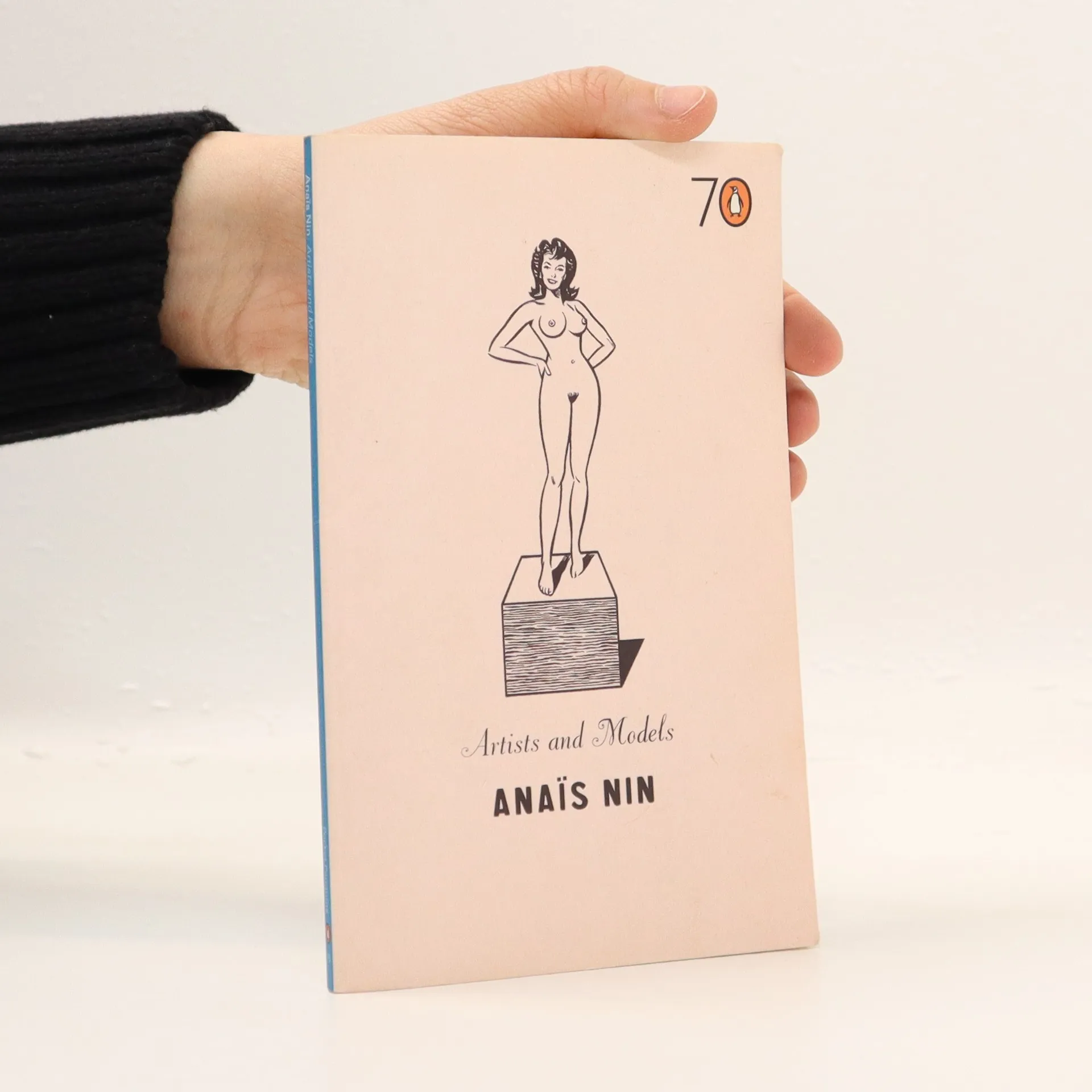
Every book tells a story . . . And the 70 titles in the Pocket Penguins series are emblematic of the renowned breadth and quality that formed part of the original Penguin vision in 1935 and that continue to define our publishing today. Together, they tell one version of the unique story of Penguin Books. A major inspiration for the early feminist movement, Anais Nin became notorious following the publication of her sensual journals. Penguin publish a wide range of Nin's books, including the sensuous Delta of Venus. Originally written in the 1940s, these stories are mesmerizing explorations of art, power and passionate desire by one of the most eloquent writers of erotic literature.
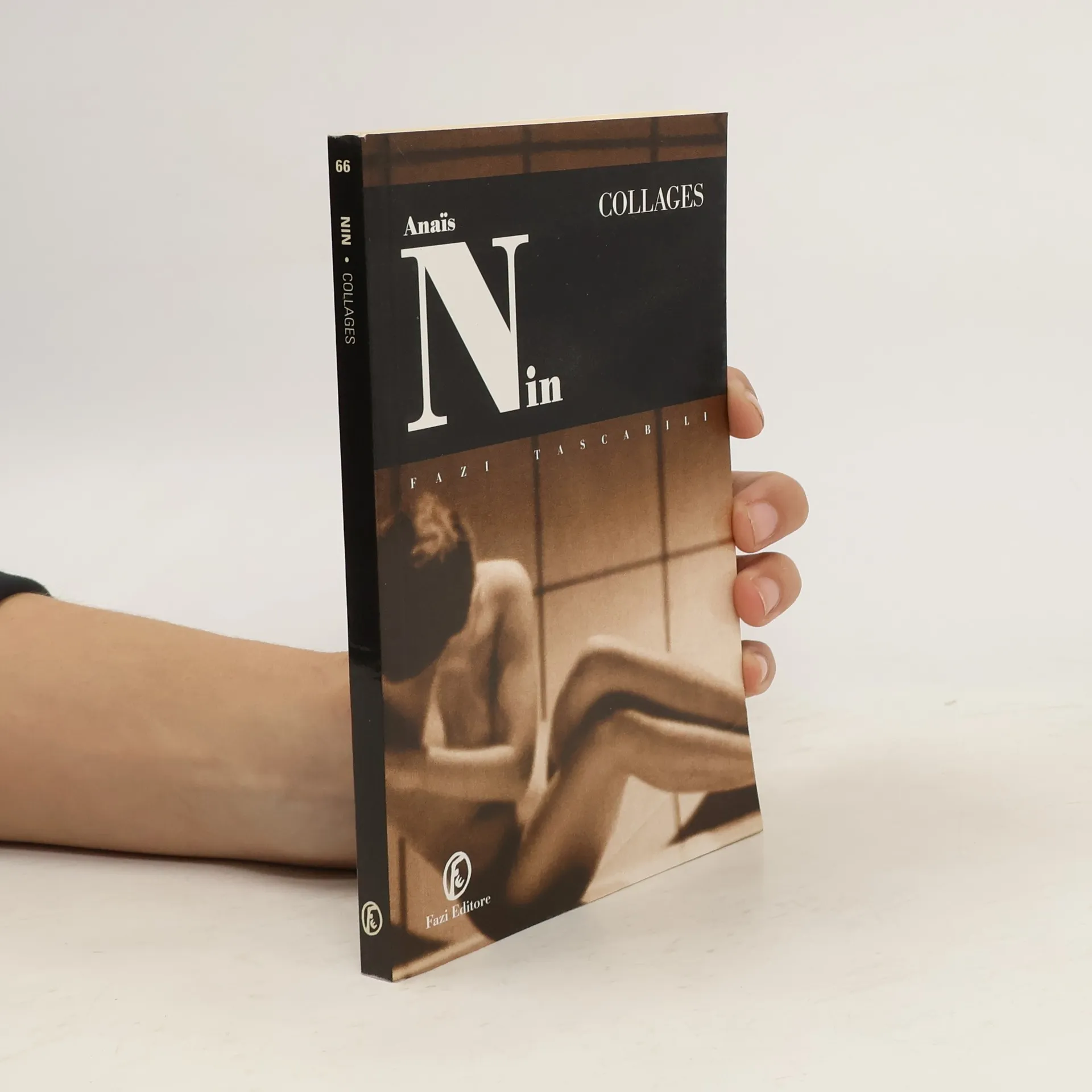
Collages explores a world of fantasy and dreams through an eccentric young painter. A radical work in its time (1964), Anais Nin dispensed with normal structural convention and allowed her characters to wander freely in space and time in an attempt to describe life with the disconnected clarity of a dream in which hip and freakish lives intersect or merge. Perhaps reflecting a developing contemporary awareness of abstract art, Collages is a series of impressions rather than a coherent whole, a shifting notebook indelibly inscribed with Nin's humour, invention and unrivalled gift for sensuous description.
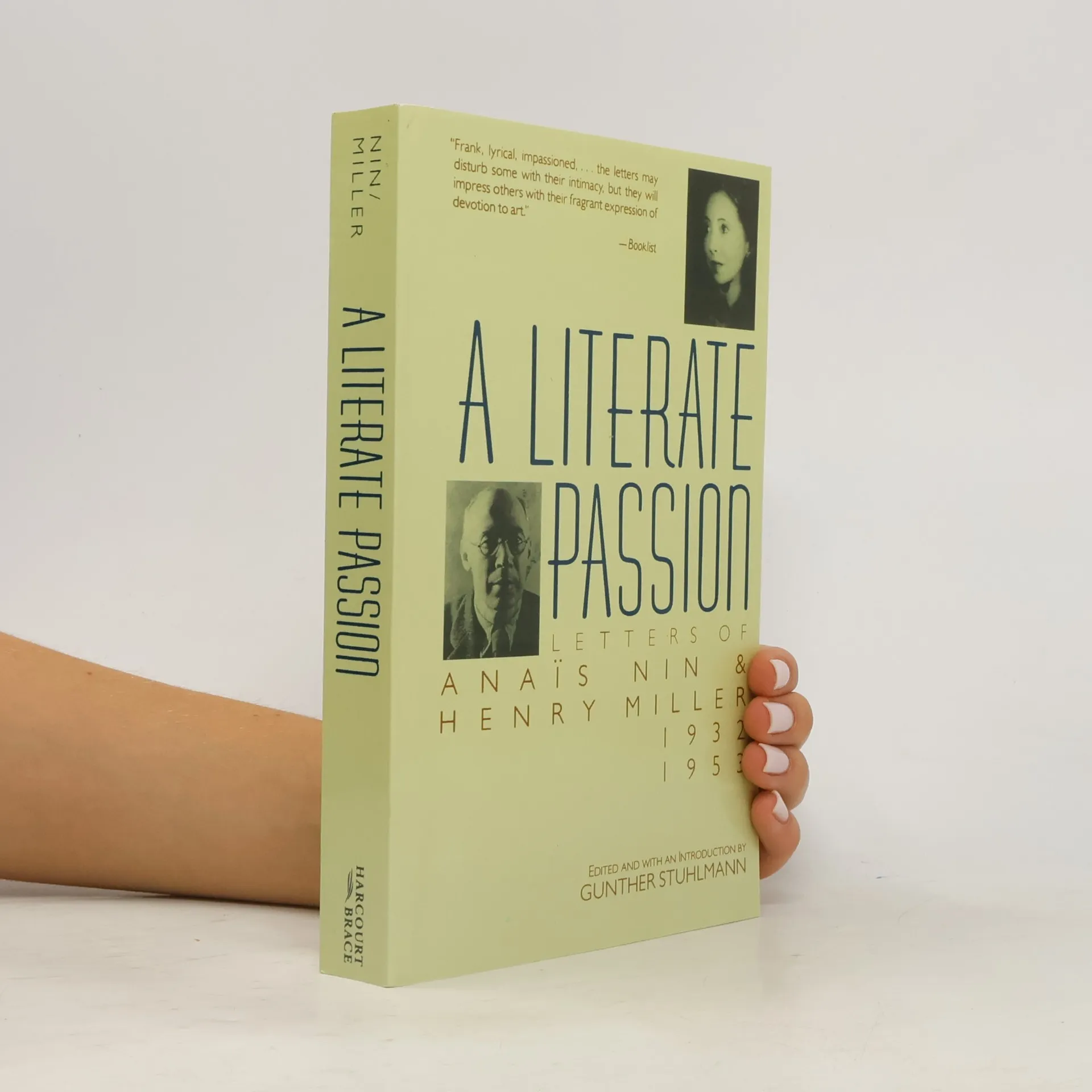
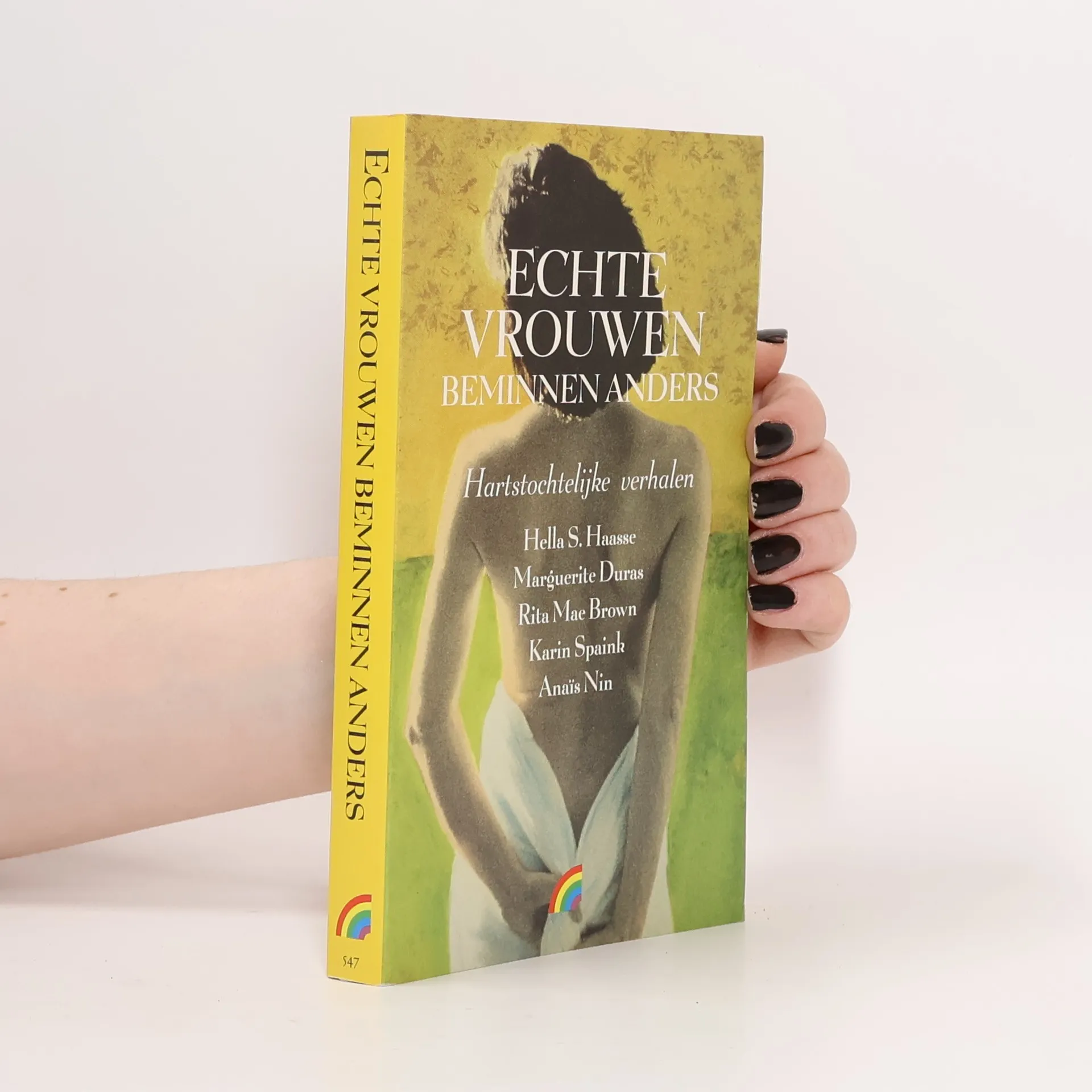
Een mislukt huwelijk, betekenisloze trouw, een minnaar op papier; telkens opnieuw hebben vrouwen schandalen veroorzaakt, omdat ze leefden en beminden zoals zij het wilden. In Echte vrouwen beminnen anders zijn de opwindendste levensgeschiedenissen verzameld van vrijgevochten vrouwen als Belle van Zuylen, Alma Mahler Werfel, Anna Blaman en Rita Mae Brown, die zich niet door conventies lieten intomen, maar deden wat hun hart hen ingaf.Echte vrouwen beminnen anders is het tweede deel in de succesvolle 'Echte vrouwen' serie, waarin verhalen van vrouwelijke topauteurs verzameld zijn rond een bepaald thema.
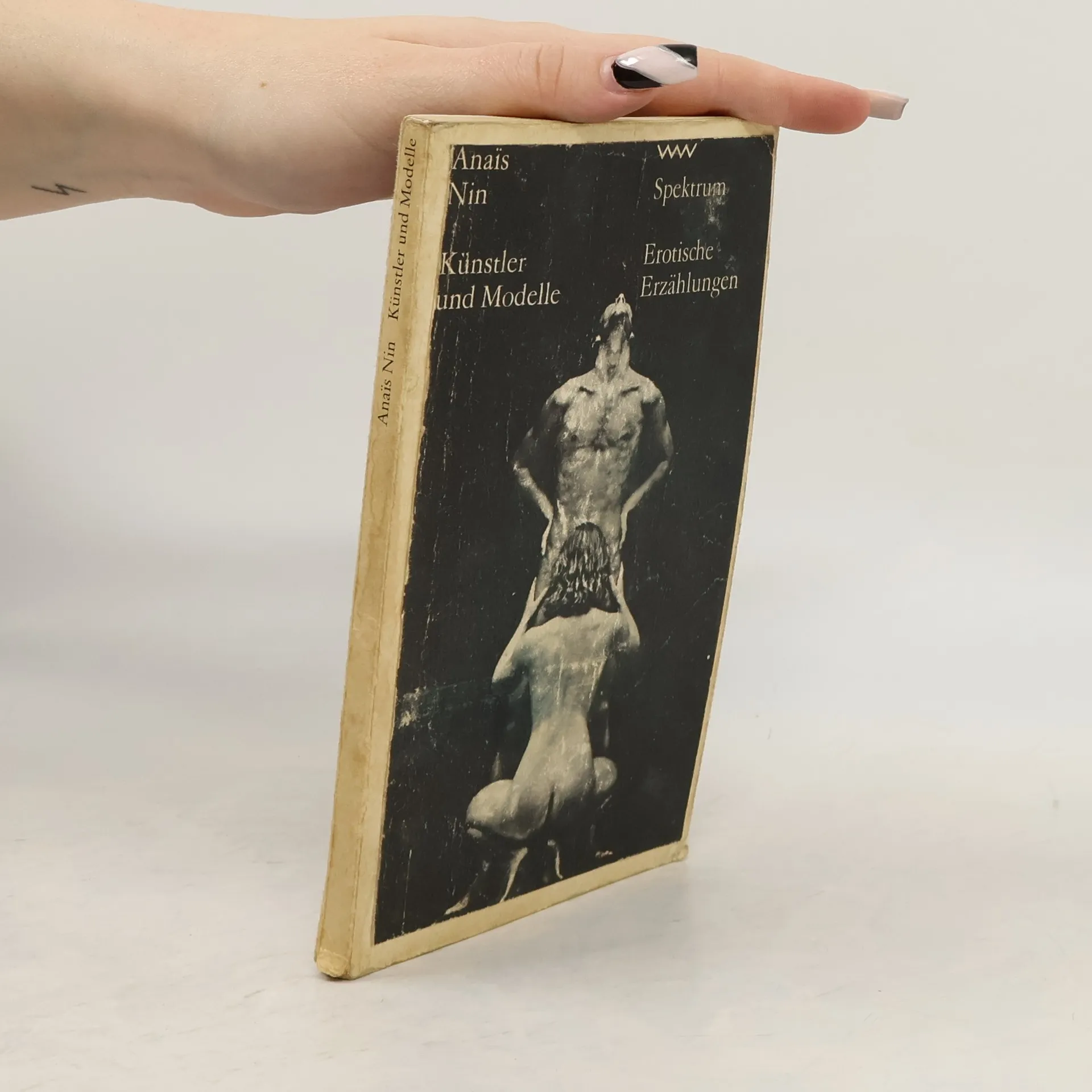
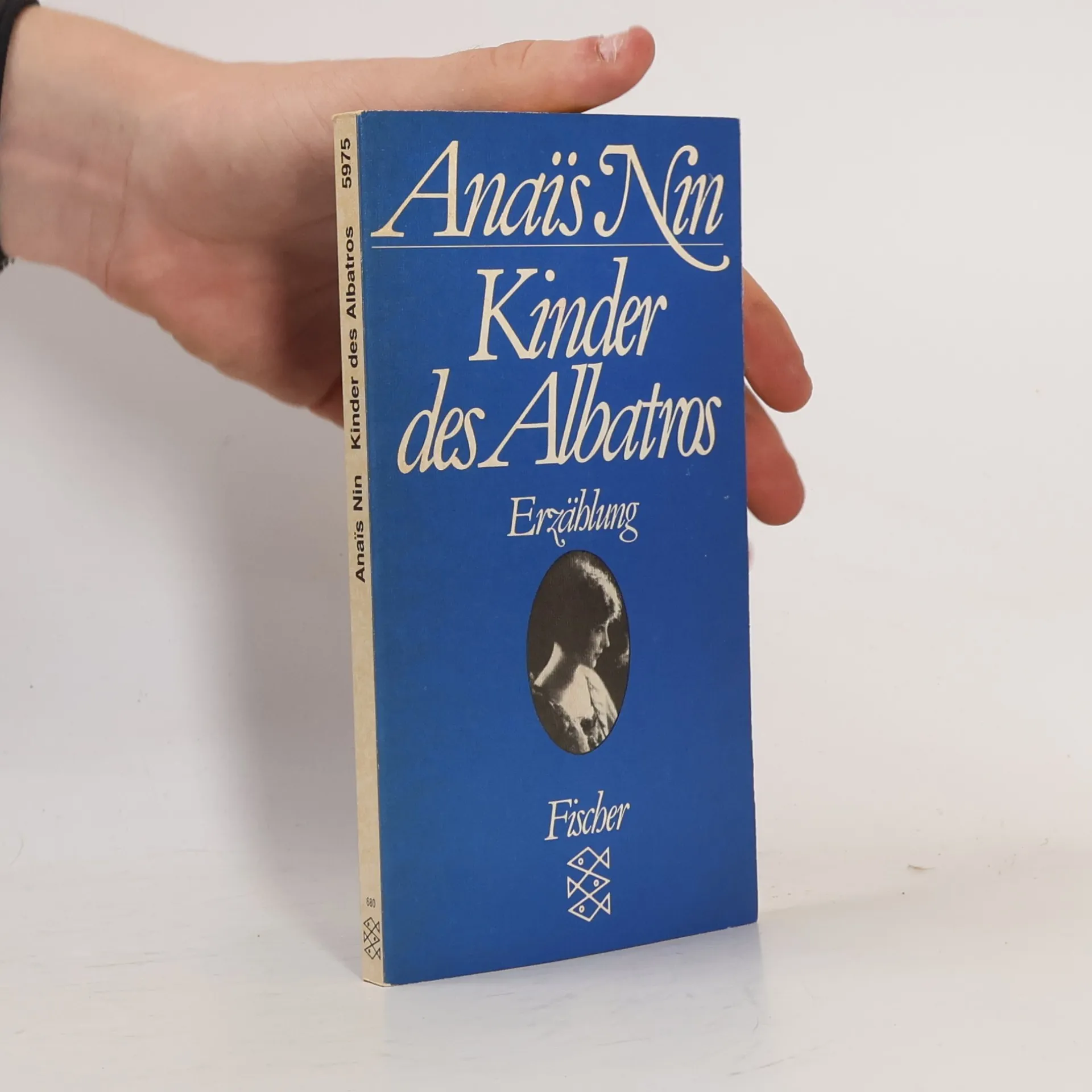
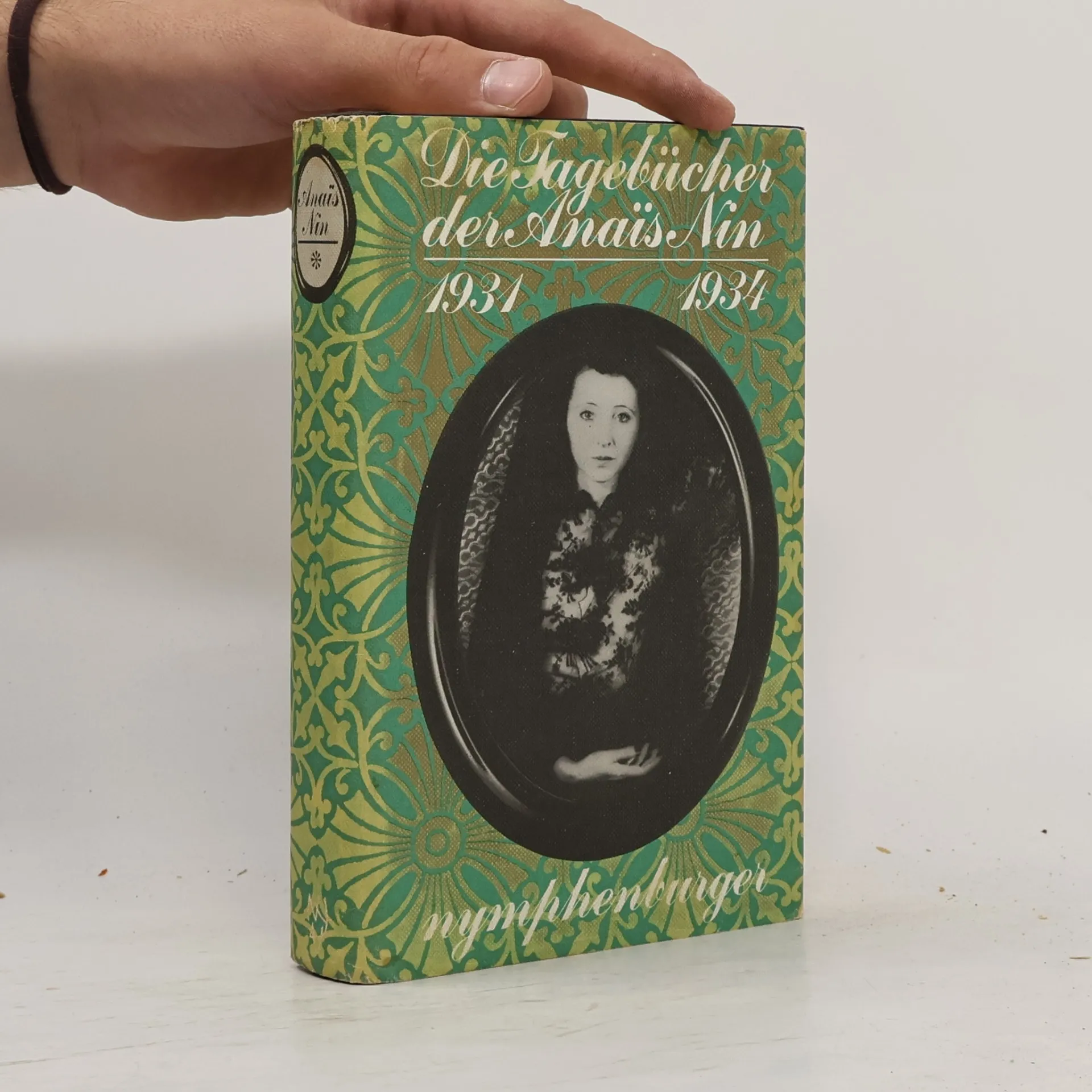
Anais Nin beschreibt in ihren turbulenten Jahren von 1934 bis 1937 ihr leidenschaftliches Leben und ihre wechselnden erotischen Beziehungen. Sie bricht Tabus und enthüllt die Wahrheit ihrer intensiven Erfahrungen.
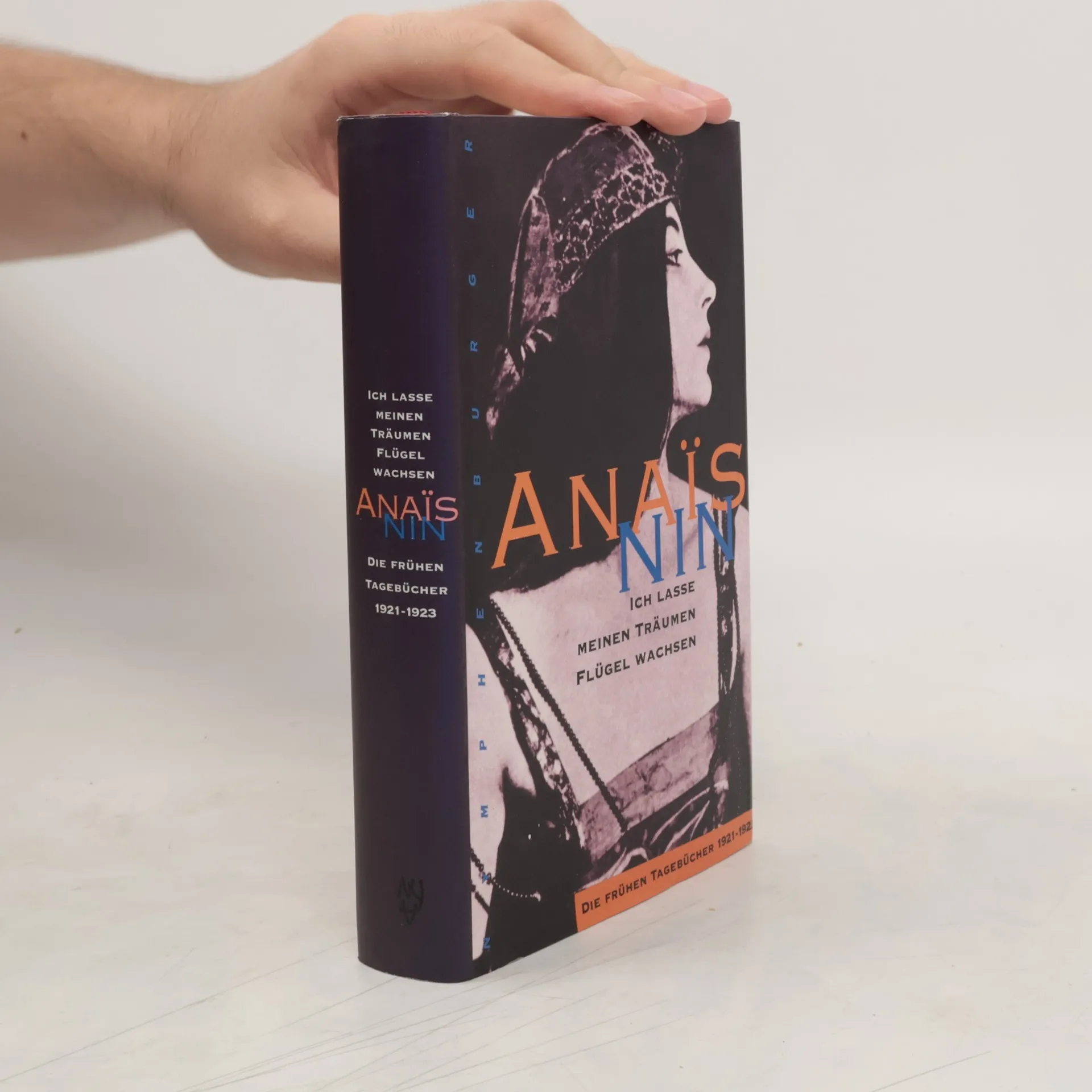
Anais Nin beschreibt in ihren bisher unveröffentlichten Tagebüchern die Herausforderungen ihrer frisch geschlossenen Ehe mit Hugh Guiler. Sie strebt nach idealisierter Liebe, kämpft jedoch mit ihren eigenen Bedürfnissen und der Entfaltung ihrer Schriftstellerei. Das Leben in Paris wird für sie zunehmend zur Belastung, da sie mit ihrer Sexualität und den Schwierigkeiten in der Ehe konfrontiert wird.
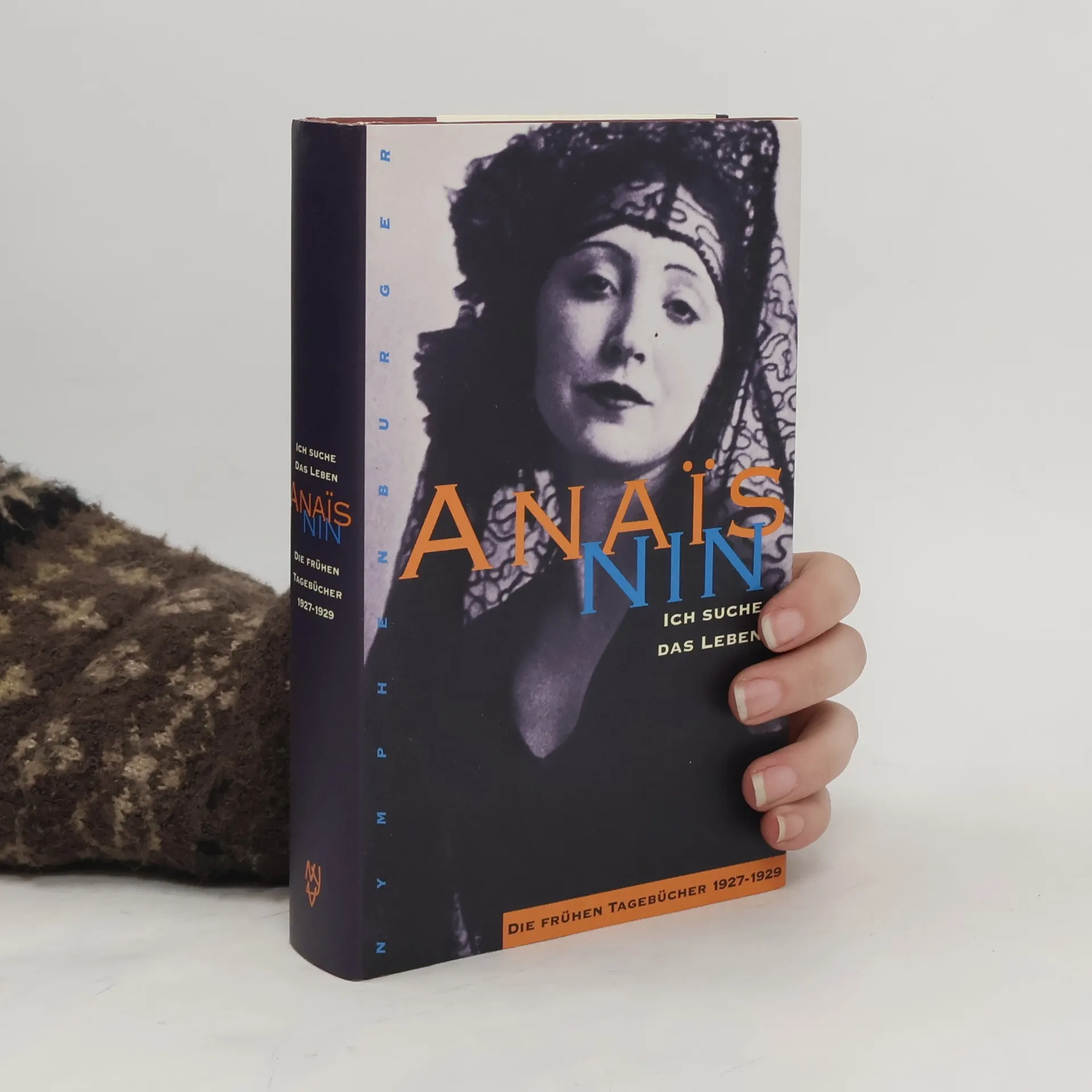
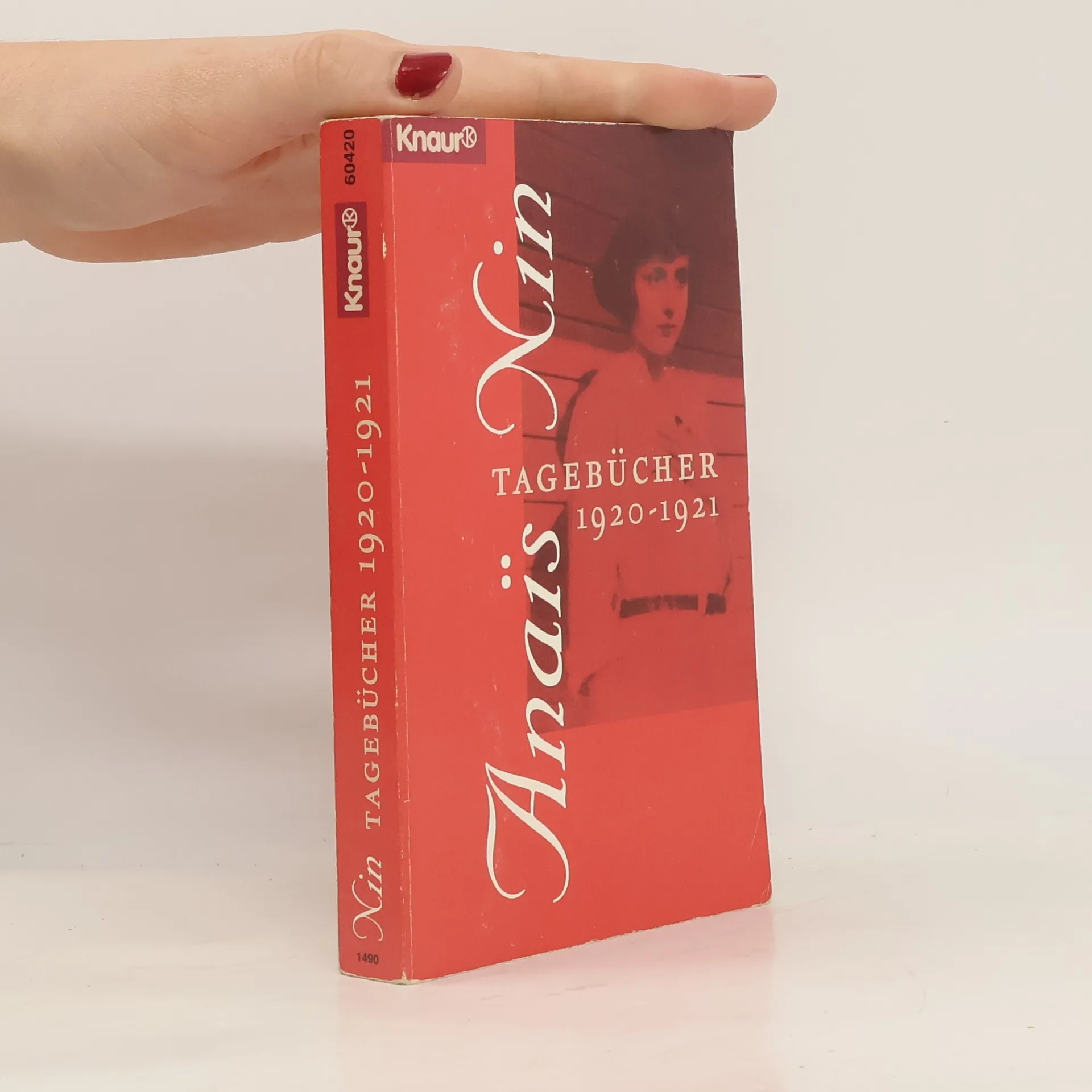
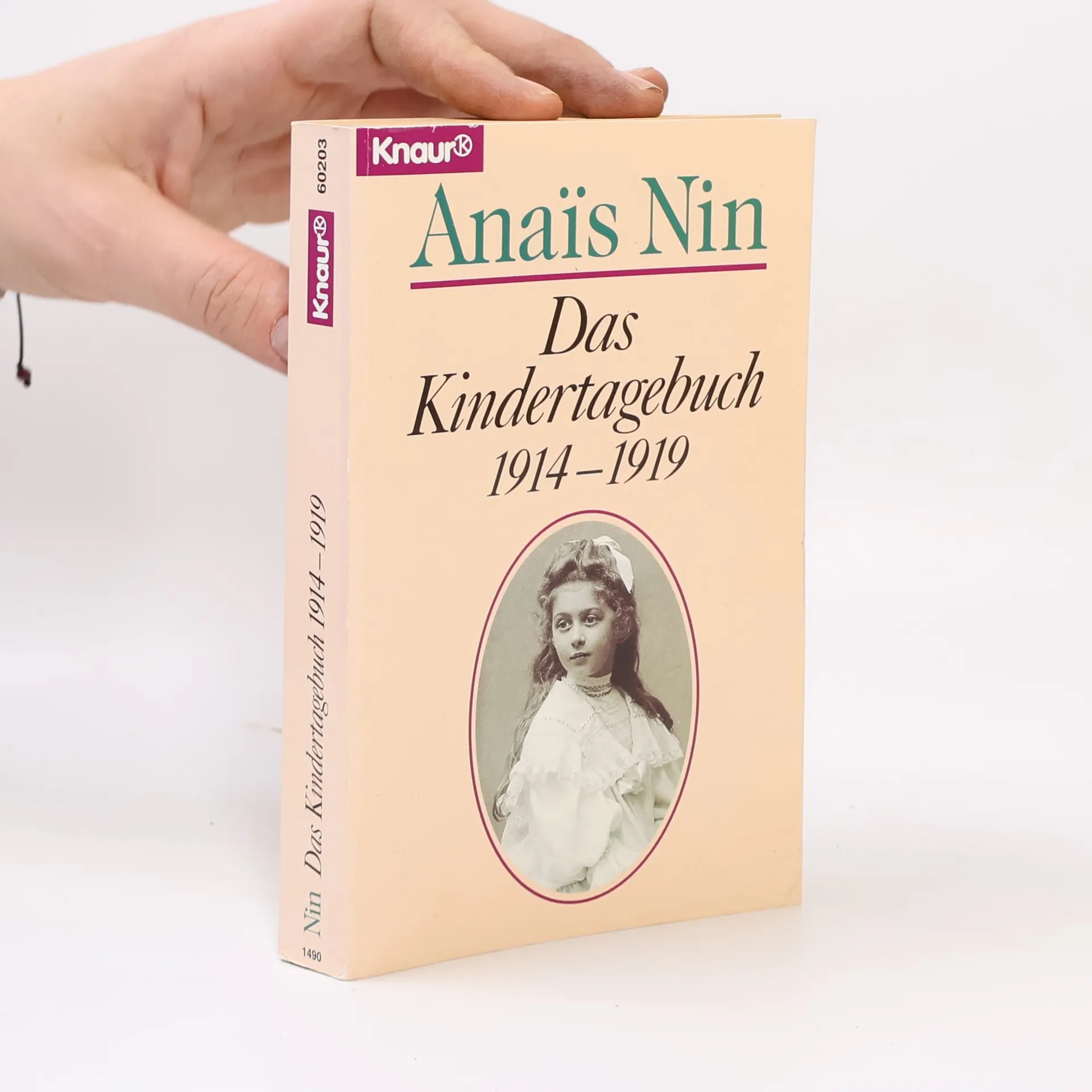
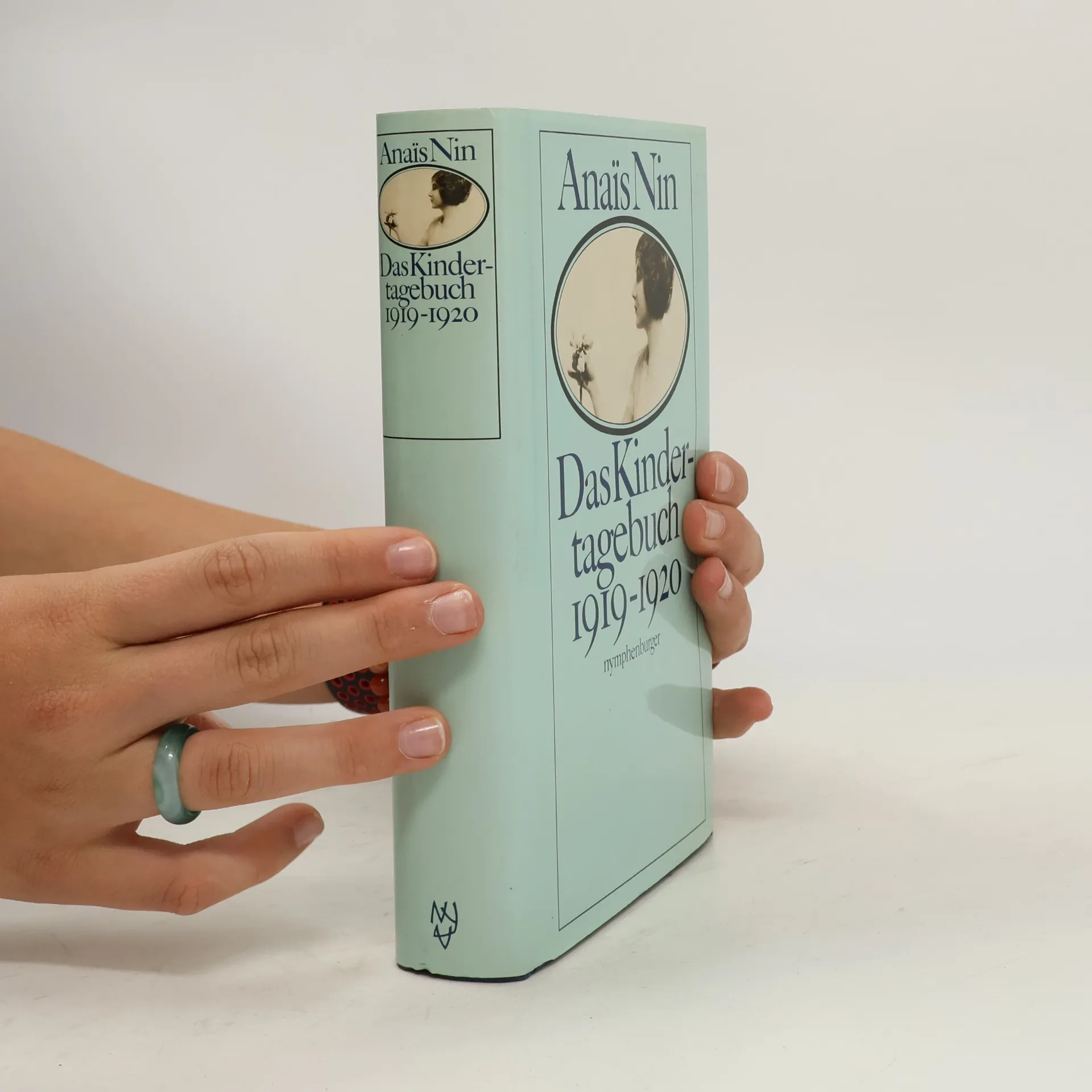
Tagebücher, in denen sich die intime Gefühls- und Gedankenwelt einer Siebzehnjährigen offenbart. >>Wie in allen früher erschienen Tagebuchbänden überstürzen sich die Ereignisse eher, als daß sie sich entwickeln, sie explodieren eher, als daß sie zum Blühen kommen; sie greifen eher ungestüm als vorsichtig um sich. Anais lebte vorwiegend in der Zukunft, manchmal in der Vergangenheit und immer nur ungeduldig in der Gegenwart. Dies hinderte sie jedoch nicht daran, die Realität der Gegenwart voll und ganz zu erleben.<< (Joaquin Nin-Culmell)
All the yearning, the passion, and the wantonness of lust are explored in this broad-ranging anthology of sensual stories, poems, and fables on a perennially hot topic. From Italo Calvino's humorous observations in The Loves of the Tortoises and Simone de Beauvoir's bittersweet reflections in The Prime of Life to the dark desires of The Vampire Lestat and the taboo obsession of Lolita, Lust offers an uncensored collection by some of the world's most respected writers, both classic and contemporary. With an elegant, two-color design as alluring as its contents are captivating, Lust makes a thoroughly pleasurable gift for a lover, or a perfect literary bedside companion.
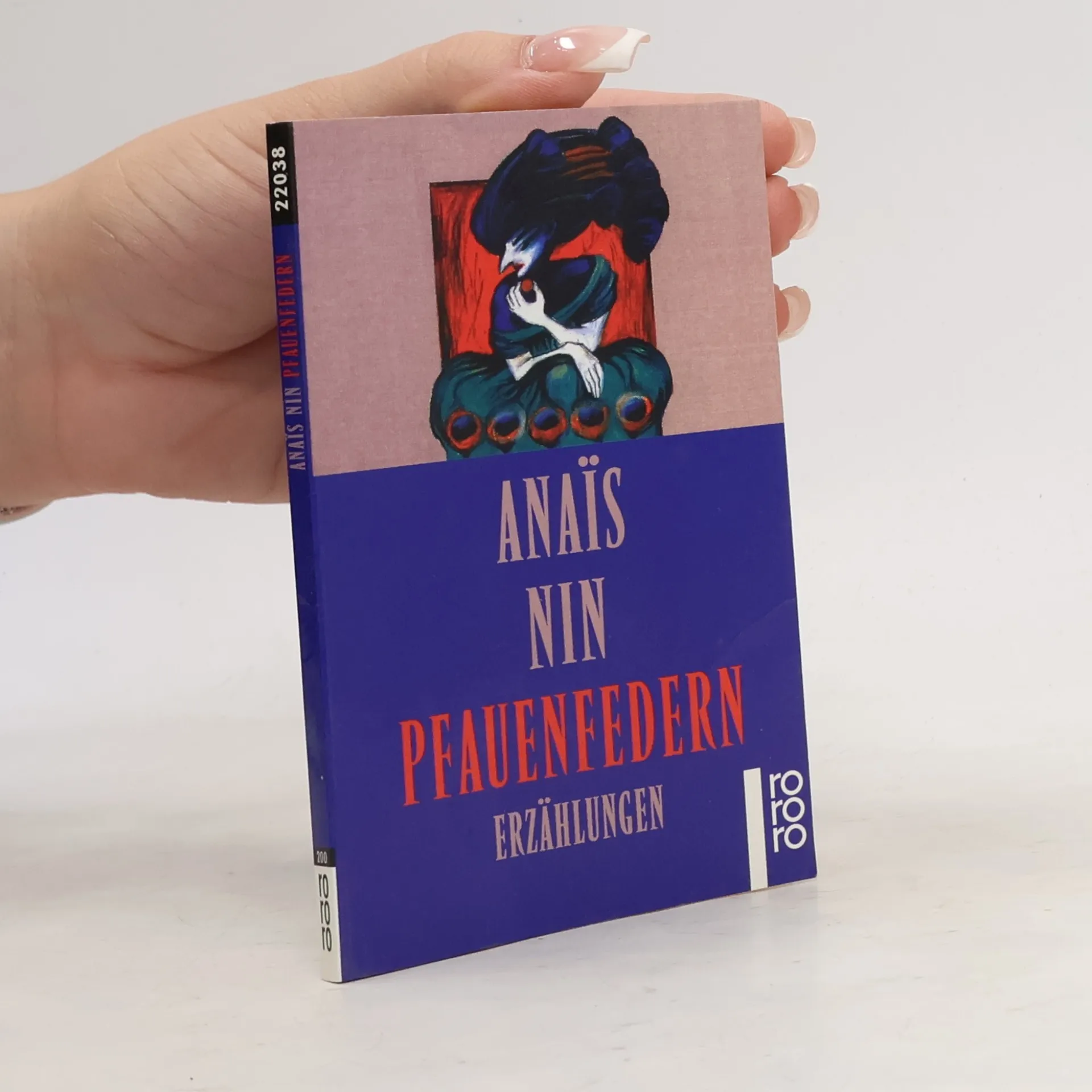
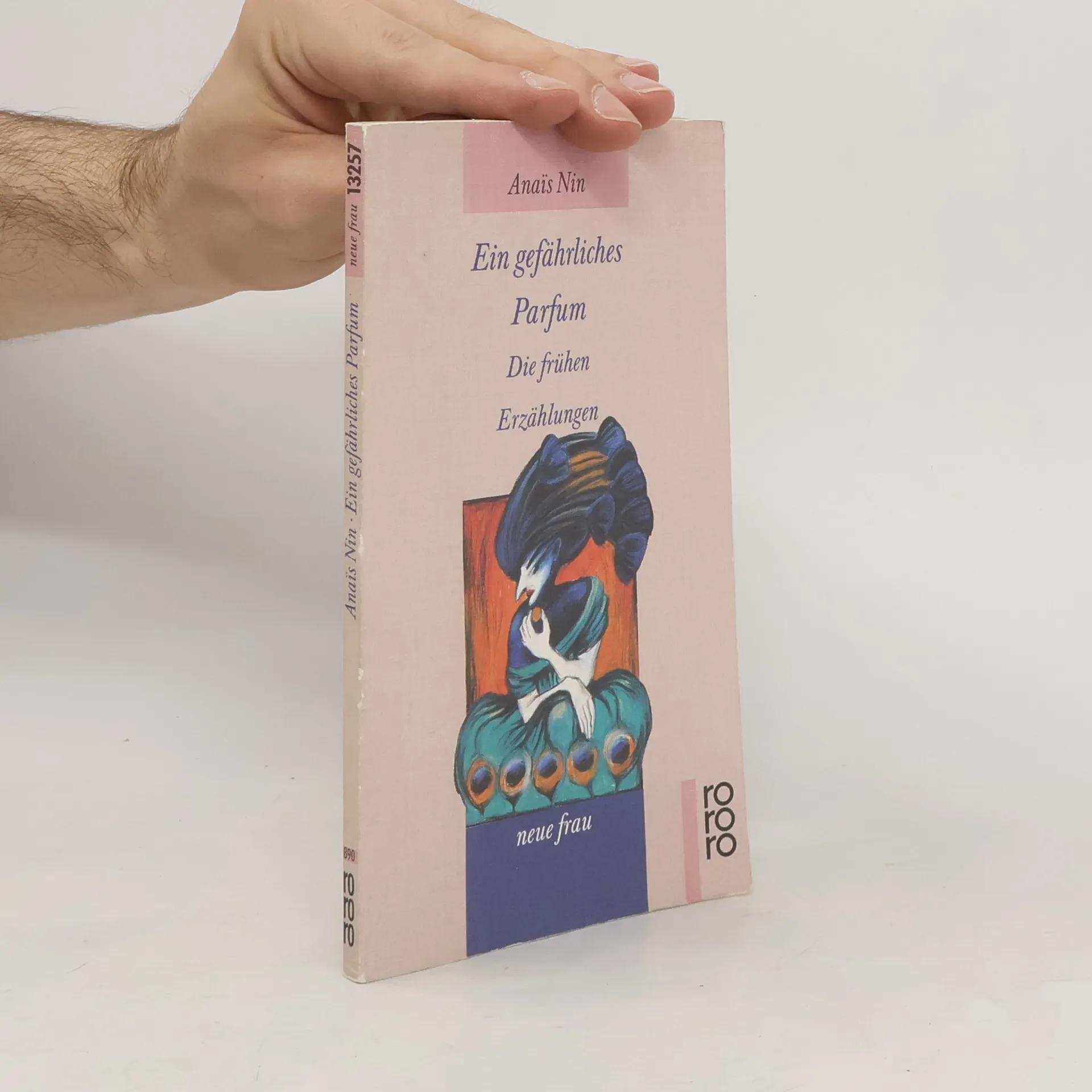
In Nizza, Paris und in den phantastischen Nischen der «Großen Welt» spielend, trügerisch nach Blüten und Hoffnungen duftend, sind Anaïs Nins frühe Erzählungen delikate, von origineller Beobachtungskraft und melancholischem Witz zeugende Versuche über die fatale Neigung von Männern und Frauen, dem anderen eben jene Züge auszutreiben, die ursprünglich die Anziehung bewirkten.
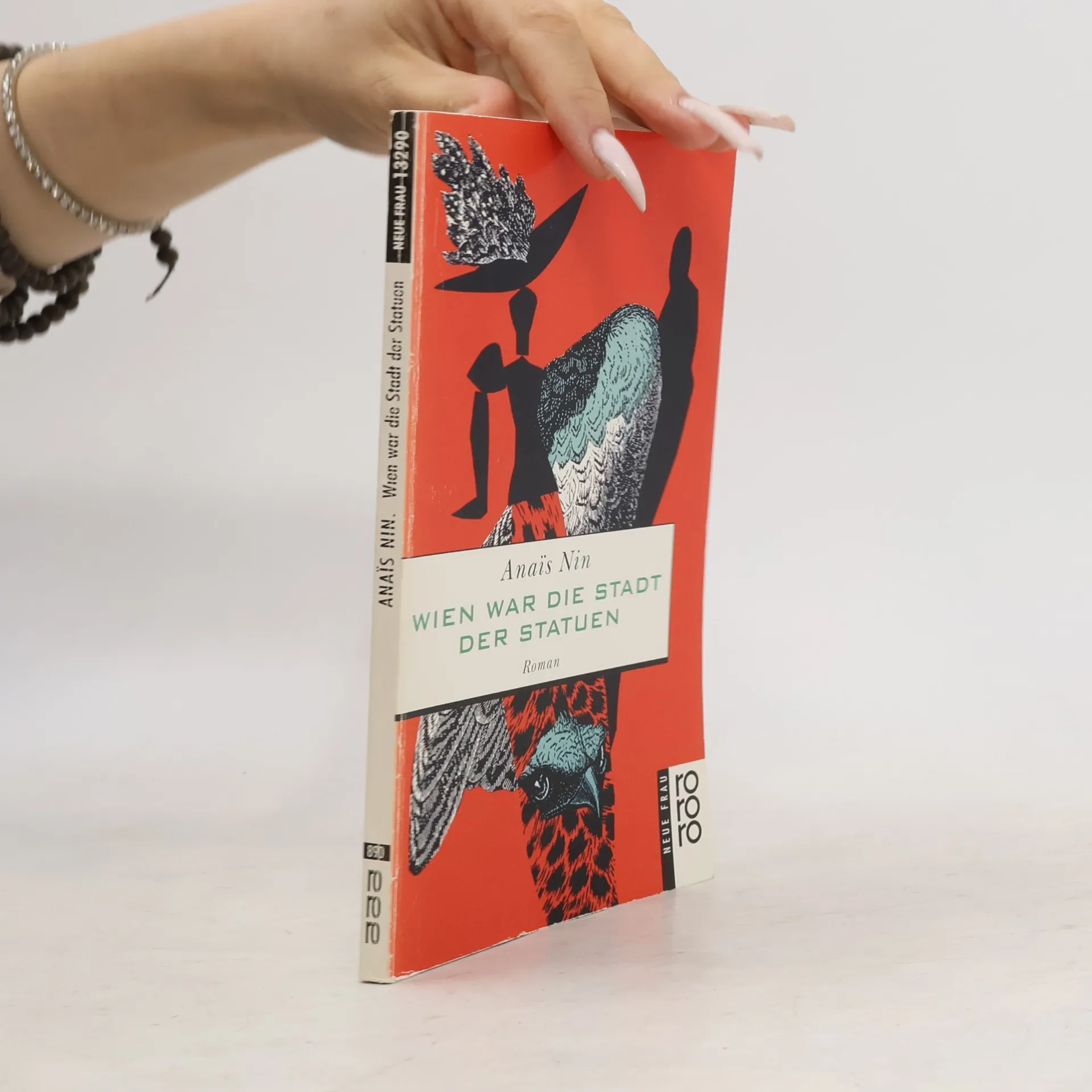
Die Malerin Renate ist eine Abenteurerin, eine Menschenfängerin, eine Wandererin, die es früh aus dem heimatlichen Wien – und aus der überintimen Beziehung mit dem eifersüchtigen Vater – in die weitere Welt treibt: nach Mexiko, nach Kalifornien ... Die skurrilen, oft narzißtischen, fast immer künstlerisch begabten Leute, denen sie begegnet, mit denen sie in vielfältige Tauschverhältnisse eintritt, erinnern sie an die Wiener Parkskulpturen ihrer Jugend – so daß aus den manchmal grotesken, manchmal diabolischen Episoden des Romans allmählich ein Garten voller Statuen wird.
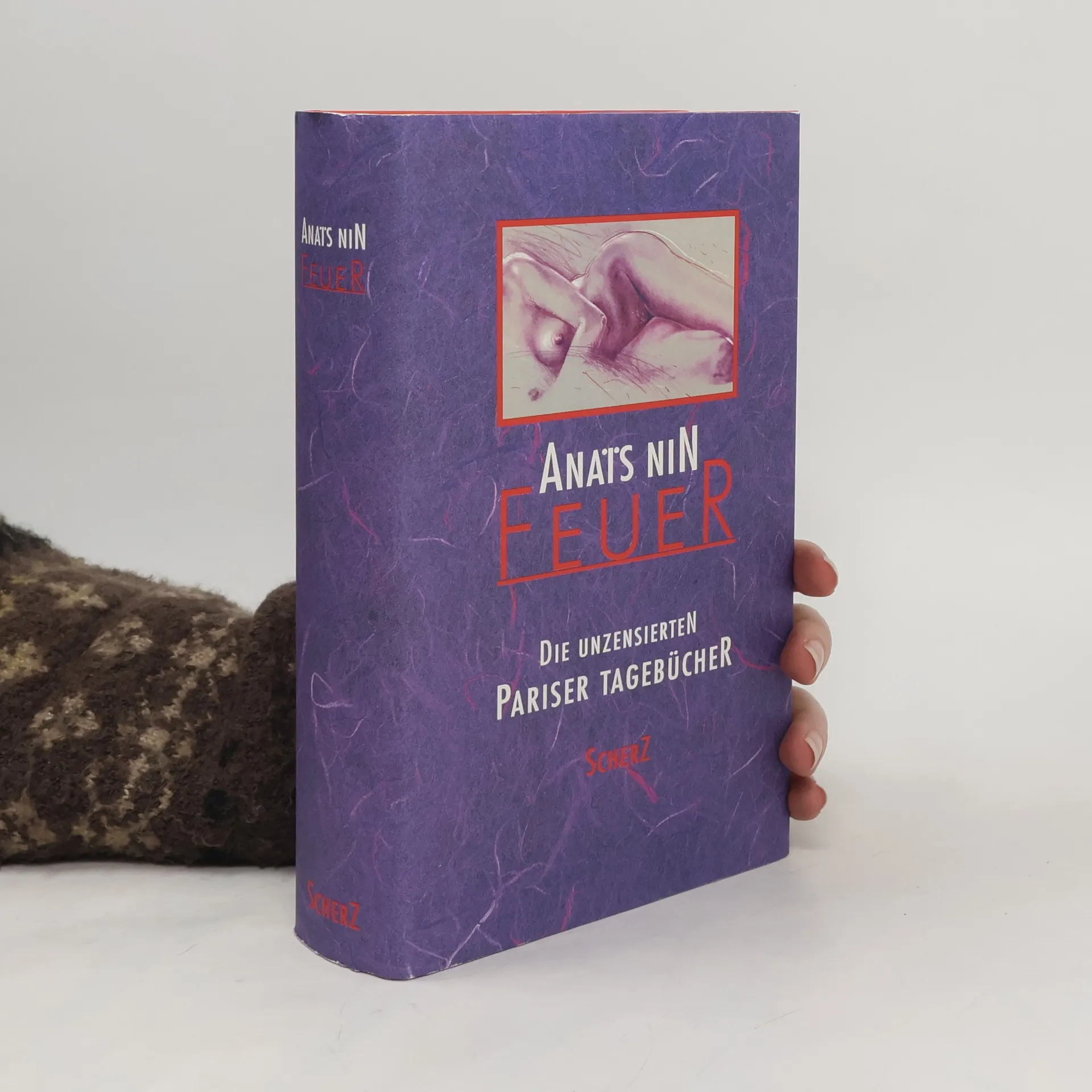
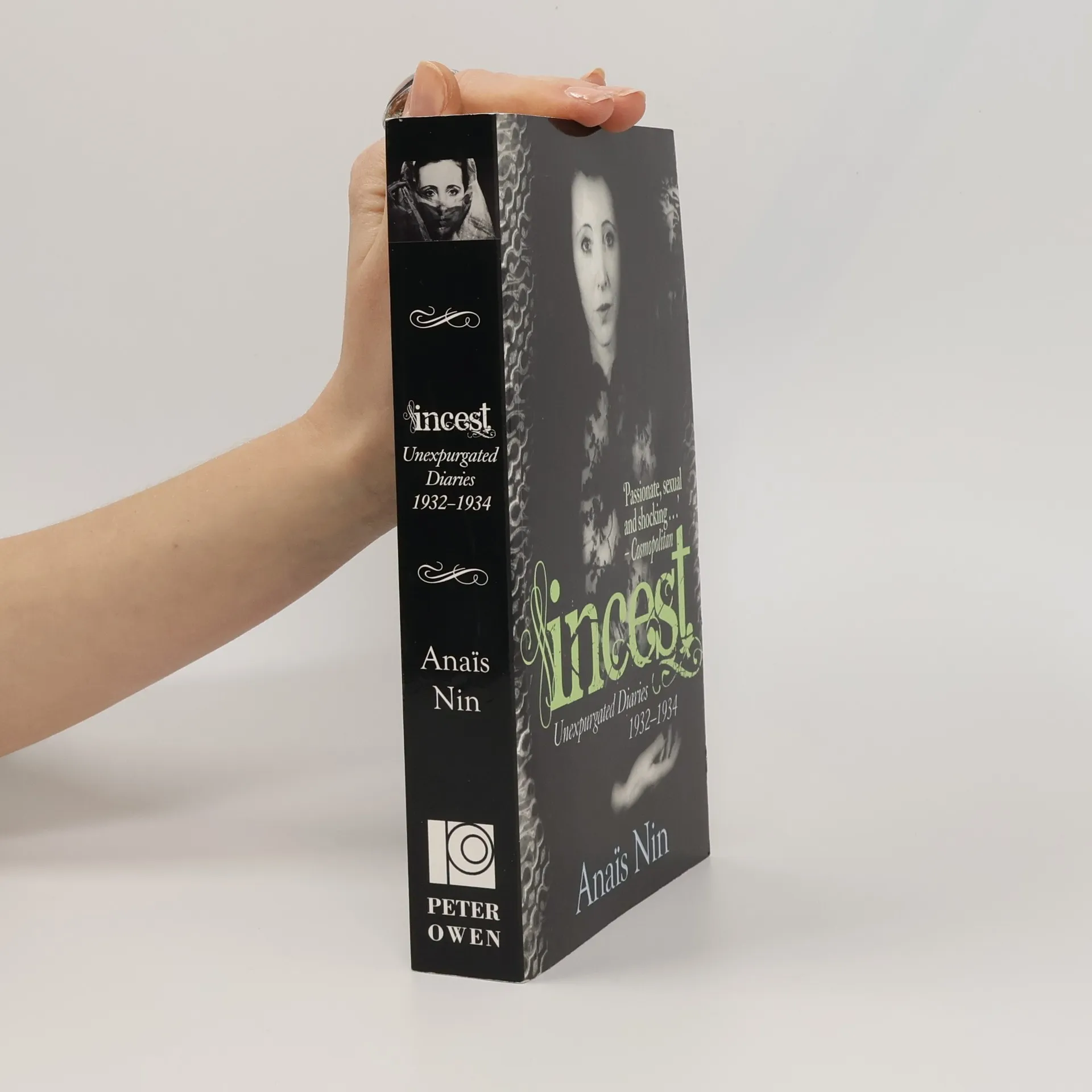
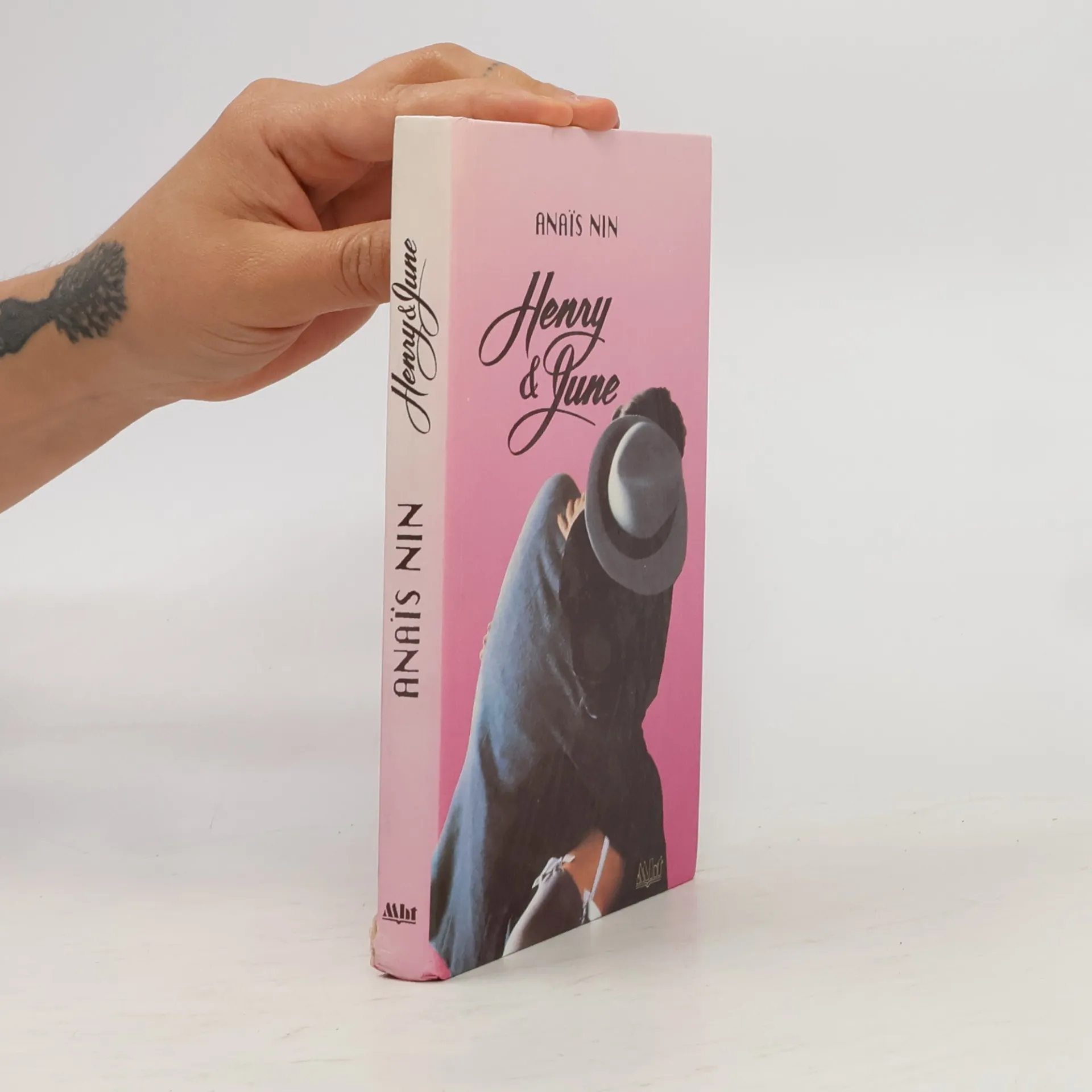
Few writings explore a woman's love life in such detail, with such subtlety, insight, and pain, as does Anais Nin's original, uncensored diary. It is a life record that deals openly with the physical aspects of relationships and unsparingly with the full spectrum of psychological ramifications. Here was a woman who sought the freedom to act out her sexual and emotional desires with the same guiltless, "amoral" abandon that men have always claimed for themselves. When Nin began publishing sections of her diary in 1966, this aspect of her life was excised, though clearly there was more than could be told at the time concerning her relationships with Henry Miller and his wife, June, with the writer and actor Antonin Artaud, with her analysts Rene Allendy and Otto Rank, and - most important - with her father. Here now is the previously missing portion of Nin's life in the crucial years from 1932 to 1934, the shattering psychological drama that drove her to seek absolution from her psychoanalysts for the ultimate transgression. In its raw exposure of a woman's struggle to come to terms with herself, to find salvation in the very act of writing, Incest unveils an Anais Nin without masks and secrets, yet in the end still mysterious, perhaps inexplicable.
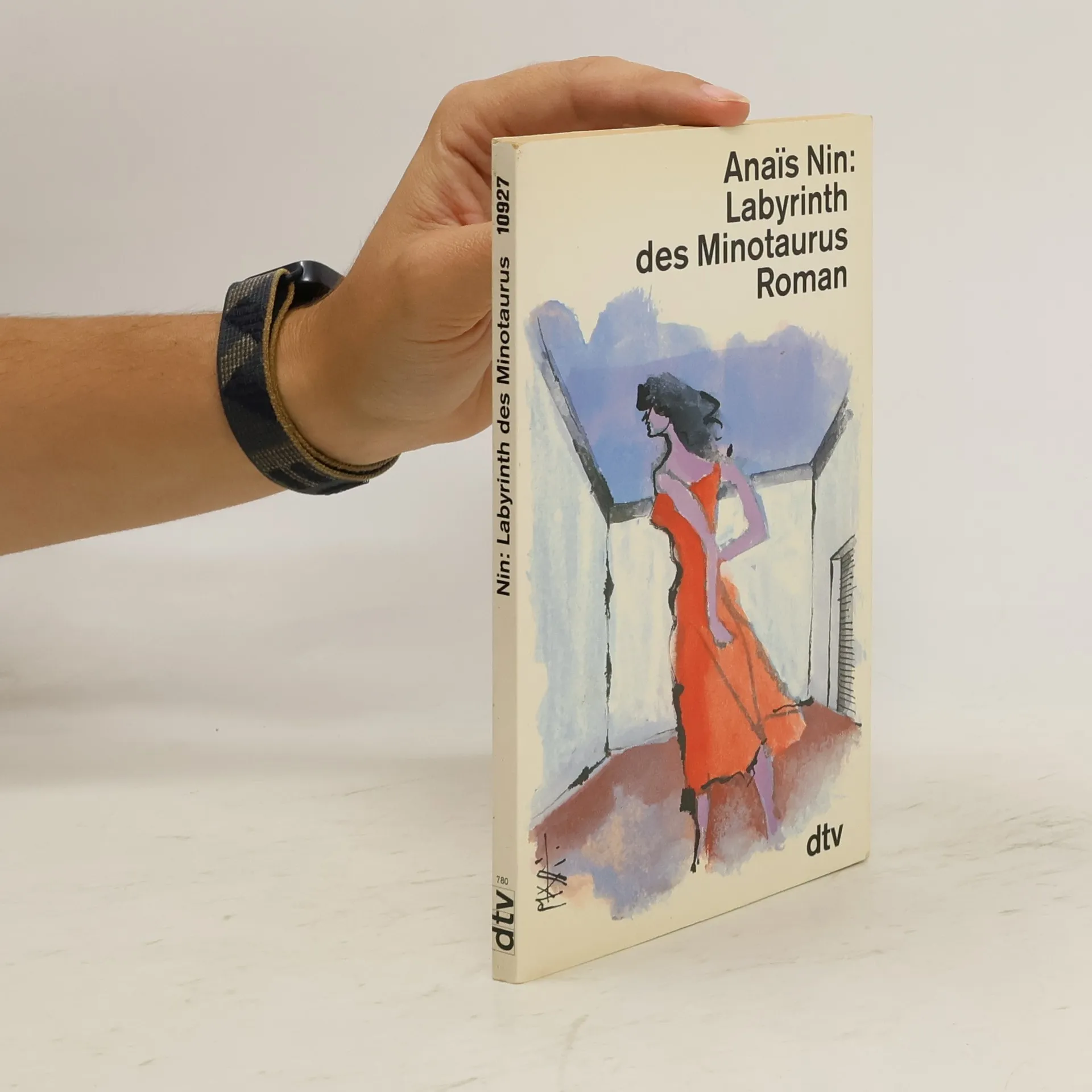
Exploring themes of eroticism, homosexuality, and androgyny, this novel delves into the psychological complexities of its characters, many of whom reflect aspects of the author herself. Divided into two parts, "The Sealed Room" and "The Café," it showcases Nin's distinctive diaristic style and employs layered metaphors to vividly convey the intricacies of human relationships and desires.
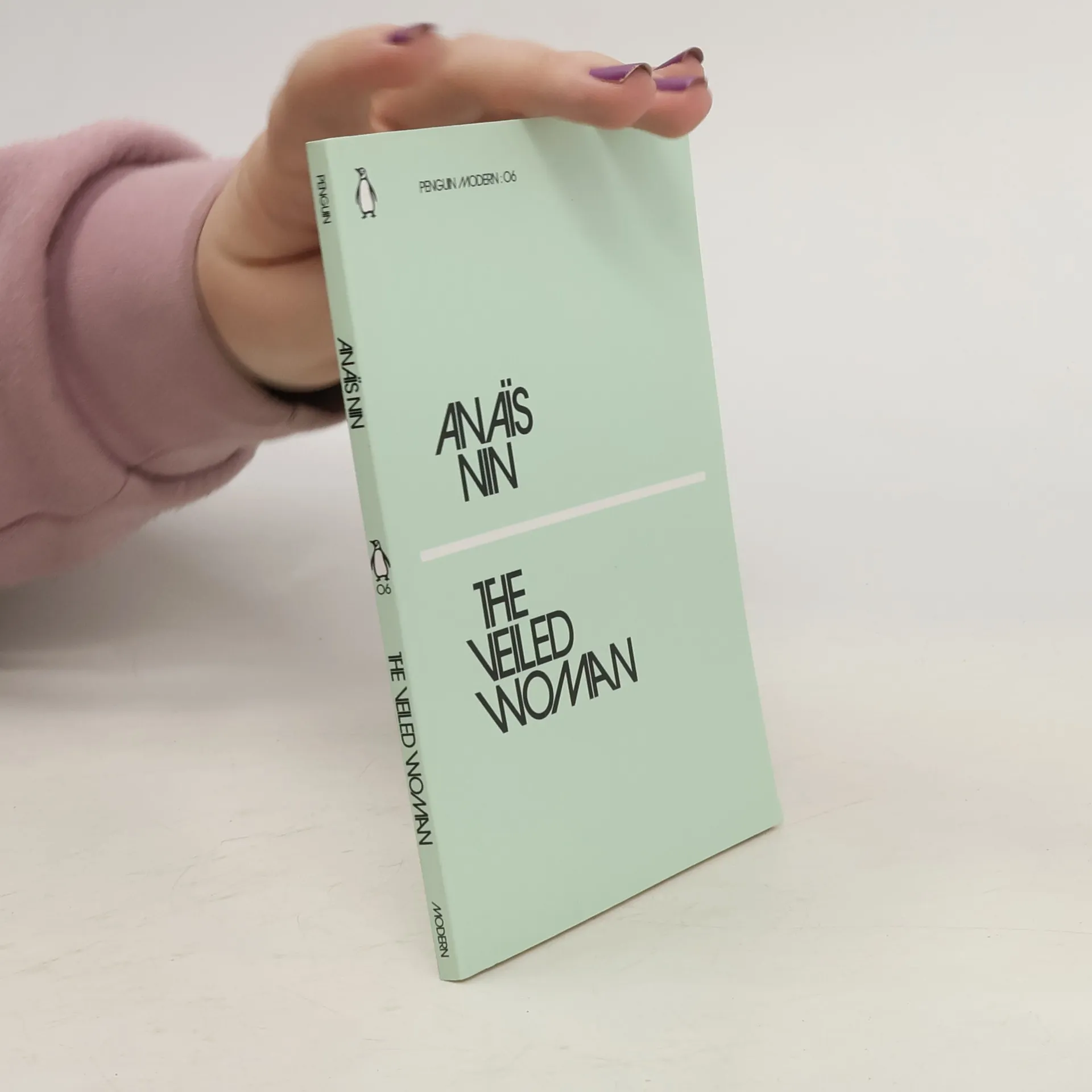
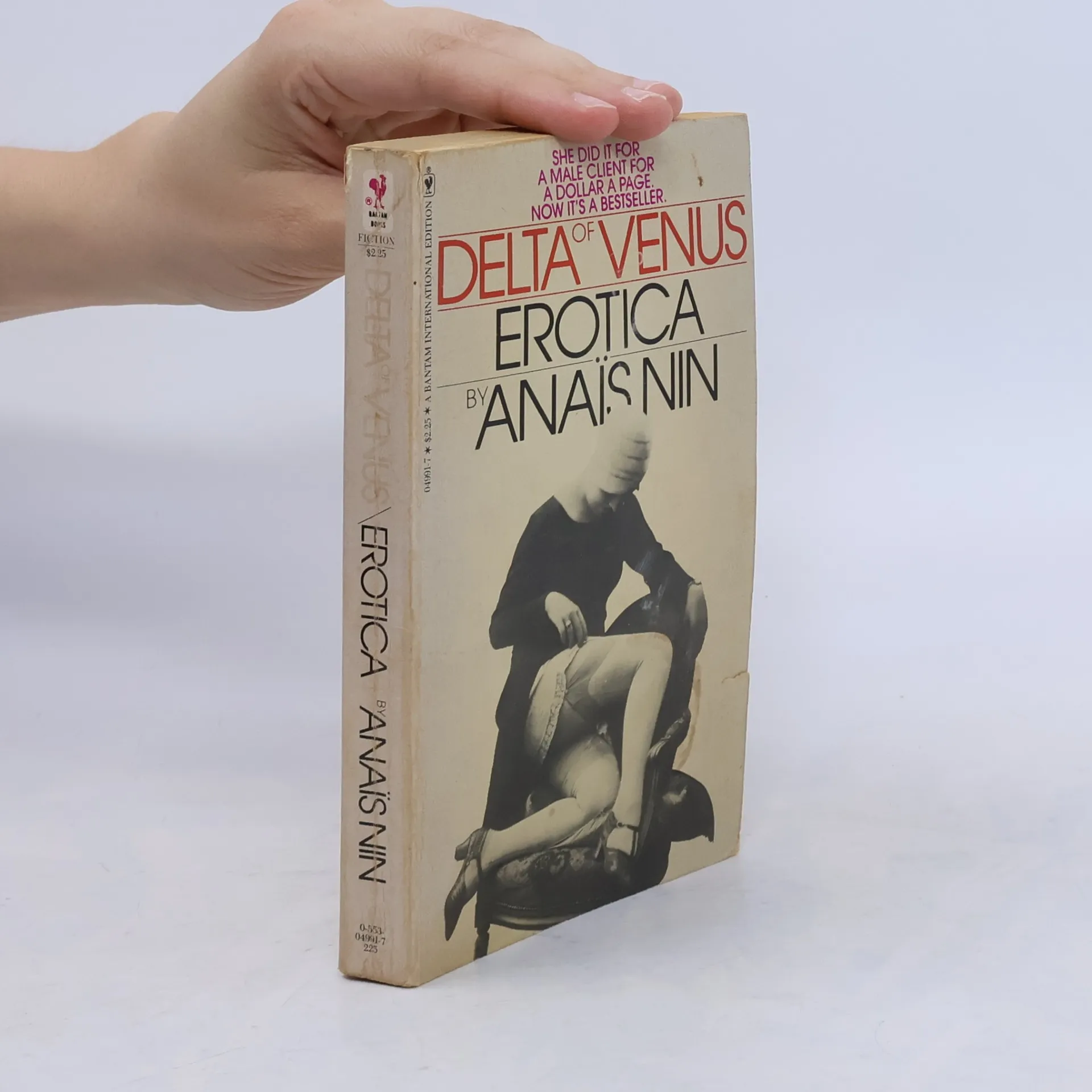
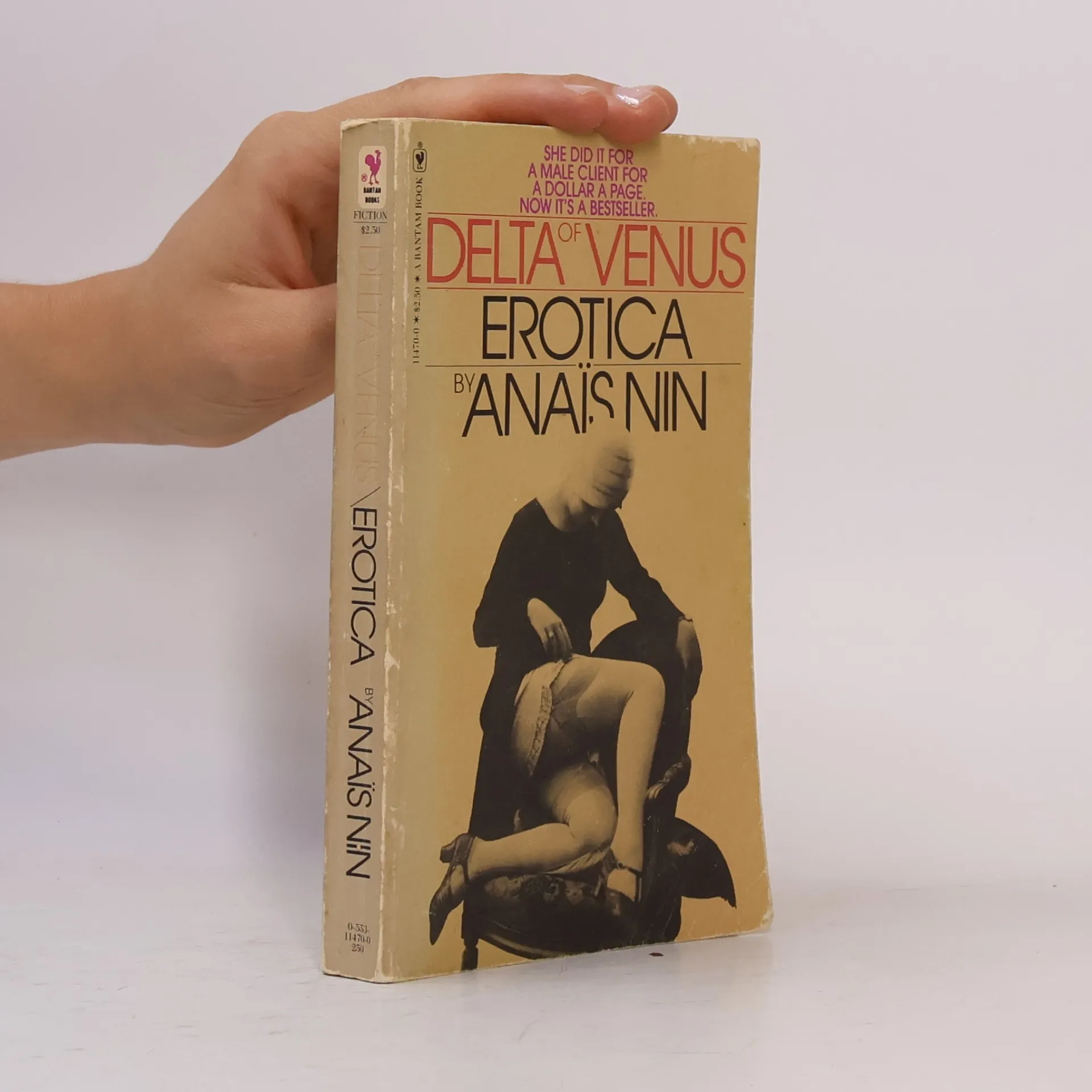
In Delta of Venus Anaïs Nin penned a lush, magical world where the characters of her imagination possess the most universal of desires and exceptional of talents. Among these provocative stories, a Hungarian adventurer seduces wealthy women then vanishes with their money; a veiled woman selects strangers from a chic restaurant for private trysts; and a Parisian hatmaker named Mathilde leaves her husband for the opium dens of Peru. Delta of Venus is an extraordinarily rich and exotic collection from the master of erotic writing.
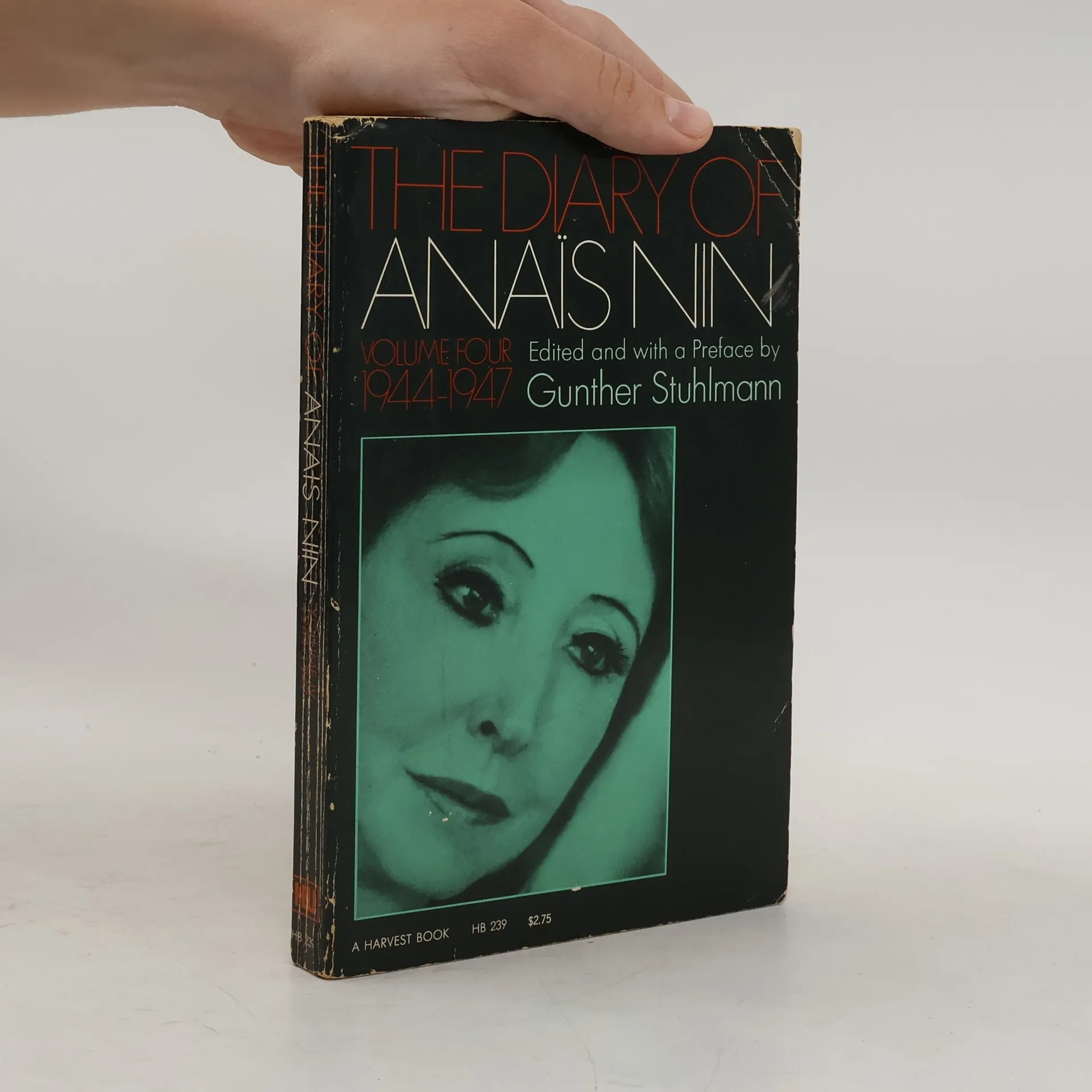
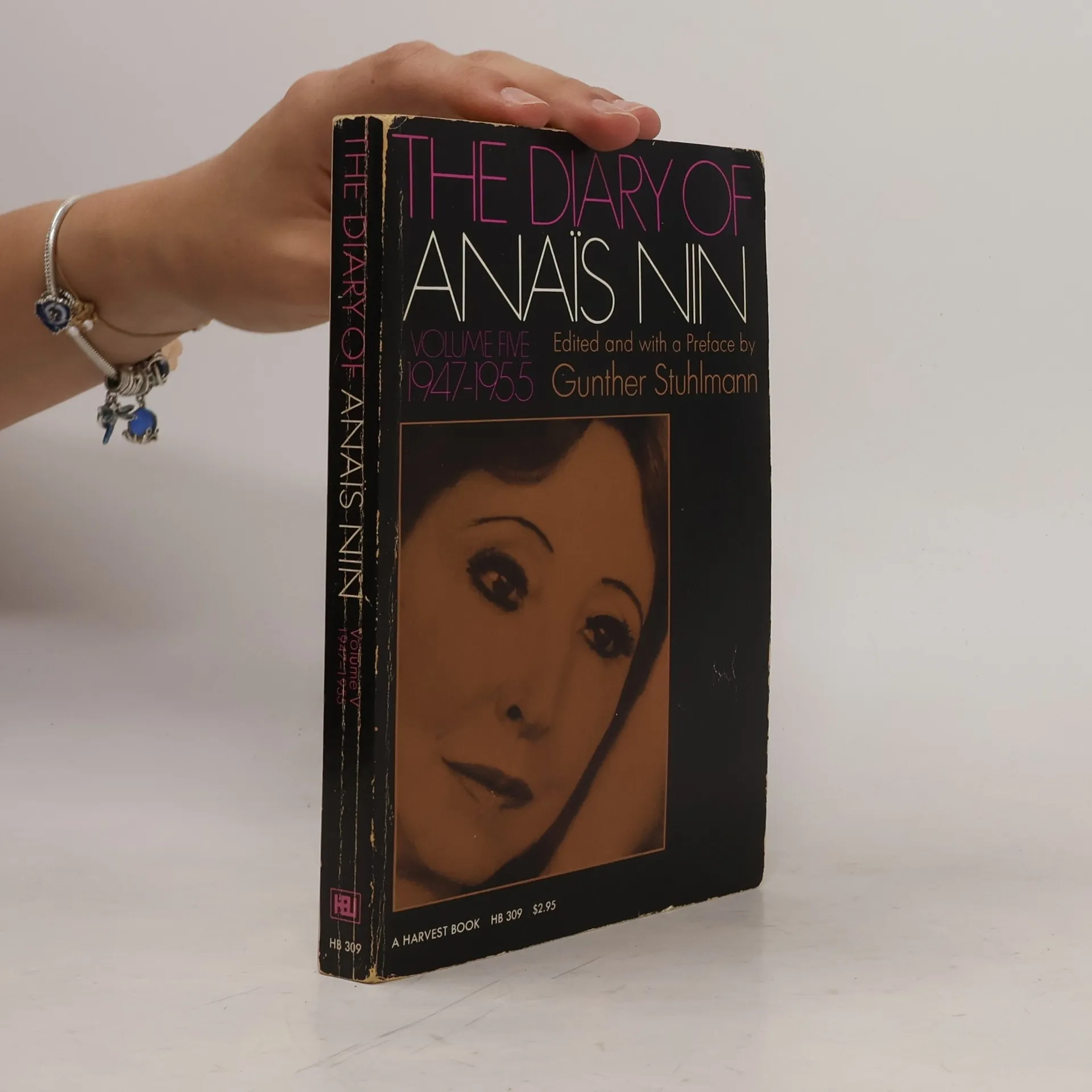
Beginning with Nin's arrival in New York, this volume is filled with the stories of her analytical patients. There is a shift in emphasis also as Nin becomes aware of the inevitable choice facing the artist in the modern world. "Sensitive and frank...[Nin's] diary is a dialogue between flesh and spirit" (Newsweek). Edited and with a Preface by Gunther Stuhlmann; Index.
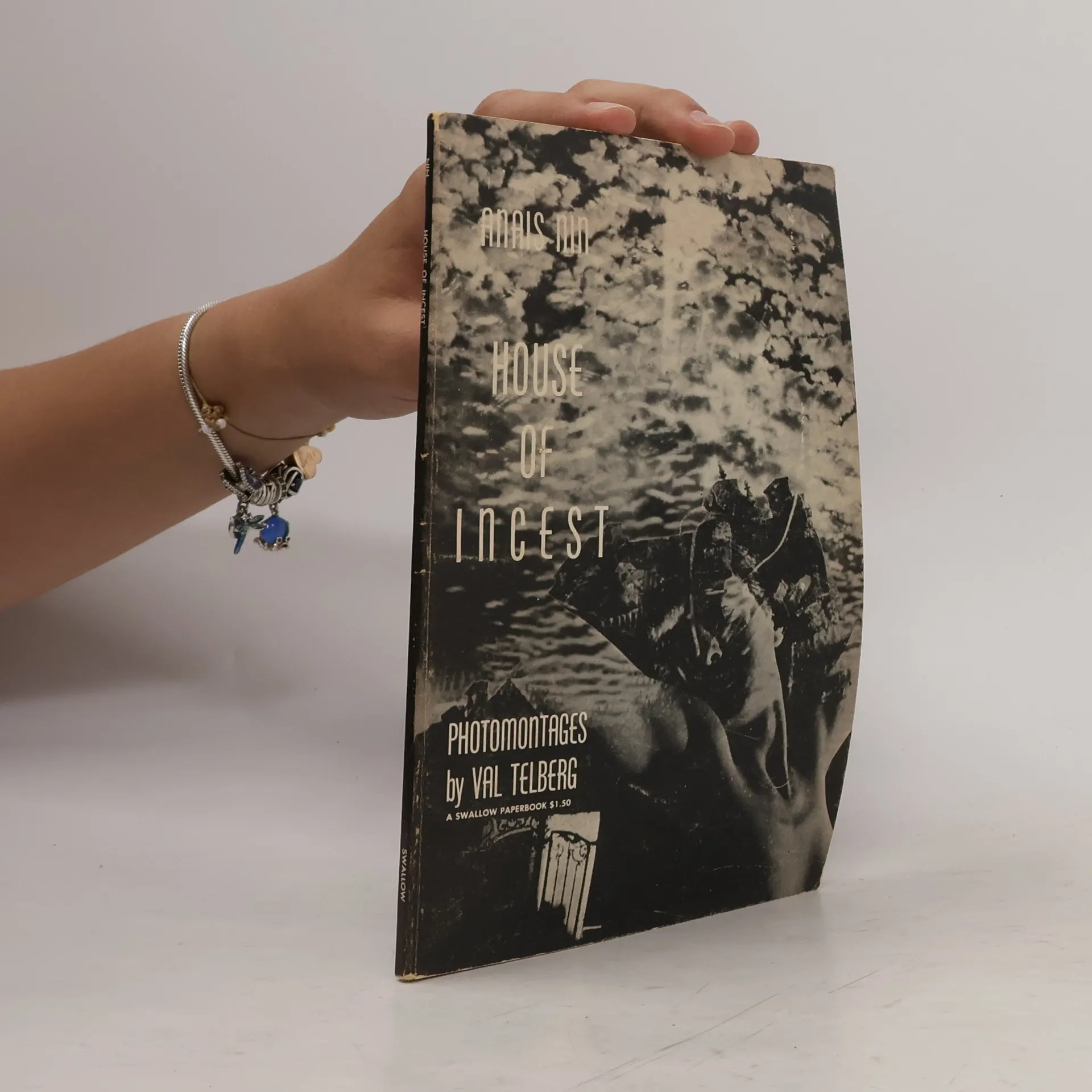
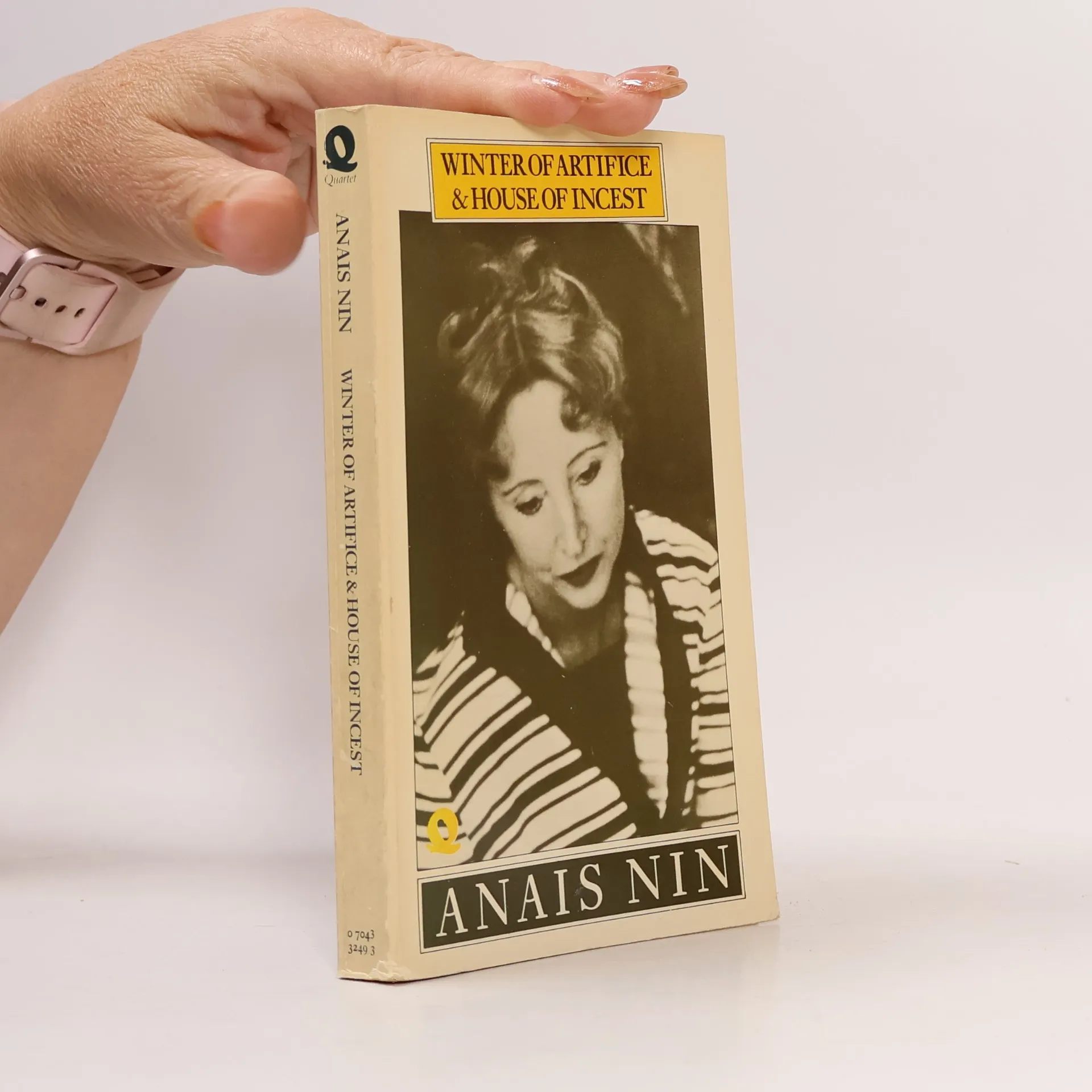
Originally published in 1936, House of Incest is Anaïs Nin's first work of fiction. Based on Nin's dreams, the novel is a surrealistic look within the narrator's subconscious as she attempts to distance herself from a series of all-consuming and often taboo desires.
A magical canal boat on the Seine becomes the ideal, secluded "cell" in which Djuna and Rango, a cafe guitarist, conduct their passionate affair. But in the background is Rango's invalid wife, who gradually encroaches on their passion. Can their relationship survive her manipulations?
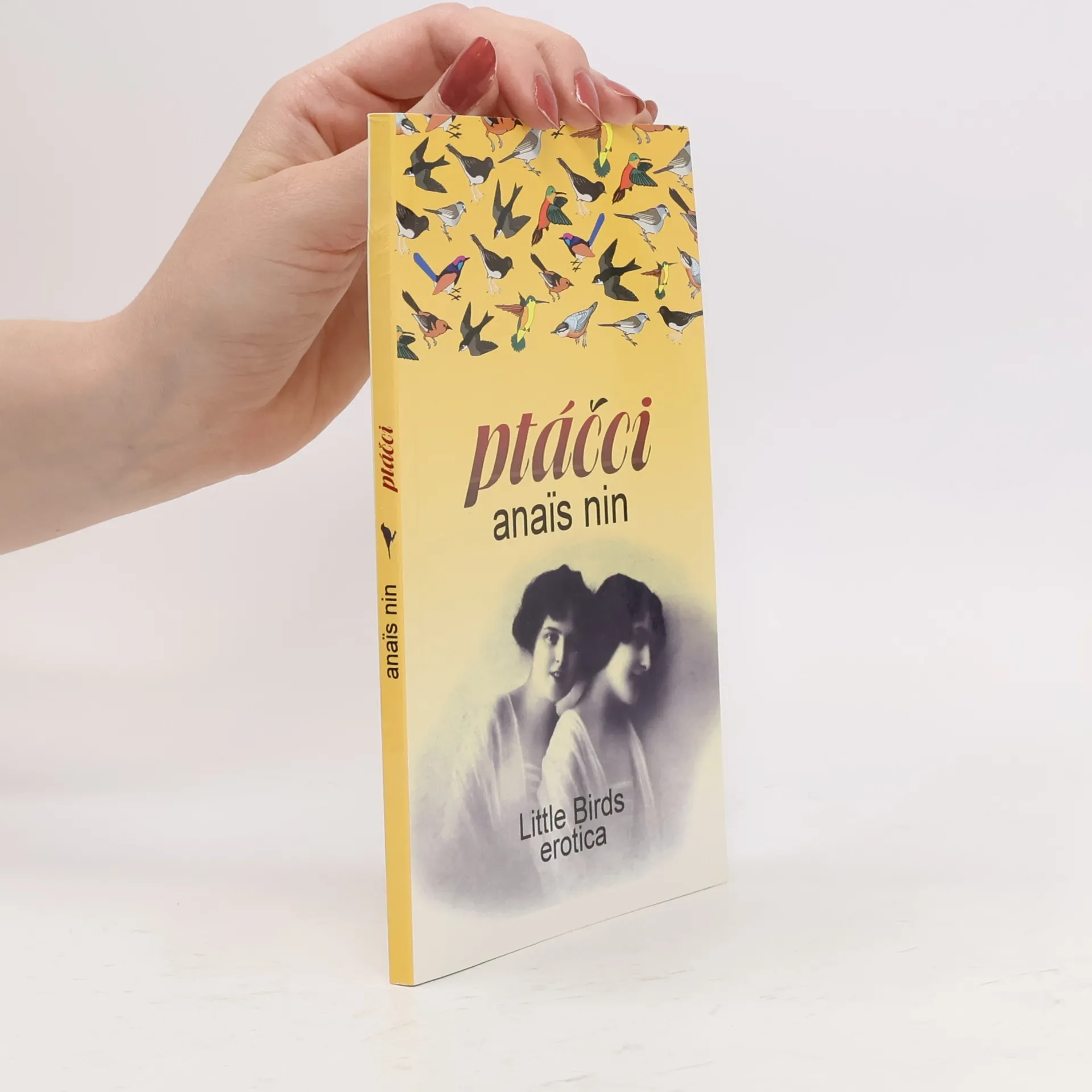
Deze 28 erotisch getinte verhalen van Anais Nin (1903-1977) zijn stuk voor stuk met veel plezier en verve, en vooral met een voorliefde voor het anekdotische, geschreven vertelsels. De eerste vijftien, eerder gepubliceerd in de bundel 'Venus Delta', zijn behalve door eigen beleving en fantasie, vooral geinspireerd door de klassieken op het gebied van de erotische literatuur, als de Kama Soetra. Bij de volgende dertien eerder gepubliceerde verhalen ('Lieve Vogeltjes') heeft de schrijfster zich laten inspireren door verhalen uit de vrienden- en kennissenkring, waardoor ze, ondanks de gebondenheid aan het erotische thema, toch zeer gevarieerd zijn geworden. Goed geschreven, met gevoel voor humor. Een humor die het prikkelend element niet in de weg staat, maar er wel voor zorgt dat de verhalen zich makkelijk laten lezen. De vertaling is uitstekend. Paperbackuitgave; zeer kleine, ouderwetse druk, soft erotisch omslag.
The author's experiences in Mexico, California, New York, and Paris, her psychoanalysis, and her experiment with LSD. "Through her own struggling and dazzling courage [Nin has] shown women groping with and growing with the world" (Minneapolis Tribune).
From being a cult figure of the early feminist movement, Anaïs Nin later rose to international prominence with her writing. Characterised by the use of powerful, and at times, disquieting imagery, her work reveals great sensitivity and perception. These thirteen stories are no exception, and with a 'touch as light as a cobweb and colouring made of mirages' she penetrates the emotional depths of the individual in a world where illusion is the key to reality... Often considered Anaïs Nin's finest work of fiction, this collection of short stories was self-published by Nin with an old-fashioned hand press in 1944. Among the titles are "Houseboat," "The Mouse," "The Labyrinth," and "Birth."
Barcelona. 22 cm. 368 p., 8 h. con lám. Encuadernación en tapa blanda de editorial ilustrada. Nin, Anaïs 1903-1977. The diary of Anaïs Nin. Seleccionado y presentado por Gunther Stuhlmann ; Traducido del inglés por Enrique Hegewicz. Hegewicz, Enrique. 1944- .. Este libro es de segunda mano y tiene o puede tener marcas y señales de su anterior propietario. ISBN: 8472040372
The author's experiences in Greenwich Village, where she defends young writers against the Establishment, and her trip across the country in an old Ford to California and Mexico. "[Nin is] one of the most extraordinary and unconventional writers of this century" (New York Times Book Review). Edited and with a Preface by Gunther Stuhlmann; Index.
The author's experiences in Mexico, California, New York, and Paris, her psychoanalysis, and her experiment with LSD. "Through her own struggling and dazzling courage [Nin has] shown women groping with and growing with the world" (Minneapolis Tribune).
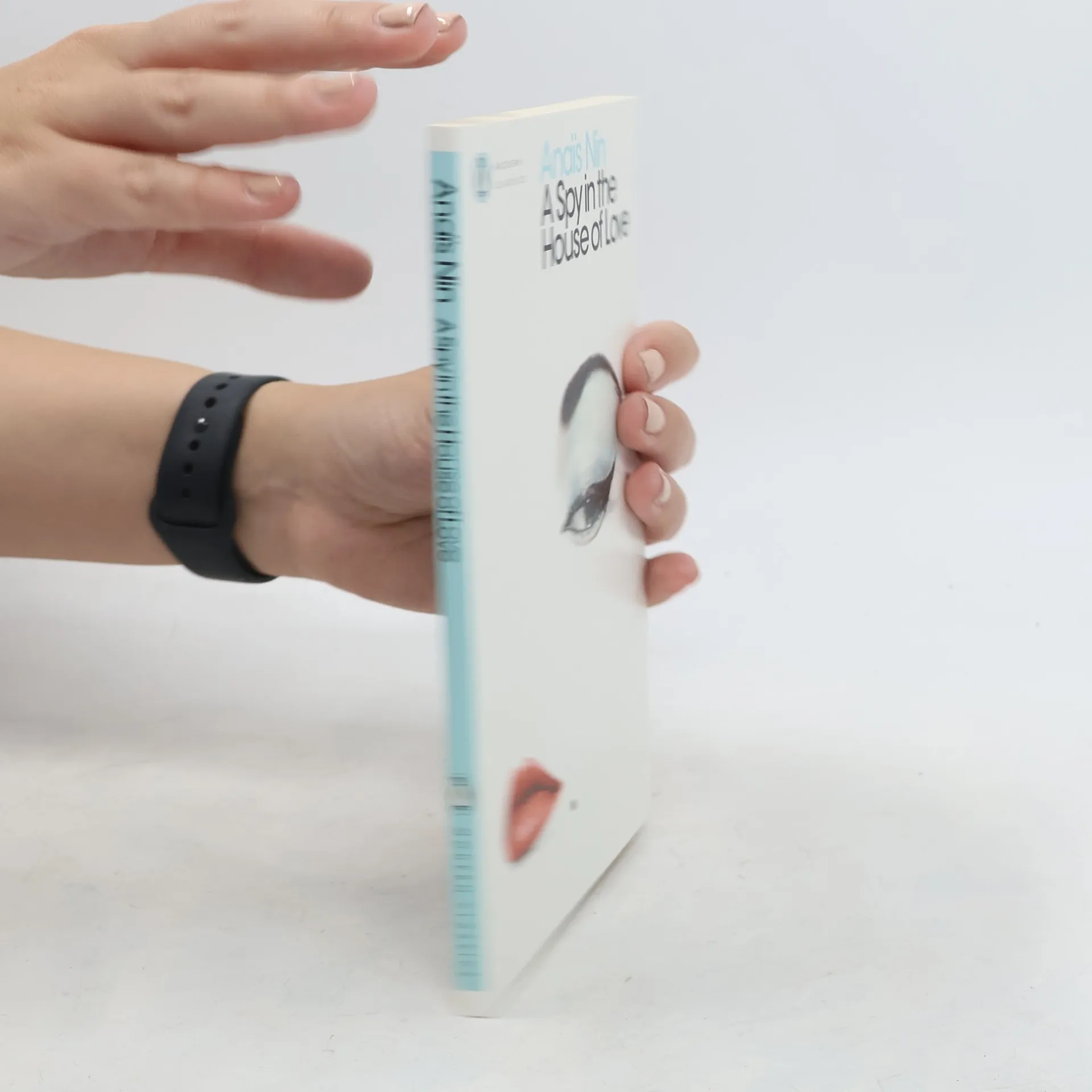
"Her sense of woman is unique... she excites male readers and incites female readers." - The New York Times Book ReviewSabina is a firebird blazing through 1950s New York: she is a woman daring to enjoy the sexual licence that men have always known. Wearing extravagant outfits and playing dangerous games of desire, she deliberately avoids commitment, gripped by the pursuit of pleasure for its own sake.In A Spy In The House of Love, Anaïs Nin expressed her individual vision of feminine sexuality with a ferocious dramatic force. Through Sabina's affairs with four men, she lays bare all the duplicity and fragmentation of self that is involved in the search for love.
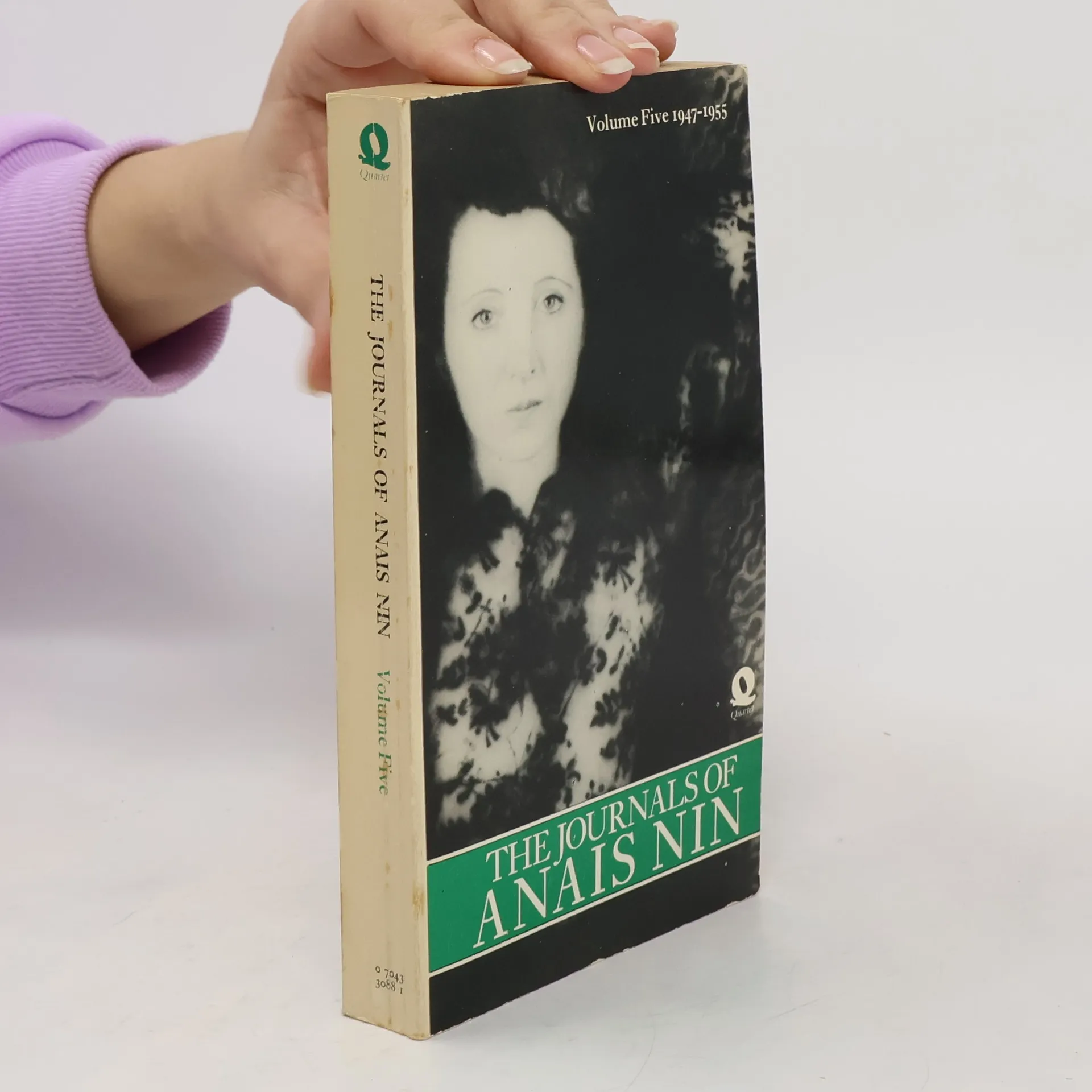
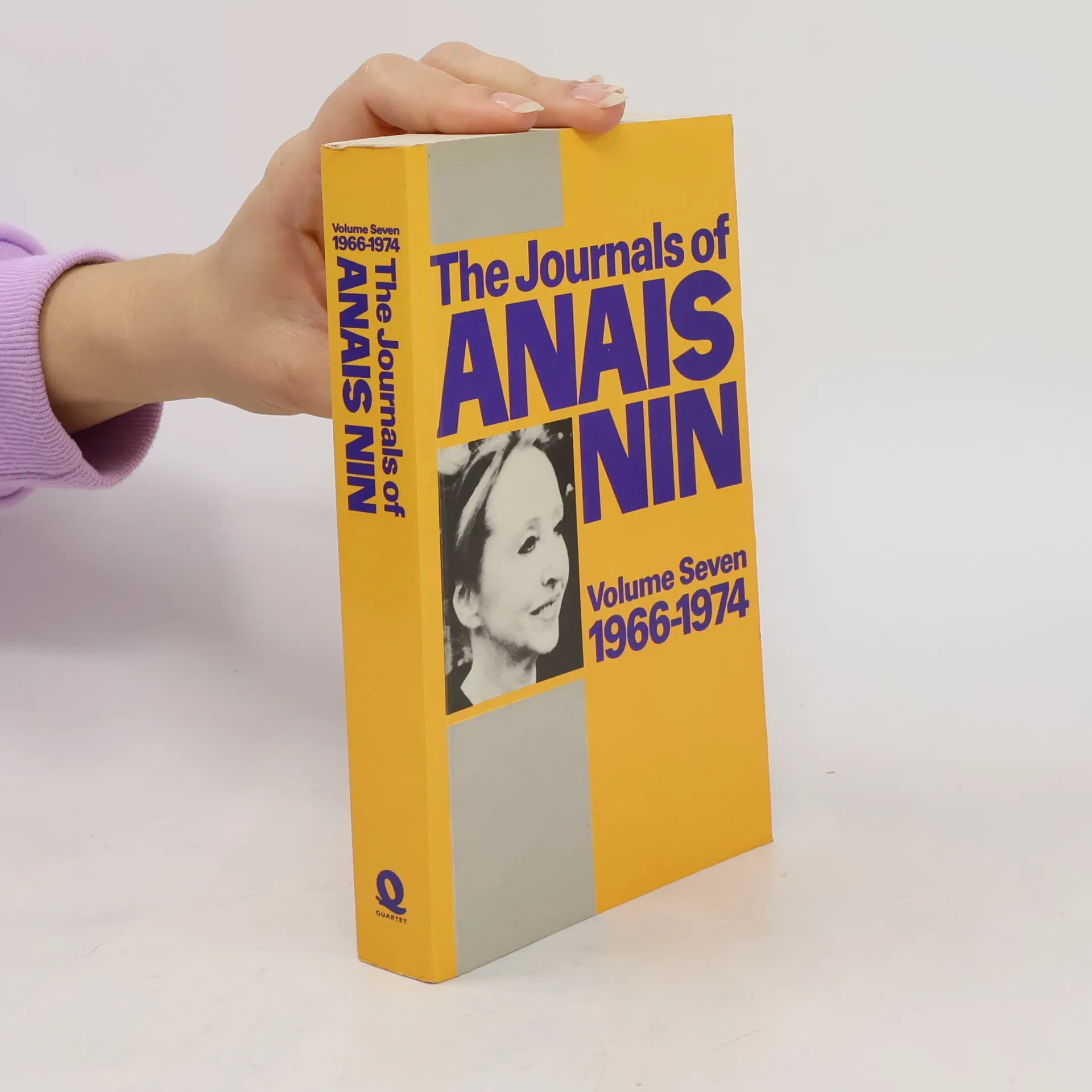
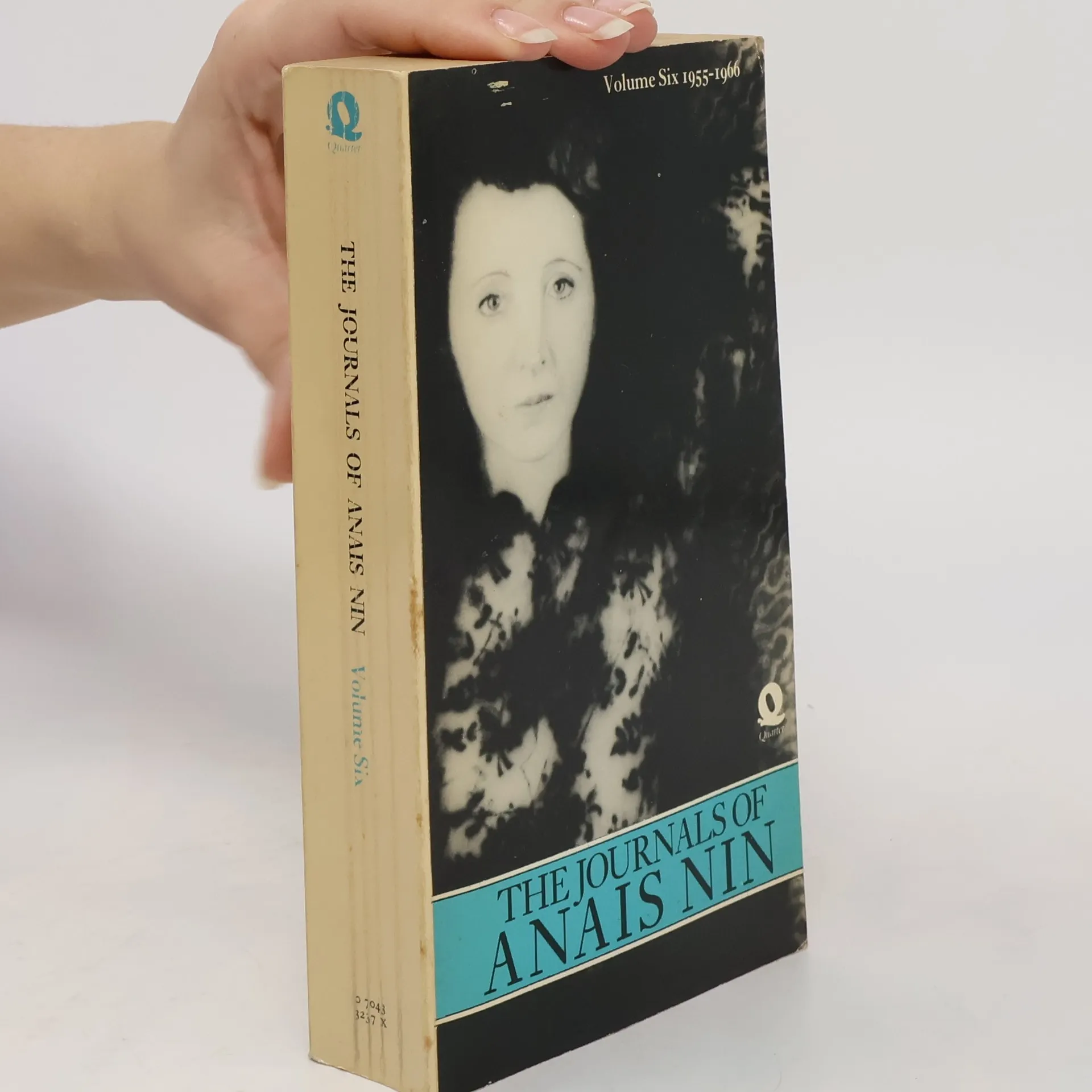
The final volume ends as the author wished-not with her last two years of pain but at a joyous, reflective moment on a trip to Bali. "One of the most remarkable diaries in the history of letters" (Robert Kirsch, Los Angeles Times). Edited and with a Preface by Gunther Stuhlmann; Index; photographs.
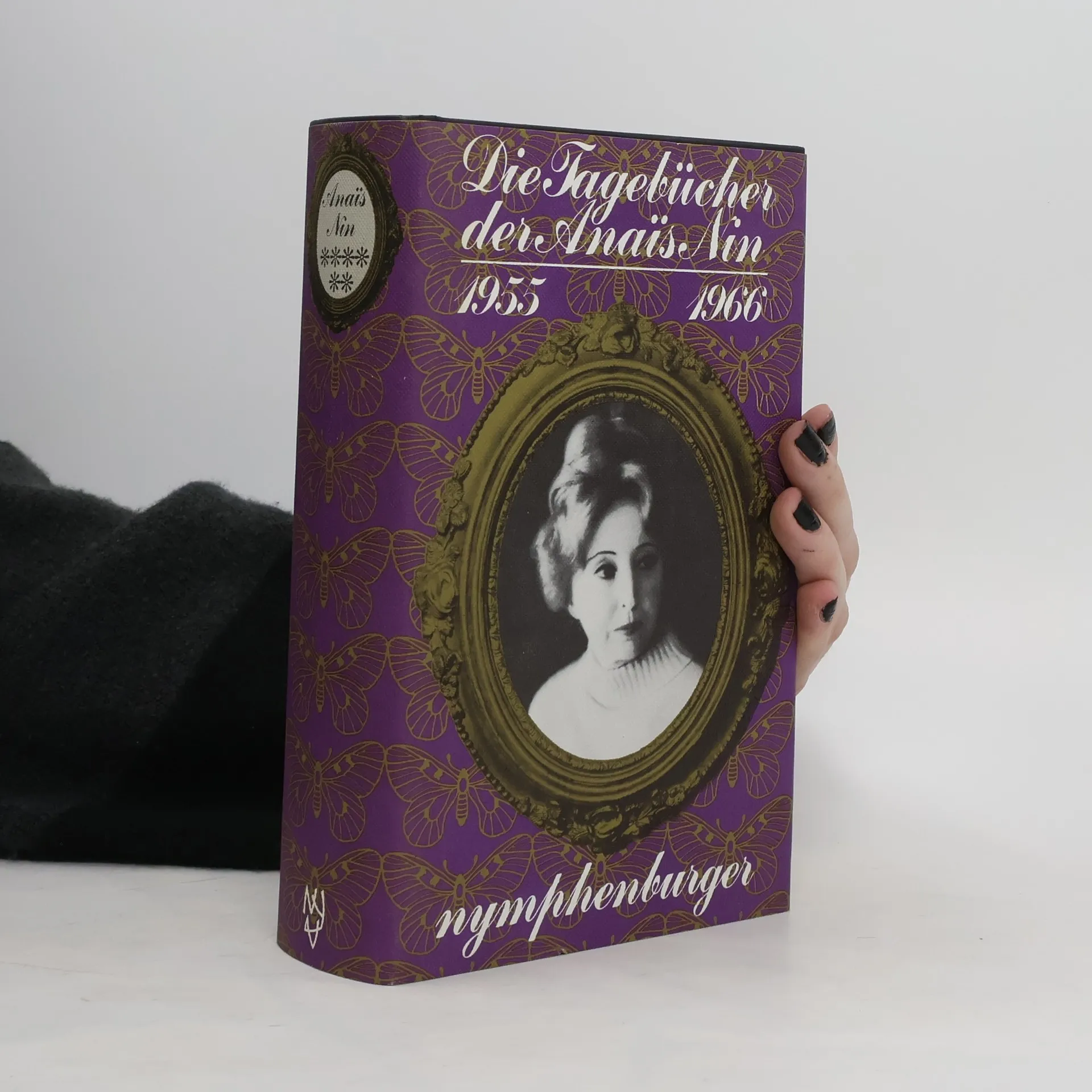
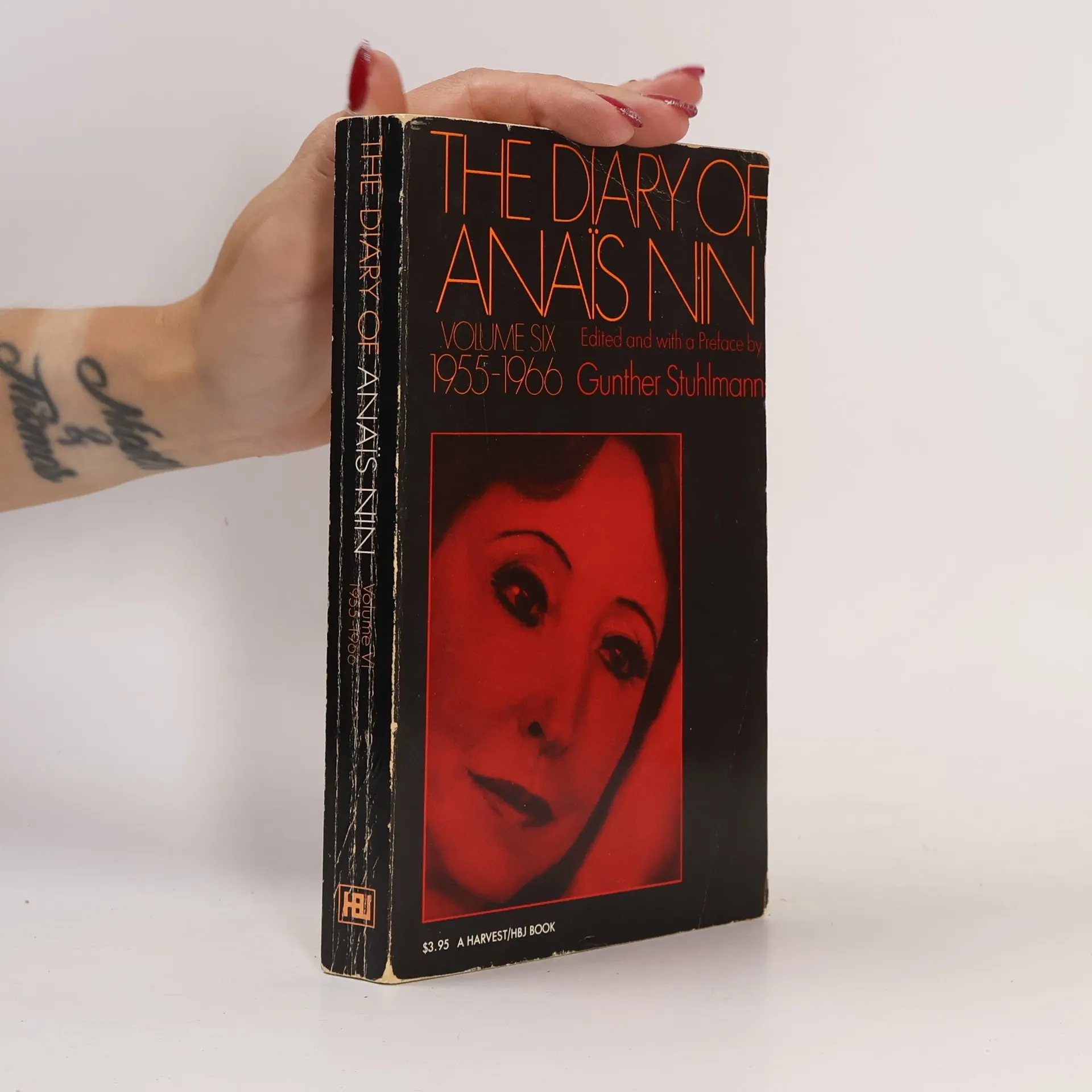
Nin continues her debate on the use of drugs versus the artist's imagination, portrays many famous people in the arts, and recounts her visits to Sweden, the Brussels World's Fair, Paris, and Venice. "[Nin] looks at life, love, and art with a blend of gentility and acuity that is rare in contemporary writing" (John Barkham Reviews). Edited and with a Preface by Gunther Stuhlmann; Index.
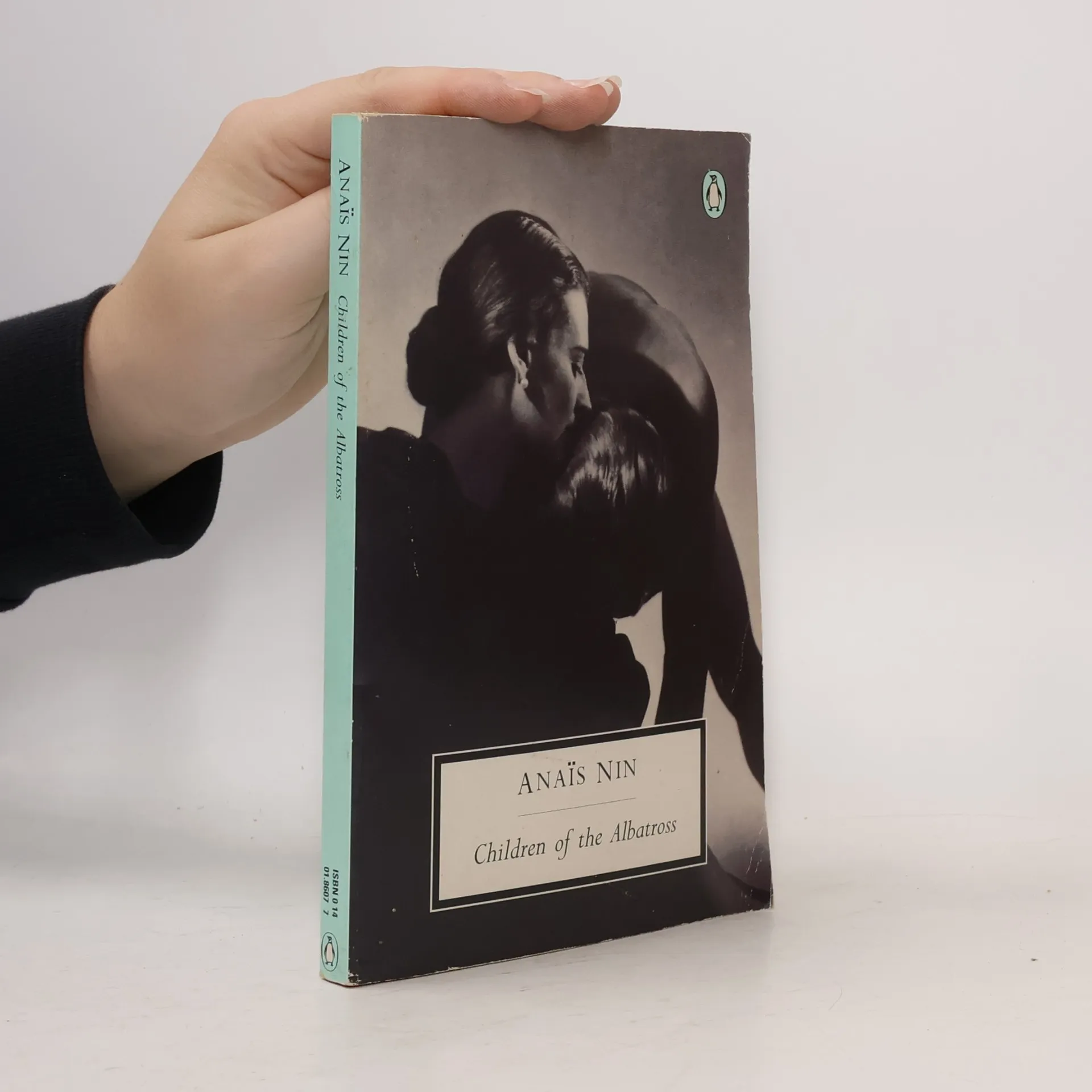
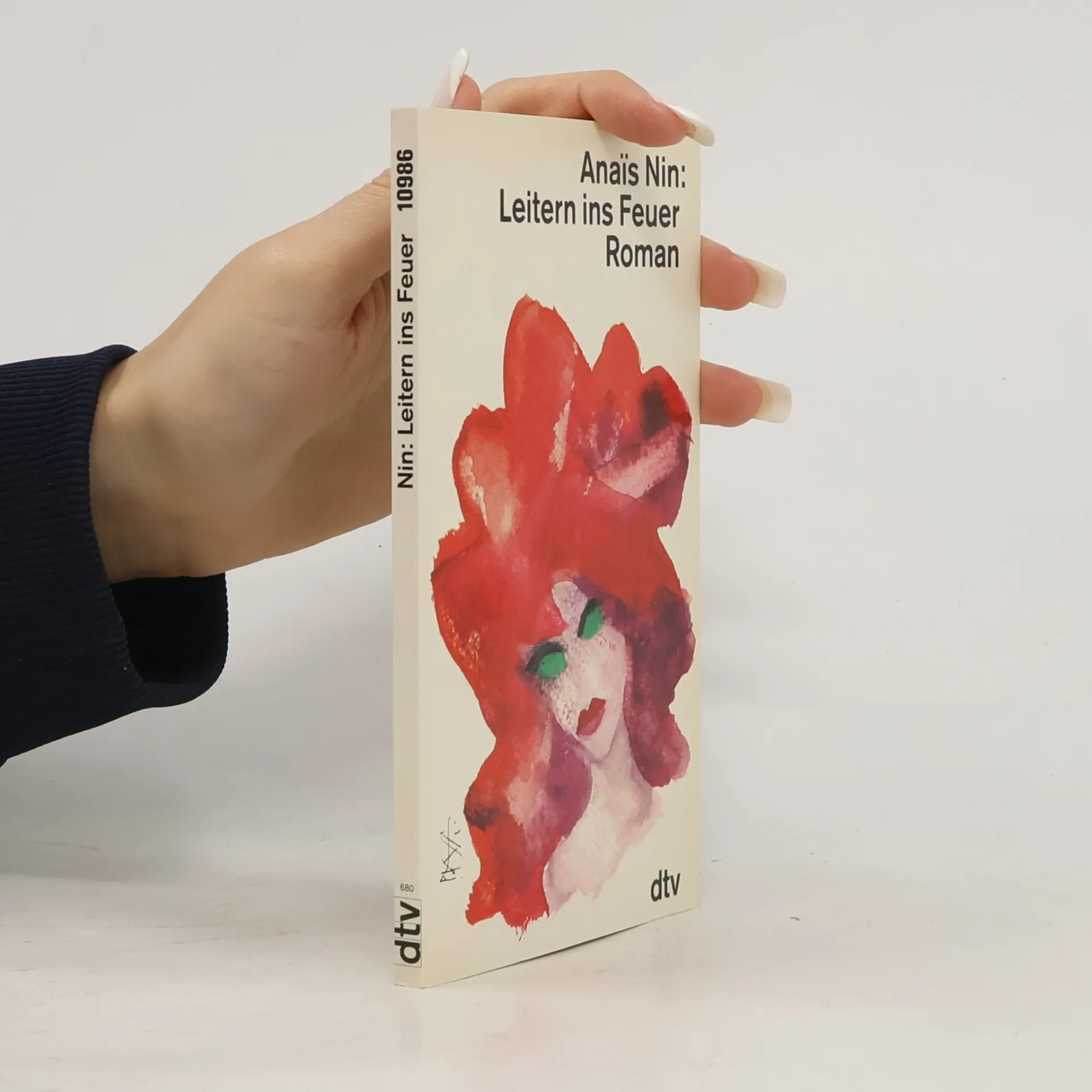
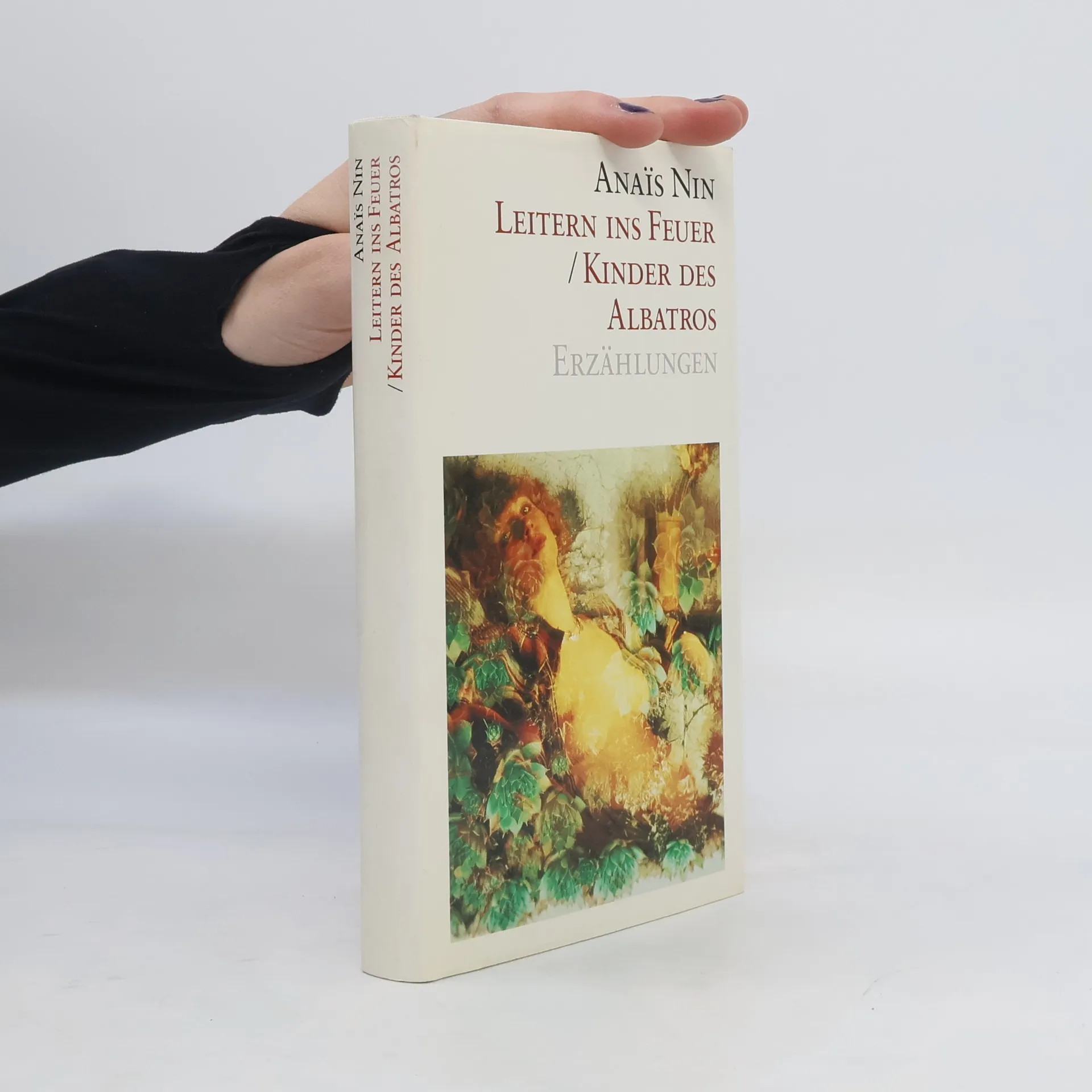
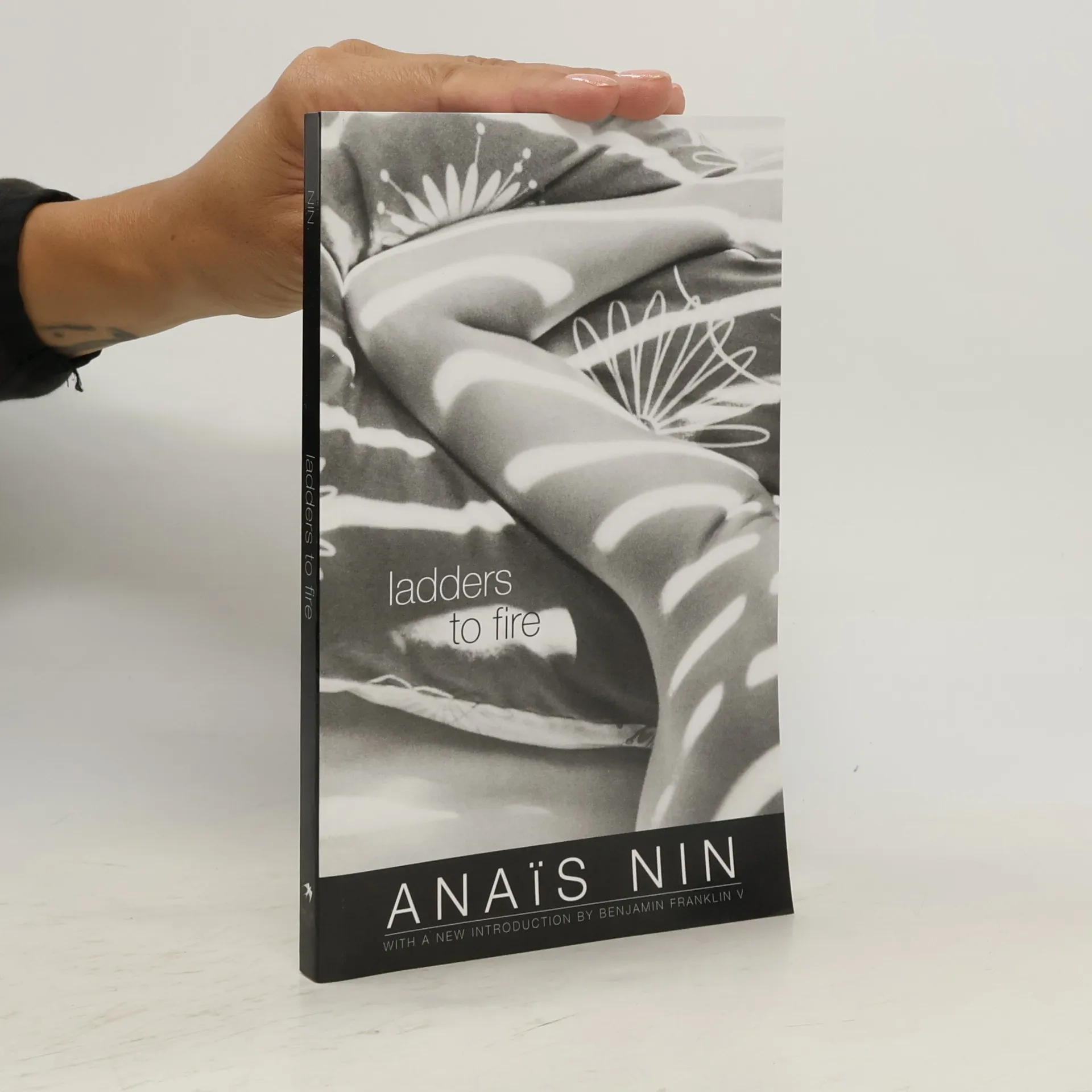
Anaïs Nin’s Ladders to Fire interweaves the stories of several emotionally inhibited women grappling with self-doubt, fear, guilt, and distrust. The novel delves into their inner struggles to break free from these barriers to happiness and wholeness. Drawing from her own experiences documented in her renowned diaries, Nin's intuitive and experimental style transforms personal reflections into fiction. She famously stated, “it was the fiction writer who edited the diary.” The narrative explores the erotic attachments of four young women, framed as a "woman's struggle to understand her own nature." This work initiates a five-volume "continuous novel," Cities of the Interior, which includes Children of the Albatross, The Four-Chambered Heart, A Spy in the House of Love, and Solar Barque. Set in pre-war, expatriate Paris, the novel, which shocked Nin’s contemporaries, is inspired by her confessional diaries. Although Nin found profound self-creation in her diaries, she refrained from revealing them during her lifetime, opting instead for fiction as a means to artistically distill her secret experiences. The 1995 reissue features a new cover and foreword, along with an introduction by Nin scholar Benjamin Franklin V and Gunther Stuhlmann’s classic foreword.