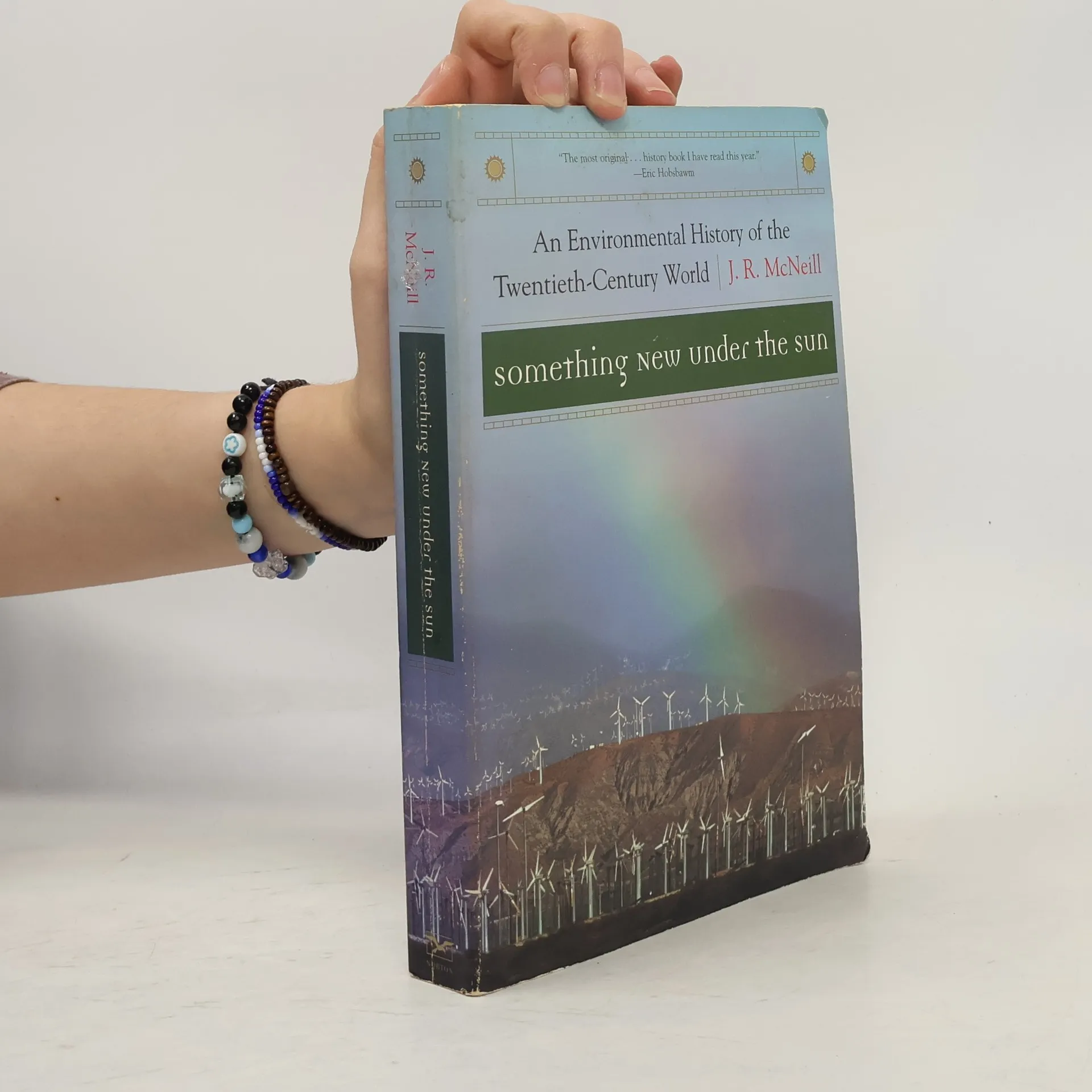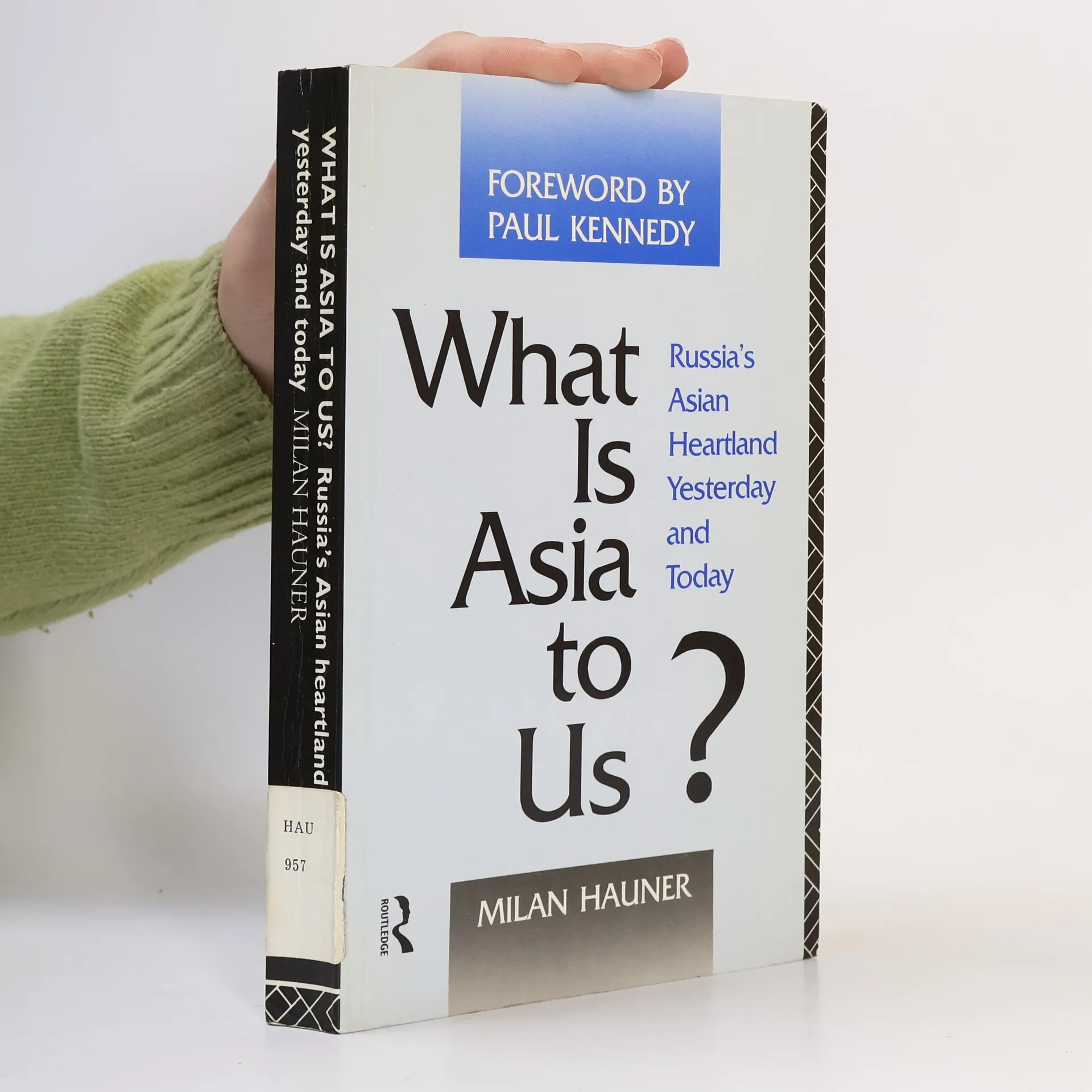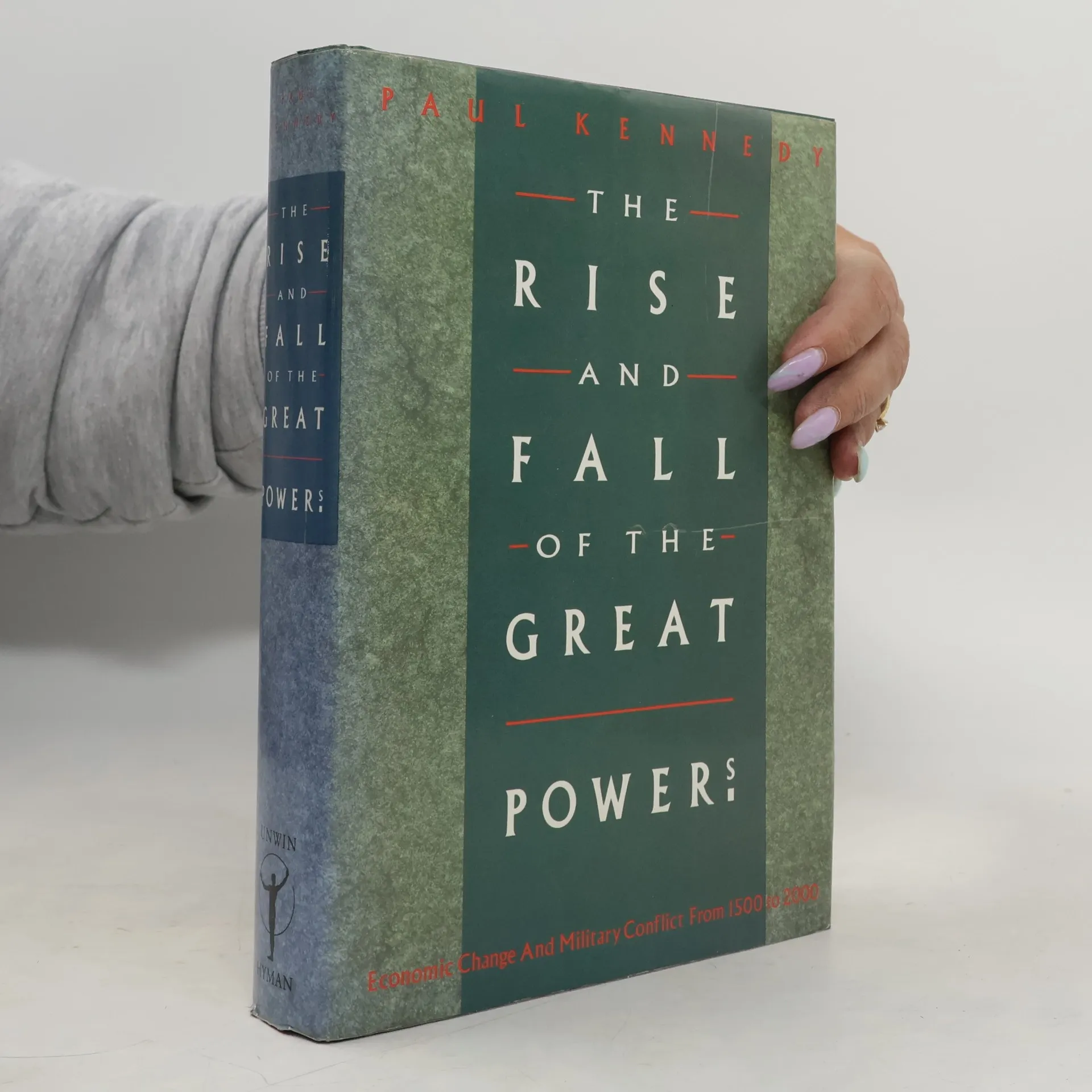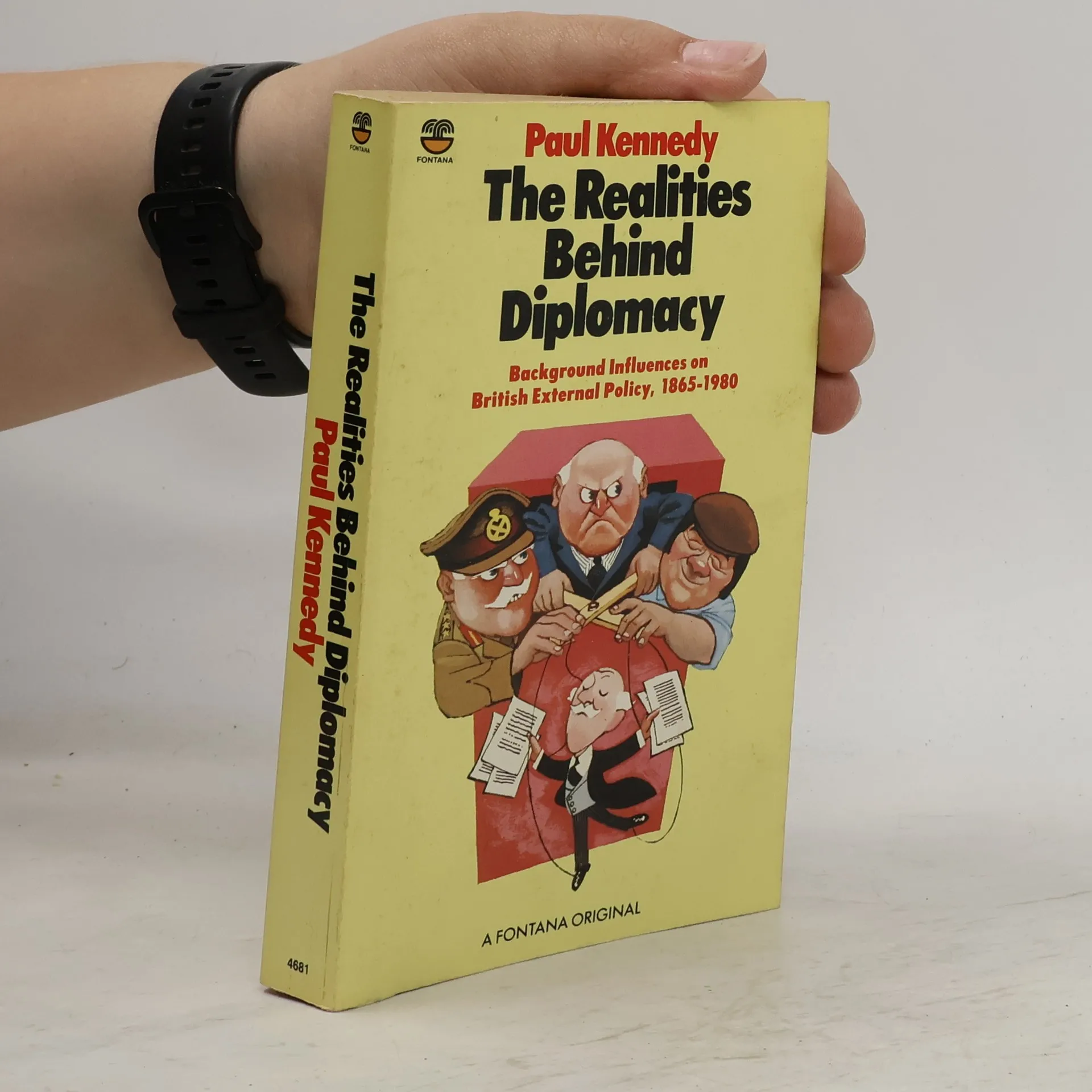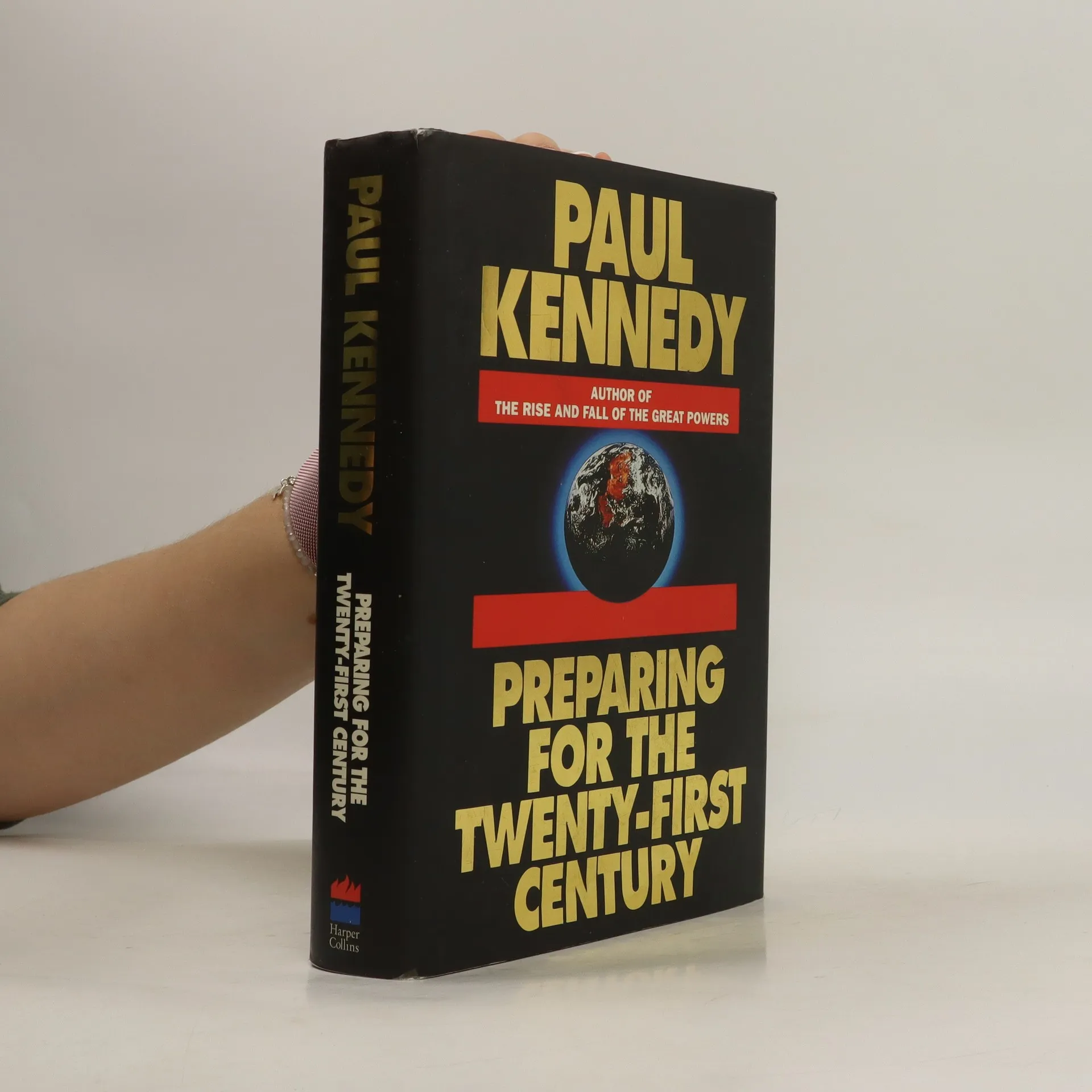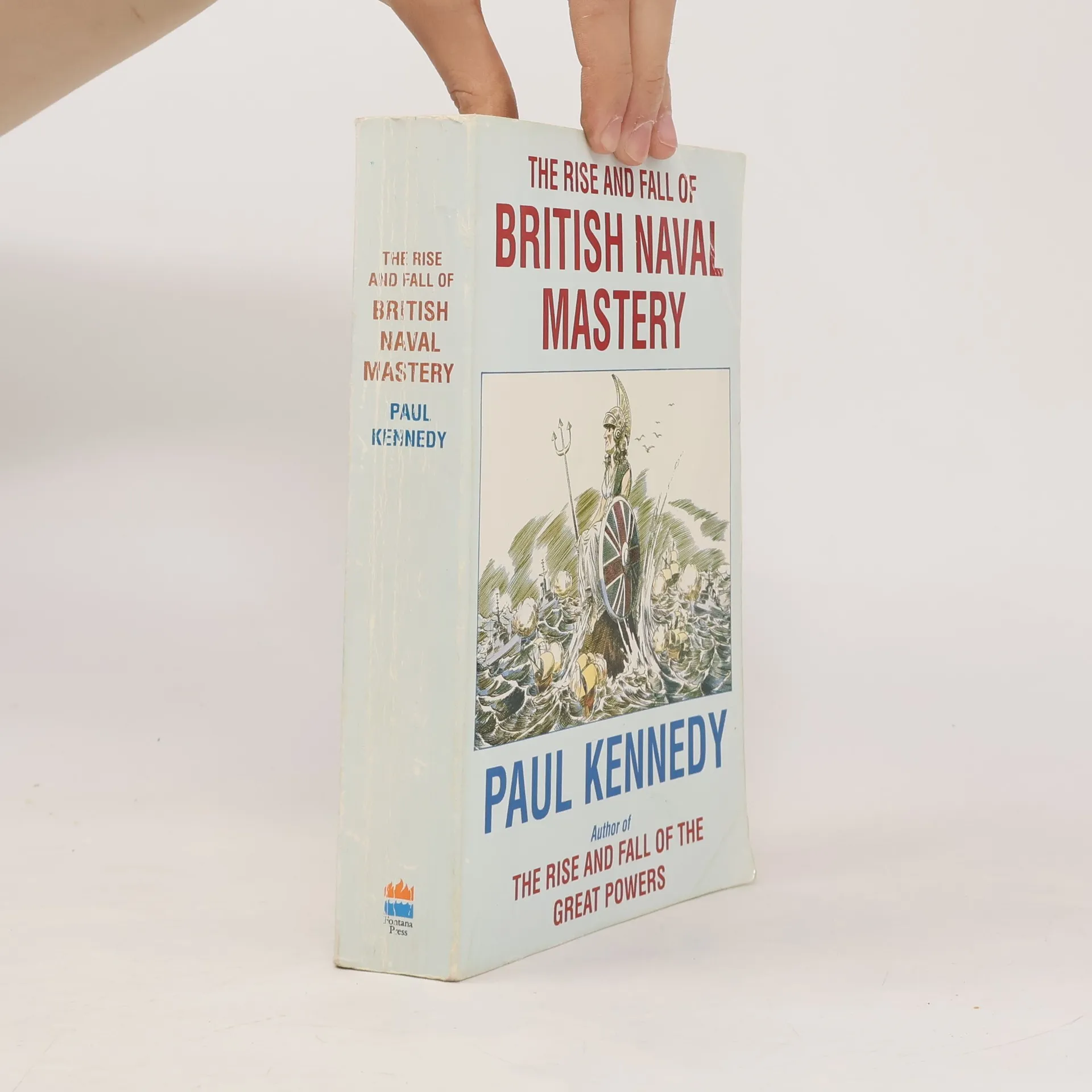
Paul Michael Kennedy je britský historik, který se specializuje na historii mezinárodních vztahů, ekonomické moci a velkých strategií. Jeho práce se zaměřuje na klíčové momenty v historii britské zahraniční politiky a na střety velmocí. Kennedyho analýzy nabízejí hluboký vhled do dynamiky globální moci a toho, jak se formovala mezinárodní scéna. Jeho publikace jsou ceněny pro svou erudici a schopnost propojit minulé události s dnešními výzvami.
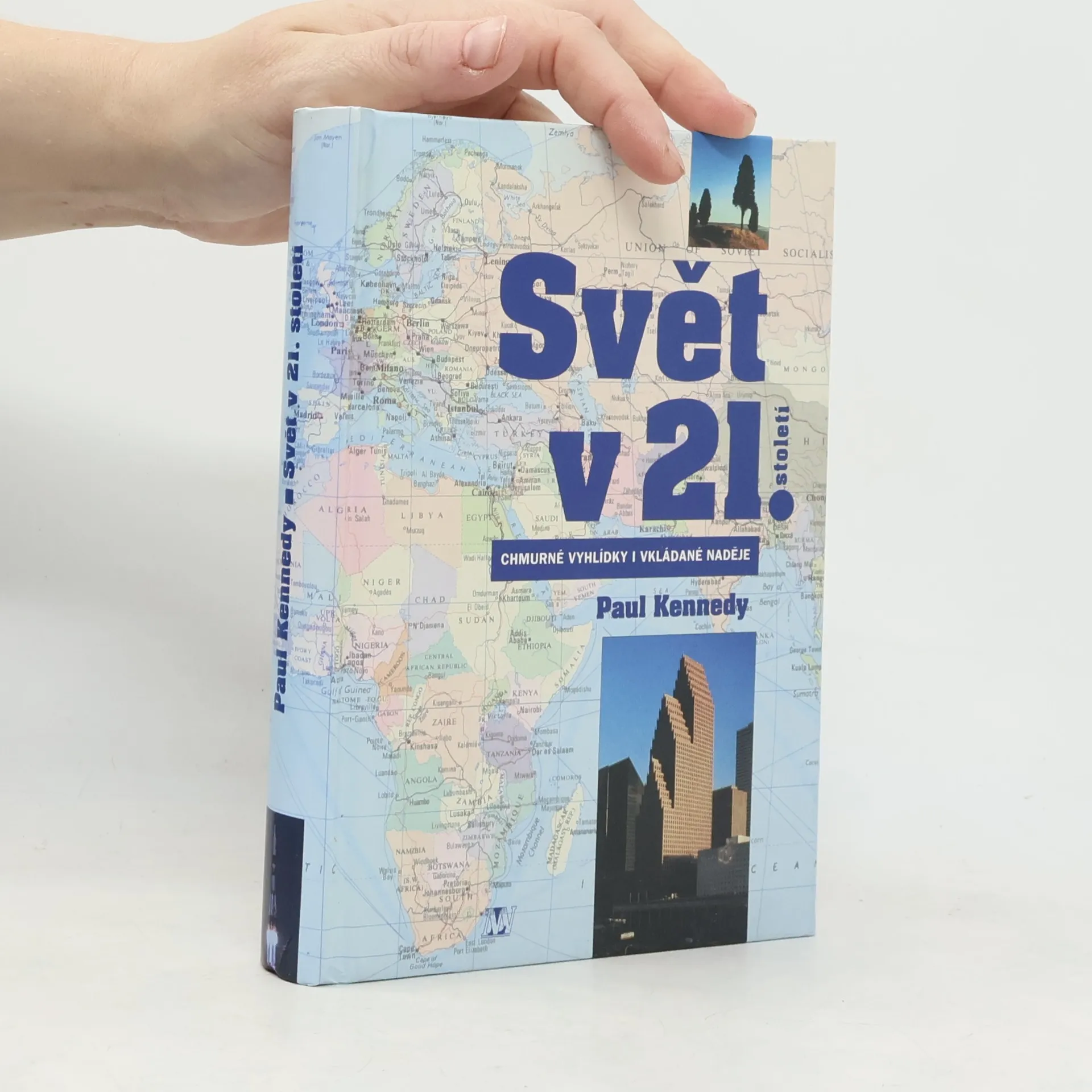
Je samozřejmé, že se v roce 1885 o zkáze a zpustošení, které postihnou Evropu o šedesát let později, nikomu ani nezdálo, ale mnoho bystrých pozorovatelů konce devatenáctého století tušilo směr, kterým se dynamika světové moci řítí. Nejen intelektuálové a novináři, ale i rutinní politici hovořili a psali v pojmech vulgarně pojatého darwinistického světa boje, úspěchu a prohry, růstu a úpadku. A tak se přinejmenším už v roce 1895 nebo 1900 začínaly rýsovat hrubé kontury příštího světového řádu.
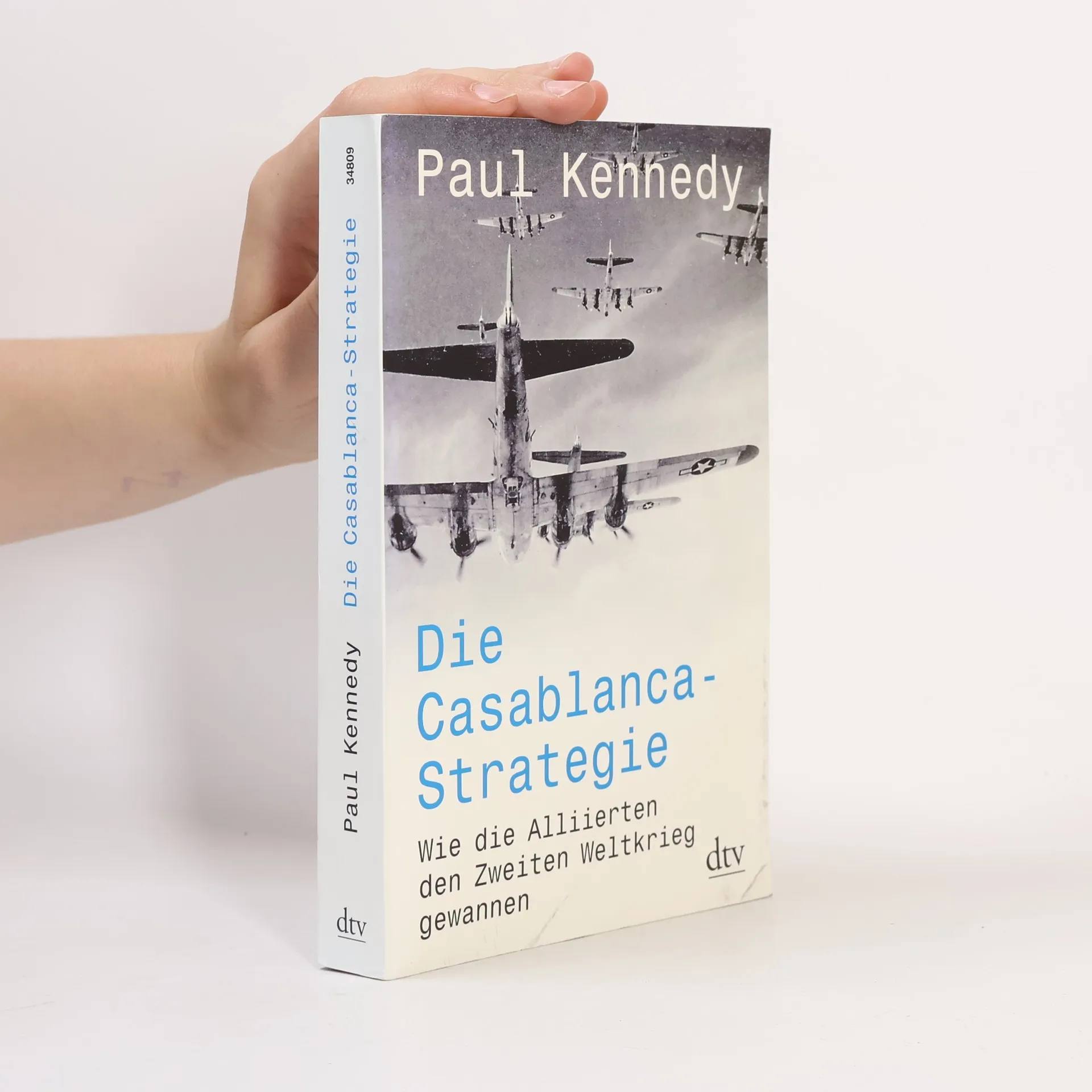
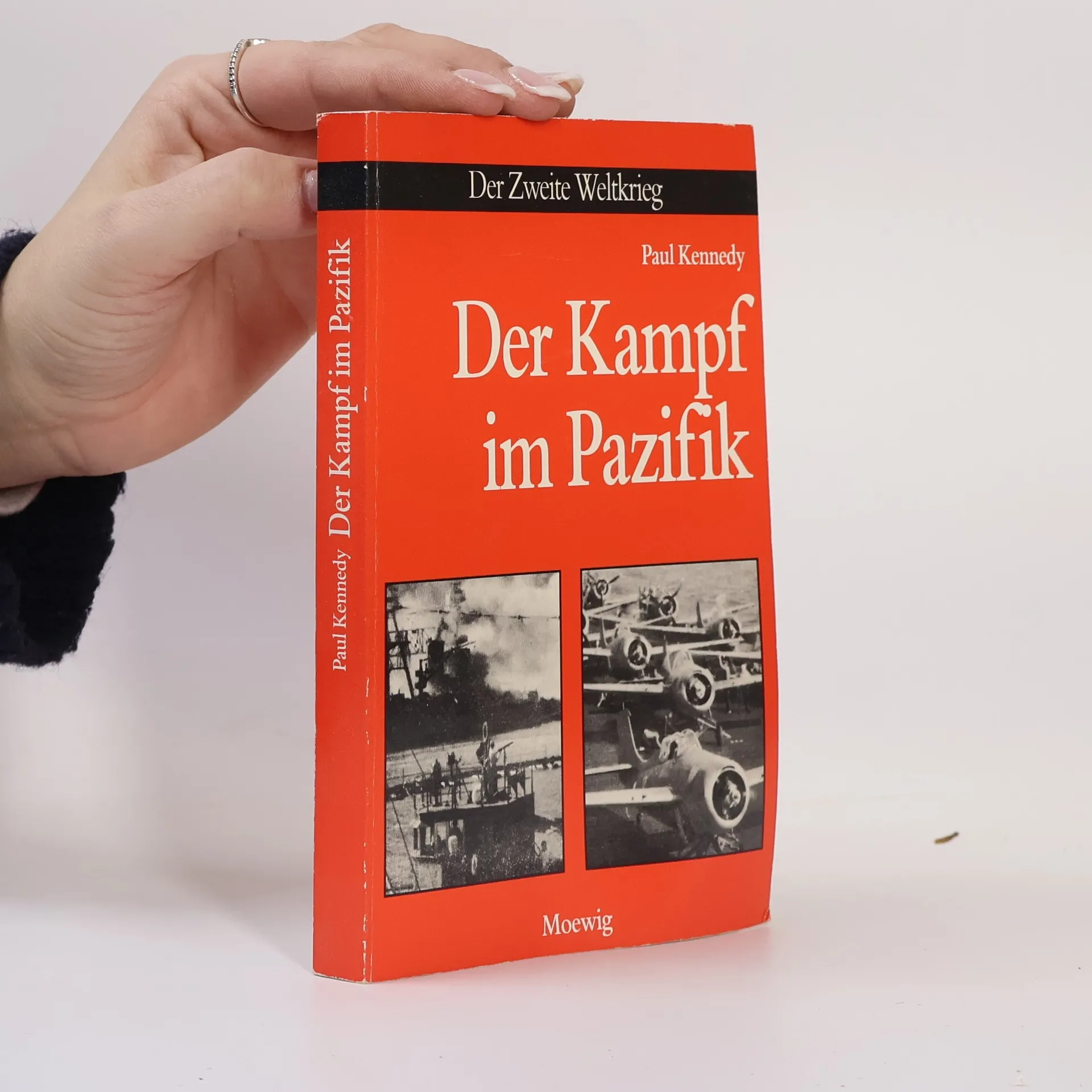
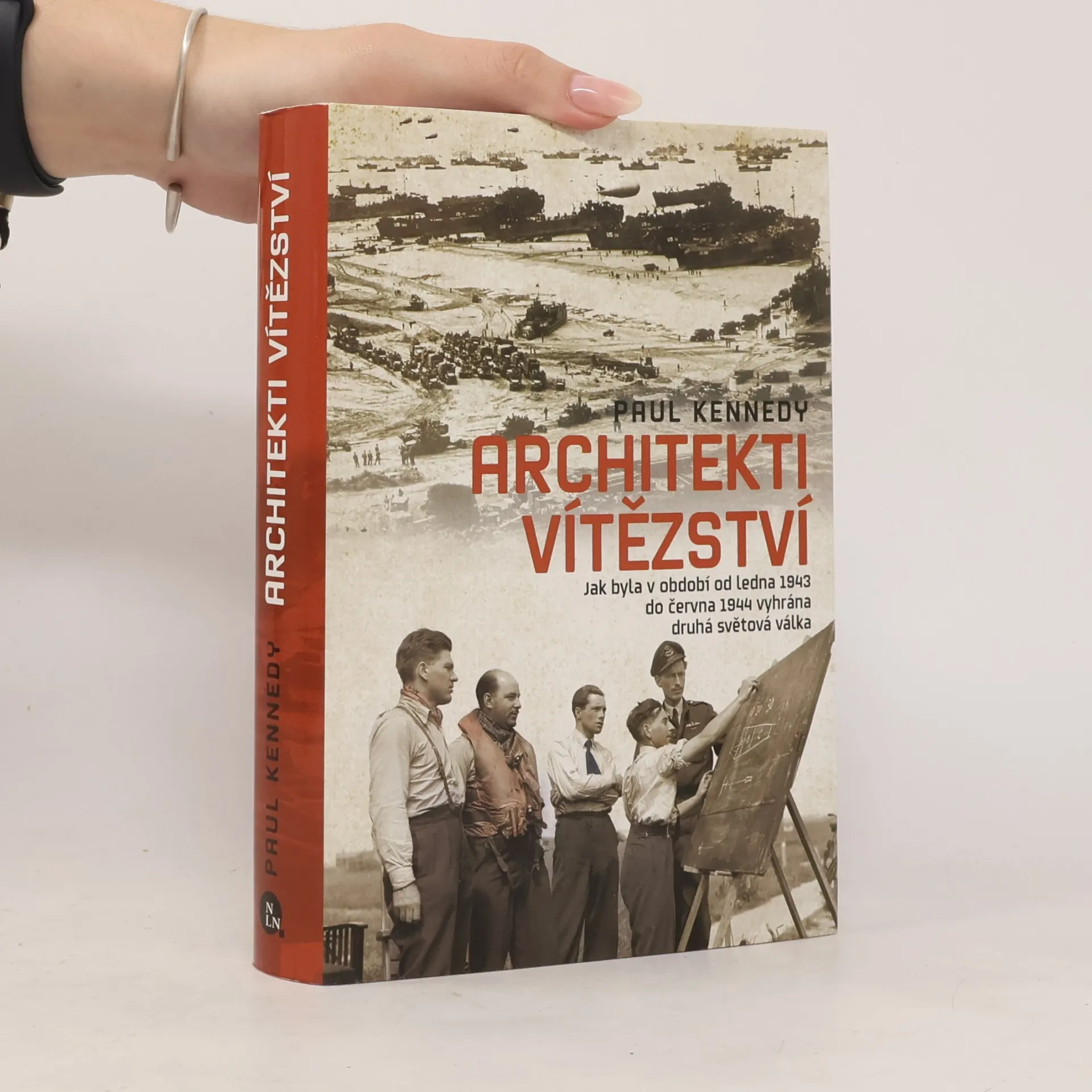
Jak byla v období od ledna 1943 do června 1944 vyhrána druhá světová válka.
Kniha se věnuje problematice druhé světové války a její autor se pokouší nalézt nový způsob interpretace tohoto obrovského konfliktu.
Nepředkládá žádnou další syntézu a nezaměřuje se ani na některé konkrétní tažení či dokonce osobu významného vojevůdce. Místo toho se soustředil na tematické problémy respektive na proces jejich řešení a osobnosti „řešitelů“. Těžištěm jeho zájmu se přitom stala střední fáze konfliktu, vymezená zhruba obdobím od konce roku 1942 do vrcholícího léta roku 1944. V tom se předkládané dílo může odlišovat od jiných, neboť se pokouší vyprávět příběh takových jedinců i organizací, a to nikoli nějako anekdotickou, romantizující nebo ryze vojensko-historickou formou, nýbrž jako klíčovou součást, sloužící k pochopení toho, jak bylo v impozantním válečném dění dosaženo obratu.
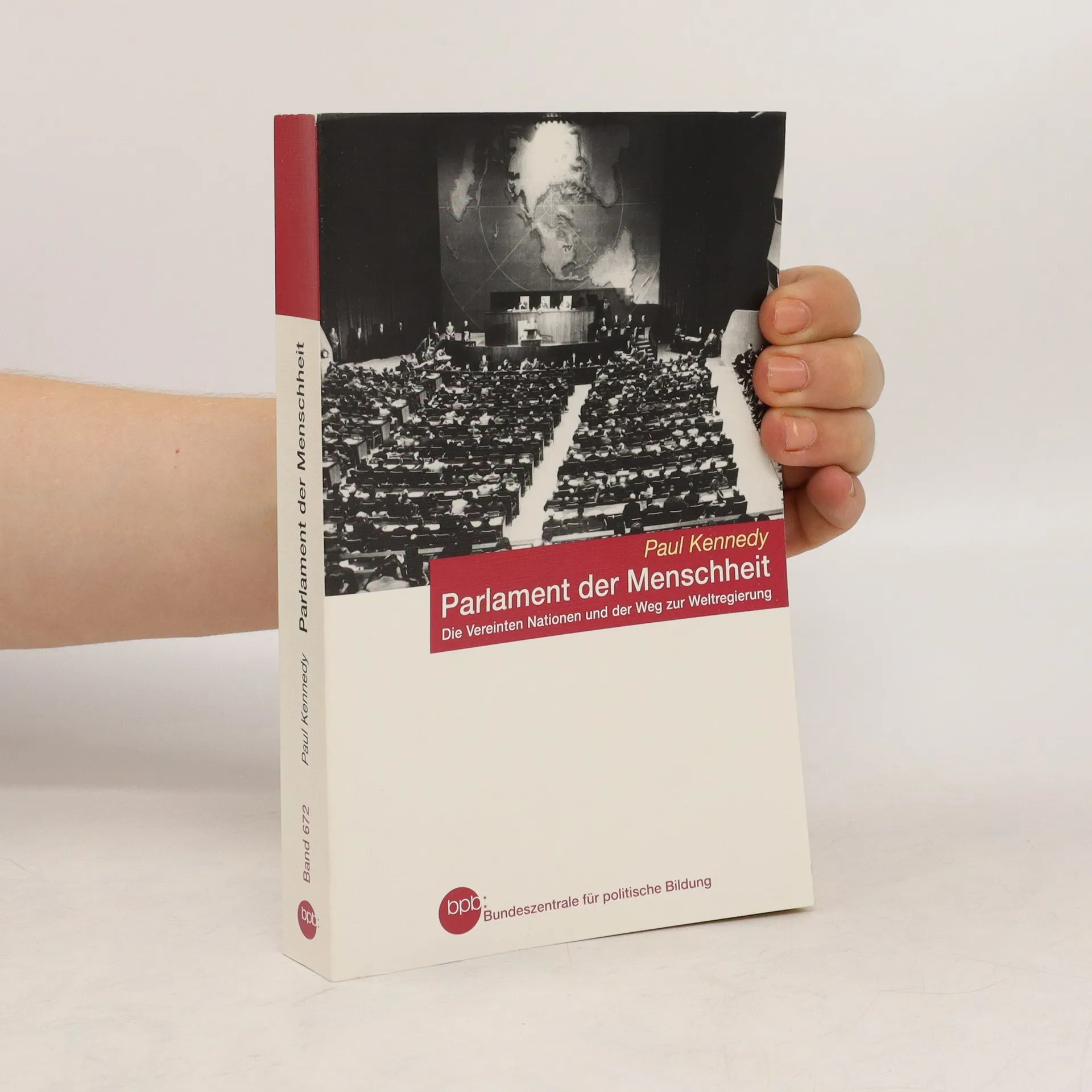
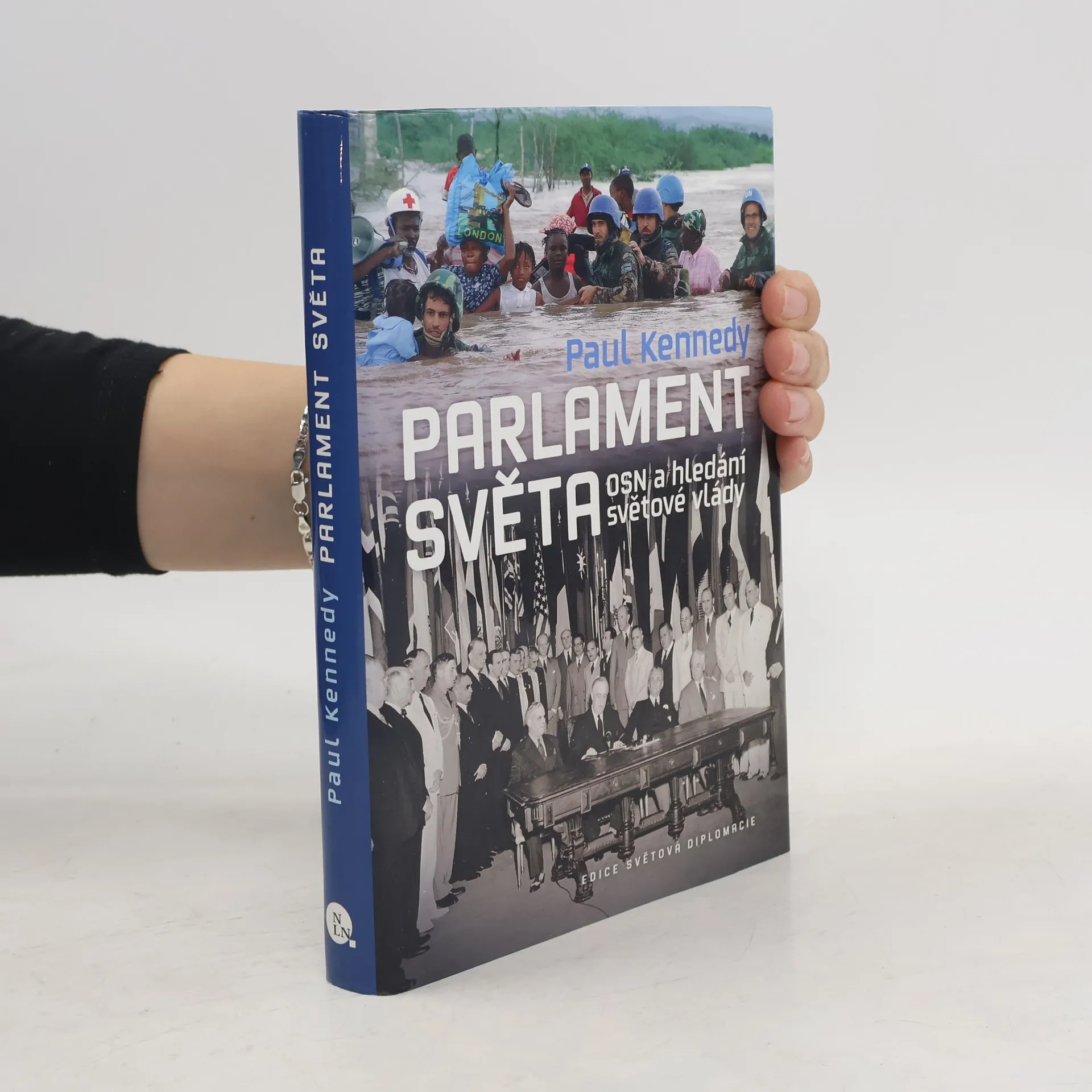
Podepsáním Charty Spojených národů v roce 1945 vznikla poprvé v historii autonomní světová organizace, která měla ochránit budoucí generace před útrapami války a obnovit víru v základní lidská práva. Aktuální výklad dějin Organizace spojených národů vysvětluje její podstatu a funkce, předkládá objektivní pohled na její minulé snažení, který vede k úvahám, zda dostojí výzvám dnešního a budoucího světa. Autor rozebírá činnost mnoha komisí a výborů OSN a ukazuje, jak pět stálých členů Rady bezpečnosti (USA, Velká Británie, Rusko, Čína a Francie) dokáže občas při světových humanitárních krizích překonat vzájemné antagonismy, ale také jak jejich nedostatečná spolupráce mnohdy hatí potřebné iniciativy, například pokud jde o emise skleníkových plynů a dopady globalizace na rozvojové země.
Called “Fascinating! An incredible book” by Oprah Winfrey, this beloved photography collection vividly portrays the look and feel of the human condition everywhere on Earth. In an unprecedented effort, sixteen of the world’s foremost photographers traveled to thirty nations around the globe to live for a week with families that were statistically average for that nation. At the end of each visit, photographer and family collaborated on a remarkable portrait of the family members outside their home, surrounded by all of their possessions; a few jars and jugs for some, an explosion of electronic gadgetry for others. This internationally acclaimed bestseller puts a human face on the issues of population, environment, social justice, and consumption as it illuminates the crucial question facing our species Can all six billion of us have all the things we want? “Material culture, laid bare in this way, is surprisingly intimate―and whets a persons appetite to see the world.” ― The Atlantic “This remarkable book vividly presents its own cross section of families today, with the energy and intimacy of a work of art for our times . . . This is a record of striking value. No time traveler could bring back a more valuable resource.” ― Scientific America “Striking.” ― San Francisco Chronicle
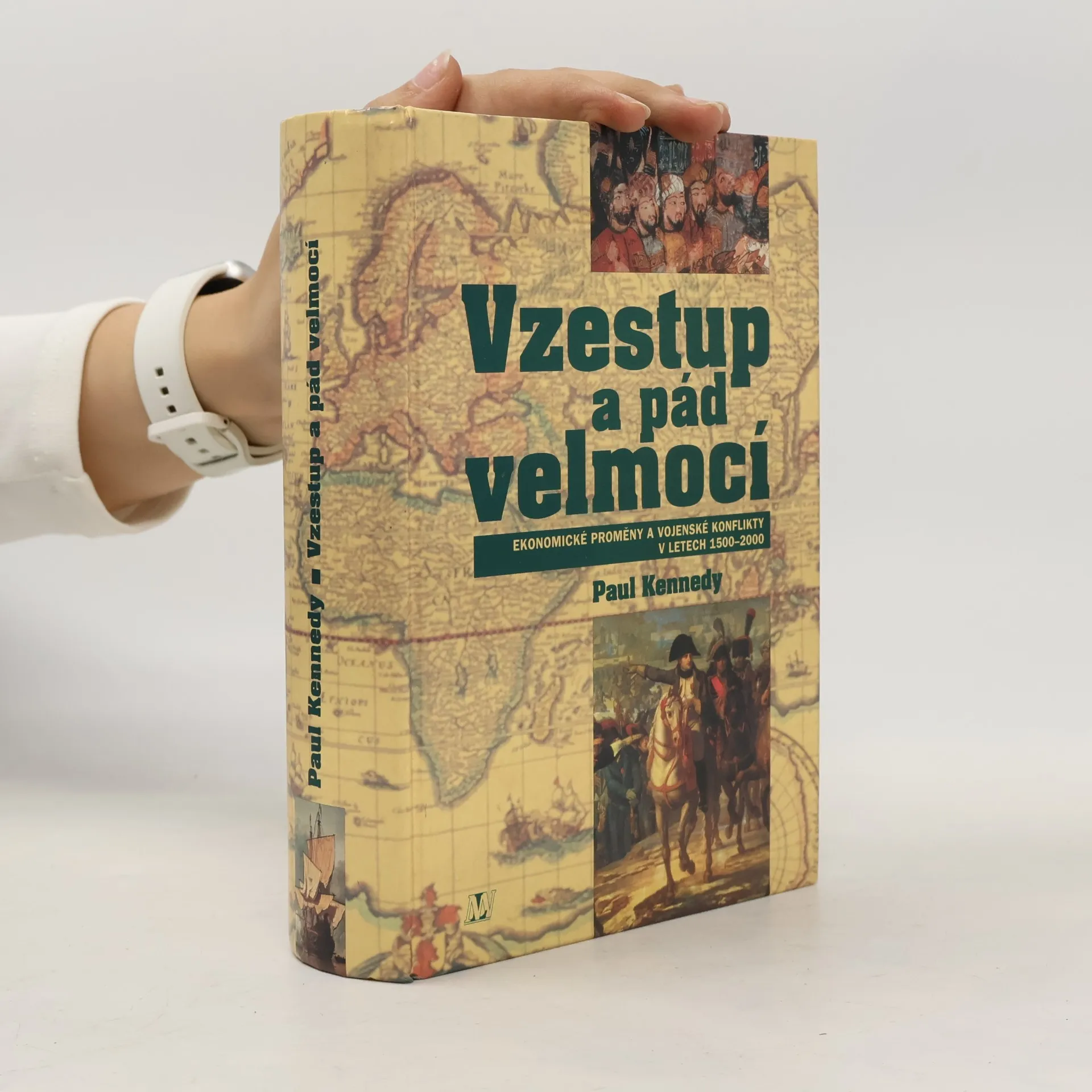
This study looks at the past 500 years to demonstrate that nations which became great powers declined as their growth rate slowed and their spending on defence continued to increase. The author explains how this can be eased or worsened by clever or short-sighted policy decisions.
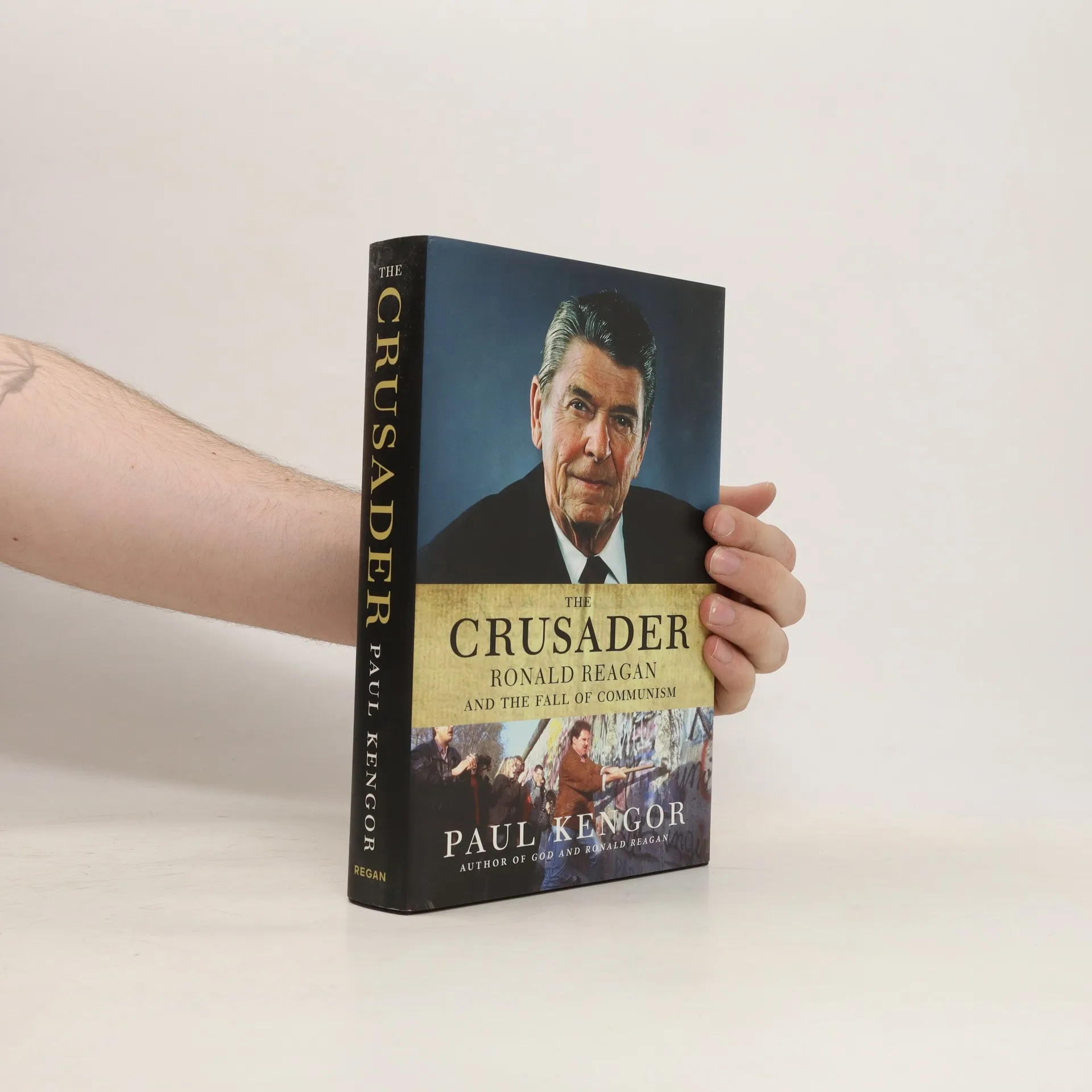
"God and Ronald Reagan" made historian Paul Kengor one of the premier chroniclers of the life and career of the 40th president. Now, with "The Crusader," Kengor returns with the one book about Reagan that has not been written: The story of his lifelong crusade against communism, and of his dogged--and ultimately triumphant--effort to overthrow the Soviet Union.
There are few more moving experiences than for the silenced to be heard. Chrissie Foster is the mother who brought the rich and powerful Catholic Church to its knees over its global abuse of children, including two of her daughters, Emma and Katie. Like the Boston Globe's Spotlight team, she built an undeniable case in her first book, Hell on the Way to Heaven, which helped inspire Australian governments to hold world-leading inquiries. This is what happened next. Grieving the death of Emma and the catastrophic accident that left Katie largely using a wheelchair and unable to care for herself, and bullied by the Catholic Church, Chrissie Foster somehow found the strength to win and bring about changes in child safety that she hopes will last forever. From the cities and towns of Australia all the way to Rome, her tenacity and bravery to see justice delivered are unequalled. In this confronting account she explains the incredible battle she fought together with her husband, Anthony, and how she found the strength to continue even after his tragic and untimely death. Her ongoing activism inspires others to challenge once-powerful male-dominated institutions. In the face of horrifying adversity, Chrissie Foster has come through it to a place of peace.
Economic Change & Military Conflict from 1500 to 2000
704 stránek
25 hodin čtení
A brilliant historical analysis and forecast of the rise and fall of empires from the sixteenth to the twenty-first centuries by a major contemporary historian. Illustrated with maps and charts.
About national and international power in the "modern" or Post Renaissance period. Explains how the various powers have risen and fallen over the 5 centuries since the formation of the "new monarchies" in W. Europe.