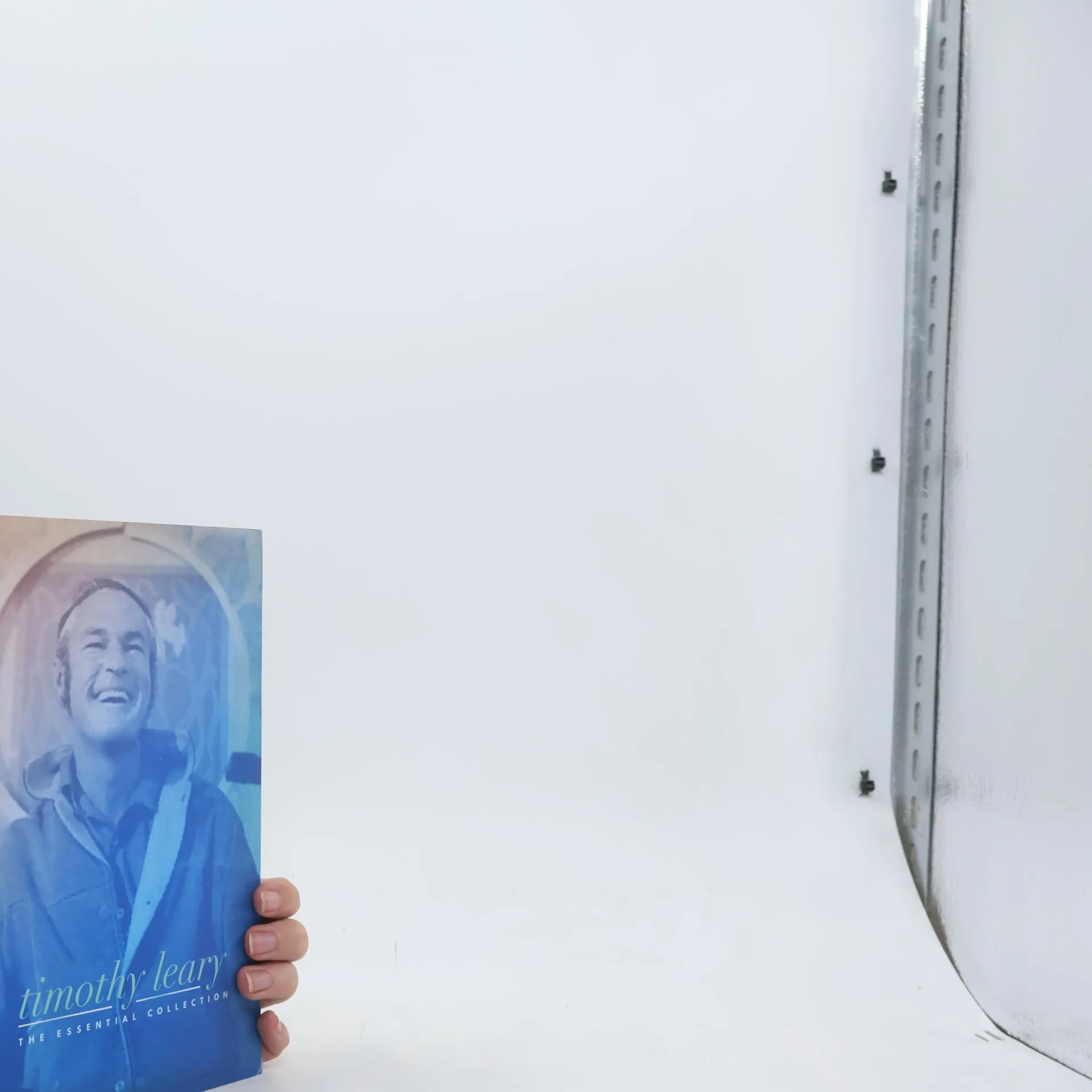
Timothy Leary was one of the most influential public intellectuals of the 20th century, helping to usher in an era of change that paved the way for evolving attitudes and social progress to follow. Timothy Leary: The Essential Collection comprises a core oeuvre of his speeches on key topics. Topics include: • psychedelic spirituality • the role of mind-expanding chemicals in human evolution • the intelligent use of psychedelics • do contemporary mores make sense in their broader context? • principles for human development with an eye toward the future • and more!
Timothy Leary Pořadí knih (chronologicky)
22. říjen 1920 – 31. květen 1996
Timothy Leary byl americký spisovatel, psycholog a futurolog. Je známý jako propagátor výzkumu a užívání psychedelických látek, zejména LSD. Stal se ikonou protikultury šedesátých let a zpopularizoval heslo "Turn on, tune in, drop out." Jeho práce se zaměřovala na terapeutické a duchovní přínosy psychedelických látek.



Learyho průkopnická a provokativní kniha, která podrobně zaznamenává a komentuje dobré a špatné tripy s LSD, jak je zažily vůdčí osobnosti 60. let. Záznamy skupinových tripů a dalších událostí spjatých se začátky psychedelického hnutí na zač. 60. let v USA, jejichž protagonisty byli mj. Aldous Huxley, Robert G. Wasson, Allen Ginsberg, Arthur Koestler, Ram Dass, William Burroughs a další.
Pohled z onoho světa
- 295 stránek
- 11 hodin čtení
ostava Timothyho Learyho byla ojedinělá. V každém, s kým se v životě setkal, vyvolal prudké city. V neúnavné snaze rozšiřovat hranice vědomí byl extravagantní, nadšenou, moudrou i bláznivou autoritou, podle jedněch nejtvořivějším, podle jiných nejnebezpečnějším člověkem na světě. Tato kniha je souborem nejrůznějších vyjádření k životu Learyho z řad velkých umělců, myslitelů a rebelů, ale také výčtem jeho myšlenek, oslavou života, ale především provokativním dialogem o evoluci vědomí.
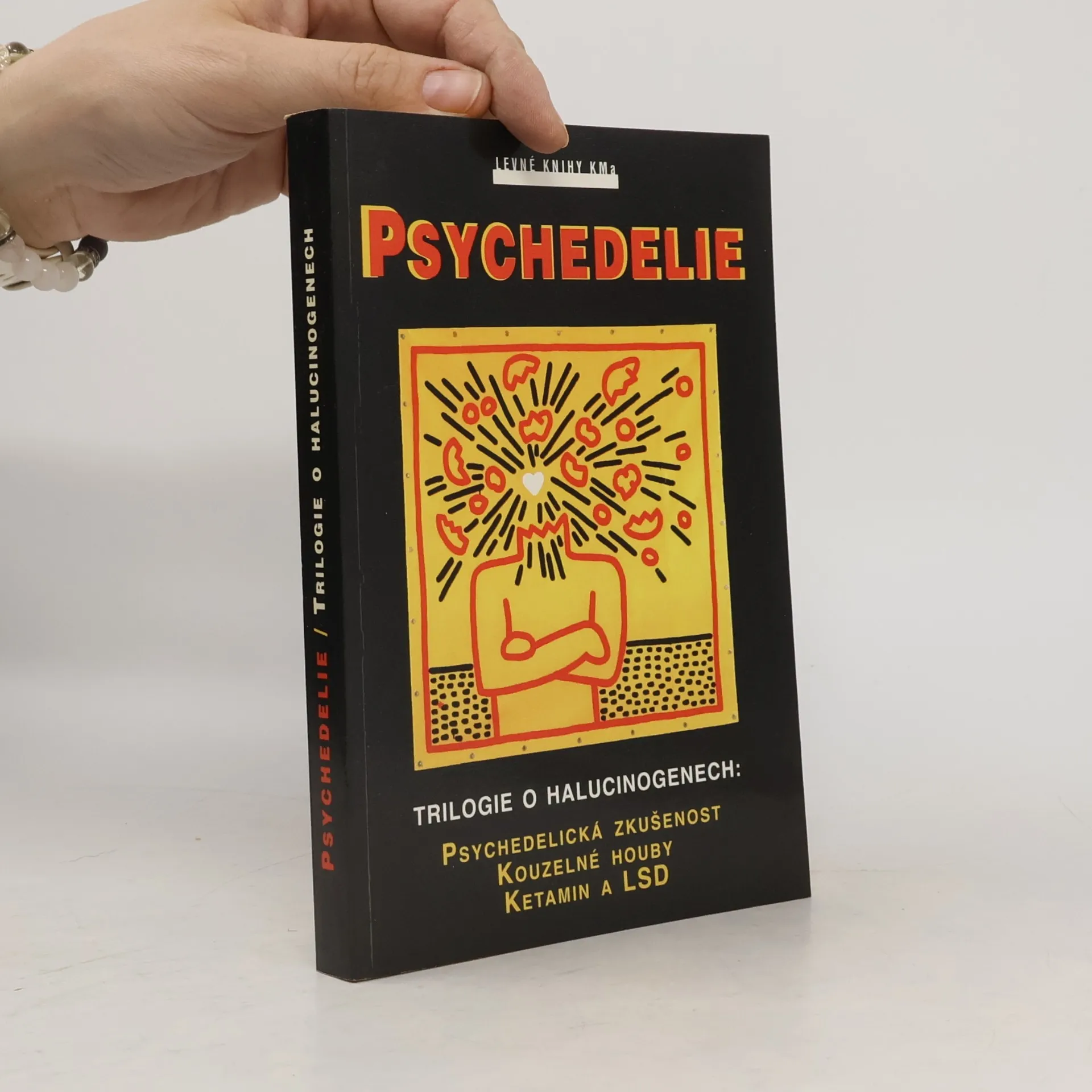
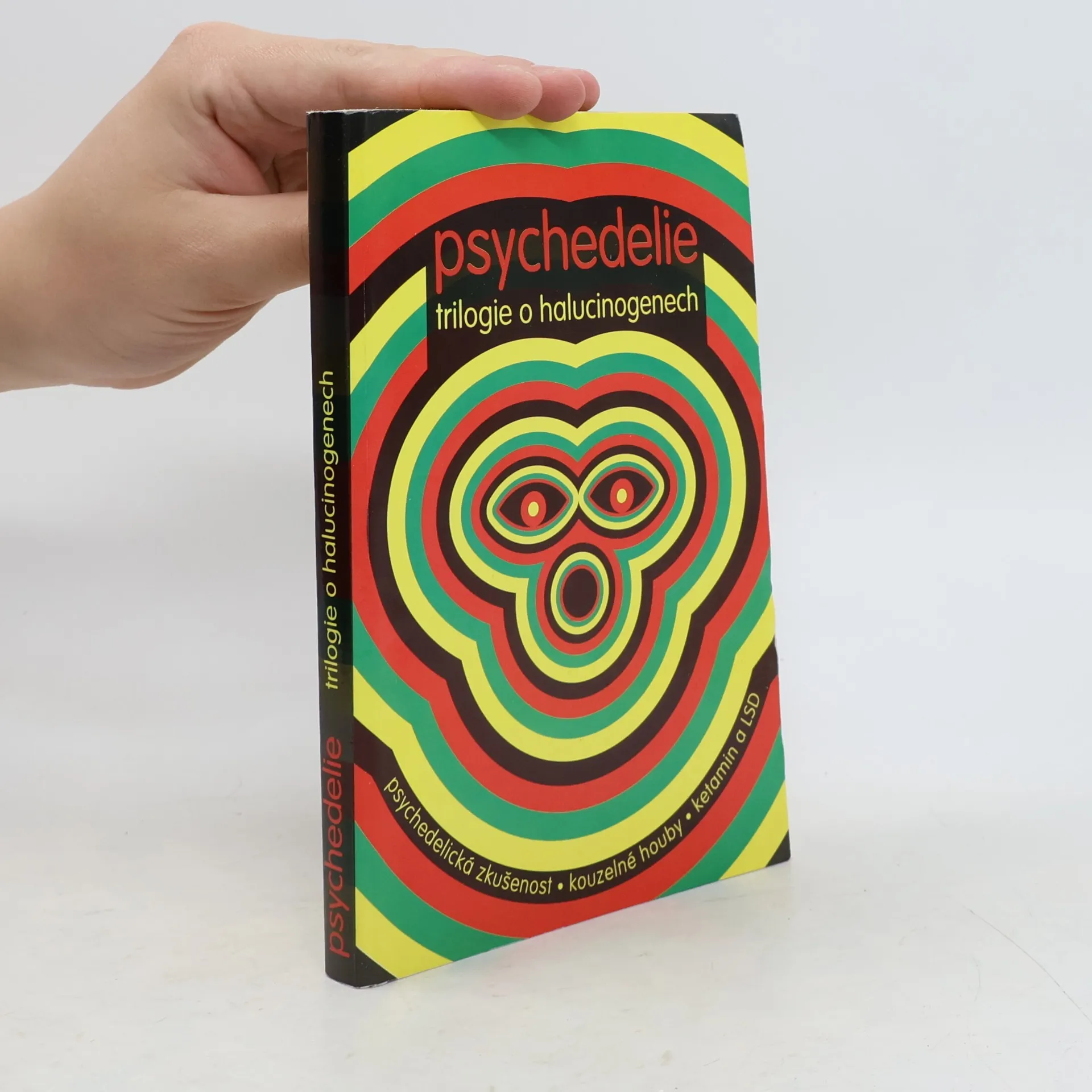
Psychedelie: Trilogie o haluciogenech
Psychedelická zkušenost. Kouzelné houby. Ketamin a LSD
- 189 stránek
- 7 hodin čtení
Kniha je rozdělena na tři základní části: Psychedelická zkušenost (Autoři: Timothy Leary, Ralph Metzner, Richard Alpert), Kouzelné houby (Mimo jiné kapitola kouzelné houby v ČR) a Ketamin a LSD.
Written in the psychedelic era, Turn On, Tune In, Drop Out is Timothy Leary at his best, beckoning with humor and irreverence, a vision of individual empowerment, personal responsibility, and spiritual awakening. Includes:o Start Your Own Religion o Education as an Addictive Process o Soul Session o Buddha as Drop-Out Mad Virgin of Psychedelia God's Secret Agent o Homage to Huxley o The Awe-Ful See-Er o The Molecular Revolution o MIT is TIM Backwards o Neurological Politics"Trickster is a major figure in American Indian folk Wisdom. Also in Sufi Tales … a certain type of "rascal"-with a grin and a wink (and wisdom beyond wisdom) … in the Zen tradition this is known as the School of Crazy Wisdom … Timothy Leary-in his own inimitable way-has become the twentieth century's grand master of crazy wisdom …" - Dr. Jeffrey Mishlove
The Delicious Grace of Moving One's Hand
- 275 stránek
- 10 hodin čtení
Timothy Leary (1920-1997) was one of the most controversial figures of the 1960s, the man who urged a generation to turn on, tune in, and drop out. Now, nearly two years after his death, this manuscript has emerged comprising his best writings about sexuality. Beginning with an account of his first sexual encounter -- his own conception -- Leary takes readers on an exploration of the link between sexuality and the mind. Each short chapter contains either a traditional or novel approach to what Leary called "improving your navigational control over your pleasure cruises," including Hindu methods for stimulation via hypnogogic yantras, chemical aphrodisiacs, and neurolingual tricks for arousal.
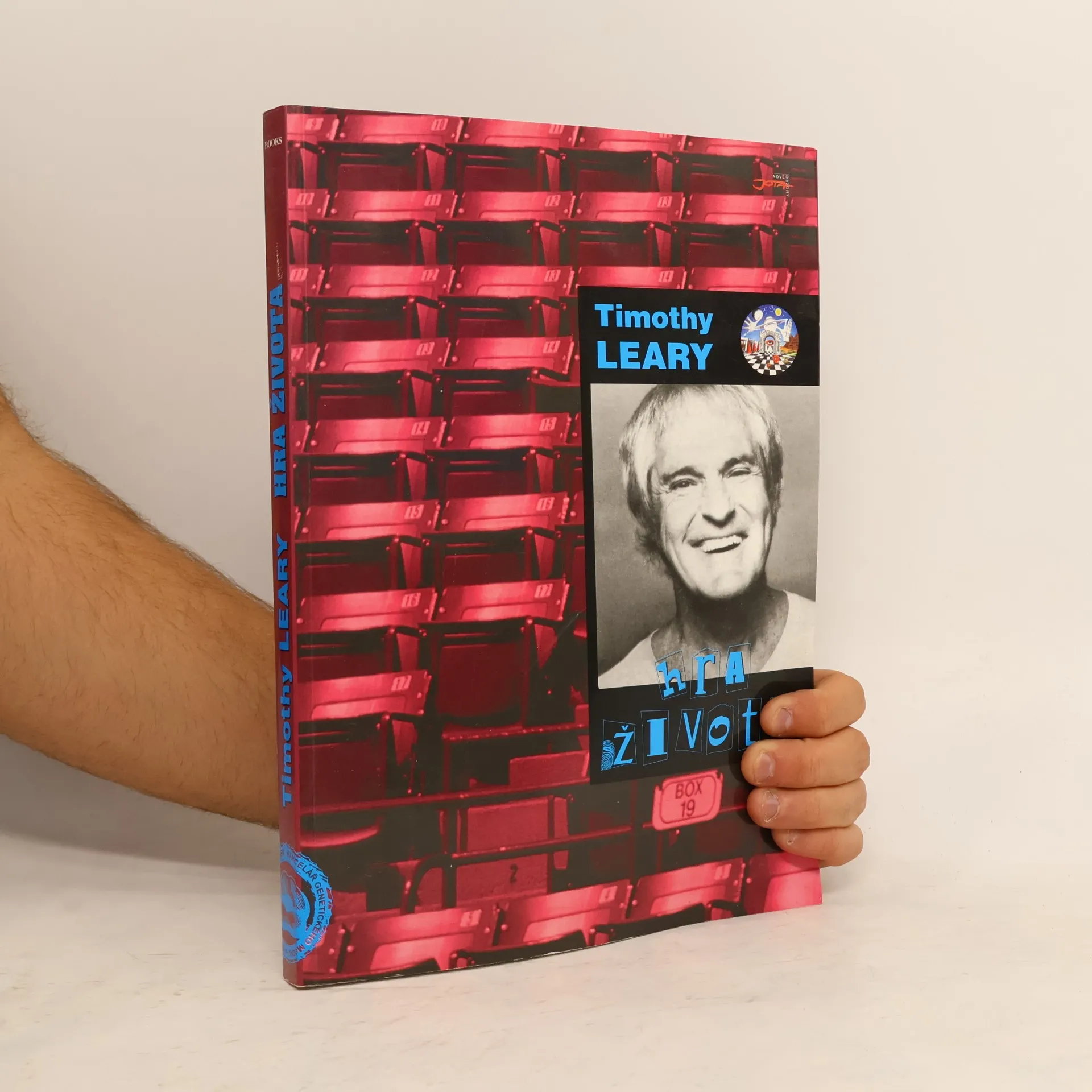
Hra života: Real-izace
- 311 stránek
- 11 hodin čtení
Hra života plně odráží hloubku myšlení jednoho z nejoriginálnějších mužů tohoto století.
Tváří tvář smrtelné nemoci si Timothy Leary položil otázku, jak člověk vlastně funguje a kdy nastává okamžik jeho konce. Zaměřil se na moment, kdy se život náhle převrací v zánik. Autor se snaží předložit svou vlastní bizarní metodu plánované smrti. Nebát se smrti, ale přijmout ji jako součást své existence.
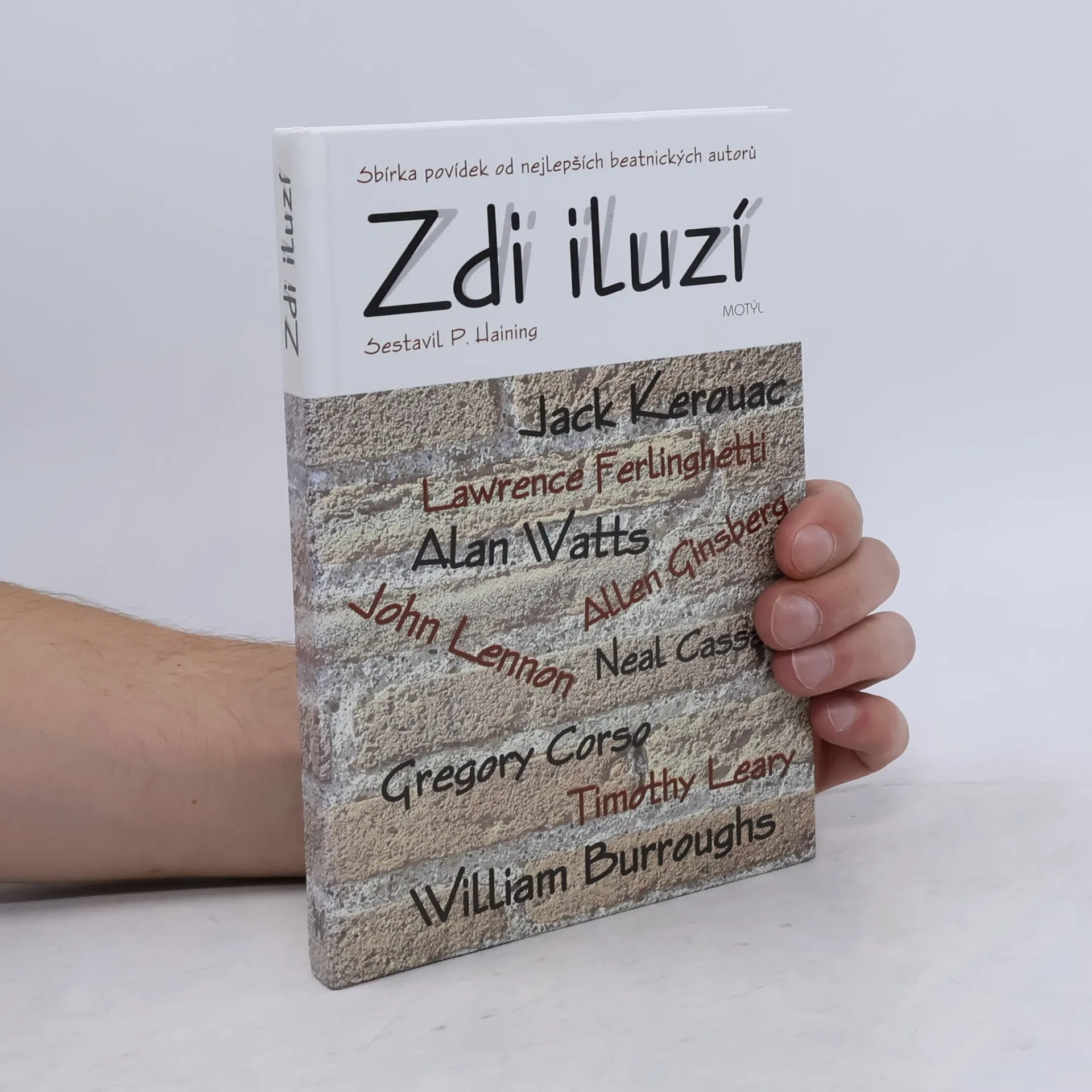
Tato kniha obsahuje krátké povídky a ukázky od amerických autorů, kteří reprezentují legendární beatnickou kulturu, jejímž centrem bylo San Francisco. Mezi hlavními autory najdeme Ferlinghettiho, Cassadyho, Kerouaca, Ginsberga a Corsoa, doplněné o další autory z Ameriky a Evropy. Výbor představuje literární díla dvaceti autorů spolu s úvodními informacemi o jejich životech a je zakončen esejem Aldouse Huxleyho o vlivu drog na uměleckou tvorbu. Povídky se zabývají tématy, která zkoumají neprozkoumané oblasti lidské mysli, odhalují bizarní vize a extrémní zážitky. Autoři se vydávají na cesty fantazie vyvolané halucinogeny, setkávají se s obrazy ráje i temnoty, smrti a sebezničení. Tato antologie je pro dnešního čtenáře ukázkou svobody tvorby psychedelické generace šedesátých let, která zanechala nesmazatelnou stopu v moderní literatuře. Obsahuje úryvky a povídky od autorů jako Neal Cassady, Jack Kerouac, William S. Burroughs, Allen Ginsberg a další, včetně esejů a rozhovorů, které reflektují jejich jedinečné pohledy na svět.
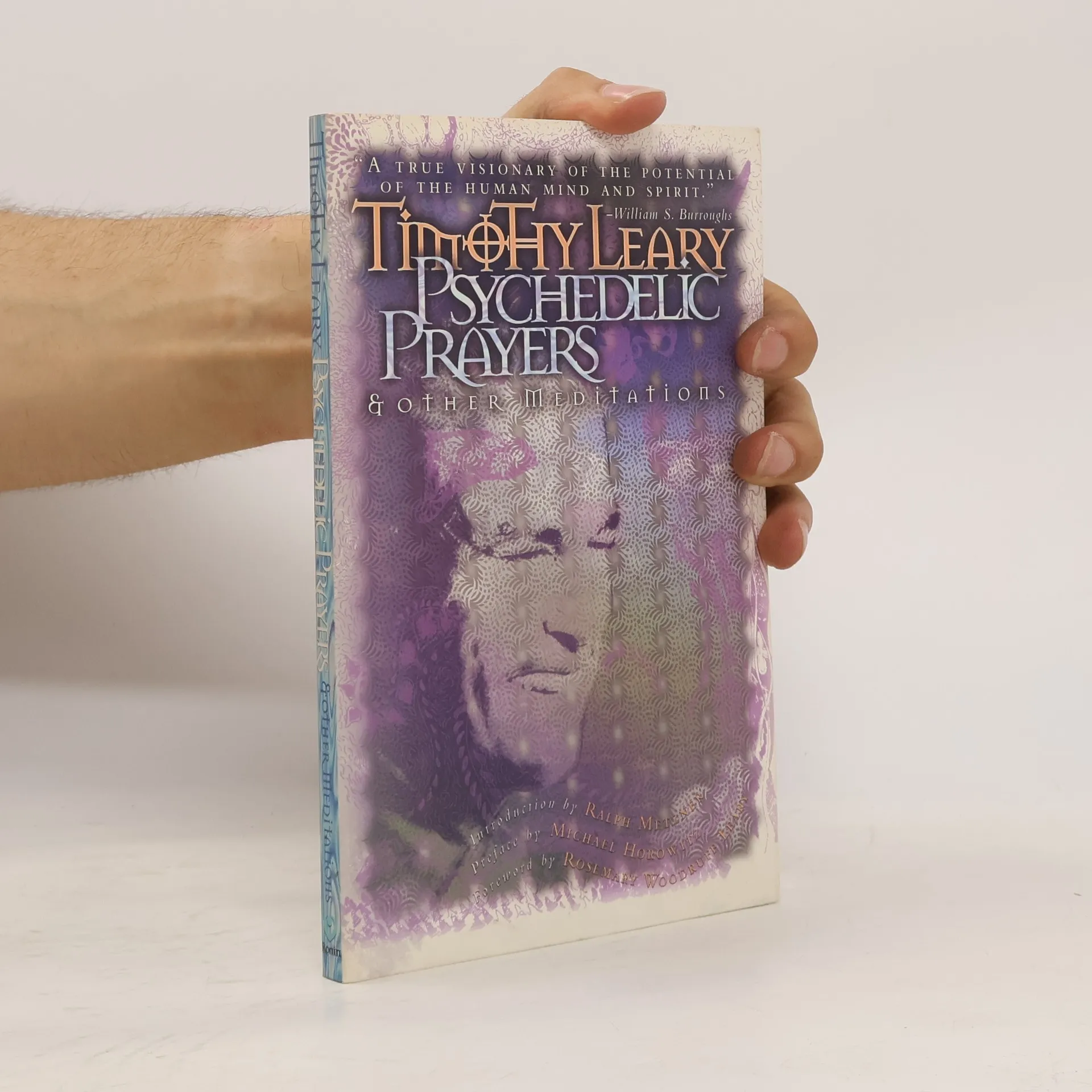
Written while Leary was visiting India in 1965 and finished the following year, Psychedelic Prayers is an adaptation of Book 1 of the Tao Te Ching. With a new Introduction by Ralph Metzner, Leary's Harvard colleague, this book of poetry and meditations is being published in its first new edition in 25 years. Illustrations/photos.
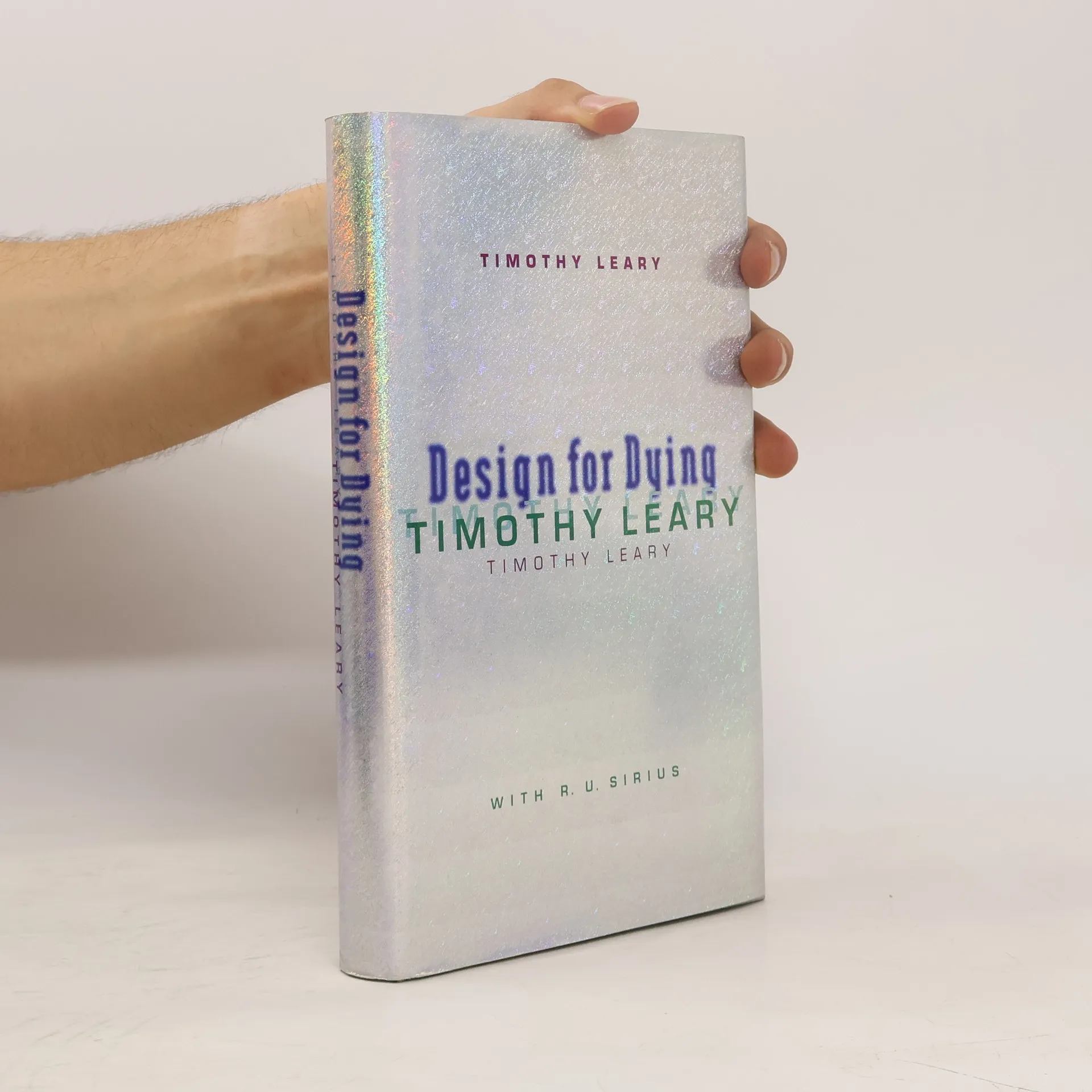
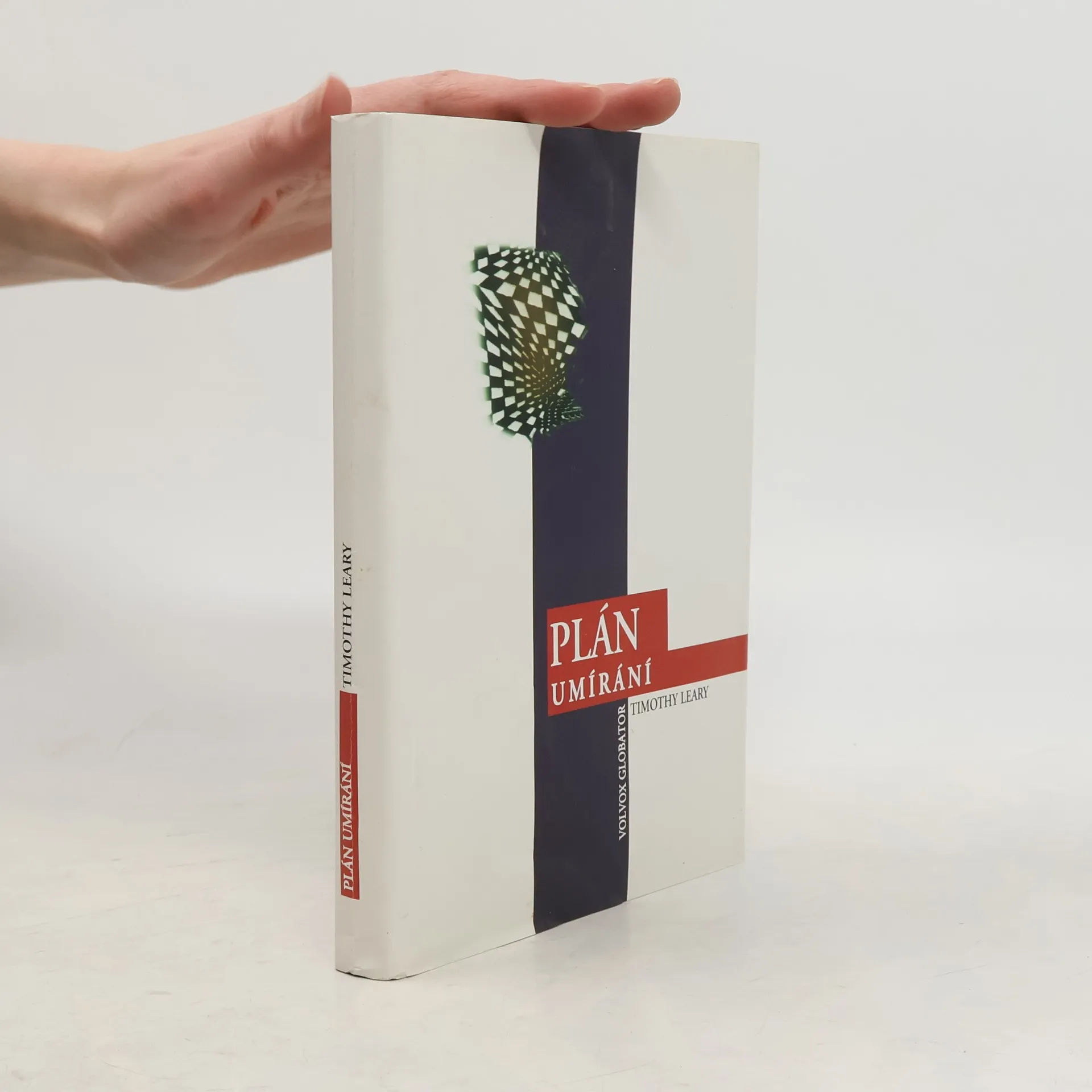
As the fringe guru himself put it, "Mademoiselle Cancer moved in to share [his] body." In the days leading up to his death, Leary, never one to miss a party, transformed his impending demise into a vibrant vision of what dying can be. His final days were infused with optimism, courage, joy, and spirituality. Leary's last book presents a compelling argument for how we can make dying a high point of life. Irreverent, thought-provoking, and hilarious, it pioneers new approaches to death, encouraging us to take control of our own dying process. He shares his concept of "directed dying," allowing individuals to plan their deaths in a way that reflects their values. The book explores innovative possibilities for the wired generation, such as downloading consciousness onto the internet to extend our existence beyond physical life, and how technology may enhance the experience of dying. It also includes a comprehensive guide to death and dying resources, online tools, and further reading. Speaking to anyone curious about what lies beyond death, Leary's flamboyant final statement reveals revolutionary ways to embrace death while redefining how the living can perceive it.
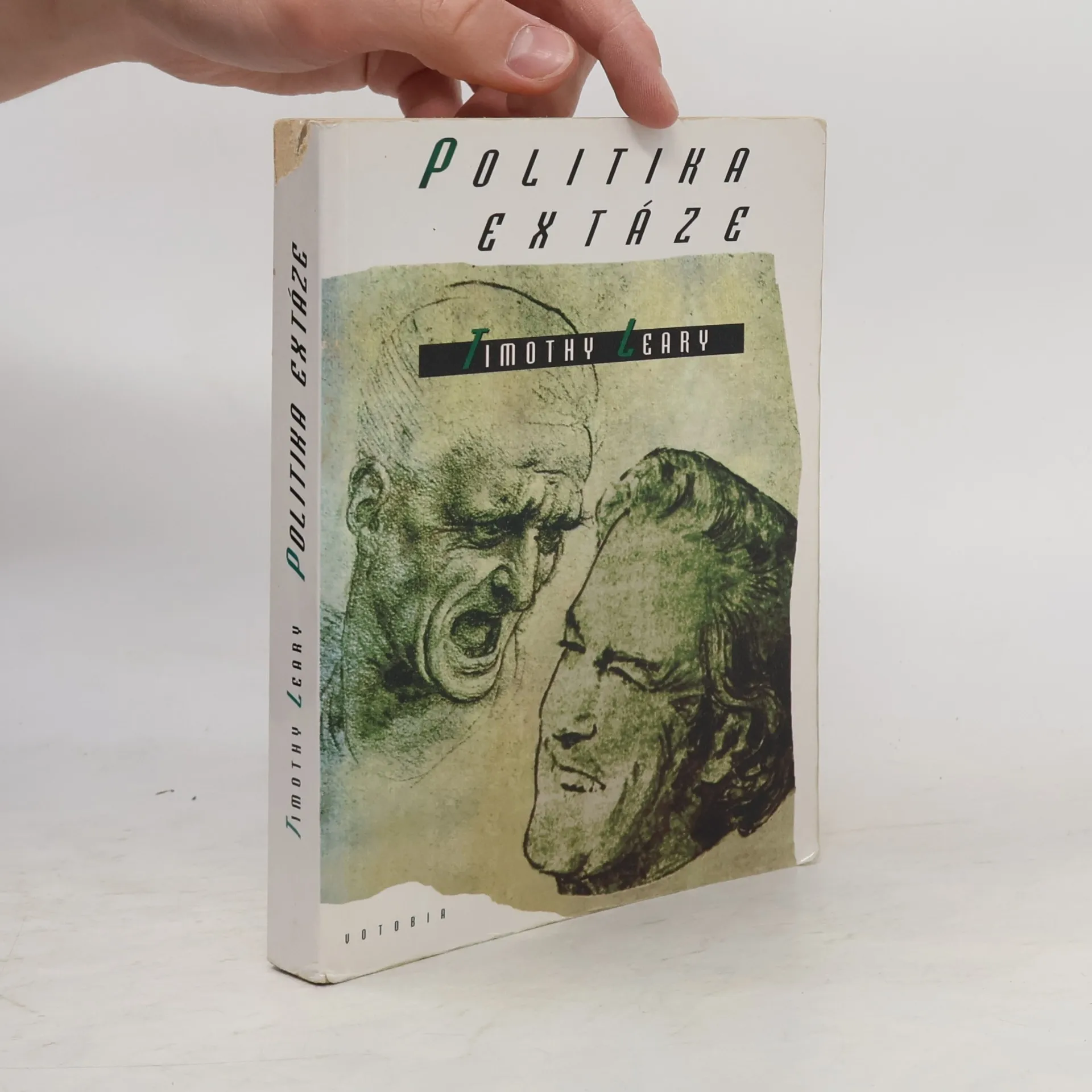
Propagátor LSD z let šedesátých vstupuje do virtuální reality s noblesou jemu vlastní. Nové trendy ve vývoji civilizace a inspirující úvahy o dalších možnostech rozšiřování vědomí. Zajímavá interview s Davidem Byrnem, Williamem S. Burroughsem a Brucem Sterlingem.
Politika extáze
- 417 stránek
- 15 hodin čtení
Největší hity Timothyho Learyho 1
- 166 stránek
- 6 hodin čtení
Sbírka nejzajímavějších myšlenek Timothyho Learyho.
Die 'Politik der Ekstase' von Dr. Timothy Leary ist eine Sammlung wichtiger Texte über psychedelische Drogen und deren Bewegung. Sie thematisiert die "innere Freiheit" und warnt davor, diese Freiheit aufzugeben, um das eigene innere Potential ohne äußeren Zwang zu entfalten.
Největší hity Timothyho Learyho II
- 151 stránek
- 6 hodin čtení
Sbírka nejzajímavějších myšlenek Timothyho Learyho.
Autobiografie s předmluvou W. S. Burroughse - osobní a kulturní dějepis jedné epochy. T.Leary zakončil studia doktorátem z klinické psychologie. Na Harvardu vedl projekt psychedelického bádání. Po návratu z vězení, kde strávil několik let, dále pokračoval ve výzkumu a v popularizaci drogové kultury.
Graphic novel designed as a Q&A chatroom session with Dr Leary, where readers travel the electronic maze of cyborgiastic addiction and the search for the absolute aphrodisiac. Topics include My lonely Quest for the Male Afrodisiac, A Near Miss with Billionaire Bacon, Mengele Lives! Medical Evil! and other rants. Graphic and paintings by Robert Williams.
High priest
- 384 stránek
- 14 hodin čtení
Back in print after 20 years, this text from the earliest days of psychedelia chronicles the experiences on 16 acid trips taken before LSD was illegal. The trip guides or "high priests" included Aldous Huxley, Ram Dass, Ralph Meltzner, Huston Smith and a junkie from New York City named Willy. It tells of the goings-on and freaking out at the Millbrook mansion in New York State that became the Mecca of psychedelia during the 1960s, and of the many luminaries who made their pilgrimage there to trip with Leary and his group. Chapters include an I Ching reading and a chronicle of what happened during those "spacewalks" of the mind.
The Lost Beatles Interviews
Including 32 Pages of Rare, Never-Before-Seen Photos
- 398 stránek
- 14 hodin čtení
This authoritative book consists of transcripts of never before published press conferences and interviews with the individual Beetles and conversations with the group's innner circle,
Über die Kriminalisierung des Natürlichen
- 32 stránek
- 2 hodiny čtení
Der Mensch hat einen langen Weg zurückgelegt, seit sein Vorfahre eine Nudel in der Ursuppe war: Von der Amöbe zum Fabrikarbeiter, aus dem Dschungel der Tropen bis in den Dschungel der Gehirnsynapsen. Aus dem Wandel und Handel zwischen Süden und Norden wurde in unserer Zeit ein Nord-Süd-Konflikt. Es geht um die Politik des Bewusstseins. Von der Ur-Suppe des Planeten über Moses' fatale Fehleinschätzung des Goldenen Kalbes bis hin zur heutigen postpsychedelischen Zeit ... Aus dem Inhalt: - Das Leben ist A Southern Exposure - Auch die menschliche Spezies ist ein Kind der Tropen - Die Menschheit zieht gen Norden - in die gemäßigten Zonen - In der kälteren Zone werden Gott und die Menschen maschinell ausgerüstet, der Süden kontert mit Götterspeise - Invasion des Nordens durch die übernatürlichen Mächte des Südens (Musik, Drogen etc.) - Das Goldene Kalb - ein Symbol neo-heidnischer Festivitäten? (von Werner Pieper) Dieser Titel ist der Grüne Zweig NR 138 aus Werner Pieper s Medien-Experimenten The Grüne Kraft.
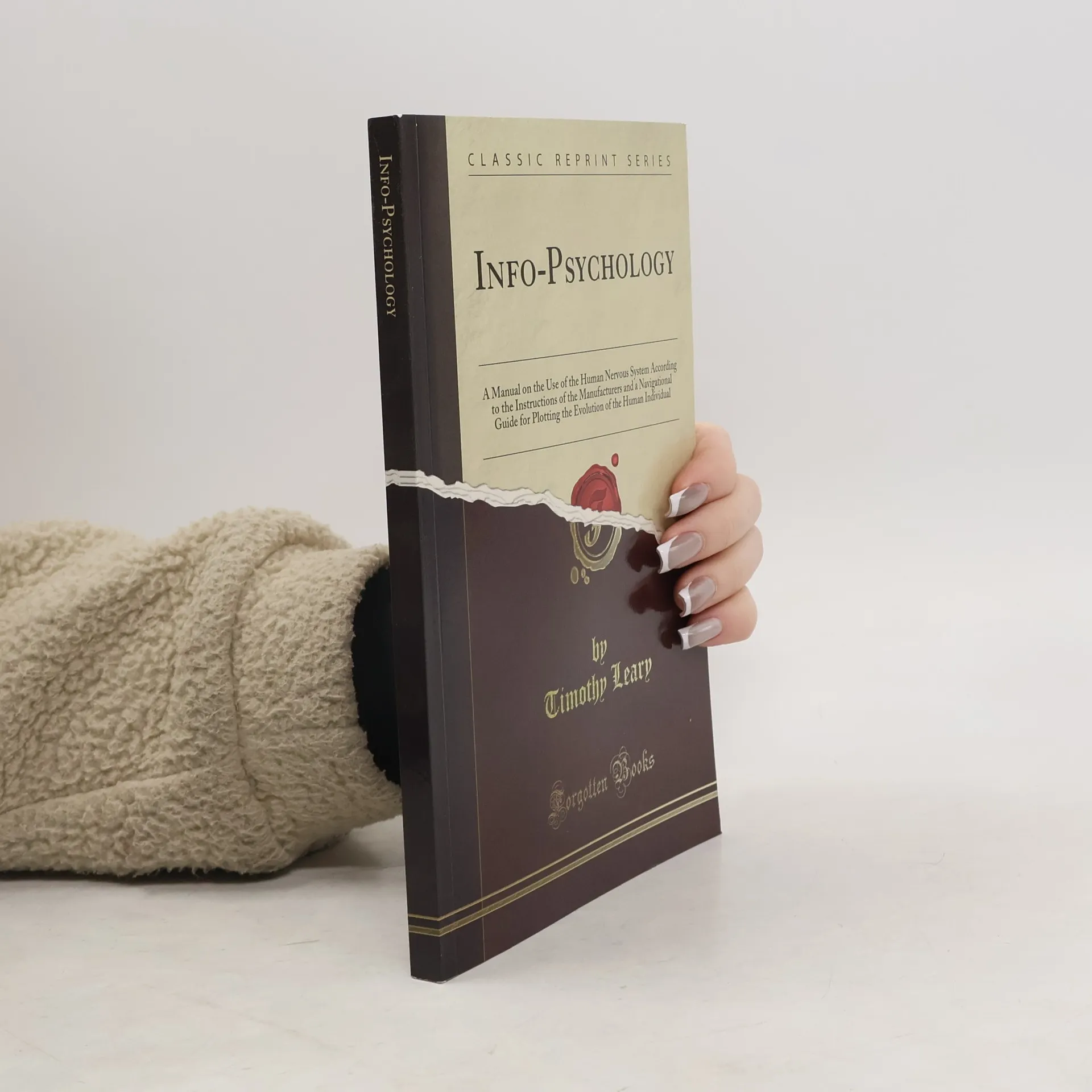
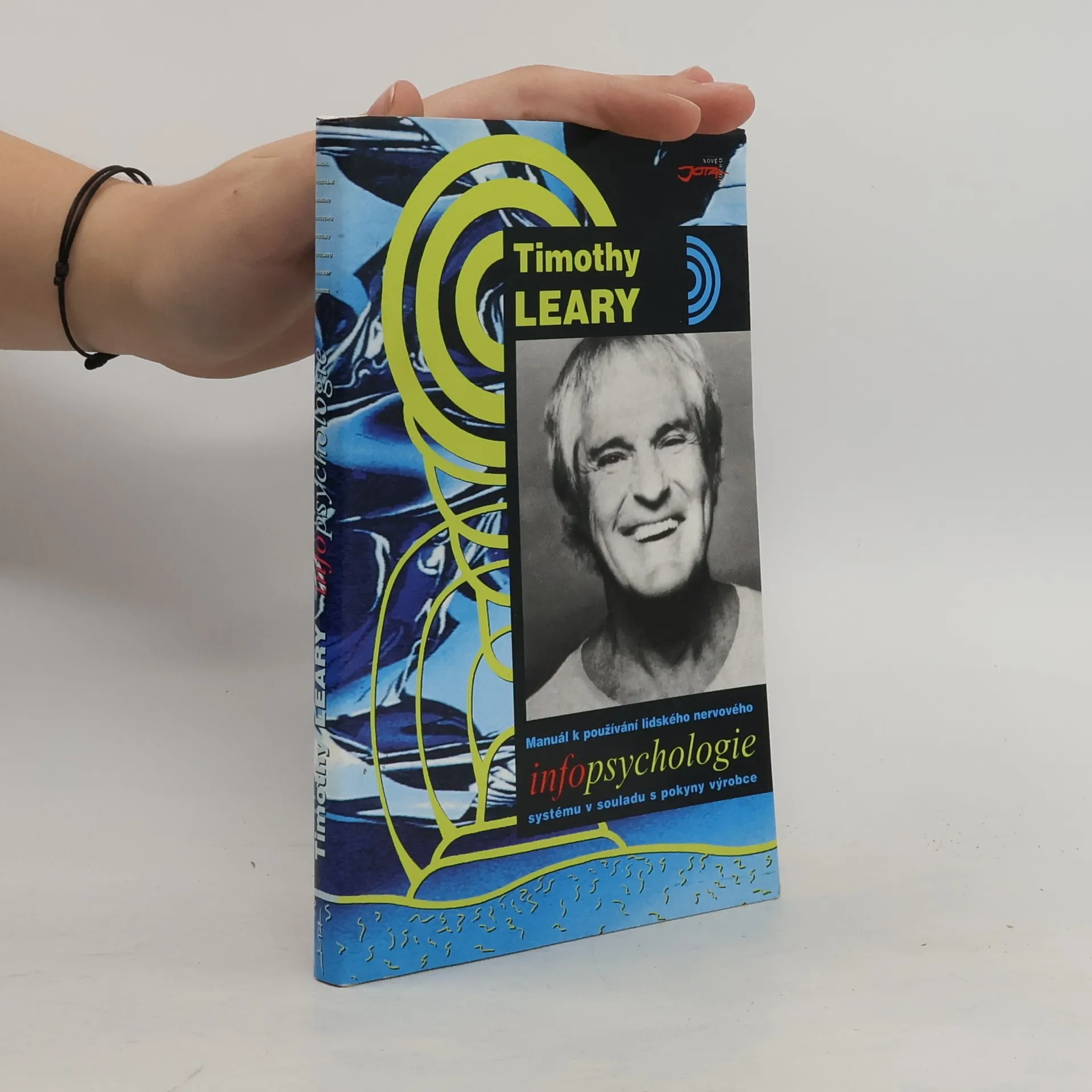
Infopsychologie. Manuál k používání lidského nervového systému v souladu s pokyny výrobce
- 213 stránek
- 8 hodin čtení
Infopsychologie předestírá autorovu evoluční teorii, jež člověku předurčuje migraci do jiného prostoru, ovšem zatímco v letech sedmdesátých jím podle něj měl být vesmír, koncem let osmdesátých již vidí existenci lidstva jednoznačně v kyberprostoru. Lidský vývoj je zde prezentován ve 24 fázích, z nichž prvních dvanáct pokrývá přibližně náš dosavadní vývoj, kdežto druhých 12 fází je naším vývojem budoucím.
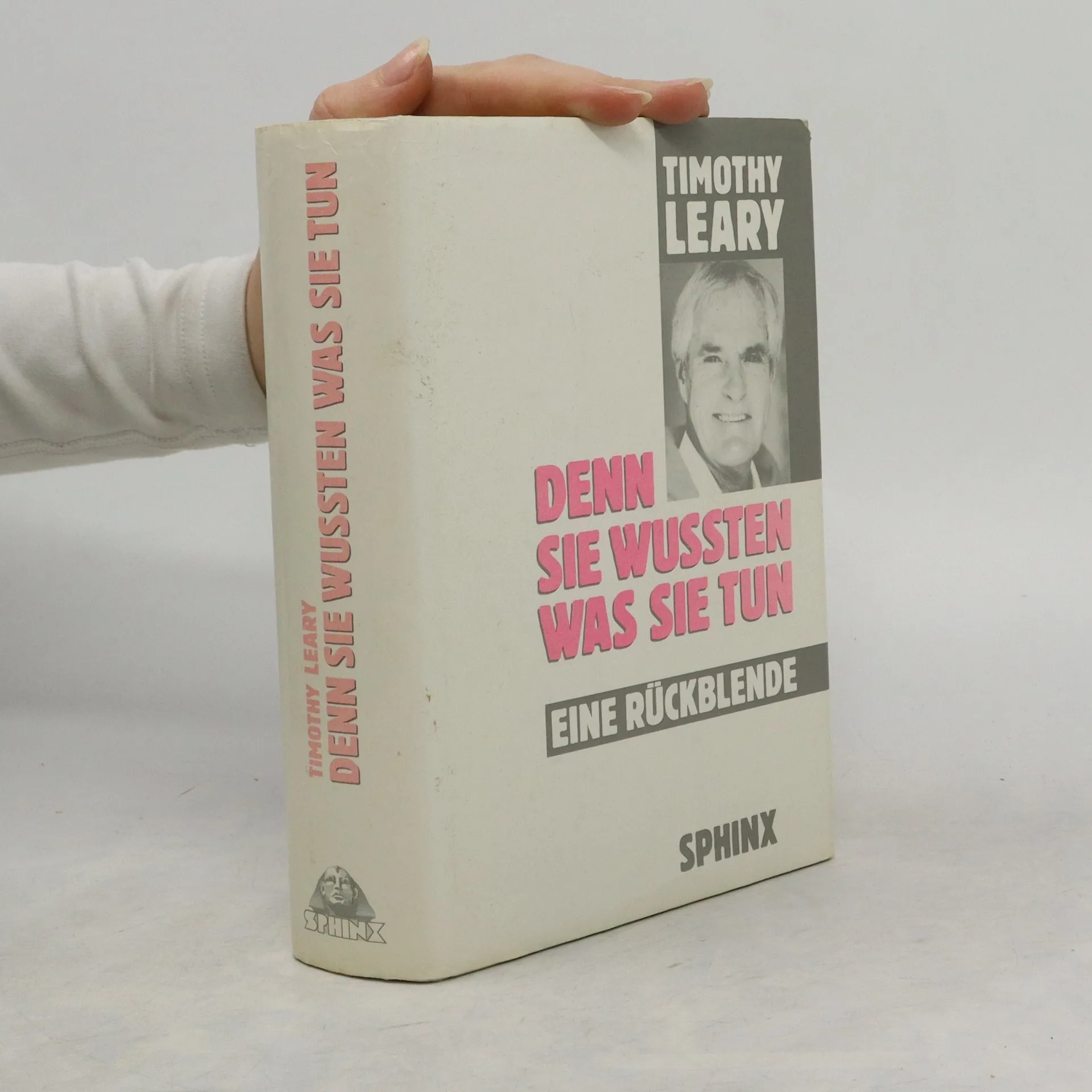
Denn sie wussten, was sie tun
- 446 stránek
- 16 hodin čtení
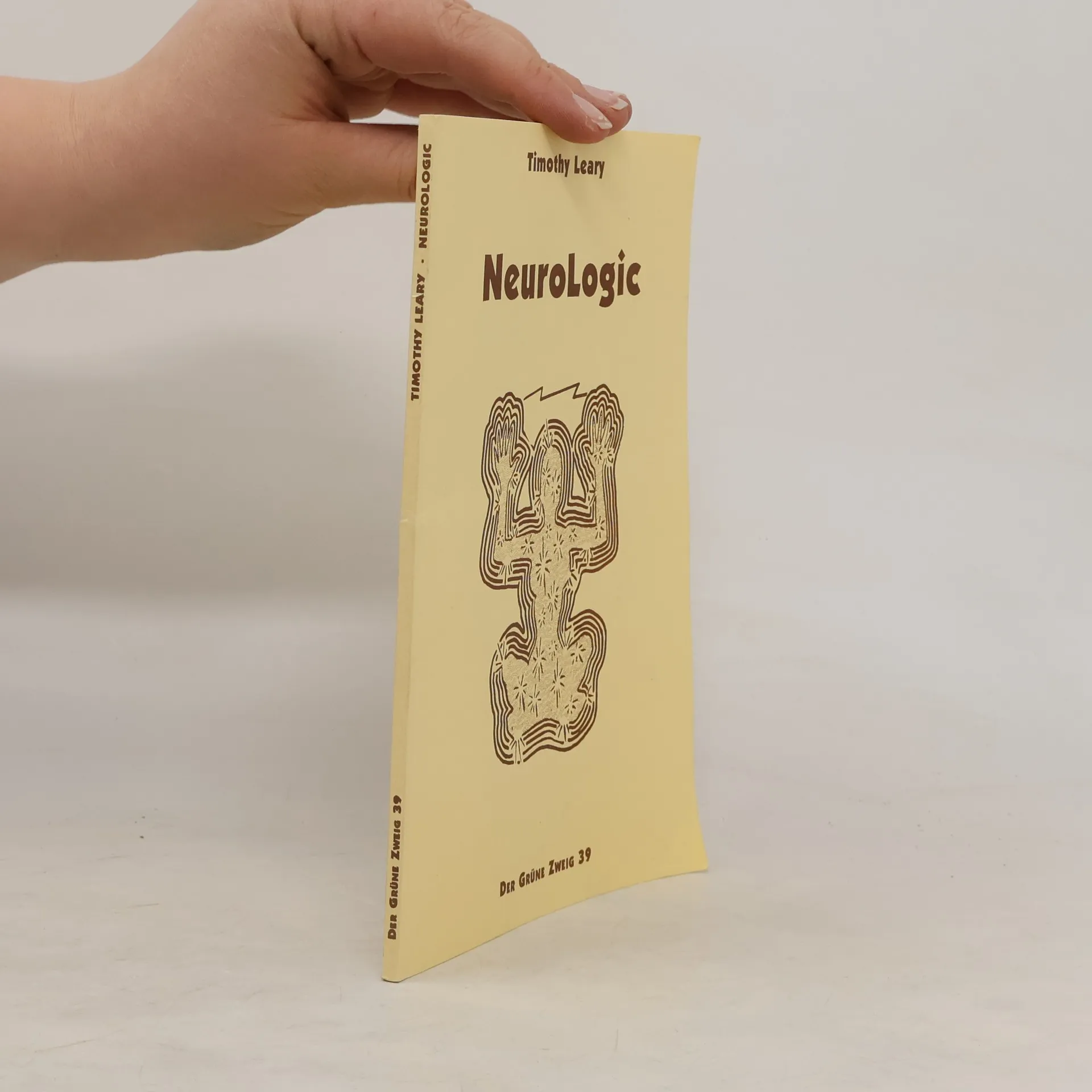
Der bekannte Psychologe Tim Leary stellte zu Zeiten, als man über die Entwicklung der Strukturen des Gehirns noch nicht sehr viel Ahnung hatte, die These auf, dass das Gehirn im Lauf des Erwachsenwerdens jeder Person bis zu 8 neuronale Schaltkreise entwickeln kann, und zwar nacheinander. Wobei zu betonen ist, dass diese Anzahl zweigeteilt ist und wir normalen Menschen im Lauf unseres ganzen Lebens meist nur die ersten 4, höchstens 5 Schaltkreise entwickeln. Leary erläutert sehr fundiert seine Einteilung der Phasen, in denen sich der jeweilige Schaltkreis aktiviert und entwickelt, und sie passt vorzüglich zu den Psycheentwicklungsphasen von Freud und zu anderen Theorien. Aus dem Inhalt: - Der Lebens-Überlebens-Schaltkreis: „Wir sind sicher“ - Der Gefühl-Fortbewegungs-Schaltkreis: „Wir sind frei“ - Der mental-manipulative Schaltkreis: „Wir sind OK“ - Der Gesellschafts-Sexual-Schaltkreis: „Es ist gut“ - Der Entzückungs-Schaltkreis: „Es ist schön“ - Der Ekstase-Schaltkreis: „Es ist Zeit“ - Der neuro-genetische Schaltkreis: „Wir sind heimwärts unterwegs“ Dieser Titel ist der Grüne Zweig NR 39 aus Werner Pieper s Medien-Experimenten The Grüne Kraft.
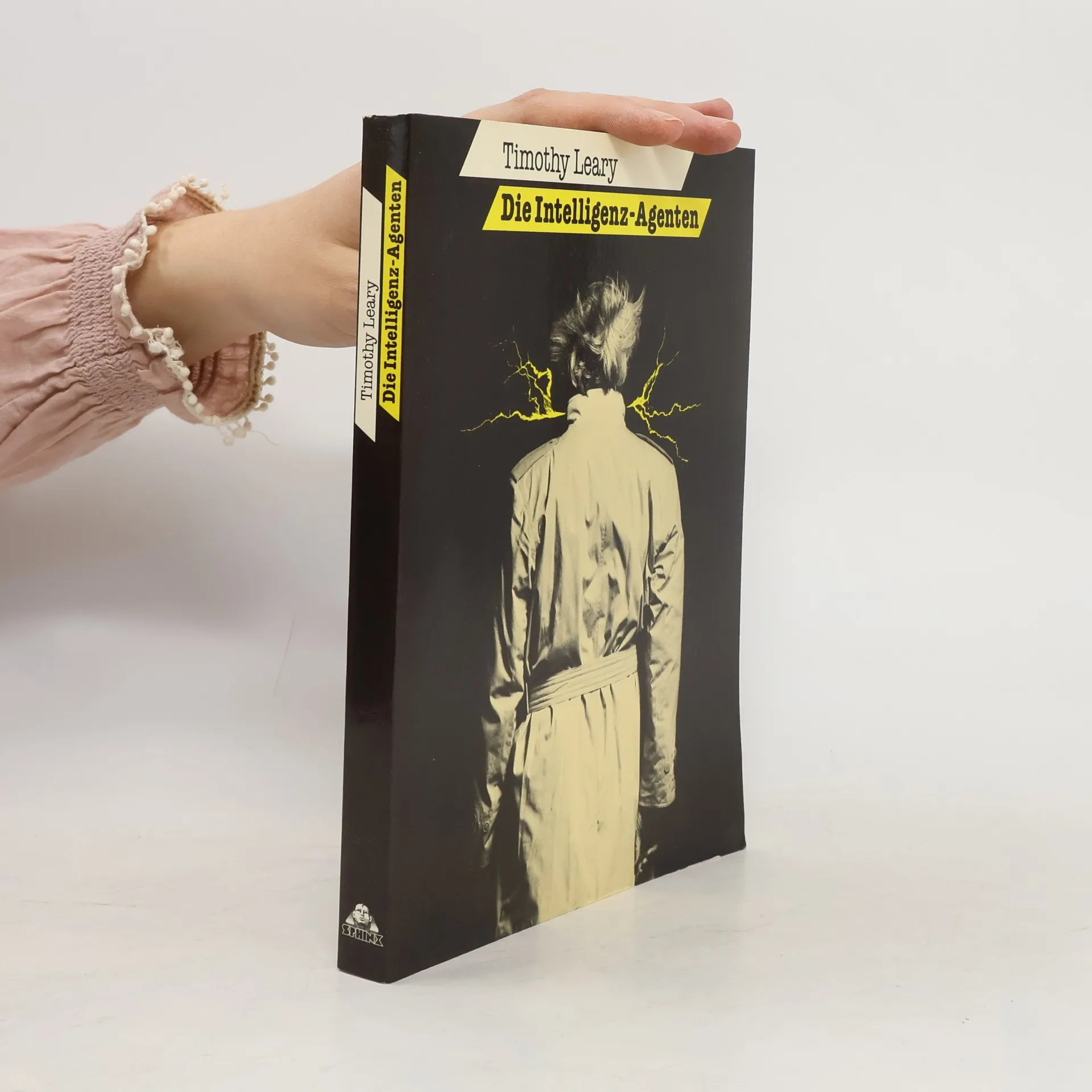
Die Intelligenz-Agenten
- 227 stránek
- 8 hodin čtení
Exo-Psychologie
- 165 stránek
- 6 hodin čtení
Kniha přináší některé z Learyho nejlepších myšlenek, jeho úvahy o minulosti i jeho naděje na lepší budoucnost.
Was will die Frau?
- 318 stránek
- 12 hodin čtení
Jail Notes
- 168 stránek
- 6 hodin čtení
Confessions of a Window Cleaner
- 156 stránek
- 6 hodin čtení
It always took longer to clean the inside of the windowsViv preferred a man with experience.Dorothy was a little careless with her underclothes. Mrs. Armstrong provided tea and cake beforehand. Brenda consumed marshmallows afterwards. Sandy drew the line at taking her clothes off. Sonia performed for an audience.Overwhelmed by the hospitality of his customers, Tim found it increasingly difficult to keep his mind on the job. Soon he longed for the peace and quiet of a steady relationship with his girl friend Elizabeth. But even the quiet and virginal Elizabeth was full of surprises.
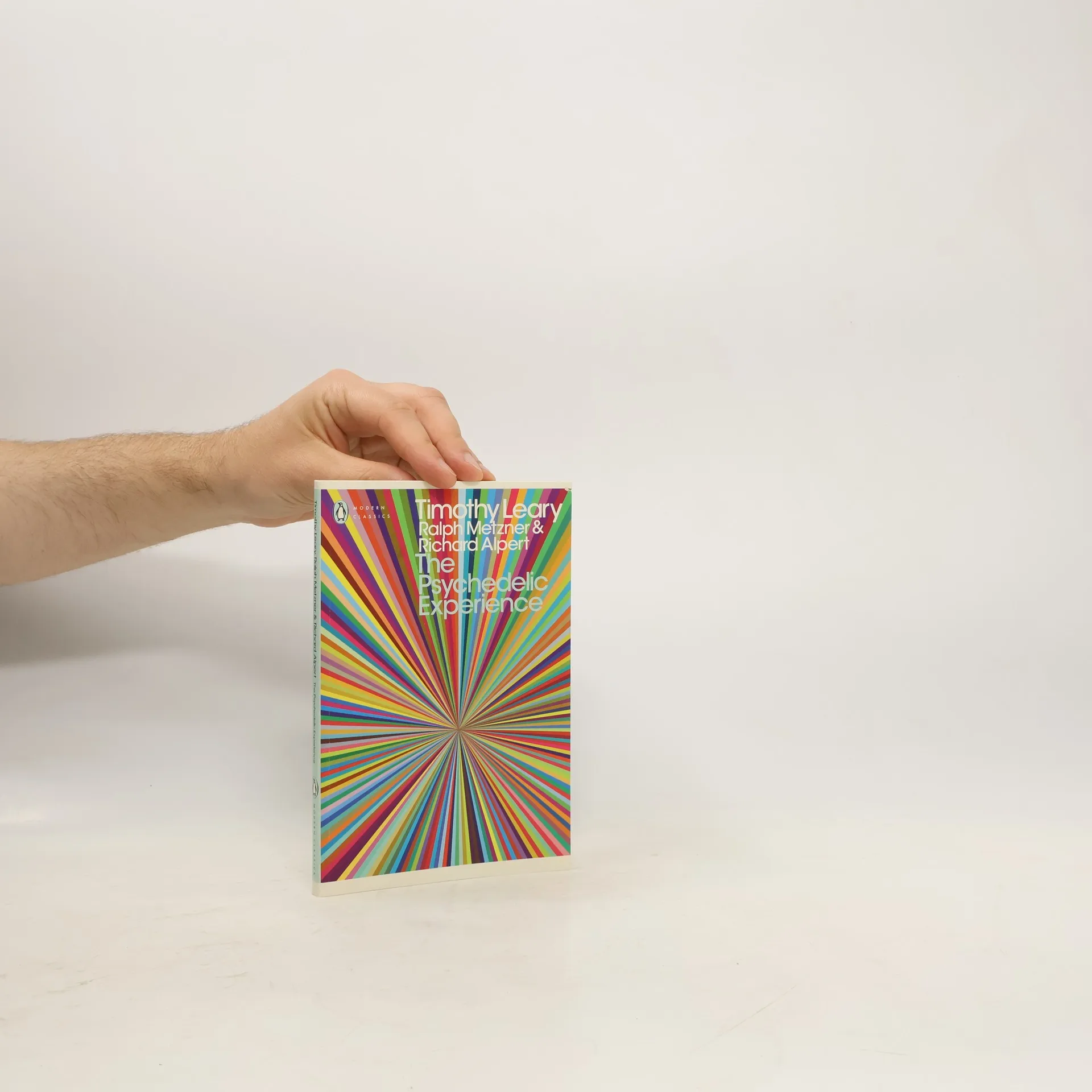
The Psychedelic Experience, Created By The Prophetic Shaman-Professors Timothy Leary, Ralph Metzer And Richard Alpert, Is A Foundational Text That Serves As A Model And A Guide For All Subsequent Mind-Expanding Inquiries. In This Wholly Unique Book, The Authors Provide An Interpretation Of An Ancient Sacred Manuscript, The Tibetan Book Of The Dead, From A Psychedelic Perspective. The Psychedelic Experience Describes Their Discoveries In Broadening Spiritual Consciousness Through A Combination Of Tibetan Mediation Techniques And Psychotropic Substances.
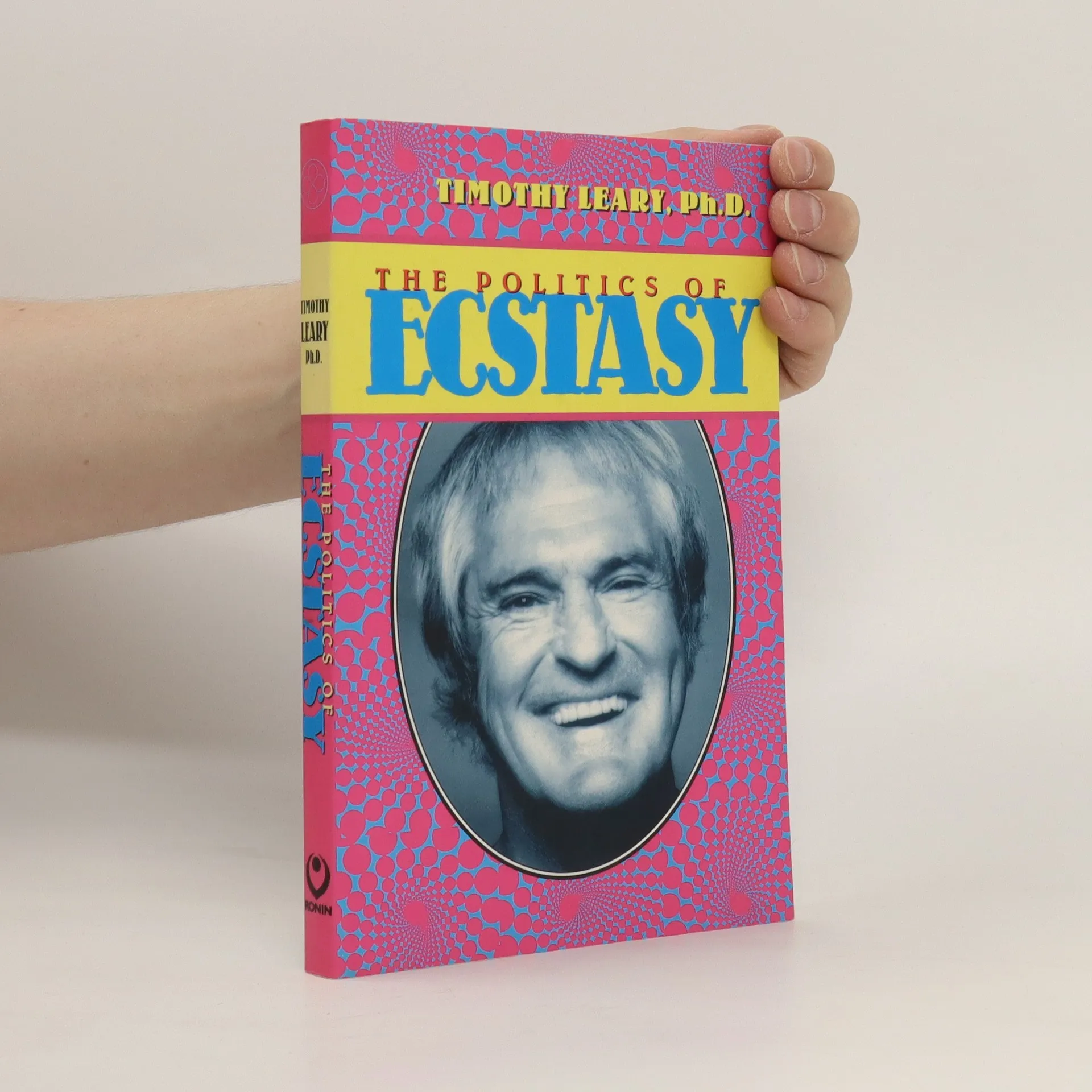
The Politics of Ecstasy
- 240 stránek
- 9 hodin čtení
Now repackaged with a striking new cover by renowned cyber-artist Brummbauer, this collection of 22 essays, speeches, and interviews, first published in 1968, presents psychedelic pioneer Timothy Leary at his most influential, provocative, and outrageous. Photos & illustrations.