
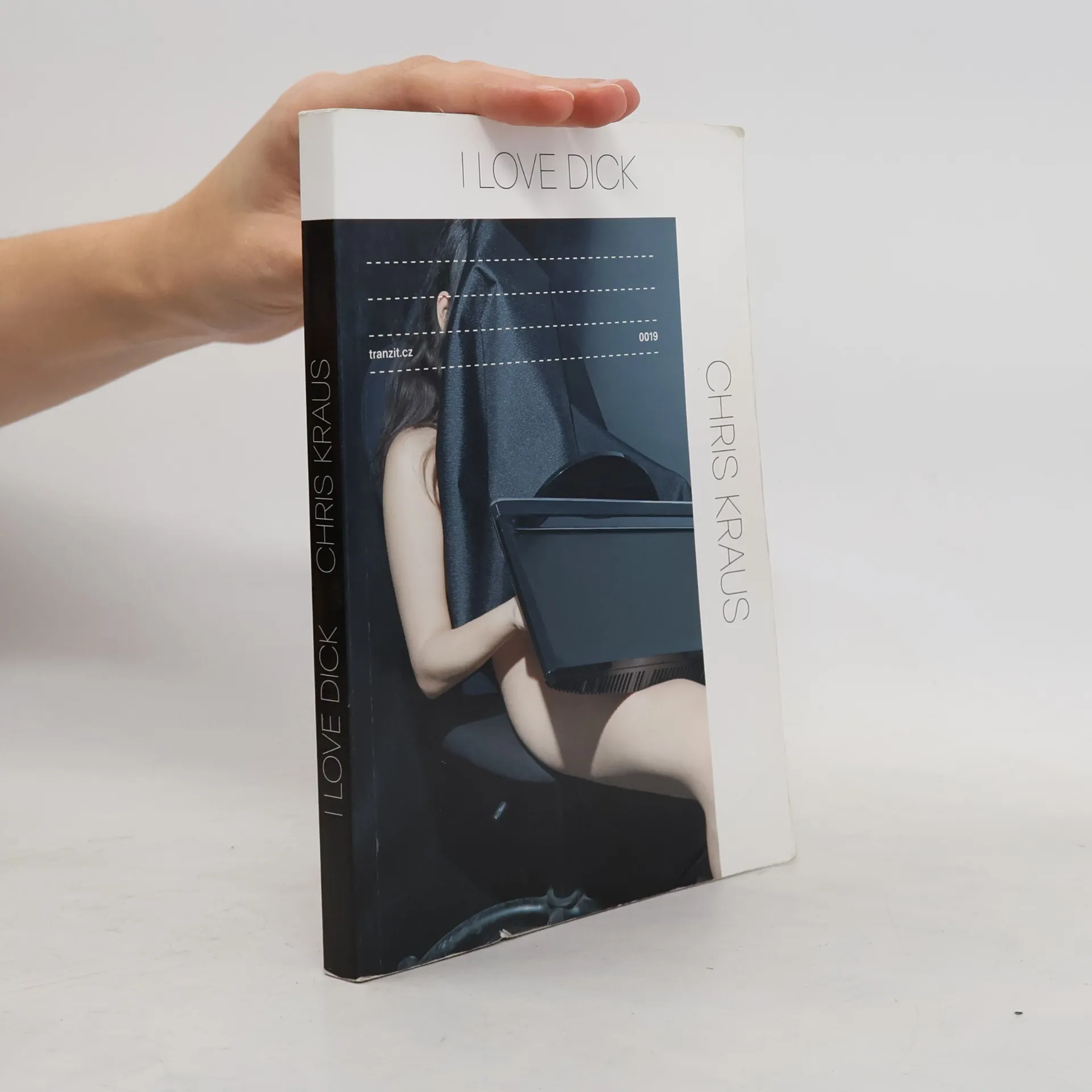
Revoluční román americké kritičky, filmařky a spisovatelky Chris Kraus odhalující machismus newyorské intelektuální scény sedmdesátých, osmdesátých a devadesátých let. Kniha která vypráví o tom, jaké to je být ženou umělkyní se nikterak neobtěžuje zakrývat svou autobiografičnost. Když svět upírá ženám právo vyslovovat se k věcem neosobním – vyslovuje se Chris Kraus, kterou newyorská kulturní scéna, jíž vládnou muži, odmítla – nezbývá jí než psát sama o sobě. Jakýkoliv odstup tu není žádoucí. Osobní je politické. Detailní ohledání „nepřijatelných“ emocí – milostné posedlosti, emoční závislosti, sklonů k sebedestrukci – pak nese politický smysl. Hlavní hrdinka z románu vychází jako etické monstrum, sebestředná stárnoucí neurotička, která si projektuje do Dicka své poněkud adolescentní romantické představy, aniž by se kdy zabývala tím, kým vlastně Dick je. Zneužívá druhého člověka pro svůj umělecký projekt a autenticita jejích citů je tak přinejmenším pochybná. Monstróznost její milostné obsese předem odkázané k neúspěchu, nesnesitelná otevřenost, se kterou líčí svou touhu jakož i tělesné nedostatky, nemoci, nesplněné umělecké ambice a životní tragédie, jsou ale v důsledku fascinující. Román je upřímnou zpovědí o ženském selhání a (sebe)ponížení, manifestem nového druhu feministky, která se nebojí probít se vlastním narcisismem k zodpovědnosti za sebe sama a v neposlední řadě skvěle napsané umělecké dílo.
Chris Kraus Knihy
Chris Kraus je uznávaný filmový režisér, scenárista a romanopisec, který se ve své literární tvorbě zaměřuje na hluboké lidské zkušenosti a komplexní vztahy. Jeho díla se vyznačují pronikavým vhledem do psychologie postav a často prozkoumávají témata identity, paměti a hledání smyslu života. S filmovou citlivostí pro vizuální narativ a emocionální rezonanci Kraus vytváří příběhy, které jsou zároveň intimní i univerzální. Jeho druhý román navazuje na jeho umělecký přístup, který si získal uznání kritiky i čtenářů.


The European bestseller, an epic of two brothers, brought together and divided by betrayal, secrecy and self-delusion, spanning seventy years of German history: from the Russian Revolution, to World War II, to 1975.
Torpor
- 287 stránek
- 11 hodin čtení
It's Summer, 1991, the dawning of the New World Order; a post-MTV, pre-AOL generation. Jerome Shafir and Sylvie Green, two former New Yorkers who can no longer afford an East Village apartment, set off on a journey across the entire former Soviet Bloc with the intention of adopting a Romanian orphan. Unflinchingly dark, hilarious and moving - Torpor is at once a satire and philosophy of cultural history, social identity and failing relationships. Dipping into the trajectory of a life at different moments, Kraus interrogates convention and emotion, creating characters that are flawed, witty, and altogether true to life.Part prequel, part sequel, Torpor continues a project of life-writing; personal, unsparing, and triumphant. If I Love Dick is the book of your 20s, Torpor is the book of your 30s.
Aliens & Anorexia
- 264 stránek
- 10 hodin čtení
A novel about failure, empathy, and sadness, with a cast of characters that includes Simone Weil, Paul Thek, and the author herself.
Social Practices
- 296 stránek
- 11 hodin čtení
Exploring the intersection of art and personal relationships, the essays delve into the complexities of human connections and the contrasting experiences of freedom and confinement. The author reflects on a decade-long friendship, revealing how their lives intertwine through shared moments in a bar, underscored by the act of smoking Marlboros. The work challenges conventional notions of borders, emphasizing the tangible realities of life and art.
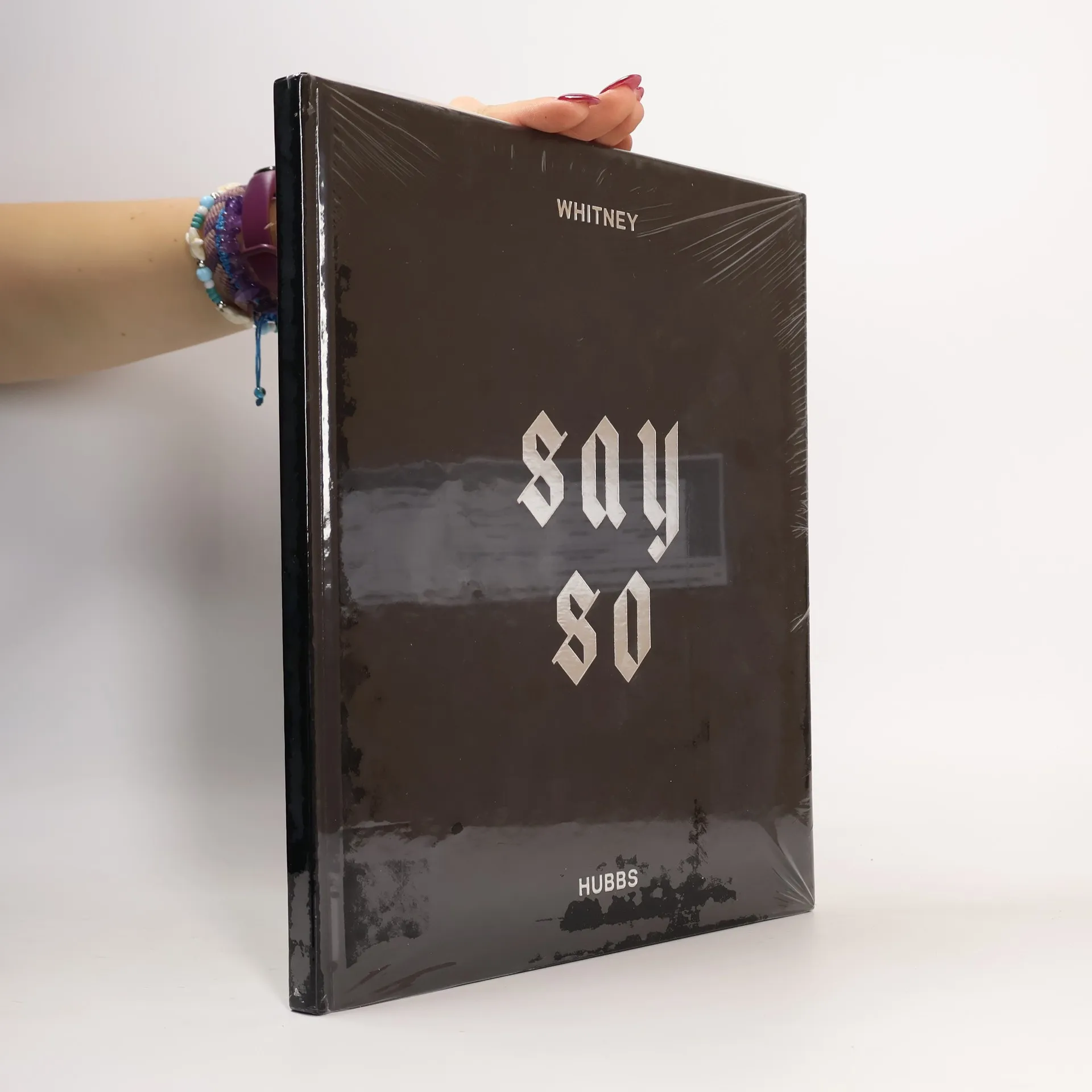
A provocative and timely new take on self-portraiture and erotica Featuring a black vinyl cover with gold foil stamping, Say So brings together American artist Whitney Hubbs' (born 1977) recent self-portraits, made in the style of cheap, pornographic pin-up photography. After her acclaimed book Woman in Motion, in which she photographed models, Say So continues her quest to explore and challenge the relationship between the camera and the female body. In it, she uses and abuses her own body to revealing effect in masochistic (BDSM) performances which sit at the intersection of eroticism and humiliation and are wonderfully uncomfortable to digest. Using the camera as both an audience and a mirror, Hubbs positions her work within a long tradition of artists using photographic self-portraiture--from Claude Cahun to Valie Export and Boris Mikhailov--and reworks its language with a stripped-down, rowdy formalism that pays homage to her Riot Grrrl past. Say So offers up an outside position (drenched in inky black humor) responding to precarity, loneliness and marginalization in a world badly off its tilt. Hubbs' photographic work is accompanied by a new essay by iconic writer and critic Chris Kraus, author of the seminal novel I Love Dick.
Jesko ist ein junger Modedesigner. Gesellschaftlichen Normen und Zwängen beugt er sich nicht – schon gar nicht, seit er weiß, dass seine Tage gezählt sind. Seine Mutter könnte ihm helfen. Doch Jesko will ihre Hilfe nicht. Da nützt es auch nichts, dass der Vater ihm bei einer Familienfeier gut zuredet. Einzig die geheimnisvolle Freundin seines Bruders schafft es, Zugang zu Jesko zu finden. Ein bewegender Roman über die Traumafabrik Familie – zärtlich, komisch, gnadenlos.
Ein Film über Sex. Rauh und radikal. In New York. Das ist die Aufgabe, die Jonas gestellt bekommt. Aber wie soll der überforderte Regiestudent ausgerechnet in der düstersten Ecke der Lower East Side und umgeben von gestrandeten Künstlerexistenzen einen Film drehen? Als er auf Nele trifft, eine schillernde, eigensinnige Sommerfrau, öffnet sich sein Blick für das wahre Ziel seiner Reise: die Begegnung mit der eigenen ungeheuerlichen Familiengeschichte.