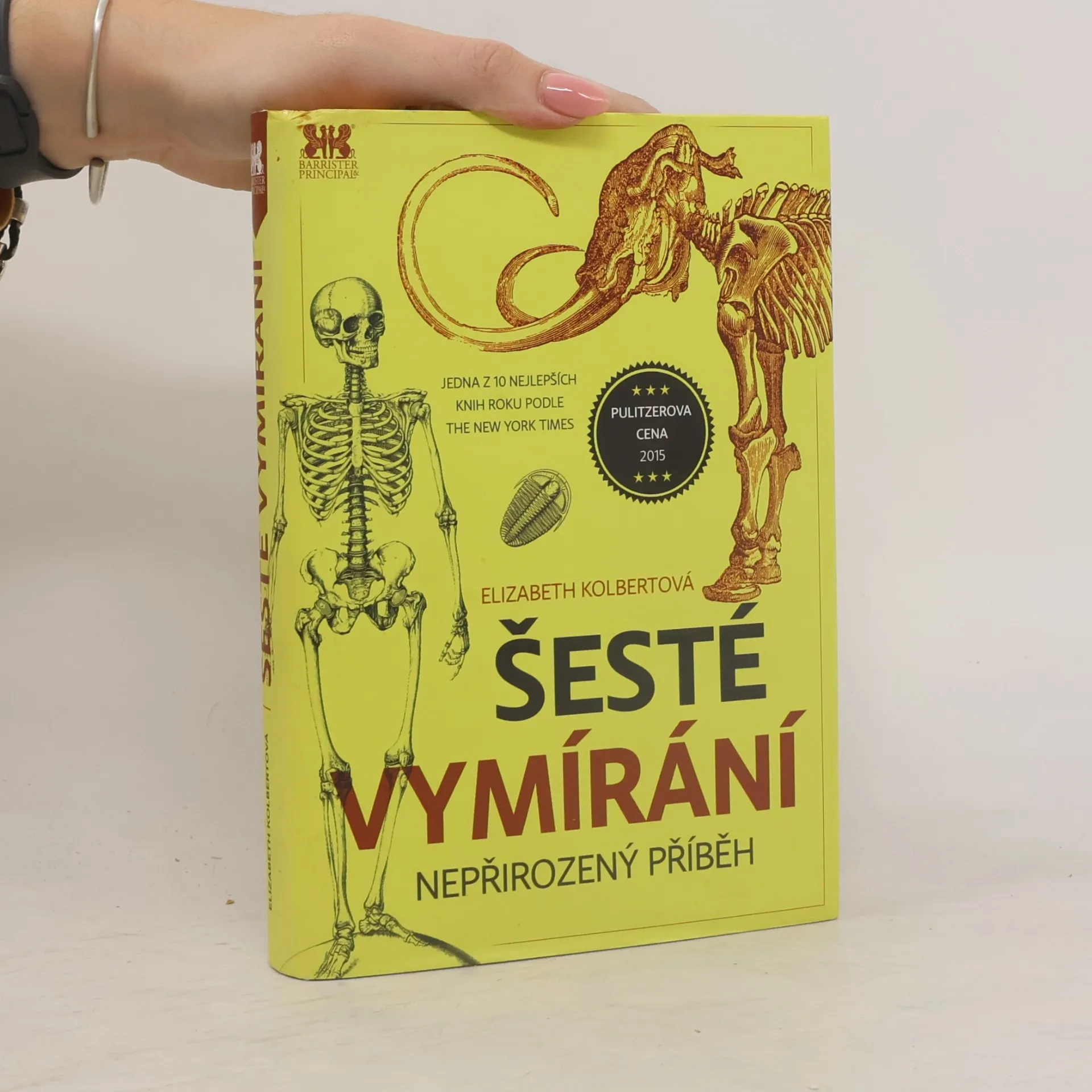
Americká autorka Elizabeth Kolbertová zasazuje detektivně pojatý příběh šestého vymírání do kontextu katastrofických změn, které planeta prožila v minulosti a které snížily diverzitu života. Spletitou historii objevování vymírání objasňuje na pozadí sporů přírodovědců, kteří položili základy evoluční teorie, a zahrnuje i nejnovější poznatky z různých vědních oborů. Na osudech živočišných druhů, od dinosaurů po nedávno vyhynulé, sleduje vzorce masových vymírání a specifika současného ohrožení biodiverzity. Většina knihy se zaměřuje na současnost – na zbytky amazonského pralesa, rychle se oteplující svahy And a okolí Velkého bariérového útesu. Čtenář tak lépe porozumí důsledkům změny atmosféry, okyselování oceánů a šíření invazivních druhů v kontextu antropocénu. Autorčin pohled ukazuje, že romantická představa o člověku žijícím v harmonii s přírodou je mýtem. Homo sapiens byl od svého vzniku hrozbou pro jiné druhy, což dokládají interakce s neandrtálci a vyhubení megafauny. Otázky o tom, zda měníme směr evoluce a zda se staneme obětí vymírání, zůstávají otevřené a budou předmětem dalšího zkoumání.
Elizabeth Kolbert Knihy
Elizabeth Kolbertová se soustředí na propojování vědy a společenského dopadu, zejména v oblasti životního prostředí. Její práce se vyznačuje hlubokým výzkumem a schopností přinášet složitá témata přístupným způsobem. Zkoumá vztah mezi lidskými aktivitami a přírodním světem, čímž čtenáře nutí k zamyšlení nad naší planetou. Prostřednictvím svého psaní zdůrazňuje naléhavost environmentálních problémů a naši kolektivní odpovědnost.


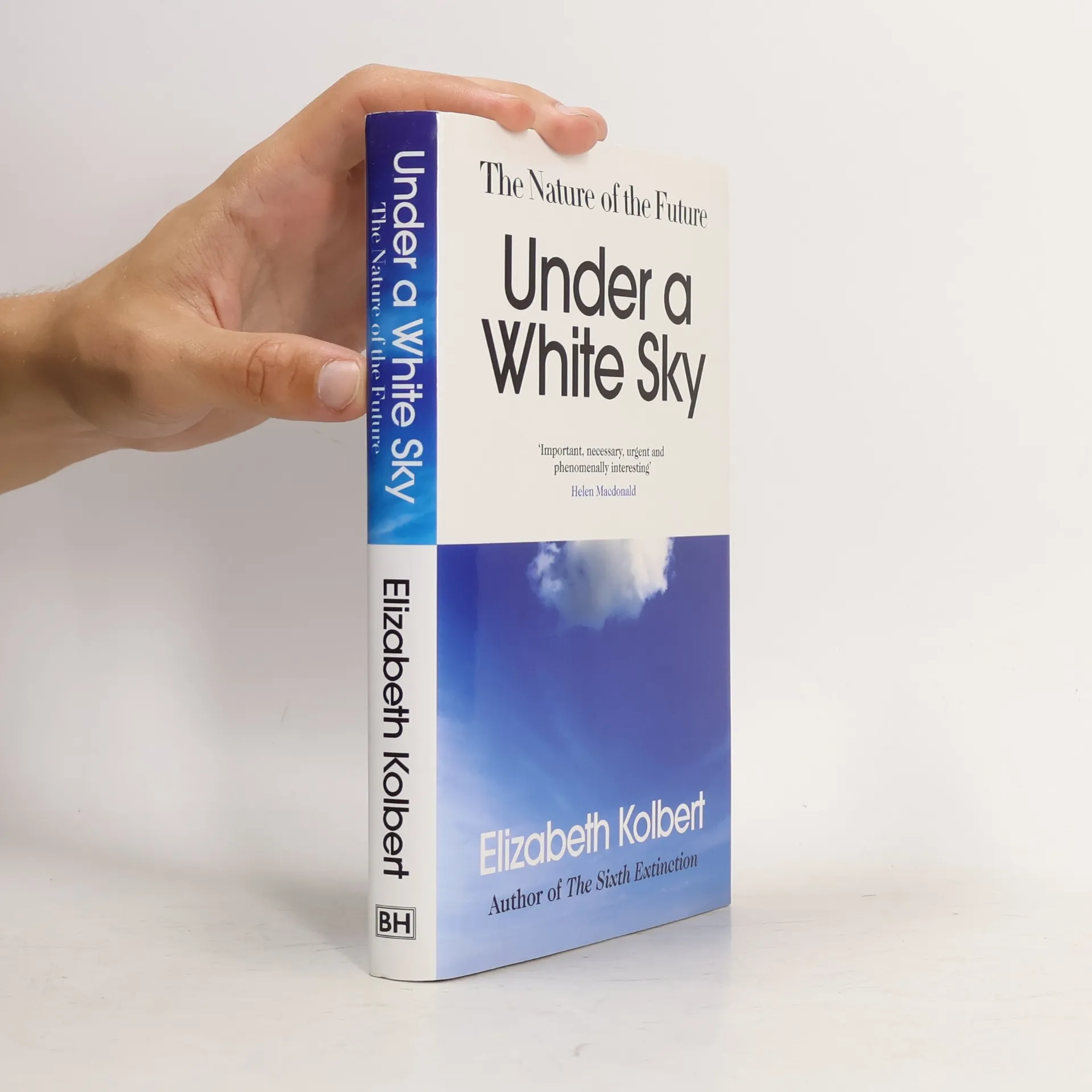

„Tato kniha je o lidech, kteří se snaží vyřešit problémy způsobené lidmi, kteří se snaží řešit problémy,“ komentuje soubor svých reportáží autorka. Zatímco v předchozí knize Šesté vymírání, za kterou získala Pulitzerovu cenu, názorně dokládá, jak je působením člověka svět přírody proměňován v samotné své podstatě, v novince Pod bílou oblohou se rozhodla zachytit posun v myšlení některých klimatologů: tytéž intervence, které naši planetu ohrožují, jsou těmito vědci stále častěji považovány za jedinou naději na její záchranu. Kniha, která umí být současně inspirativní i děsivá, nepostrádá nádech temného humoru, především však představuje originální pohled na éru antropocénu.
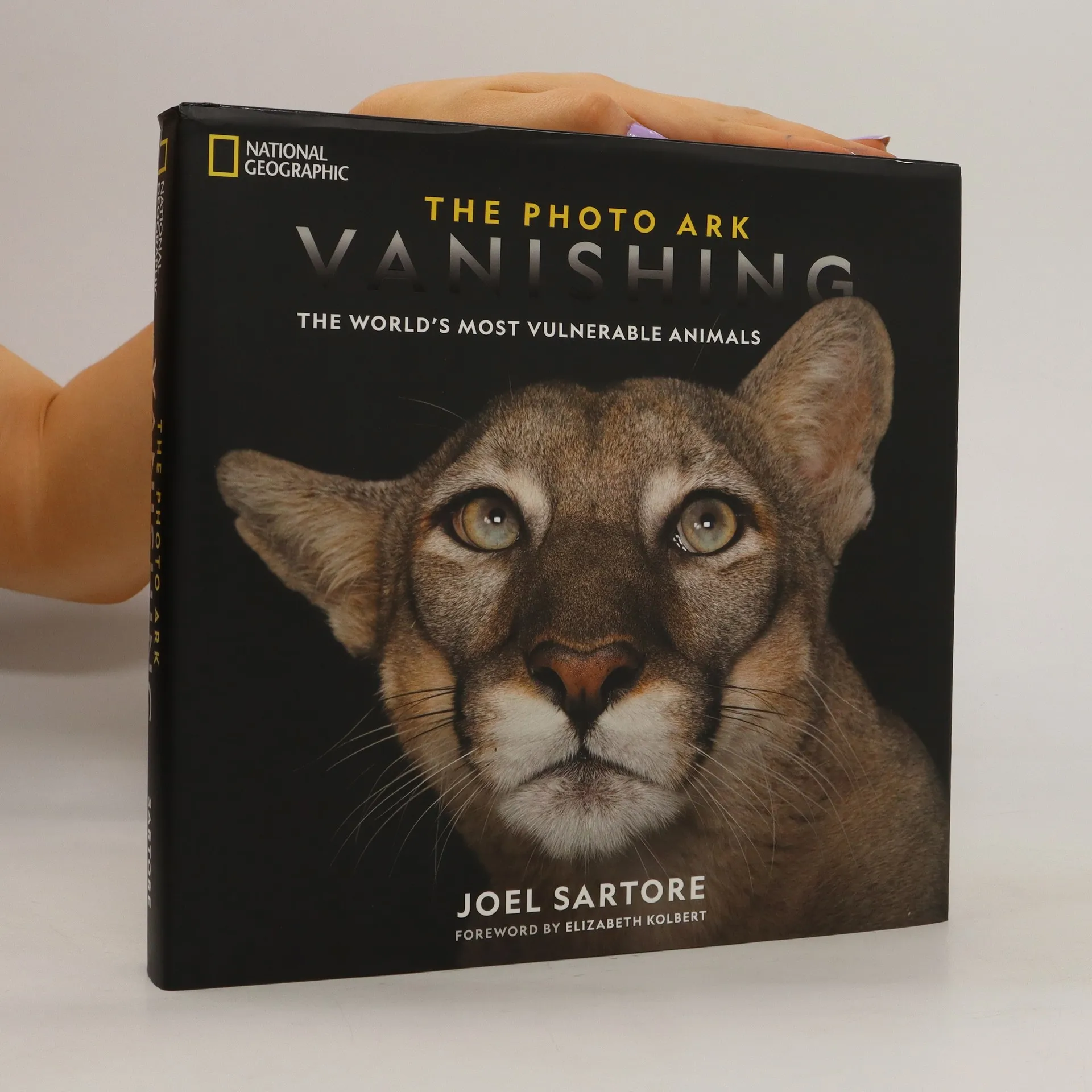
The photo ark vanishing: the world's most vulnerable animals
- 397 stránek
- 14 hodin čtení
Celebrated National Geographic photojournalist Sartore continues his Photo Ark quest, photographing species around the world that are escaping extinction thanks to human efforts. The animals featured in these pages are either destined for extinction or already extinct in the wild but still alive today, thanks to dedication of a heroic group committed to their continued survival.l.
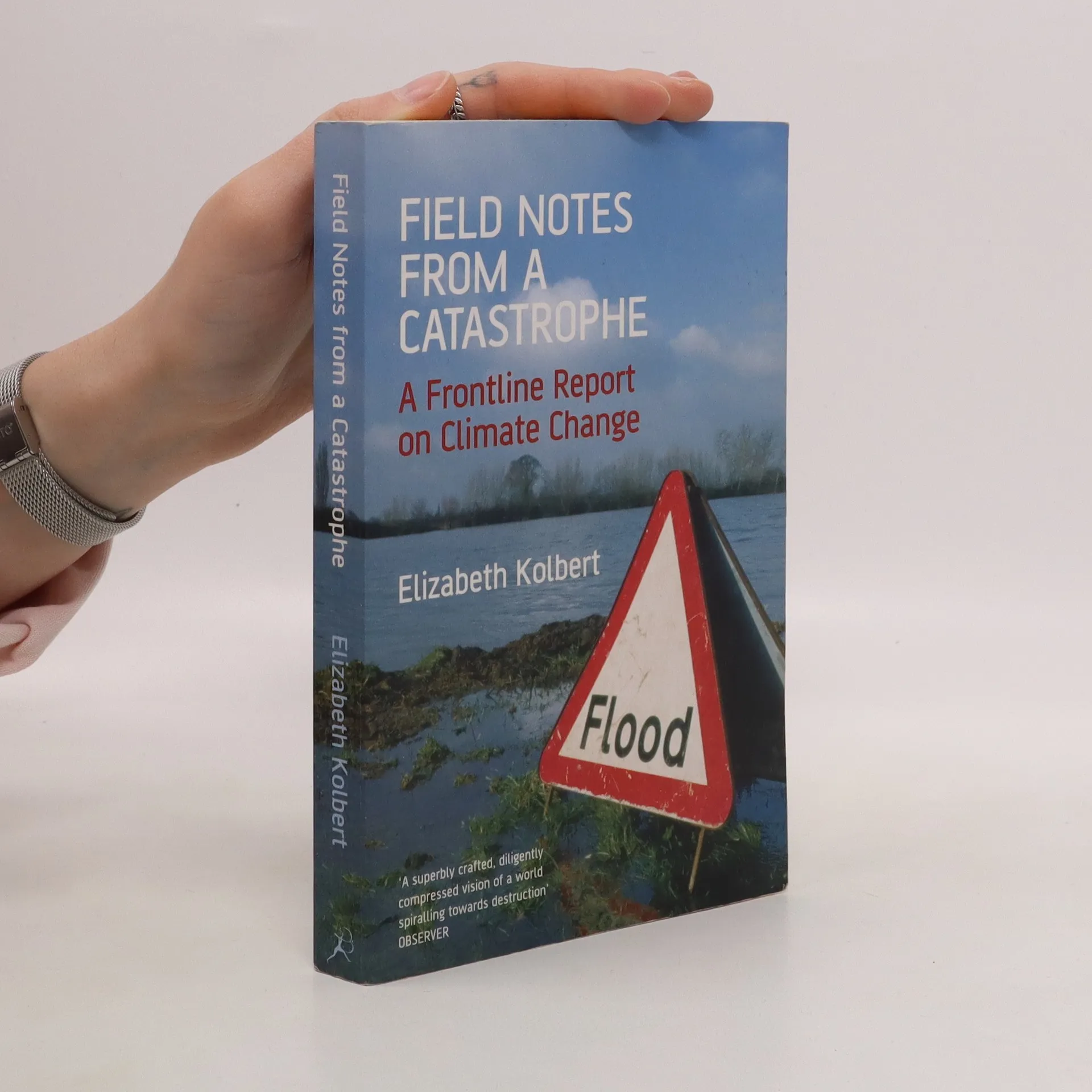
Field notes from a catastrophe : a frontline report on climate change
- 240 stránek
- 9 hodin čtení
The world has known about global warming since the late 1970s, yet little has been done to halt it. The threat, if we fail, is nothing less than catastrophe - the flooding of coastal communities, the extinction of species and entry into a climate regime of which humans have no experience. Exploring the relationship between what we know and what we refuse to know, Elizabeth Kolbert takes us on an urgent journey from the Arctic to Central America, interviewing researchers, environmentalists and traditional Inuits whose lives have already been dramatically altered by climate change.
Now she investigates the immense challenges humanity faces as we scramble to reverse, in a matter of decades, the effects we've had on the atmosphere, the oceans, the world's forests and rivers - on the very topography of the globe. In Under a White Sky, she takes a hard look at the new world we are creating.
Exploring humanity's profound influence on the environment, the author examines the possibility of reversing ecological damage through intentional intervention. This thought-provoking narrative challenges readers to consider whether we can harness our capabilities to restore and preserve nature, rather than simply exploit it. With insights drawn from the author's Pulitzer Prize-winning background, the book delves into the urgent need for innovative solutions to environmental crises.
Living in the Anthropocene: Earth in the Age of Humans
- 208 stránek
- 8 hodin čtení
Delving into the Anthropocene, or Age of Humans, this work examines its causes and implications through diverse lenses such as anthropology, science, society, art, and economics. By integrating various perspectives, it offers a comprehensive understanding of how human activities shape the planet and our future.
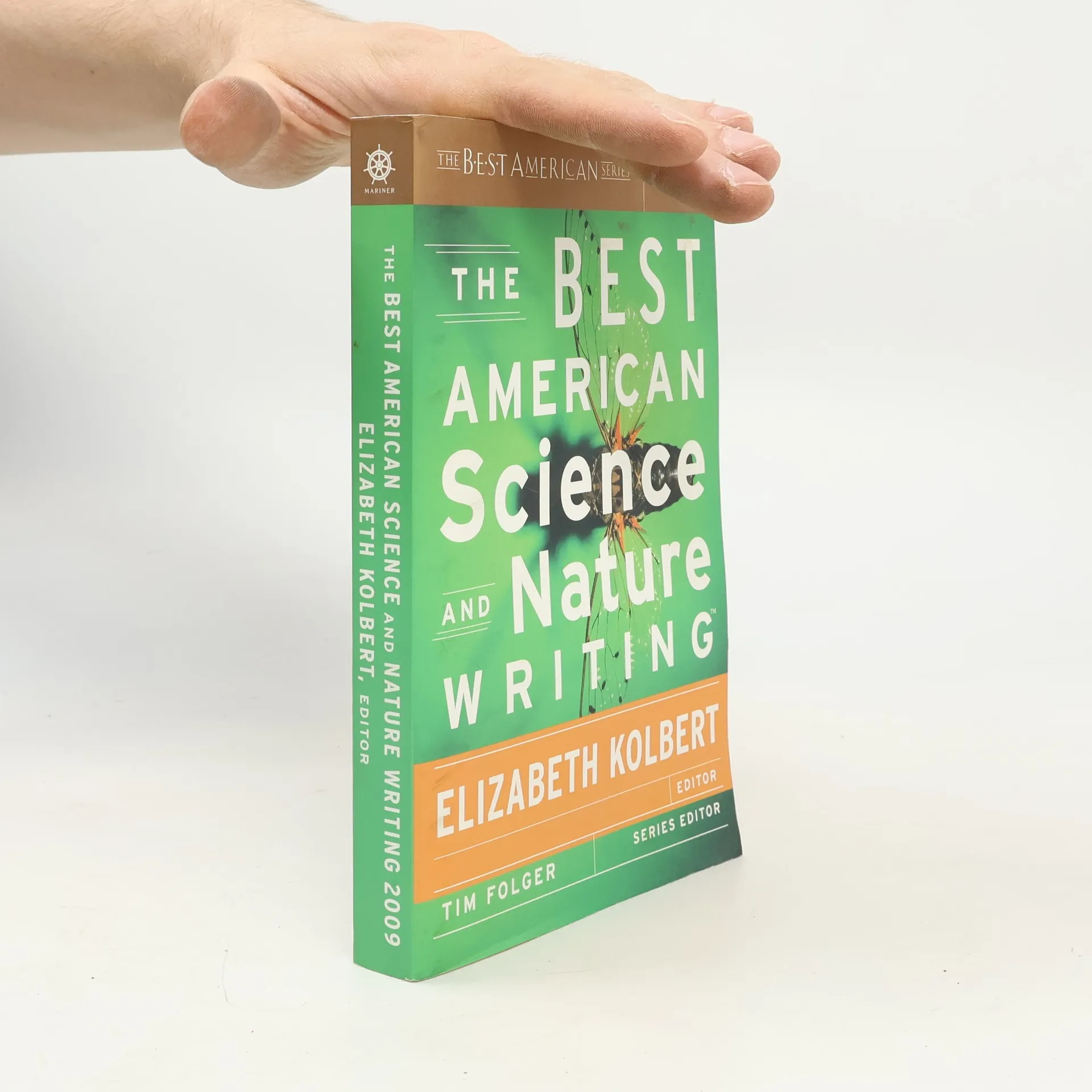
Collects nature- and science-based essays by such authors as Anne Fadiman, Brian Hayes, Cullen Murphy, and Gary Taubes.
With twenty-six dazzling, interwoven pieces – one for each letter of the alphabet – Pulitzer Prize-winning author Elizabeth Kolbert creates an alternately hopeful and alarming manifesto on the climate crisis.
The book jacket design by art director Susanna Dulkinys conveys Elizabeth Kolbert's message through a pattern of life forms, contrasted with distorted elements in acid green to symbolize change and destruction. The typeface FF Hertz is used for its uni-width feature, while Christoph Koeberlin's Fabrikat serves for titles and headings, reflecting geometric design.
Tar Sands
Dirty Oil and the Future of a Continent, Revised and Updated Edition
- 280 stránek
- 10 hodin čtení
Tar Sands critically examines the frenzied development in the Canadian tar sands and the far-reaching implications for all of North America. Bitumen, the sticky stuff that ancients used to glue the Tower of Babel together, is the world’s most expensive hydrocarbon. This difficult-to-find resource has made Canada the number-one supplier of oil to the United States, and every major oil company now owns a lease in the Alberta tar sands. The region has become a global Deadwood, complete with rapturous engineers, cut-throat cocaine dealers, Muslim extremists, and a huge population of homeless individuals. In this award-winning book, a Canadian bestseller, journalist Andrew Nikiforuk exposes the disastrous environmental, social, and political costs of the tar sands, arguing forcefully for change. This updated edition includes new chapters on the most energy-inefficient tar sands projects (the steam plants), as well as new material on the controversial carbon cemeteries and nuclear proposals to accelerate bitumen production.
To be a well-informed citizen of Planet Earth, you need to read Elizabeth Kolbert. One of our most influential environmental writers, Kolbert compiles her urgent reporting and insights from the frontlines of the climate crisis. Traveling to the most affected corners of the globe, she reveals a world that is both dangerously fragile and remarkably resilient—showcasing Greenland's melting ice sheets, Utah's shrinking lakes, New Zealand's protected mountaintops, and Europe's regenerated plains. Along the journey, we encounter newly discovered species and the last survivors of others, learning how to bring animals back from the brink of extinction. The power of rewilding is highlighted, reminding us of the wonders of our natural world. Kolbert introduces us to dedicated individuals steering us toward a better future: scientists using AI to communicate with whales, activists advocating for nature's rights, and ordinary people like the Samsø islanders living carbon-neutral lives. The climate crisis is the defining challenge of our age, with threats to our planet intensifying. Now is the time to deepen our understanding of this incredible world at risk and to act while we still can. Kolbert is recognized as the premier chronicler of humanity's thoughtless destruction of our habitat.