Autorovy spisy jsou hluboce zakořeněny v jeho bohatých zkušenostech, od služby v americkém námořnictvu po působení v politice a globálním korporátním světě. Jeho rozsáhlé cestování a přímý kontakt s měnícím se ekonomickým prostředím, od Spojených států a Evropy až po současný život v Číně, poskytují jedinečnou perspektivu. Tato směs praktických poznatků a celosvětových poznatků umožňuje autorovi analyzovat současné trendy a předvídat budoucí směry s pozoruhodnou přesností. Jeho práce, uznávaná pro svou „triumfálně užitečnou“ povahu, nabízí čtenářům odvahu orientovat se v neustále se vyvíjejícím světě.
The revised, updated edition of this bestseller documents the tremendous strides made and empowerment achieved by women in politics, medicine, commerce, religion, athletics, and other areas of public life since the onset of the '90s.
Here is the human potential masterwork that defined the New Age. Called "an exciting vision of the future” (Cleveland Plain Dealer), “a handbook of the New Age” (USA Today), and “a new charter of human possibility” (Norman Cousins) upon its initial publication in 1980, The Aquarian Conspiracy is a breathtaking, compelling study of the changes in work, relationships, medicine, religion, education, and more that comprised the birth of the New Age movement. An influence on thinkers from Deepak Chopra to Al Gore, The Aquarian Conspiracy remains a thorough, detailed classic of contemporary thought—an impeccable document that traces one of the most powerful cultural movements of our age.
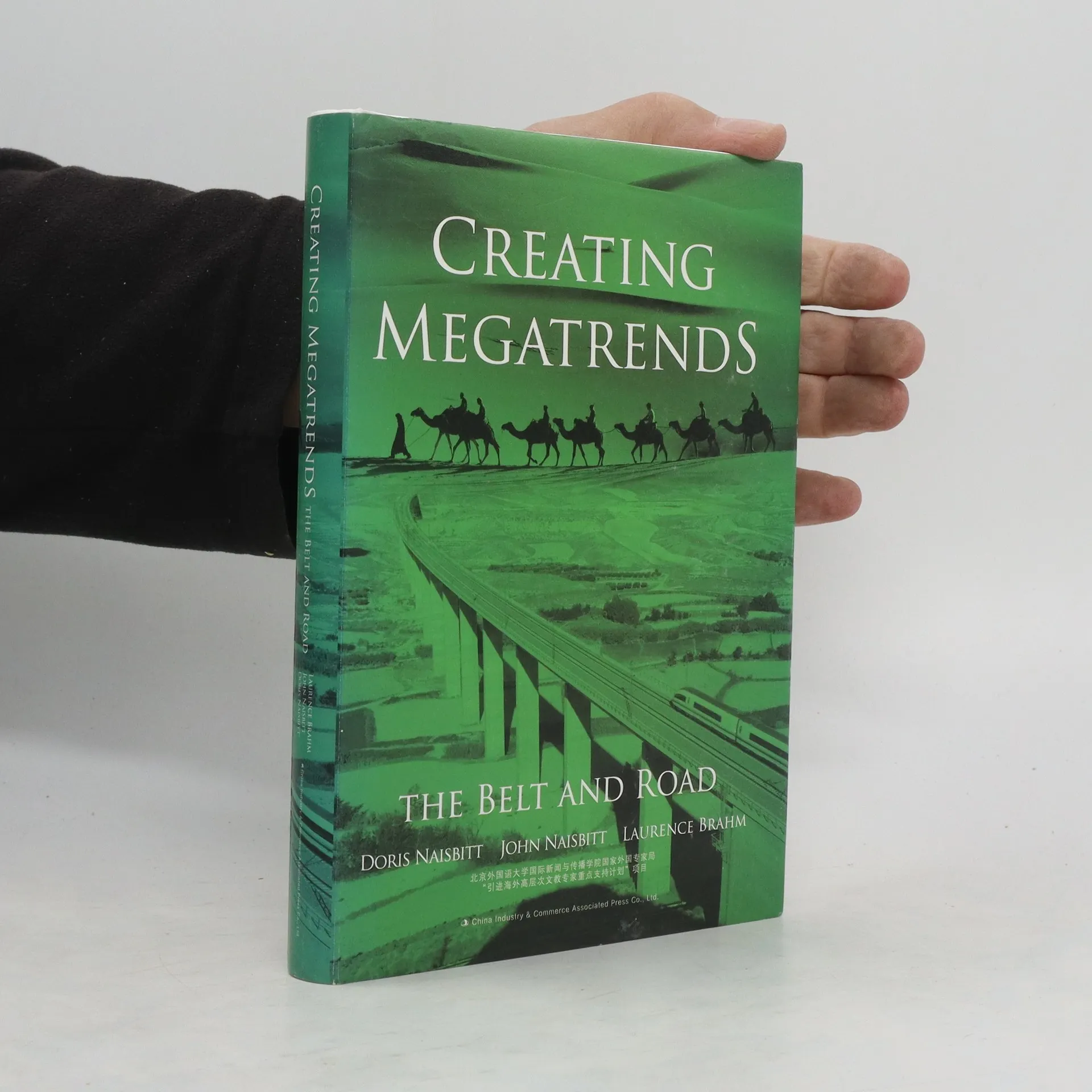
This book aims to introduce the geographical and economic foundations and the expected goals of "The Belt and Road" in a clear and logical manner. Readers are expected to understand the potential implications of this vision for China, countries and regions countries involved, as well as its potential impacts on investors and corporations. In addition, the book tells interested readers how to get involved and benefit from it. ''The Belt and Road'' idea involves more than 100 countries and over 60% of the world's population. Creating Megatrends: The Belt and Road fully reveals the opportunities, challenges and risks of this magnificent yet experimental initiative.
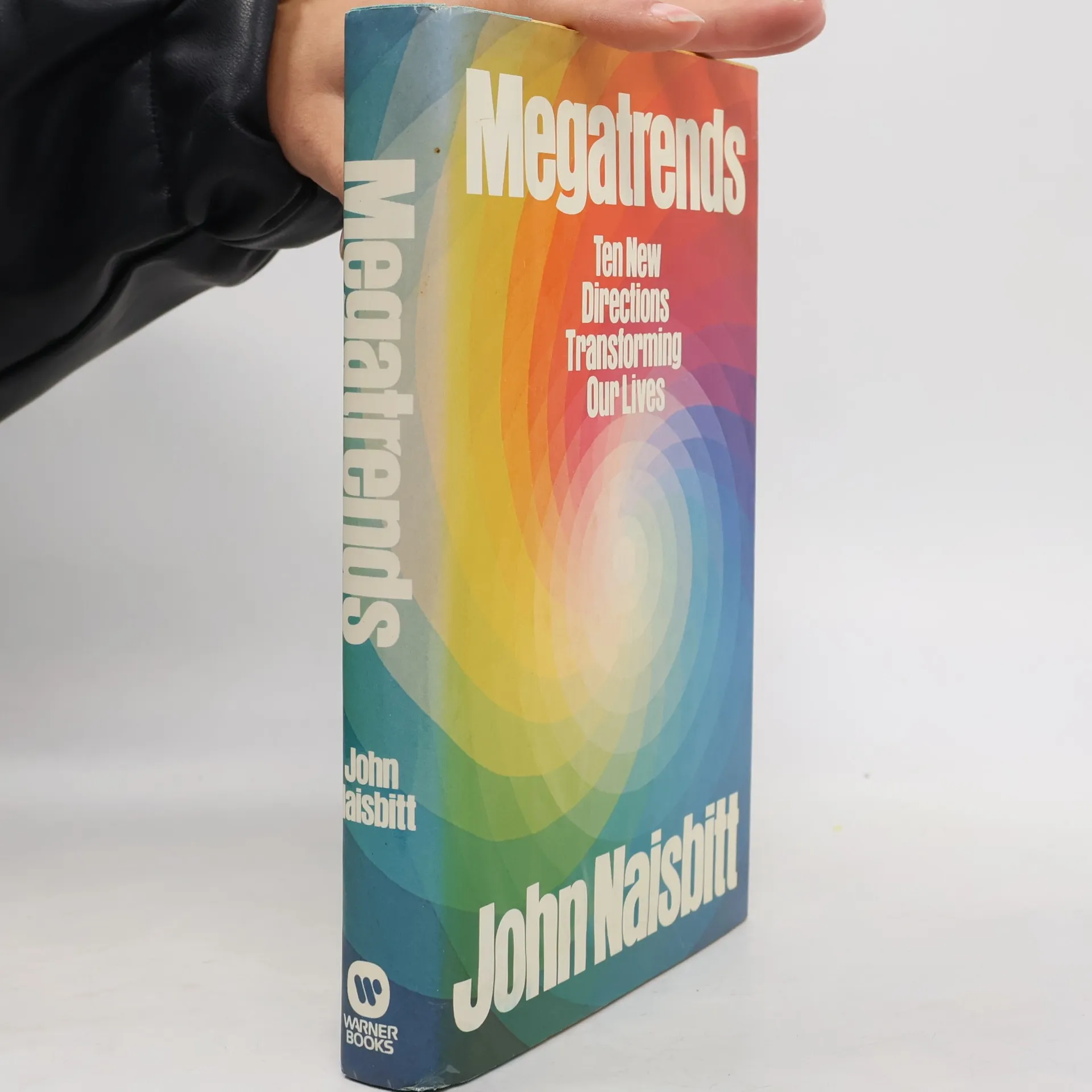
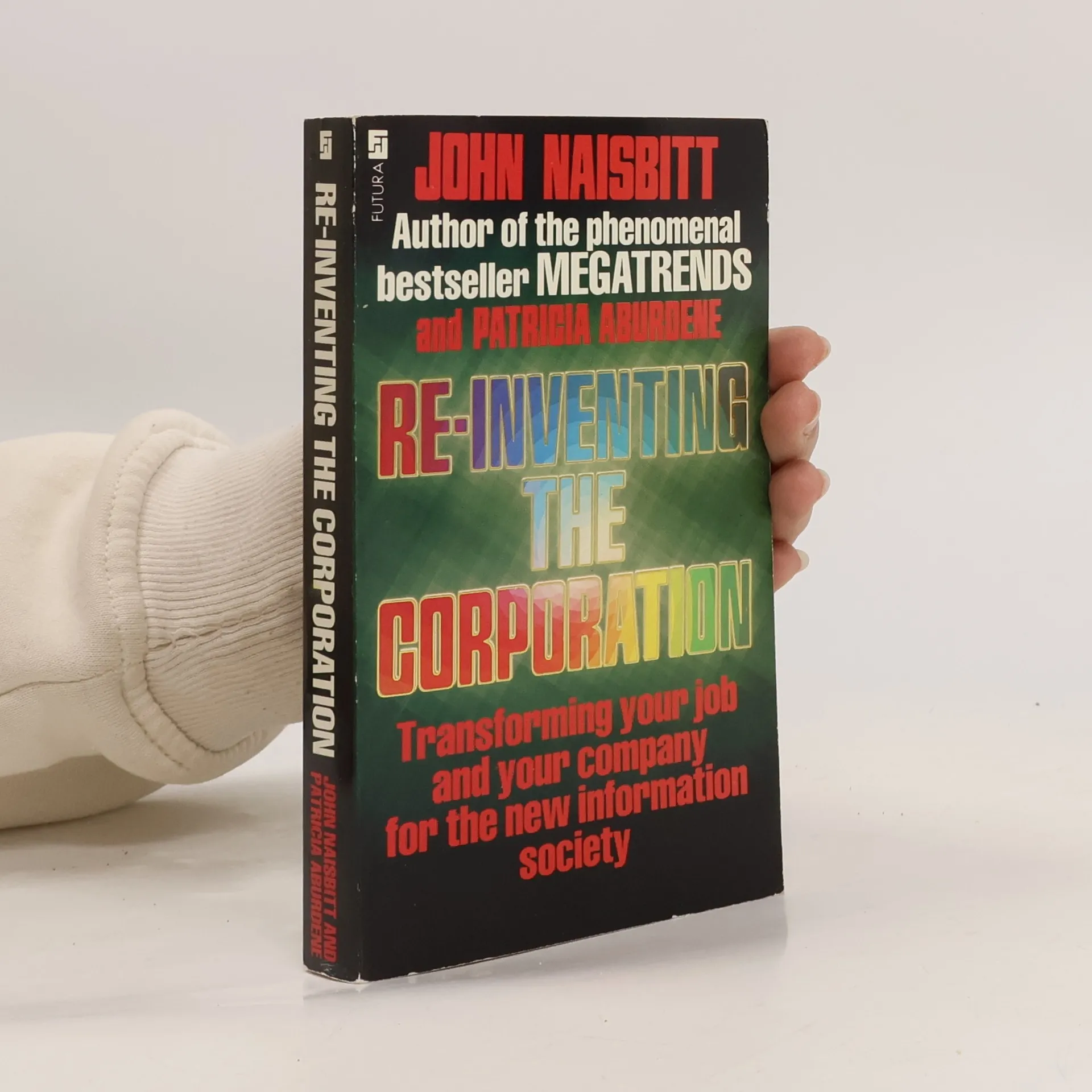
Following on from "Megatrends", this book identifies and describes the important forces of the 1990s, including the global economic boom, free-market socialism, women in leadership and the privatization of the welfare state. The book focuses on the contribution each individual can make.
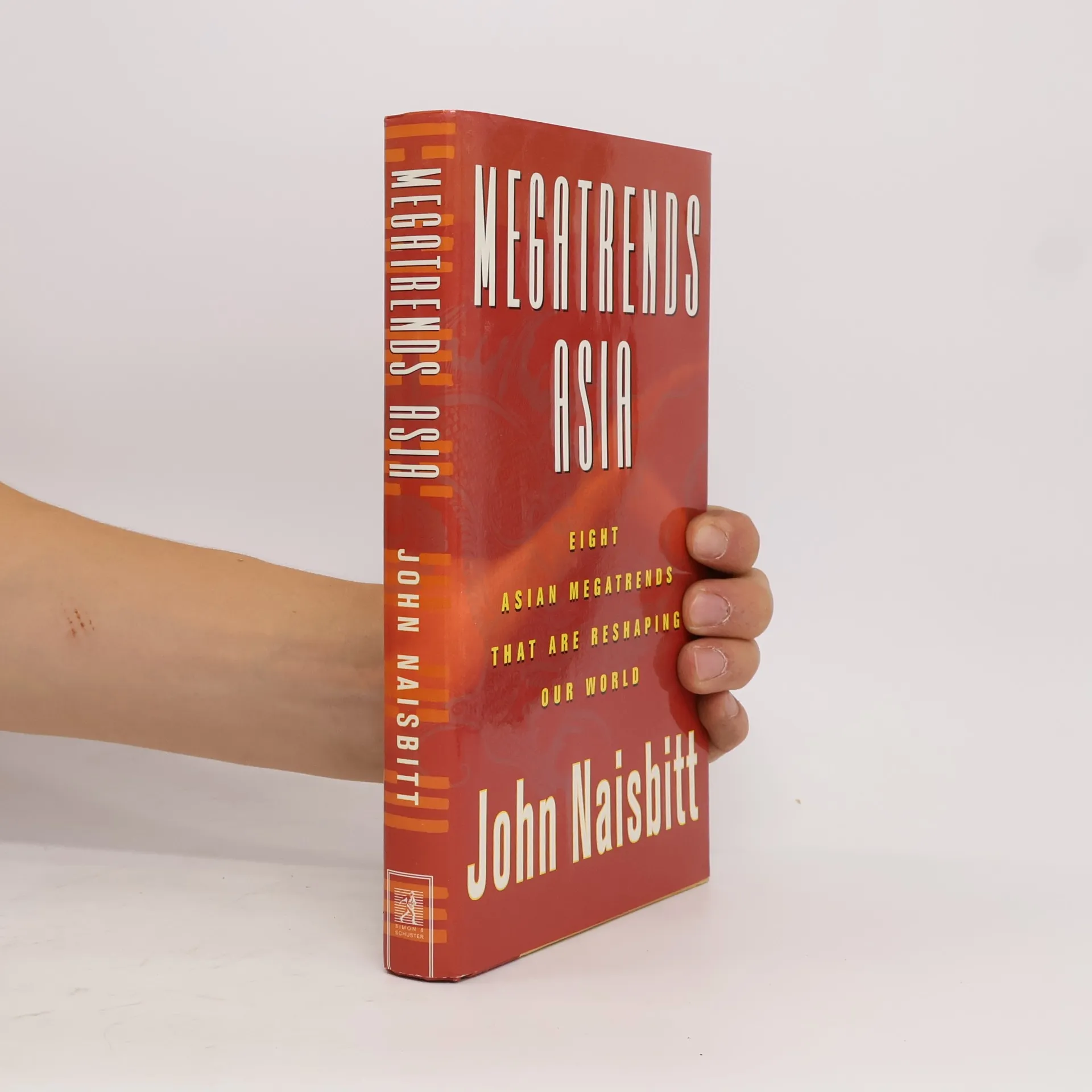
Within five years, predicts bestselling author John Naisbitt, a new commonwealth of Asian nations will become the dominant economic, political, and cultural influence in the world. Writing in the same vein as his previous Megatrends bestsellers, Naisbitt reveals the explosive changes currently taking place in Asia and describes how this global shift will affect the rest of the world.
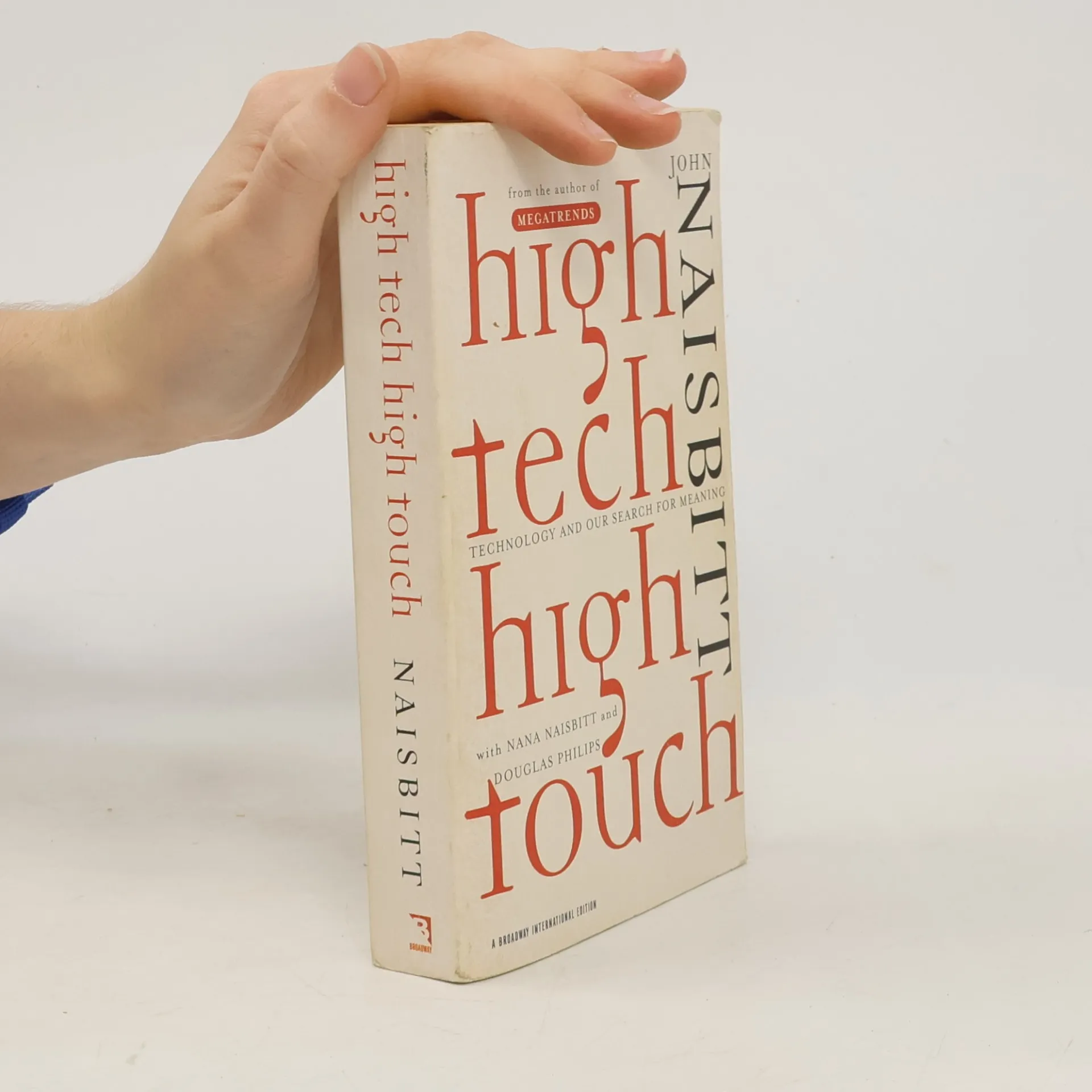
First introducing the concept of high tech/high touch in his bestselling "Megatrends", Naisbitt now sharpens his focus on the one great megatrend of the new millennium: the impact of technology--genetic technology being the most influential of all--on society, our culture, our personal lives, and the lives of our children.
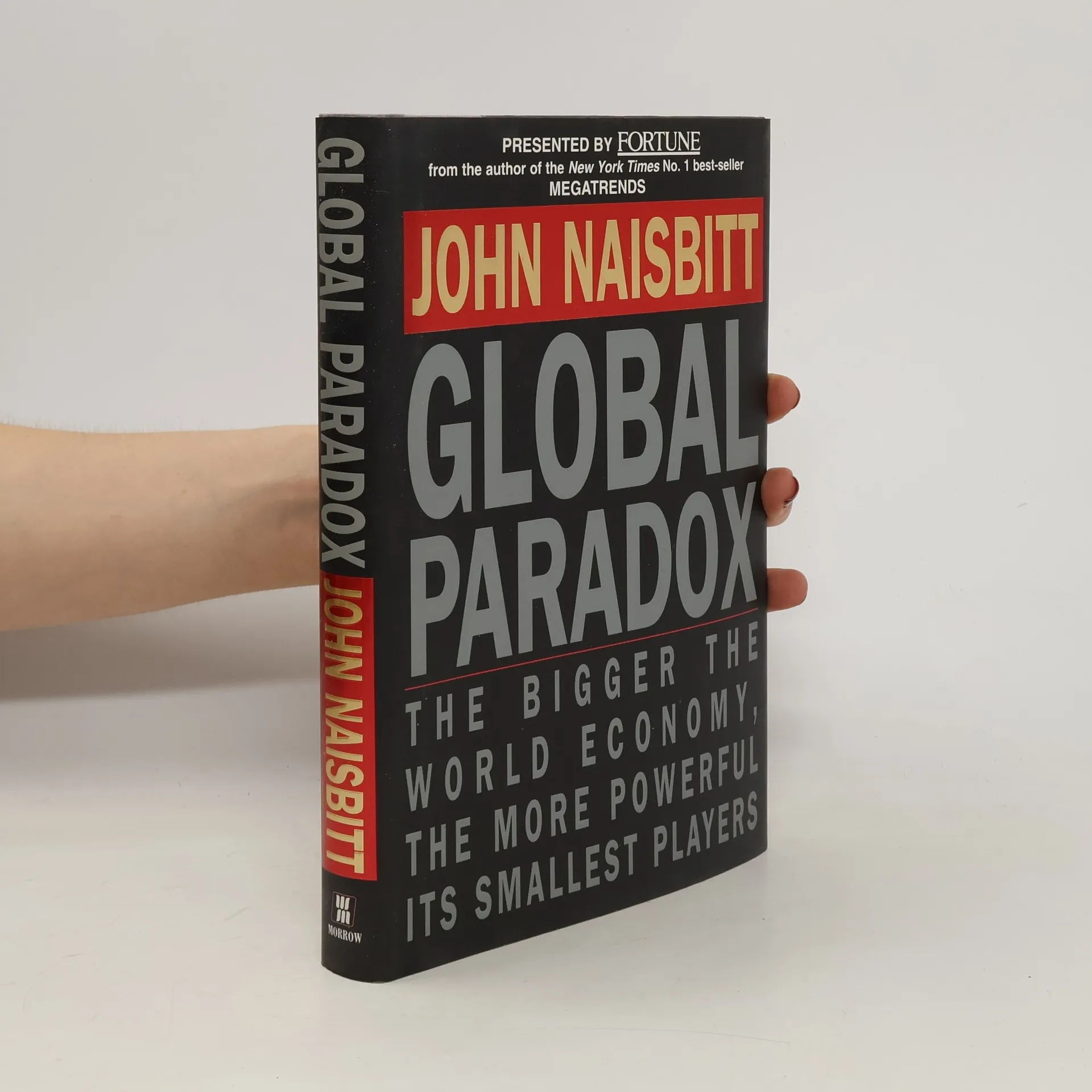
The Bigger the World Economy, the More Powerful Its Smallest Players
304 stránek
11 hodin čtení
In two previous best-sellers, John Naisbitt identified major global trends over the last fifteen years, including economic globalization, technological innovation, and cultural resurgence. Now, he introduces a transformative concept: a Global Paradox where larger systems yield smaller, more powerful units. Countries and corporations are breaking down into essential, smaller components. Multinational firms are either adapting dramatically or failing, while empires are dissolving in favor of looser economic alliances. Nationalist movements in regions like Quebec and Scotland are gaining unprecedented strength. Naisbitt posits that explosive advancements in telecommunications drive this paradox, fostering a vast global economy while empowering its individual parts. Tourism, the fastest-growing industry, embodies this shift, creating infrastructures that uplift Third World economies and enhancing our interest in diverse cultures. This tribalism, paradoxically, emerges as we become more globalized, potentially leading to the formation of new countries and empowered tribal groups. China serves as a test case, with its shift from central planning to individual entrepreneurship positioning it to become a leading economy. Naisbitt's insights provide a glimpse into the future, highlighting potential winners and losers in the global market and the evolving rules of political and business conduct worldwide. His work offers a profound unde
In his Megatrends books, Naisbitt proved himself a far-sighted observer of our fast-changing world. This book discloses his secret of forecasting, opening the door to the insights that let him understand today's world and see the opportunities of tomorrow. He selects his most effective tools and applies them by guiding the reader through the five forces that will dominate the next decades of the twenty-first century.--From publisher description.
A groundbreaking look at a new social-political model on the rise John and Doris Naisbitt, longtime China observers, provide an in-depth study of the fundamental changes in China's social, political, and economic life, and their impact on the West. With extraordinary access, and using the same techniques behind John Naisbitt's international bestseller Megatrends , the Naisbitts have traveled the country, interviewing journalists, entrepreneurs, academics, politicians, artists, dissidents, and expatriates. With the help of twenty-eight staff members of the Naisbitt China Institute in Tianjin, they have monitored local newspapers in all of China's provinces to identify the evolving perspectives and deep forces underlying China's transformation. Their research reveals that China is not only undergoing fundamental changes but also creating an entirely new social and economic model—what the Naisbitts call a "vertical democracy"—that is changing the rules of global trade and challenging Western democracy as the only acceptable form of governing. The Naisbitts have identified 8 pillars as the foundation and drivers of China's new Examining each of these 8 pillars in great detail, China's Megatrends describes the new China for the knowledgeable and the newly curious, offering fresh and provocative insights and lessons to be learned.
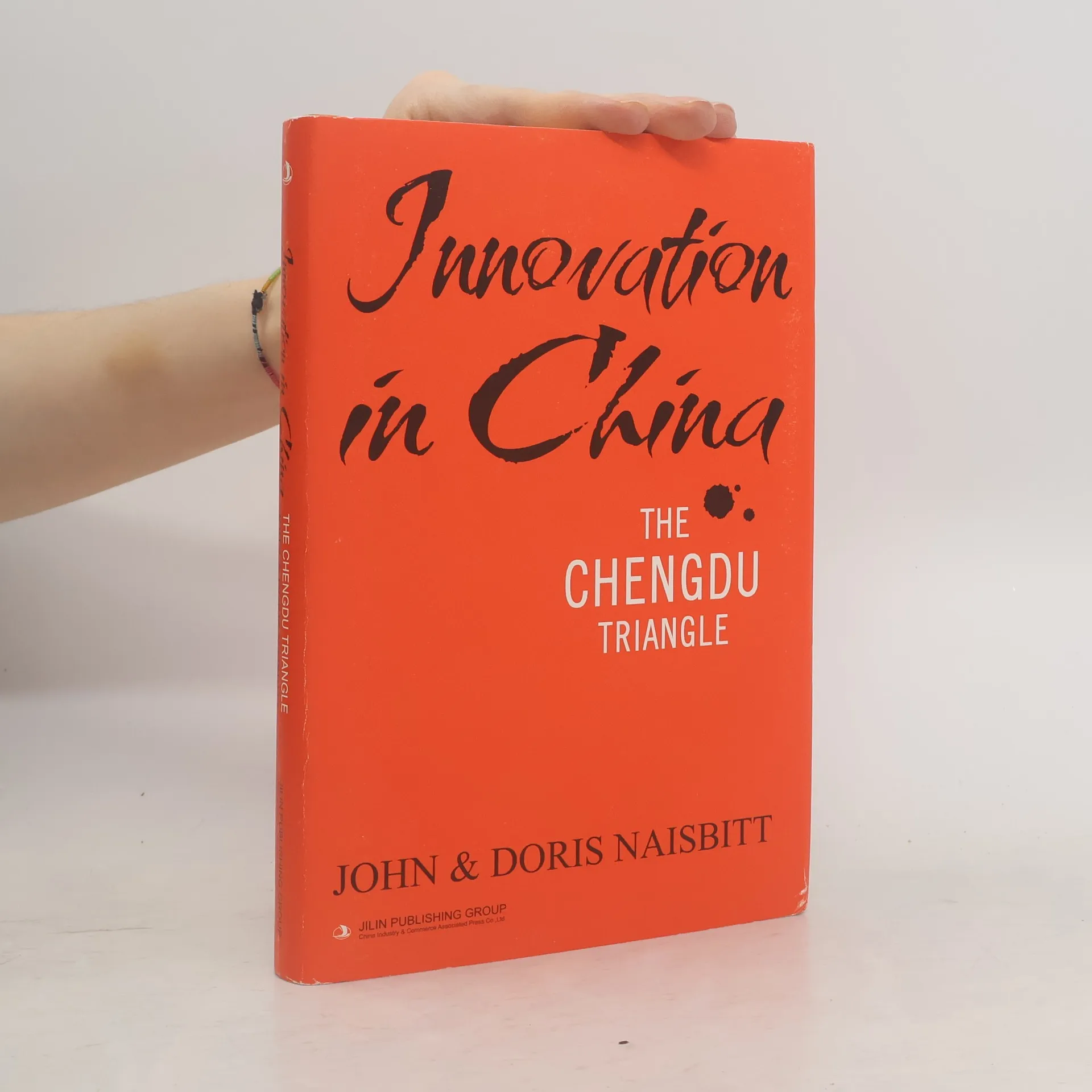
Chengdu is a model for China's innovation path. How could Chengdu, in less than a decade, transform from an underdeveloped inland city to become the leader in urban-rural integration, home to ultra-modern high-tech parks and host to more than 200 Fortune 500 companies? Two years of research have resulted in the theory of the Chengdu Triangle: property rights reform, equalization of public service, grassroots democracy, and at its core, respect for individual rights. A holistic, service-oriented, and innovative spirit enabled Chengdu's government to simultaneously work on social, economic, and legal change, with efforts in each area supporting and accelerating progress in the others. The approach of the Chengdu Triangle can serve as a model not only for Chinese cities but for cities worldwide facing a widening gap between rich and poor and urban and rural. Innovative thinking must expand beyond technological and business theories to include new paths for abolishing social inequity and injustice.
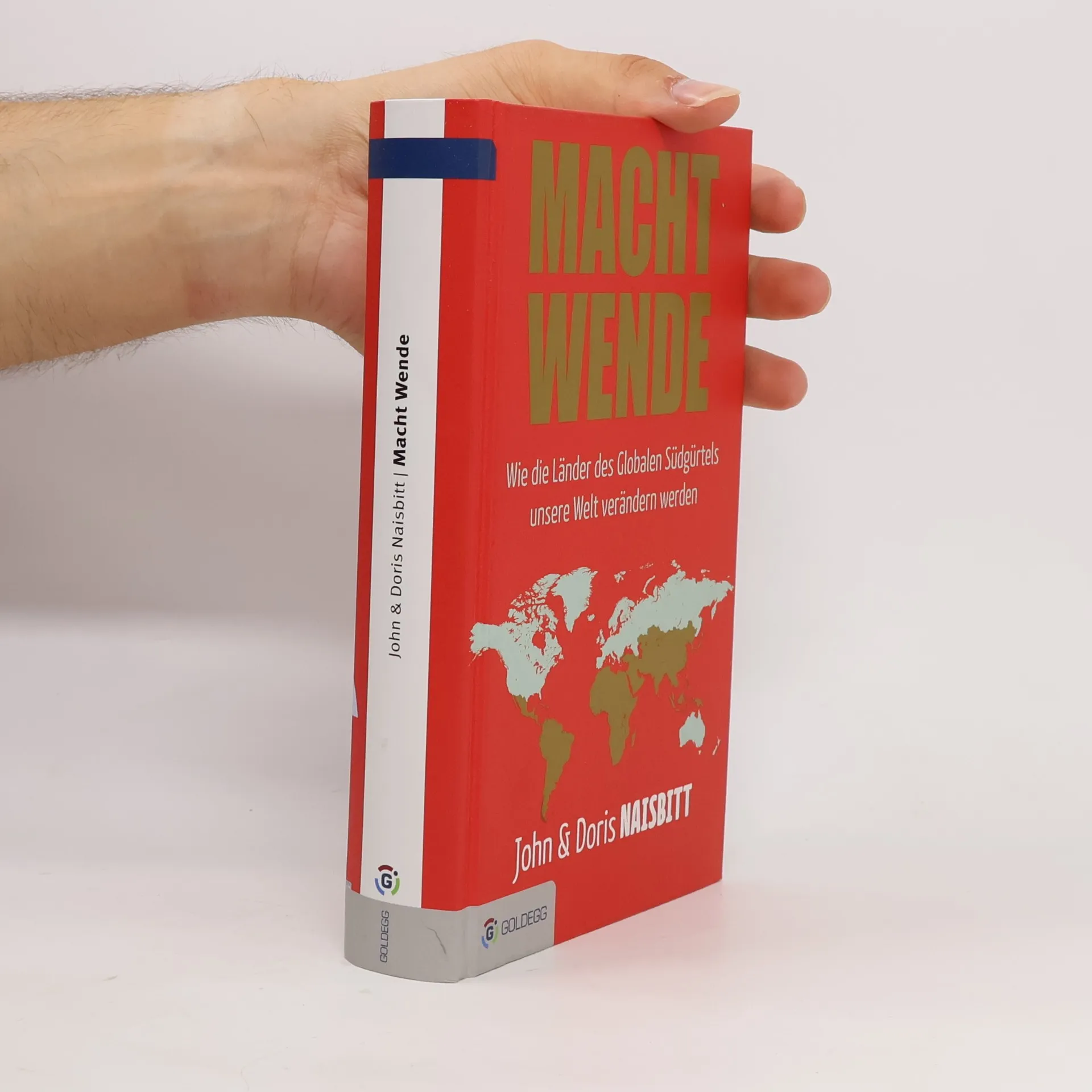
John Naisbitt, Autor des Weltbestsellers MEGATRENDS und seine Frau Doris Naisbitt prognostizieren Veränderungen, die die Welt grundlegend umformen werden.
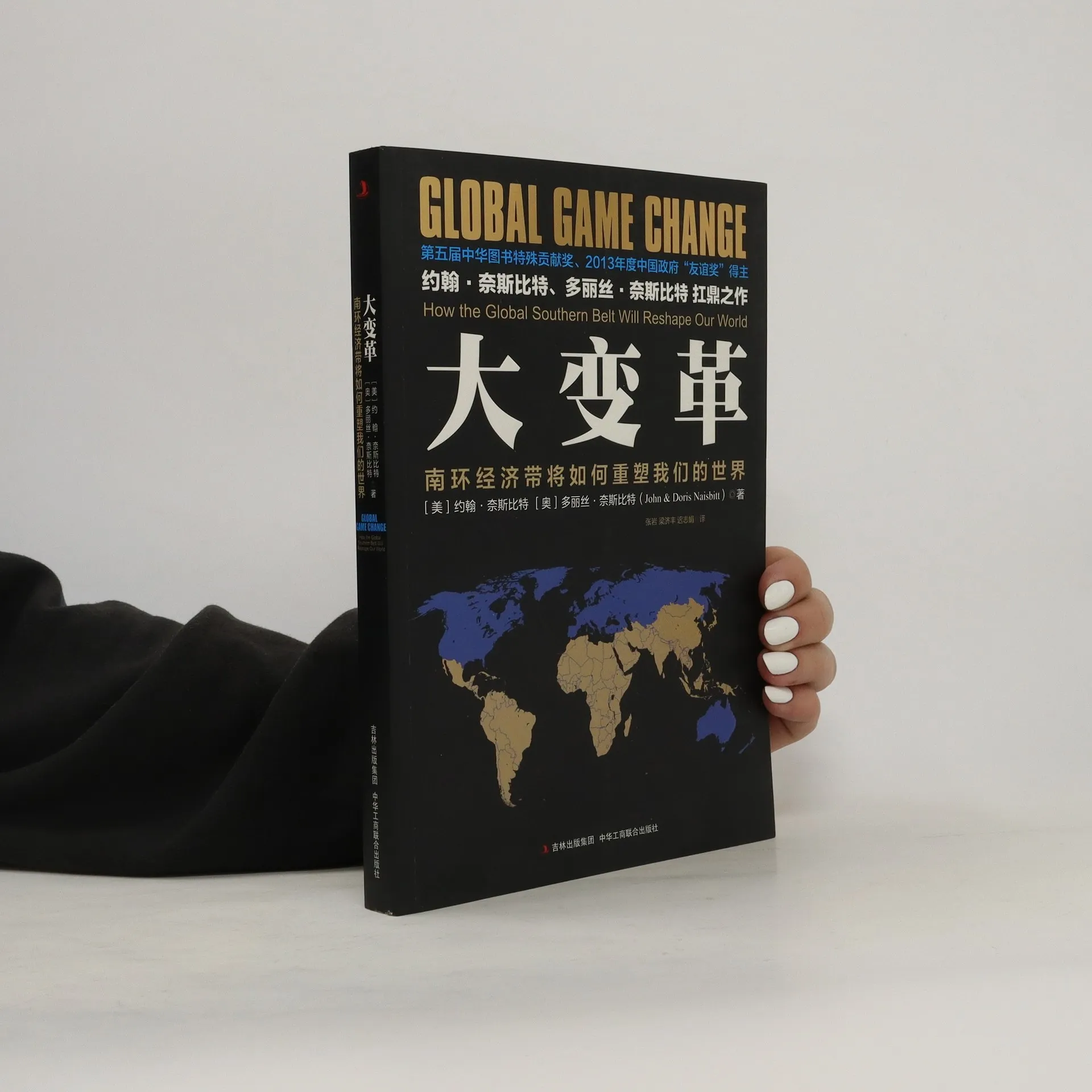
Die Jahrhunderte dauernde Vorherrschaft der westlichen Welt neigt sich dem Ende zu. Die Länder südlich des Äquators schwingen sich zu den führenden modernen Nationen auf. Allen voran China, bauen sich viele andere Nationen Asiens, Afrikas und Lateinamerikas eine neue Existenz auf und werden den Großteil des Vermögenswachstums der Welt für sich beanspruchen.
Eine für den Westen dramatische Machtwende zeichnet sich ab - doch der Westen verschläft diese umwälzende Entwicklung! Die Milliarden-Märkte der Zukunft werden von den westlichen Mächten nicht mehr ausreichend bedient werden, um den Status quo zu erhalten. Als Folge wird sich die europäische und amerikanische Mittelschicht halbieren.
Wird der Westen das Spiel verlieren oder sind die sich anbahnenden Ereignisse noch zu stoppen?