Thomas Babington Macaulay Knihy
Thomas Babington Macaulay byl britský básník, historik a politik, jehož rozsáhlé eseje a recenze se zaměřovaly především na britskou historii. Jeho dílo vyniká svou podmanivou narativní silou a pronikavou analýzou historických událostí. Macaulayho próza je známá svou plynulostí a přesností, což z něj činí mistra historického vyprávění. Jeho literární odkaz spočívá ve schopnosti oživit minulost pro současné čtenáře.
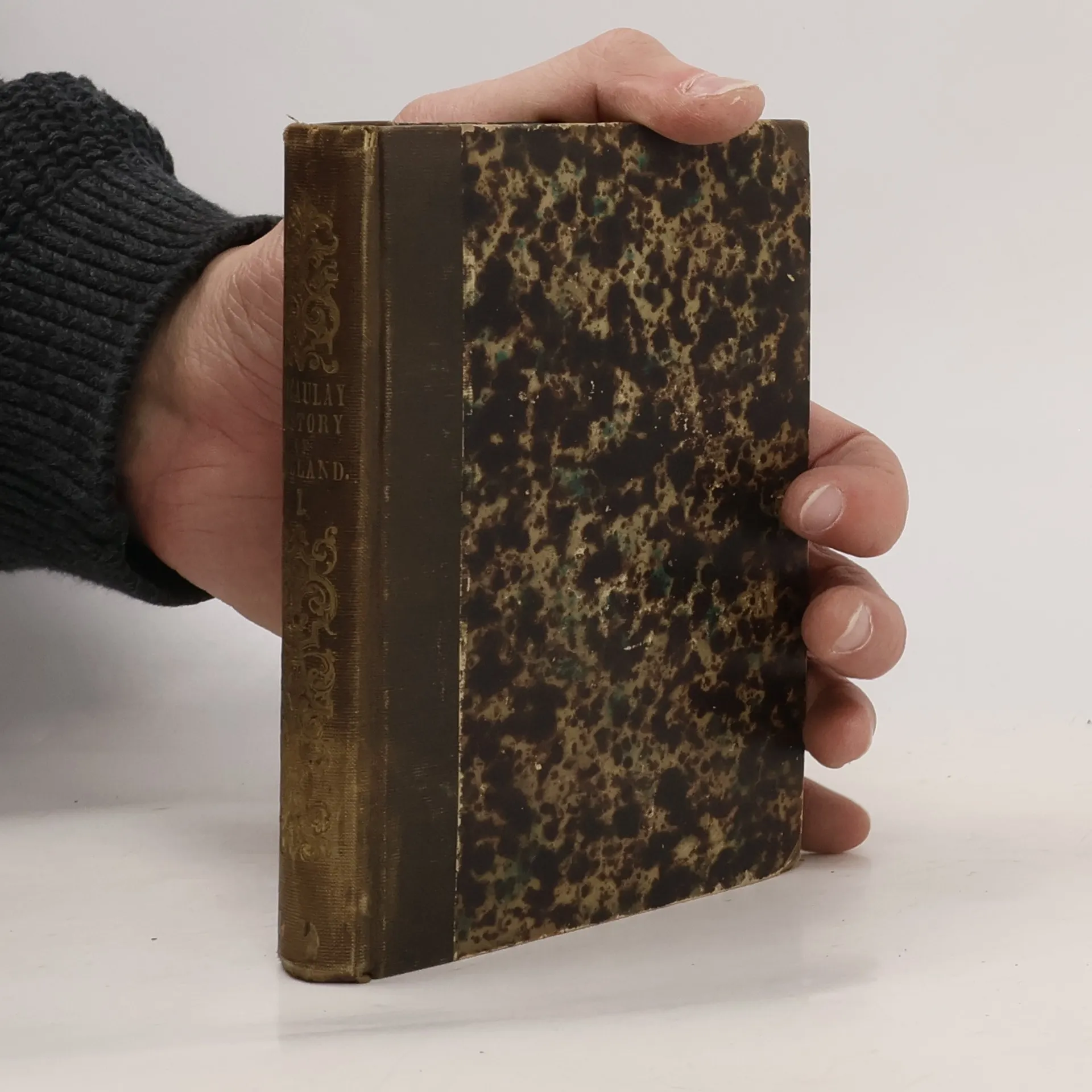



Jedna z nejpopulárnějších esejistických knih 19. století představuje whigovský pohled na otázky anglické historie a literatury (Samuel Johnson, Milton, Walpole), příležitostně se obrací také ke světovým událostem a velikánům (Machiavelli, Friedrich Veliký).
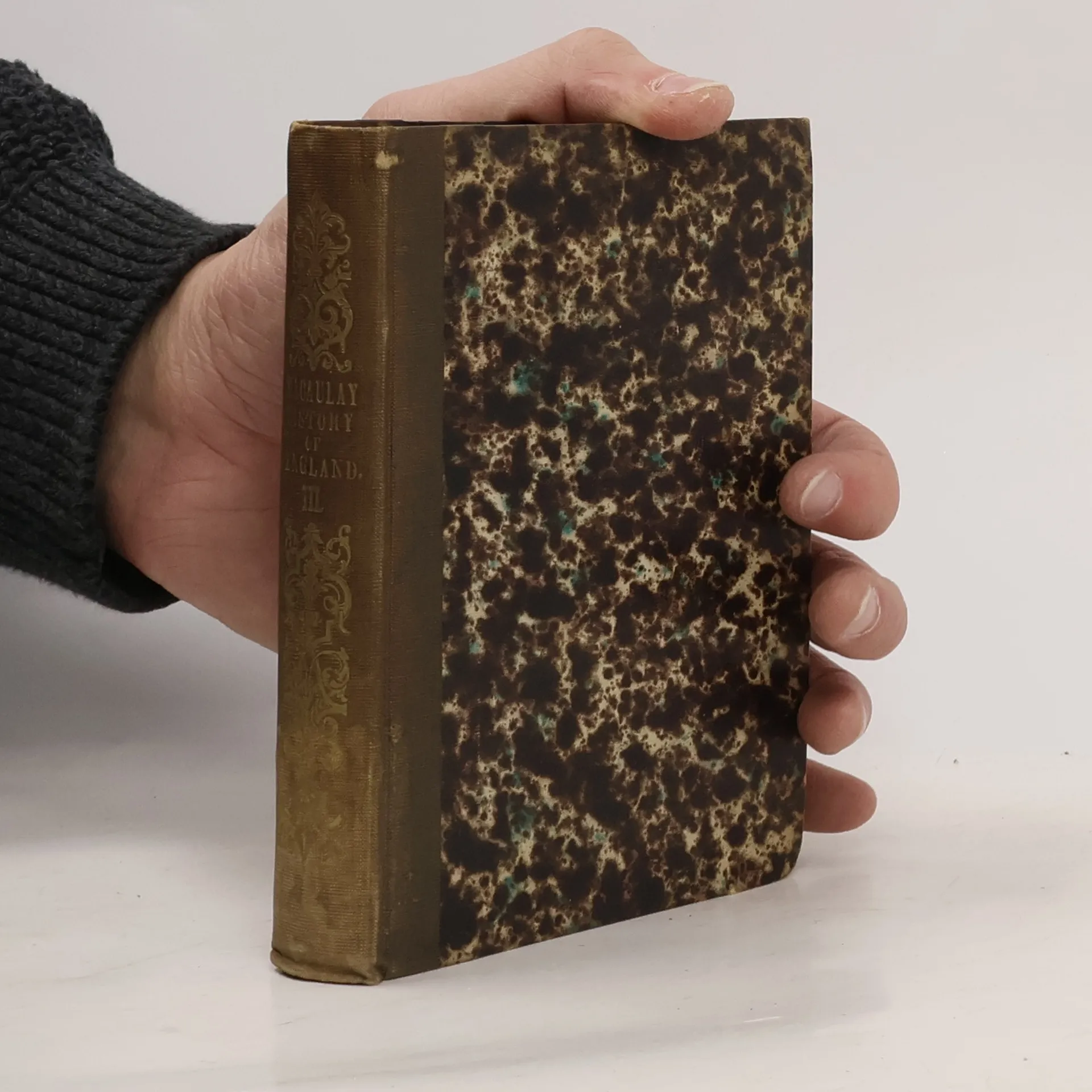
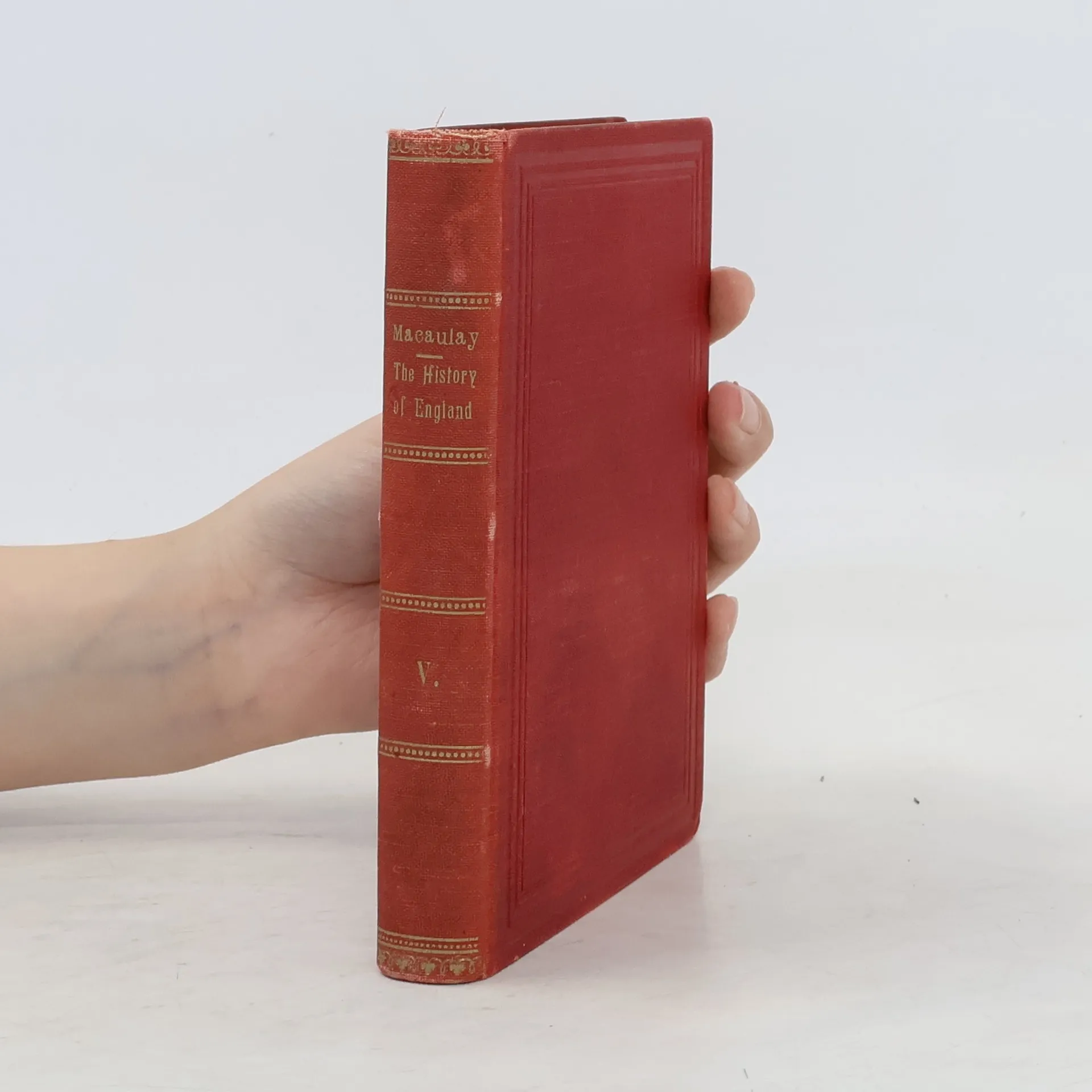
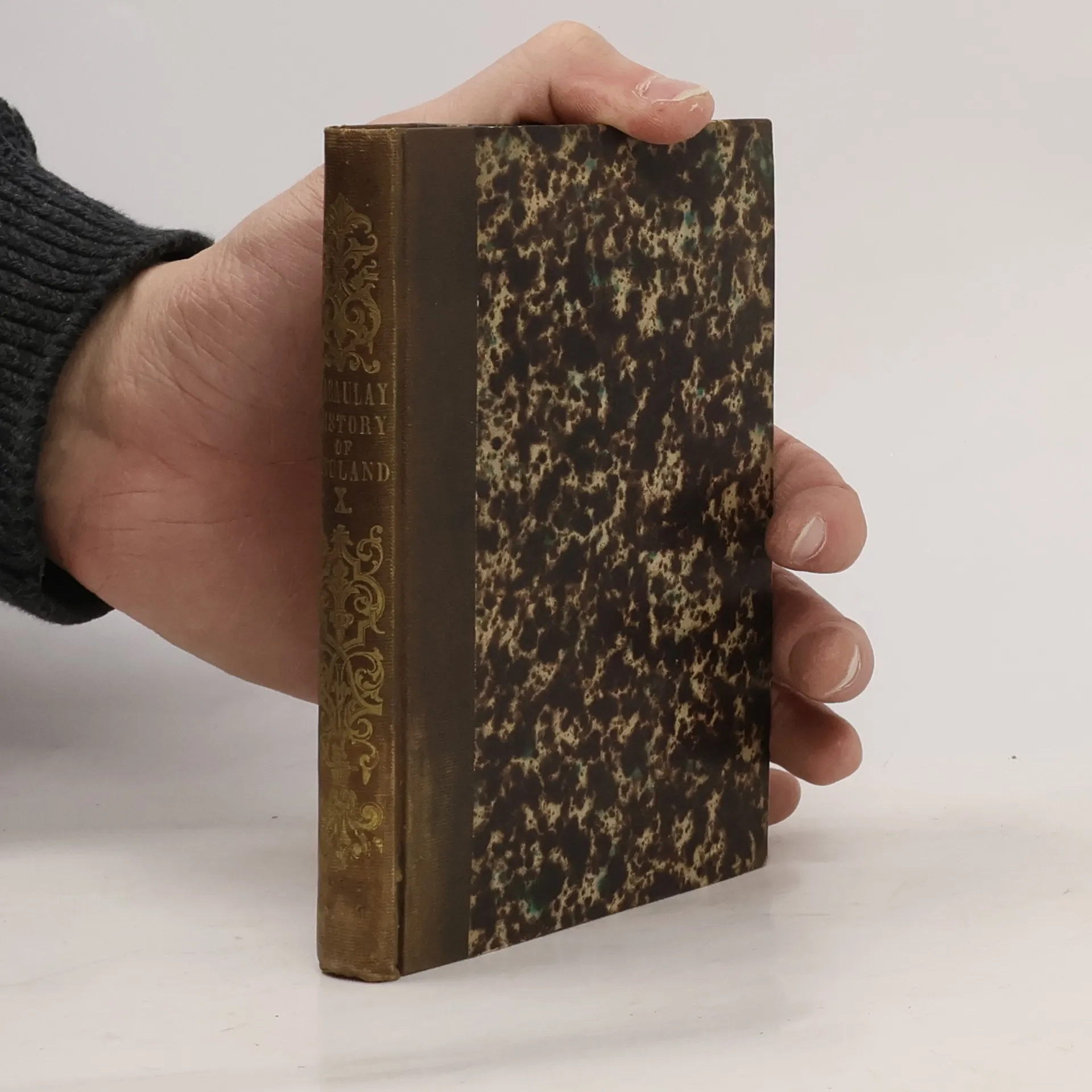
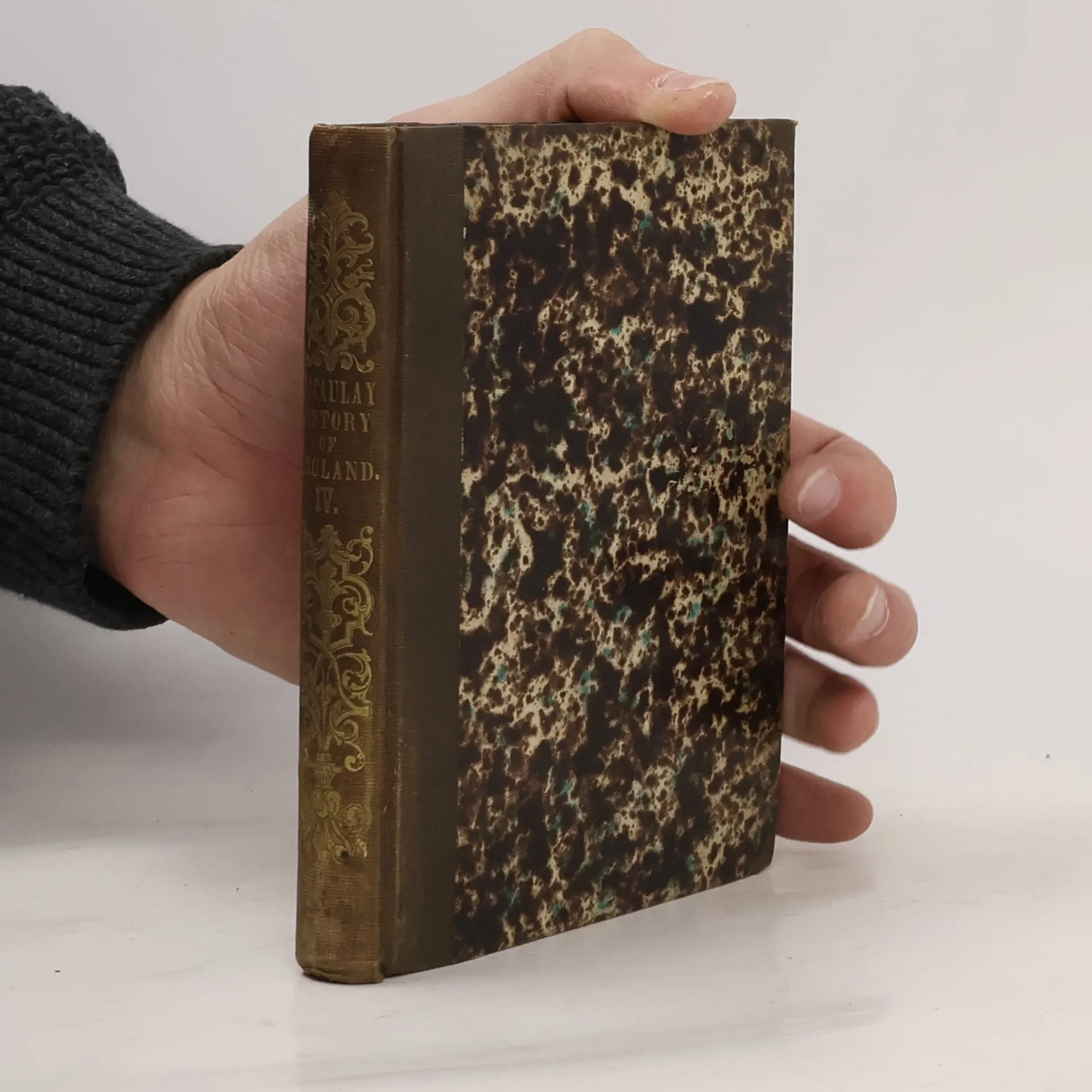
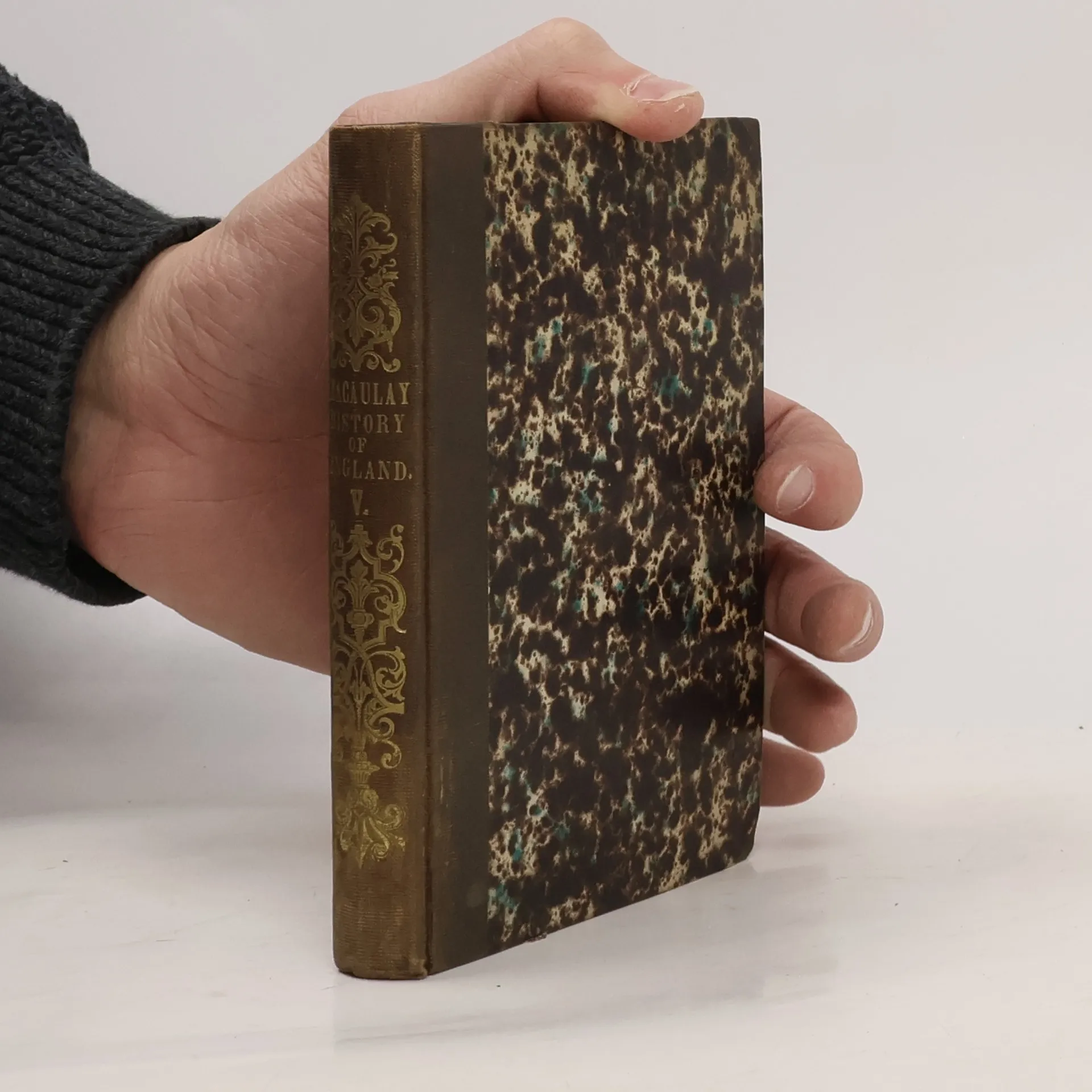
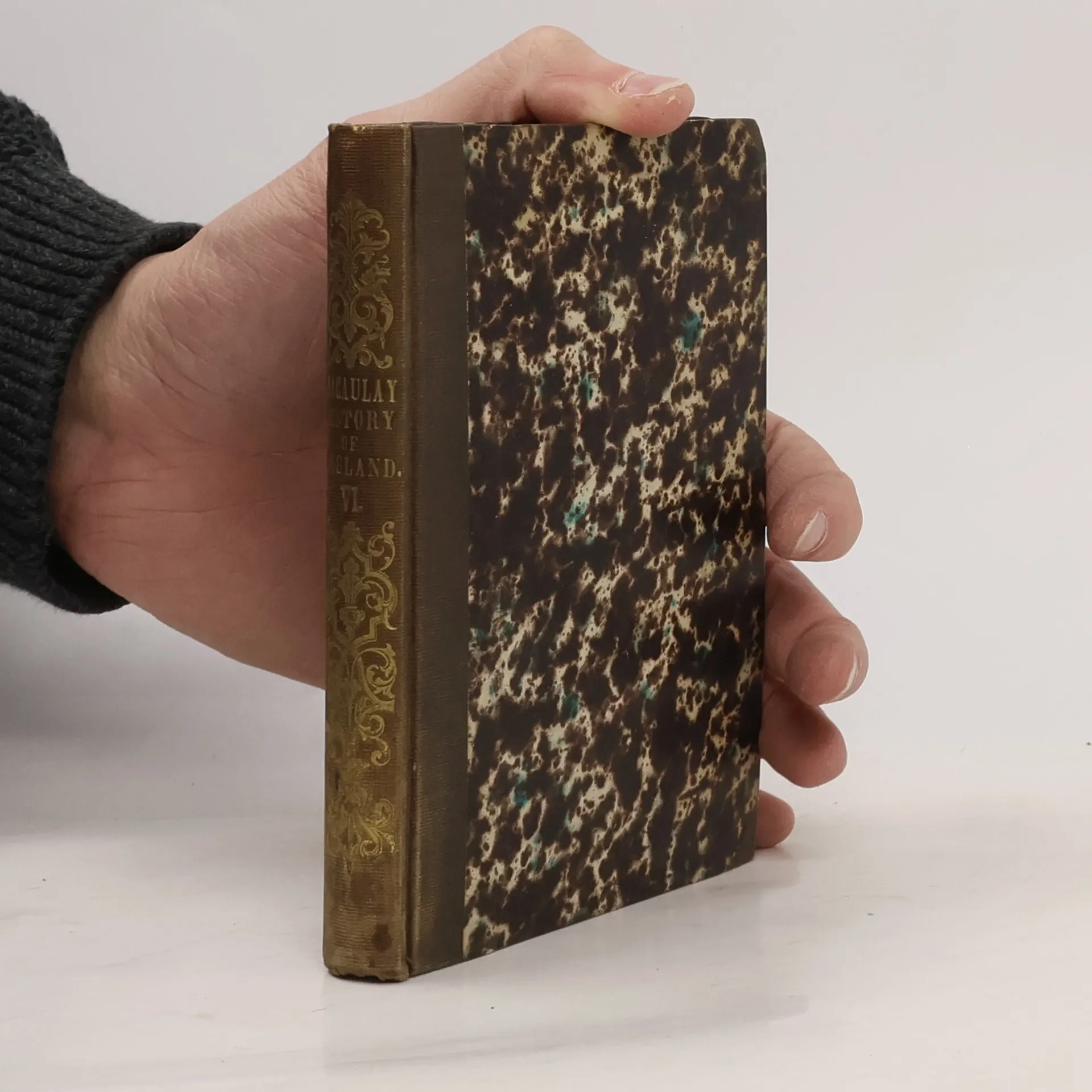
Dějiny anglické 1.-7. díl
- 3 svazky
English Essays
From Sir Philip Sidney to Macaulay: The Five Foot Shelf of Classics, Vol. XXVII (in 51 Volumes)
- 428 stránek
- 15 hodin čtení
This collection features a diverse range of essays and writings from prominent authors spanning various literary movements. Each piece reflects unique perspectives on society, philosophy, and human nature, showcasing the evolution of thought during their respective eras. The works delve into themes such as morality, politics, and personal reflection, providing insight into the cultural and intellectual landscape of their time. Readers will encounter both celebrated classics and lesser-known gems, enriching their understanding of literary history.
Horatius Keeps the Bridge
- 64 stránek
- 3 hodiny čtení
Lays of Ancient Rome
- 94 stránek
- 4 hodiny čtení
The book explores the life and contributions of Thomas Babington Macaulay, a prominent British historian and Whig politician. Notable for his influential work, "The History of England," Macaulay's writing exemplifies Whig historiography, celebrated for its literary merit despite later criticisms of its historical accuracy. His political career included significant roles such as Secretary at War and Paymaster-General, and he was instrumental in shaping educational reforms in India, promoting English and Western ideals.
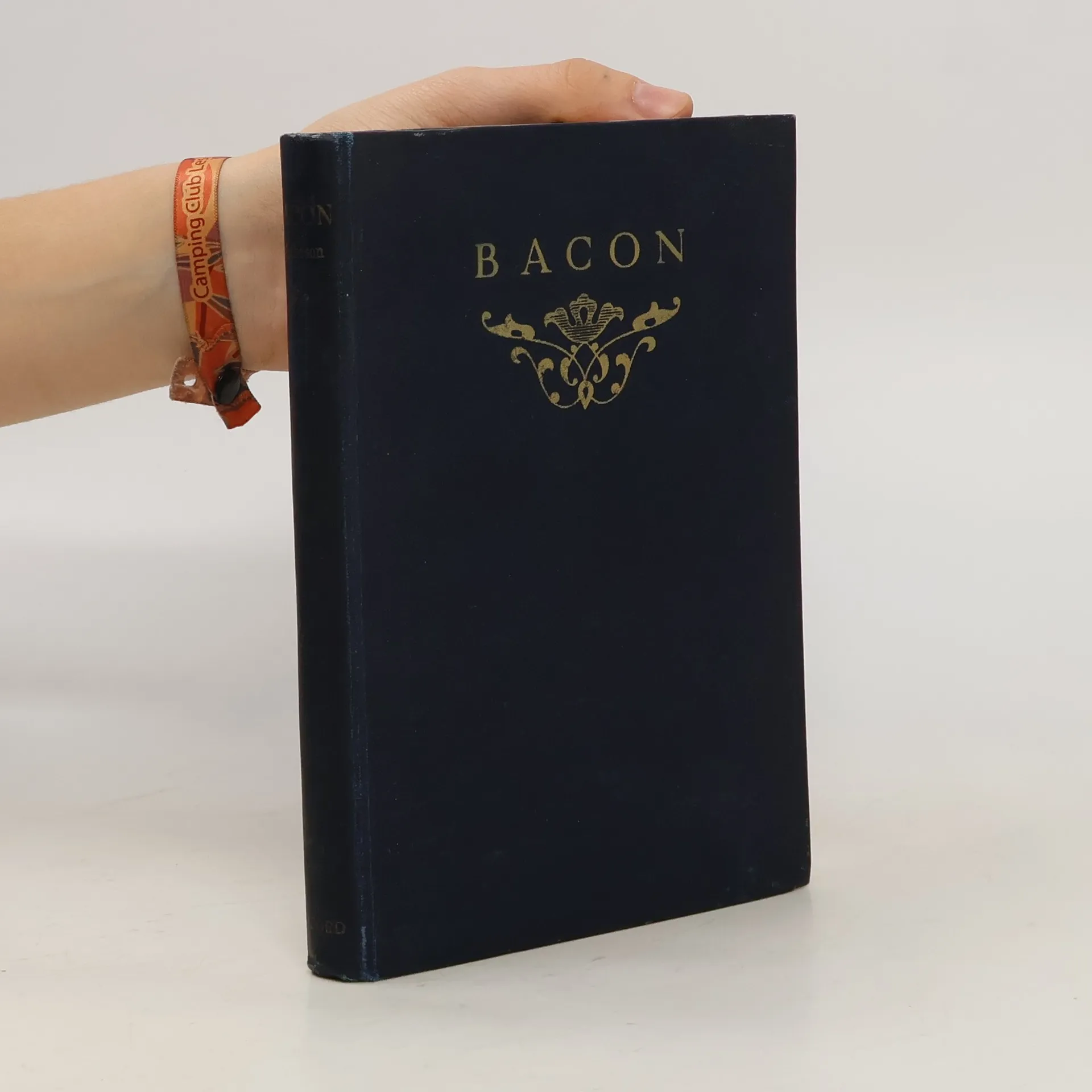
Francis Bacon
Selections
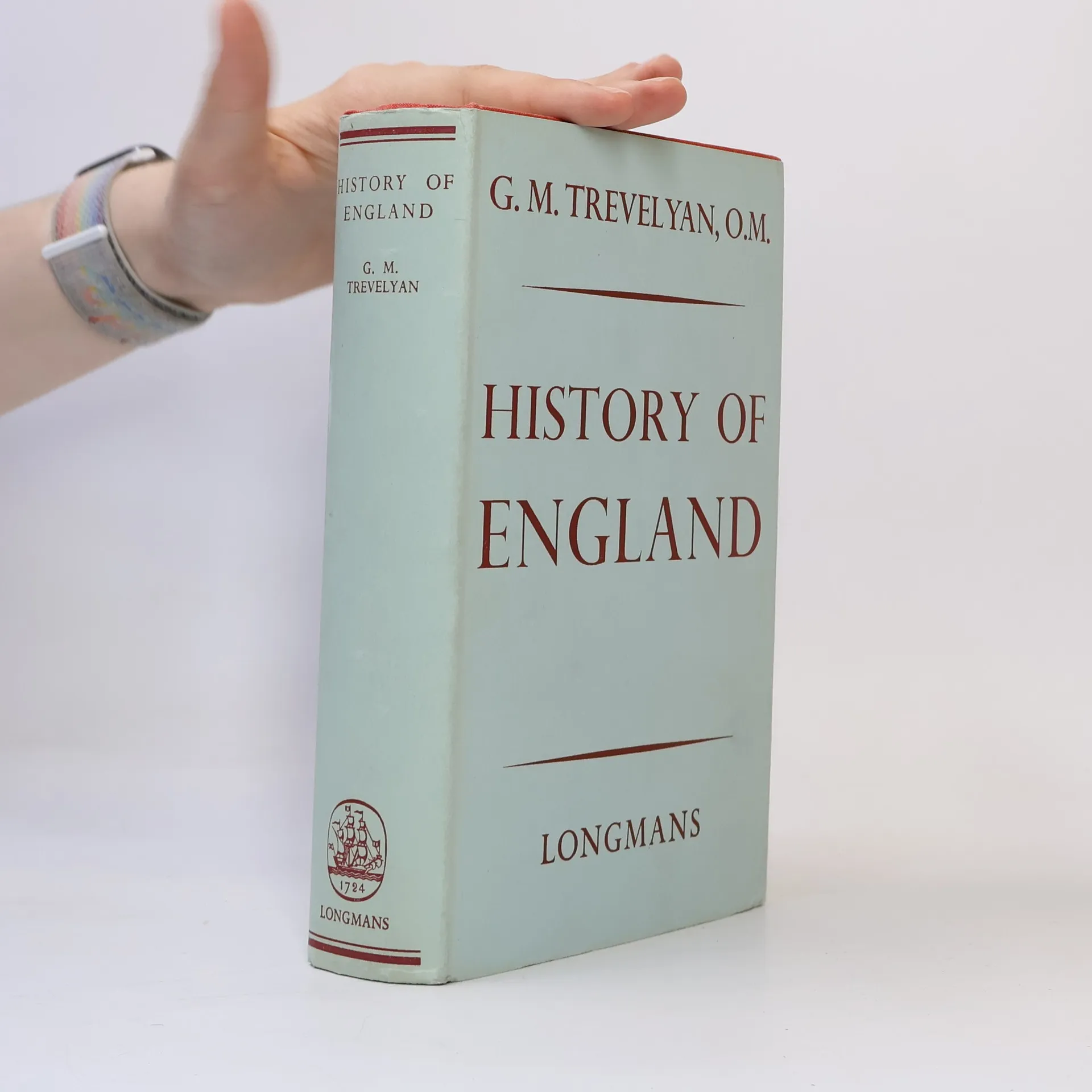
Originally published in 1926 and revised in succeeding decades, Trevelyan's classic work analyzes the social development of England in relation to economic conditions, political institutions, and overseas activities
The publishing house Megali focuses on making historical works accessible by reproducing them in large print, catering specifically to individuals with impaired vision. This initiative emphasizes inclusivity in reading, ensuring that classic literature is available to a broader audience.
New Biographies of Illustrious Men
- 432 stránek
- 16 hodin čtení
This reprint preserves the essence of a significant work first published in 1857, offering readers a glimpse into the historical context and themes of the time. It serves as a valuable resource for those interested in the literary styles and societal issues of the 19th century, reflecting the thoughts and concerns of its era. The book remains a vital piece of literature that continues to resonate with contemporary audiences.
Friedrich der Grosse
- 161 stránek
- 6 hodin čtení