The Road to Somewhere
- 278 stránek
- 10 hodin čtení
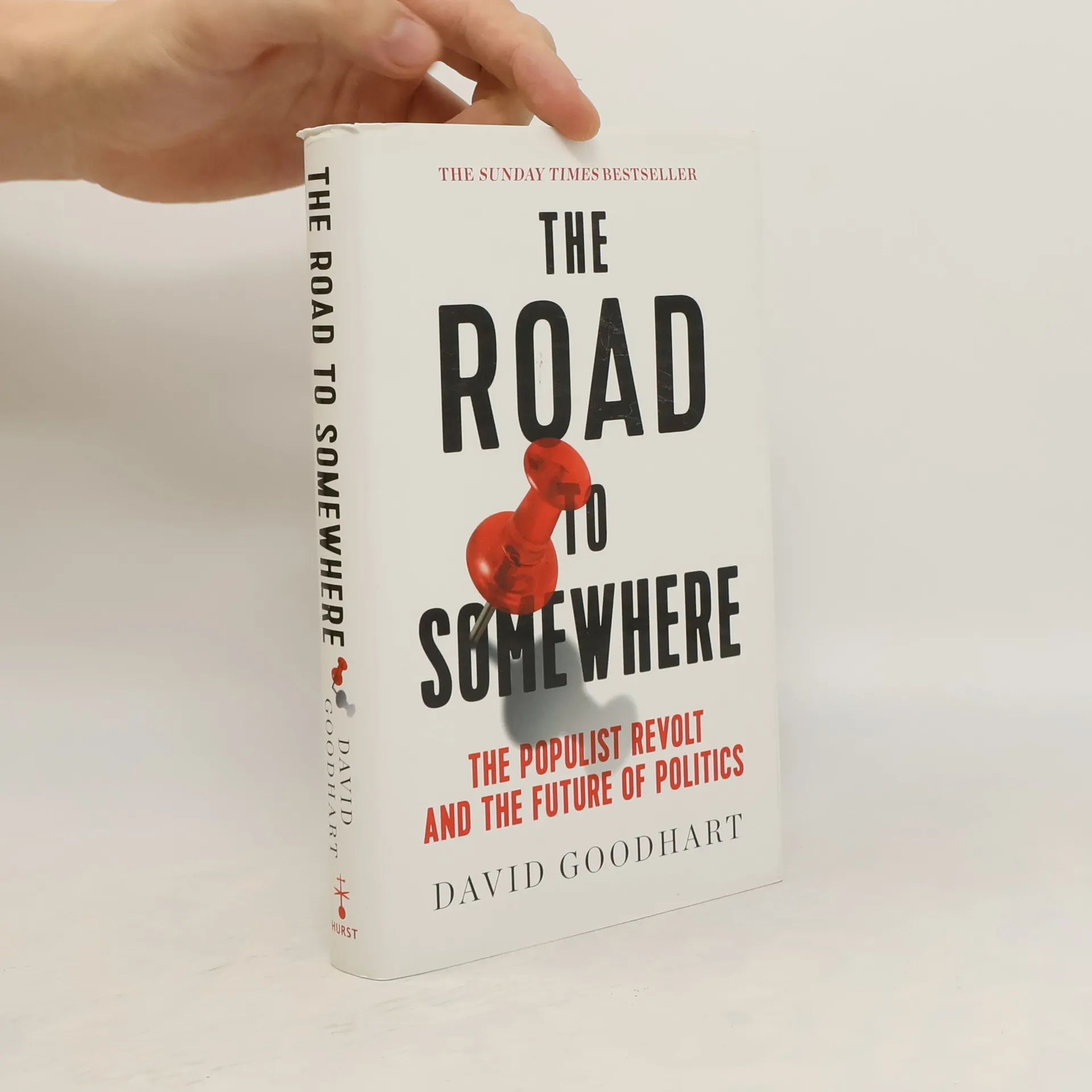
A robust and timely investigation into the political and moral values that are sharply dividing Brexit Britain-and how a new settlement can be found.



A robust and timely investigation into the political and moral values that are sharply dividing Brexit Britain-and how a new settlement can be found.
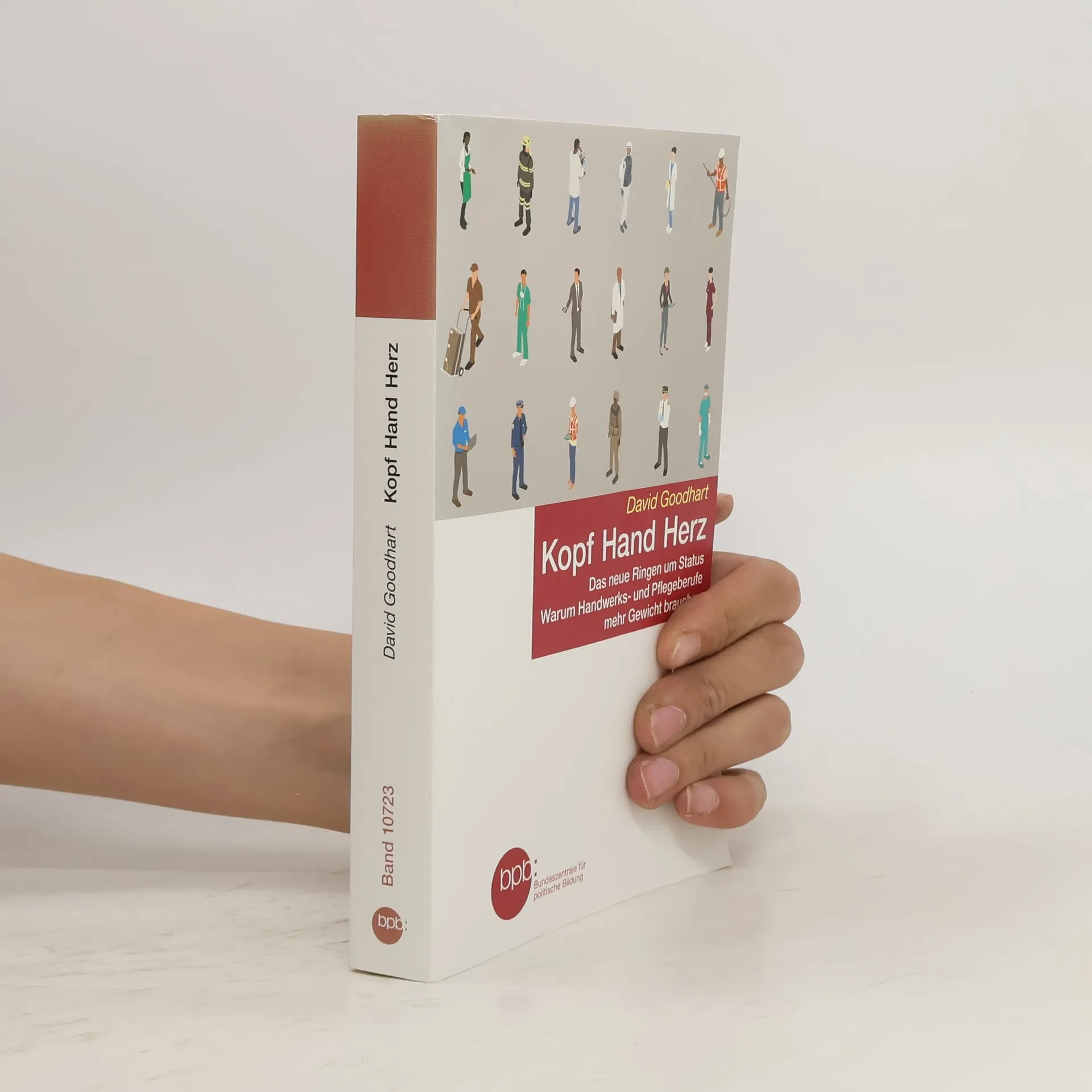
The acclaimed and urgent new work from a celebrated author examines the essential roles of care workers, supermarket staff, delivery drivers, and cleaners, whose contributions were highlighted during the coronavirus pandemic. Previously regarded as menial, these positions are now recognized as vital. The author explores why such roles are undervalued, categorizing human aptitudes into three types: Head (cognitive), Hand (manual and craft), and Heart (caring, emotional). While a balanced society requires recognition of all three, recent decades have seen a disproportionate emphasis on cognitive ability, which has become the gold standard of esteem. This cognitive class shapes societal values, prioritizing the knowledge economy and higher education, often sidelining those who excel in manual or caring professions. The narrative traces the cognitive takeover over the past forty years, noting that in the 1970s, most individuals left school without qualifications, whereas now, 40% of jobs require a degree. To foster a good society, it is crucial to re-imagine skilled work, valuing those who work with their hands and hearts alongside those who manipulate data. The text addresses the need to broaden status and provide meaning for individuals who may not thrive in traditional academic or professional settings, highlighting a central struggle for status and dignity in the twenty-first century.
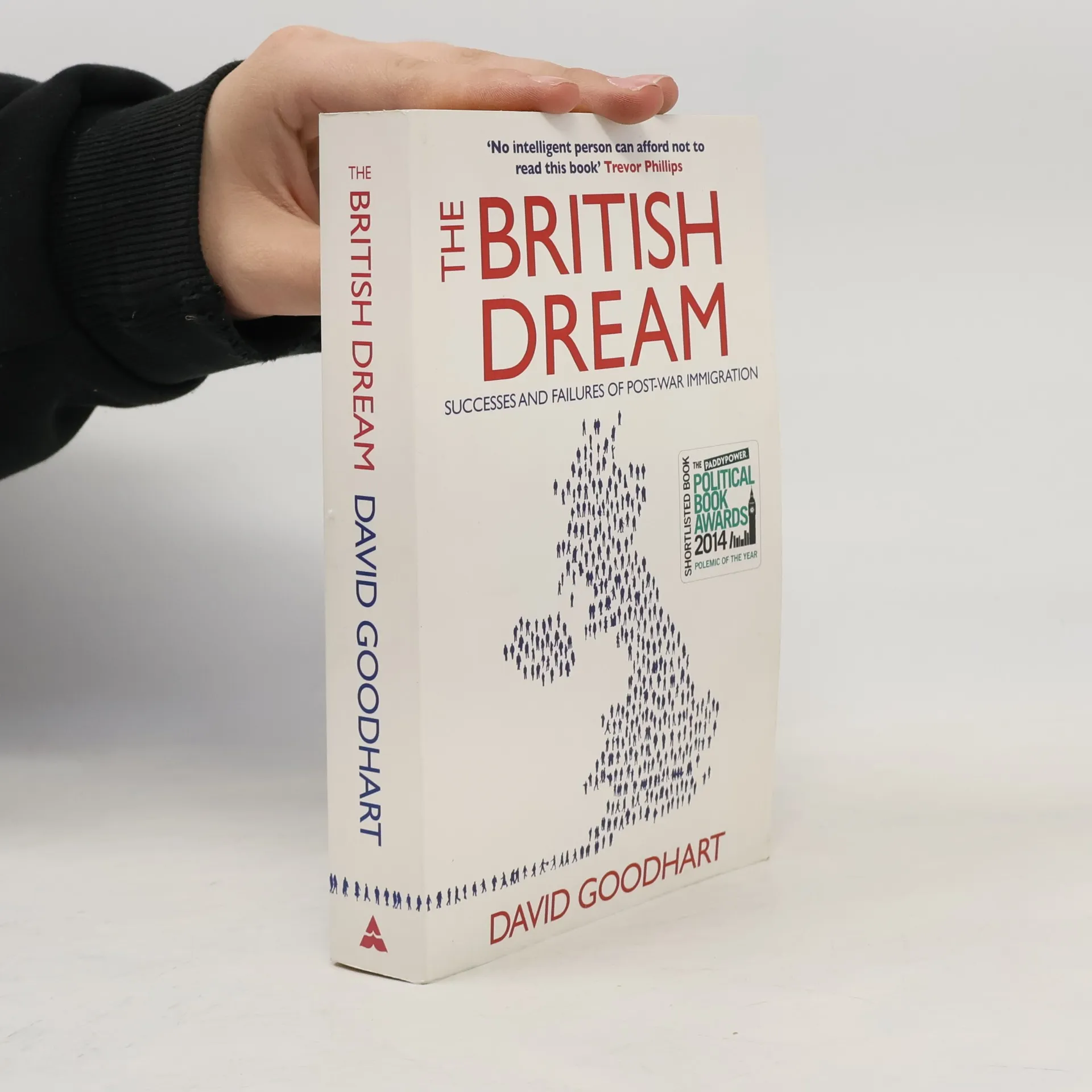
One of Britain's most influential centre-left thinkers examines UK immigration policy and argues that there have been unforeseen consequences which need urgently to be addressed.