

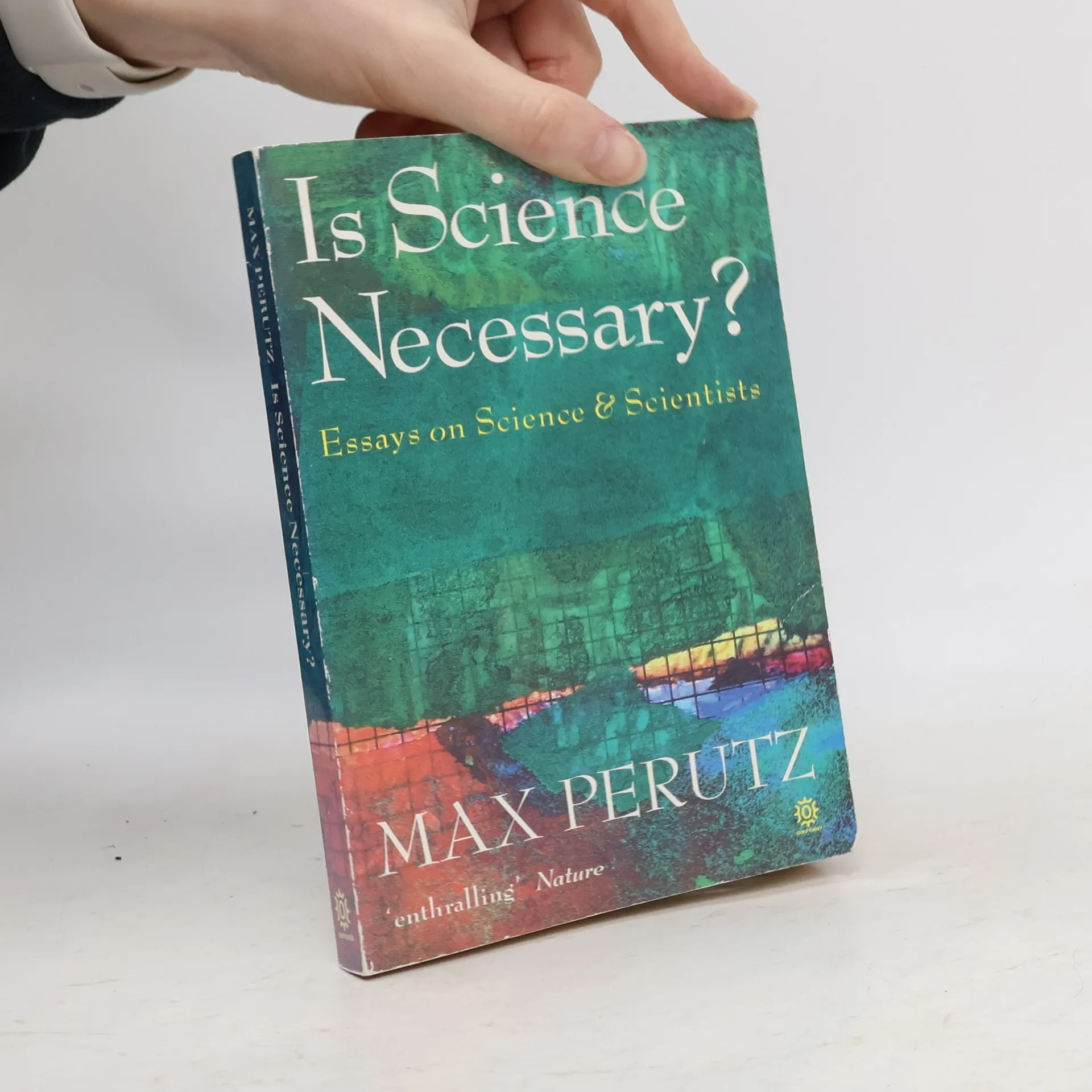
The double-edged sword of modern science has sparked ongoing controversy, raising questions about its implications for humanity. Genetic engineering may one day cure diseases like cancer, yet it risks erasing individuality. Chemicals such as DDT have boosted food production, saving millions from starvation, but have also led to significant environmental pollution. Nuclear technology, while providing cheap energy, also poses the threat of catastrophic weaponry. In this thought-provoking collection of essays, Nobel Prize-winning scientist Max F. Perutz addresses the question, "Is science necessary?" with a firm "yes." His essays blend history, criticism, philosophy, and memoir, illustrating the essential role of science in modern life. From examining the contributions of great scientists like Alexander Fleming and Max Planck to sharing personal experiences, including his deportation during World War II and involvement in secret military projects, Perutz highlights the excitement of scientific discovery. He portrays scientists not as detached figures but as passionate creators whose work drives significant advancements. These engaging and enlightening essays illuminate the vital role of science and the nature of scientific inquiry, encouraging readers to appreciate its indispensable function in today's world.
Max F. Perutz Knihy
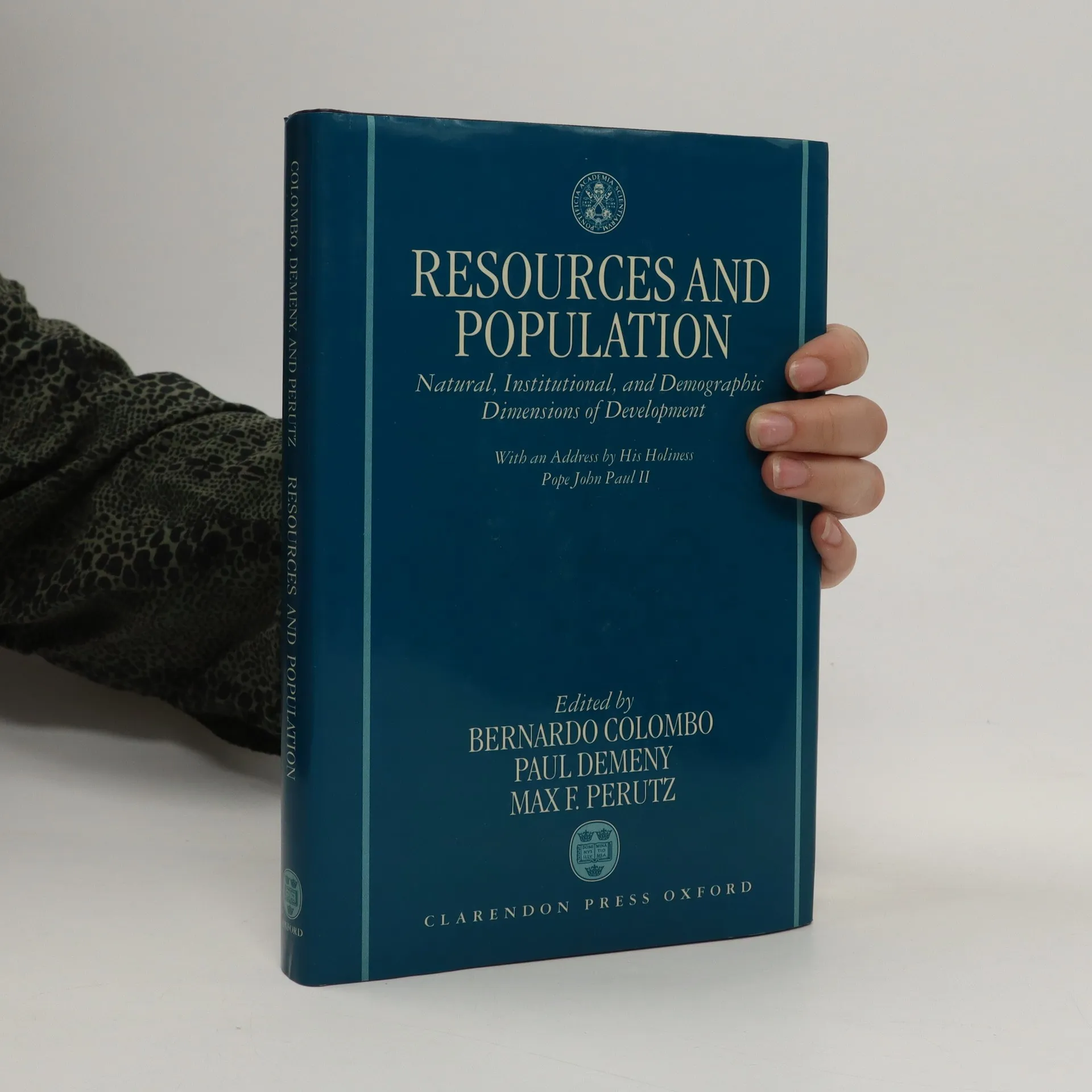
Sharply diverging rates of population growth in the 20th century have been accompanied by increasing disparities in income and quality of life. These papers examine the relationship between physical and human resources and population within a context of mass poverty and environmental deterioration.
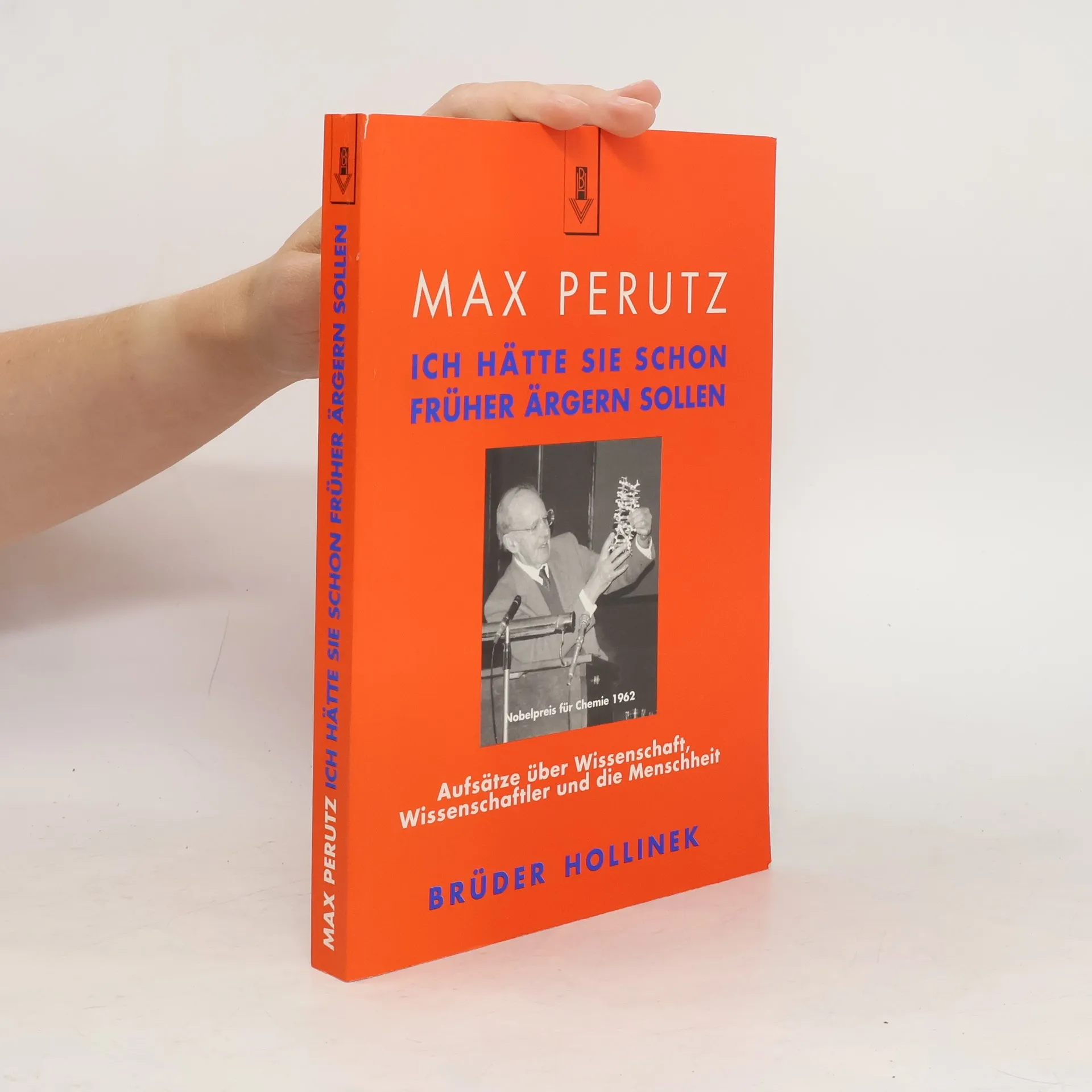
Ich hätte Sie schon früher ärgern sollen
- 304 stránek
- 11 hodin čtení
Im selben Maße wie der Blick von Max Perutz kleinste Strukturen zu entschlüsseln versuchte, so sehr gilt sein Interesse dem Großen, den Gesamtzusammenhängen. Selbst vom Lauf der Dinge auf unserem Planeten fasziniert, schildert er auf überaus spannende Art, wie Entdeckung und politische Entscheidungen das Schicksal der Menschen beeinflußten, wie Zufälle und Irrtümer den Erkenntnissen entscheidende Änderungen bescherten. Zusammen mit Schilderung über das politische Umfeld, geben seine Porträts zeitgenössischer Persönlichkeiten - darunter Fritz Haber, Lise Meitner, Leo Szilard, Werner Karl Heisenberg, Andrej Sacharow, Peter Medawar, Louis Pasteur, Karl Popper und viele andere - ein faszinierendes Bild des 20. Jahrhunderts und der Jahrzehnte des Umbruchs.