

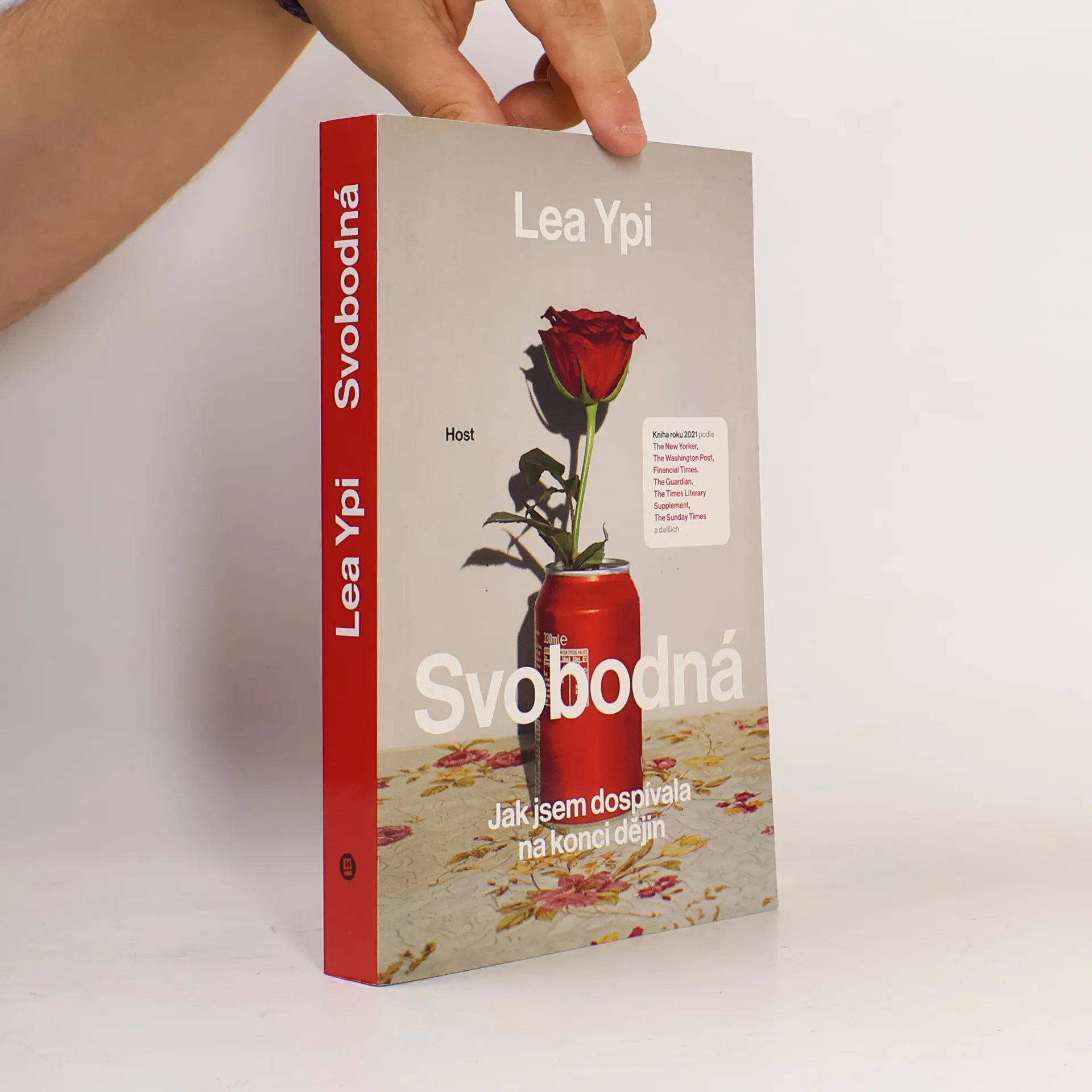
Mezinárodní bestseller o dospívání po pádu železné opony. Co to znamená být svobodní? Tuto otázku si po roce 1989 položila polovina evropského kontinentu. A odpověď velmi záležela a stále záleží na tom, kdy a kde se člověk narodil. Jestliže v komunismu lidé toužili po konci represe a státního dohledu, v nastupujícím a mnohdy dravém kapitalismu si stýskali a pořád si někdy stýskají po existenčních jistotách, které jsou základním předpokladem nějaké osobní realizace a svobody. Albánská spisovatelka Lea Ypi si prožila obojí. Dětství v rodině disidentů a intelektuálů jí přepůlil rozpad sovětského bloku, a tak měla možnost pozorovat ostrý kontrast mezi hodžovskou komunistickou Albánií, v níž byla společnost apatická, a její kapitalistickou verzí, kdy se tatáž společnost kvůli bezuzdné tržní logice téměř rozpadla. Ypi se k těmto vzpomínkám vrací ve své mezinárodně úspěšné knize Svobodná a pokouší se nalézt odpověď, jak postsovětská situace ovlivnila naše pojetí svobody. A jestli vůbec můžeme a umíme být svobodní
Lea Ypi Knihy


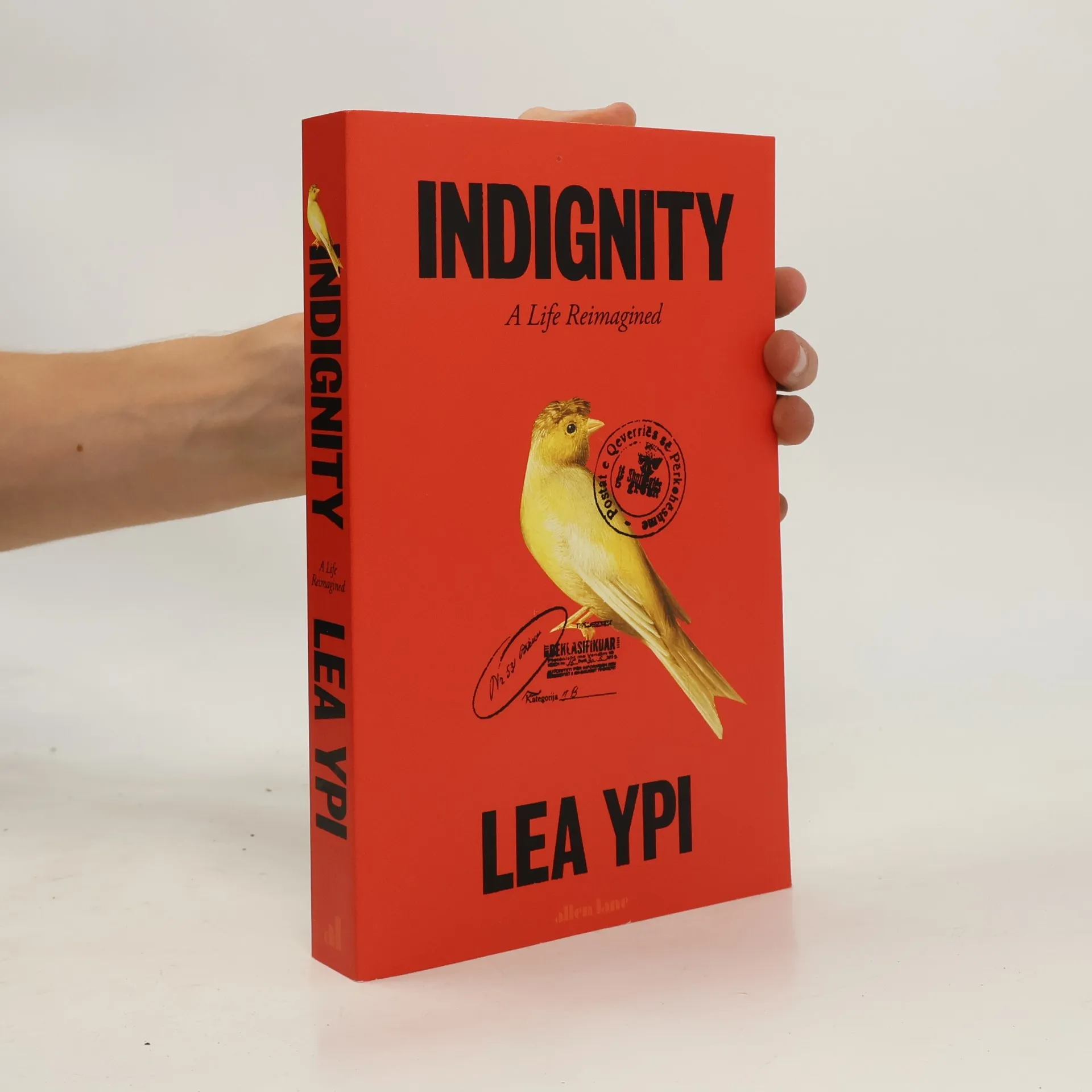
The award-winning author of Free presents a profound investigation into historical injustice, dignity, truth, and imagination. When Lea Ypi discovers a photo of her grandmother, Leman, honeymooning in the Italian Alps in 1941, she confronts unsettling questions about her family's past. She had been told that all records of Leman's youth were destroyed when the police confiscated everything during the early days of communism in Albania. Yet, the image reveals Leman as a glamorous newlywed amid World War II. This discovery leads to a reimagining of the past, exploring the vanished world of Ottoman aristocracy, the evolution of Greece and Albania, a global financial crisis, and the rise of communism in the Balkans, all through secret police archives and fragmented memories. As Ypi seeks the truth about her family, she grapples with uncertainty regarding Leman's identity and choices. Why did she speak French if her family lived in the Ottoman Empire? What prompted her move to Tirana and her relationship with a socialist? The Albanian secret police also posed these questions. This narrative is both a sweeping story of lost worlds and a philosophical inquiry into the nature of truth. Through a blend of reports, court depositions, and personal anecdotes, Ypi navigates the complexities of history and memory, ultimately questioning the moral authority with which we judge past generations and our understanding of those closest to us.
Global Justice and Avant-Garde Political Agency
- 226 stránek
- 8 hodin čtení
Why should states matter and how do relations between fellow-citizens affect what is owed to distant strangers? How, if at all, can demanding egalitarian principles inform political action in the real world? This book proposes a novel solution through the concept of avant-garde political agency. Ypi grounds egalitarian principles on claims arising from conflicts over the distribution of global positional goods, and illustrates the role of avant-garde agents in shaping these conflicts and promoting democratic political transformations in response to them. Against statists, she defends the global scope of equality, and derives remedial cosmopolitan principles from global responsibilities to relieve absolute deprivation. Against cosmopolitans, she shows that associative political relations play an essential role and that blanket condemnation of the state is unnecessary and ill-directed. Advocating an approach to global justice whereby domestic avant-garde agents intervene politically so as to constrain and motivate fellow-citizens to support cosmopolitan transformations, this book offers a fresh and nuanced example of political theory in an activist mode. Setting the contemporary debate on global justice in the context of recent methodological disputes on the relationship between ideal and nonideal theorizing, Ypi's dialectical account illustrates how principles and agency can genuinely interact.
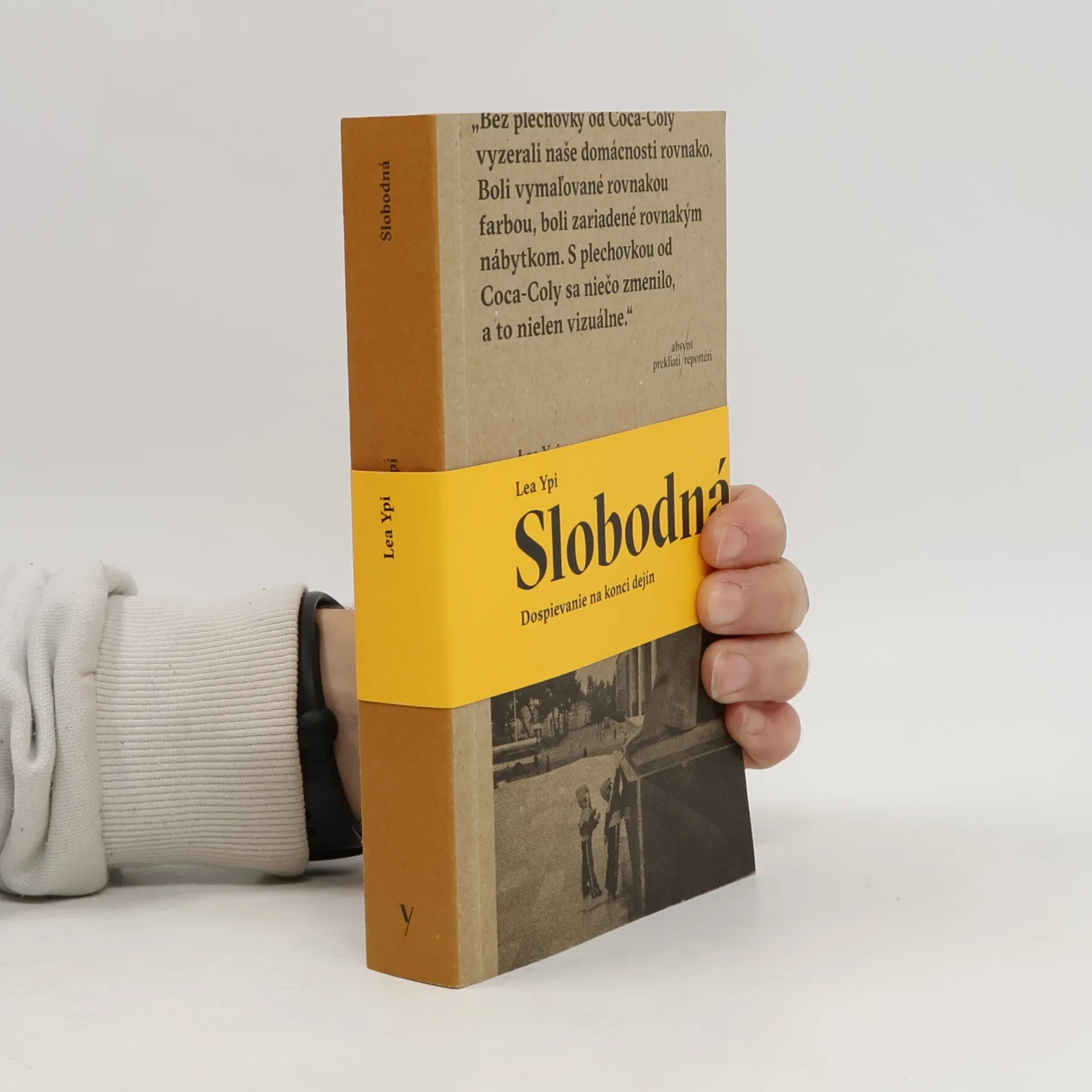
Slobodná
- 313 stránek
- 11 hodin čtení
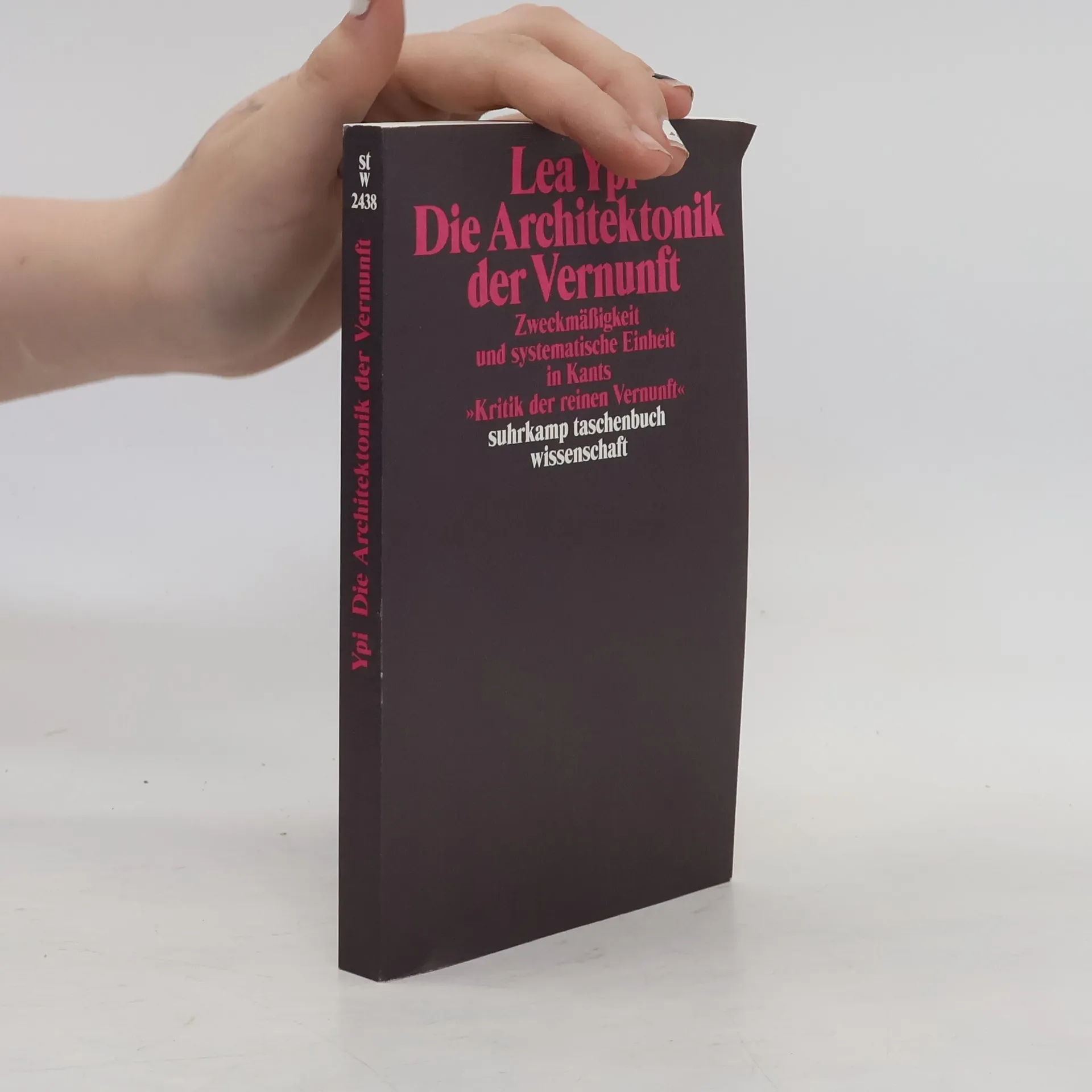
Die Architektonik der Vernunft
Zweckmäßigkeit und systematische Einheit in Kants »Kritik der reinen Vernunft«
- 245 stránek
- 9 hodin čtení
Frei. Erwachsenwerden am Ende der Geschichte
Ungekürzte Lesung mit Katja Bürkle (1 mp3-CD)
Albanien 1989: der letzte stalinistische Außenposten in Europa, ein isoliertes Land. Es herrschen Mangelwirtschaft, Geheimpolizei und das Proletariat. Für die zehnjährige Lea Ypi ist dieses Land ihr Zuhause – ein Ort der Geborgenheit, der Hoffnung und der Freiheit. Alles ändert sich, als in Tirana Enver Hoxhas Statue vom Sockel stürzt. Jetzt können die Menschen wählen, wen sie wollen. Aber die neue Zeit zeigt bald ihr unfreundliches Gesicht, und die Aussicht auf eine bessere Zukunft löst sich auf in Arbeitslosigkeit und Massenflucht. Als das Land im Chaos zu versinken droht, beginnt Lea sich zu fragen, was das eigentlich ist: Freiheit. Ungekürzte Lesung mit Katja Bürkle 1 mp3-CD |