

Knihobot

Götz Aly

    3. květen 1947

    Götz Haydar Aly je německý novinář, historik a sociální vědec, který se zaměřuje na interdisciplinární výzkum holocaustu. Jeho práce se hloubkově zabývá sociálními a historickými aspekty a často zkoumá, jak se minulost projevuje v současnosti. Alyho přístup kombinuje historickou analýzu se sociální vědou a novinářským pozorováním, což čtenářům přináší jedinečný pohled na složité společenské jevy.

    Götz Aly
    Europe Against the Jews, 1880-1945 - skladem, lehce poškozený kus
    EUROPE AGAINST THE JEWS 18801945
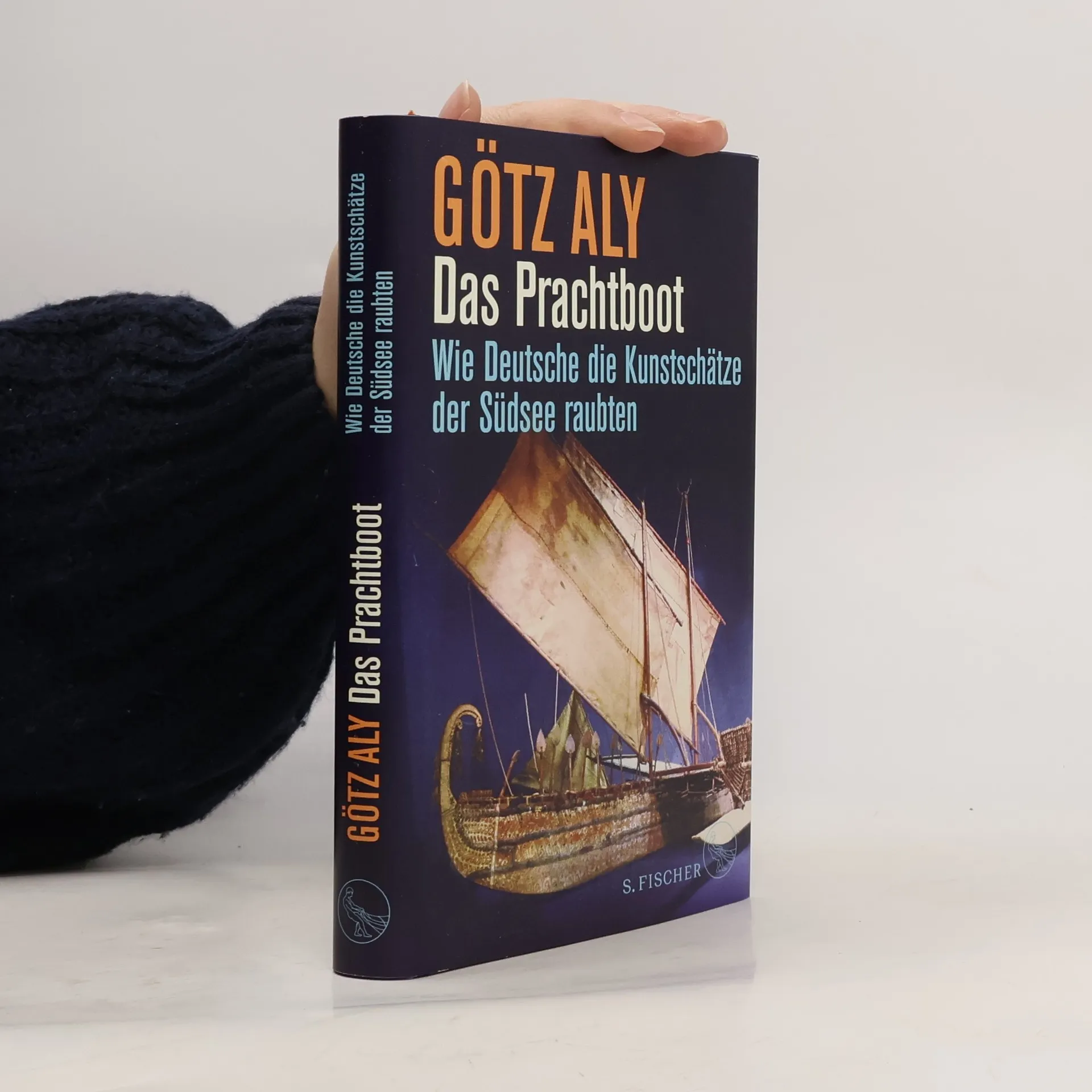
    The Magnificent Boat
    Hitlerův národní stát : loupení, rasová válka a nacionální socialismus
    Proč Němci? Proč Židé? Rovnost, závist a rasová nenávist 1800–1933
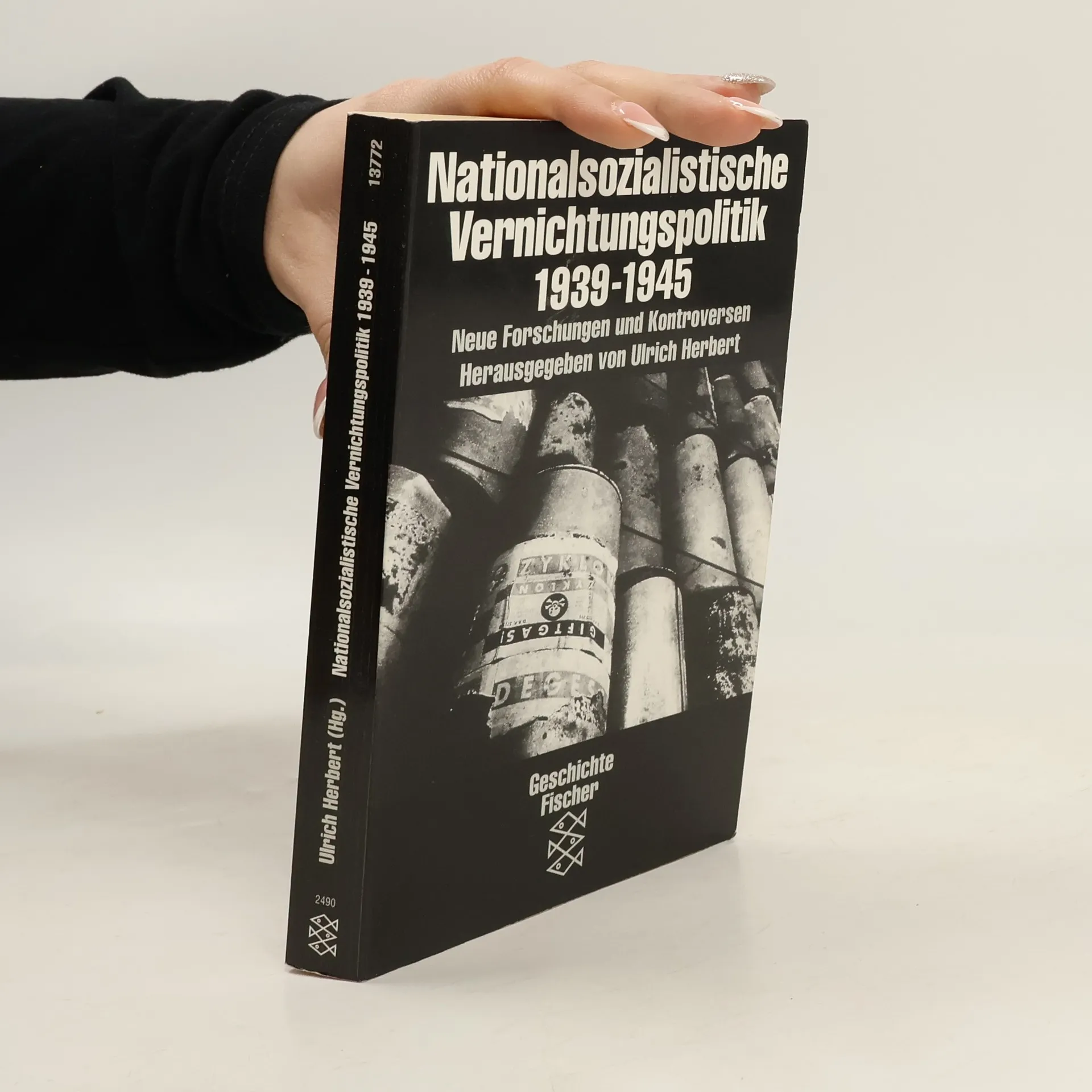
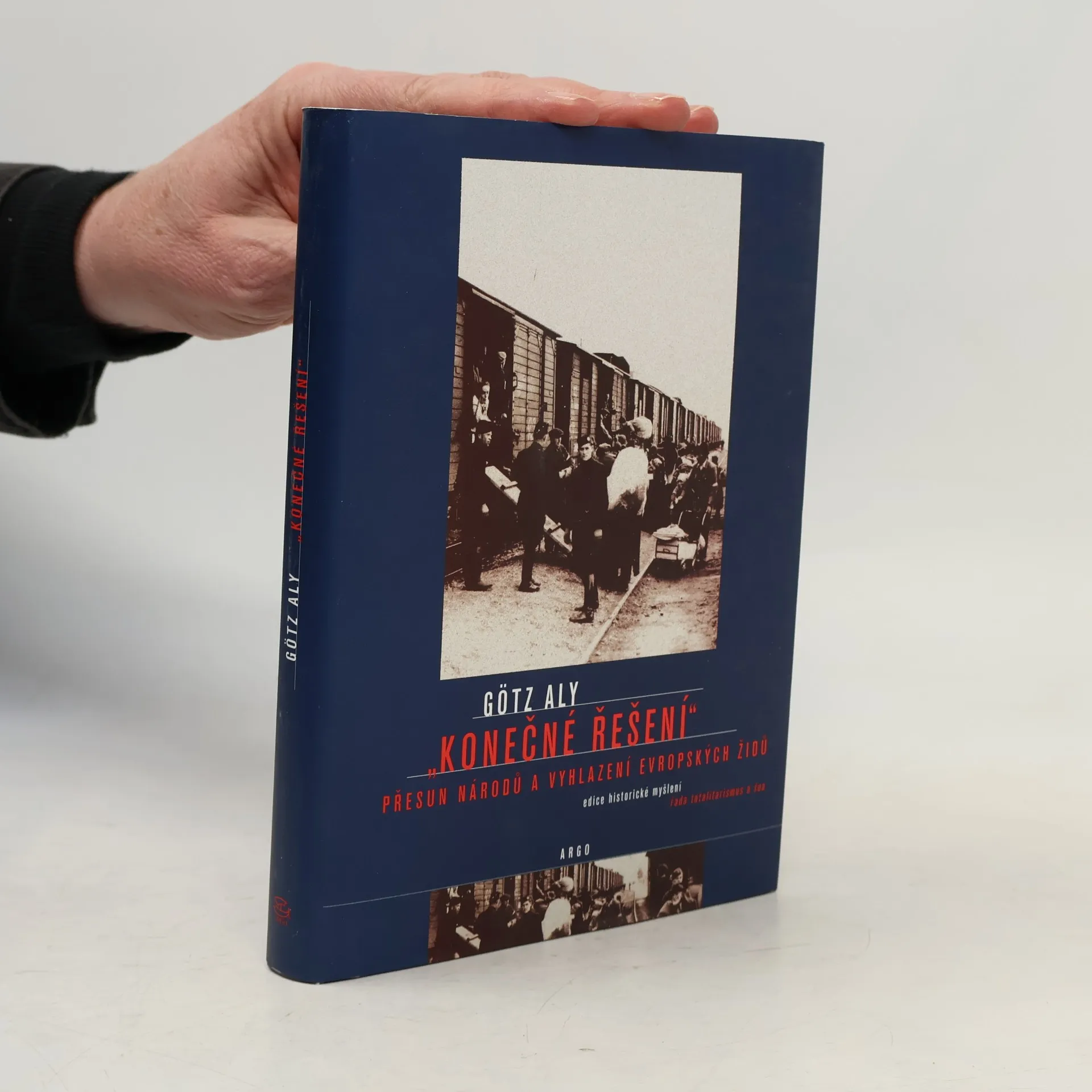
    "Konečné řešení" Přesun národů a vyhlazení evropských Židů
    • Podtitul: Přesun národů a vyhlazení evropských Židů. Studie popisuje, jak se vyvíjely plány i praktická realizace řešení "židovské otázky" v souvislosti s nacistickým projektem mocenské a demografické přestavby Evropy. Nacistická vize jednotného evropského hospodářského prostoru německého národa a s ní související přesídlování etnických Němců a vysídlování neněmeckého obyvatelstva, zejména Židů. Neúspěch původních plánů, které počítaly s vysídlením Židů na východ a úzce souvisely s vítězstvím Německa ve válce. "Konečné řešení židovské otázky"- jako rychlá a bezohledná likvidace milionů evropských Židů. Studie sleduje vývoj nacistické politiky v l. 1939-1942. Jednotlivé tematicky koncipované kapitoly jsou spojeny kapitolami, které obsahují chronologický přehled událostí daného období a zasazují problematiku do širšího historického rámce.

      "Konečné řešení" Přesun národů a vyhlazení evropských Židů
    • Provokativní a pronikavá analýza, která vrhá nové světlo na jednu z nejzáhadnějších a historicky nejznepokojivějších hádanek. Proč Němci? Proč Židé? Těmito otázkami se zabýval nespočet historiků, ale jen málokdo přišel s tak originálními odpověďmi jako svérázný německý historik Götz Aly. Ten sleduje prehistorii holokaustu od 19. století až po nástup nacistů k moci v roce 1933 a ukazuje, že německý antisemitismus byl – a to se dosud přehlíželo – z velké části veden materiálními zájmy, nikoli rasovou nebo náboženskou nesnášenlivostí. Aly překvapivě a kontroverzně ukazuje, že kořeny holokaustu jsou hluboce spjaty s německým úsilím o větší sociální rovnost. Autorovo líčení této osudové společenské dynamiky otevírá nový úhel pohledu na největší zločin v dějinách a jistě vyvolá vášnivou debatu na řadu let.

      Proč Němci? Proč Židé? Rovnost, závist a rasová nenávist 1800–1933
    • Historická studie. Analýza fungování sociálního systému nacionálně socialistického režimu v Německu v letech 1933-1945. Finanční a daňová politika Třetí říše. V myšlenkově závažné knize klade autor zásadní otázku: jak mohl nacionální socialismus získat mezi Němci tak vysokou míru podpory? Odpovědi hledá Aly v oblasti líbivé sociální politiky nacistického režimu. Výdaje v sociální oblasti, stejně tak jako ohromné částky na zbrojení a na udržení finanční stability Říše nešly na vrub německých daňových poplatníků, ale byly kryty z jiných, vnějších zdrojů: byly získávány vyvlastňováním židovského majetku, loupeživým způsobem vedení války, devastací a vykořisťováním okupovaných území. Publikace se zabývá zásahy státu do sociální sféry, věnuje se rovněž daňové a finanční politice nacistického Německa v letech 1933-1945 a osvětluje strategie nacistů, pomocí kterých získávali finance z arizace majetku na okupovaných územích. Jak píše autor, holocaust je třeba analyzovat jako nejdůslednější masovou loupežnou vraždu moderní historie.

      Hitlerův národní stát : loupení, rasová válka a nacionální socialismus
    • "Götz Aly pens a forgotten chapter in the history of empire through the chronicle a single object: a majestic fifteen-meter boat, looted from Papua New Guinea during a German colonial expedition and since displayed in Berlin museums. While arguing for the vessel's repatriation, Aly restores attention to the conquest of the Bismarck Archipelago"-- Provided by publisher

      The Magnificent Boat
    • EUROPE AGAINST THE JEWS 18801945

      • 400 stránek
      • 14 hodin čtení
      4,1(114)Ohodnotit

      "From the award-winning historian of the Holocaust, the first book to move beyond Germany's singular crime to the collaboration of Europe as a whole. The Holocaust was perpetrated by the Germans, but it would not have been possible without the assistance of thousands of helpers in other countries: state officials, police, and civilians who eagerly supported the genocide. If we are to fully understand how and why the Holocaust happened, Götz Aly argues in this groundbreaking study, we must examine its prehistory throughout Europe. We must look at countries as far-flung as Romania and France, Russia and Greece, where, decades before the Nazis came to power, a deadly combination of envy, competition, nationalism, and social upheaval fueled a surge of anti-Semitism, creating the preconditions for the deportations and murder to come. In the late nineteenth century, new opportunities for education and social advancement were opening up, and Jewish minorities took particular advantage of them, leading to widespread resentment. At the same time, newly created nation-states, especially in the east, were striving for ethnic homogeneity and national renewal, goals which they saw as inextricably linked. Drawing upon a wide range of previously unpublished sources, Aly traces the sequence of events that made persecution of Jews an increasingly acceptable European practice. Ultimately, the German architects of genocide found support for the Final Solution in nearly all the countries they occupied or were allied with. Without diminishing the guilt of German perpetrators, Aly documents the involvement of all of Europe in the destruction of the Jews, once again deepening our understanding of this most tormented history"-- Provided by publisher

      EUROPE AGAINST THE JEWS 18801945
    • "The Holocaust was perpetrated by the Germans, but it would not have been possible without the assistance of thousands of helpers in other countries: state officials, police, and civilians who eagerly supported the genocide. If we are to fully understand how and why the Holocaust happened, Götz Aly argues in this groundbreaking study, we must examine its prehistory throughout Europe. We must look at countries as far-flung as Romania and France, Russia and Greece, where, decades before the Nazis came to power, a deadly combination of envy, competition, nationalism, and social upheaval fueled a surge of anti-Semitism, creating the preconditions for the deportations and murder to come. In the late nineteenth century, new opportunities for education and social advancement were opening up, and Jewish minorities took particular advantage of them, leading to widespread resentment. At the same time, newly created nation-states, especially in the east, were striving for ethnic homogeneity and national renewal, goals which they saw as inextricably linked. Drawing upon a wide range of previously unpublished sources, Aly traces the sequence of events that made persecution of Jews an increasingly acceptable European practice. Ultimately, the German architects of genocide found support for the Final Solution in nearly all the countries they occupied or were allied with. Without diminishing the guilt of German perpetrators, Aly documents the involvement of all of Europe in the destruction of the Jews, once again deepening our understanding of this most tormented history"-- Provided by publisher

      Europe Against the Jews, 1880-1945 - skladem, lehce poškozený kus
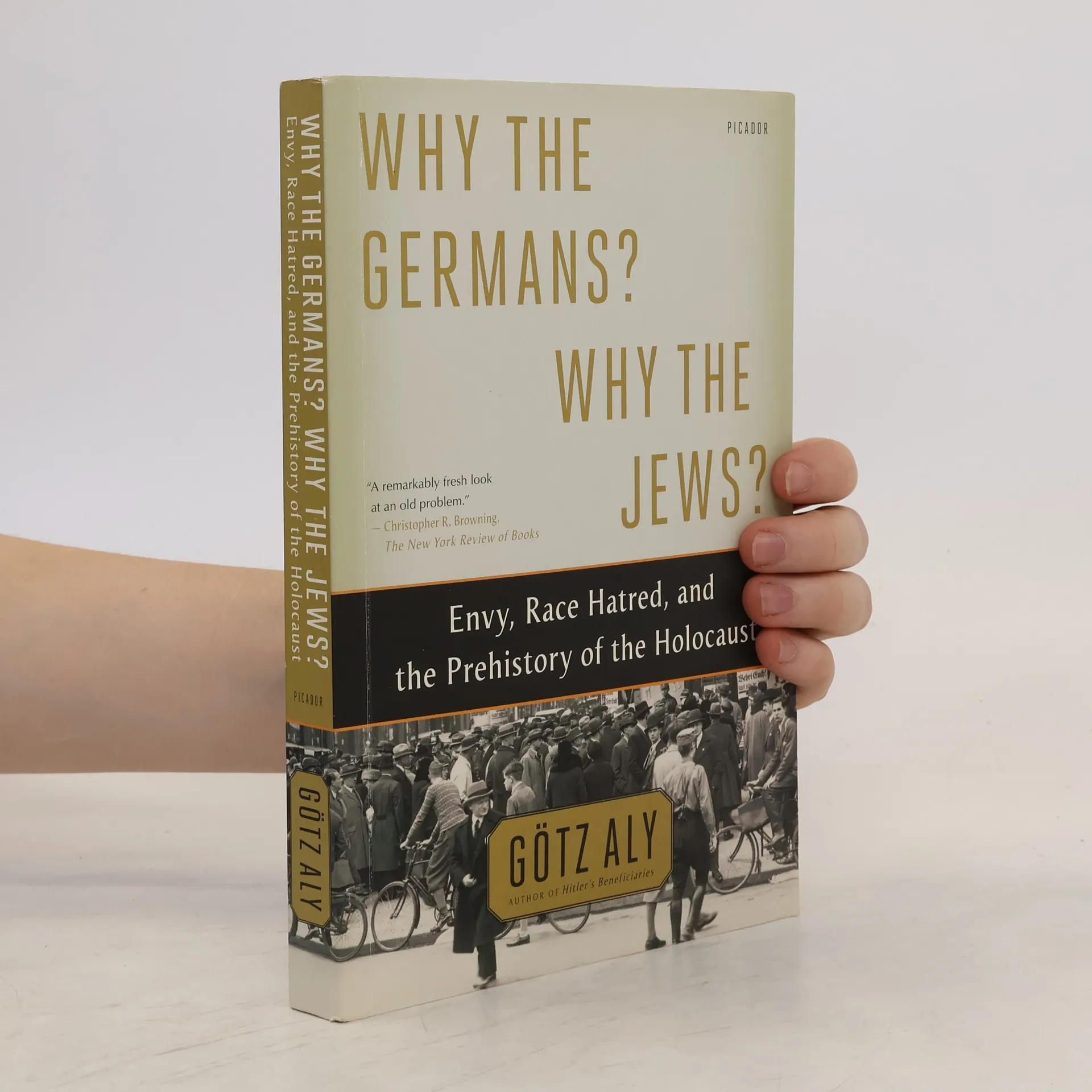
    • Why the Germans? Why the Jews?

      • 304 stránek
      • 11 hodin čtení
      4,0(180)Ohodnotit

      "A provocative and insightful analysis that sheds new light on one of the most puzzling and historically unsettling conundrums Why the Germans? Why the Jews? Countless historians have grappled with these questions, but few have come up with answers as original and insightful as those of maverick German historian Gotz Aly. Tracing the prehistory of the Holocaust from the 1800s to the Nazis' assumption of power in 1933, Aly shows that German anti-Semitism was--to a previously overlooked extent--driven in large part by material concerns, not racist ideology or religious animosity. As Germany made its way through the upheaval of the Industrial Revolution, the difficulties of the lethargic, economically backward German majority stood in marked contrast to the social and economic success of the agile Jewish minority. This success aroused envy and fear among the Gentile population, creating fertile ground for murderous Nazi politics. Surprisingly, and controversially, Aly shows that the roots of the Holocaust are deeply intertwined with German efforts to create greater social equality. Redistributing wealth from the well-off to the less fortunate was in many respects a laudable goal, particularly at a time when many lived in poverty. But as the notion of material equality took over the public imagination, the skilled, well-educated Jewish population came to be seen as having more than its fair share. Aly's account of this fatal social dynamic opens up a new vantage point on the greatest crime in history and is sure to prompt heated debate for years to come"-- Provided by publisher

      Why the Germans? Why the Jews?
    • Vordenker der Vernichtung

      • 539 stránek
      • 19 hodin čtení
      4,4(12)Ohodnotit

      Das Standardwerk über die junge Planungselite des Holocaust Es waren Tausende Professoren, Nachwuchswissenschaftler und Technokraten, die 1933 bis 1945 am Gemeinschaftsprojekt Großdeutschland begeistert arbeiteten. Junge, karrierebewusste Ernährungsfachleute, Ökonomen und andere Vordenker des NS-Staats betrachteten Europa als überbevölkerten, weithin rückständigen Kontinent, der von Deutschland beherrscht und modernisiert werden müsse. Die „Entjudung“ nutzten sie als Mittel zur Bereicherung und zur Rationalisierung der Wirtschaft. Die Ingenieure der Neuordnung drängten darauf, Grenzen zu verschieben, viele zehn Millionen Juden und Slawen zu deportieren, um für die übergroße Mehrheit der Deutschen bessere Lebensverhältnisse zu schaffen.

      Vordenker der Vernichtung
    • In seiner großen Gesamtdarstellung des europäischen Antisemitismus von 1880 bis 1945 zeigt der bekannte Historiker Götz Aly, dass der Holocaust nicht allein aus der deutschen Geschichte heraus erklärbar ist. Sowohl in West- als auch in Osteuropa hatten Antisemitismus und Judenfeindschaft seit 1880 sprunghaft zugenommen – angetrieben von Nationalismus und sozialen Krisen. Erstmals stellt Götz Aly hier den modernen Antisemitismus als grenzüberschreitendes Phänomen dar. Ohne die Schuld der deutschen Täter zu mindern, zeigt er, wie Rivalität und Neid, Diskriminierung und Pogrome seit Ende des 19. Jahrhunderts vielerorts dazu beigetragen haben, den Boden für Deportationen und Völkermord zu bereiten. Während des Zweiten Weltkriegs ermordeten die nationalsozialistischen Besatzer schließlich sechs Millionen Juden, die meisten in Osteuropa, teils unter Mithilfe lokaler Polizei und Behörden. Mit seinem gesamteuropäischen Blick ermöglicht Götz Aly ein neues, umfassendes Verständnis des Holocaust. Ausgezeichnet mit dem Geschwister-Scholl-Preis 2018.

      Europa gegen die Juden
    • Eine von so vielen

      Das kurze Leben der Marion Samuel 1931 - 1943

      4,2(6)Ohodnotit

      ***»›Eine von so vielen‹ wirkt wie eine einfache Geschichte, doch selten sind die Verfolgung und ihre Auswirkungen so klar zwischen zwei Buchdeckeln dargestellt worden.« (Aus dem Vorwort von Raul Hilberg)*** Berlin, 1943: Marion Samuel war 11 Jahre alt, als sie deportiert und ermordet wurde. Lange war sie nur ein weiterer von Hunderttausenden von Namen. Doch der Historiker Götz Aly zeigt in seiner bewegenden Spurensuche, dass es auch möglich ist, die Geschichte von scheinbar gesichtslosen Opfern des Holocaust zu erzählen. Ein Buch für das Erinnern und gegen das Vergessen.

      Eine von so vielen