Adrian John Desmond je anglický spisovatel, který se zabývá historií vědy. Jeho práce se zaměřuje na širší společenský a filozofický kontext vědeckých objevů, zejména v oblasti evoluční biologie a paleontologie. Prostřednictvím svého výzkumu osvětluje, jak dobové myšlení a kulturní prostředí formovaly vědecké myšlení a naopak. Jeho analýzy přibližují čtenářům fascinující propojení mezi vědou a společností.
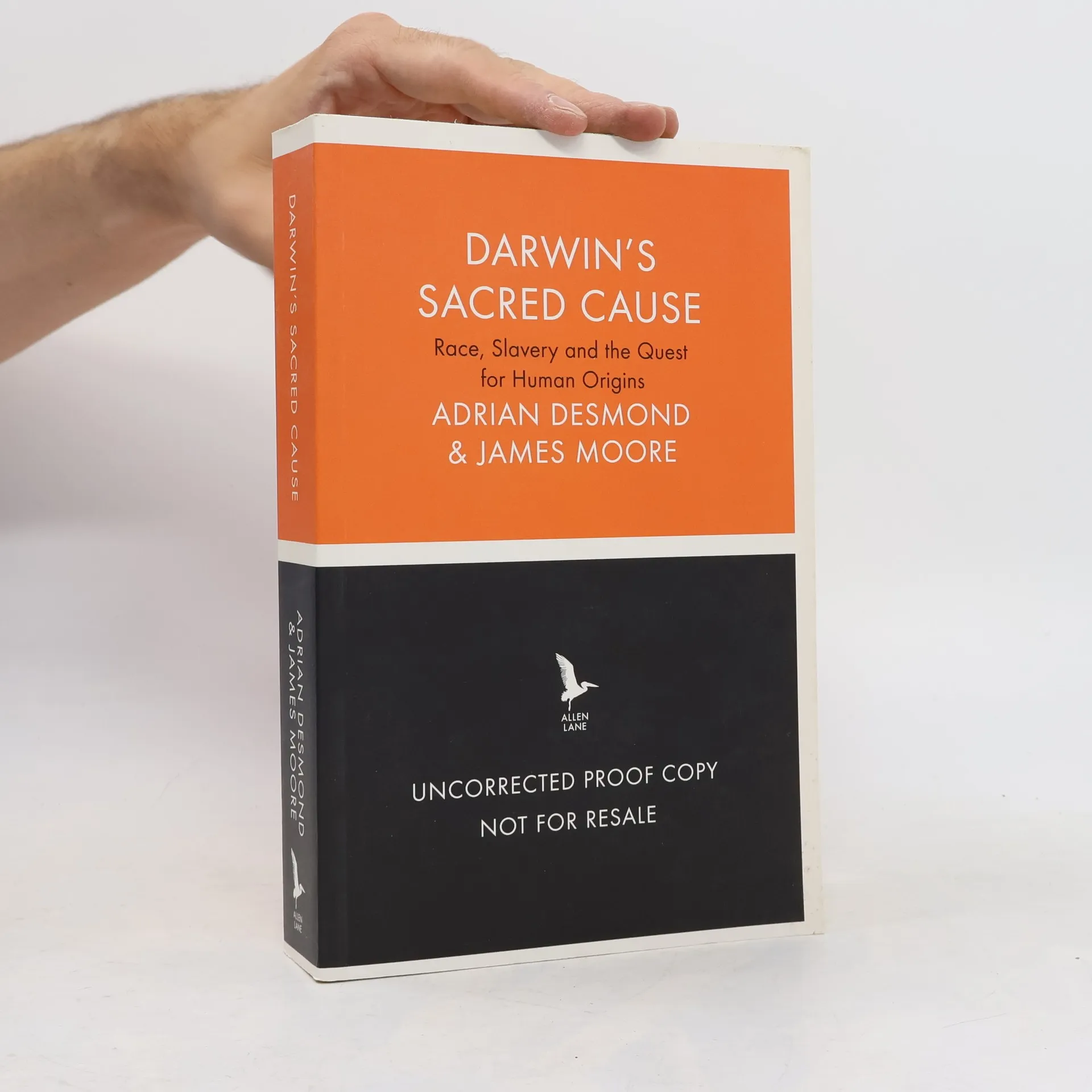
Race, Slavery and the Quest for Human Origins - Uncorrected Proof Copy Not for Resale
512 stránek
18 hodin čtení
By examining Darwin's manuscripts and correspondence (published and unpublished) and covert notebooks, the author put forward the argument that Darwin's hatred of slavery shaped his ideas and laid the foundations for his revolutionary ideas.
Very definitive, very concise, and very interesting...From William Shakespeare to Winston Churchill, the Very Interesting People series provides authoritative bite-sized biographies of Britain's most fascinating historical figures--people whose influence and importance have stood the test of time.Each book in the series is based upon the biographical entry from the world-famous Oxford Dictionary of National Biography .
Jedná se o revidované vydání překladu Darwinova klíčového díla, ve kterém autor poprvé naplno vyslovuje myšlenku, že „člověk pochází z opice“, a Bůh ho tedy nestvořil v jeho současné podobě. Tehdy se psal rok 1871, a není proto divu, že dílo zvedlo velkou vlnu nevole. Darwin takovoutoreakci předpokládal: „Hlavní závěr, ke kterému jsem v této práci dospěl, že totiž člověk pochází z nějakého nižšího živočicha, bude mnoha lidem bohužel připadat velmi nechutný.“ Za svou teorií si ale přesto pevně stál a podložil ji četnými důkazy. Dnešního čtenáře již Darwin nešokuje, nicméně atraktivita tohoto díla ani po letech nezeslábla. Nesmírně zajímavé jsou i postřehy ohledně střetu přírodního výběru s lidskou civilizací. Tato kniha si určitě zaslouží nové revidované vydání, nyní rozšířené o Huxleyho esej o rozdílech mezi mozkem člověka a lidoopa a o Darwinovy poznámky, které v původním překladu chyběly.
This is a biography of T.H. Huxley (1825-1895) - Darwin's bulldog - who led a far more fascinating and outgoing life than the reclusive Darwin. He did battle with God and Gladstone, sat on Royal commissions and campaigned for elementary education. He carried Darwin's fight to the public and outraged the old order with his talk of apemen and the material basis of life.
Hailed as the definitive biography, this monumental work explains the character and paradoxes of Charles Darwin and opens up the full panorama of Victorian science, theology, and mores. The authors bring to life Darwin's reckless student days in Cambridge, his epic five-year voyage on the Beagle, and his grueling struggle to develop his theory of evolution.Adrian Desmond and James Moore's gripping narrative reveals the great personal cost to Darwin of pursuing inflammatory truths—telling the whole story of how he came to his epoch-making conclusions.
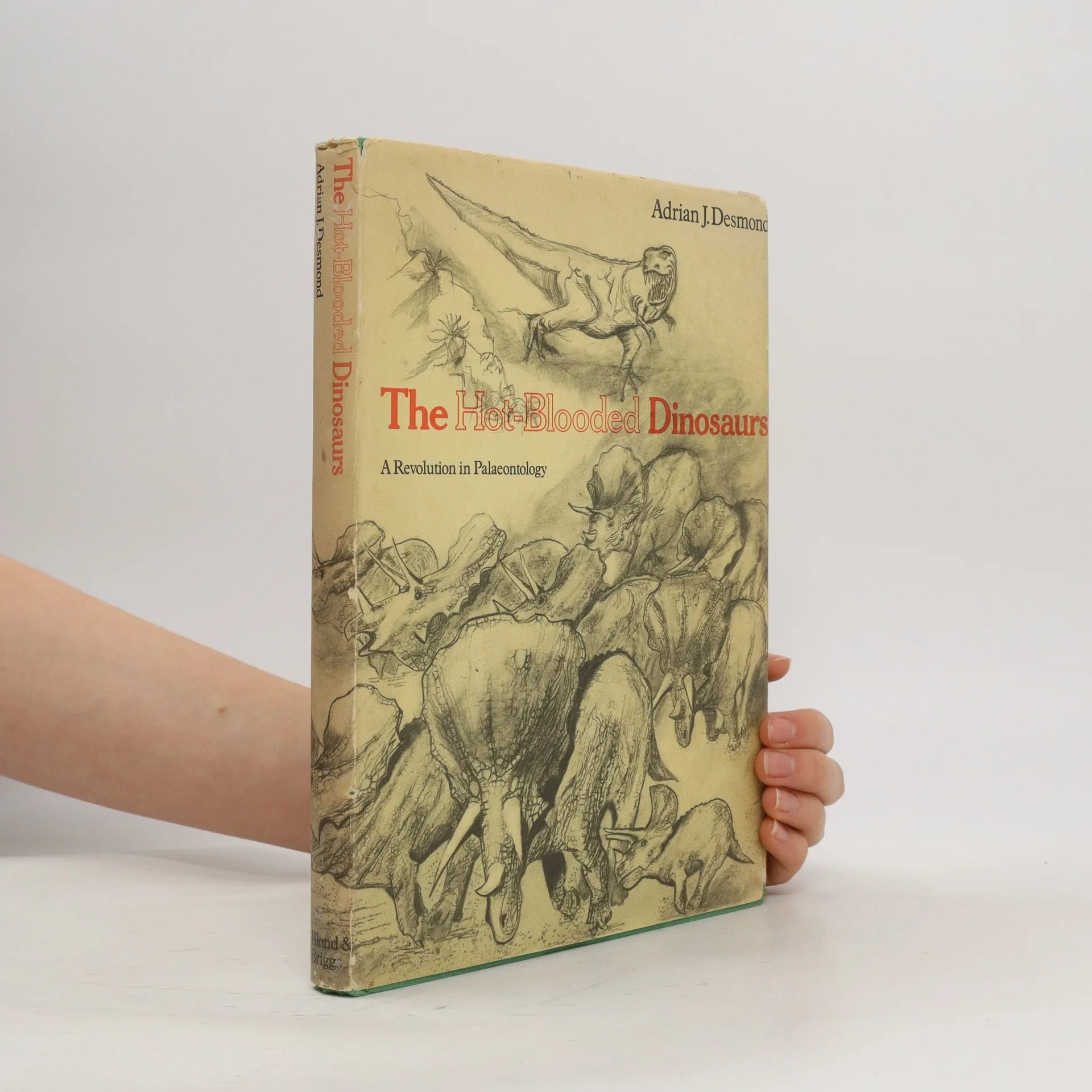
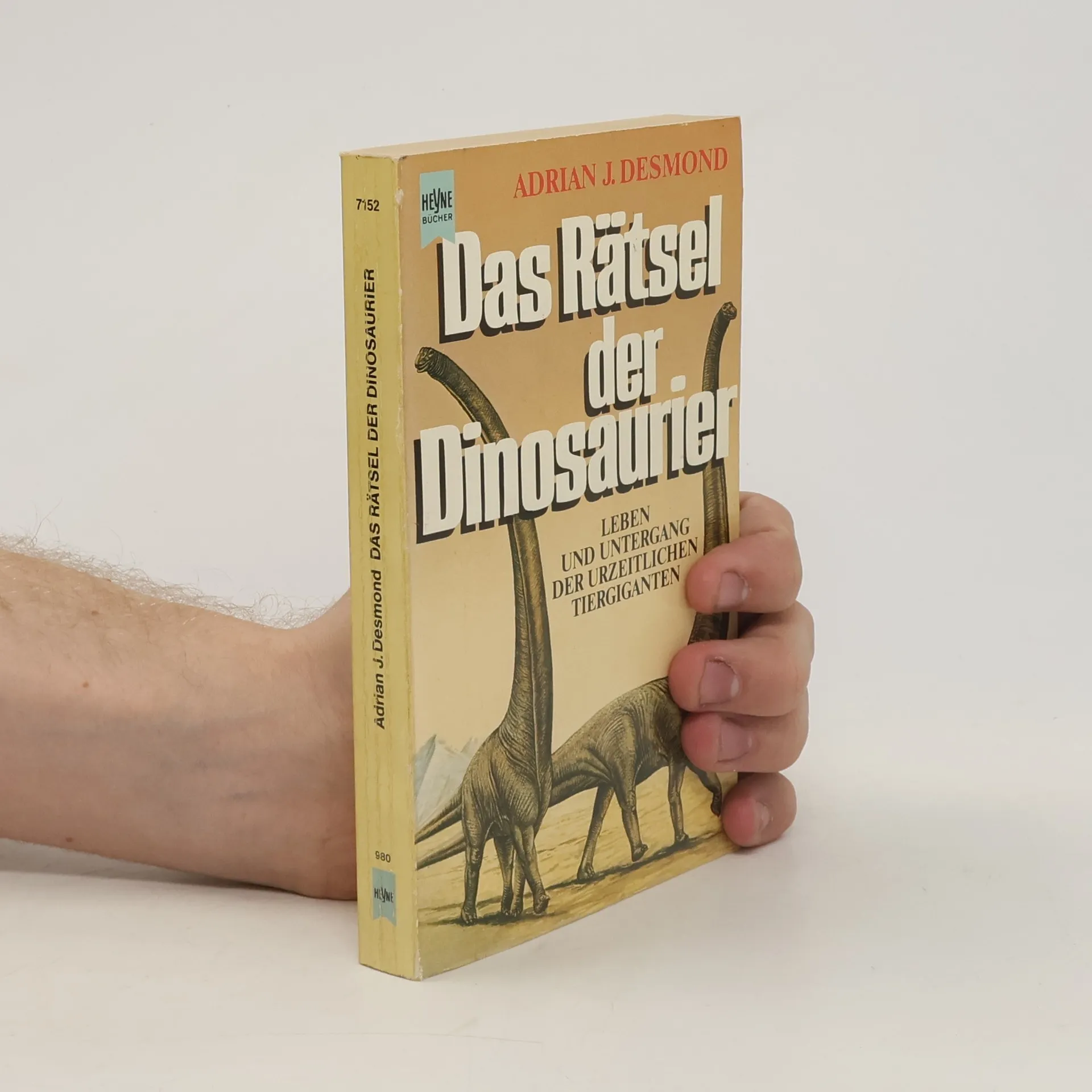
When the bones and skeletons of dinosaurs were discovered in the last century, the world was astonished. However, this astonishment soon gave way to the uncritical assumption that dinosaurs were a type of cold-blooded lizard with hardly any brains. They were seen as sluggish giant creatures that only moved when the sun provided enough energy. The author of this enlightening book challenges that image. In recent years, paleontologists from Harvard and Yale have made groundbreaking discoveries. Some dinosaurs indeed had large brain volumes, could see in stereo, and could use their 'fingers.' The reasons why these super creatures ultimately could not survive are convincingly explained in "The Hot-Blooded Dinosaurs." Desmond is a born storyteller, weaving his scientific narrative with delightful anecdotes. This reverse 'science fiction' about prehistoric times fascinates from beginning to end.