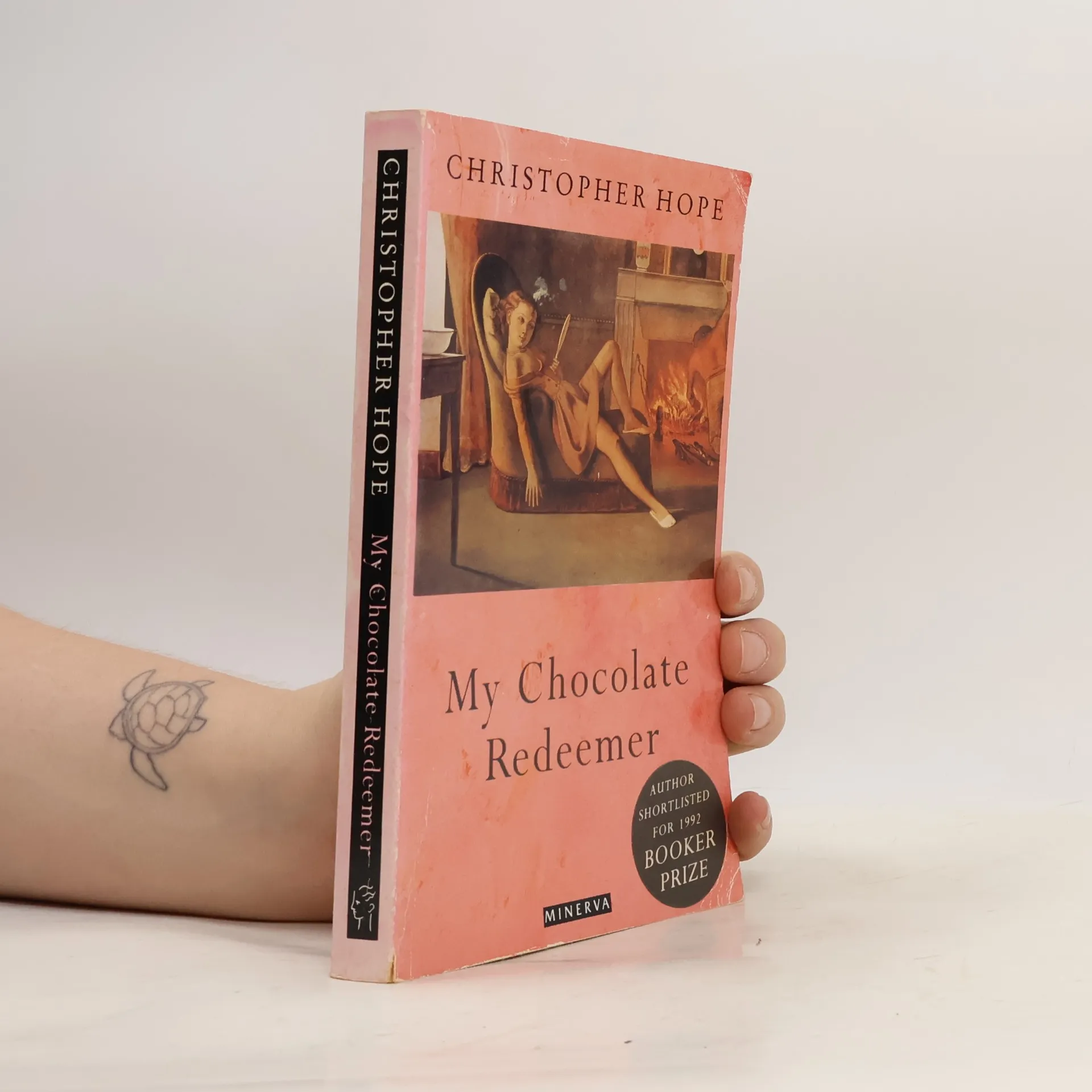
My chocolate redeemer
- 261 stránek
- 10 hodin čtení
Book by Hope, Christopher


Tento autor prozkoumává složité společenské otázky prostřednictvím své literární tvorby. Jeho díla, zahrnující poezii i prózu, se často zaměřují na kritický pohled na politické systémy a lidské vztahy v jejich rámci. Své poznatky a postřehy sdílí také prostřednictvím dalších žánrů, jako jsou cestopisy a biografie, čímž rozšiřuje spektrum svých literárních zájmů. Jeho psaní se vyznačuje pronikavostí a schopností podnítit čtenáře k zamyšlení nad složitostí světa.
Book by Hope, Christopher
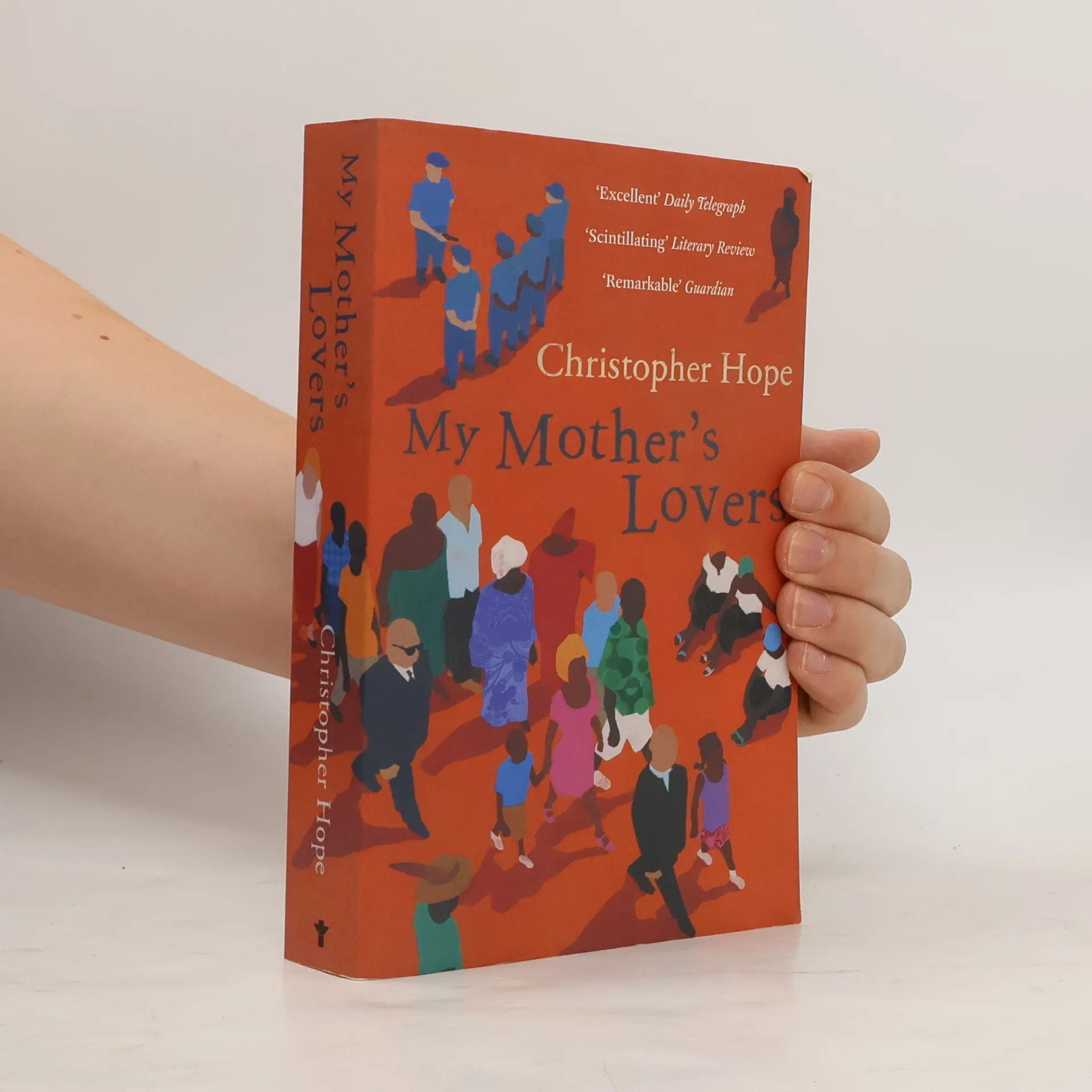
When Kathleen dies, her only son returns to Johannesburg to carry out her final wishes. Her legacy, which he must deliver in person, includes a cache of firearms for a former apartheid enforcer; a wig that once belonged to a Liberian boy soldier; and her knitting needles, which he must present to Bamadodi, the Rain Queen.
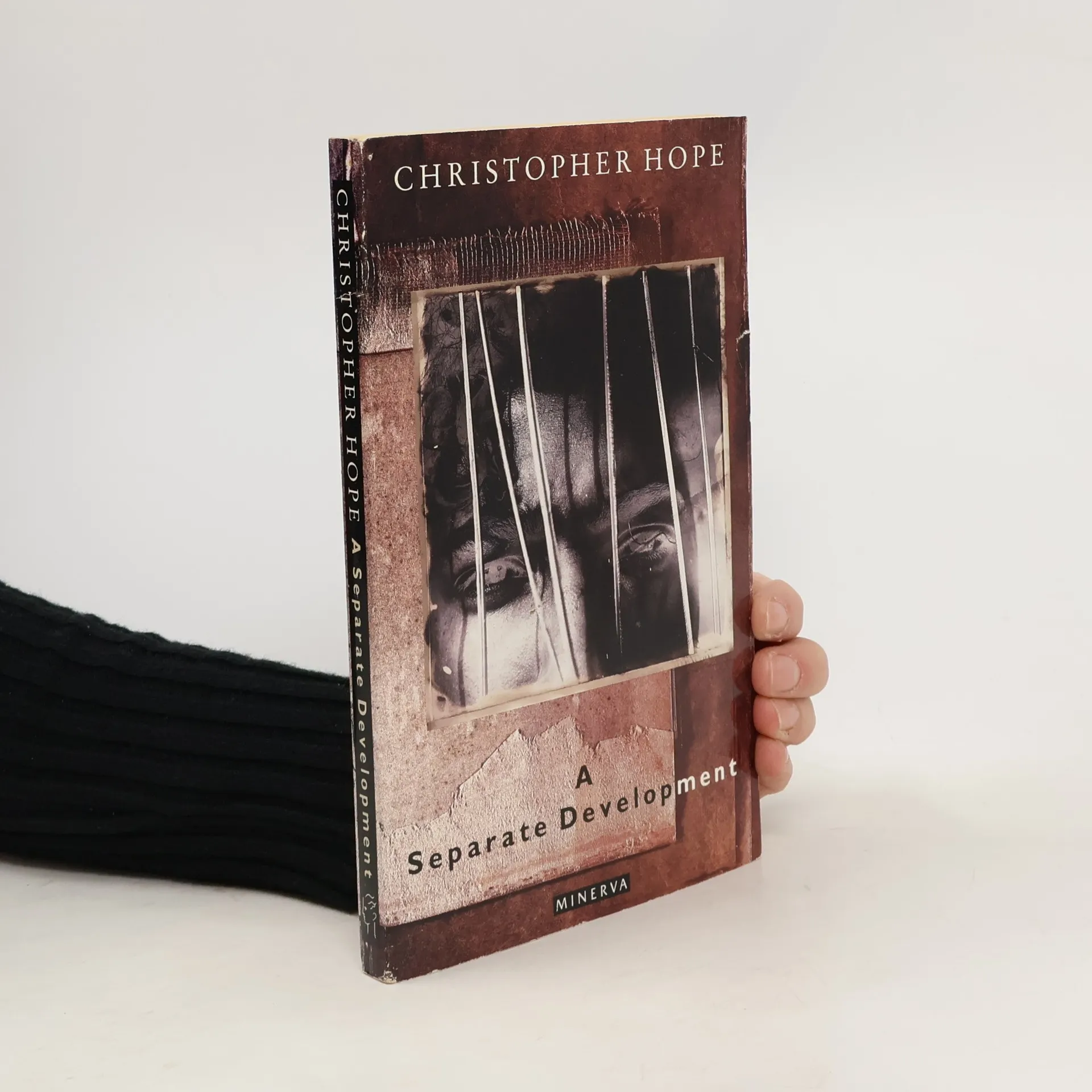
Harry Moto must pass as a "coloured" on the underside of society, following a sexual escapade with the rich which forces to live as a fugitive. This is the first novel of Christopher Hope, who is better known for his poetry and as a winner of the Cholmondeley Award.
Old Max, the genial giant of Serenity House, north London’s ‘Premier Eventide refuge’, might have been left to die in peace. But his son-in-law Albert, an MP with a special interest in the War Crimes Bill, has other ideas.
This book recounts the experiences of award-winning novelist Christopher Hope who went back to South Africa in 1987 for his first real visit in 12 years. He retraces his footsteps through the cruel absurdities of a world in disarray. The author also wrote "A Separate Development", "Kruger's Alp" and "The Hottentot Room". This is his first work of non-fiction.
Es ist die frühe Fünfzigerjahre in Badminton, Johannesburg, wo alle Straßennamen an britische Könige und Königinnen erinnern und wo pensionierte Soldaten den Wüstenkrieg in ihren staubigen Gärten nacherleben. In einen zeitlich abgeschotteten Vorort von Johannesburg kommt Nathan J. Swirsky, um seine Apotheke zu eröffnen. Mit seinen Geschichten von exotischen Orten und seinen glänzenden Flaschen und Gläsern halten ihn die örtlichen Kinder für einen Zauberer. Doch die Erwachsenen wittern Schwierigkeiten...