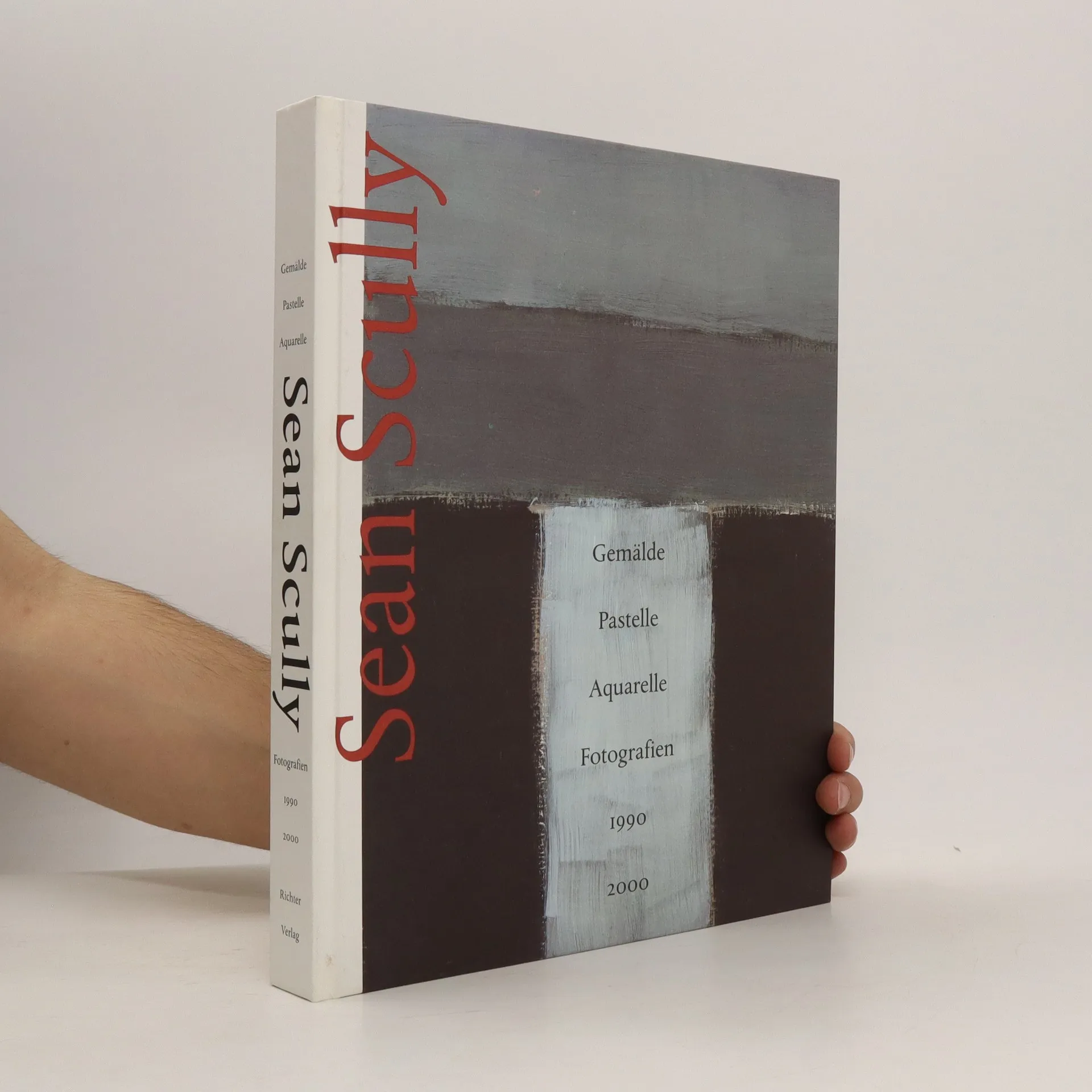
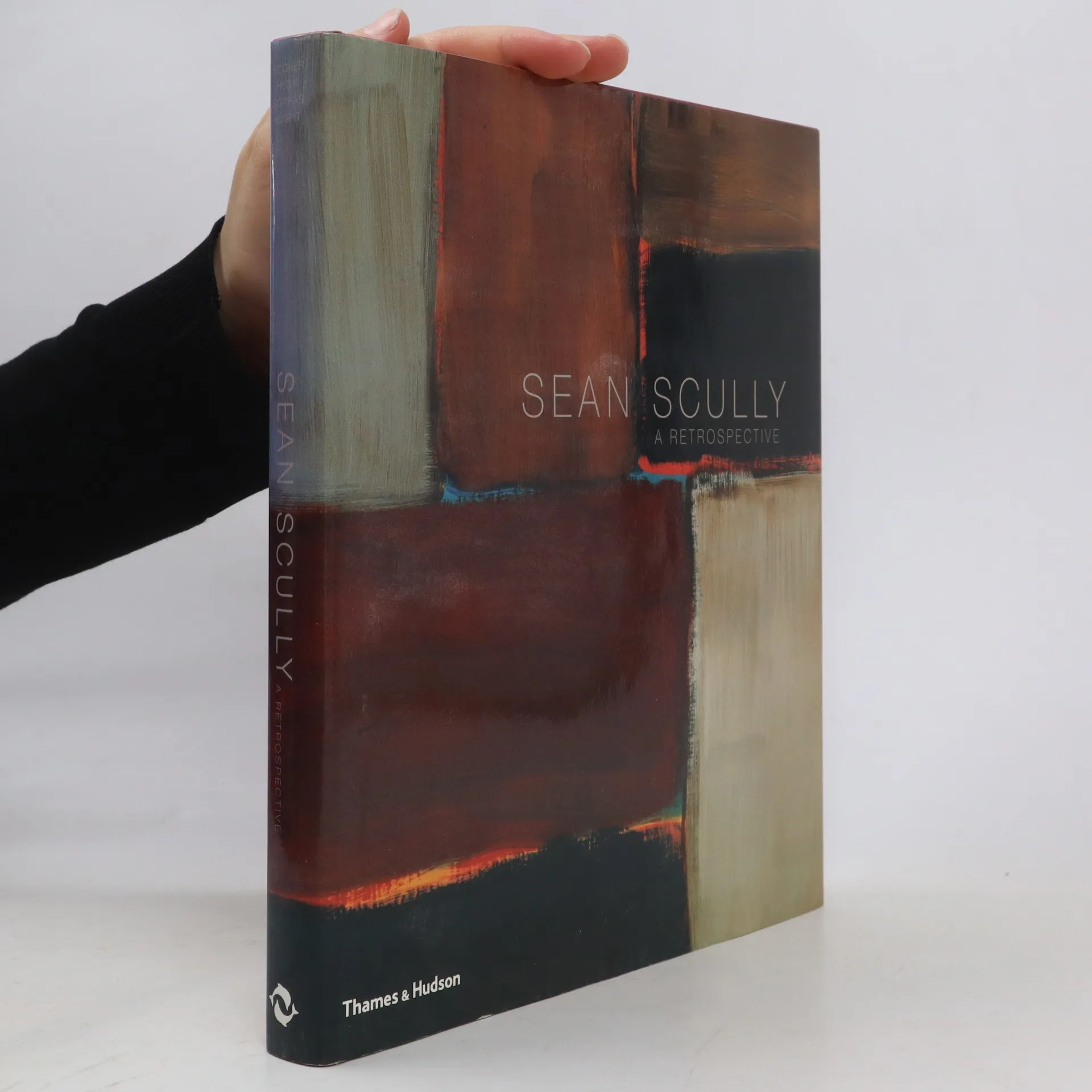
"Irish-born Sean Scully is one of the most important abstract painters alive today. Over the course of more than thirty years, he has produced a vibrant, compelling and constantly inventive body of work in a range of media that is widely collected and internationally exhibited. His familiar signature style of lines or bands of color alluding to architectural elements such as portals, windows and walls is instantly recognizable." "Published to accompany a major European exhibition tour, Sean Scully: A Retrospective includes work in all media - painting, photographs, prints, drawings and watercolors - from the early 1970s to the present, the only book to cover Scully's entire career to date. Texts by respected curators Danilo Eccher, Lorand Hegyi and Maria Lluisa Borras and award-winning American critic and art historian Donald Kuspit position the artist in his rightful place within the traditions of earlier abstraction and of painting in general, while discussing the spiritual, emotional and very human nature of his art."--Jacket
Sean Scully Knihy

Confessions of Narcissus
- 98 stránek
- 4 hodiny čtení
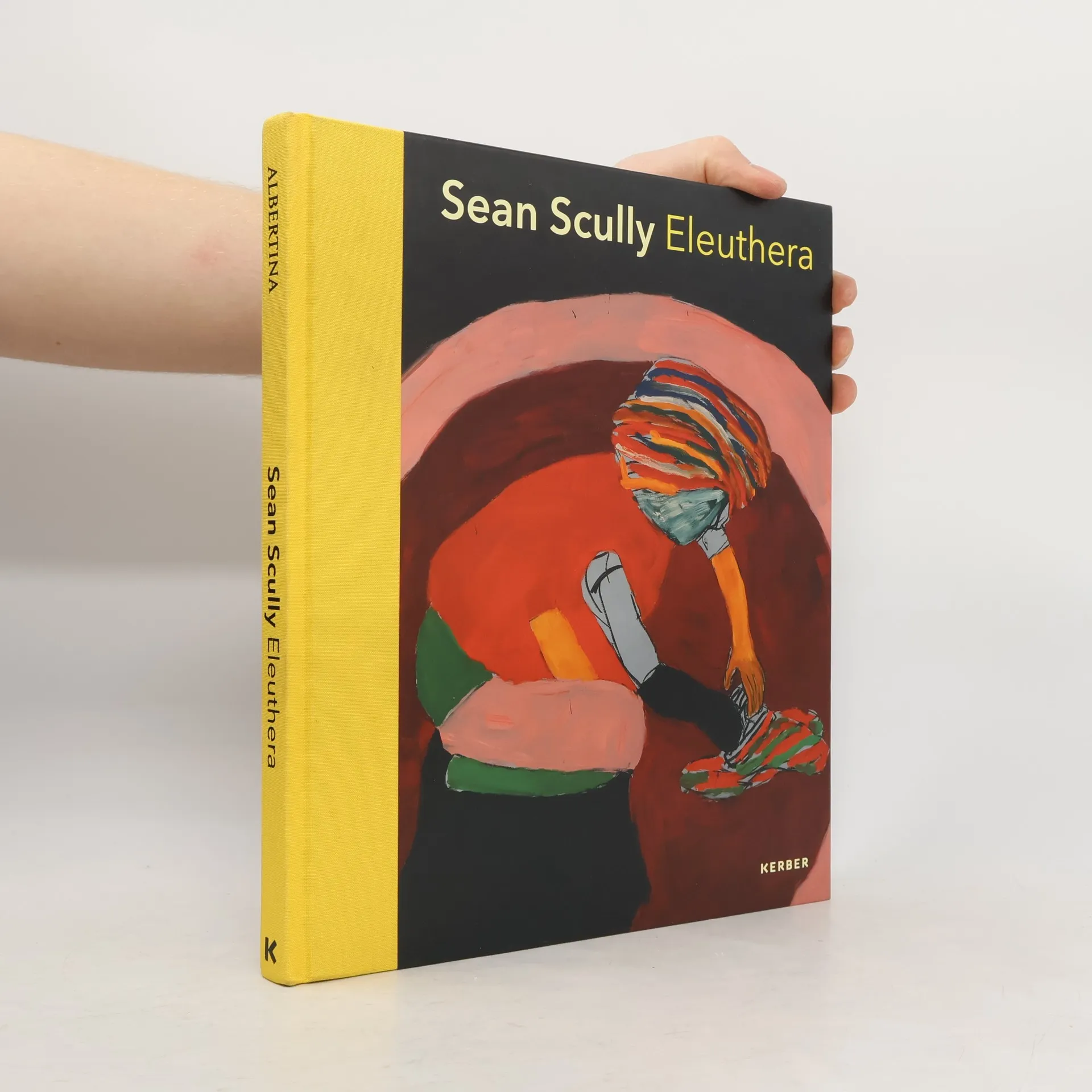
Sean Scully - Eleuthera
- 168 stránek
- 6 hodin čtení
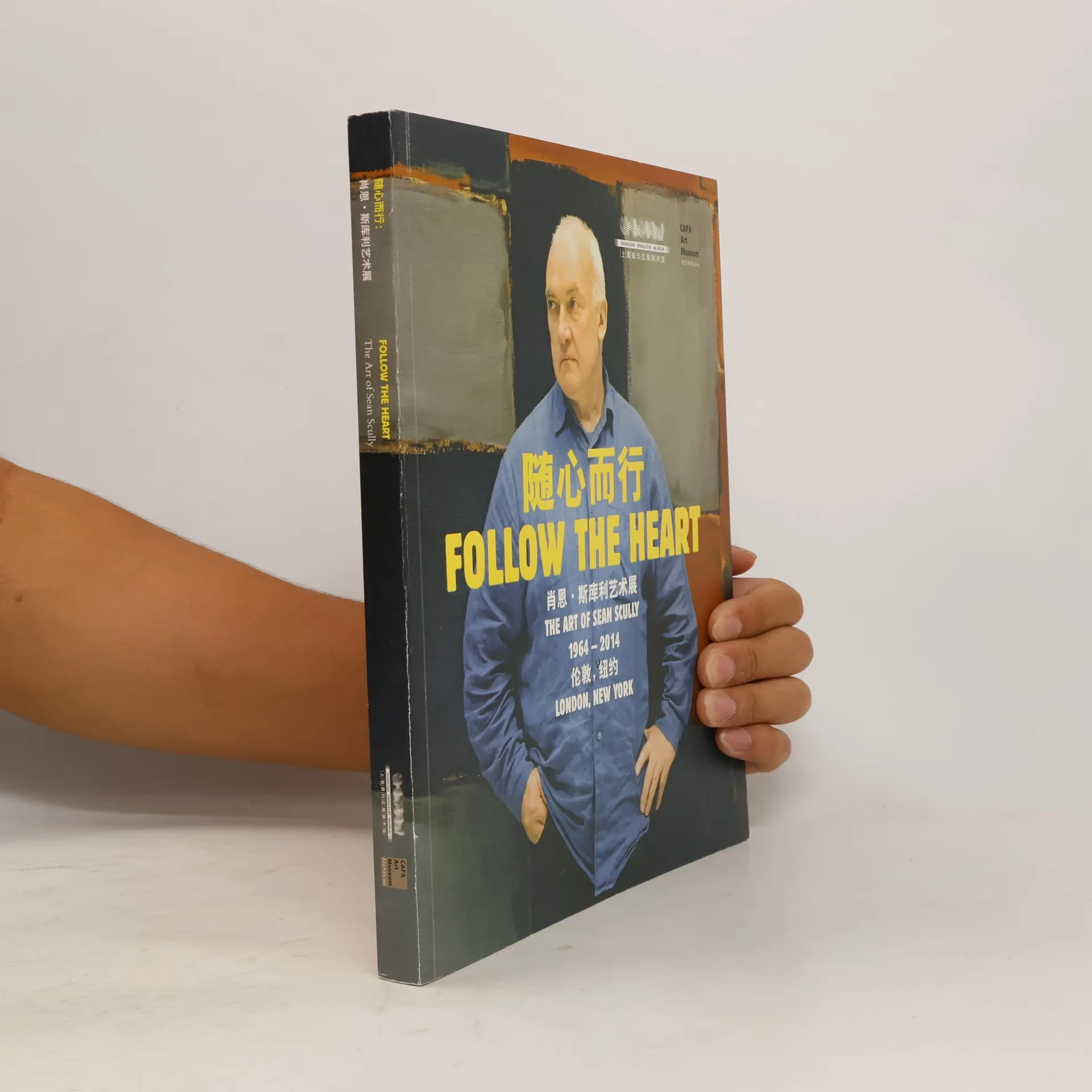
The internationally renowned artist Sean Scully (*1945) is known above all for his abstract, expressively painted works. The artist creates large-format paintings with an intense application of color and rough brushstrokes; he often has checkered or striped patterns emerge, thus reproducing the aesthetic of geometric minimalism. In the planned exhibition at the Albertina, Sean Scully: Eleuthera, Sean Scully and his art will be shown from a much more private side. At the center of the exhibition is the “Eleuthera” series from the years 2016–17, in which Scully examines a very familiar topic. The series consists of twenty-five large-format oil paintings depicting Oisín, the artist’s seven-year-old son, playing on the beach of Eleuthera, an island in the Bahamas. The accompanying publication presents this new group of works for the first time.
Published for the 56th Venice Biennale, a complete monograph devoted to the Irish-born American-based painter and printmaker who has twice been named a Turner Prize nominee. ?Born in Dublin, Ireland, in 1945, Sean Scully has gained international prominence as one of the most admired contemporary abstract painters today. Fusing the traditions of European painting with the distinct character of American abstraction, Scully’s great achievement is the reinvigoration of abstract painting with the metaphorical, the philosophical, and the sublime combined with the earthy tangibility of paint. From his precisely gridded works of the 1970s to the three-dimensional panels of the 1980s and his now celebrated Wall of Light paintings from the 1990s, this volume gathers the entire oeuvre of the artist, whose work is held in numerous public collections including the Metropolitan Museum of Art, MoMA, and Solomon R. Guggenheim Museum, New York; the National Gallery of Art, Corcoran Gallery of Art, and Hirshhorn Museum and Sculpture Garden, Washington, DC; Modern Art Museum of Fort Worth, Texas; and the Tate, London.
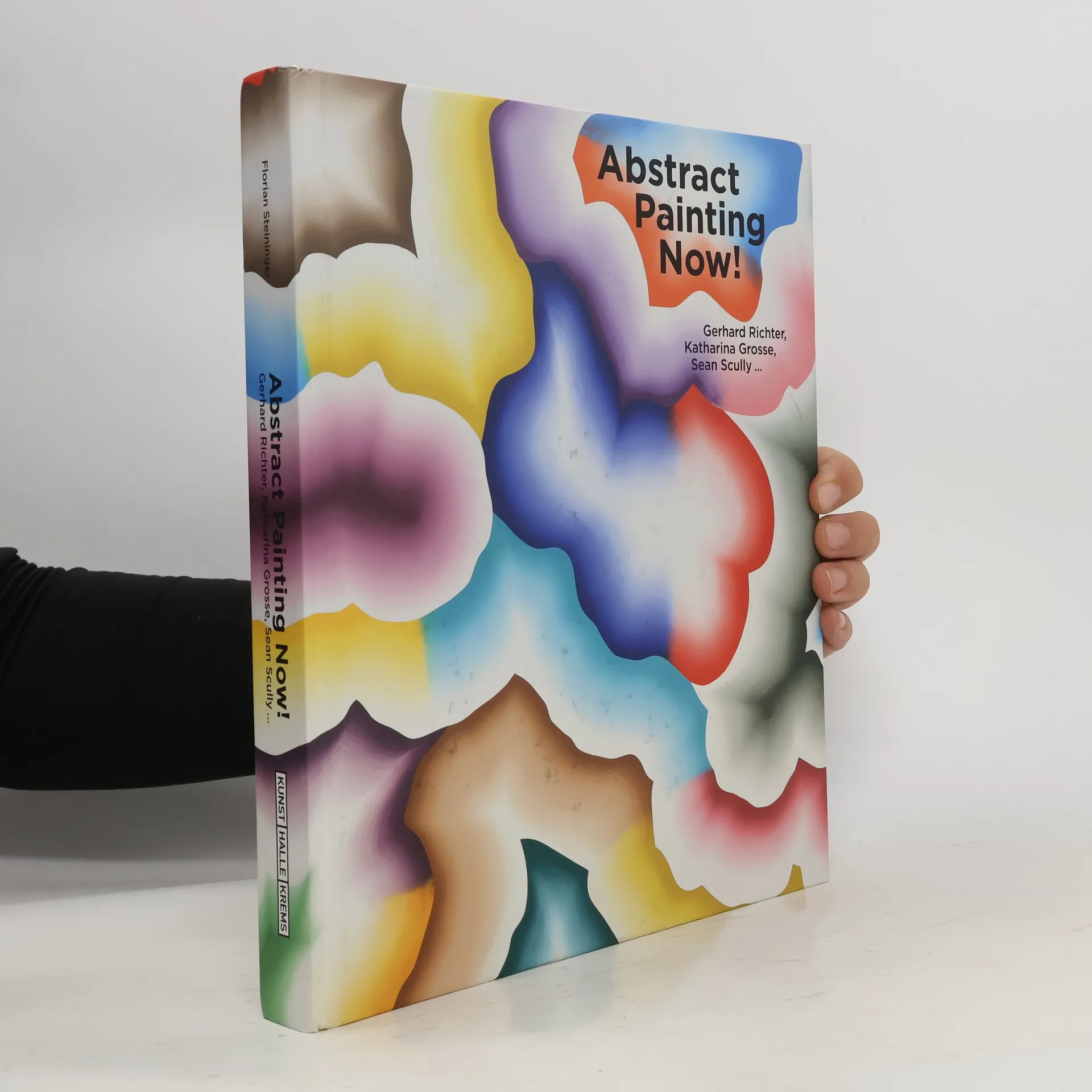
Looking at painters who came to prominence in the 1960s, '70s and '80s, this book shows how abstract painting has developed in the wake of postwar movements such as Art Informel.
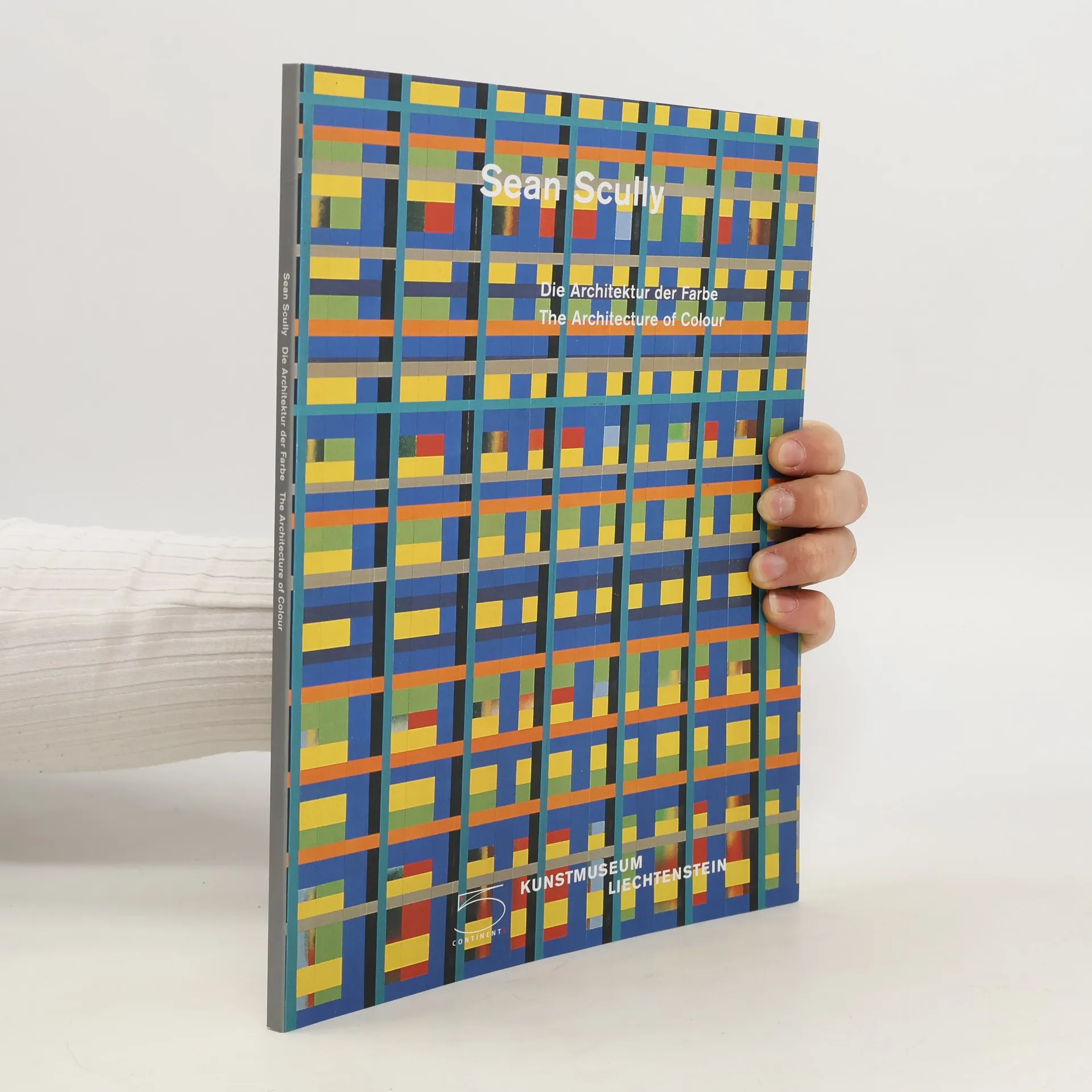
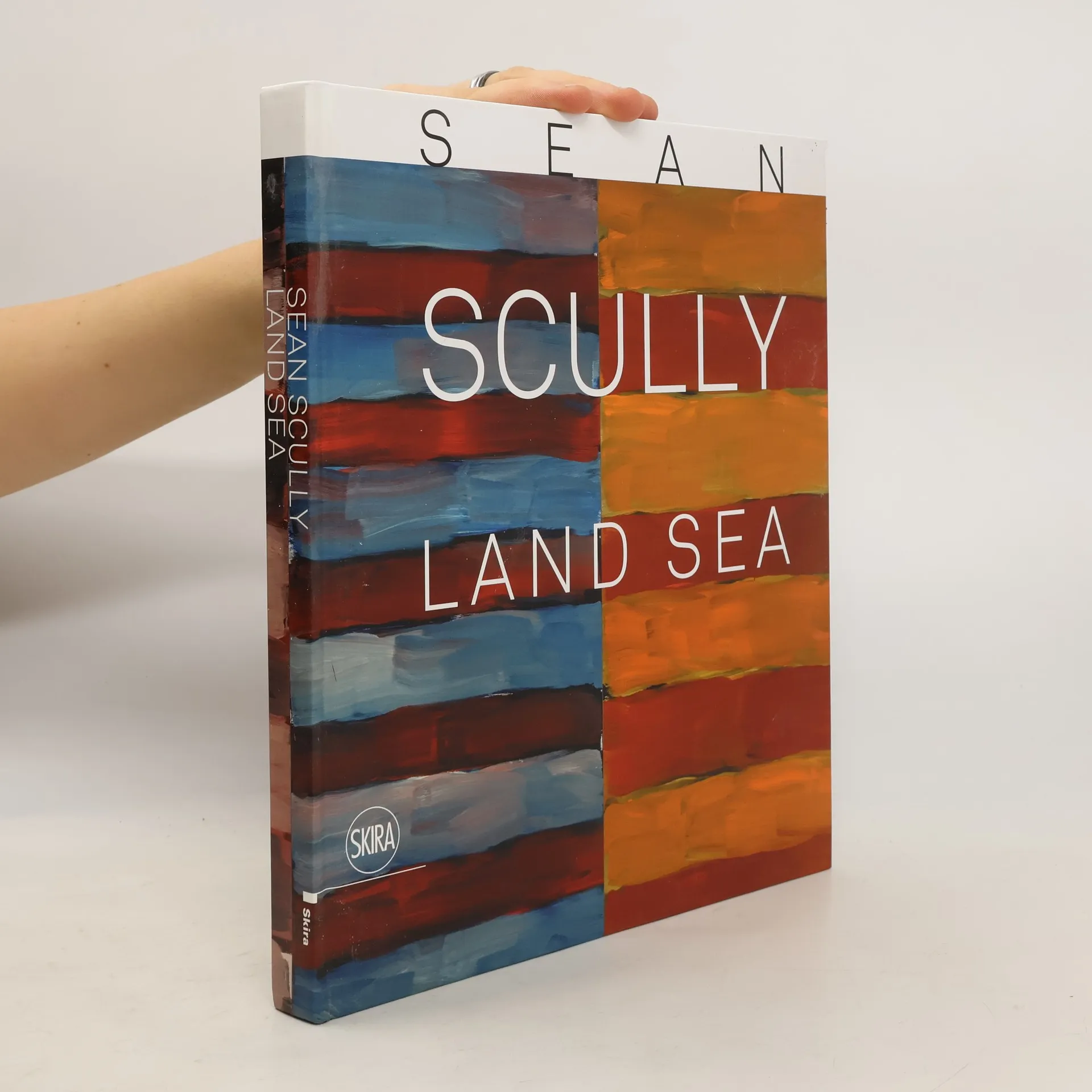
Sean Scully , an Irish-born American painter has been a focus of attention in international painting for more than thirty years. He has produced a vibrant and compelling body of work that is widely collected and internationally exhibited. He has persistently held his own course and countless exhibitions all over the world testify to his creative powers and the force of his painting, which is in the tradition of Classical Modernism, ascribing particularly great importance to the expressiveness of colour itself. This book outlines and highlights the continuous development of Scully's oeuvre, from its beginnings in the late 1960s to the present day, with particular reference to the inherent structural qualities of colour itself. The internationally known works which Scully has produced since the 1980s are thereby linked with his almost unknown early works. What actually constitutes the essential links in the last four decades is the artist's exploration of colour and its particular capacity to fulfil s
Sean Scully
- 271 stránek
- 10 hodin čtení