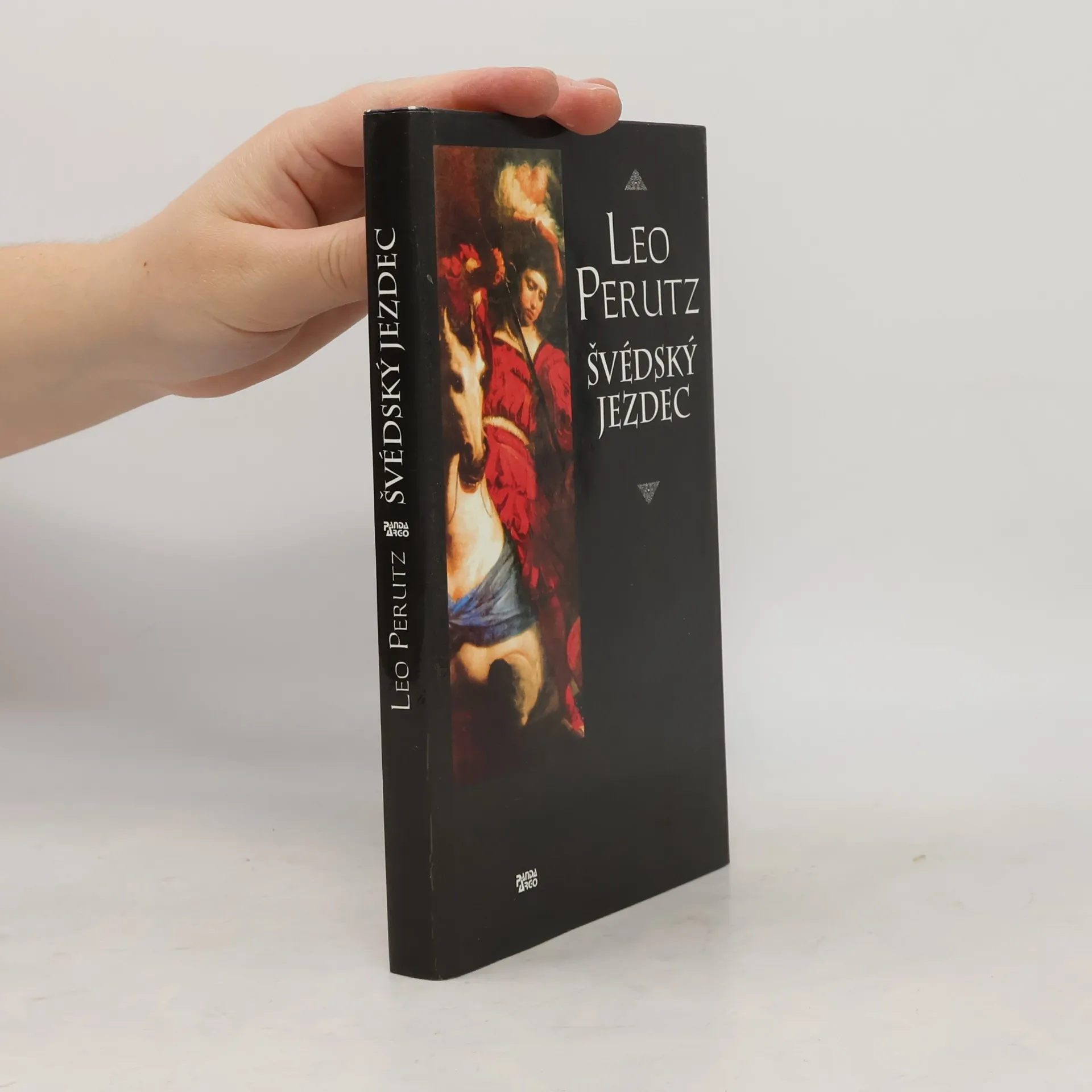
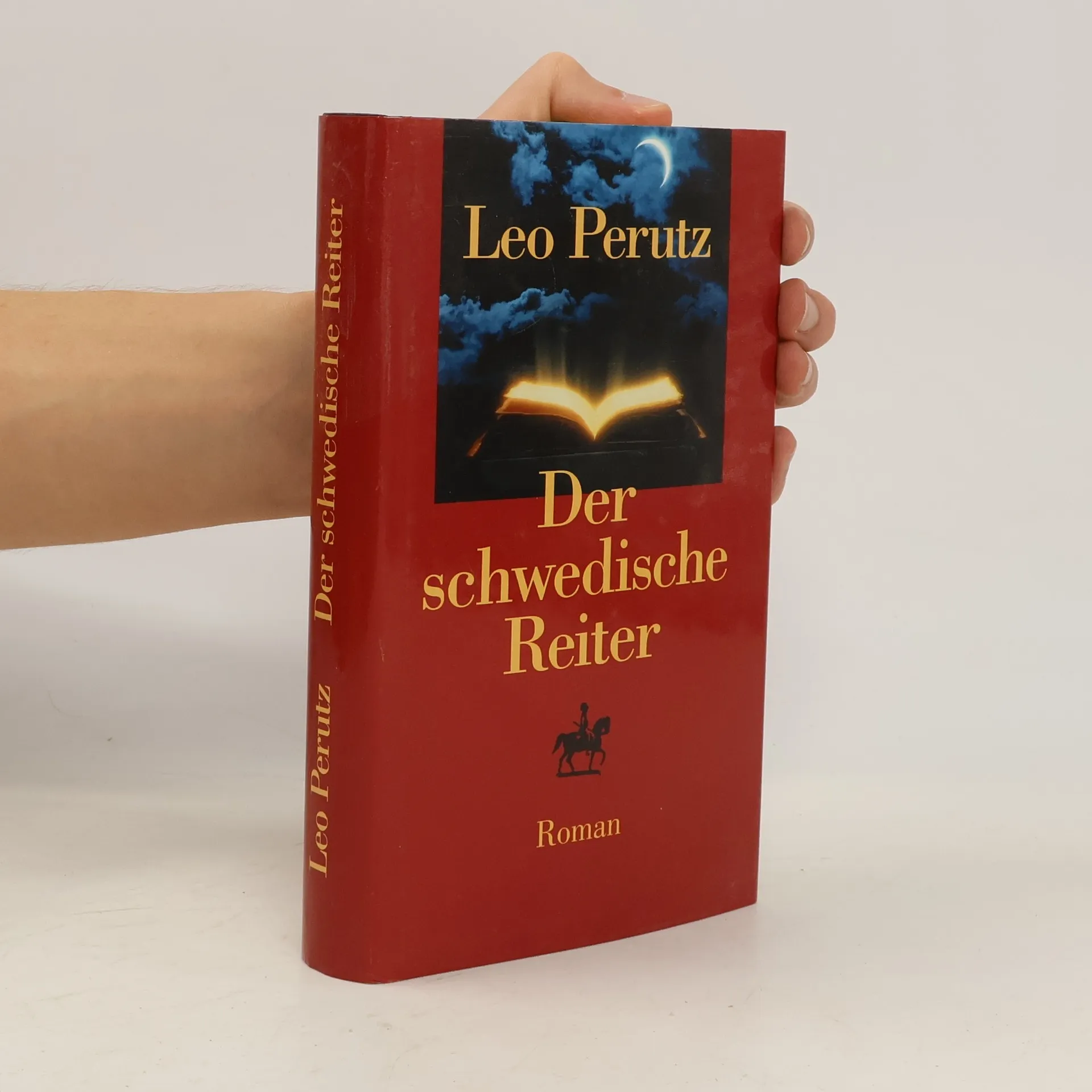
Historický román jednoho z čelních představitelů německy píšících židovských spisovatelů narozených v Praze. Odehrává se na začátku 18. století ve Slezsku, na okraji území zmítaných válkami švédského krále Karla XII.
Fantastický román
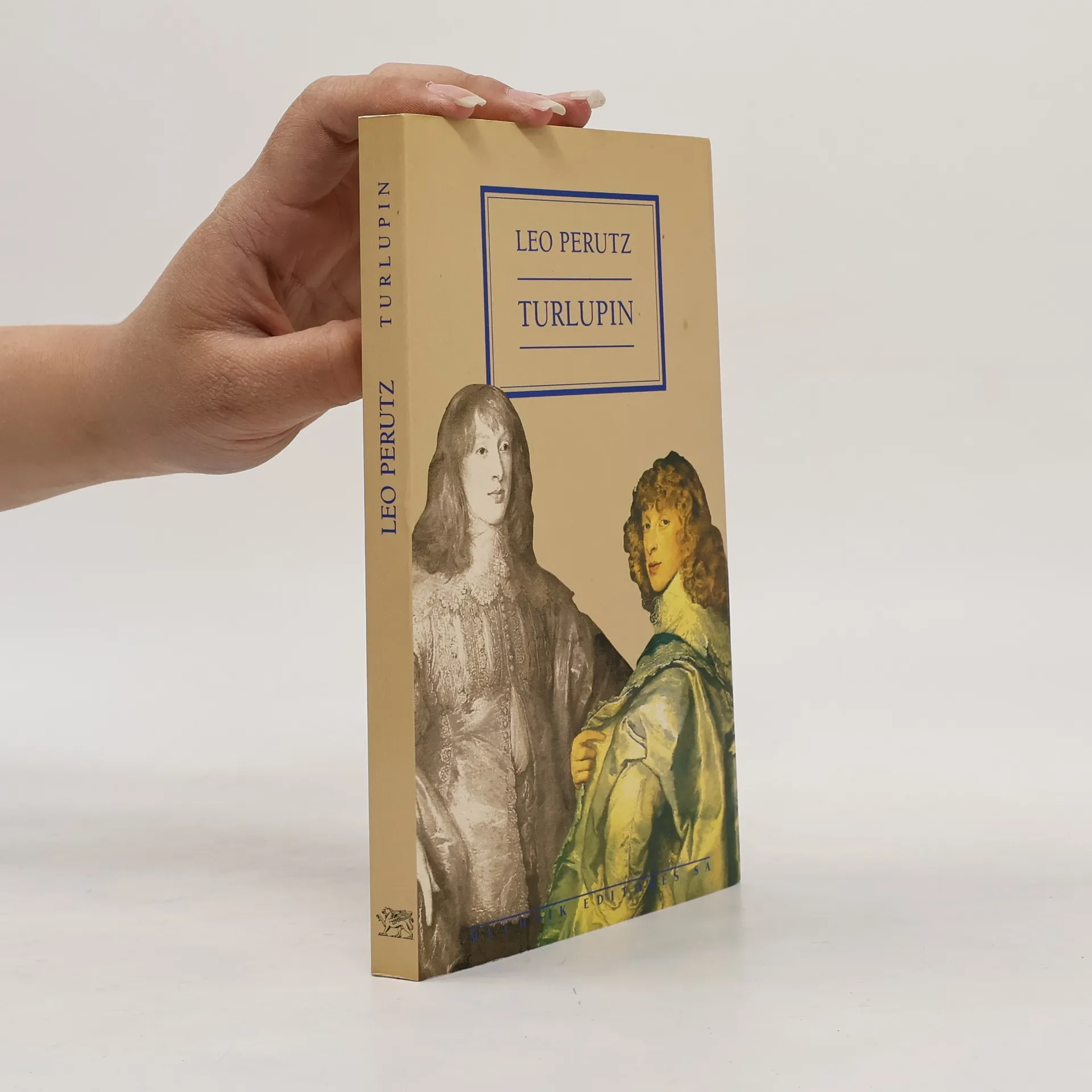
Fantasticko-dobrodružný příběh, jehož hrdina na pozadí přítelovy sebevraždy objevuje působení nebezpečných magických sil.
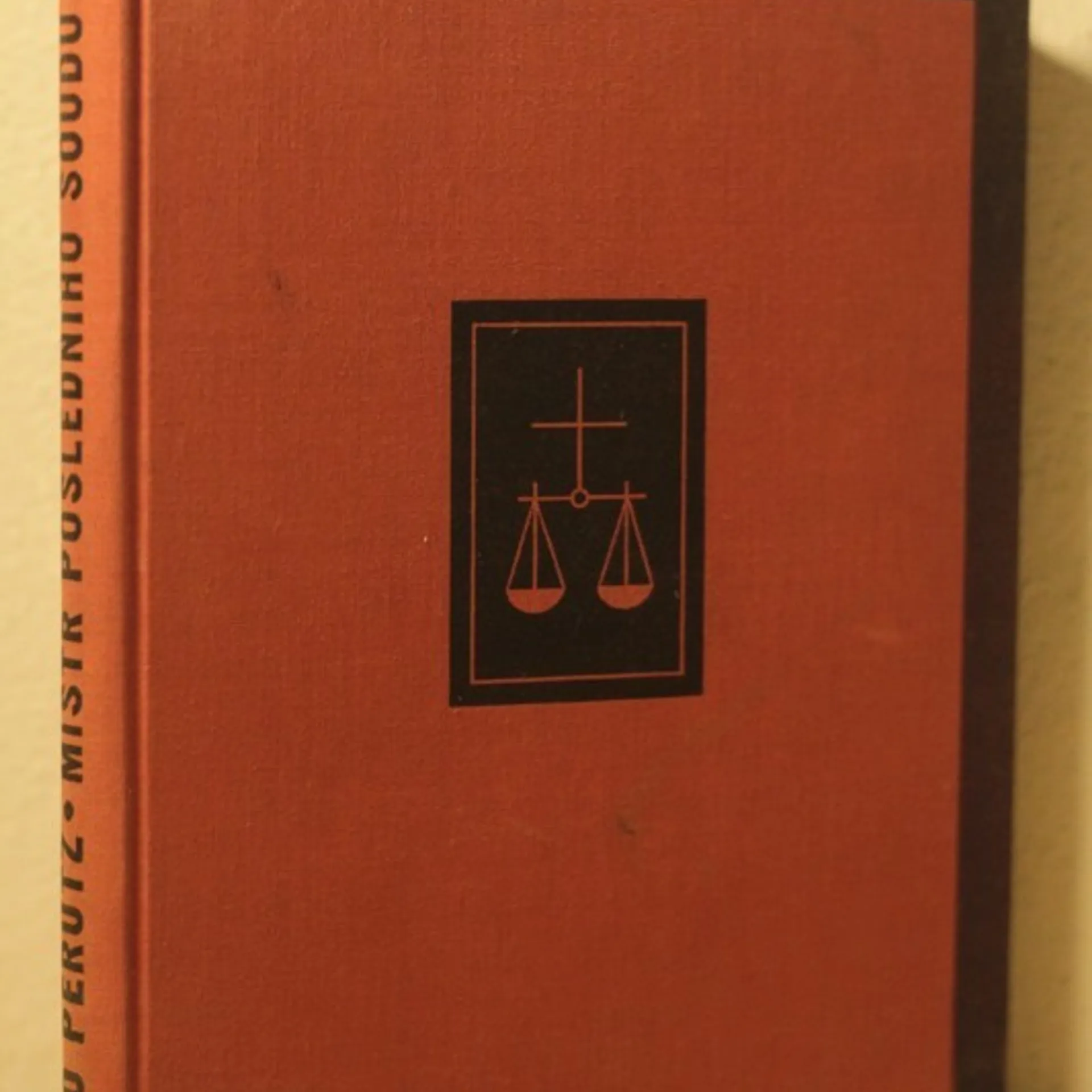
Hlavní postavou románu je důstojník baron von Yosch, jenž je obviňován z toho, že zavinil sebevraždu svého přítele herce Bischoffa. Při pátrání po tajemných okolnostech hercovy smrti najde foliant z 16. století, obsahující podivný starý příběh florentského "mistra posledního soudu" s receptem na drogu, vyvolávající tak děsivé vidiny, že dohánějí k dobrovolné smrti. Román je jakousi baronovou výpovědí, tajuplnou až k rozuzlení celé zápletky. Nejednoznačným zakončením pak ponechává autor na čtenáři, zda šlo o skutečnost či o pouhý výmysl hrdinovy mysli, trpící pocitem nepřiznané viny. Leo Perutz, německý židovský spisovatel narozený v Praze, obdařil svou knihu perfektním fabulačním mistrovstvím: napínavý děj se v něm váže s neskutečným dobrodružstvím a mystika je spojena s fantazií snu. Příběh nepatří sice k Perutzovým stěžejním dílům, jeho příznivce však jistě potěší a u ostatních čtenářů může vyvolat zájem o další knihy z pera tohoto pozoruhodného autora.
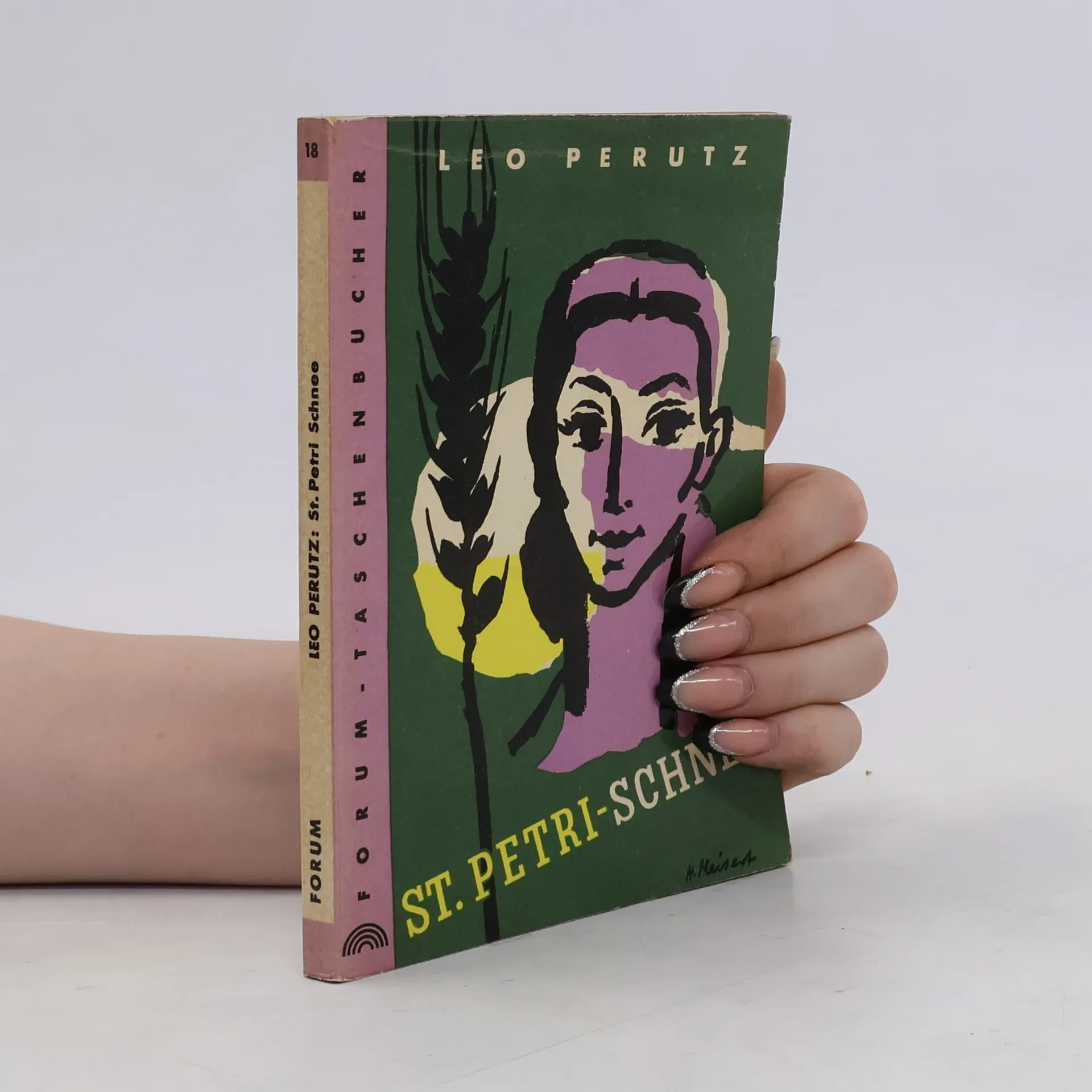
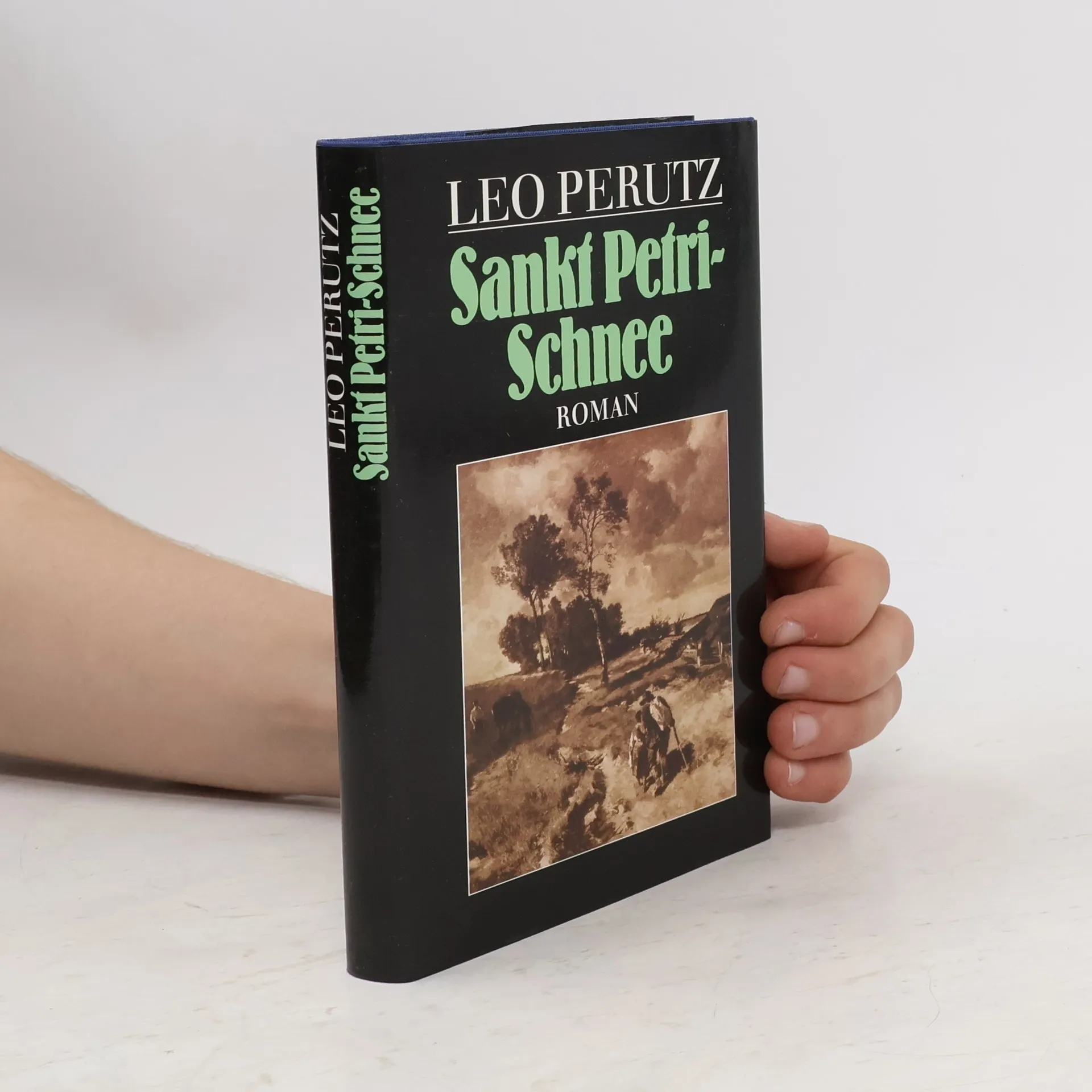
It could have been a common street accident that put Dr. Georg Amberg in the hospital, but for the five weeks his doctors say he has been in a coma, recovering from a brain hemorrhage after being run down by a car, he has memories of a more disturbing nature. What of the violent events in the rural village of Morwede? The old woman threatening the priest with a breadknife, angry peasants with flails and cudgels, Baron von Malchin with a pistol defending his dreams for the Holy Roman Empire—how could Dr. Amberg ignore these? And what of the secret experiment to make a mind-altering drug from a white mildew occurring on wheat—a mildew called Saint Peter’s Snow. In this feverish tale of a man caught in the balance between two realities, Leo Pertuz offers a mystery of identity and a fable of faith and political fervor, banned by the Nazis when it was first published in 1933. Saint Peter’s Snow is typical of Perutz’s storytelling mastery: extraordinarily rich and elegant fiction that is taut with suspense, full of Old World irony and humor.
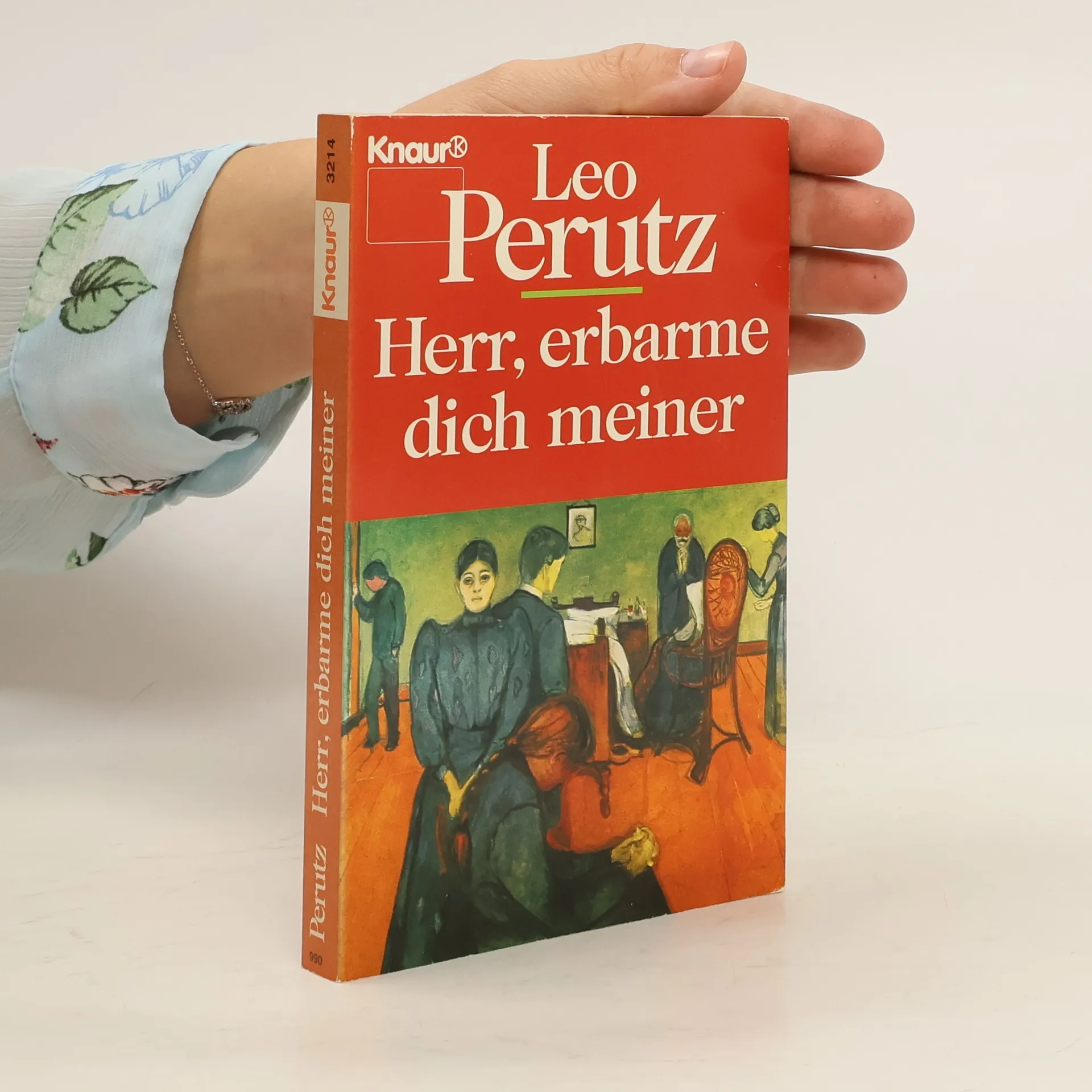
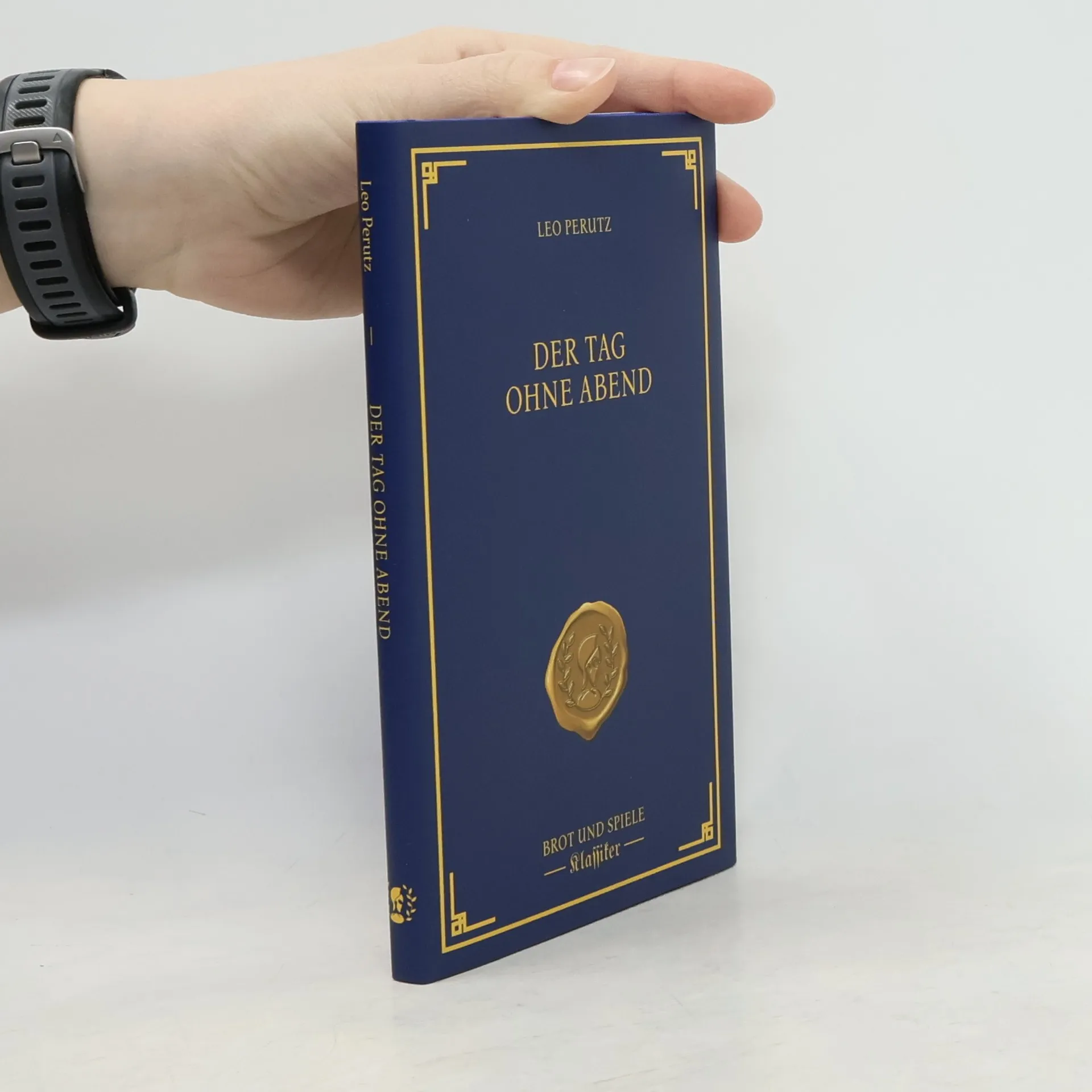
Diese Sammlung von Kurzgeschichten enthält: Herr, erbarme dich meiner! Dienstag, 12. Oktober 1916 Die Geburt des Antichrist Der Mond lacht Das Gasthaus zur Kartätsche Nur ein Druck auf den Knopf Der Tag ohne Abend Gespräch mit einem Soldaten Pour avoir bien servi
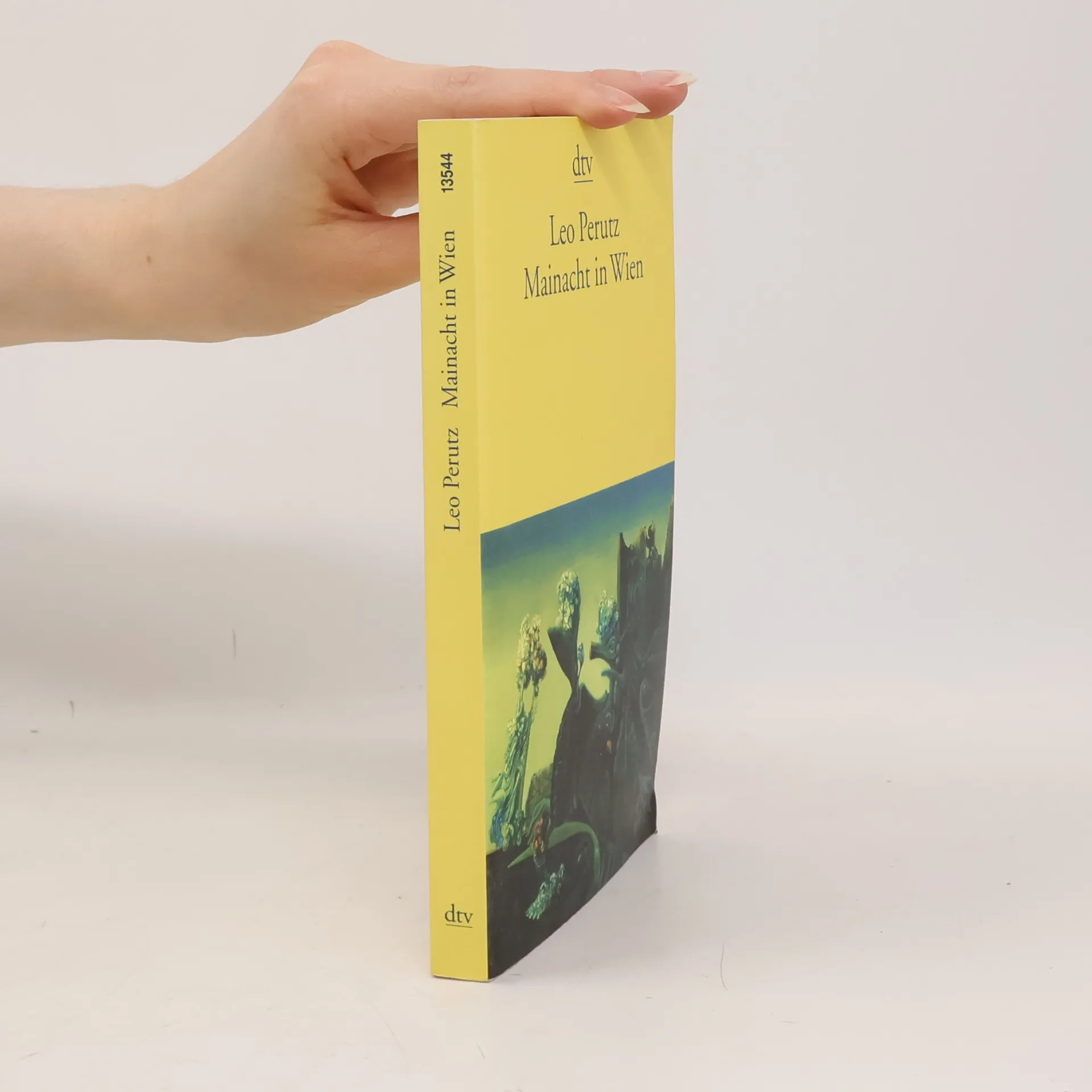
In diesem Band sind kleine Erzählungen, unvollendete Romane und Reise- sowie Literaturfeuilletons von Perutz versammelt. Im Mittelpunkt steht das Romanfragment "Mainacht in Wien", das 1938 entstand und die Flucht des jüdischen Journalisten Dr. Georg Schwarz vor der deutschen Besatzung erzählt.
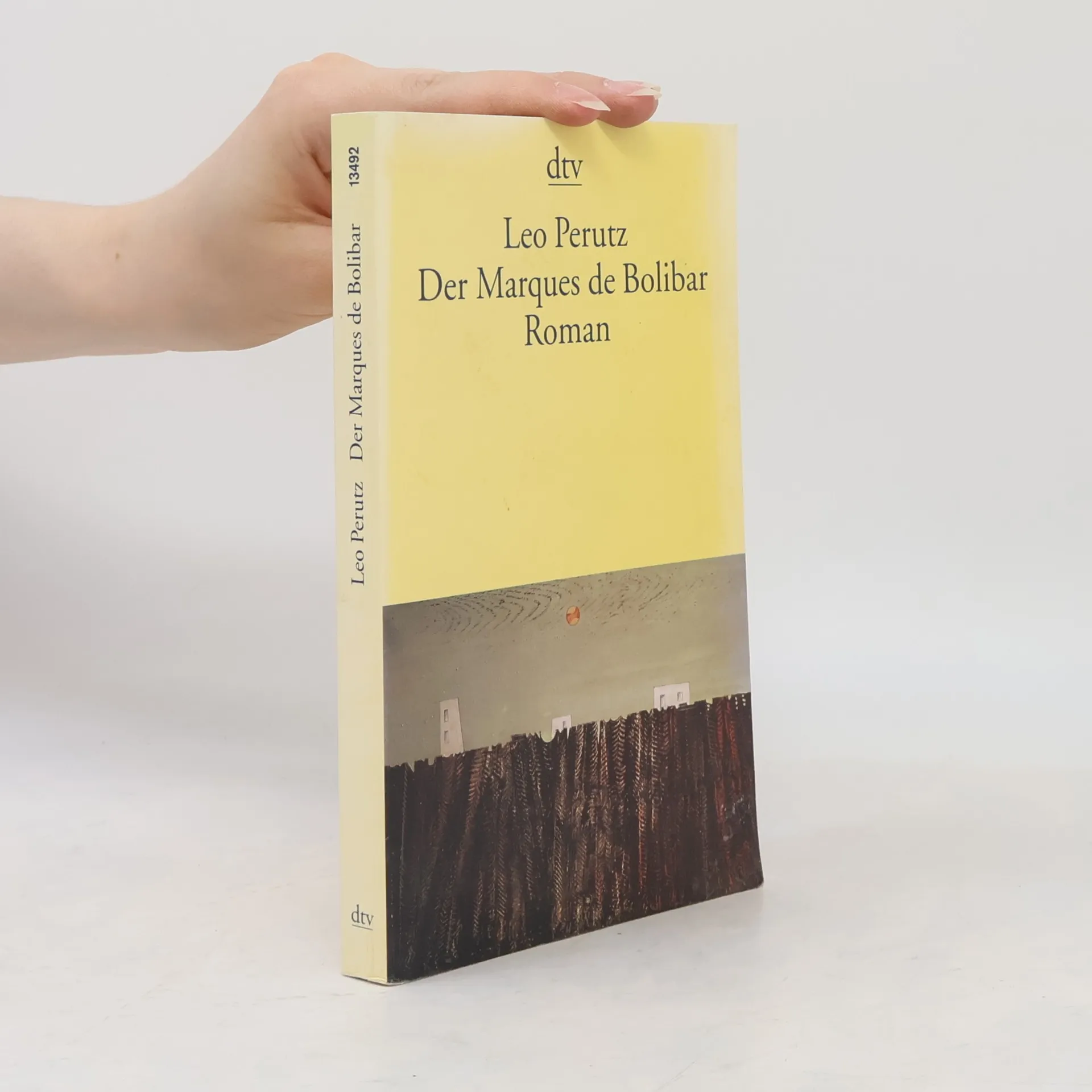
Vor dem Hintergrund des napoleonischen Spanienfeldzugs wird der greise Marques de Bolibar zum Lenker eines todbringenden Schicksals. In der andalusischen Bergstadt La Bisbal werden im Winter 1812 durch spanische Guerillas die beiden deutschen Regimenter »Nassau« und »Erbprinz von Hessen« vernichtet – Rheinbundtruppen, die Napoleons Spanienfeldzug unterstützten. Nur ein Offizier überlebt, der Leutnant von Jochberg. Seine Memoiren enthüllen die geheimnisvollen Umstände des Massakers. Im Mittelpunkt der spannenden Geschichte steht der greise Marques de Bolibar, der heimliche Kommandant des spanischen Widerstands, der über seinen eigenen Tod hinaus zum Lenker eines tödlichen Schicksals wird.
Opernsängerin Lydia van Loo flieht vor ihrem eifersüchtigen Mann, einem russischen Fürsten. Trotz ihrer Flucht setzt er alles daran, sie zurückzugewinnen. Lydia sucht Zuflucht bei dem wohlhabenden Tabakhändler Dschahid, was zu einer spannenden Konfrontation führt.
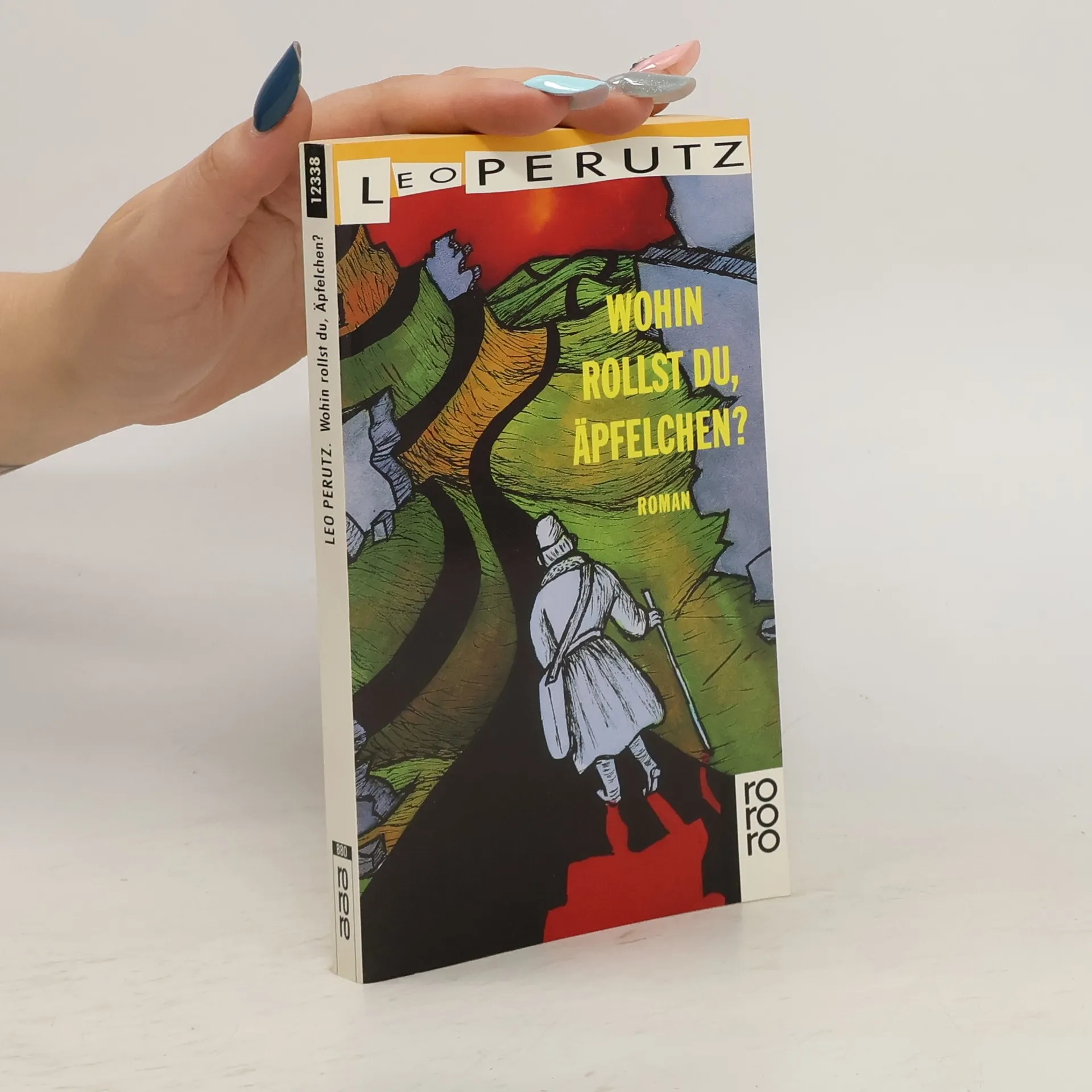
Wien 1918/19. Der einstige Offizier Georg Vittorin kann die Demütigung nicht vergessen, die er als Kriegsgefangener von dem russischen Lagerkommandanten Seljukow erdulden musste, und beschließt, als Rächer nach Russland zurückzukehren. Eine dramatische Verfolgungsjagd beginnt, die ihn durch die Sowjetunion, nach Konstantinopel, Mailand, Paris und weiter treibt, bis es schließlich zu dem erhofften »Duell ohne Zeugen« kommt. Drei Millionen Leser verfolgten den Erstabdruck dieses Romans, der 1928 in der größten Illustrierten des Kontinents, der Berliner Illustrirten Zeitung, in Fortsetzungen erschien. Wohin rollst du, Äpfelchen wurde von den Lesern verschlungen, der Titel wurde Ende der zwanziger Jahre zu einem Schlagwort, in dem die Ungewissheit und Zukunftsangst der Menschen ihren Ausdruck fand.
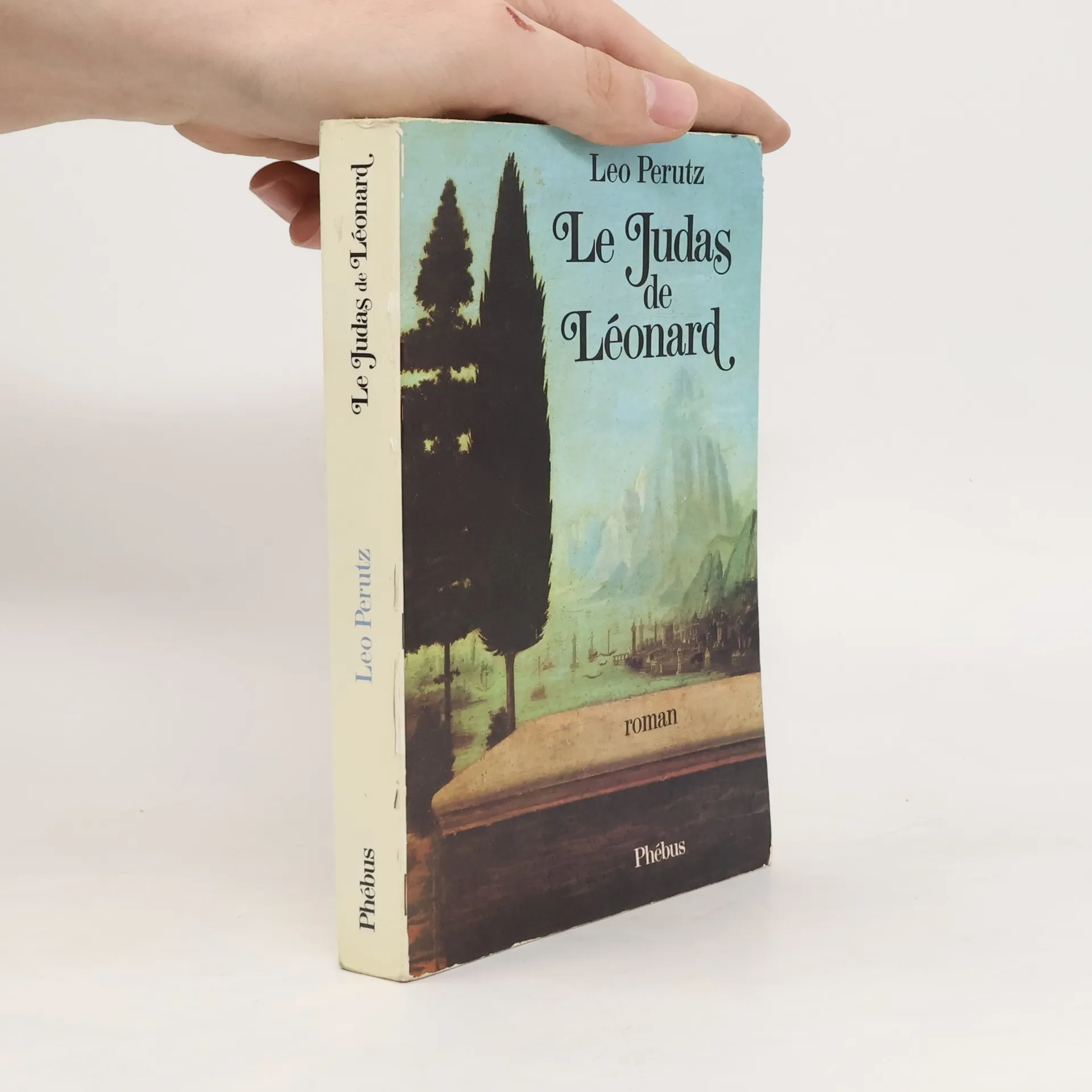
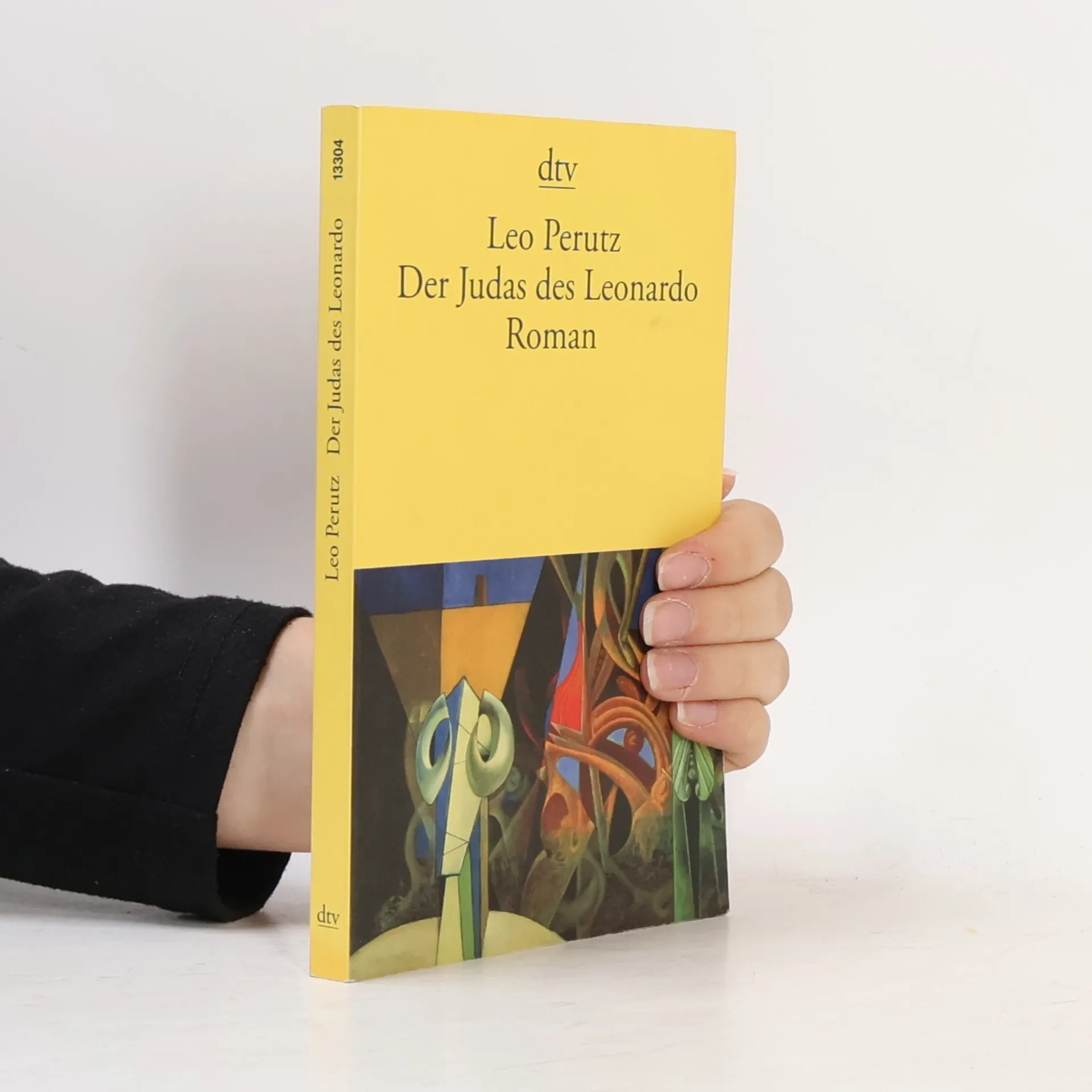
Ein spannender historischer Roman, der die Themen Liebe, Geld und Verrat wie auch Kunst und Künstlertum formvollendet miteinander verknüpft. Mailand an der Wende vom 15. zum 16. Jahrhundert. Leonardo da Vinci möchte im Refektorium des Klosters Santa Maria delle Grazie endlich sein Gemälde > Das Abendmahl< vollenden, doch ihm fehlt das Modell für den Kopf des Judas. Er macht sich auf die Suche nach dem »allerschlechtesten Menschen in ganz Mailand«. Er findet ihn schließlich in dem böhmischen Kaufmann Joachim Behaim, der, wie Judas, fähig ist, aus Stolz einen Verrat zu begehen. Die Geschichte des Kaufmanns steht im Mittelpunkt dieses spannenden historischen Romans, der Liebe und Geld ebenso zum Thema hat wie Kunst und Künstlertum.
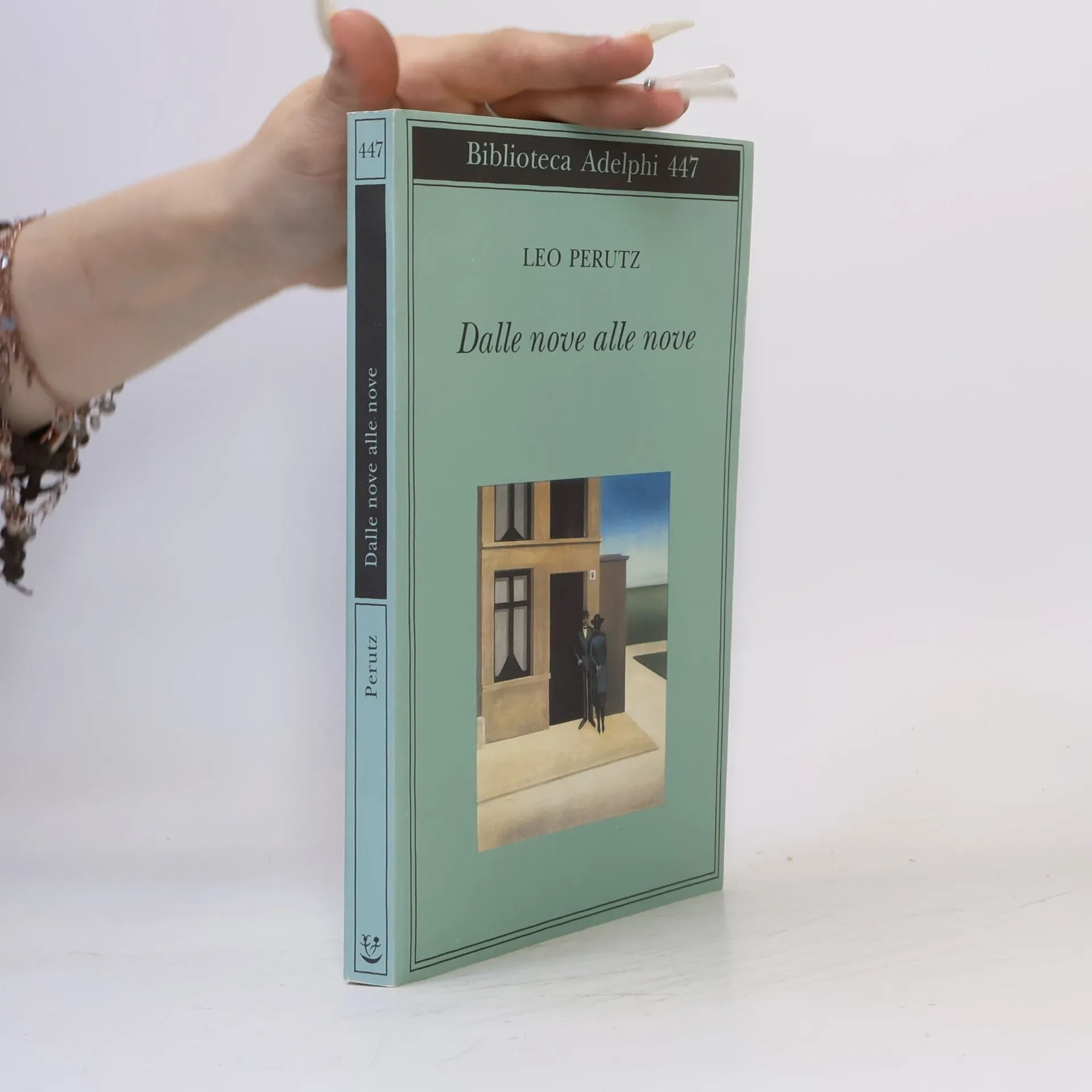
Che cosa nasconde il bizzarro comportamento di Stanislaus Demba in una fatale giornata di inizio Novecento? Quale colpa lo spinge a fuggire attraverso le stazioni di Vienna? E perché quegli acrobatismi con le mani? Chi racconta questa storia a chi non l'ha letta dovrebbe evitare di svelare subito la risposta, ma può garantire che la tensione è palpabile. Demba si rivolge a bottegai, affittacamere, caffè e borghesi, sempre più solo e disperato, mentre i suoi vani tentativi di raggiungere il suo scopo lo rendono enigmatico e incomprensibile. Dalle nove alle nove, in questo tempo febbrile e sigillato, si consumano le sue peripezie, il suo dibattersi nel labirinto della città e delle proprie paure. È un uomo capace di sdoppiarsi, di osservare lucidamente ogni evento, mentre assiste impotente al vanificarsi di amore, amicizie e identità. La narrazione alterna indizi a colpi di scena, coinvolgendo il lettore in un'indagine avvincente. È impossibile non essere catturati dalla tensione che influenzò Hitchcock e affascinò Murnau, desideroso di trarre un film da questa storia. Pubblicato per la prima volta nel 1918, il racconto mantiene intatta la sua forza e il suo fascino.
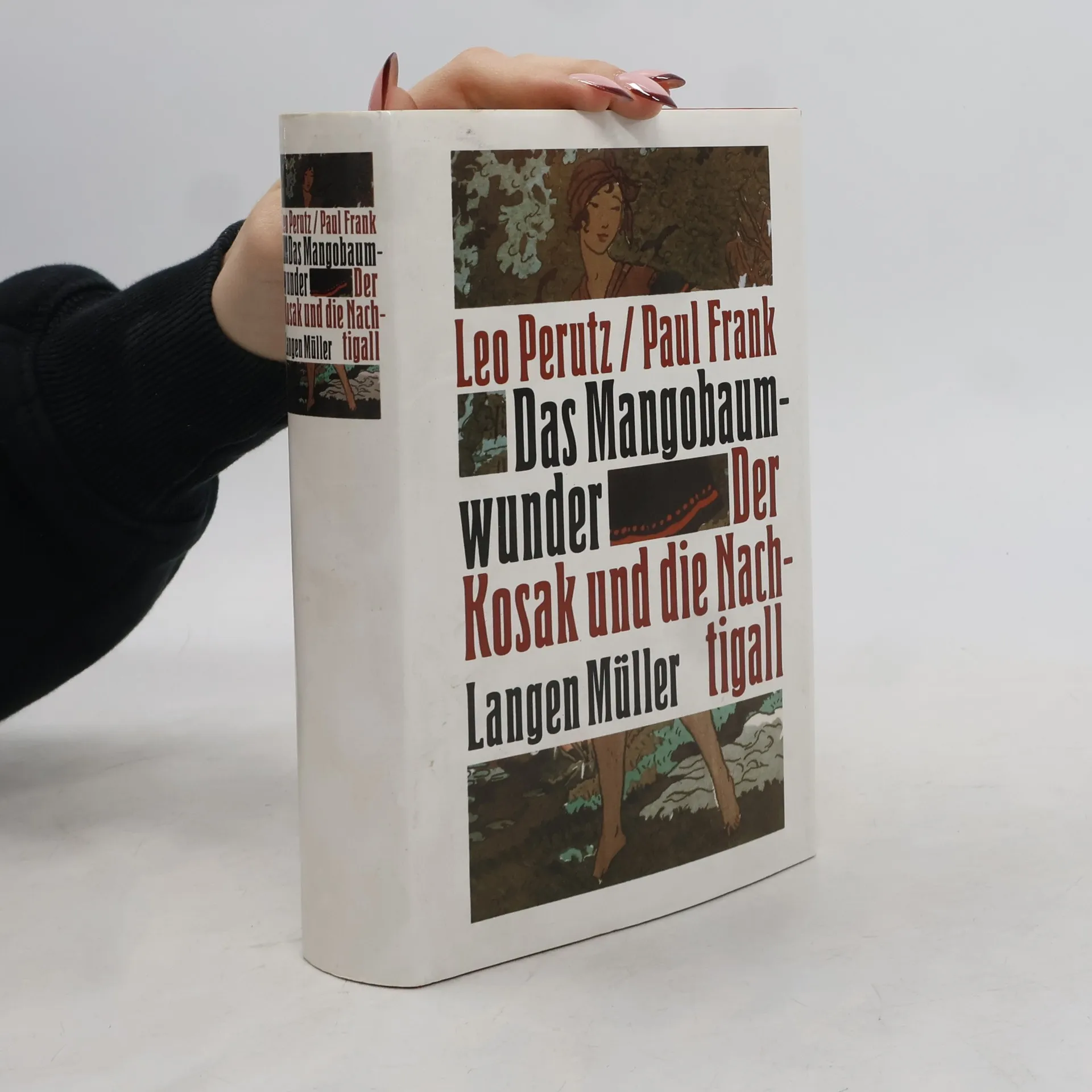
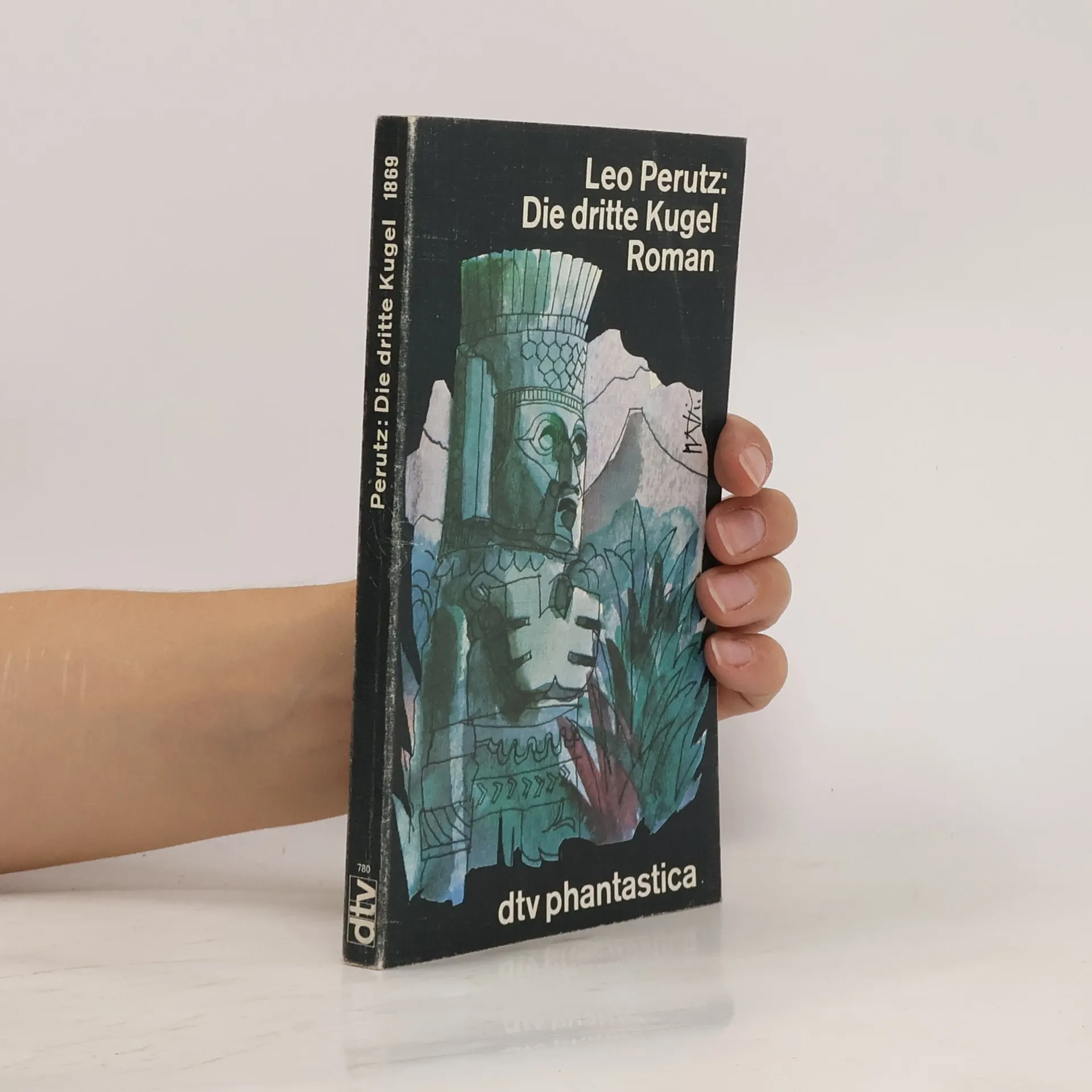
Der Teufel ist mit im Spiel, als den König Montezuma eine verzauberte Kugel trifft. Die zweite Kugel tötet die schöne Indianerin Dalil, und die dritte erwischt den Mann, der lange vor Cortez mit einem Trupp Soldaten nach Mexiko gekommen ist: den Wildgrafen am Rhein. Auf unnachahmliche Weise schildert Leo Perutz in diesem Roman den Kampf um das Aztekenreich und das Schicksal des Grafen, der inmitten all der Greuel das Gedächtnis verliert. Ein Zaubertrank bringt ihm die Erinnerung an ein Leben zurück, das so wirr und unberechenbar wie ein Würfelspiel verlief.
In den Geschichten von Leo Perutz (1882 - 1957) kommt die geschliffene Beobachtungsgabe der menschlichen Psyche zur Geltung, wie sie nur ein Versicherungsmathematiker beherrschen kann. Perutz` phantastische, Krimi-ähnliche, historische Erzählungen müssen mehr gelesen werden. Deswegen halten Sie auch diesen Band „des großen magischen Realisten der deutschen Literatur“, wie ihn Daniel Kehlmann nennt, in den Händen.