The narrative explores the Río Magdalena, a vital river in Colombia, revealing its significance in shaping the country's intricate history and culture. Wade Davis, an acclaimed author and National Geographic Explorer-in-Residence, delves into the river's role in the lives of its people and the environmental challenges they face. Through rich storytelling, the book highlights the interplay between nature and society, offering insights into Colombia's evolving identity and the resilience of its communities.
Wade Davis Knihy
14. prosinec 1953
Wade Davis je popisován jako vzácná kombinace vědce, učence, básníka a vášnivého obránce veškeré rozmanitosti života. Jeho rozsáhlá práce jako etnografa, spisovatele, fotografa a filmaře ho zavedla do odlehlých koutů světa, kde zkoumal složité vztahy mezi lidmi a přírodou. Prostřednictvím terénního výzkumu a detailního psaní odhaluje hluboká tajemství domorodých kultur a ohrožených ekosystémů. Jeho práce vybízí čtenáře k zamyšlení nad naší rolí ve světě a nad důležitostí zachování biologické a kulturní rozmanitosti pro budoucí generace.


One River
- 544 stránek
- 20 hodin čtení
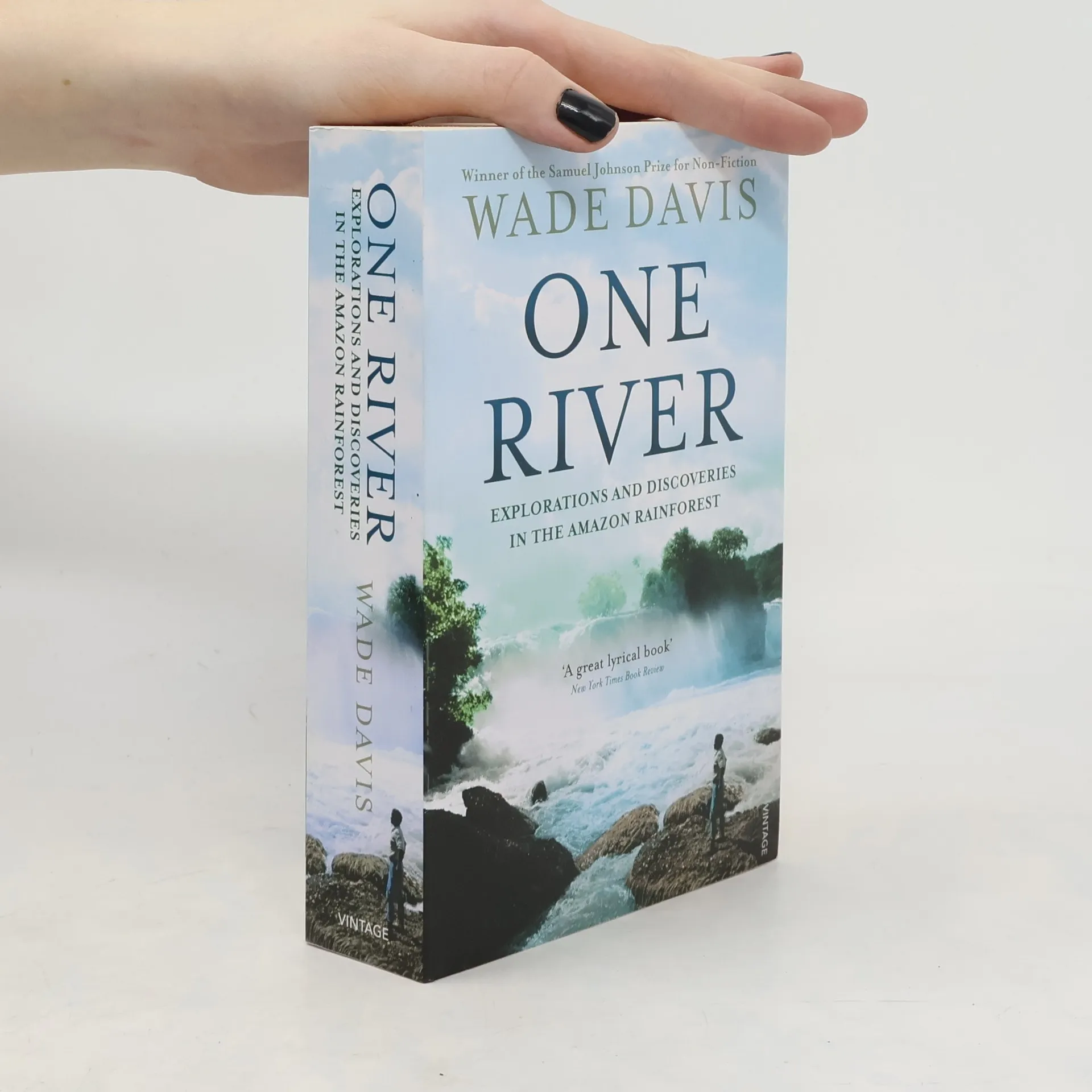
From the author of INTO THE SILENCE, winner of the Samuel Johnson Prize for Non-FictionIn 1941, Richard Evans Schultes took a leave of absence from Harvard University and disappeared into the Northern Amazon of Colombia.
Magdalena
- 432 stránek
- 16 hodin čtení
A captivating new book from Wade Davis--award-winning, best-selling author and National Geographic Explorer-in-Residence for more than a decade--that brings vividly to life the story of the great Río Magdalena, illuminating Colombia's complex past, present, and future Travelers often become enchanted with the first country that captures their hearts and gives them license to be free. For Wade Davis, it was Colombia. Now in a masterly new book, Davis tells of his travels on the mighty Magdalena, the river that made possible the nation. Along the way, he finds a people who have overcome years of conflict precisely because of their character, informed by an enduring spirit of place, and a deep love of a land that is home to the greatest ecological and geographical diversity on the planet. Only in Colombia can a traveler wash ashore in a coastal desert, follow waterways through wetlands as wide as the sky, ascend narrow tracks through dense tropical forests, and reach verdant Andean valleys rising to soaring ice-clad summits.
A lavishly illustrated reference captures the diversity of traditions and ways of life of remote ethnic groups around the globe, covering their customs, religions, livelihoods, and how each culture has developed in response to its environment.
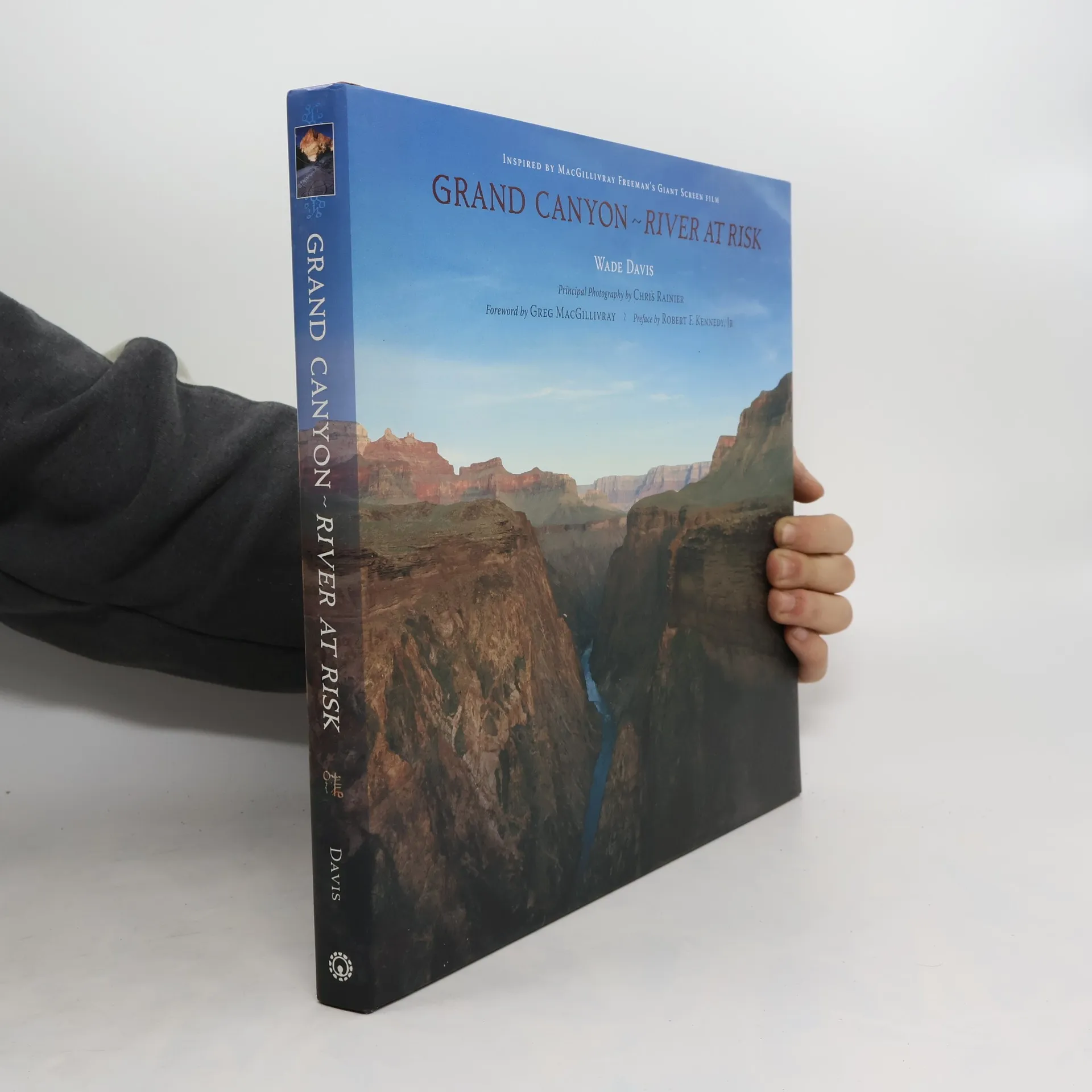
Set against the majestic backdrop of one of the world's natural wonders, this book is a stunning photographic journey along the Colorado River, with commentary from river expert and acclaimed author Wade Davis.
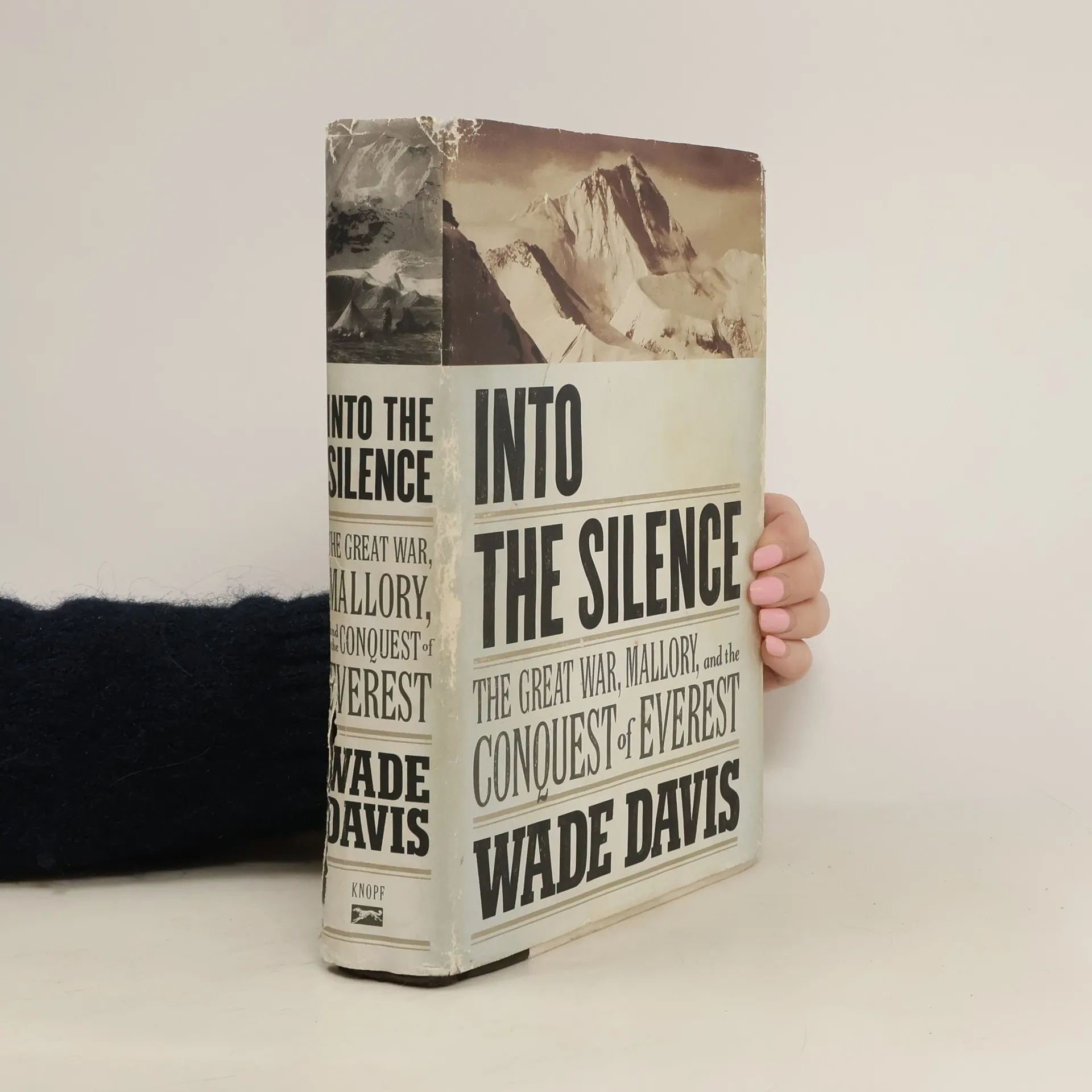
Into the Silence
- 655 stránek
- 23 hodin čtení
Describes British climbers' attempts to scale Mount Everest in the early 1920s, discussing such topics as the role of imperial ambition in the expedition and the way in which the ascent reflected England's post-World War I redemption efforts.
Beneath the Surface of Things
- 264 stránek
- 10 hodin čtení
A timely and eclectic collection from one of the foremost thinkers of our time, "a powerful, penetrating and immensely knowledgeable writer" (The Guardian). The essays in this collection came about during the unhurried months when one who had traveled incessantly was obliged to stay still, even as events flared on all sides in a world that never stops moving. Wade Davis brings his unique cultural perspective to such varied topics as the demonization of coca, the sacred plant of the Inca; the Great War and the birth of modernity; the British conquest of Everest; the endless conflict in the Middle East; reaching beyond climate fear and trepidation; on the meaning of the sacred. His essay, "The Unraveling of America," first published in Rolling Stone, attracted five million readers and generated 362 million social media impressions. Media interest in the story was sustained over many weeks, with interview requests coming in from 23 countries. The anthropological lens, as Davis demonstrates, reveals what lies beneath the surface of things, allowing us to see, and to seek, the wisdom of the middle way, a perspective of promise and hope that all of the essays in this collection aspire to convey.
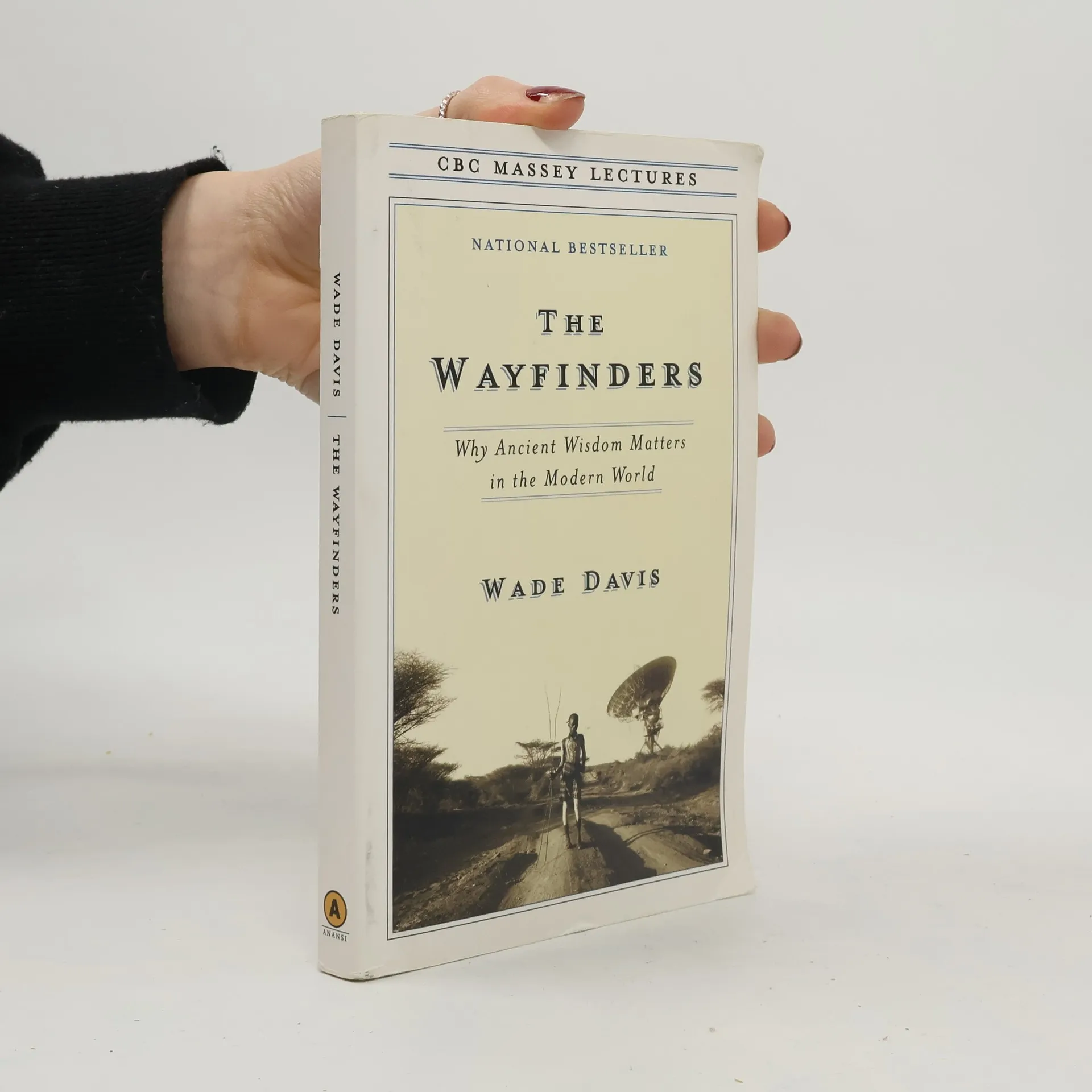
The Wayfinders
- 262 stránek
- 10 hodin čtení
Every culture is a unique answer to a fundamental question: What does it mean to be human and alive? In The Wayfinders, renowned anthropologist, winner of the prestigious Samuel Johnson Prize, and National Geographic Explorer-in-Residence Wade Davis leads us on a thrilling journey to celebrate the wisdom of the world's indigenous cultures. In Polynesia we set sail with navigators whose ancestors settled the Pacific ten centuries before Christ. In the Amazon we meet the descendants of a true lost civilization, the Peoples of the Anaconda. In the Andes we discover that the earth really is alive, while in Australia we experience Dreamtime, the all-embracing philosophy of the first humans to walk out of Africa. We then travel to Nepal, where we encounter a wisdom hero, a Bodhisattva, who emerges from forty-five years of Buddhist retreat and solitude. And finally we settle in Borneo, where the last rain forest nomads struggle to survive. Understanding the lessons of this journey will be our mission for the next century. For at risk is the human legacy--a vast archive of knowledge and expertise, a catalog of the imagination. Rediscovering a new appreciation for the diversity of the human spirit, as expressed by culture, is among the central challenges of our time.
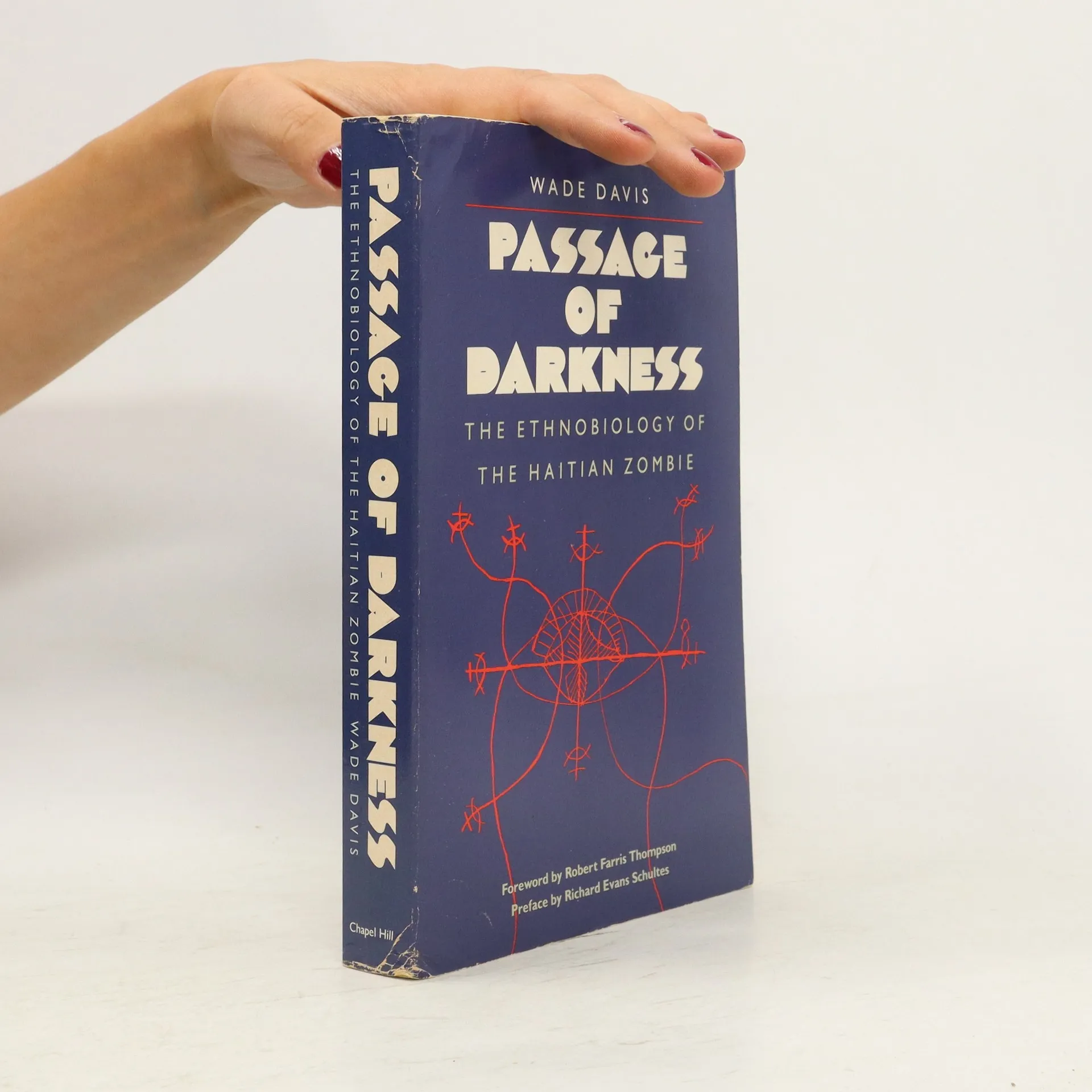
In 1982, Harvard-trained ethnobotanist Wade Davis traveled into the Haitian countryside to research reports of zombies--the infamous living dead of Haitian folklore. A report by a team of physicians of a verifiable case of zombification led him to try to obtain the poison associated with the process and examine it for potential medical use.Interdisciplinary in nature, this study reveals a network of power relations reaching all levels of Haitian political life. It sheds light on recent Haitian political history, including the meteoric rise under Duvalier of the Tonton Macoute. By explaining zombification as a rational process within the context of traditional Vodoun society, Davis demystifies one of the most exploited of folk beliefs, one that has been used to denigrate an entire people and their religion.
CBC Massey Lectures: The Wayfinders
Why Ancient Wisdom Matters in the Modern World
- 272 stránek
- 10 hodin čtení
Every culture is a unique answer to a fundamental question: What does it mean to be human and alive? In The Wayfinders , renowned anthropologist, winner of the prestigious Samuel Johnson Prize, and National Geographic Explorer-in-Residence Wade Davis leads us on a thrilling journey to celebrate the wisdom of the world's indigenous cultures. In Polynesia we set sail with navigators whose ancestors settled the Pacific ten centuries before Christ. In the Amazon we meet the descendants of a true lost civilization, the Peoples of the Anaconda. In the Andes we discover that the earth really is alive, while in Australia we experience Dreamtime, the all-embracing philosophy of the first humans to walk out of Africa. We then travel to Nepal, where we encounter a wisdom hero, a Bodhisattva, who emerges from forty-five years of Buddhist retreat and solitude. And finally we settle in Borneo, where the last rainforest nomads struggle to survive. Understanding the lessons of this journey will be our mission for the next century. For at risk is the human legacy -- a vast archive of knowledge and expertise, a catalogue of the imagination. Rediscovering a new appreciation for the diversity of the human spirit, as expressed by culture, is among the central challenges of our time.
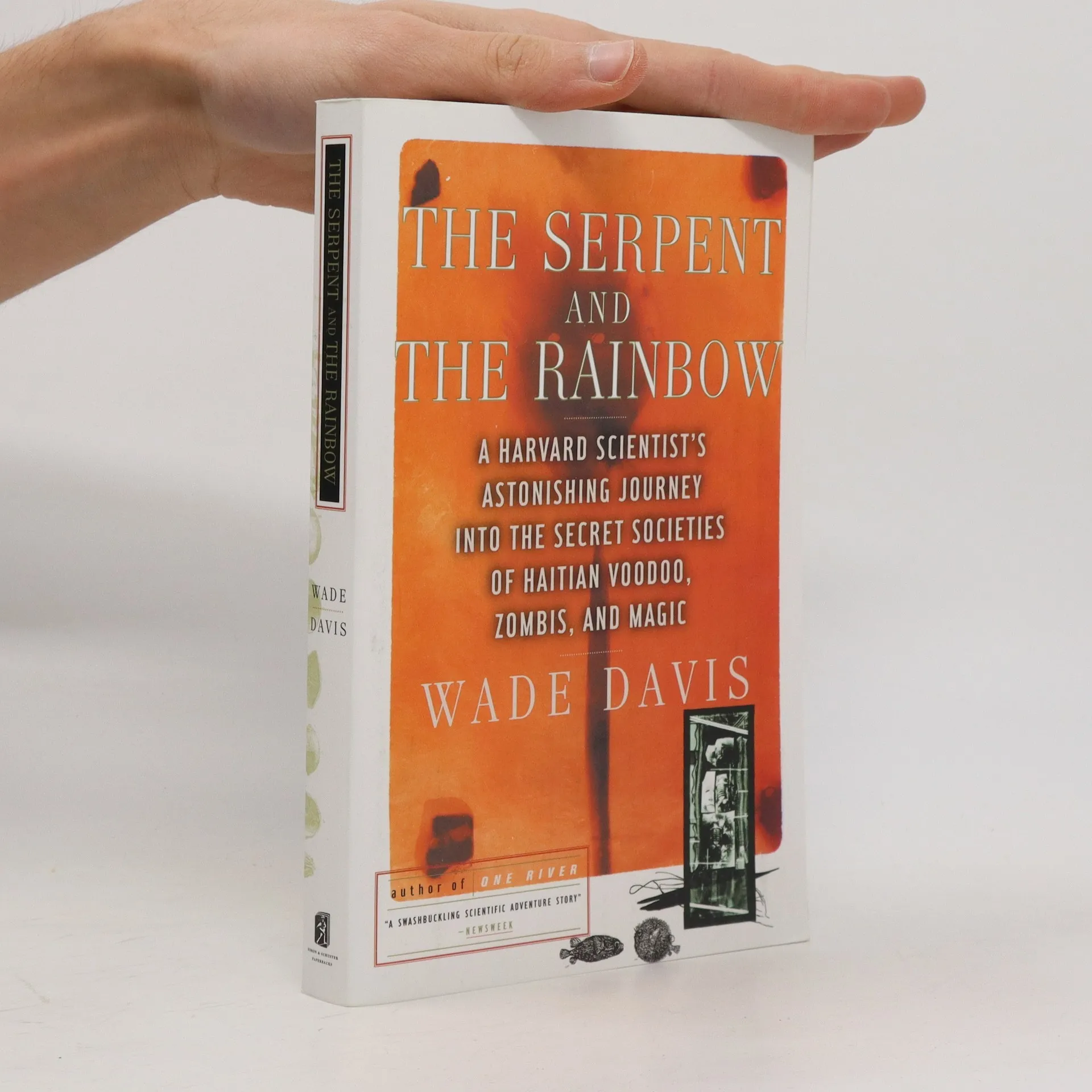
The Serpent and the Rainbow
- 304 stránek
- 11 hodin čtení
A scientific investigation and personal adventure story about zombis and the voudoun culture of Haiti by a Harvard scientist. In April 1982, ethnobotanist Wade Davis arrived in Haiti to investigate two documented cases of zombis—people who had reappeared in Haitian society years after they had been officially declared dead and had been buried. Drawn into a netherworld of rituals and celebrations, Davis penetrated the vodoun mystique deeply enough to place zombification in its proper context within vodoun culture. In the course of his investigation, Davis came to realize that the story of vodoun is the history of Haiti—from the African origins of its people to the successful Haitian independence movement, down to the present day, where vodoun culture is, in effect, the government of Haiti’s countryside. The Serpent and the Rainbow combines anthropological investigation with a remarkable personal adventure to illuminate and finally explain a phenomenon that has long fascinated Americans.