

Parametry
Více o knize
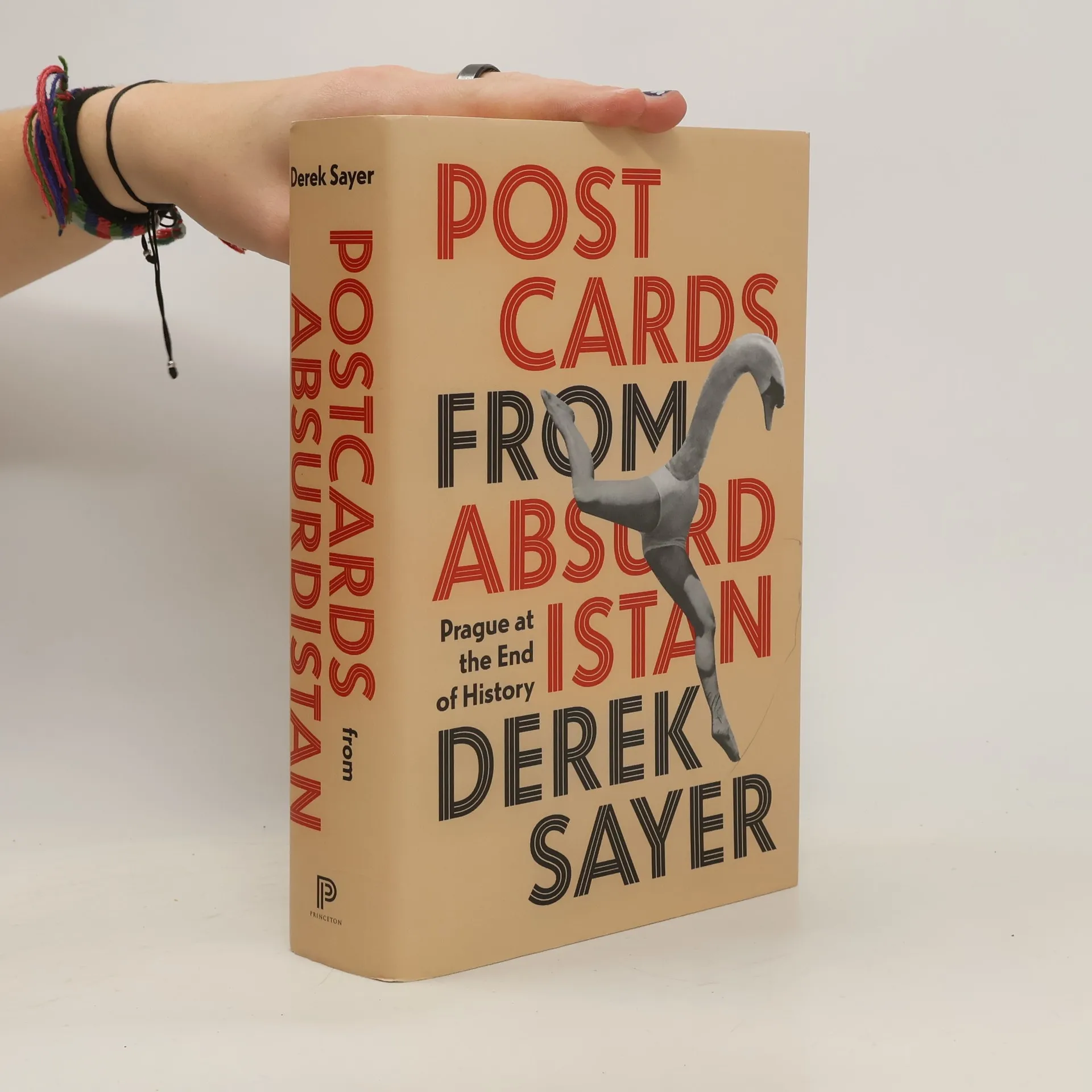
This book, the final installment of a trilogy, examines Prague's cultural history to explore competing concepts of European modernity, including the Reformation, Counter-Reformation, and various political ideologies. Beginning in 1938, just before the Third Reich's invasion and the dismemberment of Czechoslovakia, it extends to the present, reflecting on the rise of right-wing populism. Like its predecessors, it portrays Prague as a palimpsest of cultures vying to impose their visions of modernity. The author identifies three key "modernities": the totalitarianism of the Third Reich, the evolving nature of Soviet communism, and the freedoms associated with Western capitalist democracy. Each of these ideologies mistakenly believed Prague had reached the pinnacle of governance, only to be proven wrong. As these regimes collapsed, the city entered a state of "Absurdistan," a term coined by Czech dissidents in the 1960s. The narrative centers on artists and their works, which critique the absurdity of modernity and its notions of progress. The author delves into the contributions of figures like Milan Kundera and Václav Havel, tracing a tradition of absurdist comedy that highlights moral ambiguity. Ultimately, the book argues that Prague's cultural history reveals modernity as a fluid and complex concept shaped by various ideologies, resulting in a rich tapestry of ambiguity and absurdity.
Vydání

Nákup knihy
Postcards from Absurdistan : Prague at the end of history, Derek Sayer
- Jazyk

- Rok vydání
- 2022
- Vazba
- (pevná)
Doručení
Platební metody
Tady nám chybí tvá recenze.
- Titul
- Postcards from Absurdistan : Prague at the end of history
- Jazyk
- anglicky
- Autoři
- Derek Sayer
- Vydavatel
- Princeton University Press
- Rok vydání
- 2022
- Vazba
- pevná
- ISBN10
- 069118545X
- ISBN13
- 9780691185453
- Série
- Štítky
- Historické téma
- Hodnocení
- 4,4 z 5
- Anotace
- This book, the final installment of a trilogy, examines Prague's cultural history to explore competing concepts of European modernity, including the Reformation, Counter-Reformation, and various political ideologies. Beginning in 1938, just before the Third Reich's invasion and the dismemberment of Czechoslovakia, it extends to the present, reflecting on the rise of right-wing populism. Like its predecessors, it portrays Prague as a palimpsest of cultures vying to impose their visions of modernity. The author identifies three key "modernities": the totalitarianism of the Third Reich, the evolving nature of Soviet communism, and the freedoms associated with Western capitalist democracy. Each of these ideologies mistakenly believed Prague had reached the pinnacle of governance, only to be proven wrong. As these regimes collapsed, the city entered a state of "Absurdistan," a term coined by Czech dissidents in the 1960s. The narrative centers on artists and their works, which critique the absurdity of modernity and its notions of progress. The author delves into the contributions of figures like Milan Kundera and Václav Havel, tracing a tradition of absurdist comedy that highlights moral ambiguity. Ultimately, the book argues that Prague's cultural history reveals modernity as a fluid and complex concept shaped by various ideologies, resulting in a rich tapestry of ambiguity and absurdity.