


Více o knize
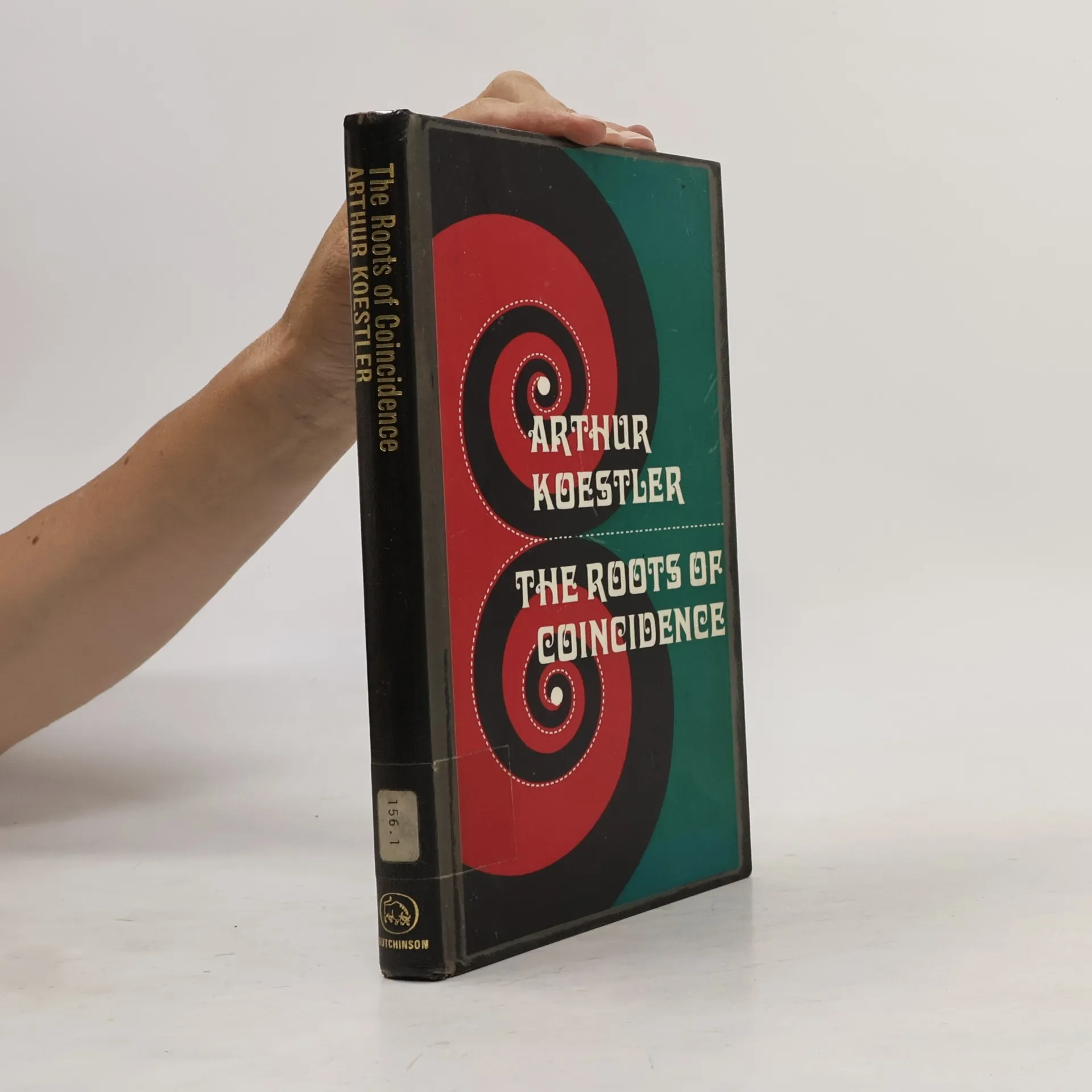
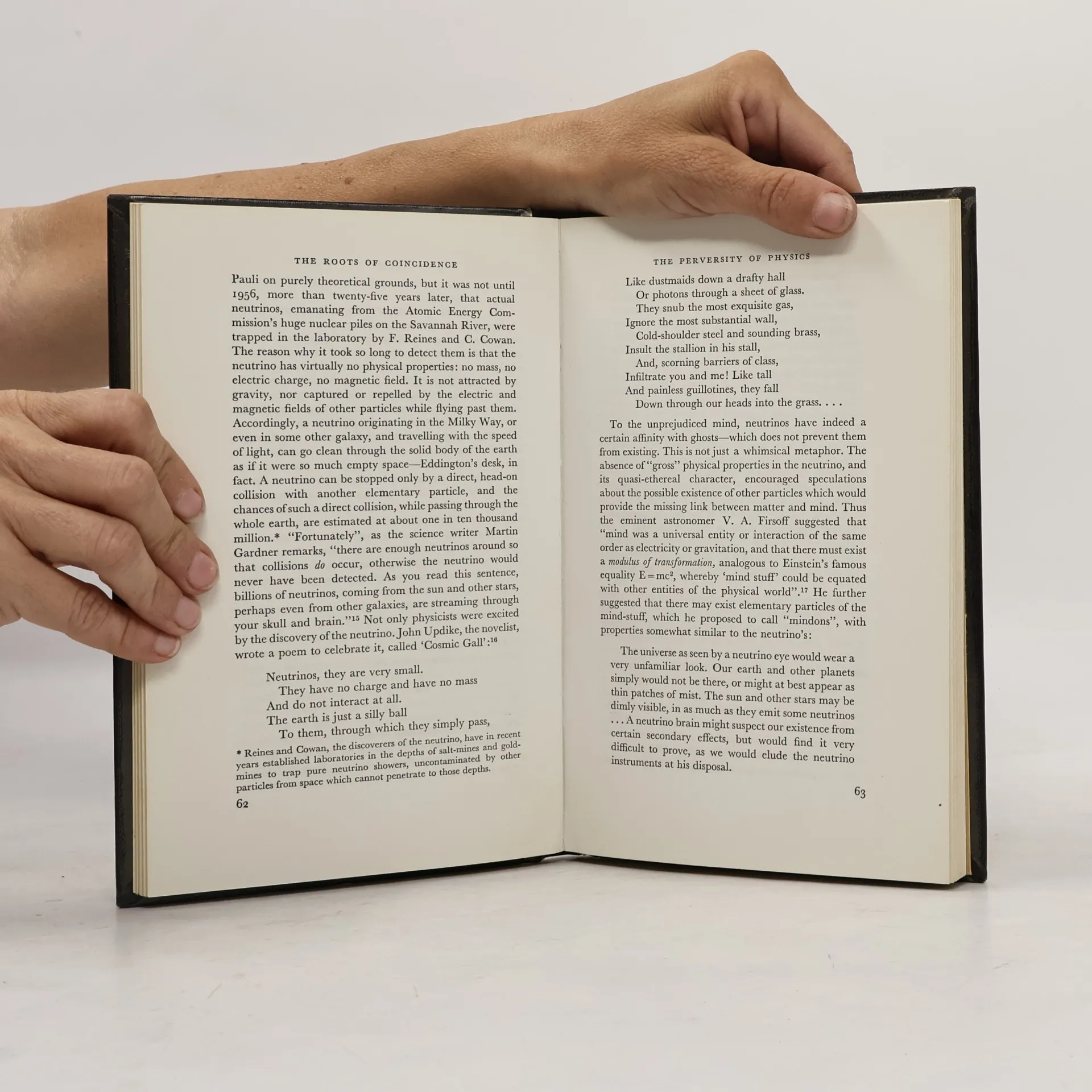
The gifted alchemist presents a thought-provoking exploration of the interplay between parapsychology and physics, challenging the entrenched "materialistic clockwork universe" of the early 19th century. With a brief overview, Koestler examines probability theory through Zimmer Cards and Rhine's dice, suggesting that the involvement of prominent physicists in Britain's Society for Psychical Research indicates more than mere chance. The increasing acknowledgment of paranormal phenomena is also noted in Russian scientific circles. One Apollo 14 astronaut even attempted telepathic communication with subjects on Earth, though the results remain undisclosed. Koestler delves deeper into Heisenberg's Principle of Indeterminacy, Eddington's notion that "the stuff of the world is mind-stuff," and the concept of a "psi field." He discusses Eccles' idea of will-influence and the collaboration between psychiatrist C.G. Jung and physicist Pauli on synchronicity, touching on meaningful coincidences. While much of this has historical roots, it points toward an "ultimate Unity." Despite remaining evidential rather than verifiable, Koestler transforms a topic once fraught with intellectual discomfort into one of compelling speculation, approaching conviction.



Nákup knihy
The Roots of Coincidence, Arthur Koestler
- Jazyk

- Rok vydání
- 1972
- Vazba
- (pevná),
- Stav knihy
- Poškozená
- Cena
- 467 Kč
Tady nám chybí tvá recenze.
- Jazyk
- anglicky
- Autoři
- Arthur Koestler
- Vydavatel
- Random House UK
- Rok vydání
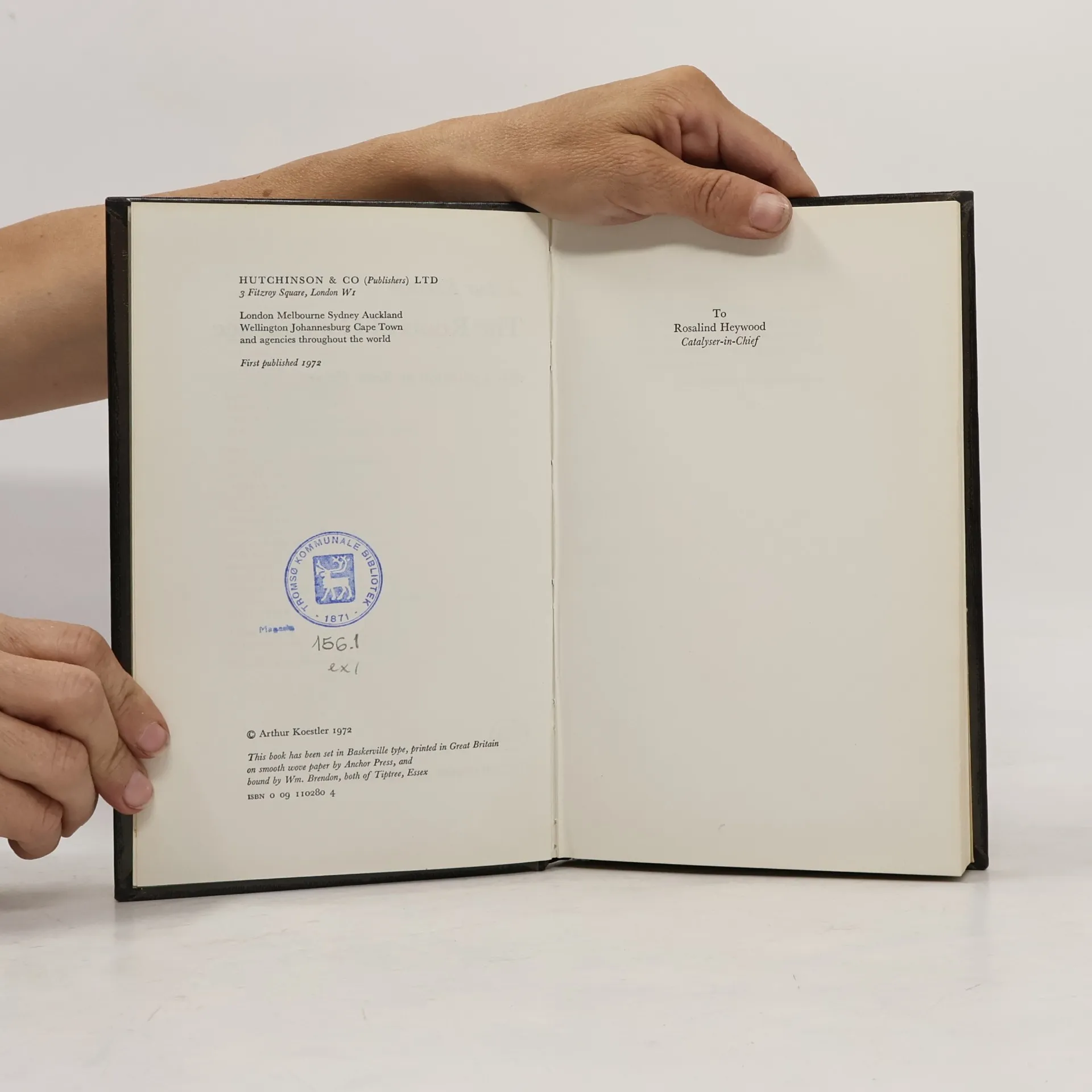
- 1972
- Vazba
- pevná
- Počet stran
- 159
- ISBN10
- 0091102804
- ISBN13
- 9780091102807
- Série
- Štítky
- Naučná literatura, Společenské vědy, Psychologická tématika, Filosofická tématika, Psychologie, Filosofie, Spiritualita a duchovno, Věda, Nadpřirozené jevy, New Age
- Hodnocení
- 3,85 z 5
- Anotace
- The gifted alchemist presents a thought-provoking exploration of the interplay between parapsychology and physics, challenging the entrenched "materialistic clockwork universe" of the early 19th century. With a brief overview, Koestler examines probability theory through Zimmer Cards and Rhine's dice, suggesting that the involvement of prominent physicists in Britain's Society for Psychical Research indicates more than mere chance. The increasing acknowledgment of paranormal phenomena is also noted in Russian scientific circles. One Apollo 14 astronaut even attempted telepathic communication with subjects on Earth, though the results remain undisclosed. Koestler delves deeper into Heisenberg's Principle of Indeterminacy, Eddington's notion that "the stuff of the world is mind-stuff," and the concept of a "psi field." He discusses Eccles' idea of will-influence and the collaboration between psychiatrist C.G. Jung and physicist Pauli on synchronicity, touching on meaningful coincidences. While much of this has historical roots, it points toward an "ultimate Unity." Despite remaining evidential rather than verifiable, Koestler transforms a topic once fraught with intellectual discomfort into one of compelling speculation, approaching conviction.