


Knihobot

Úvod do filozofie

Tato série úvodů do filozofie je navržena tak, aby zpřístupnila klíčové filozofické obory začínajícím studentům. Každá kniha se soustředí na jednu z hlavních oblastí myšlení a poskytuje jasný a srozumitelný výklad. Cílem je vybudovat pevné základy v daném tématu, čímž se tato řada stává ideálním odrazovým můstkem pro každého, kdo se chce seznámit s filozofickými koncepty. Je to vynikající zdroj pro pochopení základních filozofických disciplín.

An Introduction to the Philosophy of Language
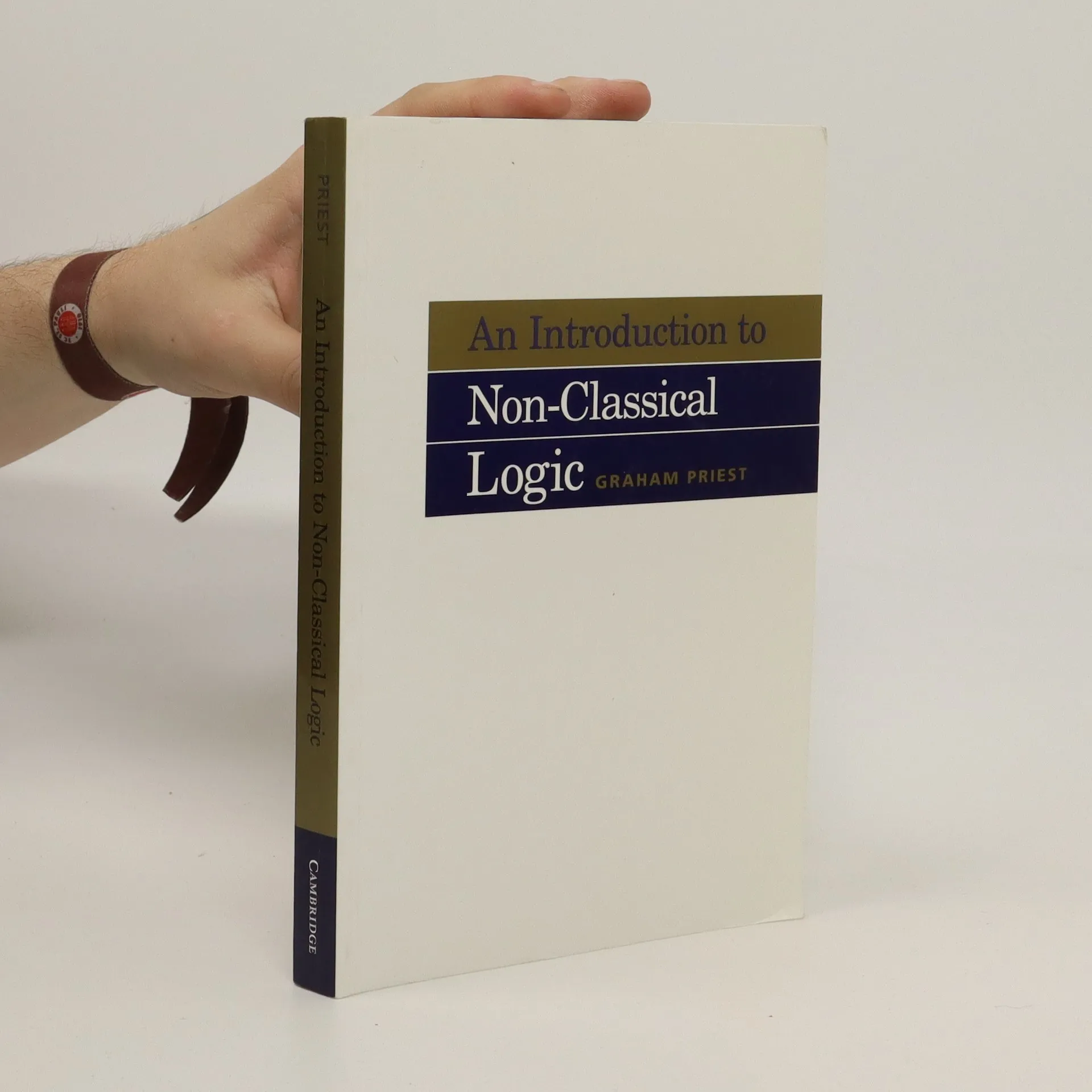
An Introduction to Non-Classical Logic
An Introduction to Latin American Philosophy
An Introduction to Decision Theory
An Introduction to Ethics
An Introduction to Gödel’s Theorems
  • An Introduction to Gödel’s Theorems

    Second Edition

    • 402 stránek
    • 15 hodin čtení

    An extensively rewritten second edition of this best-selling standard text for graduates and upper-level undergraduate students of logic, philosophy of mathematics, and pure mathematics. A clear and accessible treatment of Gödel's famous, intriguing, but much misunderstood incompleteness theorems.

    An Introduction to Gödel’s Theorems
    4,3
  • This book examines the central questions of ethics through a study of theories found in the great ethical works of Western philosophy. The core chapters cover egoism, the eudaimonism of Plato and Aristotle, act and rule utilitarianism, modern natural law theory, Kant's moral theory, and existentialist ethics.

    An Introduction to Ethics
    3,3
  • Preface; 1. Introduction; 2. The decision matrix; 3. Decisions under ignorance; 4. Decisions under risk; 5. Utility; 6. The mathematics of probability; 7. The philosophy of probability; 8. Bayesianism and pragmatic arguments; 9. Causal vs evidential decision theory; 10. Risk aversion; 11. Game theory I: basic concepts and zero-sum games; 12. Game theory II: nonzero- sum and cooperative games; 13. Social choice theory; 14. Overview of descriptive decision theory; Appendix A. Glossary; Further reading; Index.

    An Introduction to Decision Theory
    3,8
  • This introduction provides a comprehensive and accessible overview of the central topics in Latin American philosophy. It explores not only the unique insights offered by Latin American thinkers into pre-established fields of Western philosophy, but also the many 'isms' developed as a direct result of Latin American thought.

    An Introduction to Latin American Philosophy
    3,4
  • This book is an introduction to non-classical propositional logics. It brings together for the first time in a textbook a range of topics in logic, many of them of relatively recent origin, including modal, conditional, intuitionist, many-valued, paraconsistent, relevant and fuzzy logics. The material is unified by the underlying theme of world-semantics. All of the topics are explained clearly and accessibly, using devices such as tableaux proofs, and their relation to current philosophical issues and debates is discussed. Students with a basic understanding of classical logic will find this an invaluable introduction to an area that has become of central importance in both logic and philosophy, but which, until now, could be studied only through the research literature. It will interest those studying logic, those who need to know about non-classical logics because of their philosophical importance, and, more widely, readers working in mathematics and computer science.
    An Introduction to Non-Classical Logic
    4,2
  • This book explores key concepts and debates within the philosophy of language, examining fundamental questions about meaning, reference, and the nature of linguistic communication. It addresses significant philosophical challenges and theories, providing a comprehensive overview that is accessible to both newcomers and those familiar with the field. Through critical analysis, it encourages readers to engage with the complexities of language and its implications for understanding thought and reality.

    An Introduction to the Philosophy of Language
    3,5
  • This critical introduction offers a balanced view of both the theory and the practice of feminism, exploring a range of approaches.

    An Introduction to Feminism
    3,9
  • This book explores the philosophical questions surrounding the science of the mind, making complex concepts accessible to readers without a psychology background. It covers topics like perception, attention, consciousness, and the mind-body relationship, providing a comprehensive overview valuable for students and specialists in related fields.

    An Introduction to the Philosophy of Psychology
    3,5
  • "An Introduction to the Philosophy of Religion" offers a comprehensive overview of key topics in contemporary philosophy of religion. It analyzes historical and modern arguments on divine attributes, faith and reason, ethics, miracles, and more, while also addressing often-overlooked issues like atheism and the interplay of religion and politics.

    An Introduction to the Philosophy of Religion
    3,7
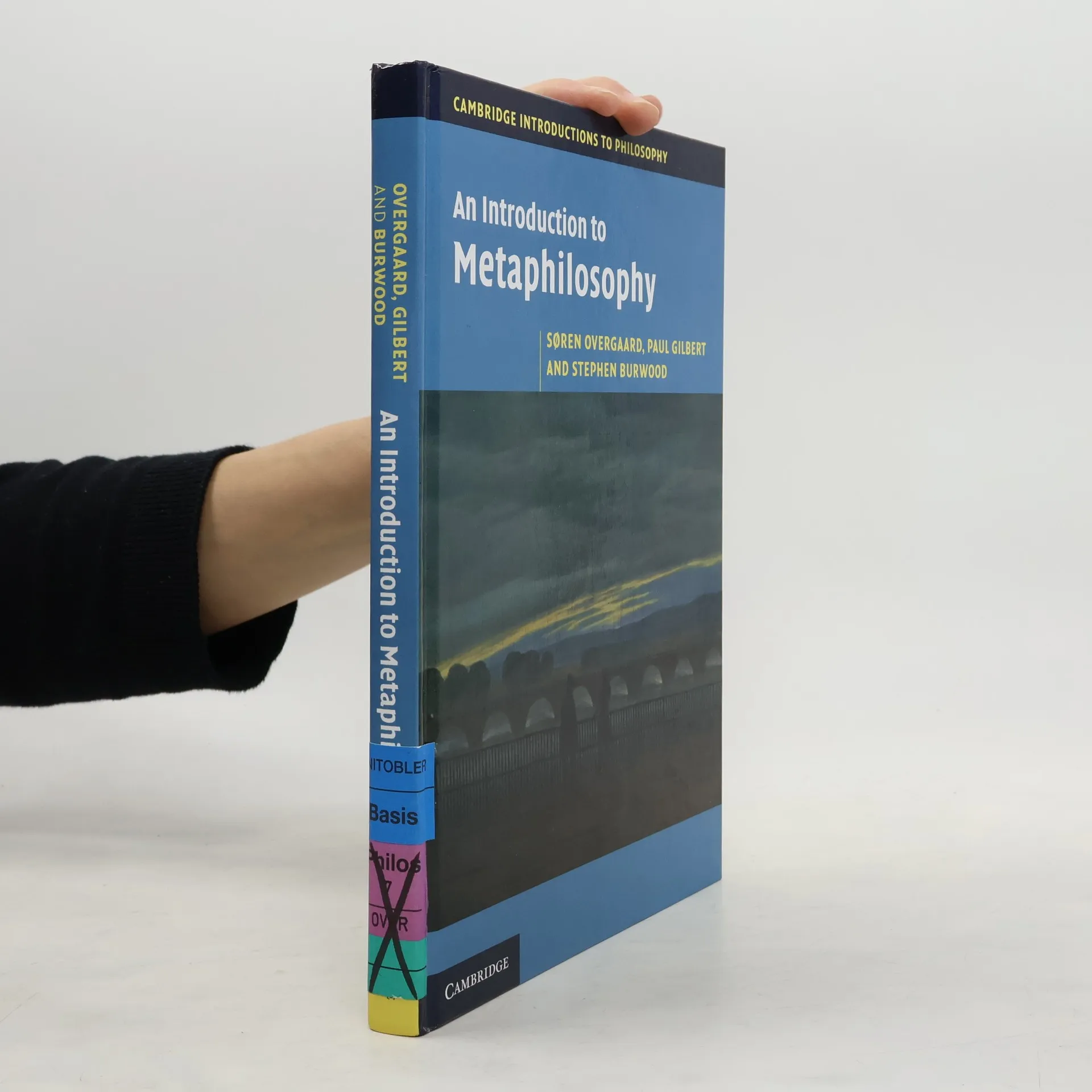
  • This introduction to philosophy explores its fundamental nature, methods, and importance. It offers insights into philosophical inquiry and encourages readers to engage with critical thinking and reflective practices. The book serves as a guide for understanding philosophical concepts and applying them to everyday life, highlighting the relevance of philosophy in fostering a deeper understanding of ourselves and the world around us.

    An Introduction to Metaphilosophy
    3,8
  • Dieses Buch ist eine Einführung in die nicht-klassische Aussagenlogik. Zum ersten Mal wird hier in einem Lehrbuch eine Reihe von Themen der Logik angesprochen, viele davon recht jung, einschließlich der Modallogik, der konditionalen, der intuitionistischen, der mehrwertigen, der parakonsistenten und der relevanten Logik und der Fuzzy Logic. Das Material wird durch das zugrunde liegende Thema der Semantik möglicher Welten geeint. All diese Themen werden mit Hilfe von solchen Instrumenten wie Tableau-Beweisen klar und verständlich erklärt und in ihrer Beziehung zu gegenwärtigen philosophischen Fragen und Debatten erörtert. Studierende mit Grundkenntnissen der klassischen Logik werden in diesem Buch eine wertvolle Einführung in einen Bereich finden, der sowohl für die Logik als auch für die Philosophie in zunehmender Weise von zentraler Bedeutung ist, bisher jedoch nur anhand von Forschungsliteratur studiert werden konnte. Es ist von Interesse für Studenten der Logik, für Studenten, die sich mit nicht-klassischer Logik aufgrund ihrer philosophischen Bedeutung beschäftigen, und allgemein für Leser aus dem Bereich der Mathematik und Computerwissenschaft, die mehr über diesen Bereich wissen wollen.

    Einführung in die nicht-klassische Logik