Tato série nabízí přístupné průvodce, které zasvěceně uvádějí do základních principů různých oborů. Jsou navrženy tak, aby studentům usnadnily první seznámení s novou látkou, zbavily ji zbytečného žargonu a motivovaly k dalšímu studiu. Každý svazek poskytuje pevný základ a zároveň otevírá dveře k hlubšímu porozumění složitějším tématům.
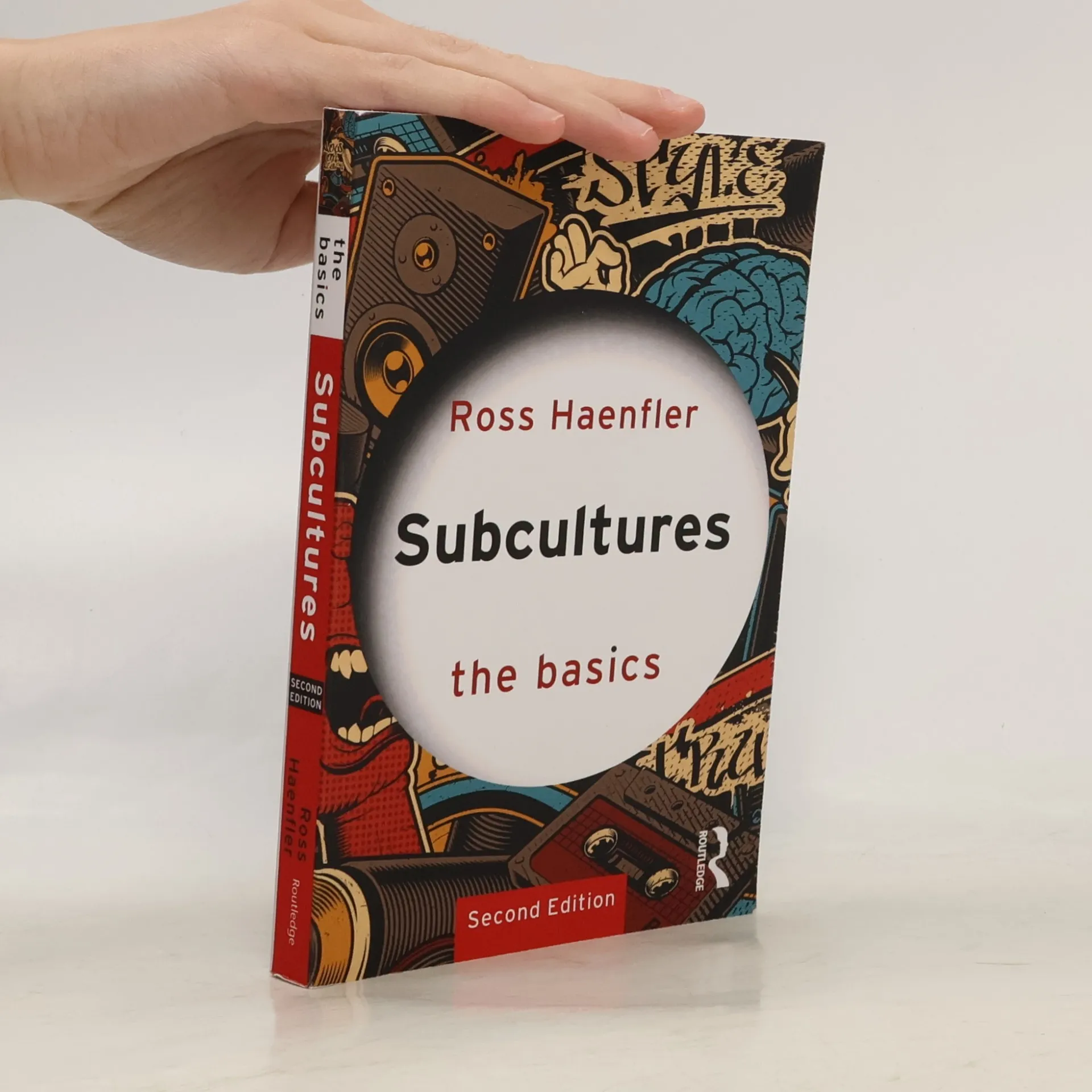
Subcultures: The Basics is an accessible and engaging introduction to
subcultures in a global context. This fully revised new edition adds new case
studies and an additional chapter on the digital lives of subculturists as
well as reflections on the relationships between subcultures and globalisation
and the resurgence of the far-right.
Internet Psychology: The Basics draws on classic psychological theories to shed fresh light on both the negative and positive aspects of the online world and how it has affected contemporary society.
Sociology: A Global Introduction is the most complete learning resource for introductory sociology students across Europe. Written in a lively and engaging way, the new edition of this popular text will engage, excite and challenge students - encouraging them to understand core topics, critique existing arguments, move to the cutting edge and read further around the subject. With a firm focus on UK/European society, issues are discussed in greater detail than in existing textbooks. Of particular significance is the book's global perspective, looking at traditional, modern and postmodern society in a wider multicultural environment.
This concise and cutting-edge introduction to the fast moving world of AI examines issues of what it means to be man or machine and looks at advances in robotics which have blurred the boundaries.
Readers are introduced to bioethics from the ground up before being invited to consider some of the most controversial but important questions facing us today. This thoroughly revised second edition provides a concise, readable and authoritative introduction for anyone interested in the study of bioethics.
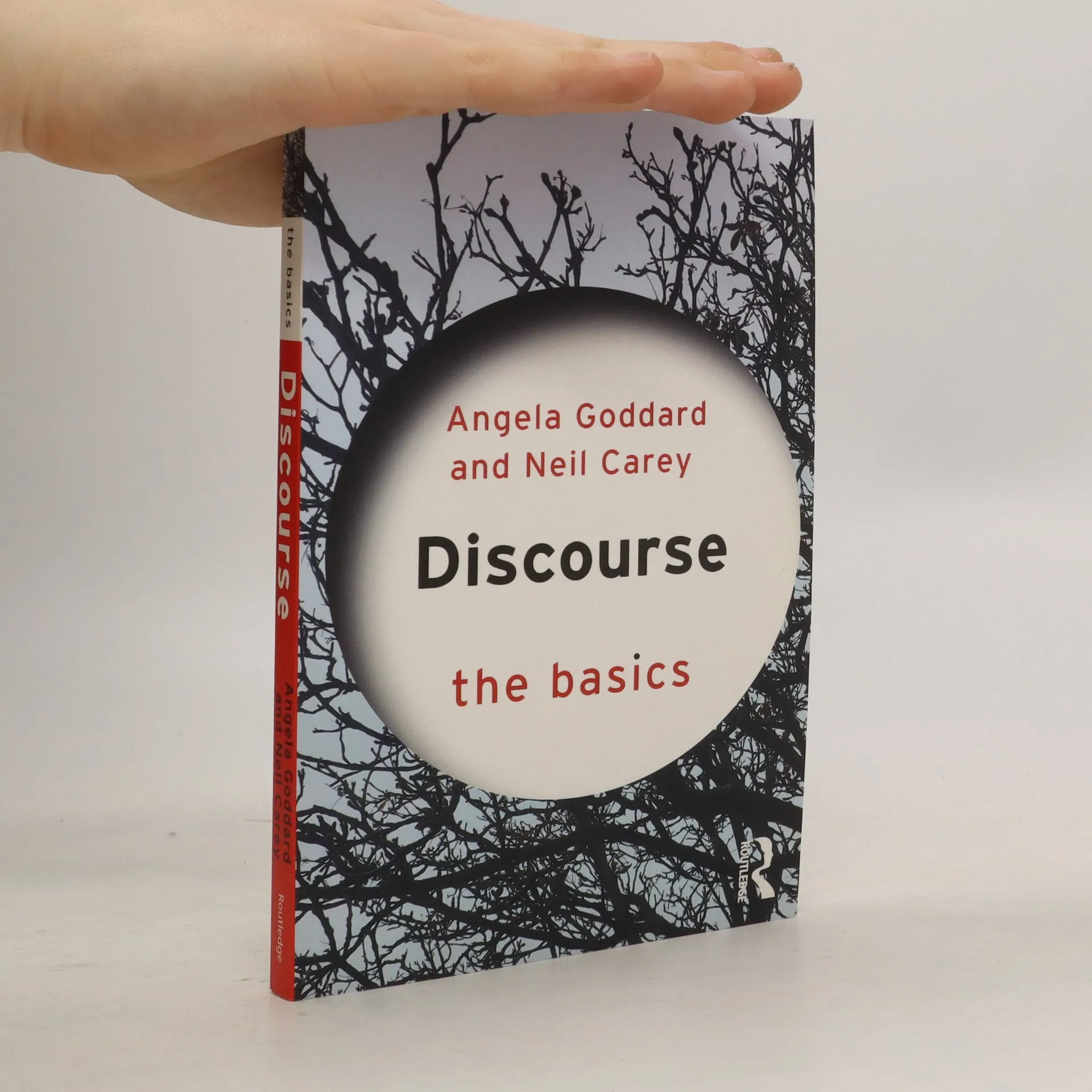
Humans are social animals and through conversation, written communication, symbols and other expressions are constantly interacting with each other. 'Discourse' is an accessible and engaging introduction to the analysis of those interactions and the many forms, expressions and meanings they can take. The book draws on a range of international case studies and examples from literature, political speech, advertising and newspaper articles to address key questions such as: What is discourse? Why are there different approaches to understanding discourse? What issues affect the collection and management of discourse? How can discourse be represented?
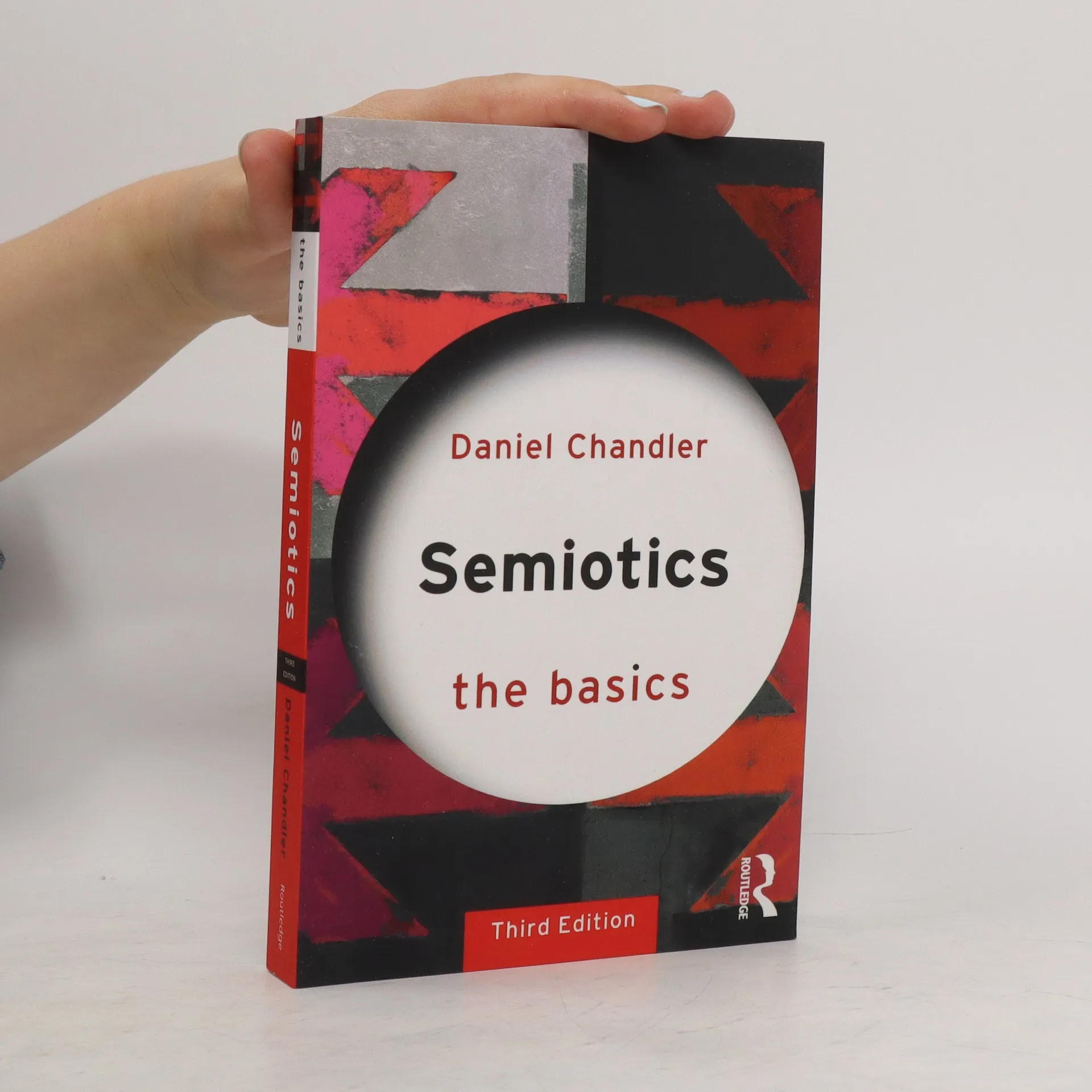
Using jargon-free language and lively, up-to-date examples, Semiotics: The Basics demystifies this highly interdisciplinary subject. It is ideal for newcomers to semiotics.
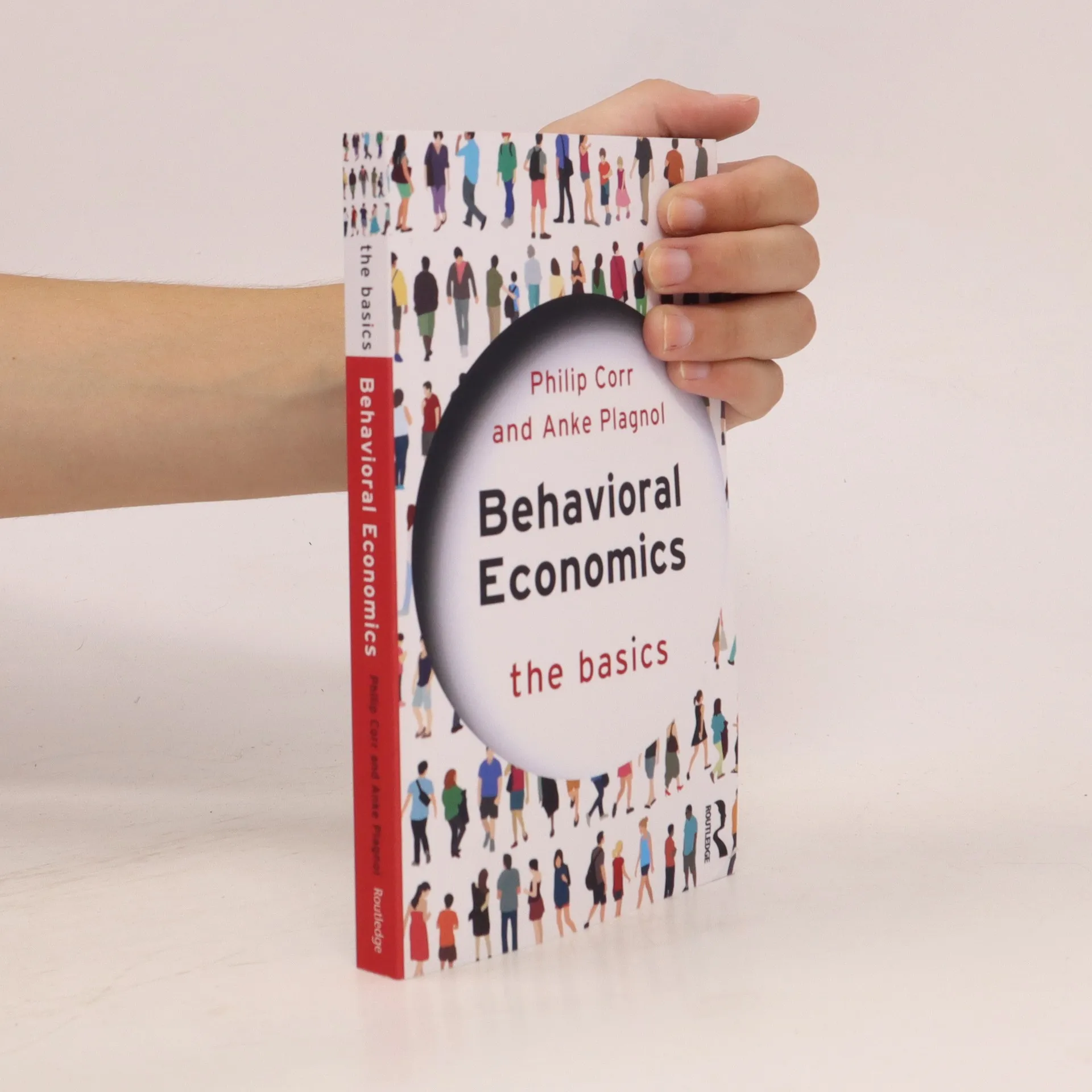
What is behavioral economics and why is it important? -- The ascent and dissent of economics -- Econ: homo economicus -- Human: more homer (simpson) than homo economicus -- Manners, monkeys and moods -- Nudge: whys, ways and weasels -- Sell! the commercial (and political) world of persuasion
This third edition of Forensic Psychology: The Basics continues to provide an
accessible overview of the core topics and theories in this fascinating
discipline.
Fully updated and expanded throughout, this second edition of Film Theory: The
Basics provides an accessible introduction to the key theorists, concepts, and
debates that have shaped the study of moving images.
This revised second edition of Social Work: The Basics is an insightful
introduction to the often misrepresented world of social work. This accessible
book presents a broad view of contemporary social work, exploring its roots
and its possible future.
This new edition introduces the core elements of ancient Greek and Roman
narratives about immortal gods and heroic humans and their influence
throughout history. This book offers a clear, concise, and accessible
introduction to classical mythology for students, scholars, and the general
reader.
Tracing the historical development of religions in the US, this revised second
edition covers the Obama and Trump administrations, Black Lives Matter,
Christian nationalism, pluralism, and the development of the 'nones' and the
'unaffiliated', and is an invaluable resource for students approaching these
subjects for the first time.
Corporate Finance: The Basics is a concise introduction to the inner workings
of finance at the company level. It aims to take the fear out of corporate
finance and add the fun in, presenting the subject in a way that is simple to
grasp and easy to digest.
An accessible and engaging introduction to the field of critical thinking,
drawing on philosophy, communication and psychology. Revised and updated
throughout it is essential read for students approaching the field of critical
thinking for the first time.
Queer Theologies: The Basics is a concise and illuminating introduction to the study of this controversial and discursive subject area. This book provides an accessible exploration into the major themes within queer studies, queer theologies, and themes of gender and sexuality in Christianity. Topics covered include: The development of queer theologies Queering 'traditional' theology Queer theologies in global contexts Queer Bible Queer theologies from queer lives With a glossary of key terms and suggestions for further reading throughout, this book is an ideal starting point for anyone seeking a full introduction to Christian queer theologies as well as broader themes in theology, gender, and sexuality.
Thoroughly revised and expanded, this second edition serves as an excellent introduction to a rich and fascinating subject. It offers a concise and accessible overview, making it an ideal starting point for newcomers looking to explore the topic.
Religion and science are arguably the two most powerful social forces in the world today. But where religion and science were once held to be compatible, many people now perceive them to be in conflict. This unique book provides the best available introduction to the burning debates in this controversial field. Examining the defining questions and controversies, renowned expert Philip Clayton presents the arguments from both sides, asking readers to decide for themselves where they stand: - science or religion, or science and religion? - history and philosophy of science - the role of scientific and religious ethics - modifying genes, extending life, and experimenting with human subjects - religion and the environmental crisis - the future of science vs. the future of religion. Thoroughly updated throughout, this second edition explores religious traditions from around the world and provides insights from across the sciences, making this book essential reading for all those wishing to come to their own understanding of some of the most important debates of our day.
The Bible: The Basics is an accessible and engaging introduction to the Bible as both a sacred text, central to the faith of millions, and a classic work of Western literature, containing a tapestry of genres, voices, perspectives and images. The second edition has been updated throughout and includes: maps and detailed suggestions for
This book is a dynamic response to recent societal and entertainment industry
changes, focusing on inclusion, diversity and equity, and the actor's
trajectory from training to rehearsal to performance on stage and screen.
Modernism: The Basics provides an accessible overview of the study of
Modernism in its global dimensions. Examining the key concepts, history and
varied forms of the field, it guides the reader through the major approaches
to the study of Modernism.
Human genetics has blossomed from an obscure biological science and
explanation for rare disorders to a field that is profoundly altering health
care for everyone. This thoroughly updated new edition of Human Genetics: The
Basics provides a concise background of gene structure and function through
the lens of real examples, from families living with inherited diseases to
population-wide efforts in which millions of average people are learning about
their genetic selves. Written in an engaging, narrative manner, this concise
introduction is an ideal starting point for anyone who wants to know more
about genes, DNA, genomes, and the genetic ties that bind us all.
Fully updated and expanded, the second edition of this still compact text on British politics expertly analyses the major changes in British political life, placing them revealingly within the context of the evolution of British society from absolute monarchy to representative democracy. The author considers each of the major components of British politics in digestible chapters, such as the Monarchy and the House of Lords, the Commons, voting behaviour, parties and pressure groups, the prime minister and cabinet, devolution, local government, and foreign policy. The book includes two new chapters on the EU referendum and Brexit, and the extraordinary December 2019 election, as well as coverage of events such as the coronavirus pandemic, and the respective travails of the increasingly split two major political parties. This readable and comprehensive introduction will be of key interest to A-level students, undergraduates and those new to the study of British politics.
Animal Ethics has long been a highly contested area with debates driven by unease about various forms of animal harm, from the use of animals in scientific research to the farming of animals for consumption.Animal Ethics: The Basics is an essential introduction to the key considerations surrounding the ethical treatment of animals. Taking a thematic approach, it outlines the current arguments from animal agency to the emergence of the ‘political turn’. This book explores such questions as:- Can animals think and do they suffer?- What do we mean by speciesism?- Are humans special?- Can animals be political or moral agents?- Is animal rights protest ethical?Including outlines of the key arguments, suggestions for further reading and a glossary of key terms, this book is an essential read for philosophy students and readers approaching the contested field of Animal Ethics for the first time.Contents:Introduction1. Picturing Animal Ethics2. Singer’s Utilitarianism3. Regan on Animal Rights4. Contract Theories5.What is so special about Humans?6. The Holocaust Analogy7. Abolitionism8. Animals and the Environment9. The Political TurnConclusionGlossaryIndex
Anthropology of Religion: The Basics is an accessible and engaging introductory text organized around key issues that all anthropologists of religion face. This book uses a wide range of historical and ethnographic examples to address not only what is studied by anthropologists of religion, but how such studies are approached. With international case studies from a range of religious traditions, suggestions for further reading, and inventive reflection boxes, Anthropology of Religion: The Basics is an essential read for students approaching the subject for the first time.
Philosophy: The Basics gently eases the reader into the world of philosophy. Each chapter considers a key area of philosophy, explaining and exploring the ways in which philosophy addresses key questions.
Physical Geography: The Basics is a concise and engaging introduction to the interactions, systems and processes that have shaped, and continue to shape, the physical world around us. This book introduces five key aspects of the study of physical geography: atmosphere, weather and climate systems the carbon cycle and historic and contemporary climate change plate tectonics, weathering, erosion and soils the role of water and ice in shaping the landscape and impacting human activity the patterns of plant and animal life and human impacts upon them. The book features diagrams, maps and a glossary to aid understanding of key ideas and suggestions for further reading to allow readers to develop their interest in the subject - making Physical Geography: The Basics the ideal starting point for anyone new to the study of geography and the environment.
Presents an introductory overview of the main themes in criminal law. This
book offers essential information about what the law is and defines and
discusses different types of criminal offense, from homicide and assault to
fraud and conspiracy. It includes references to key cases, main statutes and
lists of further reading.
Judaism represents a tradition that goes back nearly 6,000 years. This book
talks about the stories, beliefs and expressions of that tradition. The key
topics covered include: the Torah; Israel - the state and its people;
Passover; Reform Judaism, Orthodox Judaism and Zionism; and, the impact of the
Holocaust.
Traces jazz's growth from its folk origins through early recordings and New
Orleans stars; the big-band and swing era; bebop; cool jazz and third stream;
avant-garde; jazz-rock; and the neo-conservative movement of the 1980s and
1990s. This book serves as an introduction to the players, the music, and
others.
Offers an introduction for students new to international relations. This book
features case studies from around the world; examines debates on globalisation
and terrorism; and includes diagrams, tables, figures, and more. It is useful
for those who want to understand contemporary international relations.
"Art History: The Basics is a concise and accessible critical introduction for the general reader and the undergraduate approaching the history of art for the first time. Fully illustrated with an international range of artistic examples, it introduces key ideas, issues and debates. Questions explored include: What is art and what is meant by art history? What approaches and methodologies are used to interpret and evaluate art? How have ideas regarding medium, gender, identity and difference informed representation? What perspectives can psychoanalysis, semiotics and social art histories bring to the study of the discipline? How are the processes of postcolonialism, decolonisation and globalisation changing approaches to art history? This critical introduction offers information on relevant websites and image archives, helpful subject summaries, suggestions for further reading and a useful glossary for easy reference"--
"Midwifery: The Basics provides an engaging and authentic insight into the midwife's world. It explores the role of the midwife as a clinician and professional, showing how midwives can support women both to achieve a healthy full-term pregnancy and a smooth transition to motherhood. This book begins with a discussion of the context of birth and parenthood, placing midwifery in its broader social context. Topics covered include: The midwife as an autonomous professional; Becoming a midwife; Pre-conceptual and antenatal care; Intrapartum care; Postnatal care; and The specialist midwife. Midwifery: The Basics uses the voices of mothers, fathers and midwives to illustrate the complex world of becoming, being and supporting parents. This is an essential introduction for students at undergraduate and A-Level who are approaching midwifery for the first time"--
An engaging introduction to one of the most complex areas of modern life. The book introduces both the main components of the legal system - including judges, juries and law-makers - and key areas of law - contract, civil negligence, and criminal law - to provide the uninitiated with an ideal introduction to law. Key questions to be considered include: How are laws made? How do judges decide cases? What is the exact role of the EU in the legal system? What are your rights and duties under contract law? What is a crime and what are criminal defences? Throughout the book, a wide range of contemporary cases are examined to relate key legal concepts to familiar examples and real world situations.
Explains and explores anthropological ideas, key anthropological thinkers,
concepts and themes, and the history of anthropological ideas. The author
argues that the issues anthropology deals with are all around us - in
magazines, newspapers and on television.
Offers an introduction to the politics of the European Union. Suitable for
students and the general reader, this title explains: the EU's development;
how the EU works, and why it works this way; the EU's major policies; the EU's
biggest problems and controversies; and, the EU's likely evolution.
This book exploring all aspects of Shakespeare's plays including the language, cultural contexts, and modern interpretations, this text looks at how a range of plays from across the genres have been understood.
Stanislavski: The Basics is an engaging introduction to the life, thought and impact of Konstantin Stanislavski. Regarded by many as a great innovator of twentieth century theatre, this book examines Stanislavski's: life and the context of his writings major works in English translation ideas in practical contexts impact on modern theatre With further reading throughout, a glossary of terms and a comprehensive chronology, this text makes the ideas and theories of Stanislavski available to an undergraduate audience.
Eastern Philosophy: The Basics is an essential introduction to major Indian and Chinese philosophies, both past and present. Exploring familiar metaphysical and ethical questions from the perspectives of different Eastern philosophies, including Confucianism, Daoism, and strands of Buddhism and Hinduism, this book covers key figures, issues, methods and concepts. Questions discussed include: What is the 'self'? Is human nature inherently good or bad? How is the mind related to the world? How can you live an authentic life? What is the fundamental nature of reality? Throughout the book the relationships between Eastern Philosophy, Western Philosophy and the questions reflective people ask within the contemporary world are brought to the fore. With timelines highlighting key figures and their contributions, a list of useful websites and further reading suggestions for each topic, this engaging overview of fundamental ideas in Eastern Philosophy is valuable reading for all students of philosophy and religion, especially those seeking to understand Eastern perspectives.
Fully updated and revised, the second edition of Media The Basics is the ideal guide to the changing landscape of media and Media Studies. There have been seismic shifts in what constitutes (the) media in recent years with technological advances ushering in whole new categories of producers, consumers and modes of delivery. This has been reflected in the way media is studied with new theories, concepts and practices coming to the fore. This new edition addresses core questions Featuring new case studies, an updated glossary and suggestions for further reading, this is the ideal introduction to Media Studies today for both A Level and undergraduate students.
The question of whether humans are free to make their own decisions has long been debated and it continues to be a controversial topic today. In Free Will: The Basics readers are provided with a clear and accessible introduction to this central but challenging philosophical problem. The questions which are discussed include: Does free will exist? Or is it illusory? Can we be free even if everything is determined by a chain of causes? If our actions are not determined, does this mean they are just random or a matter of luck? In order to have the kind of freedom required for moral responsibility, must we have alternatives? What can recent developments in science tell us about the existence of free will? Because these questions are discussed without prejudicing one view over others and all technical terminology is clearly explained, this book is an ideal introduction to free will for the uninitiated.
Now in its second edition, Film Studies: The Basics continues to provide a concise but complete introduction to the study of film. Every chapter has been revised and new illustrations and examples are included to bring the book up-to-date ensuring that Film Studies: the Basics remains the ideal starting point for anyone interested in the way we think about cinema and film.
Economics: The Basics provides a fascinating introduction to the key issues in contemporary economics. With case studies ranging from the coffee plantations of El Salvador to the international oil industry and the economic slowdown in Japan, it addresses fundamental questions such as: *Must increasing wealth for some mean increasing poverty for others? *Does producing more food for humankind mean we drive other species to extinction? *Is it true that, if we buy less coffee, farm incomes from Brazil to Kenya take a beating? *Is granting people property rights the best way to preserve fish and wildlife stocks? *Do we really have to choose between low unemployment and low inflation? Comprehensive and easy to read, this accessible guidebook is essential reading for anyone who wants to understand how economics works and why it is important.
This title examines the fundamental principles of the subject from policy to practice. It covers concepts of special educational needs, the historical development of special provision, key legislation and much more.
Greeks and Romans: Classical Tragedy -- "When the bad bleed"? Early Modern English Tragedy -- Neo-Classicism, Restoration Tragedy and Sentimentality -- "From Hero to Victim": Romantic Tragedy and After -- Modernism and Tragedy -- The Survival of Tragedy -- Conclusion -- Glossary
Translation: The Basics is an accessible introduction to the current study of translation which provides a comprehensive outline of this complex area of study. Combining traditional text-based views with the context of translation in its widest sense, its comprehensive approach emphasizes an integrated approach to methodology in order to critically address influences such as power and gender, as well as cultural, ethical, political and ideological issues. It is an essential read for anyone interested in translation.
This compact introduction to the basic principles is the ideal primer for anyone looking for an accessible overview of this fascinating subject, covering the core areas of cognitive, developmental and social psychology, as well as behaviorism, the brain, our emotions, personality and individual differences, and psychological disorders.
Criminology is a discipline that is constituted by its subject matter rather than being bound by an agreed set of concepts or way of thinking. This fully updated third edition of Criminology: The Basics is a lively and engaging guide to this compelling and complex subject. This edition also includes new sections on genocide, terrorism, cultural victimology, and Westo-centric thinking. Concise and accessible, this book utilises chapter summaries, exercise questions and lists of further reading to provide a perfect introduction to this subject.
This work outlines the theories and approaches to the study of television in an accessible form for students. It is divided into four sections - forms of knowledge, audiences, gender and race. It discusses many television texts including "Star Trek", "Kung Fu" and "Sesame Street".